LinkedIn thought leader ad examples
220 thought leader ads are live on LinkedIn right now, from 8,902 companies. Browse real ones, filtered by industry.
- Öschger · Präzise LohnfertigungSince 28 Oct 2026
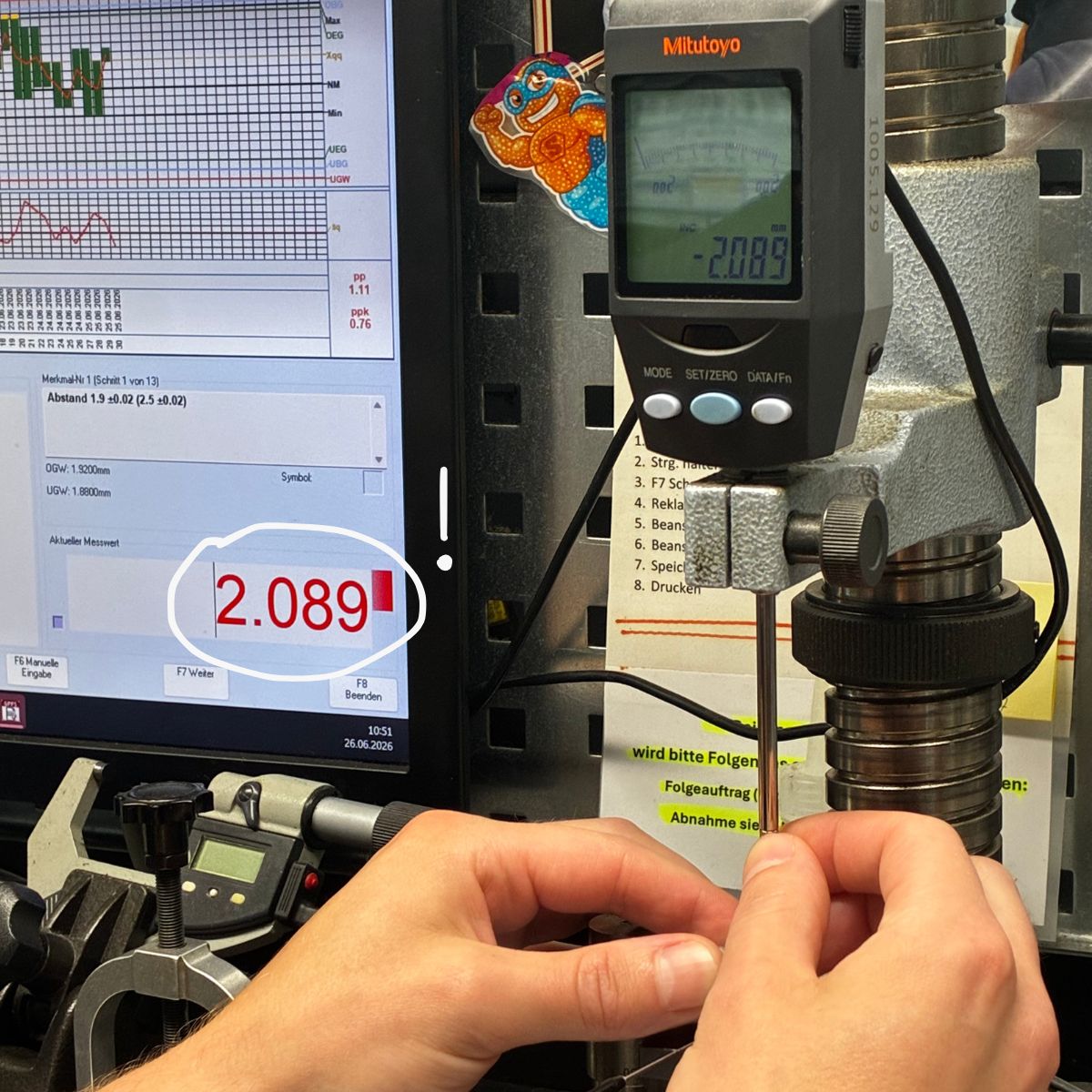
Mich überrascht es, dass manche Einkäufer bei einem niedrigen Preis immer noch gute Qualität erwarten. Wie stellen sie sich das vor? Material, Qualitätskontrollen, Prozesssicherheit, Expertise – all das kostet eine Menge Geld. Und all das muss gewährleistet sein, um gute Qualität zu garantieren. Ich denke, als Einkäufer muss man sich entscheiden: (1) Große Mengen. Einfache Teile. Geringe Anforderungen an die Maßgenauigkeit. ➔ In diesem Fall würde ich mich auch für einen günstigeren Lohnfertiger entscheiden. (2) Hohe Anforderungen an Maße und Oberflächengüte. Komplexe Teile. ➔ Dann darf beim Lohnfertiger nicht gespart werden. So einfach ist es. Öschger Lohnfertigung fährt hier eine ganz klare Schiene: Wir sind spezialisiert auf komplexe Teile und garantieren perfekte Qualität. Bei jedem Teil. Diese Qualität hat einen Preis, das will ich gar nicht schönreden. Hier erfahrt ihr mehr zu Öschger Lohnfertigung: https://oeschger-gmbh.de
- Öschger · Präzise LohnfertigungSince 28 Oct 2026
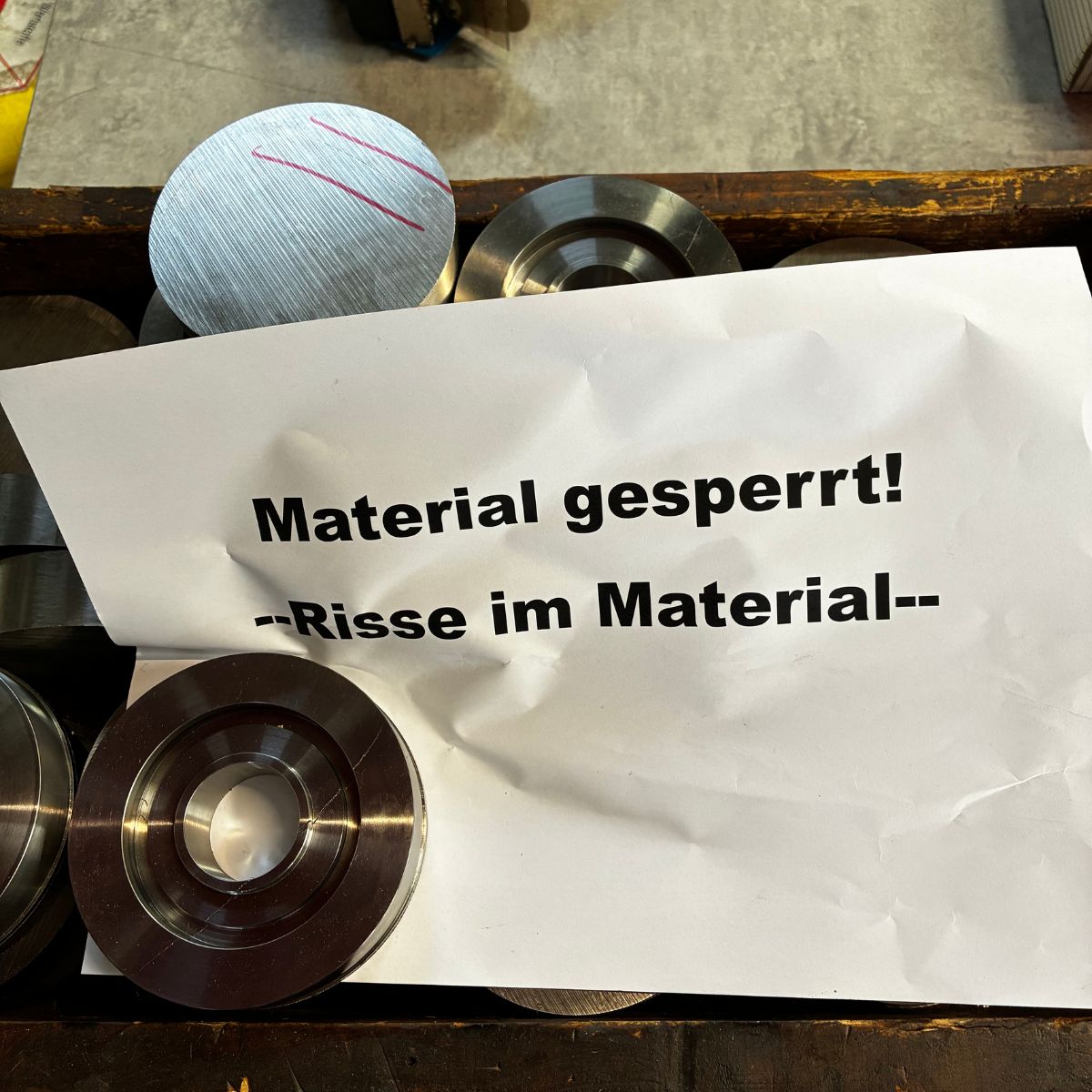
Dafür sind sich die meisten technischen Einkäufer zu schade: Fehler eingestehen. Ja, man hat sich für einen billigeren Lohnfertiger entschieden und spart bei jedem Teil einige Euro. Die Teile werden pünktlich geliefert. Man will sie gleich einsetzen und merkt dann: Bei einigen Teilen gibt es Mängel. Und dann? ➔ Jedes Teil muss kontrolliert werden. ➔ Und Mängel aufwendig nachgearbeitet werden. ➔ Bedeutet zusätzliche Kosten, die unter "Gemeinkosten" im Unternehmen verschwinden. Das wird dann schnell ein teurer Spaß. Und die Kostenersparnisse beim Einkauf rutschen schnell ins Minus. Wäre da ein Lohnfertiger, der Produkte liefert, welche sofort eingesetzt werden können, nicht besser? (Just some food for thought.😉) Ich mache es bei uns nicht anders: Der Preis bei unseren Lieferanten ist mir (fast) egal. Mir ist die Sicherheit, dass das gelieferte Material gut ist, lieber. Lieber als der zusätzliche Stress und die zusätzlichen Kontrollen. Wie siehst du das Ganze? Gibst du dem Spruch "Wer billig kauft, kauft zweimal" recht?
- AtmosfySince 28 Oct 2026
We’re bringing Atmosfy’s real-world video map to Lovable. Video drives 3X engagement. Now bring it to your AI product. We’re bringing the Atlas API to Lovable. We built Atmosfy into a video map spanning 500 million discovered experiences, 100 million places, and 20,000 cities. Our community captures what’s happening around the world in real time, every day. Now we’re giving builders on Lovable a live pipe to the real world. Every video connects a place to a moment in time. Spectra, our proprietary AI model, turns those moments into a searchable view of the world. Through the Atlas API, builders will be able to search what’s happening, license the video, and bring it directly into assistants, apps and websites. Give your AI assistants and platforms visibility into the real world, with live video that helps people discover, decide, and act. You build the product. We connect it to the real world. The Atlas API. Coming soon to Lovable.
- ConduitSince 28 Oct 2026
Conduit Operations is live. Fast replies don’t save a review if the repair is slow. Conduit has been answering guests in seconds. But when something broke, the work left Conduit. Someone escalated it, opened a ticket in another system, and followed up by hand. That’s where automation stopped, and where guests waited. Our customers have asked us to fix that for a year. Now when a guest messages about an issue, our agents take it from that first message all the way to a closed ticket. They open the repair, assign it, follow up, and tell the guest when it’s fixed. With built-in AI video inspections from RapidEye, every clean and repair gets checked before the next guest arrives. Your field team just records a quick walkthrough. Join us for a live demo with RapidEye on Oct 27, 9 AM PT. We have a special offer for everyone who attends. Link in the comments.
- Spire.AISince 28 Oct 2026
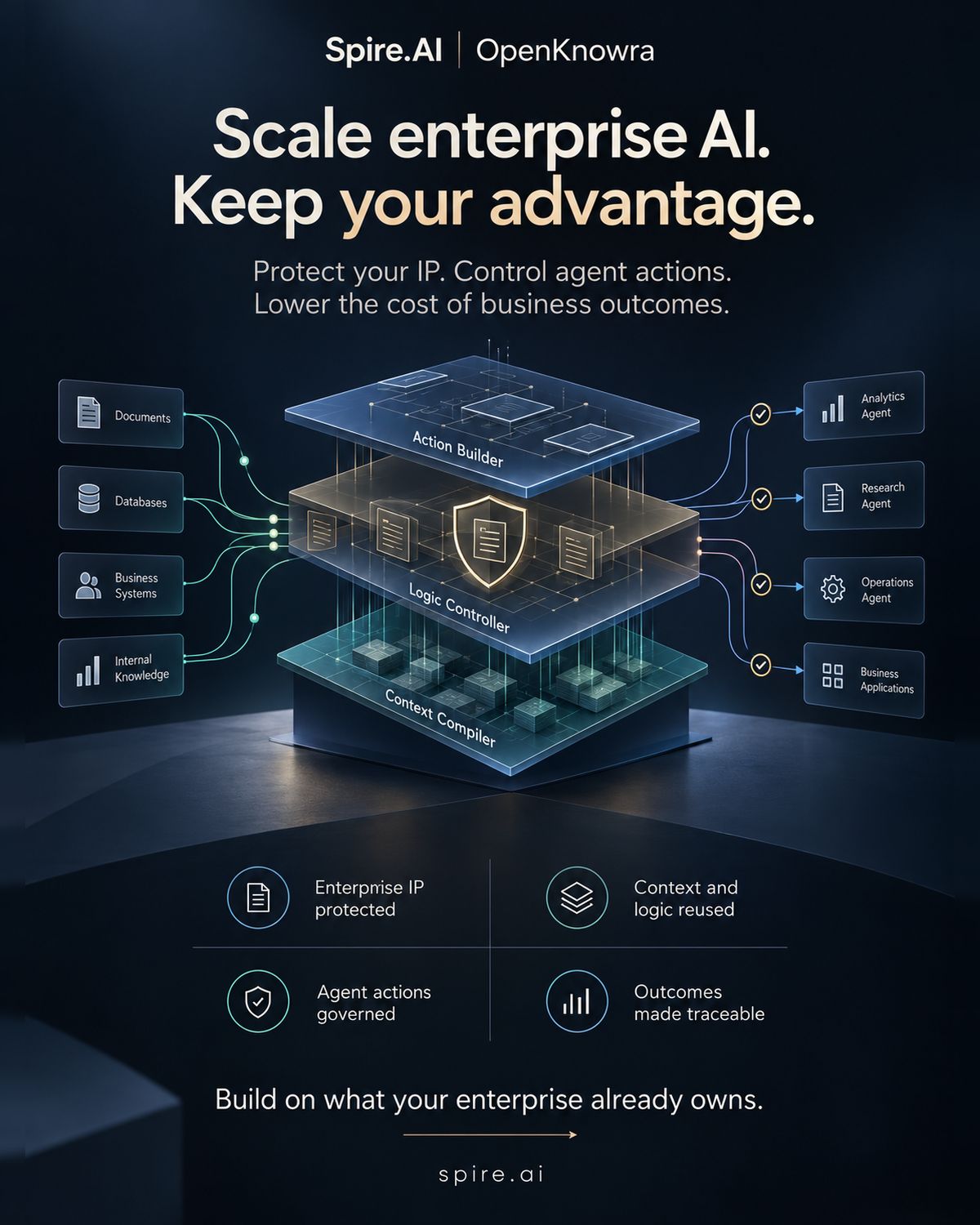
Loss of Control - The biggest risk in enterprise AI. Autonomous business agents, even when contained in local environments, run the risk that they will succeed in delivering to your desired outcomes while your enterprise loses control of what makes it different. Every enterprise has spent years building its competitive advantage through proprietary knowledge, business decisions, operating practices and accumulated expertise. As enterprises accelerate AI adoption, three questions should be at the top of every CXO's agenda: Who controls your enterprise intelligence? Who decides what your AI agents are permitted to do? How does every new AI use case strengthen what you've already built, rather than duplicate it? These are not questions to address after deploying AI. They should determine how enterprise AI is architected from the beginning. That is why we built OpenKnowra around ten enterprise imperatives. A few matter especially: 🔹 Protect your enterprise IP. Keep proprietary business logic within your control. Agents receive operating framework to execute tasks, not the rules that create your competitive advantage. 🔹 Scale value through reuse. Build enterprise context, logic and execution capabilities once, then extend them across use cases instead of repeatedly paying to recreate them. 🔹 Connect the entire business. Decisions rarely belong to one department or system. Operational, commercial, workforce and financial context must work together. 🔹 Keep context continuously evolving. Your enterprise changes every minute. The intelligence guiding decisions must reflect those changes. 🔹 Govern autonomy before execution. Define what agents can decide, what they can execute, when approval is required and when humans must intervene. 🔹 Make every outcome accountable. Trace decisions and actions to evidence, ownership, cost and measurable business impact. The real question is no longer how many AI agents an enterprise can deploy. It is how much of the enterprise it can operate autonomously, without surrendering control, compromising its intellectual property or rebuilding context for every new use case. The enterprises that get this right won't just deploy more AI. They will compound their competitive advantage with every decision. Scale enterprise AI. Keep your advantage. Explore OpenKnowra: https://spire.ai/platform #OpenKnowra #EnterpriseAI #AgenticAI #AutonomousEnterprise #ContextEngineering #AIGovernance #EnterpriseArchitecture #DigitalTransformation
- E.ONSince 28 Oct 2026
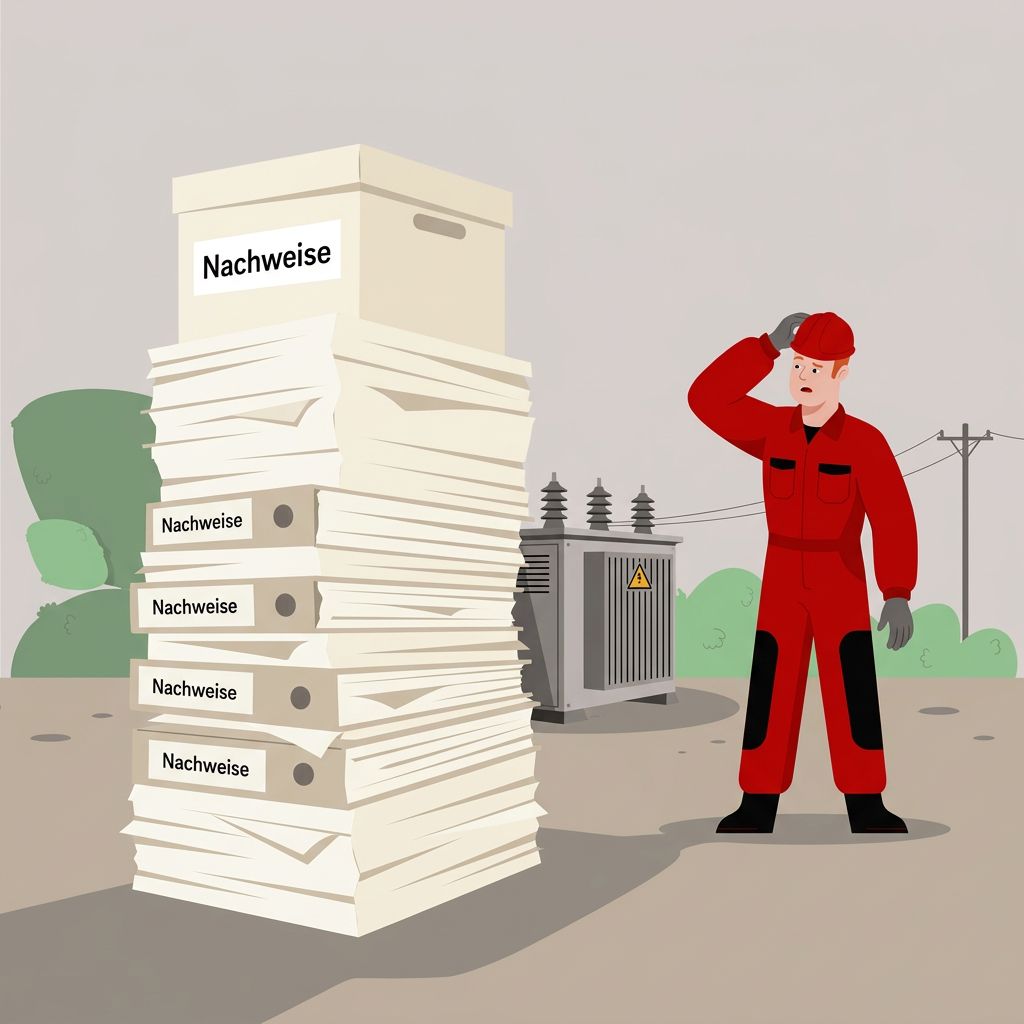
Sicherheit entsteht nicht durch möglichst viele Seiten Papier. Deutschland muss sich von der Vorstellung lösen, dass jede Eventualität vorab auf Papier ausgeschlossen werden muss. Oft dokumentieren wir Risiken, die bei Standardanlagen praktisch so wahrscheinlich sind wie Schnee im Hochsommer. Denn intelligente Stichproben und konsequente Sanktionen bei Verstößen sind häufig wirksamer als Millionen Seiten Dokumentation. Genau deswegen unterstützen wir gerne mit konkreten Vorschlägen die Initiative “PflichtenLichten“ des Bundesministerium für Digitales und Staatsmodernisierung zum Bürokratieabbau. Drei Beispiele aus der Energieinfrastruktur für überflüssige Dokumentationspflichten: 1️⃣ Im Trafobau liegen die relevanten Grenzwerte so deutlich oberhalb der tatsächlichen Belastungen, dass die zusätzlichen Nachweispflichten oft eher an eine Fleißaufgabe erinnern. Herstellerzertifikate und Musterberechnungen sollten in vielen Fällen ausreichen. 2️⃣ Immissionsnachweise könnten deutlich vereinfacht werden, wenn standardisierte Anlagen nachweislich und dauerhaft weit unter den gesetzlichen Grenzwerten bleiben. 3️⃣ Bei bestehenden Umspannwerken dauern erneuerte wasserrechtliche Genehmigungen teilweise acht bis zwölf Monate, obwohl die Anlagenentwässerung standardisiert ist. Außerhalb von Schutzgebieten sollte deshalb stärker auf Betreiberverantwortung gesetzt werden. Der Staat sollte klare Ziele und Grenzen setzen. Unternehmen müssen Verantwortung übernehmen. Und kontrolliert wird dort, wo Risiken tatsächlich bestehen, nicht dort, wo sie theoretisch denkbar sind. Oder anders gesagt: Man stellt ja auch nicht an jeder Kreuzung eine Radarfalle auf, nur weil dort theoretisch jemand zu schnell fahren könnte. Das beschleunigt den Ausbau der Energieinfrastruktur, ohne Umwelt- oder Sicherheitsstandards abzusenken. Weniger Bürokratie bedeutet in diesem Fall mehr Zeit für die Energiewende, geringere Kosten und mehr Wettbewerbsfähigkeit in Europa.
- Fleet Space TechnologiesSince 28 Oct 2026
Machine learning meets real-world exploration! From 24,400 copper assays to nine new targets and a decision to put 5,000 metres of drilling behind them. At Buen Retiro in Chile, we combined Fleet Space Technologies ’s 3D seismic imaging with Fitzroy Minerals Inc. (TSX-FTZ, OTC-FTZFF) geological and geophysical data to help decide where to drill next. Drilling has now started. For me, this is the most exciting part: seeing how our predictions hold up against what comes out of the ground. Each new hole will bring fresh evidence to refine the model and guide the next drilling decision. Proud of our team and our partners at Fitzroy. Looking forward to the results. Full announcement below 👇 https://lnkd.in/gpNZXhrW
- TenableSince 28 Oct 2026
Last week it was PHP2Shell. This week it’s HTTP2Shell, a critical flaw in Google’s Brotli compression library. CVE-2026-111497 has already triggered emergency patches across Node.js, .NET, and Python. Last Friday, I mentioned the vulnerability is only the headline, but the real exposure runs much deeper. This proves it. Leaders should notice one detail. Updating the system’s Brotli library doesn’t fix it, because many applications carry their own bundled copies. Patching is crucial, but it assumes you know where to apply the patch. Most organizations don’t. That’s why proactive security matters. The advantage goes to teams that can see every path into their environment and close the dangerous ones before attackers find them. https://lnkd.in/eX-azm7k #PHP2Shell #ExposureManagement #AI #Cybersecurity
- CapgeminiSince 28 Oct 2026
AI works. The challenge now is scaling it. In my conversation with Som Sarangi, we discussed why the biggest barrier to AI adoption in Life Sciences isn't the technology itself. Its #trust, regulation, governance, and helping people evolve alongside AI. The greatest opportunities may lie in R&D, where AI can accelerate discovery and unlock new possibilities for treating complex diseases. At Capgemini, we see the real differentiator as the ability to combine technology with transformation, helping organizations build the foundations needed to scale AI responsibly and sustainably. Because ultimately, AI transformation is less about the AI and more about the people who use it. Let me know your perspective: What's the biggest obstacle to scaling AI today? Short read: Life Sciences Engineering and R&D Pulse Report; (Link in comments) #AIinLifeSciences #AIinResearch
- thinkcellSince 28 Oct 2026
les LLM vont bouleverser toute la chaîne de production des présentations PowerPoint. C'est une conviction qui se renforce à chaque échanges avec nos clients. Comme la rédaction, le design graphique ou la production vidéo, la création de présentations entre dans une nouvelle ère. Générer des slides en quelques secondes ouvre des possibilités considérables. Mais pour les managers et les responsables transformation, cela soulève aussi des questions très concrètes : 🔎 Traçabilité : comment savoir qui a modifié quoi, à partir de quelles sources et avec quelle validation ? 🗂️ Archivage : quelle version conserver pour retrouver l’information qui a réellement servi à une décision ? 🎯 Choix du support : quand faut-il une présentation, une note, un tableau de bord ou simplement une conversation ? 👥 Répartition du travail : que confier à un junior, à un senior ou à un agent IA ? Qui reste responsable du résultat ? 🤖 Autonomie des agents : peuvent-ils actualiser des données, reformuler une analyse ou diffuser une présentation sans validation humaine ? Où placer le curseur ? Plus les supports deviennent faciles à produire, plus leur gouvernance devient stratégique. Jeudi, j’aurai la chance d’animer un groupe de réflexion interentreprises sur ces sujets, en compagnie de Bastien de Lecko, pour faire émerger des bonnes pratiques adaptées à cette nouvelle réalité. Quel sujet devrait être traité en priorité ? Réagissez avec l’emoji correspondant : 🔎 La traçabilité des modifications 🗂️ L’archivage et la gestion des versions 🎯 Le choix du bon support de communication 👥 La répartition du travail entre juniors, seniors et agents IA 🤖 Le niveau d’autonomie accordé aux agents Partagez votre choix en commentaire : il nourrira nos échanges de jeudi !
- TÜV SÜDSince 28 Oct 2026
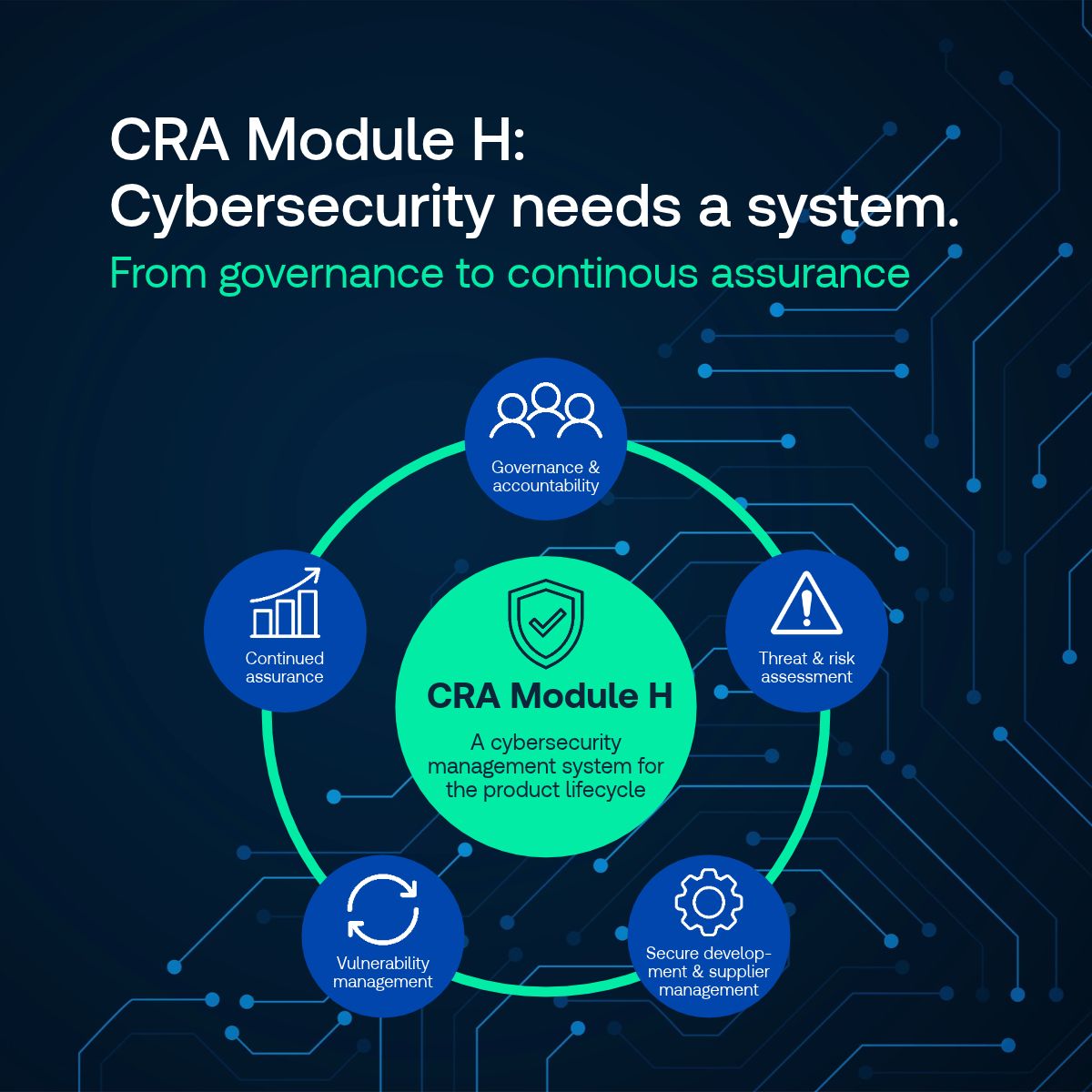
From the House of Governance to CRA readiness: Why Module H matters? A connected product does not stop evolving after release. Software changes, suppliers introduce new components, and new vulnerabilities emerge over time. That raises an important question: Can your organisation consistently demonstrate that cybersecurity governs the way products are developed, produced and supported? A few months ago, I introduced my House of Governance concept. Its regulatory pillar connects compliance obligations with the responsibilities, processes and evidence needed to put them into practice. CRA Module H highlights why this connection matters. The management-system approach described in BSI TR-03183-H, version 1.1.0 combines information security, quality management and CRA-specific requirements into a structured framework. The focus is not on individual controls, but on an organisation's ability to manage product cybersecurity throughout the entire support lifecycle. For manufacturers, readiness means looking beyond compliance checklists and ensuring that governance, risk management, secure development, vulnerability management and continuous improvement work together in practice. Many organisations already have quality and information security systems in place. The challenge now is connecting them to product cybersecurity and demonstrating that they operate as one coherent system. How is your organisation preparing for Module H and long-term cybersecurity governance?
- webloomSince 28 Oct 2026
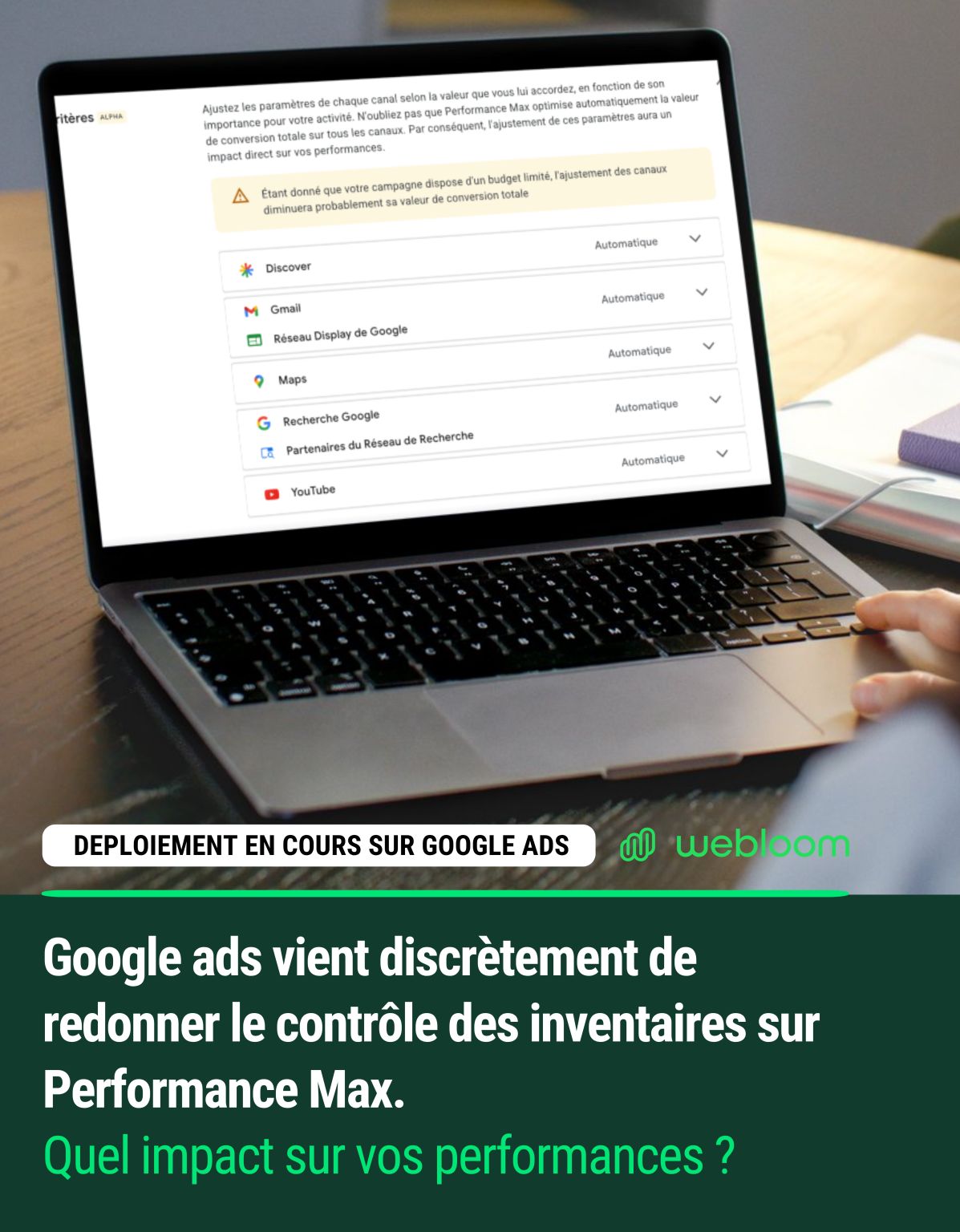
Google ads vient de rouvrir la boîte noire de Performance Max. Mais est-ce vraiment une bonne nouvelle pour vos performances ? 💥 Aujourd'hui, décryptage de l'actu chaude : Google teste actuellement un paramétrage manuel très particulier. Qui permet aux marques de choisir comment une campagne Performance Max doit investir (sur YouTube, Discover, Search, Display, ou Maps). Après des années à prôner l’automatisation totale sur cette campagne, La machine nous tend à nouveau le volant. La tentation est grande de crier victoire. Beaucoup de trafic manager en revent depuis 2 ans. Pourtant, la question mérite d'être posée : l'humain fera-t-il vraiment mieux que l'algorithme ? La réalité est bien plus nuancée. Oui, les dérapages existent : On a tous vu une campagne PMax flamber subitement 80 ou 90 % de son budget sur Discover sans logique apparente. Mais dans l'immense majorité des cas, le coupable n'est pas l'algo : C’est le setup. - Pas de listes d’audiences first-party injectées. - Des événements de conversion mal calibrés ou pollués. - Un ROAS cible déconnecté des marges réelles. Quand la donnée d'entrée est bancale, reprendre la main manuellement ne sauve rien : cela amplifie simplement nos propres biais. Cette nouveauté ne doit pas être vue comme une revanche sur l'automatisation, mais comme un garde-fou. Un volant de secours pour remettre l'algo sur les rails lorsqu'il décroche, pas un outil de micro-management quotidien. Les pres requis pour obtenir de vente sur les campagnes Performance max restent les mêmes : nourrir la machine avec du contexte de qualité (data propre, créas visuelles et vidéos solides, compréhension millimétrée du parcours d'achat). C'est un point important à retenir, et j'ai peur que beaucoup d'annonceurs cassent leurs performances en choisissant de jouer avec un bouton sur l'interface (facile mais risqué) plutôt que bosser sur la data qui sous-tend les performances (complexe mais gagnant). Et maintenant, place au test. Chez Webloom, nous avons actuellement 3 comptes en accès alpha pour éprouver cette fonctionnalité. Nous allons arbitrer nous-mêmes les priorités de diffusion face aux choix automatiques de Google pour mesurer l'impact réel sur le CPA et le volume de vente. Verdict et données chiffrées dans la prochaine newsletter Webloom : (https://lnkd.in/ebrnX7xh)
- ParviSince 28 Oct 2026
Renaming your company used to be an SEO problem. Now it's a GEO problem too. With Google, redirects do most of the work and the traffic follows the new name fairly quickly. AI has a stickier memory. Language models learn from training data that's months or even years old, so the old name is what they know, for a long time. Especially when they answer from memory instead of searching the web, which they tend to do more often. We just audited a Finnish industrial company that changed its name. In about one in three AI answers that mentioned them, only the old name came up. Their own site also still had the old name in the structured data that machines read. And people were still googling the old name, almost 500 clicks in 90 days. So for quite a while, you're two different companies in the eyes of ChatGPT and other AI tools. That makes a name change an even bigger marketing risk than it used to be. Luckily there are things you can do to mitigate that: - Consistently feed both Google and the AI crawlers information about the name change and the new company, including structured data, press releases, and website content. - Make sure that your redirects are consistent across the board so if and when those clients click on your old links, they will still get to the new page on the new company.
- AssemblyAISince 28 Oct 2026
Today we're launching AssemblyAI-TTS-1, our first text-to-speech model: frontier naturalness, super fast, instant cloning, and just $15 per 1M characters. On the combination of accuracy, naturalness, and cost... no other TTS model is better. It's perfect for conversational voice agents running at scale. We trained AssemblyAI-TTS-1 from scratch on our own proprietary data, and we serve it on our proprietary voice inference stack. The same inference stack that already handles 3M+ hours of voice/day for the 1M+ developers building with our transcription models. This means AssemblyAI-TTS-1 is frontier quality + super fast (80ms TTFB), and supports unlimited scale with no rate limits or capacity to reserve up front - just like our leading transcription models. AssemblyAI-TTS-1 is live TODAY with: - Frontier naturalness - #1 in accuracy on independent benchmarks - $15 per 1M chars - 90ms latency (TTFA) - Unlimited concurrency/rate-limits - Instant voice cloning - A library of 4,000+ voices to pick from Available today in our API. Watch Johnny order a pizza with our new TTS model in the video below 👀 And stay tuned... we have a ton of improvements and updates on the way.
- DroneDeploySince 28 Oct 2026
Weekly Owner Updates using automated drone flights
- YolkSince 28 Oct 2026
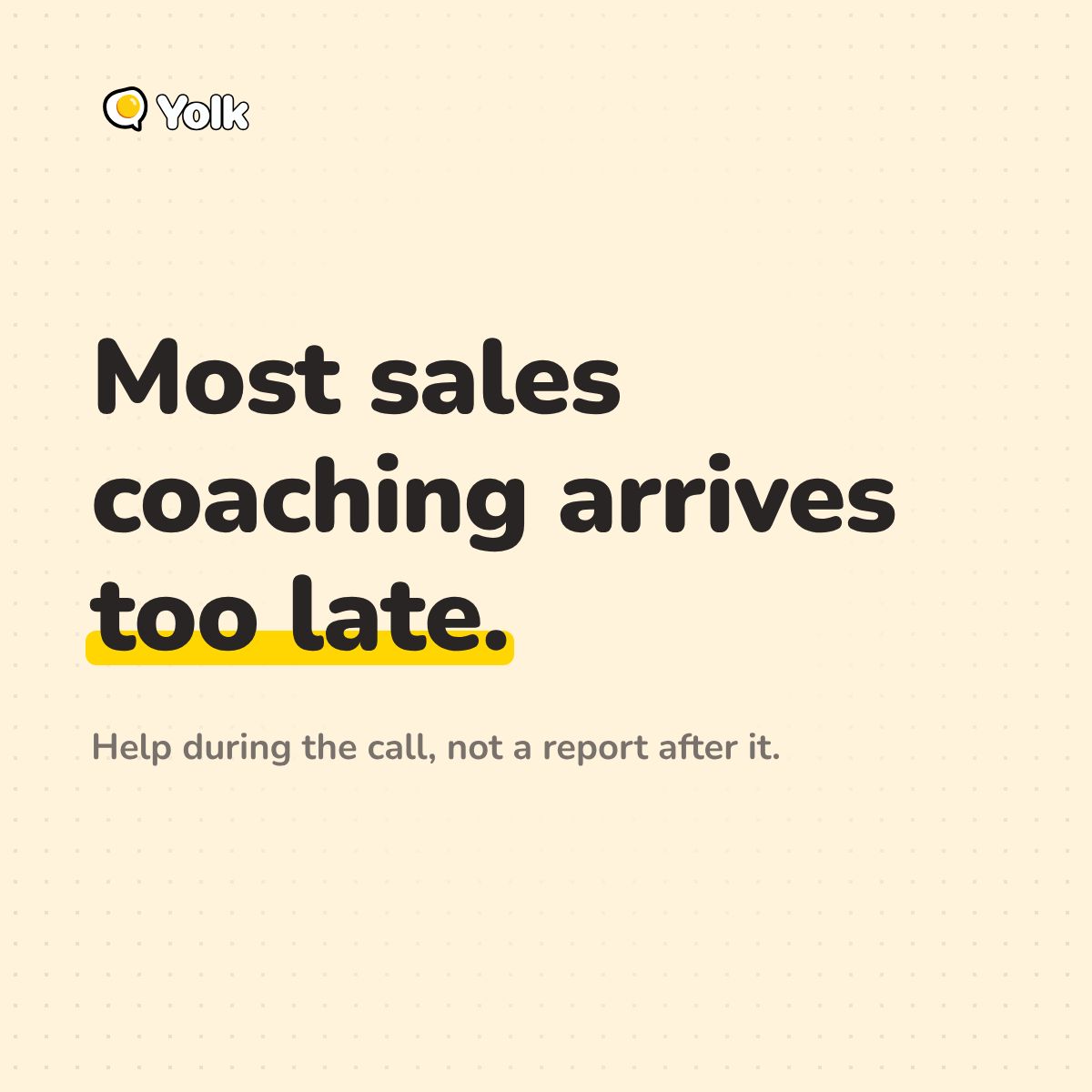
Most sales coaching arrives too late. The rep loses the deal on Tuesday, but the manager listens to the recording only on Friday. The feedback comes the week after. By then, the customer has already moved on. The moment that matters is the 10 seconds after a buyer says “that’s too expensive” or “we already use another tool.” That’s why Yolk works during the call. It listens and shows the rep the right answer at the moment they need it. Reviewing calls afterwards still matters. It just shouldn’t be the only coaching your reps get. Try it free on your next call (Mac or Windows) 👉 https://lnkd.in/eVDnFwNF Or book a quick demo: https://lnkd.in/eFUaB7t9
- AssemblyAISince 28 Oct 2026
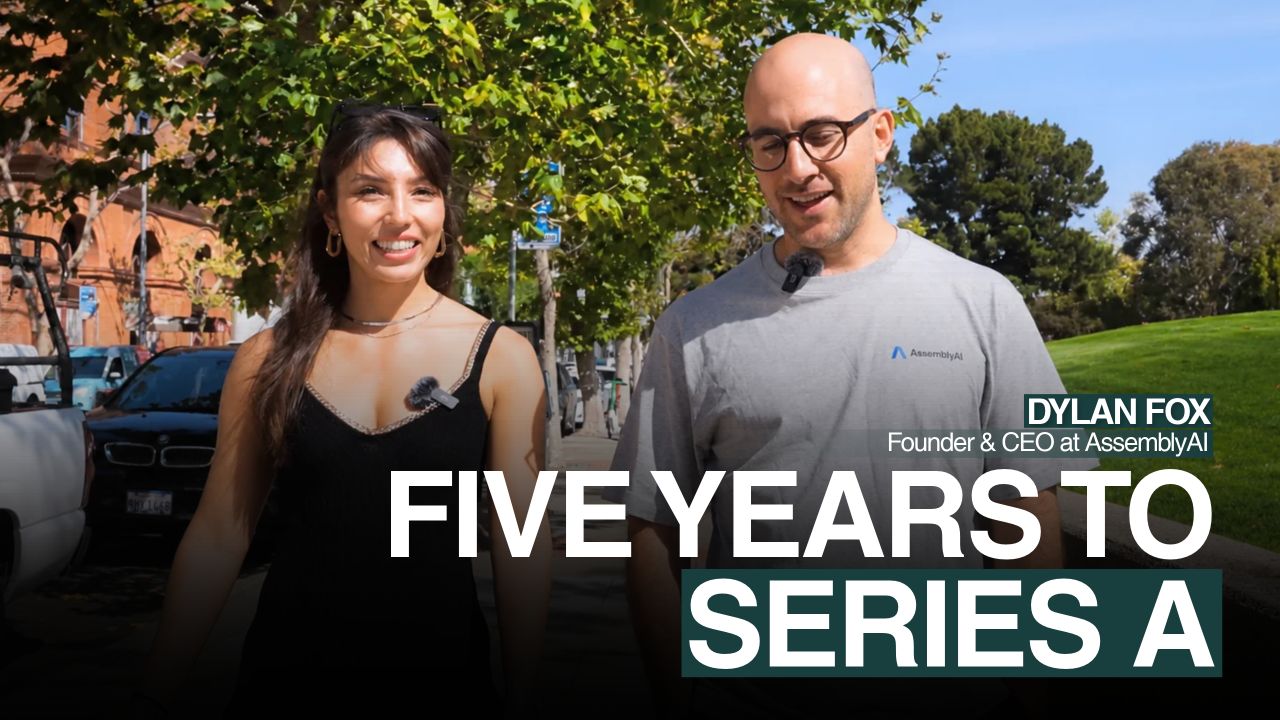
Every founder is told to find product-market fit in 18 months. Dylan Fox waited five years for the voice AI market to exist. Now his company runs the voice AI behind Granola - 100M API calls a day! When we met at their office, I wanted to know how you tell conviction apart from stubbornness when the market says no for half a decade. Between 2017 and AssemblyAI's Series A in 2022, he had two choices: take early voice models and sell them to court reporting agencies, or keep refining the core speech models until developers finally needed them. He chose to wait. He kept the team capped at four people, kept personal expenses near zero, and treated those five years as an apprenticeship in deep learning. When I was building Paloma, I lived on the opposite side of that equation. I knew that AI matchmaking was bound to be a thing, but chased immediate market signals, and eventually ran out of steam. Watching Dylan build proved that surviving the quiet years requires obsessive faith in the future itself. We also get into: -> Why the last 10% of an AI product is the whole product -> “Everyone’s still just figuring it out” -> 180% net dollar retention with zero contracts -> Married to a founder whose company took off while his didn’t -> Why he deleted X in 2023 (I think he’s back tho) -> “I’m just a builder” Full episode link in the comments.
- FormFactor Inc.Since 28 Oct 2026
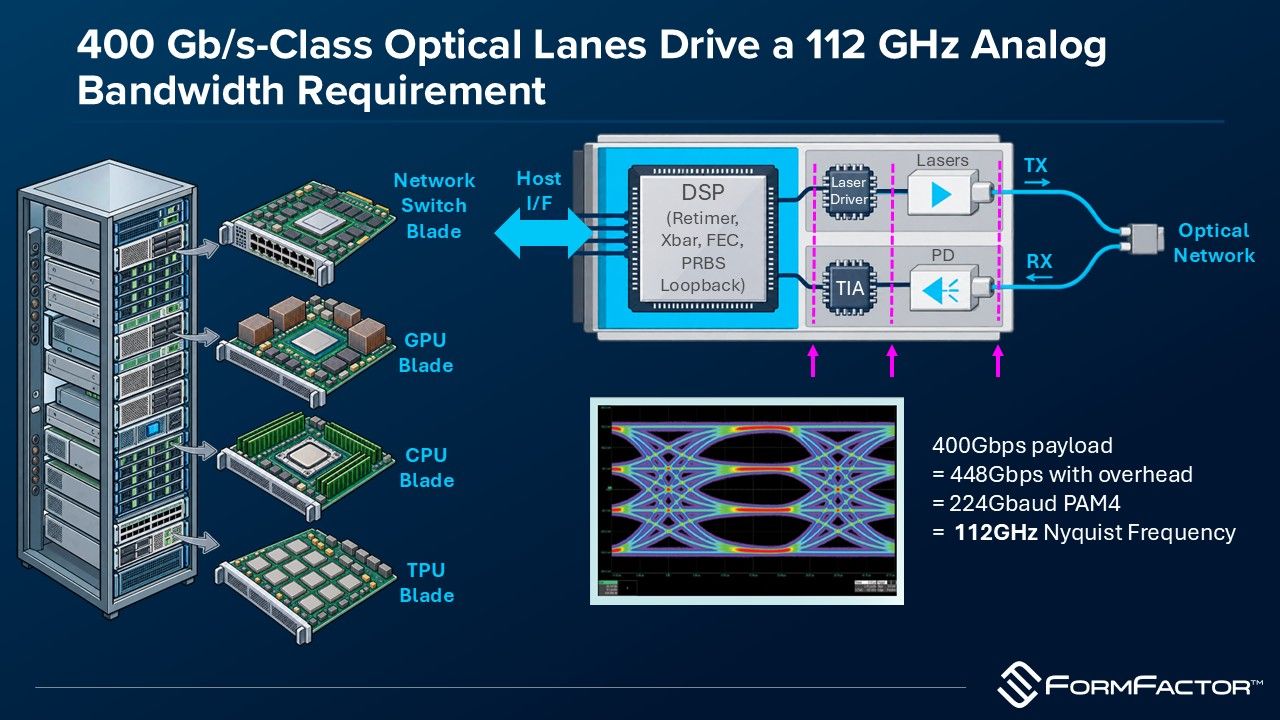
DSPs and SerDes devices have an advantage at wafer test. They can use built-in loopback and self-test. Laser drivers and TIAs can't. These analog building blocks need direct RF measurement through a high-integrity probe-card path. As lane speeds move toward 448 Gb/s, that measurement has to hold up beyond 112 GHz. So the question shifts. It's no longer just whether the device performs. It's whether the measurement path can be trusted at these frequencies. Christopher Lemoine and I will dig into this in a FormFactor webinar on November 12: Americas and Europe, 9:00 AM PT: https://lnkd.in/eHBNxtSm Asia-Pacific, 9:00 AM CST: https://lnkd.in/eGKj3Zri #WaferTest #RFMeasurement #OpticalTransceivers
- ParviSince 28 Oct 2026
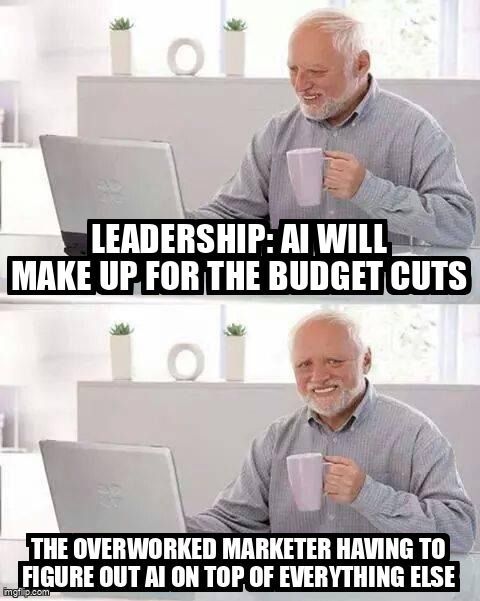
It's budget season, and I keep hearing the same conversation I've had with marketing leaders from large Finnish B2B companies. Their budgets have been cut and they're expected to do more with less. Then there's this unspoken (or spoken) expectation that AI will just make up for the difference. But there's a big problem with that, and I'm talking from deep experience here. Getting to a positive ROI with AI is not a quick win. We're talking tens, sometimes hundreds of hours of effort before an AI agent or AI workflow genuinely starts saving you time, especially in the beginning when you have to learn the tools, build integrations, train the first agents etc. The learning curve is getting less steep all the time, but it doesn't disappear. Cutting the budget before those savings have materialized, on the assumption they will, lands entirely on the shoulders of the already overstretched marketers. If you're in this situation, my honest advice is to find people who are ahead of you on this curve. People in similar companies with similar tech stacks. Share your challenges and solutions and then just start building. That's probably the shortest path through the hard part. I will do my absolute best to keeping sharing how we've done it at Parvi, don't be afraid to ask about your specific cases either!
- TerrakottaRecorded 30 Oct 2026
CRE Brokers want to use AI, but don’t know where to start. But TBH, there’s only 2 AI tools you really need for CRE. (I’m sure there’s more, but these 2 are pretty reputable). 1. Claude for underwriting & financial modeling. ↳ https://claude.ai/new 2. Terrakotta for skip-tracing & prospecting automations. ↳ https://www.terrakotta.ai/ Obviously just listing the 2 tools isn’t that helpful, So I teamed up with Vincent Wilson to give you a good starting point for automating CRE workflows with AI. I have a Free Guide with 25+ CRE workflow automations powered by Terrakotta & Claude. Our guide has the exact AI prompts that automate: → Skip-Tracing (How to find active & correct owner info) → Underwriting Models (NOI, rent rolls, lease comps, etc.) → Prospecting (How to source any deal in just 1 prompt) Want the Free Prospecting & Underwriting Guide? 💬 Comment “Guide” And we’ll send it over!
- TerrakottaRecorded 30 Oct 2026
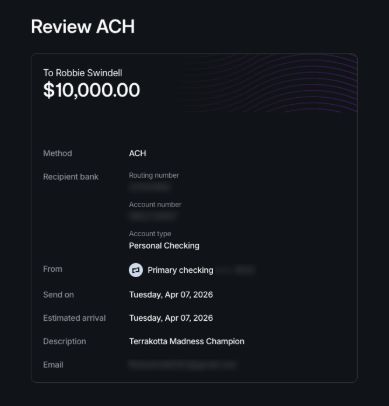
Today marks a special day in my journey as a CRE broker. I won $10,000 cash by placing 1st in Terrakotta Madness 2026 In 7 days I used Terrakotta to: Make 1,012 calls Generate over 100 new leads Verify contact info for 500+ owners To celebrate my win, I’ll be sharing a free guide with the CRE Prospecting tactics I used to win the $10K & close deals faster than ever. 💬 Comment “Win” & I’ll send it over! Just the beginning…
- YolkSince 28 Oct 2026
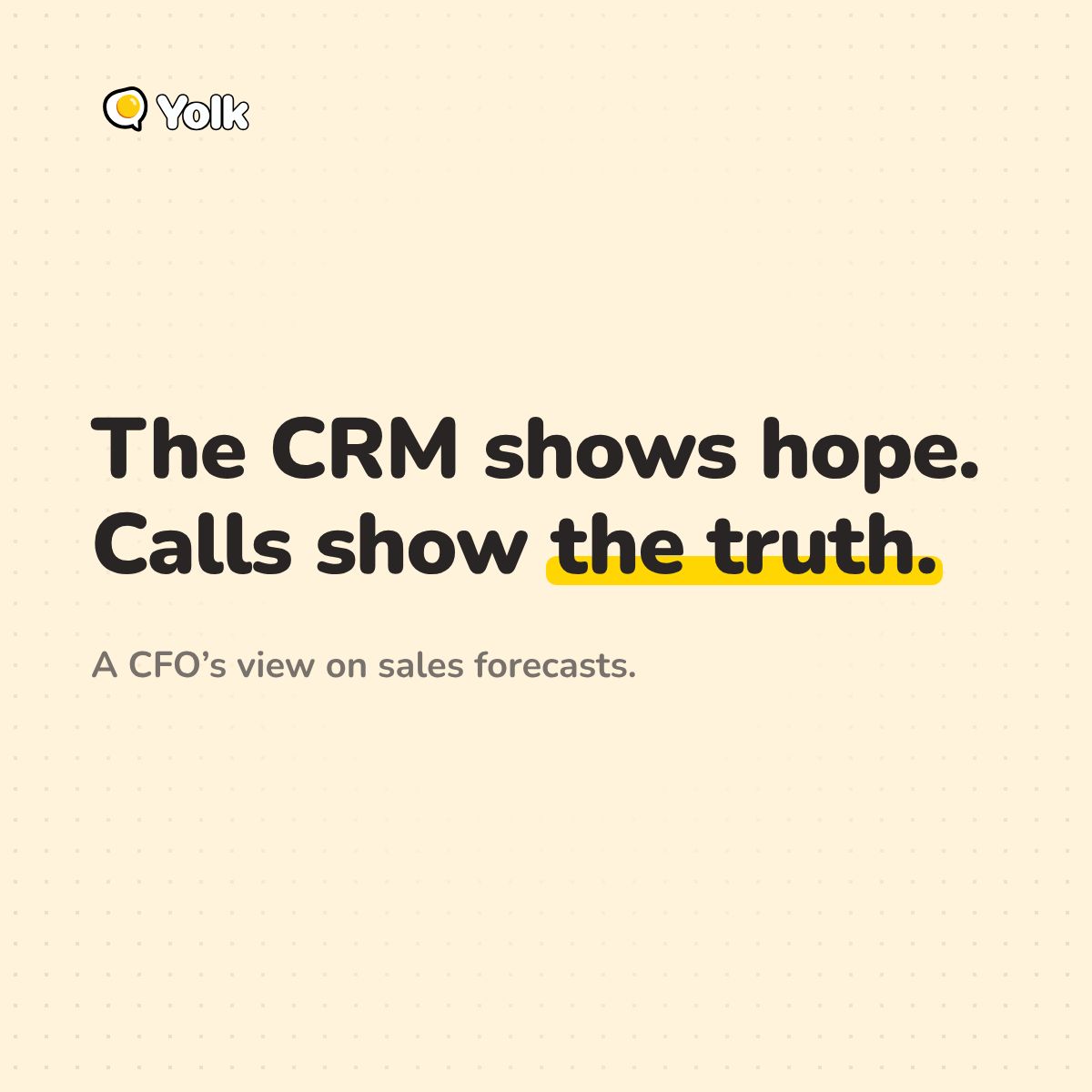
Very often CFOs plan hiring and cash based on the sales forecast. That forecast usually comes from three fields reps fill in: stage, close date and probability. Those fields show what the rep hopes. The calls show what the buyer actually said. → The deal is in “Negotiation,” but the buyer never talked about budget. → The close date is this month, but no decision-maker has joined a call. → The probability is 70%, but the champion went quiet two weeks ago. Most teams find these gaps at the end of the quarter, when it’s too late to act. That’s why we’re building revenue forecasting at Yolk. It looks at both your HubSpot deals and your recorded calls, flags the deals at risk, and shows managers what to do next while there’s still time. We’re opening early access for a few HubSpot teams. If your forecast surprised you this year, book a quick call 👉 https://lnkd.in/ezapBgPT
- FirstCloseRecorded 30 Oct 2026
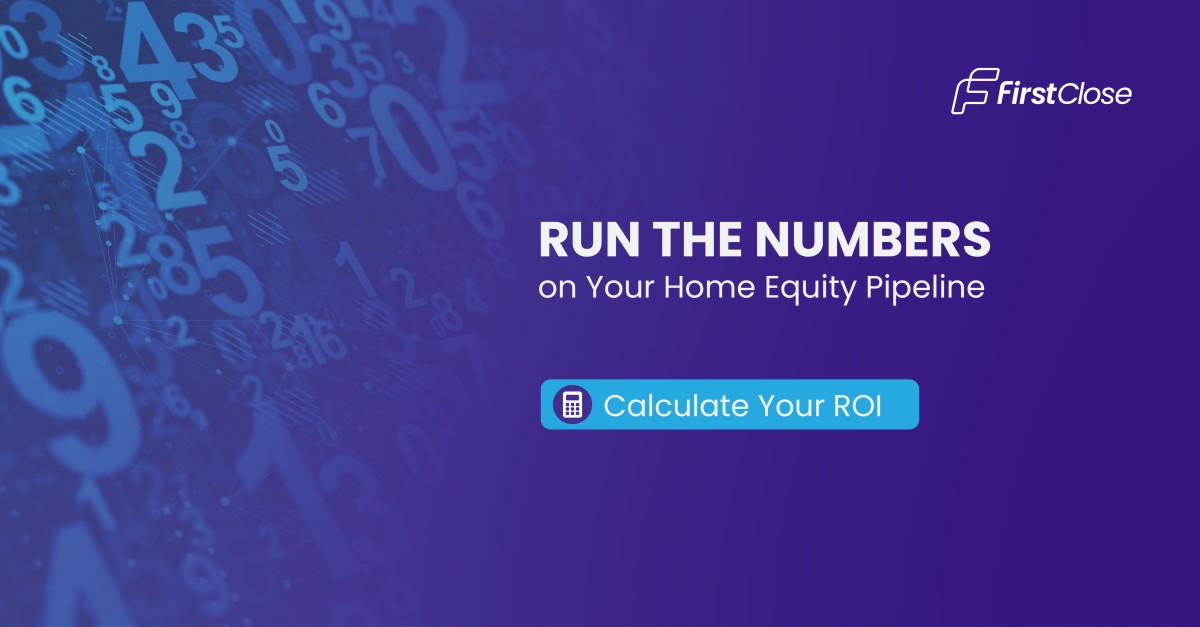
I love working with lenders to uncover ROI opportunities hiding in plain sight! Many teams are focused on growing home equity volume, but they are often surprised when we look at the operational costs and inefficiencies impacting results. To help lenders better understand what’s possible, we built a Home Equity ROI Calculator. In a few minutes, it estimates what a more streamlined process could save you. If scaling home equity is on your 2027 plan, start here with your ROI assessment: https://hubs.ly/Q04BB6DT0 #ROI #Firstclose #HELOC Big Thanks to: MarketWise Advisors, LLC Jordan Brown
- Eboost ConsultingRecorded 30 Oct 2026
Is your marketing team busier than ever using AI, but your actual business performance hasn't moved an inch? You’re definitely not alone. McKinsey found that while ~80% of marketers say AI boosts their personal productivity, only 6% see real bottom-line impact. Adoption isn't the problem. It's really about how these systems are built and managed day-to-day. In my latest article, I share what I’ve learned over the past 18 months building AI systems at Eboost, including: • The 3 questions I ask before funding any AI initiative • Why the "Marketing Engineer" is the missing bridge to real ROI • How we cut creative turnaround times by 80% with a simple custom audit tool If you’re trying to figure out where to put your next AI dollar, or just want to get actual value out of the tools you're already paying for, give it a quick read. Would love to hear how your team is navigating this!




Other LinkedIn formats
Watch the companies you care about.
Filter every ad by industry, country, format and network, and get alerts when a company you watch starts running new ads.