LinkedIn thought leader ad examples
231 thought leader ads are live on LinkedIn right now, from 8,905 companies. Browse real ones, filtered by industry.
- ElevenLabsSince 28 Oct 2026
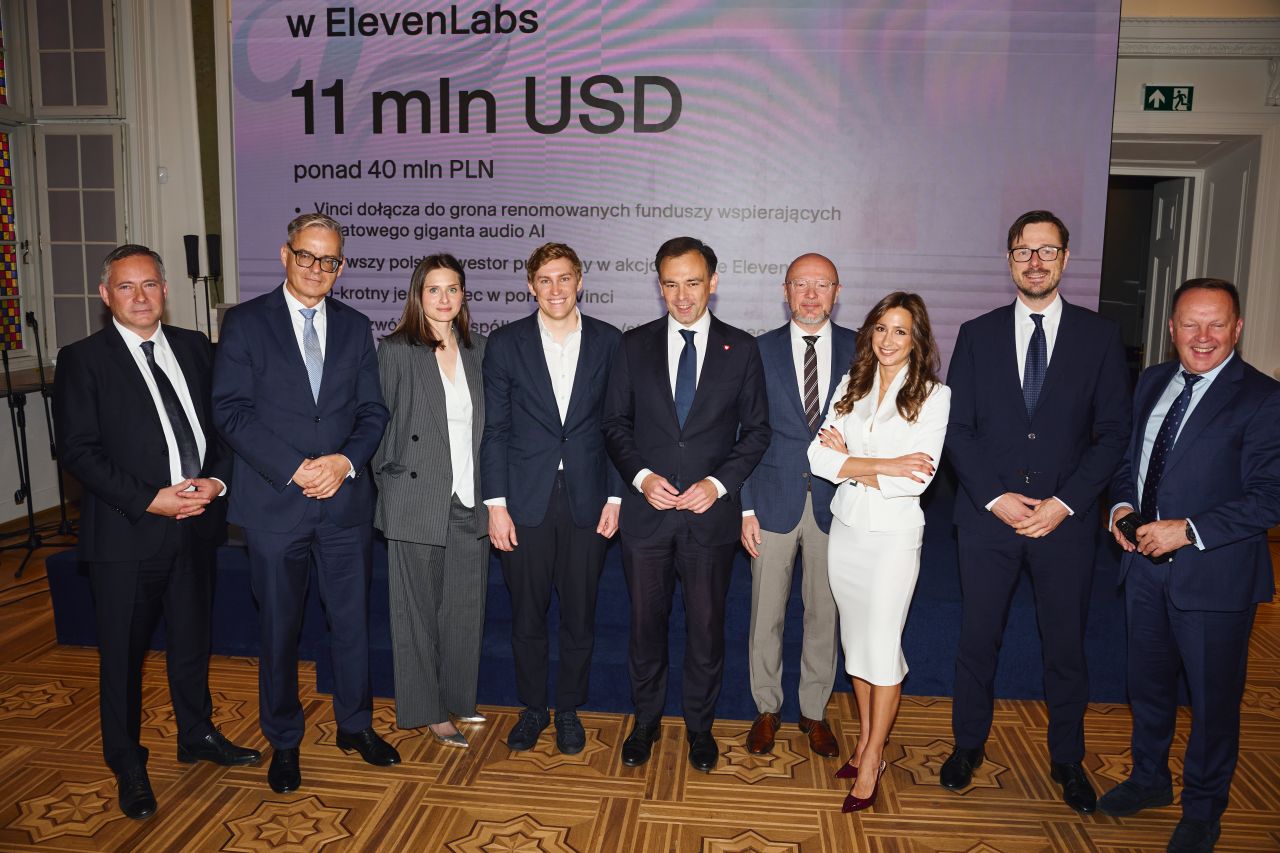
The Polish state is taking a stake in ElevenLabs. Through Vinci, part of the BGK Group, the Government of Poland is joining our latest round investors Sequoia, Andreessen Horowitz, ICONIQ and others as one of our backers. The teams at BGK and Vinci are great. More so than capital, they bring expertise and are phenomenal partners as we continue building this ecosystem. Together, we will help power AI Lab Poland: a new joint undertaking bringing together technology, science, talent and investment to support the next generation of AI innovation in Poland. We are already honoured to work with established partners such as Centrum e-Zdrowia, LOT Polish Airlines, InPost, Uniwersytet Warszawski and the iconic Piotr Fronczewski. Across all of them, one thing stands out: the ambition to build global technology from the start, lead with innovation and show what is possible from here. Piotr Dabkowski and I met in high school in Warsaw. Building on top of incredible foundations set by the generations that came before us, we had the privilege to study abroad, learn from many of the best people around the world and build a company with global impact from the start - from Europe. We now have an incredible talent network in Warsaw, London and across many capitals in the region and we’re committed to strengthening it even further in the years to come. We believe Europe has the potential to lead on technology and applied AI. Recently, we hosted the ElevenLabs Summit in Warsaw, and it felt like a homecoming - with such an incredible scene brewing here. With the Polish state now investing in ElevenLabs, we are proud to keep strengthening the connections between Poland, Europe and the global technology ecosystem. Thank you to Minister Andrzej Domański, to the teams at BGK and Vinci who believed in this, and to everyone who helped make it happen.
- ZoomInfoSince 28 Oct 2026
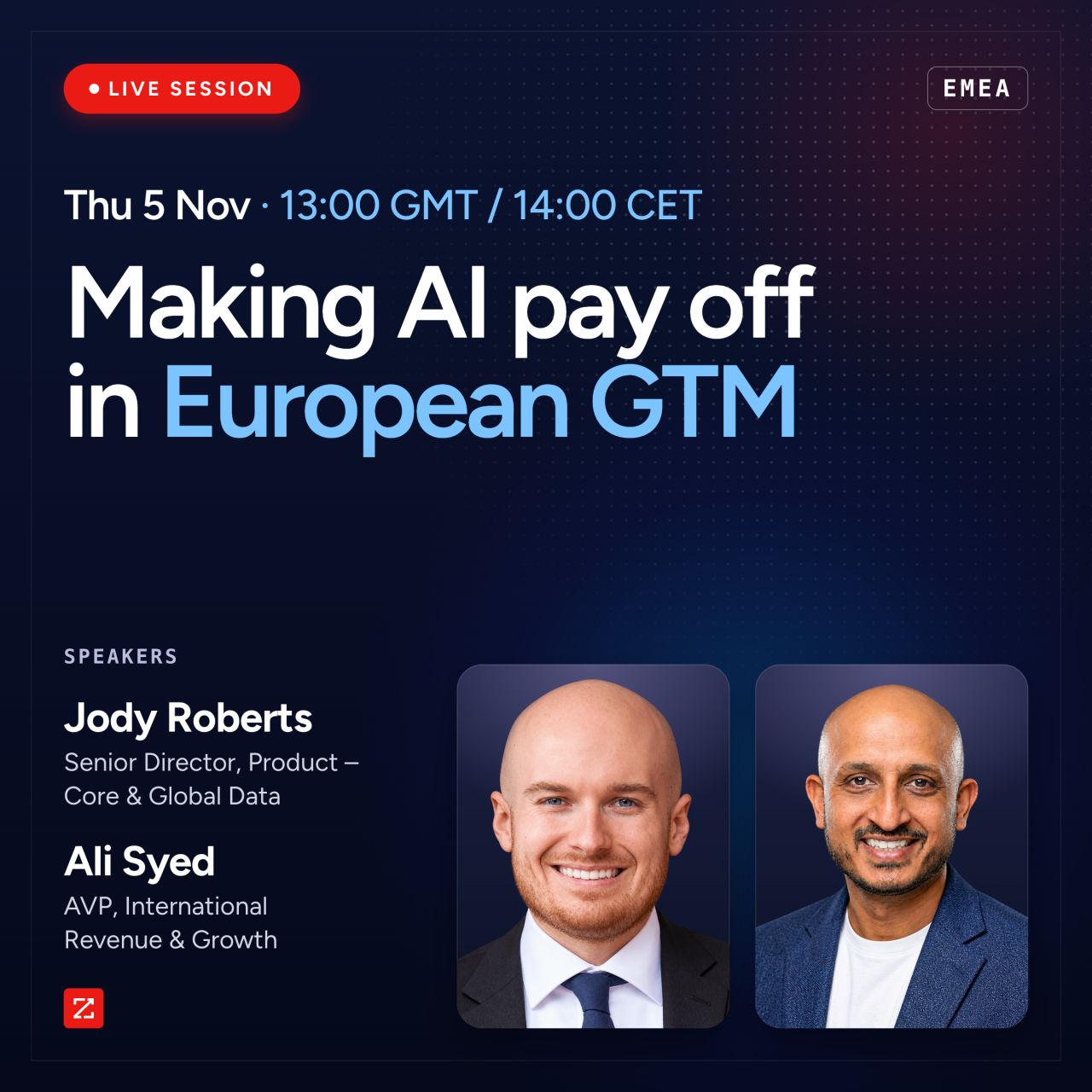
My team uses AI everyday for account research, meeting prep and pulling context before a call. What used to take us hours can now takes seconds. The caveat is a solid agent, skill or prompt pulling from the right data sources! But the question is where all that saved time actually goes. Because if AI just makes my team faster at researching accounts we shouldn’t be chasing, all I've done is map a faster route to miss the number. And for teams selling into Europe, there's another layer to consider. Different markets, buying behaviours and account structures all influence which opportunities are worth prioritising. So I’m looking harder at the stuff that’s tougher to measure. Are reps spending the extra time on the RIGHT accounts? Are the conversations getting better? Is any of it showing up in conversion and pipeline yet? These are questions we're exploring internally too, as we look at how to build on the productivity gains and make AI even more valuable for our revenue teams. Jody Roberts and I are getting into this on 5 November at Making AI Pay Off in European GTM. We’ll cover how to pick the AI use cases that are actually worth your team’s time, and how to tell if the time saved is turning into pipeline. Bring your questions!! https://lnkd.in/exWbuKH6
- WoodWingSince 27 Oct 2026
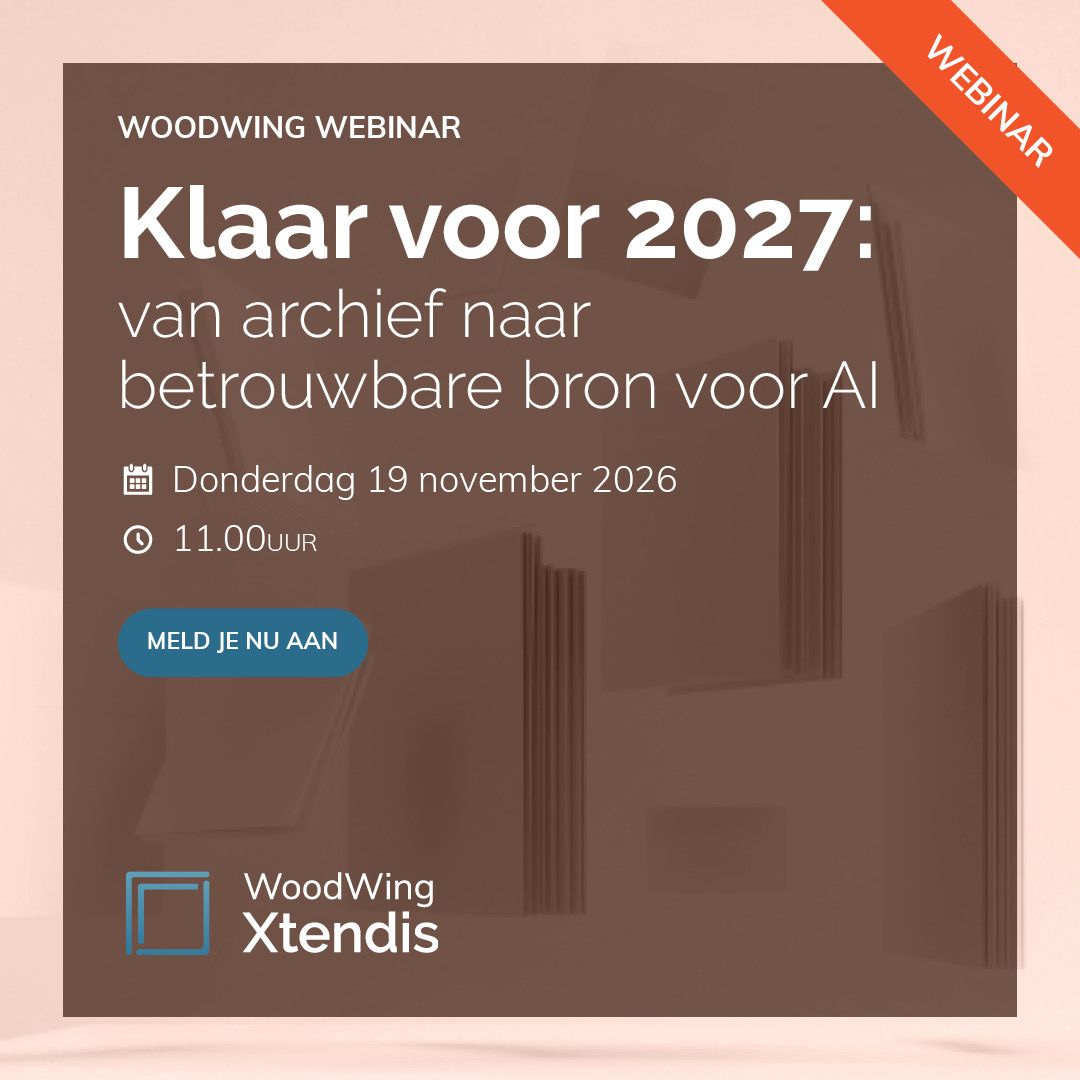
IT- en informatiemanagers, herkennen jullie dit? Collega’s gebruiken Copilot, Claude of ChatGPT, maar niemand weet precies uit welke informatie die AI put. Of welke dossiers hij allemaal kan inzien. Dat is lastig. AI is namelijk zo goed als de bron waaruit hij put. En jij moet kunnen uitleggen wie wat heeft ingezien, mens of machine. In 2027 wordt dat alleen maar belangrijker: het is het eerste volle jaar onder NIS2 en de AI Act gaat verder in werking. Ik geloof dat goede AI begint bij goed informatiebeheer. Daarom organiseren we op donderdag 19 november om 11.00 uur een webinar van 45 minuten. Je krijgt een praktisch kader mee om te bepalen waar jouw organisatie staat en wat je eerste stap is. Doe je mee? https://lnkd.in/eEKukJWG #AI #Informatiebeheer #NIS2
- ZocksSince 27 Oct 2026
"One L will never end the whole run - gotta stack Ls to get cooked." It's always nice to remember to the basics, but it we keep repeating the same mantras, we get bored quite easily. That's why I recently started using Gen-Z versions of How Complex Systems Fail (https://lnkd.in/d2GMxTwT) - to remember the foundations, but not in a boring way. I think this phrase is more relevant than ever - and I'll be talking about this topic on Friday at KCD Budapest. Join me to hear how we built Zocks's agent runtime around #temporal and how we prevent one L to get us cooked. KCD Budapest
- Bretton AIRecorded 30 Oct 2026
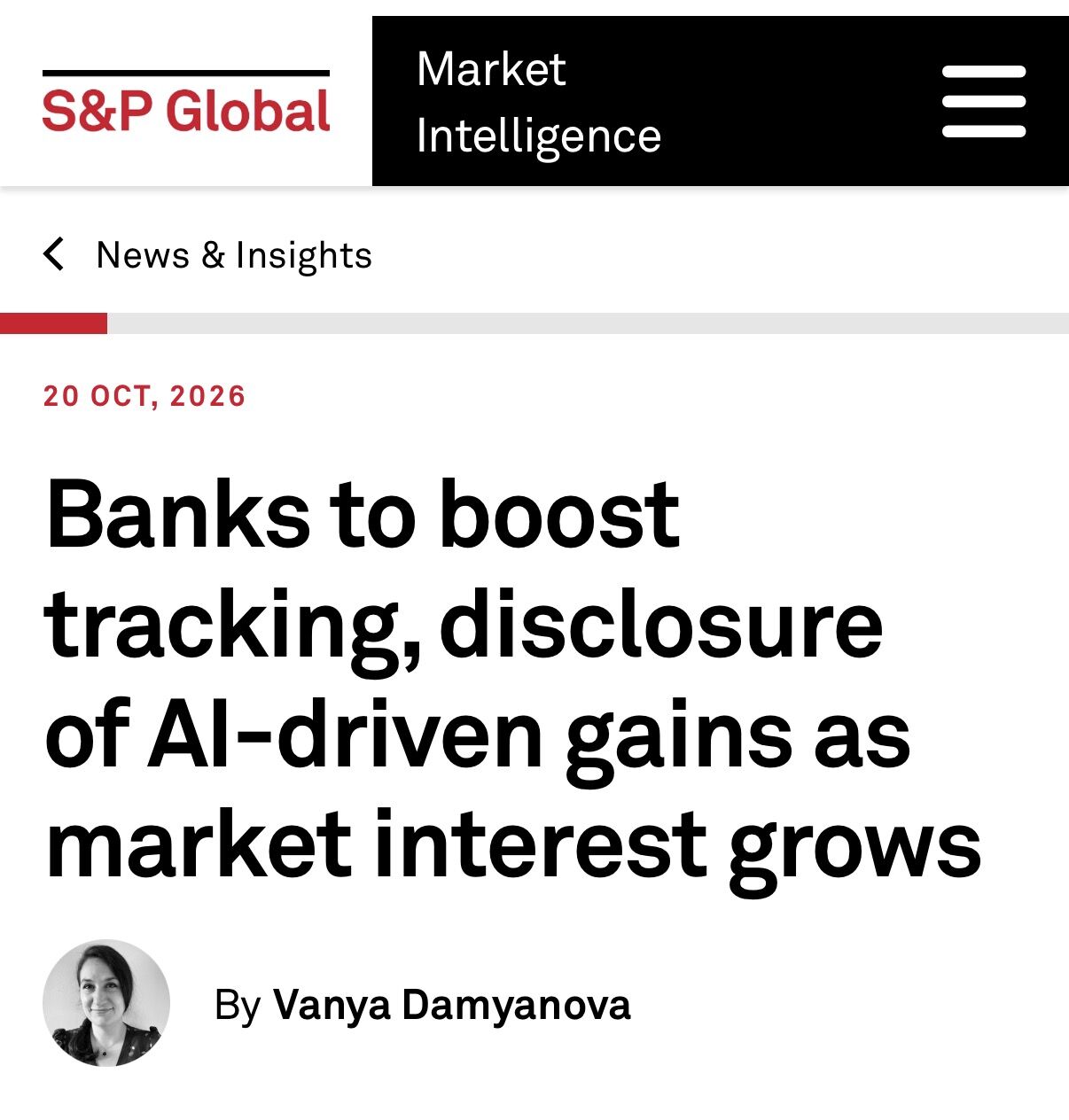
Banks have been investing more in AI, and shareholders understandably want more detail on ROI. I spoke with Vanya Damyanova at S&P Global about what banks should be measuring. The first wave of AI has largely been measured on cost savings and efficiency gains that improve the bottom line. But judging it on that alone is a bit like judging a computer by how fast it helps you type. What about the revenue opportunities that could grow the top line? That could mean onboarding your most valuable clients faster or making better lending decisions as your underwriting model improves. We’re starting to see banks factor these competitive advantages into how they calculate the returns on their AI investments. Read the full piece here: https://lnkd.in/gH6zfxXe
- Bretton AIRecorded 30 Oct 2026
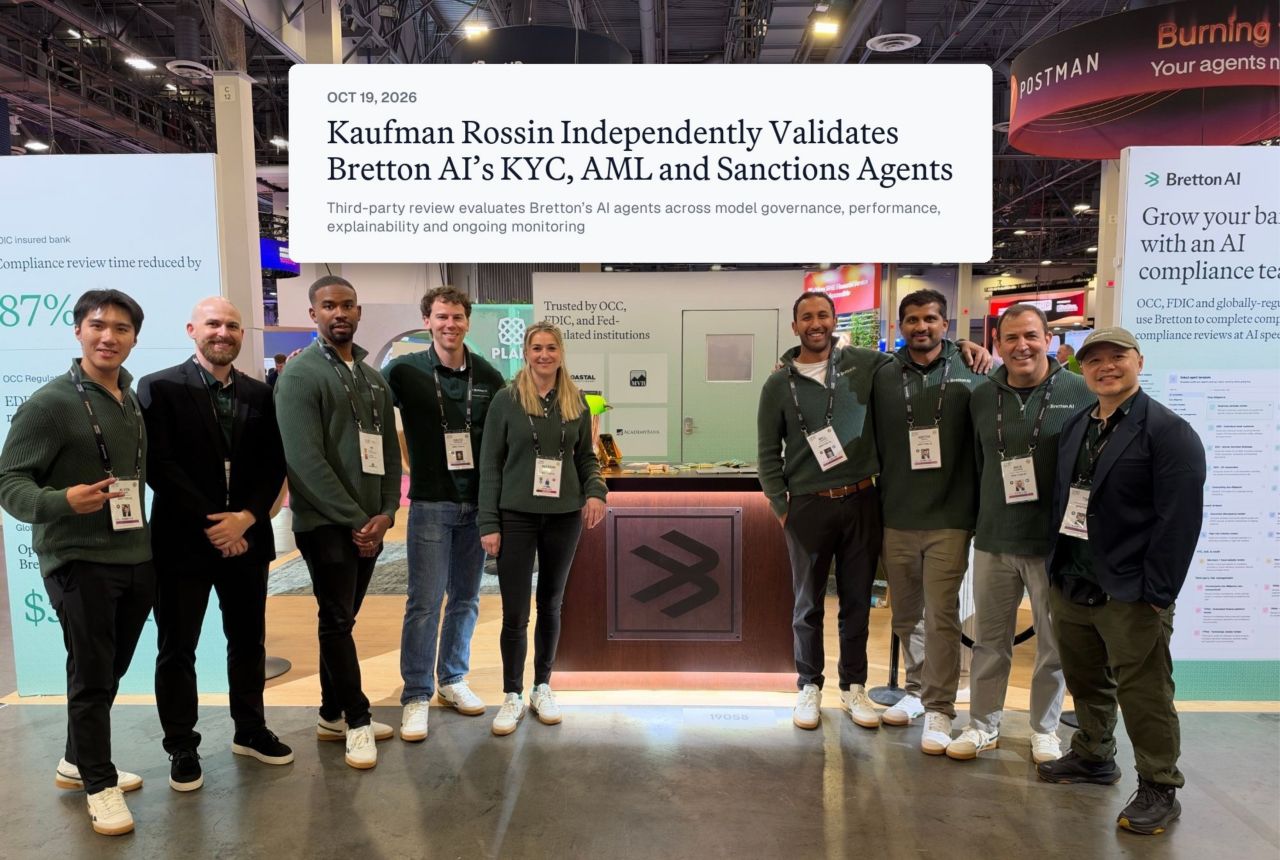
I'm really happy to share that our KYC, AML and sanctions agents at Bretton AI have completed independent model validation by Kaufman Rossin! The number one question bank leaders ask us is how they can trust an AI agent in production. In financial services, we already have a framework for answering that: model validation and model risk management. Agentic systems need that same scrutiny. The review assessed how reliably our agents perform, how we can explain and trace their decisions, and how we manage changes and monitor them over time. We already test our agents against the work they do and each bank’s policies, but independent validation adds another layer of scrutiny. Read the announcement here: https://lnkd.in/gw_VgzJP
- WunderGraphSince 28 Oct 2026
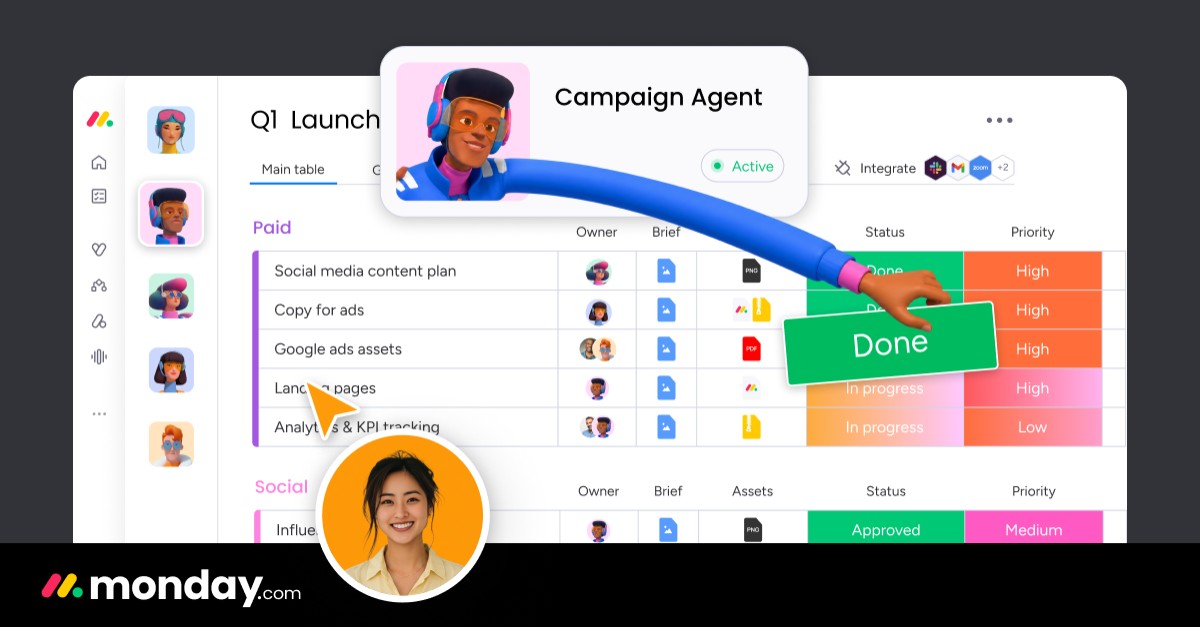
Monday.com rebuilds their API edge for the agentic era with WunderGraph. → 10B+ requests/month → 2.5x the traffic → p99 edge latency: ~490ms → 44ms → 92% less CPU → 80% less memory "We believe agents will become the main consumers of the monday.com API, so we’re optimizing the edge for agentic flows: many small, fast calls made by software on behalf of a person." - Michał Budziak It's been a pleasure working with Shanee Radzewsky, Michał Budziak, Adam Rutkowski https://lnkd.in/eNvYXHkJ
- Blue WheelRecorded 30 Oct 2026
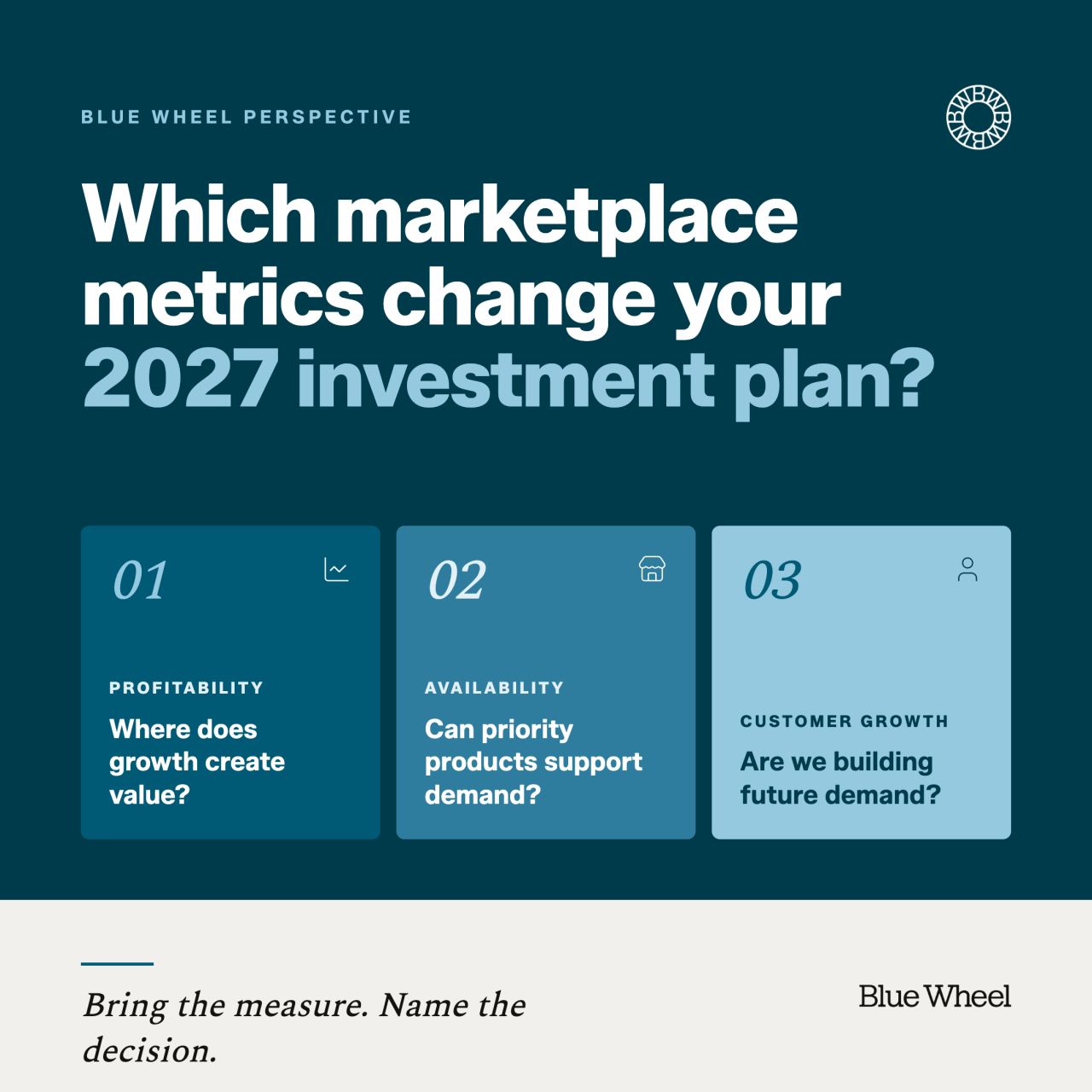
𝗬𝗼𝘂𝗿 𝗔𝗺𝗮𝘇𝗼𝗻 𝗯𝘂𝘀𝗶𝗻𝗲𝘀𝘀 𝗴𝗿𝗲𝘄 𝘁𝗵𝗶𝘀 𝘆𝗲𝗮𝗿. 𝗗𝗼𝗲𝘀 𝘁𝗵𝗮𝘁 𝗺𝗲𝗮𝗻 𝗶𝘁 𝘀𝗵𝗼𝘂𝗹𝗱 𝗴𝗲𝘁 𝗺𝗼𝗿𝗲 𝗯𝘂𝗱𝗴𝗲𝘁 𝗶𝗻 𝟮𝟬𝟮𝟳? Not necessarily. When planning for 2027, most leadership teams start with revenue growth and ROAS. Those metrics matter, but they rarely tell the full story. The better question is: 𝗪𝗵𝗮𝘁'𝘀 𝗮𝗰𝘁𝘂𝗮𝗹𝗹𝘆 𝗱𝗿𝗶𝘃𝗶𝗻𝗴 𝘁𝗵𝗲 𝗴𝗿𝗼𝘄𝘁𝗵, 𝗮𝗻𝗱 𝘄𝗵𝗮𝘁 𝘄𝗶𝗹𝗹 𝘂𝗻𝗹𝗼𝗰𝗸 𝘁𝗵𝗲 𝗻𝗲𝘅𝘁 𝘀𝘁𝗮𝗴𝗲 𝗼𝗳 𝗶𝘁? For enterprise brands, the question isn't simply whether Amazon grew. It's whether the business fundamentals support the next stage of growth. I typically look at three areas: 𝟭. 𝗣𝗿𝗼𝗳𝗶𝘁𝗮𝗯𝗶𝗹𝗶𝘁𝘆, 𝗻𝗼𝘁 𝗷𝘂𝘀𝘁 𝘀𝗮𝗹𝗲𝘀 Growing revenue is great. Growing profitable revenue is better. Look beyond top-line performance and understand contribution after advertising, promotions, returns, fees, and other marketplace costs. I've seen brands increase sales while profitability moved in the opposite direction. If contribution is shrinking, the next investment may be in pricing, assortment, or operational efficiency, not additional media spend. 𝟮. 𝗣𝗿𝗼𝗱𝘂𝗰𝘁 𝗮𝘃𝗮𝗶𝗹𝗮𝗯𝗶𝗹𝗶𝘁𝘆 One of the fastest ways to waste marketing dollars is driving demand for products customers can't buy. Before increasing investment, look at in-stock rates, replenishment timelines, and inventory forecasts for the products expected to drive growth next year. If key items are frequently out of stock, solving the supply issue may generate a better return than increasing advertising. 𝟯. 𝗖𝘂𝘀𝘁𝗼𝗺𝗲𝗿 𝗮𝗰𝗾𝘂𝗶𝘀𝗶𝘁𝗶𝗼𝗻 Not all growth is created equal. A business that continues to acquire new customers is in a very different position than one that is primarily selling to existing customers. Understanding the balance between new-to-brand acquisition, repeat purchases, and acquisition cost can help determine whether your next dollar should go toward capturing existing demand or expanding your customer base. 𝗧𝗵𝗲 𝗿𝗲𝗮𝗹 𝗴𝗼𝗮𝗹 𝗼𝗳 𝗽𝗹𝗮𝗻𝗻𝗶𝗻𝗴 Metrics only matter if they help you make better decisions. A category with strong profitability, consistent availability, and customer acquisition momentum may deserve additional investment. Another may need operational improvements, stronger content, or assortment changes before more budget will move the needle. As 2027 planning discussions begin, I'd encourage teams to bring more than performance metrics. Bring the business implication of those metrics and the investment decision they support. That's what helps leadership allocate resources across media, content, inventory, technology, and people with confidence. 𝗪𝗵𝗮𝘁'𝘀 𝗼𝗻𝗲 𝗺𝗮𝗿𝗸𝗲𝘁𝗽𝗹𝗮𝗰𝗲 𝗺𝗲𝘁𝗿𝗶𝗰 𝘁𝗵𝗮𝘁 𝗰𝗵𝗮𝗻𝗴𝗲𝗱 𝗮𝗻 𝗶𝗻𝘃𝗲𝘀𝘁𝗺𝗲𝗻𝘁 𝗱𝗲𝗰𝗶𝘀𝗶𝗼𝗻 𝗳𝗼𝗿 𝘆𝗼𝘂𝗿 𝗯𝘂𝘀𝗶𝗻𝗲𝘀𝘀 𝘁𝗵𝗶𝘀 𝘆𝗲𝗮𝗿?
- DataikuSince 27 Oct 2026
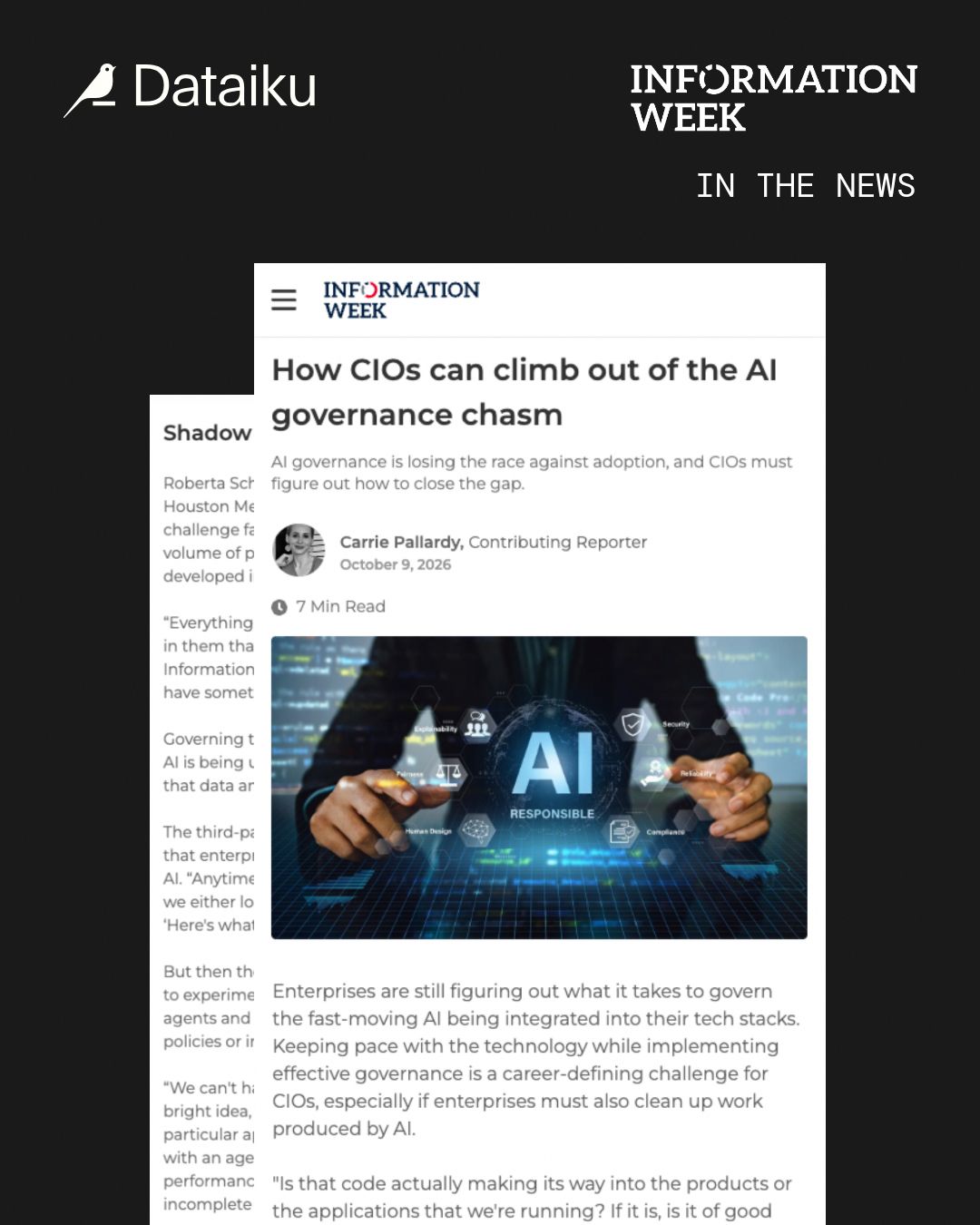
If the person reviewing an agent’s work can’t keep up, what exactly are they approving? Mike Anderson’s point about human fatigue in a recent InformationWeek piece stood out to me. Someone can be formally responsible for an agent and still spend their day clicking “approve” to clear the queue. Dataiku’s recent report with The Harris Poll, The Global AI Confessions Report: CIO Edition 2026, which surveyed 685 global CIOs, found that 84% say employees are building agents and applications faster than IT can govern them. And just 21% of CIOs have full visibility into AI agent and AI workload costs across different use cases and business units. Trying to close that gap through manual review alone puts an unrealistic burden on the people responsible. What companies need is a platform that supports ongoing monitoring, sets clear boundaries and provides a workable path for intervention. This is part of why we built Dataiku Agent Management: to bring agent ownership, usage, cost, quality and risk information together across platforms. It gives teams a shared basis for deciding where attention is needed. As we give agents more autonomy, we need to be just as deliberate about how people supervise them. Otherwise, approval becomes a formality. Great article by Carrie Pallardy that's definitely worth a read: https://lnkd.in/eN7xksMu I’ve added more on Agent Management in the comments.
- Business ExpertsSince 27 Oct 2026
“𝐖𝐚𝐭 𝐞𝐞𝐧 𝐭𝐢𝐣𝐝𝐬𝐰𝐢𝐧𝐬𝐭! 𝐕𝐚𝐧 𝐦𝐚𝐚𝐧𝐝𝐞𝐧 𝐧𝐚𝐚𝐫 𝐬𝐥𝐞𝐜𝐡𝐭𝐬 𝐞𝐞𝐧 𝐩𝐚𝐚𝐫 𝐮𝐮𝐫.” Groei vraagt om processen die met je meebewegen. Bij EMVO Techniek B.V. zorgde slimme automatisering voor een flinke efficiencyslag: - Jaarlijkse prijsafspraken --> van 1 à 2 maanden naar enkele uren - Automatische facturering --> naar 5 uur tijdwinst per week - Voorraadstatus en prijsafspraken direct inzichtelijk 𝐇𝐨𝐞 𝐫𝐞𝐚𝐥𝐢𝐬𝐞𝐞𝐫 𝐣𝐞 𝐠𝐫𝐨𝐞𝐢 𝐛𝐢𝐧𝐧𝐞𝐧 𝐣𝐞 𝐞𝐢𝐠𝐞𝐧 𝐭𝐞𝐜𝐡𝐧𝐢𝐬𝐜𝐡𝐞 𝐠𝐫𝐨𝐨𝐭𝐡𝐚𝐧𝐝𝐞𝐥? Op 19 november krijg je bij EMVO Techniek een kijkje achter de schermen. Tijdens een exclusieve inspiratiesessie voor groothandels delen EMVO Techniek en Business Experts hun praktijkverhaal: wat liep vast, wat is veranderd en hoe helpt Exact om slimmer, sneller en efficiënter te werken? 📅 Donderdag 19 november 2026 🕤 9.30 – 13.00 uur 📍 EMVO Techniek, Sint-Oedenrode Deelname is gratis. Reserveer hier je plek: https://lnkd.in/e6xHgZPp #technischegroothandel #exactsoftware
- WellnowSince 27 Oct 2026
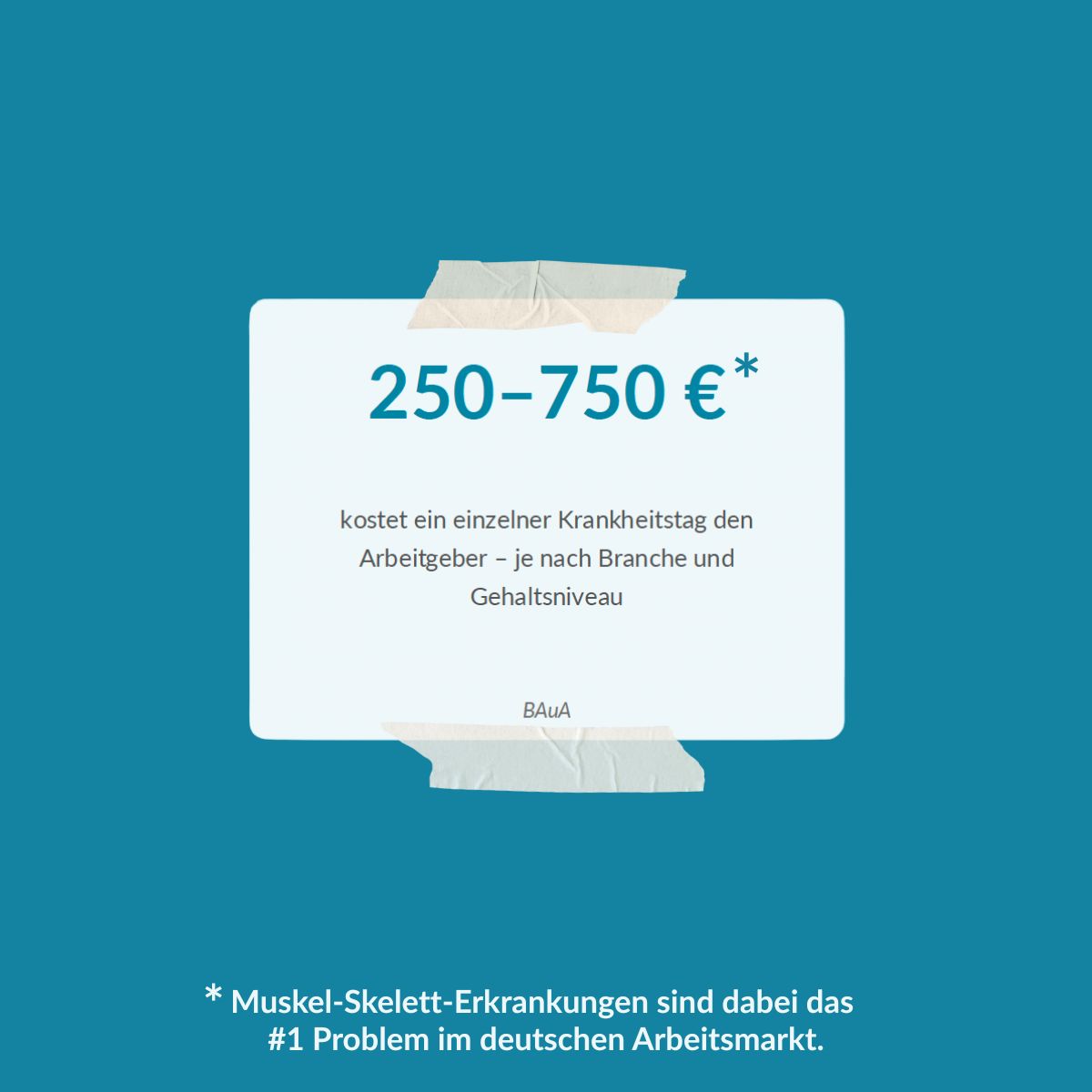
250 bis 750 Euro kann ein Krankheitstag den Arbeitgeber kosten. Wie hoch ist es bei euch? Keine Panik, so geht es vielen Unternehmen und man kann es in den Griff bekommen. Nicht alle Mitarbeitenden haben jedoch denselben Unterstützungsbedarf. Besonders im gewerblichen Bereich lohnt sich daher ein genauerer Blick auf die Belegschaft. Von beschwerdefrei bis hin chronischen Beschwerden und Langzeit-AU unterscheiden wir fünf verschiedene Risikogruppen: 1. Beschwerdefrei (Keine Beschwerden) 2. Gelegentlich (leichte Beschwerden, aber keine Arbeitsunfähigkeit) 3. Rezidivierend (Wiederkehrende Beschwerden und kurze AU-Episoden) 4. Chronifiziert (Häufige oder längere AU) 5. Ausfallgefährdet (Langzeit-AU oder BEM-Fälle) Unser Ziel ist es, möglichst viele Mitarbeitende aus den Gruppen 3 und 4 schnell wieder in Richtung 1 und 2 zu bringen. Gruppe 5 braucht Aufmerksamkeit der Regelversorgung. Dabei greift das Gießkannenprinzip einfach zu kurz. Es lässt komplett außer Acht, dass Mitarbeitende verschiedene Bedürfnisse haben und dass nach Dringlichkeit priorisiert werden muss. Ein Rückenkurs für alle hilft nur denjenigen, die auch hingehen und spezifisch “Rücken” haben. Gesundheitsförderung muss dort ansetzen, wo der Bedarf am größten ist. Statt Maßnahmen nach dem Gießkannenprinzip zu verteilen, unterstützen wir daher gezielt dort, wo Beschwerden drohen, chronisch zu werden und bevor aus ersten Symptomen lange Ausfallzeiten entstehen. Das ist nicht nur besser für die Mitarbeitenden, sondern auch wirtschaftlich sinnvoll.
- Business ExpertsSince 27 Oct 2026
𝐓𝐨𝐭 25% 𝐥𝐚𝐠𝐞𝐫𝐞 𝐯𝐨𝐨𝐫𝐫𝐚𝐚𝐝𝐤𝐨𝐬𝐭𝐞𝐧. 𝐌𝐢𝐧𝐝𝐞𝐫 𝐟𝐨𝐮𝐭𝐞𝐧. 5 𝐮𝐮𝐫 𝐭𝐢𝐣𝐝𝐰𝐢𝐧𝐬𝐭 𝐩𝐞𝐫 𝐰𝐞𝐞𝐤. Bij EMVO Techniek B.V. werd handmatig werk ingeruild voor slimme automatisering Exact Online Handel Premium. Van orders en facturatie tot voorraad en verzending: alle bedrijfsprocessen zijn nu volledig geïntegreerd. Op 19 november ontdek je zelf hoe dat er in de praktijk uitziet. Tijdens een exclusieve inspiratiesessie bij EMVO Techniek B.V. krijg je een kijkje achter de schermen en deelt Business Experts praktische inzichten waar je ook binnen jouw technische groothandel meteen mee aan de slag kunt. 📅 Donderdag 19 november 2026 🕤 9.30 – 13.00 uur 📍 EMVO Techniek, Sint-Oedenrode Meld je hier direct aan: https://lnkd.in/e6xHgZPp #technischegroothandel #groothandel #exactsoftware
- WellnowSince 27 Oct 2026
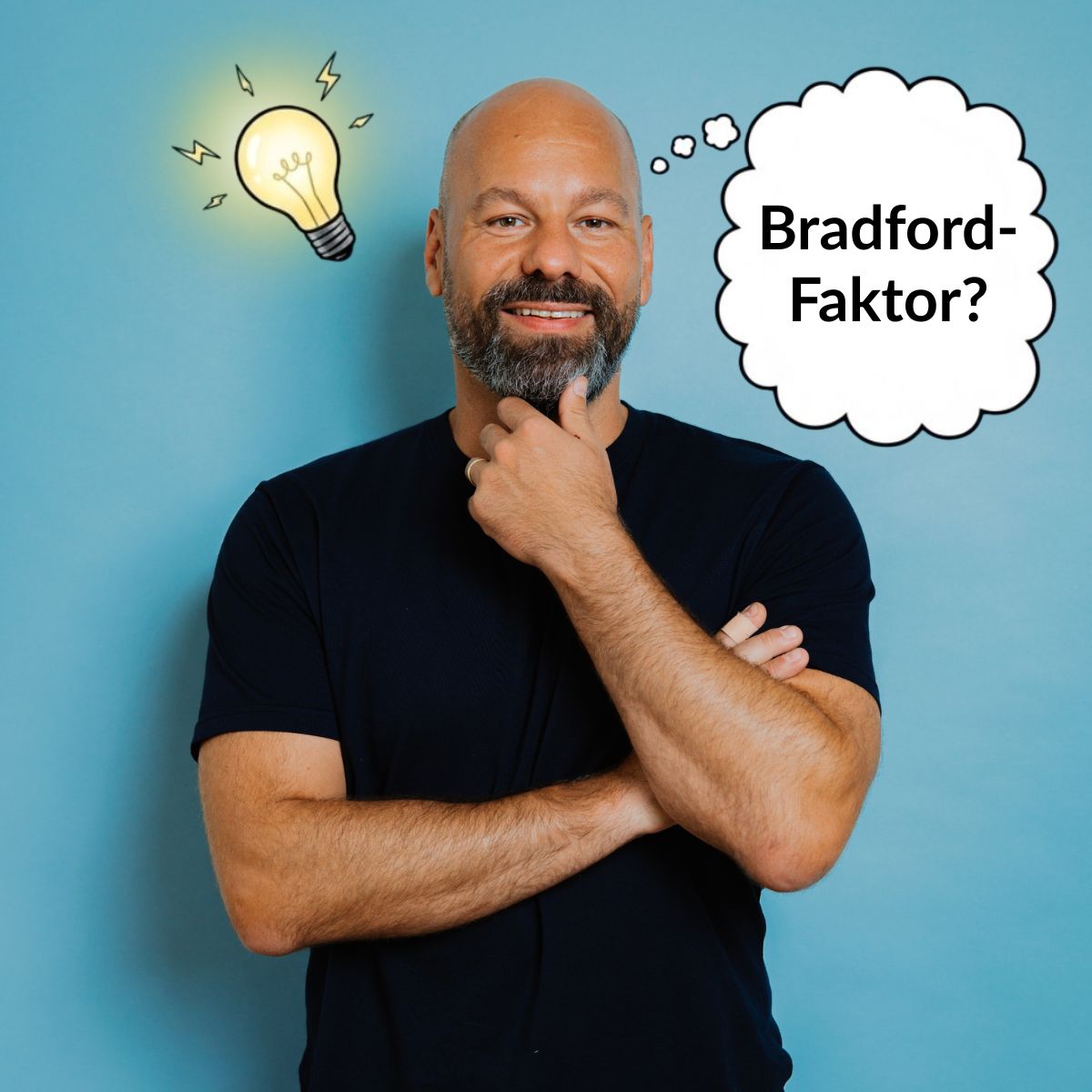
4 Tage krank? Kein Drama. 4 x 1 Tag krank? Plötzlich wird’s für den Bradford-Faktor interessant. Der Bradford-Faktor ist eine Kennzahl aus dem Personalmanagement, mit der Unternehmen Fehlzeiten nicht nur nach ihrer Dauer, sondern auch nach ihrer Häufigkeit betrachten können. Er wird genutzt, um auffällige Fehlzeitenmuster frühzeitig zu erkennen. Denn 10 Fehltage am Stück sind organisatorisch etwas anderes als 10 einzelne Krankheitsfälle. Berechnet wird das so: Bradford-Faktor = Anzahl der Fehlzeiten² × Anzahl der Fehltage In der Praxis kann das dann beispielsweise so aussehen: 👉 1 Krankheitsfall mit 10 Tagen = 10 Punkte 👉 5 Krankheitsfälle mit insgesamt 10 Tagen = 250 Punkte 👉 10 Krankheitsfälle mit insgesamt 10 Tagen = 1.000 Punkte Eine hohe Punktzahl weist jedoch nicht immer auf einen problematischen Mitarbeitenden hin. Denn vielleicht steckt dahinter eine chronische Erkrankung oder psychosoziale Belastungen. Vielleicht aber auch tatsächlich ein auffälliges Fehlzeitenmuster. Man weiß es erstmal nicht. Vor allem im gewerblichen Bereich, in dem Mitarbeitende häufig von schweren körperlichen Belastungen und chronischen Beschwerden betroffen sind, muss man hier vorsichtig sein. 2024 entfielen in Deutschland 171,3 Millionen Arbeitsunfähigkeitstage auf Erkrankungen des Muskel-Skelett-Systems und des Bindegewebes. Das entspricht 19,4 % aller AU-Tage. Die BAuA schätzt die damit verbundenen Produktionsausfallkosten auf 26,1 Milliarden Euro. Der Ausfall an Bruttowertschöpfung wird auf 44,2 Milliarden Euro geschätzt. Ein Mitarbeitender mit wiederkehrenden Rücken-, Schulter- oder Gelenkproblemen kann also einen sehr hohen Bradford-Faktor erreichen, sollte deswegen aber nicht gleich unter Generalverdacht stehen. Ein hoher Wert ist hier vielmehr ein Indikator, genauer hinzuschauen: Gibt es ein gesundheitliches oder arbeitsbedingtes Problem, das man ergonomisch oder organisatorisch in den Griff bekommen kann, bevor es zu spät ist? Gleichzeitig birgt die Kennzahl eine echte Gefahr, nämlich Präsentismus. Wenn Mitarbeitende das Gefühl bekommen, dass jeder Fehltag ihren Score explodieren lässt, schleppen sie sich krank zur Schicht. Gerade im gewerblichen Bereich ist das brandgefährlich. Wer angeschlagen oder mit Schmerzmitteln an Maschinen arbeitet, riskiert schwere Unfälle und gefährdet das gesamte Team. Richtig genutzt taugt der Bradford-Faktor deshalb niemals als Kontroll- oder Disziplinierungsinstrument, sondern rein als Warnlämpchen für den Arbeitsschutz und gezielte Prävention. Denn die wichtigste Spielregel muss immer bleiben: Wer krank ist, gehört ins Bett und nicht an die Werkbank.
- autoMEE - AI dla księgowości i finansówSince 28 Oct 2026
Fundusze kupują biura rachunkowe. Na szczęście Twoi klienci są lojalni. Przynajmniej dopóki nie poznają równie dobrej księgowej, która ma lepszą technologię i czas odebrać telefon. W nowym biuletynie o tym, dlaczego „księgowi zawsze będą potrzebni” nie gwarantuje, że potrzebne będzie akurat Twoje biuro. 😉 Zapraszam do lektury.
- DeloitteSince 28 Oct 2026
The second line must challenge the first line, not trust a black box. GenAI is advancing fast, but oversight relies on interrogable checks. This is an accountability issue, not just a technology one. When oversight depends on GenAI systems that are hard to interrogate, the second line cannot explain or defend outcomes to boards and regulators. That does not restore oversight. It creates a dependency the team cannot justify. The second line can use GenAI to create a manageable environment so they can spend their time on making sure risk can be monitored, and not on coordinating between domains, departments, and assessments. Second-line teams must update tests, evidence and methods to preserve their monitoring role. GenAI should strengthen second-line judgement, not replace the ability to justify it. Read more insights on maintaining independent oversight in the GenAI era: https://deloi.tt/46BKn9K
- OmniSince 28 Oct 2026
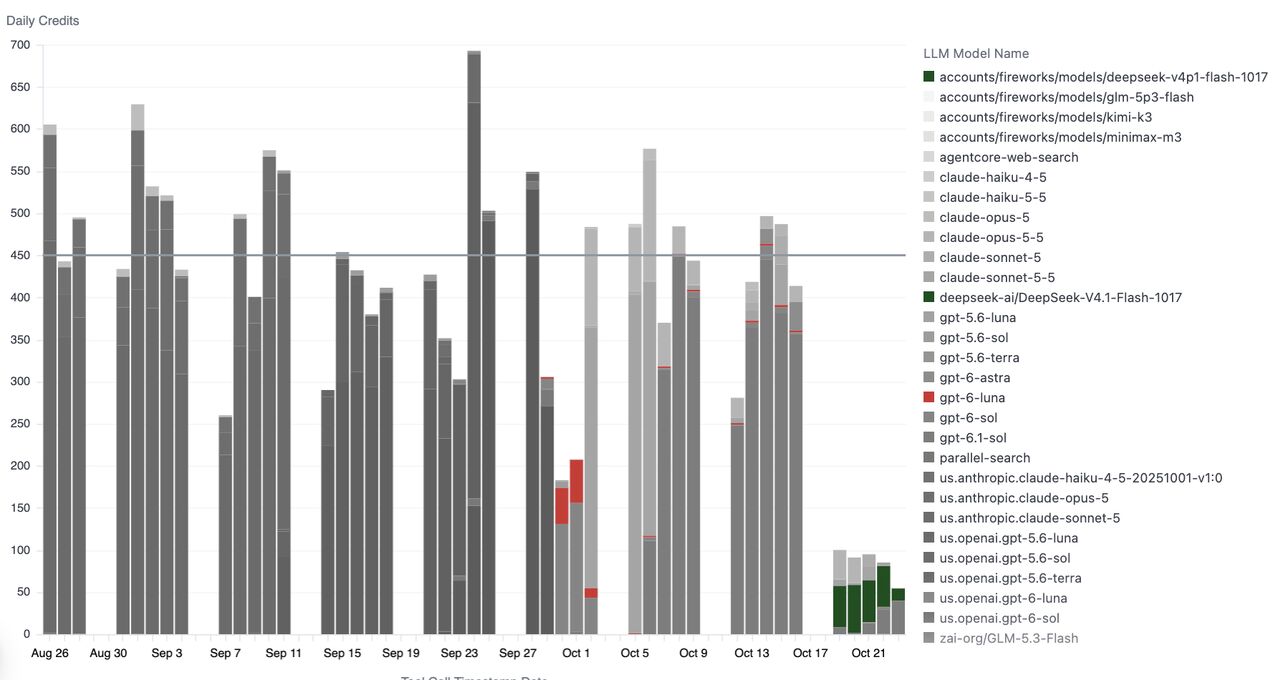
Omni dropped our internal data token spend by more than 80% this week. I mentioned a couple weeks ago intelligence was getting free. We tested Luna as our workhorse model - extremely cheap, less intelligent. We indeed saw a bunch of savings, but underneath that was an enormous user preference to back the model off and select something more intelligent (red bars on Sept 30, Oct 1 below --> grey back-off). Unfortunately that also meant the typical $450 / day was only down to $200 / day. Put simply, Luna wasn't smart enough. Fast forward literally two weeks and we've been running a similar test with Deepseek Flash 4.1 (green bars this week). The results have been incredible. The back-off rates we saw before have dropped to fewer than 10% of queries (largely app building). The net is that we can now use less than $100 / day across all models (less than half on Flash). Run rate dropped from $500 daily to less than $100. We've found our new everyday model. We're in incredible times where core workflows can drop in cost by 80% overnight. Excited for the future. PS. Yes, we swap our internal models a lot.
- AlixPartnersSince 27 Oct 2026
An F1 driver feels the car while a race engineer reads the data, and neither has the full picture alone. Businesses have similar information gaps between functions and levels. Winners find ways to bridge these gaps, and to combine differing insights into successful decisions and actions. Read more below.
- WoodWingSince 28 Oct 2026
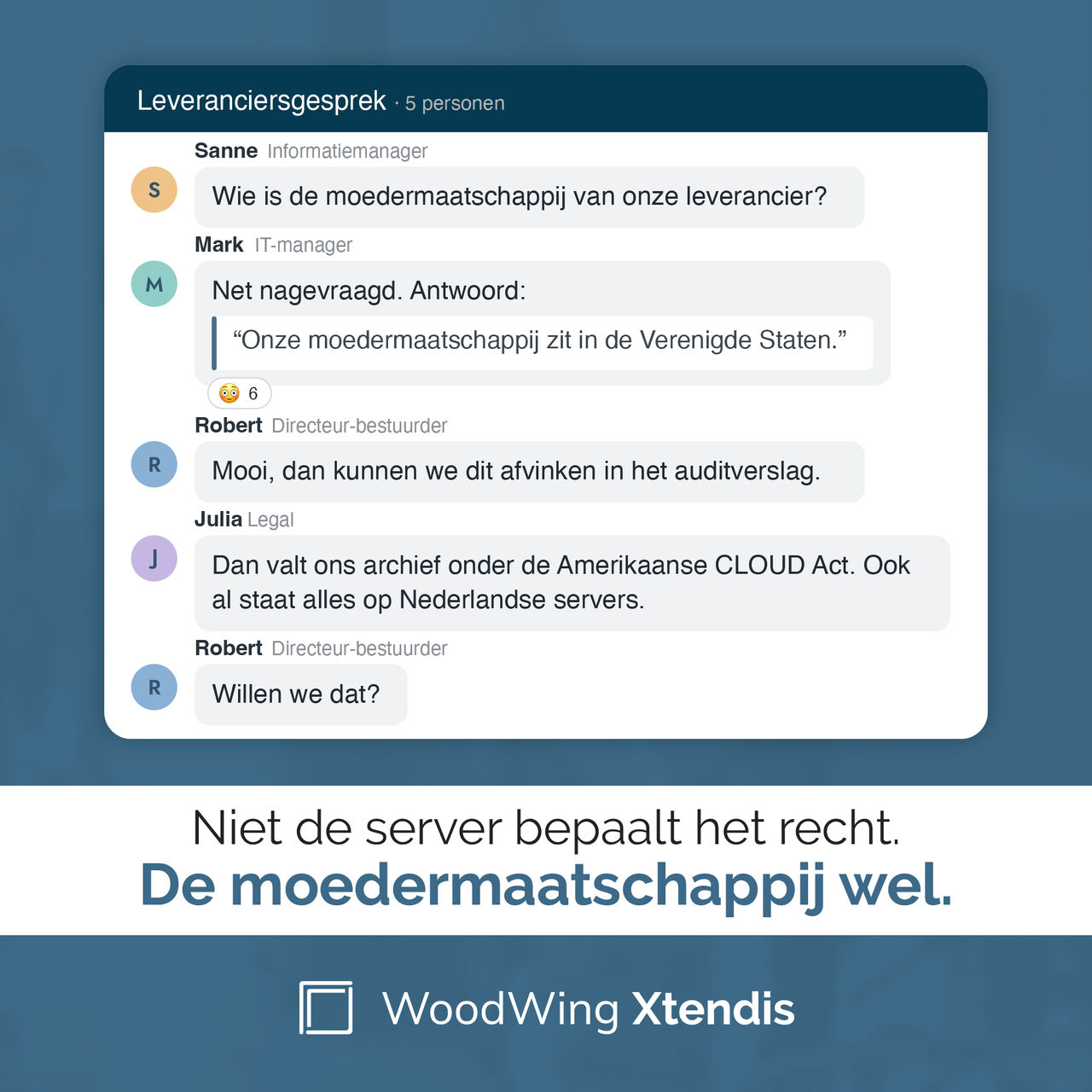
Onder welke wetgeving valt het archief van jouw woningcorporatie eigenlijk? Het is een vraag die je aan je archiefleverancier kunt stellen. Het antwoord hangt niet primair af van het land waar de server staat, maar van de vestigingsplaats van de uiteindelijke moederorganisatie achter die leverancier. Vraag ernaar en je merkt al snel hoe ver dat antwoord reikt: wie de moedermaatschappij is en wat er bijvoorbeeld met het archief gebeurt bij een overname. Drie vragen die klein lijken, maar die bepalen onder welk recht de gegevens van je huurders daadwerkelijk vallen. Om daar zelf de regie over te houden, is flexibiliteit in de cloudinrichting essentieel: hosting bij een internationale hyperscaler, of een omgeving waarbij het archief aantoonbaar op Nederlandse bodem staat. Bij Xtendis is dat een keuze, geen gegeven. Meer weten over hoe je dit voor je eigen corporatie uitzoekt? Lees het artikel, of stuur me een berichtje. https://lnkd.in/eZdpxmD5
- Letter AIRecorded 30 Oct 2026
I approved an internal build once. I was proud of it. I was also, it turned out, eighteen months behind the moment it shipped. Here's how it went. We identified a gap. We had strong engineers. A vendor had just raised their prices. The pitch in the room was compelling: "We know our workflows better than any vendor does. Let's own this." I have been in this meeting and I nodded with approval in this meeting. I have written the PRD for this meeting and fourteen months later, version 1.0 shipped (imagine the slack with confetti). Then engineering moved to the next priority, because internal enablement tooling wasn't on any revenue dashboard. By the time the tool was stable, two of the integrations it depended on had updated their APIs. We had a 23-item feature backlog and no sprint capacity. Then someone asked when we were adding AI. Silence. We were frozen but the world was not. That's Fracture #3: Frozen Innovation. Here's the math I didn't run before saying yes: maintaining a custom enablement tool (not improving it, just keeping it running) typically costs $100- $200K a year in engineering time. That's not investment in the product. It's the tax on the decision to build. → Average internal build cycle to production: 12–18 months. → Average AI release cycle at dedicated vendors: 60–90 days. The gap between those two numbers is your competitive disadvantage, and it compounds every quarter you're in maintenance mode. The organizations winning right now didn't bet on building the plane while flying it. They asked a sharper question: what do we actually need to own, and what should we architect with partners who do this full-time? At the Sales Enablement Collective Summit in Chicago on Nov 18, Ali Akhtar and I will walk through how that decision gets made, including what the build-vs-architect conversation looks like with a CFO in the room. If you've led or inherited an internal build: what was the first sign that we own this had become a liability? I'm asking genuinely — this is one of the most common conversations I have and I want to understand how it unfolds in different orgs.
- Letter AIRecorded 30 Oct 2026
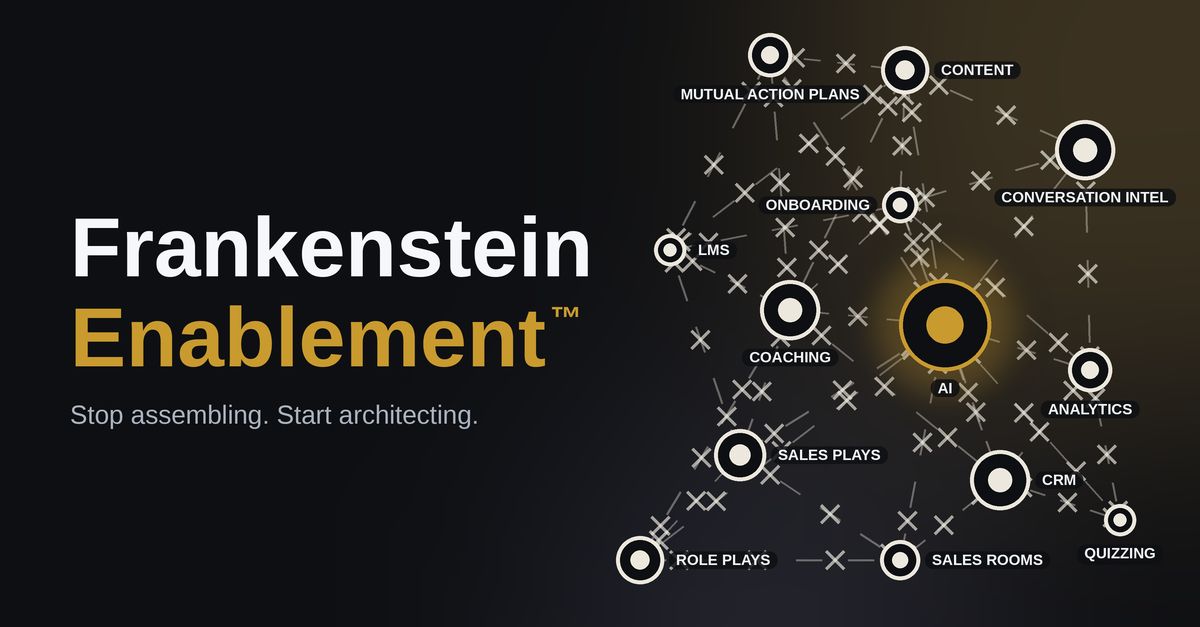
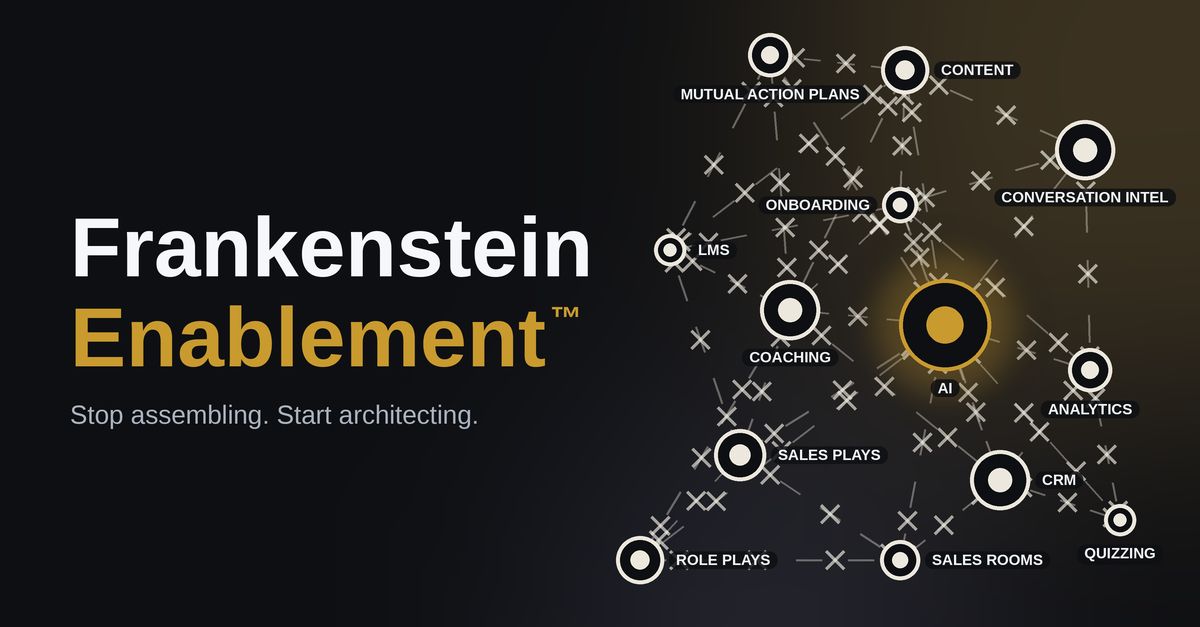
I once watched a rep lose a deal on an objection we had the perfect response to. The insight existed. So did the updated messaging, the playbook, and the coaching. The problem? They all lived in different places. And when a rep is in the middle of a deal, they don’t have time to piece together intelligence across six tools. They need to know what’s happening, what matters, and what to do next. That’s the bigger problem with Frankenstein Enablement™. We’ve built stacks full of valuable content, coaching, conversation intelligence, buyer signals, and AI. But when those systems don’t share what they know, two things happen: 1. The organization can’t turn all that intelligence into action fast enough. 2. And reps are left navigating a maze of tools to find what they need. The numbers make the disconnect even clearer. Research from Forrester suggests around 80% of sales content goes unused by the field. And research consistently shows that 65–70% of purchased platform capability goes permanently unused. That’s a lot of investment sitting in the stack without changing what a rep does next. And adding AI to every tool doesn’t solve it. You just end up with more disconnected assistants, each working from a different slice of context. The answer isn’t more tools or more training. It’s a connected experience where content, coaching, deal intelligence, and AI work together — so reps don’t have to figure out where to go or connect the dots themselves. When organizations move from fragmented to unified platforms, one benchmarking study found activation jumped from 52% to 88%. That’s the opportunity: turn more of what your organization already knows into action. So reps can understand what’s happening across their deals, get the right guidance in the moment, close deals faster, and effectively manage more opportunities at once. At the Sales Enablement Collective Summit in Chicago on Nov 18, Ali Akhtar and I are unpacking what it looks like to move from Frankenstein Enablement™ to a connected system built around how reps actually work. A simple test for your stack: When a new signal shows up in one system, how many steps does it take before it changes what a rep does next? Letter AI
- TapNowRecorded 30 Oct 2026
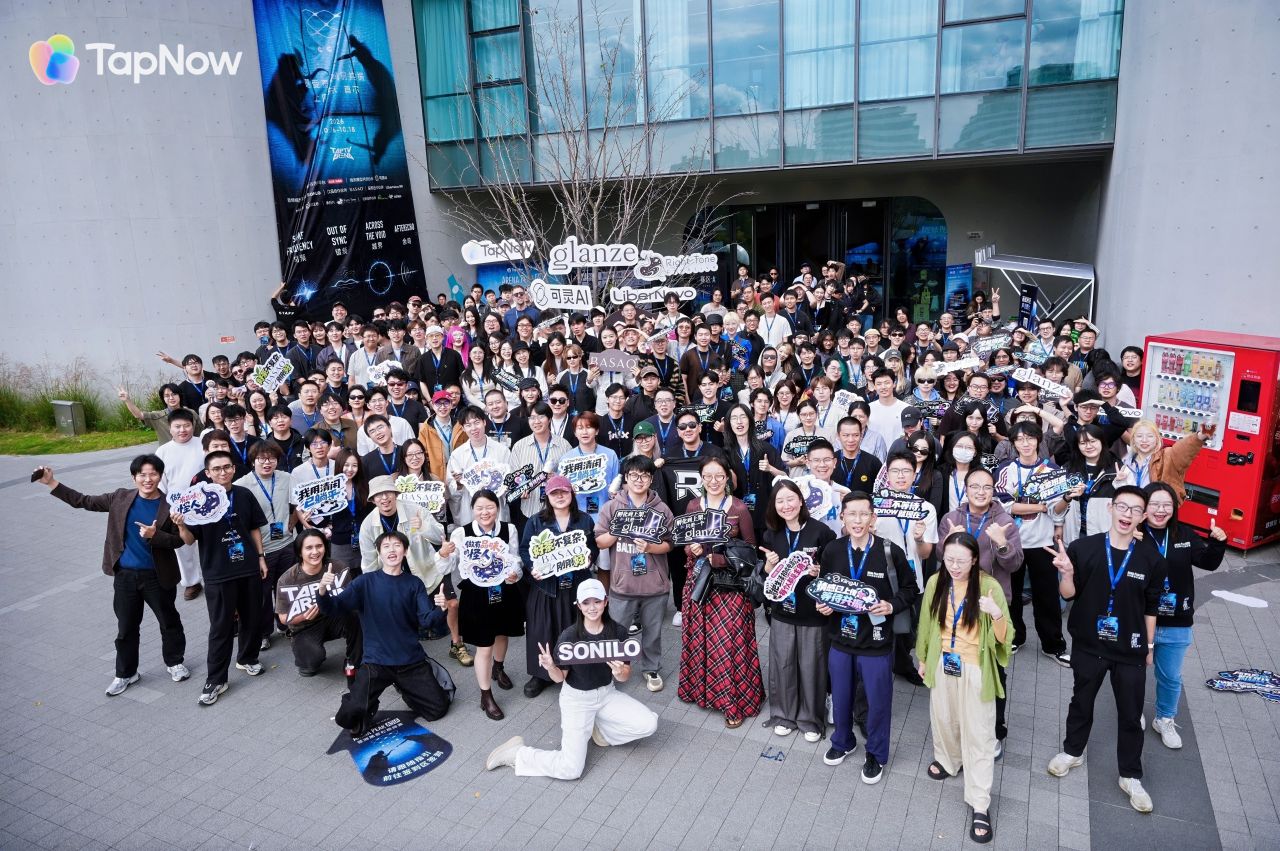
32 hours is enough to make a film. Making someone feel something is the harder part. That is what I keep coming back to after TapNow Arena Peak Asia. From October 16–18, the AI filmmaking hackathon connected Shanghai, Tokyo and Seoul, with 160 teams selected across China, Japan and Korea. The challenge: turn a story into a finished film in 32 hours around the theme of E.C.H.O. Two winning films capture the range of that ambition. Gold winner CALL ME HOME drew inspiration from Voyager 1 to tell an intimate human story. Silver winner Pet Hospital explored a nearly seven-minute continuous-shot experience. This is the standard TapNow care about: giving creators enough control to follow through on a specific creative idea. Under a 32-hour deadline, the whole workflow matters. Shaping the story. Keeping characters consistent. Planning the shots. Making choices together. Every hour saved on production gives a team more room to work on the details an audience will feel. I’m proud of the team and grateful to the creators who brought their own taste, cultural perspectives and stories to this challenge. Thank you to the jury and our partners, including Kling AI, the event’s Exclusive Model Co-creation Partner. The competition has ended, but the films are beginning their lives with audiences. You can explore the entries on TapTV. What would you make if you had 32 hours and a story you couldn’t let go of? #BuildingAtTapNow #ArenaPeakAsia #AIFilmmaking
- Bosch Sensortec GmbHSince 27 Oct 2026
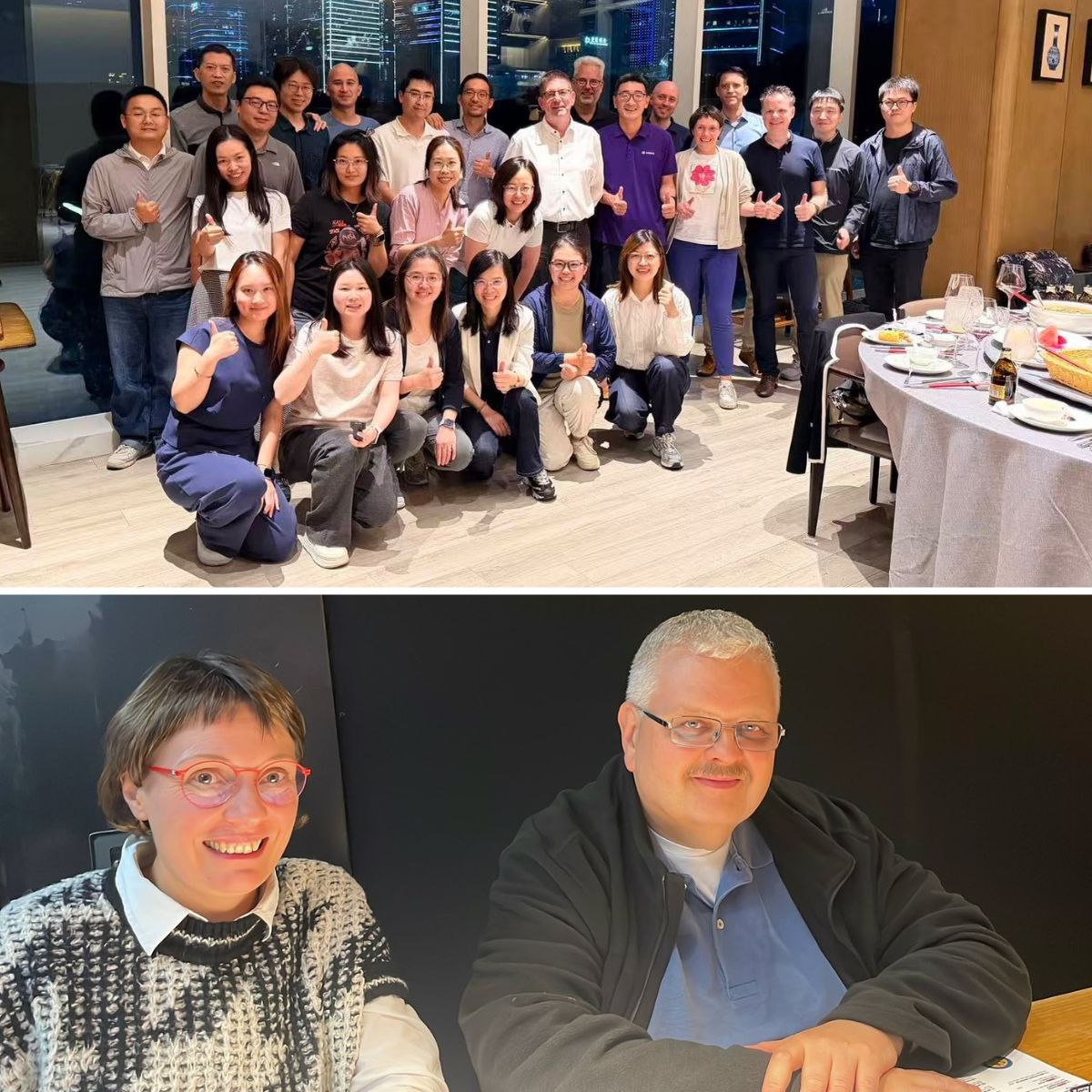
It’s always the people who make the difference. If I had to choose one takeaway from my recent business trips to Shanghai, Suzhou, China, and Milan, Italy, this would be it. Over the past two weeks, I had the honor to meet many of our local project and line leaders and experts in person and witness their drive, passion and personality in face-to-face conversations. What impressed me most was the incredible breadth of knowledge across our global teams at Bosch Sensortec GmbH built through years of diverse experiences and perspectives. Equally inspiring was the excitement and curiosity I saw when discussing how AI will shape the future of our projects and innovations. I’m really grateful to collaborate with such a talented and motivated global team. Thank you to everyone who shared their insights, ideas, and enthusiasm along the way. Now it's time for me to carry this energy and inspiration forward to the next big event ahead. #Leadership #ProjectManagement #GlobalCollaboration
- AlanSince 27 Oct 2026
Pourquoi attendre un arrêt de travail pour prendre soin de son équipe ? Depuis que je suis enceinte, ça me touche d'autant plus. Une grossesse. Un parcours de PMA. Un cancer. Un handicap. Un burn-out. Une maladie chronique… Notre santé ne se met pas sur pause de 8 h à 18 h. Alors, comment agir concrètement ? Mon allié favori pour prévenir, c'est le sport (je vous en parle suffisamment 🏋🏽♀️). Mais ça passe aussi par des choses simples comme : Pouvoir signaler une fatigue avant d’être à bout. Prendre un rendez-vous médical sans culpabiliser. Faire un bilan de santé que l’on repousse depuis des mois. Toutes ces mesures ont un impact direct sur l’absentéisme, la fidélisation, l'attractivité de l'entreprise, et surtout, sur les collaborateurs. 🫰🏽 C’est cette conviction que je partage avec Alan, dont j’ai été cliente pendant 3 ans. Ils défendent une idée qui m’est chère : prendre soin de sa santé commence bien avant de tomber malade. La prévention est l'investissement le plus utile qu’une entreprise puisse faire pour celles et ceux qui la font vivre. Qu’est-ce qui est mis en place dans votre entreprise ? 👇🏽 Collaboration commerciale avec Alan
- BoomerangSince 27 Oct 2026
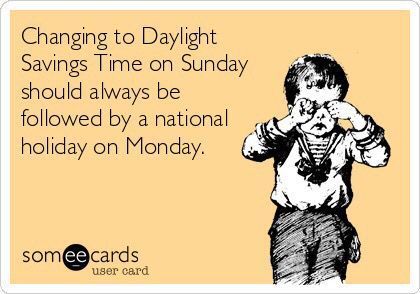
It's every American's favorite time of the year! Everyone gets an extra hour of sleep this Sunday. Daylight saving time change is sneaking up on us while we are all focused on Halloween! But I hope you're ready for a week of chaos. As any parent of a young kid knows, that "extra hour" is a complete fantasy. It's really just a 6:00 AM jolt from a child whose internal clock doesn't care about the new time. It's the official start of the week-long crankiness for the entire family. It’s not just the parents of young kids who will be suffering. Anyone without the flexibility to sleep in will be missing a precious hour of sleep a day next week. The transition typically takes up to a week or more. And that disruption doesn't stay at home. It follows us right into the office, and this "fall back" brings its own set of serious problems. First, there's a serious safety risk. That jarring shift to darkness during the 5 PM commute is dangerous. One study found that pedestrians are nearly 3 times more likely to be struck and killed by cars in the dusk hours immediately following the fall time change. A Carnegie Mellon study found the risk-per-mile for pedestrians jumps by 186% in November. I want you to be extra defensive when you're walking or driving home next week. Second, there's the mental health risk. That abrupt loss of evening light is a known, documented trigger for mood disorders. A large-scale Danish study found an 11% increase in hospital visits for depression that begins immediately after the fall transition to standard time. This is the same mechanism that triggers Seasonal Affective Disorder (SAD) for so many. My guess is it disproportionately affects night owls. The sudden shortage of daylight disrupts our circadian rhythm. For team leaders, your team isn’t going to be at the top of their game next week. They will be accumulating some sleep debt. Try to not schedule meetings too early and let everyone adjust to new time! If you want to be extreme about it, just cancel the in-office days for hybrid people.* To make the transition easier, we have to start shifting our internal clocks. Here's how: 🚧 Start the Shift Now. Don't wait for Sunday. Starting tonight, try to go to bed and wake up 15-20 minutes later each day. This also applies to mealtimes. 🌅 Get Morning Light. On Sunday and especially Monday, get outside in the sunlight as soon as you can. Morning light is the most powerful signal to reset your body's clock for the new day. 🦉 Stay up later this Friday & Saturday nights and try to sleep in the next morning. Any other tips you found that worked for DST change? Please share! * Imagine you might just be accidentally saving lives from reducing traffic for one week! ** Who am I kidding? It’s Halloween! You are going to stay up with kids hyped up on sugar anyway. P.S. The American Academy of Sleep Medicine has called for the ending of this biannual mess, citing all these public health risks. I'm with them.




Other LinkedIn formats
Watch the companies you care about.
Filter every ad by industry, country, format and network, and get alerts when a company you watch starts running new ads.