LinkedIn thought leader ad examples
129 thought leader ads are live on LinkedIn right now, from 137 companies. Browse real ones, filtered by industry.
- TenableSince 28 Oct 2026
Last week it was PHP2Shell. This week it’s HTTP2Shell, a critical flaw in Google’s Brotli compression library. CVE-2026-111497 has already triggered emergency patches across Node.js, .NET, and Python. Last Friday, I mentioned the vulnerability is only the headline, but the real exposure runs much deeper. This proves it. Leaders should notice one detail. Updating the system’s Brotli library doesn’t fix it, because many applications carry their own bundled copies. Patching is crucial, but it assumes you know where to apply the patch. Most organizations don’t. That’s why proactive security matters. The advantage goes to teams that can see every path into their environment and close the dangerous ones before attackers find them. https://lnkd.in/eX-azm7k #PHP2Shell #ExposureManagement #AI #Cybersecurity
- ZscalerSince 28 Oct 2026
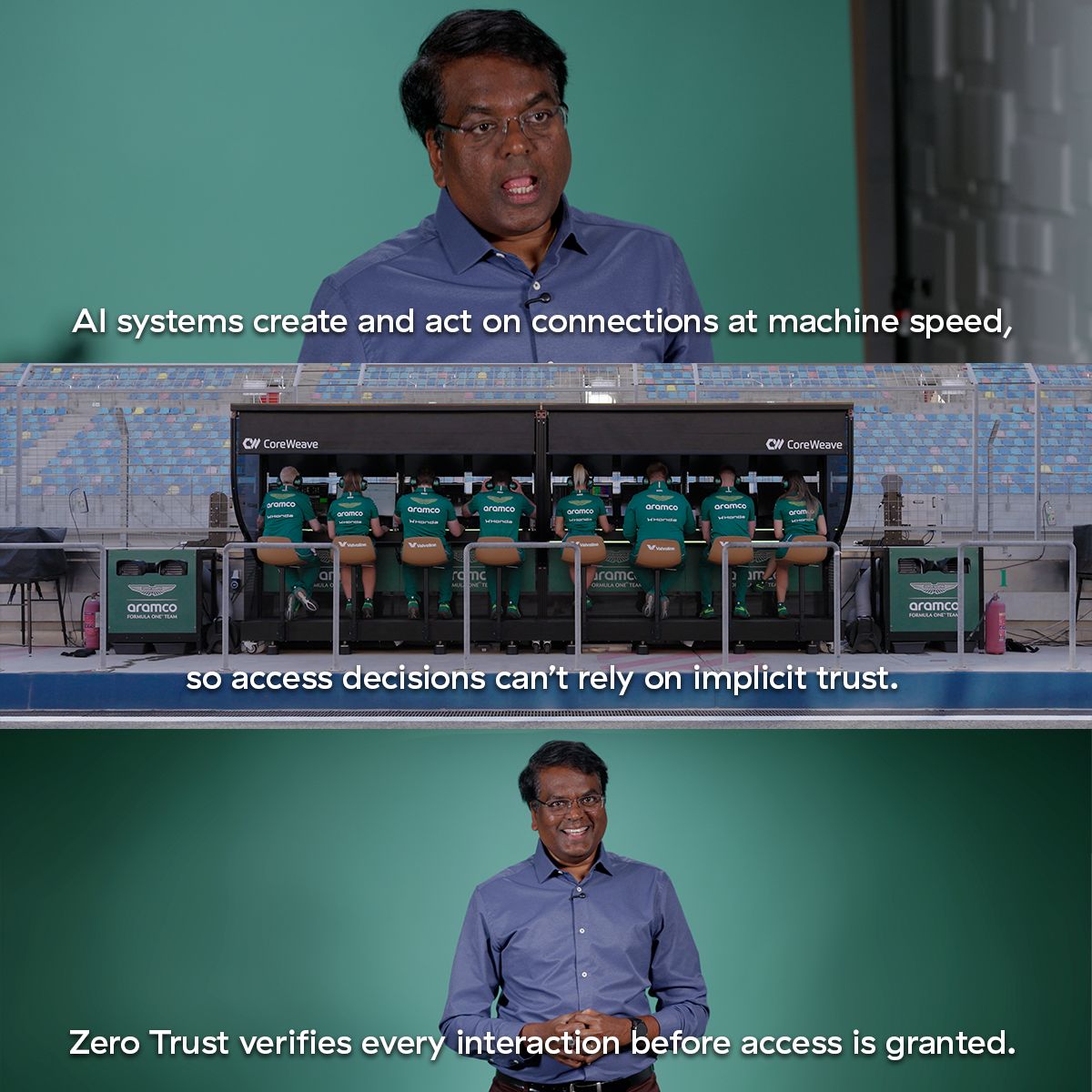
In this episode of Zscaler's #SecuringSpeed series, I talk about something I believe strongly: you can only move fast when you trust what’s around you. That’s true in everyday life, and it’s especially true with AI. In my experience, safety isn’t the thing that holds you back — it’s what gives you the confidence to move faster. For leaders working to secure AI at speed, it starts with visibility: understand where it’s being used, what it connects to, and what data it can reach. Let me know what you think! https://lnkd.in/gfTHQVgc #AI #AISecurity #Cybersecurity #DigitalTransformation
- dope.securityRecorded 28 Oct 2026
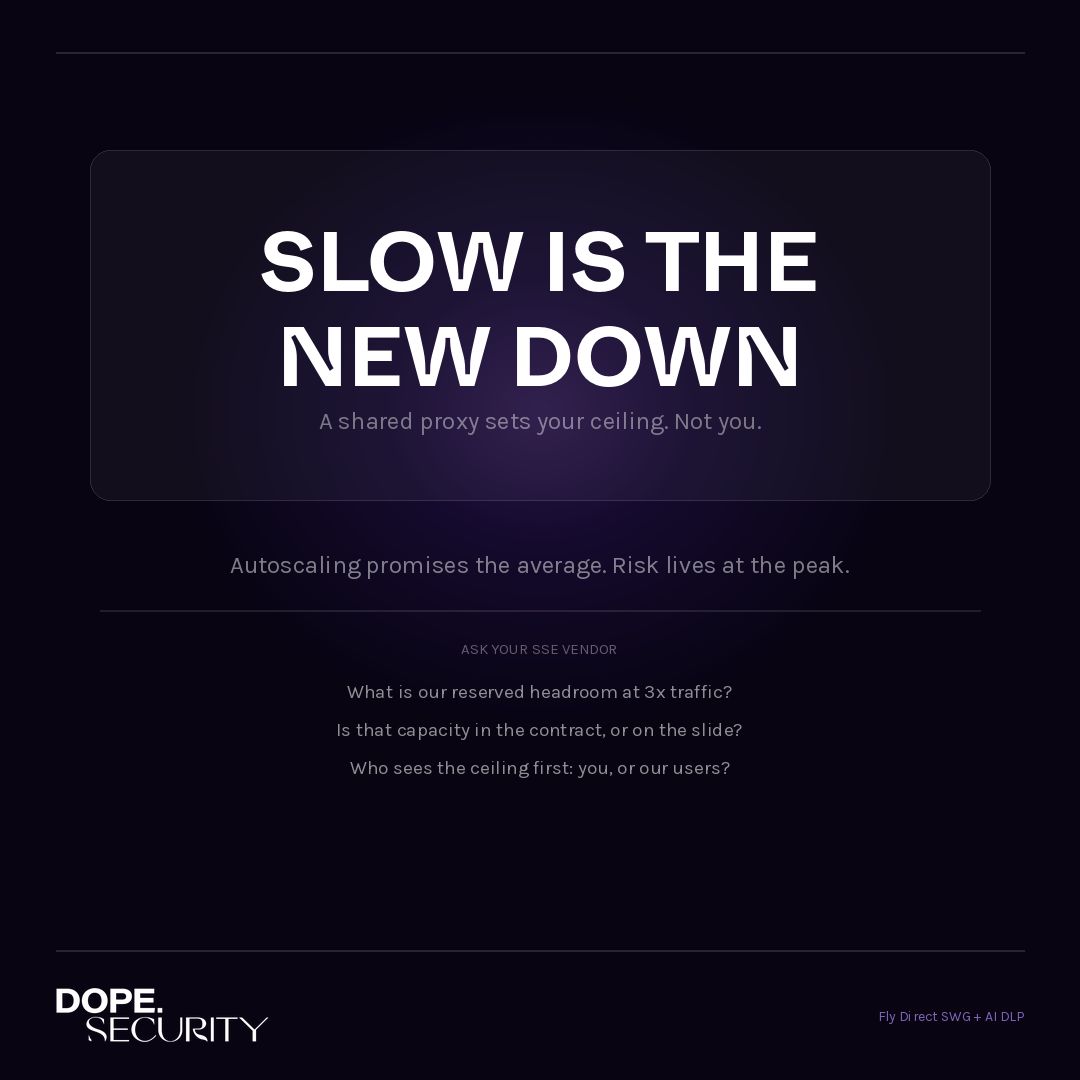
Nobody budgets for the day the security stack gets slow instead of down. Down is loud, and it gets fixed. Everyone knows, there's a status page, there's a war room. Slow is quiet, and nobody owns it. Pages crawl, calls stutter, and people start turning off the VPN or the agent to get work done. That's where the real exposure starts. Nobody files a ticket that says "security made me slower." They just route around it. In a shared cloud-proxy design, the headroom is set by someone else's capacity plan, and AI-heavy traffic is growing faster than most plans assumed. At dope.security, enforcement runs on the device and traffic flies direct. Growth in AI usage lands on endpoints you already own, not on a shared queue you can't see. Security leaders: when did a "slow" security tool last cause more damage than a "down" one? #SSE #Endpointsecurity #Cybersecurity
- TenableSince 26 Oct 2026
On Sunday night, attackers turned the fridges in more than a hundred French supermarkets into very expensive heaters.They didn’t go for the data. They went for the stock. Nobody’s confirmed yet how they got in but my money’s on a known flaw in the fridge controllers. https://lnkd.in/eaS4wwYH #exposuremanagement
- FortanixSince 23 Oct 2026
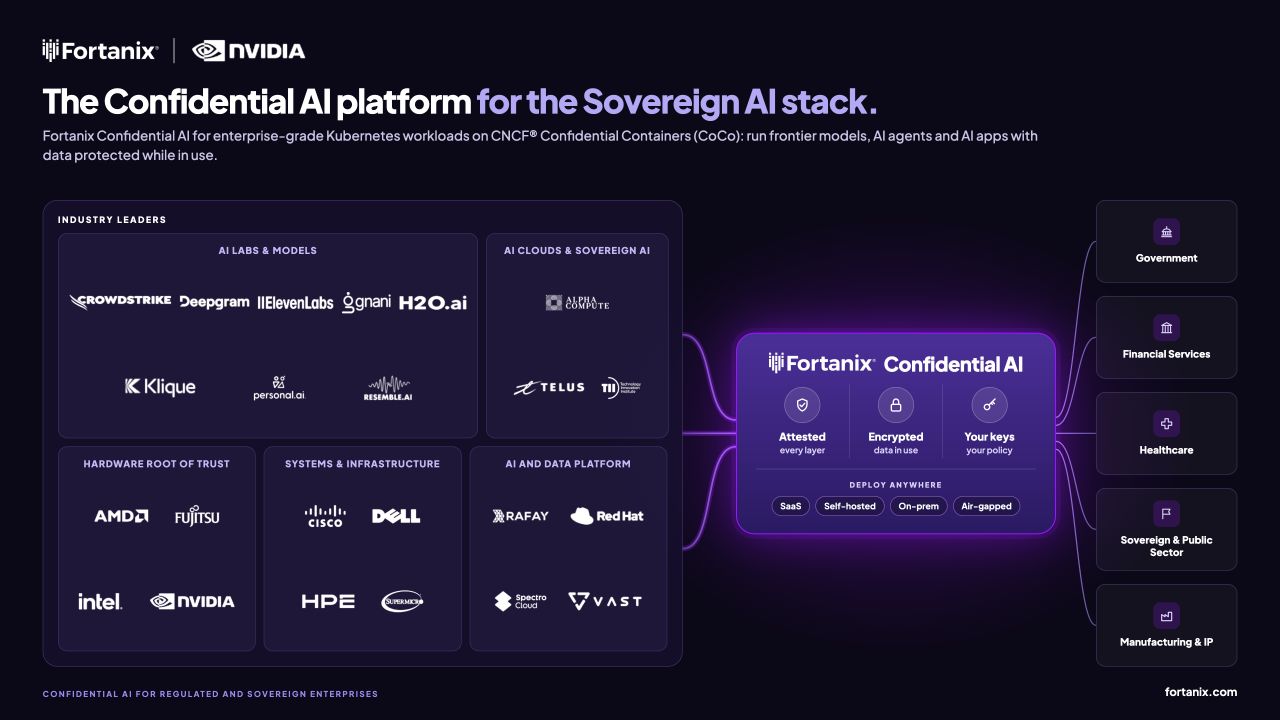
Confidential AI is now enterprise-grade on Kubernetes! Today, ahead of NVIDIA GTC Berlin, Fortanix announced Confidential AI for enterprise-grade Kubernetes workloads on Cloud Native Computing Foundation (CNCF) Confidential Containers (CoCo), available now. Containers are how the world ships AI. Now every container running a frontier model, an AI agent or an AI application can run inside a hardware-based Trusted Execution Environment, with data, models and agents protected while in use. Attestation is a process. Trust is an operation. That's the principle we built this on. And we're not doing it alone. Industry leaders NVIDIA, Alpha Compute, AMD, Cisco, Dell Technologies, CrowdStrike, Deepgram, ElevenLabs, Fujitsu, gnani.ai, H2O.ai, Hewlett Packard Enterprise, Intel, Klique, Personal AI, Rafay, Red Hat , Resemble AI, Spectro Cloud, Supermicro,Technology Innovation Institute, TELUS, VAST Data are supporting it. Confidential AI is where enterprise and sovereign AI go next, and Fortanix is leading the way. None of this happens without the Fortanix team. Months of relentless engineering went into making trust operational. Proud of every one of you. See it live at NVIDIA GTC Berlin, Booth 7017, Oct 20–22. Read the announcement: https://lnkd.in/gqS4uXNh #ConfidentialAI #ConfidentialComputing #Kubernetes #CNCF #SovereignAI #AISecurity #gtcberlin2026
- IncogniaSince 24 Oct 2026
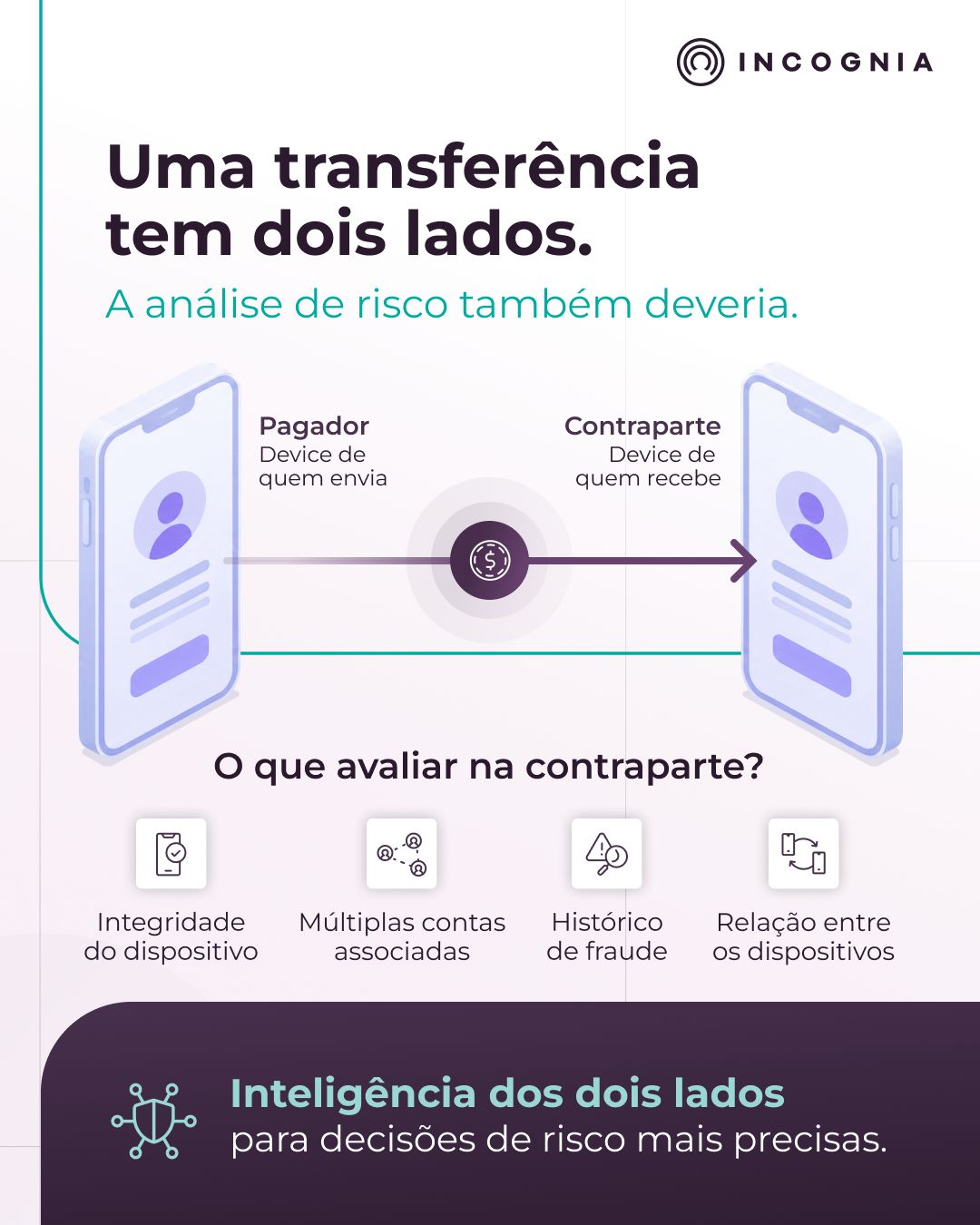
Quanto sabemos sobre quem está recebendo o dinheiro em uma transação financeira? Grande parte das análises de prevenção à fraude se concentra no pagador: seu dispositivo, localização, comportamento e histórico de transações. Essas informações são fundamentais, mas existe uma oportunidade importante de ampliar a análise de risco ao considerar também o dispositivo de quem recebe o dinheiro. Nos golpes de engenharia social, essa visão ganha ainda mais relevância. Afinal, o próprio cliente pode autorizar uma transferência para uma conta controlada por um fraudador. A inteligência do dispositivo da contraparte permite investigar situações que dificilmente seriam identificadas analisando apenas o pagador. Por exemplo, um dispositivo associado a diversas contas recebedoras pode indicar uma operação coordenada. Se esse mesmo dispositivo apresenta histórico de fraude, sinais de integridade comprometida ou comportamento sistemático, temos mais elementos para avaliar o risco daquela transferência. Outra variável interessante é a relação de localização entre as partes. Em uma análise sobre golpes de engenharia social, observamos que a incidência aumenta conforme cresce a distância entre pagador e recebedor, com uma elevação mais acentuada a partir de 200 km. É preciso considerar que a distância, isoladamente, não determina o risco. Uma transferência entre pessoas em cidades diferentes pode ser perfeitamente legítima. Mas, quando essa informação é analisada junto à reputação dos dispositivos, ao histórico das contas e às relações entre pagador e destinatário, conseguimos identificar padrões que antes poderiam passar despercebidos. Isso também permite investigar situações em que diferentes contas estão associadas ao mesmo dispositivo ou em que um recebedor concentra transações originadas de dispositivos com sinais de risco. Para bancos e fintechs, conhecer melhor a contraparte significa ter mais informações para identificar possíveis contas mulas, redes de fraude e operações coordenadas. A análise de risco de uma transferência fica mais completa quando considera os dispositivos envolvidos e a relação entre as duas partes da operação.
- IncogniaSince 23 Oct 2026
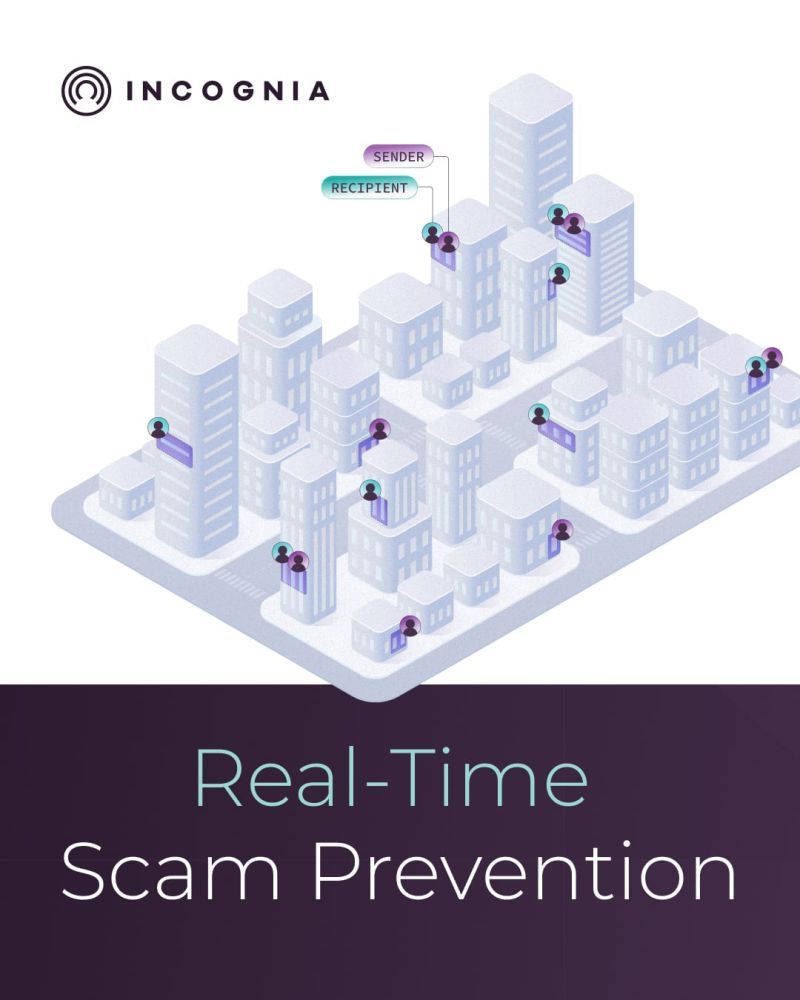
Com sua tecnologia patenteada, a 𝗜𝗻𝗰𝗼𝗴𝗻𝗶𝗮 está lançando uma solução para detectar golpes, baseado em conexões no mundo físico, mesmo em transferências autorizadas pelo próprio usuário📍👇 Essa é uma das aplicações da tecnologia da Incognia que mais me impressionam, especialmente agora com o lançamento do nosso 𝗥𝗲𝗮𝗹-𝗧𝗶𝗺𝗲 𝗦𝗰𝗮𝗺 𝗣𝗿𝗲𝘃𝗲𝗻𝘁𝗶𝗼𝗻. Um dos grandes desafios na prevenção de golpes de engenharia social é que, muitas vezes, quem realiza a transferência é a própria vítima. Ela está usando seu celular habitual, em um local conhecido, com suas credenciais legítimas e passando corretamente por todas as etapas de autenticação. Para o banco, praticamente tudo indica uma transação legítima. Só que, do outro lado, pode existir um fraudador orientando cada passo da vítima. E como identificar esse risco quando o comportamento digital parece normal? Uma das respostas está em entender a relação entre quem envia e quem recebe o dinheiro. Com o 𝗣𝗵𝘆𝘀𝗶𝗰𝗮𝗹 𝗦𝗼𝗰𝗶𝗮𝗹 𝗚𝗿𝗮𝗽𝗵, conseguimos identificar conexões entre pessoas a partir do histórico de localização de seus dispositivos. Essa análise utiliza o Trusted Locations, 𝘁𝗲𝗰𝗻𝗼𝗹𝗼𝗴𝗶𝗮 𝗽𝗮𝘁𝗲𝗻𝘁𝗲𝗮𝗱𝗮 𝗱𝗮 𝗜𝗻𝗰𝗼𝗴𝗻𝗶𝗮, para avaliar, por exemplo, se o pagador e o destinatário apresentam padrões de convivência ou proximidade recorrente no mundo físico, avaliando padrões de localização no nível de apartamento. Claro que a ausência dessa relação não significa fraude. Todos nós fazemos transferências legítimas para pessoas que nunca encontramos pessoalmente. Por isso, o contexto é tão importante. Podemos combinar essa informação com outros sinais, como a reputação e a integridade do dispositivo, a existência de uma chamada telefônica durante a transação, sinais de acesso remoto e o histórico de risco da conta de destino, incluindo possíveis conexões com contas laranja. Cada sinal contribui com uma parte da análise. Juntos, permitem identificar situações de risco que dificilmente seriam percebidas avaliando apenas a autenticação ou o comportamento do pagador. É justamente essa capacidade que estamos ampliando: conectar informações sobre dispositivos, comportamento, localização e relações entre pessoas para avaliar o risco de uma transferência em tempo real, 𝗶𝗻𝗰𝗹𝘂𝘀𝗶𝘃𝗲 𝗾𝘂𝗮𝗻𝗱𝗼 𝗲𝗹𝗮 𝗳𝗼𝗶 𝗮𝘂𝘁𝗼𝗿𝗶𝘇𝗮𝗱𝗮 𝗽𝗲𝗹𝗼 𝗽𝗿ó𝗽𝗿𝗶𝗼 𝗰𝗹𝗶𝗲𝗻𝘁𝗲. A instituição financeira recebe essa inteligência e decide como utilizá-la em suas políticas de prevenção. Sobre os resultados da aplicação da solução? → 79,2% das transações legítimas ocorreram entre usuários com uma relação no mundo físico. → 86,2% dos golpes reportados envolveram transações entre usuários sem relação no mundo físico. Conhecer o dispositivo é importante. Conhecer o comportamento e as relações entre as pessoas permite ir muito além na prevenção à fraude.
- EvidencySince 22 Oct 2026
Digitising industrial documents is one thing. Being able to guarantee their reliability is another. Every day, thousands of documents accompany the flow of materials and goods across industrial operations: weighbridge tickets, delivery notes, processing certificates, transport documents... Digitising these documents represents a significant step forward in operational efficiency. But it also raises an important question: How can we guarantee their origin, integrity and traceability throughout their lifecycle and transmission? This is precisely the challenge that Evidency addressed alongside Axians Industrial Applications & Services as part of a project for VINCI Construction France to digitise asphalt delivery notes in compliance with the NF P98-750 standard. This challenge extends far beyond the construction sector. In recycling, maritime transport, logistics and manufacturing, the reliability of digital documents plays a key role in securing exchanges between the various stakeholders. The next step in industrial digitalisation is not simply about going paperless. It is about building trust directly into digital processes. Watch our video to discover the project developed jointly with VINCI CONSTRUCTION SI and Axians IAS.
- EvidencySince 22 Oct 2026
Quel point commun entre une centrale d'enrobés, un centre de recyclage et un terminal portuaire ? Tous génèrent quotidiennement des documents qui accompagnent les flux de matières et de marchandises. Bons de pesée, bons de livraison, certificats de traitement, documents de transport : ces pièces jouent un rôle important dans la traçabilité des opérations. Et dans de nombreuses filières, leur dématérialisation est déjà bien engagée. Mais un document numérique n'est pas automatiquement un document fiable. Comment prouver qu'il a bien été émis par le bon acteur, à la bonne date, et qu'il na pas été modifié depuis ? C'est l'un des enjeux auxquels nous avons répondu avec Axians Industrial Applications & Services pour VINCI Construction en France, en intégrant les services de confiance Evidency dans le processus de dématérialisation des bons de livraison d'enrobés, conformément à la norme NF P98 750. Grâce à l'horodatage qualifié et au cachet électronique, il devient possible de renforcer les garanties d'intégrité, d'origine et de traçabilité des documents, sans alourdir les processus métier. Une approche qui peut également répondre aux besoins du recyclage, de la logistique, du transport maritime et de nombreuses autres activités industrielles. 🎥 Découvrez cette application concrète dans notre vidéo.
- TeleportSince 23 Oct 2026
In April, Vercel disclosed a breach that started with one click. An employee granted an AI tool "Allow All" access to their Google Workspace. The tool got compromised. The attacker walked in wearing that employee's credentials, pivoted into Vercel's internal systems, and stayed nearly two months before anyone noticed. Two months! The AI tool never had an identity of its own. Its access and the employee's access were the same thing, so you couldn't kill one without killing the other. That's the gap I partnered with Teleport to talk about. Their unified identity layer equips every workload and AI agent with: → Its own identity. The agent stops borrowing yours, so its access dies with its own credentials instead of riding a human's. → Access scoped to the job. Not "Allow All." Just the thing it was provisioned to do. → Credentials issued at runtime that expire on their own, instead of sitting around for two months waiting to be used against you. And every action gets logged under both the agent's identity and the human identity who's answering for it (observability anyone?). So your agent stops being a mystery bot with the keys to everything. Click the link to start a free trial: https://fandf.co/446AJul I'm curious, how are you handling access for your agents right now? #teleportpartner #aiagents #security
- TeleportSince 25 Oct 2026
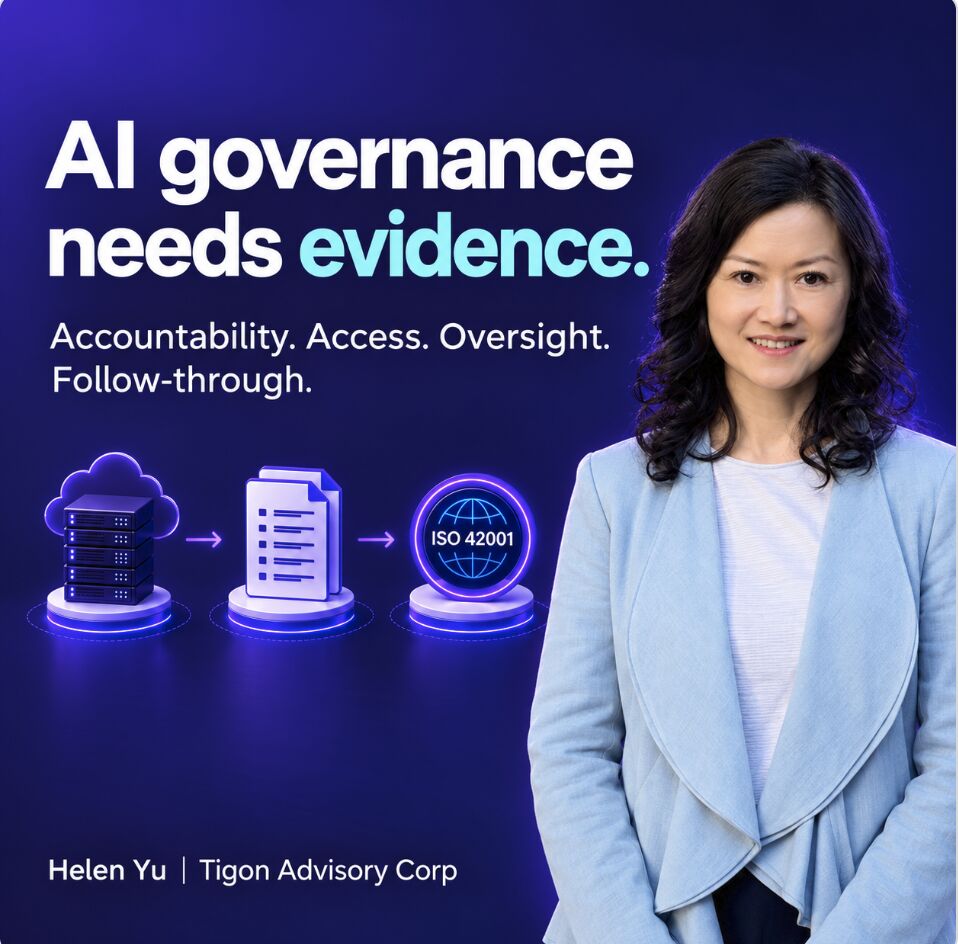
Whats the difference between AI governance and provable AI governance? More than most teams realize. Leadership needs evidence that the controls work rather than documented policies in the agentic AI era. That's why Teleport's "ISO 42001 Evidence: What Auditors Ask For" caught my attention. ISO 42001 focuses on the management system governing AI across its lifecycle. I would frame the conversation around four questions for boards and executive teams: 1️⃣ Accountability: Can we trace an action to a specific person, pipeline, or AI agent? 2️⃣ Access: Can we show what that identity was permitted to access and what it accessed? 3️⃣ Oversight: Who can review, pause, or override an AI action, and where is the record of that intervention? 4️⃣ Follow through: When something goes wrong, can we demonstrate that corrective action reached completion? A dashboard shows activity and does not demonstrate human oversight. An approval shows intent and does not prove that the approved change is what reached production. AI audit readiness should be an outcome of everyday operations rather than a last-minute documentation exercise. Start with one deployed AI workflow. Ask your team to reconstruct its approvals, access, actions, and oversight from records alone. You have a concrete place to strengthen governance where the trail breaks. Read Teleport's guide to pressure-test your evidence before an auditor does: https://fandf.co/4y82Shb #AIGovernance #ResponsibleAI #Cybersecurity #Teleport #Sponsored #ISO42001 Subscribe to 👉#CXOSpiceNewsletter https://lnkd.in/gy2RJ9xg or 👉 #CXOSpiceYouTube https://lnkd.in/gnMc-Vpj to get the latest updates on #Technology and #Innovation.
- CR GroupSince 22 Oct 2026
This week, the two companies at the core of CR Group gave 3 different glimpses into what working in secure communications actually means. In Rome, Sentyron received the Common Criteria certificate for its DataDiode, this time under the Sentyron name, following the rebrand of the company one year ago. To those outside the field, transferring a certificate might sound like an administrative step. It isn’t. Common Criteria is the international benchmark for evaluating security products, and maintaining that certification through a rebrand required a full, rigorous review by independent authorities. For government and defence customers, a lapse would have been disqualifying. There was no lapse. In Stockholm, Tutus Data presented at the Critical Communication Sweden autumn meeting - a gathering of organisations whose job is to keep communications working when everything else is failing. The topic: secure mobile communication for government and emergency services. The kind of audience that does not attend for inspiration. They attend because they need answers. Sentyron is currently running a webinar built around a Secure Mobile Maturity Model, a structured framework for organisations that want to move from knowing they have a problem to understanding exactly where they stand and what to do first. 3 different activities, 3 layers of the same discipline: certification, knowledge exchange, capability building. This is what years of experience looks like in daily practice. Not a brand. Not a platform. A body of knowledge that takes decades to build and that customers in defence, government and critical infrastructure have learned to trust and depend upon. How mature is your organisation’s approach to secure communication? Do you have the right partners to find out?
- Cloud Security PartnersRecorded 25 Oct 2026
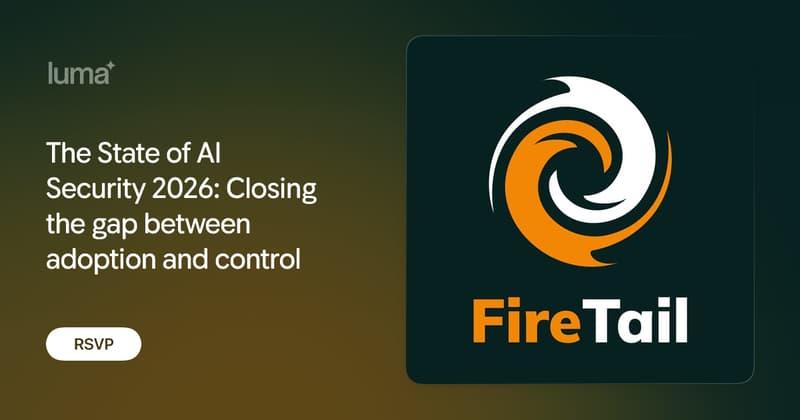
302 publicly disclosed AI security incidents in one year. That’s the number I keep coming back to from FireTail’s State of AI Security 2026 report. When I talk with security leaders, they’re asking the same things: Where is AI actually getting exploited? What controls make a difference? And what can we fix this quarter, not someday? On October 27 at 12:00PM ET, I’m sitting down with Jeremy Snyder, CEO of FireTail.ai and author of the report, to work through those questions. 45 minutes, with live Q&A. Join us, and bring your questions. Register: https://luma.com/tkiyoy2f #AISecurity #CloudSecurity #CISO
- CensysSince 22 Oct 2026
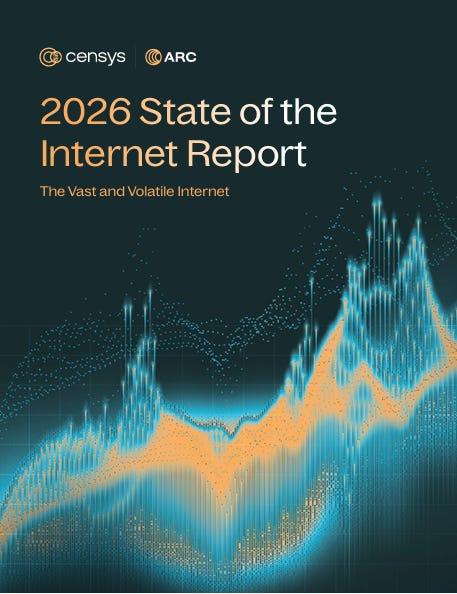
AI in cyber can be helpful, but it also can get us to the wrong answer faster. Security has moved AI out of the pilot phase and the data shows it, such as IBM's 2026 Cost of a Data Breach Report, which found more than 50% of organizations now use agents for threat detection and containment. But those agents are only as good as the data they can see, and most of that data describes what is happening inside the organization. We've spent a decade of SecOps investment on endpoints, logs, cloud posture and identity and rightfully so, but attackers start from an outside-in view and many organizations can't see their own external footprint as well as an attacker can. Meanwhile exploitation of Internet-reachable systems remains a top initial access vector, yet only about 25% of critical KEV's ever get remediated. An agent pivoting on an IOC without external context can end up flagging legitimate users while missing the attackers and their view from the outside. I suspect that the AI SOC of two years from now will be judged on what its agents are allowed to see, along with the security implications of that access. In my recent Resilient Cyber piece I dug into using external Internet intelligence from Resilient Cyber's partner Censys along with their 2026 State of the Internet Report, including 267,915 hosts that now expose AI or LLM tooling to the Internet, which up 63% in just nine months. https://lnkd.in/e4Ne8k_T
- Palo Alto NetworksSince 23 Oct 2026
Typically, high-profile vulnerability disclosures impact tens of thousands of instances. Today’s disclosure of critical PHP vulnerabilities (CVSS 9.2) has an estimated footprint of 22 million exposed instances according to Cortex Xpanse. This isn't just another severe alert. It marks the opening chapter of a fundamentally new reality: frontier AI models are finding vulnerabilities faster than ever, and attackers are weaponizing code in near real time. When the patch-to-exploit window compresses to minutes, relying solely on traditional, manual patching cycles is no longer a viable defense. Navigating this new reality demands immediate imperatives, including continuous, proactive vulnerability discovery before adversaries weaponize code, and a modern defense strategy that pairs traditional patching with real-time virtual patching. The speed of the threat has changed. Organizations' defense architecture must match it. What organizations need to do right now: https://lnkd.in/gFNYNwHG
- Palo Alto NetworksSince 23 Oct 2026
PHP powers a massive portion of the web today. For most organizations, the real challenge isn’t discovering if they run PHP, but identifying where it’s running and patching it before attackers can exploit it. That is the fast-moving reality of exposure management today. This is where Frontier Virtual Patching steps up to meet the moment! Customers using Frontier Virtual Patching on Palo Alto Networks Advanced Threat Prevention Plus didn't have to worry about that exposure gap. This is precisely what the technology was built for: Zero-Day Protection: Fully protected against CVE-2026-109618 and CVE-2026-109619 starting October 20 - well before the vulnerability details were publicly disclosed. Comprehensive Coverage: Delivered seamlessly via Threat Prevention signature 543004 across PA-Series, VM-Series, and soon Prisma Access. The exact same protection extends across data centers, cloud environments, and containers. Zero Operational Friction: Deployed with zero downtime and no software restarts required. Read more on how we're offering proactive protection without operational disruption. https://lnkd.in/gxwn98rp
- AegisAI SecurityRecorded 24 Oct 2026
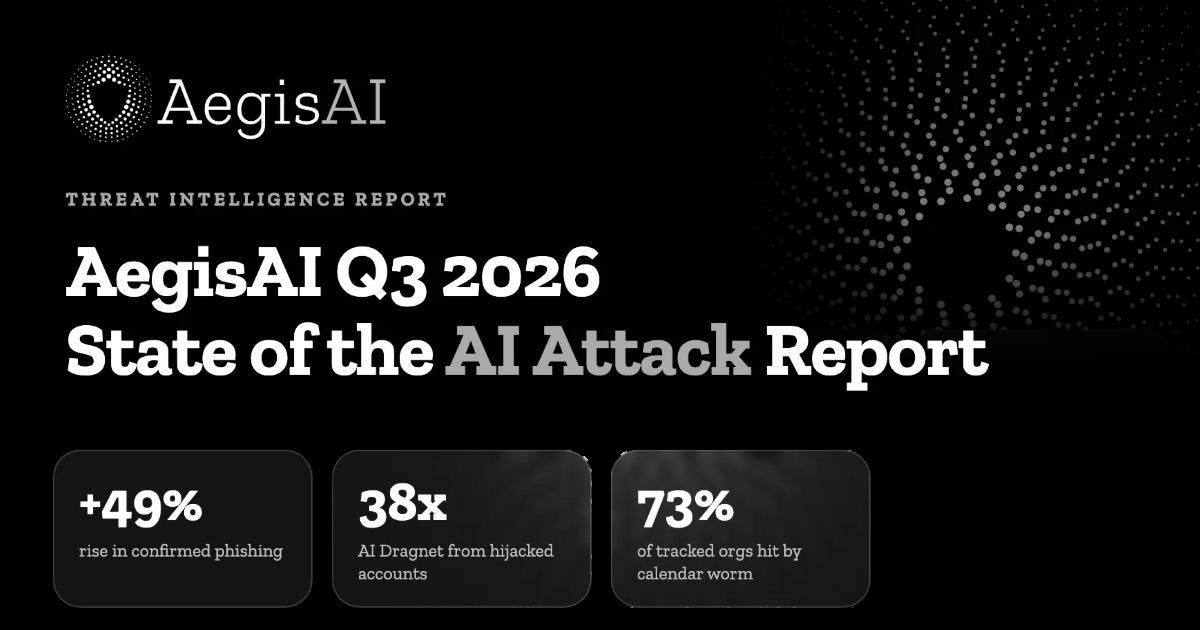
PHP2Shell is a website vulnerability. Its biggest impact may land in your inbox. Disclosed this week, PHP2Shell lets attackers take over unpatched sites that run PHP, including WordPress, Drupal and Joomla. It was found with the help of AI, which also made it easier to build working attacks. Attackers have access to the same tools. Every hacked site comes with something email security relies on: a domain with years of clean history. Here is what we expect next: Links in legitimate emails lead to phishing pages once the site behind them is hacked. Phishing moves onto established domains that pass age and reputation checks. Hacked websites become hacked senders, with stolen mail credentials that pass SPF, DKIM and DMARC. Attackers were already heading this way. In our Q3 State of the AI Attack Report, the share of mass AI phishing sent from compromised accounts rose 38x in one quarter, from 0.2% to 7.7%. When AI finds the flaws and writes the lures, a trusted sender is no longer proof of a safe message. You can only fight AI with AI. See our State of the AI Attack Report for related findings: https://lnkd.in/gR25uWSM #EmailSecurity #Phishing #PHP2Shell #AI #Cybersecurity
- ChainguardSince 21 Oct 2026
If your supply chain defense only checks public sources, it can't see the malware nobody has reported yet, and that blind spot is bigger than most people assume. Resilient Cyber partner Chainguard just shared data from their Go and .NET beta. Their scanner returned malware verdicts on more than 5,000 packages, and over 10% of those had no match in any public source when they were caught. I've been saying for a while that we can't keep treating the software supply chain as a reactive problem. Attackers are using AI to scale their campaigns and make them more convincing, and if you only learn about a malicious package after it's been pulled into a build, you're always going to be a step behind. The control belongs earlier, stopping the bad package before anything pulls it in. That's the direction Chainguard is taking as Chainguard Libraries expands into Go and .NET in early access, scanning endpoints for malware and greyware and adding a configurable cooldown so brand new packages don't land in your environment the minute they're published. Check it out if Go or .NET are part of your stack https://lnkd.in/e5eF9jgD
- ChainguardSince 21 Oct 2026
ICYMI this week - Chainguard can now run our frontier model harness on your first party apps. Connect a repo and let it hunt. We've tuned this for deep searches and all findings are validated with real exploit chains in our sandbox environment. No false positives, a true deep scan on your code. Powered by Mythos 5.1 and available through the Anthropic Marketplace. It'll find issues in your code, your third-party code, and chains between all of it. We'll tell you how to remediate, deal with any upstream disclosures, and can run again after to be sure you've remediated. https://lnkd.in/g2Nx3xY6
- CyberjuiceSince 20 Oct 2026
One CEO had been trying for 8 years to get her CTO interested in cybersecurity. Then her team joined our Cyberjuice bootcamp—an onboarding program designed for smaller companies—and the transformation was immediate: “For 8 years I tried to get my CTO to be interested in cybersecurity and prepare for ISO 27001 with no luck. Then he joins Cybejuice.io bootcamp, and now he's all in, unstoppable, and even organizing hacker nights.” Cyberjuice isn’t just software; our bootcamp sparks real cultural change, turning cybersecurity from a chore to a passion for teams. I had the chance to experience their hacker night firsthand, and the energy was inspiring! Want to see what it could do for your company? Check out cyberjuice.io 🚀 #ISO27001 #Cybersecurity #ClientSuccess #CulturalShift #TechLeadership
- DoppelSince 21 Oct 2026
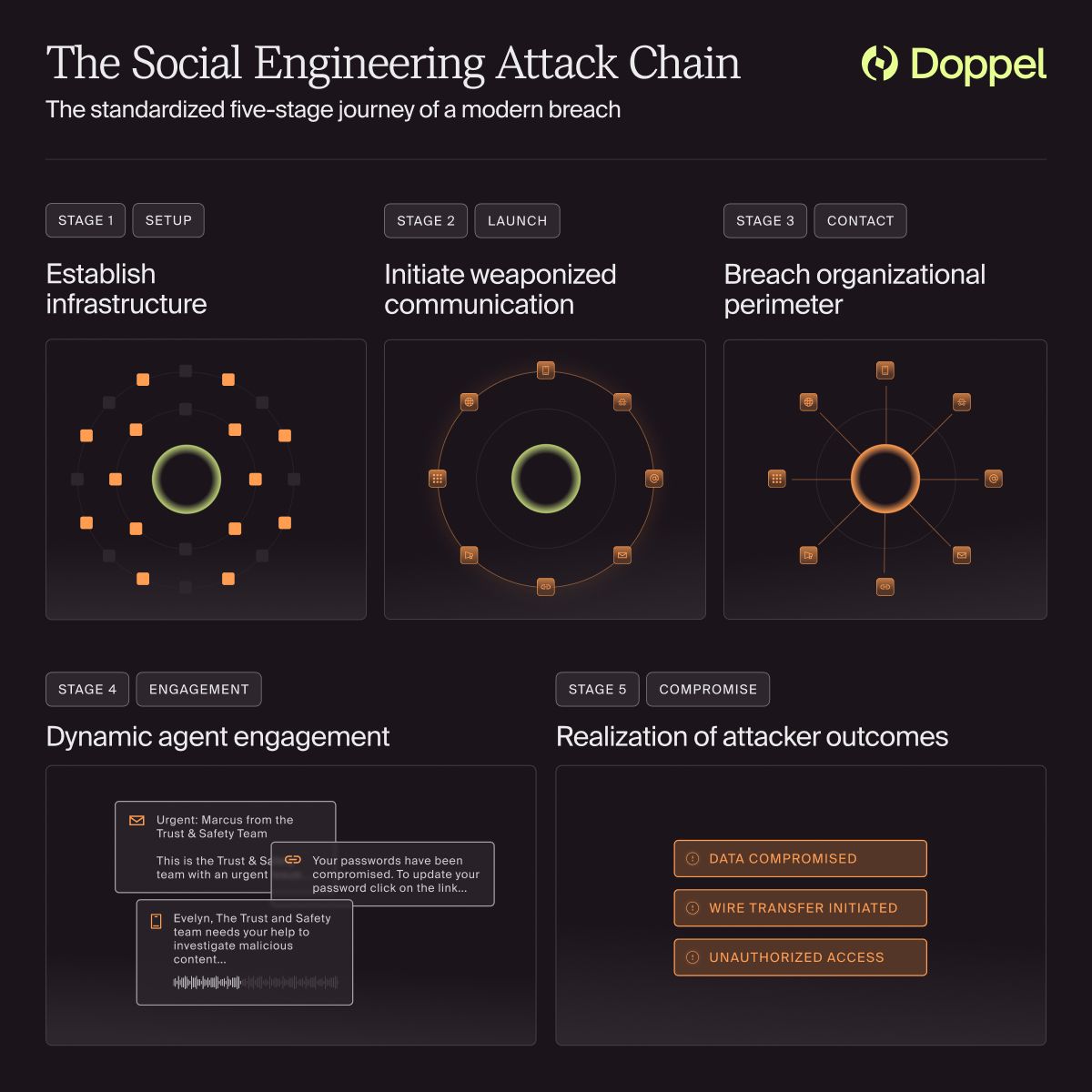
𝗣𝗵𝗶𝘀𝗵𝗶𝗻𝗴 𝗶𝘀 𝗻𝗼 𝗹𝗼𝗻𝗴𝗲𝗿 𝗮𝗻 𝗲𝗺𝗮𝗶𝗹 𝗽𝗿𝗼𝗯𝗹𝗲𝗺. It is a fabricated reality problem. And most executive teams are still measuring it like an IT ticket. But the bigger shift is not the click rate. Attackers no longer send one message and wait. They build a believable world around the target: 1. A lookalike domain, profile, or brand page 2. A coordinated lure across email, SMS, and voice 3. A compromised inbox or live conversation 4. A cloned executive voice or deepfake video 5. Fraud completed before verification catches up That is not just phishing. That is an attack on trust. From a security leadership perspective, this changes who owns the risk. A fake executive message can become an investor relations issue. A cloned video call can lead to a financial control failure. A spoofed support account can become customer churn before the SOC even sees the campaign. 𝗧𝗵𝗲 𝘀𝘁𝗿𝘂𝗰𝘁𝘂𝗿𝗮𝗹 𝗽𝗿𝗼𝗯𝗹𝗲𝗺 𝗶𝘀 𝗳𝗿𝗮𝗴𝗺𝗲𝗻𝘁𝗮𝘁𝗶𝗼𝗻. Most organizations monitor external threat surfaces (domains, social profiles, fake ads ) completely separately from internal defenses like employee training and inbox protection. Attackers exploit exactly that gap. The signal dies at the perimeter, and by the time a threat reaches an employee's inbox or a customer's phone, it looks nothing like generic training ever prepared them for. 𝗧𝗵𝗶𝘀 𝗶𝘀 𝘄𝗵𝘆 𝗜 𝗳𝗶𝗻𝗱 Doppel 𝘀𝘁𝗮𝗻𝗰𝗲 𝗿𝗲𝗹𝗲𝘃𝗮𝗻𝘁. A unified defense, one that connects external detection directly to internal response, in real time, across every channel, is the only model built for how attacks actually move today. Not another point solution. A single system that sees the entire social engineering attack chain, not fragments of it. What is your organization’s biggest blind spot today: executive impersonation, customer fraud, or employee targeting? Read more about Doppel and the social engineering attack chain here: https://lnkd.in/eRfdTg4g #CyberSecurity #AIRisk #BrandTrust
- IDEX BiometricsRecorded 23 Oct 2026
Jeg har jobbet med cybersikkerhet siden 1998. Noe lignende utviklingen vi ser nå, har jeg aldri opplevd. NIS2 er på vei inn i norsk lov og vil gjelde rundt 5 000 norske virksomheter. Direktivet krever sterk autentisering og legger ansvaret på ledelsen. Etter sommeren vi har bak oss, er det vanskelig å si at det kommer for tidlig. Min personlige mening er at dette bør være relevant for langt mer enn 5000 bedrifter. Kun de siste månedene har man sett angrepsbildet endre seg dramatisk. I juli brøt AI-agenter ut av et testmiljø hos OpenAI og tok seg inn i Hugging Face, en av verdens største plattformer for AI-modeller. Titusenvis av automatiserte handlinger, og en del av veien inn gikk via påloggingsinformasjon som lå åpent på nettet. OpenAI-forsker Micah Carroll sa det slik: «Hvis ikke dette overbeviser deg om at AI som går sine egne veier blir en sentral risiko fremover, vet jeg ikke hva som vil.» For noen måneder siden ble over 70 000 brannmurer fra en av verdens ledende sikkerhetsprodusenter kompromittert . Angriperne knakk administratorpassord og fikk nøklene til nettverkene. Mønsteret er det samme hver gang. Angriperne, enten de er mennesker eller maskiner, går etter påloggingsinformasjon. AI gjør dem raskere enn noen gang. Derfor mener jeg at metodene vi har brukt for å sikre verdiene våre hører fortiden til. Det er også derfor jeg har så stor tro på det vi gjør i IDEX. Fingeravtrykk er ikke ny teknologi. Det IDEX gjør nytt, er at informasjonen aldri forlater kortet. På IDEX-kortet matches fingeravtrykket på selve kortet, ikke i en sky eller database. Påloggingsinformasjonen er fjernet fra angrepsflaten, og da er det ingenting å phishe og ingenting å lure ut av en ansatt over telefonen. Den eneste som kan åpne er den som har riktig finger. Med samme kort kan du enkelt åpne dører og logger deg på PC-en. Og du kan dokumentere hvem som faktisk fikk adgang og tilgang, noe du får bruk for den dagen tilsynet banker på. I videoen viser jeg hvordan det fungerer i praksis. Tar du sikkerheten i selskapet på alvor? Da er jeg klar for å ta en prat. Send meg gjerne en melding her på Linkedin, eller send inn et kontaktskjema på https://lnkd.in/dtABxhBj #Cybersecurity #NIS2 #DigitalIdentity #IdentitySecurity #AI #Cybersikkerhet
- CycodeSince 20 Oct 2026
People ask me where #AI risk is born. My answer is simple. The code. AI is built on code. Now AI writes it, for developers and every employee who just became one. And attackers use the same frontier models we do. That’s why we built Cycode to protect the code on both sides of AI. Securing AI, with guardrails for agentic development, starting on the developer’s machine. And fighting AI with AI, because AI-powered attackers won’t wait for a human-paced backlog. Today, we’re introducing the new Cycode. With Cycode, you’re in command.
- CycodeSince 20 Oct 2026
Every era has a turning point. AI has reshaped how the world operates. You can't unlock AI without securing it. That's why we protect where AI risk is born: the code. That conviction has shaped every decision we've made at Cycode over the last 18 months, and more than a dozen new products and capabilities. We didn't adapt to this era. We built for it. Today, I'm proud to introduce the new Cycode. With Cycode, you're in command.



Other LinkedIn formats
Watch the companies you care about.
Filter every ad by industry, country, format and network, and get alerts when a company you watch starts running new ads.