LinkedIn thought leader ad examples
144 thought leader ads are live on LinkedIn right now, from 180 companies. Browse real ones, filtered by industry.
- Cloud HumansRecorded 13 Sept 2026
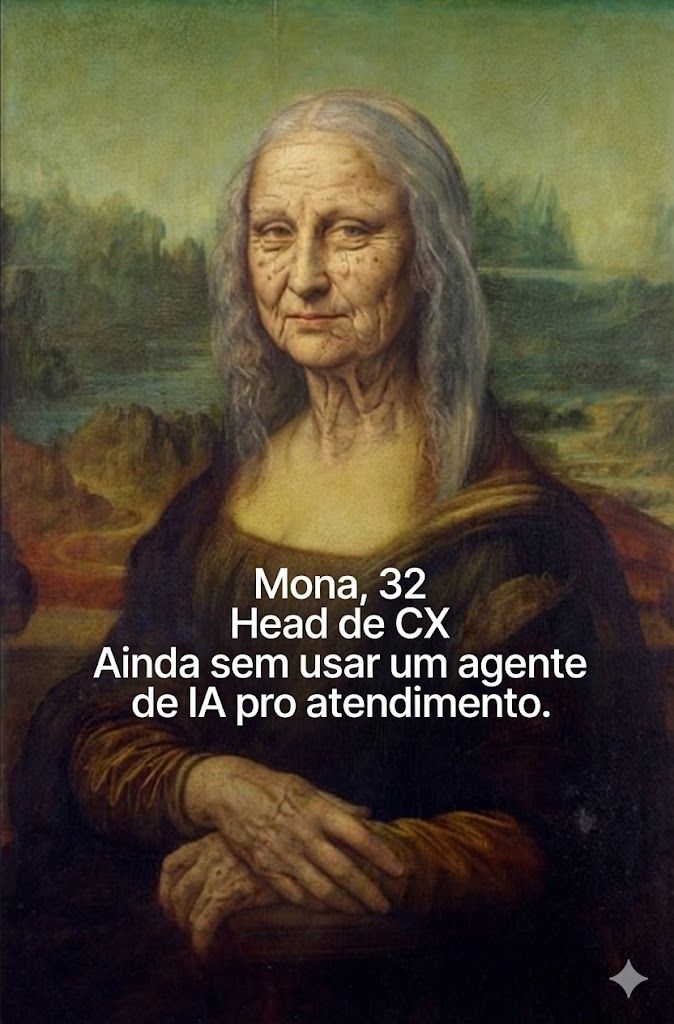
Toda operação de CX tem um número escondido. É o percentual de atendimento que daria pra automatizar (com qualidade) com uma IA generativa. A maior parte dos times não sabe qual é. Quase toda conversa que tenho com uma liderança de CX, aparece a mesma cena: “Se o volume continuar assim, vou ter que abrir uma vaga.” Só que essa decisão, muitas vezes, é tomada no escuro. Sem ter noção de quanto do volume atual poderia estar nas mãos de um agente de IA em vez de cair no colo do time humano. Quando a gente roda o ‘diagnóstico’ aqui, a ideia é simples: Olhar pros dados reais de atendimento e colocar esse número na mesa. A gente pega histórico de tickets, entende motivo de contato, separa o que é repetitivo do que é complexo… E calcula o percentual de atendimentos que a IA poderia resolver com segurança. Em 90% dos casos, o número é tão grande que muda a conversa de contratação. Às vezes ele mostra que ainda faz sentido segurar a onda e arrumar a casa antes. O ponto é: planejamento de 2026 fica muito mais honesto quando esse número existe. Se hoje você ainda toma decisão de CX só no “feeling”, vale olhar pro nosso diagnóstico de potencial de automação. 👉 Se quiser que a gente calcule o número da sua operação antes de 2026 começar, comenta “diagnóstico” ou me chama no inbox que eu te explico os próximos passos.
- Cloud HumansRecorded 13 Sept 2026
Eu tenho uma tese: você está SUBESTIMANDO o quanto do atendimento da sua operação poderia ser bem resolvido com uma IA generativa Topa colocar esse número na mesa? Nas últimas conversas com líderes de CX que tive, sempre aparece alguma versão de: “Acho que dá pra automatizar uns 20–30% do atendimento…” Quando a gente roda o diagnóstico, quase NUNCA é isso. Geralmente é BEM mais. E não estamos falando de colocar mais um chatbot de árvore de decisão na frente do cliente. Esse tipo de automação foi o “primeiro passo” lá atrás, mas o mercado evoluiu. Hoje, o jogo é ter um agente de IA fazendo o papel de suporte nível 1, entendendo contexto, linguagem natural e histórico de cada cliente. Por isso a gente criou o ‘Diagnóstico de Potencial de Redução com IA’. Nada de chute, nada de promessa solta. O que a gente faz, em resumo: - entra no seu sistema de suporte - analisa umas 4 semanas de tickets - separa o que é repetitivo do que é realmente complexo - calcula o percentual estimado de volume que a IA poderia segurar bem hoje Preto no branco. Com impacto em custo, velocidade e tempo de time. Em 90% dos casos, o número é grande e muda completamente a conversa de novas contratações (média de 65% de retenção). De um jeito ou de outro, você para de decidir no escuro. Então volto pra tese: Não é que sua operação não tenha potencial de automação. É que você provavelmente está subestimando esse potencial. Se quiser tirar isso do “achismo” e ver o número da sua operação, comenta “diagnóstico” ou me chama no inbox que eu te explico os próximos passos :)
- CaliboSince 10 Sept 2025
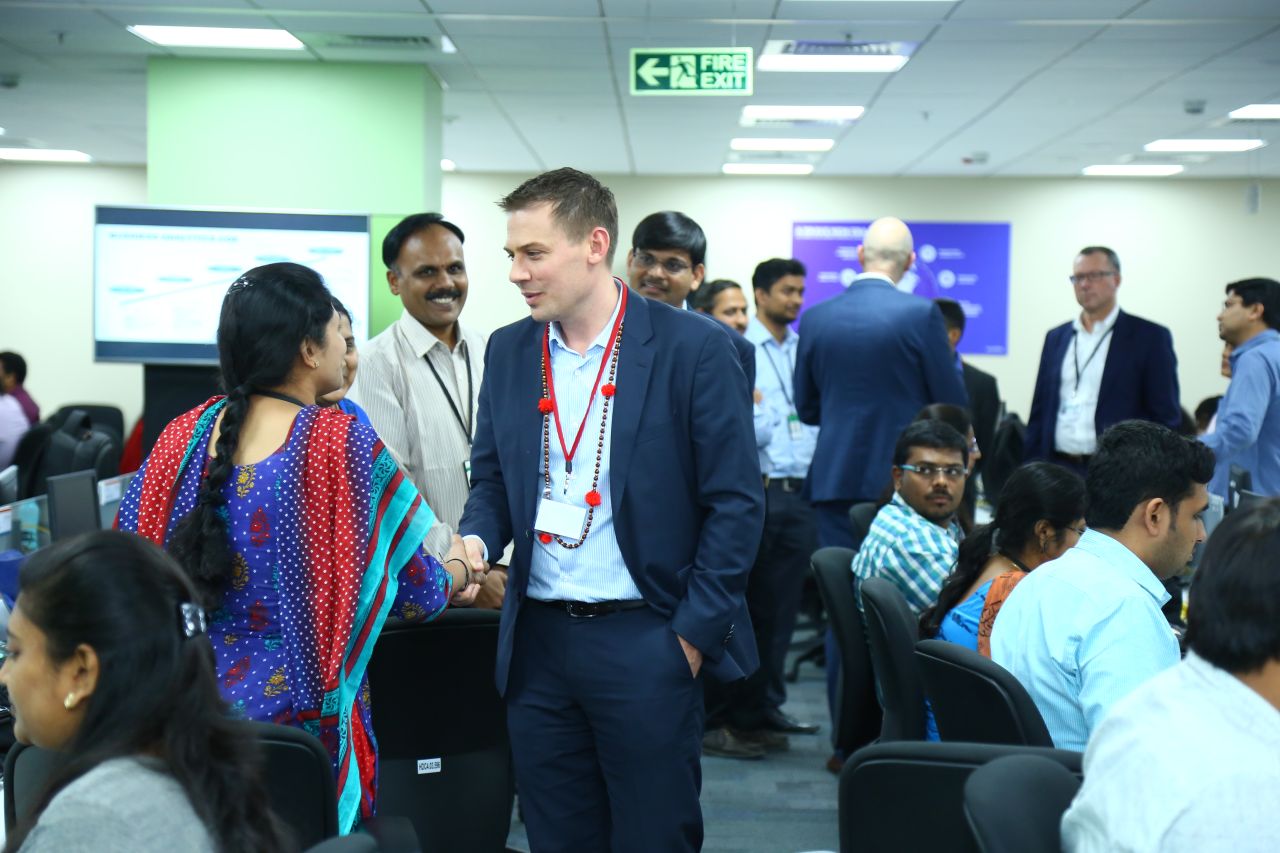
As CIO I spent 11+ years fighting the "IT is too slow - the business wants to innovate faster" problem. What I learned now as CEO of a tech startup solving this problem would’ve made me a better IT-Leader back then. Around 2017-2018, the pressure on IT at Novartis became intense. Everyone wanted to innovate faster. But when they came to us with use cases, even with the technology in place, we were still painfully slow. We could all feel the frustration: Escalation emails. Executive updates where someone would say "IT isn't supporting us and we can't innovate." Business executives making deals with startups, trying to avoid IT altogether because of our perceived bureaucracy. I knew we had an issue, but it was hard for me to see the root cause. My view completely changed after four years of being CEO at Calibo, working with IT organizations from leader down to developer. Two things I was missing: 👉 First, developing a single digital or data product requires access to 10-15 different technologies. I had no idea. Coming from implementing SAP where you just needed SAP, this complexity was invisible to me. Kind of strange for a CIO, right? 👉 Second, it wasn't just technology complexity. Every organization has massive process complexity. Approval processes that take months. Ticket systems for basic infrastructure. I knew it existed, but I was unaware of how tedious it was for the technologists. Who pays the price? The technologists get frustrated trying to navigate this maze. And business people wait endlessly with zero visibility into what's actually happening in development. Looking back, I'd be a much better CIO today than when I left my previous role. I'd focus significantly more time, talent, and resources on making development processes efficient and creating self-service environments with all technologies in place. In large organizations with endless priorities, I'd make this a high priority. I’d love to get the perspective from others in my network on this! PS: Photo is going back to my Novartis days (Feb 2017 on one of my many wonderful visits to India). How time flies by!!
- CaliboSince 24 Oct 2025
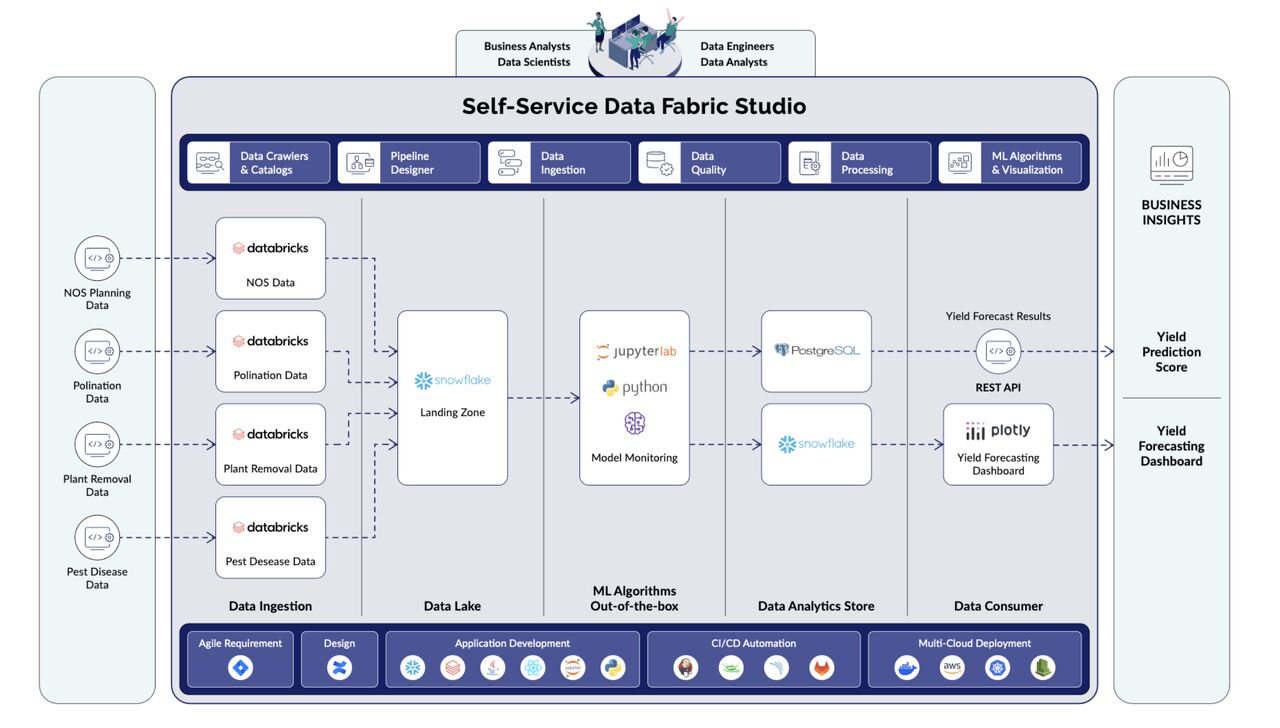
Every CIO faces this choice when it comes to building their own data platform: spend 12-18 months building it on your own, or stay stuck with fragmented ecosystems killing speed. But business problems won't wait and neither do competitors. I lived this exact dilemma at Novartis. You know your approach leaves loads of your data potential on the table. You know you rely on outdated legacy tech ecosystems difficult to maintain and scale. You know, siloed technologies slowing down development work for data scientists. But the thought of an 18-month platform build while business problems pile up? That's just not going to happen. A real world example is NatureSweet. They are growing tomatoes across 1,000 acres. They had a LOT of data, crucial for yield forecasting, but could not leverage it effectively. Their CIO Noe Angel faced the choice: spend 12-18 months building a platform AND hiring the expertise to make it work, or find another way. Instead of a lengthy build, they partnered with us at Calibo. Platform was running in 8 weeks, fully integrated across their entire tech stack. And as a former CIO I can say, the results are amazing: → 95% forecasting accuracy (up from 88%) → 900+ tons of tomatoes saved from waste per quarter → Millions saved in first three quarters → Started solving business problems in 8 weeks, not 18 months In his words: “Instead of building our own digital ecosystem, which would have taken 12-18 months – before we could solve business problems – we could start within 8 weeks thanks to Calibo’s platform. For one application, we were able to improve yield forecasting by 7%, 𝗿𝗲𝘀𝘂𝗹𝘁𝗶𝗻𝗴 𝗶𝗻 𝗺𝗶𝗹𝗹𝗶𝗼𝗻𝘀 𝗼𝗳 𝗨𝗦𝗗 𝗼𝗳 𝘀𝗮𝘃𝗶𝗻𝗴𝘀 the first three quarters after implementation.” Sometimes the fastest path to innovation isn't building everything yourself. Below is an image showing the ecosystem. If you are looking for something similar in your org, reach out to me for a 1:1 discussion! P.S. This is just our Data Fabric Studio. The full Calibo platform includes Internal Developer Portals and Innovation Sandboxes for complete digital acceleration.
- CatioRecorded 12 Sept 2026
We’ve made everything else tech- and data-driven — 𝙚𝙭𝙘𝙚𝙥𝙩 the thing that powers it all. I often talk about this in person, but not often enough here — and it’s at the heart of why we’re building Catio. Finance teams have DCF models to forecast and model investments and returns. Sales teams have CRMs to track and estimate pipelines and quotas. But when it comes to architecting the tech itself — the engines of modern enterprises — we still rely on gut feel and tribal knowledge. Drawings on whiteboards, and 5x5 cell scorecards on spreadsheets, guide decisions for the most complex and critical machinery in a company: the tech stack. That’s not sustainable. That's why we built Catio as the first AI Copilot for Tech Architecture — giving CTOs, architects, and developers a platform to generate, evaluate, and optimize their tech stacks using data and AI. It’s time to make architecture and tech planning, the next and most important data-driven frontier. 👉 Watch the short video to hear more
- ButtonShiftRecorded 12 Sept 2026
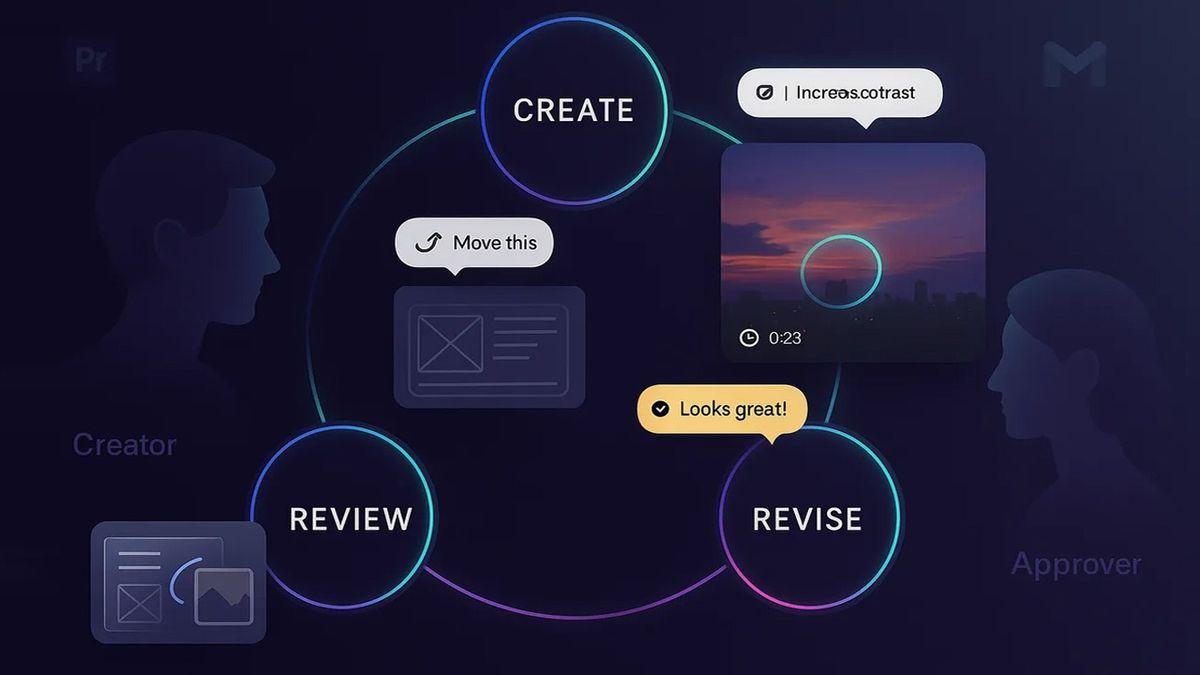
My latest piece is out! I've been thinking a lot about the biggest headache for India's creative teams and creators. How do we keep up with the insane demand for fast, high-quality content without breaking the bank or burning out? Global SaaS tools are often too expensive and too complicated for the scale of the Indian market. The real opportunity is in building localized solutions for - Budget-Friendly Speed - Zero-Friction Workflows - Smarter Video Collaboration (S/o to innovators like ButtonShift tackling this!) If you're in the creator economy or building B2B SaaS in India, give this a quick read. We need tools built for our scale and speed. https://lnkd.in/gfyT4T6y #IndiaSaaS #CreatorEconomy #MarTech #StartupIndia #ButtonShift CIOandLeader
- ButtonShiftRecorded 12 Sept 2026
This is truly special. I still clearly remember "content surfing" through copies of PCQuest at those small, decorated book stalls at railway stations (especially Vizag!) back in the late 90s. ₹100 was a big deal then, but getting a glance at the magazine before boarding a train was a ritual. PCQuest was the window to the emerging Dot Com boom when I was still in college. Little did I imagine that decades later, the journey would lead me to this. ButtonShift being featured by the very publication that shaped my early understanding of tech industry! It feels great that PCQuest has covered what we are doing here. A huge thank you to journalist Ashok Pandey for interviewing me and for so perfectly wording and articulating the vision behind ButtonShift. Read the full article on ButtonShift here! https://lnkd.in/gw5bAcp7 #PCQuest #ButtonShift #StartupJourney #Gratitude #IndianTech
- BloomfilterSince 22 Feb 2026
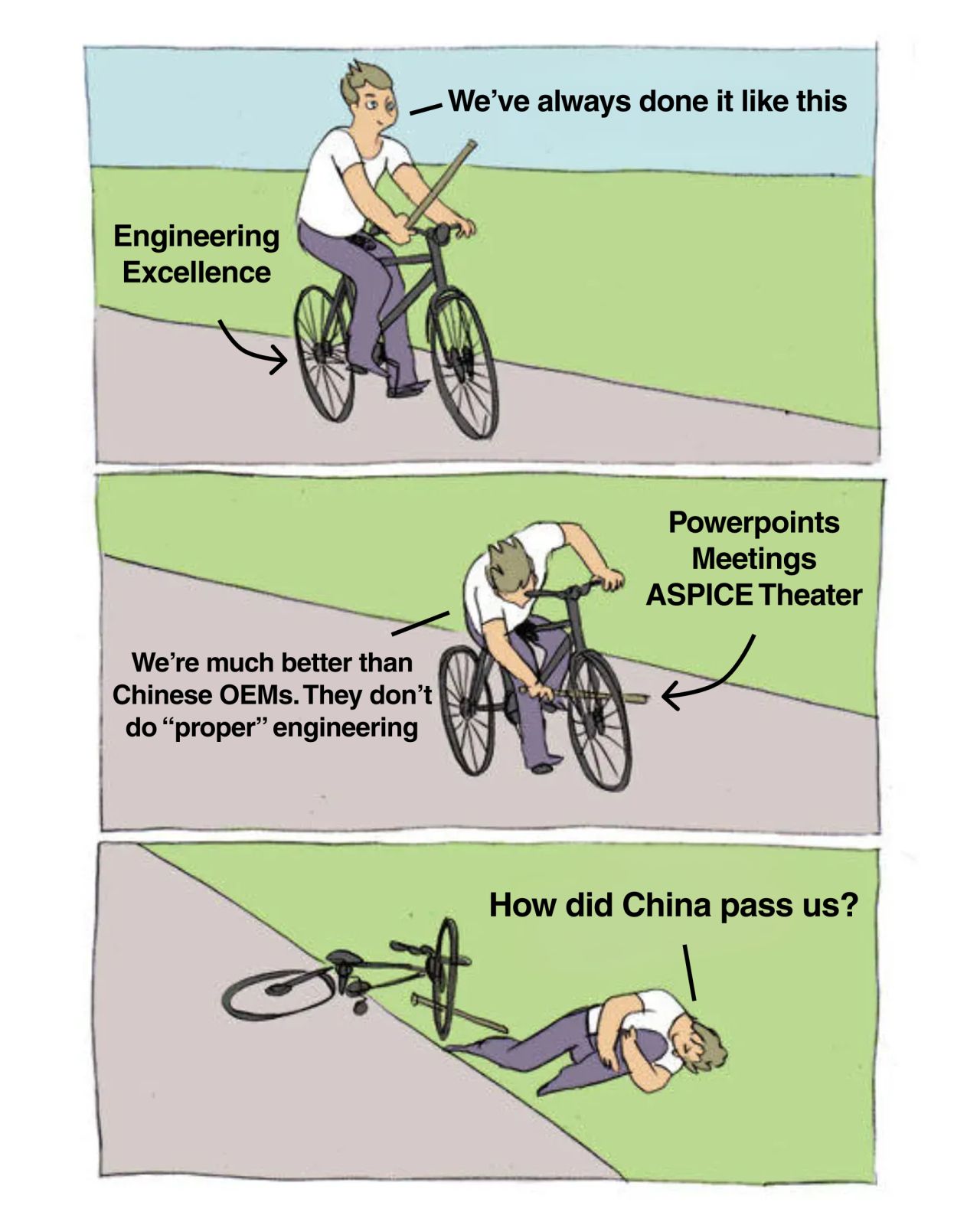
BYD doesn't have better embedded software engineers than VW. And Western automotive is still asking the wrong questions. March 10-12. Nuremberg. 32,000 Engineers Looking for Answers. They'll be at Embedded World looking for: - Better Ai Copilots - More project management tools - Faster code review workflows - Compliance automation Meanwhile, Chinese competitors already figured it out. They're not out-engineering you. They're out-measuring you. BYD doesn't have better embedded software engineers than VW. They have a unified data layer that shows them exactly: - What they're building - Who's building it - When they'll get it - How much it costs In real-time. Not in quarterly reports. Western OEMs are still stuck in: - Jama for requirements - DOORS for traceability - GitHub for code - Excel for project tracking - PowerPoint for executives And wondering why they're 18 months behind. You can't out-PowerPoint Tesla. You can't out-meeting BYD. You need process intelligence. I'll be at Embedded World (March 10-12) talking about exactly this. If you're tired of watching German engineering lose to Chinese speed, let's talk. DM me. I want to hear your war stories. #EmbeddedWorld #AutomotiveSoftware #ProcessIntelligence #Bloomfilter #China
- BlitzySince 4 Jun 2026
Strong reverse engineering directly translates into greater throughput. However, this isn’t the only important factor for accelerating your software development. For regulated industries like insurance, generating high-quality and deterministic code is also top of mind. Kris Tokarzewski, Vitality Chief Technology & Information Officer, was on CXOTalk discussing exactly how Blitzy delivered deterministic output and reverse engineered their legacy systems. Listen to the full conversation linked in the comments.
- BlitzySince 4 Jun 2026
In Part 2 of Measuring Engineering Velocity in the Age of AI, Jellyfish AI Advisor Adam Ferrari and I go beyond how enterprises measure AI impact to what's actually possible when you rethink the SDLC from the ground up. Here's what the autonomous SDLC unlocks. "Everything from design, implementation, testing, security, and QA - you can deploy agents, orchestrate them autonomously, and do the bulk of the work. And when you've done that, we are seeing 500%, 5x velocity increase. I think the world is yet to even scratch the surface of the potential of something like this." Full conversation on YouTube. Links to Part 1 and Part 2 in comments.
- BlueDolphinSince 1 Jul 2026
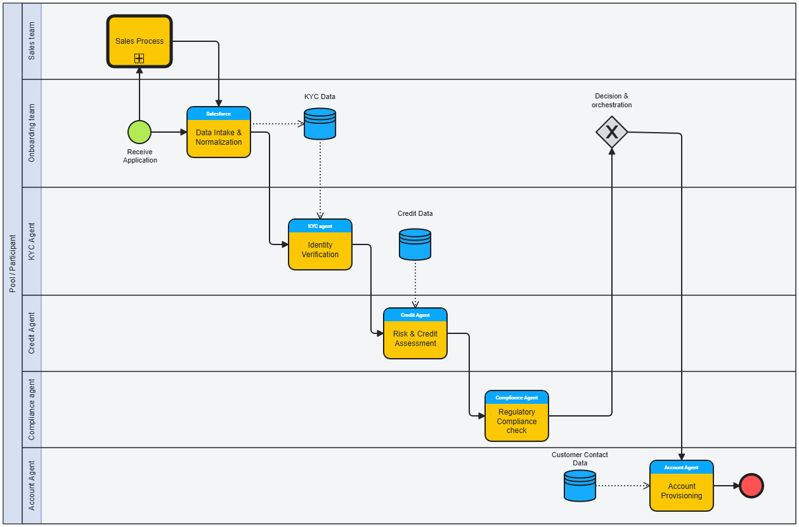
How do you handle agents in your architecture models? AI agents are showing up everywhere over the past few months. They have escaped the prison of PoC's and experiments and show up in production. In real processes. Doing real work. But most architecture models I see, still show very little agents. They live in the shadows. That is slowly but certainly becoming a problem. Agents clearly need to be captured, managed and governed. The fact that they act much more autonomously than for example applications, might even make it much more important to govern them. And governing starts with capturing. Yet ArchiMate, #BPMN and #UML do not yet really give us a clean, standard way to model them today. So everyone is improvising. As we are enhancing and standardizing agent management in #BlueDolphin (e.g. Eric and George doing the hard work here at ValueBlue) we are figuring out how to best capture agents, while not reinventing the wheel or introducing messy isolated concept that will hurt our customers later. Some observations: ⛓️ In BPMN, an agent often acts like both an actor in a swimlane and an application behind a task. ⏹️ In ArchiMate, I see agents modeled as application components, business actors, services or sometimes custom objects. All workable. No standard chosen yet. If you are already running AI agents in production, how are you modeling them today? And what data/info do you capture on an agent to support management and governance of agents? Curious to learn from your experience. #EntepriseArchitecture #EA #AI #Agents #ProcessManagement #DataManagement
- BlueDolphinSince 1 Jul 2026
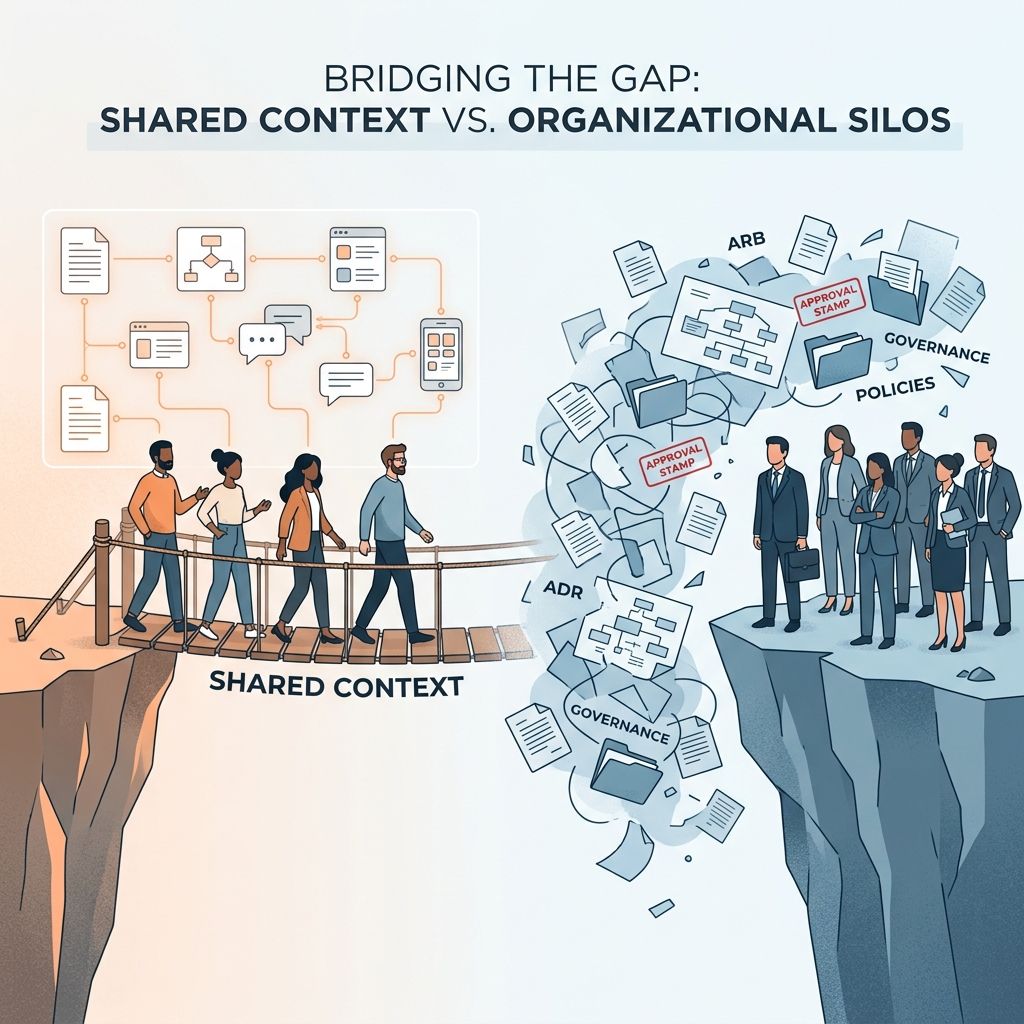
Startups move fast. Enterprises move slow. Enterprises move slower because they have bureaucracy, governance and complexity. That’s the usual explanation. But I’m not sure it’s the real reason. I think the real difference is something else: context visibility. In a startup, decision context is particularly visible. Small team. Every decision is crystal clear. All four team members know exactly how processes work, which apps they’re using, and who said what when. Decisions are made fast because everyone in the room already shares the same context. Whether we go left or right is a simple question in a startup. We bring the team together for a quick call and decide based on information everyone already understands. In enterprises it’s different. Left or right is rarely the real question. First we need to uncover context. Why did we do X years ago? What will be the impact of Y? Is this person aware? Does that person need to be involved? Enterprises try to manage this complexity through architecture. The idea is to centralize information and create structured ways to discuss decisions. So, We introduce Architecture Review Boards. We document decisions in ADRs. We maintain repositories full of models, diagrams and policies. All with the right intention. But very often it turns into something else. ARBs happen every two weeks and regularly ask for additional information, delaying decisions by weeks. ADRs become Word, PowerPoint or Confluence documents created for the sake of a single project, often disconnected from the broader architectural context. Every ADR costs time and effort, but the context behind the decision rarely survives beyond the duration of the project. And the repository itself often becomes a pale reflection of the organization’s real architecture. A place where architecture gets administered as an afterthought, with just enough information to draw diagrams but not enough to answer real questions. And in the next project we ask again: Why did we make this decision two years ago? What will the impact of Y be? Who actually needs to be involved? So the cycle repeats. ARBs ask for more context. Projects start from zero when creating the next ADR. We burn time, context leaks away, and decision-making slows down. Eventually the organization simply stops feeling like a startup. This was already a problem in a world dominated by human labor. But now we are entering a world of agents. Agents run entirely on context. They cannot reason over scattered documents or fragmented repositories. They need living, connected architectural context to operate effectively. So maybe the real role of enterprise architecture is not administering models. It is making decisions and context continuously visible to the entire organization. At the right time. At the right level. In the right format. #EnterpriseArchitecture #EA #AI #Context
- VoidrRecorded 11 Sept 2026
A separação entre bug e incidente está com os dias contados. Não porque sejam a mesma coisa. Não são. Mas porque está ficando caro tratar um sem o contexto do outro. Hoje a divisão é familiar. O bug entra no backlog da engenharia. O incidente mobiliza operações. Só que o cliente não sabe em qual fila o problema caiu. Ele só sabe que o sistema está no ar e, mesmo assim, não consegue concluir o que precisava. No primeiro episódio do Bug In Prod Podcast, recebemos o Albert Martins Vieira, IT Lead na Serasa Experian. Ele trabalha em uma operação com dezenas de produtos críticos, que precisam funcionar 24 horas por dia. Em um momento da conversa, ele disse: “A qualidade realmente começa no pós-deploy.” Fiquei pensando nisso. Às vezes, o código funciona e a regra de negócio não. Às vezes, uma jornada degrada sem derrubar nenhum serviço. O time resolve o incidente, fecha a sala e segue. A causa pode até virar uma tarefa, mas nem sempre isso protege o próximo deploy. Com IA ajudando a escrever e revisar código, mais mudanças vão chegar à produção. Se bugs ficam de um lado e incidentes do outro, perdemos justamente o contexto que ajudaria o próximo humano ou agente a não repetir o problema. Essa desconexão já aparece nos dados. No AI Accountability Report da GitLab, 34% das organizações que tiveram incidentes no último ano não conseguiram determinar se código gerado por IA contribuiu. Só 28% disseram ter ferramentas do ciclo de desenvolvimento plenamente integradas, com dados e fluxos compartilhados. É uma fronteira que a gente vê cada vez menos com nossos clientes e parceiros na Voidr. Os casos que importam atravessam código, operação e a jornada do cliente. Separar as filas não separa o problema. Tenho uma aposta: incidentes vão começar a gerar testes, regras e evidências que acompanham os próximos PRs. Não como documentação para consultar depois, mas como parte do critério para publicar uma mudança. Produção mostra o que realmente importou. O próximo PR precisa saber. Hoje, quando um incidente termina na sua empresa, o aprendizado volta para o código ou fica no postmortem? Se quiser ouvir o raciocínio completo do Albert Martins Vieira, vale assistir ao episódio do Bug In Prod Podcast. #EngenhariaDeSoftware #QualidadeDeSoftware #IA #BugInProd
- BubbleSince 1 Sept 2026
Most people view entrepreneurship through a lens of filtered social media clips and vanity metrics. They treat it like a career branding exercise, pedestalizing the lifestyle before they’ve even done the work. I prefer the clients who have already shed that fantasy, constantly building and testing their ideas with tools like Bubble before they even walk through our door. The best clients we work with don't care about the performance of success. They’ve usually been through the wringer before: maybe they’ve failed, maybe they’ve built smaller things, or maybe they’ve been grinding since they were kids. They understand that this path isn't a shortcut to fame or a dopamine hit from attention. It is a series of long, repetitive, and often unglamorous cycles that require a specific kind of mental armor. When a founder comes to us, I don't look for the ones with the most polished pitch. I look for the operators who are impervious to the noise and focused entirely on the machinery of growth. By the time they partner with us, they are usually ready to double down on the velocity they’ve already proven is possible with Bubble. If you are waiting for a moment of glory, you are already behind. If you are ready to put in the work that no one sees, that is when the real output starts. Success isn't about being seen; it's about being relentless.
- BlueriqSince 28 Aug 2026
In de financiële dienstverlening draait alles om business rules. Acceptatieregels, wet- en regelgeving, beleidsregels. Je verzamelt data, redeneert daarover en neemt een besluit. Hypotheek accepteren, verzekering toekennen, claim beoordelen. Maar in dat proces kan van alles gebeuren. Op basis van de data in een dossier wil je misschien stappen aanpassen, een extra controle toevoegen of een route naar een specialist openen. Precies op dat dynamische stuk zit onze kracht. Het verschil tussen een systeem dat data opslaat en een systeem dat je helpt beslissen. #Blueriq
- BlipRecorded 11 Sept 2026
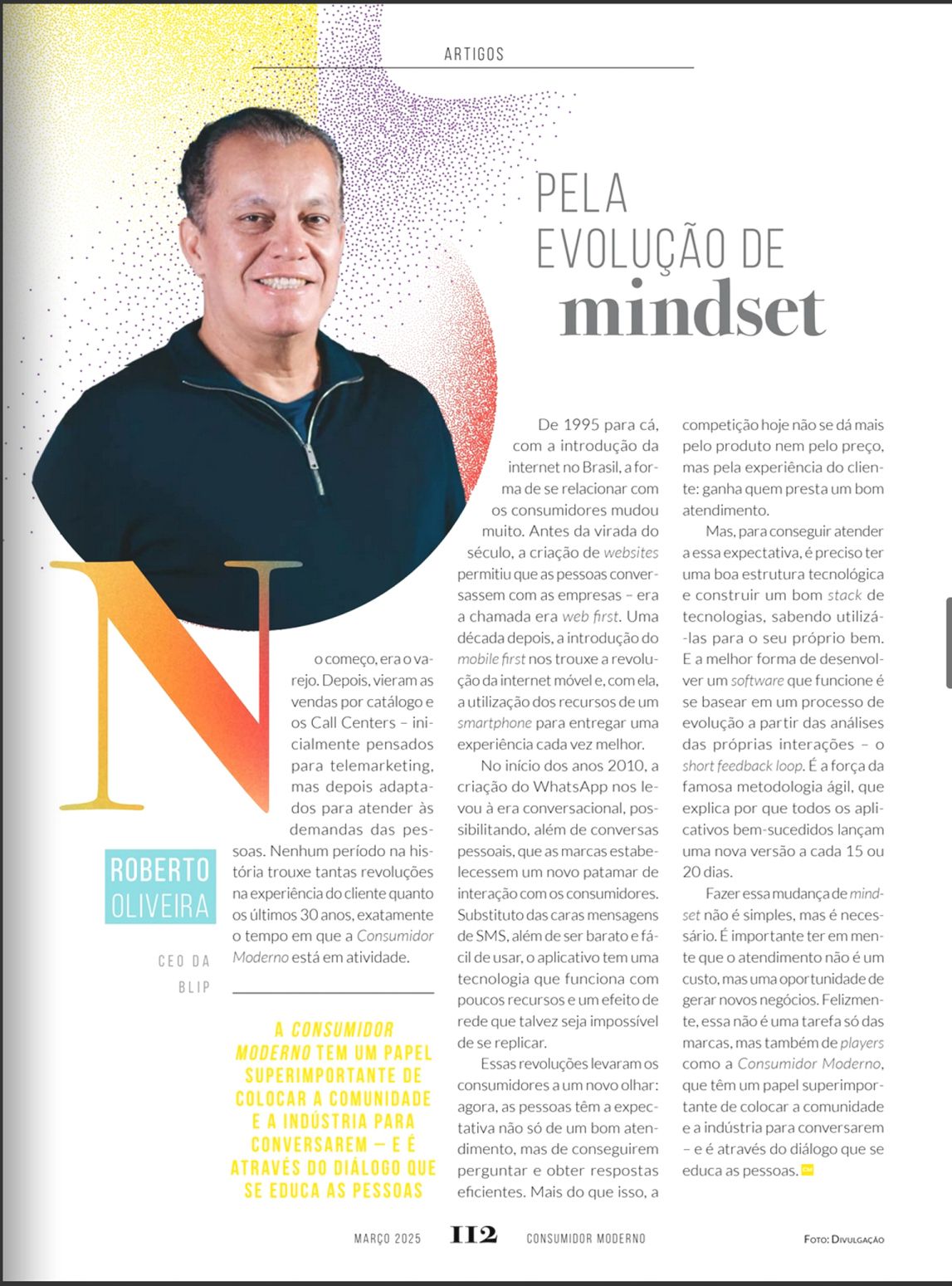
As mudanças na forma como a sociedade se organiza e se comunica impactam diretamente o comportamento e as expectativas dos consumidores. Exemplo disso é o fato de a era conversacional, representada no avanço de aplicativos de mensagens instantâneas gratuitas como o WhatsApp, ter dado às marcas a missão de responder a demandas cada vez maiores por velocidade e pessoalidade no atendimento. Recentemente, fui convidado pela revista Consumidor Moderno para me juntar a um grupo de especialistas de grandes empresas do país para discutir esse e outros desafios no cenário atual da experiência do cliente. Confira o artigo completo aqui: https://lnkd.in/dgBtNqja #IA #Liderança #Negócios #Inovação #InteligênciaConversacional #Humanização CX
- BlipRecorded 11 Sept 2026
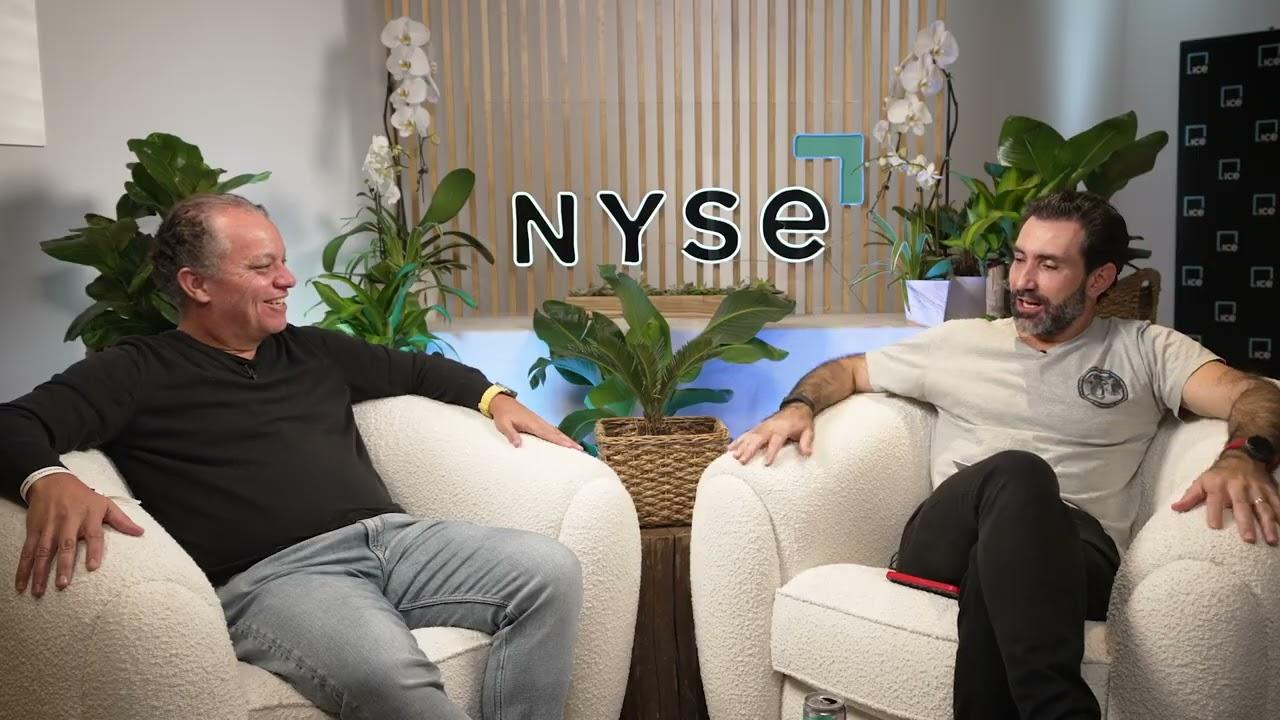
No LTF 2025 (Latin American Tech Forum), promovido pela Riverwood Capital, em Miami, tive a felicidade de participar de mais um excelente encontro entre líderes de tecnologia na América Latina. Durante o evento, fui entrevistado pelo Diego Barreto, CEO do iFood, na série Founders on Founders, da NYSE. A Blip acompanha a evolução do iFood há muitos anos e tenho enorme respeito pela marca e pela trajetória que eles vêm construindo. Foi uma ótima conversa em que eu e o Diego pudemos compartilhar um pouco dos nossos desafios e aprendizados como CEOs, além das nossas aspirações para o futuro. Te convido a assistir ao vídeo completo desta troca: https://lnkd.in/dV5RcN8Q #GoBlip #InteligenciaArtificial
- BREVIANRecorded 11 Sept 2026
Across my career, there are some patterns I’ve noticed in how sales teams operate. They don’t struggle because they lack data; they struggle because that data lives everywhere. Product updates move faster than enablement can keep up. Reps spend hours searching for answers instead of staying focused on the customer in front of them. And when product knowledge, customer insight, and timing don’t align, deals stall that shouldn’t. Fixing that isn’t about more tools or bigger tech stacks. It starts with connection- between product, people, and data. Integrations that actually work. Workflows that remove friction instead of adding it. And intelligence that shows up live, not after the fact. That’s the direction I believe sales tech needs to move. It’s also what we’re building at Brevian. We’ve rolled out new updates that bring product knowledge, enterprise data, and real-time enablement together in one motion. The new site gives a clear look at where we’re headed next. If any of these challenges sound familiar, take a look: https://www.brevian.ai/ #Founders #Leadership #SalesIntelligence #GTM #AI #Enablement #ProductStrategy
- BREVIANRecorded 11 Sept 2026
Sneak peek in to our Live Assist Feature ! Every time a rep jumps on a call with a customer they need to win that call. Winning can mean uncovering pain, clearly articulating differentiated value, sharing the most relevant content and examples to garner trust or even establishing mutual next steps and buy-in from customer. As product velocity increases, sales teams grow - knowledge is siloed and even the best reps can use a wingman on the call. Below is an example of just one of the capabilities of Live Assist. BREVIAN does this by integrating into your knowledge bases and creating a map of your products, features, use cases, objections, pain points and more. It was fun to build this demo on Databricks UC product docs, brought back some memories. Stay tuned for more #AIinSales, #SalesIntelligence, #AIGTM
- Beyond NowSince 14 May 2026
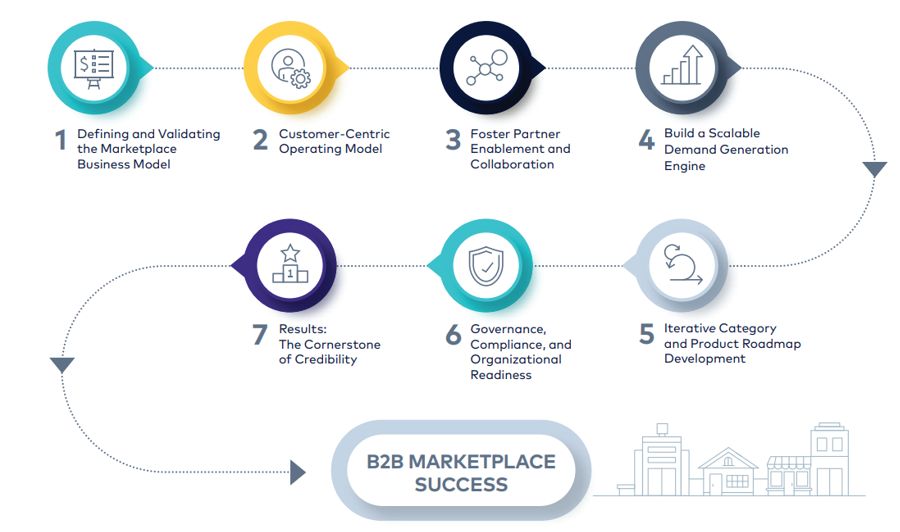
According to 2025 #Gartner research 25% of tier 1 CSP have a digital #marketplace today and this will more than double to 60% by 2028. We have consolidated more than a decade of our own domain experience in implementing marketplaces selling anything-as-a-service (XaaS) solutions with CSP connectivity. We have brought together the top lessons learnt on how best to do it and the best partners to work with from our eXchange program. We have created strategic frameworks and white papers on how to get the whole CSP organization to prioritize spend and actions that will grow revenue and transform customer experience, rather than focus solely on the technology itself. At the core are the GTM and sales motions with the right partners to get quick “impact”. This needs to be not just the initial solution sale but getting CX right across the customer lifecycle through to renewal, upsell and advocacy that will build community and promote continuous growth.
- BoomerangSince 4 Mar 2026
Which famous French novel was written when its author was "mostly" naked? The reason why is the best procrastination advice I've ever found. In 1828, Victor Hugo agreed to write The Hunchback of Notre Dame for his publisher. He missed the first deadline in April 1829. He didn't deliver a single page. His publisher threatened to sue him. Hugo negotiated an extension to December 1830. He missed that one too and this time, he blamed the July Revolution, said he lost his notes, got two more months. ("Dog ate my homework" excuse is not new!) He had, however, spent the year writing plays, hosting dinner parties, and exploring Paris. His publisher finally issued an ultimatum: deliver by February 1831 or pay 1,000 francs a week in fines. Roughly $13,000 in today's money. Being threatened with a lawsuit didn't work. Two missed deadlines didn't work. 𝘚𝘰 𝘏𝘶𝘨𝘰 𝘵𝘰𝘭𝘥 𝘩𝘪𝘴 𝘷𝘢𝘭𝘦𝘵 "𝘓𝘰𝘤𝘬 𝘢𝘸𝘢𝘺 𝘦𝘷𝘦𝘳𝘺 𝘱𝘪𝘦𝘤𝘦 𝘰𝘧 𝘮𝘺 𝘧𝘰𝘳𝘮𝘢𝘭 𝘤𝘭𝘰𝘵𝘩𝘪𝘯𝘨. 𝘋𝘰 𝘯𝘰𝘵 𝘨𝘪𝘷𝘦 𝘮𝘦 𝘵𝘩𝘦 𝘬𝘦𝘺 𝘶𝘯𝘵𝘪𝘭 𝘵𝘩𝘪𝘴 𝘯𝘰𝘷𝘦𝘭 𝘪𝘴 𝘸𝘳𝘪𝘵𝘵𝘦𝘯!" Wrapped in a gray shawl. Unable to leave or receive guests. Nothing left to do but write. He delivered two weeks early. Victor Hugo couldn't make himself stop procrastinating without removing every other option first. He needed a gimmick. Here are three things that actually work without resorting to that extreme. 1. The 𝗠𝗖𝗜𝗜 𝟯-𝗺𝗶𝗻𝘂𝘁𝗲 𝘀𝗰𝗿𝗶𝗽𝘁: Before you start, answer three questions. What's the best outcome if I do this? What's stopping me? How will I handle that obstacle when it shows up? Researchers call this Mental Contrasting and Implementation Intention. Takes less time than making another cup of coffee to avoid starting. 2. 𝗦𝗼𝗰𝗶𝗮𝗹 𝗰𝗼𝗺𝗺𝗶𝘁𝗺𝗲𝗻𝘁: Tell someone. Anyone. Before Alex ships anything he's been putting off, he schedules a fake check-in with a colleague. Not because they need the update. Because he needs the audience. Research shows accountability to another person jumps follow-through from 43% to 76%. You don't need a productivity app. You need a witness. 3. 𝗦𝗲𝗹𝗳 𝗰𝗼𝗺𝗽𝗮𝘀𝘀𝗶𝗼𝗻: Forgive yourself for yesterday. Students who forgave themselves after procrastinating on an exam procrastinated less on the next one. Self-compassion broke the cycle. Self-criticism deepened it. So if you didn't do the thing yesterday, let it go. Then go do it. You probably can't lock away your clothes and go full Hugo. But you can try one of these three things today. Which one are you starting with? Drop it below. 🎧 Full episode on the science of procrastination in Episode 18 of Less Busy Lab. Link in the comments. p.s. I wrote this post while procrastinating on something else I actually needed to be doing p.p.s I am waiting for the first "well actually" comment on how naked Hugo was. p.p.p.s Hugo was quite eccentric and actually got custom furniture made to write standing. He's way ahead of the standing desk fad.
- BoomerangSince 30 Mar 2026
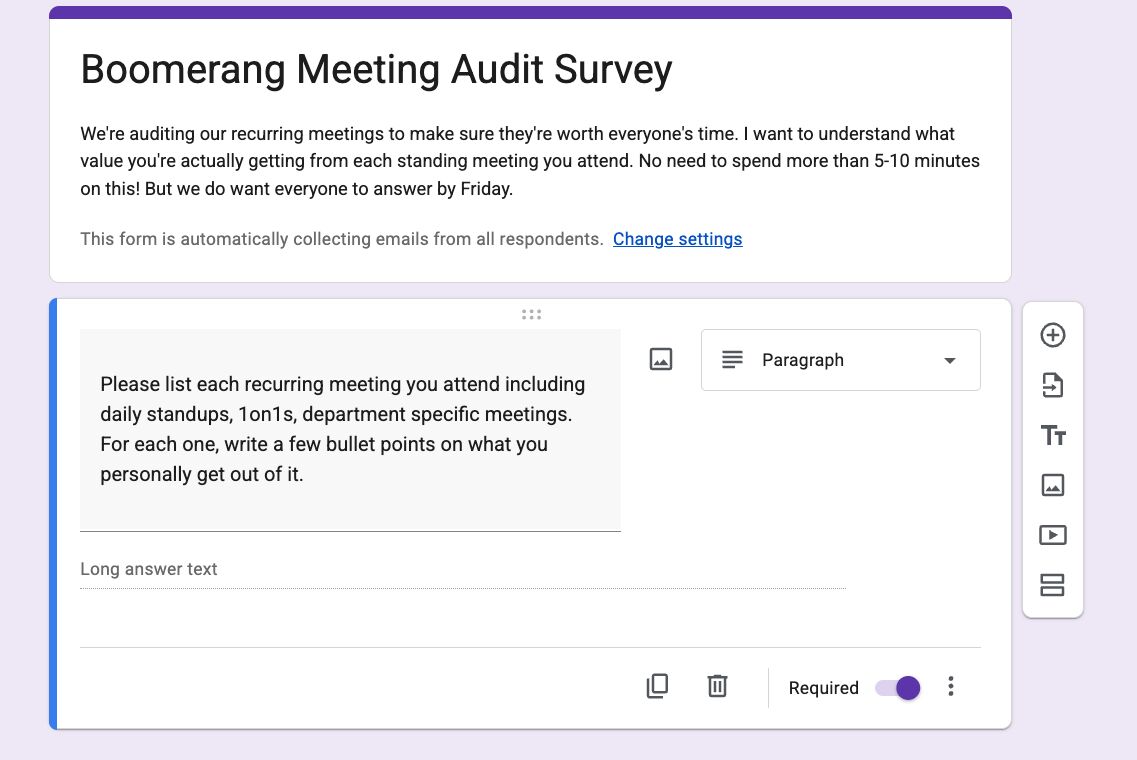
Shopify deleted 12,000 recurring meetings on a New Year's Day. Every single one with 3+ people got nuked. They told teams: try it for two weeks. Add back only what you actually need. It worked. Meeting time per employee dropped 14%. Finished projects jumped 18% at the end of the year. We don't have 12,000 recurring meetings at Boomerang. But I wanted to see if a 20-person team could get the same clarity from a meeting audit. So I sent a dead-simple survey: "list every recurring meeting you attend and write a couple sentences about what you get out of each one". What people didn't mention was more revealing than what they did. Some people completely forgot they were in certain recurring meetings. Didn't even list them. That meeting didn't register in their mind at all. Some said, "someone asked me to cover for them once and I never stopped showing up. I don't get much out of it." And our daily standup, the one meeting we've done every single day for 16 years? Turns out coordination is not this meeting's only value. It's now also the social glue for a fully remote team. People called out the jokes, the banter, the Zoom chat. For a fully remote team, those 10 minutes are the daily water cooler. We cancel the ones that no longer have good reasons, we restructured 2 problematic ones and some people can stop attending some meetings they don't need to! Microsoft found that only 1 in 3 people think they'd actually be missed in most of their meetings. Whether you have 10,000 employees or 20, the pattern is the same. People sit in meetings out of FOMO, not value. Here's how to run your own meeting audit: 1. Survey your entire team with just two simple questions: "what recurring meetings do you attend, and what value do you get from each?" You don't need anything more elaborate than that. You shouldn't even list the meetings so you can see which ones they will forget to list. 2. You run every meeting through this checklist after getting the results: ✅ Are decisions being made? ✅ Is anyone doing something differently because of this meeting? ✅ Are new viewpoints being exchanged or opinions being swapped? ✅ Is there social or team-building value? 3. If it doesn't hit at least one of those, cancel it. 4. If it hits one but should hit another, restructure it. If your meetings mix tactical updates with deep strategic debates, split them up so they serve what you intend them to. How many recurring meetings do you have on your calendar? Which of them will fail all four questions from the checklist? What's stopping you from doing a meeting audit? p.s. Bad meetings cost a 100-person company about $2.5M a year. At 5,000 employees, that's $100M. Shopify built a meeting cost calculator after the purge. A 30-minute meeting with 3 people: $700 to $1,600. p.p.s. If you want the full meeting audit framework and the "Death by Meeting" breakdown, Alex and I went deep on this in the latest Less Busy Lab episode. Link in the comments.
- Bit CloudSince 7 Jun 2026
I just saved approximately $4K in a single Claude Code session. The wild part: Claude barely did any of the work. Yesterday Hope, our AI, built our new marketing site - and turned it into reusable components. Today I connected Claude Code - a different AI - to Bit MCP and asked for a "For developers" landing page. It read our fabric: our components, design system, patterns, knowledge. Nine of them, one page. Same design language, same UX, no drift, no design review. Claude calculated token savings at ~$60 for this one page - run it across every build, every dev, every day, and it compounds fast. But that's the smaller half. Reuse skipped ~$4K of design and iteration that never had to happen again, and gave a consistent output. The expensive part was never the typing. It's getting it right. The moat is not the model - it's the fabric every model runs on. Claude Code, Codex, Gemini, Hope. Same graph. Same head start. More every week. → bit.cloud
- Beautiful.aiSince 30 Jul 2026
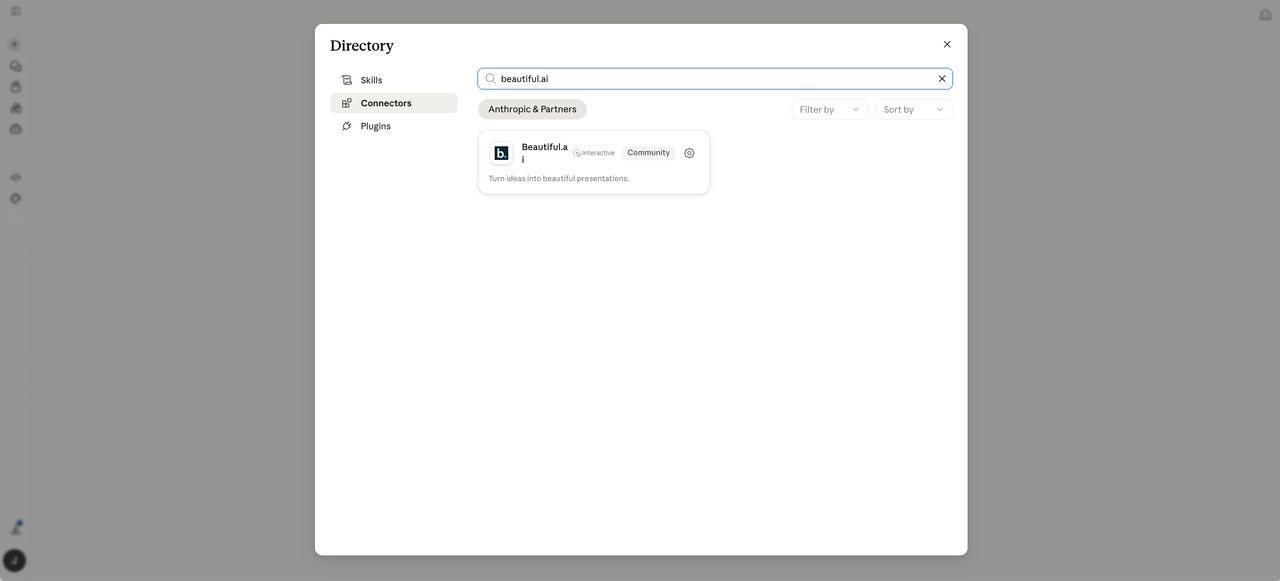
I've been using Claude to think through client pitches and stakeholder decks for a while now, working out the narrative, stress-testing the argument, figuring out what actually needs to be on the page. The part that never quite matched was the last step: turning that thinking into an actual deck. Now that Beautiful.ai connects directly to Claude, that gap is basically gone. The strategy work still happens the same way, same conversation, same back-and-forth on the story and the argument. But now that thinking flows straight into a real, designed presentation instead of getting handed off to a separate tool where I'm rebuilding slides from scratch, reformatting charts, and trying to make the visual match the narrative I already worked out. It's a small-sounding change that has a real effect: the deck stops being a second project. It's just the natural output of the thinking you already did. For anyone who's built a client pitch under a deadline, that's the part that actually eats the day, not the strategy, the last mile of turning it into something polished enough to present. Closing that gap means more time spent sharpening the argument and less time spent on slide mechanics. I think this is a good example of where AI tools get more useful, not by doing more things in isolation, but by connecting to the tools that already do one thing well. Claude for the thinking, Beautiful.ai for the presentation, and now no seam in between. Curious if others are finding the same thing as more of these connections show up. Which tool combinations have actually changed your workflow, versus just being another integration you tried once? If you're interested in trying it out yourself, here ya go: https://www.beautiful.ai/ #Claude #Beautifulai #AI #PitchDecks #MarketingOps





Other LinkedIn formats
Watch the companies you care about.
Filter every ad by industry, country, format and network, and get alerts when a company you watch starts running new ads.