On air · 1 of 3 networks
Calibo
- calibo.com
- Software (horizontal)
- US
- 313 employees
Calibo’s ads on LinkedIn, Meta and Google, recorded by adsrunning. Browse the latest here for free. Sign up free to see all 22. Watch Calibo with Starter to get each new one in your feed.
Watchlist with Starter · $49/mo
| Network | Status | Live ads | Nov 2025LinkedIn activity · 52 weeksOct 2026 | Checked | Next step |
|---|---|---|---|---|---|
| Running | 2 | Checked 30 Oct 2026 | See all 22 ads → | ||
| Meta | Not checked | — | |||
| None recorded | 0 | No ads found on the Google Ads Transparency Center | Checked 24 Oct 2026 | Collect them with the API → |
Calibo has 2 live LinkedIn ads. We recorded no Google ads on 24 Oct 2026.
Latest ads
- LINKEDIN · IMAGESince 24 Oct 2025
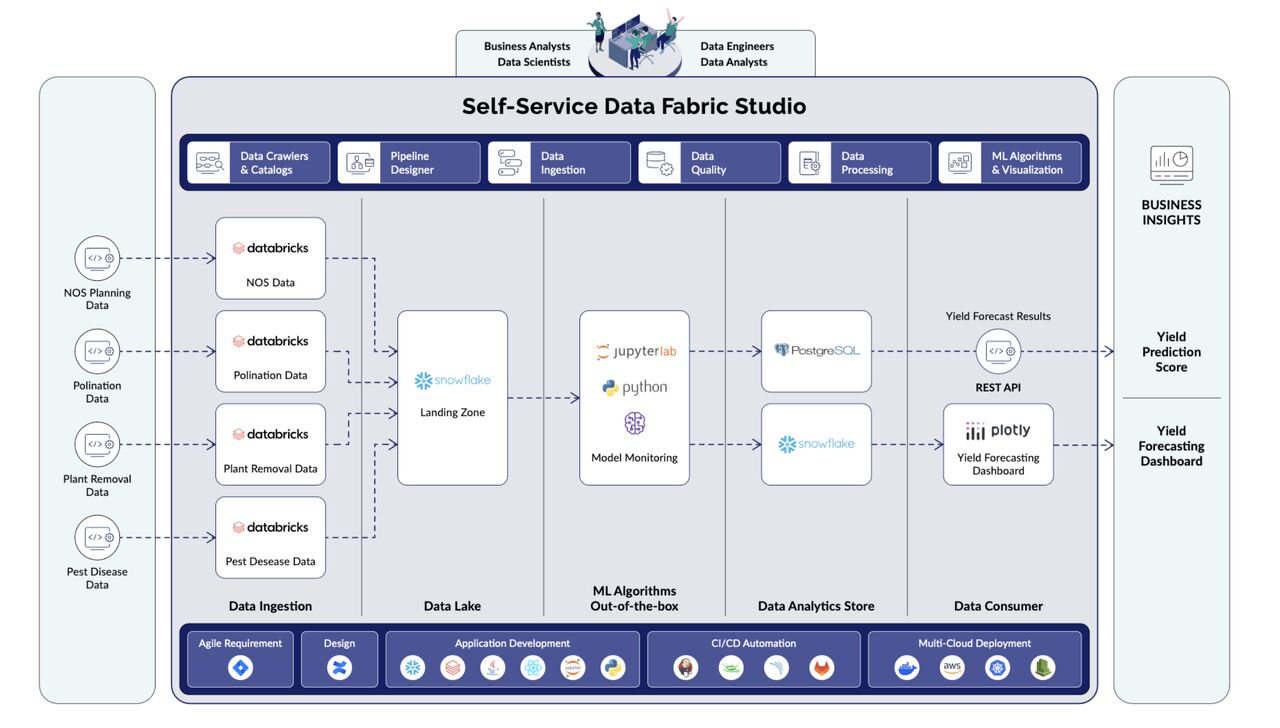
Every CIO faces this choice when it comes to building their own data platform: spend 12-18 months building it on your own, or stay stuck with fragmented ecosystems killing speed. But business problems won't wait and neither do competitors. I lived this exact dilemma at Novartis. You know your approach leaves loads of your data potential on the table. You know you rely on outdated legacy tech ecosystems difficult to maintain and scale. You know, siloed technologies slowing down development work for data scientists. But the thought of an 18-month platform build while business problems pile up? That's just not going to happen. A real world example is NatureSweet. They are growing tomatoes across 1,000 acres. They had a LOT of data, crucial for yield forecasting, but could not leverage it effectively. Their CIO Noe Angel faced the choice: spend 12-18 months building a platform AND hiring the expertise to make it work, or find another way. Instead of a lengthy build, they partnered with us at Calibo. Platform was running in 8 weeks, fully integrated across their entire tech stack. And as a former CIO I can say, the results are amazing: → 95% forecasting accuracy (up from 88%) → 900+ tons of tomatoes saved from waste per quarter → Millions saved in first three quarters → Started solving business problems in 8 weeks, not 18 months In his words: “Instead of building our own digital ecosystem, which would have taken 12-18 months – before we could solve business problems – we could start within 8 weeks thanks to Calibo’s platform. For one application, we were able to improve yield forecasting by 7%, 𝗿𝗲𝘀𝘂𝗹𝘁𝗶𝗻𝗴 𝗶𝗻 𝗺𝗶𝗹𝗹𝗶𝗼𝗻𝘀 𝗼𝗳 𝗨𝗦𝗗 𝗼𝗳 𝘀𝗮𝘃𝗶𝗻𝗴𝘀 the first three quarters after implementation.” Sometimes the fastest path to innovation isn't building everything yourself. Below is an image showing the ecosystem. If you are looking for something similar in your org, reach out to me for a 1:1 discussion! P.S. This is just our Data Fabric Studio. The full Calibo platform includes Internal Developer Portals and Innovation Sandboxes for complete digital acceleration.
- LINKEDIN · IMAGESince 11 Sept 2025
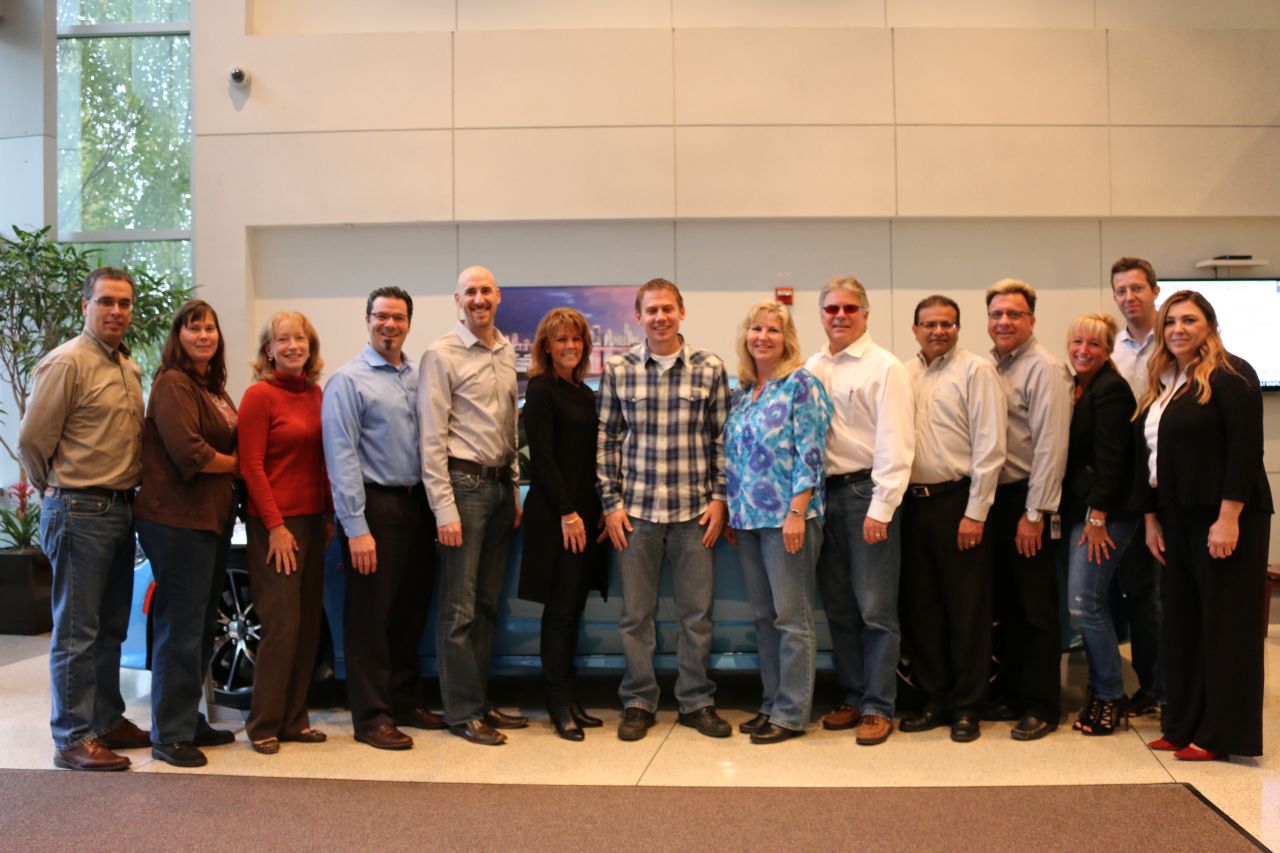
My CIO day: 8:00 AM: Steering committee meeting on reducing IT costs by 10% 9:00 AM: Project escalation - critical initiative is 6 months behind 9:30 AM: Vendor escalation - issues with high priority services 10:30 AM: Budget approval meeting for Q2 initiatives 11:30 AM: Alignment meeting before CEO presentation 12:00 AM: One-on-ones with team leads about resource constraints 12:30 PM: Eating at my desk to take a quick look at emails . ..8 more meetings later... 11:00 PM: Finally catching up on emails after the kids went to sleep I was a "meeting machine." 10-15 meetings every day. I drank so much caffeine I got headaches and had to quit. But here's what I realized years later: I knew exactly where every dollar was spent. I could tell you our budget down to the line item. But I had no clue what my developers actually did all day. The manual processes eating their time. The approval workflows killing their momentum. The complexity of needing 10-15 different technologies just to build one product. While I was in back-to-back strategic meetings, my team was drowning in friction I couldn't see. The nature of the CIO role creates this gap. You're pulled into the big picture while losing touch with ground-level reality. 💭Interestingly enough, I am now diving back into that complexity firsthand at Calibo. We’re building a platform to orchestrate, automate and democratize the entire digital creation process and I have to dive into every pain point, from individual contributor to executive, giving me insights I could not gain before. Fellow IT-Leaders: How do you stay connected to what your teams actually face? Share your strategies in the comments! P.S. the picture is going back to my Fiat Chrysler days (Oct 2015) showing my Leadership team at the time.... almost 10 years ago!
- LINKEDIN · IMAGESince 11 Sept 2025
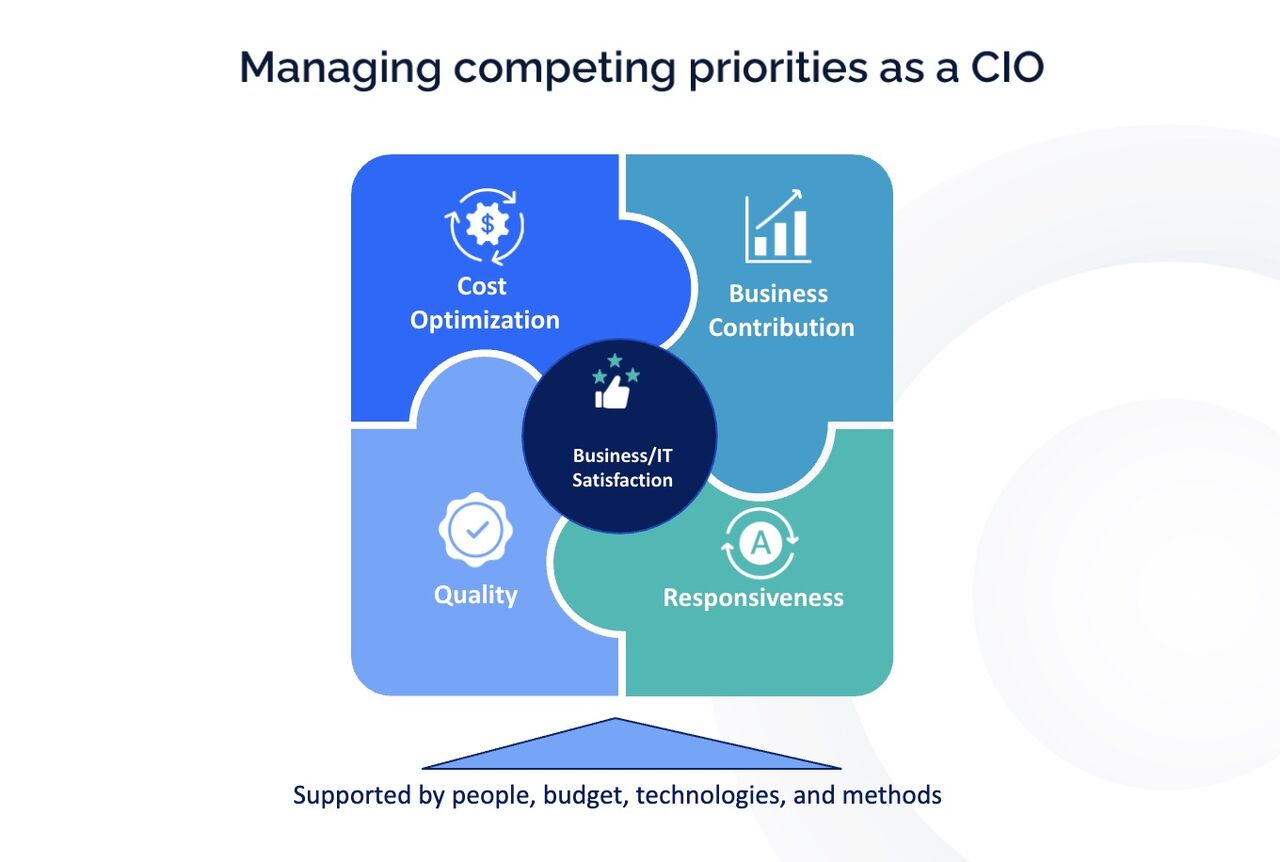
I was struggling to communicate the impossible job of IT leadership to business executives. A mentor of mine - a former CIO - introduced me to a framework that changed how I approached exec meetings. We talked about business pulling us in every direction, something that constantly frustrated me. IT Leadership knows the conflict - Business constantly demands to: → Be more innovative → Be more agile → Be more secure → and reduce costs by 10%. He went to a whiteboard and said: "Let me show you how I used to explain my responsibility to the C-suite." He drew 4 quadrants and a circle in the middle, and I want to share this framework with my network of IT-Leaders: 𝗧𝗵𝗲 5 𝗰𝗼𝗺𝗽𝗲𝘁𝗶𝗻𝗴 𝗮𝗿𝗲𝗮𝘀 𝗲𝘃𝗲𝗿𝘆 𝗜𝗧 𝗹𝗲𝗮𝗱𝗲𝗿 𝗺𝗮𝗻𝗮𝗴𝗲𝘀: 👉 𝗨𝗽𝗽𝗲𝗿 𝗹𝗲𝗳𝘁: 𝗖𝗼𝘀𝘁 𝗼𝗽𝘁𝗶𝗺𝗶𝘇𝗮𝘁𝗶𝗼𝗻 - Managing budgets from $10M to $10B. CFO expects you to deliver every year. 👉 𝗟𝗼𝘄𝗲𝗿 𝗹𝗲𝗳𝘁: 𝗤𝘂𝗮𝗹𝗶𝘁𝘆 - Keep applications, infrastructure, email running. Security and compliance. Business expects "warm water when you turn on the shower." 👉 𝗨𝗽𝗽𝗲𝗿 𝗿𝗶𝗴𝗵𝘁: 𝗕𝘂𝘀𝗶𝗻𝗲𝘀𝘀 𝗰𝗼𝗻𝘁𝗿𝗶𝗯𝘂𝘁𝗶𝗼𝗻 - Drive innovation, replace legacy systems, support new capabilities around cloud, data, AI. 👉 𝗟𝗼𝘄𝗲𝗿 𝗿𝗶𝗴𝗵𝘁: 𝗥𝗲𝘀𝗽𝗼𝗻𝘀𝗶𝘃𝗲𝗻𝗲𝘀𝘀 - Handle M&A integrations, company pivots, market changes. COVID hits? You need to support remote work ASAP. 👉 𝗖𝗲𝗻𝘁𝗲𝗿 𝗰𝗶𝗿𝗰𝗹𝗲: 𝗦𝗮𝘁𝗶𝘀𝗳𝗮𝗰𝘁𝗶𝗼𝗻 - Business happiness with IT support AND your IT team's satisfaction with their work. Here's the problem: These compete with each other. You want us to reduce costs but improve operations? You want innovation while cutting budgets? You want agility but operational stability? I started using this framework in senior management conversations: "You're asking us to be more innovative, more agile, more secure, and reduce costs. Which quadrant is the priority? If you pull me toward innovation, I'll need more budget. If you want cost cuts, innovation capacity decreases." This framework forces business leaders to have real conversations about trade-offs instead of demanding everything simultaneously. Repost this to your IT-Network, if this is helpful!
- LINKEDIN · IMAGESince 10 Sept 2025
As CIO I spent 11+ years fighting the "IT is too slow - the business wants to innovate faster" problem. What I learned now as CEO of a tech startup solving this problem would’ve made me a better IT-Leader back then. Around 2017-2018, the pressure on IT at Novartis became intense. Everyone wanted to innovate faster. But when they came to us with use cases, even with the technology in place, we were still painfully slow. We could all feel the frustration: Escalation emails. Executive updates where someone would say "IT isn't supporting us and we can't innovate." Business executives making deals with startups, trying to avoid IT altogether because of our perceived bureaucracy. I knew we had an issue, but it was hard for me to see the root cause. My view completely changed after four years of being CEO at Calibo, working with IT organizations from leader down to developer. Two things I was missing: 👉 First, developing a single digital or data product requires access to 10-15 different technologies. I had no idea. Coming from implementing SAP where you just needed SAP, this complexity was invisible to me. Kind of strange for a CIO, right? 👉 Second, it wasn't just technology complexity. Every organization has massive process complexity. Approval processes that take months. Ticket systems for basic infrastructure. I knew it existed, but I was unaware of how tedious it was for the technologists. Who pays the price? The technologists get frustrated trying to navigate this maze. And business people wait endlessly with zero visibility into what's actually happening in development. Looking back, I'd be a much better CIO today than when I left my previous role. I'd focus significantly more time, talent, and resources on making development processes efficient and creating self-service environments with all technologies in place. In large organizations with endless priorities, I'd make this a high priority. I’d love to get the perspective from others in my network on this! PS: Photo is going back to my Novartis days (Feb 2017 on one of my many wonderful visits to India). How time flies by!!
- LINKEDIN · IMAGESince 10 Sept 2025
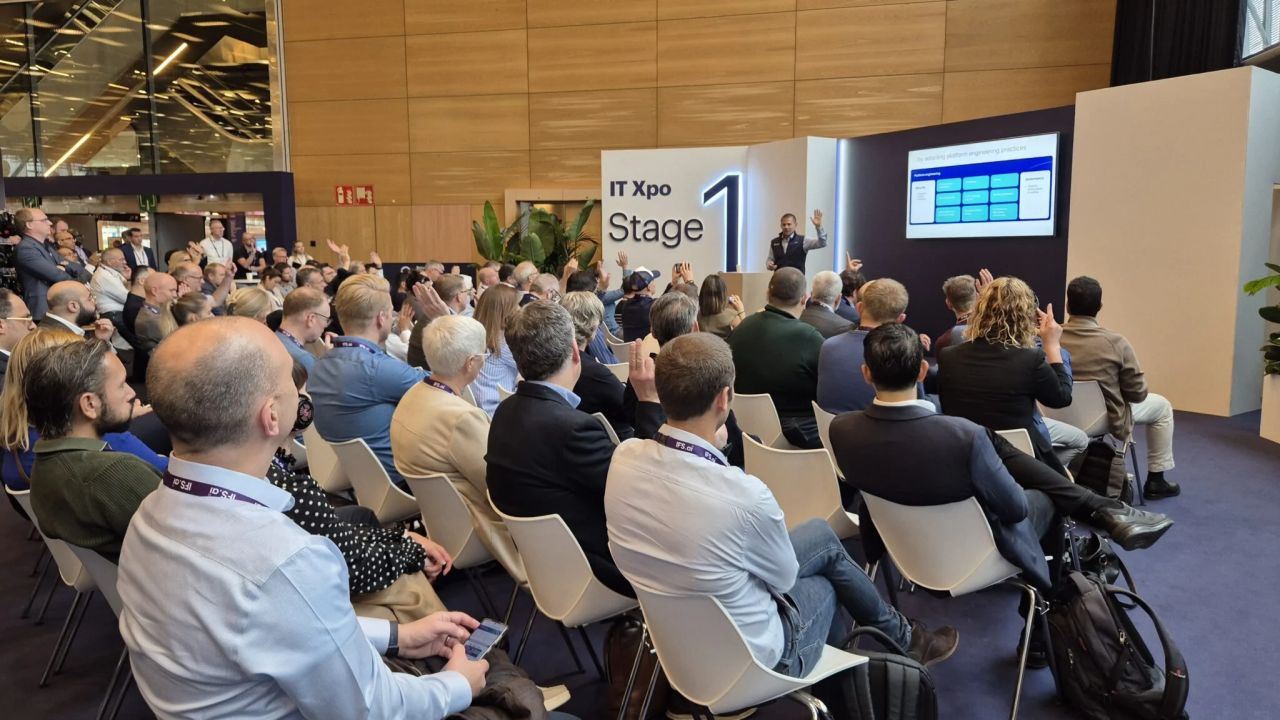
I feared Shadow-IT as CIO - there were literal business processes running on employees’ PCs under their desk. But with what I learned at Calibo, I would now advise IT-Leaders to embrace it. The problem with shadow-IT: IT gets a conflicting mandate: be secure, compliant, cost-efficient, and innovative. Add the layers of technology and process complexity to that, and business units end up feeling IT is too slow. They start hiring their own talent to build their own solutions - often outside IT’s environments and guardrails. In most organizations, this leads to several problems: → IT leaders feel undermined and lose visibility into critical systems. → Business units create security vulnerabilities and unsupported solutions. → The organization ends up with duplicated efforts, compliance gaps, and innovation happening in silos instead of at scale. This frustrated me as CIO, thinking, “Why is the business wanting to do things that should be within the technology organization?” But my perspective on shadow-IT shifted when I started working at Calibo. I saw companies utilizing a self-service ecosystem that’s monitored, governed, and secure. Giving business units access to data and tools with proper guardrails - without them having to wait weeks for infrastructure tickets. Shadow IT is now becoming a competitive advantage: business can test proof of concepts with 10 users quickly within a certified environment. When solutions prove to work and need to scale to 5,000 people, IT steps in. Last year, I even gave a talk titled “Enabling business (shadow) IT: Why fight it? Embrace it!” at the Gartner IT Symposium. (See Photo) Because the question isn't whether shadow IT will happen, it's whether you'll enable it safely. Would love to get your perspectives on this!!
- LINKEDIN · IMAGERecorded 25 Oct 2026
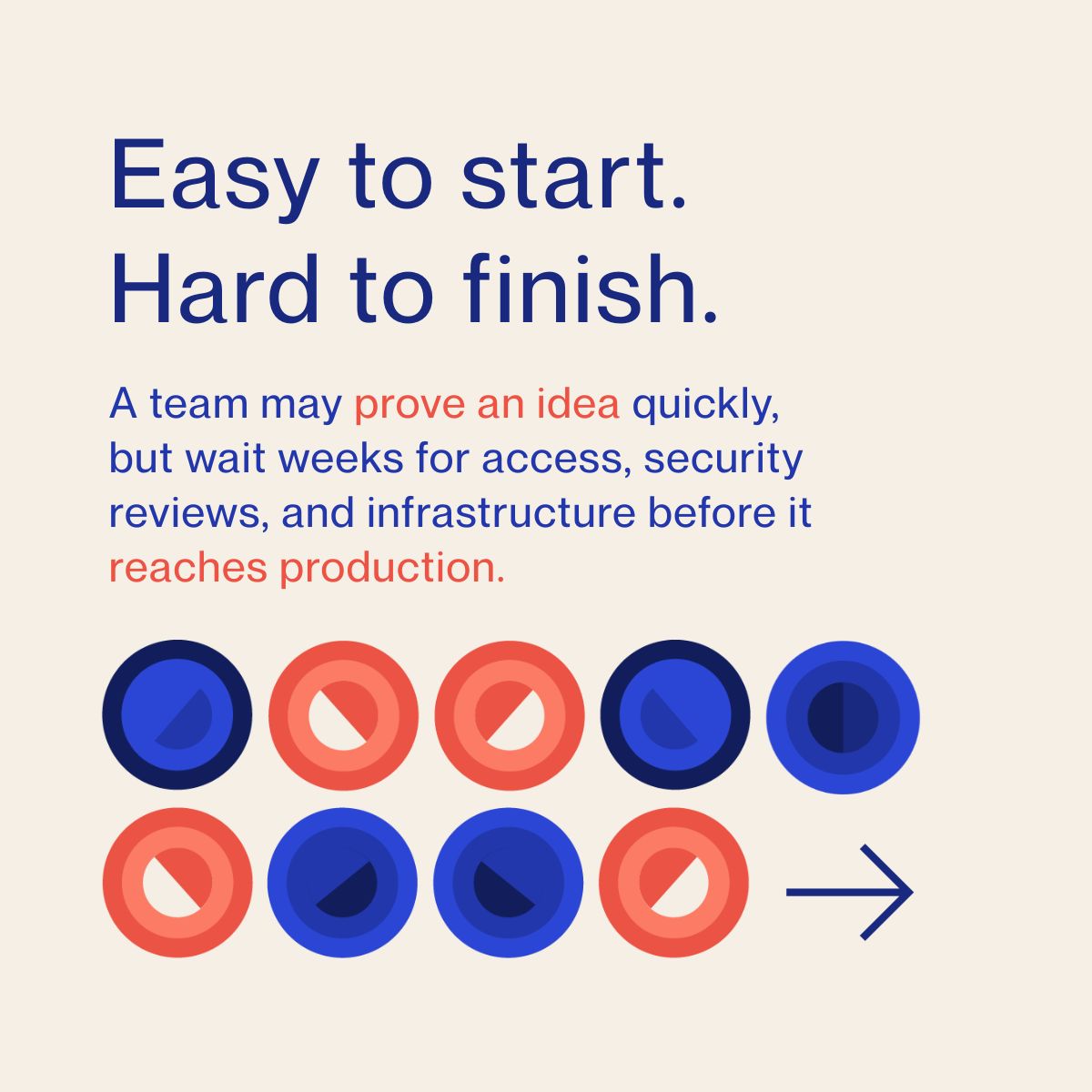
Most innovation sandboxes make it easy to start. Far fewer make it easy to finish. A team may prove an idea quickly, then wait weeks for access requests, security reviews and infrastructure dependencies before it can reach production. CIOReview's latest Deep Dive looks at what enterprises should assess when choosing an innovation sandbox: 🔹 Does it reflect the controls and deployment requirements teams will eventually face, or create a parallel world that has to be rebuilt later? 🔹 Can IT define reusable policies and templates so teams can provision approved resources without sending every request through a manual queue? 🔹 Does it work with existing systems, or require replacing them? 🔹 Can teams start with the trusted, governed data a defined use case needs, rather than preparing every source upfront? 🔹 Is there a controlled path to production, or does validated work stall at the boundary? It also explains how Calibo's Business Innovation Sandbox, Minimum Viable Data, and Path to Production work together to address these challenges. Link in the comments #EnterpriseInnovation #InnovationSandbox #BusinessInnovation #CIOLeadership #EnterpriseAI #CIOReview

6 of 22 adsSign up to see every Calibo ad, filter by format and date, and get alerts on new ones.
See all 22 adsWatch the companies you care about.
Filter every ad by industry, country, format and network, and get alerts when a company you watch starts running new ads.