LinkedIn thought leader ad examples
546 thought leader ads are live on LinkedIn right now, from 459 companies. Browse real ones, filtered by industry.
- ecomtorials.Since 1 Oct 2026
Mit diesen Landing Pages macht eine US-Brand jährlich $100M+ in der umkämpftesten Nische der Welt. Hier ist der exakte Breakdown, wie sie funktionieren: Die Rede ist von Happy Mammoth. Eine der erfolgreichsten Supplement Brands im US-Markt. Ihr zentrales Prinzip: Sie schicken keinen einzigen Klick auf eine normale Produktseite. Jede Ad landet auf einer eigenen Page, die den Besucher erst beim eigentlichen Problem abholt. Wir nennen diese Seiten intern Ice Crusher Pages. Weil sie gebaut sind, um eiskalte, skeptische Audiences zu überzeugen. Happy Mammoth ist eine von wenigen Brands im Markt, die das wirklich exzellent spielen. Ihre Seiten erklären zuerst den Root Cause des Problems, räumen jeden Einwand aus und verkaufen erst dann. Deshalb habe ich eine ihrer stärksten Ice Crusher Pages bis ins kleinste Detail zerlegt und die Prinzipien extrahiert, die sich durch alle ihre Seiten ziehen. Das Ergebnis ist ein 17 Min Video Breakdown, in dem du genau siehst: → Wie sie den kalten Traffic zuerst auf den Root Cause des Problems einschwören, statt sofort das Produkt zu pitchen → Wie sie in den ersten Sektionen alles umdrehen, was der Besucher über sein Problem zu wissen glaubt → Wie sie über die volle Länge der Seite jeden Einwand auflösen, bevor er im Kopf entsteht → Und wie sie Framework, Proof und ein starkes Angebot so stapeln, dass sich „Nein sagen" einfach falsch anfühlt Es ist die exakte Blaupause, warum diese Seiten selbst kalte, skeptische Audiences konvertieren, während die meisten Landing Pages bei uns Cold Traffic in Sekunden verlieren. Wenn du meinen exakten Ice Crusher Page Breakdown haben willst, schreib's einfach in die Kommentare. Dann schicke ich es dir gerne zu.
- Heijbel GrowthSince 21 Sept 2026
När du ska bygga företagets contentmaskin och försöker komma på nya vinklar och annonser ska du börja i det organiska flödet. Inte i Meta Ads Library. Organiskt och betalt har aldrig legat lika nära varandra som nu på Meta och TikTok. Det som presterar organiskt har extremt hög sannolikhet att med några enkla tweaks även prestera med en budget och en CTA bakom sig. Börja med att gå in på TiKTok att söka på ämnet eller produkten du vill marknadsföra.Sen låter du algoritmen göra jobbet. Vad skriver folk i kommentarerna? Vilka skämt trendar? Vad för innehåll får tusentals views?
- Heijbel GrowthSince 21 Sept 2026
Många företag skulle få bätttre resultat på Meta om de bara fick ett en en KPI i Ads Manager. Jag vet inte hur många gånger jag sett det hur någon stänger av en annons som bär hela kontot baserat på att CPA ligger lite lägre en vissa av lower funnel annonserna. Det här är viktigare än någonsin med Meta andromeda där algoritmen servar annonser sekventiellt och bygger små funnels mot användaren. Därför är Spend är det absolutviktigaste måttet du kan titta på i ads manager. Det visar Metas totala förtroende för annonsen och på vilket sätt den kan användas för att uppnå dina affärsmål. Obs kräver att tracking är korrekt och optimerar mot rätt händelse. Vill du samarbeta med en byrå som förstår din affär? Kontakta mig på Linkedin eller läs mer på https://lnkd.in/dDrfFgNV
- ecomtorials.Since 1 Oct 2026
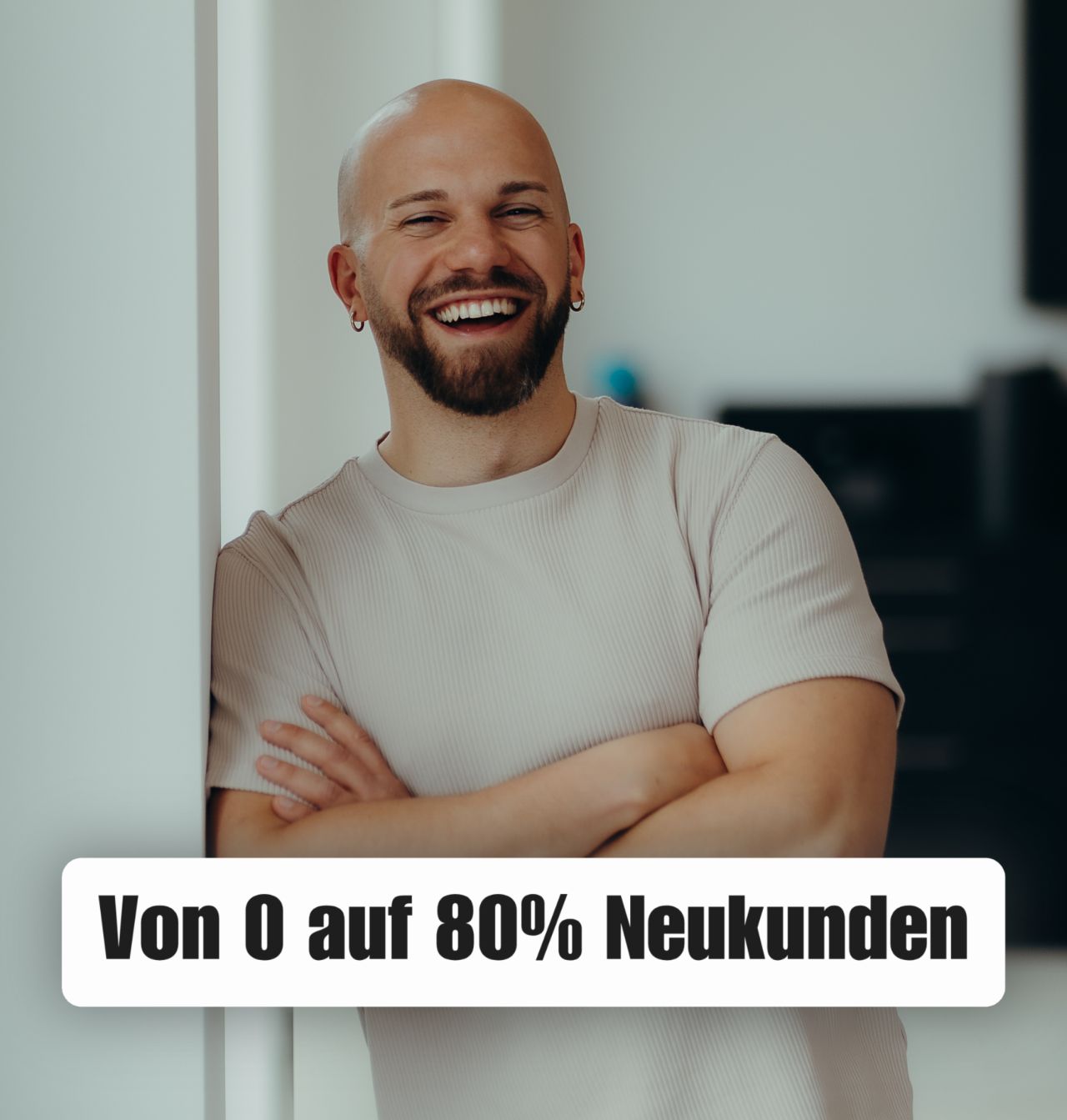
Vor 6 Monaten war Meta für diese Brand tot. Heute liefern ihre Ads wieder 80% Neukunden. Die Zielgruppe dieser ayurvedischen Supplement Brand war überwiegend weiblich. Und kaum eine Nische ist so umkämpft wie der Supplement Markt für Frauen. Also haben wir aufgehört, uns zu fragen, wie wir noch mehr an diese Frauen verkaufen können. Stattdessen haben wir den Markt gescreent. Wo ist viel Nachfrage, aber kaum Werbedruck? Und wo könnte ihr Produkt noch helfen? Unser Ergebnis: Männer mit Sodbrennen. Es gibt massenhaft Betroffene, aber kaum Ads oder Advertorials. Also haben wir mit dem bestehenden Produkt eine völlig gegenteilige Zielgruppe angesprochen. Und wurden dafür sofort mit starke Ergebnissen belohnt. So starken, dass die Konkurrenz schnell nachgezogen ist. Genau dafür haben wir aber unsere Purple Ocean Engine. Statt beim nächsten großen Angle wieder bei null anzufangen, rollen wir den validierten Angle auf Micro-Zielgruppen aus: → Sodbrennen durch zu viele Supplements → Sodbrennen durch ungesunde Ernährung → Sodbrennen im Bodybuilding Und das hat sich ausgezahlt. Hier die Zahlen nach 6 Monaten: 7-fig. Umsätze über unsere Funnel 80% Neukunden über Meta 98% Neukunden über Native 44% höherer AOV bei gesunkenem CAC Dazu eine Dominanz in Micro-Nischen, die für die Brand wahnsinnig profitabel sind, für große Player aber zu klein und uninteressant. Und es hört nicht auf. Wir können nahezu unendlich viele weitere Mikro-Zielgruppen erschließen. Jede für sich zu klein, als dass sich jemand darum reißt. Zusammen aber ein Markt mit einem wahnsinnig großen Potenzial. Wie erschließt ihr neue Zielgruppen?
- eMinded GmbHSince 5 Oct 2026
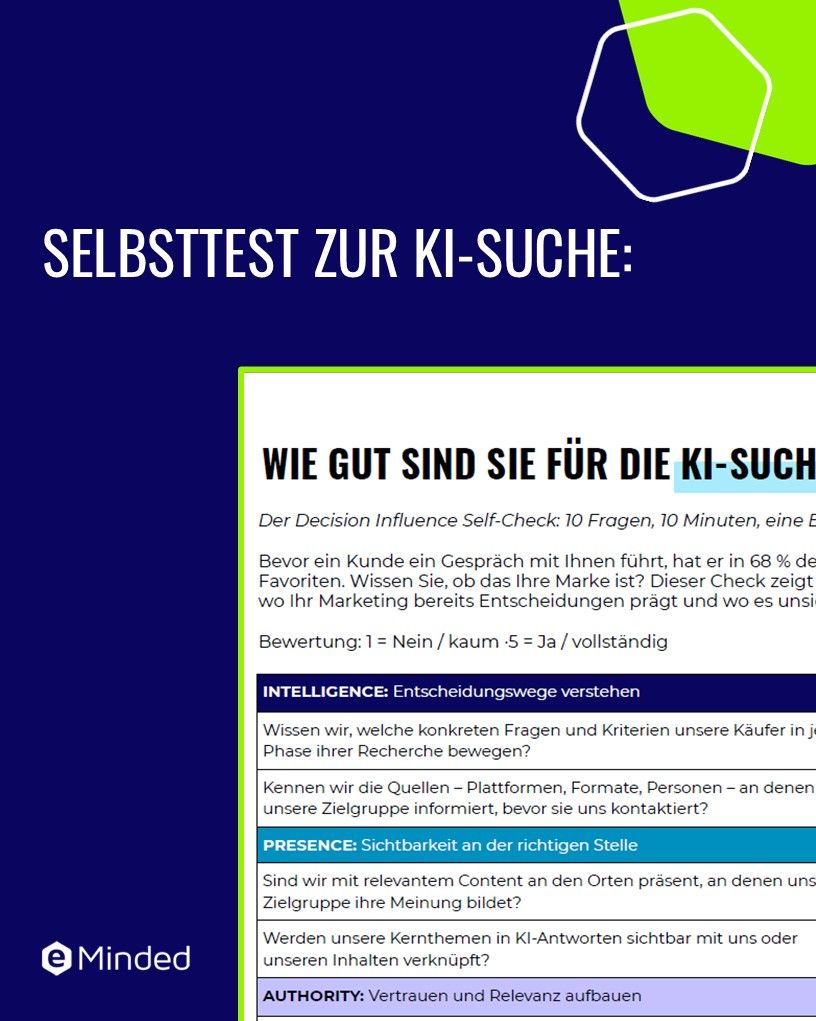
Mir haben schon immer Tests zur Selbsteinschätzung gefallen, egal ob in einer Zeitschrift oder digital. Für meinen Talk am OMT habe ich einen gebaut, der aufzeigt, wie gut Unternehmen für die KI-Suche aufgestellt sind. Ursprünglich als PDF konstruiert, hat ihn Patrick als Online-Tool umgesetzt. Wolltest du auch schon mal wissen, wie gut ihr vorbereitet seid? 👇 https://lnkd.in/eJssz_wK
- CriteoSince 5 Oct 2026
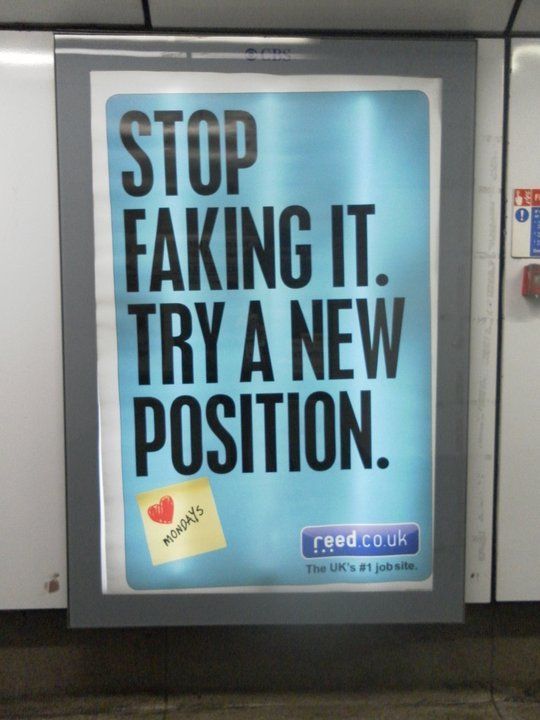
There’s something I keep hearing from marketing teams running upper-funnel campaigns: "Performance is strong, but we can't figure out if the awareness spend is actually contributing to it." And this is waaaaaay more common than people admit. One of the reasons is that brand teams run awareness campaigns on one platform like DV360, while performance teams run conversions in another. They have different KPIs, different reporting, and rarely shared signal between them. But even more scary is that the audiences powering each one have nothing to do with each other. How to connect then the 2 layers? At Criteo, we make it look easy but it's not, can guarantee 😄 Bringing commerce-driven audiences built from real shopping behavior into your DSP of choice , so upper-funnel spend reaches people who are actually in market, not just broadly defined demographics. Same DSP. Same buying workflow. Try a new position: Better signal connecting the funnel.
- FARRERRecorded 8 Oct 2026
Charities, let’s talk TikTok Ads 📣 TikTok Ads can work for charities. But that doesn’t mean every charity should be using them? Let me tell you what I mean. We recently tested TikTok alongside Meta for Animal Aid’s campaign to build support for a petition to ban greyhound racing. TikTok added genuine value. It delivered substantial incremental reach at a comparatively low cost and, once the campaign gained momentum, generated a consistent flow of petition actions. But Meta remained comfortably stronger where it mattered most. It produced the overwhelming majority of actions, with a much lower cost per meaningful conversion. Users arriving through Meta were also considerably more likely to continue from the campaign landing page to the petition itself. That distinction matters. Cheap reach or traffic doesn’t necessarily translate into efficient action. Our view is that TikTok is most justified when: - There is a clear audience and behavioural fit for the cause - The charity has creative that feels native to the platform - Meta is already sufficiently funded The remaining budget is large enough to give TikTok a meaningful test If the total budget is limited, spreading it too thinly usually creates diversification without much impact. In most cases, Meta should still command the majority of social spend because of its audience depth, optimisation maturity and ability to convert demand at scale. The Animal Aid test also reinforced a few more specific points: - Warm audiences were particularly valuable on TikTok - Relevant interest audiences offered a stronger starting point than relying on scale alone - Direct, statistics-led creative and emotional calls to action travelled well across both platforms Longer survivor stories were harder to communicate through static ads and would be better developed as video So I wouldn’t describe TikTok as an alternative to Meta for most charity campaigns. It is better viewed as an incremental channel: useful when the audience, creative and budget justify expanding beyond the platform already doing the heavy lifting. If you're interested in testing new platforms to engage new audiences or think their might be room for improvement when it comes to your paid ads feel free to book in a discovery call and we can get an audit booked in - https://lnkd.in/eaaZ8UhF
- eMinded GmbHSince 6 Oct 2026
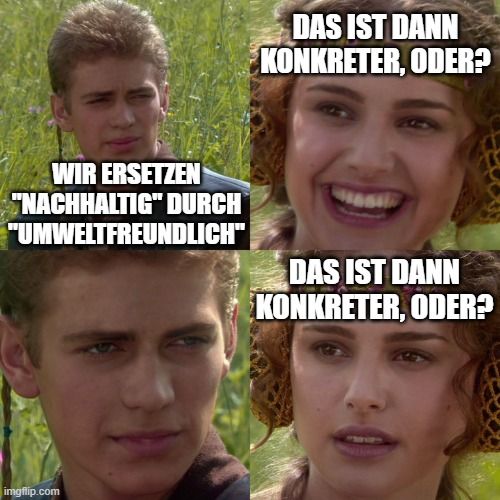
Seit dem 27.9. gilt die EmpCo Richtlinie, und "nachhaltig" in der Werbung ist kein unverbindliches Füllwort mehr, sondern ein Claim, den du glasklar belegen musst. 🔍 Die erste Reaktion ist dann oft wie im Meme: "Lass und doch einfach "umweltfreundlich" nehmen, das klingt doch konkreter." Tut es leider nicht. Auch "umweltfreundlich", "klimaneutral" oder "grün" stehen auf der Block-Liste der pauschalen Begriffe. Sie sind nur mit einer anerkannten hervorragenden Umweltleistung zulässig, zum Beispiel Blauer Engel oder EU-Umweltzeichen. Und auch die reichen für ein pauschales "nachhaltig" oft nicht aus, weil der Begriff auch Soziales umfasst. Der Jedi-Mind-Trick "Das sind nicht die Claims, die ihr sucht" funktioniert bei einer Abmahnung vermutlich eher nicht, junger Padawan 😉 Was bringt die EmpCo Richtlinie sonst so mit sich: Selbst gebastelte Siegel ohne unabhängiges Zertifizierungssystem sind verboten."Klimaneutral" allein über C02-Kompensation ist als Produktclaim Geschichte. Es gibt keine Größenschwellen, auch kleine Unternehmen sind betroffen. Für Marketing ist vor allem relevant: Als Umweltaussage zählt nicht nur Text. Auch Bilder, Grafiken und Markennamen können darunterfallen, und ein grünes Blatt im Logo kann bereits wie ein Siegel wirken. Mein Eindruck ist, dass genau diese Stellen bei der Prüfung vergessen werden, weil sie nie jemand als "Claim" auf dem Schirm hatte. Wichtig zu wissen: Die Richtlinie zielt formal auf B2C. Reines B2B ist nicht direkt erfasst. Sobald deine Aussagen aber in die Endkundenkommunikation weiterwandern (Datenblätter, Verpackung, Händlermaterial), kann es relevant werden. Und ich vermute, dass Gerichte beim Verbraucherverständnis im B2B nicht plötzlich großzügiger werden. Ich habe mir mit KI ein kleines Tool gebaut, das eine erste Grundeinschätzung gibt, ob ein Claim eher unkritisch oder eher ein Fall für die Rechtsabteilung ist: 🔗https://lnkd.in/entNrjiZ ⚠️ Es ersetzt keine Rechtsberatung. Wer jetzt anfangen will, kann es pragmatisch halten: Alle Umweltbegriffe in Ads, Landingpages und Claims sammeln. Zu jedem Begriff den Beleg danebenlegen. Was sich nicht belegen lässt, streichen oder konkretisieren ("Verpackung zu 90% aus Recyclingmaterial" statt "nachhaltige Verpackung"). Wie viele Claims würden bei euch durchfallen, wenn ihr heute prüft? 🧐
- FARRERRecorded 8 Oct 2026
Right, Environmental, Wildlife & Animal Welfare Charities 📣 Over the last few years, we've quietly become one of the UK's most experienced paid acquisition teams in your sector. We've have the privilege of working with: • The Wildlife Trusts • Tusk • Climate Group • Bumblebee Conservation Trust • International Cat Care • Surrey Wildlife Trust • Warwickshire Wildlife Trust • Animal Aid • Trees for Cities • Surfers Against Sewage • Garden Organic • UK Centre for Ecology & Hydrology (UKCEH) • Cool Earth • Climate Outreach Working across organisations like these gives you something you can't build from a single account. Perspective. You start to recognise patterns. Where demand exists. What messaging motivates people to act. What a website needs to convert. Which channels are worth testing. And ultimately, what drives impact. Every organisation has different objectives, audiences and budgets. But the question is always the same: How do we create more impact from every pound invested? That's what we spend every day solving. If you're an environmental, wildlife or animal welfare charity looking to get more from your paid acquisition, I'd love to have a conversation. https://lnkd.in/eaaZ8UhF Michelle Emma Emma Kaite Charlie Dan Emeline Billie Marcus Alice Josh Tina Marianne Lisa Terri-Anne Emma Rachel Jade
- Bounce InsightsRecorded 8 Oct 2026
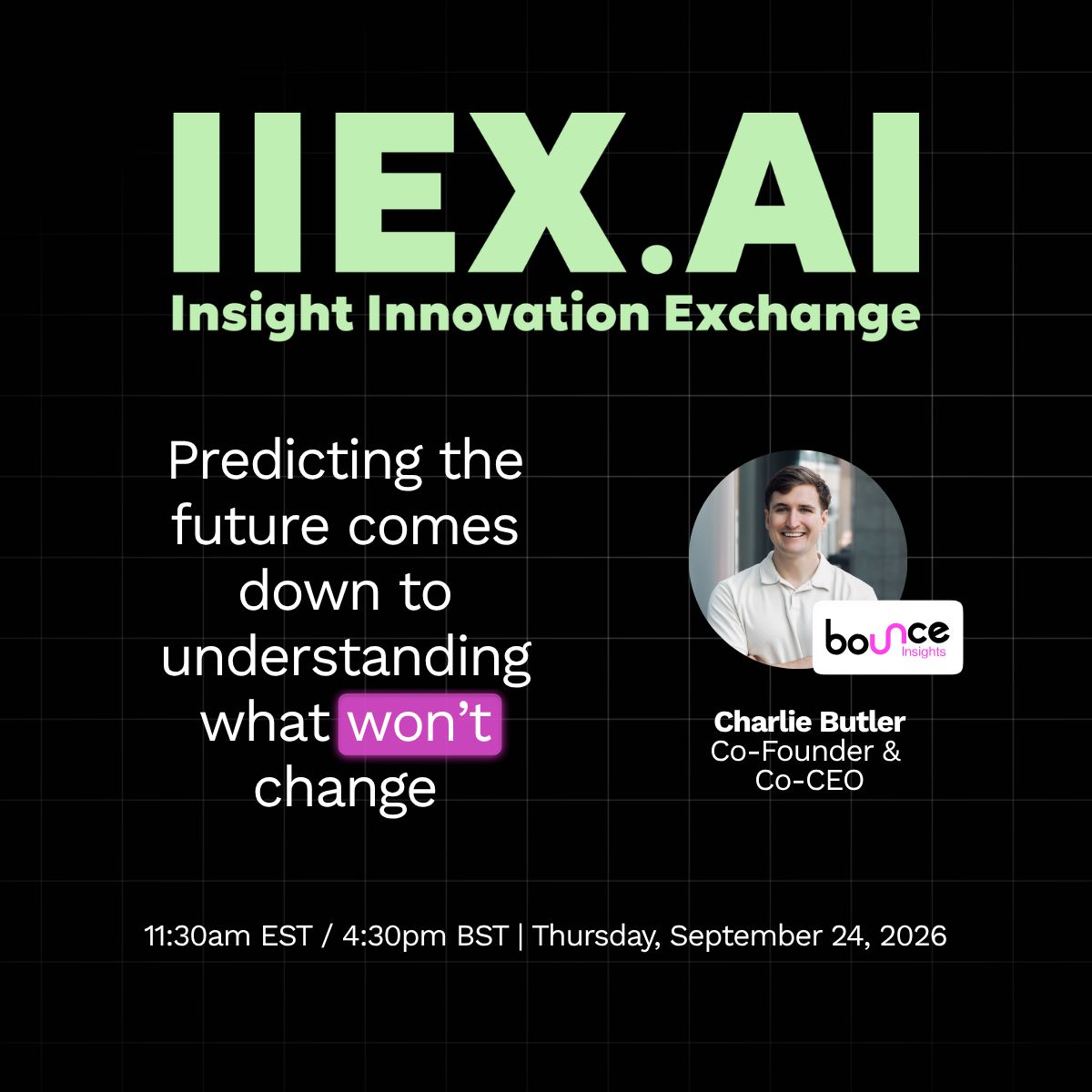
As Morgan Housel wrote in his book, Same as Ever, “we are very good at predicting the future, except for the surprises - which tend to be all that matter.” The insights industry has always struggled with these surprises, not because people didn’t embrace change, but because the change-makers don't really understand the problems insight leaders face. The result is imperfect solutions, a war on efficiency and a desperation to prove the value of insights. This Thursday, I have the pleasure of speaking at Greenbook's IIEX AI virtual event where I’m going to try to give a fresh, candid and practical perspective on the seven years I've spent at Bounce Insights analysing how we’ve ended up here, and what researchers should do about it. My goal from this session is to not try and predict the future, but to help insights leaders understand the problems that every function is facing right now, and give some practical solutions to create the change you actually want in your day-to-day work. It’s completely free, and you’ll hear from some incredible insights leaders at the likes of Amazon, Google, Miro, Salesforce, Mondelez and Anthropic on the impact AI is having on our industry. Hope you can make it 🤞
- BroadsignSince 24 Sept 2026
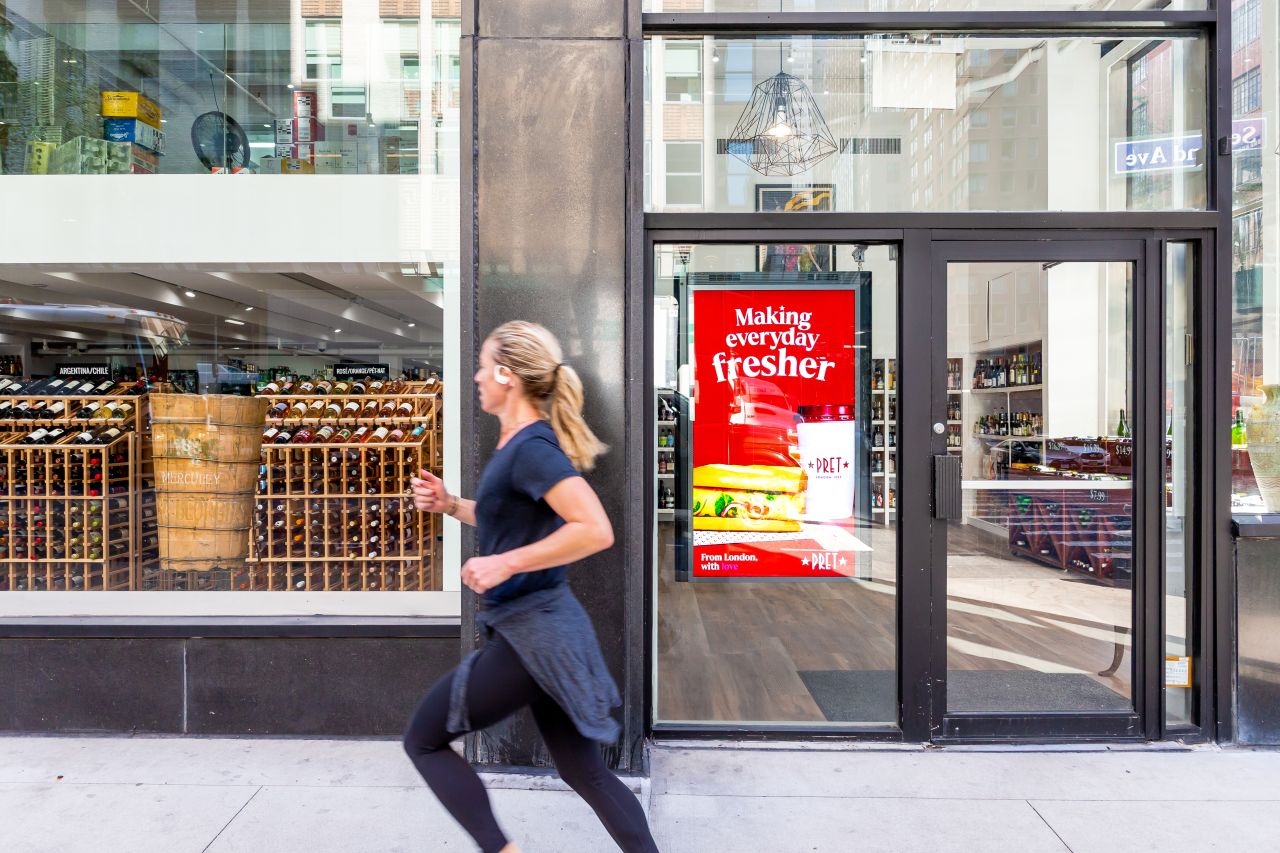
Your stores are already a media channel. The challenge is making them work like one. Retailers have the screens, the shoppers, and the advertiser relationships. But turning that physical footprint into a scalable media business requires more than a CMS and a playlist. As in-store retail media grows, retailers need infrastructure that can: ⚡Sell inventory more intelligently with flexible campaign types that work across advertiser and trade requirements ⚡Maximize yield automatically by using real-time inventory visibility and optimization to make room for higher value bookings and keep campaigns on track ⚡Open the door to more demand with programmatic capabilities that let retailers add incremental revenue while maintaining control over what runs in their stores. It’s exactly why we built the Broadsign Ad Server for Retail—giving retailers the commercial infrastructure to sell, manage, optimize, and grow their in-store media business: https://lnkd.in/gpCETGbj
- Frontal AISince 25 Sept 2026
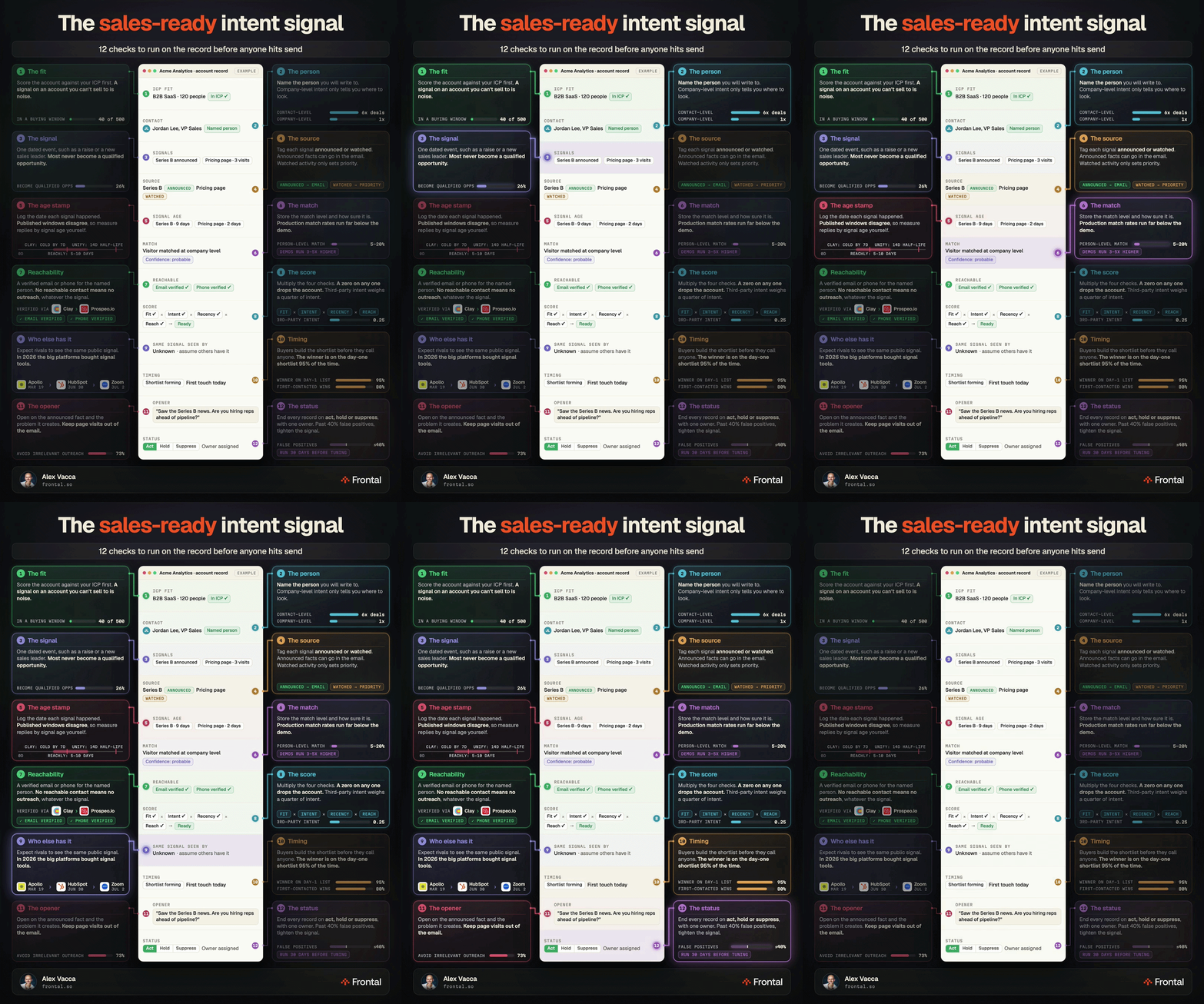
Our signal stacking campaigns reply at 5 to 18%. A static list gets less than 1%. The signal itself is only check 3 of the 12 I'd run before anyone hits send. All 12, in the order I'd run them on the account record 👇 1. Fit Score the account against your ICP first. Roughly 40 of 500 accounts that fit are in a buying window. 2. Person Name who you'll email, because at company level you only know where to look. HubSpot's team reported 6x more deals from contact-level intent than company-level. 3. Signal One dated event, like a raise or a new sales leader. Only 26% of intent signals then became qualified opportunities. 4. Source Tag each signal announced or watched. A Series B is announced and can go in the email. 3 pricing-page visits are watched, so use them for priority, not in the email. 5. Age Log when each signal happened. For a pricing-page visit, it's cold in about a week. 6. Match Store the match level and how sure it is. A visitor-identification vendor matches 5 to 20% of visitors to a person in production and says demos run 3 to 5x higher. 7. Reachability If you can't verify an email or phone for the named person, don't send, however strong the signal. Verify inside Clay with Prospeo.io before you score. 8. Score. Unify's model multiplies fit, intent, recency and reachability, so a zero on any one drops the account. Third-party intent is a quarter of its intent weight. 9. Who else has it Assume competitors saw the same public signal. 10. Timing Buyers build the shortlist before they call anyone. The winner is on the day-one shortlist 95% of the time, and 81% buy from the vendor they spoke to first. 11. Opener. Open on the announced fact and the problem it creates. Eg. The series B signal and the board's pressure to grow pipeline. Gartner found 73% of B2B buyers actively avoid suppliers who send irrelevant outreach. 12. Status. End every record on act, hold or suppress, with one owner. Run it 30 days before tuning, then tighten if over 40% of the accounts you marked hot produced no pipeline. Run your last 20 signal-triggered sends through the 12. And tell me how many stop at check 1, 2 or 7 👇
- Frontal AISince 25 Sept 2026
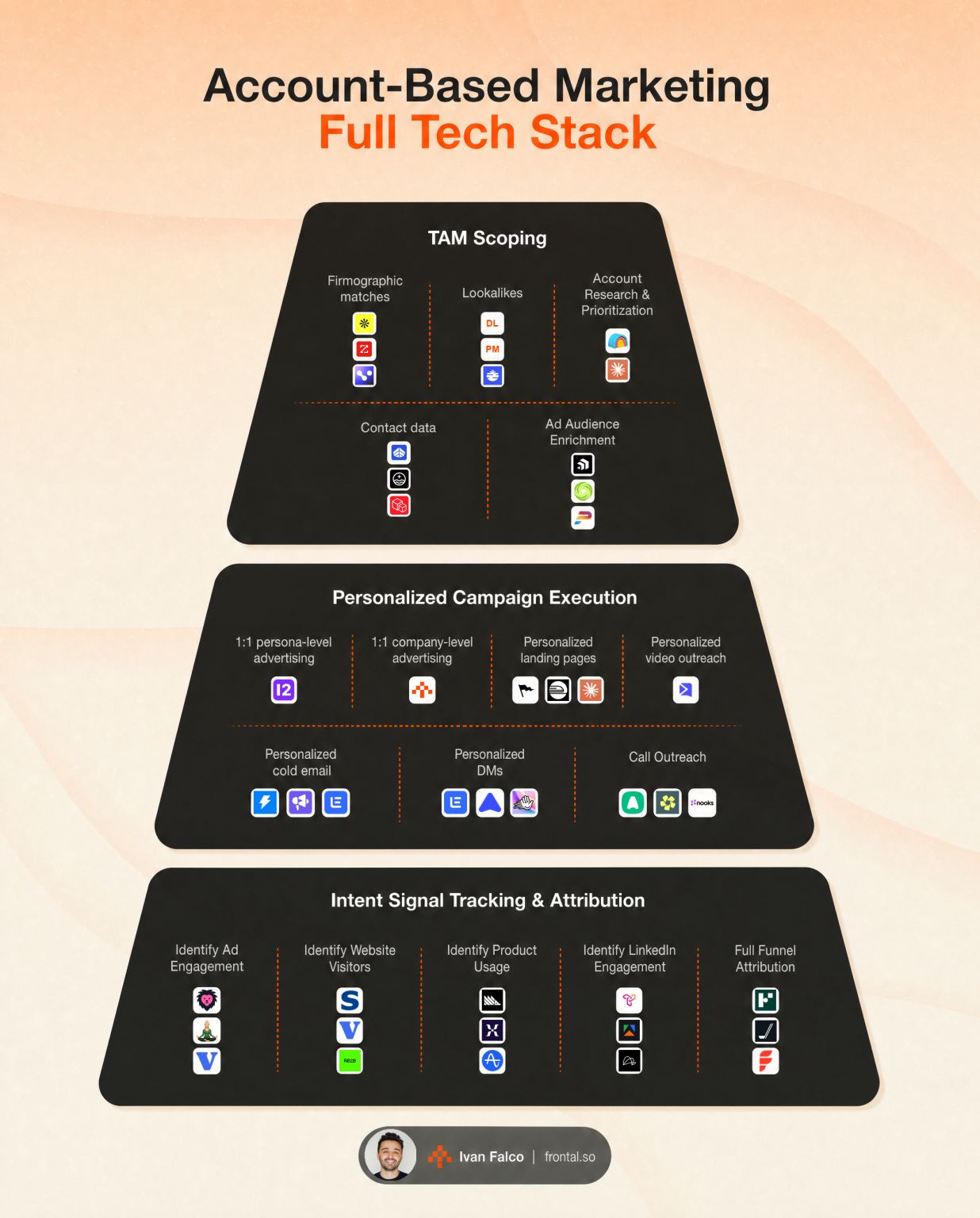
"We do ABM" is the biggest lie in B2B marketing. Picking 500 accounts and emailing all of them the same thing is just a mailing list with a bigger budget. Actual ABM means you know which accounts are paying attention this week, and you spend accordingly. Most teams have no clue. They built the list in January and haven't looked up since. Here's what running it for real takes - 3 layers, in order 👇 1. TAM Scoping - decide who you go after This decides your ceiling, and everything downstream inherits it. › Firmographic matches: Apollo.io, ZoomInfo, Cognism › Lookalikes: Ocean.io › Account research & prioritization: Clay , Claude › Contact data: AI Ark, FullEnrich, Prospeo › Ad audience enrichment: ContactLevel, Limadata, Primer 2. Personalized Campaign Execution - reach them like you know them Same account, one coordinated motion, all built around the problem that account is actually dealing with. › 1:1 persona-level advertising: Influ2 › 1:1 company-level advertising: Frontal AI › Personalized landing pages: Mutiny , Railway, Claude › Personalized video outreach: Sendspark › Personalized cold email: Instantly.ai, Smartlead, lemlist › Personalized DMs: Lemlist, Valley, HeyReach › Call outreach: Aircall, Orum 🥇, Nooks 3. Intent Signal Tracking & Attribution - see who's actually in market The layer most teams never build, and where the money quietly hides. It shows you pour budget into 20 accounts. › Identify ad engagement: Fibbler, ZenABM, Vector 👻 › Identify website visitors: Midbound, Vector, RB2B › Identify product usage: PostHog, Mixpanel, Amplitude › Identify LinkedIn engagement: Trigify.io, Apify, Linkup › Full funnel attribution: Funnel, HockeyStack, Factors.ai Do the first two, skip the third, and you're back to running expensive ads at a spreadsheet. Save this one. What's living in your stack that didn't make the list?
- Bottle | Digital PR AgencyRecorded 8 Oct 2026
Content feeling like a treadmill? Posting your best creative & still getting ghosted by your customers? 𝙄 𝙝𝙖𝙫𝙚 𝙨𝙤𝙢𝙚𝙩𝙝𝙞𝙣𝙜 𝙛𝙤𝙧 𝙩𝙝𝙖𝙩…🩺 The best brands live and breathe their ‘thing’ in every single post they create. Lick & Tekla nail this in different ways - but they both have a content system that turns insight into brand growth. I also have a new mini mic, so here goes… I'm breaking down what they got right. Which brands should I do next? 🤔 #contentstrategy #brandbuilding #marketingstrategy
- Heartbeat ConsultingSince 28 Sept 2026
14 € pro Lead. Auf LinkedIn. Das ist gerade der Schnitt bei ein paar Coaches, Beratern und Agenturinhabern, mit denen wir LinkedIn Ads aufgesetzt haben. Normal sind da eher so 30 €. Das ist ein crazy guter Wert. Und es liegt nicht am Budget. Die haben nicht mehr Geld reingekippt als andere. Es liegt daran, dass die Anzeige genau die Leute trifft, die gemeint sind. Und dass sie sich liest wie ein Gedanke und nicht wie Werbung. Die meisten schalten auf LinkedIn halt einfach irgendwas und schauen dann, was passiert. Dann landest du bei 30, 40 € und denkst LinkedIn ist teuer. Ist es nicht. Man muss es nur richtig machen. Wenn du wissen willst, wie das funktioniert, schreib mir einfach kurz. Sag mir, wer du bist und was du anbietest, dann schauen wir zusammen, wie LinkedIn bei dir am besten reinpasst. PS: Ich antworte persönlich auf jede Nachricht, es kann also mal ein paar Minuten dauern, bis eine Antwort kommt.
- Incentive™Since 28 Sept 2026
Le mythe de "Vends-moi ce stylo" est en train de détruire toute une génération de commerciaux. On nous a vendu l'idée que le bon commercial peut vendre n'importe quoi à n'importe qui. "Je pourrais vendre du sable à un mec dans le désert." Cette mentalité crée une génération de commerciaux qui pensent que pour vendre, ils doivent manipuler, forcer, mentir. Mais c'est complètement FAUX. Parce qu’un commercial n'est pas un magicien. J'ai récemment échangé avec un commercial qui s’auto-proclame "top performer". Dès le début, posture transactionnelle. Il essayait d'avoir l'ascendant sur moi. Quand je lui ai dit "tu reviens vers moi", il m'a répondu "non, c'est toi qui reviens vers moi". Je l'ai pas pris. Les commerciaux qui essaient absolument de dominer et d’avoir le dernier mot n'inspirent qu'une chose : la méfiance. Et la vente, c'est pas ça. C'est créer de la confiance. Résoudre un vrai problème pour quelqu'un qui en a vraiment besoin. Être le guide, le prof, voire même le psy. Pas le dictateur ou le vendeur de tapis. Je préfère 1000 fois un commercial qui perd une vente mais préserve la relation long terme, plutôt qu'un forceur qui impose la vente à un prospect pas prêt. Son but, c’est de rassurer. Pas de forcer à acheter. Arrête de chercher le loup de Wall Street. Un vrai commercial, c'est pas celui qui te vend du sable dans le désert. C'est celui qui te vend de l'eau quand t’as soif. PS : On est Incentive™, l’agence d’acquisition qui prospecte gratuitement pour toi et dont tu ne paies que les rendez-vous qualifiés. 0 risque pour ton budget et ta réputation. Pour en savoir plus 👇 : https://incentive.so
- byteffektSince 30 Sept 2026
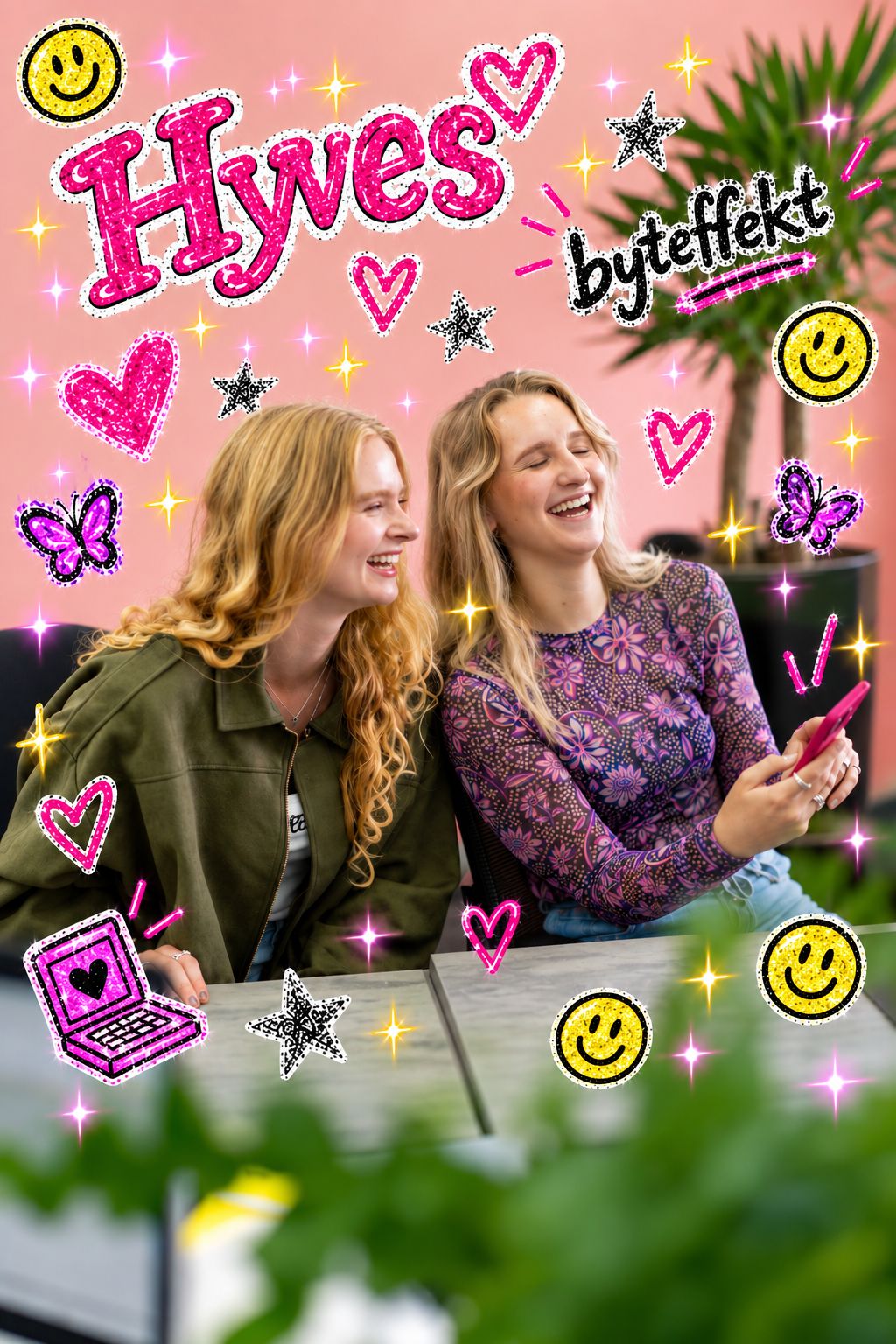
Hyves is terug met alles erop en eraan. Krabbels, glitterplaatjes en natuurlijk de dansende banaan. Maar is Hyves 2.0 wel leuk in 2026? Ik schreef een blog over hoe het platform zich verhoudt tot andere social media en waar de kracht van Hyves juist zit. Benieuwd? Je leest de blog hier! https://lnkd.in/em_85ipa
- ConvertFlowSince 30 Sept 2026
ConvertFlow’s AI now "one shots" perfected quiz funnels for brands 👀 I say "perfected" carefully. We first studied 3,000 quiz funnel campaigns recently launched in ConvertFlow and published a benchmark. The findings studying traffic of real quiz funnels? 1) 11.28% lead capture rate (average website form is 3-5%) 2) 5.2% order rate (average Shopify store is 1-2%) 3) 25% average higher AOV We also studied the quiz funnels of top brands that recently scaled to $100M+ in today's environment (12+ episodes of The Funnels Show). Then Ethan Denney disappeared for a bit. We let him cook. The result was a hand-designed quiz funnel format based on the patterns from 3,000+ quiz funnels and the best practices we uncovered. And now ConvertFlow's AI is trained on all this data. It's locked-in on doing one thing for you... Launching the perfect quiz funnel for your site. Want us to ship a quiz funnel on a website for you in 30 minutes? DM me and we'll walk you through it using our AI.
- ConvertFlowSince 1 Oct 2026
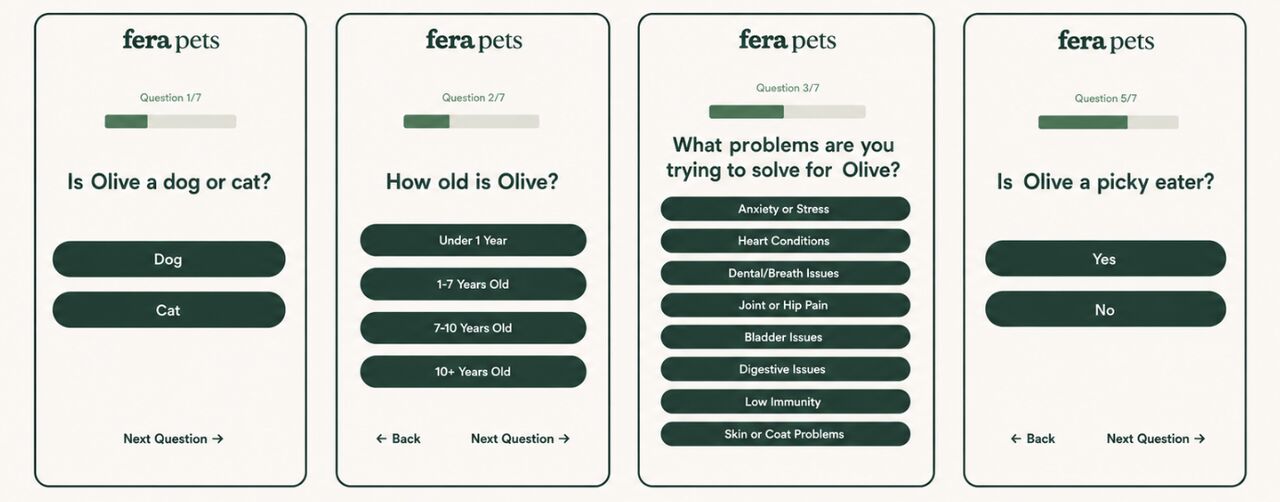
Quiz funnels beat storefronts for high consideration brands. Not because the storefronts are badly built. Because a shopper who doesn't know what they need should be funneled through a guided shopping experience, rather than expecting them to browse a product catalogue. Fera Pets sells pet supplements across digestion, mobility, calming, skin and coat, immunity, and cardiac health, for both dogs and cats, in multiple formats. An ecommerce brand thinks of those as product collections and SKUs. While the shopper thinks of it like: "My dog is twelve, he's stopped finishing his food, and he won't stop scratching." So instead of dropping that person on the storefront with a product catalog and hoping they figure it out, Fera asks seven questions: – Dog or cat? – The pet's age? – The primary health concern? – Whether the pet is already on a multivitamin? – Are they a picky eater? – Any allergies or sensitive skin? – Stomach issues? The recommendation that comes back is associated with Dr. Michelle Dulake, their veterinarian co-founder, and the shopper can add a full recommended group to cart. The result? Higher order rates and higher AOV than the traditional storefront. The pattern we keep seeing with high consideration brands (supplements, skincare, anything where the buyer is diagnosing before they're shopping) is that a storefront that is a product catalogue essentially asks the customer to be the expert. You have to filter by ingredient, compare six products, and decide which one is for you. The default Shopify store is architected for low consideration apparel brands, not high consideration brands that drive higher AOV. It's no wonder the average Shopify storefront converts at 2-3%, while we're finding quiz funnels consistently convert at 10%+. Why? A quiz correctly inverts the shopping funnel, starting with a consultative questionnaire that triages shoppers into a 1:1 personalized sales funnel. The customer describes the problem, the brand is the one who knows the answer, and ConvertFlow powers all the decision logic and data routing. Full case study linked below:
- Bounce InsightsRecorded 8 Oct 2026
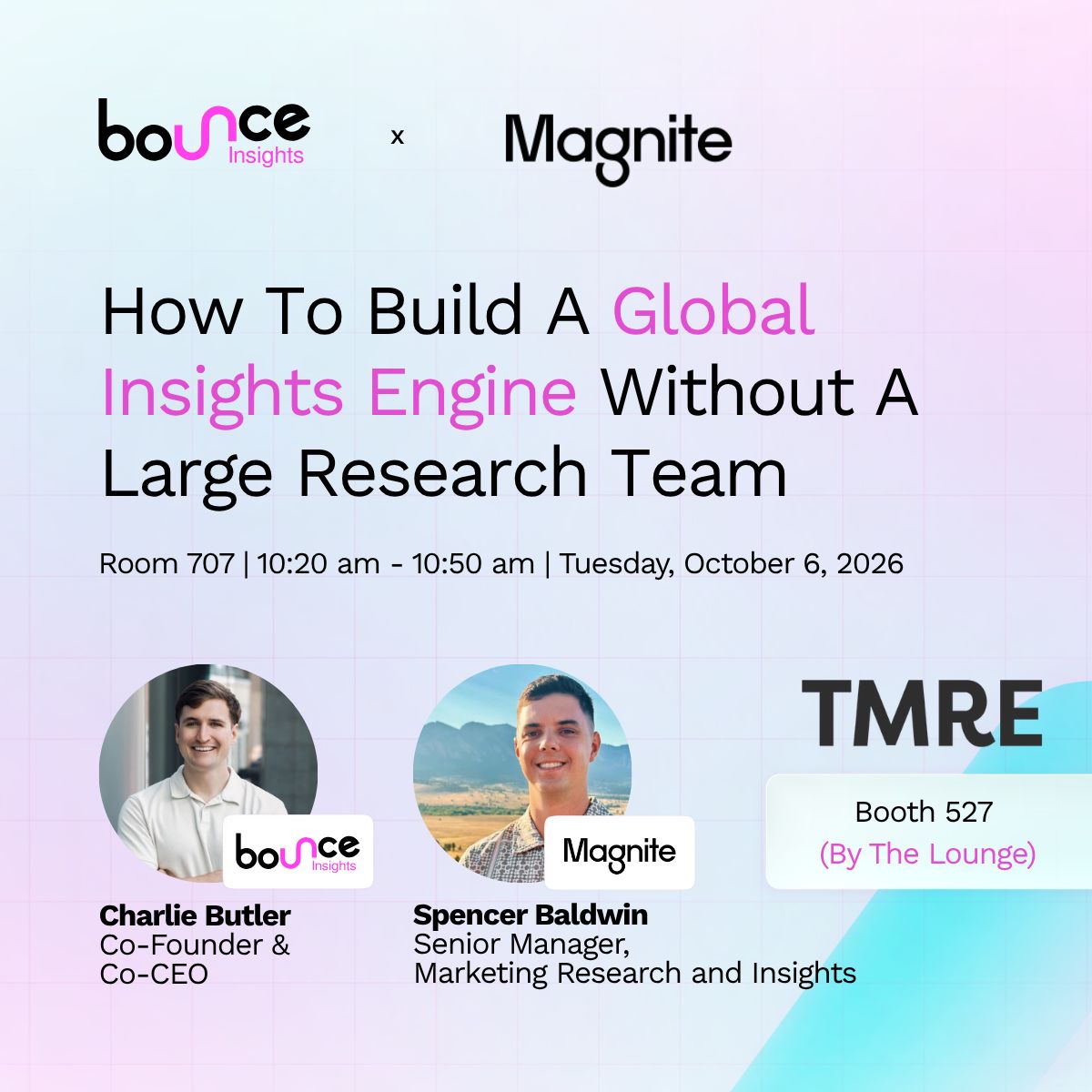
My tenth and final time this year getting on stage around the world with our incredible clients preaching the good word of Bounce Insights 🌎 This time, it's in Denver from 5-7 October for TMRE with the exceptional Spencer Baldwin of Magnite, the world's largest independent sell-side advertising platform 🚀 The role of the researcher has changed, and traditional agencies and tools have not kept pace. We're going to speak about the solution we've co-created: the Insights Operating System that delivers speed and scale without compromising on cost or expertise 🤝 If you're in Colorado next week, I'll be there with the usual suspects - Josh, Liz & John - and we'd love to grab a coffee / beer 🇺🇸
- Bottle | Digital PR AgencyRecorded 8 Oct 2026
A phone line might be the most modern thing in PR right now.
- BroadsignSince 6 Oct 2026
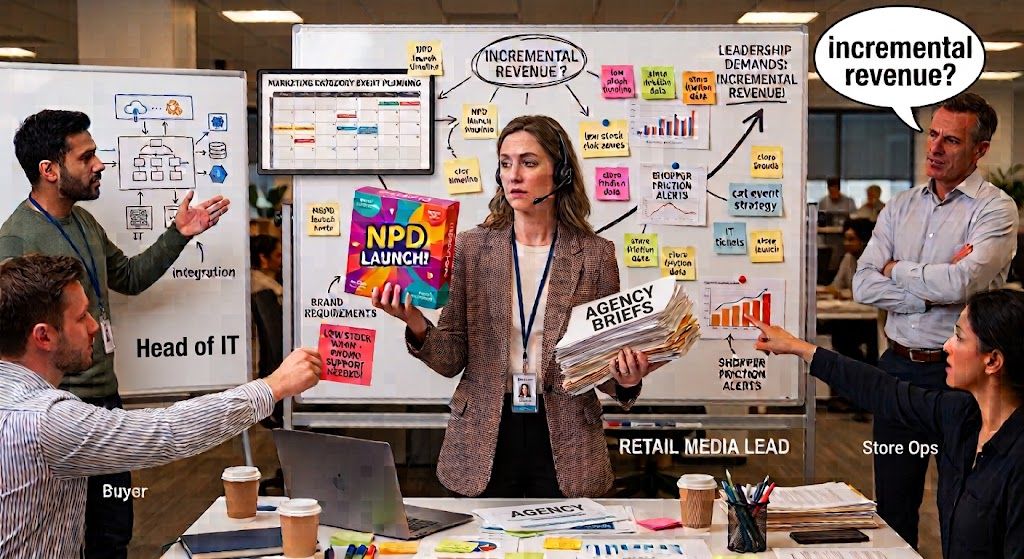
Everyone is chasing the Retail Media revenue dream, but far fewer are talking about the operational requirements that actually go in to delivering and maintaining it. In my experience, a typical day for any Retail Media team lead presents a chaotic balancing act involving multiple stakeholders. A brand pushing its latest NPD launch, buyers warning of low stock and the need for extra promotional support. Store ops worries about shopper friction, Marketing is planning its latest category event and IT is stuck amongst spiralling integration requests…all while leadership demands to know where all that incremental revenue is... Sound familiar...? 😳 The reality is that establishing a profitable In-store Retail Media Network isn’t just about installing hardware or switching on programmatic pipes. After all, you're building an enterprise grade media company, often right in the middle of a legacy retail business… That's where the friction lives. Your biggest hurdles won’t be the tech; they’ll come from winning the hearts and minds of colleagues. Success ultimately depends on aligning business requirements, managing clashing KPIs, and designing workflows that scale. The winners aren’t necessarily those with the most screens or the slickest installation. They are the operators who mastered the orchestration of data, inventory, and stakeholder management before they ever set out on scaling. Instead of asking how fast can I go live, ask yourself: Is my organisation actually ready to run a professional, competitive media business? To those tasked with building an In-store Retail Media Network: what’s the biggest internal silo or operational headache you had to break down before everything started to gel..? I’d love to hear about those battle scars in the comments. 👇🏼 #retailmedia #instore #stakeholderalignment #operationalsuccess #broadsign
- BKRecorded 8 Oct 2026
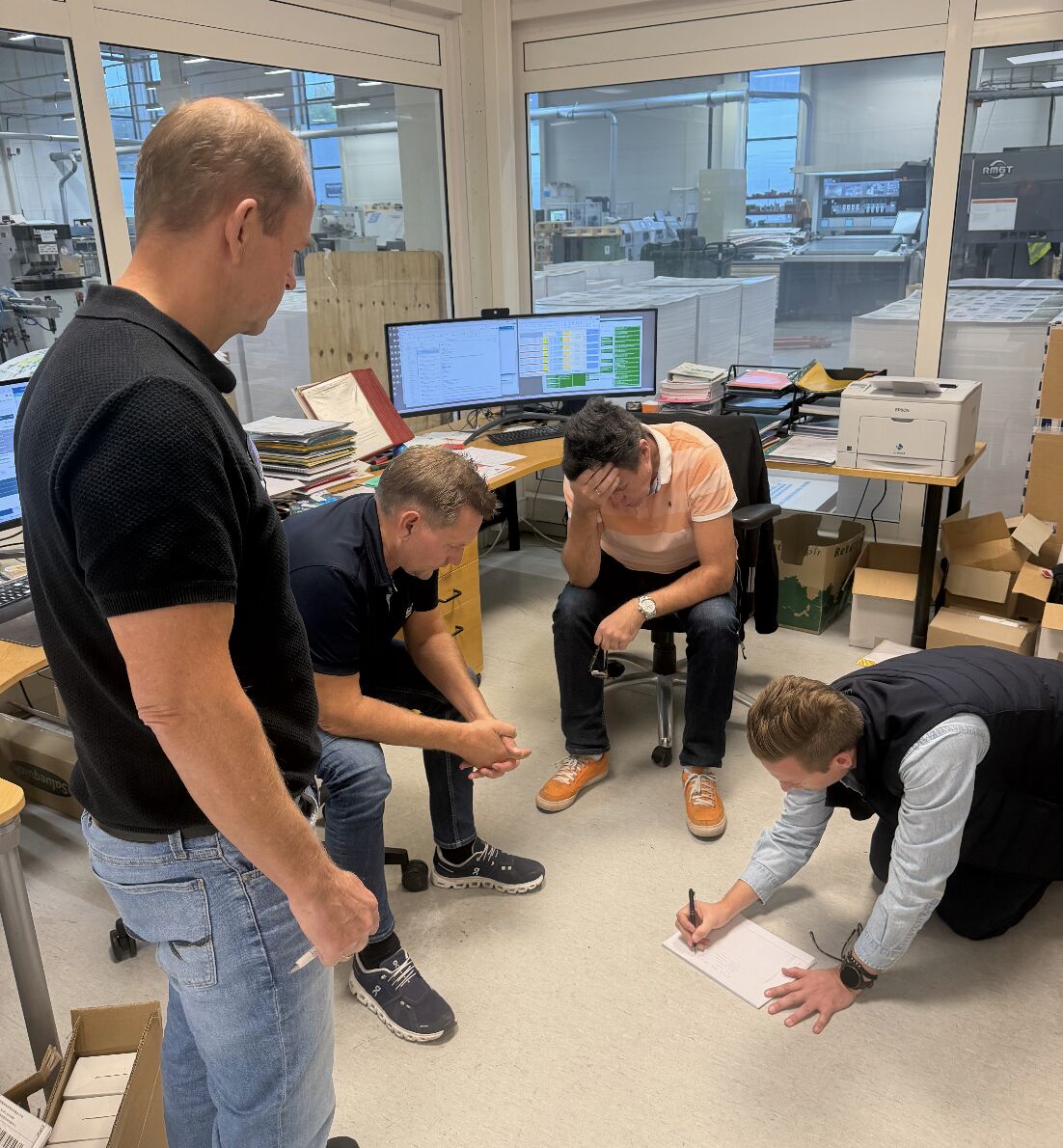
Et lite glimt av hverdagen vår – uten filter - midt i en stor omstilling💙 Vi går fra ti driftsselskaper mot ett samlet BK. Det krever hardt arbeid, utfordrende valg og flinke folk som står på hver dag. Jeg er stolt av BK-laget og vil dele litt om hva vi jobber med – og hva det skal bety for kundene våre. Vi samler fagmiljøer, moderniserer produksjonen og digitaliserer systemene våre. Gjennom oppkjøp, rekruttering, omorganisering og tettere samarbeid bygger vi et sterkere nasjonalt BK. For kundene våre skal det bety enklere bestilling, tydeligere kontaktpunkter og bedre oversikt. Vår nye digitale bestillingsportal, BK NeXT, er en viktig del av dette. Samtidig tar vi vare på det viktigste: folkene, fagkunnskapen og evnen til å stille opp og levere. Mange kjenner oss som et trykkeri. I dag er vi 120 medarbeidere som leverer alt. fra rådgivning, trykksaker og produktemballasje til skilt, dekor, profilartikler, messemateriell, teknologi og logistikk. Jeg håper dere vil utfordre oss på hele bredden! Omstilling innebærer også krevende valg. Vi tar dem for å bygge en sunn virksomhet som kan investere og utvikle seg om 5, 10 og 15 år. Med rundt 300 millioner i omsetning og et resultat som foreløpig ligger foran plan, har vi god motivasjon til å fortsette arbeidet. Ambisjonen er å bli den best drevne grafiske virksomheten i landet. Vi har fortsatt mye å gjøre, men jeg har stor tro på retningen – og på BK-laget. Tusen takk til medarbeiderne våre for innsatsen, og til kundene og samarbeidspartnerne våre for tilliten. Sammen bidrar vi til å beholde produksjon, arbeidsplasser og fagkunnskap i Norge. 2027-utgaven av BK skal bli den beste og mest konkurransedyktige dere har møtt. Jeg gleder meg til fortsettelsen! Og en oppfordring til slutt: Velg norsk når dere kan. Det betyr noe. 🇳🇴
- Distinctive BATSince 6 Oct 2026
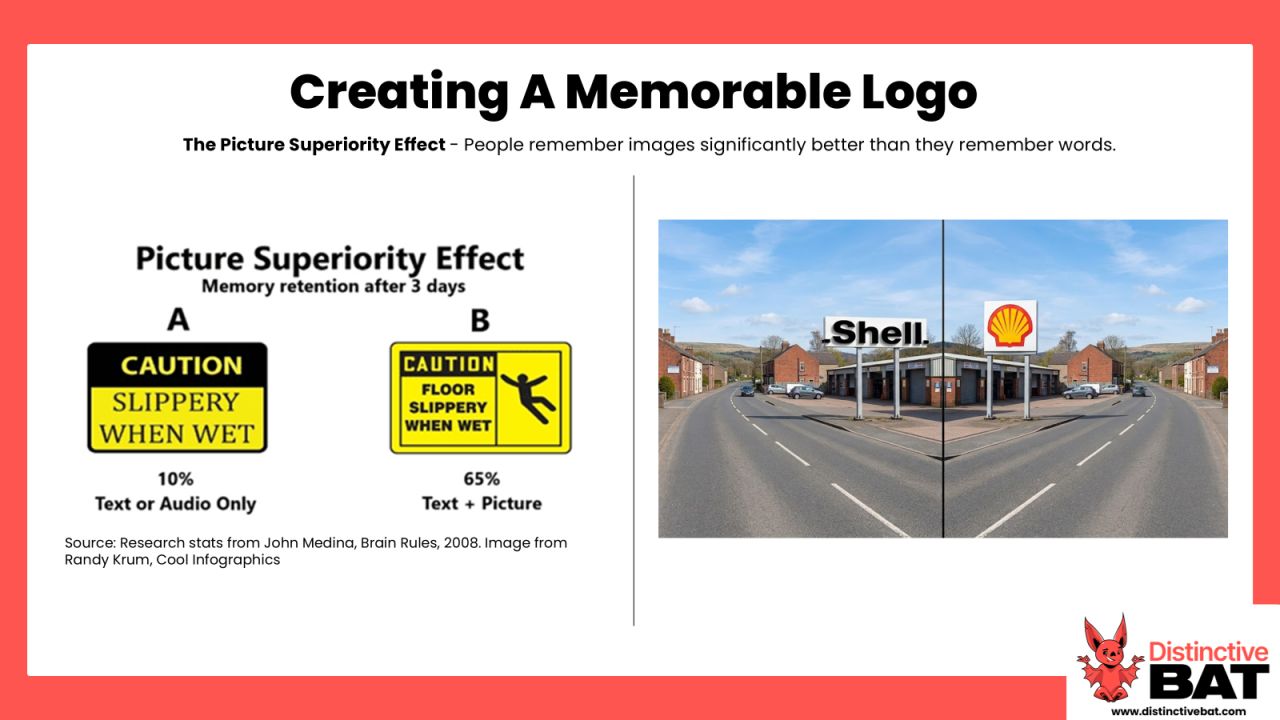
When we discuss improving levels of distinctiveness and utilising DBAs, we are generally talking about what happens beyond the logo. In most cases, the logo and a consistent application and elevation should simply be a given. That said, because so much of a brand's identity cascades from that primary mark, it can significantly influence a brand's direction when planning for long-term distinctiveness. The logo debranding trend seen in recent years, which has focused on the paring back of logos, highlights the negative knock-on effects a poorly thought-out design can have on the rest of a brand. In addition, relying solely on words within a logo to communicate a brand is a misguided perspective. The Dual Coding Theory, for example, suggests that the brain processes verbal and visual information through two distinct channels. When a logo utilises both text and a distinctive graphic element, the brain creates two separate "memory traces": one for the word and one for the image. I like an even simpler example of this to paint the picture. Which would stick more in your mind if you were driving down the road: the word “Shell” written out in plain letters on a big poster, or the iconic brand icon?



Other LinkedIn formats
Watch the companies you care about.
Filter every ad by industry, country, format and network, and get alerts when a company you watch starts running new ads.