LinkedIn thought leader ad examples
8,683 thought leader ads are live on LinkedIn right now, from 8,864 companies. Browse real ones, filtered by industry.
- EXEED | EXLANTIXSince 26 Oct 2026
Proud to share EXEED’s new design language today. A fresh expression of our vision for future luxury. The Pulse Lives on. #EXEED #Premium #FutureLuxury #ThePulseLivesOn #EXEEDInternationalUserSummit #GlobalCommunity #Luxury #EXEEDers #DesignLanguage #AvantGardeDesign #CuttingEdgeTech #Performance #SIVP #Texxeract #RacingDNA
- EXEED | EXLANTIXSince 26 Oct 2026
The new year begins. Thank you to our global team, partners, and users for your trust. Looking back at 2025, we have clearly defined what EXEED is. Over a dozen global track experiences transformed "Performance" into tangible feedback in the driver's hands. The launch of our "Perpetual" design language and the debut of our first Grand Tourer, the ES GT, declared our independent aesthetic vision. Meanwhile, the 5-star Euro NCAP safety ratings achieved by the RX PHEV, ES, and ET confirmed our reliability. All of this has shaped a global premium new energy technology brand. In 2026, let us shift to tomorrow. Wishing everyone a new year of poise, determination, and extraordinary achievements. #EXEED #EXLANTIX #happynewyear
- Authentic.lySince 26 Oct 2026
AI can build a brand a full attribution dashboard in a day now. It won't tell you that nobody has emailed your list in a month. That part is great. A dashboard that used to take weeks to months is a one-day project now. But a dashboard only answers the questions you put on it. Most of the ones I see track ad spend down to the single ad and say nothing about the cheapest revenue a store has, which is the people who already bought from it. So before you build another report, check two things by hand. When did your list last get an email that wasn't a sale? And what happens when someone looks at a product and leaves without buying? If the answers are "a while ago" and "nothing", start there and build the dashboard after. The new Common Sense Conversion is about stores that make most of their money from one channel, more here: https://lnkd.in/d7cfUF2r
- OmniSince 26 Oct 2026
Omni is a launch partner in the SpaceX Super Intelligence Partner Network 🤝 We love building in Cursor, and so do many of our customers. Omni's Cursor plugin and MCP server bring governed data into those workflows, so you can query, define new metrics, and build data apps on the shared definitions your team trusts without leaving your preferred workspace 🛠️ Here's what that looks like end to end. Peter on our Solutions Engineering team built a demo customer portal for our sales team, starting from one paragraph in Cursor and ending with embedded dashboards and AI chat 👉 https://lnkd.in/g3u9RfAH Thanks to the SpaceX team for the partnership, and check out this blog from Peter for a deeper dive on Omni + Cursor.
- Authentic.lySince 26 Oct 2026
Fixing your checkout usually makes more money than your next campaign. Most $3M+ brands skip it because it's boring. I keep seeing this with ecommerce founders. Growth slows down, so they sign off on a bigger ad budget or a new agency. Meanwhile the checkout has a step nobody needs and the email flows haven't been touched since the day someone set up Klaviyo. Nobody gets excited about it, so it keeps getting pushed to next quarter, even though it's usually the fastest money in the business. What I'd check first on any store: 1. How many clicks it takes to get from a product page to a finished order 2. How fast the site loads on a phone, on a normal connection 3. When anyone last edited your welcome, abandoned cart and post-purchase emails I grew iChess.net to 7 figures with zero outside money on exactly this kind of stuff: email, funnels and selling to our own list, done well, over and over. We sold it, and today it's part of Chess.com. So I started a newsletter about the boring stuff that makes ecommerce brands money. It's called Common Sense Conversion: https://lnkd.in/d7cfUF2r
- TenableSince 26 Oct 2026
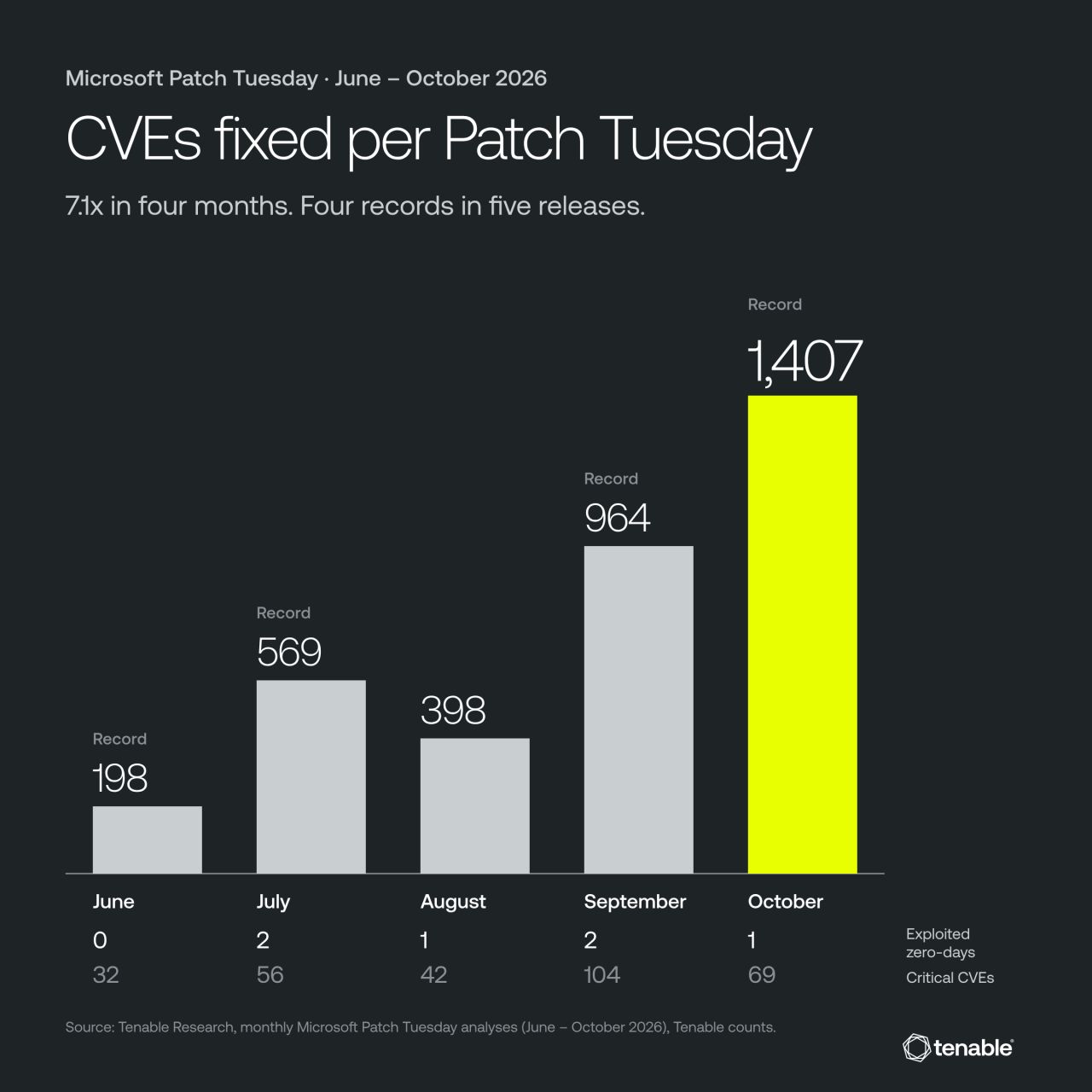
🚨 1,407 CVEs fixed by Microsoft yesterday: a new Patch Tuesday record, for the second month in a row. 📈 198 in June, 569 in July, 398 in August, 964 in September, 1,407 in October (Tenable Research counts). That is 7.1x in four months, with four records in five releases. Before June, the record stood at 167 CVEs. Three takeaways 👇 1️⃣ Volume is no longer a proxy for risk: critical CVEs now account for just 4.9% of the total, versus 16.2% in June. Triaging on CVSS alone is no longer enough. 2️⃣ Elevation of privilege dominates: 47.9% of Octobers CVEs, up from 31.8% in June. 3️⃣ Exploitation remains concentrated: six exploited zero-days in five months. In October, CVE-2026-96951 (Mark of the Web bypass in Windows Shell) was exploited in the wild, the third exploited Windows Shell flaw of 2026. CVE-2026-108398 (.NET, WDAC bypass) was publicly disclosed before a patch was available. With agentic AI now driving vulnerability discovery, these volumes are not coming down. 🎯 The question is no longer how many CVEs?, but which ones are exploitable in my environment, on which exposed assets?. That is the shift from vulnerability management to exposure management. 🔗 Full Tenable Research analysis: https://lnkd.in/etS5dNwS #ExposureManagement #VulnerabilityManagement #CyberSecurity #ZeroDay #Tenable
- storyarbRecorded 28 Oct 2026
What does it take to turn a busy exec into a creator? Our second CommaCon: Social Season speaker would know. I’ve watched Alex Lieberman turn LinkedIn into a growth engine up close. Like, uncomfortably close. We share a B2B content agency. BEYOND thrilled to announce he'll be returning to CommaCon, only this time as a speaker! → Alex is co-founder of content agency storyarb, responsible for writing executive AND company socials for top B2B executives → He built a LinkedIn audience of 730K+ by simply writing like himself, and never like a press release → Grew storyarb with yours truly from $0 to mid-7-figures revenue in under 2 years, with executive social as our only growth channel → His startup Tenex was just named one of LinkedIn’s Top Startups of the Year Episode 3: Social content 🗓️ Tues, Nov 3 @ 3pm ET Here's why I'm so excited. Every exec social conversation skips straight to the sexy stuff… posting cadence, algorithm hacks, hooks. But I promise you the thing that separates a CEO I follow from a CEO I scroll past is simple: They sound like a friggin person. And one who’s unafraid to share. Finding that voice, and getting it onto the page when the exec has 20 minutes a week to give you, is the whole game. That's what Alex is teaching. WE'RE GETTIN' THE BAND BACK TOGETHER! Register (free) below 👇 https://bit.ly/47xx1fk
- Front Office SportsRecorded 28 Oct 2026
Part of my job is deciding where FOS bets next. New IP. New shows. New products. New events. New ways to reach you and give you the access you need. I’d rather not guess. The best input comes from the people who actually use what we make: → Reading the Memo before work → Experiencing an FOS Live event → Listening to the FOS Today pod on your morning commute → Watching FOS Tonight → Dropping our stories in the group chat (we see you) → Scrolling and sharing content from the FOS App So we’re asking. Our audience survey takes a few minutes. Tell us who you are, how you follow FOS, and what you want more of. We read every answer, and it goes straight into our 2027 plans. Take it here: https://lnkd.in/ehk3ndGy Huge thanks to everyone who’s already filled it out. Keep ’em coming.
- storyarbRecorded 28 Oct 2026
Every marketer I talk to wants their executives posting on LinkedIn. Preferably without becoming their executive’s full-time ghostwriter. And therapist. And calendar stalker. We hear the same three problems over and over: 1. Leadership believes in thought leadership. Getting their thoughts out of their heads and into something publishable? A whole other job. 2. The ghostwritten posts sound… ghostwritten. 3. Someone asks “what’s the ROI?” and everyone stares at the impressions count. We’ve lived all three at storyarb. With clients. With ourselves. So we’re dedicating an entire season of CommaCon (the 'arbs FREE virtual event series for B2B marketers) to working through these 3 issues. And you won't want to miss. Our friends over @ THE LinkedIn are headlining. 🎤 CommaCon Social Season: 📅 November 2–5 🎤 One speaker a day. One hour a day. 📍 Online, live, and totally free. Registration below. Speakers dropping soon. https://lnkd.in/e96_cajz
- SpikoSince 26 Oct 2026
$3 miljard op Spiko 🦔 21 maanden voor de eerste miljard. Minder dan 5 maanden voor de tweede. Minder dan 4 maanden voor de derde. Als Market Lead Nederland ben ik vooral blij om te zien dat deze groei ook hier plaatsvindt: +185% in de afgelopen 90 dagen. 🚀 Met Spiko doorbreken we het idee dat je moet kiezen tussen liquiditeit en rendement. Je geld blijft direct beschikbaar en levert ondertussen een rendement op, in een paar klikken geregeld. Benieuwd wat jouw bedrijfsgeld kan opleveren? Stuur me gerust een bericht, ik denk graag mee.
- VerkadaSince 26 Oct 2026
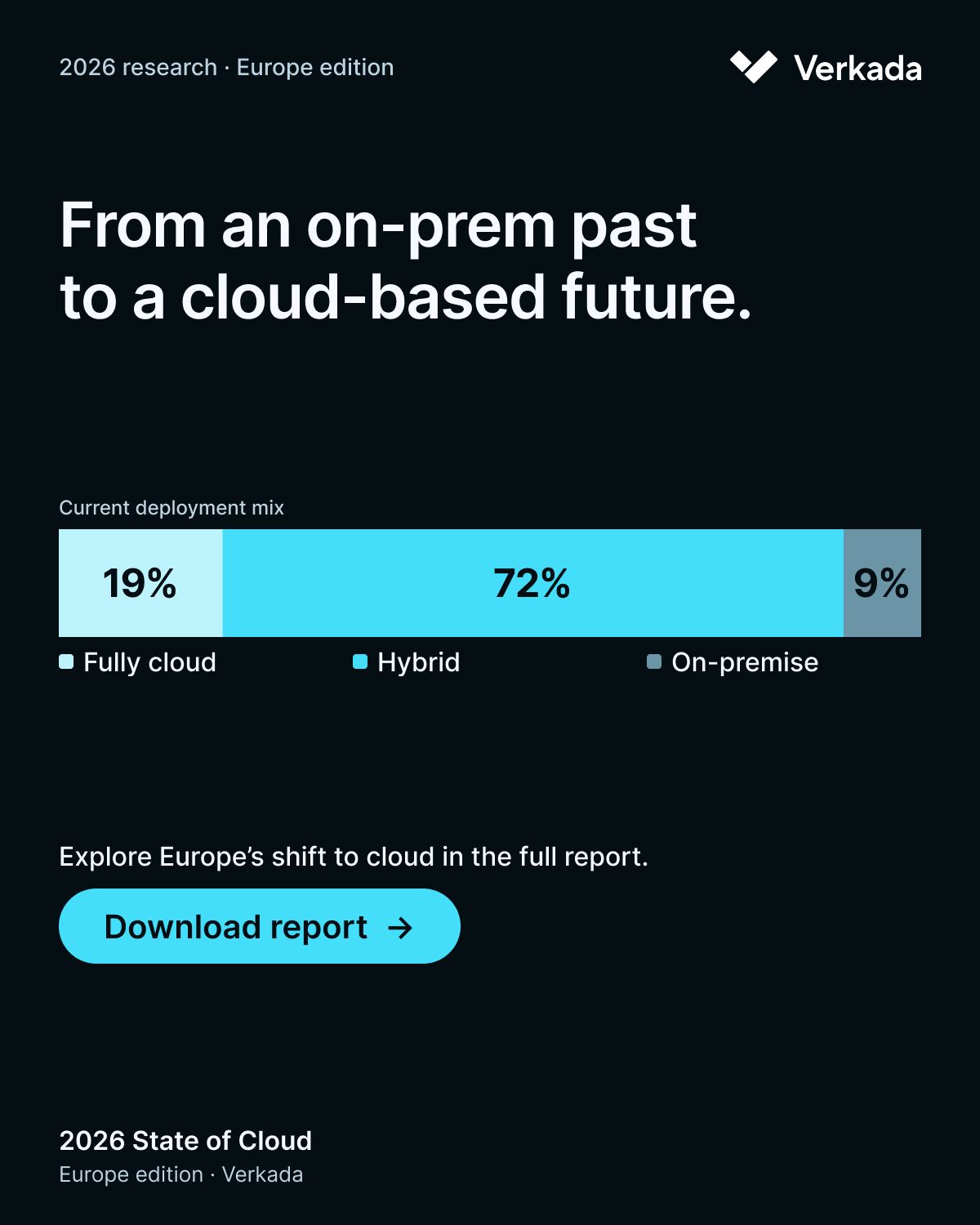
72% of European organisations already run hybrid physical security. This is how you can continue the momentum. In a multi‑site estate, hybrid usually means cloud‑managed cameras at the newest sites and NVRs at the older ones because refresh cycles rarely line up. The data from our 2026 State of Cloud Physical Security report shows how common that is: 72% hybrid, 19% fully cloud‑managed, 9% fully on‑premise. Cloud migration matters because security teams want to implement AI to improve security and operational insight, but AI at that scale needs a cloud foundation. Our research shows that active AI use is 59% among fully cloud organisations, 37% among hybrid, and 22% among fully on‑premise. The real milestone isn’t going 100% cloud, but moving away from a setup that relies only on on‑premise hardware. If you're planning that move, here's how I'd phase it: ✅ First, the sites already due for a change: new builds, acquisitions, and NVRs near end of life. ✅ Next, patch and lock down the sites still waiting their turn and make sure identity, permissions and network segmentation are consistent across them. ✅ Lastly, bring in AI once the sites that matter run on a cloud foundation and the estate is standardised enough to support it. Curious how this looks from your side: what decides the order you move sites in? Age of hardware, contract end dates, or architectural dependencies? #PhysicalSecurity #CloudMigration
- OmniSince 26 Oct 2026
Have you ever sat through same boring eCommerce demo? I know I have. I've given it a billion times and was ready for something new. But how was I going to change that same old demo? I would have to build a fake demo dataset, transform that data in dbt Labs, model and create content in Omni, and build a fully functional embedded web application. My skill set only covers one of those four. This is where Cursor came in. Using Cursor I got to moonlight as a data engineer, analytics engineer and a software engineer in the same IDE. Check out my blog below walking you through how I used Cursor, dbt and Omni to build a fully functional AI powered data application for a fictional SaaS company, Data Blobby, that our SE teams could demo to prospects. Omni is excited to be partnering with SpaceX Super Intelligence in their Partner Network launch! See how he built it 👉 https://lnkd.in/g-4zSkf7
- StripeSince 26 Oct 2026
AI already does well at the judgment work in finance, things like contract reviews, bill coding and reconciliations, for now with a human review at the end. But I don't believe in vibe coding, especially in an enterprise setting, where you can build security vulnerabilities without knowing what you're doing. So finance people build the prototypes, and our engineers harden them into production systems. This clip is from an ElevenLabs and Stripe conversation on scaling finance from $30M to $500M ARR.
- Decision FocusSince 26 Oct 2026
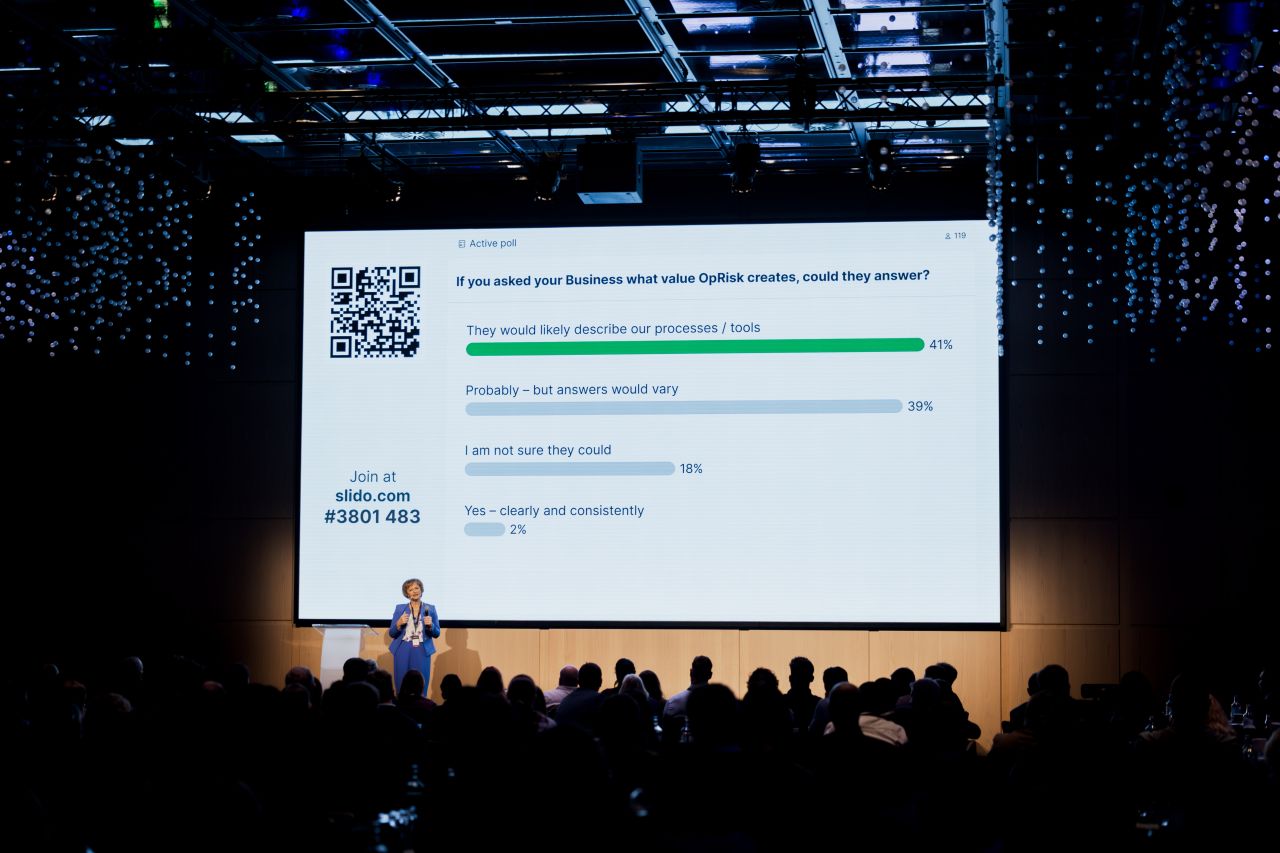
📌 At a recent conference, I put this question to Risk professionals: could your business clearly explain the value Operational Risk function creates? Only 2% said yes, clearly and consistently. For 41%, business colleagues would be more likely to describe Risk’s processes and tools. When the business sees our processes more clearly than our value, risk management can quietly turn into risk administration. The way people experience the Risk function becomes part of the organisation’s Risk Culture. Every tool and every interaction with Risk teaches the organization what risk management is intended to achieve. This thinking sits at the heart of my new practitioner guide, published in collaboration with Decision Focus: Embedding Risk Culture: How Tools, Tone and Traditions Shape Everyday Decisions. The paper introduces my 3T Model: 🔹 Tools - Do our frameworks improve decisions or simply generate activity? 🔹 Tone - What do leaders and the Risk function teach through everyday conversations? 🔹 Traditions - Which repeated behaviors become “how we do things here”? An RCSA can encourage judgement and prioritization - or teach people that risk management is about completing forms. Risk Culture is continually shaped: one tool, one conversation and one repeated behaviour at a time. The guide offers practical reflections, tips and small steps that Risk professionals can apply straight away. Thank you to the wonderful team at Decision Focus Jenny Ritson-Smith Bethany Collieu Sofie Kiib Hecht for supporting its development and publication. 👉 Download the paper here: https://lnkd.in/eG34f2uN Which of the three Ts do you believe is the most difficult to influence: Tools, Tone or Traditions? #RiskCulture #OperationalRisk #RiskManagement #RiskLeadership
- VeridionSince 26 Oct 2026
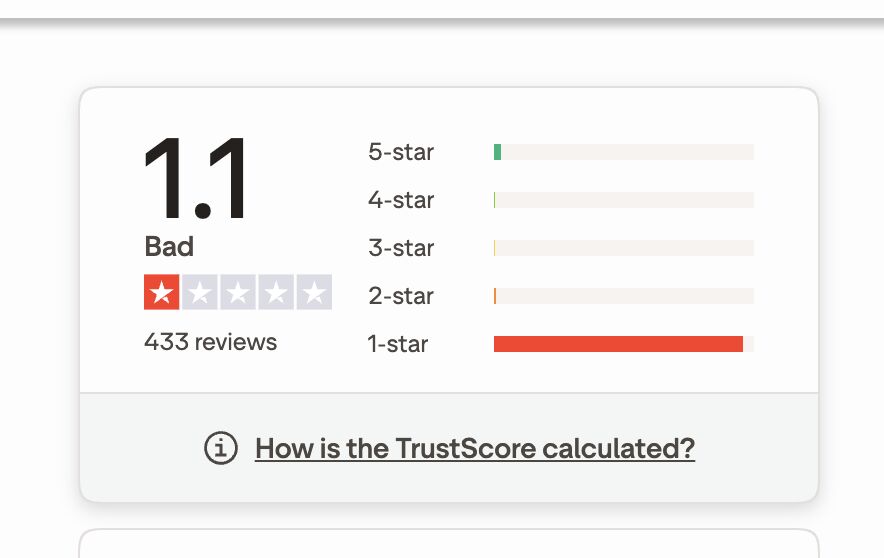
One of the world’s biggest business data providers has a 1.1 star rating on Trustpilot. The company is Dun & Bradstreet. It has 430+ reviews, and 96% give it one star. Honestly, it’s a pretty accurate picture of where the business information industry is today. Read through the reviews and the same complaints keep coming back: - support that takes more than a month to reply - simple profile changes that take 30 days to go live - data mistakes that make a business ineligible for credit or lose it a contract, and then take weeks to fix To be fair, some legacy players in this industry are clearly working to fix all of this. D&B doesn’t seem to be one of them. And if you’re buying data from them, this clearly affects your business. The records these companies are struggling to fix are the same records D&B sells to its clients. Every 30-day delay means 30 days of decisions made on outdated data. And the errors nobody reports probably stay in the data even longer. Some examples of what that looks like for D&B’s clients: Google Since 2023, any organization that wants to publish an app on Google Play needs a D-U-N-S number. One reviewer waited more than 30 working days to get theirs. That company can’t ship its app, and it blames Google’s onboarding for the wait. Apple requires the same number for its Developer Program, so iOS teams end up in the same queue. The US government For more than 40 years, the government identified every federal contractor with a DUNS number. GSA’s yearly cost for the D&B contract went from about $1M in 2002 to $19M in 2012, and the government didn’t even own the identifier. In April 2022, it replaced DUNS with its own Unique Entity ID in SAM.gov. Every team making decisions on D&B records A record changes only when the company reports it and D&B processes it, which can take weeks. Until then, every client uses the same outdated version in its credit, onboarding, and underwriting decisions. Because buyers can’t see what’s outdated, errors spread unnoticed. If your decisions run on one provider’s records, that provider’s support queue becomes your support queue.
- TDK VenturesSince 26 Oct 2026
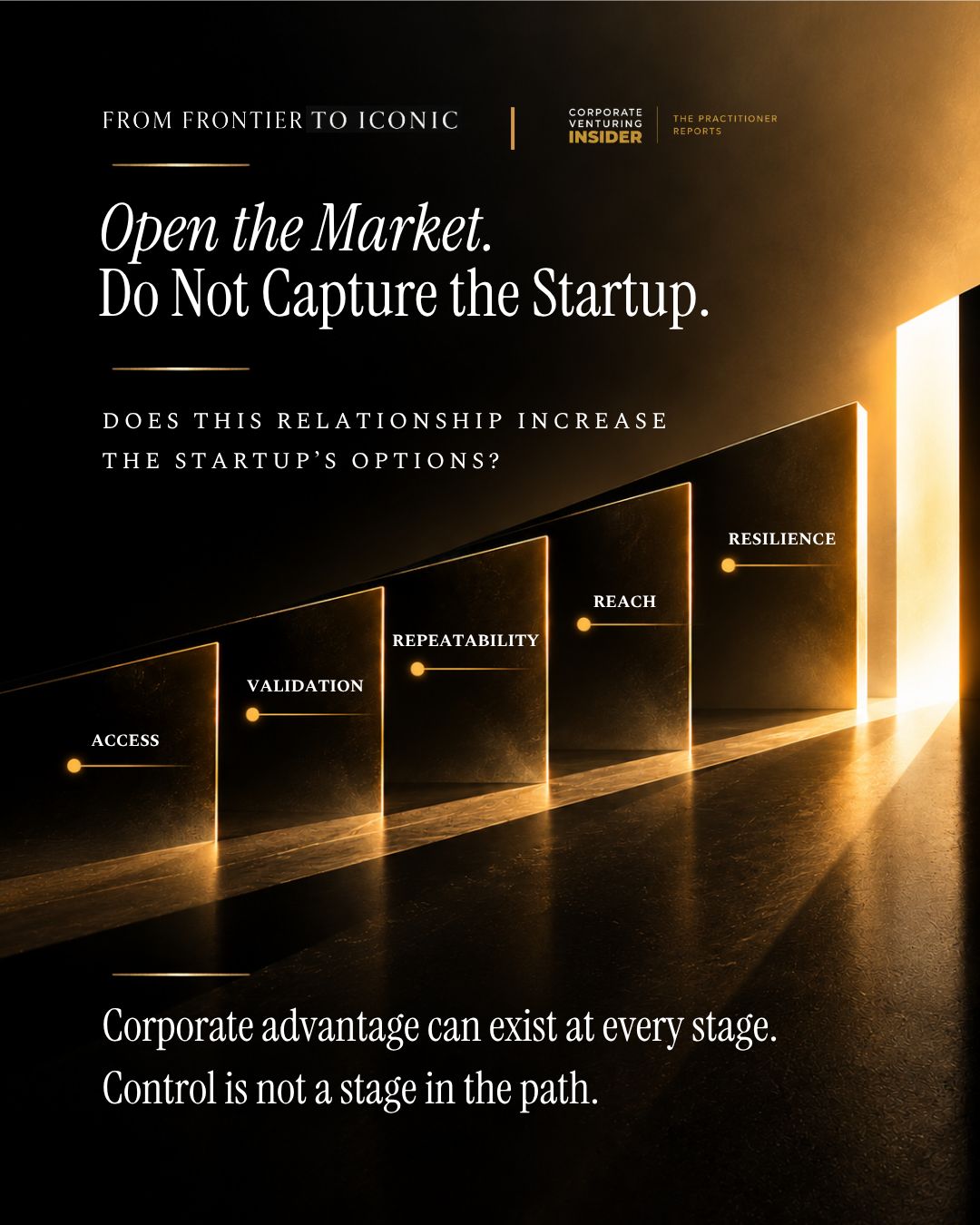
A corporate partnership can become a startup's strongest bridge to the market. It can also become a wall around the company. The same corporate logo can open the next door or close the others. The same custom project can create valuable proof or consume the product roadmap. The same strategic right can protect a real corporate commitment or signal that the startup is no longer fully independent. The problem is not closeness. Deep integration can be enormously valuable. The real question is whether that integration increases or reduces the startup's options. 💡 A strong corporate relationship should create two results at once: a justified advantage for the corporation and a larger opportunity set for the startup. Drawing on practitioner conversations across automotive, aerospace, agriculture, industrial technology, financial services, and other sectors, I synthesized a five-stage Market-Opening Path: Access → Validation → Repeatability → Reach → Resilience The corporation opens a real operating environment. The startup earns credible proof. That proof becomes a reusable capability. The capability reaches additional customers and markets. The company becomes more resilient and less dependent on any single relationship. Corporate advantage can exist at every stage. Control is not a stage in the path. Before deepening a corporate-startup partnership, I would ask: 🔎 Is the custom work producing reusable capability, or only serving one corporation? 📌 Are special rights matched by measurable commitments, narrow scope, and a clear expiration? ⚙️ Can the startup use the relationship as proof with other customers and investors? 🛑 Could the terms discourage reasonable competitors, future financing, or independent decisions? 🌐 If this corporation becomes the startup's largest customer, will its involvement make the next customer easier or harder to win? One principle from GM Ventures captures the balance well: aim to become the startup's first and best customer, but never its only customer. This is the subject of my new From Frontier to Iconic article and the third Corporate Venturing Insider Practitioner Report: Open the Market. Do Not Capture the Startup. The article is public and provides practical guidance for founders, investors, and corporate leaders. The complete report, including the partnership framework and 24-point diagnostic, becomes available when a reader introduces six new subscribers to From Frontier to Iconic. 🔗 Read the article and learn how to unlock the report: https://lnkd.in/gvwWk8Fc
- TenableSince 26 Oct 2026
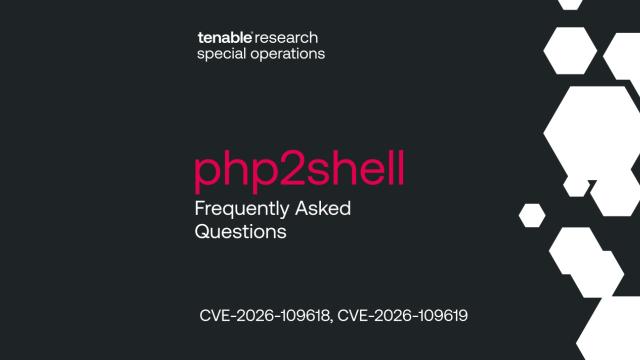
Fix it or shut it down. That’s been the reality for security teams worldwide over the last four days. PHP2Shell is shaping up to be one of the most significant vulnerability events of 2026. Two flaws in PHP’s core memory allocator (CVE-2026-109618, CVE-2026-109619) enable unauthenticated remote code execution. Each is unreliable on its own. Chained, they’re reliable enough against default configurations that any PHP endpoint accepting file uploads becomes a target. At Tenable’s EXPOSURE event in May, I shared Mandiant’s time-to-exploit data: 63 days in 2018, 5 days in 2023, and 𝑚𝑖𝑛𝑢𝑠-7 days this year. The line has crossed zero. PHP2Shell is what that looks like in practice: ✴️ Amazon’s MadPot honeypots recorded active exploitation on Oct 17, four days before public disclosure. ✴️ The embargo leaked 18 hours early via a Hacker News post. ✴️ Cloudflare saw “thousands” of exploitation attempts within hours of the advisory, rising to “millions” after publication. ✴️ Nine government agencies across seven countries issued advisories or directives. Six ordered preemptive shutdowns of PHP-dependent services. The exposure is immense. More than 22M PHP server headers are visible online, and patch adoption is 2.8%. About 59% of exposed hosts run end-of-life versions with no official patch. For most of this surface, the patch cycle isn’t slow. 𝐈𝐭 𝐝𝐨𝐞𝐬𝐧’𝐭 𝐞𝐱𝐢𝐬𝐭. This is structurally different from past web vulnerabilities. The flaws were found with the help of frontier AI, and AI is compressing exploit development from weeks to days. Ironically, major cybercriminal forums (more here: https://lnkd.in/d_yUAxPs) took themselves offline within hours, because their own PHP infrastructure was at risk. Many organizations didn’t even know they ran PHP. Let alone how to patch or mitigate it. 𝐘𝐨𝐮 𝐜𝐚𝐧’𝐭 𝐬𝐞𝐜𝐮𝐫𝐞 𝐰𝐡𝐚𝐭 𝐲𝐨𝐮 𝐜𝐚𝐧’𝐭 𝐬𝐞𝐞. In 2026 that principle has a second half: 𝐲𝐨𝐮 𝐜𝐚𝐧’𝐭 𝐝𝐞𝐟𝐞𝐧𝐝 𝐚𝐭 𝐡𝐮𝐦𝐚𝐧 𝐬𝐩𝐞𝐞𝐝 𝐚𝐥𝐨𝐧𝐞. To borrow an analogy from forest firefighting, the six government agencies who shut down their services cleared the fuel the hard way. The better way is to clear it before the fire arrives. That means continuous discovery, inventory, reachability, and business context - at AI speed combined with human judgment. The same AI that found these flaws is the best tool defenders have to get ahead of the next ones. Tenable Research’s FAQ, updated as this develops: https://lnkd.in/dUaVyNUq #ExposureManagement #AI #PHP2Shell
- Deviate LabsRecorded 28 Oct 2026
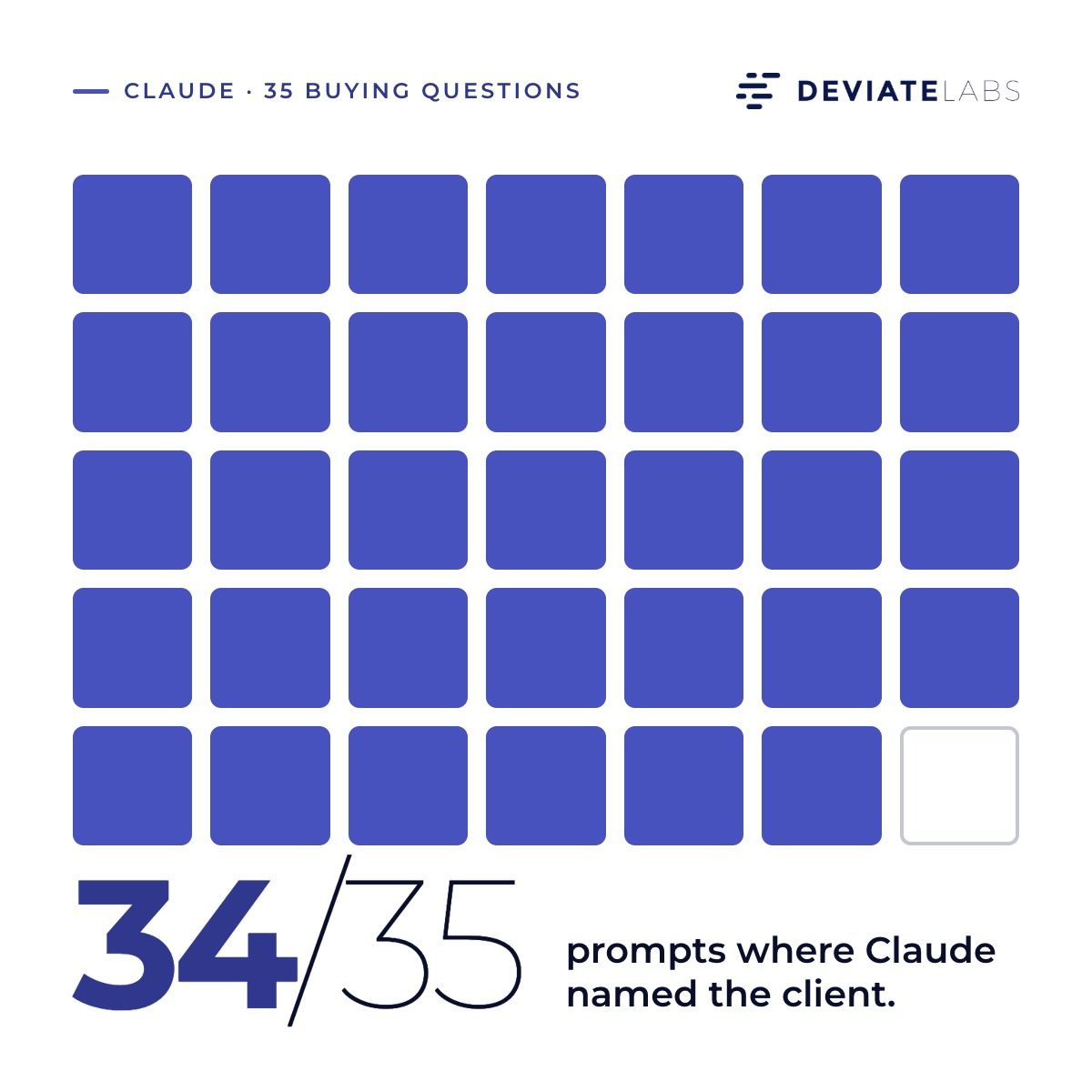
Most companies have no idea how often ChatGPT, Gemini, or Claude mention them. And even fewer know how they stack up against their competitors. So we built a tool that tracked every relevant buying question for our client. Each month, we reported on which searches they appeared in across each AI engine, and periodically benchmarked their performance against their biggest competitors. And along the way, we collaborated with our client on weekly website content creation and broader website updates designed for Generative Engine Optimization (GEO). In December, the client appeared in 19% of the answers we tracked. By July, that number was at 90%. (Today, it’s at 97%) Across 35 questions and three engines (105 possible appearances) our client appeared 90 times. Their two biggest competitors landed 39 and 16. On Claude, our client showed up in 34 of 35 prompts. Every experiment I've ever run starts the same way: define what winning looks like, break the process down into parts, then go build it. So if you can’t define what winning looks like, you can’t optimize for it. If you don’t know your share of AI answers, you’re just playing roulette. You can’t optimize what you don’t measure. So if you don't know your share of the AI answers, you don't know whether you're winning or quietly disappearing. (You can see the full breakdown, including how we built the tracker, linked in the first comment below.)
- SLBSince 26 Oct 2026
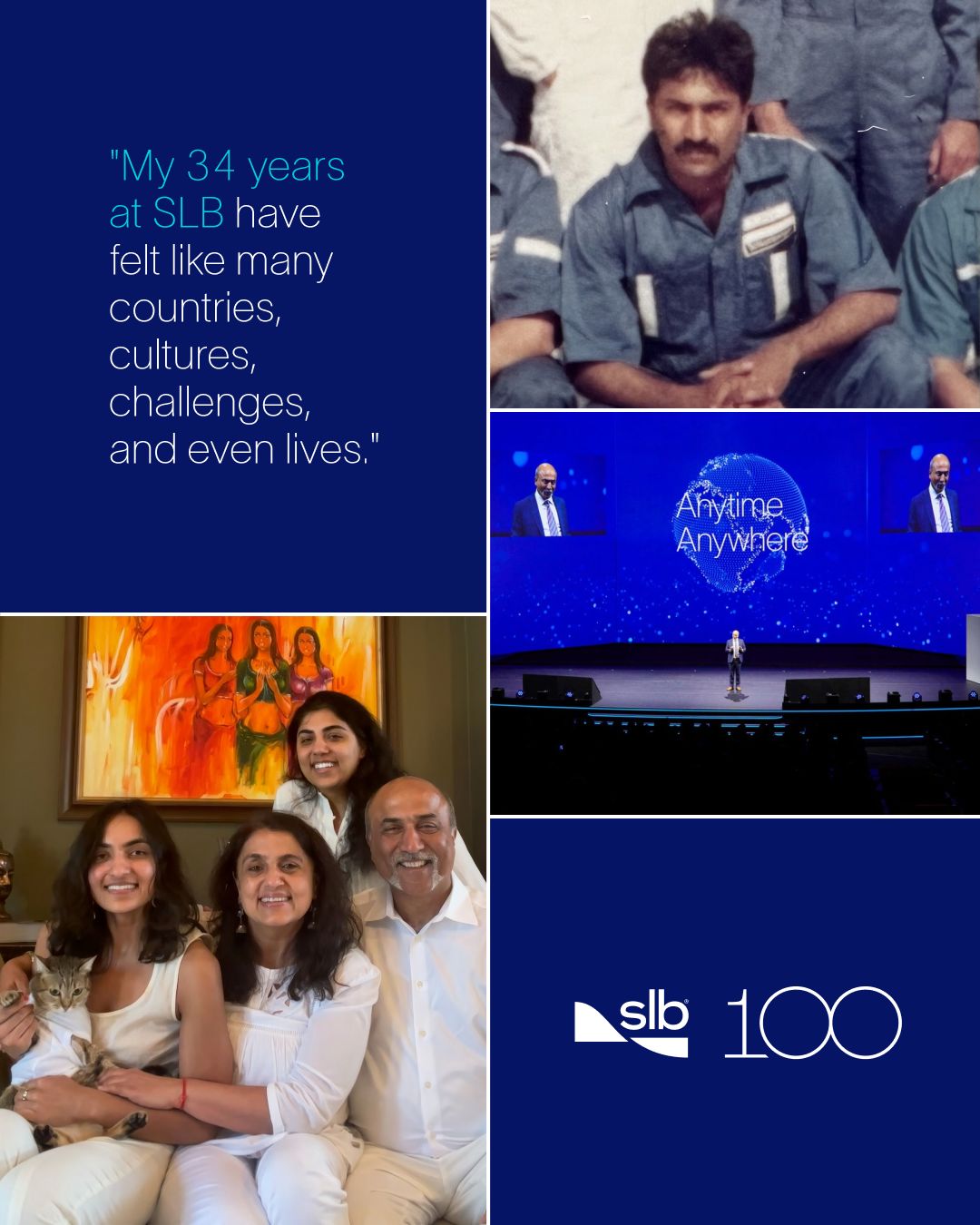
People often ask why so many of us stay for so long at SLB. In my case, I have been with SLB for 34+ years. The answer is that it doesn't feel like just one company. From my perspective, it has felt like many countries, cultures, challenges, and even lives. I couldn't possibly leave an adventure like this! Before joining SLB, I had never ventured out of India. Then suddenly, my wife and I were globe-trotting. Our daughters were born in Trinidad and Colombia. And to this day, if I watch sports (and India isn't playing), I root for all the countries I once called home. That's what makes SLB a truly international company. You can't know a culture by flying in for a meeting or two. You can only truly understand it by living there. And that's why we give our people the opportunity to do just that. Of course, living and working in different countries also means finding your way through unfamiliar situations. When I arrived in Colombia as a first-line manager, I didn't speak Spanish. Leading daily meetings with local operators through a translator wasn't quite working, so I decided to lead them myself. The meetings took much longer at first, but the connection with my team changed, and within months, I had learned the language. That's what SLB does: It throws you in the deep end, and you learn to swim. Over the years, I have taken on roles across different functions and businesses, often in areas where I had limited prior experience. Each brought new perspectives and pushed me to learn, adapt, and grow. Throughout those transitions, I have had leaders who trusted my judgment, gave me the freedom to chart my own course, and backed me when it mattered, and today, I am grateful for that. This is deeply ingrained in our company culture, and something we continue to carry forward: When you trust people before they fully trust themselves, they become capable of far more than they imagined, and when there's a problem to solve, they find a way. As SLB celebrates 100 years, I feel fortunate to be part of a company with that kind of spirit. Because the real story is the people that have been shaped along the way. Working here promises you an adventure unlike any other. And I hope the next 100 years give many more people the chance to experience it! #SLB100 #OurCenturyOurStories #CareerPath
- AssemblyAISince 26 Oct 2026
Picking the right LLM for a Voice AI pipeline is hard. Today we're launching Voice Standard Bench to rank 50+ of the best LLMs on real voice tasks, and making all of them available in AssemblyAI's LLM Gateway. Most Voice AI products run an LLM on messy, multi-speaker transcripts: - Voice Agents responding to human speech - Summarizing a meeting, sales call, or support call - Pulling names, dates and numbers out of a multi-speaker conversation - Fixing transcription errors - Cleaning up dictation Voice Standard Bench tests every model on the input these products actually send an LLM: lengthy conversational transcripts with multiple speakers, raw speech-to-text output with filler words, false starts and the occasional misheard word. Each model is scored on transcripts from a 30-second voicemail to a 60-minute meeting. Here's a glimpse of what we found: - The top-scoring model costs 55-65x more per hour of audio than a model within two quality points of it. - That gap narrows to about 5x on hour-long transcripts, where bigger models start to pull ahead on quality. - Open models we host on our own infrastructure are the fastest on short audio. On a 30-second transcript, gemma-4-31b answers in under a second at a quality score of 93. Learn more here: https://lnkd.in/gS_FsV3W Try 50+ models in our Playground: https://lnkd.in/g-kG2diJ
- DATA POEMRecorded 28 Oct 2026
For 20 years I watched growth budgets go to whoever had the most conviction in the room. Last week at Masters of Marketing in Orlando, run by the Association of National Advertisers, Havas Media Network and DATA POEM hosted a private breakfast on a question every CFO and CEO keeps asking: what actually drives growth? I loved having this open conversation with Sharona Sankar-King, Chief Data & Product Officer at Havas Media Network North America, and a small group of senior marketers before the morning keynotes. While the entire industry is focused on LLMs, we spent the morning talking about something different: Large Causal Models, and why they’re what decision-making actually needs. Here’s why. Marketing has never had more data, yet most measurement still tells us what happened alongside growth, not what made it happen. That isn’t a data problem. It’s a math problem and an architecture problem. Most companies explain growth with dozens of separate models, one per team or channel. Their answers never add up. The fix is one Enterprise Growth Model, built on Large Causal Models trained on time-series business data, not text. It traces causation instead of correlation, learns how every growth driver moves the others, and shows what a different decision would do while there’s still time to act. The questions around that table were the right ones: where causal AI earns trust with finance, what’s still hard, and how enterprise marketers can put it to work in 2027. Thank you, Sharona and the Havas team, for co-hosting, and to everyone who joined us. Together with Havas, we’re bringing that model to the brands who need it most. If your growth plan still runs on models that disagree, watch the full conversation here: https://lnkd.in/gJqbxs_C
- DATA POEMRecorded 28 Oct 2026
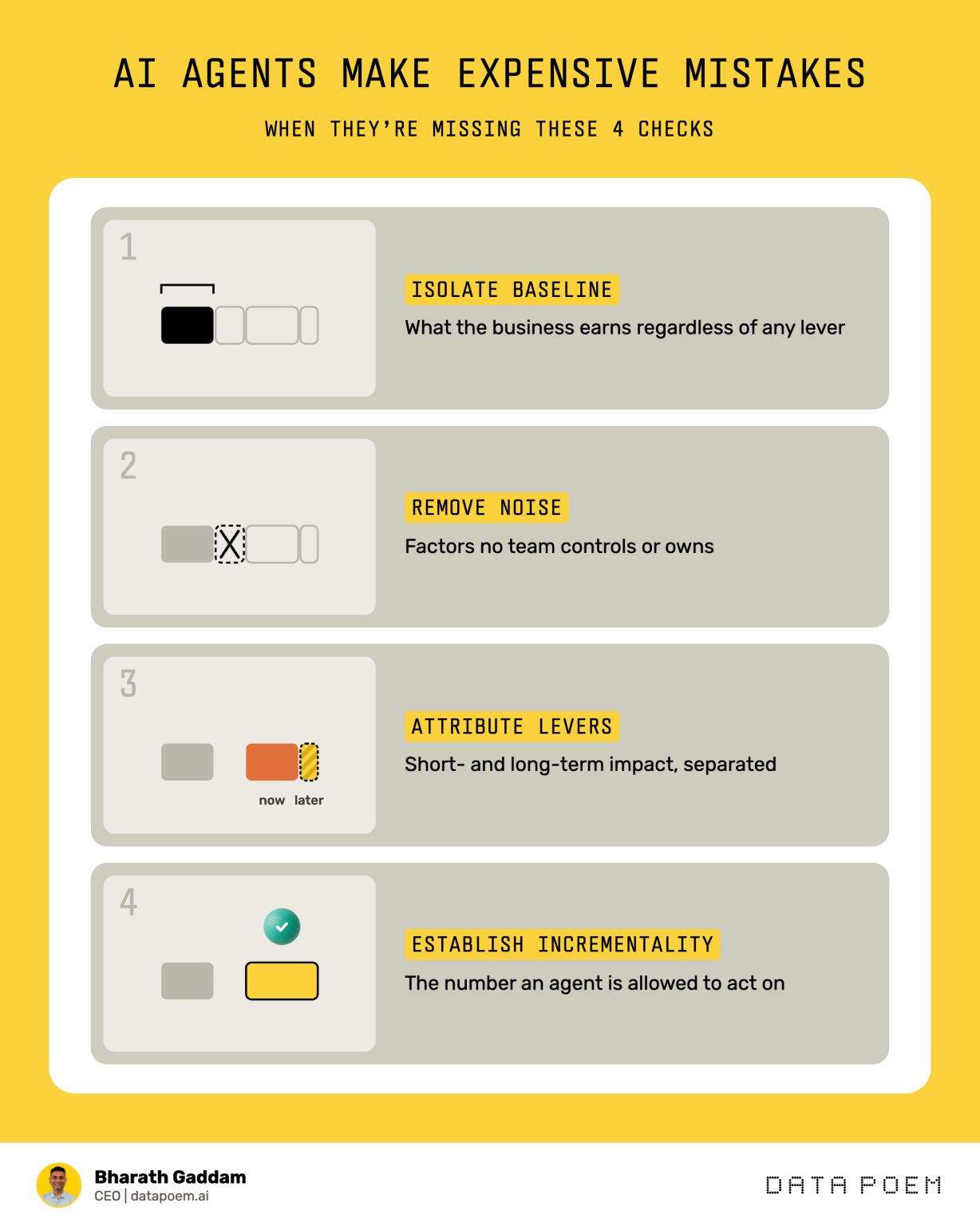
Your AI agent will give you a confident reason for every dollar it moves. The reason is fiction. Ask it why it shifted spend out of brand media and into promotions, and it answers with total conviction. It just can't tell a good-sounding answer from a true one. That's the gap Tapati Bandopadhyay, PhD of Third Eye Advisory names in her new paper, "Beyond the Trust Wall: How Causal Reasoning Embeds AI TRiSM Into Autonomous Enterprise Action." She calls it fast to act, slow to explain. An agent reallocates a marketing budget at 2 a.m., and no one sits with it while it decides. The systems that take action are maturing faster than the systems that can explain the action. Her case makes the cost visible. Promotions looked like the biggest lever at 14.5% of new customers, with brand media at 10.6%. An agent running on standard prediction would have moved the budget into promotions. FOUNT found the other 7.1% of brand media was quietly generating months later, money last-click measurement simply could not see. She turns that into a test every agent should pass: explain the outcome "the way a controller explains a variance." Isolate the baseline. Remove the noise. Attribute each lever, now and later. What's left is the only number an agent is allowed to act on. A causal chain gives a guardian agent a checkable claim to test, so you can ask whether an agent "has earned the right to act on it" before the money moves. Tapati, thank you. The idea that every decision should come with its cause attached is the one DATA POEM was built on, and you've given it a sharp frame. Read the full paper here: https://lnkd.in/gA_ZqF4R #DecisionAI #CausalAI #EnterpriseAI #AIROI
- Eagle Point SoftwareSince 26 Oct 2026
In the AECO, Design, and Manufacturing industries, new technologies keep the need for ongoing training top of mind. It’s not just that employees need support adopting new programs, platforms, or devices - it’s that the software they rely on will also undergo updates or release new products. Staying up to date with the latest version requires ongoing training and development. Pinnacle Series has long held an industry-leading reputation based on the quality of its training content. Our content experts monitor new releases of major software programs used by the AECO, Design, and Manufacturing industries so that our training materials don’t fall behind. But the quality of our content doesn’t matter if employees can’t learn effectively. That’s where the applied learning capabilities of our platform shine. Pinnacle Series uses skill assessments to create personalized learning paths for employees, and then delivers that training within the flow of work. Employees can grow their competencies on the job, keeping pace with emerging technologies while keeping their hours billable. Learn more on our applied learning page, which includes a brochure for download: https://lnkd.in/etG23KH8 #AppliedLearning #AEC #Manufacturing #PinnacleSeries
- Eagle Point SoftwareSince 26 Oct 2026
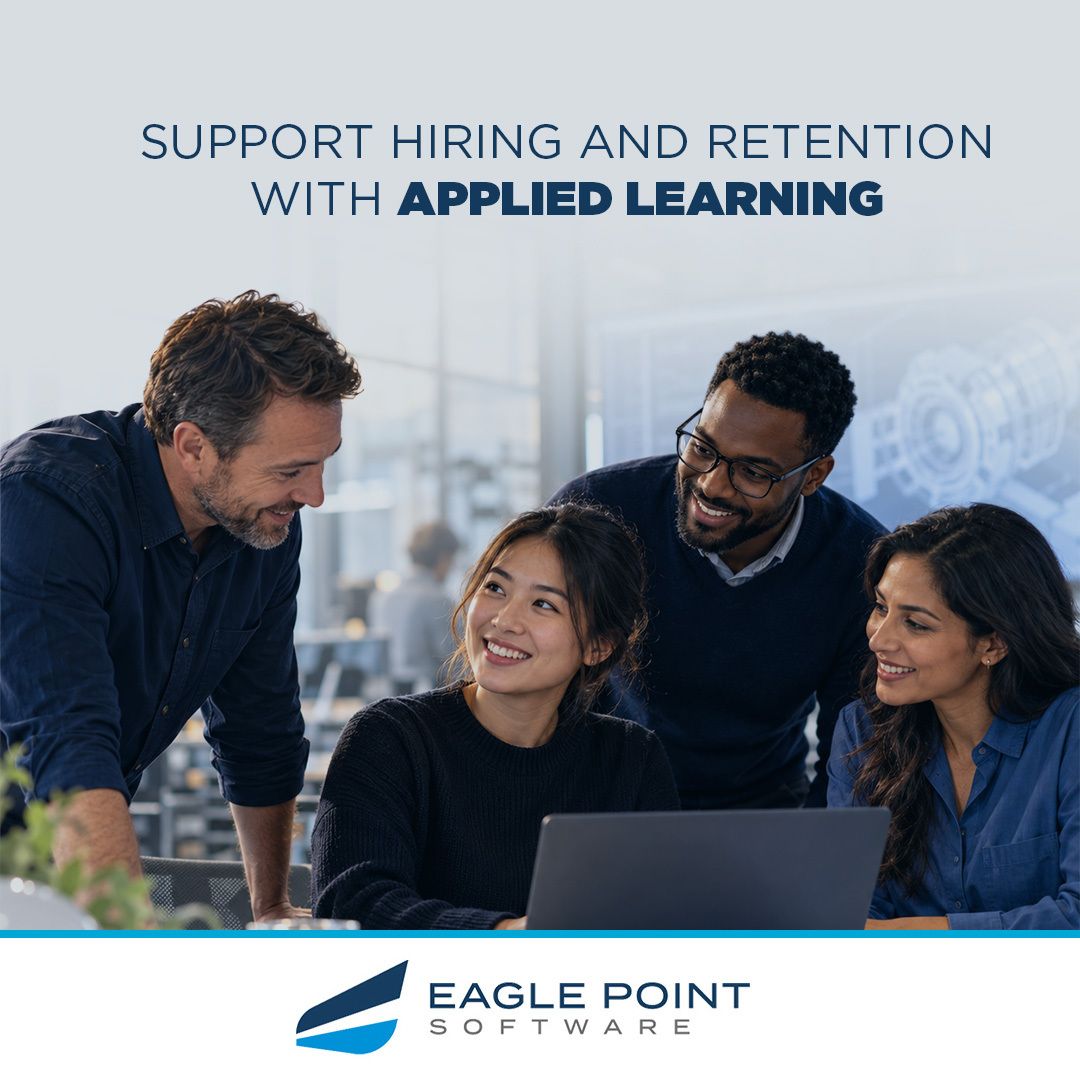
Many organizations within the AECO, Design, and Manufacturing industries face a similar paradox: Among desired employment benefits, employees place a premium on training, but few businesses need those employees to stay on the clock to remain profitable. It’s harder to hire new employees in a competitive job market if development isn’t part of the package, but managing the logistics of this training is prohibitively difficult in a busy workplace. On top of this, employees who lack a training and development program have lower job satisfaction and are more likely to quit and take a position elsewhere that will support their growth. Pinnacle Series resolves this conundrum by integrating continuous learning within the employee’s natural workday. We call this concept “applied learning.” Our platform helps AECO, Design, and Manufacturing become recruitment powerhouses by providing the kind of high quality, industry-specialized training that other companies promise but few can deliver. Read more on our applied learning page and download our brochure here: https://lnkd.in/etG23KH8 #AppliedLearning #AEC #Manufacturing #PinnacleSeries








Other LinkedIn formats
Watch the companies you care about.
Filter every ad by industry, country, format and network, and get alerts when a company you watch starts running new ads.