LinkedIn thought leader ad examples
8,664 thought leader ads are live on LinkedIn right now, from 8,884 companies. Browse real ones, filtered by industry.
- Impactable - B2B LinkedIn AgencySince 26 Oct 2026
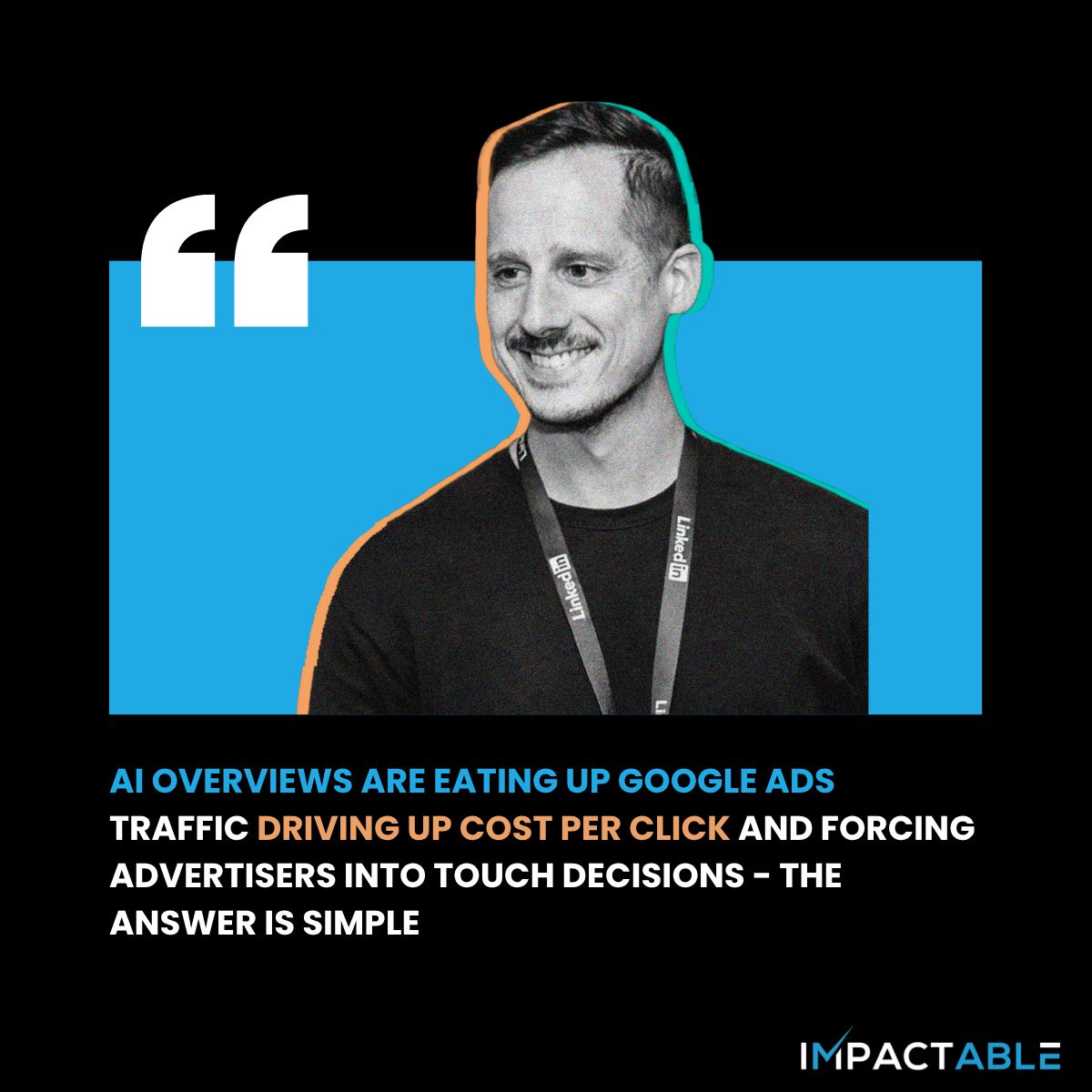
SMB + Mid-Market B2B orgs are moving money out of Google ads/Paid Search - Here's why and what I'd recommend instead. Here's what's happening. AI...it's all AI's fault 😂 But seriously the AI overviews are taking over more and more which means more people are getting information without having to click into links and view websites. Great for people, but bad for google advertisers because less clickers means more competition for the smaller pool of clicks that do exist. Now one thing to realize right away that is a flawed way of viewing this. 1. Those who can get their info via AI summary are usually in research mode and net yet buying mode...so theoretically this is mostly taking out lower-intent search traffic which means yes cost per click goes up..but so does quality which could be an ok offset. I wouldn't just assume that rising CPC is inherently bad. Typically in the world of b2b, I've learned higher cost per click/lead/deal means higher value. But the overall read from many is that cost per clicks are rising and yes it does take out a chunk of the pool that was still good to build awareness in and convert later but one thing that is very very clear....the days of Paid Search operating successfuly in a silo is over and sooo many feel it. So much so they are moving big chunks of budget to new channels such as Linkedin, meta, and programmatic. 2. The smart move - Double down on Paid Search but leverage a solid qualify + retargeting framework to squeeze max ROI from the efforts. You don't need fancy tools like DemandBase or 6sense to do this either. This is literally the thing that LinkedIn Ads does better than any other platform out there in the world right out of the box. The LinkedIn insight tag installed on your website can see all website traffic including paid search traffic, SEO traffic, and organic/direct traffic. Then LinkedIn can layer on qualifying filters to pick out the ICP fit prospects out of that warm traffic where we can nurture, build trust, and convert. This gives you the ability to stay in the bidding on paid search with higher cpc knowing you have a better chance to convert it on the backend vs your competitors who rely on that click and landing page to do the job. You can even set up LinkedIn retargeting audiences to collect and hone in on specifcally google ads traffic by setting up website audience such as utm contains source=adwords which would allow you to specifically segment out search traffic and you could even select a specific campaign if you have a hero one. This all comes down to better connected marketing ecosystems where no channel is on it's own..it's flowing in and out of others and each new channel builds on the last vs siloed experiments. I've been driving this idea of marketing ecosystems for years now and more and more it seems siloed channels are collapsing and more and more are looking for the answers. Any one else seeing this?
- Impactable - B2B LinkedIn AgencySince 26 Oct 2026
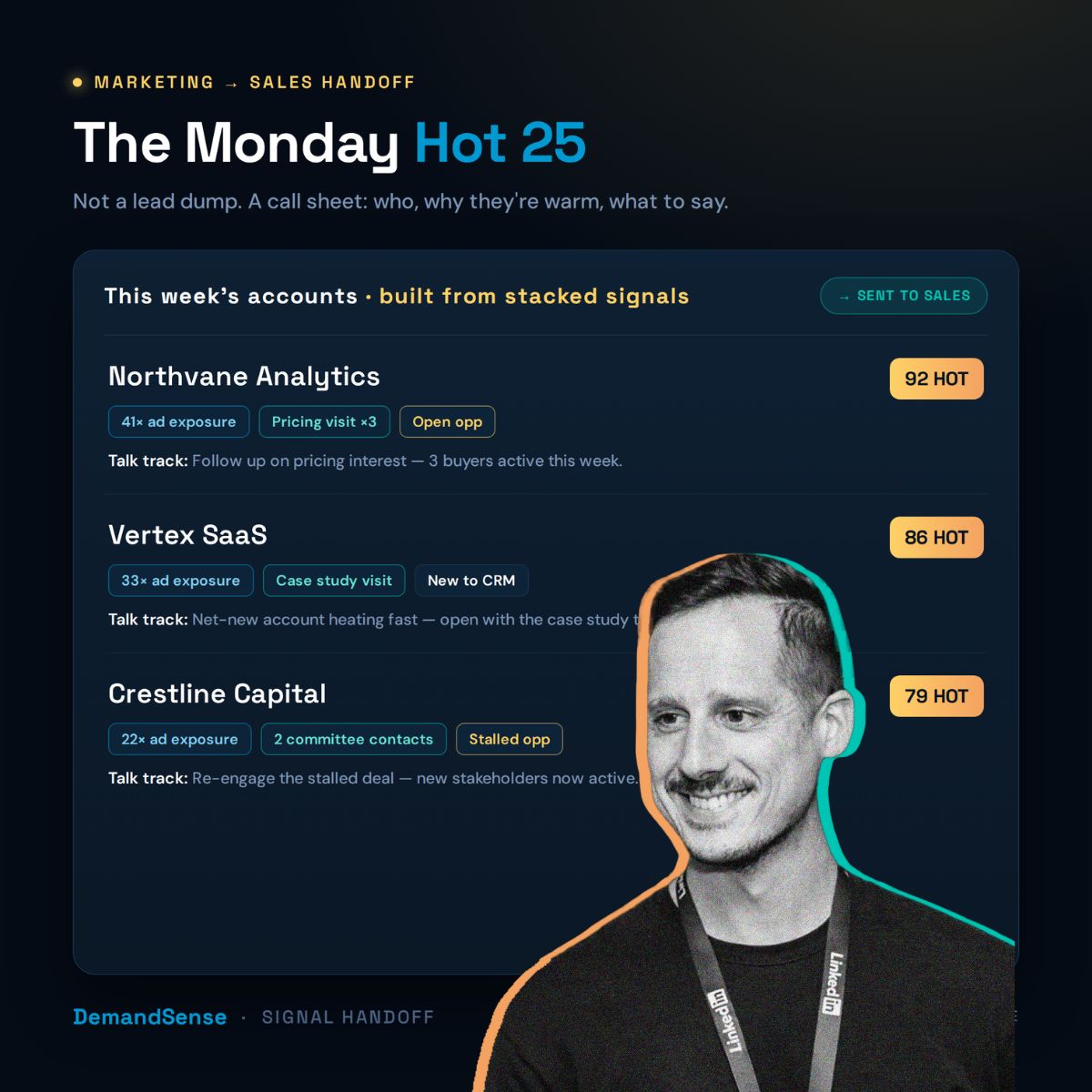
My favorite Marketing to Sales handoff play using CRM + LInkedIN Ads API + Web ID data all from 1 MCP Marketing runs ads. Sales runs outbound. Most don't connect the two...so reps cold-call accounts that just watched 5 of your videos, and ignore accounts that are three visits deep on your pricing page. Waste on both sides. Here's the weekly play we run to actually close that gap. Steal it. Start with the signals you already have but never combine: Which accounts your LinkedIn ads reached (and how heavily) Which accounts hit your site - down to the page and the person Where those accounts already sit in your CRM Individually, each one is noise. STACKED together, they tell you exactly who to hand sales. The play: Detect - find accounts lighting up across MORE than one signal. Heavy ad exposure is a maybe. Heavy ad exposure + a pricing page visit + an already-open opp? That's a hot account. Reveal - pull the actual buying committee contacts at those accounts. Names, not "a company was interested." Hand off - every Monday sales gets a "Hot 25" list. Who the account is, what they engaged with, last touch, and a one-line talk track. Not a data dump. A call sheet. Close the loop - what sales does with it (booked, dead, not-yet) flows back and sharpens next week's targeting. What makes this actually runnable now: all three signal sources live in DemandSense, and it's wired into AI - so instead of you stitching spreadsheets every Monday, you ask for the Hot 25 and it builds the sheet. A handoff isn't "here's a lead." It's "here's a named account, here's why they're warm, here's what to say." Do that every week and marketing stops being the cost center sales complains about. What does your handoff look like right now - a call sheet, or a shrug? Tomorrow I'm running an event going over this exact flow of how I use DemandSense MCP to pull in sales ready handoffs and make marketing leaders look like heroes - https://lnkd.in/gf9uisr9
- scandiwebSince 26 Oct 2026
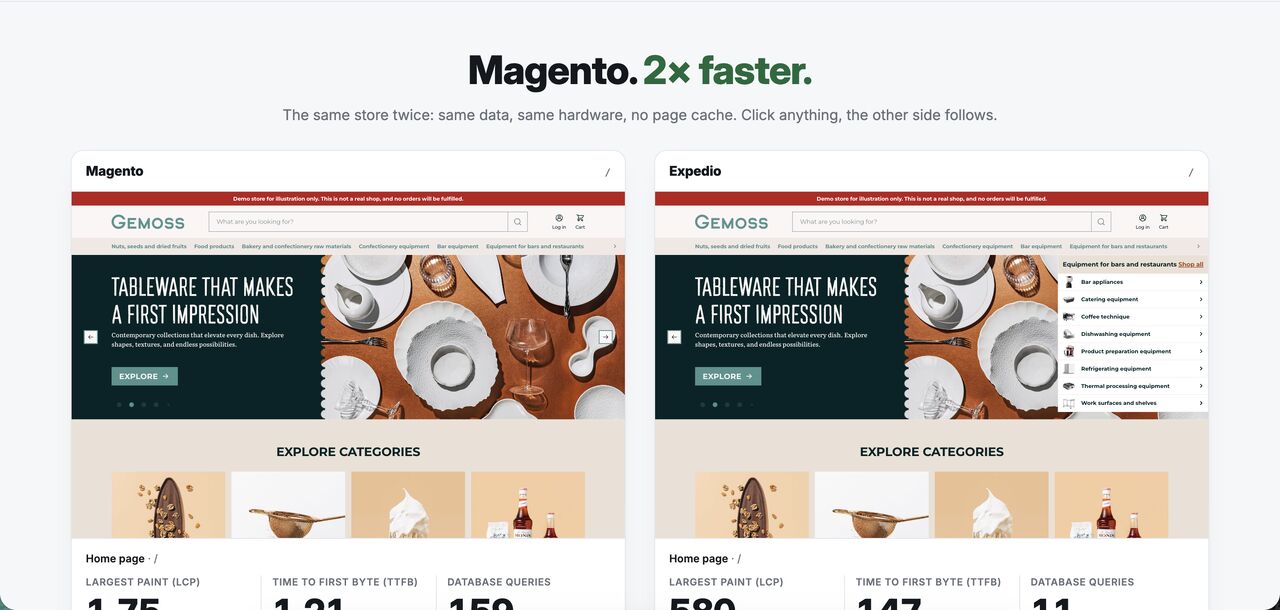
We took the best from Shopify and put it inside Magento We call it Expedio. It is built on Liquid, the template language behind Shopify themes, and it makes Magento stores at least 2x faster. Usually the answer to a slow Magento store was to put more caching layers on top. This was just hiding the code that is not performing so well. Expedio makes the code itself faster. We tested it on several merchants stores. Same server, no page cache on either version. At peak traffic the median response time across eight page types was 6.4x faster. And we open sourced it, so anyone on Magento 2 can use it for free. Open source platforms are getting much more weight now, because AI can plug into them and change everything. With Shopify you cannot change the core logic. With Magento you can. That is where Ari comes in, our AI agent for Magento. If your store is connected to Ari, it can install Expedio for you. So Ari takes care of the complexity and Expedio of the speed. You get the best from both worlds. One less reason to migrate away from Magento. You can see the full benchmark and try the live demo, link in the first comment.
- PlanonSince 26 Oct 2026
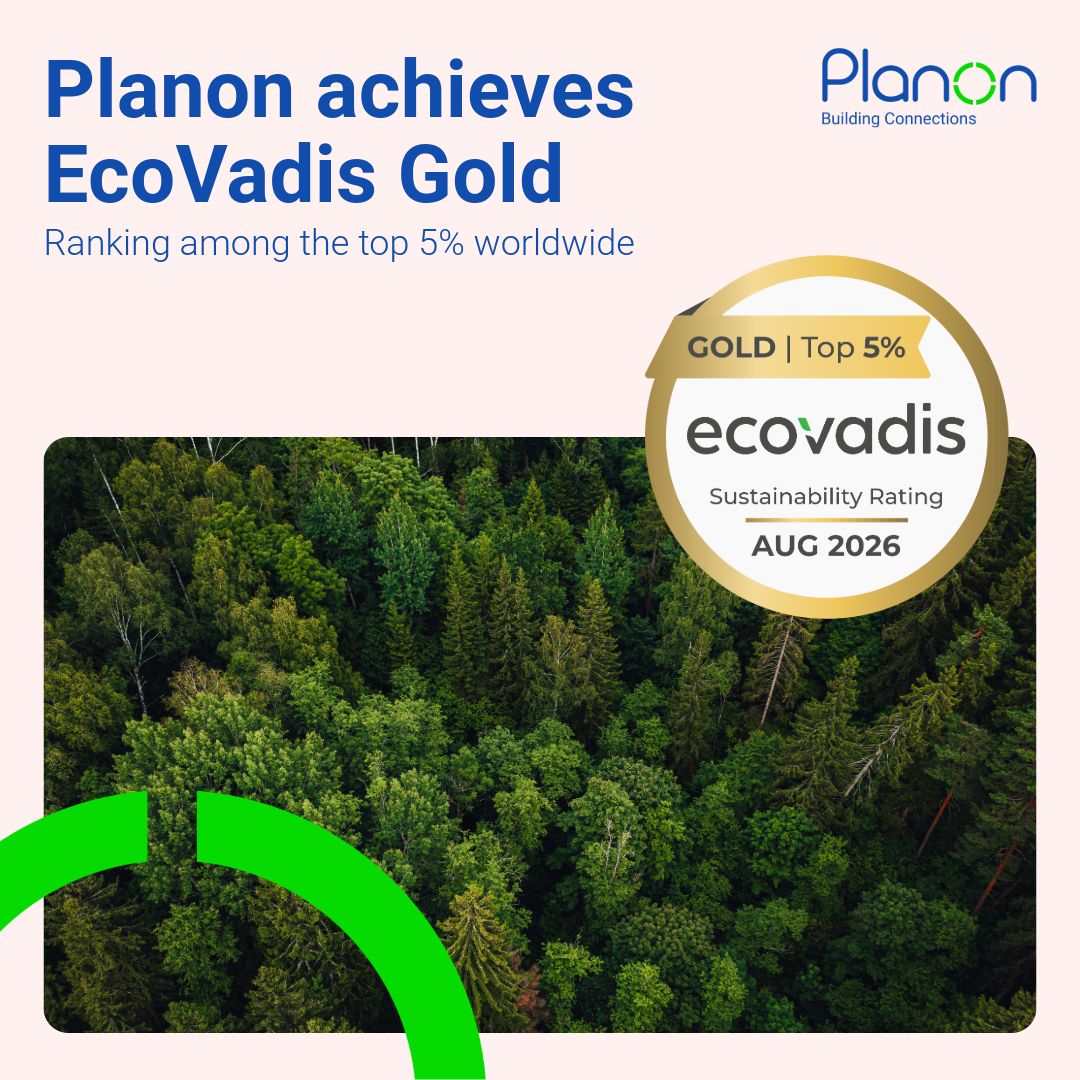
Planon has earned the EcoVadis Gold Medal for 2026, placing us among the top 5% of organizations worldwide for sustainability performance and the top 1% in the Software Publishing sector. As EcoVadis continues to raise its standards and Planon's growth expands the scope of our assessment, maintaining a top-tier sustainability rating becomes increasingly challenging. We are proud to once again be recognized among the world's sustainability leaders, reflecting the strength of our long-term commitment and the continued progress of our sustainability journey. Read more: https://lnkd.in/eYc4RyyA #EcoVadisGold #Sustainability #ESG #BuildingConnections #SustainableCompany
- HAVEP Workwear/Protective wearSince 26 Oct 2026
s Ochtends een ronde langs de procesinstallatie, 's middags laswerk uitvoeren en tussendoor valt er wel eens een bui. In de petrochemie veranderen de risico's gedurende de dag waardoor het aan veel normen moet voldoen. Ik laat je zien hoe de Multi Protector+ daarvoor is opgebouwd, laag voor laag. Ook in damesmodellen te bestellen. 💡 In de video staat mijn rits open om de lagen te laten zien. Draag veiligheidskleding in de praktijk altijd zoals voorgeschreven.
- NetBox LabsSince 27 Oct 2026
You can’t patch what you can’t see. CVEs are surging and teams that have an accurate infrastructure inventory are much better prepared to respond. Read more in the article linked below.
- M SearchSince 26 Oct 2026
AI has changed GTM.. has the way you hire GTM leaders changed with it?
- RavioSince 27 Oct 2026
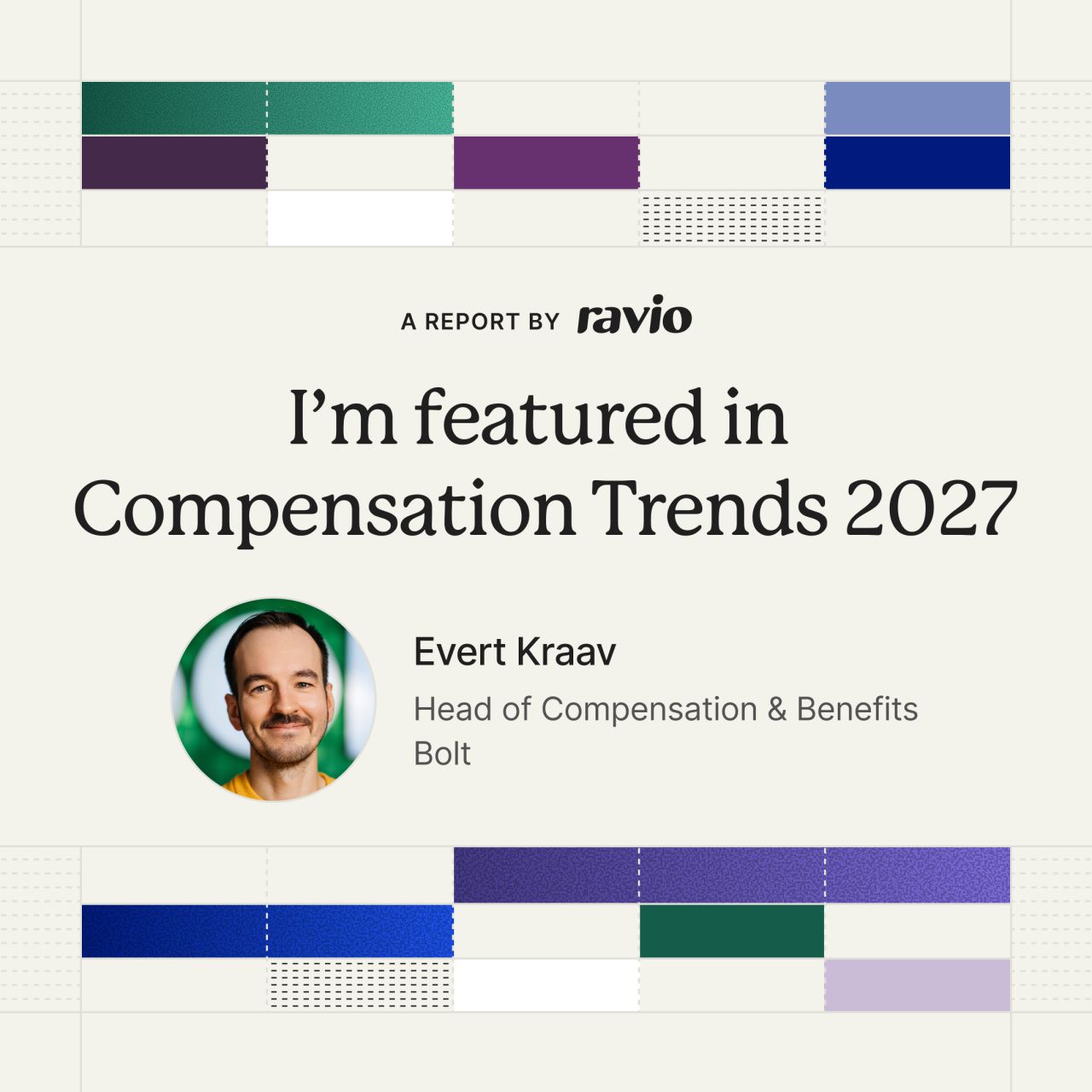
Pay for performance where everyone gets a similar reward. AI that saves hours but doesn’t teach you the actual job. 🤔 These are some of the things I got to talk about for Ravio's Compensation Trends 2027 report, and I’m featured in it. 🎉 On pay for performance: if different results still end up with roughly the same raise or bonus, what are we actually rewarding? We often put more effort into the program than into the performance conversations. Getting the goals and assessments right is the hard part. On AI: It’s great how much we can build ourselves now. Tools that save the team time, help managers, make comp decisions more consistent. But a task that used to take a junior colleague days now takes minutes, but that’s also how people used to learn the job. A faster answer isn’t the same as understanding it. There’s more in the report, including takes from other reward leaders. Thanks Tabitha and the Ravio team for having me! ✌ Read it here: https://lnkd.in/dzRquxGU
- scandiwebSince 26 Oct 2026
I started coding from 14. I'm a deeply technical person and I love technology. But after 23 years in business, I’ve seen that psychology eats technology for breakfast. What I wish I'd focused on earlier is getting people to adopt what we build, not just making things. You can have a really practical AI application, a really great tool that really brings ROI for the business. But unless its so simple that the least capable person in your organisation can use it, you won’t see adoption. A tool is only as good as the people who use it. That's what we're aiming for with Ari, scandiweb's AI agent for Magento. Anyone, technical or not, can change their Magento store just by describing what they want. I think the next beautiful solution sits at the intersection of working with psychology and technology. I’m excited for what’s next.
- PlanonSince 26 Oct 2026
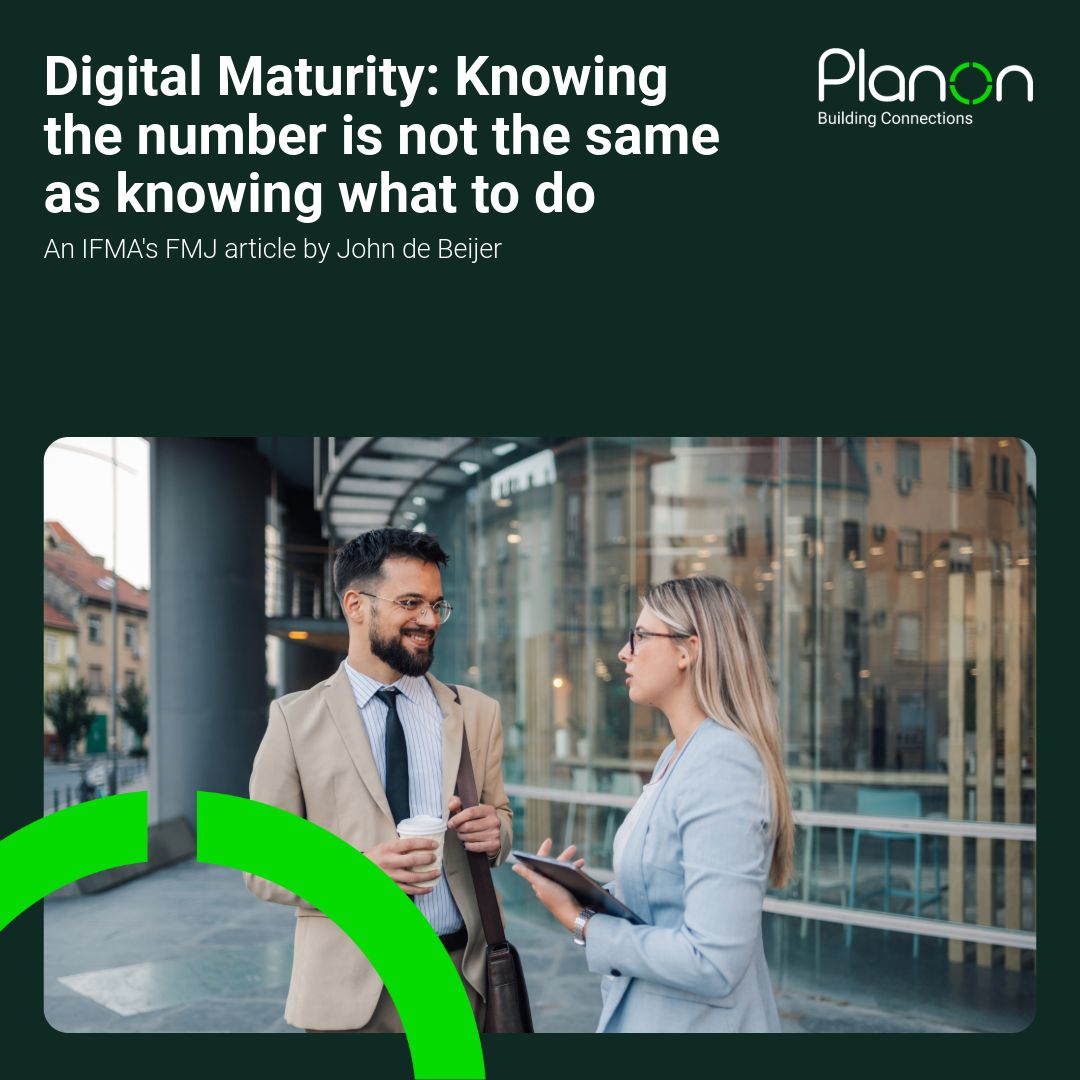
As AI is rapidly reshaping Facility Management, organizations face a growing challenge: to ensure their data is ready for what's next. In this thought-provoking IFMA FMJ article, my colleague, John de Beijer SMP - Solutions Marketeer at Planon , explores why technology alone is not enough and why trusted data, strong governance, and a consistent data model are essential to unlocking the full potential of AI, analytics, and digital transformation. Read the full article here: https://lnkd.in/e_dhABFS #FacMan #Workplace #SmartBuildings #FMTech #PropTech #AI
- SanaSince 26 Oct 2026
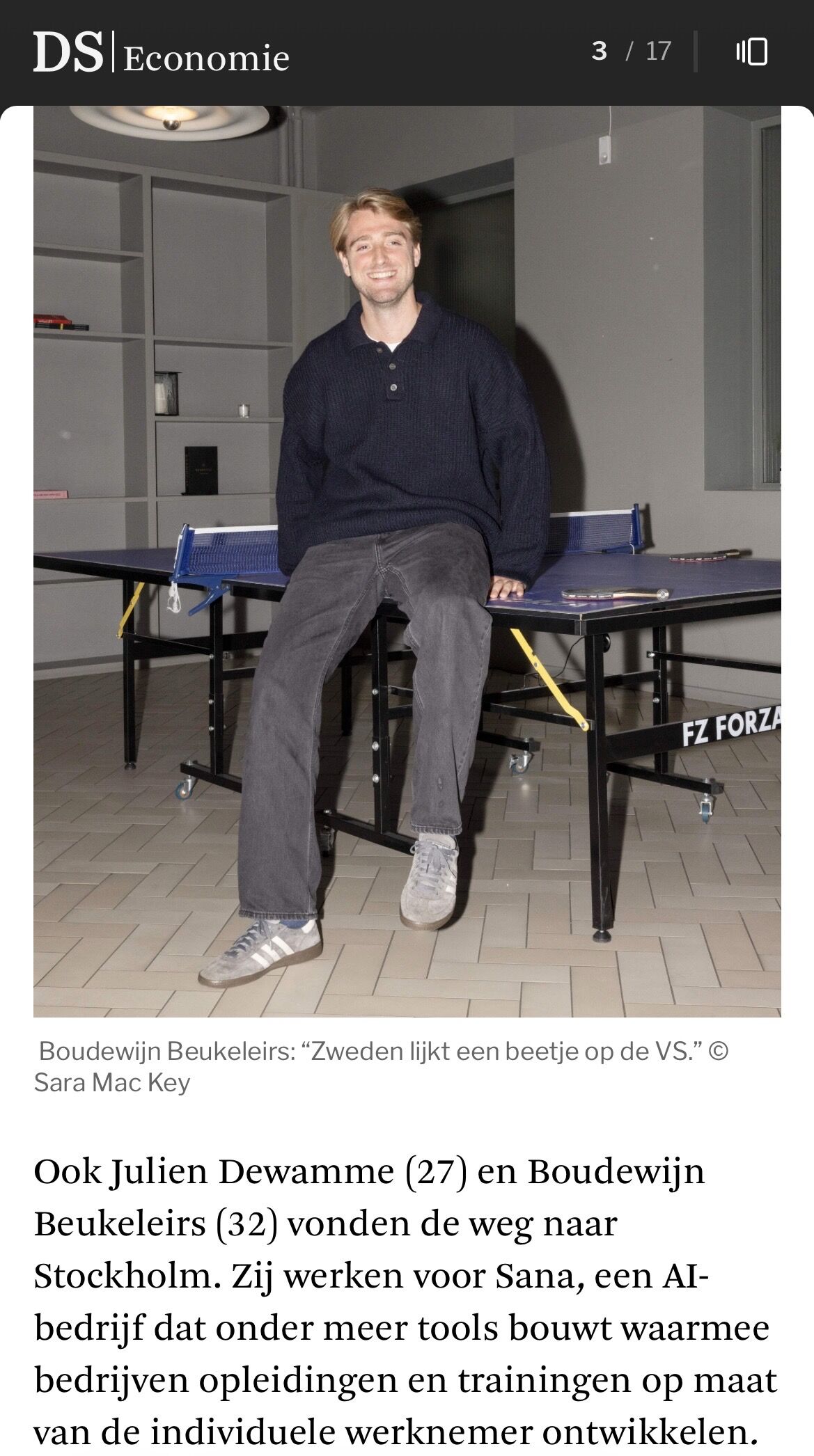
We mochten ons verhaal doen in De Standaard. Lieven Sioen trok op avontuur in de stad en sprak onder meer met Julien Dewamme (Sana), Thibault Van de Ryse (Legora), Dieter Van de Walle (Lovable) en mezelf over onze ervaring als Belgen in Stockholm en wat de stad zo succesvol maakt als techhub! 🇸🇪🇧🇪 Enkele inzichten: bescheidenheid en ambitie gaan hand in hand, een positieve kijk op risico nemen en een hecht netwerk dat herinvesteert in het eigen ecosysteem. Bedankt Lieven en De Standaard voor het mooie verhaal! link in comments 🔗
- 1oTSince 26 Oct 2026
Your IoT device might connect perfectly during office testing. But what happens when it crosses a border, switches networks or goes through a factory producing thousands of units? We’ve seen devices pass testing in Europe, then fail to connect when they reached a deployment market in Africa. These issues reach our tech support team after the devices have already been shipped. We can usually isolate the problem quickly: i.e the hardware uses NB-IoT, but there’s no NB-IoT coverage at the destination, or a regional module deployed out of the area of supported bands. That’s why I recommend testing the actual device and SIM/eSIM together in the markets where they’ll operate, starting with the basic checks: - Does the device connect and send data through to your backend? - Does an SMS go through and does profile provisioning work? - Does the device handover cells during border crossings? Then put a small set of devices into the field. For moving devices, test the routes they’ll take, including changes between cell towers, roaming between networks and border crossings. Even with automatic network selection configured, those conditions are difficult to reproduce in the office. In the field, you can also see the detailed session breakdown in our connectivity management platform, including which network each device joined and which technology it used. Before a larger rollout, I’d also recommend a small production run. That might be 50 or 100 units, depending on the volume you’re comfortable with. The point is to play the whole production process through and see whether your factory, connectivity platform and other vendors can handle it together: factory provisioning, IMEI pairing, low-cost RF checks and the API calls you’ll use to manage connections at scale. I’ve worked through these small production runs with multiple R&D companies, and I’d say there’s no better way to test the process. At 1oT, we can help you work through what to test and support the eSIM profile provisioning side, including how profiles are changed and who controls the process. If you’re planning a rollout, let’s talk through your setup before you move into larger-scale production.
- 1oTSince 26 Oct 2026
~70% of our recent inbound enquiries at 1oT have been about SGP.32. Yet a few companies have still chosen SGP.22, and I understand where they’re coming from. If you are planning to deploy 100,000 devices, you want to make sure interoperability is there and that all pieces of the architecture have been validated and tested. At 1oT, we have tested with all the main DP+ providers using our IPAe cards, and we've completed platform integrations. But maturity is not the only thing I would look at. There are two practical questions to consider. 𝟭. 𝗪𝗵𝗶𝗰𝗵 𝘀𝘁𝗮𝗻𝗱𝗮𝗿𝗱 𝗯𝗲𝘁𝘁𝗲𝗿 𝗳𝗶𝘁𝘀 𝘁𝗵𝗲 𝗱𝗲𝗽𝗹𝗼𝘆𝗺𝗲𝗻𝘁? SGP.22 was tailored for consumer devices such as phones and tablets, where someone is usually available to scan a QR code, connect to Wi-Fi, and manage the whole process. IoT is different. The devices often have no human interface and nobody around to touch them. That’s the environment SGP.32 was built for. SGP.22 can still be used for IoT, but it will need a dedicated firmware to run on the device. This firmware is called LPA (Local Profile Assistant) and controls how the device behaves when receiving a profile from the DP+. Although it’s not rocket science, it does require engineering expertise and resources. However, once you have the SIM cards and your own LPA in place, you are less reliant on another software provider. With our SGP.32 eSIM, the profile assistant is already on the card as an IPAe (IoT Profile Assistant on the eUICC). The R&D team doesn't need to build that part of the code, which helps you get to market faster. Profiles can then be managed remotely through the eIM software using an API or user interface. The first connection is also something to consider. Your devices need a way to get online before they can download a new profile. With SGP.22, you need to make sure that initial connectivity is available through Wi-Fi, Ethernet, or an existing cellular profile. Our SGP.32 cards include a bootstrap profile and connect globally out of the box, so connectivity isn’t something you need to worry about. 𝟮. 𝗜𝘀 𝘁𝗵𝗲 𝗽𝗿𝗼𝘃𝗶𝗱𝗲𝗿 𝗮𝗰𝘁𝘂𝗮𝗹𝗹𝘆 𝗿𝗲𝗮𝗱𝘆 𝘁𝗼 𝘀𝘂𝗽𝗽𝗼𝗿𝘁 𝗶𝘁? I’ve seen providers claim they support SGP.32, but when a customer asks for a sample card, they can’t provide one and start coming up with excuses why. That will naturally make companies question whether the technology is actually ready. With 1oT, you can get a sample card and an account to run a proof of concept using your own hardware. If you’re weighing up your options, I strongly advise testing it on your own hardware and in the field before committing to a large deployment. That gives you something concrete to base the decision on, rather than just comparing spreadsheets. Feel free to message me if you’d like to chat through your setup and where to start!
- PixeeRecorded 29 Oct 2026
After a 60-day disclosure period, we're releasing research into a class of medium-severity compaction-related bugs that many of the OSS coding agents have. It's a combination of classic injection, prompt injection, and trust boundary bypass. From the abstract of the paper: > We show that in popular open-source coding agents [compaction] is an exploitable trust boundary. Harnesses that flatten the typed conversation into a single plain string, marking each message with a text label such as [User]:, destroy message provenance in code, before the summarizer runs. An attacker who controls anything the agent reads can forge a user turn that survives compaction as a genuine instruction [in the user scope] In other words: 1. Bad guy provides malicious data to coding agent in web search turn (for example) 2. Causes compaction with giant message or rabbit-holing content 3. Bad guy provides genuine-looking instruction somewhere in malicious content 4. As part of compaction, attacker has their forged instruction promoted to user-scope 5. Agent is tricked into doing bad guy thing in session with attacker-provided instruction The bugs are not world-melting, but I find them interesting for many reasons: 1. How come the agents wrote this vulnerable pattern? Why did Codex get it right? 2. The combo recommendation of "escape untrusted inputs" and "use a more paranoid model" is so 2026. 3. This research shows LLM "message chains" are missing many security attributes. We need a new model. More on this later. In the paper we answer many follow-up questions and provide lots of pretty graphs: https://lnkd.in/evGiEgTW Thanks to Johnathan Gilday Adam Schaal of Pixee for review, to Idan Habler, PhD for brainstorming and providing a fix in DefenseClaw shipping later today. https://lnkd.in/erRE8Y7W
- PwC SwedenSince 26 Oct 2026
För företag som vill investera, etablera sig på nya marknader eller expandera blir tillgången till energi en allt viktigare del av affärsbesluten. På Kunskapsdagen den 25 november delar jag mina perspektiv på vad som krävs framåt. Det handlar inte bara om att bygga ut mer grön kapacitet, utan också om att göra det nordiska energisystemet investeringsbart, flexibelt och motståndskraftigt. Vad betyder stabila energilösningar för ditt företags möjligheter att växa, ställa om och stärka sin konkurrenskraft? Det ser jag fram emot att diskutera på Kunskapsdagen. Säkra din plats här: https://lnkd.in/dY_icJB6 PwC Sweden
- MindflickRecorded 29 Oct 2026
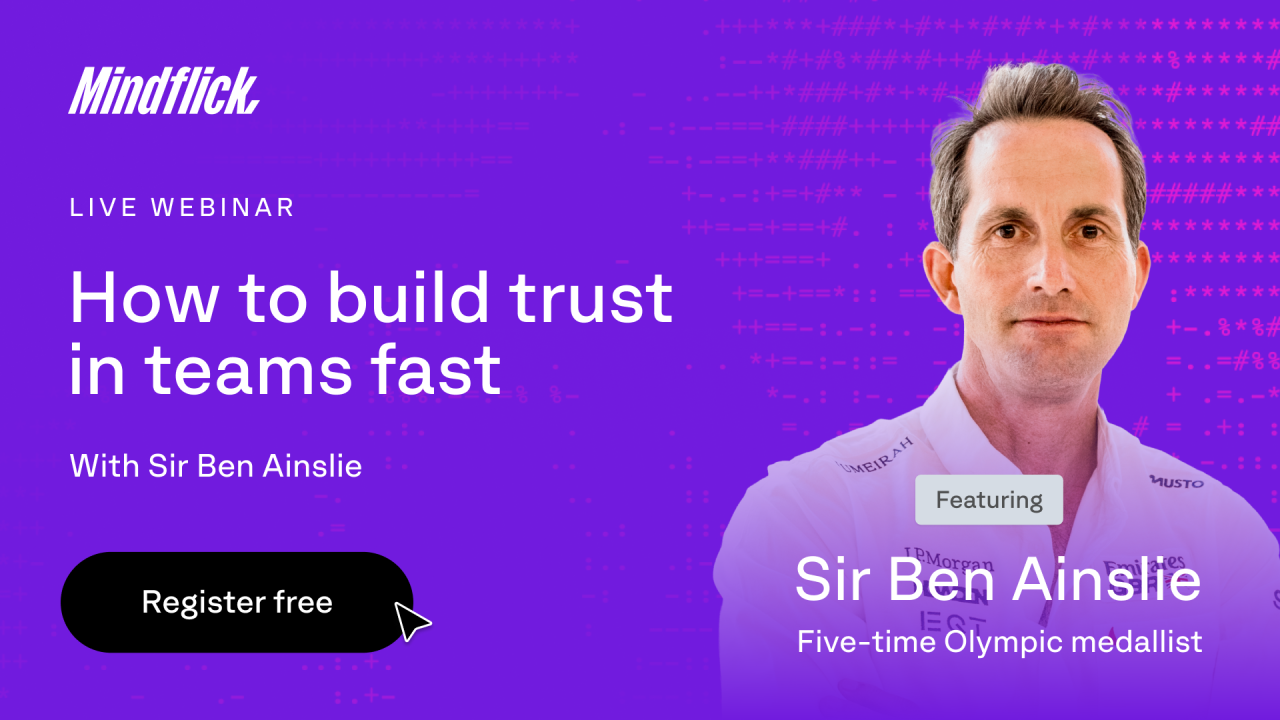
How does the most successful Olympic sailor in history build trust fast under pressure? Sir Ben Ainslie took what made him an Olympic champion and made it work in a team environment. In SailGP, often known as Formula 1 on water, team decisions happen in an instant. There’s no time to second-guess another's perspective. Trust is essential. The same is true for you and your teams in the workplace: team trust has to be built fast. Before pressure erupts and threatens to pull you apart. Join Sir Ben Ainslie and leading UK performance psychologists in this exclusive digital event for a lesson in how teams can build trust fast, including: ✅ Why even talented teams get stuck ✅ Repeatable ways to build trust fast ✅ How to spot and avoid false harmony This online event is built for CXOs, people leaders and L&D professionals who need to understand why their teams fail to connect and what high-trust teams do differently. Register now - this isn't one to be missed.
- GTIA - Global Technology Industry AssociationSince 26 Oct 2026
Not a natural networker? You're not alone. I recently caught up with James Steel to talk about the power of community and why ChannelCon EMEA is different. Our community members will be on hand throughout the event to make introductions and help you connect with peers. No pressure, just friendly faces and genuine conversations. And if you're worried about being the smallest MSP in the room, don't be. At GTIA, every MSP has a seat at the table. Not registered yet? The link is in the first comment
- Philip Morris InternationalSince 26 Oct 2026
Ci sono idee che, quando prendono forma davanti a un pubblico, acquistano una forza diversa. La proiezione di NON OGGI alla Festa del Cinema di Roma, per me è stato uno di quei momenti. Abbiamo scelto il cinema per raccontare una possibilità: un futuro in cui le sigarette tradizionali appartengano al passato. Con lo sguardo di Sergio Castellitto, abbiamo provato a dare forma a questa visione. Una cosa che ho imparato lavorando nella trasformazione è che il cambiamento non passa solo dalla tecnologia o dalle strategie. Passa anche dalla capacità di renderlo comprensibile, vicino alle persone e capace di generare nuove conversazioni. A volte un’immagine, una storia, un punto di vista inatteso riescono ad avvicinare ciò che può sembrare ancora lontano. La presentazione del corto al pubblico è stato un traguardo importante, reso possibile dal talento, dalla passione e dall'impegno di tutte le persone che hanno creduto in questo progetto fin dal primo giorno e lo hanno reso possibile. Grazie al team di Philip Morris, a Sergio Castellitto e a tutto il cast di NON OGGI. 👉 Un futuro senza sigarette tradizionali può sembrare lontano. Noi abbiamo provato a immaginarlo. Guarda NON OGGI: https://lnkd.in/dfdxDXkz ------------------ Some ideas take on a whole new meaning when they come to life in front of an audience. The screening of NON OGGI at the Rome Film Fest was one of those moments for me. We chose cinema to tell the story of what could be: a future where traditional cigarettes are a thing of the past. Through Sergio Castellitto’s vision, we sought to bring this possibility to life. One thing I’ve learned from working in transformation is that change is not just about technology or strategy. It is also about making change understandable, relatable, and capable of sparking new conversations. Sometimes, all it takes is an image, a story, or a fresh perspective to bring us closer to something that may still seem far away. Bringing this short film to audiences was an important milestone, made possible by the talent, passion, and dedication of everyone who believed in this project from day one. My thanks go to the entire Philip Morris team, Sergio Castellitto, and the whole cast of NON OGGI. 👉 A future without traditional cigarettes may seem distant. We imagined it. Watch NON OGGI: https://lnkd.in/dfdxDXkz #NONOGGI #RomeFilmFest #SergioCastellitto Maria Clara Paradies Antonio Mirabella, Flavio Ciancio, Sofia Minio Paluello
- heliqxSince 27 Oct 2026
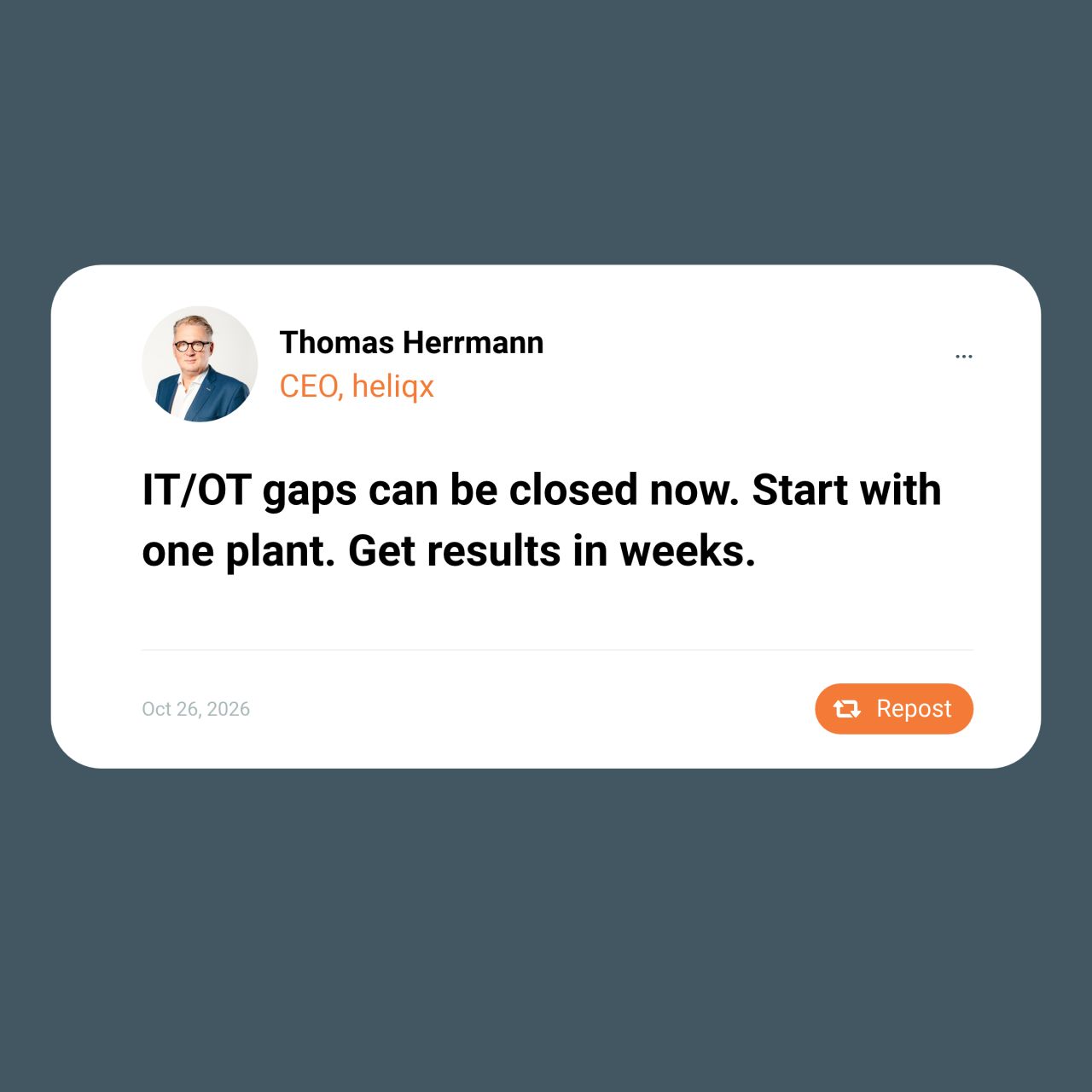
Why do we still accept that so many known IT/OT gaps stay open? Because for years, accepting them was the practical choice. Fixing them meant time, people and production downtime that most teams didn’t have. The list is familiar: · Flat OT networks · Default passwords · Legacy systems waiting for an agreed production window to be patched · Remote access without MFA · Little or no OT network monitoring. But accepting them individually can hide their combined impact. Unsecured remote access can provide a way in. A flat network can allow an incident to spread. Limited monitoring can leave it undetected until production is affected. The risk: idle production lines, missed deliveries and an expensive recovery. Carrying the same risks forward year after year becomes harder to justify. Yet the constraints that kept them open haven’t disappeared. One CTO of a mid-sized manufacturer described exactly this dilemma. He knew action was needed, but tackling the gaps across several plants felt like an undertaking his already stretched IT team couldn’t absorb. What made it practical was starting with one plant, using our approach and software alongside his existing systems and tools. With his IT team, we agreed the target state and prioritised the gaps. Then we got hands-on: fixing network issues, connecting equipment and putting security controls in place, in phases with clear owners and agreed production windows. Over four weeks, network monitoring was put in place, remote access was secured and network segmentation was implemented at the pilot plant. There was still more to do. But the team had a clear plan for the next phase, and he is now taking the same approach across his other plants. Keeping production running shapes every decision in a plant. Closing these gaps has to fit around that, not compete with it. That is why we start with one plant, and why results can come in weeks. If this sounds familiar, I’m happy to talk. https://heliqx.com
- HoldedSince 26 Oct 2026
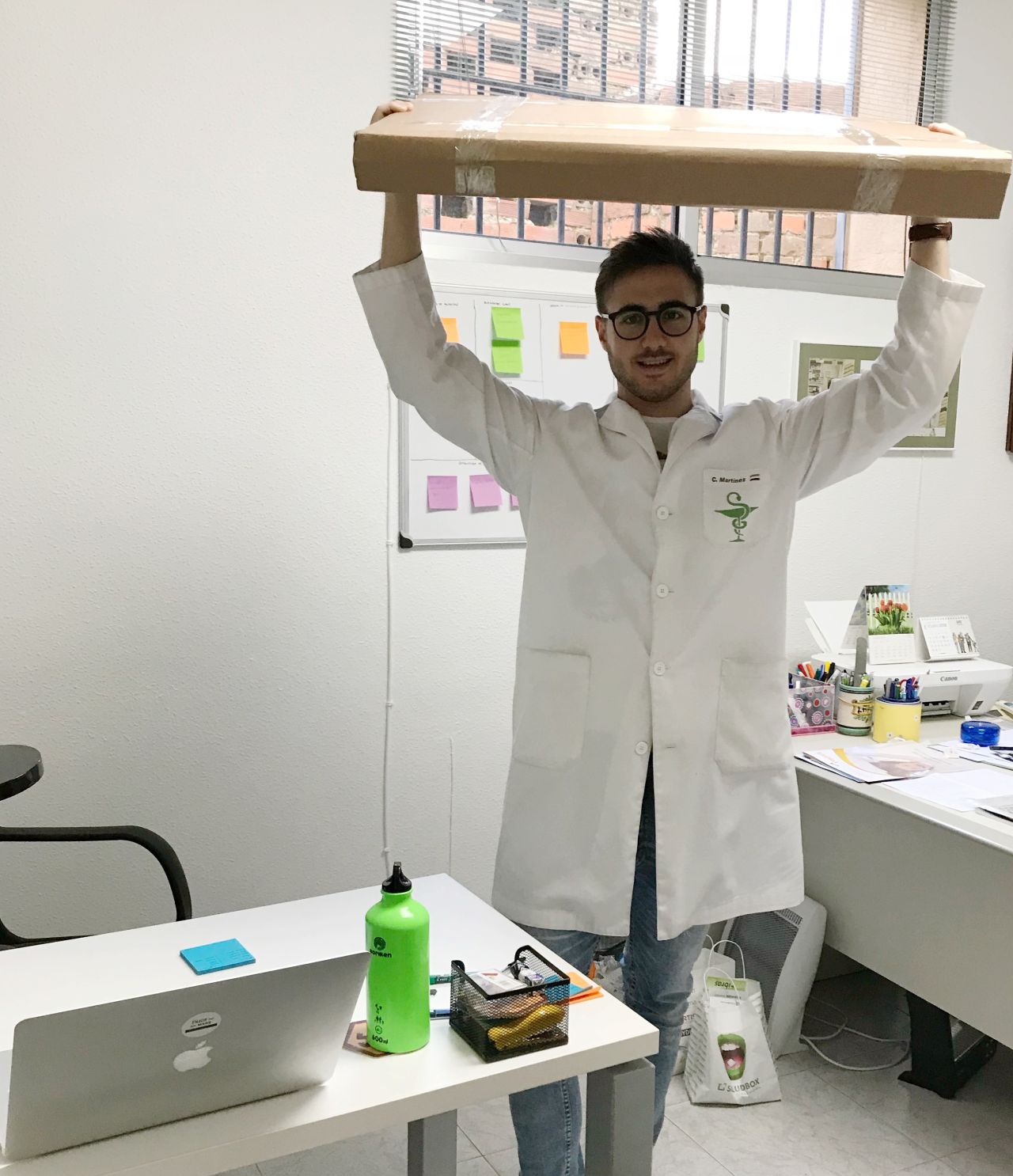
Monté mi primera empresa con 21 años y no sabía ni lo que era el IVA. Mucho menos cómo se hacía una factura. Estaba estudiando Farmacia y se me había ocurrido empezar a vender mapas y láminas de tinta rascable por internet. El problema es que de gestionar una empresa no tenía ni idea. Así que hice lo que pude. Mi sistema de gestión era bastante sofisticado: - Facturas hechas en Excel. - Gastos en otra hoja de cálculo. - Facturas de proveedores guardadas en carpetas. - Y cada trimestre, decenas de correos a mi gestoría con mil documentos sueltos. Y así estuve AÑOS. Hasta que descubrí Holded. Recuerdo especialmente cuando conecté mi tienda online de Shopify y las facturas de los pedidos empezaron a generarse automáticamente. Pasé de hacerlas una por una a no tener que preocuparme por ellas. Pero lo que más agradecí fue empezar a tenerlo todo en el mismo sitio: - Facturación - Contabilidad - Bancos - Inventario - Clientes Y mi gestoría podía entrar directamente a consultar lo que necesitaba, sin que yo tuviera que estar mandando documentos cada dos por tres. No os voy a decir que de repente me apasionó la contabilidad. Pero me quitó muchas horas de trabajo y bastantes dolores de cabeza. Ahora, después de más de 11 años emprendiendo, me hace gracia recordar cómo gestionaba aquella primera empresa. Aunque sospecho que todavía hay muchos emprendedores que siguen haciendo exactamente lo mismo jajaj ¿Soy el único que empezó llevando toda su empresa con Excel? __ PD: Este post es una colaboración con Holded. Si quieres ahorrarte unas cuantas horas de trabajo, puedes probarlo gratis: https://lnkd.in/eNmhuNud #publi
- HoldedSince 26 Oct 2026
Nadie monta un negocio para hacer facturas. Lo montas porque tienes un propósito y quieres construir algo, grande o pequeño, pero tuyo. Y unos años después te das cuenta de que pasas gran parte del tiempo cuadrando excels, persiguiendo cobros y preguntándote por enésima vez cuándo hay que presentar el Modelo 303. Lo peor no es la pérdida de foco. Es la pérdida de tiempo y no saber a ciencia cierta si lo estás haciendo bien. Ese es el coste invisible de emprender. Pero hoy ese coste ya puede minimizarse porque automatizar las tareas administrativas ya no es un lujo. Con Holded tienes tus facturas, gastos e impuestos en un único sitio, y automatizas toda la gestión de tu negocio. Y tú, con la seguridad de que tu negocio está en buenas manos, te dedicas a lo que aporta valor de verdad: el motivo por el que empezaste. ¿Te animas? Empieza gratis ahora: https://lnkd.in/e994f-Yr #paidpartnership Holded
- Quantum MetricSince 26 Oct 2026
There was a ton of healthy pressure earlier in the year for everyone to answer the question “what’s our MCP strategy.” It’s a valid question, but MCP is a protocol. For me it’s like asking what your HTTP strategy is... well, we have a web-based application you can load in a browser. So what? To be fair, I appreciate the significance of the MCP question given the rise of AI. Early on, a lot of this was wrapping pre-AI-age APIs in some context and shipping it to give agents the ability to do some CRUD-ing! A fun, and good first step. But we wanted to think through what it would take for an agent we don’t control to use our data to take high-impact action. I’m always looking for a good analogy. For me, this is very much like providing a kitchen to a chef. We don’t get to hire the chef, but we do get to decide what’s in the kitchen. What I wanted to make sure we absolutely avoided was making a lot of noise about our kitchen, only to find out it was a freezer, a microwave, and a dozen TV dinners. No shade, TV dinners just helped me make it through a chaotic week of travel. But what’s the point of having a chef then? What if instead, we gave the chef the equipment, utensils and ingredients to “let them cook?’ (sorry, had to). And the cookbooks and guidance to help them use what’s there, without prescribing every meal they can make. Think raw query-building against real-time experience data, with all the context and guides an agent needs to do it well, data discovery tooling for the agent to find its own creative solutions, and intelligence feeds that take extremely sophisticated pipelines to generate, delivered so an agent can jump straight to taking action. That’s how we approached our MCP, which we released this week. Give agents the tools, intelligence feeds and knowledge to do better analysis with Quantum Metric. And give them room to do things with those tools that we haven’t thought of yet.
- StorONE. 9x More from Existing FlashRecorded 29 Oct 2026
Any storage deals frozen right now? Clients who need more flash but are stuck because of supply constraints or budget? We’re helping IT service providers give clients up to 9x more effective capacity from their existing flash, without waiting on allocation. Hot data keeps full flash performance. Everything that’s gone cold moves to lower-cost media underneath. The deal that was dead on price comes back to life. Worth 15 minutes?
- TraceGainsSince 27 Oct 2026
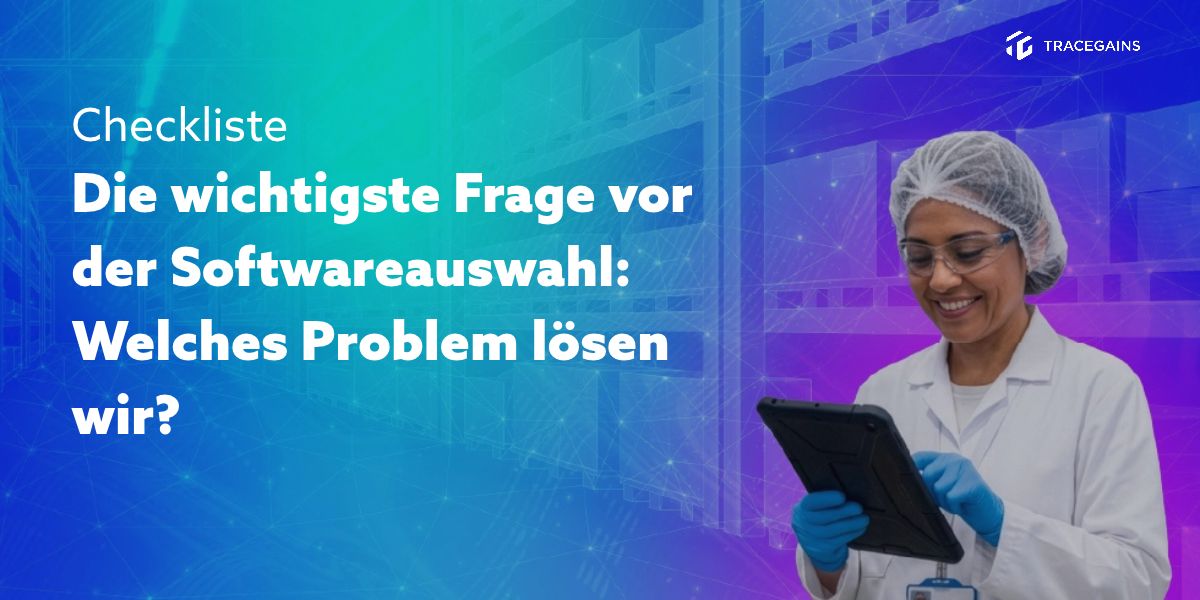
Zu früh über Software zu sprechen, ist meist der erste Fehler im Auswahlprozess. Warum? Weil die Diskussion dann sofort bei Features landet: Was kann das System? Welches Häkchen fehlt noch? Die entscheidenden Fragen sollten aber davor besprochen werden: 1. Welches Kernproblem wollen wir wirklich lösen? 2. Welche Stakeholder aus Einkauf, F&;E, Qualität und IT müssen an den Tisch? 3. Woran messen wir am Ende den echten ROI? Erst wenn hier Alignment herrscht, wird aus einer endlosen Wunschliste eine strategische Entscheidung. Genau für diesen Schritt haben wir bei TraceGains eine strukturierte Checkliste zusammengestellt: 👉 Zur Checkliste: https://lnkd.in/eP5FkXpa utm_source=linkedinamp;utm_medium=organic_socialamp;utm_campaign=2026_dach_gtm #FoodIndustry #DigitalTransformation #FoodTech #Procurement #QualityManagement



Other LinkedIn formats
Watch the companies you care about.
Filter every ad by industry, country, format and network, and get alerts when a company you watch starts running new ads.