LinkedIn thought leader ad examples
130 thought leader ads are live on LinkedIn right now, from 137 companies. Browse real ones, filtered by industry.
- BugHuntRecorded 8 Oct 2026
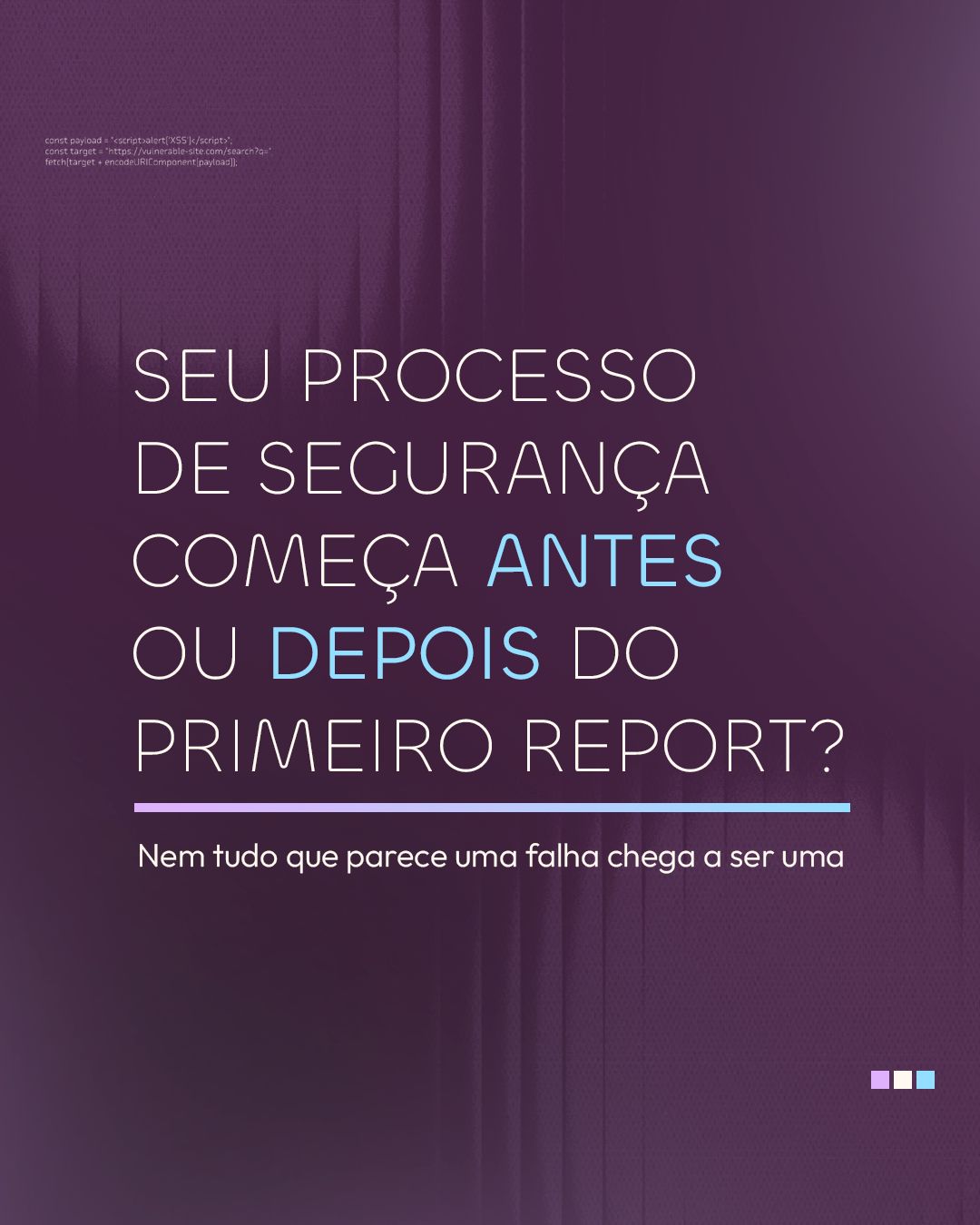
Uma vulnerabilidade pode ser encontrada antes de a empresa estar preparada para receber esse tipo de report. O pesquisador tenta avisar, mas não encontra um canal claro. A mensagem chega por e-mail, formulário, LinkedIn ou até por alguém de outra área. A partir daí, começa uma corrida interna para entender quem deve assumir, quem valida a falha, quando o jurídico entra e como manter a comunicação com quem fez o report. Recentemente, olhando como o Google estrutura esse processo, um ponto me chamou atenção: os reports de segurança passam por um canal próprio e seguem para triagem e avaliação técnica. Parece simples, mas ajuda a organizar justamente o que costuma virar improviso em muitas empresas. Ou seja, muitas vezes existe disposição para colaborar. O que falta é a empresa ter um processo capaz de receber essa colaboração e conduzir o que vem depois. Não ter um fluxo estruturado não impede que alguém encontre uma falha. Só deixa a empresa mais exposta à improvisação justamente no momento em que precisa responder com mais rapidez e segurança. Se um pesquisador tentasse reportar uma vulnerabilidade crítica para a sua empresa hoje, ele saberia por onde começar?
- CCRCSince 15 Sept 2026
Als er geen wetgeving zou bestaan voor brandoefeningen, hoeveel organisaties zouden die dan nog jaarlijks organiseren? Ik denk: een stuk minder. Ondernemers moeten continu keuzes maken over tijd, geld en prioriteiten. Er zijn immers altijd investeringen die vandaag meer opleveren dan je voorbereiden op een crisis die zich misschien nooit voordoet. En eerlijk gezegd begrijp ik dat ook. Maar juist daarom moest ik laatst denken aan de verplichting om regelmatig een brandoefening te organiseren. 👉 Stel dat die verplichting morgen zou verdwijnen. Hoeveel organisaties zouden dan uit zichzelf blijven investeren in ontruimingsoefeningen, het trainen van BHV'ers en het regelmatig oefenen van crisissituaties? Met cybercrisissimulaties zitten we precies op dat punt. 💡 Wetgeving zoals NIS2 helpt organisaties om cyberweerbaarheid structureel op de agenda te zetten. En dat is een goede ontwikkeling. Toch zou ik liever zien dat organisaties investeren in cybercrisisoefeningen omdat ze overtuigd zijn van de waarde ervan. Niet alleen omdat de wet het voorschrijft. Anders gezegd: ik omarm NIS2, maar het is jammer dat het nodig is om die attentiewaarde te verkrijgen. Ik ben blij dat wetgeving zoals NIS2 organisaties stimuleert om o.a. te oefenen. Maar ik hoop dat we ooit op een punt komen waarop een cybercrisissimulatie net zo vanzelfsprekend is als een jaarlijkse brandoefening. Is NIS2 binnen jouw organisatie vooral een compliance-opgave? Of heeft het de manier waarop jullie naar cyberweerbaarheid én cybercrisisoefeningen kijken écht veranderd?
- CryptomathicSince 30 Sept 2026
A question for my network: is AI alone enough to create a CBOM you can actually trust? I'm interested to hear how others are approaching it. Where does AI add real value, and where is human oversight still essential?
- EasySecure InternationalSince 2 Oct 2026
Pasjes bestaan al sinds de jaren negentig, maar het bijhouden ervan wordt nog altijd onderschat. Een pas wordt uitgegeven, raakt kwijt en duikt later weer op, of er komt een applicatie bij die er eerder niet op stond. Bij een school loopt dat anders dan bij een ziekenhuis of een bedrijf. Maar overal geldt hetzelfde: zolang niemand die stappen vastlegt, weet je niet wie met welke pas waar naar binnen kan. Remco de Rooij van ScreenCheck noemt dat card management: de volledige levenscyclus van een pas in beeld, vanuit één plek. Voor organisaties met honderden of duizenden pashouders is dat geen luxe, maar de basis van veilige toegang. Hoe houden jullie bij welke passen er nog in omloop zijn?
- Human RisksSince 6 Oct 2026
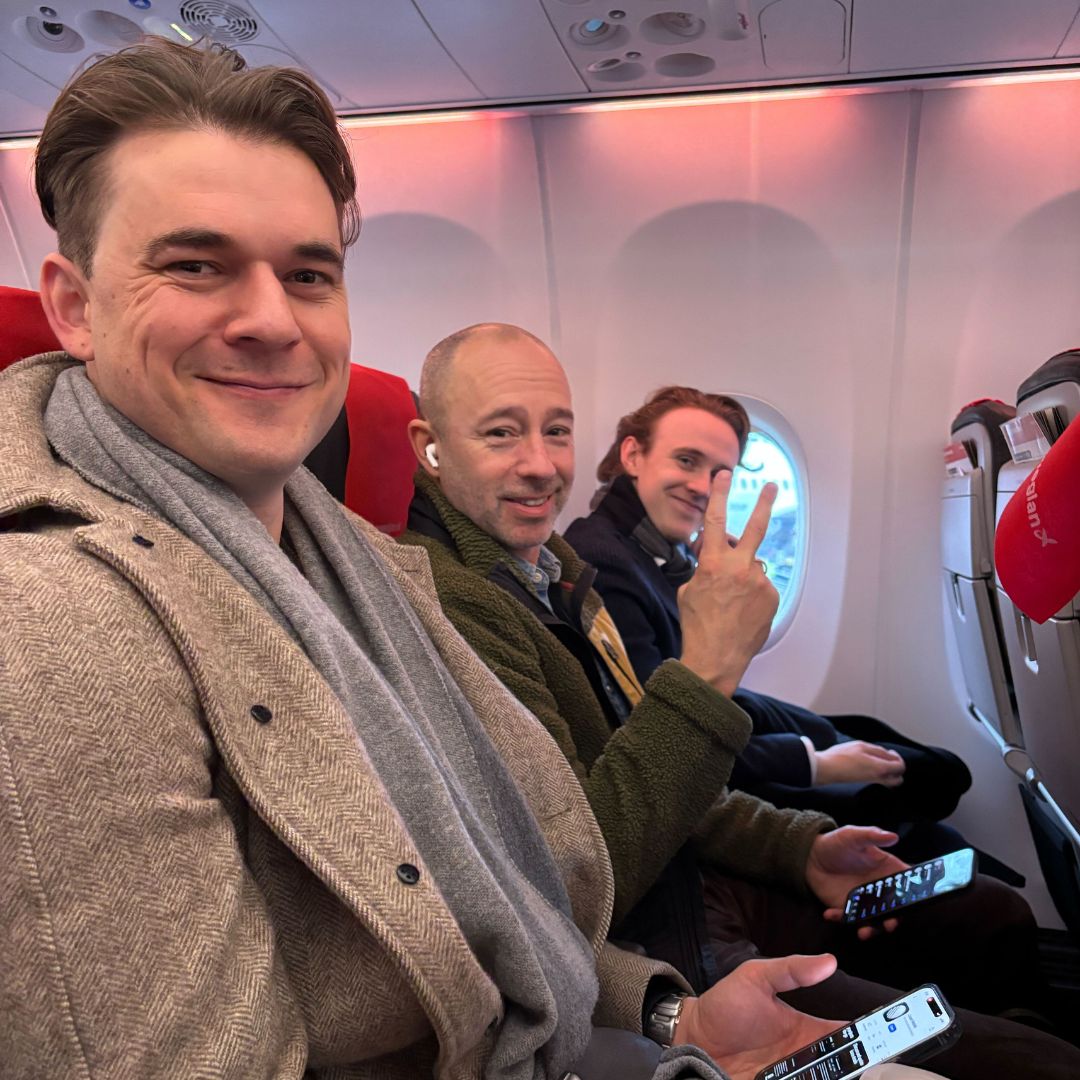
I'm in the UK this week meeting with clients. It's expensive and time-consuming, and it doesn't scale. You'd think software companies would avoid this. But we keep doing it because the feedback is completely different when you're in the room. At GSK, we're spending 2-3 hours going through product strategy and getting hands-on feedback. Not just from their security chiefs, but from the on-site teams who actually use our system out on their sites. That's the part most software companies miss. The people who sign the contracts aren't always the ones living with your product decisions every day. The teams tell us what's working, what's frustrating, how they're actually using the features. That's worth more than any survey or support ticket. HSBC is also hosting a networking event with an intelligence firm and invited us along. Looking forward to that. It's not efficient. But it's how you build products people want to keep using.
- IncogniaSince 6 Oct 2026
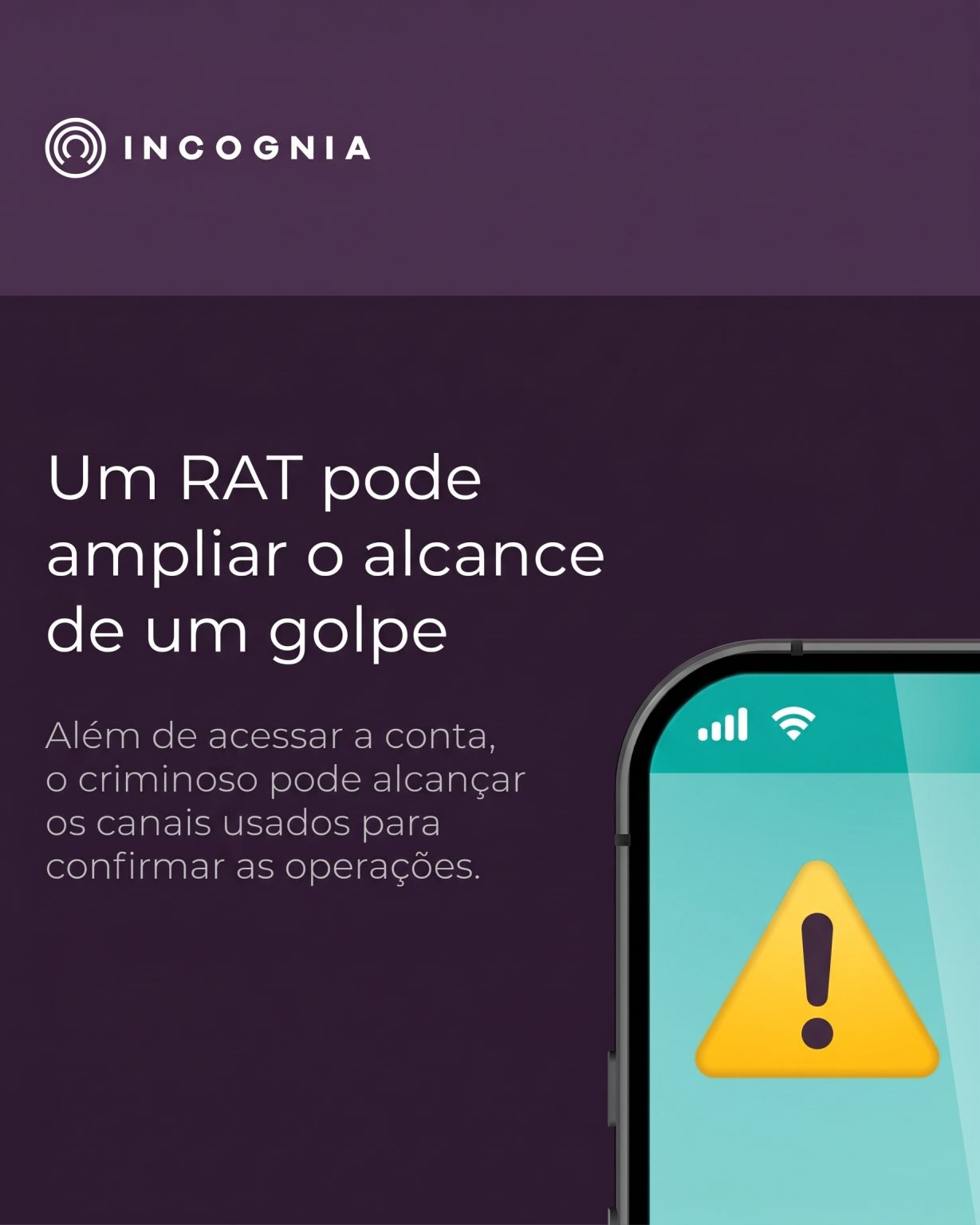
É isso que torna um trojan de acesso remoto (RAT) tão perigoso ⚠️ 👇 Um RAT pode ampliar o alcance de um golpe: além de acessar a conta, o criminoso pode alcançar os canais usados para confirmar as operações. Tenho ouvido relatos desse problema tanto de instituições financeiras quanto de pessoas próximas. Recentemente, uma pessoa muito próxima a mim passou por um caso que explorou nomes ou fluxos de seis empresas legítimas. A abordagem veio de um contato de WhatsApp comprometido, com um pedido urgente: cadastrar um telefone de emergência em uma plataforma de varejo. Segundo o relato, um link malicioso fez parte da sequência que levou ao comprometimento do celular por um RAT. Os criminosos acessaram duas contas bancárias, esvaziaram os saldos via Pix e usaram os recursos para comprar produtos de alto valor em outros varejistas. A engenharia social abriu caminho. O RAT deu aos criminosos capacidade de agir depois. Código por SMS, e-mail acessível no aparelho, aprovação por push. Dependendo das permissões obtidas pelo malware e das proteções de cada aplicativo, o criminoso pode ler códigos e interagir com solicitações de confirmação. Não está apenas tentando descobrir uma senha; pode estar operando os canais que deveriam validar o acesso. Na prática, a empresa pode estar empilhando etapas de autenticação que ficam expostas ao mesmo comprometimento. Para os times de prevenção à fraude e segurança, a pergunta precisa ir além de “o código foi informado corretamente?”. Precisamos avaliar se há sinais de interferência na interação que levou àquela confirmação. Detecção de controle remoto, captura de tela e abuso de permissões deve alimentar a análise de risco, especialmente antes de transações críticas. Esses sinais precisam ser correlacionados com o comportamento da sessão e o contexto transacional para orientar a intervenção. É uma camada adicional de proteção, integrada à estratégia antifraude. Educar o usuário continua sendo necessário. Mas encerrar a análise em “a vítima clicou em um link” deixa de fora toda a parte do ataque em que o criminoso ganhou capacidade de agir. Contra RATs, é preciso proteger também o processo de confirmação. De pouco adianta exigir mais uma etapa quando o fraudador consegue executá-la pela vítima. Hoje, sua estratégia de autenticação consegue identificar quando o dispositivo e o canal de confirmação podem estar comprometidos ao mesmo tempo?
- CymphonyRecorded 8 Oct 2026
𝝞𝗳 60% 𝝾𝗳 𝘆𝝾𝘂𝗿 𝝾𝗿𝗴𝗮𝗻𝗶𝘇𝗮𝘁𝗶𝝾𝗻’𝘀 𝗱𝗮𝘁𝗮 𝗶𝘀 𝘀𝗲𝗻𝘀𝗶𝘁𝗶𝘃𝗲, “𝗳𝗶𝗻𝗱 𝘁𝗵𝗲 𝘀𝗲𝗻𝘀𝗶𝘁𝗶𝘃𝗲 𝗱𝗮𝘁𝗮” 𝗶𝘀𝗻’𝘁 𝗺𝘂𝗰𝗵 𝝾𝗳 𝗮 𝗿𝗶𝘀𝗸 𝘀𝘁𝗿𝗮𝘁𝗲𝗴𝘆. In a recent POC we found tens of thousands of files shared publicly. The issue was that nobody could say which ones were actually a problem. The team's first instinct was to ask if the files belonged to marketing - because being publicly shared doesn't automatically make them risky. What actually matters is who owns the file, whether anyone's still using it, and if it makes sense for the business to have it sitting there in the first place. Scanning and labeling every file in an organization can take years, and a lot of teams go through that whole process without getting any closer to reducing risk. Connecting the file to its owner, usage, and the business context around it is what lets a team skip past cataloging and go straight to fixing what actually matters.
- InfoGuard Deutschland GmbHSince 5 Oct 2026
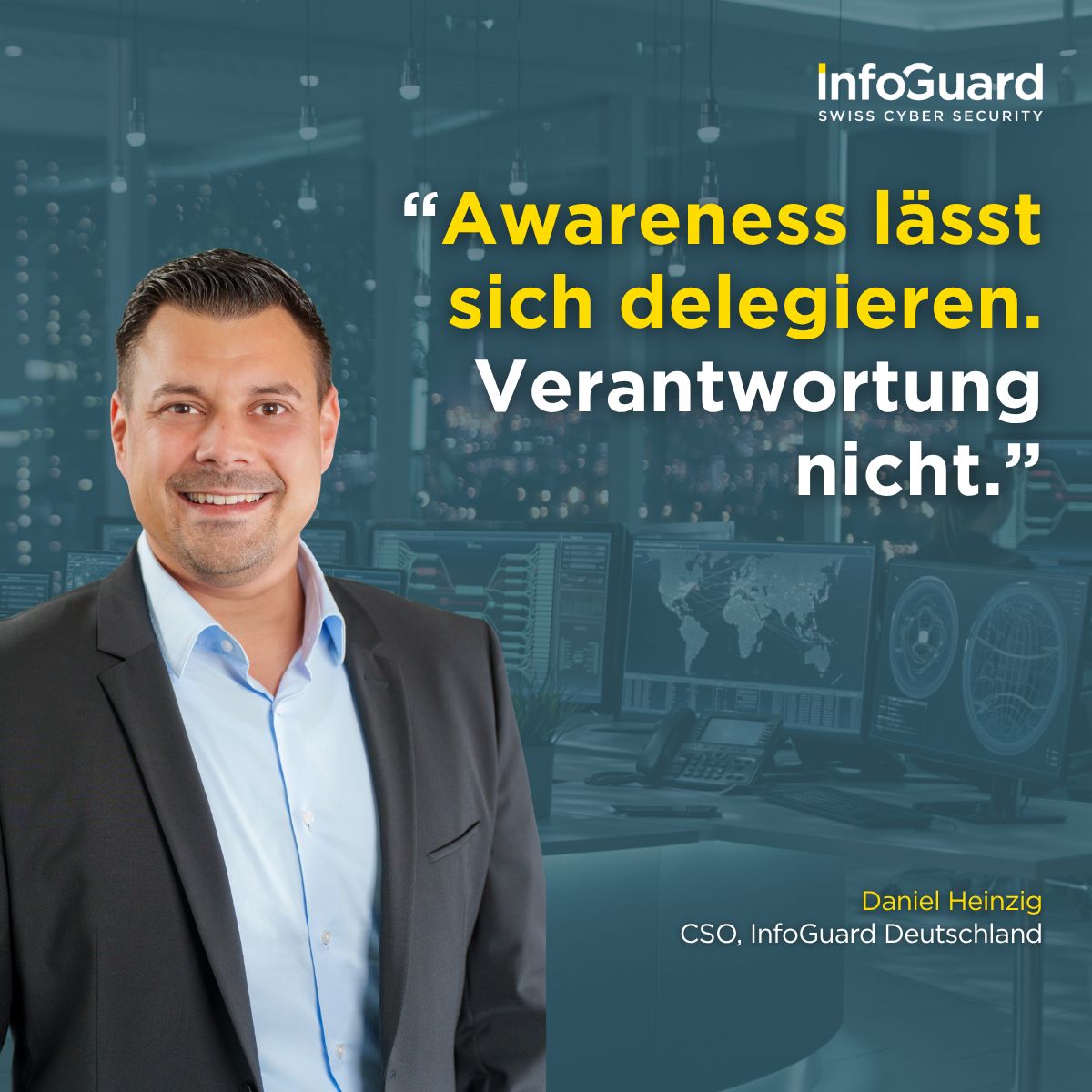
Wer Security Awareness nur an die Mitarbeitenden delegiert, hat den wichtigsten Teil bereits übersehen. Natürlich müssen Mitarbeitende wissen, wie sie Phishing erkennen, Auffälligkeiten melden und sich im Ernstfall richtig verhalten. Aber wer schafft dafür die richtigen Voraussetzungen? Awareness lässt sich delegieren. Verantwortung nicht. Meines Erachtens entsteht eine Sicherheitskultur nicht durch ein jährliches Pflichttraining. Sie entsteht durch Führungskräfte, die Sicherheit vorleben. Durch einen Umgang mit Fehlern und Vorfällen, der auf Lernen statt auf Schuldzuweisung setzt. Und durch eine Kultur, in der Mitarbeitende Auffälligkeiten, Fehler und offene Fragen frühzeitig ansprechen können. Das ist für mich der Kern von Security Awareness: nicht Angst vor Fehlern, sondern Bewusstsein für Verantwortung. Im Rahmen des European Cyber Security Month (ECSM) sprechen wir am 22. Oktober gemeinsam mit Sarah Mühlemann (Cyber Security Consultant, InfoGuard AG) genau darüber, wie aus dem Pflichttraining eine gelebte Sicherheitskultur entsteht. Ich bin überzeugt und sage es ganz ehrlich: Wir können es uns nicht leisten, Security Awareness auf später zu verschieben. Cyber Security ist für mich längst eine gesellschaftliche Aufgabe und unternehmerische Verantwortung, der wir uns nicht entziehen können! Hier können Sie sich kostenlos zum Webinar anmelden: https://bit.ly/4hFnd7C
- CymphonyRecorded 8 Oct 2026
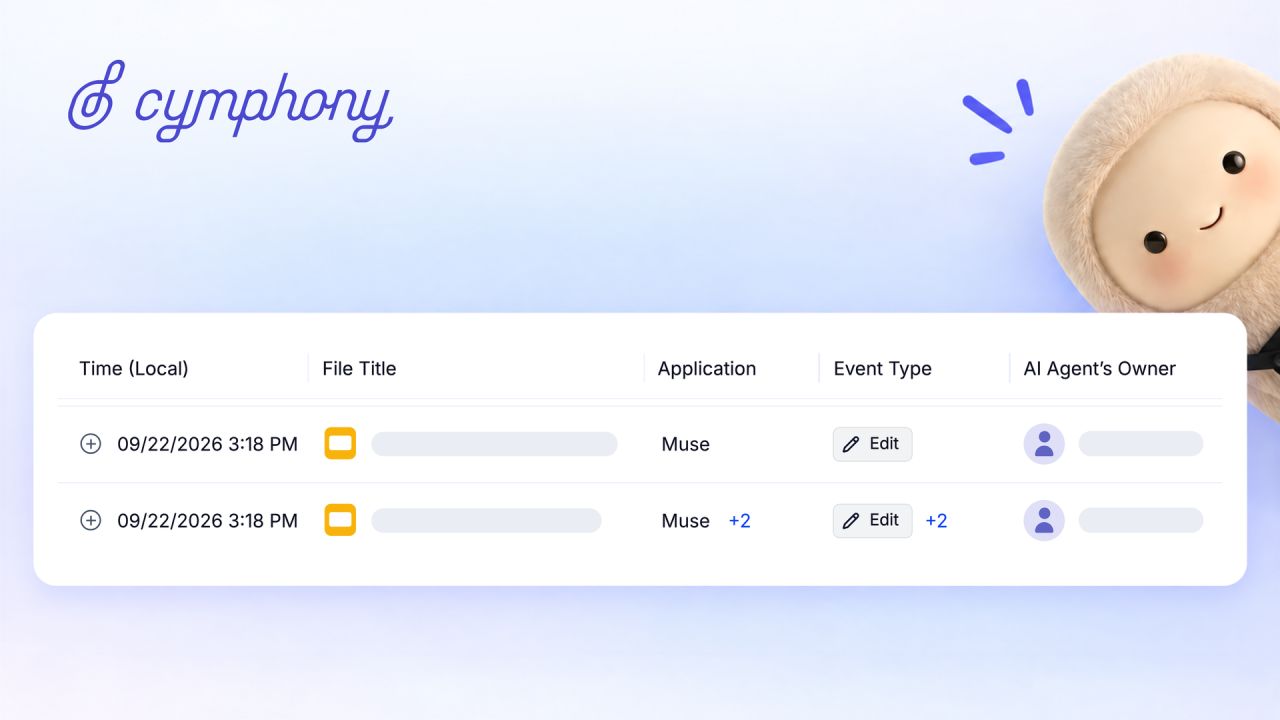
Muse is already being connected to your company’s most valuable assets. And it’s happening fast. Meta's Muse launched less than a month ago. It has already passed 5 million downloads, making it the fastest-growing AI agents in the US. Last week, at one of the companies we work with, Cymphony surfaced employees who had connected Muse to some of the company’s most sensitive data repositories. The interesting part? We didn’t have to teach Cymphony what Muse was. No new integration. No new detection rule. No waiting for the security team to add another AI tool to a list. Cymphony’s Workforce Security Graph automatically identified a new AI agent entering the environment, mapped who was using it and what it could access, and surfaced the risk. This is what securing AI adoption has to look like. New agents will emerge faster than security teams can keep up with them manually. Some will be sanctioned. Many won’t. Your security platform needs to understand the workforce as it changes, not just the tools it already knows. That’s the power of the Workforce Security Graph.
- Nomios NetherlandsSince 23 Sept 2026
🎥🚀 AFTERMOVIE 🚀🎥 De eerste editie van Nomios Next zit erop. Bijna 400 deelnemers in Leiden en een dag die alle verwachtingen heeft overtroffen! Dank aan iedereen die eraan heeft meegebouwd. Maandenlang voorbereiding van een team dat er vol voor is gegaan en dat zag je terug in elk detail van de dag. Ook dank aan onze partners. We hebben er samen een succes van gemaakt. Tot de volgende keer!
- Dam SecureRecorded 8 Oct 2026
It's important that we lead with confidence...
- Dam SecureRecorded 8 Oct 2026
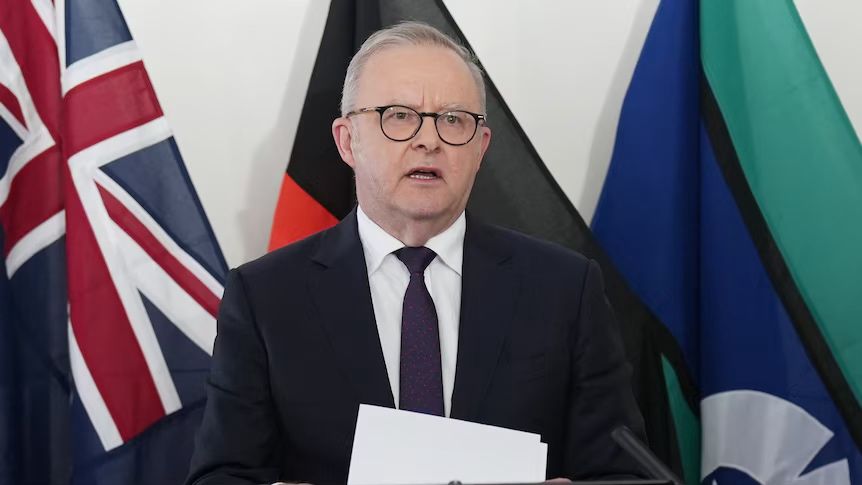
Gasp… a website that hasn’t been built securely. Let’s not blame AI for incorrectly accessing a website where the door was made of paper. We’ve been talking about this for months… the dam is showing cracks. Services Australia didn’t even know they had a breach until OpenAI told them. So many basic controls missed here. Be Dam Secure.
- BLACKBIRD.AISince 5 Oct 2026
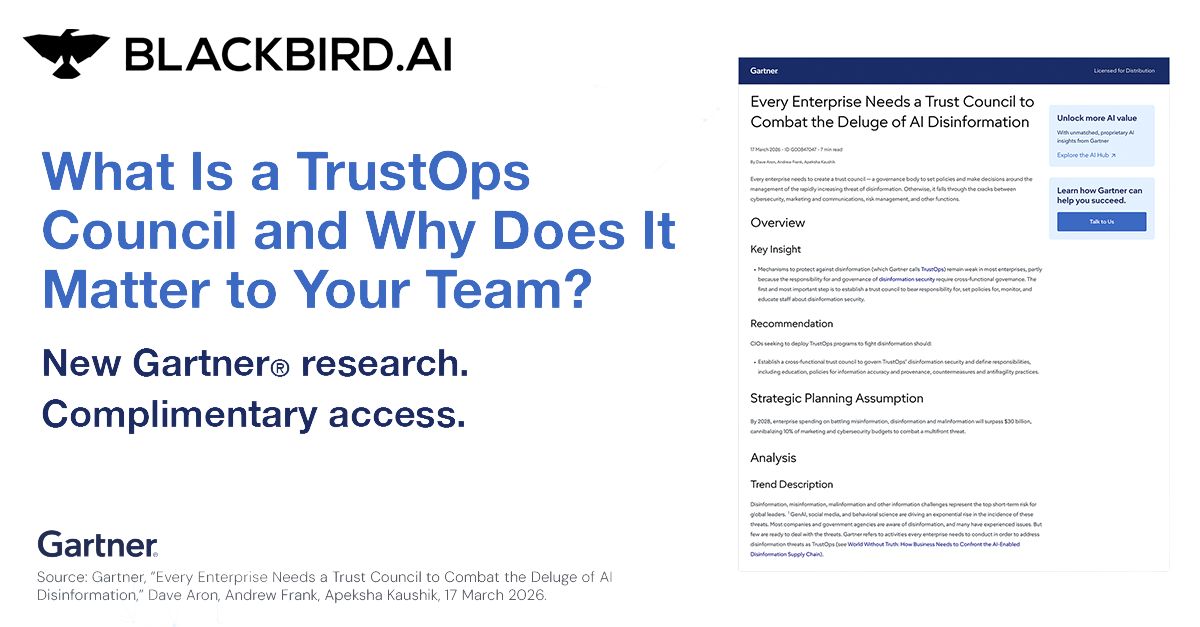
Gartner's latest report outlines why every enterprise needs a cross-functional trust council to combat disinformation threats and manage narrative risk. With AI and social media accelerating the spread of disinformation, most organizations don't have clear ownership or protocols for responding. To effectively counter disinformation, Gartner recommends comms, security, and risk leaders and enterprises: • Form a cross-functional trust council • Define policies for consuming and publishing accurate information • Identify harmful narratives quickly and act swiftly to address them Learn more about TrustOps and why every enterprise needs a trust council in this report: https://bit.ly/4ySBox3
- BLACKBIRD.AISince 5 Oct 2026
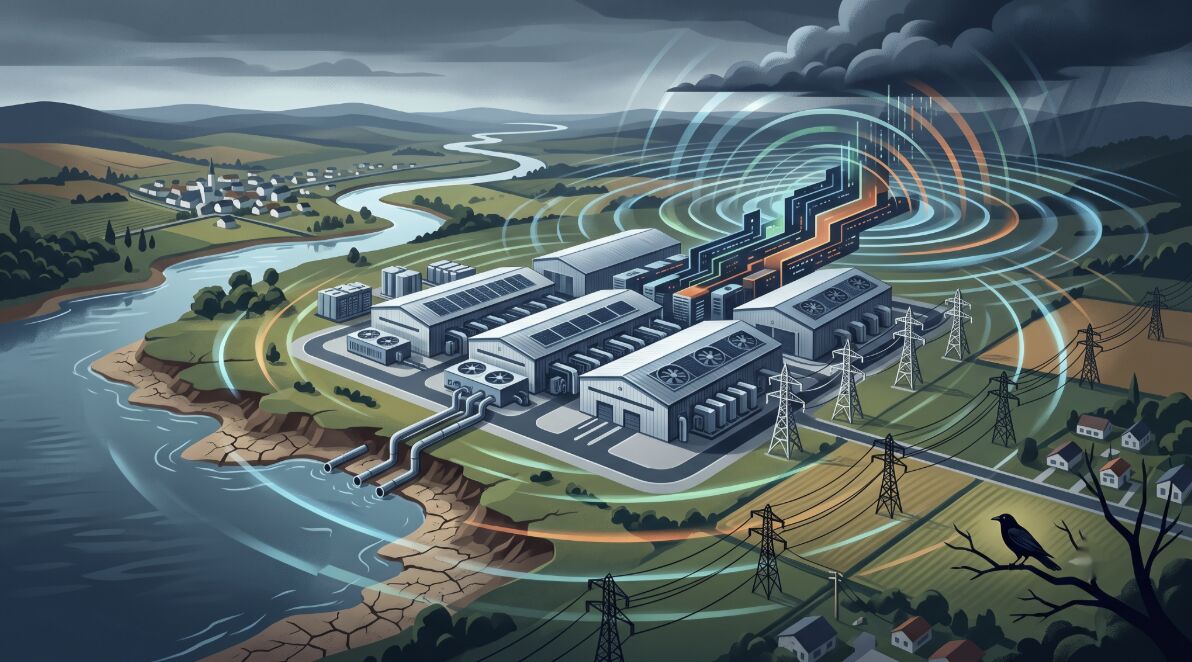
Foreign state-aligned networks are amplifying U.S.-based opposition to AI data centers, often by sharing existing content rather than creating their own. BLACKBIRD.AI RAV3N Research found that reposts and shares of existing anti-data center content made up 93–98% of posts from the foreign state-aligned networks analyzed. For CTOs and technology leaders, foreign amplification adds another risk to map as data center projects face community opposition and regulatory pressure. Full analysis here: https://bit.ly/4gqTBvi
- AsteliaSince 17 Sept 2026
I'm proud to share that Gartner just named Astelia a Sample Vendor in Unified Exposure Management Platforms, in its new Emerging Tech Impact Radar for Preemptive Cybersecurity. This validates something we've believed since we started the company: reachability analysis is foundational, even when AI is turning vulnerability management on its head. My main takeaways: • AI now chains vulnerabilities faster, making severity scores irrelevant • UEMPs unify discovery, validation, and remediation in one platform • UEMPs projected to exceed 50% of exposure management tools by 2028 • Defending against AI-driven threats requires UEMPs grounded in reachability 👉 Check out the full breakdown here: https://lnkd.in/gAsAgFTY
- AsteliaSince 24 Sept 2026
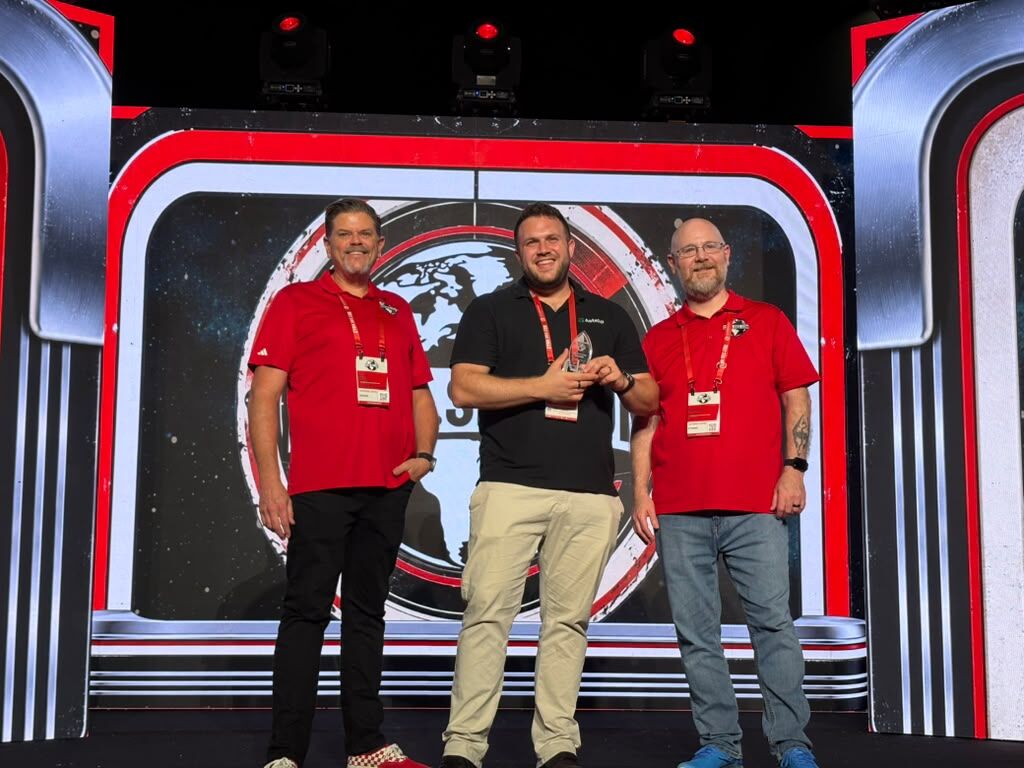
First place! 🏆 I'm thrilled to share that Astelia 𝗷𝘂𝘀𝘁 𝘄𝗼𝗻 𝘁𝗵𝗲 CYBR.SEC.CON 𝟮𝟬𝟮𝟲 𝗟𝗮𝘂𝗻𝗰𝗵𝗣𝗮𝗱 𝗰𝗼𝗺𝗽𝗲𝘁𝗶𝘁𝗶𝗼𝗻, picked from a strong field of early-stage security companies pitching to practitioners, CISOs, investors, and operators in Houston. Houston always feels like home, and helping some of the biggest names in oil and gas defend against cyberthreats is one of the things I'm proudest of at Astelia. Haven't run into you yet? Catch me on the Energy Stage at 1:15 PM, talking about how my Red Team years shaped my approach to defending against Mythos threats, or find me at the Astelia booth in Innovation Station. Huge thank you to Cybersecevents and this whole community for the warmth this week: Michael Farnum, Sam Van Ryder, John Barrow, Andy Ellis, Allan Alford, Kristen Twining, Patricia Matthews, Jesse Martinez. 🎉 Check out the announcement: https://lnkd.in/e9wwHPv5
- AssurixRecorded 7 Oct 2026
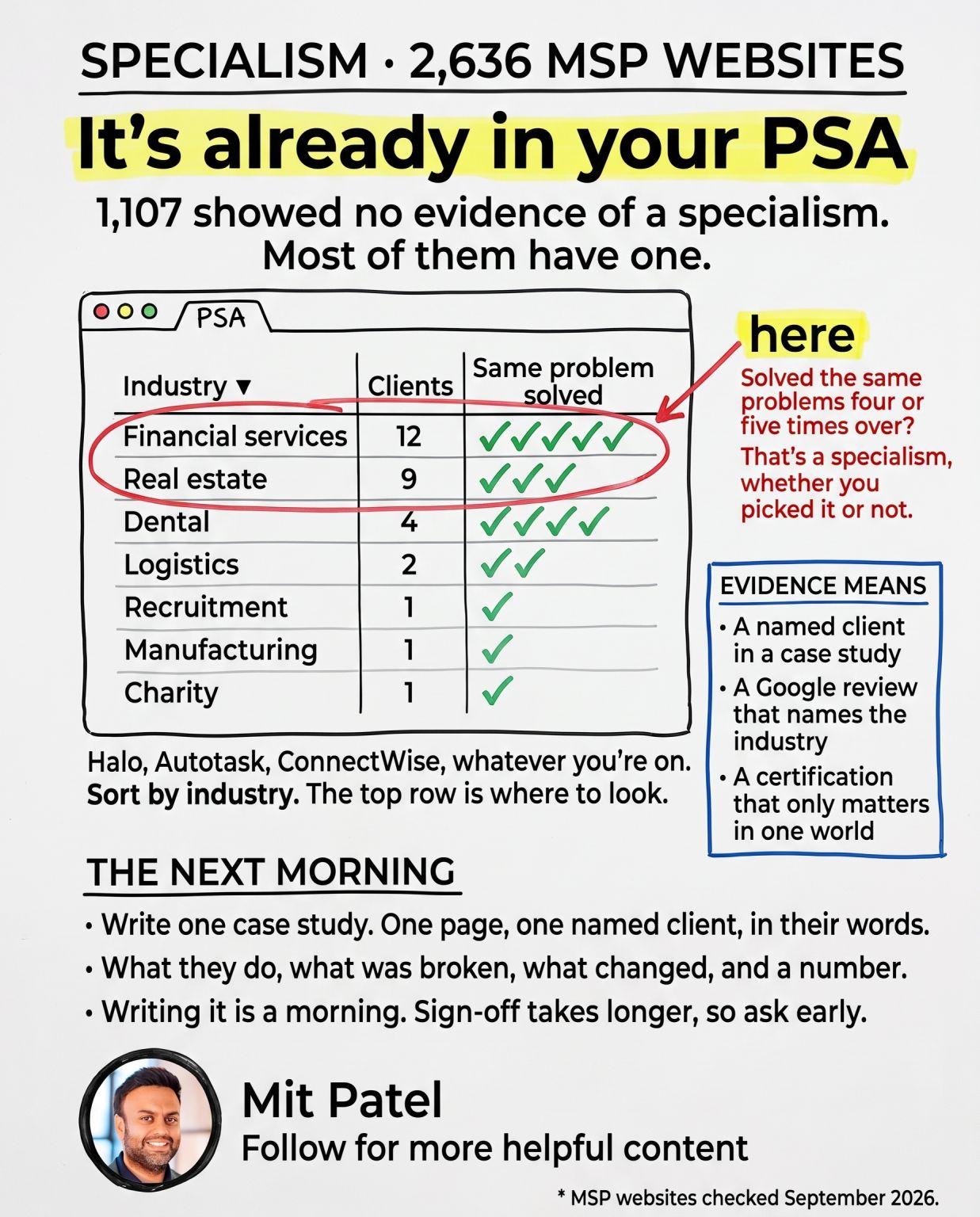
I checked 2,636 MSP sites for a specialism. 1,107 didn't show a single vertical. I mean proper evidence. A named client in a case study, a Google review that mentions the industry, a certification that only matters in one world. 42% had none of it on the page. Another 418 named small businesses, which isn't one. Nearly half the MSPs I looked at employ under 10 people, and almost ALL sell to SMEs about that size. I don't think those 1,107 are generalists. I think most of them are quietly good at one or two things and have never written it down anywhere a prospect can get visibility of it. my netstar vertical happened by accident. We won a few financial services clients at Netstar, they referred us to more, and one day I looked at the list and realised we were properly good at it. Same systems, same regulators, the same questions on a call. Nobody sat in a room and made a strategic decision, it was a very happy accident. That's when we started saying it out loud. Claiming it as our narrative.... And the customers kept coming. So for you, it isn't that you haven't got a specialism... It's just your ideal customer can't find you for it if you don't tell them. Someone asking around for a MSP who understands their world does what you'd do. they Ask Claude. then check 4 websites it brings up at 30 seconds of attention each. If it isn't on your page you wouldn't make the cut, and you'd never found out you'd lost. None of this needs a rebrand by the way. Open your PSA. Sort your clients by industry. The top row is where to look. If you've solved the same problems there four or five times over, that's a specialism, whether you picked it or not. Then write one case study about it. A named client, in their words, one page: what they do, what was broken, what changed, and why you were the choice. Writing it takes you a morning. Getting them to sign it off takes longer, so ask early. shouting about the specialism will bring clients. And in a world where winning new clients is a challenge this is one thing that can help. I'm curious what everyone else's turns out to be. I'm running a session on: Winning more clients without being the cheapest next Thursday 24th. Link in comments.
- ArmisSince 25 Sept 2026
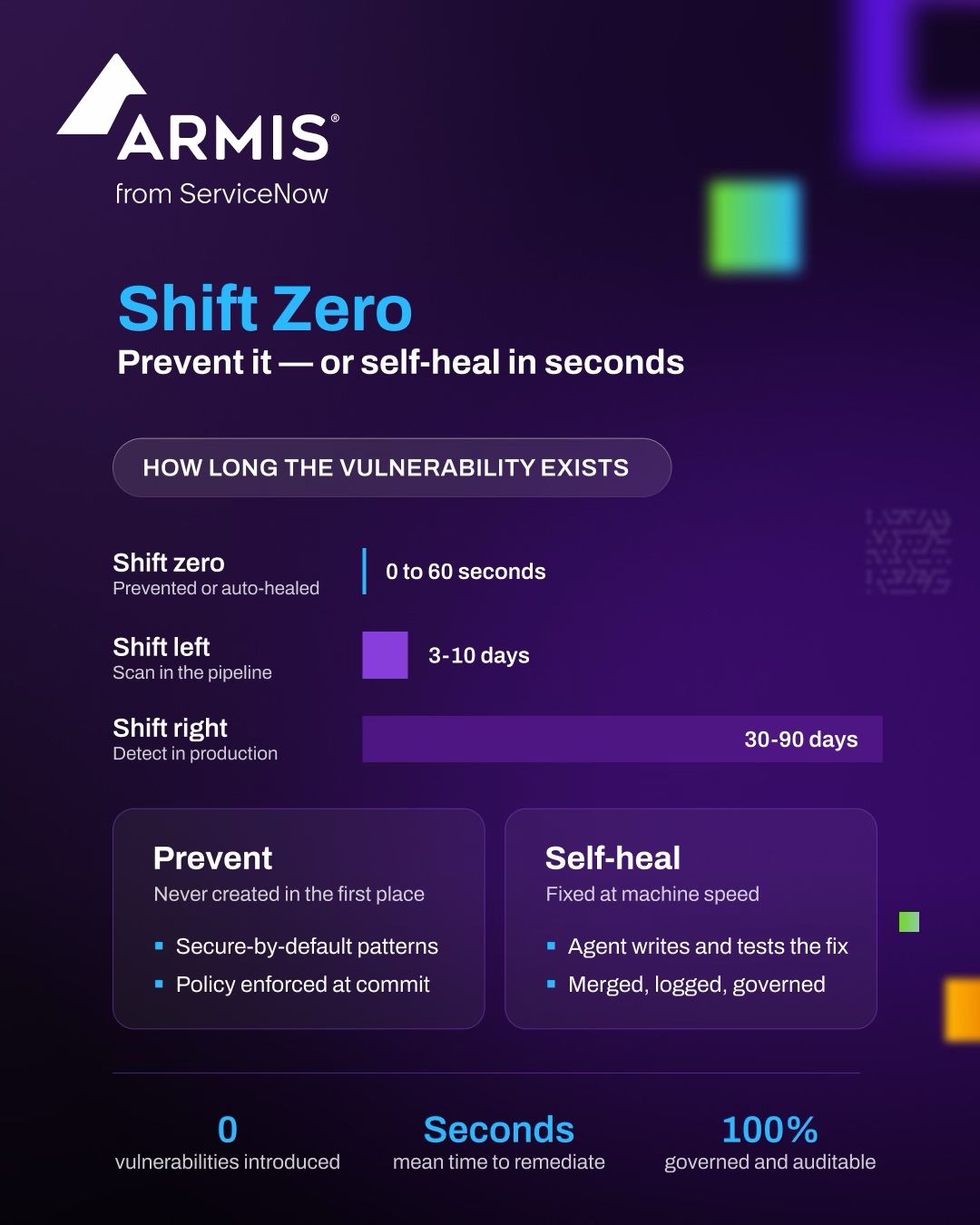
A vulnerability that lives in your pipeline for even 10 days is a risk. One that lives in production for 90 is basically an open invitation. "Shift left" got us real progress: detection time dropped from months to days. But days is still a long time when the other side is running autonomous AI that scans, weaponizes and exploits code around the clock. So the number I actually care about now isn't detection speed. It's exposure time: how long a flaw exists, from the moment it's created to the moment it's gone. The answer we've been building towards at Armis (by ServiceNow) is as close to zero as possible. Either the vulnerability never exists because secure patterns are enforced at commit, or it's caught and self-healed in seconds: patched, tested and merged before it ever reaches a human queue. We call this Shift Zero, and it's a genuinely different way to do the AppSec math. I went deeper on it, and the four layers behind it, in a recent piece here: https://armis.ly/4xG0Wx6 What's your team's real exposure window right now? Not your detection time. Your exposure time. #ApplicationSecurity #ShiftZero #ProductSecurity
- Andesite AIRecorded 5 Oct 2026
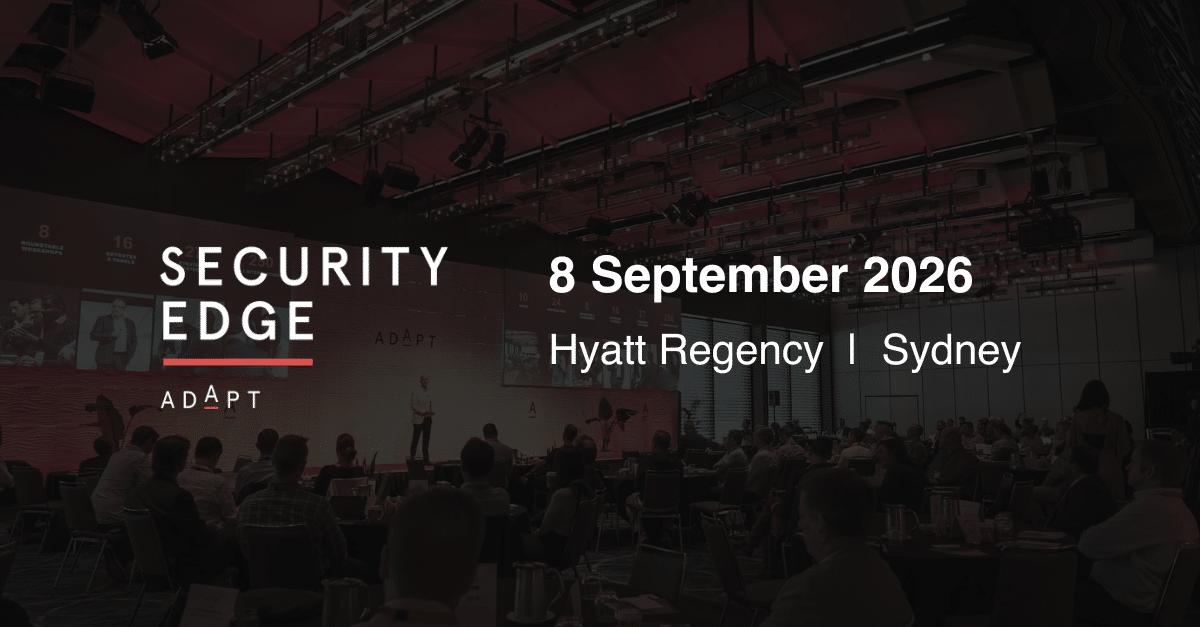
I’m heading to Sydney next week for ADAPT, and I’m looking forward to spending time with Australian security and technology leaders. One topic I expect will come up a lot: what should we actually be asking AI to do inside the SOC? There’s a lot of energy around automation right now, but I don’t think the goal should be removing humans from security operations. The more interesting opportunity is using AI to take on the repetitive, high-volume work so analysts can spend more time on the decisions that actually require experience, context and judgment. That’s the idea behind the Human-AI SOC we’re building at Andesite: let machines operate at machine speed, while keeping people at the helm. I’m especially interested in comparing notes on how teams are thinking about AI adoption, security data architecture, SOC efficiency and where human oversight matters most. If you’ll be at ADAPT Sydney on September 8, come say hello. And if you’d like to carve out some time for a deeper conversation, let’s connect while I’m there. See you in Sydney. https://lnkd.in/gHZgTwFV #Cybersecurity #AISOC #SecurityOperations #ArtificialIntelligence #ADAPTSydney
- AirMDR, Inc.Since 17 Sept 2026
“It has saved me hundreds and hundreds of personal hours.” That is how Adam F. described the impact AirMDR, Inc. has had on his day-to-day. Adam is the Head of Technology at Entech Sales and part of a three-person IT team supporting more than 500 employees. So, hundreds of hours is not a small thing. Before AirMDR, investigating one alert could mean an hour spent moving between firewall logs, domain logs, MFA activity and other tools just to understand what happened and decide whether he needed to take action. An hour here. Another hour there. A security alert on a Saturday. Another one while you're on vacation. It adds up. Today, AirMDR pulls that context together into one case. Instead of spending an hour investigating, Adam can review what happened and make an educated decision in a couple of seconds. When we started AirMDR, we wanted to build an MDR that actually took work off the customer's plate. Not another inbox to monitor. Not another partially investigated alert that someone on the customer's team still has to finish. Adam's “hundreds and hundreds of personal hours” is probably one of the simplest ways to measure whether we're doing that. For a three-person IT team, that is time back for everything else that needs to get done. But it's also nights, weekends and vacations that don't have to be spent investigating alerts. Adam shares more about his experience here: https://bit.ly/4gT5MBg
- AirMDR, Inc.Since 25 Sept 2026
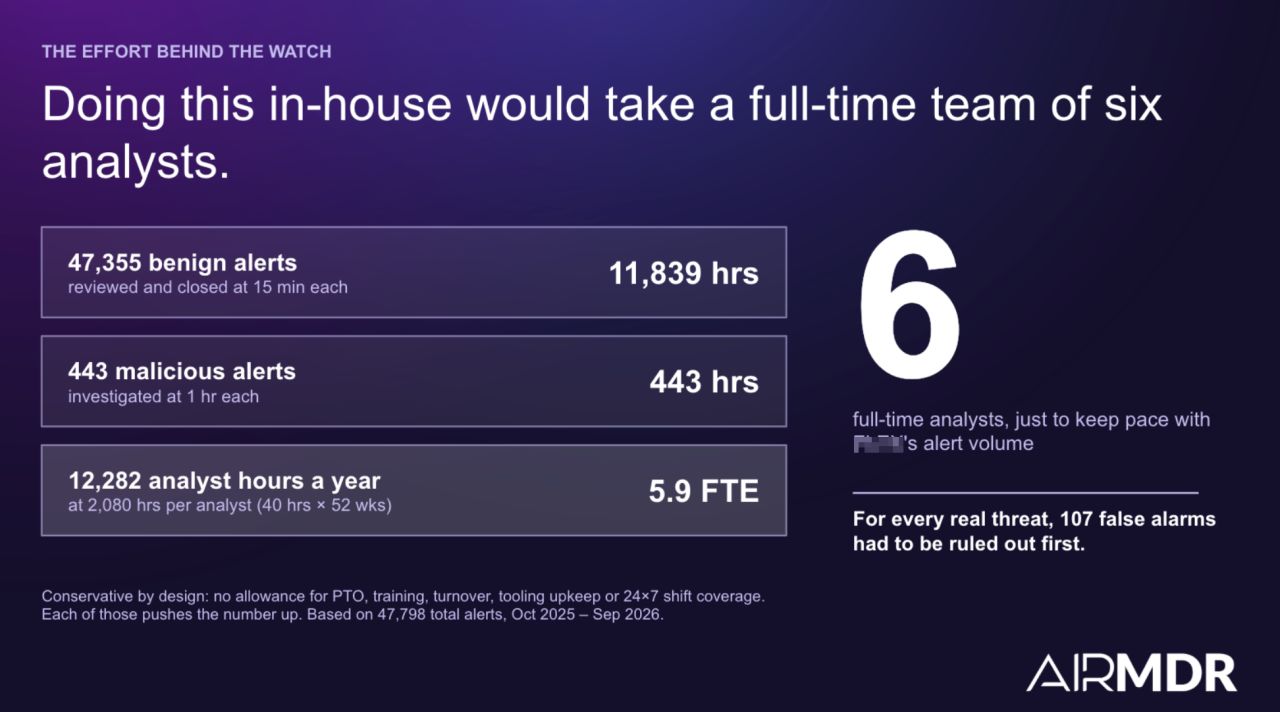
While reviewing what we have done for a customer in the last 12 months, one thing became clear: so many security tools generate alerts that are 99% noise. 900 alerts per week on average. Less than 9 real, actionable threats on average. Their entire security team is just 3 people. It would have taken them 6 analysts to figure out which 1% of alerts they should really respond to. AirMDR's cost of providing this service + 24x7 monitoring is less than 1/2 an FTE. And the quality of investigation is much better than what's possible in 15 min per alert. We are finally at a point where we can truly cure security teams of Alert Fatigue. If in 2026 you are still struggling with too many alerts, you are most likely using last-generation tech/processes. If your team is still triaging hundreds of alerts to find the handful that matter, here's how AI-powered MDR compares to the traditional model: https://bit.ly/3Tod9ri
- ActRecorded 3 Oct 2026
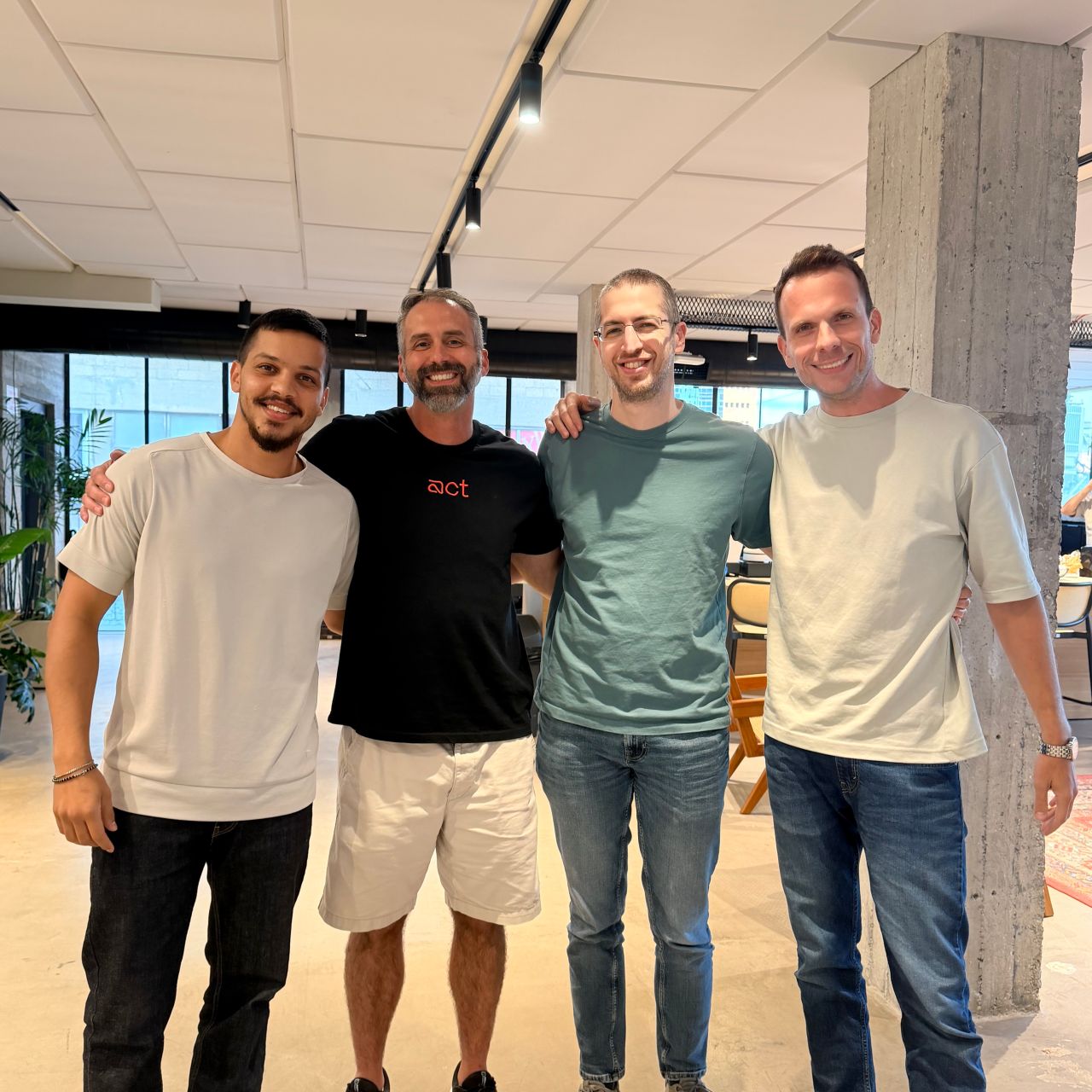
Big announcement: Eight years ago, I got my first taste of building cloud security tools. We were building a CSPM before the term even existed — we were just solving problems. That feeling of creating impact at scale has never left me. In 2022, I started building again under the name Cloud Copilot, and later created open source tools with a simple goal: "increase the security of the internet". Thanks to the generous feedback of many smart, thoughtful people, those tools grew into something that solved real problems for sophisticated organizations. A stealth startup reached out to talk about some of that work. Soon after, I had the chance to meet three of the cofounders of Act Security in person. It was immediately clear that this team was smart, talented, and deeply passionate about the same problems I cared about. Several conversations later, Act Security acquired Cloud Copilot, and I joined the team full time. There were a few big reasons I decided to join Act. First, the team is focused on solving foundational security problems. For years, I’ve wondered why one of the most fundamental questions in security — “who has access to what?” — still goes unanswered by even the most sophisticated teams in the world. Turns out, it's an incredibly hard problem. The Act founders saw the same problem and chose to lean into foundational security challenges instead of building tooling around the edges. Second, cybersecurity is a team sport. It takes much more than a good library to have a real impact on the industry. The Act team knows how to build, sell, and deliver enterprise software at global scale. Joining this team is a once-in-a-lifetime opportunity for a middle-class kid from Bellevue, Nebraska. Finally, AI is changing everything. Entire industries are being created, destroyed, and transformed right now. This is the time to make a big move and take a big swing; I believe this is the right team to do it with. Joining Act has already been an amazing experience. I get to work side by side with smart, talented, and kind people who are passionate about the same nerdy AWS edge cases I am. As great as it has been so far, I’m even more excited about the journey ahead and all the ways we’ll learn, have fun, and win together.
- AdvensSince 16 Sept 2026
SOC : Pourquoi la corrélation centralisée a déjà perdu la course. Les attaques, ce sont des détections. L’attaquant, c’est ce qui se répète, ce qu’on classe, ce qu’on prend pour du bruit. Matcher, on sait faire, y compris dans le flux. Ensuite on oublie, et on passe à l’événement suivant. Corréler, classifier, lire ce bruit : ça reste l’affaire d’un pipeline central. Le collecteur à l’edge a pourtant vu le message, avec le contexte de la machine. Une fois la ligne dépouillée et partie, ce contexte ne se reconstitue plus. Corréler plus tard, plus loin, c’est déjà un temps de retard. Si le lien vers le centre saute, il n’y a plus rien à recoller, et le SOC est aveugle. L’IA accélère l’investigation, mais elle ne comble pas ce trou de mémoire.
- AdvensSince 16 Sept 2026
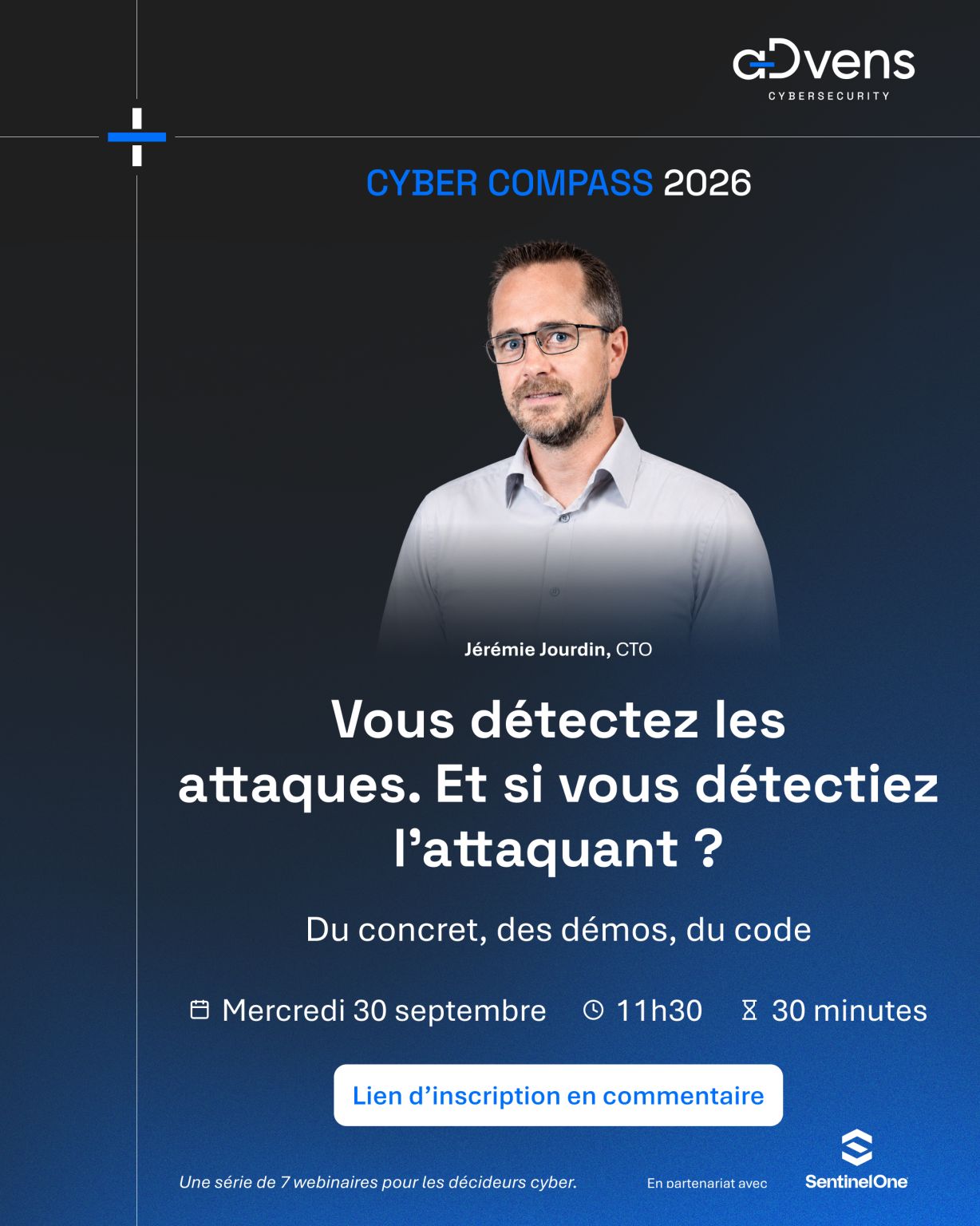
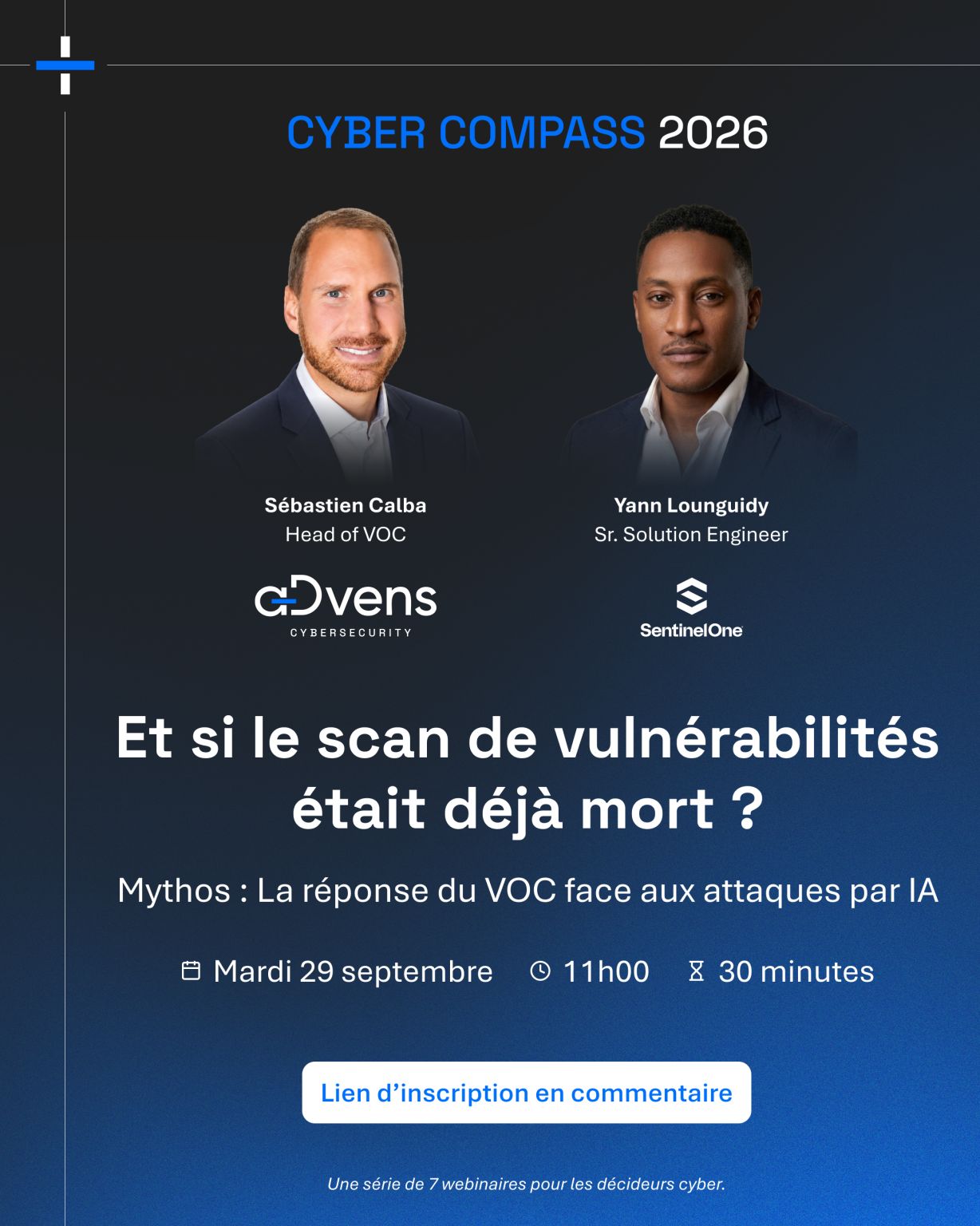
💡 Les attaques s'accélèrent avec l'IA. Nos processus de gestion des vulnérabilités, eux, sont souvent restés les mêmes. 🔍 Toujours plus de scans. 📈 Toujours plus de CVE. 📊 Toujours plus de tableaux de bord. Pourtant, les équipes sécurité disposent toujours des mêmes ressources pour réduire le risque. Face à des attaquants dont les capacités sont démultipliées par l'IA, la réponse n'est pas de produire davantage de rapports. ✅ La réponse est de prioriser mieux, décider plus vite et agir plus efficacement. C'est toute la promesse du VOC. 🎙️ Le 29 septembre, je partagerai ma vision de cette évolution : passer du simple scan de vulnérabilités à une approche plus continue, contextualisée et orientée action, capable de répondre au rythme imposé par les attaques modernes. #Cybersécurité #VOC #CTEM #AI


Other LinkedIn formats
Watch the companies you care about.
Filter every ad by industry, country, format and network, and get alerts when a company you watch starts running new ads.