LinkedIn thought leader ad examples
50 thought leader ads are live on LinkedIn right now, from 107 companies. Browse real ones, filtered by industry.
- Cedars DigitalSince 16 Sept 2026
America does not necessarily have a power generation problem. It has a power allocation problem. The U.S. already has more than 1,200 GW of installed generation capacity, while average load is only around 470 GW and recent summer peaks are roughly 750 GW. The bigger challenge is not simply building more power plants. It is improving transmission efficiency, regional load balancing, peak demand management, and the speed of infrastructure upgrades. But beyond the grid itself, there is another challenge that often gets overlooked: waste. Daytime streetlights may seem like a small issue, but they are often a visible symptom of deeper problems in city operations and infrastructure maintenance. If a city has 200,000 streetlights and just 5% remain on during the day, that means 10,000 lights are consuming electricity unnecessarily. Assuming each fixture is only 100W and remains on for an average of 14 unnecessary daylight hours per day, that adds up to more than 5.1 million kWh of wasted electricity annually, or roughly $766,000 in unnecessary electricity costs every year. And that is only the direct energy cost. The hidden costs are even greater: • Large numbers of failed photocells and insufficient maintenance crews • Aging control systems with no real-time visibility • Shorter fixture life • Additional carbon emissions • Municipal budgets being consumed by unnecessary operating costs Many cities do not lack budget. They lack efficiency. Limited budget leads to delayed maintenance. Delayed maintenance leads to more wasted electricity. More waste reduces available operating budget. And the cycle continues. A truly smart city is not just about replacing fixtures with LED. It is about making every light intelligent enough to know when it should be on, when it should be off, and when it needs maintenance. For many cities, improving lighting control efficiency is one of the easiest, fastest, and most overlooked ways to reduce waste. $800,000 per year could already support a meaningful upgrade of the lighting system. Upgrading to AI-connected lighting creates value far beyond energy savings. Cities can know in real time: • Which light is out • Which area has abnormal daytime burn • Which road segment is underlit • Which assets need priority dispatch Instead of waiting for citizen complaints, manual inspections, or failures to occur, cities can shift from reactive maintenance to predictive maintenance. The greatest value of AI-connected lighting is changing the model from “people searching for problems” to “systems identifying problems automatically.” This not only reduces electricity costs and carbon emissions, but also allows limited maintenance staff to focus on traffic signals, public safety systems, and other critical infrastructure. LEOTEK RenAI was recognized this year at the Edison Awards. Contact us to learn how AI can make road infrastructure dramatically smarter.
- BeCauseSince 22 Sept 2026
Getting a sustainability score is one thing. Knowing what to do with it is another. For me, that's where the interesting part starts and it starts with making sustainability visible for all our partners.
- Companion.energySince 6 Oct 2026
Rooftop solar, then a battery, then more. Most commercial and industrial sites we talk to already have on-site energy assets with their own control systems, but still lack a single coordinator: a local captain connected to every asset, the DSO and the optimiser. So what do you do? Rip out what's already there and start over? When does that make sense? Maarten Vyncke of Withthegrid on adding assets to a brownfield site, and why it's usually better to simplify sooner rather than later.
- Baker HughesSince 24 Sept 2026
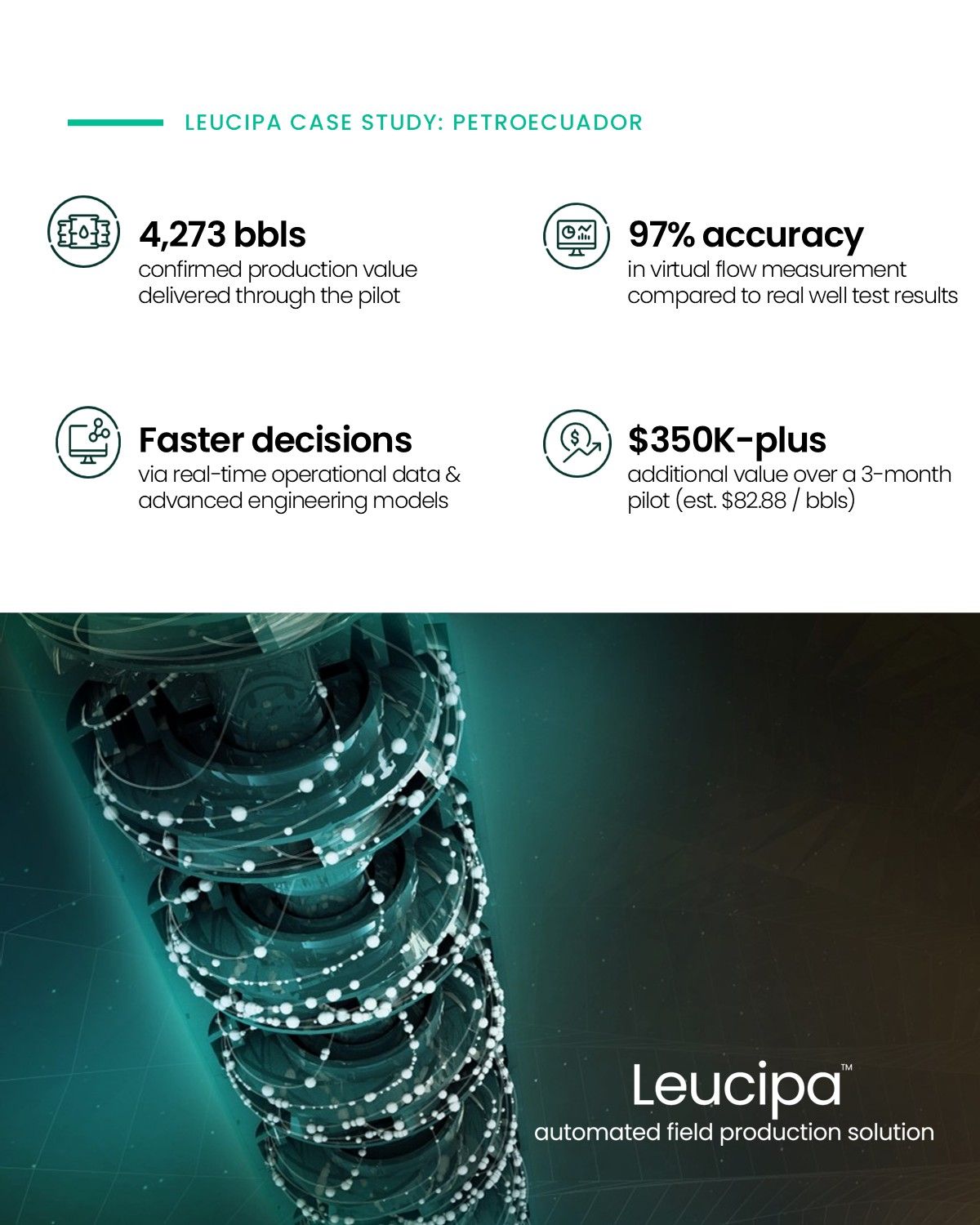
After more than 35 years in this industry, I can tell you one thing: the easy oil is gone. Its harder to find and produce to meet the worlds demand than it was when I started. That means getting more from existing assets is critical. But it’s rarely a straightforward process. High water cuts, reservoir constraints, and equipment reliability challenges can make production optimization easier said than done. Compounding those physical constraints is the data piece. Yes, most operators already have plenty of data. But it can be hard to translate data into a clear list of opportunities that can be prioritized by what matters most and then – most importantly! – execute those opportunities quickly. That’s exactly what EP PETROECUADOR set out to do. Working together, Baker Hughes deployed its Leucipa™ ESP optimizer across 71 ESP-equipped wells in Block 16-67 as part of a three-month pilot, helping shift production surveillance from a reactive process to a proactive, insights-driven optimization workflow. The results speak for themselves: • 55 optimization opportunities identified • 6% average production increase where recommendations were implemented • More than $350K in value delivered during the three-month pilot It's a great example of what's possible when operators move beyond data visibility and start using data to drive action. ➡️ Learn more about our work with Petroecuador here: : https://lnkd.in/gdHbGeic #WeAreBakerHughes #Leucipa #ArtificialLift #ProductionOptimization #BakerHughesDigital
- ArborRecorded 7 Oct 2026
August 10, 2026. That is the new proposed deadline for SB 253 emissions reporting. It sounds far away. It isn’t. Most companies will need to base their first Scope 1 and 2 report on fiscal year 2025 data. That means if you haven't started collecting your data yet, you are already behind schedule. Don't let a few months of delay trick you into complacency. On December 4th, Jamie Simon (Clearyst) and I are breaking down exactly how this timeline shift impacts your data strategy. Register here: https://lnkd.in/gb37SPZ7 #SB253 #CarbonAccounting #CARB #Sustainability #Compliance
- Integ Enterprise ConsultingRecorded 23 Sept 2026
I am speaking a the 2026 Generator Reliability Summit! RSVP in the comments. Join 200+ Leading Power Generation Experts for a Virtual Half-Day Summit on Generator Reliability alongside leaders from North American Electric Reliability Corporation (NERC), E.ON , NextEra Energy, Inc., Integ Enterprise Consulting , and more! Erin Westberg, Jamie Calderon, Eljar Akhgarnusch, John Cheney, Anna J Siefken, and more are hosting sessions on the impact of data centers and emerging technology on reliability strategies & standards. ___ ✅ 𝗟𝗲𝗮𝗿𝗻 𝗳𝗿𝗼𝗺 𝗜𝗻𝗱𝘂𝘀𝘁𝗿𝘆 𝗟𝗲𝗮𝗱𝗲𝗿𝘀 — Hear from a keynote speaker on "The Future of Generator Reliability" and gain insights from expert panelists representing utilities, OEMs, grid operators, and standards organizations ✅ 𝗡𝗲𝘁𝘄𝗼𝗿𝗸 𝘄𝗶𝘁𝗵 𝗣𝗲𝗲𝗿𝘀 — Connect with power generation professionals, reliability engineers, and utility operators facing similar challenges in virtual breakout rooms and networking sessions ✅ 𝗗𝗶𝘀𝗰𝗼𝘃𝗲𝗿 𝗜𝗻𝗻𝗼𝘃𝗮𝘁𝗶𝘃𝗲 𝗦𝗼𝗹𝘂𝘁𝗶𝗼𝗻𝘀 — Watch 4 cutting-edge technology companies demonstrate how they're solving real reliability challenges with innovative approaches ✅ 𝗚𝗲𝘁 𝗔𝗰𝘁𝗶𝗼𝗻𝗮𝗯𝗹𝗲 𝗜𝗻𝘀𝗶𝗴𝗵𝘁𝘀 — Leave with practical strategies you can implement immediately to improve generator performance, reduce downtime, and optimize operations 𝗣𝗲𝗿𝗳𝗲𝗰𝘁 𝗙𝗼𝗿: • Reliability Engineers seeking best practices and emerging solutions • Technology Innovators advancing utility-scale operations • Power Generation Professionals optimizing performance • Asset Managers focused on maximizing uptime • Utility Operators managing generator fleets Interested? DM me or Comment "Reliability" below for more information.
- Integ Enterprise ConsultingRecorded 23 Sept 2026
John Cheney is speaking a the 2026 Generator Reliability Summit! RSVP in the comments. Join 200+ Leading Power Generation Experts for a Virtual Half-Day Summit on Generator Reliability alongside leaders from North American Electric Reliability Corporation (NERC), E.ON , NextEra Energy, Inc., Long Duration Energy Storage Council (LDES Council), and more! Erin Westberg, Jamie Calderon, Eljar Akhgarnusch, John Cheney, Anna J Siefken, and more are hosting sessions on the impact of data centers and emerging technology on reliability strategies & standards. ___ ✅ 𝗟𝗲𝗮𝗿𝗻 𝗳𝗿𝗼𝗺 𝗜𝗻𝗱𝘂𝘀𝘁𝗿𝘆 𝗟𝗲𝗮𝗱𝗲𝗿𝘀 — Hear from a keynote speaker on "The Future of Generator Reliability" and gain insights from expert panelists representing utilities, OEMs, grid operators, and standards organizations ✅ 𝗡𝗲𝘁𝘄𝗼𝗿𝗸 𝘄𝗶𝘁𝗵 𝗣𝗲𝗲𝗿𝘀 — Connect with power generation professionals, reliability engineers, and utility operators facing similar challenges in virtual breakout rooms and networking sessions ✅ 𝗗𝗶𝘀𝗰𝗼𝘃𝗲𝗿 𝗜𝗻𝗻𝗼𝘃𝗮𝘁𝗶𝘃𝗲 𝗦𝗼𝗹𝘂𝘁𝗶𝗼𝗻𝘀 — Watch 4 cutting-edge technology companies demonstrate how they're solving real reliability challenges with innovative approaches ✅ 𝗚𝗲𝘁 𝗔𝗰𝘁𝗶𝗼𝗻𝗮𝗯𝗹𝗲 𝗜𝗻𝘀𝗶𝗴𝗵𝘁𝘀 — Leave with practical strategies you can implement immediately to improve generator performance, reduce downtime, and optimize operations 𝗣𝗲𝗿𝗳𝗲𝗰𝘁 𝗙𝗼𝗿: • Reliability Engineers seeking best practices and emerging solutions • Technology Innovators advancing utility-scale operations • Power Generation Professionals optimizing performance • Asset Managers focused on maximizing uptime • Utility Operators managing generator fleets Interested? DM me or Comment "Reliability" below for more information.
- Invinity Energy SystemsSince 3 Jun 2026
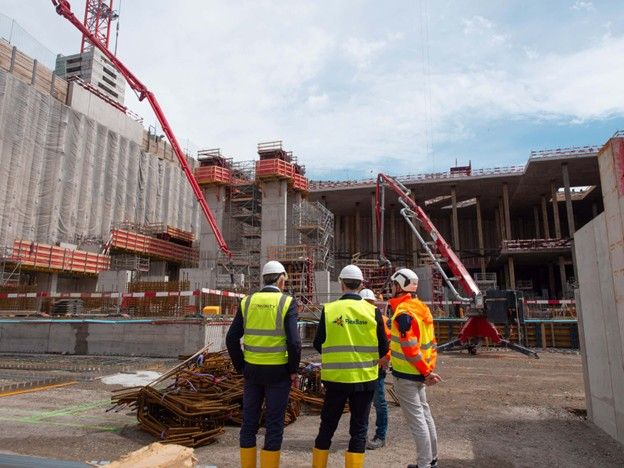
“Thrilled” doesn’t quite capture how excited we at Invinity Energy Systems are to announce that we’ve been selected by FlexBase Group as their strategic partner to build a gigawatt-hour scale flow battery for their Technology Centre Laufenberg. More details are in our announcement, linked below. This is a massive moment for us. We’ve always been excited by the capabilities our batteries deliver to our customers. Project after project, we’ve proven at scale how our batteries can be the high-throughput, flexible, durable solution our customers need for a future low-cost, low-emission, high-reliability electric grid. But today, that grid is heaving under new loads it was never designed to serve. Datacenters are being built at a rate that threatens electricity cost and reliability. And the size of those datacenter loads isn’t even the toughest problem. Frontier AI clusters drawing a gigawatt or more often feature tens of thousands of GPUs that operate in concert with one another; as they initiate then complete a training task, their electricity draw can go from 0% to 100% then back in an instant. That’s the equivalent of a city of a million residents popping onto the grid, then almost immediately disappearing. Managing that kind of load, and that kind of load growth, is going to require new tools. Transmission is already constrained. Existing generation assets can’t respond fast enough. And lithium-ion batteries can’t deliver the cycles needed to keep up. Fortunately, as of today, the answer is clear: Invinity’s vanadium flow batteries are the right tool for the AI datacenter challenge. Bring it on. https://lnkd.in/e6D95Xt3
- GradyentSince 27 Feb 2026
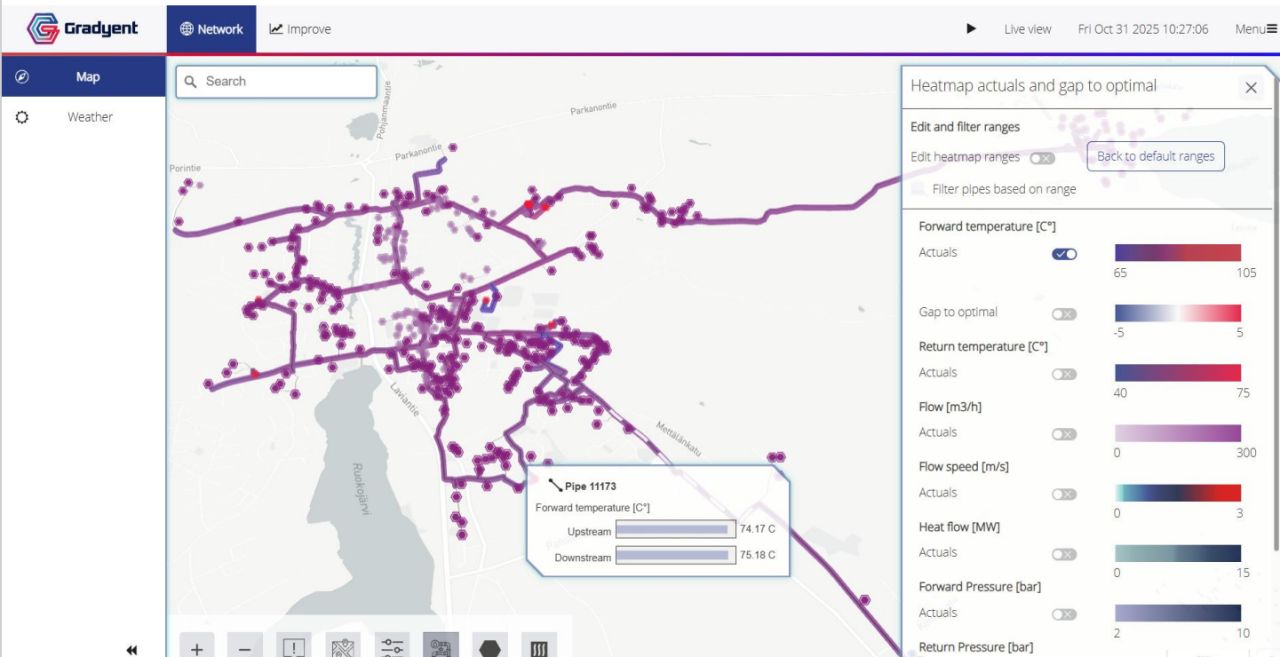
Fjärrvärme är fortfarande en av de mest tillförlitliga och hållbara uppvärmningslösningarna i Sverige, men stigande kostnader, varierande bränslepriser och ökande miljökrav sätter leverantörerna under press. Hur kan man behålla prisvärdheten samtidigt som man säkerställer hållbarhet och lönsamhet? För att behålla konkurrenskraften behövs mer än små stegvisa förbättringar. För att hantera ett allt mer komplext system krävs inte bara realtidsinsikter, utan förmågan att aktivt optimera hela värdekedjan – från produktionsval och lagring till nätets beteende och leveransen till kund. När systemet kan optimeras som en sammanhängande helhet kan man kontinuerligt välja rätt produktion, minimera förluster, utnyttja flexibilitet och reagera på pris- och efterfrågeförändringar i realtid. Utan den kapaciteten riskerar man både onödiga kostnader och en mindre robust drift. 💡Effekten av realtidsoptimering är redan bevisad. Det finska fjärrvärmebolaget Vatajankoski har i flera år använt en digital tvilling för att optimera sin drift och belönades nyligen på Global District Energy Awards för sitt engagemang i att leverera ren, flexibel och motståndskraftig energi. Nyfiken på hur Gradyents digitala tvilling hjälper Vatajankoski att samtidigt minska värmeförluster, energikostnader och CO₂‑utsläpp i en allt mer komplex produktionsmiljö? Läs mer här! https://lnkd.in/eDtw6nZC
- GradyentSince 4 Apr 2026
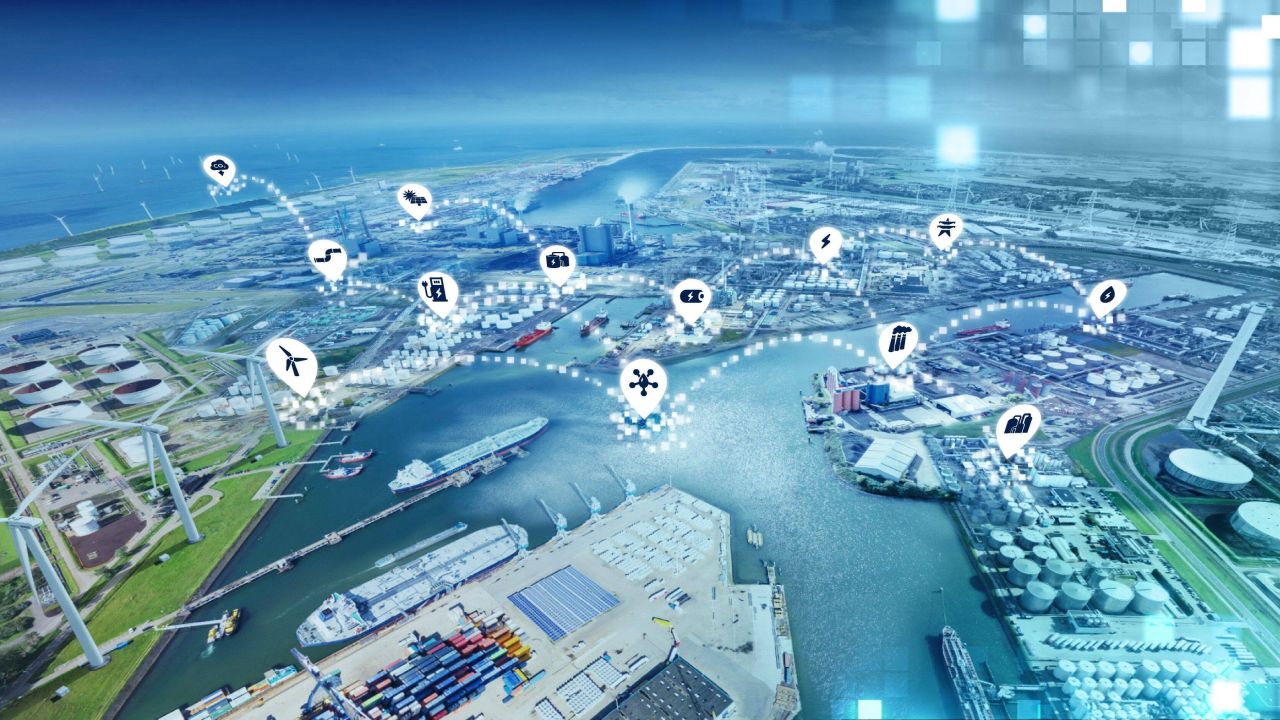
The Port of Rotterdam is moving toward a highly dynamic energy future — where electrification, hydrogen, offshore wind, heat networks and price variability interact every second. Understanding this complexity is no longer a luxury, but a requirement. In the Port of Rotterdam’s Digital Report 2025, I shared how Gradyent’s physics‑based Digital Twin helps reveal these interactions across industrial clusters. From waste‑heat reuse to electrolysers, from steam networks to wind‑driven price swings, the model shows how one change influences the entire system. This is exactly what the Virtual Energy System (VES) aims to provide: a transparent, integrated view of the port’s current and future energy landscape. The proof of value demonstrated how dependencies, flexibility and profitability must be assessed together — not in isolation. As the port evolves toward climate neutrality by 2050, including major projects like Air Liquide’s 200 MW ELYgator hydrogen plant, real‑time insight will be key to making decisions that are sustainable, resilient and economically sound. How do you see shared, real-time energy insights influencing the way industrial clusters plan investments as ports like Rotterdam shift toward hydrogen and electrification? I’d love to hear your thoughts.
- SupercriticalSince 27 May 2026
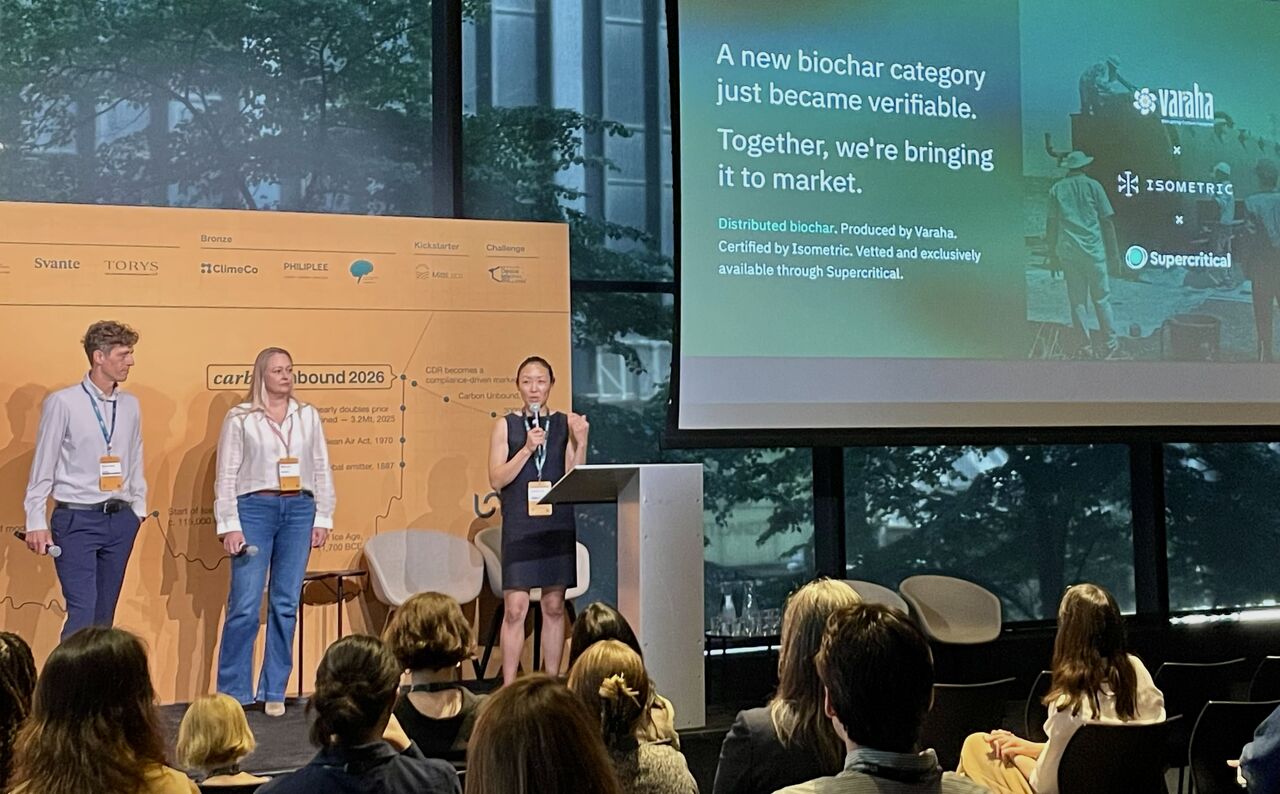
Big news for biochar: Ikarus Janzen, Stacy Kauk, P.Eng., and I announced onstage at Carbon Unbound New York that Supercritical has signed an exclusive agreement with Varaha for a new category of biochar credits, certified under Isometric's Distributed Biochar Module. Biochar quality is a spectrum. Until now, buyers had to choose between industrial biochar (high confidence and rigorous verification, but constrained supply) and artisanal biochar (low costs and high community co-benefits, but harder to verify). Distributed biochar bridges the two, bringing industrial-grade verification to decentralized operations at a more accessible price point and with meaningful co-benefits. Our lead climate scientist, Dr. Genevieve Hodgins, has traveled the world assessing projects in the field, and she contributed to the Isometric protocol that sets the certification standard for this category. I’m a big believer in Varaha. Their operations in India convert invasive species into biochar, returning revenue directly to farmers. Google and Microsoft are already customers. And it's the second-largest CDR project in the world by deliveries. The deal makes Supercritical the exclusive route to market for Varaha's distributed biochar credits, with 10,000 tonnes available in 2026. I’m really proud of our collaboration. Press release and our Critically Speaking newsletter on biochar quality are both in the comments.
- SupercriticalSince 25 Jun 2026
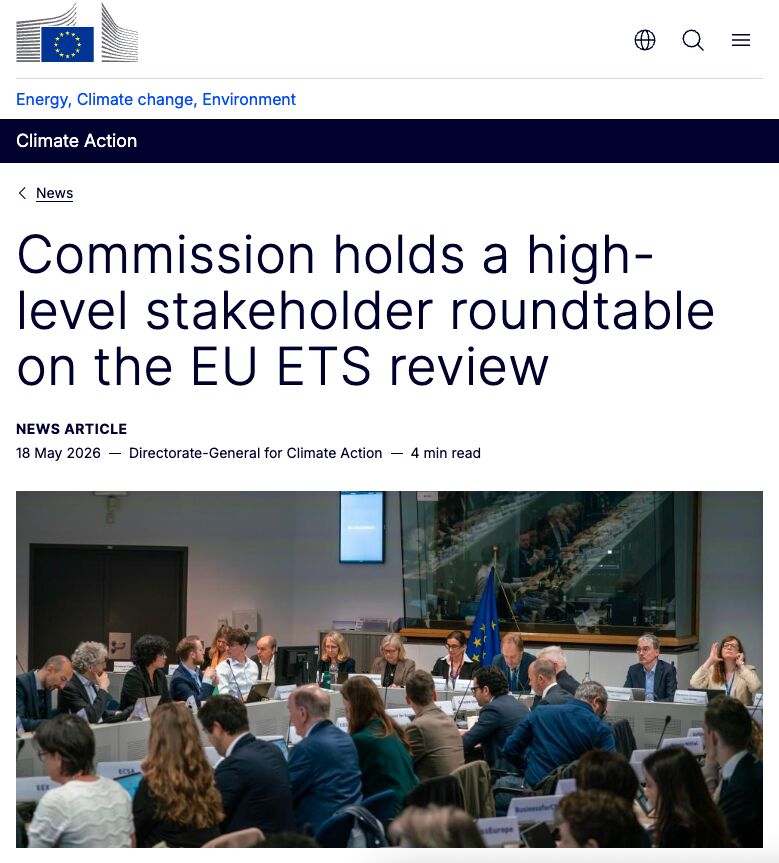
Last week at the #CRCF Days in Brussels, the European Commission launched the CRCF certification recognition process and an EU Buyers Club for carbon removals. The EU CRCF is now moving from legislation into implementation, beginning to bridge voluntary commitments towards compliance. But the discussions revealed one key gap in policy: the lack of clear guidance on how carbon removals count in compliance frameworks. The EU Commission plans to publish their #ETS legislative proposal on 15 July, with plans to integrate permanent carbon removals. Which #CDR pathways will be included is still an open question. Sectoral classification helps justify inclusion of DACCS and BioCCS, which neatly map onto ETS-exposed sectors. Biochar and enhanced rock weathering (ERW) sit better within LULUCF, tied to agriculture and forestry which are not covered by the ETS. Several member states have proposed classifying biochar under LULUCF, and the Commission wants consistency across Europe. The administrative logic makes sense. But it is too binary and overlooks the cross-sector applications of some CDR technologies. E.g., biochar processes can generate biofuels and biochar-enhanced asphalt/cement; mineralisation can produce carbonated materials for low-carbon cement. These are products for ETS-exposed sectors. Meaning sectoral classification tells an incomplete story. I see this more broadly across CDR governance. Policy design based on who is advocating loudest, or how neatly technologies fit into existing regulatory categories. The current policy system may work for the CDR methods available today, but if the framework is too rigid, it will exclude the next generation of approaches looking to enter the market over the coming years. No single pathway gets us to 10 billion tonnes of carbon removals annually by 2050. We cannot afford to sideline one method over another. Pathway agnosticism is harder in practice than in theory. It means resisting the urge to advocate only for the technologies you know best, and it means engaging seriously with methods you might instinctively dismiss. Governance frameworks should evaluate what works based on evidence. The decisions being made right now on CDR ETS integration, policy incentives, quality and reporting standards will define the architecture and growth rate of carbon removal markets for decades. We should make sure those decisions are guided by what the climate actually needs. Recordings and presentation slides of these key EU events are available below CRCF Days: https://lnkd.in/e5gfjVvQ High-level Roundtable on EU ETS Review: https://lnkd.in/eMu_p-UX
- Green Project TechnologiesSince 15 Jul 2026
Five years ago, Green Project was a tiny team in New York helping suppliers and private equity portfolio companies calculate their carbon emissions. Back then, I looked up to companies like Optera and Emitwise. They were working with the enterprise customers we hoped one day we'd have the chance to serve. As we grew, something surprised me. The biggest challenge for enterprises wasn't just measuring emissions or even Scope 3. It was trying to manage decarbonization across disconnected systems, fragmented data, and multiple providers. That realization completely changed our vision. Today, I'm thrilled to share that Green Project has acquired Optera. Combined with our recent acquisition of Zeroute, we're bringing together enterprise carbon accounting, supplier engagement, renewable energy procurement, and science-aligned transition planning into a single platform. More importantly, we're bringing together incredible people. Tim Weiss will join as CRO and Ty Colman focused on global strategic accounts, while Ed and Ben continue leading Product and Engineering alongside the amazing Green Project team that got us here. Together, we now support 100+ enterprise customers, 6,000 suppliers, and many Fortune 500 companies. I truly believe we're building something that can transform how enterprises approach decarbonization. A huge thank you to everyone at Green Project Technologies, Optera (now part of Green Project Technologies), Zeroute (Now Part of Green Project), Emitwise (now part of Green Project), and to our customers and partners who believed in us along the way. Five years ago, I hoped we'd one day get the chance to work with companies like Optera. Now I'm proud to say we're on the same team. Read more: https://lnkd.in/dR3kJVk7
- Green Project TechnologiesSince 15 Jul 2026
Today is a truly special day, because I get to share something that has been in the works for quite a long time. I'm proud to announce that Optera has been acquired by Green Project Technologies (an ACT Group company)! This milestone marks the beginning of an incredible new chapter for Optera, our customers, partners, and, I believe, the industry as a whole. We started Optera with a clear mission: to accelerate the transition to the low-carbon economy. Our mission led us to build a leading carbon accounting and sustainability management platform used by many of the world's largest companies, including Target, HPE, Intel, Saks, John Deere, KKR, Emerson, Lime, Toast, Robinhood, Box, and many more. Joining forces with Green Project and ACT Group, we now have the opportunity to work toward this mission on a truly massive scale. With thousands of enterprise customers, a global team, one of the largest renewable energy trading companies worldwide, and a fully end-to-end carbon management platform for companies at any stage in their journey, the impact we can have gives me chills. I'm proud to join the leadership team at Green Project as the Chief Revenue Officer. Together, we have an incredible opportunity to move this industry and the sustainability efforts of thousands of global corporations forward at a pace I could only have dreamed of before. Looking back on this journey, I am so grateful for the opportunity to lead and help build Optera. I'm a different and better person than I was when we started in 2016. Thank you to everyone who believed in Optera and me over these past 10 years (customers, employees, investors, partners, and spouses). I'm proud of what we accomplished together and how we did it. None of this would have been possible without your support at every stage. I'm ending this stage of the journey with a full heart, a bald head, and some wisdom I'll take with me the rest of my life. Onward to this next chapter!
- Groupe ButagazSince 25 Aug 2026
« L'énergie, ce n'est pas palpable. » C'est une phrase du sociologue Arnaud Zegierman qui m'a interpellé lors de notre dernier échange consacré à la transition énergétique. Il a raison. Contrairement à un geste que l'on voit : l'avion qu'on ne prend pas, le vélo qu'on choisit. L'énergie reste, par nature, difficile à saisir. Molécule de gaz, électron renouvelable, solution qui décarbone… Rien de tout cela ne se donne à voir. Et c'est probablement pour cela que la pédagogie devient centrale : c'est elle qui permet de mieux comprendre, de rendre la transition concrète, et d'agir. Ce que la sociologie nous montre est riche d'enseignements : la défiance des Français vis-à-vis de la transition n’est pas une question de conviction, c’est davantage de la méconnaissance. Pour passer à l'action, ils souhaitent des repères. Ils attendent qu'on leur explique. Pour ceux qui, comme nous, ont le privilège d'intervenir sur ces sujets au quotidien, c'est à la fois un défi et une responsabilité : parler vrai, être concret, faire de la pédagogie en prenant en compte ce que chacun vit dans son quotidien. Et vous, dans votre entreprise, dans votre secteur, quelle place donnez-vous à la pédagogie pour construire la confiance ? #TransitionEnergetique #Confiance #Transformation
- Greenbuddies.euSince 9 Sept 2026
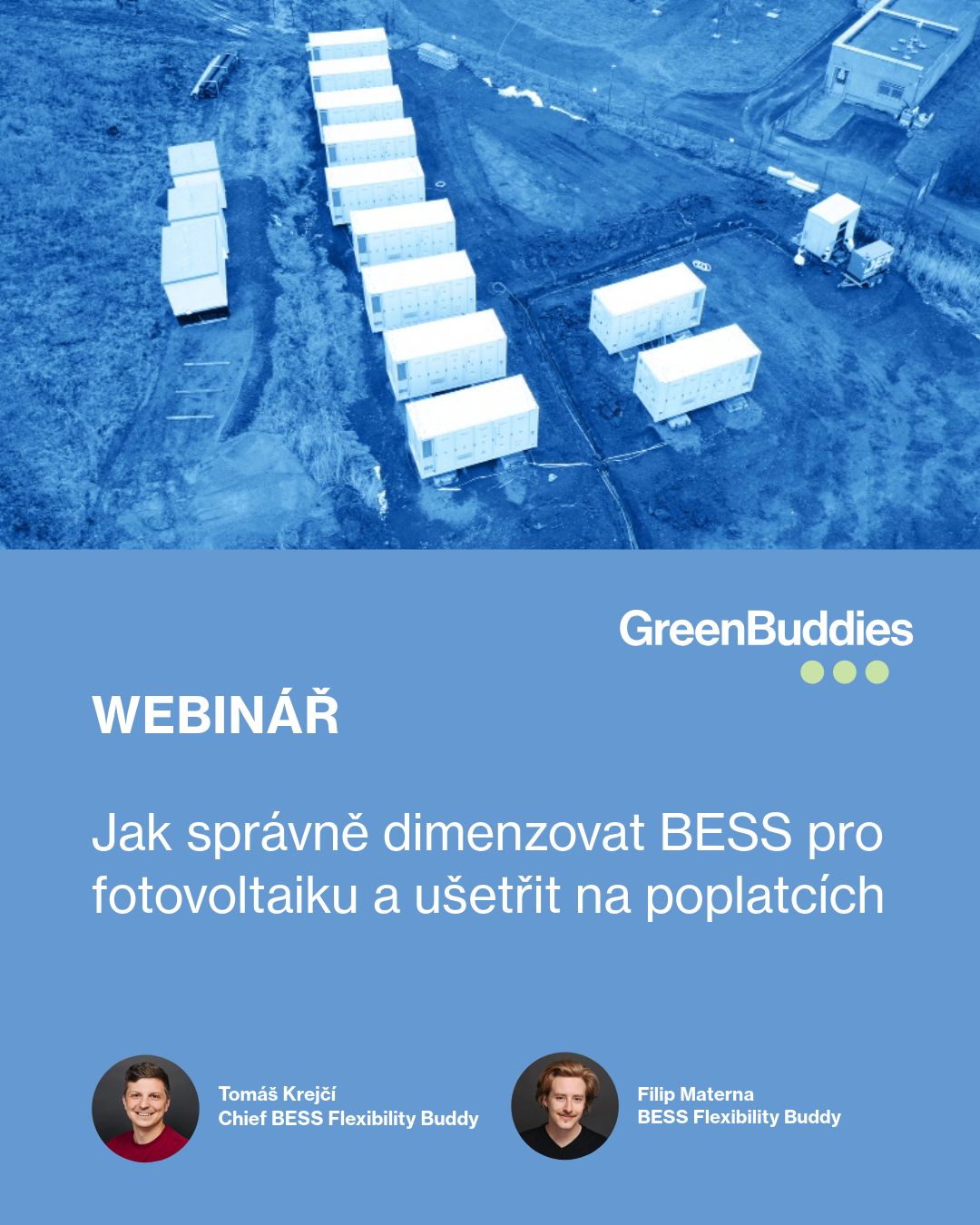
Pokud chcete mít BESS u fotovoltaiky, nestačí jen přidat baterku. Důležité je hlavně správně ji nadimenzovat. 🔋 Příliš malá baterie nevyužije potenciál FVE, příliš velká zase nemusí ekonomicky dávat smysl. Do toho vstupuje profil spotřeby, řízení toků energie i distribuční poplatky. A právě o tom jsme připravili další webinář Greenbuddies.eu . Registrace: https://lnkd.in/dh_iFbnP Společně s Filip Materna si 16. 9. od 10:00 ukážeme, jak nad dimenzováním BESS k existující nebo plánované FVE přemýšlet, jak zvýšit vlastní spotřebu vyrobené energie a kde může správné řízení pomoct snížit náklady. Pokud máte ve firmě FVE nebo její výstavbu plánujete, přijďte si to s námi rozebrat. #GreenBuddies #BESS #Webinar
- GoodPowerRecorded 21 Sept 2026
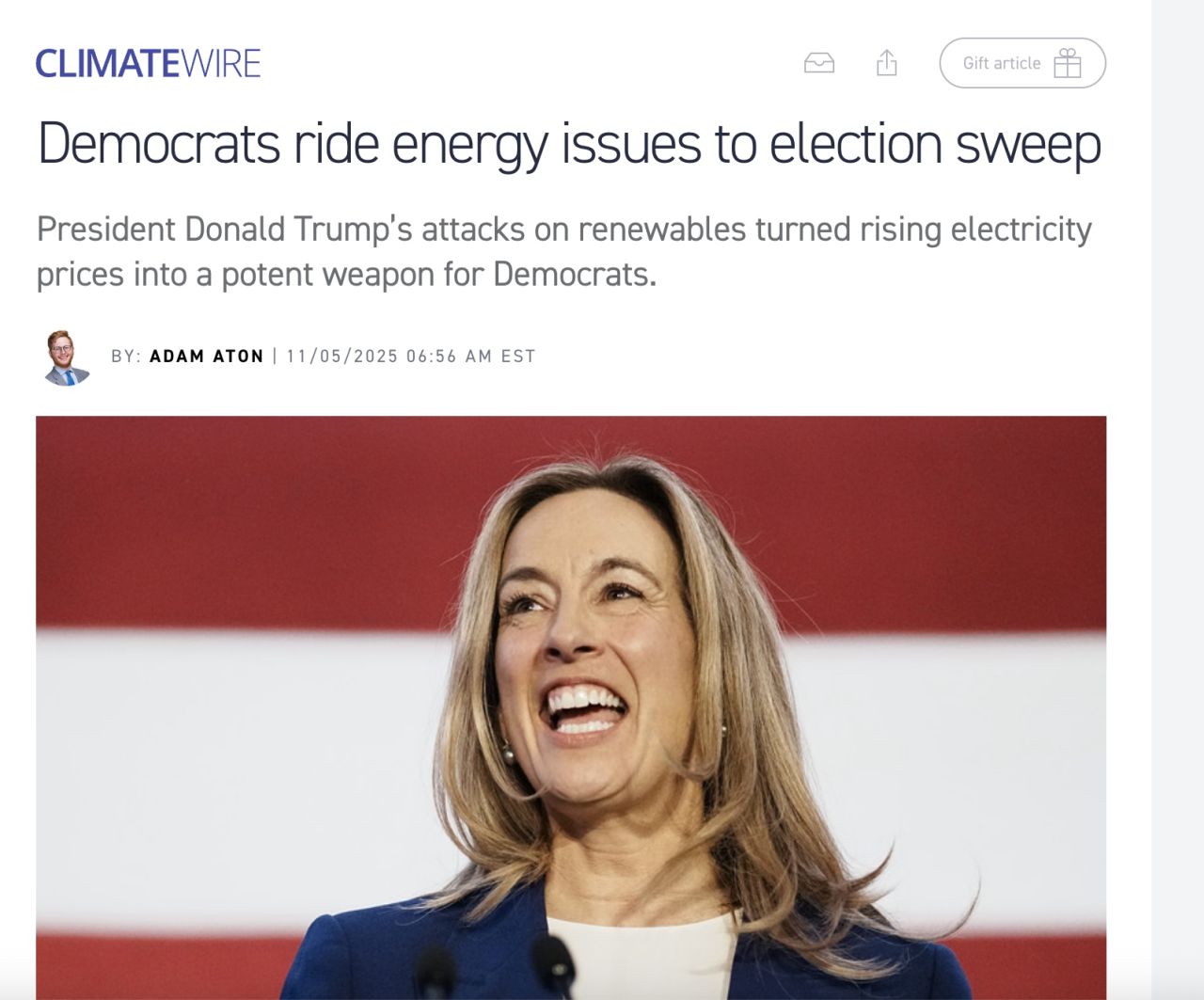
In Georgia, turnout in a Public Service Commission race hit nearly 20%—four times higher than usual, because lower energy bills were literally on the ballot. In Virginia the winning candidate promised to jumpstart offshore wind, while in New Jersey the victor swore she’ll lean on utilities to cut prices. Democrats swept elections across the country yesterday by focusing on energy bills, jobs and fairness—not abstract climate goals. Voters don’t want slogans. They want lower bills, good local jobs and a fair deal for their communities. Energy costs aren’t a side issue anymore—they’re the story. And in 2026, they’ll define who wins and who loses. GoodPower #GoodPower
- GridX, Inc.Recorded 21 Sept 2026
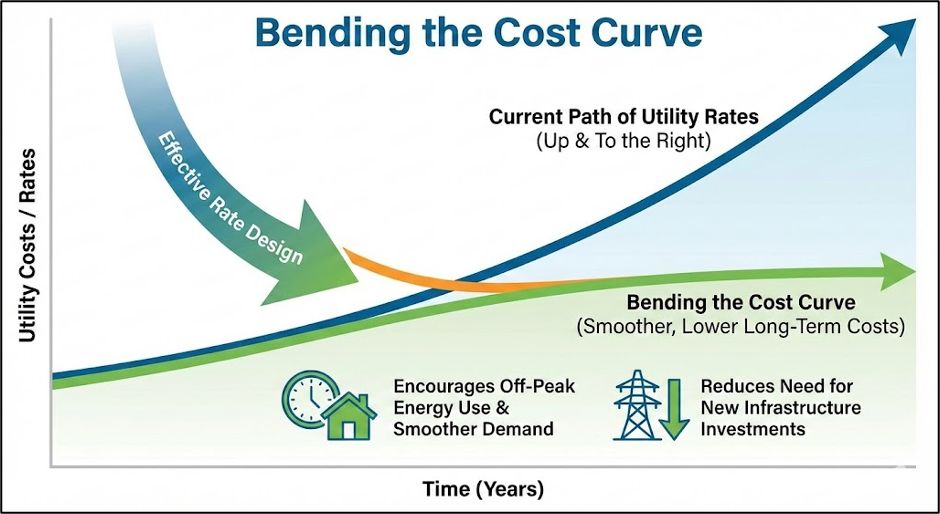
If you know me, you know I am on the road all the time. For at least the last year, the two themes I have heard most about in my travels at conferences, trade shows, or meetings at clients’ offices are Data Centers and Affordability – for good reason. These are the two defining challenges/opportunities for our industry to manage in both the very near-term and for the foreseeable future. What’s more, they are inextricably linked. At GridX, we are building software solutions that help manage the entire lifecycle of a utility rate or program. More and more our clients are thinking about rate design and customer rate education in the context of solving their affordability challenges. I believe the work we have done in this piece called Bending the Cost Curve is incredibly timely and critically important for our industry. If you’re like me, however, this concept of bending the cost curve may not be obvious and/or intuitive. So, to add to the report in this post, I went to Nano Banana to help me make it easy to quickly understand. As you can see, the simple distillation of bending the cost curve is “using rate design to drive energy usage behaviors that creates savings for the grid and, thus, lower costs for all”. Please take time to read (links in the comments) and reach out when you are ready to learn how our solutions can help your utility bend the overall cost curve.
- GE VernovaSince 22 Apr 2026
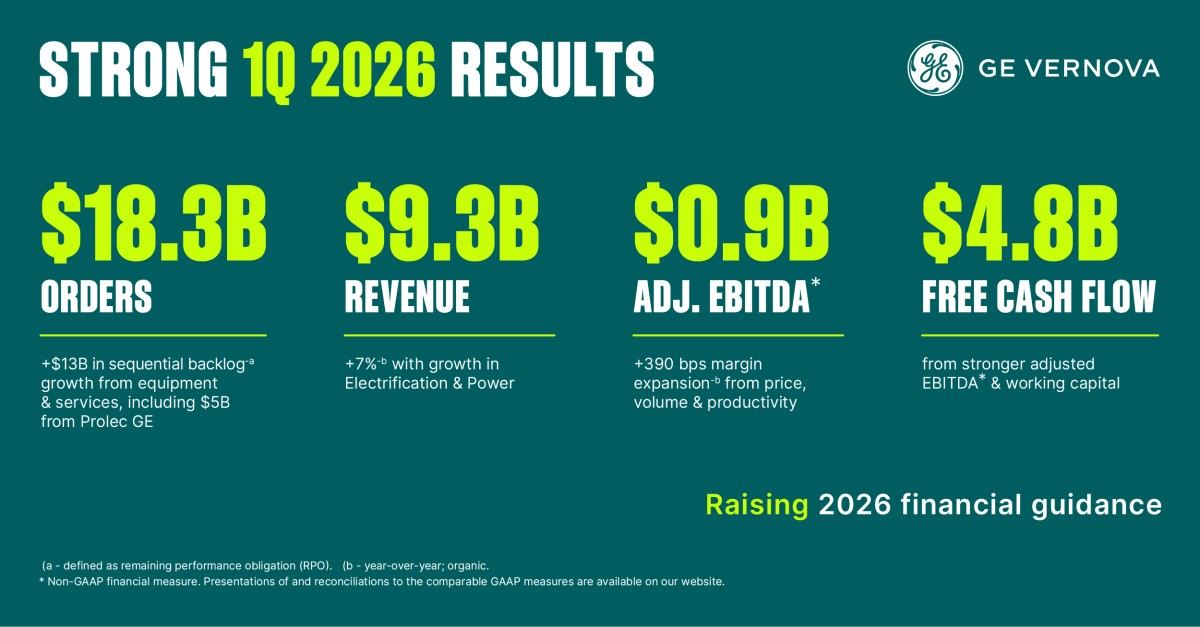
This morning, we reported GE Vernova’s first quarter 2026 results. We had a solid start to the year, delivering significant orders and backlog growth, margin expansion, and cash generation. Given our strong results and continued business momentum, today we raised our full year financial guidance. Segment highlights include: ▪️ Power: Significant global demand continues with our combined backlog and slot reservation agreements increasing from 83 to 100 gigawatts. We remain on track to reach 20 gigawatts of annualized output by the third quarter of this year. We are seeing strong operational progress on the Darlington small modular nuclear project in Canada, and commercial pipeline progress in North America and Europe. ▪️ Electrification: Strong demand continues from both traditional customers and data centers working to keep pace with increasing electricity demand, grid stability needs, and national security interests. This quarter, electrification booked $2.4 billion in equipment orders to support data centers, more than all of 2025. Our first two months of running Prolec GE since closing the acquisition reinforce the substantial opportunity ahead. ▪️ Wind: We remain focused on what we can control. In Onshore Wind, this primarily means driving a more profitable services business. In Offshore Wind, we completed installation of all remaining wind turbines at Dogger Bank A and Vineyard Wind in the first quarter and moved into the remaining commissioning activities at both projects. At GE Vernova, we are operating from a position of financial strength and executing our capital allocation strategy with discipline. We ended the first quarter with a healthy cash balance of $10.2 billion, after returning $1.4 billion of cash to shareholders through repurchases and dividends. We're also investing in lean, AI, and robotics, improving how we run our businesses, and accelerating innovation to transform our company. We are in the middle of a tremendous growth opportunity and I’m proud of our GE Vernova employees who are dedicated to delivering for our customers and creating value for our stakeholders. There is no company better positioned to serve and transform the global electricity system than GE Vernova. Further details: https://vernova.is/4vB1sMo
- GentariSince 14 May 2026
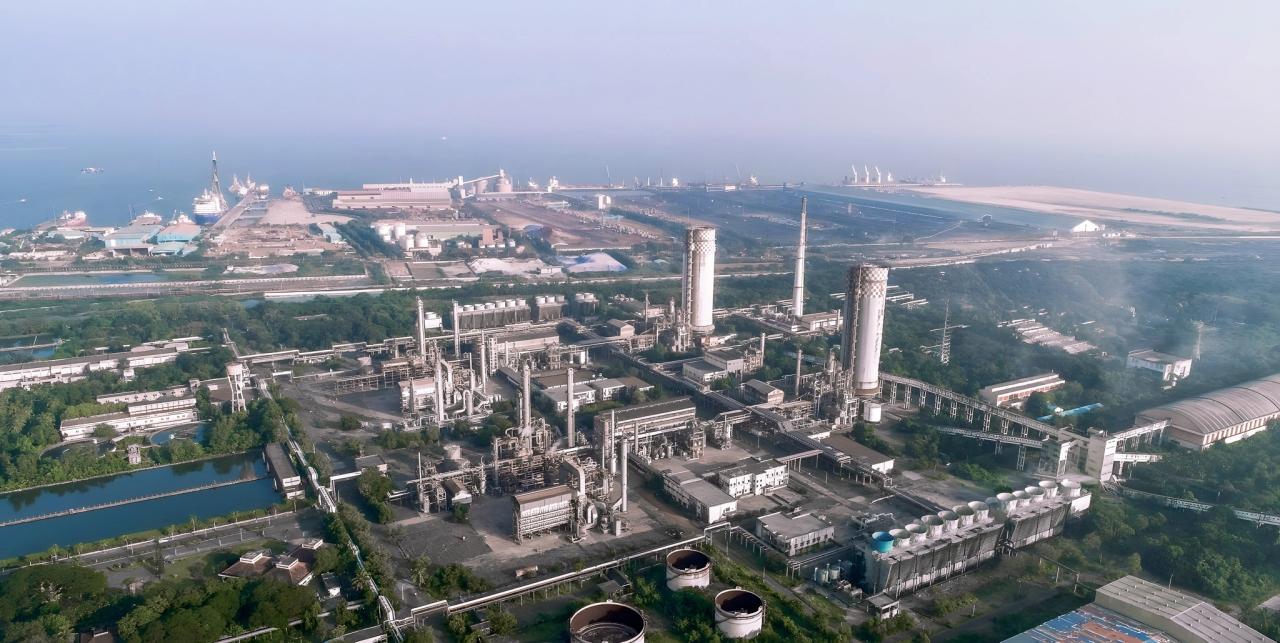
𝐇𝐲𝐝𝐫𝐨𝐠𝐞𝐧'𝐬 𝐇𝐚𝐫𝐝 𝐓𝐫𝐮𝐭𝐡: The global hydrogen sector is not failing - it is maturing. As energy volatility accelerates the shift from ambition to disciplined execution, hydrogen’s role is becoming clearer, both as a decarbonisation pathway and as a lever for system resilience and diversification. In my article for Energy Intelligence, I reflect on why the next phase of hydrogen will be shaped by demand, not supply alone, with long-term offtake and cross-border corridors determining how the market scales. Hydrogen will not replace fuels overnight, and progress will likely be uneven, but in a more volatile system, reliability and diversification are strategic. As the market matures and expectations recalibrate, the next phase will be led by those focused on execution, turning ambition into bankable projects. At Gentari, we turn ambition into delivery: • 𝐒𝐜𝐚𝐥𝐢𝐧𝐠 𝐬𝐮𝐩𝐩𝐥𝐲 - FID achieved for our project in Kakinada, set to be one of India's first and largest green ammonia facilities, designed to be powered by 650 MW of round-the-clock renewables for domestic and export markets. • 𝐔𝐧𝐥𝐨𝐜𝐤𝐢𝐧𝐠 𝐜𝐫𝐨𝐬𝐬-𝐛𝐨𝐫𝐝𝐞𝐫 𝐭𝐫𝐚𝐝𝐞 - up to 500,000 tonnes of green ammonia to be supplied annually to Uniper, with more in the pipeline through our AM Green Ammonia partnership. • 𝐁𝐮𝐢𝐥𝐝𝐢𝐧𝐠 𝐞𝐧𝐝-𝐭𝐨-𝐞𝐧𝐝 𝐯𝐚𝐥𝐮𝐞 𝐜𝐡𝐚𝐢𝐧𝐬 - partnering with MISC Berhad to explore linking production, infrastructure and demand across APAC, with shipping and floating solutions for clean ammonia targeted for 2027. Read more of my thoughts in the full article: https://lnkd.in/g5eihe_3 Visit Gentari’s website to learn more about our hydrogen capabilities. #𝐆𝐞𝐧𝐭𝐚𝐫𝐢 #𝐇𝐲𝐝𝐫𝐨𝐠𝐞𝐧 #𝐄𝐧𝐞𝐫𝐠𝐲𝐓𝐫𝐚𝐧𝐬𝐢𝐭𝐢𝐨𝐧 #𝐄𝐧𝐞𝐫𝐠𝐲𝐒𝐞𝐜𝐮𝐫𝐢𝐭𝐲 #𝐂𝐥𝐞𝐚𝐧𝐄𝐧𝐞𝐫𝐠𝐲𝐒𝐨𝐥𝐮𝐭𝐢𝐨𝐧𝐬
- FTC Solar, IncSince 19 Jun 2026
One of the best things I have heard from customers recently was also one of the simplest: ⚡ FTC Solar is helping them build better and faster. That matters. Because in this industry, value is not proven in a slide deck. It is proven in the field. 🌎 It is proven when crews can learn the system quickly. 🔧 When installation feels more intuitive. 📈 When complexity goes down. ⏱️ When project execution becomes more predictable. That is why constructability is such a major focus for us at FTC Solar. We have data behind the value we are delivering, but hearing it directly from customers who have installed our products and worked through real site conditions makes it much more meaningful. We still have work to do, and we will keep improving. But feedback like this gives me real confidence in where FTC Solar is headed. 🚀 📍 Next week, we will be at @IntersolarEurope2026 from June 23 to 25 at Booth A5.155. Come meet our A Team and see how we are helping customers build smarter, faster and with more confidence in the field. 🤝 Looking forward to seeing customers, partners and industry peers in Munich. #meetourteam #teamftc #smartertrackers #solartrackers #intersolareurope #intersolar2026
- GE VernovaSince 23 Jul 2026
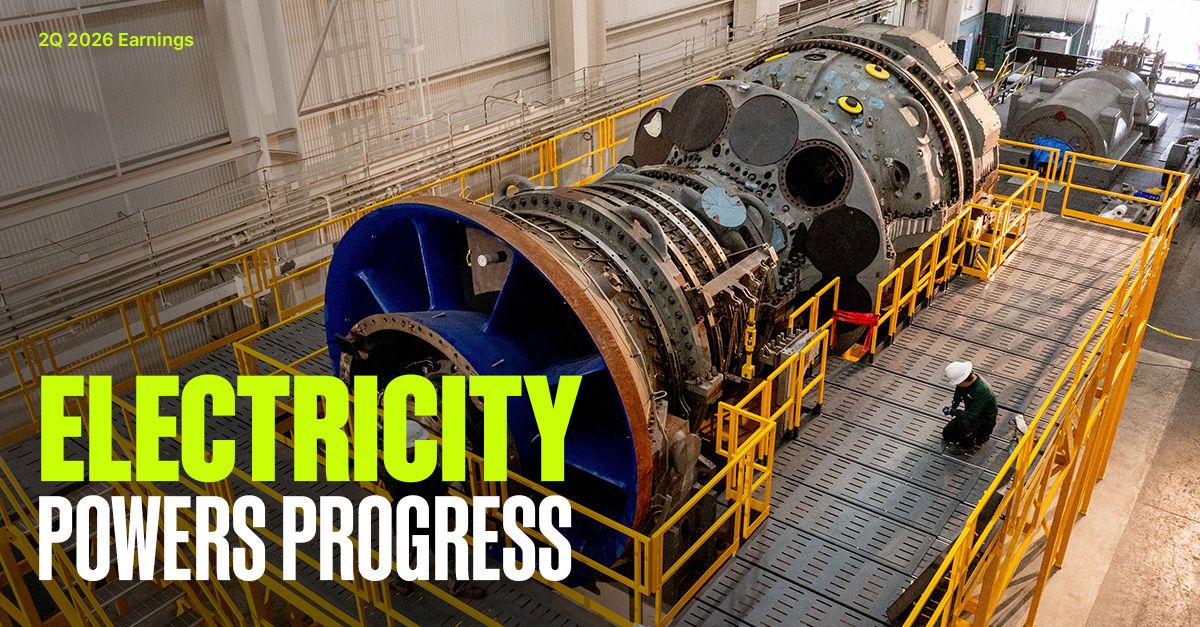
As we look back on our results for this quarter, it is clear that GE Vernova is uniquely positioned to meet accelerating global electricity demand. Economic growth, grid modernization, electrification, data center expansion, and the need for more reliable, resilient electricity are creating sustained demand for our platform of solutions, growing our backlog to $176B. To meet this moment, we are expanding production capacity in a capital-efficient manner to support strong global demand for our Power and Electrification solutions. Our large and growing installed base is generating future growth with expanding margins, and we're investing in new technologies, such as the nuclear small modular reactor and solid state transformer. In the second quarter, we delivered strong financial results and we raised our full year financial guidance. Segment highlights include: ▪️ Power: Our combined backlog and slot reservation agreements increased from 100 to 116 gigawatts, and we now anticipate reaching at least 125 GW by year-end 2026. We remain on track to deliver 20 GW of annual gas turbine output in the third quarter of 2026, with 24 GW in 2028, and we're implementing actions to produce 30 GW in 2030 utilizing lean and incremental machinery in our existing factory footprint. ▪️ Electrification: Electrification booked $2.7B of data center orders, bringing total segment data center orders to over $5B for the first half of 2026, more than double the full year of 2025. ▪️ Wind: In Onshore Wind, we are driving a more profitable services business, especially in the U.S. where we see approximately 10 GW of potential for repowering by the end of the decade. We're operating from a position of financial strength, with a healthy $13.1B cash balance and $3.9B of cash returned to shareholders in the first half of 2026. We're building momentum while still in very early stages, with significant opportunity ahead. I am incredibly proud of the dedication our teams show every day as they deliver for our customers and drive value for our stakeholders. Read more: https://vernova.is/4vB1sMo
- GentariRecorded 20 Sept 2026
As Malaysia celebrates its unity and progress this Malaysia Day, Gentari also marks three years of putting clean energy into action. From renewable energy to hydrogen to green mobility, our journey in Malaysia and beyond reflects what is possible when vision, capability, and collaboration converge. Read more on how we are delivering clean energy excellence for Malaysia’s clean energy future. Happy Malaysia Day everyone! #Gentari #CleanEnergy #Renewableenergy #Hydrogen #GreenMobility
- Fever EnergySince 16 Dec 2025
ENERGY LEADERS: There is a fundamental misunderstanding in our industry about what an “energy bill” actually represents today. To the Grid Operator, it’s infrastructure recovery. To the Retailer, it’s a commodity margin. But to the modern household, that bottom line is simply a glaring signal of inefficiency. We are seeing a massive shift in consumer psychology. Customers are waking up to the fact that switching providers is a shell game. It doesn’t solve rising tariffs or market volatility. The only way to meaningfully impact their cost base now is through optimisation. This is creating a new market standard. The “Energy Company of the Future” is a hybrid: 1. It supplies the power. 2. It provides the software infrastructure to manage it. By aggregating assets like solar panels and batteries and optimising them, we can shield customers from volatility while creating entirely new revenue streams on flexibility markets. Fever enable energy companies to offer this sophisticated optimisation without losing the customer relationship. You don’t need to build the infrastructure; you just need the resolve to deliver the value. The bill doesn’t have to be a source of anxiety. It can be a receipt for value created. https://lnkd.in/dSqkZDb9




Other LinkedIn formats
Watch the companies you care about.
Filter every ad by industry, country, format and network, and get alerts when a company you watch starts running new ads.