LinkedIn thought leader ad examples
8,580 thought leader ads are live on LinkedIn right now, from 8,864 companies. Browse real ones, filtered by industry.
- LinkedInSince 22 Oct 2026
Nothing compliments a latte like new research. We at The B2B Institute recently released The Credibility Code, where we dove into what actually motivates people to make buying decisions in B2B. The answer is credibility. Because awareness is only one part of the puzzle, buyers want to know you’re a trust, reputable partner. Read more in our research to learn how you can build that credibility in your work. https://lnkd.in/g9fhqjs6
- LinkedInSince 22 Oct 2026
As I speak to more customers, the topic of attribution continues to rise to the top. The B2B buying landscape is more complex than ever. The average buying group contains 22 people and AI search is impacting every conversation. It’s becoming critical to understand which campaigns and efforts are actually working. That means updating your methods of receiving and reading signals in this more complex environment. With better attribution, you can make your marketing campaigns more impactful and efficient. Zembl is one of our customers that made the shift and found more than 3x increase in revenue influence. How are you handling attribution at your company? And are you taking steps to adjust to the new B2B buying landscape? You can read more about Zembl’s success here: https://lnkd.in/gTzkFjx5 Danielle Gibson Sunny Singh Warren Gannon Andrew Buckeridge Kurtly Jamieson Louise Wilson Dan Gunasekara
- VelianSince 22 Oct 2026
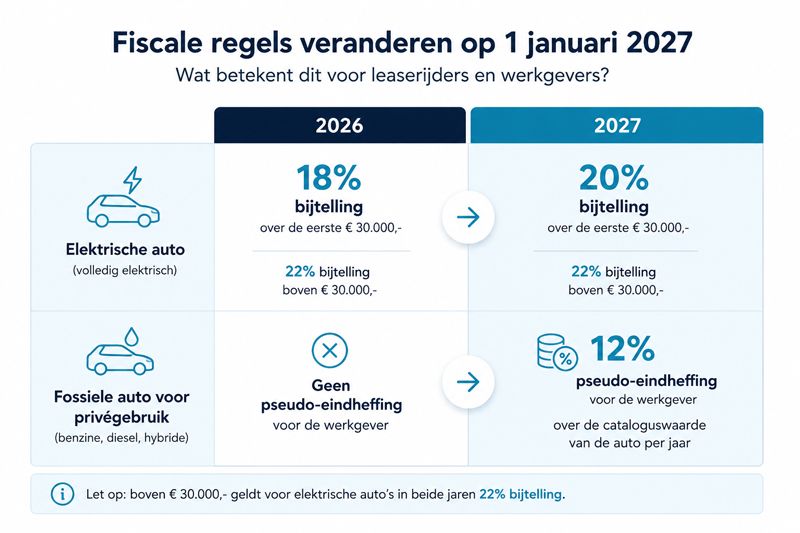
Vanaf januari wordt een niet-elektrische leaseauto zakelijk 12% duurder. Dat verklaart waarom ING verwacht dat het aandeel elektrische auto's in één jaar springt van 40% naar 55%. Steeds meer bedrijven verplichten medewerkers met een leaseauto al om elektrisch te rijden, en die fiscale heffing versnelt die transitie verder. De zakelijke markt heeft eigenlijk geen keus meer. Wat mij opvalt is dat veel vastgoedeigenaren die ontwikkeling nog niet hebben vertaald naar hun parkeerterrein. De elektrische auto's komen eraan, maar de laadinfra is vaak nog niet klaar voor die groei. Juist daarom is dit het moment om vooruit te kijken. Door nu te investeren in het kiezen van de juiste partner, houd je zelf regie over de inrichting van de laadinfrastructuur, de laadoplossingen die het beste aansluiten bij jouw organisatie en het rendement dat je hier op lange termijn uit haalt. Wachten betekent vaak dat je later onder tijdsdruk moet handelen, met minder keuzevrijheid in de laadoplossing én hoe je deze financieel en praktisch inricht.
- VelianSince 22 Oct 2026
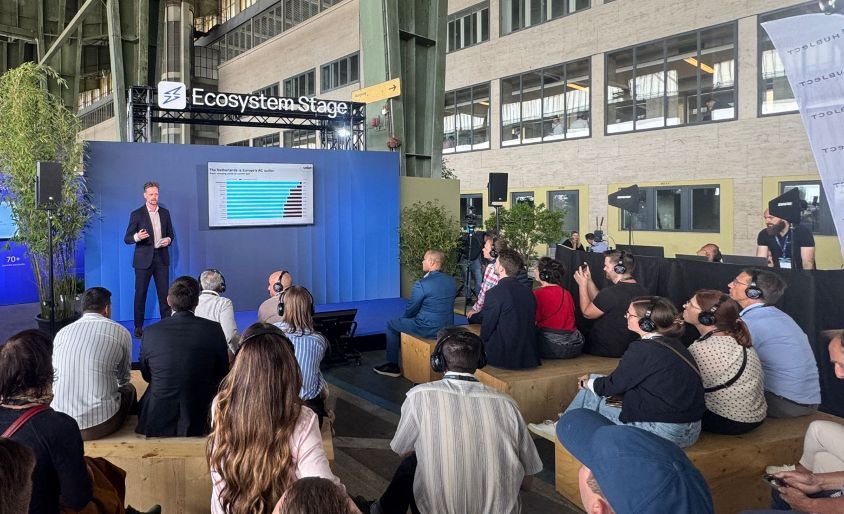
Nederland laadt anders dan de rest van Europa, en daar plukken we de vruchten van. Op de ICNC in Berlijn hield onze commercieel directeur Rowald Oosterkamp begin deze maand een pleidooi voor het Nederlandse model: 'AC is here to stay'. Het verschil kort: DC-snelladers zijn snel, maar duur en zwaar voor het net. AC-laadpalen laden langzamer, maar zijn goedkoper en passen bij hoe de meeste mensen laden: terwijl ze werken, op bezoek zijn bij familie of thuis slapen. Nederland zet al jarenlang nadrukkelijk in op AC laadtechnologie. Kijk je naar het aandeel snelladers per land, dan zie je hoe uitzonderlijk dat is (bron: European Alternative Fuels Observatory (EAFO): → Nederland: 3,2 procent (op 202.833 laadpunten) → België: 7,2 procent → Frankrijk: 21,4 procent → Duitsland: 25,1 procent → Spanje: 25,5 procent Maar is dit model exporteerbaar, of werkt het alleen omdat Nederland geografisch andere karakteristieken heeft? Tijdens de presentatie toetsten we een aantal Europese steden op relevante voorwaarden die pleiten voor een AC laadstrategie, zoals beperkte beschikbaarheid van eigen opritten, korte rijafstanden, lange verblijfsduren en een goed ingericht laagspanningsnet. Brussel, Parijs, Berlijn, Milaan en Madrid voldoen er allemaal aan. Wat in die steden ontbreekt, is niet de techniek, maar de daadkracht om te organiseren: het bundelen en gezamenlijk aanbesteden van de laadvraag door lokale overheden.
- GraphiteSince 22 Oct 2026
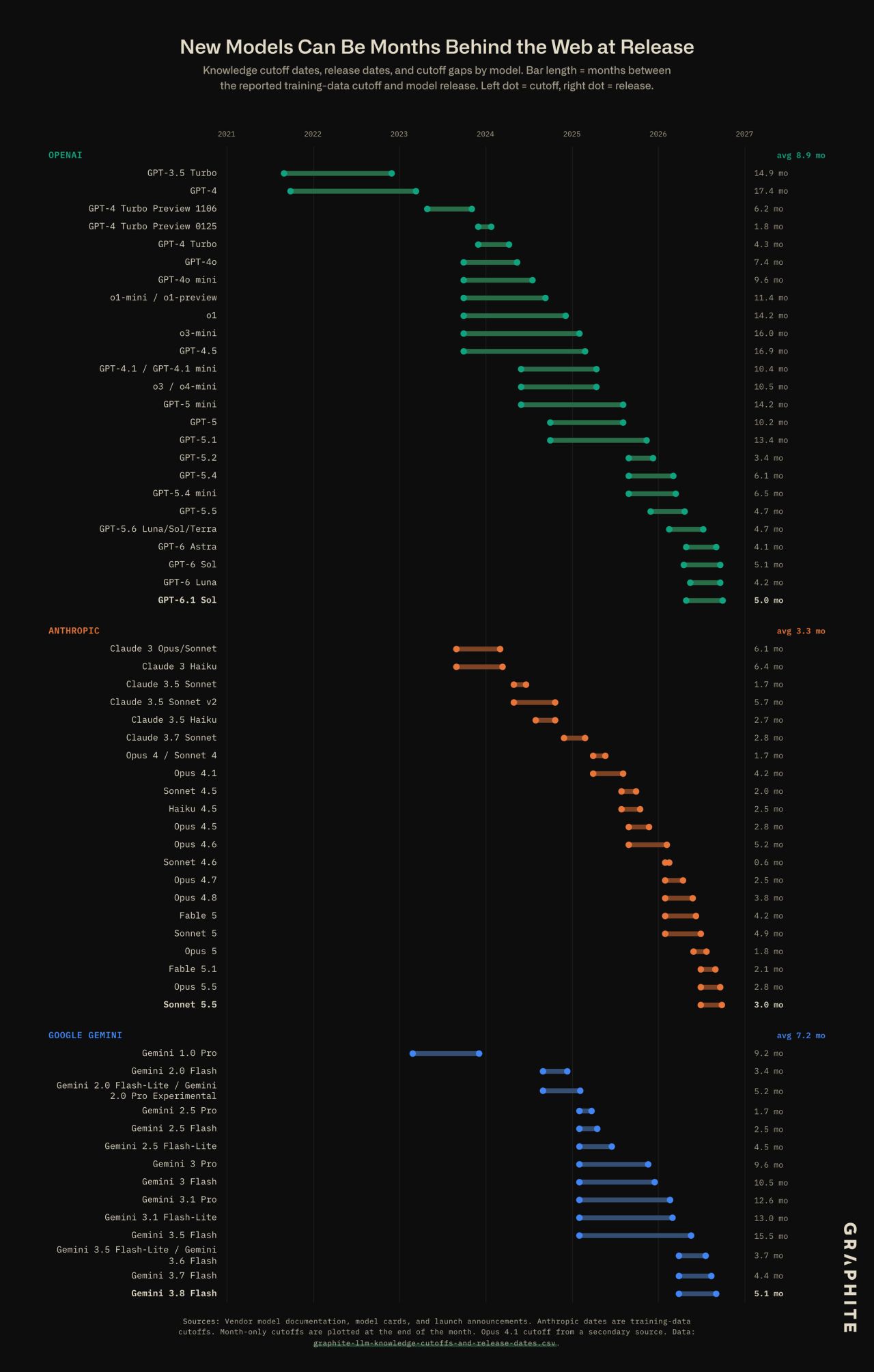
It takes at least 2 to 5 months (depending on the model) for published content or new mentions to affect the model’s parametric knowledge, whereas new content can be cited (via search) in days. * New models released by OpenAI, Anthropic, and Google are typically trained on data that is several months old. * The latest date when pages are included in the training set is called the knowledge cutoff. * We use the term knowledge cutoff gap to mean the amount of time between the knowledge cutoff and the release date. * The knowledge cutoff gap is the minimum time-to-impact for newly published content. The attached shows knowledge cutoff gaps for models released since 2022. Why is this important? We recommend complementing strategies based on citations with parametric knowledge optimization (PKO): * Most AEO strategies focus on citations and ignore the model’s parametric knowledge, the information stored in the model’s weights. * But not all responses use search, and even when they do, the model’s parametric knowledge can shape both its fan-out queries and how it uses search results to answer. * Therefore, we should also focus on PKO, which aims to improve how models describe and recommend a brand by influencing the training set. Recommendations: * Be aware of knowledge cutoffs and gaps. Do not expect impact from parametric knowledge optimization in two weeks when the knowledge cutoff gap is five months. * Do not expect impact in a specific model when changes were made after the knowledge cutoff for that model. * When new models are released, supplement standard prompt tracking with parametric knowledge visibility tracking. Use APIs with web search disabled to ensure responses are based only on parametric knowledge. Collect at least fifty responses per prompt. This process is only needed once per pinned model version, as the response distribution will not change as long as the prompts, system instructions, and sampling settings remain fixed. Paper link in the comments.
- TeleportSince 23 Oct 2026
In April, Vercel disclosed a breach that started with one click. An employee granted an AI tool "Allow All" access to their Google Workspace. The tool got compromised. The attacker walked in wearing that employee's credentials, pivoted into Vercel's internal systems, and stayed nearly two months before anyone noticed. Two months! The AI tool never had an identity of its own. Its access and the employee's access were the same thing, so you couldn't kill one without killing the other. That's the gap I partnered with Teleport to talk about. Their unified identity layer equips every workload and AI agent with: → Its own identity. The agent stops borrowing yours, so its access dies with its own credentials instead of riding a human's. → Access scoped to the job. Not "Allow All." Just the thing it was provisioned to do. → Credentials issued at runtime that expire on their own, instead of sitting around for two months waiting to be used against you. And every action gets logged under both the agent's identity and the human identity who's answering for it (observability anyone?). So your agent stops being a mystery bot with the keys to everything. Click the link to start a free trial: https://fandf.co/446AJul I'm curious, how are you handling access for your agents right now? #teleportpartner #aiagents #security
- Fireflies.aiSince 22 Oct 2026
I stopped typing my lengthy prompts. I say them, and Fireflies Talk types them. I build AI agents for a living. And I was still typing every prompt and every email by hand. Think about that for a second. I've automated lead gen pipelines, outreach sequences, CRM workflows, client onboarding... but the moment I needed to reply to an email or write a prompt for my coding agent, I was back to typing it all out myself. So I started using Fireflies Talk. It's voice dictation built into the Fireflies desktop app. I just speak what I want to write and it types it for me in whatever app I'm in. Here's what changed in my daily workflow: 1️⃣ While vibe coding, my prompts are lengthy. Now I just hold Fn, talk through what I want built, and the full prompt is typed in my terminal. It even removes my ums and adds the punctuation. 2️⃣ I say my email reply out loud, messy and all, and Talk types the clean version for me. 3️⃣ For a really long prompt I double-tap Fn and it goes hands-free. When I'm done I tap it again and it's all typed out. Everything I dictate is saved in the app, so I can search an old prompt by a word I remember and reuse it. We're all so busy building AI systems for our businesses that we forget the biggest time sink is right in front of us: we're still manually typing everything ourselves. Some things are easier said than typed. I dictated this with Fireflies Talk. It's unlimited and free on every plan: https://lnkd.in/evu7VRKJ Fireflies.ai #FirefliesPartner
- Fireflies.aiSince 22 Oct 2026
During our team offsite, I pulled out my phone and started responding to customer messages just by talking instead of typing. Seeing the team’s eyes light up was priceless. Since launching Talk on desktop, we’ve never seen a Fireflies product take off this quickly. In one week, I dictated enough words to write the first Harry Potter book. It’s completely changed how I communicate, think, and get ideas out of my head. Today, we’re bringing Fireflies Talk to mobile on both iOS and Android. Your best ideas shouldn’t have to wait until you’re at your desk. It’s free, with unlimited dictation on every plan. Download the Fireflies mobile app and just talk.
- GraphiteSince 23 Oct 2026
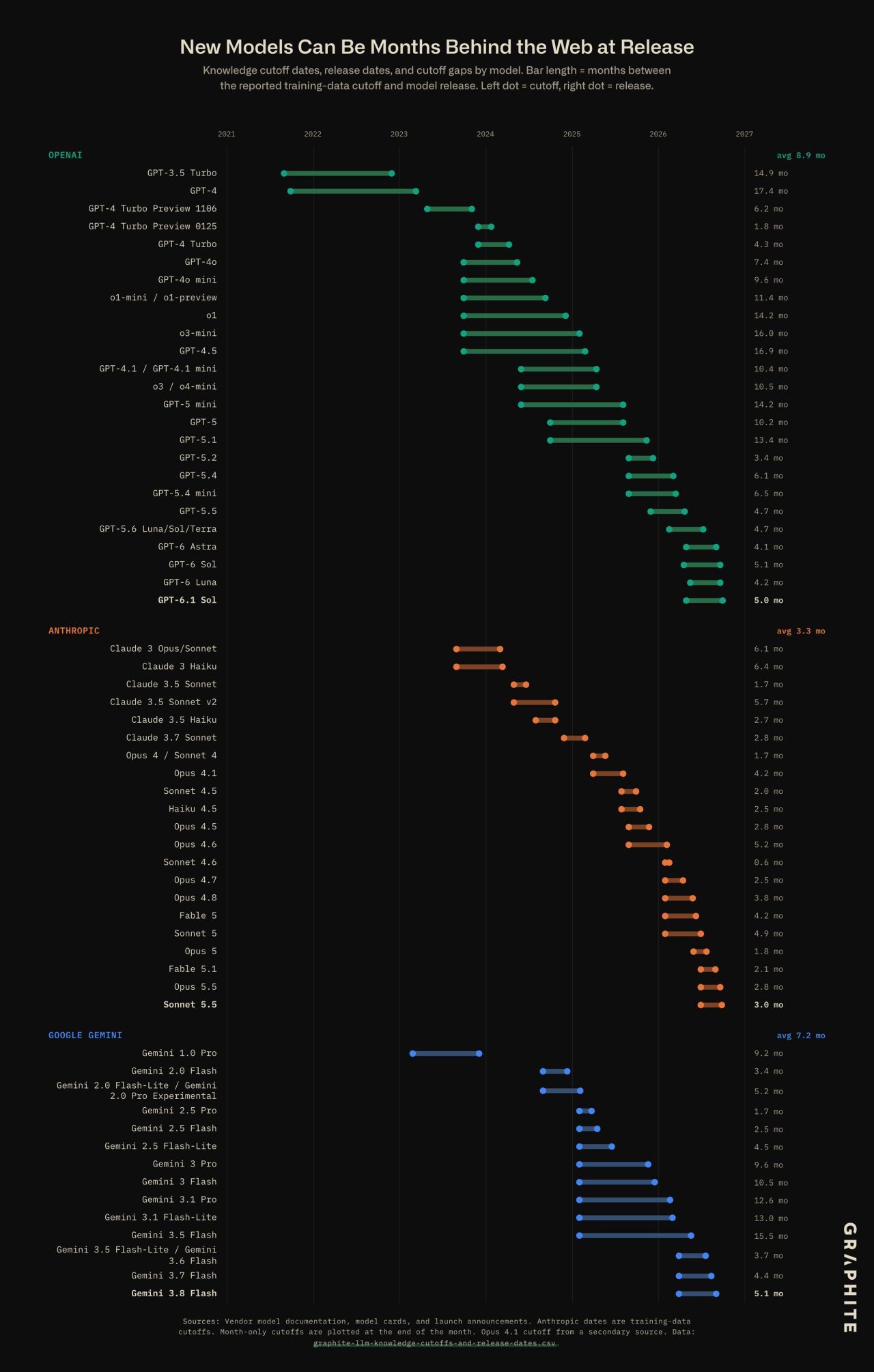
How Long Does It Take To Impact AEO? * I have previously said that while SEO takes time (3+ months usually), optimizing for AI can happen faster (days). This is partially true. * Many AI answers do not use search and do not have citations (10%-80% of answers have citations depending on how you decide which prompts to focus on). Answers without search and citations rely entirely on the underlying model's parametric knowledge. * According to our analysis of public disclosures from LLM companies, it takes at least 2 to 5 months for AEO initiatives to affect parametric knowledge. Why Does It Take So Long? * New models are released every few months. Further, new models have a "training data cutoff" which ranges from a few weeks to a few months old. So, a model released today isn't trained on data released yesterday. There is a time delay to train these new models. Why This Matters We recommend complementing strategies based on citations with parametric knowledge optimization (PKO): * Most AEO strategies focus on citations and ignore the model’s parametric knowledge, the information stored in the model’s weights. * But not all responses use search, and even when they do, the model’s parametric knowledge can shape both its fan-out queries and how it uses search results to answer. * Therefore, we should also focus on PKO, which aims to improve how models describe and recommend a brand by influencing the training set. Measurement * Rather than only measuring weekly and looking for incremental trends, also look for large discrete jumps among different model versions. * When you see a change in a new model, check our paper or the LLM to see the training data cutoff and only draw conclusions about changes you made prior to the training data cutoff. Anything after necessarily cannot have an effect until a newer model has it in its training data. * Use APIs with web search disabled to ensure responses are based only on parametric knowledge. Collect at least fifty responses per prompt. This process is needed only once per pinned model version, since the response distribution will not change as long as the prompts, system instructions, and sampling settings remain fixed. Question Has anyone experimented with ways to optimize the parametric knowledge? Paper link in the comments. + Gregory Druck Who is the primary author on this paper.
- FourthRecorded 27 Oct 2026
Reducing labour and food costs can make a real difference to your bottom line. But how do you know where to cut without affecting the customer experience? For me, it starts with better forecasting. Understanding what customers are likely to order, when they'll arrive and how much labour you'll need to serve them. From there, you can make much more informed decisions 👇 ✅ Smarter scheduling — aligning staffing levels with demand, rather than simply cutting hours across the board. ✅ More accurate ordering — buying what you're likely to need, reducing waste without risking stock. ✅ Better cost control — identifying where spend can be reduced and where it's needed to protect sales and service. We're exploring exactly this in an upcoming Fourth webinar, sharing three practical ways to reduce labour and food costs without hurting sales, along with real customer examples and a live demo. Live, 29th October, 11am BST. Register here: https://bit.ly/4ihomT3
- FrontSince 23 Oct 2026
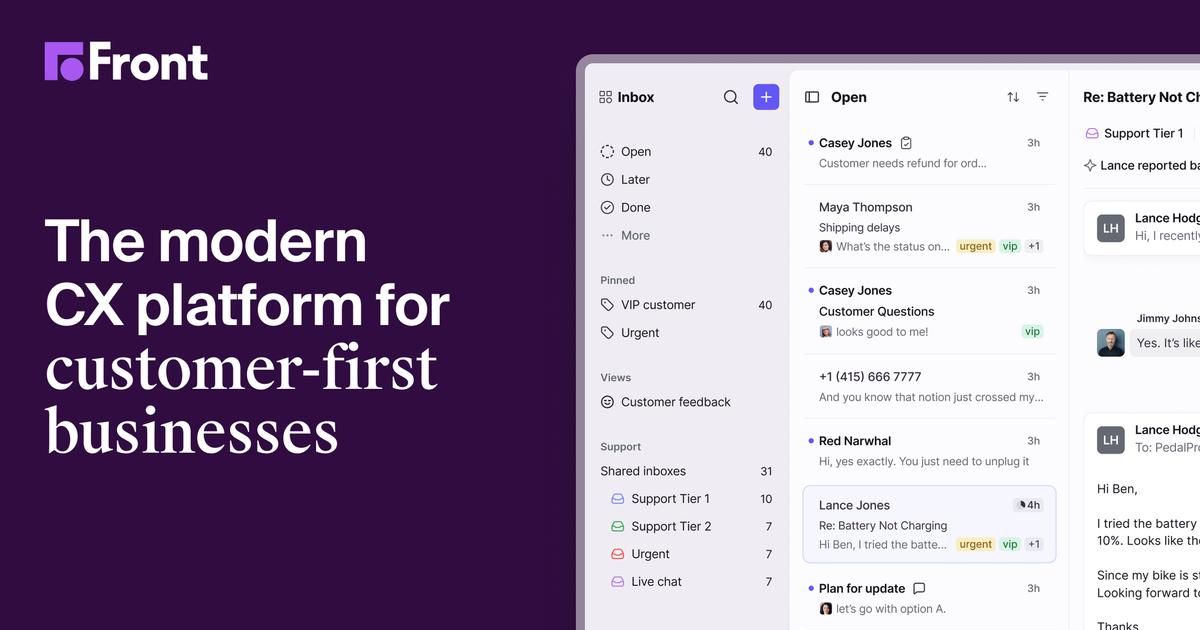
Recently a customer’s COO was direct: “Instead of hiring another customer service rep, we are developing our own agent.” Then they skirted my question about where the budget was coming from: “I just want to get this thing working, then optimize for costs later.” 💡 This made sense. 0→1 agent development is cheap and easy, and COOs have slush funds for AI-related initiatives. But a COO also knows that 1→100 development is hard, eventually their agent is going to be expensive, and vendor lock-in is risky because their model provider could raise prices. So that became our wedge: Connect the agent you built. When you have clarity on costs, swap in our agent, or another provider’s. Your team stays on Front. Models will keep getting cheaper and better, so our goal is to enable our customers to swap agents as better agents arrive, without moving their team off Front. 👉 Learn all about our new external agent functionality my team built here: https://lnkd.in/ghCyFCc2
- TeleportSince 22 Oct 2026
I recently built an AI SRE agent for a client but it almost got hacked. The agent could investigate incidents, access infrastructure, and take corrective actions. Basically, an SRE that never sleeps. It was doing exactly what we had given it permission to do. - It could access the logs. - It could execute commands. - It could restart services. - It could make changes. - The permissions were restricted. - The access was authenticated. But we still ran into a problem. A malicious prompt injection (an instruction hidden in something the agent was reading) could influence what it decided to do next. The agent wasn't compromised. Nobody stole its credentials. It was simply being influenced by something it was supposed to treat as data. That's when I realized one of the biggest challenges with AI agents isn't just what they're allowed to do, it's what they can be convinced to do. A prompt injection can manipulate an agent into using its legitimate permissions in ways you never intended. I started looking at: → Short-lived, just-in-time access → Strong agent identity → Ephemeral runtimes → Continuous enforcement → Complete auditability → Constraining agent autonomy I figured out Teleport can help me fix this. Instead of giving an agent permanent access to infrastructure, you can build around identity-based, short-lived access and strong session-level visibility. The bigger realization: Zero Trust tells us not to trust the agent by default. Agent Trust asks what happens after we've authenticated it and given it permission to act. That's a very different problem. There is a detailed white paper from Teleport called “From Zero Trust to Agent Trust” that goes deep into this. I learned quite a few things from it, especially around securing autonomous agents operating infrastructure. If you're building AI agents that can touch production, this is worth reading. https://fandf.co/4zU2Qfb Huge thanks to Teleport for making this wonderful resource available and also collaborating on this post.
- IntrinsicSince 22 Oct 2026
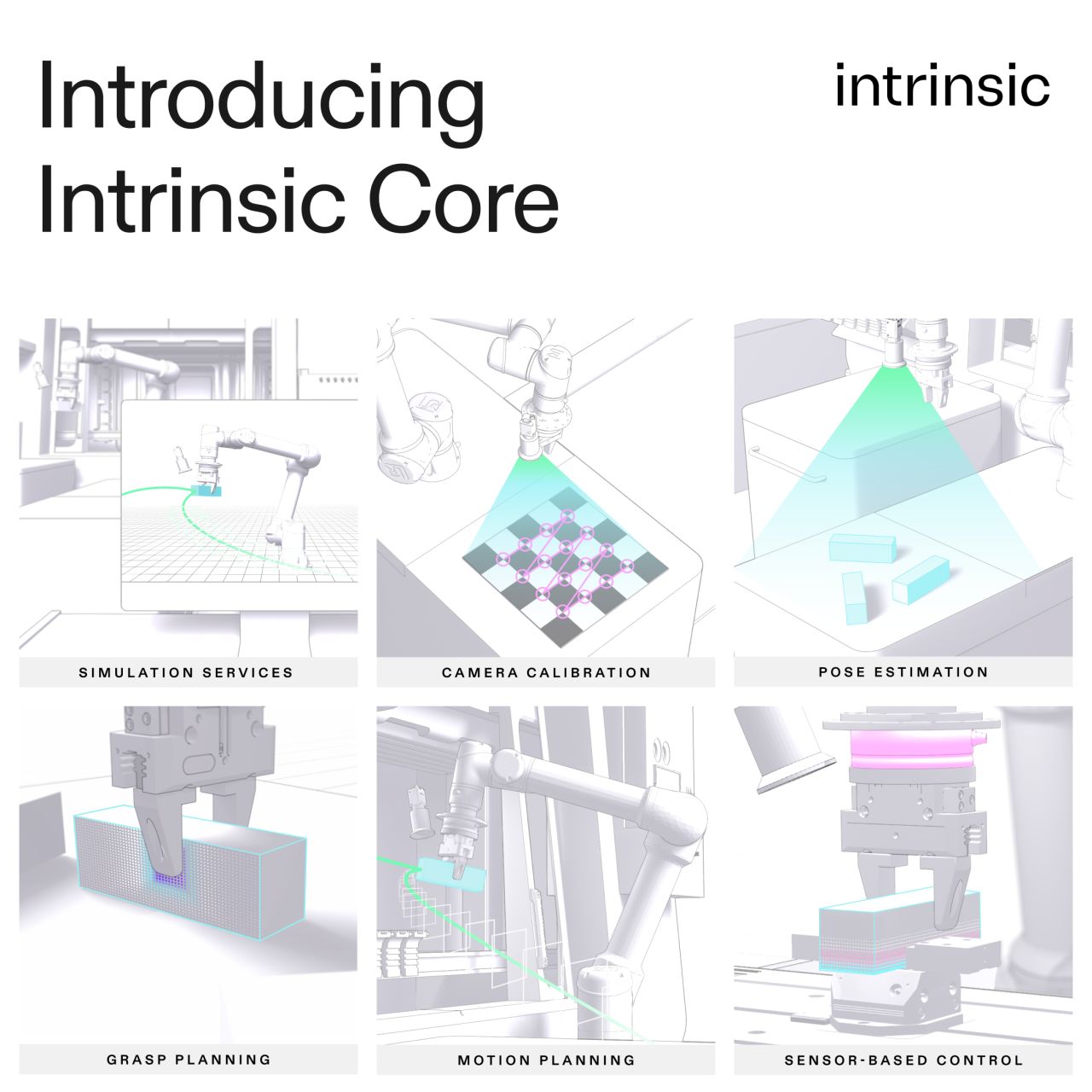
Join the Intrinsic developer community if you’d like to help shape the future of physical AI 🤖 https://lnkd.in/gseupZfY Sign up today to access tools, news, exclusive content, and a community for support. Solving flexible cable handling and insertion in industrial robotics isn’t easy, which is why the approaches from the top teams of the AI for Industry Challenge were so exciting to watch. Now, some of the capabilities and services used by the top teams are open-source in Intrinsic Core. We’ll also be sharing the lessons from the winners, covering how they achieved 100% success and their approaches to perception, simulation, and testing on real hardware as well as the tools they used. If you’d like to stay up to date with news, resources, and discussions with our technical team, we hope you’ll join the Intrinsic developer community to build real-world industrial solutions together. Sign up here ⬇️ https://lnkd.in/gseupZfY #PhysicalAI #Robotics #IndustrialAutomation #AIforIndustryChallenge #OpenSource
- Marketing With HMARecorded 27 Oct 2026
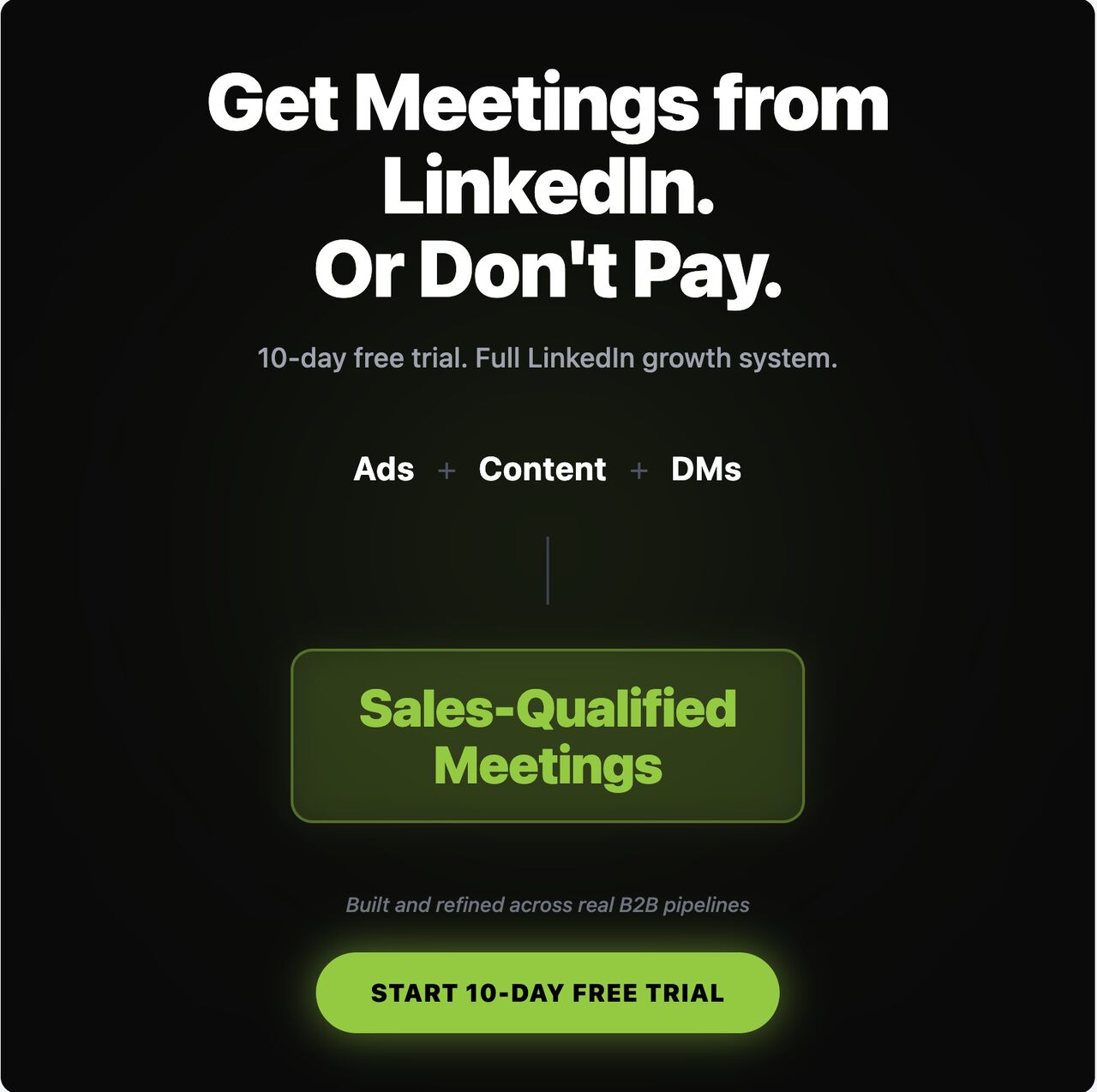
The funny thing about LinkedIn? Nothing works on its own. Ads don’t book meetings. Cold DMs don’t either. Posting content alone won’t fill your calendar. But when you run all three together, something changes. Your prospect sees your ad on Monday. Reads your post on Wednesday. Gets a personalized message on Friday. So when your DM lands, you’re not a stranger. You’re familiar. That’s the difference between a 3% reply rate and a 30% reply rate. We've tested this across different B2B industries. The pattern holds. Want to see it work for your business? We'll run the full system as a 10-day free trial: → Tight ICP targeting → Full LinkedIn outreach execution → Ad spend included (we cover it with free ad credits) One outcome: sales-qualified meetings booked. If it doesn’t work, you don’t pay. If LinkedIn is taking your time but not filling your pipeline, let’s fix that. 👉 Book a call: https://lnkd.in/gpQpcyTS #b2bleadgeneration
- KreaSince 23 Oct 2026
I recently got early access to Krea 3, and I have to say, the results genuinely surprised me! So naturally, I decided to test it on one of our slightly crazy ideas... What if opera broke free from the opera house and drifted into the canals of Amsterdam? Meet DRIFT, our vision for a new kind of opera festival! Imagine floating stages drifting through Amsterdam's historic canals, iconic arias performed under the open sky, and scenography, fashion, light and music transforming the city into one enormous opera house. A celebration of centuries of cultural heritage, reimagined for a new generation. And while DRIFT remains a concept, I'd absolutely love to see something like this become a reality one day! What really impressed me was the speed. Krea 3 delivers Nano Banana Pro quality at 4 times the speed, making it possible to explore ambitious ideas like this. Now, who wants to help us make a floating opera festival in Amsterdam a reality? :) If you're looking at how to improve your creative work with AI, try Krea 3 for yourself here: https://links.krea.ai/otto
- Listen LabsSince 22 Oct 2026
Today, we’re launching Listen Twins, 1:1 digital twins of your audience. Some decisions move too fast for a full research study, like which ad cut goes live Friday, which subject line goes out Tuesday, or whether a promo leads with free shipping or 20% off. So the call gets made on the best evidence available, often a year-old study, one champion customer’s opinion or a Slack thread. Listen Twins bring customers’ voices into those everyday decisions. A few things to know about twins: 1. Each twin is modeled on one real person. We interview them in depth and build their twin from that interview. If you twin 200 CMOs, you hear from 200 different CMOs, with their own budgets, teams and priorities. 2. Twins are trained on your specific use case, so product roadmap twins are different from marketing copy twins, and you can see exactly what yours were trained on. 3. You get 100+ answers in seconds, each with its reasoning and a confidence score. You can ask any twin to explain itself and trace answers and justifications back to the real person behind it. 4. When a twin doesn’t have enough information, it says “I don’t know” (shocking, I know)! 5. Every new study, piece of context and set of customer data makes the twins more accurate. At Listen Labs, we use them every day. Eric and Jin interviewed a group of researchers about ad copy from 10 research platforms, then twinned them. When we were deciding whether our billboards should lead with quality and trust or with cost and speed, 80% of the twins chose quality and trust. Jin’s team now checks with them daily. Of course, as a human insights company, we’ll keep advocating for talking to your customers when time and budget allow. Twins fill the gap for everyday decisions where they don’t. Excited to see what teams build when customer input can be part of every decision.
- SuppliRecorded 27 Oct 2026
Your best collectors should be meeting with more customers, not helping them navigate Billtrust. Last quarter we had over a dozen Billtrust users switch to Suppli. In their first month, one saw a 75% increase in customers making self-service payments. That's a lot more customers paying without having to call the credit department, request another invoice copy, or ask someone to walk them through the process. Which leaves more time to get in front of key accounts, resolve issues, strengthen relationships, and collect cash. Every payment a customer makes without your help is one more opportunity for your credit team to get in front of someone who actually needs it. If you're using a legacy AR platform like Billtrust and hesitant to make a switch, consider the opportunity cost of staying put.
- LenovoSince 23 Oct 2026
Whats the hidden cost draining your AI budget? I caught up with Emily Barrett, AI Lead at Lenovo at the Lenovo booth at #GTCBerlin. Token spend in the cloud is eating enterprise AI budgets. And most organizations dont realize theyre also giving away their data in the process. Emily explains how Lenovos Hybrid AI Factory, built on their NVIDIA partnership, gives enterprises predictable costs, data privacy, and real control over their AI infrastructure. The shift from AI pilots to production starts with owning your own token factory. 84% of organizations plan to deploy AI on-premises or at the edge. The economics are clear. Check out this 70 second clip. #HybridAI #NVIDIAGTC #AIFactory #GTCBerlin #LenovoPartner Subscribe to 👉#CXOSpiceNewsletter https://lnkd.in/gy2RJ9xg or 👉 #CXOSpiceYouTube https://lnkd.in/gnMc-Vpj to get the latest updates on #Technology and #Innovation.
- KreaSince 22 Oct 2026
I just watched one brand concept turn into an entire campaign, without a single visual designed from scratch. As a marketer, I know how much time goes into creating visuals for a single brand. One design for social media. Another for packaging. A few more for ads and marketing campaigns. And the biggest challenge? Keeping everything consistent. The same colours, logo, product details and overall brand identity. But the video below shows how one KOI brand concept can be turned into different campaign visuals while maintaining the same visual identity. Its made using Krea 3 which just launched and delivers Nano Banana Pro-level quality, 4× faster, at a quarter of the cost using: → Multiple references: Combine products, layouts and other visual references into one image. → Consistent branding: Keep products, logos and even small text consistent across edits. → Exact brand colours: Use HEX codes to get the colours you want. .→ Creative flexibility: Experiment with different packaging, posters and marketing visuals without starting from scratch. For me, the exciting part isn't just speed. Its the freedom to try different creative ideas without rebuilding everything each time. I can see this being really useful for marketers, designers, agencies and small businesses. Interesting to see what the team at Krea 3 is building. What do you think? Would you use AI to create an entire brand campaign? You can try Krea 3 for yourself here: https://lnkd.in/ezxGWSqJ
- Koch-GlitschSince 22 Oct 2026
At the recent Distillation & Absorption Conference, we spent a lot of time discussing dividing wall columns, new tray technology, and energy efficiency. In a tray efficiency conversation, one comment stuck with me. "O'Connell's correlation has never failed me." That got me wondering if that's actually the problem. As someone who still relies heavily on experience when thinking about tray efficiency, it made me pause. Experience is a great teacher, but it also quietly conditions us to stop questioning what has always worked. If it's never failed, how much margin have we been carrying? How much energy, column height and cost have we designed in just to be safe? Conservatism rarely shows up as a failure. It often shows up as extra cost, extra height, extra energy consumption, or missed performance opportunities. We have proven tray technologies today that can achieve efficiencies well beyond the values many of us learned early in our careers. Yet many designs still start with the same assumptions. Has new technology changed the way you design columns, or are you still using the same tray efficiency assumptions from 10 or 20 or 80 years ago?
- LeadinfoSince 23 Oct 2026
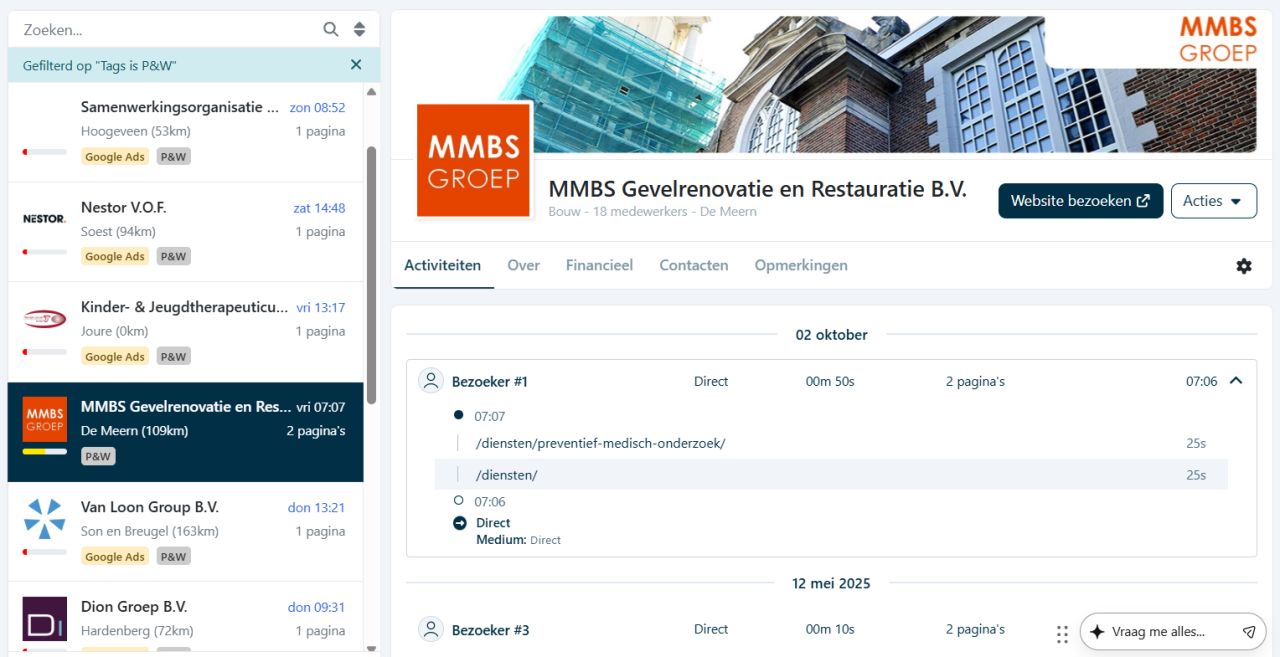
Je investeert in LinkedIn, Google, SEO of andere campagnes. Maar wat gebeurt er nadat iemand doorklikt naar je website? Je ziet bezoekers, sessies en conversies. Toch blijft een deel van de interesse buiten beeld. Daarom werken we samen met Leadinfo. Met Leadinfo voeg je een extra laag toe aan je marketingdata. Je krijgt inzicht in welke bedrijven je website bezoeken, welke pagina's ze bekijken en waar hun interesse ligt. Die informatie helpt je om je marketingstrategie beter te onderbouwen. → Welke campagnes trekken relevante bedrijven aan? → Welke content zorgt voor interesse? → Welke diensten worden door jouw doelgroep bekeken? → Welke bedrijven tonen meerdere keren interesse? → Waar ontstaan kansen voor sales? Zo krijg je meer inzicht in wat je marketinginspanningen opleveren en waar je verder kunt optimaliseren. Benieuwd welke inzichten er nu al in jouw websiteverkeer zitten? Als partner van Leadinfo kunnen we je een proefperiode van 14 dagen aanbieden. Stuur me een bericht als je hier meer over wilt weten.
- Insurance Insider USSince 25 Oct 2026
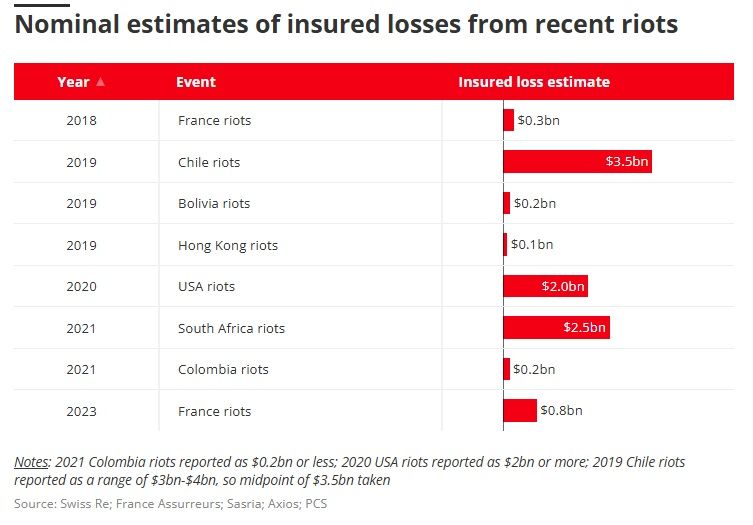
Insurers observing the violent demonstrations across France over the weekend may be thinking back to riots in the wake of the fatal police shooting of Nahel Merzouk in 2023 - an event that cost carriers around $800mn. But while the riots this time around are more widespread, with more businesses damaged and looted, insurers had already put in place changes that will mitigate their losses from the weekends unrest. Our sources estimate that the loss will be at least EUR1bn - but had insurers not taken steps such as imposing tighter sublimits on SRCC coverage after 2023, the loss could have been much worse. At the same time, there is an expectation that reinsurers will take a smaller proportion of this SRCC loss than they did in 2023, thanks to their own tightening of terms. Subscribers can read the full detail, including the likely impact on domestic and London D&F markets, in the link in the comments.
- honeycomb.ioSince 22 Oct 2026
Honeycomb has always been about teams. 🐝 From day one, we’ve believed that strong teams are built when a group of people with different roles, instincts, and expertise can get to a shared understanding of what’s happening around them. (That belief is rooted in the delta between me and Charity: two very different engineers, trying to make sense of the same messy system.) The agentic era changes who’s on the team, but to me it’s another variation on the same theme. Everyone has their own agent these days (and should!)—and that raises a fun set of questions about how all the pieces fit together: how humans and agents with different views of the world and different expertise collaborate, hand work off, and pass along what they’ve learned... while staying grounded in the same view of what’s real. Back in the early days, my LinkedIn bio described Honeycomb as “the next best member of your team.” I still think about it that way... there are just a lot more teammates in the picture now. Charity and I are digging into all of this Nov 3–4, and we’ll be announcing some very cool stuff along the way ✨ Day 1: Agents on your team. Instrumentation, context, and building trust in what your agents are doing. Day 2: The AI ecosystem at scale. Visibility across the whole fleet, keeping costs in check, and what platform teams need to observe all of it. There’s a live Q&A, so bring your questions (or your "well, actually"s). Join us! https://go.hny.co/4dsMocn
- Merz AestheticsSince 23 Oct 2026
Something really special is happening in Paris next year. 🇫🇷 Ende Januar trifft sich in Paris wieder ein großer Teil unserer Branche zur IMCAS, einem der größten Kongresse für ästhetische Medizin weltweit. Für uns beginnt die Woche dieses Mal schon am 27. Januar 2027. Einen Tag vor der IMCAS bringen wir mit FUTURE FACES einige der Top Voices unserer Branche aus DACH in Paris zusammen. Und wenn man schon so viele kluge Köpfe beisammen haben, wollen wir natürlich auch über die Themen sprechen, die gerade wirklich relevant in der ästhetischen Medizin sind. State of the Art eben. Ich freue mich jetzt schon unglaublich auf FUTURE FACES. Ich verspreche Euch, das wird wirklich etwas Besonderes. 😊 Wir stecken gerade mitten in den Vorbereitungen. Einige Namen und Details muss ich noch für mich behalten, auch wenn mir das zugegeben etwas schwerfällt, aber mehr dazu ganz bald. 27. Januar 2027. FUTURE FACES in Paris. Save the date! 🇫🇷


Other LinkedIn formats
Watch the companies you care about.
Filter every ad by industry, country, format and network, and get alerts when a company you watch starts running new ads.