LinkedIn thought leader ad examples
8,600 thought leader ads are live on LinkedIn right now, from 8,865 companies. Browse real ones, filtered by industry.
- FosphaSince 23 Oct 2026
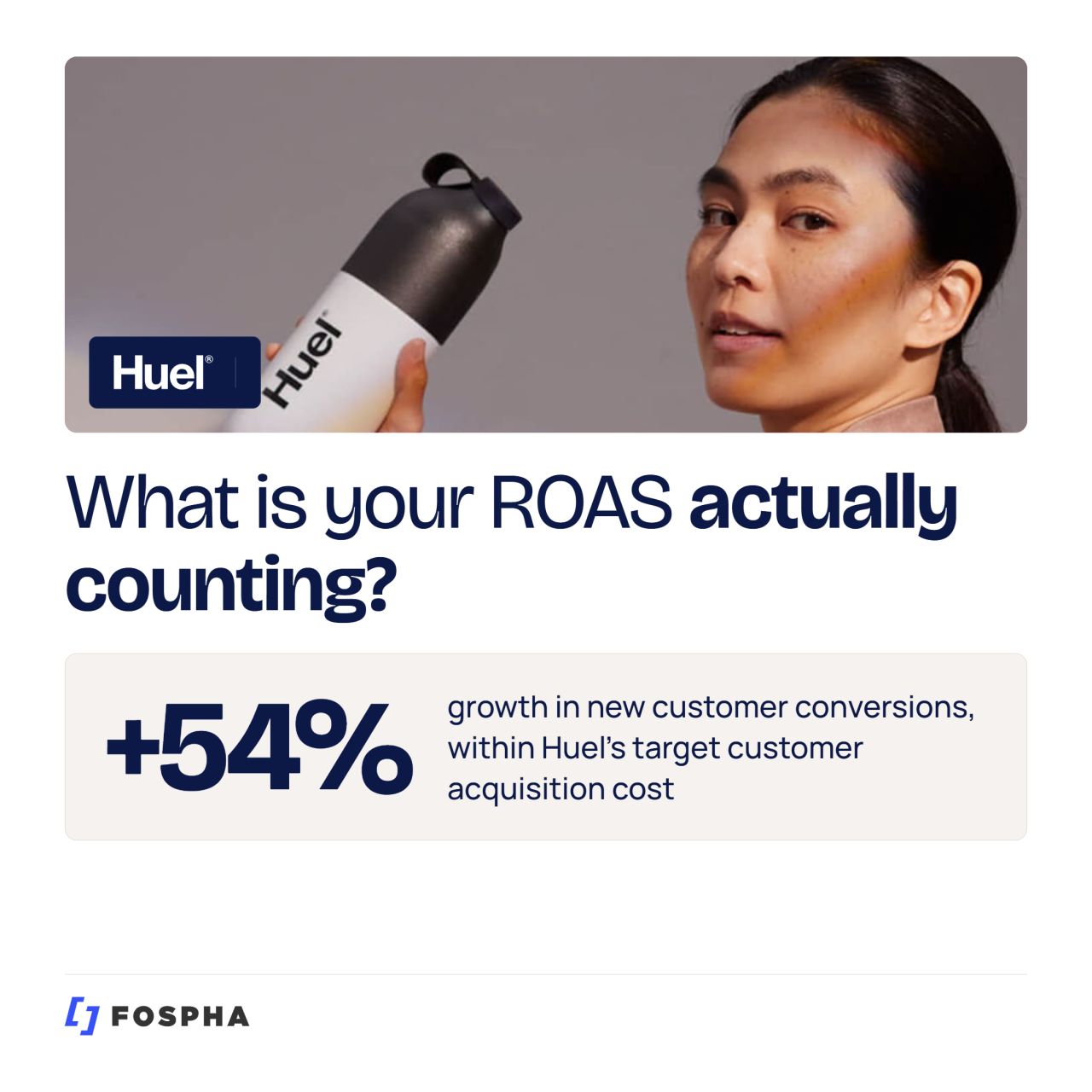
What is your ROAS actually counting? Often it’s shoppers who already knew your brand and were close to buying anyway: people searching for you by name, or returning customers. Last click credits the final touch before a purchase, so spend drifts toward them, and the activity that reaches new customers looks expensive. A brand can post a strong ROAS and keep selling to the same people. Huel took a different view of its spend. In its first six months with Fospha as its consistent source of truth, the brand grew new customer conversions 54%, within its target customer acquisition cost. If I had to pick one scoreboard for growth, it would be new customers. Fospha’s Media Mix Attribution gives teams that scoreboard. Here’s how a team uses it: - Compare every channel on the same footing, new customers included - Drill down to the campaign and ad that’s actually working - Act on it the same day, without waiting for a report Speak to our team to see how many new customers each of your channels brings in and read our Huel case study. Link in comments.
- FosphaSince 23 Oct 2026
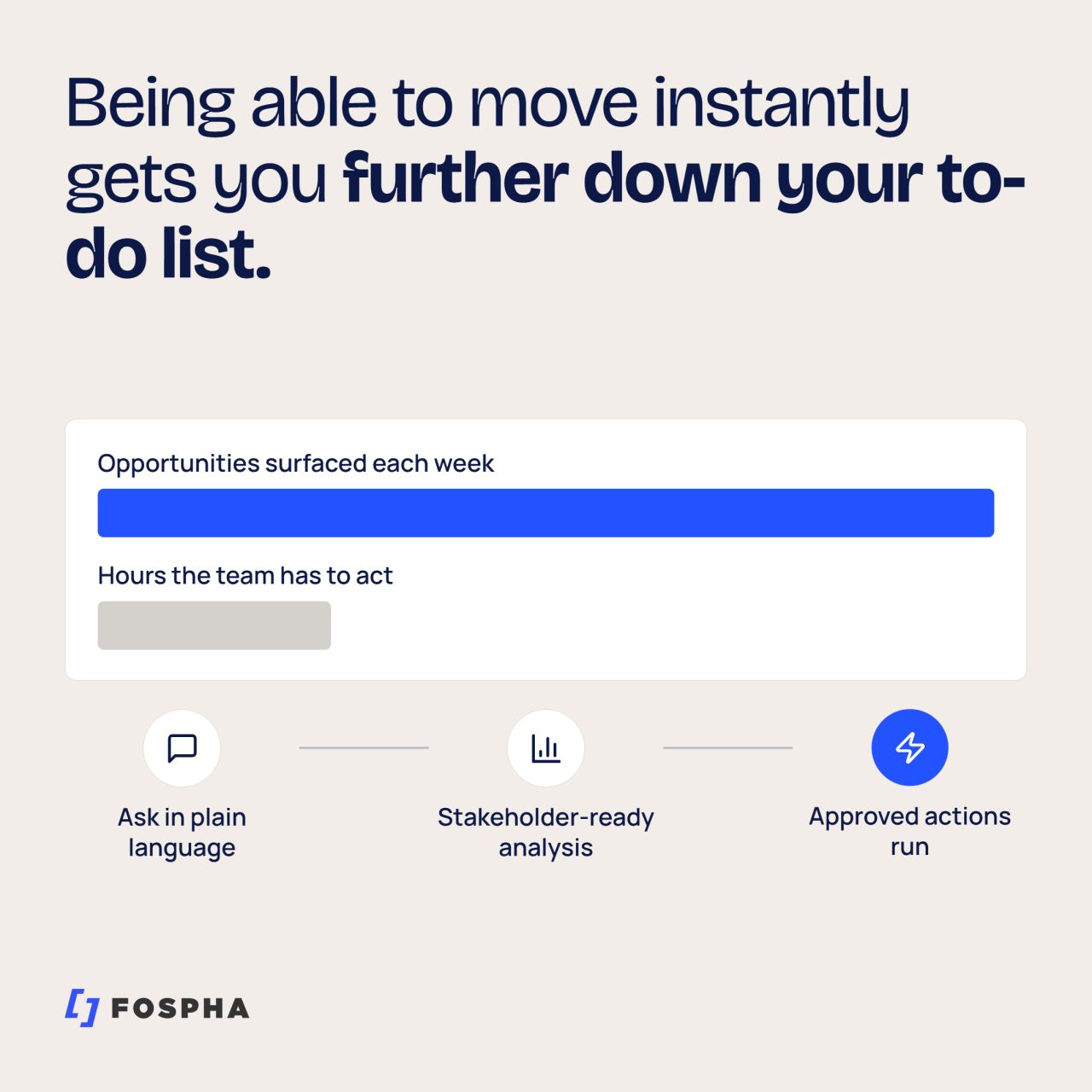
Being able to move instantly gets you further down your to-do list. Far more optimization opportunities surface across a team’s channels and markets each week than the team has hours to act on, so most teams act on only a few. The rest wait until the moment has passed: basically everything after the second biggest channel in the two biggest markets. Myprotein analysts ask complex questions about their marketing mix in plain language and turn the answers into stakeholder-ready analysis, including analysis the team never had the bandwidth to run before. In the Fospha Measurement System, AI and automation surface what needs attention, and approved actions run within rules the team sets. I think the biggest cost of slow measurement is the opportunities nobody had time to look at. Those are where speed pays off. Speak to our team to see which opportunities your numbers are missing. Link in comments
- Player FoundSince 24 Oct 2026
Kept it as casual as London traffic allows🚲 Player Found delivers best-in-class organic influencer marketing for game developers and publishers. Launching soon? Let's talk!
- Lema AIRecorded 27 Oct 2026
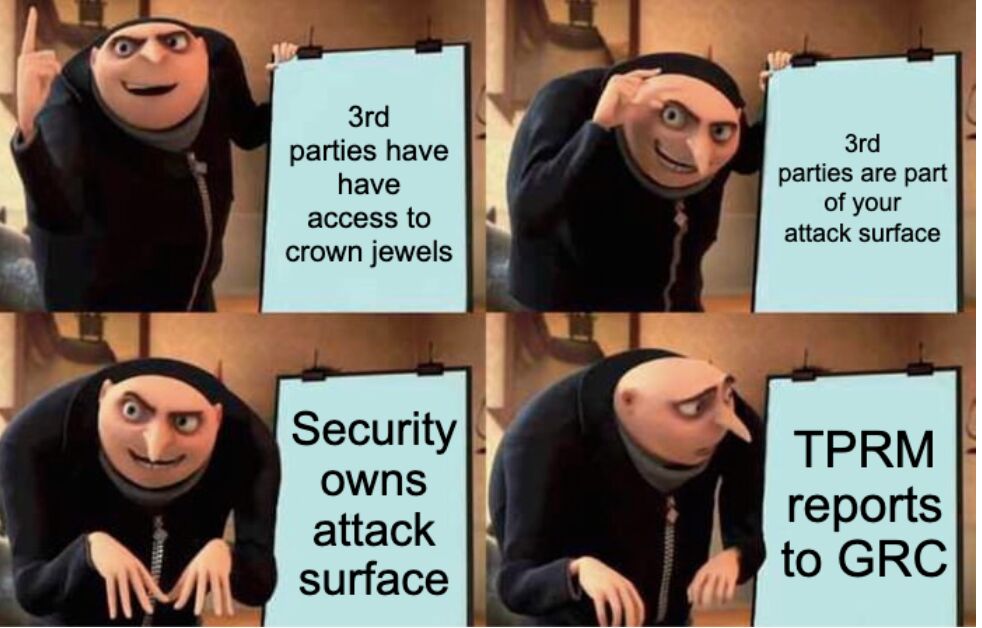
Hot take: TPRM should be under security, not GRC. Your 3rd parties have access to your systems and your data. That makes them part of your attack surface, same as a server or an endpoint, except you didn't build it and can't patch it. Security owns every other asset. 3rd parties are the one glaring exception, and it's mostly an accident of history. TPRM grew up as a banking compliance obligation, back when cyber was one line on a long risk list. To be clear, I'm not saying move the whole function. Whether a vendor is financially stable, concentration, contracts, insurance, leave that with GRC and legal. I'm talking about the security piece. And security doesn't do it alone either. It still needs what the traditional TPRM team knows. What got scoped and approved in the first place, which of a vendor's products are supposed to be in use. That context is the input, but managing the exposure is security's job. If it behaves like attack surface, put it with the team that deals with attack surface. This is exactly what we built Lema for - giving security the tooling to own the third-party attack surface. Book a demo: https://lnkd.in/eiKrm9DC
- Lema AIRecorded 27 Oct 2026
Imagine paying for a SOC 2 audit and getting a report identical to the other 500 companies. That’s what a YC-backed compliance startup got caught doing: issuing literal copies to its customers. Nearly identical language, no exceptions. Hundreds of companies had already accepted them as proof their vendors were secure. That's not an edge case. That's what most TPRM programs actually run on: vendor-supplied evidence, reviewed once and filed. Nobody checks it against what the vendor can actually reach inside your environment. I go deeper into why current TPRM programs don't actually reduce risk here: https://lnkd.in/dhpRT5Pd
- teamtec CNC-Werkzeugmaschinen GmbHSince 25 Oct 2026
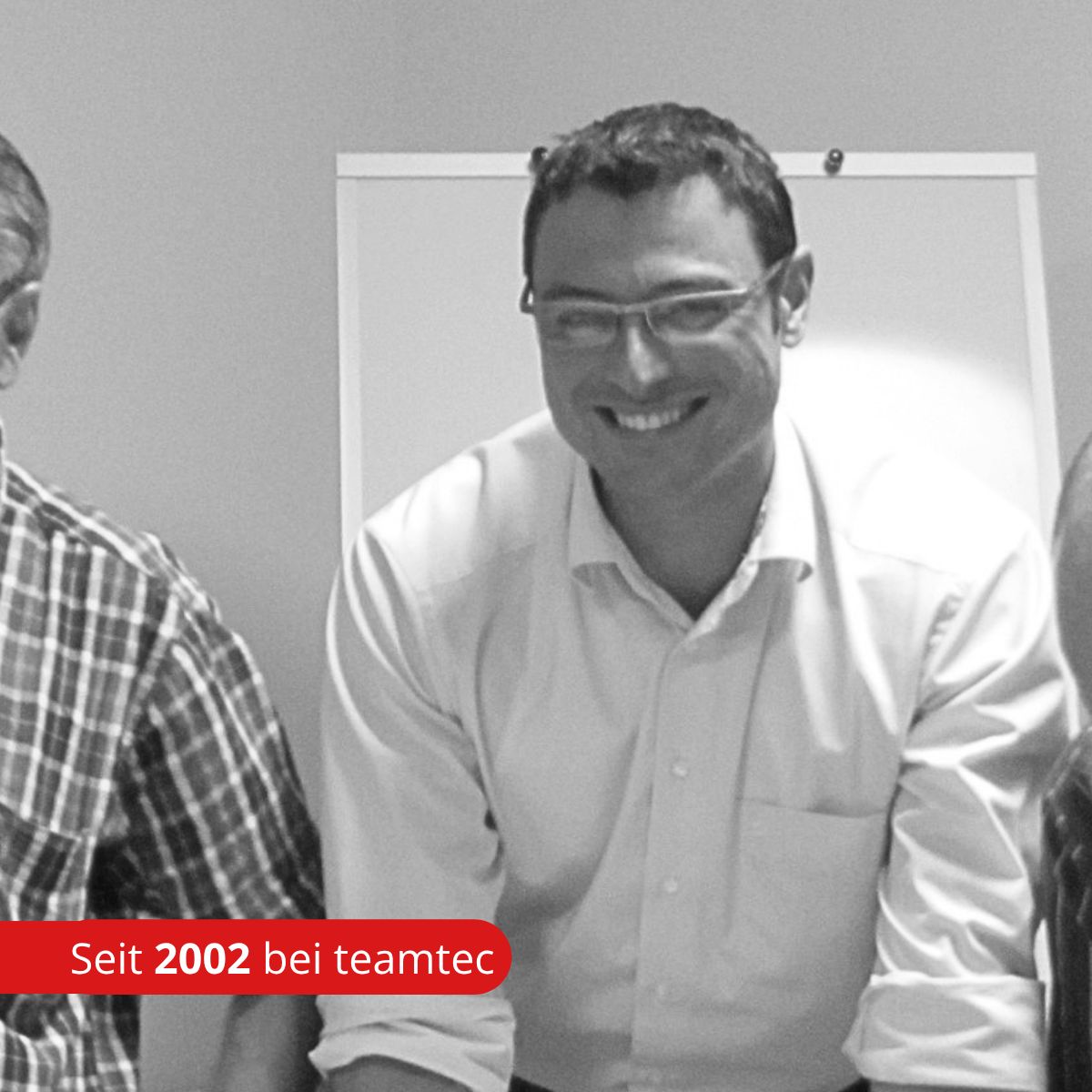
Die Wahrheit ist: Gute Maschinen kann (fast) jeder verkaufen. Warum arbeite ich dann seit über 24 Jahren bei teamtec? Und bin seit fast 14 Jahren Prokurist? Neben dem Team, das nach all den Jahren zu einer Familie geworden ist, glaube ich vor allem an die Mission von teamtec. Denn bei uns ist der Verkauf einer guten Maschine nur der erste Schritt. ➔ Wir passen die Maschine an die individuellen Anforderungen unserer Kunden an. ➔ Wir tauchen tief in die Fertigungsprozesse ein, um die Produktion so effizient wie möglich zu gestalten. ➔ Und egal ob Schulung, Service oder schnelle Problembehebung: teamtec bleibt auch nach dem Kauf der zentrale Ansprechpartner. Dabei wollen wir eines nie aus den Augen verlieren: die Menschen dahinter. Wir kennen unsere Kunden beim Namen, ohne dass der Service zuerst nach einer Kundennummer fragen muss. Auch intern wollen wir Menschen fördern, ihnen einen sicheren Arbeitsplatz bieten und sie sowohl fachlich als auch persönlich weiterentwickeln. teamtec verkauft deshalb nicht einfach Maschinen. Wir bieten Komplettlösungen, die bei der individuellen Anpassung beginnen und unsere Kunden über den gesamten Lebenszyklus der Maschine begleiten. Genau von diesem Ansatz bin ich überzeugt. Und genau deshalb bin ich seit 24 Jahren Teil von teamtec. Hier erfahrt ihr mehr: https://lnkd.in/ebPX_P3U
- academy4.aiSince 25 Oct 2026
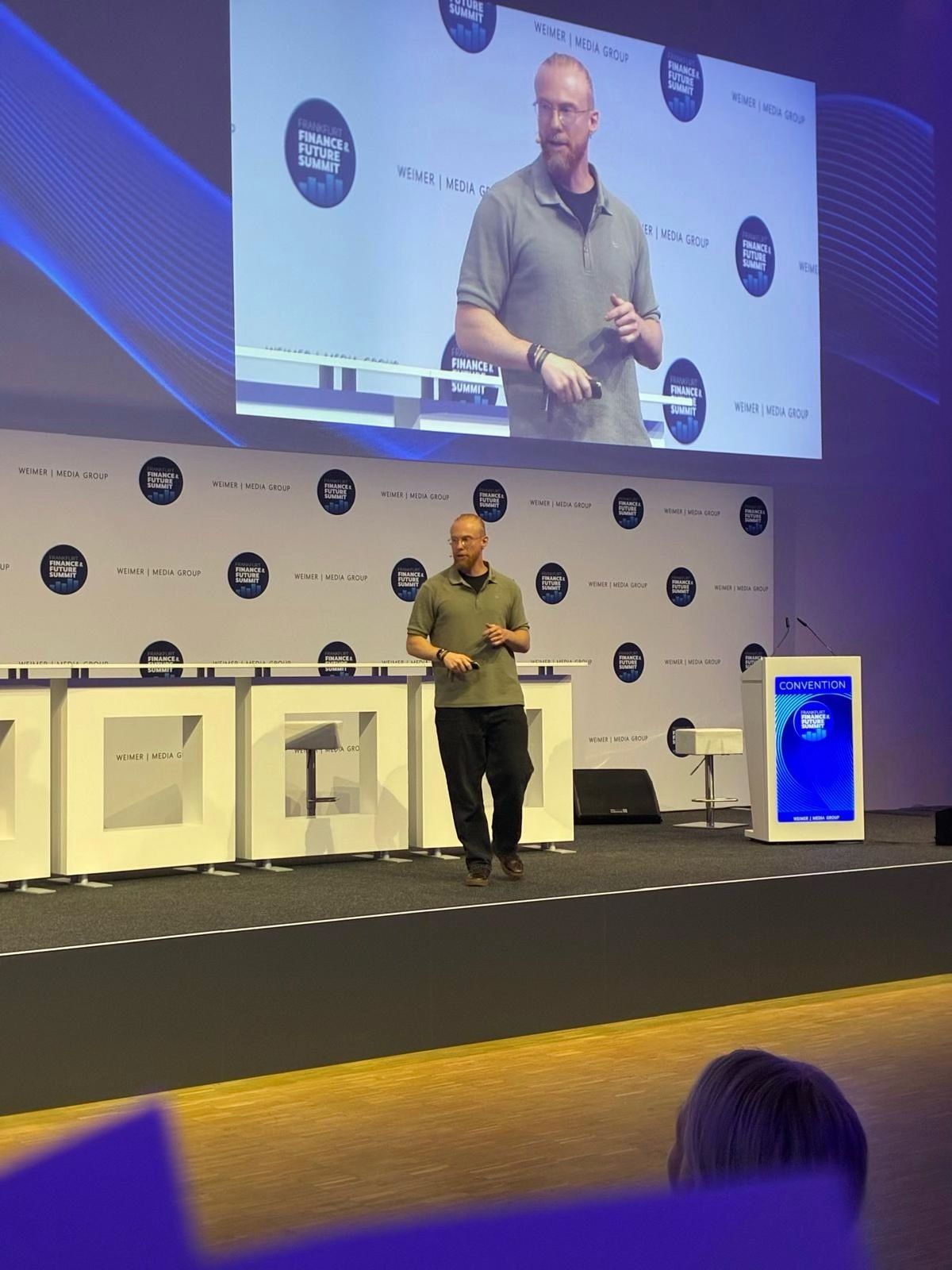
Jeder spricht über KI-Agenten, wir gehen next Level und klonen den CEO. Vier Keynotes in fünf Tagen. Gestern in Frankfurt. Und die Frage, die alle bewegt hat, war nicht: Was können KI-Agenten? Sondern: Was kommt danach? Auf dem Frankfurt Finance & Future Summit habe ich mit Entscheidern aus Industrie und Wirtschaft genau darüber gesprochen. Und gezeigt, wie das technisch aussieht. Meine Frage an euch: Was glaubt ihr, kommt nach einem „Klon“ ?
- mars engineering GmbH • Agile Software Development + AutomationSince 25 Oct 2026
Du hast immer noch keine SBOM? Das ist nun wirklich ein No-Brainer, um CRA-compliant zu werden ... Ich kenne eigentlich keine einzige Software mehr, die nicht in irgendeiner Form vom Cyber Resilience Act betroffen ist. Egal, wie die vorgeschriebene Risikobewertung ausfällt, ist es immer ratsam, eine SBOM zu erstellen. Das macht man ja auch nicht mehr per Hand, sondern dafür gibt es Tools. Weil die Komplexität seiner Software hat man manuell eh nicht mehr im Griff! Mit Tools wie Trivy kann man alle Abhängigkeiten auf Sicherheitslücken monitoren, und wenn man das in seine Build-Chain integriert, hat man immer eine aktuelle Sicht auf bekannte Lücken in den benutzten Libraries. Oder blickst du noch durch, welche C-Libraries du in der Firmware hast und welche Node.js-Bibliotheken in dem Webfrontend benutzt werden und welche Sicherheitslücken es da im Moment gibt? Gerade bei Firmware muss man allerdings prüfen, ob die Tools auch wirklich alle eingebundenen Libraries erfassen. Bei uns wird alles automatisiert geprüft. Sicherheitspatches landen automatisiert auf unserem Deployment-Server, wo der Kunde sie runterladen kann, nachdem alle Tests grün sind. Wenn du das bei euch auch so aufsetzen willst, helfe ich dir gerne. Von der SBOM über die automatisierten Prüfungen bis zur Bereitstellung der Sicherheitspatches. Schreib mir einfach eine DM oder hol dir einen Termin: https://lnkd.in/evUm8MJb
- Jalt - Digital Fundraising AgencySince 25 Oct 2026
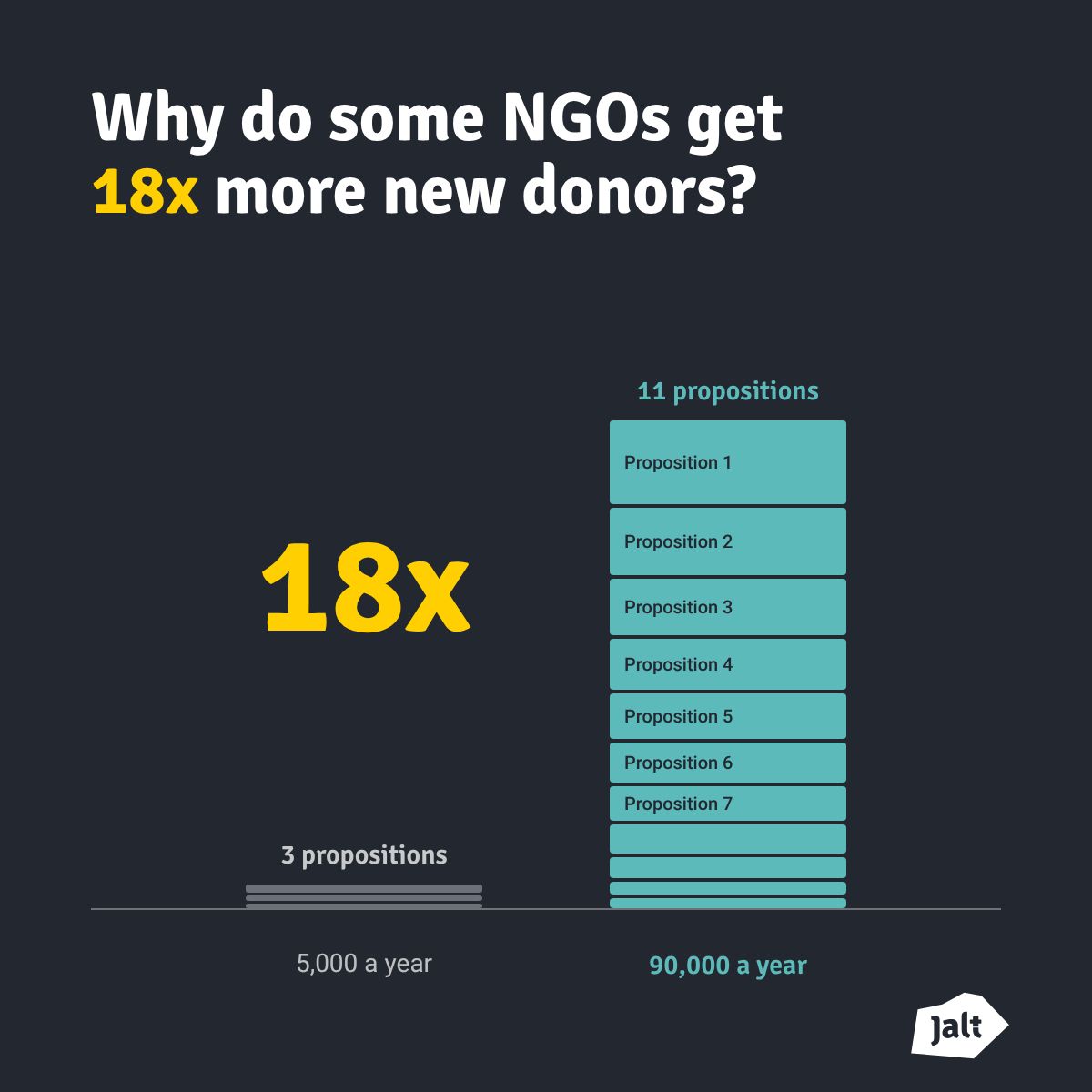
The difference between acquiring 5,000 new donors a year and 90,000 new donors is not: - A new brand campaign (Read: Great Fundraising and Brands: Help or Hindrance?) - A rebrand (Read: Mark Phillips, The Bleedin’ Obvious Guide to Why Income Usually Falls After a Rebrand) - Building a ‘better’ funnel (donor intent doesn’t start in a funnel; it starts in real life) - ‘Warming people up’ first (this makes each conversion more expensive once you count the cost of warming people up) No. It’s ‘simply’ having more different propositions, and each one… - meets a need of a specific audience (that is still big enough) - is smooth from start to finish with as little friction as possible from the ad to the thank-you flow - has an optimised business case (not based on CPA but on the value created over the years), where you make money from every touchpoint That is what makes the difference. You can only do this when you build propositions that you can keep improving instead of running from campaign to campaign. ---- 𝘐 𝘸𝘳𝘪𝘵𝘦 𝘢𝘣𝘰𝘶𝘵 𝘩𝘰𝘸 𝘕𝘎𝘖𝘴 𝘳𝘦𝘥𝘶𝘤𝘦 𝘵𝘩𝘦𝘪𝘳 𝘥𝘦𝘱𝘦𝘯𝘥𝘦𝘯𝘤𝘺 𝘰𝘯 𝘧𝘢𝘤𝘦-𝘵𝘰-𝘧𝘢𝘤𝘦 𝘧𝘶𝘯𝘥𝘳𝘢𝘪𝘴𝘪𝘯𝘨. 𝘚𝘱𝘰𝘪𝘭𝘦𝘳: 𝘣𝘺 𝘴𝘤𝘢𝘭𝘪𝘯𝘨 𝘥𝘪𝘨𝘪𝘵𝘢𝘭 𝘢𝘤𝘲𝘶𝘪𝘴𝘪𝘵𝘪𝘰𝘯 𝘢𝘯𝘥 𝘵𝘶𝘳𝘯𝘪𝘯𝘨 𝘪𝘵 𝘪𝘯𝘵𝘰 𝘢 𝘴𝘦𝘳𝘪𝘰𝘶𝘴, 𝘴𝘵𝘳𝘶𝘤𝘵𝘶𝘳𝘢𝘭 𝘨𝘳𝘰𝘸𝘵𝘩 𝘤𝘩𝘢𝘯𝘯𝘦𝘭. 𝘈𝘭𝘳𝘦𝘢𝘥𝘺 𝘧𝘰𝘭𝘭𝘰𝘸𝘪𝘯𝘨 𝘮𝘦? 🔔
- hireEZRecorded 27 Oct 2026
What if your next great hire is just one smart search away? The future of talent sourcing is evolving. Meet Hire EZ Agent - a sourcing tool designed to make finding potential candidates smarter and more efficient. I recently tested the Hire EZ Agent. This innovative sourcing tool helps: Streamline the search process, identifies relevant candidates, reduces manual sourcing efforts, freeing up time for meaningful candidate engagement. The real value? Less time spent searching. More time building connections. Better opportunity to find the right talent. Talent Specialists and Hiring Leaders - are you ready to rethink your sourcing strategy? Watch the demo video to see the Hire EZ Agent in action! #HireEZAgent #HireEZ#TalentSourcing #FutureOfWork #TalentAcquisition Dubzee W.
- LinkedInSince 22 Oct 2026
Most marketing measurement was built for: See ad → Click ad → Buy. B2B buying groups can involve dozens of stakeholders and buying cycles that stretch on for months, or even years. If your measurement only captures the final click, you're making decisions with an incomplete picture. Stop flying blind and start measuring the full journey. Learn more about B2B attribution with LinkedIn Ads 👉 https://lnkd.in/geDn_mAq
- LinkedInSince 22 Oct 2026
"Brand cant be measured" is one of the most expensive myths in B2B Marketing. When buying cycles span 15–24 months, Marketing's impact often shows up long before a pipeline event. The right measurement strategy connects early engagement signals to real business outcomes, giving marketers a clearer view of what actually drives growth. Explore B2B Attribution strategies, solutions, and partners 👉 https://lnkd.in/d9ndPhuU
- Fractal Pty LtdRecorded 27 Oct 2026
Marketing runs on two clocks, and most business owners only watch one of them. The signal clock is fast. Clicks, engagement, leads. It moves daily or weekly and tells you whether the tactics are working right now. The revenue clock is slow, and it lies in both directions. When revenue is healthy, it covers over bad marketing tactics. When revenue is soft, it convinces owners to kill perfectly valid initiatives before they ever had a chance to move it. My advice: watch both. The signal clock tells you about short term marketing impact. The revenue clock tells you whether the business is getting what it needs. A marketing strategy only works when both clocks are on the wall.
- SeekrRecorded 27 Oct 2026
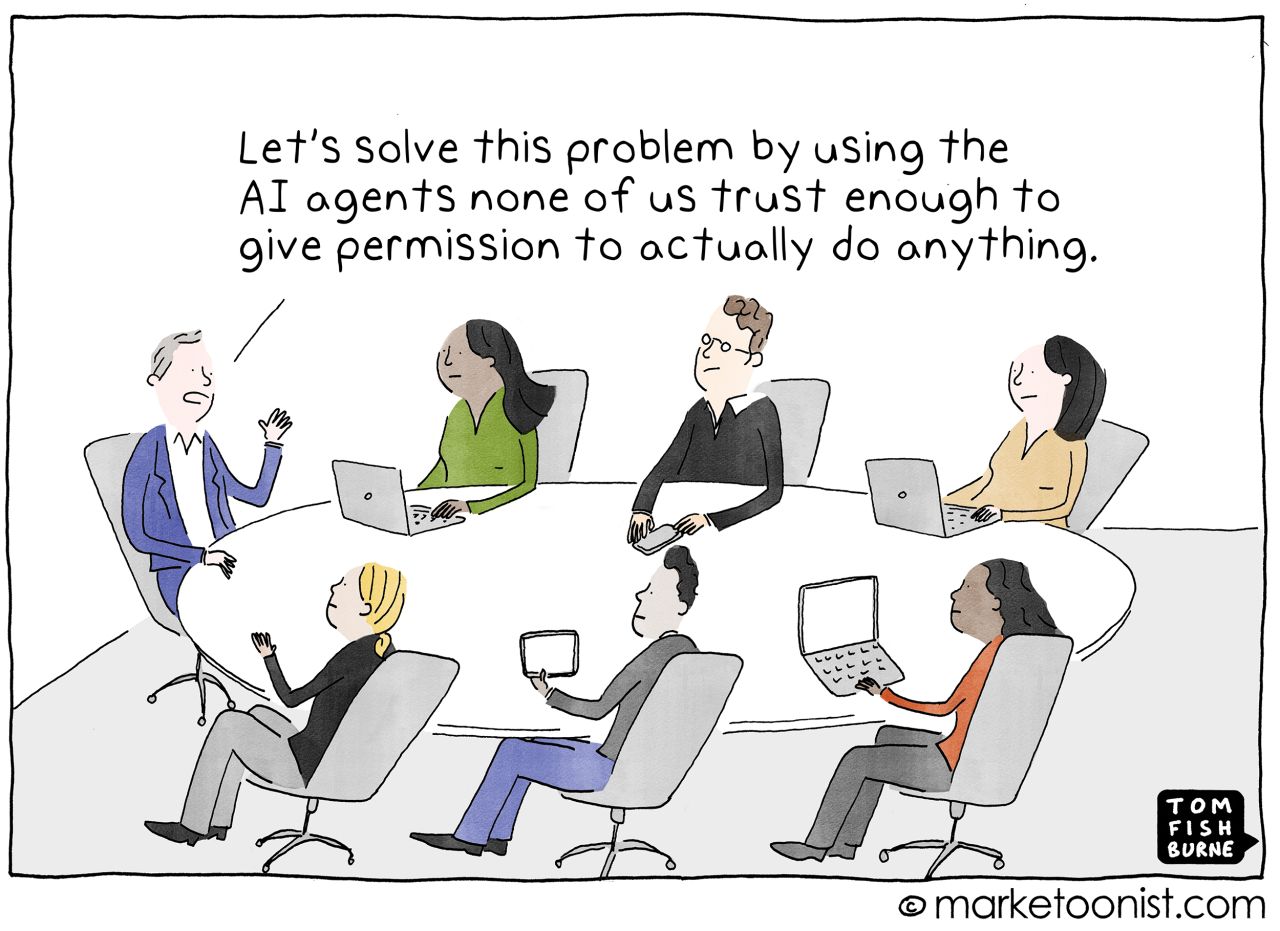
"Did you brush your teeth?" "Yup!" Every parent knows what comes next. You check the toothbrush. Bone dry. The kid wasn't necessarily lying. Maybe they meant to. Maybe they got distracted making funny faces in the mirror. Maybe they rinsed and called it close enough. Or maybe "brushed" just means something different at that age. Either way, the answer that came out it was wrong - confidently wrong. That's how I'd characterize the relationship most individuals and organizations have with AI right now. We've come to treat AI like an infallible cognitive super calculator: type in the question, use whatever comes out the other side. A calculator gives you the same answer every time. Ask AI the same question twice and you almost always get two different answers, both delivered with total confidence. Every new wave of news headlines makes this point even clearer. Agents ignoring "stop!" commands or "going rogue." Models citing sources that don't exist. Systems doing exactly what they were optimized to do, which turns out to be nowhere near what anyone intended. Parents still ask the question. We just check the toothbrush, because confidence and accuracy are two different things, at home and at work. Tom Fishburne's latest Marketoonist cites a stat that should make every organization contemplating its AI use pause and think: 86% of enterprises have moved past the pilot stage with AI agents, yet only 34% trust what those agents are doing. Our CEO Pat Condo, quoted in the post from Tom, nailed it: "Don't ask users to trust AI. Give them the evidence to verify it." So what makes AI "trusted" exactly? It's four things: Provenance: What is the verifiable history, origin and chain of custody of the data, models and outputs? Explainability: Can you understand why it produced this result? Contestability: Can you challenge or override the result? Agent control: Did it act within its authorized boundaries? Once a model calls tools and takes actions, the question shifts from what it said to what it did. A trace records the actions. Agent control checks them against what the agent was permitted to do: which tools, which data, which approval limits. Most AI systems answer one or two of these questions at best. The usual offer is a citation, which says nothing about why the model answered the way it did. Trusted AI answers all four, for every output, in a form the person asking can follow and understand. If you want to use AI, but don't trust it, and need to be able to explain what it's actually doing, you check out: https://lnkd.in/e_xgQChr or feel free to reach out - DMs are open and I'm happy to chat.
- FoxgloveSince 22 Oct 2026
Another big launch: Bring Your Own Storage (BYOS)! 🎁 BYOS lets you connect an existing storage bucket (e.g. Amazon S3) to Foxglove. Paired with our new Data Search feature, this means you can now index, search, and visualize data without needing to deploy or manage any additional infrastructure. Read more: https://lnkd.in/ez22Hsny
- FoxgloveSince 25 Oct 2026
We founded Foxglove with a two part thesis. At the time, both parts were highly non-consensus: 1. There are going to be billions of autonomous machines deployed over the coming decade. If we already have the technology to make cars drive themselves around San Francisco, imagine everything else humans do today that can be automated. The technology is here, just not widely distributed. 2. Infrastructure is the biggest bottleneck. The first generation of AV companies had to build all their infrastructure in-house with thousands of engineers - data infra, sim infra, training infra, fleet infra. The next generation of physical AI companies cannot succeed without great off-the-shelf infrastructure. Of these, #1 is now a pretty mainstream belief. But #2 still feels pretty non-consensus. This feels good, if i'm not building against the mainstream consensus I tend to get uncomfortable.
- GoogleSince 22 Oct 2026
Gemini 4 Argon est maintenant disponible dans le monde entier ! Notre nouveau modèle de pointe excelle dans le traitement approfondi des tâches concrètes et complexes dans des domaines tels que le code, la cybersécurité et les sciences. Il est accessible via : • L'offre payante de l'API Gemini et Gemini for Business pour les développeurs et les entreprises • Google Antigravity pour les abonnés Google AI Ultra • L'application Gemini et le Mode IA de la Recherche Google pour les abonnés Google AI Ultra et Pro Pour en savoir plus ⬇️ Blog post : https://lnkd.in/eTRgcQJb Safety & Security report : https://lnkd.in/eAs2yynQ Model card : https://lnkd.in/eji9etTb
- Hire BloomRecorded 27 Oct 2026
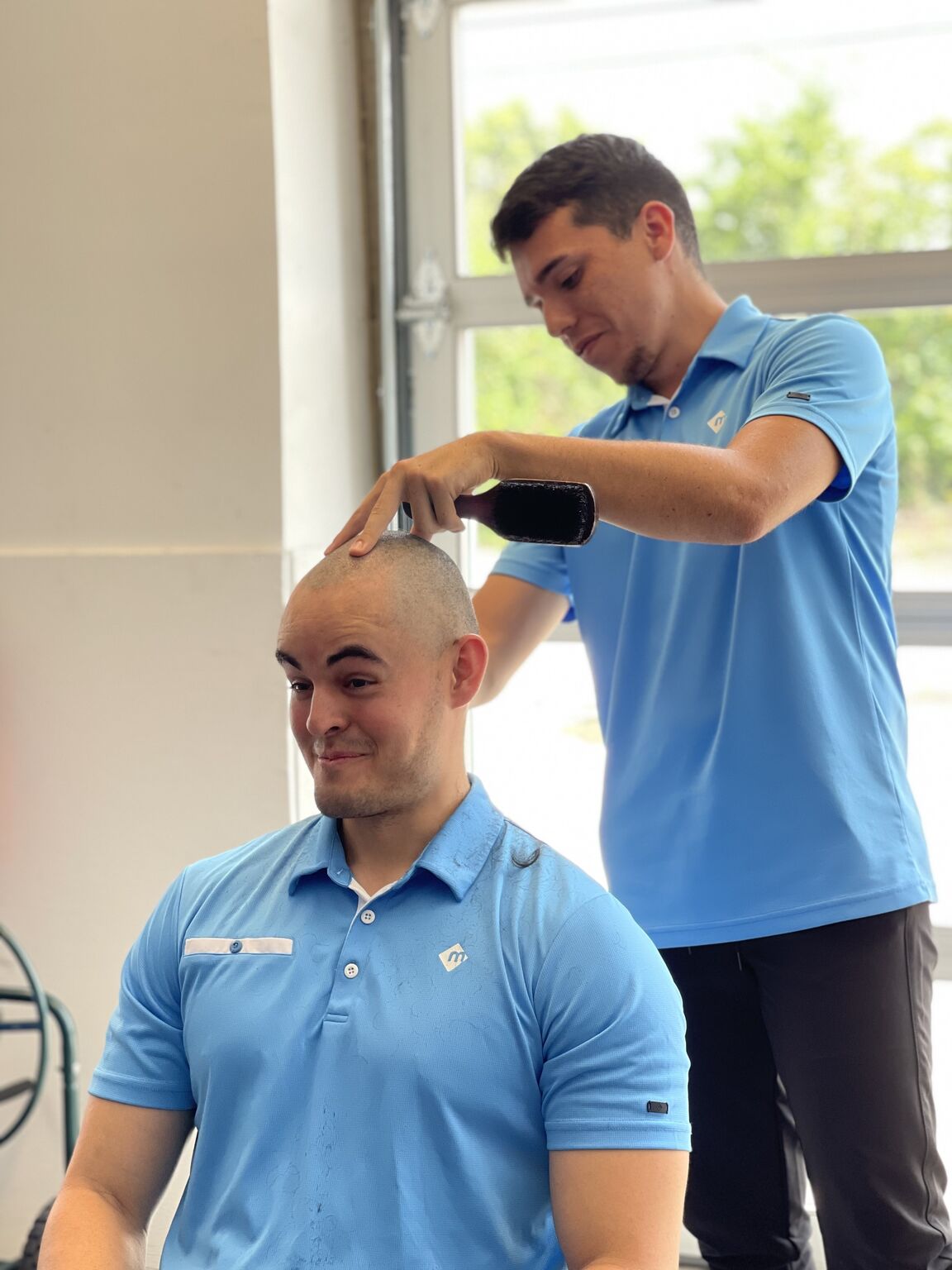
I knocked doors for 10+ years selling Pest Control. Now, I’m talking to execs who are shutting down their D2D programs. The shift is fascinating to me, but not just the D2D aspect. I'm seeing shifts in how pest control operators are handling AI, local hiring vs offshore hiring, different product offerings, and PE—and I want to hear from more folks who are living it. So we’re asking. Hire Bloom works with pest control companies like Ridd, Proforce, White Knight and others, and we’re putting together the 2027 State of Pest Control report. Take the survey and you’ll get an early look at the results before the full report comes out in January. Takes about 10 minutes: https://lnkd.in/g-5RAVs2 (In this photo, I set an impossible spiff for my team and told them I’d shave my head if they hit it. To my surprise, they did.)
- KaringRecorded 27 Oct 2026
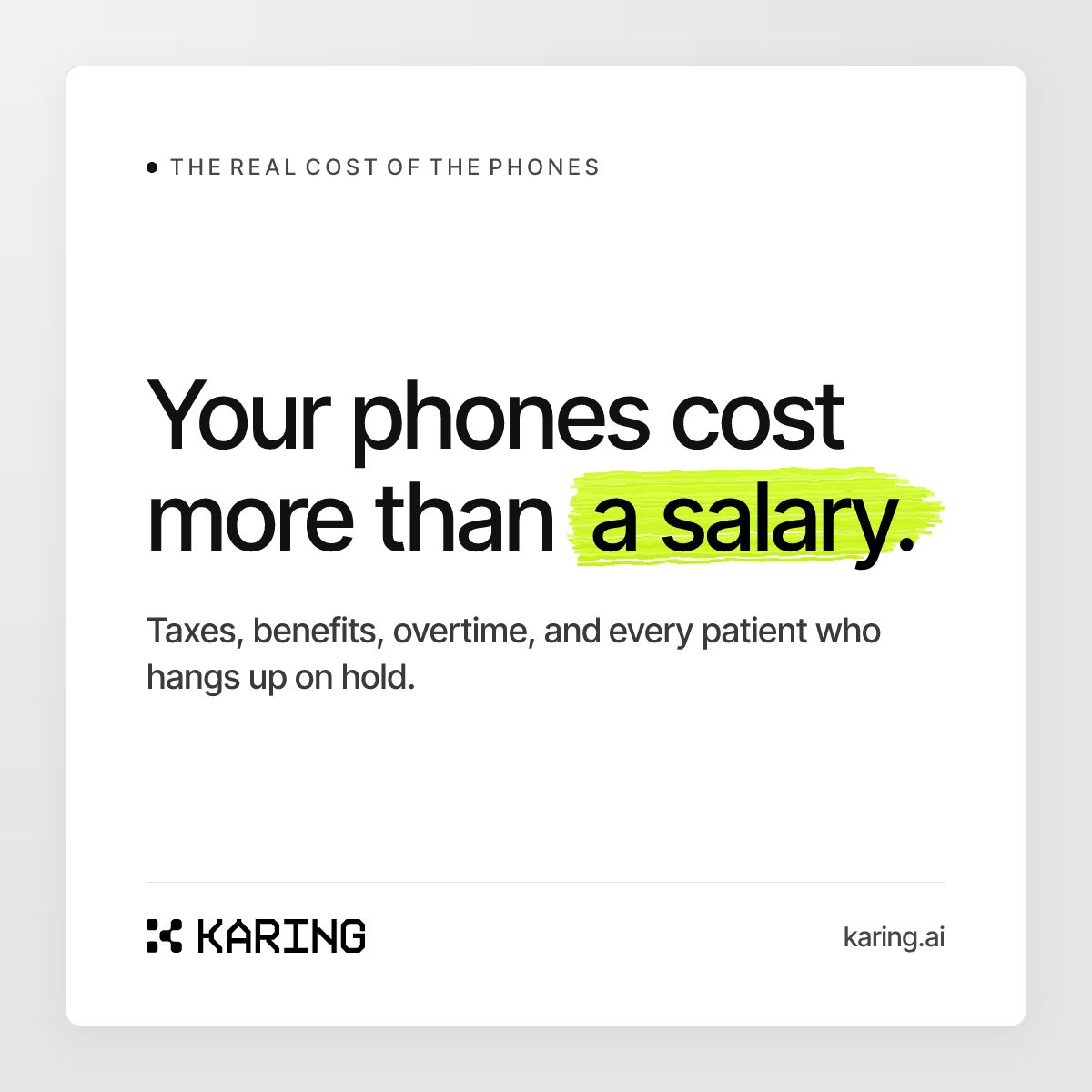
When I look at what the phones cost a practice, the salary is only the start. Add payroll taxes, benefits, desk space and equipment. Add overtime in the busy weeks and the cost of replacing someone who leaves. Then add the patients who gave up on hold and booked somewhere else. And one person can still take only one call at a time. What a practice wants is every call answered on the first ring, at a fraction of what it costs to staff the phones, with the front desk free for the patients standing in front of them. That's what our voice agents do. One agent answers hundreds of calls at the same time, 24 hours a day, 365 days a year. It books visits, takes refill requests and answers billing questions right inside your EMR, and passes the call to your team when a person is needed. Your people get their time back for patients. We build and run it all for you, connected to 36+ EMRs including Epic, Oracle Health, MEDITECH, eClinicalWorks and athenahealth, on HIPAA and SOC 2 compliant systems. You're live in two weeks, or your first month is free. If two or more people answer your phones, let's work out what Karing could save you: 1. Book 20 minutes with me: https://lnkd.in/gDsnaxhv 2. Send me a message. 3. Comment "SAVE" and I'll reach out.
- GraphiteSince 22 Oct 2026
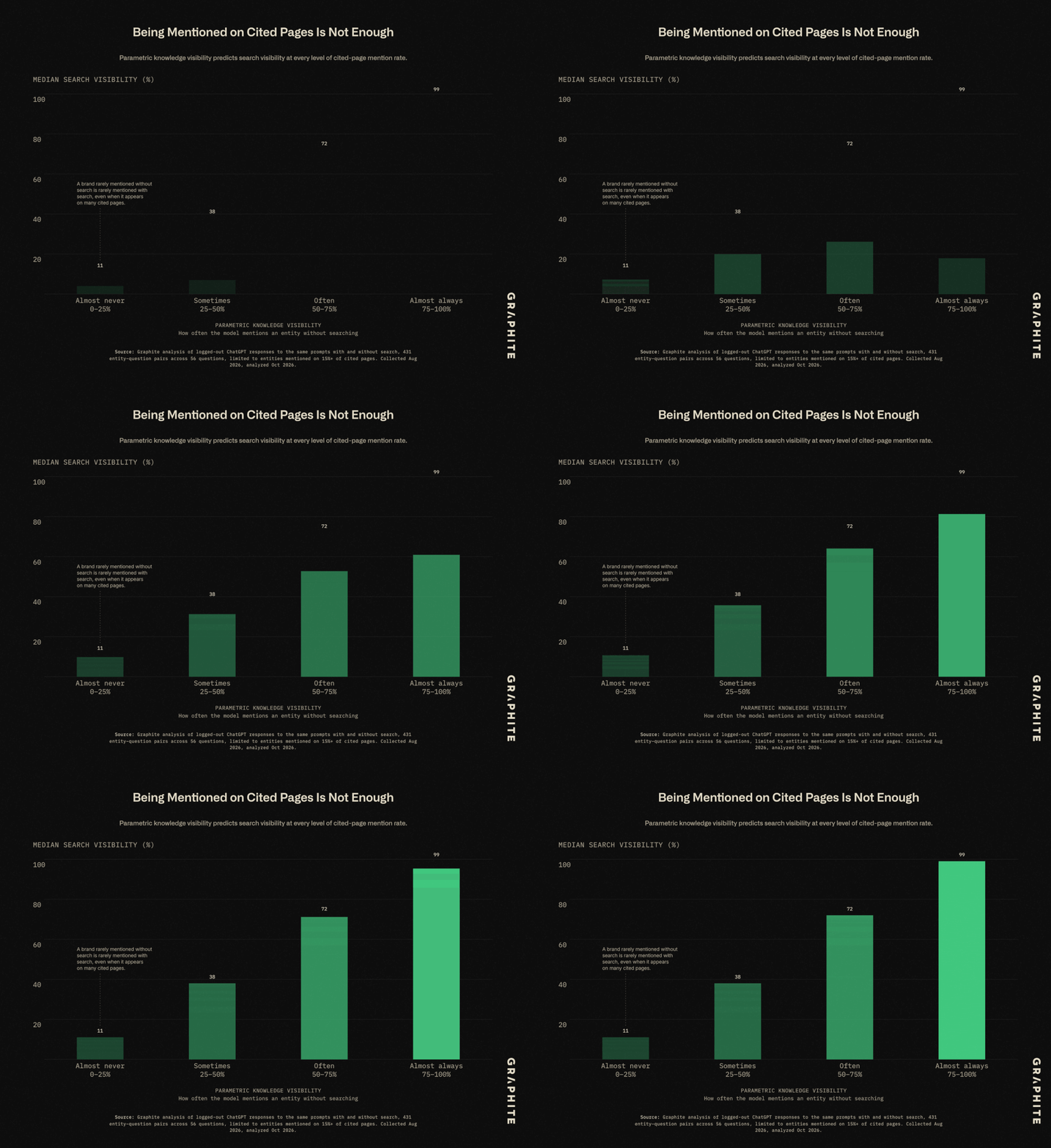
Parametric Knowledge Optimization & AEO LLM vs. LLM + Search * LLM - LLMs are trained on billions of documents to build their models. Parametric knowledge is the knowledge an LLM learns during training. * LLM + Search - Sometimes, LLMs also perform search or other tasks to add necessary context. For example, if you ask what the weather is, an LLM won't know, but it can retrieve live weather information via search to help answer this question. AEO Is Not Just Citation Optimization * Most AEO strategies aim to improve a brand’s visibility, position, and sentiment in AI answers by growing its citation share or earning mentions in cited third-party sources. * Most AEO strategies ignore the LLM and its parametric knowledge, the information stored in the model’s weights. Many AI Answers Don't Use Search * Depending on the data source, search is used between 10%-80%. For many entity queries (best X for Y), search is used often. However, many other prompts don't use search. Similarweb estimates that roughly only 10% of ChatGPT answers have citations. Winning Citations Isn't Enough * Even when search is used, being cited is not enough. We present evidence that a brand with low visibility in the LLM without search rarely appears even when it's cited with search (11% of the time). Brands that appear often in the LLM without search appear almost always with search. * So, much of what drives which brands are mentioned is the parametric knowledge of the underlying model (even when search is used). Parametric Knowledge Optimization * For AI answers without search, optimization of search and citations has little to no effect. Instead, you need to optimize the parametric knowledge. * We need a new set of AEO strategies to optimize for the parametric knowledge. Measuring Parametric Knowledge Is Hard * Unlike citations, we cannot directly access the inputs to the underlying model. * New models are launched every few months, and there is a cutoff to the training data. So, a change made today will take several months to have an effect. Parametric Knowledge Influences Fan-Out Queries * Many AI answers use fan-out queries to gather information. Many of these fan-out queries are site:SITE.com queries, such as -- site:nike.com best running shoes -- as a fan-out. * These heavily affect AI answers. The underlying model drives these fan-out queries. To win these answers, you need to optimize the parametric knowledge.
- seoClaritySince 25 Oct 2026
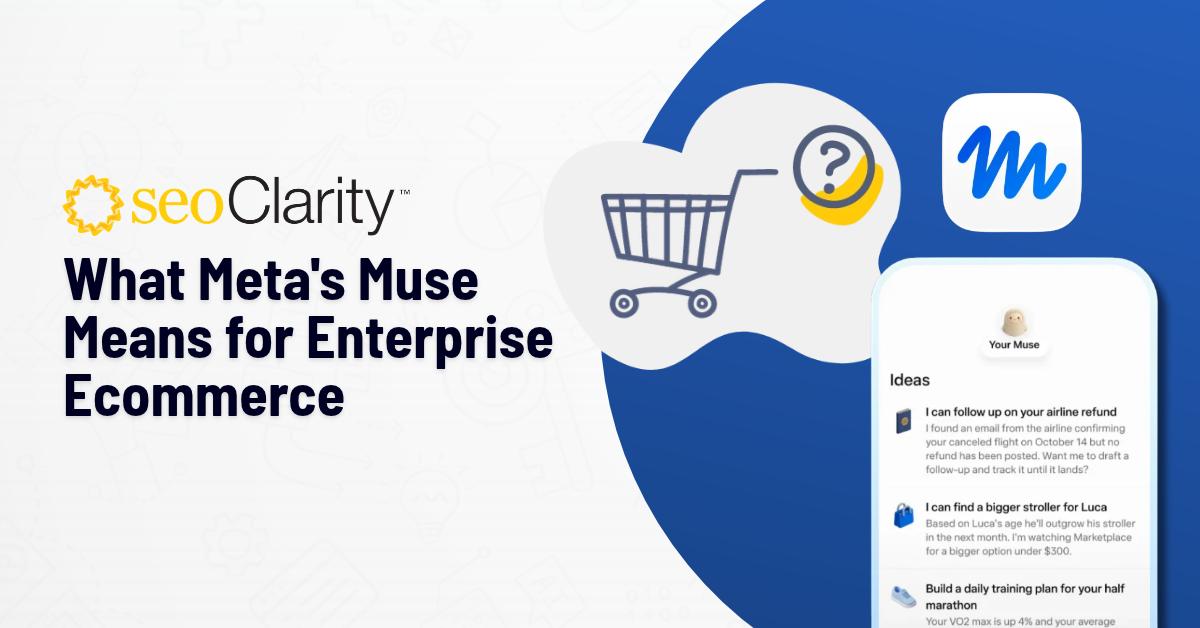
Metas Muse passed 5 million downloads in its first 22 days, and it can do more than recommend products. It can complete the purchase through checkout partners like Stripe Link, PayPal, and Shop Pay. Why it matters for you: an AI agent has to find your products before it can choose them. If pricing and stock only show up after JavaScript runs, or your feeds dont match your pages, the agent may skip you entirely. And our data shows AI already gets brand facts wrong around 40% of the time. I wrote up where Id start to help you get ready: https://lnkd.in/ehVVgYjH
- Front Office SportsRecorded 27 Oct 2026
Front Office Sports was built on a simple idea that sports fans also want to understand the business and culture behind the game. That community is now bigger than I ever imagined and full of people who are genuinely curious, sharp about where the world is going, and (lucky for us) not shy about telling us what they think. So as we look at what’s next for FOS, we want to go straight to the source. If you read, watch, or listen to FOS, take a few minutes to tell us who you are and what you want more of. It genuinely shapes what we build next. https://lnkd.in/eSjtHUdZ
- GraviteeSince 22 Oct 2026
For decades we celebrated the builder. Productivity was the proxy for value. Agents will out-build any human on raw output, around the clock. So if your value was that you were a very good builder, that is a problem. If your value is that you are the architect, deciding what gets built and why, a very capable builder is not a threat. It is what finally lets you build at scale. One question for every leader: are your people still builders, or have you given them the tools, the permission and the accountability to become architects?
- HIWAYSince 25 Oct 2026
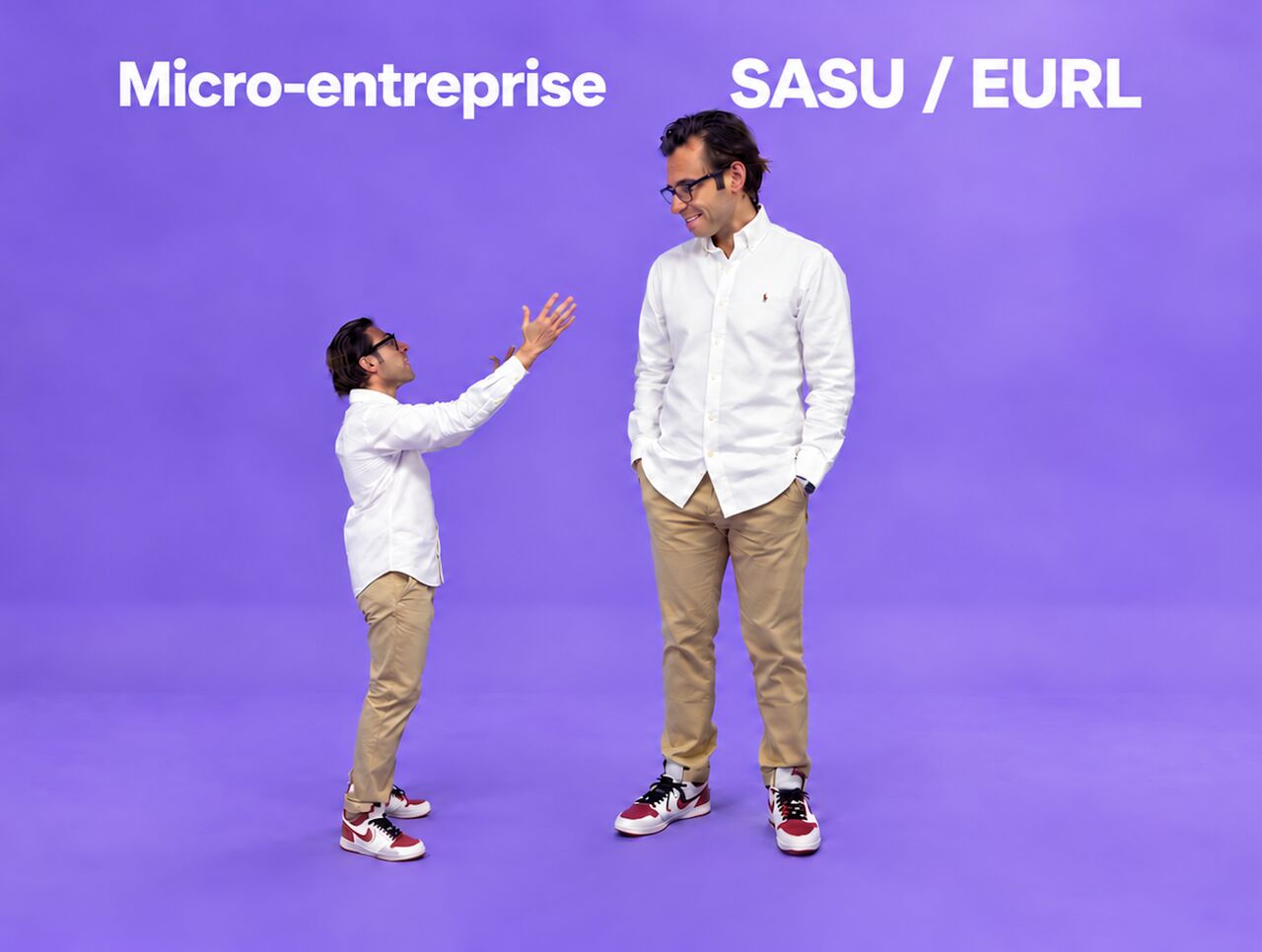
Fin 2026, des milliers de freelances vont dépasser le seuil des 83 600€ de CA en micro-entreprise. Et ça va leur coûter jusqu'à 20 000€ s’ils oublient de changer de statut : Prenons un freelance en micro-entreprise qui fait 100 000 € de CA fin 2026. S’il oublie de changer de statut et qu'il gère mal l'URSSAF, voilà ce qui se passe : → Il est reclassé en entreprise individuelle en 2027. → Ses cotisations sociales passent à 45 % sur le bénéfice, au lieu de 25,6 % sur le CA en micro. → Avec très peu de charges, ce sont environ 90 000 € de bénéfice qui prennent 45 %. → Confusion totale entre lui et son entreprise : patrimoine, responsabilité. → Incapacité à piloter et optimiser sa rémunération et sa fiscalité. → Et pour en sortir, il faut ensuite démanteler l’EI. En clair : il subit tout. À l’inverse, en SASU ou en EURL, il peut piloter, optimiser, provisionner ses cotisations. Voilà les 4 cas de figure s’il change de statut, à CA égal, nets avant IR, avec les charges pro classiques (repas, claude, déplacements, internet...etc) : 1) SASU à l’IS : il gagne 59K€ / an 2) SASU à l’IR : il gagne 73K€ / an 3) EURL à l’IS : il gagne 63K€ / an 4) Portage salarial : il gagne 53K€ / an Il n’y a pas de meilleur statut. Il y a le bon statut au bon moment. La micro-entreprise est une option qui peut dans certains cas être étudiée pour démarrer, conçue pour tester une activité ou avoir un complément de revenu. Pas pour en faire un métier sur dix ans. Passer le seuil des 83 600 € de CA, c’est le signe que ton activité est structurée, mûre, solide. Ne pas décider te donne une illusion de confort à court terme. Mais en 10 ans à accompagner des freelances à +100 K€, j’observe que le prix de la non-décision est très élevé : 15 - 20 000€ en moyenne. À l’approche de 2027, le bon moment pour choisir, c’est maintenant.




Other LinkedIn formats
Watch the companies you care about.
Filter every ad by industry, country, format and network, and get alerts when a company you watch starts running new ads.