On air · 2 of 3 networks
Koch-Glitsch
- koch-glitsch.com
- US
- 647 employees
Koch-Glitsch’s ads on LinkedIn, Meta and Google, recorded by adsrunning. Browse the latest here for free. Sign up free to see all 49. Watch Koch-Glitsch with Starter to get each new one in your feed.
Watchlist with Starter · $49/mo
| Network | Status | Live ads | Nov 2025LinkedIn activity · 52 weeksOct 2026 | Checked | Next step |
|---|---|---|---|---|---|
| Running | 34 | Checked 29 Oct 2026 | See all 49 ads → | ||
| Meta | Not checked | — | |||
| Running | 23 | Ads on the Google Ads Transparency Center | Checked 28 Oct 2026 | Collect them with the API → |
Koch-Glitsch has 34 live LinkedIn ads. We recorded 23 Google ads on 28 Oct 2026.
Latest ads
- LINKEDIN · IMAGESince 22 Oct 2026
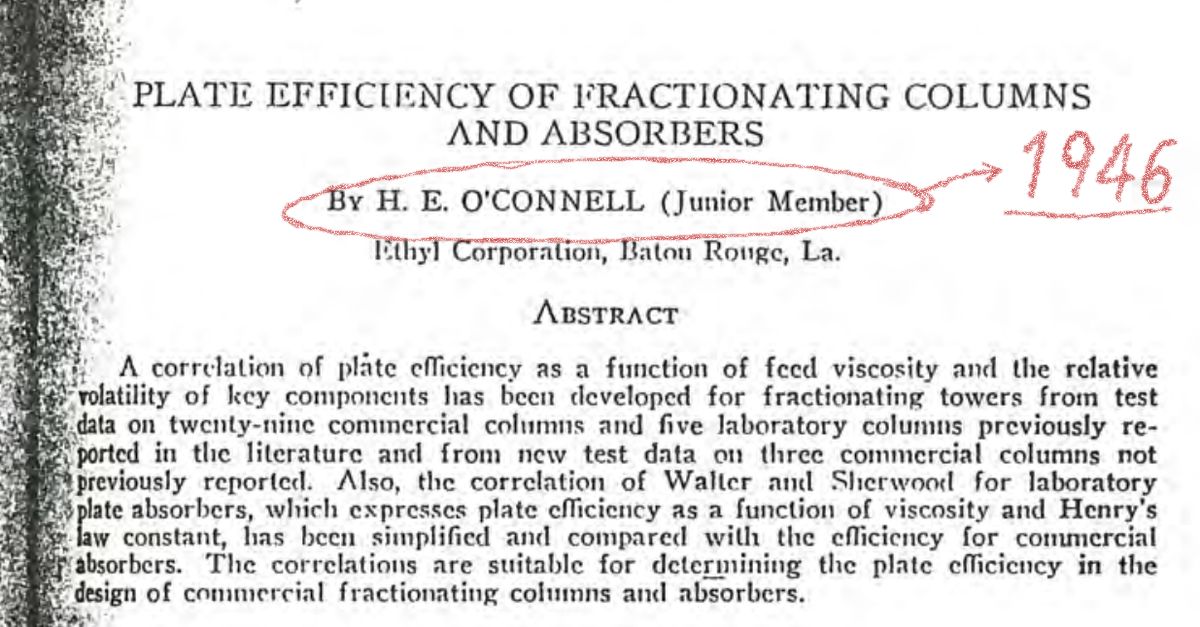
At the recent Distillation & Absorption Conference, we spent a lot of time discussing dividing wall columns, new tray technology, and energy efficiency. In a tray efficiency conversation, one comment stuck with me. "O'Connell's correlation has never failed me." That got me wondering if that's actually the problem. As someone who still relies heavily on experience when thinking about tray efficiency, it made me pause. Experience is a great teacher, but it also quietly conditions us to stop questioning what has always worked. If it's never failed, how much margin have we been carrying? How much energy, column height and cost have we designed in just to be safe? Conservatism rarely shows up as a failure. It often shows up as extra cost, extra height, extra energy consumption, or missed performance opportunities. We have proven tray technologies today that can achieve efficiencies well beyond the values many of us learned early in our careers. Yet many designs still start with the same assumptions. Has new technology changed the way you design columns, or are you still using the same tray efficiency assumptions from 10 or 20 or 80 years ago?
- LINKEDIN · IMAGESince 28 Sept 2026
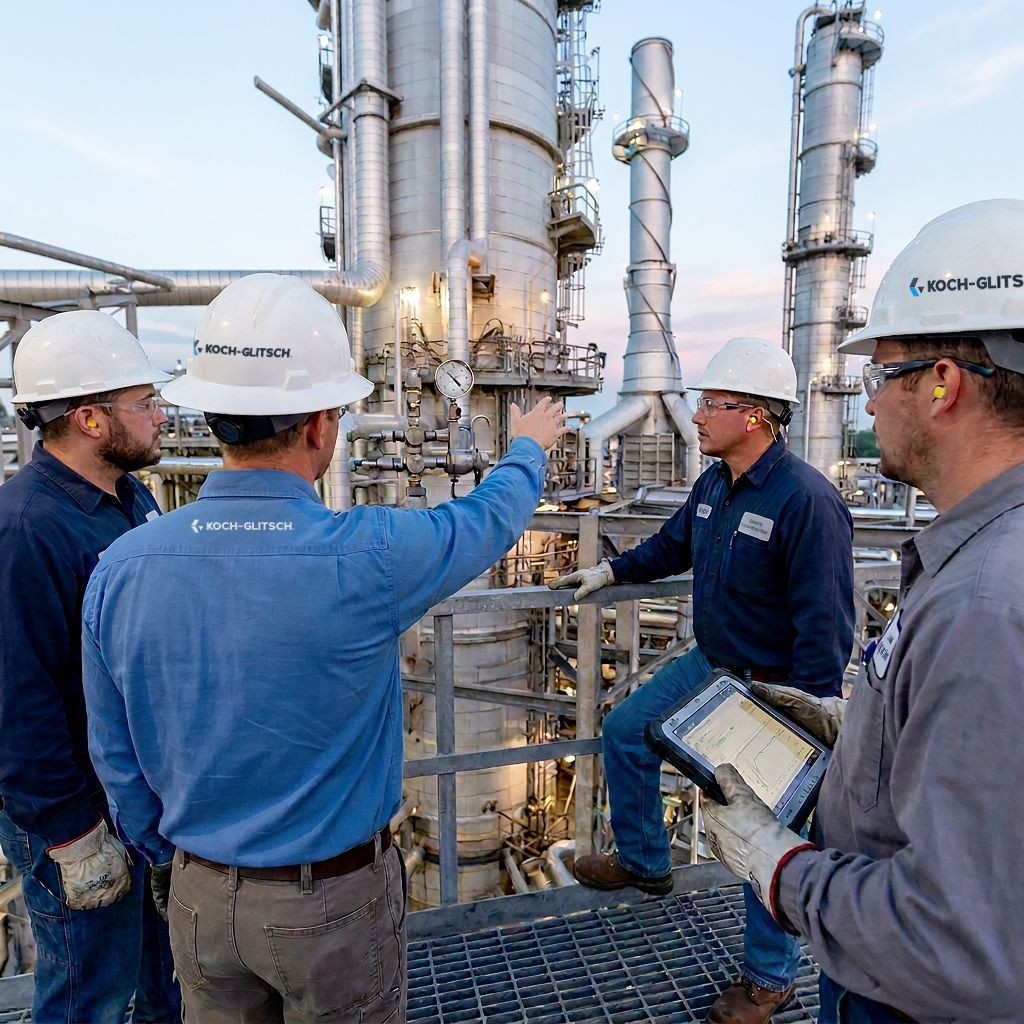
The biggest lesson I've learned is that the best answers to distillation performance problems are not always found behind a process simulation. Often, they start with a conversation. Whenever I visit a refinery, petrochemical, or gas processing plant, I try to spend as much time listening as speaking. Plant operators see the process from a different perspective. They experience startups, shutdowns, feedstock changes, fouling issues, equipment limitations, and unexpected operating conditions firsthand. More importantly, they understand how a unit behaves not just on its best day, but over years of real operation. Early in my career, I assumed that gathering more data would eventually reveal the answer to every tower problem. Over time, I've learned that asking the right questions can be even more important. Some of the most valuable discussions I've had around distillation columns started with a few simple questions: What has changed since the column was operating as expected? Which operating constraint has the greatest impact on performance today? What issue keeps returning despite previous corrective actions? Which operating challenge concerns the shift team the most? If you could improve one thing tomorrow, what would it be? In many cases, those conversations uncover insights that operating data, simulations, and equipment datasheets cannot provide on their own. Engineering fundamentals and simulation tools remain essential. But the best solutions often emerge when analytical expertise is paired with the experience of the people who operate the unit every day. After years of revamps, troubleshooting, and performance assessments, one principle has remained constant: Listen first. What's the most valuable lesson you've learned directly from plant operators?
- LINKEDIN · IMAGESince 23 Aug 2026
Before the tower shuts down, decisions lock in. We help you plan, spec, and de-risk under real refinery pressure.
- LINKEDIN · IMAGESince 23 Aug 2026
Under real refinery pressure, replacement is often a safe choice, but not always the best one. Bring in technical insight early to evaluate throughput, risk, and tradeoffs before decisions are locked.
- LINKEDIN · VIDEOSince 23 Aug 2026
The pressure of a turnaround doesn't start during execution. It starts months—and often years—before the unit comes down. The decisions made long before startup often have the greatest impact on the outcome. See how Koch-Glitsch helps refiners navigate those decisions with confidence.
- LINKEDIN · IMAGESince 23 Aug 2026
Replacement gets you back online, but it doesn’t move you forward. Our refining specific expertise grounded in real operating conditions helps uncover where performance can improve, and what will actually hold up in the unit.
6 of 49 adsSign up to see every Koch-Glitsch ad, filter by format and date, and get alerts on new ones.
See all 49 adsWatch the companies you care about.
Filter every ad by industry, country, format and network, and get alerts when a company you watch starts running new ads.