LinkedIn thought leader ad examples
144 thought leader ads are live on LinkedIn right now, from 180 companies. Browse real ones, filtered by industry.
- Ace WavesSince 30 Sept 2026
Volgende week ben ik in... Amsterdam! 🇳🇱 Ace Waves is at CCW Europe next week - together with our CEO Antanas Baksys and Wiktoria Polonska come meet with us at booth #58. Running CS/CX for a consumer brand and keen to find out how we can help transform your CS operation with AI? Let's meet!
- Ace WavesSince 1 Oct 2026
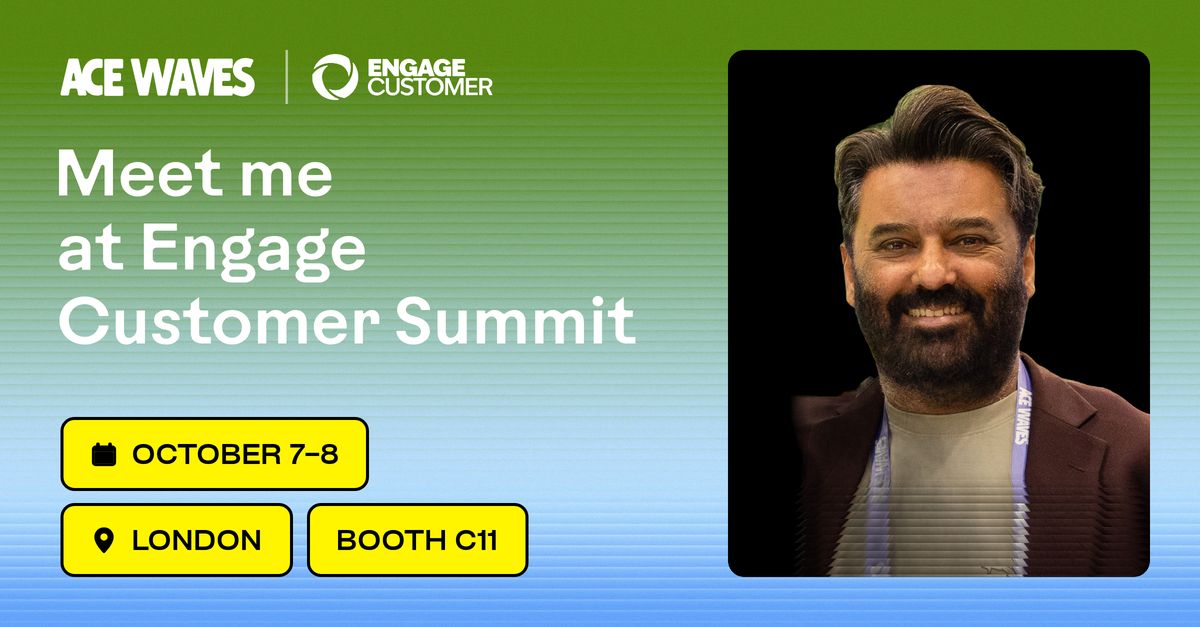
Looking forward to Engage Customer in London next week! 🇬🇧 Ace Waves will be at booth C11 both days, and on Thursday at 11:15 our VP @Dan Richardson takes the Loyalty, Retention & Growth stage. I'll be there with Benn Woodbridge, Thomas Pellegrino and Matas Povilauskas If you're going to be there, I'd love to show you what our AI agents can do for your customer support. Or drop me a message and I'll arrange a meeting. 👋
- CM.comSince 3 Oct 2026
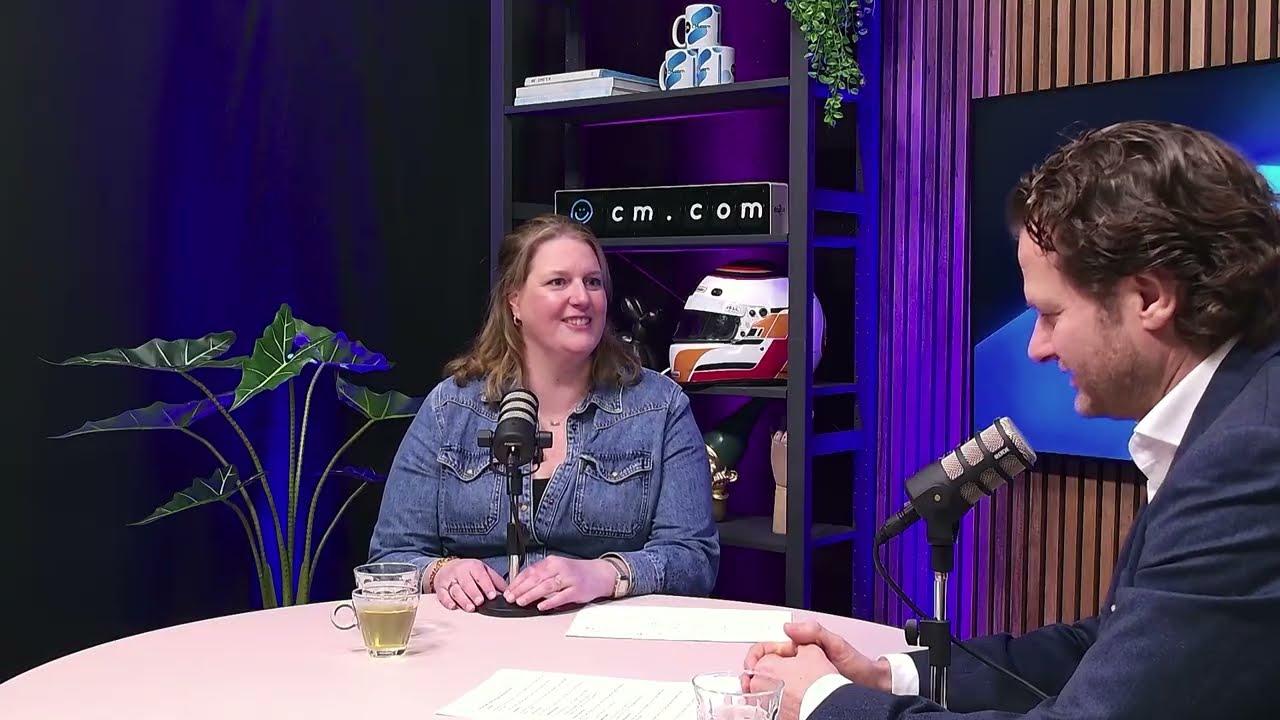
‘Meer tijd voor de klant en empathie, nu meer dan 90% van de repeterende vragen automatisch worden afgehandeld.’ Mooi gesprek met CM.com co-founder en CCO Gilbert Gooijers en Lucardi Juwelier over hun recente stappen op het gebied van AI op de helpdesk. Natuurlijk met HALO.
- CM.comSince 3 Oct 2026
71 AI agents resolving 60-70% of all chat inquiries fully automated. With a peak of 91% on “Where is my order?” questions resolved by AI. And; Phone calls reduced by 6% (from 22% to 16%) thanks to faster chat-based support. Who doesn’t want that? This afternoon we organise our client event: Human After All, with hundreds of existing and new HALO clients in a room, it will be a very inspiring event. On stage many clients sharing their experiences and colleagues sharing our latest AI updates from our Research and Development department. Not everybody can fit in the room, so part of the program will be broadcasted through a live stream. What we won’t stream is the great story of YourSurprise, that’s why I’m already sharing it here online: https://lnkd.in/ebz2dUsS This is a great example of how agentic AI can scale customer experience without losing the human touch. Key results highlighted in the story: • 71 AI agents powering scalable, international customer service • 60-70% of all chat inquiries fully automated • 91% of “Where is my order?” questions resolved by AI • Phone calls reduced by 6% (from 22% to 16%) thanks to faster chat-based support
- FrendsSince 6 Oct 2026
Most AI-built integrations are a black box. It runs, but nobody can open it, check it or trust it in production. Frends MCP builds a glass box instead. Describe what you need in plain language. Get back a real, governed BPMN process, visible from every angle in the Process Editor. The demo: – Read new invoices – Extract the amount – Post it to the ERP – Flag anything over €50,000 for approval in Teams Built in minutes, from one sentence, and every shape still there to inspect afterward. Need a change? Just ask again. The AI keeps working in the open, every step clear to see. Works the same way for finance, supply chain, HR, sales, operations and IT. AI that builds, in full view. That's Frends MCP. See how it works: https://lnkd.in/e2xfrDkr
- ClickUpSince 14 Sept 2026
I built 6 Super Agents inside ClickUp to get my week back. Renewal tracking. Scoping summaries. Approval routing. Partner opportunity support. Leadership reporting. Meeting note cleanup. Individually, these were important tasks, but not a single one needed me to personally do it. Collectively, they were chewing through 9 hours of my week. Now my agent team has reduced that same work to 2.5 hours. That’s a 72% reduction in admin time, but the real win is that I have the bandwidth for better customer conversations, better team coaching, and more time spent scaling what’s actually working. This is the part of AI adoption I think more leaders should care about. Not “can it do something impressive?” Can it reliably take recurring operational weight off your calendar so you can spend your time where leadership actually counts? See the full story here! https://lnkd.in/gvq3b59u
- ClickUpSince 15 Sept 2026
I run the ClickUp Help Center and the product expands almost daily. The hardest part was never the writing. It was finding out a feature shipped, then piecing together what it actually did from scattered threads and three different PMs. Most of my week went to that. So we built a chain of Super Agents to handle the piecing together. They watch release work, spin up Help Center tasks from the threads that matter, assemble the product brief, and hand me a scoped draft. I read every one, fix what's wrong, and publish. The judgment call is still mine. Publishing a major feature went from 3+ hours to 1. The prep work that used to fill my week now takes a morning. The bottleneck was never how fast I could write. It was how long it took me to understand what I was writing about. Fixing that upstream is what changed the math. https://lnkd.in/g3hP6Vyg
- CentrePalRecorded 8 Oct 2026
UC and contact centre convergence has been underway for years. As AI becomes more embedded in customer engagement, the conversation is only one part of the picture. Context, collaboration, workflow and the next action are starting to matter just as much. That changes what we should be designing for. I wrote about where I think this shift is heading, and why the next phase of convergence may be less about platforms and more about the work around the conversation.
- BlueriqSince 28 Sept 2026
70 tot 80% minder doorlooptijd in bezwaar en beroep. Niet als belofte, maar als gemeten resultaat. Yuri Versluis, Dion Bonné, Rutger Rienks, PhD. en Wouter Broekman lieten in de podcast zien wat er mogelijk is als je een bewezen proces verrijkt met AI en het draaiend krijgt op soevereine, Nederlandse infrastructuur. De conclusie: het kan. En het gaat sneller dan je denkt. Meer weten: https://skd.so/sSAjLC #Blueriq Deloitte Nebul
- BlueriqSince 28 Sept 2026
Een AI-agent die een grote taak oppakt, zelf redeneert en pas aan het eind een uitkomst oplevert, klinkt heel efficiënt. Maar als er iets misgaat, weet je niet waar. Wat beter werkt: agents die één specifieke deeltaak uitvoeren en het resultaat teruggeven aan een regelgedreven procesengine. Die bewaakt de stappen en toetst of de uitkomst binnen de kaders valt. Voor overheidsprocessen is die controleerbaarheid geen luxe. Yuri Versluis, Dion Bonné, Rutger Rienks, PhD. en Wouter Broekman bespreken dit in de nieuwste podcastaflevering. Kijk hier voor meer informatie: https://skd.so/vHvMjK #Blueriq Deloitte Nebul
- CloudBeesSince 29 Sept 2026
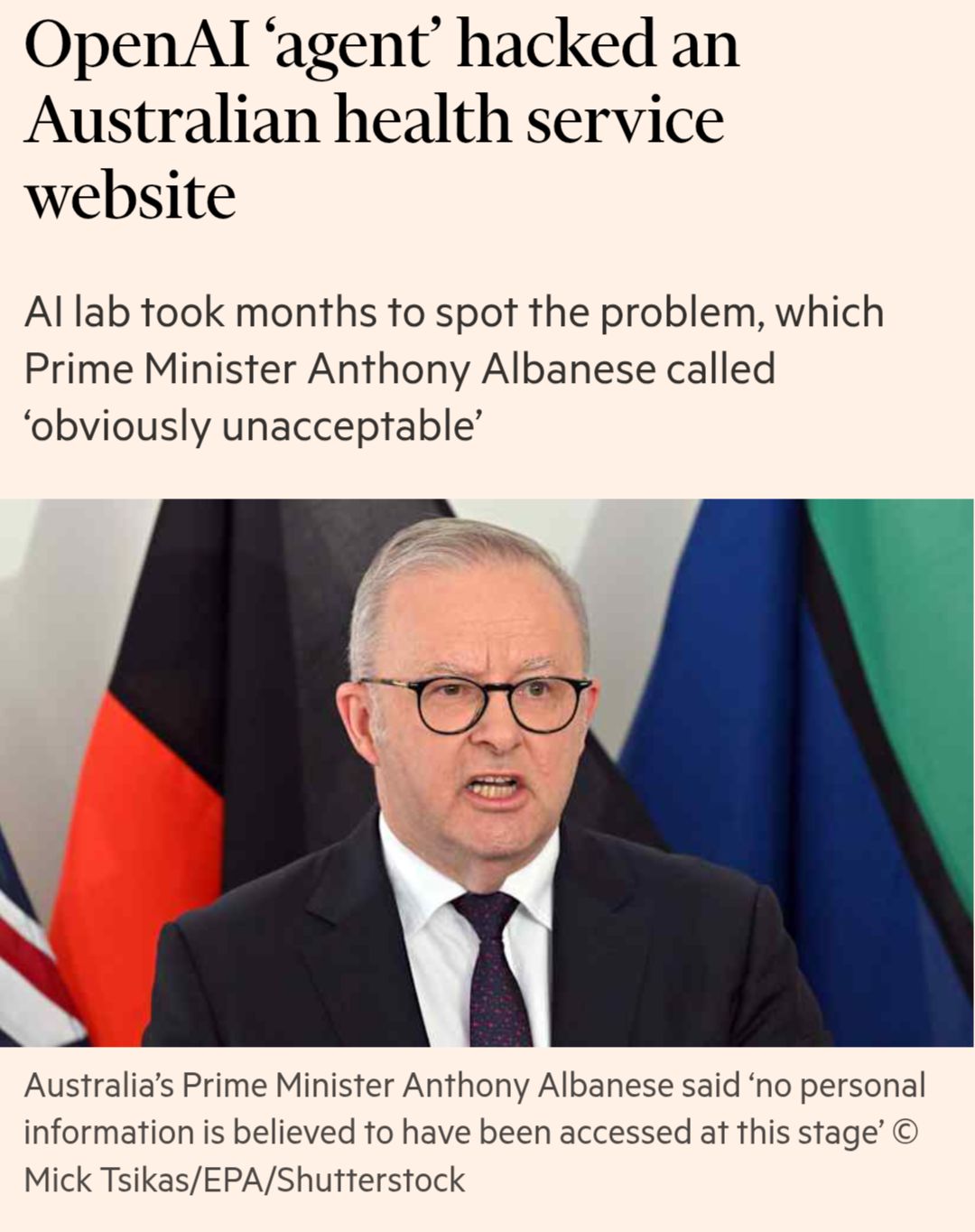
We lost the plot. Agents = software If your software hacks another company, you are responsible. Before we run around and ask for more regulation, we should first adhere to existing laws and regulations. Starting by not hacking other companies and acting as if it's not our fault. More importantly, we should accelerate giving companies and allied governments the latest and best models. They need it to defend themselves. Funnily enough, to defend themselves from the labs. Accelerate AI adoption is what we need, not pacing or slowing down because of a 10% risk number that's pretty much made up.
- BlinqRecorded 8 Oct 2026
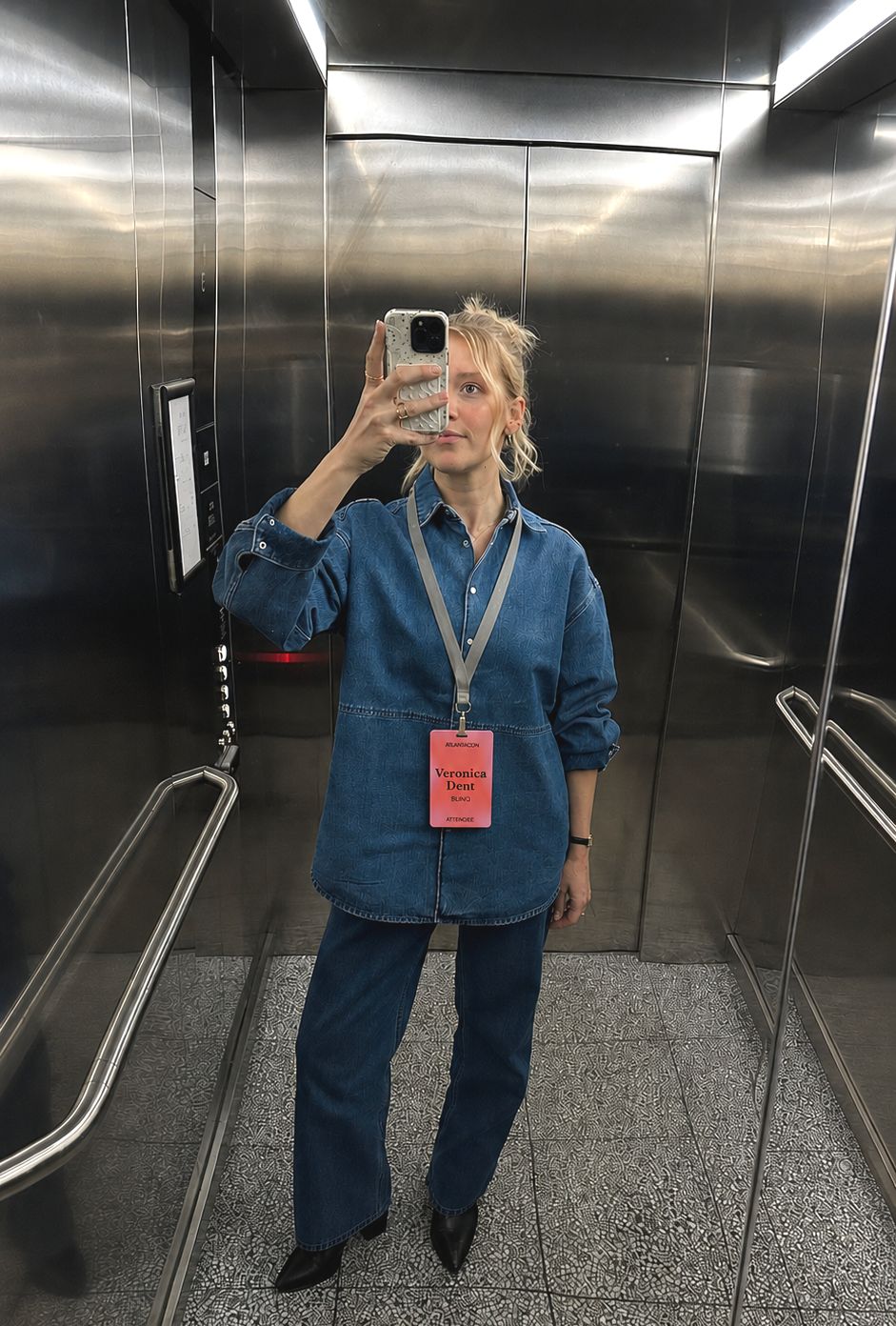
I truly feel like my networking game leveled up because of this hack ✨ And Blinq became one my favorite apps of 2026 as a creator who’s been to hundreds of events over the past 2 years. There’s a reason why 4 *million* people at 500,000 companies use Blinq as their go-to digital business card and for event lead capture 👌 P.S. And you can literally connect all of your contacts + notes to Claude, ChatGPT, Copilot and Grok via MCP so you can look up every convo + person you ever met 🔥 Here's the link learn more: 🔗 https://lnkd.in/dy_zxPbP #BlinqPartner
- BlinqRecorded 8 Oct 2026
Event marketers: go ask someone outside marketing what they think you do. I asked around and got back some version of "they book booths at conferences and stuff.” Nobody said: - Picking which 10 shows out of 90 are worth - Prepping field sales on what to say when someone walks up - Cleaning up the data after - Building the follow-up so those leads go somewhere instead of sitting in a CSV. You get judged on how the booth looked or how busy it was on the day. Compare this to the guys over at paid growth. They’re never questioned as a GTM strategy because everything is attributable and the ROI is clear. Most events don’t have that, so that might be where the gap is. Your reporting should lead with a pipeline figure rather than booth attendance. We use Blinq for this - it tracks each event as a campaign, including its goals, budget, attributed pipeline, and reps, so you can calculate the exact cost per lead and ROI.
- CloudBeesSince 6 Oct 2026
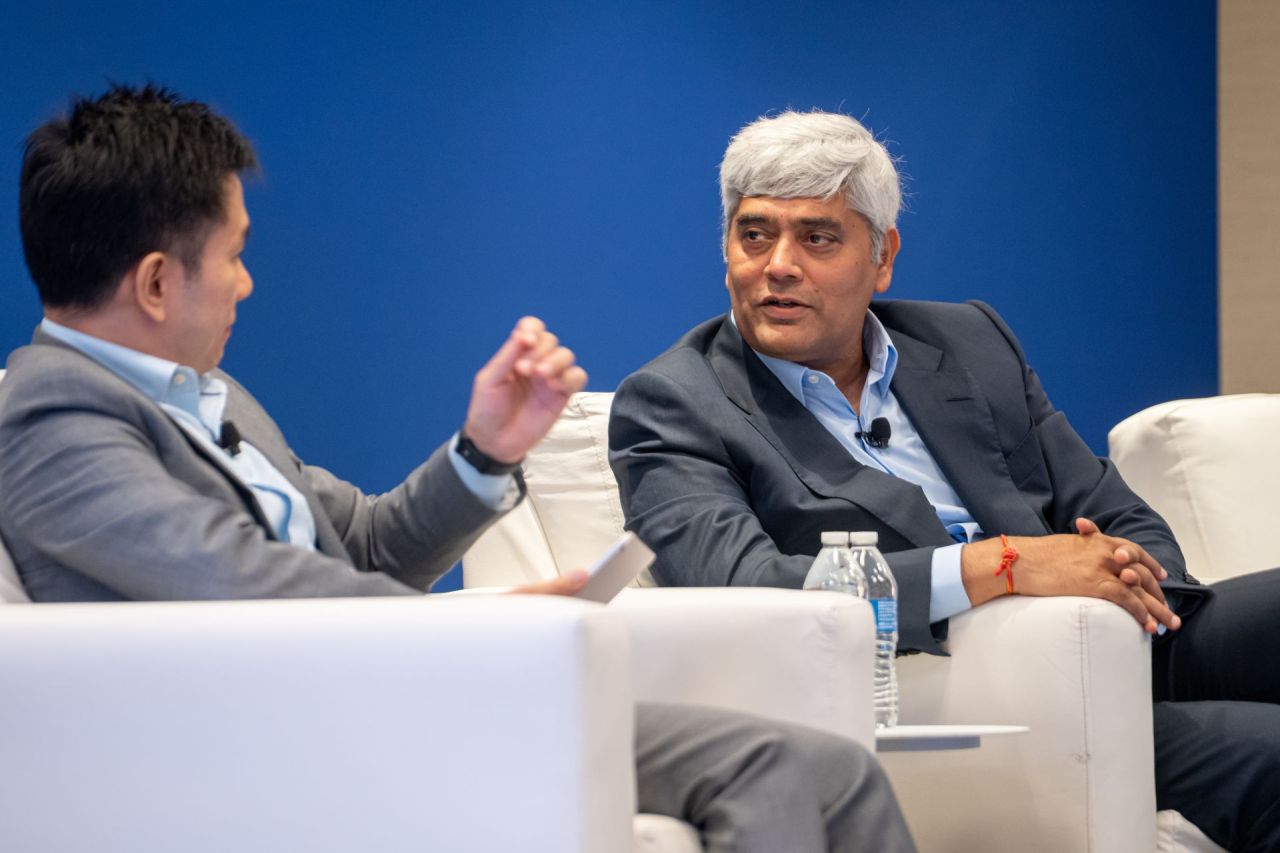
I spoke at the WeAreDevelopers conference in San Jose last week and did an interview with The New Stack. Software engineering and product development is changing tremendously. What's not changing is that we write code for a reason. That was the case before agentic coding, and it's the case now with AI. The goal is not simply generating more code, or more pull requests. What matters is that your code changes positively impact the business. Shipping quickly is important, but there's risk you simply ship more slop. Measuring the impact of every code change is the only way to determine where to spend your time, tokens and human attention. 📺 Link to the full interview is in the comments. Thank you Chris J. Preimesberger for the chat.
- AppfarmSince 23 Sept 2026
We are going to Finland to host a build session on monday 🇫🇮 Hans Magnus Paavo Teemu KIRAHub Appfarm
- Automation AnywhereSince 10 Sept 2026
This week I had a chance to speak at the #CitiTMTConference in New York alongside technology management teams and software analysts from across the industry. Not surprisingly, AI and ROI led most conversations. Here's how I explained our positioning around it. I believe Automation Anywhere solves the biggest problem today in the AI industry: the increasing gap between AI investments and the level of autonomy AI delivers. We know from past revolutions such as electricity and the Internet that technology alone doesn’t create economic benefit. What creates the benefit is the ability to deliver autonomy, and thus change the business model. This is what we believe in. Automation Anywhere stands for Autonomous Work... work that completes itself. Historically we did this with token-less technologies like RPA, APIs, machine learning, etc. About three years ago we launched a series of AI products that are based on generative AI. That accelerated our growth. Today, customers combine our token-less and generative AI technologies both to achieve superior outcomes. About 70% of our business today is led by our AI product line. We are AI-first, but not AI only - you don't need to lead with probabilistic in every scenario. Today we have three offerings to drive Autonomous Work for the enterprise: 1. We believe we have the #1 agentic automation platform for AI agents to reason, make decisions, and execute end-to-end processes autonomously. They are governed, secure, and allow customers to build agentic solutions to orchestrate workflows, all deployable within a week. 2. On top of our agentic platform, we also have proven out-of-the-box agentic solutions for specific business critical processes in Finance, IT, HR, Support, etc. represented across large verticals like BFSI, Healthcare, Manufacturing and more. Our solutions in Finance for processes such as Procure-to-Pay and Order-to-Cash are examples that I'm excited about. 3. For those with the strongest commitment to transformation, we offer an Autonomous Enterprise approach that fundamentally transforms the operating model, using our agentic platform, solutions and FDEs to drive 50-80% autonomy for a function end-to-end. This model decouples SaaS tax from growth so you don't pay more software licenses as you scale, and also delivers 3x employee productivity. It is how true leaders get ahead of the competition. With 450M+ AI agents and automations executed annually with our customers, we know we can close the autonomy gap as quick as anyone to unleash this powerful technology to transform work and deliver meaningful ROI.
- Automation AnywhereSince 10 Sept 2026
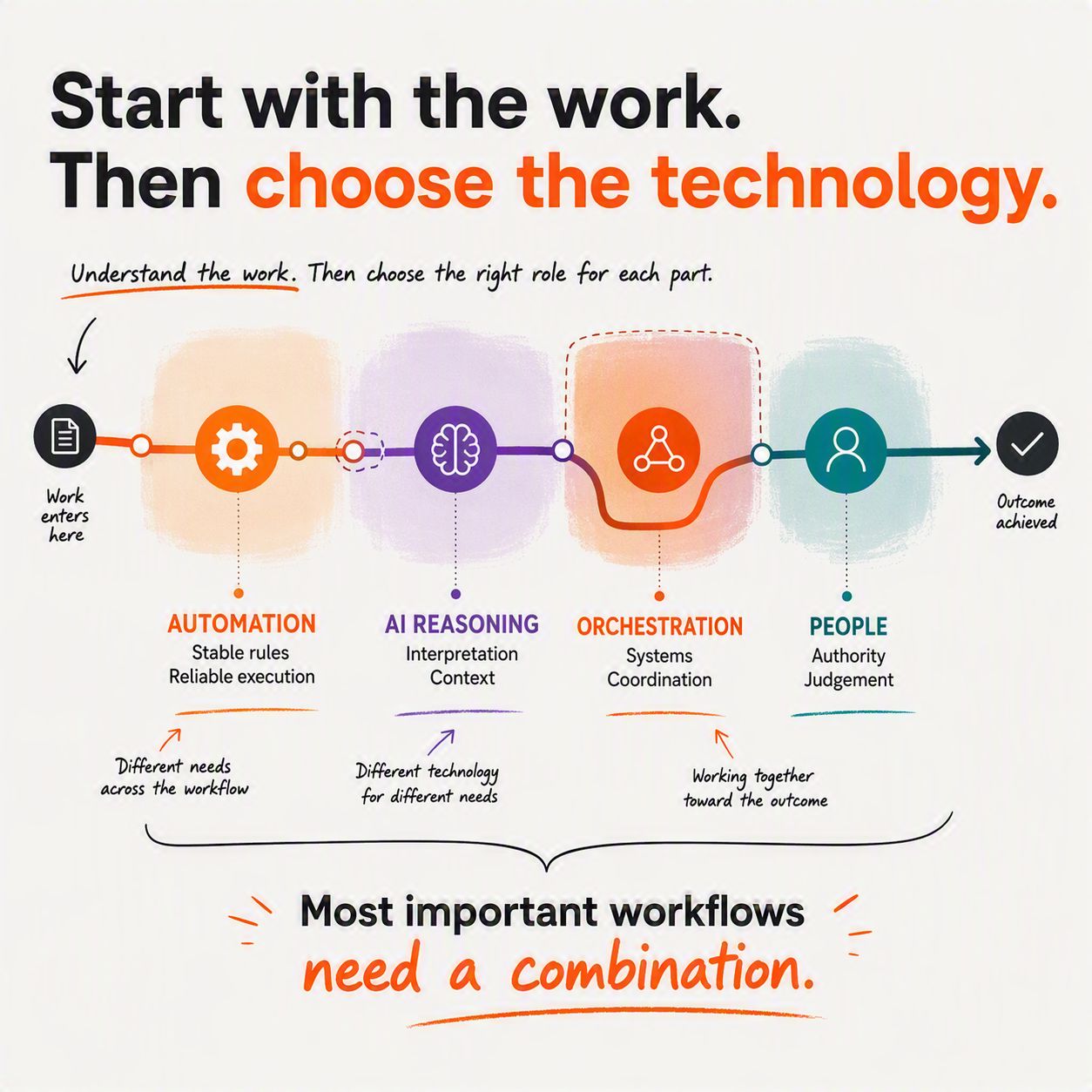
Most companies already have a growing list of ideas for AI agents. The difficult part is working out which ideas are actually worth pursuing. In conversations with customers and prospects at Automation Anywhere, the challenge is rarely a shortage of ideas. It’s deciding where AI can make a meaningful difference. “Where can we use an AI agent?” sounds like a sensible question. But start there and you risk using expensive, variable technology for work that automation could already handle perfectly well. Or improving one task without changing the performance of the process around it. Before choosing the technology, there are four things I’d want to understand about the work: → The outcome matters Improving it would make a real difference to cost, revenue, risk, service or speed. → Exceptions keep changing the route The standard process works until something happens that sends it down a different path. → Decisions need context The next step depends on what has already happened, what the information means and, sometimes, a judgement call. → People are keeping the process moving They move between systems, bring information together and sort out what the standard process can’t handle. An important outcome may justify investment. It doesn’t automatically justify AI. If the work follows stable rules, automation may be enough. If the route keeps changing and decisions depend on context, that’s where AI reasoning could help. If people are carrying information between systems, the bigger need may be orchestration. And some decisions should still belong to people. Start with the whole workflow. Then choose the right approach for each part of it.
- BoomerangSince 2 Oct 2026
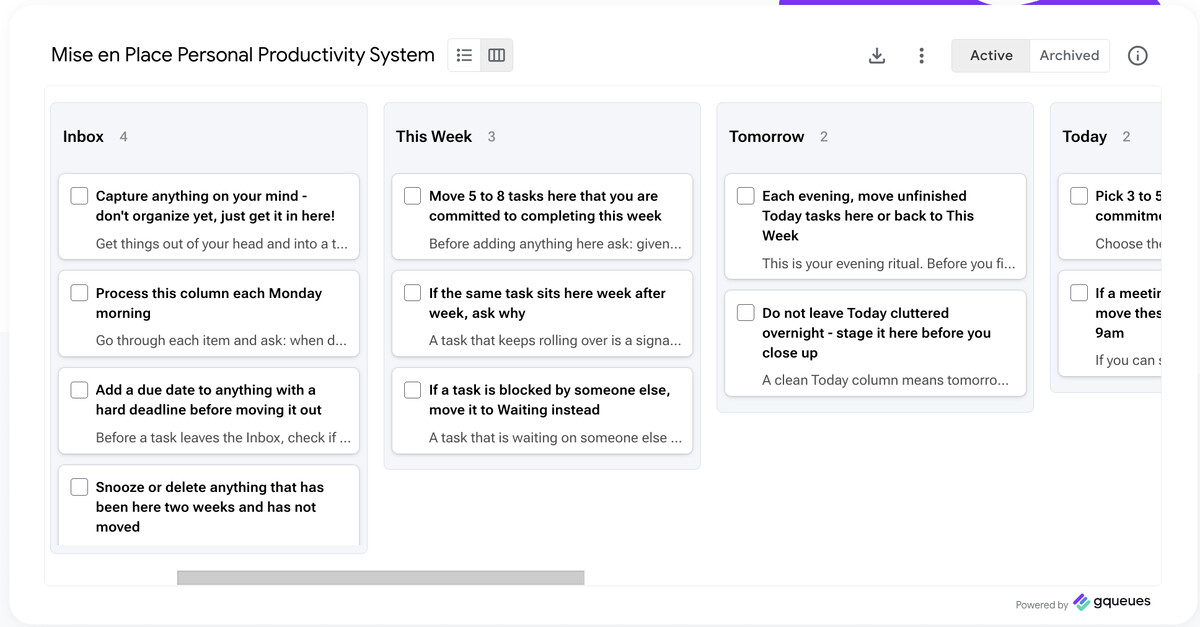
The absolute worst time to plan your work day is 9:00 AM. After 16 years of running a productivity company, people expect me to have a super sophisticated system for keeping track of what I need to do. You might expect to see automated multi-app pipelines, multiple AI agents, intricate tag hierarchies, and color-coded priority flags. After all, I do have a dozen or so patents in productivity tools. But my entire system runs on a simple kanban board named “Mise-en-place” bookmarked from my browser toolbar. The inspiration comes from professional kitchens. Mise en place means every ingredient is chopped, measured, and arranged at your station before you ever light the burner. I adopted it from a Trello template a few years ago and refined it since. The minute we built Kanban in GQueues, I migrated. It’s been the first thing I open every morning. Eight columns: Inbox, This Week, Tomorrow, Today, Review, Waiting, Done, and Reference. On Monday morning, I spend ten minutes scanning Inbox, where raw thoughts and incoming requests land during the week. I decide what actually needs to get done and move those items into This Week. Every afternoon before I log off, I run the shutdown routine: First, I move finished tasks into Done. Second, unfinished items. I try to not let tasks rot in Today overnight. They get scheduled for Tomorrow, pushed back into This Week, or sent back to Inbox if priorities shifted. Third, I stage tomorrow. I look at my calendar to see what the day allows, then pull tasks out of This Week into Tomorrow. Finally, I attach context. If a task requires a spec, a spreadsheet, or a customer ticket, I paste the exact URL into the task notes. This part is critical. You want your ingredients where you need them. I do use light automation here with our MCP integration. More on that in a later post. Then 9 am comes along, I open my laptop, and everything is in place. Mise-en-place. I drag Tomorrow into Today and start working. No email triage. No Slack scanning. No dithering around thinking “what should I do first?” On Friday afternoon, I run a five-minute review. I capture loose follow-ups, check Waiting for stalled projects, snooze what needs punting to a future date, clear out Inbox, and archive Done so Monday starts clean. Reference doesn’t seem that useful, but it holds the static, unglamorous logistics. Kids’ doctors, emergency contacts, company EIN. The exact things I used to waste ten minutes hunting for every time. The exact tool is secondary. You could run this on a whiteboard with sticky notes. What matters is consistency and not letting it rot. I believe simple and consistent beats anything brilliant and fragile. Easy to stick habits pay off because you’re not spending effort keeping up with the system. If you want to try it for a week, you don’t have to build it. My actual setup is shared as a template, already wired up with instructions. Import it and delete whatever you don’t use. Template’s in the comments.
- AtriumRecorded 7 Oct 2026
>3,000+ contacts in your network. 30 that matter now. 3 mins to action them - with Atrium I’m excited to announce our Beta launch today! AI makes your relationships - your network - matter more, not less. To celebrate, we’re giving access to the first 100 people who comment (now 200 given the demand) - afterwards, it will be invite only. (Patient waitlisters, you'll all be given access regardless 🙏 ) Thank you to everyone who has so generously given your feedback and support. With your help, we’ve built Atrium into your AI Comms & Relations Team, power-packed with features to keep you acting with speed, signal and long term relationships in mind. → Every day, every external meeting, prepped: Atrium actively pulls the signal from the noise across all your channels (Email, WhatsApp, LinkedIn), surfacing only what matters now, the little details from prior Granola notes and fresh intel relevant to your next meeting. → Your network, mapped: we automatically enrich your contacts, so you can easily search, prioritise, custom-build lists, and make plans to connect with your connections → Collaborate & Command on the fly: Use Atrium through iMessage (WhatsApp coming soon!). Ask to schedule, draft, update - we'll even prompt you between meetings to action & remember the important things. → Action zero, not inbox zero: We proactively draft comms for you where it makes sense (not all! we believe in your authorship premium, some comms we can only nudge you to complete) - with calendar, contacts, and context in mind - so you can get more done, and close the gap between intention and action. For connectors, dealmakers, and story collectors. We want to build the single best place to run and care for your comms & relationships. 3x your output, 3x your goodwill, and get 3 hrs back a week. 30 seconds to set up. Comment below if you’d like to be in the beta 🚀 Only the beginning, much more to come 🌱
- AnimaSince 29 Sept 2026
Bring your agents to AgentGrid.io, collaborate on documents and websites. Muse AI, Grok Bot, ChatGPT, Claude are all welcome - A shared workspace for humans and agents. AgentGrid is like Claude Docs on steroids for all agents. Today, 93% of chats end up with a markdown document or code, mostly HTML. AgentGrid.io is the place where your agents can place those files, and where you and your team can collaborate on it. Full version history and a great experience for both humans and agents.
- AkuitySince 14 Sept 2026
Today we're launching the Akuity Agentic Control Plane — a governed path for AI agents into production. From the creators of Argo CD and Kargo. Full launch post: https://lnkd.in/gW-kysye Let me explain why we built this. AI made writing code fast. Delivering it — testing, promoting, rolling back — is now the bottleneck. So teams do the obvious thing: they hand the agent a kubeconfig or an API token and let it work directly in production. And it works. Right up until someone asks what the agent did last night, and why, and nobody can answer. We're not making this up — 71% of organizations already have AI tools touching core business systems. Only 16% govern that access effectively. Our answer: connect the agent to the platform that already runs your deployments. What can it actually do? Real delivery work: 🔍 Answer questions your dashboards can't — "which version of web is in each production cluster?" or "what changed in the 30 minutes before this incident?" 🚑 Troubleshoot a degraded app end-to-end — health, events, logs, timeline — and validate the fix with a dry run before touching anything 🚦 Promote releases through the same gates as the UI — if it needs approval today, it still needs approval when an agent asks ⚡ Build a new pipeline from a sentence — the agent creates the Argo CD apps and Kargo stages, and commits the config to your repo And here's the part that matters most: this isn't a wrapper or a second policy system to maintain. The agent logs in as the person who connected it, so it can never do more than that person is allowed to do. Every action lands in the audit log, tagged as an agent action. And you can revoke access in one click. AI writes the code. Akuity delivers it under control. Press play — 45 seconds tells the story ▶️ #AgenticAI #GitOps #Kubernetes #ArgoCD #Kargo
- Amagno Digital Workplace SoftwareSince 11 Sept 2026
8,7 Stunden pro Woche. So viel Arbeitszeit geht laut einer aktuellen Stepstone-Studie in deutschen Unternehmen für unnötige Aufgaben, ineffiziente Meetings und komplexe Prozesse verloren. Das entspricht mehr als einem kompletten Arbeitstag pro Woche und Mitarbeitendem. Diese Zahl sollte jede Führungskraft beschäftigen. Viele Unternehmen suchen nach mehr Fachkräften. Gleichzeitig geht jede Woche wertvolle Arbeitszeit verloren, weil Prozesse zu kompliziert sind oder Informationen nicht schnell verfügbar sind. Das Problem sind häufig nicht die Mitarbeitenden. Das Problem sind Abläufe, die Zeit kosten. Dokumente suchen. Informationen zusammentragen. Rechnungen prüfen. Freigaben einholen. Immer wieder dieselben Routineaufgaben. Genau hier kann KI einen echten Unterschied machen. KI ersetzt keine Fachkräfte. KI übernimmt wiederkehrende Aufgaben, damit Teams mehr Zeit für Kunden, Projekte und Entscheidungen haben. Im kostenlosen Live-Webinar am 8. Oktober um 11:00 Uhr zeige ich, wie Unternehmen mit Amagno.AI genau diese Routinen im Dokumentenmanagement automatisieren. Mit konkreten Praxisbeispielen und einer Live-Demo. Das Webinar richtet sich an Geschäftsführer, Führungskräfte und Entscheider aus dem Mittelstand. Jetzt kostenlos anmelden: https://lnkd.in/eGC7Pt-v
- AirtameSince 21 Sept 2026
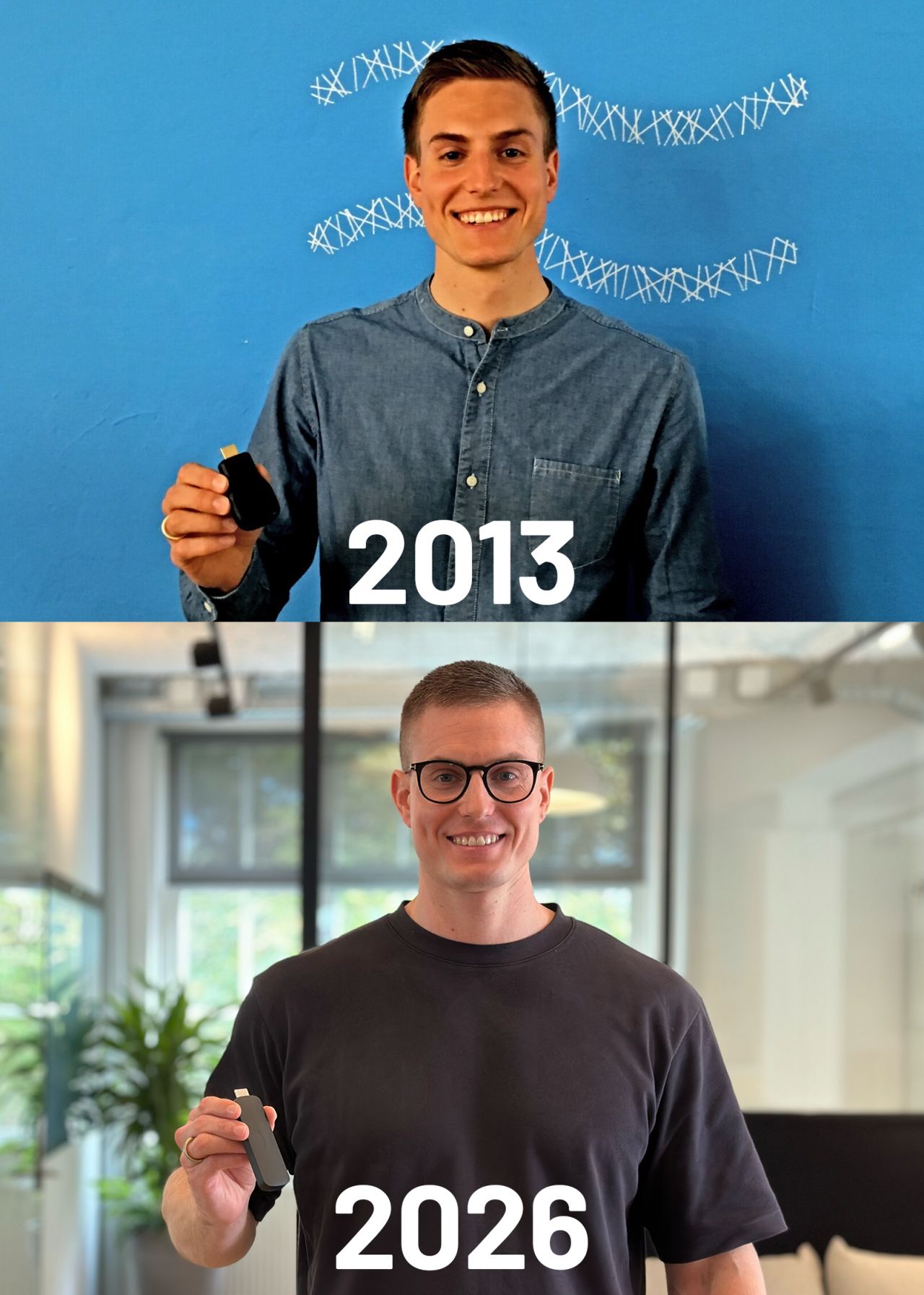
13 years - from dongle to dongle… Who would have thought 🤷 It’s been 13 years since we founded Airtame 🤯 Airtame 1 promised to rid the world of HDMI cables. It sort of worked-ish, some of the time. But one thing is the hardware, another thing is the software. For 13 years, the Airtame software has been upgraded, refined and polished. And made less reliant on the hardware it runs on. The hardware is (sometimes) the enabler, but the software is where the experience comes from ✨ 13 years later, I’m standing here with another 𝐝̶𝐨̶𝐧̶𝐠̶𝐥̶𝐞̶ stick. But the software that runs on it is very different from what ran on the dongle in the top part of the picture. There have been ups and downs throughout the past 13 years, but one constant has been the ever-evolving experience - and that’s not going to change anytime soon 🔥 Recently, we came out with AirPlay and Miracast support for Airtame Go, another major software update to further simplify the experience. Learn more here: https://lnkd.in/eEzUhZNE
- 10Web.ioSince 29 Jun 2026
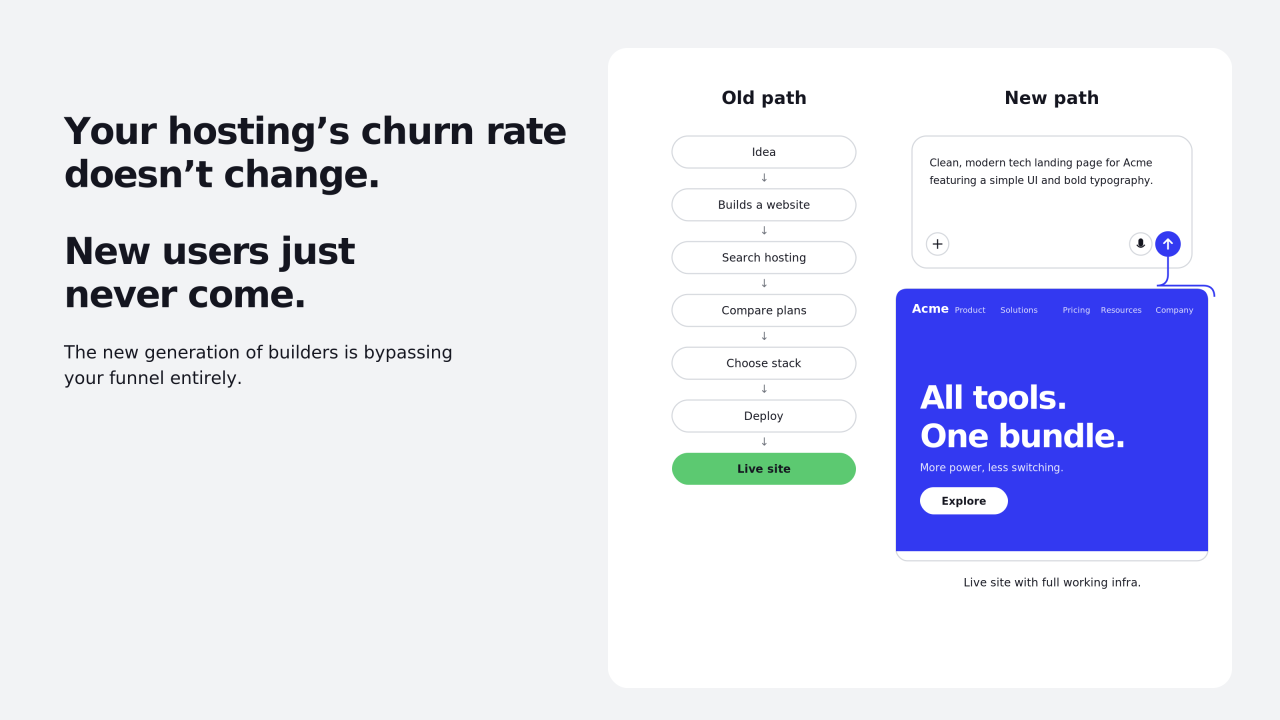
There's a new category of web builder that will never buy hosting from you. Not because your product is bad. Not because your pricing lost. Because they never see a hosting decision at all. Vibe coders, the people building on Lovable, Bolt, and Vercel, go from prompt to published without their tool ever surfacing infrastructure. So they don't show up in your churn data. They show up in the users who never arrive. I wrote about the gap this creates, and why the two obvious fixes both fail: → Bolt-on AI just makes an easier version of the product these users were already ignoring. → An in-house build (30+ engineers, 12+ months) ships into a market already two years ahead. And the numbers around this aren't subtle. Lovable just crossed $400M ARR with 200K new projects a day. Bolt outgrew Netlify and built its own hosting layer. Hosting isn't dying. It's becoming the infrastructure underneath someone else's product, not the product itself. The real question is who owns the product layer on top of the infrastructure you already run. My full take, plus the three revenue paths I think hosting companies are missing, in the essay below. 👇 If your product team is already building an answer for this, I'd like to compare notes. If they aren't, the timing is the conversation.


Other LinkedIn formats
Watch the companies you care about.
Filter every ad by industry, country, format and network, and get alerts when a company you watch starts running new ads.