LinkedIn thought leader ad examples
180 thought leader ads are live on LinkedIn right now, from 155 companies. Browse real ones, filtered by industry.
- Blue Safety Hygienetechnologie GmbHSince 21 May 2026
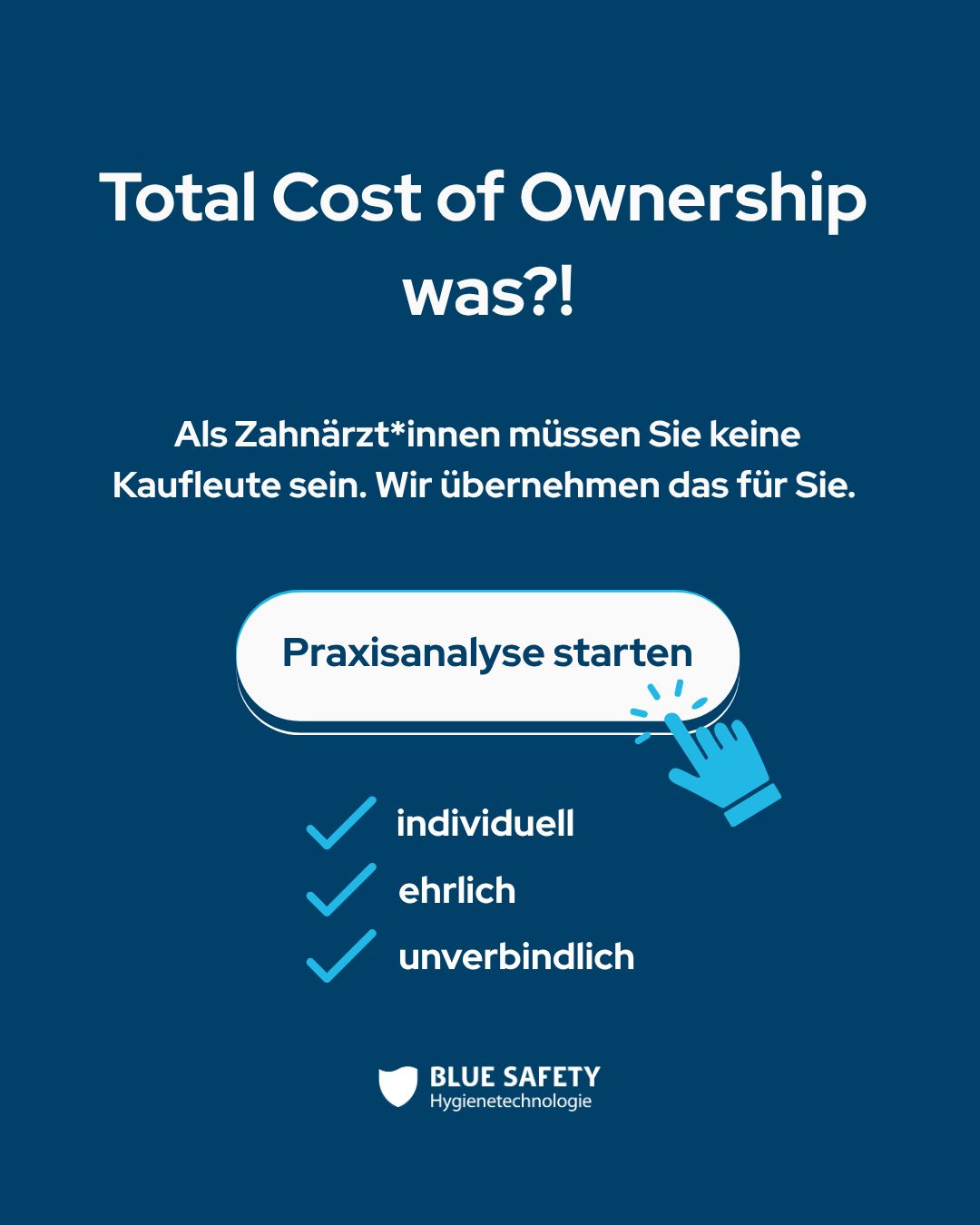
Montagmorgen. Laborbefund auf dem Schreibtisch. Grenzwert überschritten. Eine Einheit steht. Was jetzt folgt, kostet. Und zwar nicht in erster Linie Desinfektionsmittel. Es kostet Zeit für Sanierung und Nachbeprobung. Es kostet Umsatz, weil die Einheit 2 bis 4 Wochen stillsteht, im günstigen Fall. Es kostet Verwaltung, Behördenkommunikation, Nerven im Team. Manchmal auch Vertrauen bei Patient*innen. Genau in solchen Momenten wird sichtbar, was Kaufleute Total Cost of Ownership nennen: die wahren Kosten eines Produkts über seine gesamte Nutzungsdauer, nicht nur der Preis im Dentalkatalog. Als Zahnärzt*in müsst ihr keine Kaufleute sein. Ihr solltet allerdings wissen, welche Summe am Ende des Jahres tatsächlich fehlt. Genau dafür haben wir unsere Praxisanalyse entwickelt. In wenigen Schritten gebt ihr eure Praxisdaten ein, wir zeigen euch transparent, wie die reale Kostensituation aussieht, inklusive der versteckten Posten. Unverbindlich. Ehrlich gerechnet. Individuell für eure Einheiten. Unser Ziel ist nicht, günstiger zu sein als ein Liter Wasserstoffperoxid (H₂O₂). Unser Ziel ist, dass das Thema Wasserhygiene bei euch keine schlaflosen Nächte verursacht. 👉 Hier geht´s zur Praxisanalyse: https://lnkd.in/gyZiGznB #Wasserhygiene #Zahnarztpraxis #Patientensicherheit #BlueSafety
- Blue Safety Hygienetechnologie GmbHSince 4 Jul 2026
Neue Partnerschaft: medentex x BLUE SAFETY 💙 Nach einer erfolgreichen einjährigen Pilotphase freuen wir uns, die Zusammenarbeit zwischen medentex und BLUE SAFETY offiziell weiterzuführen 🤝 medentex GmbH erweitert das eigene Beratungsportfolio um einen wichtigen Baustein: Wasserhygiene in Zahnarztpraxen. Wir freuen uns, hier künftig als spezialisierter Partner mitzuwirken. Wasserhygiene ist ein Thema, das in der Praxis strukturierte Prozesse, klare Verantwortlichkeiten und eine verlässliche Umsetzung braucht. Genau an dieser Stelle sehen wir eine sinnvolle Ergänzung. Wir freuen uns auf die Zusammenarbeit und darauf, das Thema Wasserhygiene gemeinsam noch klarer im Markt zu verankern 🚀 #wasserhygiene #praxishygiene #zahnarztpraxis #dentalbranche #partnerschaft #medentex #BLUESAFETY
- Bridge Medical ConsultingSince 4 Nov 2025
Bridge + BioMarin Pharmaceutical Inc. | SLR & meta-analysis of birth prevalence of Turner Syndrome Very pleased to see this work in publication. Many thanks to David Hinds, Jeanne Pimenta and Andrea Low, MD, PhD from Biomarin for the collaboration. Great work by Deepali Mittal, Smeet Gala and Digant Gupta from the Bridge team. https://lnkd.in/gUb4KH3d #BridgeMedical #turnersyndrome #SystematicLiteratureReviews #metaAnalysis #HEOR #epidemiology #SLR
- AuxiliusRecorded 9 Sept 2026
Happy Friday and a mid‑year check‑in: What’s really happening with biopharma capital and investor sentiment in 2025? I highly recommend reading this insightful summary of the recent discussion between Auxilius' Erin Warner Guill and Sean MacGregor, Executive Director at J.P. Morgan, on the tough yet dynamic funding environment facing biotech. https://lnkd.in/eha3qrVJ
- Artos AISince 17 Jul 2026
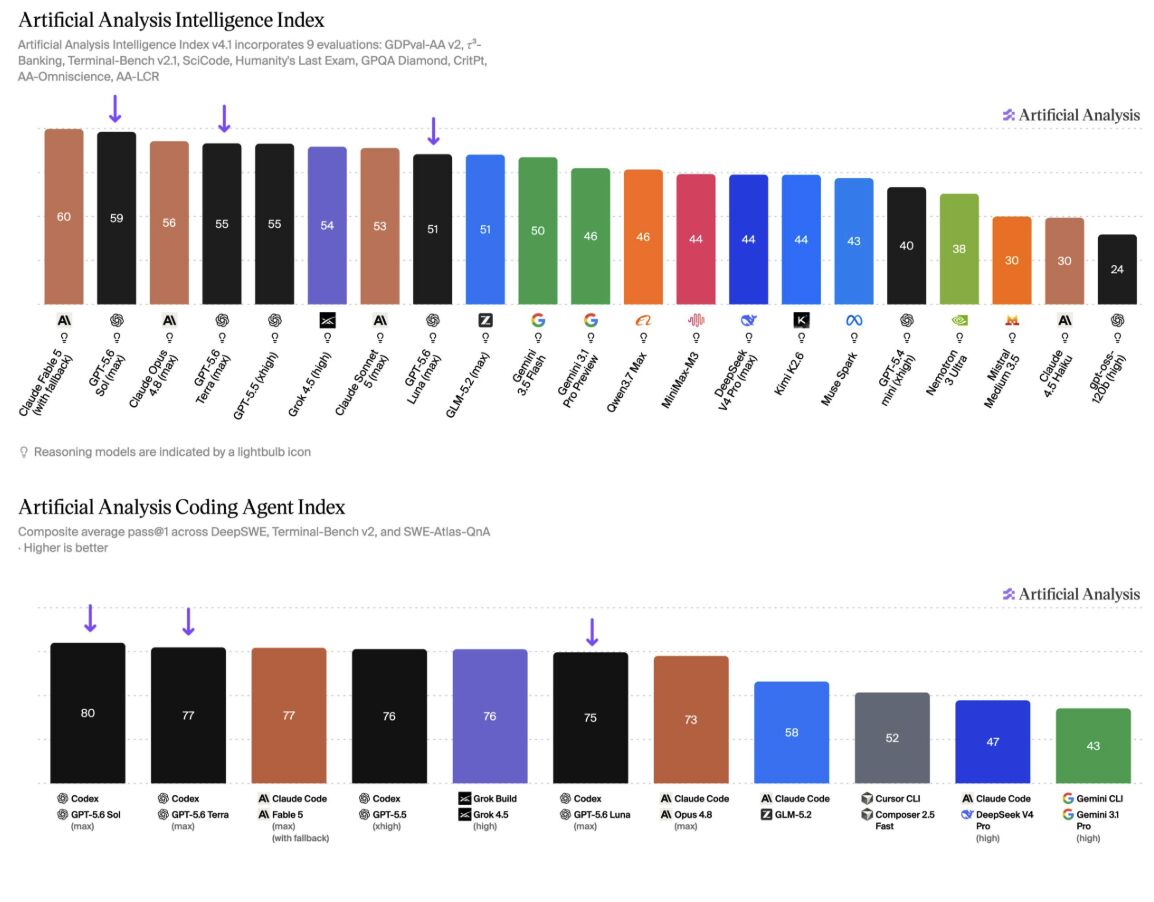
GPT-5.6 and Claude Fable 5 were released in the past week (or in the case of Fable, re-released). These models are interesting because they’re not really built to follow instructions as much as to pursue goals. That autonomy is what makes these models feel so capable, but it's also, paradoxically, the problem in a regulated setting like pharma. We see this firsthand as we build on each new model. In drug development, regulators want the receipts, how a piece of content was produced, what data it drew from, who reviewed it, and whether you can reproduce that reasoning on demand. But every decision a model quietly makes on its own is a decision you didn't specify, can't fully explain, and may not be able to reproduce. In most industries that's a feature. In a GxP environment, it's the thing you have to control for. That turns out to be a genuinely interesting engineering problem: which use cases actually benefit from a model like Fable, and which are better served by an older, more steerable one? A goal-seeking model is a gift for open-ended, exploratory work and a liability for a task where every step has to be pre-specified and reproduced. The newest model isn't automatically the right one, sometimes the more constrained, "less clever" one is exactly what the workflow needs. This is something we actively evaluate every time a new model comes out, and we've started building a framework to help categorize model capabilities. It’s a powerful proof point that an ensemble of models may be the winning answer in verticalized workflows (and cheaper in tokens!).
- Artos AISince 3 Sept 2026
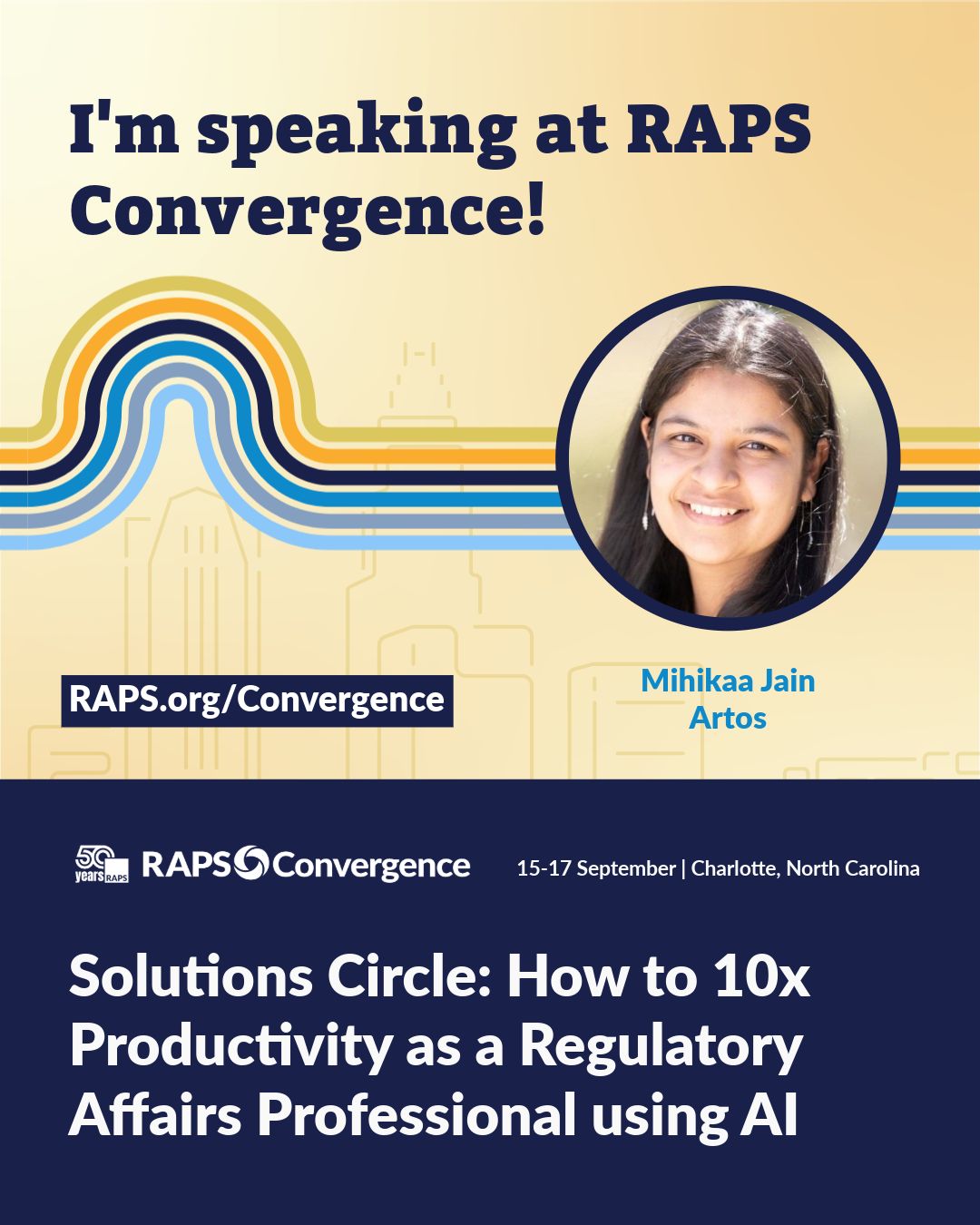
Most of the AI conversation in life sciences is about enterprise-scale deployments and ROI. But some of the biggest wins right now are happening at the individual level where people are using AI tools to speed up everyday work and even build tools for their team. That's what I'll be focusing on at #RAPSConvergence next month: practical, real-life tips and lived experiences, not theory. If you'll be there, I'd love to say hello and catch-up!
- Amenities HealthRecorded 5 Sept 2026
There’s one question I love hearing from health system leaders. It usually comes right after they see the data, when the tone in the room shifts. “𝘖𝘬𝘢𝘺… 𝘵𝘩𝘪𝘴 𝘤𝘭𝘦𝘢𝘳𝘭𝘺 𝘸𝘰𝘳𝘬𝘴. 𝘉𝘶𝘵 𝘤𝘢𝘯 𝘸𝘦 𝘩𝘢𝘷𝘦 𝘦𝘹𝘤𝘭𝘶𝘴𝘪𝘷𝘪𝘵𝘺?” That’s my favorite question. Because it means we’ve crossed the line from 𝘀𝗸𝗲𝗽𝘁𝗶𝗰𝗶𝘀𝗺 𝘁𝗼 𝘀𝘁𝗿𝗮𝘁𝗲𝗴𝘆. At first, most conversations start with the predictable hurdles: “How will this be perceived?” “What will my medical group think?” “Will this really work in our market?” But the moment a leader asks about exclusivity, everything changes. They’ve stopped evaluating the idea. They’ve started envisioning 𝗰𝗼𝗺𝗽𝗲𝘁𝗶𝘁𝗶𝘃𝗲 𝗮𝗱𝘃𝗮𝗻𝘁𝗮𝗴𝗲. It’s like being at a new restaurant that no one’s heard of yet. At first, you’re just trying to decide what to order. But halfway through the meal, when you realize the food is incredible, your instinct isn’t to ask about the ingredients, it’s to ask: “𝘊𝘢𝘯 𝘺𝘰𝘶 𝘩𝘰𝘭𝘥 𝘢 𝘵𝘢𝘣𝘭𝘦 𝘧𝘰𝘳 𝘮𝘦 𝘯𝘦𝘹𝘵 𝘸𝘦𝘦𝘬 𝘣𝘦𝘧𝘰𝘳𝘦 𝘵𝘩𝘦 𝘸𝘰𝘳𝘥 𝘨𝘦𝘵𝘴 𝘰𝘶𝘵?” That’s exactly what happens here. When health systems see how the premium healthcare market works, the one where patients pay directly for access, convenience, and diagnostics, they realize two things: 1️⃣ They’re not currently participating in it. 2️⃣ Their competitors will, soon. It’s a $30B market hiding in plain sight, the same number projected as the shortfall from upcoming Medicaid cuts. In other words, the revenue you’re about to lose already exists. You just haven’t claimed it yet. That’s why exclusivity is on the table. Because we want our partners to have a 𝗱𝗲𝗳𝗲𝗻𝘀𝗶𝗯𝗹𝗲 𝗮𝗱𝘃𝗮𝗻𝘁𝗮𝗴𝗲, a position that can’t easily be replicated once the model starts working in their market. When leaders start asking “How do we own it?” instead of “Does this work?”, you know they’ve stopped looking at innovation as a risk and started seeing it as a strategy. Exclusivity isn’t about control. It’s about conviction. If you’re serious about unlocking $10M+ in pure profit over the next 10 months without adding staff, facilities, or tech - here’s the truth: You’re likely sitting on that opportunity right now, inside your own patient base. Most health systems are. If you’re skeptical — good. You should be. So here’s your next step: see it for yourself. DM ‘YES’ - I’ll review your publicly available financial numbers + geography to show you how to do that. - You’ll see exactly how much pure-profit upside your system is sitting on and how to capture it. Quick background so you know this is legit 🙂 I’m a Harvard, Duke Med, and McKinsey alum. Led Innovation at Baylor Scott & White, growing to 12% margin and $15Bn in revenue and now help health systems explore premium care options. PS: Only reach out if you’re looking for new, proven and fast ways to drive new high-margin revenue.
- Amenities HealthRecorded 5 Sept 2026
Your patients are quietly choosing care elsewhere. Here’s how the best health systems keep them loyal. Every health system talks about leakage. But leakage isn’t the problem. It’s Loyalty. Patients don’t see a meaningful difference. When everything feels interchangeable, patients shop around. Diagnostics. Specialty visits. Surgeries. Loyalty is the last, best margin strategy in healthcare. Over the last several months, I sat down and studied how the world’s most beloved brands, like Apple and Google, and the top-performing health systems create loyalty by design. Healthcare can do the same. I’ve written an executive briefing: The Loyalty Blueprint for 2026: How Health Systems Build Patient Relationships That Drive Margin, Retention & Revenue. It’s a concise, high-impact read for health system executives exploring new revenue engines and keeping high-value patients. 📩 Comment LOYALTY below, and I’ll send you the briefing.
- Amalgam RxSince 4 Mar 2026
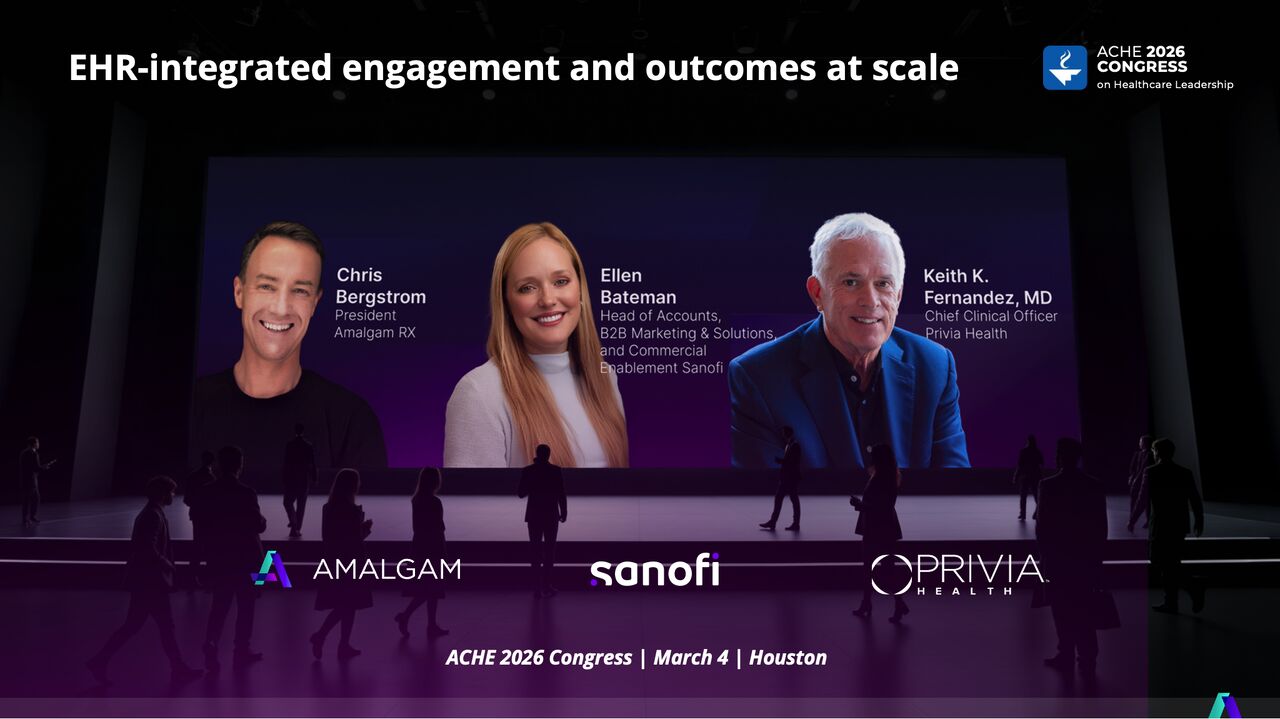
I’m excited to join leaders from Sanofi and Privia Health on stage at the American College of Healthcare Executives (ACHE) 2026 Congress to discuss: “The Future of Health Care Delivery”, including #EHR-integrated engagement, #AI, and outcomes at scale. Healthcare transformation does not happen in theory — it happens in workflow. We’ll share how life sciences, providers, and technology partners can collaborate inside the EHR to engage both clinicians and patients — using the efficiency of existing systems to deliver measurable impact, including improved screening and vaccination rates at scale. Looking forward to the conversation with Ellen Bateman B.S., M.B.A., D. Keith Fernandez, and the broader healthcare leadership community. #ACHECongress #HealthcareLeadership #DigitalHealth #EHR #HealthInnovation #ValueBasedCare Amalgam Rx
- Align TechnologySince 9 Mar 2026
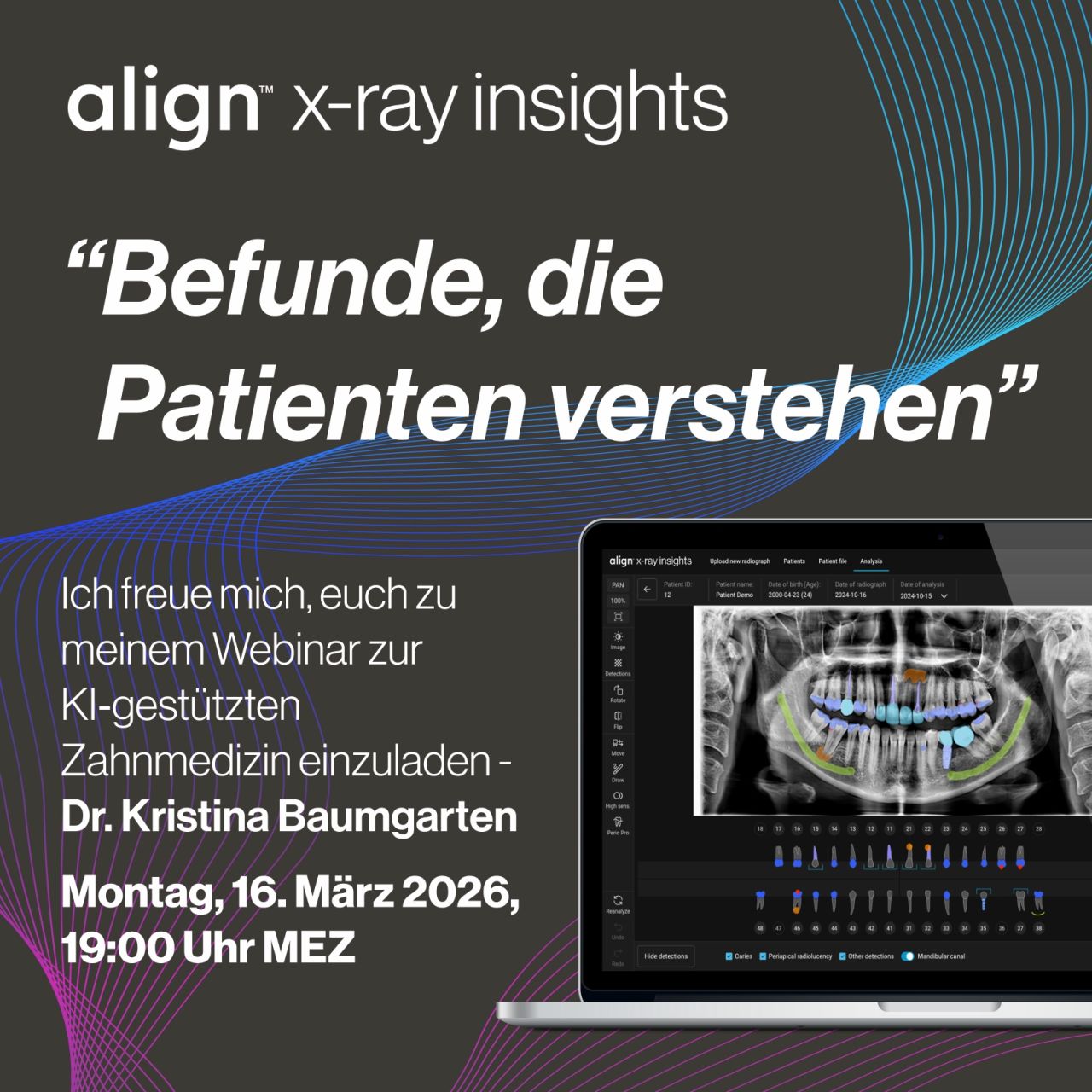
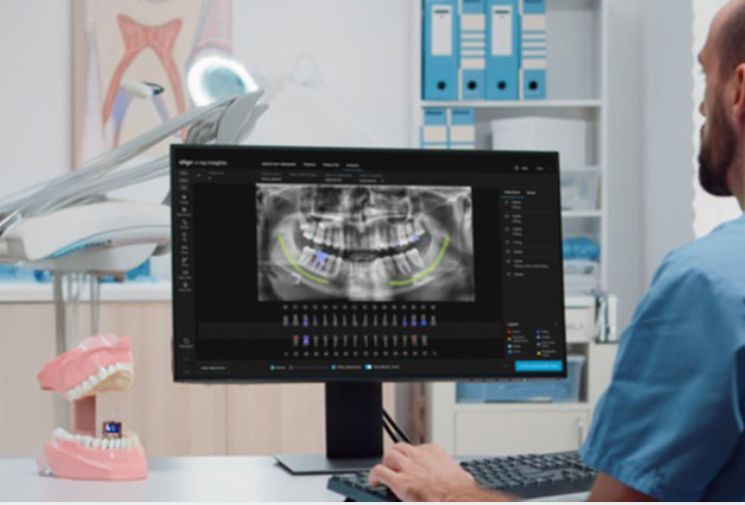
Warum erklärst du Befunde noch wie vor 10 Jahren? Als Behandler:innen wissen wir: Eine gute Diagnose ist nur der erste Schritt. Erst wenn Patient:innen ihre Befunde verstehen, entsteht Vertrauen – und echte Behandlungsakzeptanz. Genau hier setzt KI‑gestützte Befundung an. 👉 https://lnkd.in/dY8wJMVi 📊 91 % der befragten Ärzt:innen bestätigen, dass Align’s X‑ray Insights das Vertrauen der Patient:innen stärkt. 📊 Ebenfalls 91 % berichten von einer erhöhten Behandlungsakzeptanz, insbesondere bei restaurativen Versorgungen. In meinem Webinar „KI‑gestützte Befundung – Mehr Patientenvertrauen und höhere Behandlungsakzeptanz mit Align’s X‑ray Insights“ zeige ich, • wie radiologische Befunde klarer und standardisiert dargestellt werden • wie komplexe Sachverhalte visuell verständlich erklärt werden können • wie Patient:innen aktiv in Therapieentscheidungen eingebunden werden • wie KI als klinische Zweitmeinung unterstützt – ohne ärztliche Entscheidungsfreiheit zu ersetzen 📅 Montag, 16. März 2026 | 19:00 Uhr (MEZ) 🎓 Live & auf Deutsch 👉 Jetzt anmelden https://lnkd.in/dY8wJMVi
- AIRS MedicalSince 15 Apr 2026
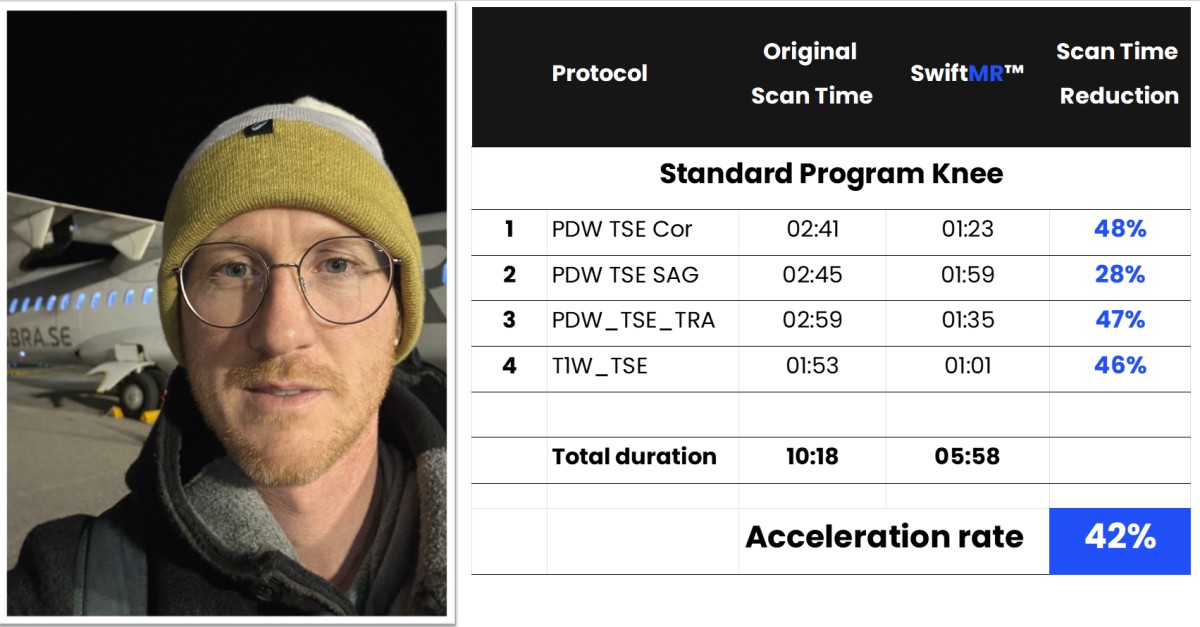
𝗙𝗮𝘀𝘁𝗲𝗿 𝗠𝗥𝗜 𝗮𝗻𝗱 𝗕𝗲𝘁𝘁𝗲𝗿 𝗜𝗺𝗮𝗴𝗲 𝗤𝘂𝗮𝗹𝗶𝘁𝘆 — 𝗖𝗮𝗻 𝗬𝗼𝘂 𝗛𝗮𝘃𝗲 𝗕𝗼𝘁𝗵? I just returned to Germany for another SwiftMR installation at a customer site. Almost every conversation starts with the same request: “Can we scan faster and still improve image quality?” Traditionally, MRI acceleration comes at a cost—either reduced SNR or compromised spatial resolution. That trade-off has long been accepted as unavoidable. However, this changes when AI-based image enhancement is used to recover SNR. With additional SNR made available by AI, you can decide how to spend it: • 𝗣𝘂𝗿𝗲 𝗮𝗰𝗰𝗲𝗹𝗲𝗿𝗮𝘁𝗶𝗼𝗻 – achieve up to 50% scan-time reduction without sacrificing image quality • 𝗕𝗮𝗹𝗮𝗻𝗰𝗲𝗱 𝗼𝗽𝘁𝗶𝗺𝗶𝘇𝗮𝘁𝗶𝗼𝗻 – combine acceleration with higher spatial resolution, choosing the right mix for your clinical need • 𝗛𝗶𝗴𝗵𝗲𝗿 𝗿𝗲𝗰𝗲𝗶𝘃𝗲𝗿 𝗯𝗮𝗻𝗱𝘄𝗶𝗱𝘁𝗵 – reduce distortion and susceptibility artifacts, particularly in challenging anatomy 𝗠𝘆 𝘁𝗮𝗸𝗲𝗮𝘄𝗮𝘆: Its up to you whether to go for speed or use the additional SNR from AI for resolution increase. If you increase resolution and scan time to much, longer high-resolution scans actually perform worse than faster, accelerated acquisitions. Patient motion increases with scan time, leading to blurring that potentially negates any theoretical resolution gain. So the shorter scan may deliver the sharper image. My recommendation: run side-by-side comparisons on a few patients. Verify whether your longer protocol truly improves resolution—or whether the fast scan produces superior diagnostic quality especially in difficult patients. 𝗧𝗵𝗲 𝗿𝗲𝘀𝘂𝗹𝘁 𝗳𝗿𝗼𝗺 𝘁𝗵𝗶𝘀 𝘃𝗶𝘀𝗶𝘁: • Knee protocol accelerated by 42% • Lumbar spine scan time reduced by 49% What was the biggest challenge of this installation? Clearly that the airline left my luggage behind in Copenhagen 😅
- AIRS MedicalSince 15 Apr 2026
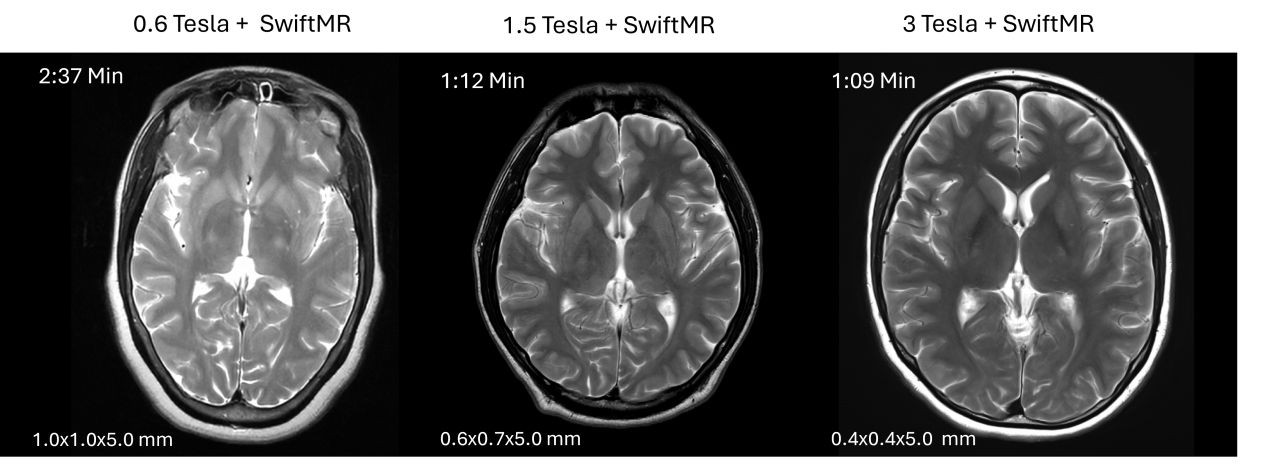
𝗜𝘀 𝗮 𝟯 𝗧𝗲𝘀𝗹𝗮 𝗠𝗥𝗜 𝗿𝗲𝗮𝗹𝗹𝘆 𝗯𝗲𝘁𝘁𝗲𝗿 𝘁𝗵𝗮𝗻 𝗮 𝟭.𝟱 𝗧𝗲𝘀𝗹𝗮 𝗠𝗥𝗜? You’ve probably asked yourself that question. Yes—3T offers higher signal. But it also introduces real trade-offs: 𝗤𝘂𝗶𝗰𝗸 𝗮𝗻𝗮𝗹𝘆𝘀𝗶𝘀: 𝗦𝗡𝗥: Theoretically, SNR can double, but real-world gains are often closer to ~30–60% depending on anatomy, coils, and protocol. This can be translated into higher resolution and/or faster scans. 𝗦𝗔𝗥: SAR can increase by up to ~4× at 3T (sequence- and patient-dependent). You often need to compensate with other parameters, e.g., reduced flip angle, longer TR, or different refocusing strategies. 𝗦𝘂𝘀𝗰𝗲𝗽𝘁𝗶𝗯𝗶𝗹𝗶𝘁𝘆 / 𝗱𝗶𝗲𝗹𝗲𝗰𝘁𝗿𝗶𝗰 𝗲𝗳𝗳𝗲𝗰𝘁𝘀: These effects are generally more pronounced at 3T and are often negative in practice (e.g., more artifacts, greater sensitivity to implants, B1 inhomogeneity—especially in body imaging). 𝗦𝗽𝗲𝗰𝘁𝗿𝗼𝘀𝗰𝗼𝗽𝘆: 3T clearly wins here due to better peak separation at higher field strength. 𝗪𝗵𝗮𝘁 𝘁𝗵𝗮𝘁 𝗺𝗲𝗮𝗻𝘀 𝗳𝗼𝗿 𝘆𝗼𝘂 𝗮𝘀 𝗮 𝗰𝗹𝗶𝗻𝗶𝗰𝗶𝗮𝗻: 3T imaging comes with meaningful downsides—particularly for abdominal imaging—where SAR limits, B1 inhomogeneity, and artifacts can reduce robustness. In many cases, you may be better off investing in: State-of-the-art coils that improve SNR and enable more parallel imaging acceleration. AI-based image enhancement (e.g., SwiftMR), which can boost effective SNR by roughly ~1.4×, bringing you closer to 3T-like performance for many applications. This can give you a solid workhorse system that delivers high-quality images with fast scan times. If you need truly small voxels (e.g., in neuro/brain imaging or other specialized applications), the additional SNR from a 3T system can be beneficial—especially when combined with AI. 𝗠𝘆 𝘁𝗮𝗸𝗲: Keep what works, upgrade intelligently, and be strategic. For years, the field has pushed toward higher field strengths. More recently, vendors have introduced new MRI models below 1.5T. This isn’t about 3T replacing 1.5T or low-field “taking over.” It’s about understanding the pros and cons of each field strength and choosing what fits your use case. No matter the field strength, AI-based image enhancement is increasingly key to keeping your system state-of-the-art. images shown below illustrate the different field strengths. 3T could be even faster at same resolution.
- AlphalyseSince 10 May 2026
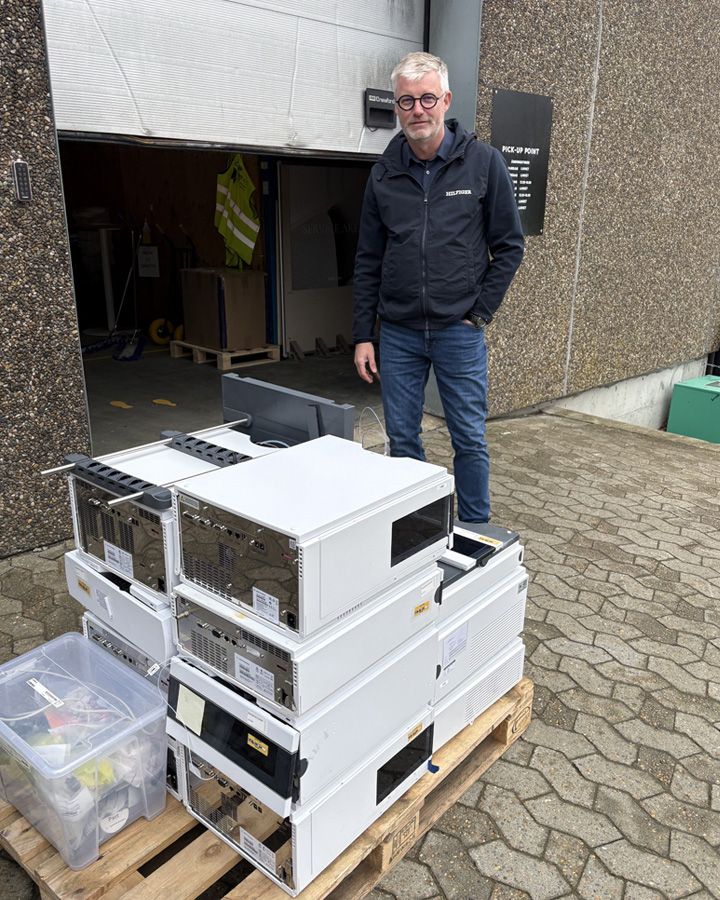
Two of our HPLC systems have found a new home. 🧪 We recently donated two Agilent HPLC systems to the Institute of Medical Chemistry at the University of Belgrade, Faculty of Medicine in Serbia – where a group of talented young researchers is building a new lab from the ground up. Their research spans everything from enzyme biochemistry and post-translational modifications to bioactive natural products and disease biomarkers. Our instruments will support both cutting-edge research and training the next generation of scientists. That's exactly the kind of impact we love to be part of. Of course, moving two HPLC systems across Europe is no small feat. A big thank‑you to Dennis Just and the team at Logistik Centralen A/S for handling the packaging and logistics with great professionalism. 🙏 To Zorana Lopandic and her colleagues in Belgrade: we hope the instruments are soon up and running and can be used for teaching and research.
- Align TechnologySince 1 May 2026
Am Montag, den 11. Mai, um 19:00 Uhr CEST laden wir Zahnärztinnen und Zahnärzte aus den deutschsprachigen Märkten zu einem von Expert:innen geleiteten Webinar ein. Im Fokus stehen der praktische Mehrwert KI‑gestützter zahnärztlicher Diagnostik und ihr Beitrag zur Stärkung von Patientenvertrauen und Behandlungsakzeptanz. Dr. Kristina Baumgarten teilt praxisnahe Einblicke zu: · Wie KI Arbeitsabläufe optimieren und wertvolle Zeit sparen kann · Ihren Erfahrungen mit KI als klinischer Zweitmeinung · Ansätzen zur Verbesserung der Patientenkommunikation und Behandlungsakzeptanz Zudem erwartet Sie eine Live-Demo von Align’s X-ray Insights mit Dr. Helen Elisabeth Huhnt. Am Ende des Webinars haben Sie die Möglichkeit, sich für eine kostenlose Testversion von Align’s X-ray Insights anzumelden und das Potenzial der Software für Ihre Praxis kennenzulernen. 📅 11. Mai 2026 | 🕖 19:00 Uhr CEST 🔗 Jetzt registrieren: https://lnkd.in/dZ_4e_p7 #AlignTech #DigitalDentistry #AIDentistry #iTero
- AliveDxSince 2 Jun 2026
As a physician, what interests me most about multiplex diagnostics is not simply throughput—it is the ability to generate more clinically meaningful information from a limited patient sample. In the CapRock Benchmark Study, the MosaiQ AiPlex® Celiac Disease panel generated four antibody results plus a Total IgA flag from approximately 20 μL of sample volume. In traditional sequential single-analyte workflows, obtaining this level of information may require substantially more sample volume, additional testing steps, and longer time to complete evaluation. This is particularly important in certain patient populations, where minimizing repeat blood draws and maximizing diagnostic insight from a limited sample can have meaningful clinical impact. What I found valuable about this evaluation was that the system was assessed under sustained, simulated real-world laboratory conditions rather than optimized demonstrations. I recently wrote a blog for AliveDx discussing the study findings, the implications of multiplex workflows, and why independent validation studies like this are so important for evaluating real-world laboratory performance. You can access the full CapRock Global Benchmark Study white paper and blog here: 🔗https://lnkd.in/d_a5DnBE
- AliveDxSince 11 Jun 2026
One of the operational realities laboratories face today is that increasing test demand is often not matched by corresponding increases in staffing or resources. This is one reason I found the CapRock Global Benchmark Study particularly compelling. Beyond throughput metrics alone, the study evaluated how the MosaiQ® platform workflow performs from an operational standpoint, under sustained laboratory conditions—incorporating continuous sample loading, operator interaction, and workflow consistency across representative shifts. What stood out most to me was the flexibility of the workflow model. The system demonstrated the ability to support both continuous random-access loading and batch-style operation, depending on laboratory priorities and staffing models. In practice, this type of flexibility can be just as important as peak throughput specifications. The study further underscores the operational advantages of multiplex testing. Using the AiPlex® Celiac Disease panel, multiple clinically relevant antibody markers are generated simultaneously from a single sample, while minimising additional workflow steps and sample volume requirements. Independent workflow validation studies such as this help provide a more realistic understanding of how technologies integrate into day-to-day laboratory operations. The full CapRock Benchmark Study white paper and supporting scientific blog, written by Dr. Christian Fischer, M.D., M.Sc, for AliveDx, are available below. 🔗 https://lnkd.in/eBSEMrzX
- AizonSince 15 Jul 2026
An AI model that performs well in a notebook is the easy part of this work. Operationalizing AI in a validated GMP environment is the hard part. And it's the part almost nobody demonstrates. We've spent years on this problem at Aizon. Accuracy alone does not make a model validatable. You have to show control and explain it: how it was trained, how it behaves at the edges, how you catch and document drift, and when it is archived but always accessible for audit and inspections. Then multiply that by every model you run. Think of each one like a new operator on the floor: you would never let it run a critical step without a training record, a defined scope, and someone supervising. One operator is manageable. Ten operators with no system behind them is chaos, and ten models with no governance are the same. You need versioning, audit trails, human oversight, and a framework compliant with 21 CFR Part 11 and Annex 11 from day one. This is where most pharma AI programs stop working. The science is strong but there's no framework and scalable technology to run it in production yet. Here is the part we are optimistic about: the regulators are ahead of most of the industry, and the teams that solve this, design for it early. A model that holds up under GxP is what turns a promising scientific tool into more reliable medicine for the patients waiting on it. On September 14 in Barcelona, we're putting 50 manufacturing leaders in a room to work through exactly this. We'll look at proven AI implementations presented by real pharma manufacturing peers, including a fireside chat on GMP and data integrity validation. If you've put an ML model into GMP production, how did you handle QA sign-off? Join us in Barcelona and let's discuss. Sign up: https://lnkd.in/eZJKbKse #GMP #PharmaManufacturing #AI
- AidocRecorded 4 Sept 2026
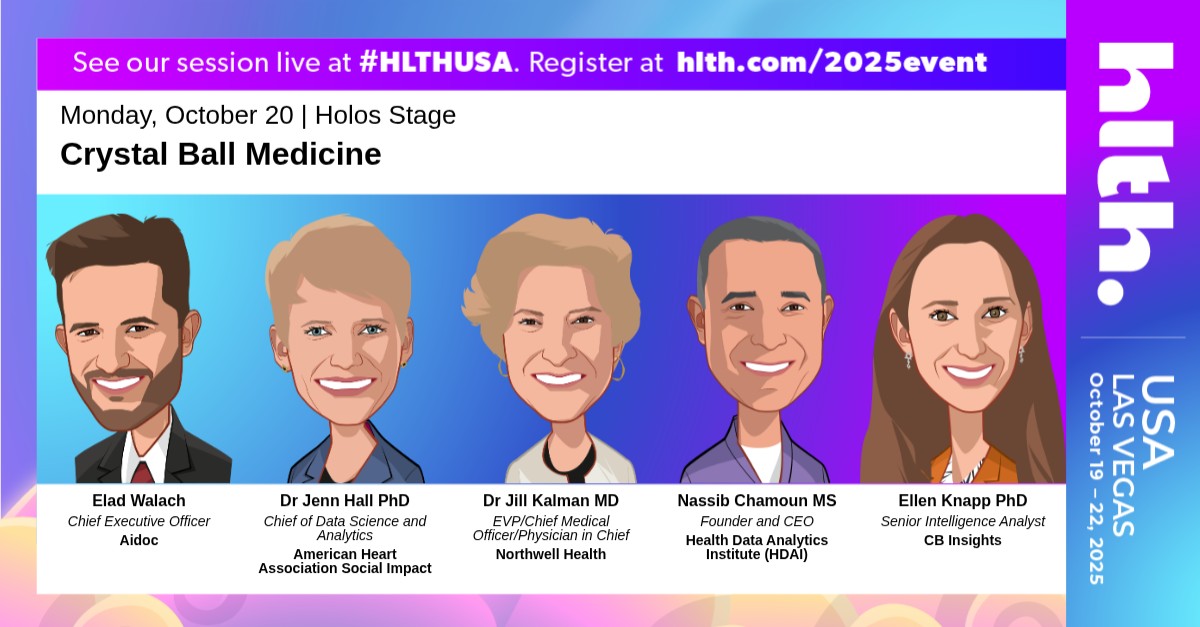
Excited to announce that I’ll be speaking at #HLTHUSA —healthcare’s #1 innovation event! I’m honored to join such a impressive lineup of leaders that are shaping the future of healthcare. This year, we’re building smarter healthcare, stronger connections, and bigger impact. Learn more and register: https://okt.to/Xqzj06
- AidocRecorded 4 Sept 2026
Nine years ago, when two friends and I set out to build Aidoc, the vision was simple but ambitious: Could AI one day become part of the clinical fabric of healthcare — easing the burden on care teams, helping physicians be more effective despite the constraints, and ultimately saving lives? Last week, that vision took another big step forward. The FDA granted Breakthrough Device Designation to our multi-triage AI solution — the first of its kind to cover numerous suspected acute, life-threatening conditions in CT scans, all within a single workflow. We're grateful to the FDA for everything they're doing to innovate. What this means is we will have an expedited review process for more comprehensive devices. What excites me most isn’t the technology itself; it’s what this means for patients and providers. Breaking bottlenecks that delay care, supporting overburdened clinical teams, and moving toward a future where no critical finding is missed. This is just the beginning Read more here: https://okt.to/kjntgN
- Alchi Design StudioRecorded 4 Sept 2026
Users don’t hate change; they hate unnecessary change. Think about it... When a redesign makes life easier → users LOVE it. When a redesign changes things just to “look modern” → users revolt. The problem? Many teams update UX for the wrong reasons: ❌ “It looks outdated.” ❌ “Our competitor launched a new design.” ❌ “It’s been a year, we need something fresh.” Here’s what users really care about: ✅ Can I complete my task faster? ✅ Is it easier than before? ✅ Does this feel familiar enough not to confuse me? 💡Pro tip: Before rolling out a redesign, test it against actual user goals. If the new version adds friction, that’s not innovation, it’s interruption. Looking for a meaning UX revamp your users want? Drop me a message!
- Alchi Design StudioRecorded 4 Sept 2026
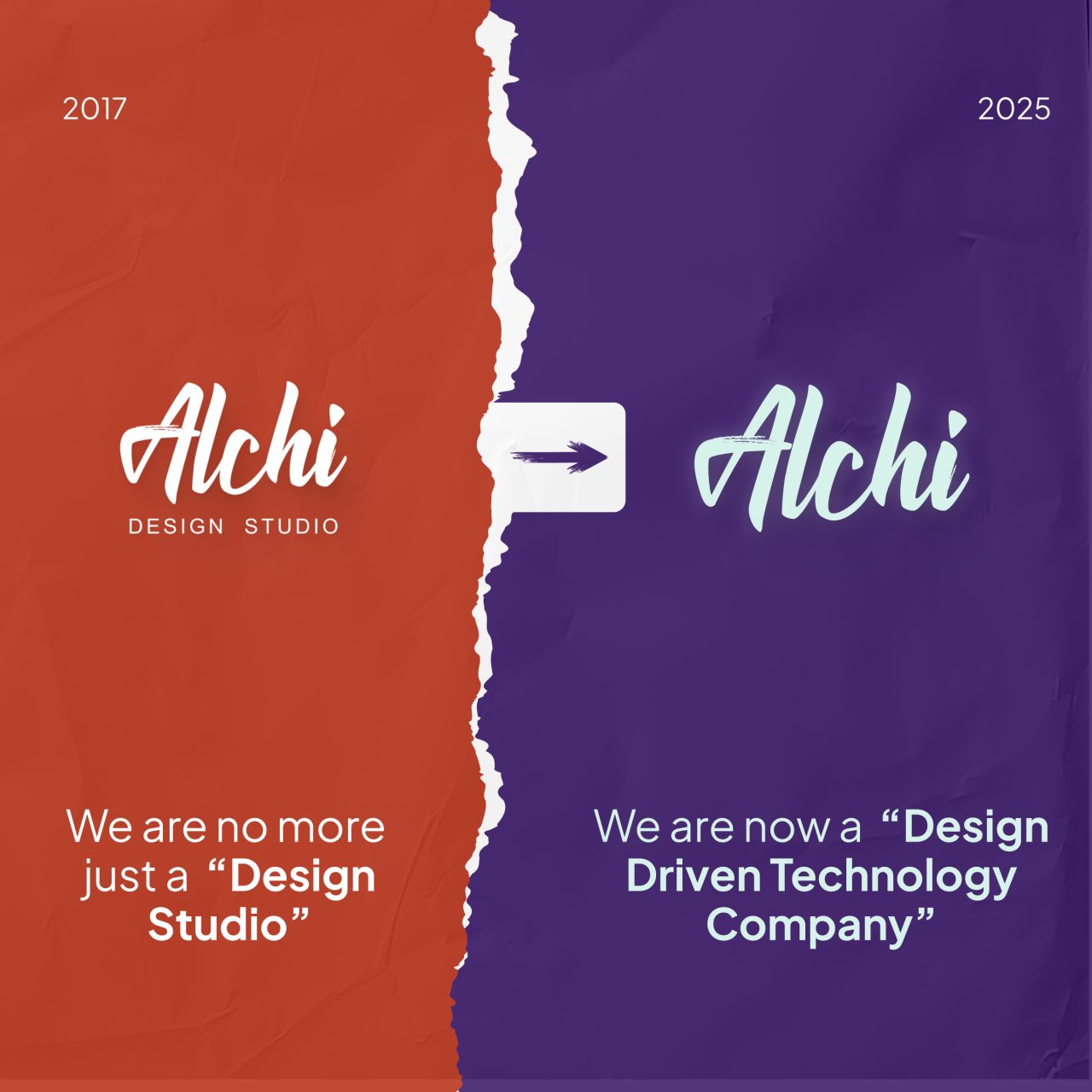
💜 Alchi is no longer just a design studio, we are now a design-driven technology company 🚀 For the first few years, we’ve built our reputation on human-centred design in healthcare and beyond. We all know design without execution only solves half the problem. We wanted to build in-house to drive autonomy. Our clients want us to evolve. So, we evolved into a full fledged technology company building the end-end solutions. Today, Alchi brings together design + engineering under one roof. We’re not only visualising dream products, we’re building them for you, all the way to deployment. What does this mean? ✅ Still obsessed with UX & patient-centred design ✅ Now backed with end-to-end tech delivery ✅ Focused on solving complex healthcare challenges with real, working solutions This isn’t a pivot, it’s a natural progression. Because the future of healthcare needs more than just pretty screens. It needs robust, scalable, human-first technology. Excited to share this new chapter with all of you! 🙌 Check out our new website and additional services. Link in the comments section. #WellnessWithAlchi
- Allia Health (YC S26)Recorded 4 Sept 2026
Allia Health is now officially a Public Benefit Corporation, and I wanted to share why that matters to us. Neither Saroosh Khan nor I came into this as “big tech” people. We’re not from the usual founder pipeline. I’m here because I owe my life to mental health clinicians. He’s here because he’s a problem-solver who refuses to spend his life building things that only move money around rather than meaningfully help people. I’m not blind to the mistrust that exists in this space, and the fact that a lot of it is well earned. Clinicians have been promised the world by tech companies and then left to chase authorisations, fight their EHR, or watch their workplace turn into a metrics factory. I’ve learned just as much from the failures in this industry as from the few bright spots. (Probably more, if I’m honest.) Becoming a Public Benefit Corporation is our way of formalising the commitments we keep talking about. It gives us a legal structure that lets us prioritise the wellbeing of clinicians and the people they care for alongside the financial success of the company. And it gives us room, legally and operationally, to make decisions that aren’t always optimised for short-term revenue, but are optimised for doing the right thing. That means that we are set up to: – Reinvest revenue in tools that reduce clinician burden, even when they’re not the “most profitable” features. – Maintain our commitment to keeping Allia Health free for individual clinicians. – Keep clinicians at the centre of product, partnership, and reimbursement decisions. – Protect clinical quality and patient wellbeing, even when investors or markets push for scale above all else. Being a PBC doesn’t magically solve everything, but it does give us a structure that matches our intentions. I’m here because mental health clinicians changed my life. Becoming a PBC is one way of honouring that , and making sure the company we’re building reflects the kind of care and integrity they model every day.
- Allia Health (YC S26)Recorded 4 Sept 2026
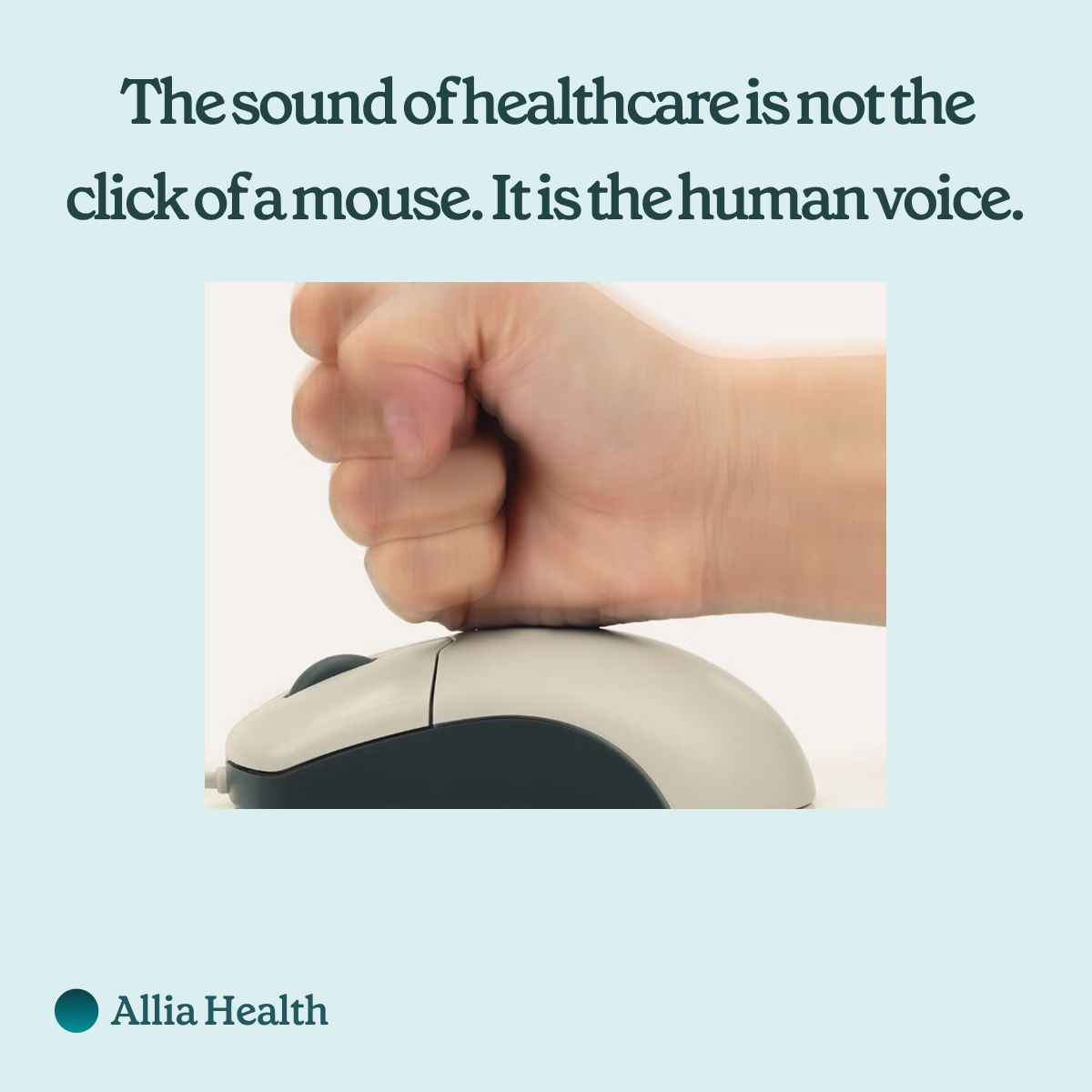
Should we start tracking click count? One of our advisors - Layne Gritti DO- suggested it, and I kind of like the idea. Every click a clinician makes is really just a tiny step or decision or acknowledgement that adds to their mental labor. There are clicks required on every form, every dropdown, and every new window that opens when you just want to finish your note. I’ve heard people call it “death by clicks.” And I’m guessing not many clinicians are thinking about something as mundane as clicks (not when they’ve got much more important things to think about), but as builders of tech, we should be thinking about it, along with any other small tweak we can make in the software to make their lives easier. Maybe click count should be a metric, if only because it would at least tell us if the tools we’re building are getting lighter or heavier to use.
- AirvetRecorded 4 Sept 2026
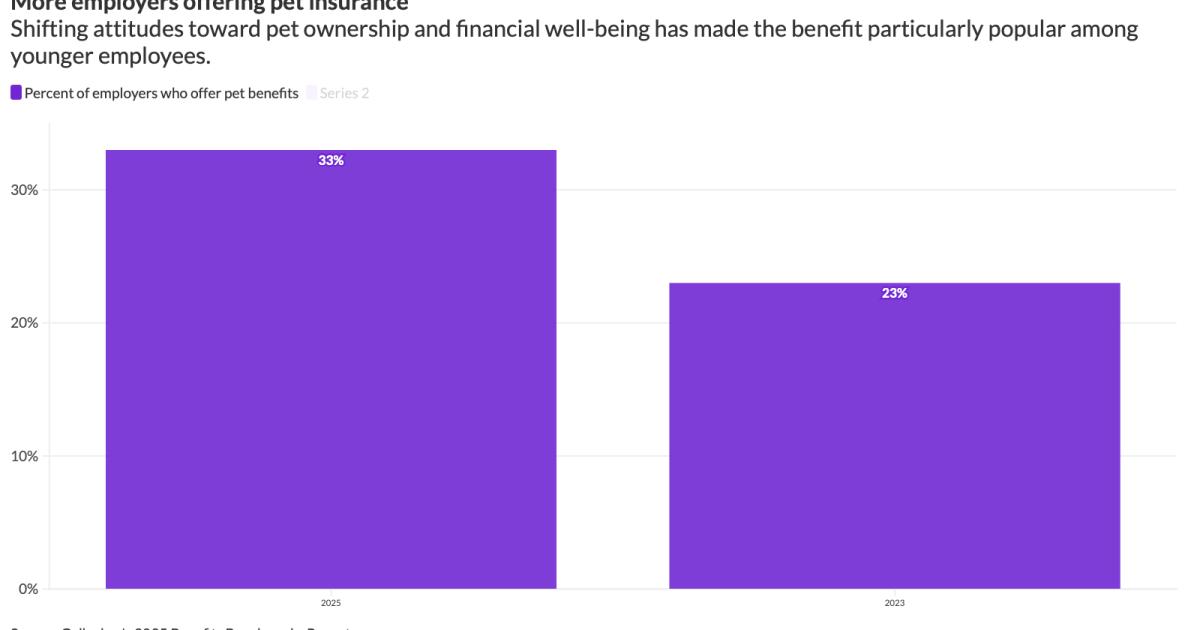
A third of all employer benefit strategies now include pet benefits, a major shift toward recognizing how deeply pets impact our emotional and financial well-being. For younger employees especially, pet benefits are becoming financial lifelines. Our 2025 Airvet Pet Benefits Report found that 81% of pet parents spent over $500 in unexpected pet care this year, and 57% have had to dip into savings or credit to cover it. That’s why pet benefits matter: they protect employees’ financial health, ease emotional stress, and create a sense of support in the workplace that few other benefits can match. At Airvet, I see it firsthand: when an employee can talk to a vet at midnight, or find care for their dog before a work trip, it’s more than convenience, it’s relief, trust, and whole person wellness. That’s why leading employers are expanding their definition of whole person wellness to include pet families. The future of benefits isn’t transactional, it’s transformational. With birth rates hitting historic lows and more pets coming into households than ever before, cost of care is skyrocketing, access to care is plummeting, and millions of families are feeling the pain. With 70% of the workforce being a pet family, the time to support them is now - when they need it most. Read more in Employee Benefit News. https://lnkd.in/gfdDsK_W

Other LinkedIn formats
Watch the companies you care about.
Filter every ad by industry, country, format and network, and get alerts when a company you watch starts running new ads.