LinkedIn thought leader ad examples
144 thought leader ads are live on LinkedIn right now, from 180 companies. Browse real ones, filtered by industry.
- BlitzySince 26 Jun 2026
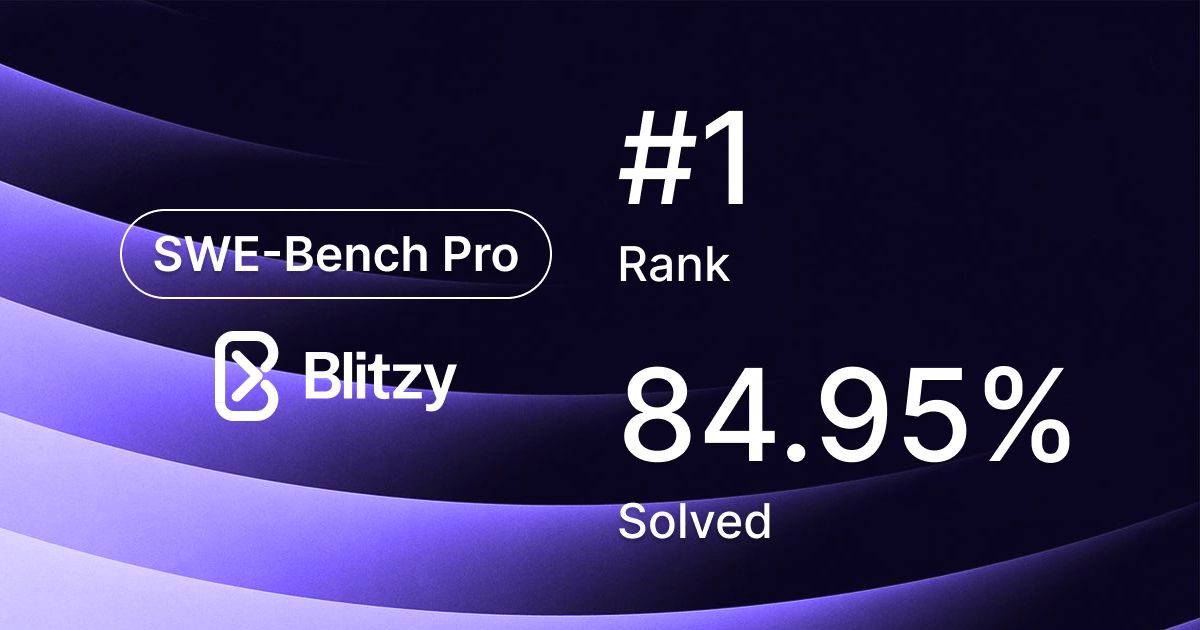
Blitzy set another record on SWE-Bench Pro with a score of 84.95%, surpassing our previous leading score from March (66.5%). In building Blitzy, we've seen firsthand that the system surrounding a model is far more important than the model itself. These records demonstrate the value of an abstraction layer and agentic orchestration for the enterprise. By allowing a platform to orchestrate multiple model providers it derisks an agentic SDLC by lowering the cognitive burden on engineers and lowering the reliance on any given vendor. Both results were independently verified by Quesma Our most recent Blitzy blog explains the technical decisions that drove this achievement. Read here: https://lnkd.in/gSEjHnJF
- BREVIANRecorded 11 Sept 2026
No one tells you how demanding it can be to build in a space that changes every week. Being a founder in a fast-moving industry means living in a constant state of adaptation. The roadmap you felt great about on Monday? Outdated by Thursday. The certainty you had in your product? Challenged by the next wave of innovation. But here’s the part I’ve learned to appreciate: you find calm inside the chaos. You stop chasing stability and start chasing growth in your product, your team, yourself. You build thicker skin, faster reflexes, and a deeper appreciation for the people who believe in what you’re doing even when the outcome isn’t guaranteed. There are hard days, absolutely. But when someone tells you that what you built actually made their day easier, helped them win, or changed how they work, it makes every long night and tough call worth it. This journey tests everything you’ve got -patience, grit, creativity- but it also gives you perspective. It reminds you why you signed up for this in the first place: to help shape what comes next. #FoundersJourney #Leadership #StartupLife #AI #Innovation #GrowthMindset #BuildingInPublic #TechLeadership
- BREVIANRecorded 11 Sept 2026
The biggest risk in AI right now isn’t the technology. It’s waiting for the moment it becomes perfect. AI is evolving faster than most teams can build roadmaps for. Every week introduces a new capability, a new constraint, a new question. And if you’re waiting for the industry, the regulation, or the tech itself to “settle,” the gap between where you are and where the leaders are going will only widen. Perfect never arrives. Progress does. Every major technological shift has looked like this at the start. There’s uncertainty, hype, hesitation, and a long list of reasons to play defense. But the advantage always goes to the teams that step in early, learn the terrain, and build conviction while everyone else is still observing from a distance. The GTM leaders I talk to who are actually seeing traction share a common trait: they aren’t waiting for clarity to magically appear. They’re iterating in real time. They’re experimenting with workflows, tightening their feedback loops, and learning faster than their competition. That learning compounds into an advantage that’s very hard to catch once it starts accelerating. And here’s the encouraging part. Every day, the ecosystem gets stronger. Builders, researchers, and operators across the industry are refining models, improving safety, and making AI dramatically more reliable for the teams ready to adopt it. The foundation is getting better by the hour. You don’t fall behind because AI moved too quickly. You fall behind because you hesitated while others were learning. If your team is evaluating how to bring AI into your GTM motion and you want a grounded, practical perspective on where to start, reach out. Early action builds the muscle that everyone else will eventually wish they had. #EnterpriseAI #GTM #Leadership #AIAdoption #ProductStrategy #SalesIntelligence #AIInnovation
- BlipRecorded 11 Sept 2026
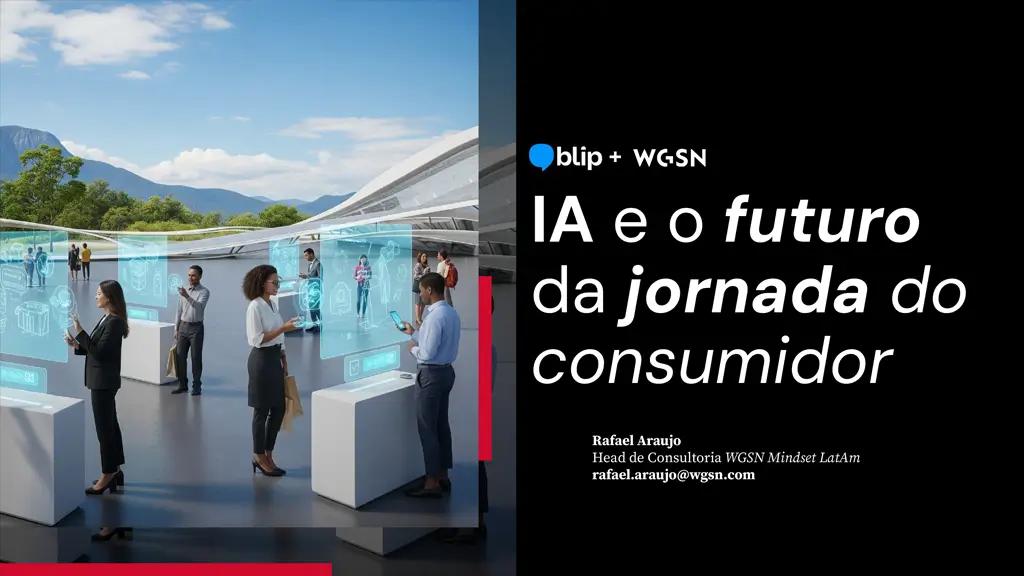
Você confiaria em uma IA para fazer suas compras? Sete em cada dez brasileiros já dizem que sim. O relatório “IA e o Futuro da Jornada do Consumidor”, desenvolvido pela Blip e WGSN, revela como a IA e o comércio conversacional estão transformando o comportamento de compra e explica por que as empresas que entenderem esse movimento primeiro vão liderar o futuro do consumo. Alguns dados que merecem atenção: • 70% dos brasileiros já estão dispostos a comprar diretamente por IA • 59% esperam experiências totalmente personalizadas • Clientes emocionalmente conectados podem gerar até 306% mais valor vitalício. Um número surpreendente, não é? O estudo também traz 6 tendências emergentes que estão moldando esse novo cenário: da tecnologia afetiva, que conecta emoção e dados, à ultrapersonalização, compras autônomas, comércio conversacional, privacidade preservada e experiências de alta fricção. Vale muito a pena conferir o relatório completo: ➡️ https://lnkd.in/d5-6Jr7b #IA #IAConversacional #FuturoDoConsumo #InteligênciaConversacional #ExperiênciaDoCliente
- BoomerangSince 21 Apr 2026
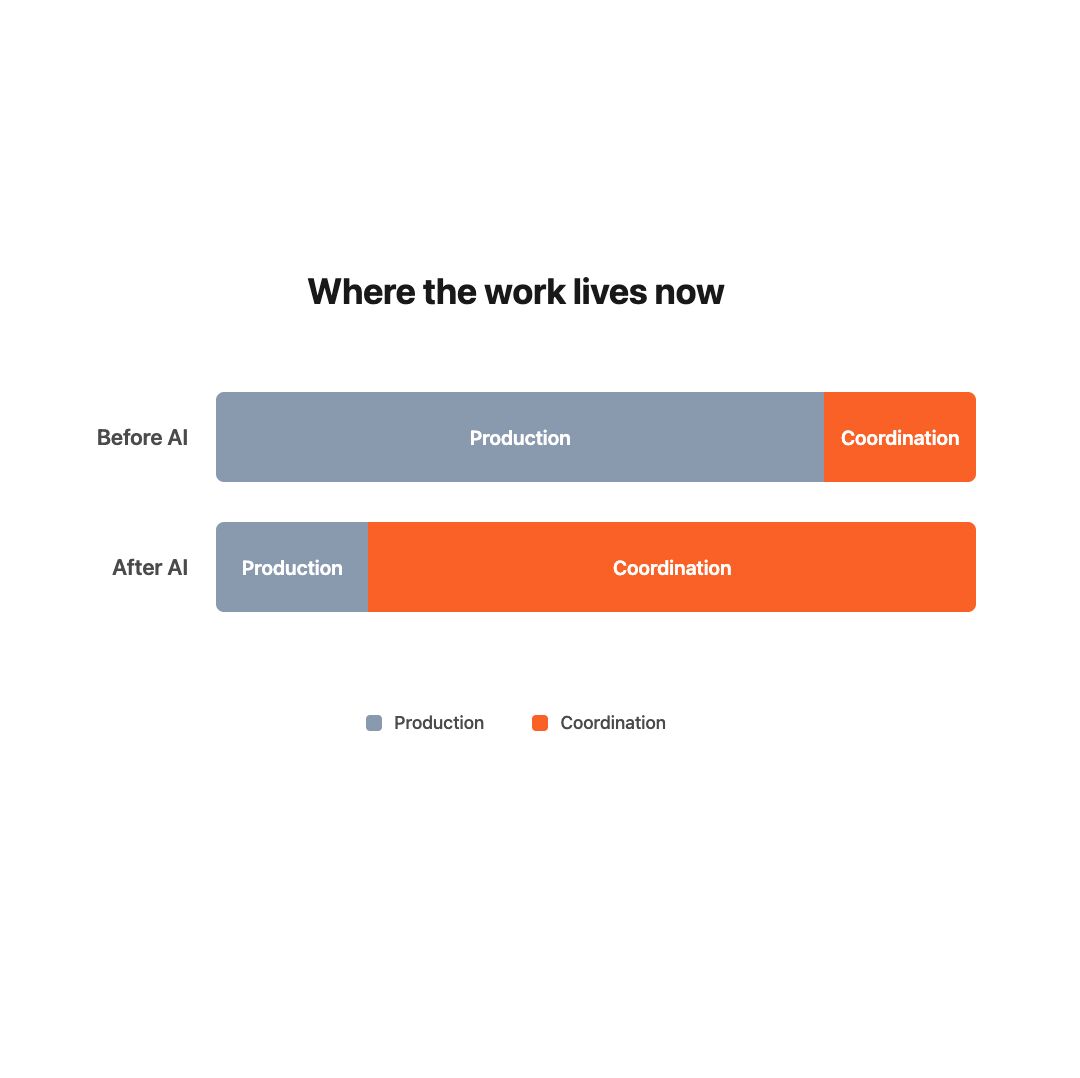
That meeting you hate may keep AI from stealing your job. But only if you run it well. That's my take after reading this great NYT piece this week by the same name (gift link to the full article in comments, def. worth a read). It helped me crystallize something I've been thinking about for a while. Here's the framework: Knowledge work has always had two layers. The production layer — making the thing. Writing the strategy doc, building the deck, running the analysis, writing the code. The coordination layer — deciding which thing to make, getting the client to sign off, building the trust needed for people to actually act on what you produced. For decades, companies treated the coordination layer as overhead; a necessary but pesky tax on the real work. All the investment went into making production faster. Even a lot of Boomerang's work was focused on creating protections from 'deep work' time for you to go code/design/write. AI just finished what decades of software started. It's solving the production layer. The article is full of striking examples such as websites built in a month instead of six, strategy docs done in hours instead of weeks, customer onboarding compressed from six months to two weeks. But here's what nobody's reckoning with: the coordination layer didn't shrink at all. In fact it grew in importance in relation to everything else. That fractional CMO can run marketing for three companies. AI could easily handle the work of a fourth. He can't scale himself to take on the meetings that come with the fourth company. When the production layer was slow, coordination was a small fraction of your week. Now that production is nearly instant, coordination is most of what's left. Even worse there is more to coordinate at a faster rate. It went from overhead to the entire job. This changes what "good at your job" means and I don't think most companies have absorbed it yet. Your value at work used to be the artifact you produced. Now it's the alignment you create between people. What's on the deck doesn't matter. Whether five people leave the room pointed in the same direction does. Which means most companies are now measuring the wrong things, hiring for the wrong skills, and investing in the wrong layer of work. We've spent decades optimizing production. Most companies have never deliberately optimized coordination and thought about what it takes to do it well. The question isn't whether AI will take jobs. It's whether your organization is investing in the layer of work that AI just made the most important. Ask yourself: what percentage of your team's week is production vs. coordination? And which one are you actually managing for? Which one are you investing to optimize? Follow along if you want more of my thoughts on making meetings the highest-leverage part of your week. I'll be sharing insights from my conversations with team leaders.
- BoomerangSince 29 Jul 2026
Every team has these wild animals loose amongst them. It's the reason your calendar is full and your own work gets done after 9pm. They are monkeys and you got some sitting on your shoulder right now. "Who's Got the Monkey?" is a 1974 article that became one of Harvard Business Review's best-selling reprints ever. The idea: every task is a monkey. A team member walks in with a problem, asks "Can you review this?", and the monkey jumps from their back onto yours. Say yes enough times and you're the bottleneck for your whole team, feeding everyone's monkeys while your own work starves. In my last post, I showed why it's hard to feel comfortable delegating. This one is about how to think systematically about the levels of delegation. Most people treat delegation as an either/or thing: either I do it, or you do it. It's not. It's a ladder with 5 levels: Level 1: Do nothing unless I tell you to. Level 2: Ask me how to handle anything that comes up. Level 3: Recommend an action, then wait for my approval. Level 4: Do what you think is best, but keep me in the loop. Level 5: Handle it. Report back at our next scheduled check-in. 3️⃣ things I've learned using this ladder over 15 years at Boomerang: 🐒 Most managers are stuck at Level 3 without realizing it. "Bring me a recommendation" feels like delegation, but the monkey still comes back to you for every decision. 🦸♀️ The goal is NOT everyone at Level 5 on everything. Bet-the-company decisions, key relationships, your actual superpowers: some things should stay low forever. The real goal is to have almost nothing permanently at Levels 1 and 2. 💡 Get clarity on which level you are comfortable with for each task-person pair. Even better, communicate it to the person: "You're at Level 3 on this now. By next quarter, I want you at Level 5." Now you're not micromanaging. You're coaching someone up a ladder you can both see. And the same person will sit at different levels for different tasks. Your senior engineer might be Level 5 on architecture and Level 2 on customer communications. And that's totally okay. One more rule from the HBS article: when someone tries to hand a monkey back, either feed it 🍌 (it becomes your priority) or shoot it 🏹 (it's not getting done). Set an explicit max on monkeys you'll feed. This ladder works for AI agents too. "Draft it and I'll approve" is Level 3. Most people never move their AI past it either. Maybe that's okay but just be aware. Do you have clarity on which delegation level each task-person pair is at? Next post: I'll talk about the handoff itself. When the US Army tested how well commanders communicate intent, 2 out of 3 subordinates got it wrong. We'll cover the 7 briefing components that fix it. P.S. The full monkey management system, plus when NOT to delegate, is in episode 21 of Less Busy Lab. Links in comments. #delegation #betterleader ps: no monkeys were harmed in making of this image.
- Beautiful.aiSince 6 Aug 2026
Your team is already using AI you never approved. 42% of managers admit it in our research, they’ll use whatever tool they want, policy or no policy. Everyone treats that like a compliance problem. It isn’t. It’s a leadership one. People don’t go around the process because they’re reckless. They go around it because there isn’t one. When nobody defines how AI fits into the actual work, capable people quietly build their own version in private 😅 and you end up with eleven people running eleven workflows, none of which talk to each other. That’s not adoption. That’s chaos with better output. I know because I was one of those eleven people for years. Three hours of strategy, eleven hours of slides. That ratio followed me through my whole career and I assumed it was a me problem. It wasn’t. I loved the work, building the argument, finding the insight, making a room believe something. But rebuilding the template, fixing the type, fixing it again because the headline ran two lines, hitting slide 14 and realizing slide 6 no longer supports it? That’s not marketing. That’s assembly. And when AI arrived, it didn’t fix the ratio. It moved it. The thinking got fast. I could pressure-test a narrative in minutes. Then I’d close the tab and spend ninety more moving it into slides by hand. Same last mile. What changed the math was connecting the model straight to Beautiful.ai. Thinking happens where thinking happens, the deck builds out of it, in the template, on brand, right on the first pass. One path, same every time, anyone on the team can run it. That’s the whole lesson, and it has almost nothing to do with any specific tool. A disorganized team with AI is still a disorganized team. It’s just disorganized faster now, and more expensively. Speed was never the win. Structure was. If 42% of your people are going around your process, the honest question isn’t how to stop them. It’s why your process wasn’t worth using. P.S. Someone on my team wrote a genuinely good piece on rolling this out without the chaos: training by role, setting ground rules early, measuring outcomes instead of prompt counts. Worth 10 minutes if you manage people. https://lnkd.in/gm6MyhBV
- Beautiful.aiSince 6 Aug 2026
Landing brand deals stopped being about waiting for the right email a long time ago. Most creators pitch over email or a call, and hope the brand can picture what they mean. I stopped doing that once I started building the deck myself. I now use Beautiful.ai which designs beautiful pitch decks around my ideas. That shift, sending something a brand can immediately picture, has been one of the biggest reasons behind five-figure months for me. I've partnered with Beautiful.ai on this because it's part of how I pitch, not just for this post. So how are you currently pitching your ideas to brands? And try Beautiful.ai today: https://ow.ly/UjOB50ZuLvm
- Base44Recorded 10 Sept 2026
"how did it feel when linux hit 1m users?" I can’t forget seeing Linus Torvalds(Linux Founer) interviewed. At some point the interviewer looked at him with shining eyes and asked: “How did it feel when Linux hit 1M users?” He just shrugged and said: “Honestly, I was more excited when we reached 100 users.” I watched Maor Shlomo from the sidelines when he got his first paying user. And I was at Base44 when we hit the $1M ARR mark. I can genuinely say that Maor was more excited about a random person swiping their credit card than he was when Base crossed $1M ARR. which we’re now way past. What I learned is this: you don’t get to $1M by chasing $1M. You get there by obsessing over that first swipe. Builder mentality isn’t “How do we get to $1M?” It’s “How do we make this so good that one more real person says yes?” To everyone building on Base44: stay obsessed with that first yes. We’ll keep making it easier to earn the next one.
- Base44Recorded 10 Sept 2026
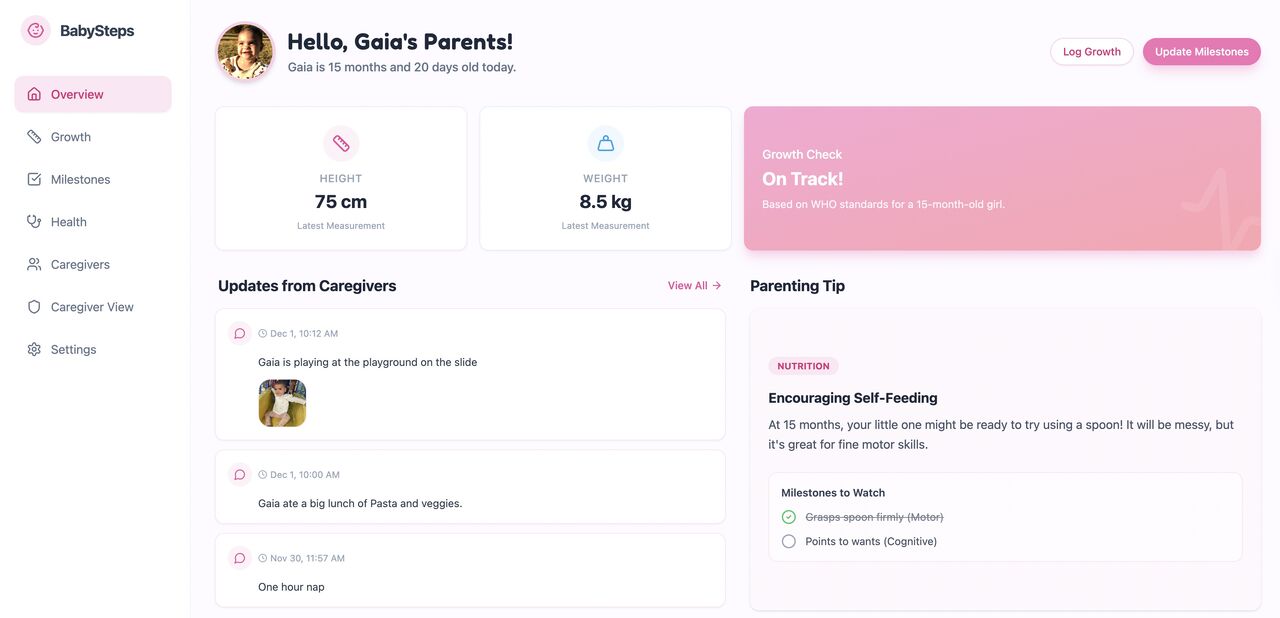
I’m a mom. A mommy? Mamacita (Please tell me you got the reference 😬) Going back to work after maternity leave is difficult... so I built an app to make it just a little easier. Using Base44’s AI tools, I created a simple app where I can track my daughter’s WHO-based growth data (cognitive, motor, social skills, etc.) and medical information (Dr. appointments, vaccines, etc.) The best part of the app? Her caregiver can share real-time updates throughout the day: when she slept, what she ate, what she played with, and even photos from the day. Everything in one place. Here’s to a new chapter at Base44, and to finding small solutions that make each day a little easier. #Tech #AI #Mom #MomInTech
- Aura AppsSince 15 Dec 2025
Would you read a newspaper from 6 months ago expecting to learn about current events? No? Then why do you let you #Confluence pages go 4,5, or even 6+ months without an update? Your team relies on Confluence as the Source of Truth for everything they need to know, so ensuring it is up to date and reflects your current reality is incredibly important. It's also very challenging to stay on top of updates though. This is where Aura Apps Workflow & Approval app comes in - it automagically flags pages for review based on criteria YOU decide. It can also do things like auto-restrict pages that might be out of date, and alert reviewers. It will help save you a LOT of headache chasing down content - check it out today! - https://lnkd.in/gQ2cQ8tX #sponsored #contentmanagement #headaches
- AutifySince 17 Feb 2026
Today, we’re launching the open beta of Aximo — the first AI Tester. Aximo executes end-to-end tests using only natural language and visual understanding. There is no scripting and zero maintenance. You describe what you want to test. Aximo looks at the interface, plans actions, executes them, and verifies the result —autonomously. Because it operates through vision and language instead of relying on DOM structures or framework-specific code, it can work across any application: - Web apps, including Canvas and WebGL - Mobile apps for iOS and Android - Desktop app for Windows and Mac - Even backend tests like APIs, database queries, and batch scripts Since 2019, we, Autify have believed AI would fundamentally change testing. Now, AI coding agents are transforming how software is built. So if AI can write the code, should humans still be writing and maintaining test code? We believe testing in the AI era can be far more autonomous than it is today. Aximo is our first step toward that future. The open beta starts today. Sign up for the early access here: https://lnkd.in/gkmh_yDV #AI #SoftwareTesting #QA #AIAgents #DevTools #Startup
- Aura AppsSince 11 Mar 2026
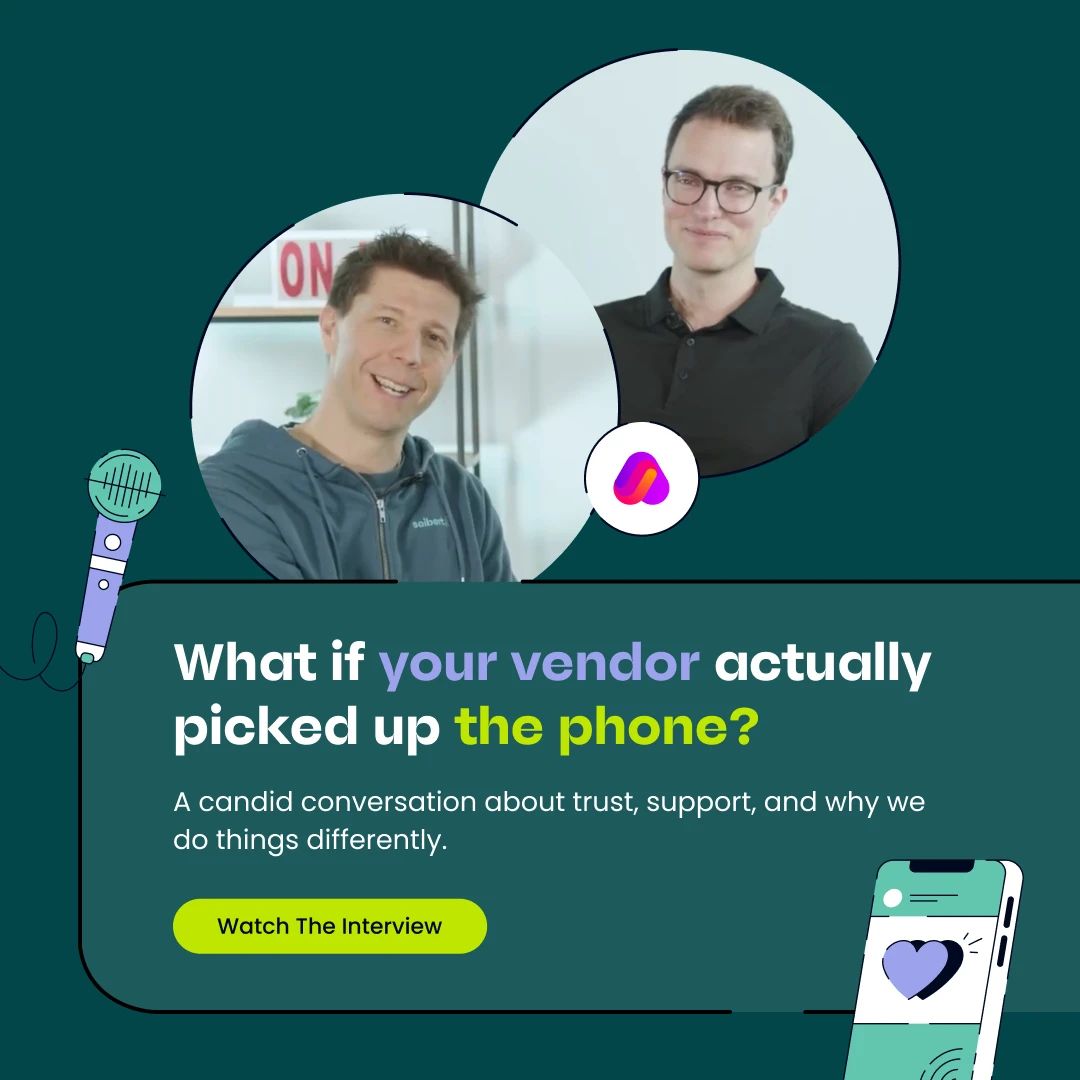
A critical issue pops up, you reach out for help, and you get stuck in a loop of generic scripts from "Tier 1" agents who have never actually used the product. It’s not just frustrating, it’s a waste of time and money. At #appanvil, Philip Feldmann and his Co-Founder Jan Kuntscher are intentionally doing things differently. Their philosophy: Founders Support. When you open a ticket for any of their Aura Apps on the #AtlassianMarketplace, there’s an 80% chance you’ll be talking directly to them. So each and every support ticket is handled by the persons that actually work on the products. Here’s why this model works: + 100% solution-oriented: They don’t just follow a script since they know every "in and out" of the software. + True efficiency: Sometimes a quick, honest "No, but here’s a workaround" is worth more than ten polite but ineffective emails. This is exactly the kind of ownership we value in our partners at Seibert Group. Philip and I sat down to talk about their portfolio and why they care so much about their customers' success: https://lnkd.in/dTXtH5hQ
- Autonomy AISince 21 May 2026
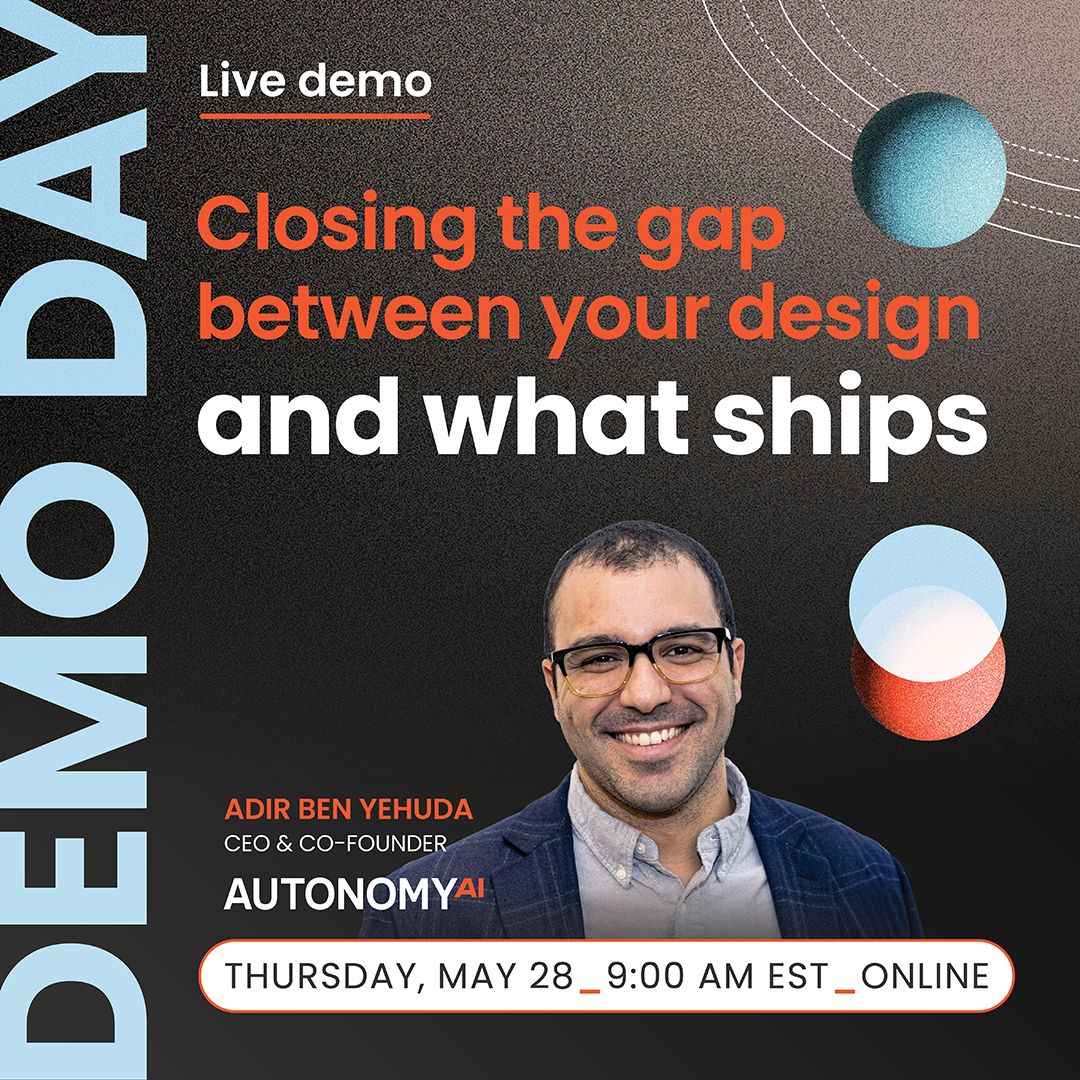
Every design-to-code handoff is a lossy compression. The designer knows exactly what they want. The engineer does their best. Something always gets lost. Maybe it's a shadow that's slightly off, a spacing that's almost right, an interaction that's close but not quite. We built Design Mode for designers to ship exactly what they designed. No translation layer. Showing it live next Thursday. 20 spots. Not being recorded. Register here 👉 https://lnkd.in/dS5kKgdC
- AutomaiseSince 3 Aug 2026
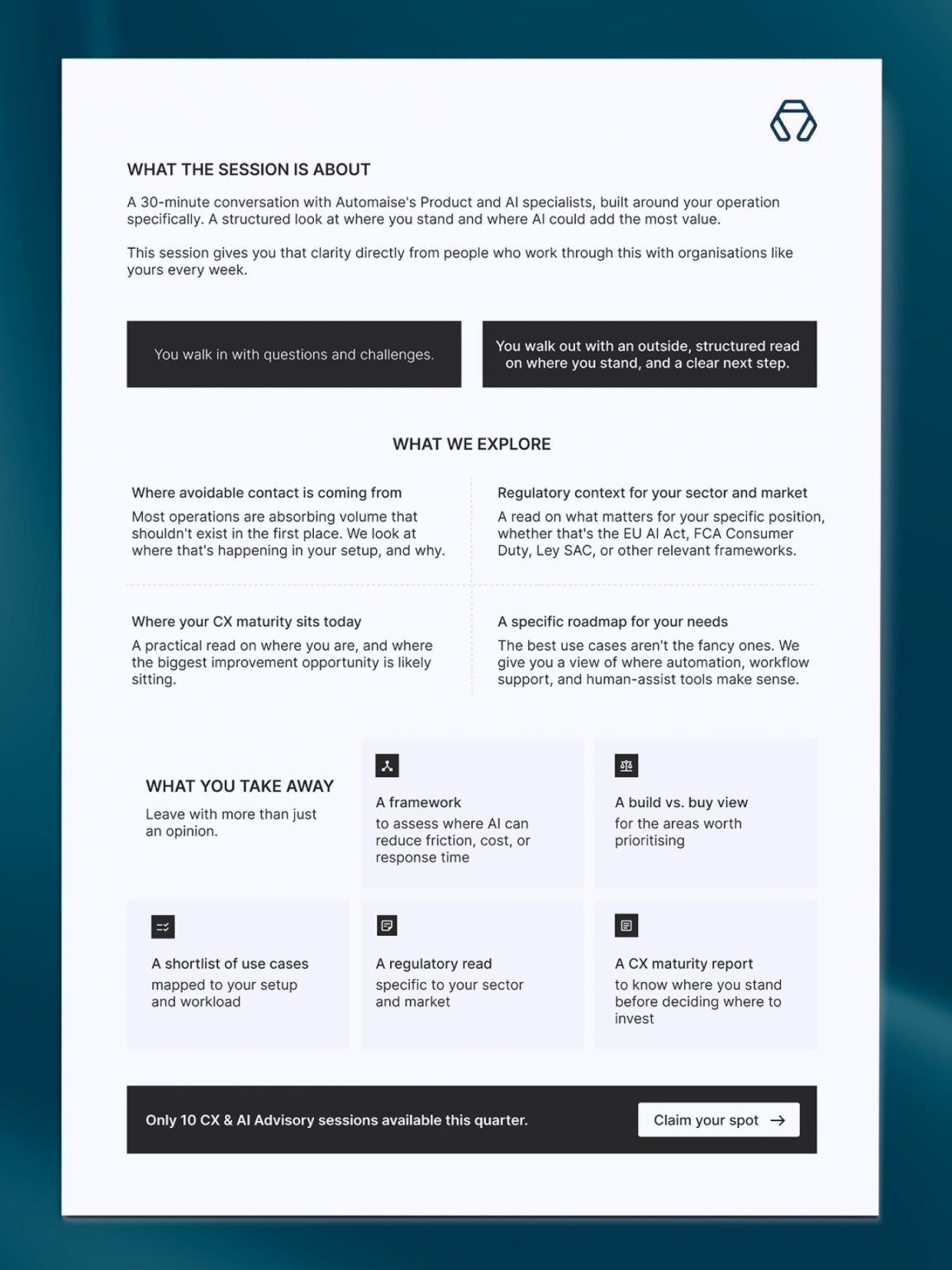
𝗧𝗵𝗲 𝗾𝘂𝗲𝘀𝘁𝗶𝗼𝗻 𝗶𝘀 𝗻𝗲𝘃𝗲𝗿 𝘄𝗵𝗲𝘁𝗵𝗲𝗿 𝗔𝗜 𝗰𝗮𝗻 𝗵𝗲𝗹𝗽. It is where it actually makes sense for your operation. Most advisory conversations stay at the surface. This one does not. And here is why: When we sat down to design the 𝗖𝗫 & 𝗔𝗜 𝗔𝗱𝘃𝗶𝘀𝗼𝗿𝘆 𝗦𝗲𝘀𝘀𝗶𝗼𝗻 at Automaise, we had one question in mind: what would actually be useful to take back into the business on Monday morning? Something grounded in your operation, your sector, and where you actually are today. That is what shaped it. A conversation built around clarity and genuine value. Spots are limited. Secure yours here: https://lnkd.in/eRg45R3S Here is what we explore together 👇 #CXAIAdvisorySession #CustomerOperations #Automaise
- AxamyRecorded 9 Sept 2026
Why are you using Notion to run a modern startup? If you're like me, you didn't start a company to become a data-entry clerk. That's what Notion does to you. It was great in its time, but to work it needs constant, menial labor: dragging cards, flipping statuses, changing dates, filling properties, assigning things, communicating. Neglect it and it becomes a mess. That people even hire consultants to clean up their Notion tells you all you need to know. That's nuts. Even the agents (which cost extra!) need you to build and maintain them, and still run on a graveyard of old tech, with stale data. Ask something and it'll answer, confidently, from a doc nobody has touched in 2 months. None of this makes sense in 2026. Why run work by writing it down in Notion when Axamy can turn ideas into action on its own, while you focus on what matters. axamy.io/workspace-axamy
- AtomicworkSince 30 Jun 2026
Most IT help desks treat every ticket like the first one without context or history of what the same user raised last week. The Atomicwork AI Workforce doesn't work that way. Watch as a DNS and Firewall AI coworker picks up a vendor access request, cross-references past tickets, checks AWS security groups, verifies approvals, and works through the firewall configuration, all with full cost visibility and a complete audit trail. The kind of investigation that usually falls on an engineer who already has ten other things open. This is the AI Workforce doing the job! Learn more - https://lnkd.in/dRtyECeY Welcome to #AtomicworkForce!
- AtomicworkSince 2 Jul 2026
AI is changing the way we work, but what about the people doing the work? That's the conversation I'll be having with Atomicwork on July 9, together with Indi Catrina. We'll be exploring how AI is reshaping wellbeing, leadership, and the day to day experience of working in IT. This will be an honest conversation about the human side of AI. Bring your questions, and see you there.
- AxamyRecorded 9 Sept 2026
Had a little too much fun making this demo page. You pick a floppy disk, it boots into a whole company running on Axamy, and you just use it. The page is live, go poke at it 👇
- Augment CodeSince 15 Aug 2026
One of the most useful loops we've set up with Augment Cosmos is for incident management. By the time I look at an alert, an agent has already completed the first pass of an investigation. Cosmos has understood the alert and the surrounding code, reviewed the runbook, pulled relevant logs, correlated the metrics, looked at previous incidents, and surfaced a likely cause and tells me where I should be looking. I can then ask follow-up questions to understand the impact, rather than starting from zero. This leaves me to make the mitigation and judgement calls, and spend more time doing proactive work and preventing issues before they start. I talk about this workflow a little more in the video below
- Augment CodeSince 15 Aug 2026
Reviewing code isn't the goal. Merging it is. Most code-review bots optimize for the wrong output. They review line by line, leave comments, then stop — handing the work back to a human who still can't tell if the PR is ready. The PR-to-merge loop doesn't get shorter. It gets busier. With Augment Cosmos, we built a fleet of agents that drives each PR toward merge, pulling in humans only for the highest-leverage judgment calls. Here's one PR's journey. It starts with an engineer commenting "fix it" on a Slack bug thread. Augment Cosmos takes it from there: 🔹 A risk analyzer assesses the change and pulls a human in when necessary. 🔹 A deep code-review agent checks correctness at the line level. 🔹 An end-to-end verifier runs the tests (including UI integration tests). 🔹 A PR fixer agent responds to comments, fixes CI issues, and keeps the PR moving. If a human needs to weigh in, Cosmos pairs them with an agent to review the PR at the intent and design level — so they can understand the change deeply without wading through all of it. The system also learns from that feedback, so review gets sharper over time. Full loop: under 30 minutes. I walk through the whole workflow in this video ⬇️ Comment with questions!
- BackdropRecorded 9 Sept 2026
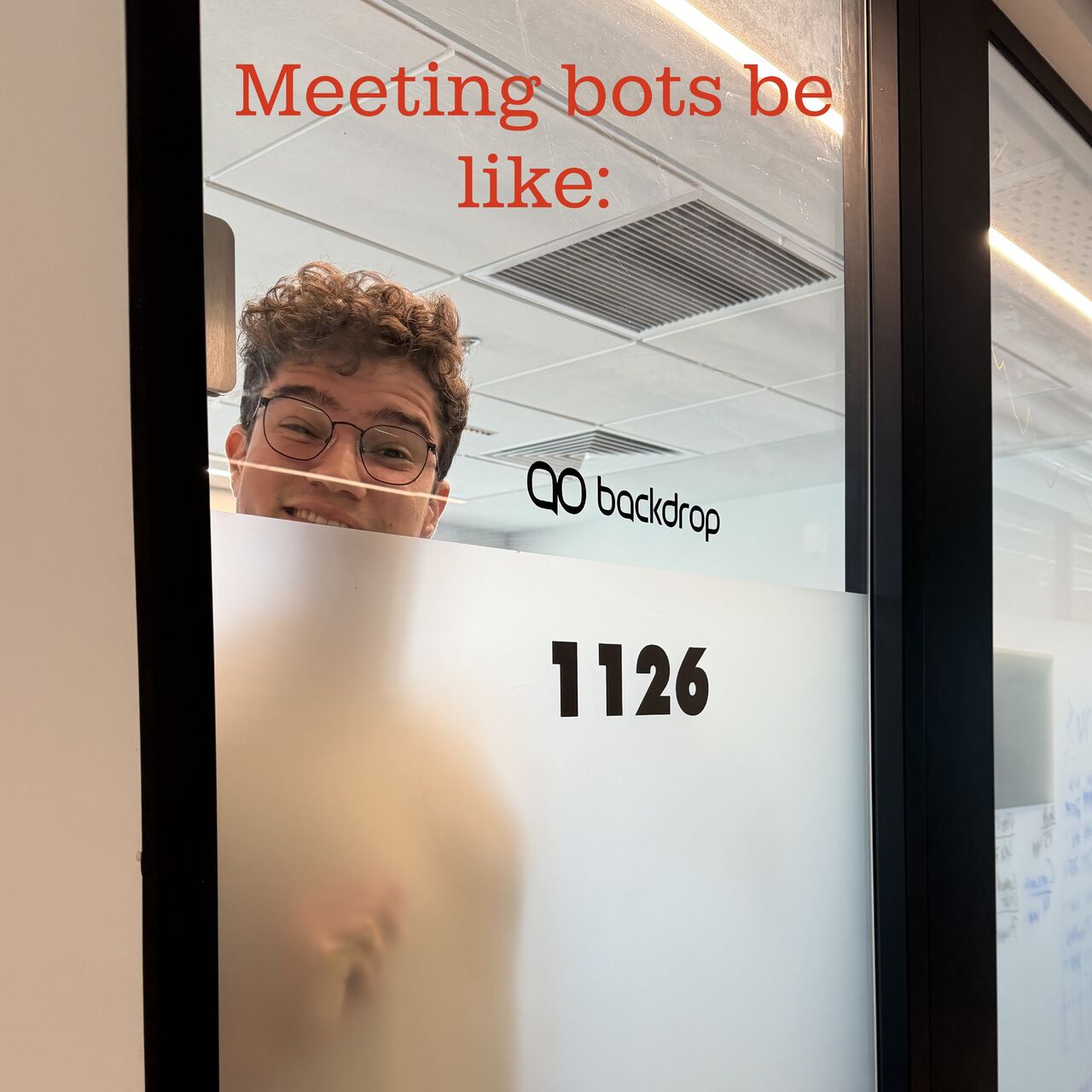
Ever feel like meeting bots are constantly trying to crash your calls? I get it: everybody wants to be in the room where it happens. Thing is, it often looks off, like when someone who didn’t show up to a meeting still had their meeting bot lurking in the meeting room. I’ve seen that too many times. That’s why, when we built Backdrop for in-call sales assistance, we had one design rule: NO MEETING BOTS. And it still holds. (in the picture: me impersonating a meeting bot) Try it here: https://lnkd.in/dJM8VuuH
- Autonomy AIRecorded 9 Sept 2026
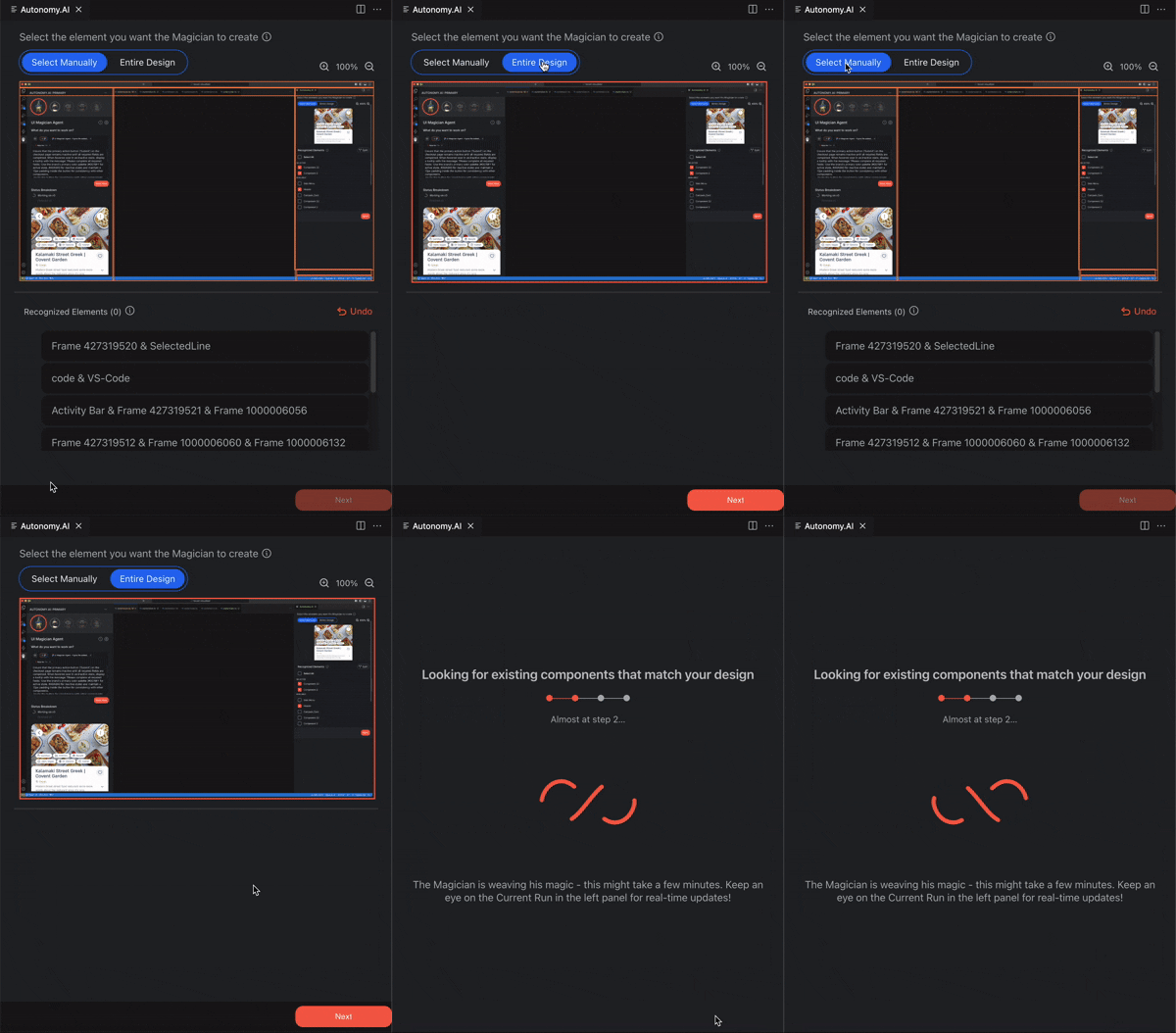
"We are building prototypes on vibe coding tools, before we send it over to our engineering team" This is something I hear from every prospect we have. And I always ask - "Why would you adopt such an unnatural process? " Vibe coding, can and should be done on production code by product people and it should help product and software teams move fast, without creating a separation in the flow. That's what we are building in Autonomy AI. The process is simple: 🎯 Add a design or add a text 🎯 Choose an element or the entire screen 🎯 Get a front end code, fully contextual to your product look and coding standards. This is Vibe coding , for real world dev teams and real companies.
- AskNicelyRecorded 9 Sept 2026
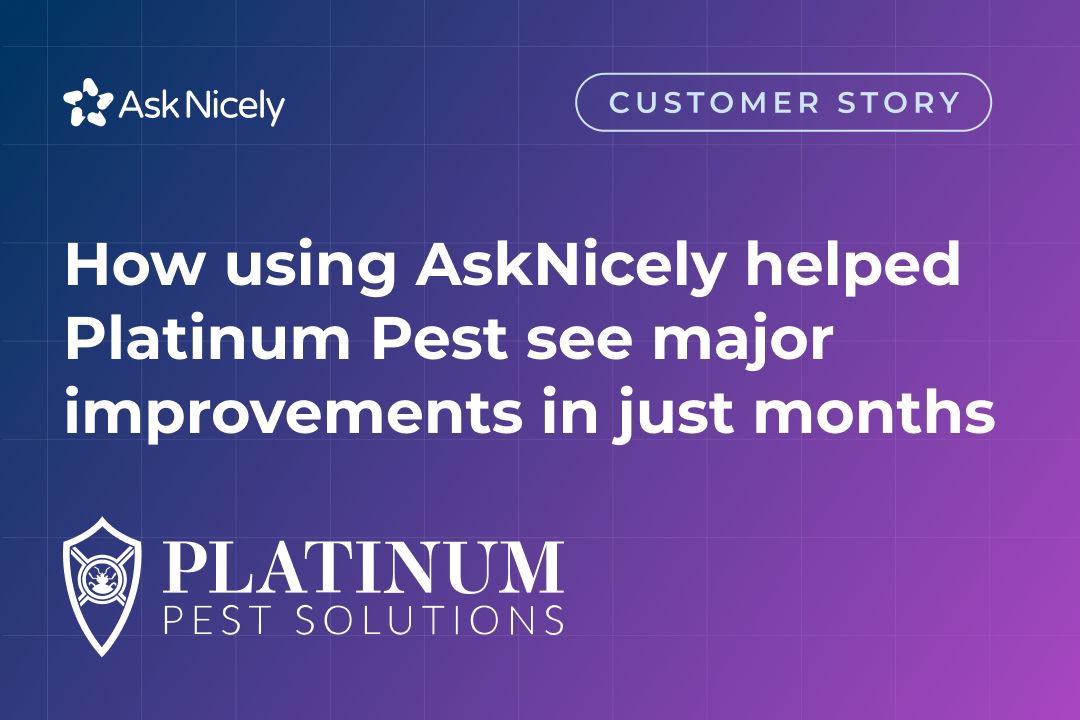
How do you scale a 5-star customer experience in one of the toughest, most competitive service industries? Platinum Pest Solutions Inc. did it by using AskNicely to turn customer feedback into frontline action—and the results speak for themselves: ✅ Faster issue resolution ✅ Higher review scores ✅ A culture of service that’s impossible to copy “It’s not just software—it’s a shift in mindset that helped us grow.” 📖 Read the full story here: https://lnkd.in/gAtJjMNr #CustomerExperience #FieldService #PestControl #AskNicely #CX #VoiceOfCustomer #GrowWithFeedback


Other LinkedIn formats
Watch the companies you care about.
Filter every ad by industry, country, format and network, and get alerts when a company you watch starts running new ads.