LinkedIn thought leader ad examples
130 thought leader ads are live on LinkedIn right now, from 138 companies. Browse real ones, filtered by industry.
- AdvensSince 21 Sept 2026
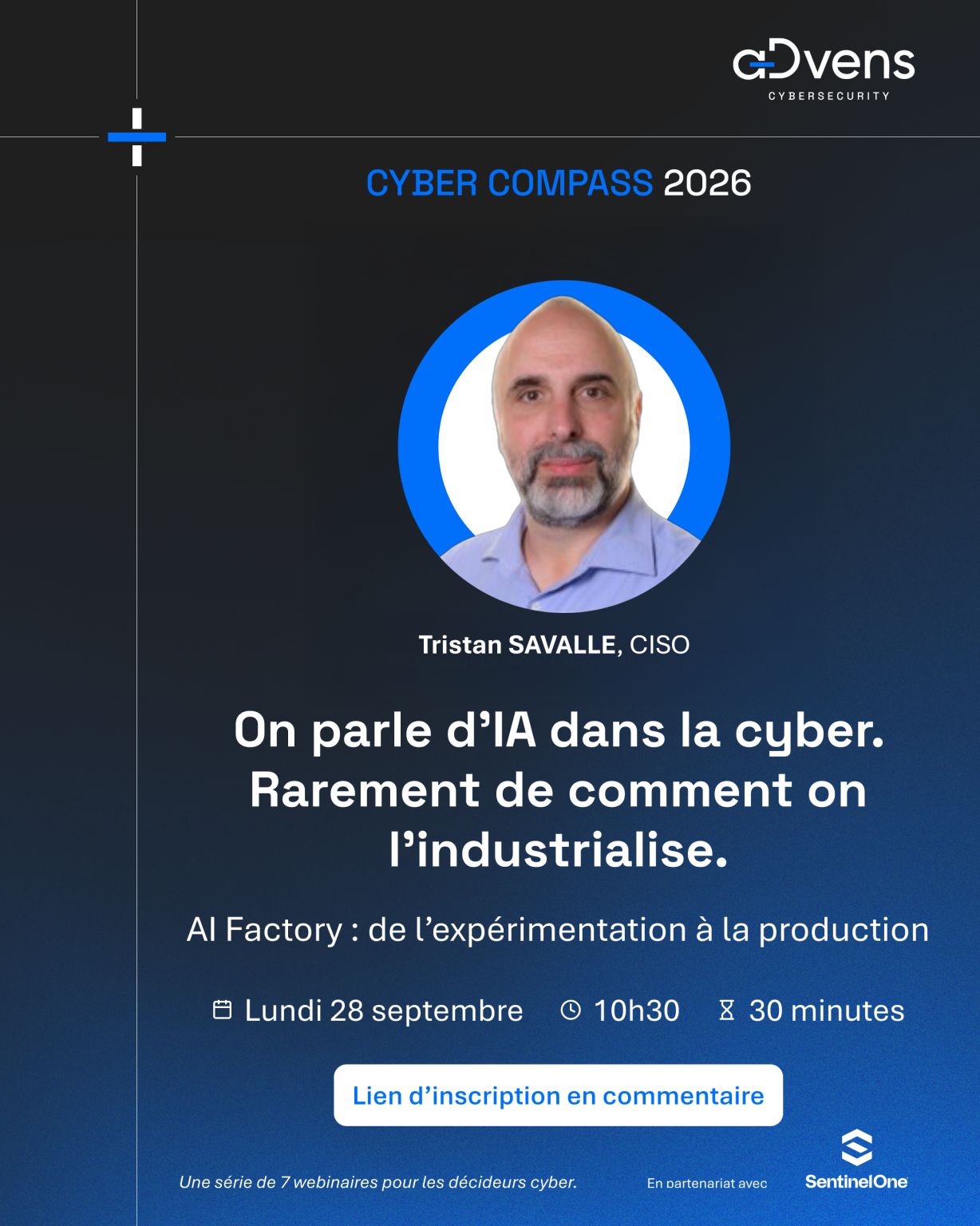
🤖🏭 Une AI Factory chez Advens ? Mais pour quoi faire ?... On parle beaucoup d'IA dans la cyber, beaucoup moins de la façon dont on la construit et on l'industrialise pour qu'elle soit un vrai accélérateur des démarches de sécurité. ▶️ Quels cas d'usage ? Pentest, GRC, gestion de crise, remédiation : par où commencer ? ▶️ Quelles questions de poser avant de se lancer ? ▶️ Make or buy, le retour ? Le 28 septembre, on ouvre le capot avec Benjamin Leroux: ce qui marche, ce qu'on a jeté. ⏱️ 30 min, top chrono ! 👉 Lien d'inscription en commentaire
- HackerOneSince 2 Feb 2026
AI is making it cheaper to generate vulnerability reports than to validate them. That’s the real problem behind “AI slop”: discovery is accelerating faster than validation, prioritization, and remediation. And when that happens, security teams don’t just get “more findings”… they get less clarity. The question is no longer “will we receive more volume?” It’s “do we have a system that continuously tells us what actually matters?” A recent example: the volunteer-driven cURL project decided to end its bug bounty program after being overwhelmed by low-quality, AI-generated submissions. It’s a sharp reminder that workflow, program design, and agentic capabilities matter more than ever in an AI-driven world. Three practical patterns I’m seeing in programs that scale well right now: 📶 Design for signal: continuously refine scope, clarify expectations, and align incentives to the risks you actually want reported. 🤖 Don’t make humans the first filter: automate dedupe/eligibility/scope checks and route what’s credible. ⚖️ Pair AI scale with human judgment: speed is great, and human judgment gives you accountability. I wrote up a deeper take on this problem and how HackerOne’s enterprise customers leverage our agentic CTEM platform to cut out the slop and continuously surface just the exposures that really matter: https://lnkd.in/gFK8rN6V #BugBounty #CTEM #AppSec #AI
- HackerOneSince 2 Feb 2026
🤖 vs 👨💻 The future of hacking is not binary, it’s bionic Finally getting around to sharing this after all the #BlackHatUSA2025 & #defcon33 craziness! Published this Q&A piece last week about the HackerOne Leaderboard updates. We're now distinguishing between individual researchers and AI-driven collectives on our platform, giving everyone a clearer picture of how impact is achieved - whether through solo expertise or collective collaboration. What we're observing: - AI hackbots perform well with deterministic vulnerability classes (XSS, SQLi, Cache Poisoning) - Individual researchers still drive the majority of high-impact, business-critical findings that require creative insight - The most effective approach isn't choosing between AI and humans - it's combining them strategically This evolution reflects our core belief that diversity of approach - human creativity, AI scale, and everything in between - is what makes crowdsourced security so powerful. We're not replacing human hackers; we're amplifying what we can all accomplish. Come check out the rest of the Q&A here: https://lnkd.in/grzsHPbg
- GreyNoise IntelligenceSince 11 Sept 2026
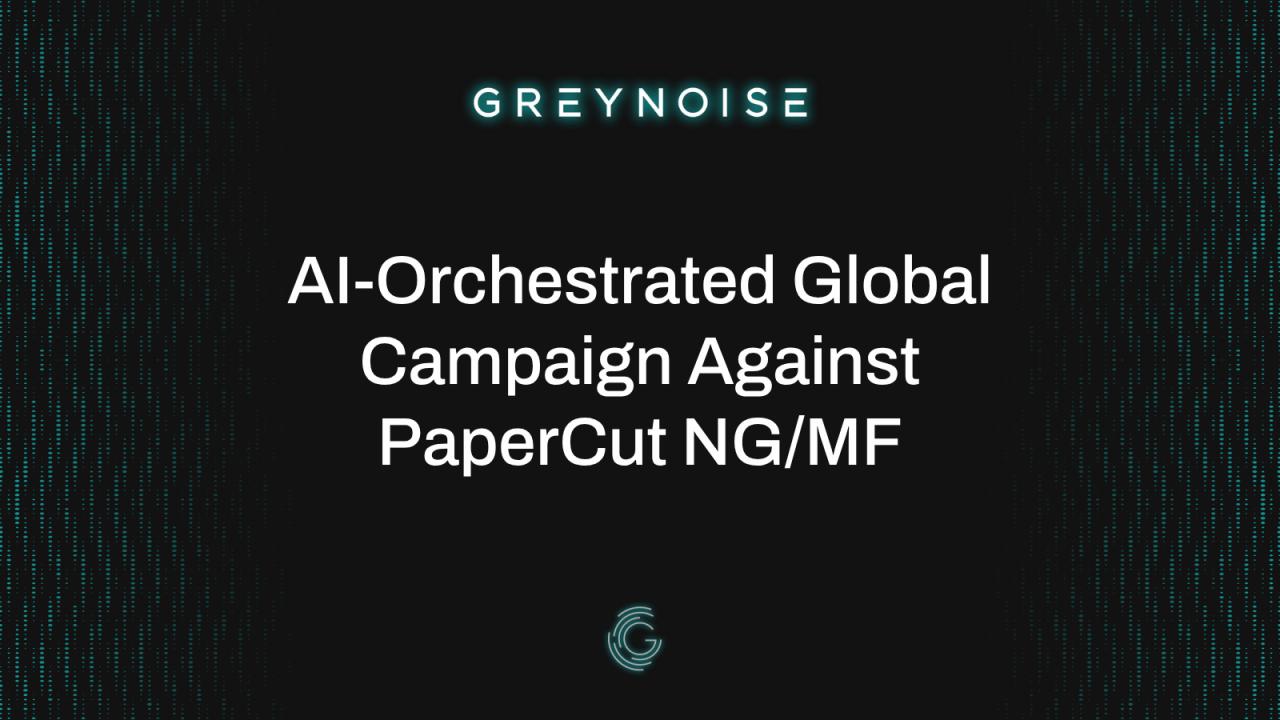
Artificial intelligence is insanely powerful and super duper good at lots of stuff that we mere human mortals are so meek at. But AI is, in fact, not human. And, as a result, AI's current capacity for good opsec and good tradecraft is limited. A model cannot go to jail, nor can it understand and appreciate the pain and helplessness of having its agency or livelihood clobbered, or being removed from its family, or having its assets frozen. Finding bugs and writing exploits is one skillset, but operating on other folks' computers and networks is a very different one. Anyways, we at GreyNoise Intelligence found a particularly forward-leaning actor compromising organizations (using the codex harness with the DeepSeek models) that were running vulnerable PaperCut Software. We yoinked the attacker's target list, their tools, their progress spreadsheets where they notated how many of the orgs they'd gotten domain admin on, and even their rank-ordered exclusion list of countries not to target. Couldn't tell you why, but their first three target geographies to exclude were Russia, China, and Hong Kong. At GreyNoise, we have no incident response business. We've also historically not been in the business of unprompted victim notification or ambulance chasing. That said, having come across the entirety of this campaign as it was happening, with some pretty meaty targets, we're in the process of working through victim notification now. https://lnkd.in/e29aaZCH
- DelveSince 16 Mar 2026
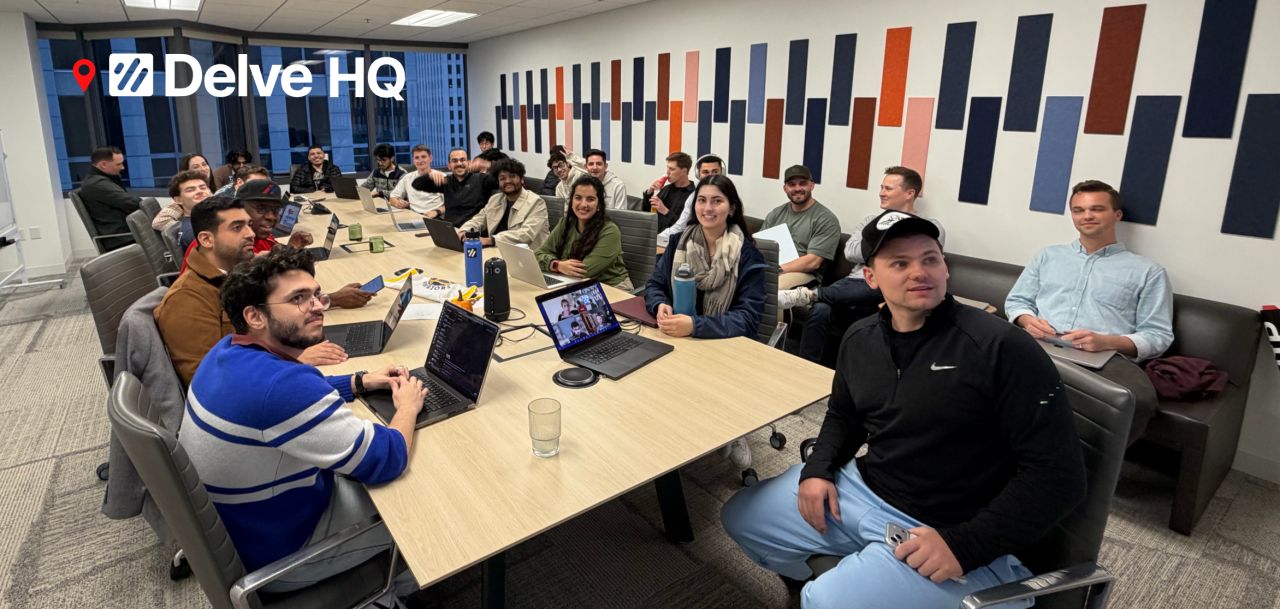
At Delve, we’re 3% the team size of our competitors doing 30% of their monthly revenue. A lot of people ask how we do it. Here’s the key: -- The operational structure of companies built in the last 2 years looks nothing like the ones built before thanks to AI. Our org chart looks different. Our codebase looks different. Our customer support functions differently. The way we manage emails, ramp sales reps, and set team milestones looks different. -- It’s not just smaller team = less red tape = faster execution. The core makeup of the company is different. And to reach the same ARR milestones, we simply need fewer heads. -- Here’s what that means for each team member at Delve. Every action they take creates 10x more leverage than someone at any other company. 1 sales call is worth 10 sales calls at another company. 1 customer ticket response is worth 10 responses at another company. 1 Linkedin post is worth 10 posts at another company. This is word-for-word what I tell the team. And it's why we bet on people at Delve. We bring on highly capable, mission-aligned people. We give everyone high ownership and accountability. Because what "AI-native" really means to us isn't just that our product incorporates AI. It means that by using AI cleverly across the company, we can build for leverage and hire for ownership. Headcount is so irrelevant to us.
- DelveSince 16 Mar 2026
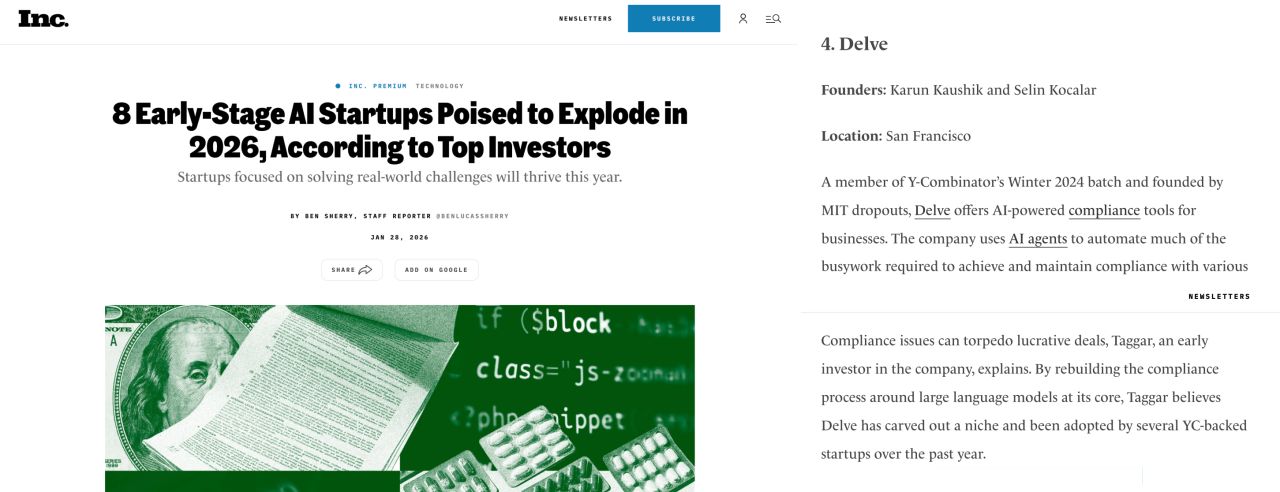
Last week, Inc. Magazine named Delve as one of the 8 Early-Stage AI Companies to Watch this year! A year ago, we had a handful of customers. Today, we support 1,000+ teams across 50+ countries. Huge congrats to the rest of the list, OpenEvidence, AMI Labs by Yann LeCun, Eureka Labs by Andrej Karpathy, Listen Labs, cubic (YC X25), Axiom, and Reducto. Onward 🚀
- GDPRLocalSince 5 Nov 2025
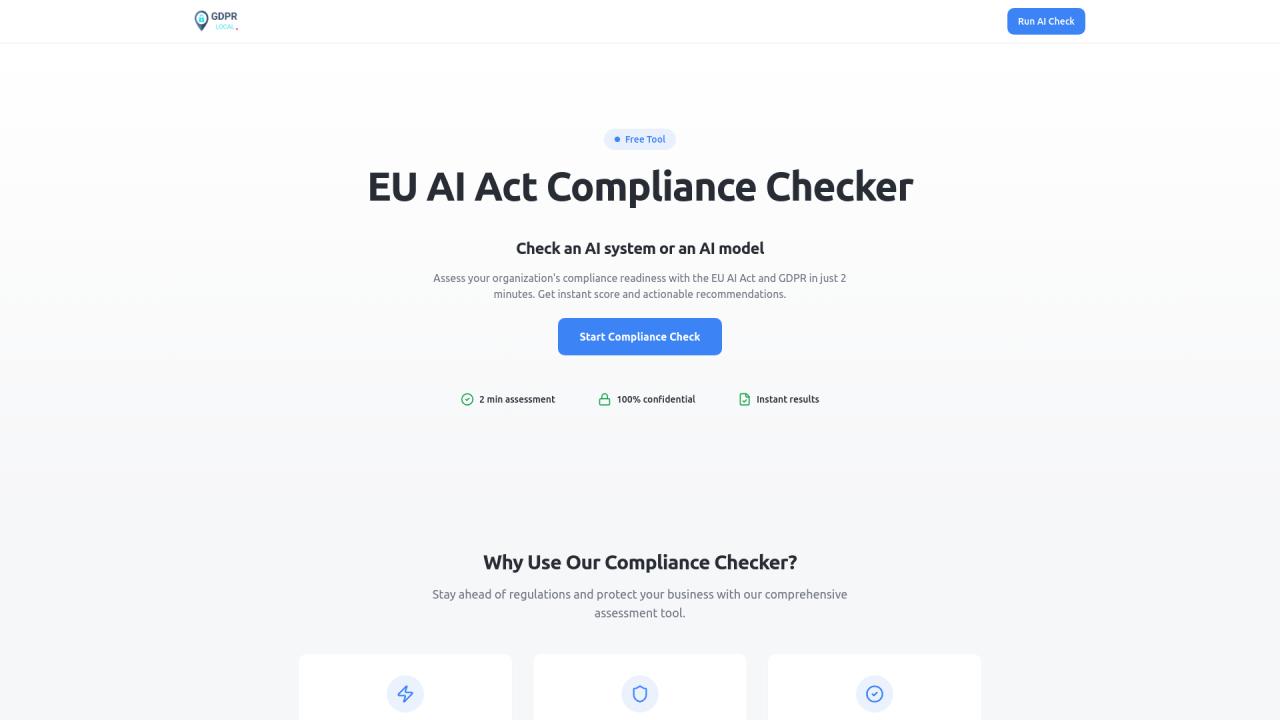
GDPRLocal Ltd. EU AI Act Compliance Checker is LIVE, and you can get your score in 2 minutes. It's our new free tool that assesses your organisation's compliance readiness with the EU AI Act and GDPR. We wanted to create an asset that gives immediate value, as the full enforcement date is approaching. A big thank you to all the GDPRLocal Ltd. team members who provided valuable insights throughout the building process. Marin, Lejla Kadrieska, Lejla Robeli, Igor, Dimitar Try it. Share your score. And if something's missing - tell us! https://ai.gdprlocal.com/ #EUAIActComplianceChecker #compliancechecker #euaiact
- FlareSince 28 Aug 2026
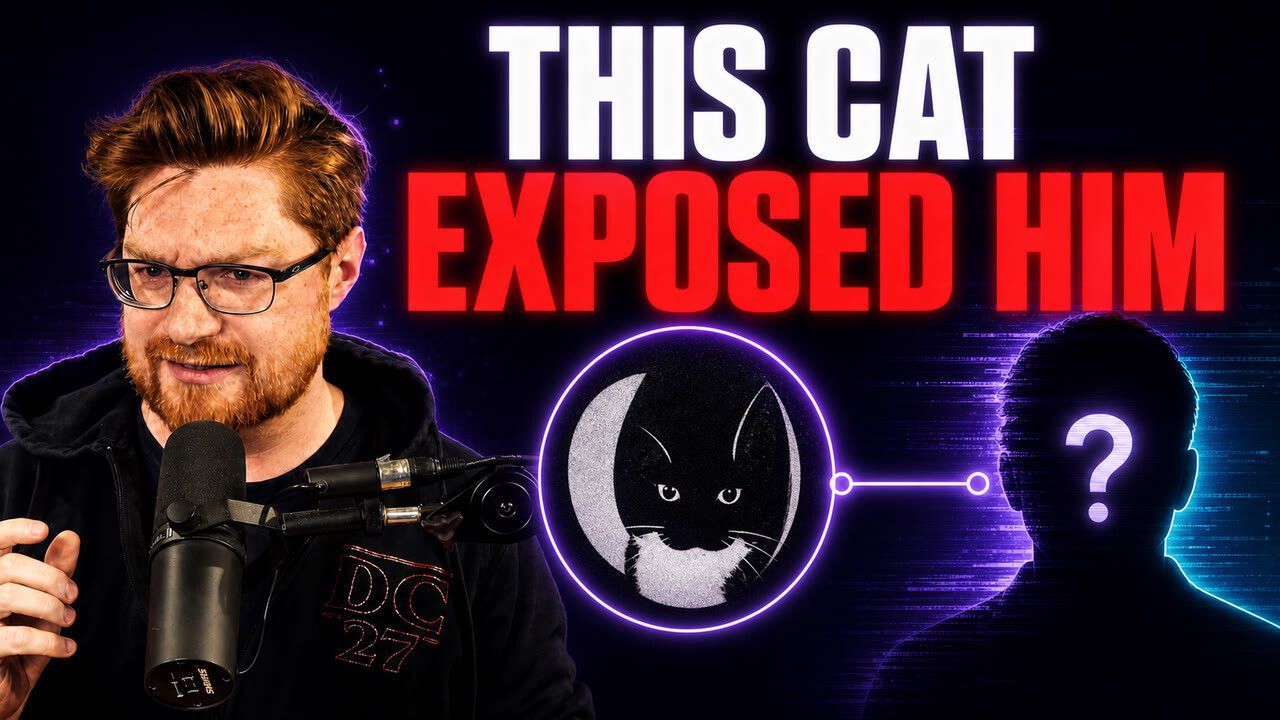
The hacker behind TeamPCP was deanonymized and arrested. After a year of headline-making breaches and wild supply-chain attacks, taunting and teasing victims all the while... it turns out another kitty-cat profile picture was the thread that unraveled his identity. I walk through the full investigation in a video demo, breaking the story alongside the team that unmasked the cybercriminal: https://lnkd.in/egvpRCyP
- FaceSignRecorded 18 Sept 2026
…você não aguenta mais ser CLT? Vai empreender? Cuidado ⚠️⛔️ Conheço muitos profissionais brilhantes, infelizes na CLT que dizem: “Ju, seu sonho se realizou, você é seu próprio chefe!”. Eles veem a FaceSign rodando bem, a B3 Agrotech produzindo (me viram até no Shark Tank) e imaginam um caminho linear para o sucesso 🚀 Queria muito poder dizer que eles estão certos. Que basta ter uma boa ideia e coragem. Essa é a narrativa que vende cursos e enche eventos de empreendedorismo, mas a realidade é dura! 📓 Os dados do Sebrae me assombram 🫢 Segundo dados do Observatório Sebrae Startups, dentre 18.458 startups cadastradas na plataforma Sebrae for Startups: - 56% das startups não faturam NADA - 1 em cada 4 empresas fecha no primeiro ano (25%) (IBGE, 2024) - Apenas 37,3% das empresas sobrevivem 5 anos (IBGE, 2024) É o chamado “vale da morte”, um lugar que conheci de perto. 👾 Eu vivo essa realidade todos os dias, empresas pequenas tem muita dificuldade para conquistar mercado, por melhor que seja seu produto, você é um ilustre desconhecido. E ser conhecido custa muuuuuuuito caro (Ads)! 💸💸💸 A pressão de pagar os salários do time é um teste para a alma, as despesas crescendo muito mais rápido que a receita! E muitas vezes não tem nenhuma relação com o quanto você se esforça, mas faz parte do processo. 🌱 O que tem nos permitido passar pelo vale da morte tem sido principalmente a confiança dos nossos clientes. 🙏🏻 Vender cura qualquer dor! 🚀 Mesmo que seja um valor pequeno, quase simbólico. Aqui na FaceSign nós comemoramos muito, comemoramos a validação, a confiança. Ou seja, a prova de que alguém, além de nós, acredita naquilo. A mudança de chave não é o faturamento, é a confiança. 🙏🏻 Empreender não é sobre ser “chefe de si mesmo”, é sobre ser o servo mais dedicado da sua missão. Antes de sonhar com o palco, apaixone-se pelo propósito. O sucesso não está nos 5% que viram unicórnios, mas na resiliência dos 95% que lutam para emitir a próxima nota fiscal. 💪🏻💪🏻💪🏻 E aí? Você está preparado para deixar o “conforto do CLT? fonte: https://lnkd.in/dTPSWR9Z #EmpreendedorismoReal #Startups #Gestão #Carreira #Realidade #Verdade
- FaceSignRecorded 18 Sept 2026
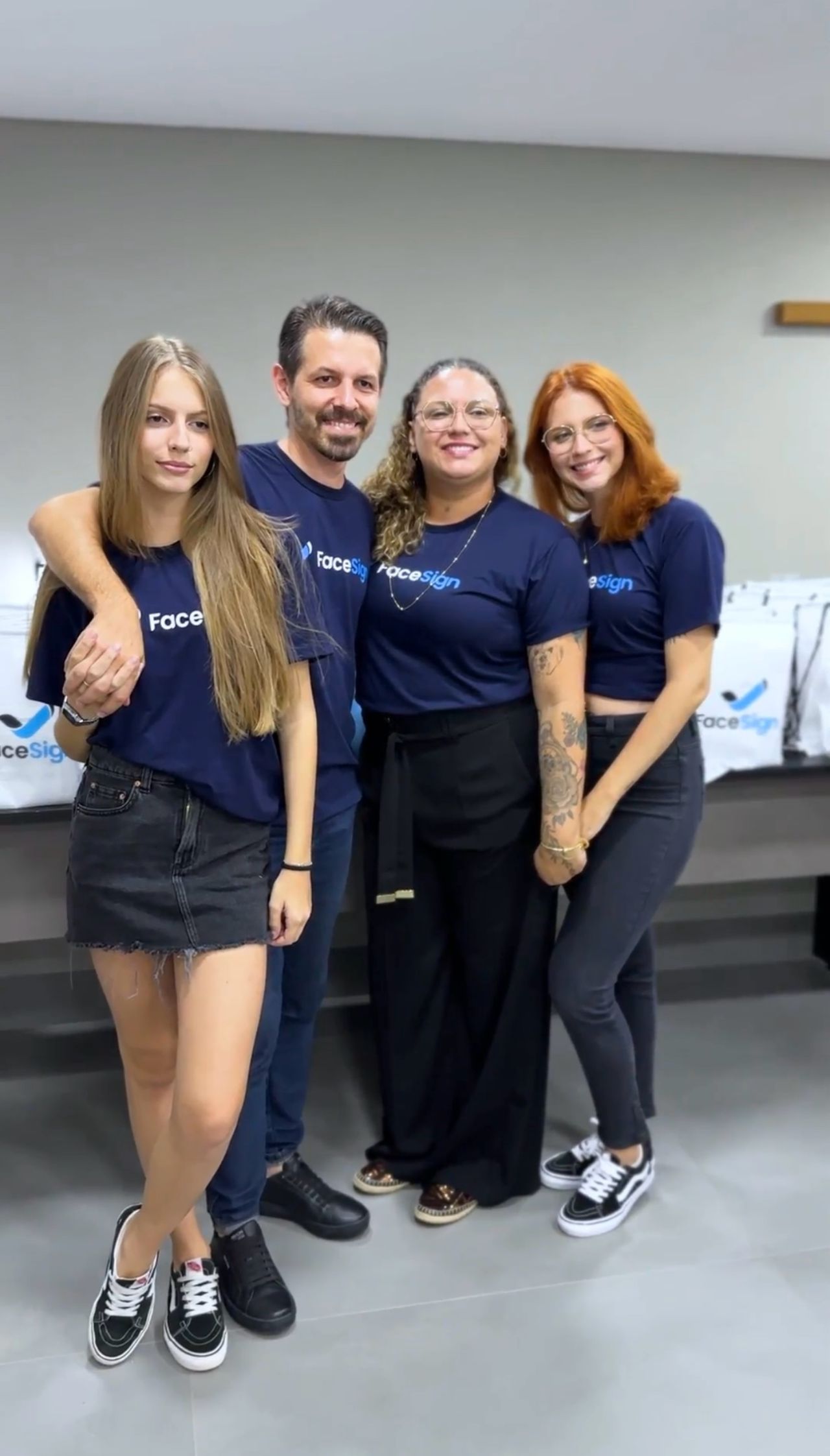
…família pode trabalhar na empresa? 🤨 Fundar a FaceSign com o Alexandre Francisco como meu sócio foi um sonho, pois a jornada de uma startup é brutal, muitas noites em claro, a pressão por falta de grana, responsabilidade pelo time, muitas incertezas. Em muitos momentos, achei que não ia dar conta, mas o Ale sempre esteve do meu lado, isso tem ajudado demais! 🙏🏻 Mas não seria o bastante se não tivesse o apoio incondicional da minha família! 🥰 Eu queria construir uma empresa que fosse um reflexo dos nossos valores. Uma empresa onde as pessoas se sentissem seguras e felizes. Mas como construir essa cultura na empresa, se não vivemos esses valores na nossa casa? 🏠 A imagem do empreendedor “fodão”, que é um trator, que sacrifica tudo pelo negócio, pra mim é uma falácia! Essa empresa tem os dias contados, pois quando o cara se dá conta já é tarde! 😩 A busca pelo sucesso a qualquer custo é um caminho sem volta para o esvaziamento do propósito. Quando perde o sentido, acaba a motivação, o gás, a vontade… e no Brasil precisa ter muuuuuuita garra pra empreender, senão… 👎🏻 Minha sócia mais importante é a Fer, minha esposa!!! E ela nem tá no contrato social da FaceSign! 🥰 A conheci com 14 anos, ela esteve comigo em mais de 20 mudanças de casa, nos perrengues e nas vitórias. Estamos gerindo nossa vida faz mais de duas décadas… essa é minha sócia pra vida toda! ❤️ Quando decidimos que ela iria cuidar da área de Pessoas na FaceSign, não foi um ato de nepotismo. Foi um movimento estratégico: eu precisava da pessoa que entende de “cuidar” no centro do nosso negócio. Ela é o nosso coração, nosso alicerce. 🤩 A Fer cuida da nossa equipe com a mesma dedicação que cuidou da nossa família. E minhas filhas, a Mel e a Liz hoje trabalham conosco também, não por obrigação, mas porque veem na empresa a extensão dos valores que aprenderam em casa. E sentem orgulho do nosso negócio 💪🏻✅ O mesmo acontece na casa do Ale, a Dai faz parte do nosso time, até a Cecília já tá sendo representada pela nossa IA kkkk 😝 Antes de buscar um sócio, fortaleça sua sociedade mais importante! Sua família. Ela é a base de tudo. Fernanda Gonçalves Pessoas & Cultura Clara Melissa Gonçalves Web Designer Lara Liz Gonçalves Back office #Startups #Sociedade #CulturaOrganizacional #Família #Empreendedorismo
- FeedlyRecorded 18 Sept 2026
Context engineering is the new AI multiplier: output quality is no longer about how you ask, it's what context the AI can access when it answers. With the new Feedly Threat Graph MCP Server, Claude gets real-time access to enriched articles and threat insights from 10,000+ trusted sources: relationships between 800+ threat actors, 10K+ malware families, 300K+ CVEs, 500K+ IoCs, 800+ techniques and tactics, and 10K+ cyber attacks. The 16 tools exposed by the Threat Graph MCP server allow Claude to research like a CTI analyst and deliver more accurate and timely responses. Ask about a ransomware campaign, and Claude correlates threat actors, their TTPs, exploited CVEs, and associated IoCs. Or use multiple MCP servers to orchestrate end-to-end threat hunt workflows. 👏 I want to thank Edouard Mehlman, Dave Johnson, Farah Ayadi and Mathieu Barbier for driving this project from 0 to 1 and all the beta customers who provided us precious feedback over the last 3 months. See for yourself 👇
- FeedlyRecorded 18 Sept 2026
I've spent the last few months testing the Feedly Threat Graph MCP Server. The experience changed how I think about CTI work. The setup gives Claude direct access to enriched intelligence from over 10,000 sources. That includes mapped relationships between 800+ threat actors, 10K+ malware families, 300K+ CVEs, and associated techniques. The scale matters, but what matters more is what you can do with it. Three things became clear during testing: → Correlation stops being a bottleneck You ask about a ransomware campaign. The system connects threat actors to their TTPs, maps the CVEs they exploit, surfaces the IoCs. Work that took hours happens in seconds. You move on to the next question. → You can build real workflows now We chained multiple MCP servers together. Research starts in Feedly. Enrichment happens in your SIEM. Documentation goes to Notion. Alerts hit Slack. Natural language drives the whole thing. No switching contexts, and no copy-paste hell. → The context problem gets solved This isn't search. It isn't RAG. The system taps into our knowledge about relationships. It knows certain malware families tie to specific threat groups. It understands which groups prefer which techniques. It maps techniques to vulnerabilities. The connections exist in the data structure, not just the search results. The point isn't to replace analysts. The grunt work of data gathering becomes background noise. You focus on what humans do best -- analysis, strategic questions, and decisions that matter. Massive shoutout to Edouard Mehlman, Farah Ayadi, Mathieu Barbier, and Edwin Khodabakchian for exploring this concept and executing on the vision. Check it out 👇
- NovaRed BrasilRecorded 18 Sept 2026
Quando um único fim de semana concentra volumes de transação muito acima do normal, um movimento paralelo sempre acontece: enquanto as empresas correm para maximizar conversão, o #cibercrime acelera ainda mais nas fraudes. Apenas nesse ano de 2025, o FBI reportou mais de US$ 262 milhões em perdas por Account Takeover (#ATO). E uma parte importante desses ataques ocorre justamente em períodos de pico, como a Black Friday, segundo o The Hacker News. Para os atacantes, esse é o momento ideal: alto tráfego, equipes sobrecarregadas e mais chances de se passar despercebido. O que torna o ATO tão perigoso é a capacidade de imitar o comportamento de um usuário legítimo. Quando o invasor tem dados corretos, ritmo previsível e um contexto aparentemente normal, grande parte das defesas falha em diferenciar uma transação real de uma fraude silenciosa. Mesmo o MFA, que muitos ainda tratam como solução final, pode ser contornado por engenharia social, sequestro de sessão e manipulação em tempo real. Como líder, vejo que não há mais espaço para depender unicamente de #infraestrutura. Segurança real nasce de uma governança de identidade madura, revisão contínua de acessos privilegiados, uma arquitetura Zero Trust consistente e uma cultura de cibersegurança ativa, não acionada apenas quando o ataque chega. E reforço um ponto essencial: A segurança de uma empresa não se mede pelo número de alertas bloqueados, mas pela sua capacidade de mitigar riscos. Isso exige decisão, estratégia e responsabilidade, não volume de logs. A pergunta que fica é simples, sua empresa está realmente preparada para vender com segurança nesta Black Friday?
- Fabrix Security (Acquired by Silverfort)Recorded 18 Sept 2026
Just published Part 1 of a new series breaking down Microsoft’s Securing AI Agents with Information-Flow Control. AI agents aren’t assistants anymore. They reason, act, and touch real systems. We’re giving them power without the guardrails to use it safely. In Part 1, I cover: • How agentic AI actually works under the hood • Why tool calls and shared datastores introduce invisible, high-impact risks • The real adversary model: data-level influence, not code-level hacks • Why today’s prompt-injection fixes don’t solve the problem This isn’t about incremental improvements. It’s about securing systems that think and act. Without information-flow control, we’re gambling with deterministic systems using probabilistic defenses. At Fabrix Security, we’re building AI agents for identity that are secure by construction, not secured after the fact. If you’re touching AI in IAM or building agentic systems, this series outlines the architecture you’ll need. Part II is coming next. Follow if you want to stay ahead of where AI security is going, not just where it is today. 🔗 Read Part 1: https://lnkd.in/dgeASKvv InfoSec WriteUps Publication
- NovaRed BrasilRecorded 18 Sept 2026
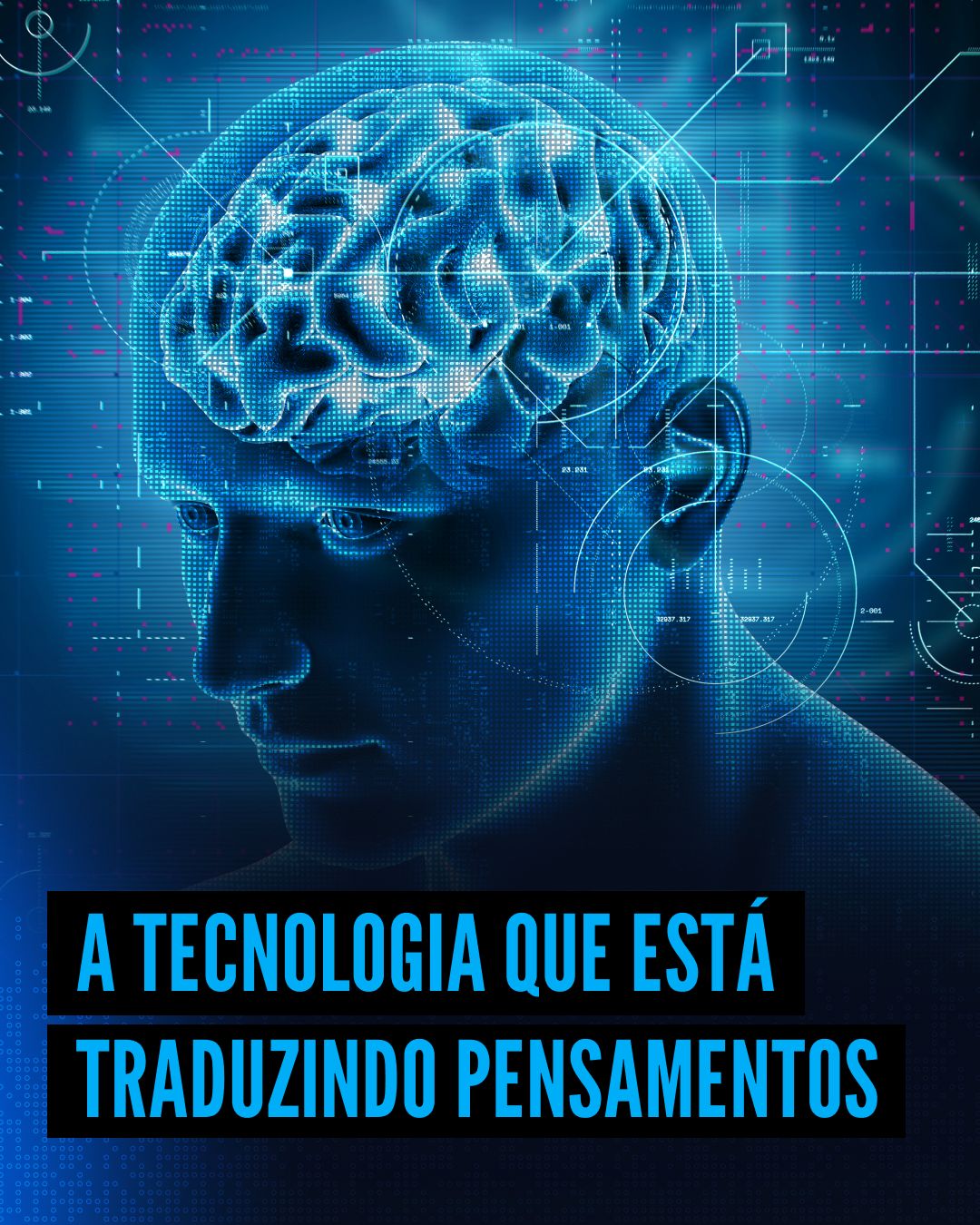
Imagine ler o pensamento de alguém e transformá-lo em frases completas. Isso não é mais ficção científica. Pesquisadores já avançam em uma técnica chamada #mind-captioning, capaz de transformar sinais cerebrais captados por FMRI em descrições textuais coerentes do que uma pessoa está vendo ou lembrando. Quando penso nisso, vejo o potencial para ampliar diversas frentes: a comunicação de pessoas com deficiência, novas possibilidades para interfaces cérebro-máquina e leitura de padrões mentais com finalidades diversas, aproximando ainda mais a mente humana dos sistemas de #IA. Ao mesmo tempo, percebo o peso das implicações que vêm junto com esse avanço. A privacidade da mente se torna um tema urgente, o consentimento sobre dados neurais deixa de ser um debate teórico e a segurança cognitiva passa a ser uma nova fronteira, com possíveis vetores de ataque que ainda nem sabemos dimensionar. Como líderes de #tecnologia, segurança e inovação, precisamos antecipar o impacto dessa convergência entre cérebro e algoritmo. Penso cada vez mais na pergunta que deve guiar discussões sérias nas empresas. Agora fica a reflexão, a mente será o próximo “endpoint”? E quem define os limites éticos da decodificação cerebral? O que acham? Leitura recomendada: Nature — Mind-captioning
- EscapeSince 7 May 2026
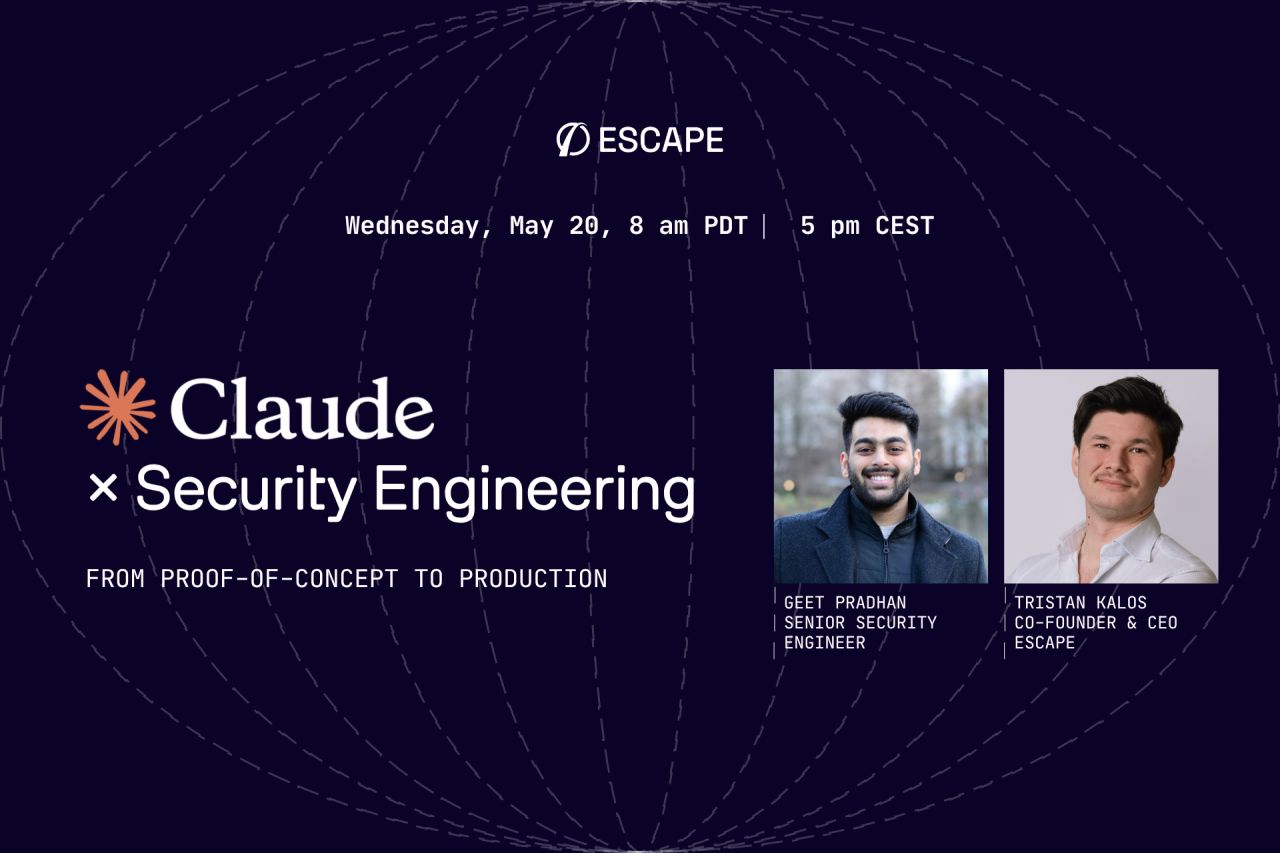
"Claude Code is just hype" they said... Every model drop floods LinkedIn and Reddit with the same takes. I've been skeptical too. "We have created a monster" narrative has been used by AI labs at every major model release since GPT-2. Yet, I've watched security teams start shipping real workflows with Claude. Just keep in mind that there is a gap between the marketing and what actually works in production. So we're bringing in someone who's lived it. On May 20, Geet Pradhan, sr. Security Engineer, is joining me live to break it down: → Where Claude genuinely changes how security engineers operate → Which models are worth using and for what → Real practical examples (threat modeling, detection & response...) Then I'll show the new Escape × Claude integration live: One-click OAuth into Claude Desktop, Claude.ai, and Claude Code → discover crown-jewel assets via ASM → run human-grade pentests → triage with your org context → hand developers a clean remediation If you're trying to do more with a small team, link in the comments 👇
- PreludeRecorded 16 Sept 2026
30,792 hours ago, we launched Prelude with one belief: CPaaS didn't understand what product teams actually need. Founding a tech-for-tech startup with a B2C product background raised a lot of questions. But ten years of consumer product work gave me something most infra founders don't have: a real feel for what app builders care about, and which KPIs they stare at every morning on their MacBook screens. It paid off. We've grown 6x, with zero marketing budget. We focused on what mattered most, developer experience and support, and we built the best phone verification on the market. Cheaper and better than anyone else. Today, we're not celebrating a $20M raise. We're celebrating every customer who bet on an unknown startup over a legacy provider, and proved that verification could be done right. Phone verification was the entry point. Protecting our customers became the mission. As fake accounts and fraud attempts climbed year over year, what we built to catch SMS pumping fed our research on everything adjacent: account takeover, bots, scalping, phishing. We built a pipeline that combines network, device, and behavioral signals to expose all of it. Today I'm announcing our new flagship product: Prelude Auth. A fully integrated session product with end-to-end device-tied JWTs and trust built in. Ship step-up verification the moment something feels off, layering in more signals on demand. And like Verify, we built it for scale. Massive scale. We're just getting started. When these pieces come together, they do things we didn't see coming. We think it changes how product teams will build auth from here. None of this happens without the team. To every Preluder who chose to build this with us, who shipped on weekends, argued in design reviews, answered a customer at 2 AM, and held the bar high every single day: thank you. 🖤 Excited for what's next.
- DotkeeperSince 1 Jul 2026
There is often a concern that someone else might register your brand name under another domain extension. That is a completely reasonable concern. But the answer is not to register every possible version of your name under every possible extension. In my experience, the strongest domain portfolios are not the biggest ones. They are the ones that make sense. A good portfolio should reflect where the business is today, where it is likely to go next, and what actually needs to be protected. If you operate in Sweden and are expanding into Germany, then .se and .de may be obvious parts of the portfolio. If you have no presence, no plans, and no realistic exposure in a specific market, registering the local extension there will not necessarily add much protection. Defensive registrations can still be important. Some extensions are more commonly associated with abusive activity. In other cases, local dispute processes are limited or unclear, which means recovering a domain later could be much harder than registering it early. But those decisions should be intentional. The companies that handle this well usually keep coming back to a few simple questions: - Where are we active today? - Where are we likely to be active in the coming years? - Which markets are we no longer active in, and how long has that been the case? - Which domains are still relevant for defensive reasons? The important part is that someone inside the organisation owns the conversation. Not necessarily making every decision alone, but understanding why the portfolio exists, what it supports, and when outside input is needed. Without that ownership, portfolios tend to grow in all directions. Domains get registered “just in case”. Old names stay in place because no one wants to take the risk of letting them go. New markets are added without any clear policy. Over time, the portfolio becomes harder to manage, harder to explain internally, and not necessarily stronger. A focused portfolio is easier to manage, easier to defend, and easier to budget for. It does not mean ignoring everything outside it. It means owning what matters and knowing when something outside the portfolio needs attention. That is where monitoring becomes important. A domain watch service can track new registrations that include or resemble your brand name, giving you awareness without forcing you to register every possible variation yourself. And if something problematic appears, there are ways to act, whether through a takedown, a registrar complaint, a UDRP, or another dispute process. Trying to register every possible risk in advance will become far more expensive than building a deliberate defensive layer, monitoring the rest of the space properly, and acting when there’s actually something to act on. Which parts of your domain portfolio are intentional, and which are simply still there because they always have been?
- EasySecure InternationalSince 5 Aug 2026
Je laat al bij elke aanvraag van voor naar achteren uitvragen: wat gebeurt er met mijn data? Hoe lang wordt het bewaard, waar staat het, en wie kan erbij? Een paar jaar geleden was dat een uitzondering. Vandaag is het de standaard. In aflevering 5 van Innovating Access & Identity sprak ik met Remco de Rooij, CTO bij ScreenCheck over de groeiende vraag naar een betrouwbare, veilige Europese partij. Data die binnen Europa blijft, gecertificeerd en aantoonbaar getoetst. Wat me bijblijft: betrouwbaarheid zit niet alleen in goede software, maar ook in de keuzes eronder. ScreenCheck maakt zich bewust niet afhankelijk van één ecosysteem. Cloud of on-premise, Linux of Windows, de klant kiest wat past bij zijn eisen. Bekijk of beluister de volledige aflevering op Spotify of YouTube. Link staat in de comments!
- DotkeeperSince 21 Aug 2026
Last time I shared a bit about what I actually do for work. Today I wanted to tell one of my favorite stories from the day-to-day: when a client finally gets their hands on the domain they've been dreaming of. A lot of people assume it just comes down to price when a company wants to secure their dream domain. The reality is that every deal is unique. Acquiring a domain involves so many different steps, and clients run into all kinds of obstacles along the way, obstacles we're there to help them overcome. Sometimes it's not about money at all, it's detective work. Just as often, our clients are thrilled simply because we managed to track down an owner in, say, the US and get a conversation started so a negotiation could even begin. Getting a clear answer, whether the domain is for sale or not, can be worth its weight in gold to a company whose whole launch plan is on pause until they know. One of my favorite deals we've ever helped with is the one where the seller priced their domain at roughly the cost of a robotic lawnmower. Then they went out and bought one, and named it after the domain. That's the perfect example of why I love this job. You never know what the next deal will bring: sometimes it's a successful negotiation across borders, sometimes it's a lawnmower with a brand new name. Have you ever chased a domain name that felt impossible to get? I'd love to hear how it went.
- EasyDMARCSince 1 Sept 2026
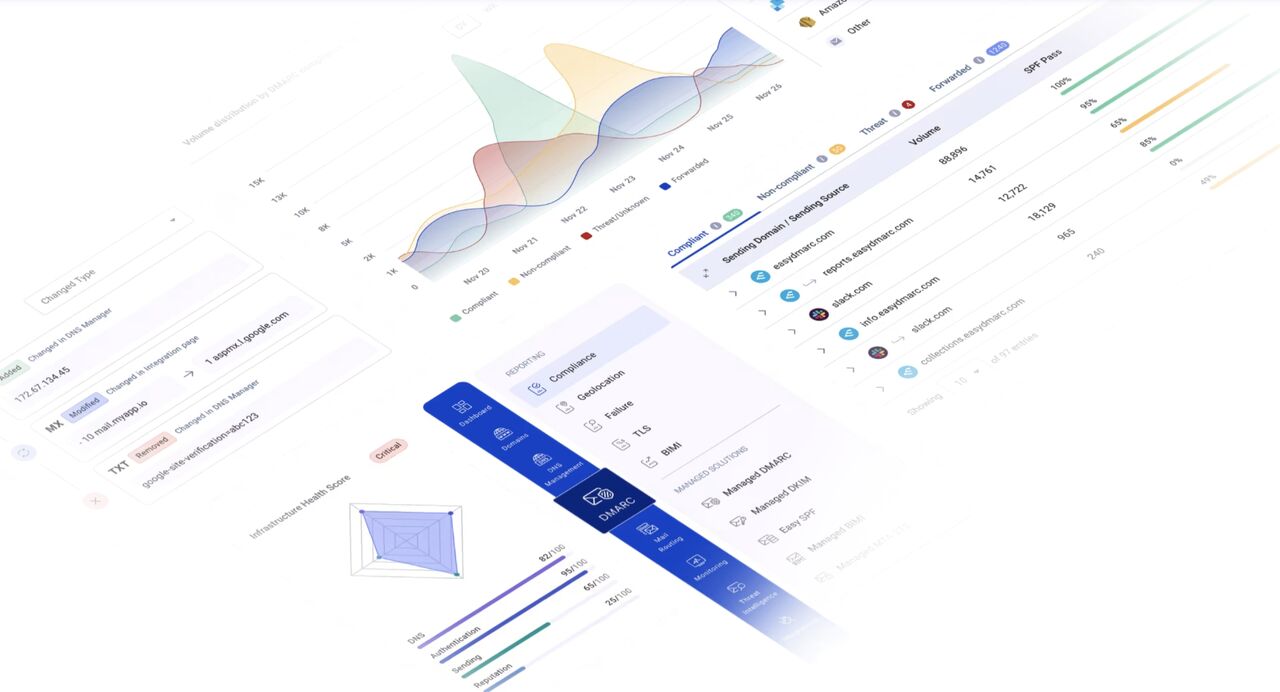
Your email is judged before your content is ever evaluated. I have watched this reframe land on people for years, and it still catches them off guard. When you hit send, the receiving server does not care what you wrote yet. It asks whether the infrastructure behind the message can be trusted. ❓Does your domain resolve reliably, and is its DNS configuration free from missing, stale, dangling, or misconfigured records? ❓Do SPF, DKIM and DMARC line up? ❓Is the sending IP in good standing? ❓Has your name been abused in phishing or spoofing? Questions are asked before a single word of yours matters. I saw that many good companies were trying to solve them with separate tools, while in reality they are all part of the same problem. So we built one platform that answers all of these questions. More details: https://lnkd.in/eAQmdE9M #EasyDMARC #EmailSecurity #EmailTrust #EmailAuthentication
- EasyDMARCSince 8 Sept 2026
Microsoft recently showed how attackers are using invisible Unicode characters ( "ASCII smuggling") to bypass traditional email filtering. Their telemetry jumped from roughly 21,000 matching messages to more than 1.3 million in a single day during the campaign. AI is making email security smarter. Attackers are adapting just as fast. The technique itself is interesting. But the bigger point is more important: 🛑 You can’t decide whether to trust an email based on a single signal anymore. Is the sender authenticated? Does the domain resolve correctly? What is its reputation? Is this normal behavior for this sender? Has something changed? For years, getting DMARC to p=reject was the goal. It still matters. But, I see it as the starting point. Email security is moving from checking individual controls to understanding the full context behind every sender and every message. That is the problem we are working on with the EasyDMARC Email Trust Platform. See what we’re building: https://lnkd.in/eAQmdE9M
- dope.securityRecorded 16 Sept 2026
NYSE x dope.security: how to make cyber modern
- dope.securityRecorded 16 Sept 2026
What happens when you replace a legacy security giant with a startup challenger - and it actually works better? 🚙💡 I recently joined Kunal Agarwal - founder of dope.security - for a rolling podcast episode through Nashville (yes, in a brand-new electric Hummer). We replaced a legacy security solution (think blue) with Dope, and the difference has been clear. They’re taking a fresh approach to disrupting a market many of us have wrestled with for years. In our conversation, we dug into some of the realities CISOs and technology leaders face today, including: - Running a security program inside a private equity environment - Why speed and agility often require operating in the “grey area” - Why security cannot always be black and white Dope has been a fantastic partner for us and Kunal brings a perspective on security, marketing, and building that I think many of you will appreciate. 👉 Full episode here: https://lnkd.in/e67avd2h #PrivateEquity #CISO #TechLeadership





Other LinkedIn formats
Watch the companies you care about.
Filter every ad by industry, country, format and network, and get alerts when a company you watch starts running new ads.