LinkedIn thought leader ad examples
130 thought leader ads are live on LinkedIn right now, from 137 companies. Browse real ones, filtered by industry.
- CakewalkSince 13 Oct 2026
agentic auto provisioning is the future of IAM. Fast growing companies are drowning in access provisioning and access removal work. Its one of the most tedious aspects of access management - esp as provisioning is a distributed task with multiple stakeholders across a company. today, modern IT / security / tech ops teams have two options to solve this (none of them are great): PROVISIONING TODAY 🥹 ↳ SCIM based auto provisioning (costs you thousands of dollars for enterprise plans in the apps you want to provision into) ↳ manual provisioning hell AGENT CAKE 🤖🎂 Thats why we’ve built Agent Cake - an AI agent that can provision at no cost. After approval has been given for an employee to get access to an app, Agent Cake does the provisioning work on your behalf. this is a paradigm shift in IAM, and its working like a charm.. Some Agent Cake stats: ↳ Today, 60 applications supported ↳ 93% success ratio (in case the agent cant complete a job, it redirects it to a human); thats one HELL of a ratio!! ↳ Even provisioning and deprovisioning distribution (52% of jobs are provisioning, 48% deprovisioning) We've spoken a lot about controlling AI agent access to other company systems in the last months. But using AI agents to automate access control is as exciting
- CakewalkSince 13 Oct 2026
Agent access is one of the biggest unsolved problems in security. That's why we're launching today: Access Management for your AI Agents. You wouldn't let strangers into your home unrestricted. Don't let AI agents roam through your company's applications either. Our V1 is now open for early access. Secure your spot here: https://lnkd.in/d-px3EfQ
- Gambit SecurityRecorded 13 Oct 2026
Wandering through the woods on a firday random thought... One of the last items left in a trust center that's purely a PDF...recovery testing! People can have a crasy amount of audits per year! DORA. NIST. SOC 2. ISO 42001. Cyber insurance. Customer assurance. Different acronyms. Same question...Can you prove you can recover? And somehow the answer is still screenshots, spreadsheets and chasing engineers...At best a PDF done once a year. Every. Single. Time...That's insane! Your resilience evidence should already exist. Did recovery work? How long did it take? What broke? Can you prove it? If you do this once a year then one week later it's all irrelevant because something changed in the application or company. If you're rebuilding the evidence every time an auditor asks, you don't have evidence...You have an arts & crafts project. Book your Resilience Assessment: https://lnkd.in/e4fF2maj
- AirMDR, Inc.Since 7 Oct 2026
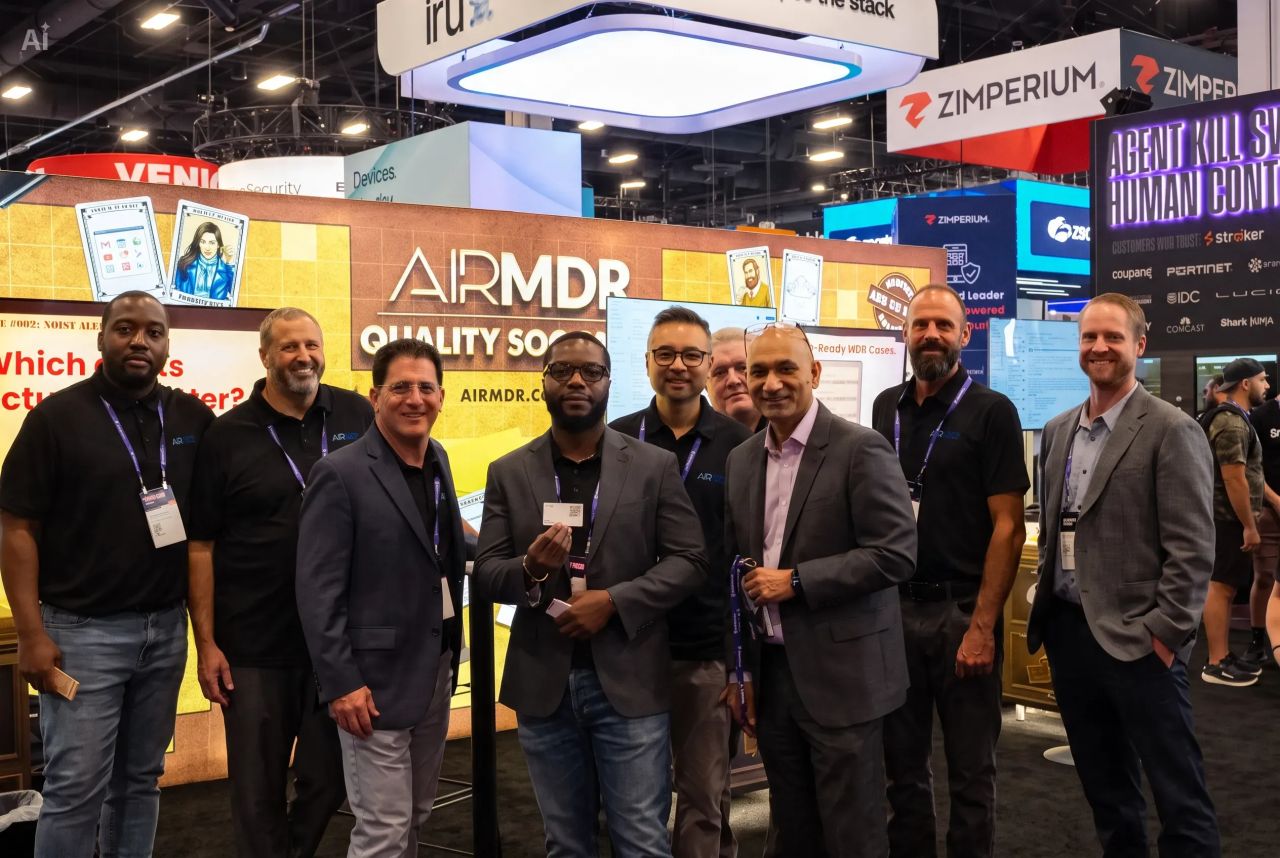
Over the past 18 months, we’ve seen a clear shift in what security leaders expect from MDR. AirMDR, Inc. has grown ARR 373% and our customer base 186%. The number that really stands out to me is this: 7 of our 8 most recent customers switched to AirMDR from another MDR provider. A year ago, MDR buyers were skeptical of AI Agents. Over the last 6 months, time and again, agentic capabilities have become a must-have for MDRs. But they want proof that they can trust the AI agents. Speed alone isn't enough. That’s why we built AirMDR differently. We do not just measure speed, but quality as well, be it an AI Agent or a human agent investigating the alert. Transparency and the ability to quickly adapt with feedback are key ingredients to gaining a security team’s trust. Another key milestone we achieved this year was shipping an agentic detection engineer. For our customers, this means we can compare their existing detections against a catalog of 3,000+ detections, recommend the ones their available data supports, and agentically deploy those detections, regardless of which SIEM or data lake they use. We started AirMDR 3 years ago betting that the future of MDR is agentic. And that future is already here. It’s exciting to see the momentum our team has built, but I’m even more excited about where this goes from here. More on what we’ve been building: https://bit.ly/4AS0JsE
- Group-IBSince 7 Oct 2026
I’ve been making this point for a while: fraud is not a transaction problem. It is the monetisation stage of a cyber operation. Threat Intelligence sees the adversary, infrastructure, malware and compromised credentials. Fraud teams see the victim, account and transaction. Digital risk sees the external attack surface. AML sees the money movement. The problem is that these signals often stay in separate teams and systems. Cyber-Fraud Fusion connects them. It lets intelligence from the cyber side inform fraud decisions before the transaction happens, while fraud signals help cyber teams understand who is being targeted and where the operation is going next. Our new whitepaper, “One Adversary, One Workflow,” explains how to build this defensive loop in practice. In one live banking malware campaign, this approach kept successful fraud to 0.027% of compromised devices, roughly 9x below the broader market. The goal is simple: stop investigating isolated events and start tracking the adversary across the whole operation. One adversary. One workflow. Read it here: https://lnkd.in/dXsjD5Fg
- DescopeSince 7 Oct 2026
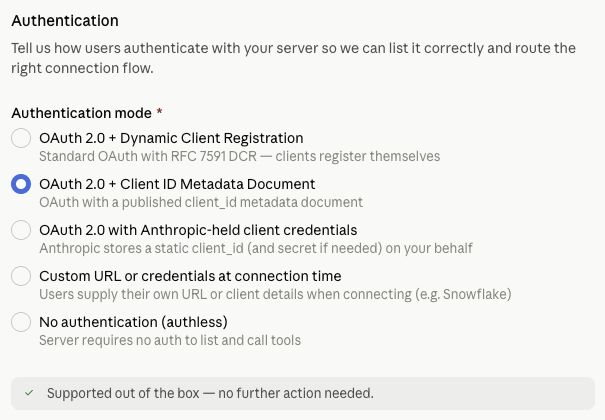
If you're trying to list your MCP server on Claude's Marketplace, it can greatly speed up your review process if you support CIMD (Client ID Metadata Documents) out of the box. If you're building an MCP server and would like to support CIMD, but don't have the time to research and understand what CIMD even is, Descope can help with that! Read more about our MCP Auth offering here: https://lnkd.in/gxQ4yhrU
- DescopeSince 7 Oct 2026
MCP had it's latest official spec revision on July 28th. Although from an authorization point of view, it wasn't quite as large of a change as the previous official revision, there were some important callouts worth mentioning. I wrote a blog about what those changes were, and how they relate to authorization, go check it out if you're curious! 👇 Blog: https://lnkd.in/gC5FZE3s
- Artemis SecurityRecorded 11 Oct 2026
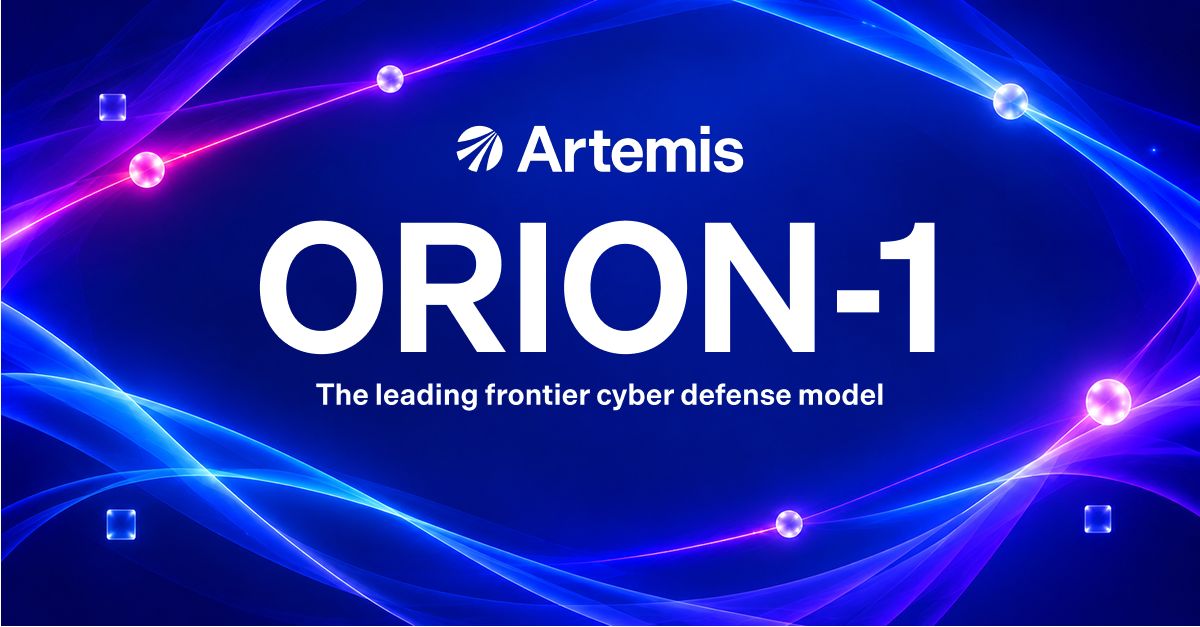
Today, we are introducing Orion-1, the leading frontier model for cyber defense. Orion-1 scored higher than every frontier model we tested including Opus 5.5 and Sol 6. The evaluations were conducted on key tasks (threat detection, investigation, attack reconstruction, threat hunting, and activities correlation) and on Decision-Grade Readiness, a new benchmark we built to measure whether a models security decisions can be trusted enough to act on. Across the environments Artemis defends, suspicious and malicious AI-enhanced activity rose 312% between April and September 2026. These attacks run faster than any team can follow, cost little to scale, and adapt while they are happening. Closing that gap takes defense that runs at machine speed, with a model that does the manual work of security operations so teams can focus on judgment. Orion-1 reads logs across identity, cloud, endpoint, SaaS, network, and AI systems, works out whether they represent an attack, and backs that conclusion with evidence. Model access is available first in private preview to Artemis Security customers. If you are not a customer and want to see what it finds in your environment, my DMs are open. Full announcement in the comments.
- AftraSince 8 Oct 2026
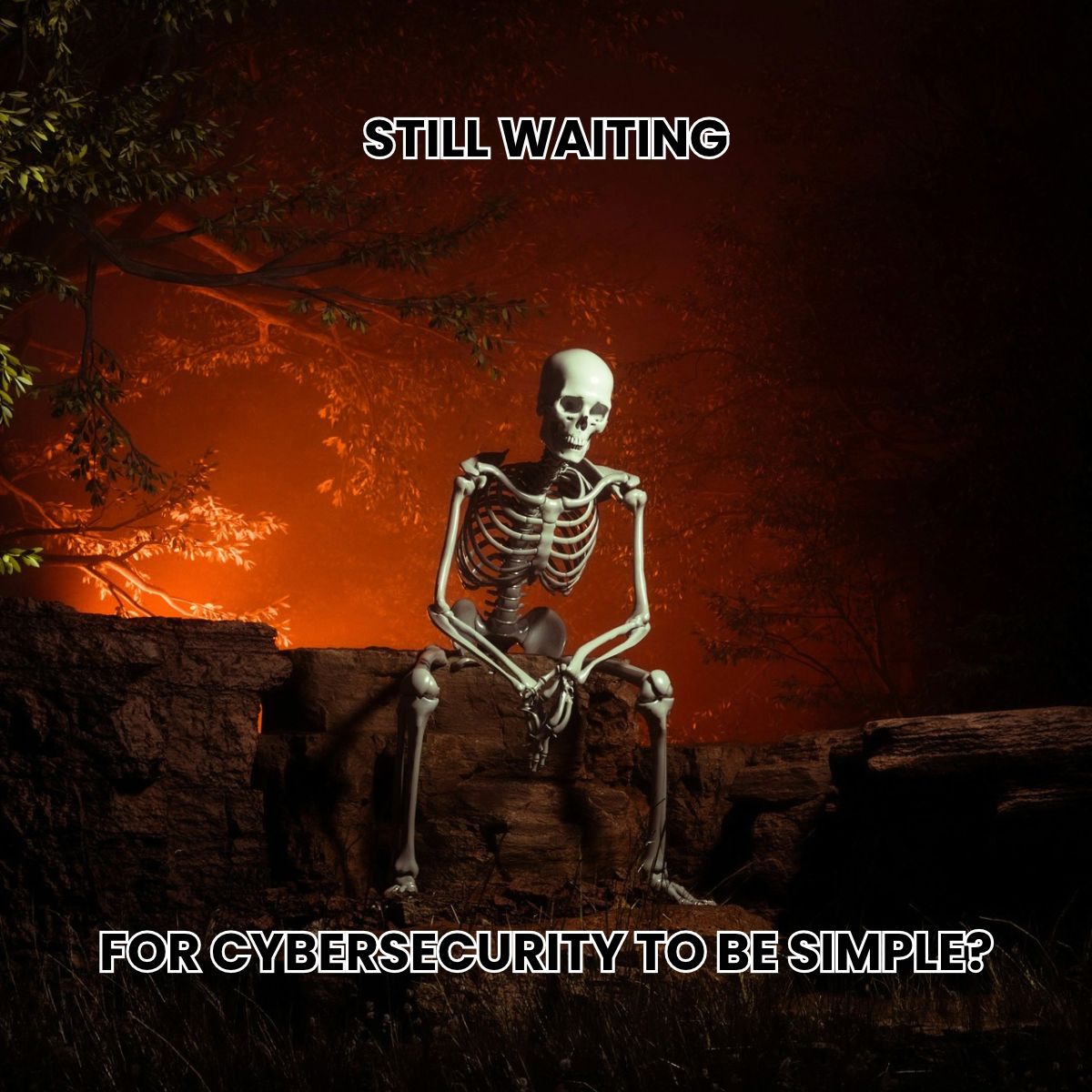
Cybersecurity shouldn’t be scary, but sometimes what you find when you go looking is. Since October is #Cybersecurityawarenessmonth and Halloween, we’re offering a 30 day free trial of Aftra to help you uncover the digital skeletons in your closet. Do you dare to give it a try? Link in comments.
- AftraSince 8 Oct 2026
In October the leaves start to fall, the mornings are frigid cold, and in Iceland it starts to get noticeably darker. A preview into the long, dark, cold winter to come. It's also Halloween month. A time to put on costumes and scare away the bad spirits before the autumn harvest. Which makes it quite fitting that it's also been adopted as #cybersecurityawareness month. It's a time to think about what we can do better and educate others on how to stay secure. To cleanse your digital environment of risks. And that's why over at Aftra we're offering a free month trial right now. If you sign up in October, you'll get 30 days for free to uncover your digital exposure and can even try out our new security training to raise awareness amongst your team. Go check it out. Link in comments.
- AegisAI SecurityRecorded 10 Oct 2026
Today we are incredibly proud to announce Proteus - our first foundational model designed specifically to secure the inbox. Ryan Luo and I spent years protecting billions of users at Google across systems like #safebrowsing and #reCAPTCHA. When we saw this AI shift accelerating, we knew that simply wrapping a general-purpose frontier model wasn't going to be enough. We needed a model trained from the ground up for this specific threat. Instead of relying on rigid rules or assumptions about user behavior, Proteus actually investigates every single message. It cross-checks the claims an email makes against external evidence the sender does not control - before it ever reaches an employee. We put Proteus up against a benchmark of over 3,000 human-reviewed phishing attacks drawn from live production traffic. The results speak for themselves: 🛡️ >99% of attacks identified. 📉 ~30x fewer missed attacks compared to leading general-purpose open and closed-source models. ⚡️ 7x faster median verdicts (and up to 26x faster on the hardest edge cases). For most of the history of cybersecurity, defenders had one fundamental advantage: novelty was expensive. Crafting a flawless, personalized spear-phishing campaign took serious human effort, meaning attackers had to reuse their work to make a profit. That reuse was our best weapon - we could observe an attack once, characterize it, and block it everywhere. Today, an AI-automated spear-phishing email costs almost nothing to produce, draws the same 54% click-through rate as one written by a human expert, and every single attack is a first occurrence. In our own observations at AegisAI, AI-generated spear phishing has jumped from less than 1% to over 20%+ of total phishing volume this year. When your adversary is generating novel attacks at machine speed, writing detection rules at human speed means you've already lost. And relying on behavioral anomaly detection doesn't work when a hijacked mailbox writes from inside its own trusted baseline. You cannot patch human trust. When the attack is AI, the defense has to be AI. Our team at AegisAI Lab Bin Lu Pavel Petrenko Yogesh Patil Sam M. have put together a deep dive into how Proteus works, why legacy anomaly detection is structurally failing against AI threats, and the full data behind our benchmarks. I've always believed the goal of security isn't some unattainable perfection; it's to make the attacker's business model unprofitable so they go do something else. Proteus shifts the economics back in favor of the defender. Check out the full announcement here: https://lnkd.in/gTRXH_3q #Cybersecurity #GenerativeAI #EmailSecurity
- CoplaSince 15 Sept 2026
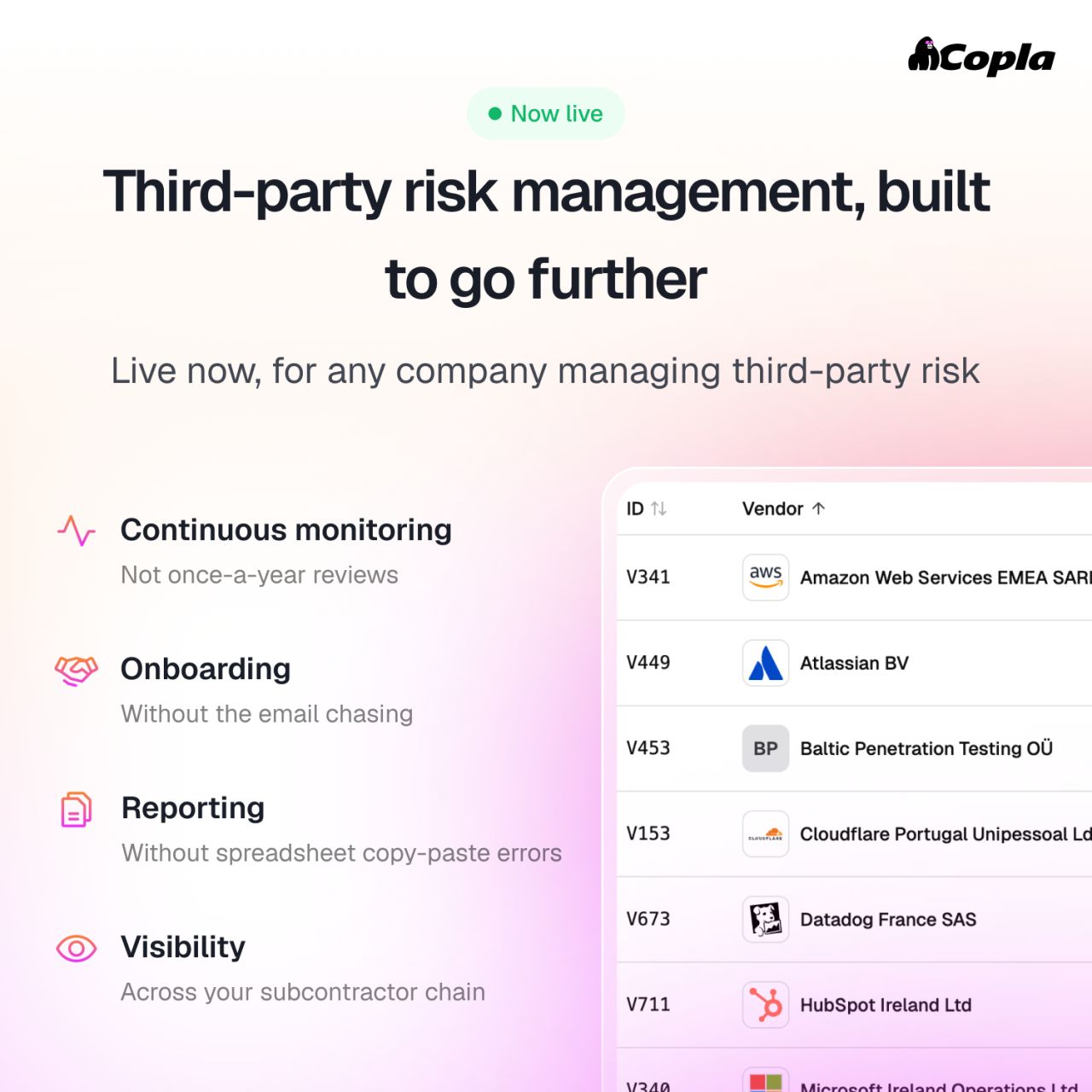
Today we're launching our third-party risk management software at Copla, and it's one of the products I'm proudest of this year. It covers ICT third-party risk under DORA, and goes further. It's live now, for any company managing vendor relationships. If your process still runs on spreadsheets, book a meeting with me and let’s talk about how Copla’s TPRM software can improve your processes: https://lnkd.in/dHF9SeEr
- CryptomathicSince 17 Sept 2026
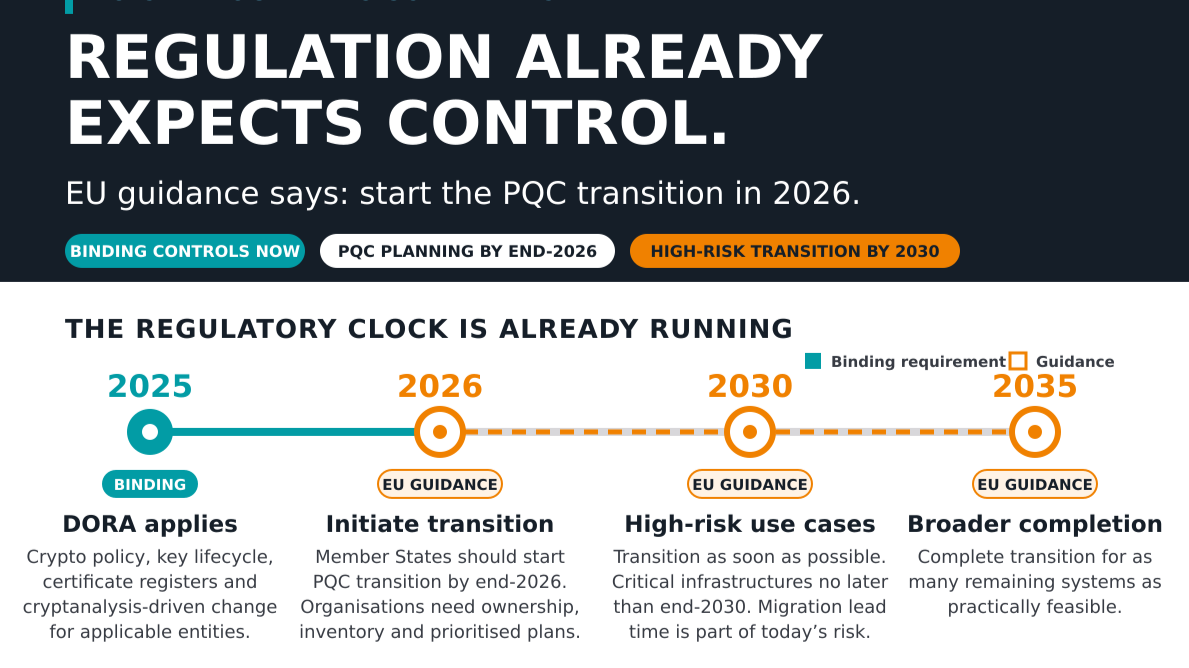
In this article https://lnkd.in/epmFkHTH I navigate the implicit and explicit cryptography and PQC requirements derived from EU regulation, DORA and NIS2 DORA and NIS2 do not mandate a particular PQC algorithm or technology platform. But they establish clear expectations around cryptographic policy, key lifecycle management, asset visibility, accountability, periodic review and the ability to respond to technological change. That means organisations should already be able to show: → where cryptography is used → who owns it → which critical services depend on it → how keys and certificates are controlled → how vulnerable technology can be replaced safely Cryptographic control (and PQC migration) is a present governance, evidence and operational-control challenge. Cryptomathic is fully positionned to address the cryptographic control challenge. #DORA #NIS2 #PQC #CryptoAgility #Cryptography #RiskManagement #Compliance Sudeep Venkatesh Anthony Da Ponte Laurent Leloup René Martin Guillaume Petipas Rob Purcell Herve M.
- BugHuntRecorded 8 Oct 2026
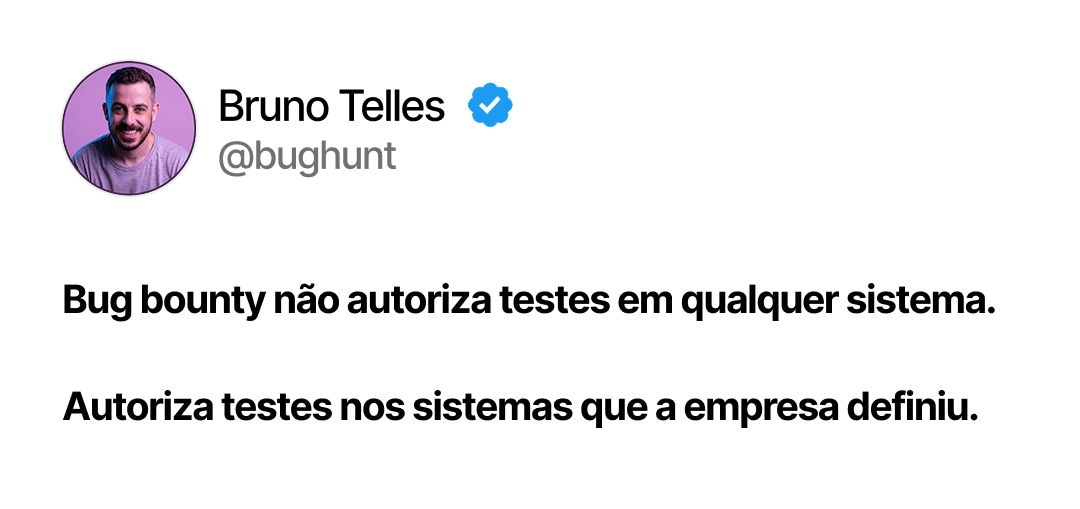
Uma das primeiras perguntas feitas durante a análise de um programa de bug bounty é: “Estamos autorizando terceiros a testar os sistemas da empresa?” A resposta é: não de forma ampla ou irrestrita. Um programa bem estruturado estabelece uma autorização específica e delimitada. Ele define: > Quais sistemas podem ser testados; > Quais atividades são permitidas; > Quais técnicas são proibidas; > Durante qual período as regras são válidas; > Como uma vulnerabilidade deve ser reportada. O pesquisador que segue essas regras atua dentro dos limites expressamente definidos pelo programa. Já qualquer atividade fora desse escopo não está autorizada e deve ser tratada conforme as regras do programa, os instrumentos contratuais e a legislação aplicável. Essa distinção é essencial. O programa não elimina limites. Ele os torna mais claros. Quando isso fica bem compreendido, a conversa deixa de ser sobre uma autorização genérica e passa a tratar de uma questão mais concreta: > Como definir um escopo seguro, controlado e adequado à realidade da empresa? É justamente essa clareza que transforma uma iniciativa de segurança em um processo de governança.
- BugHuntRecorded 8 Oct 2026
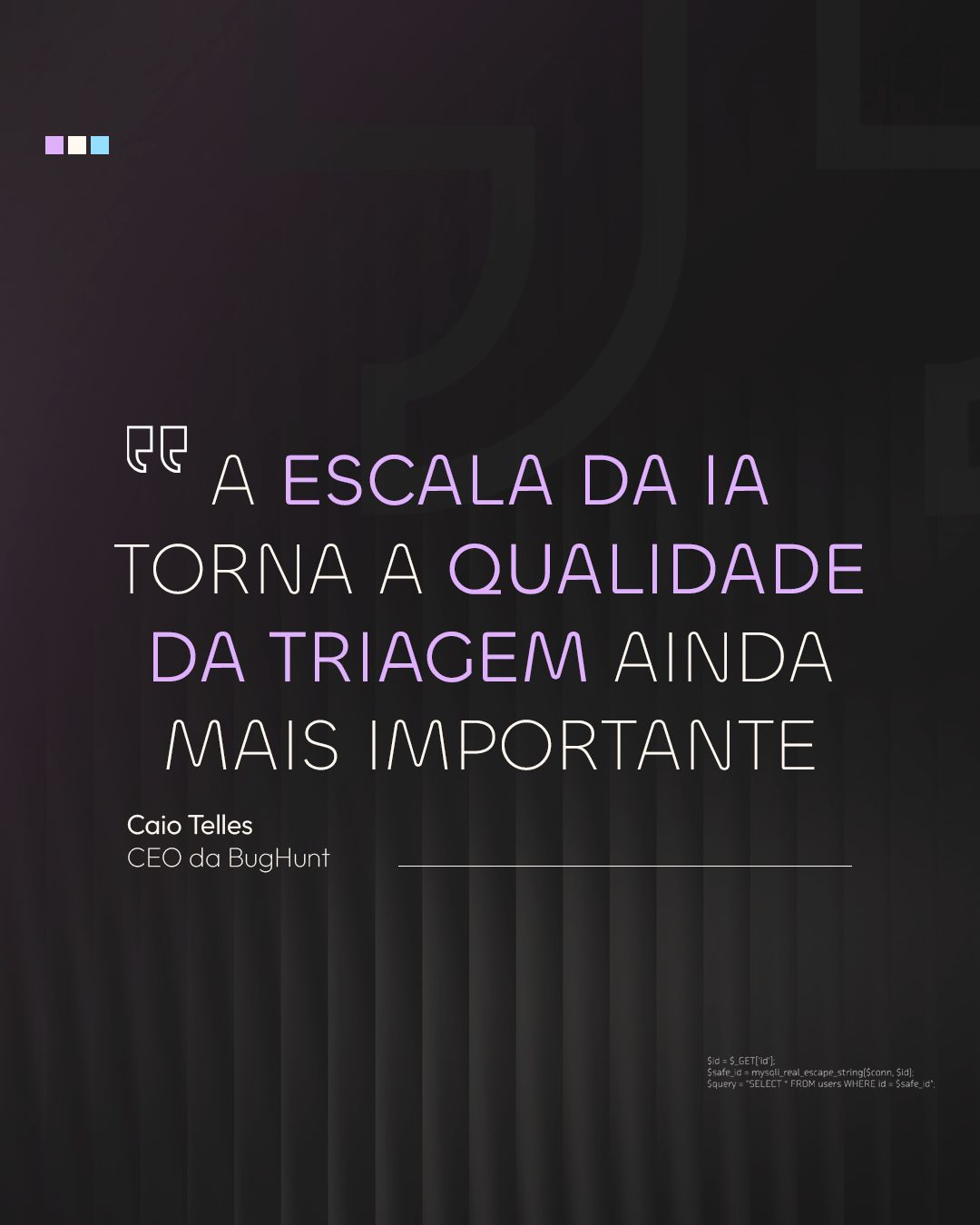
A IA aumentou muito a capacidade de identificar possíveis vulnerabilidades. E isso já está aparecendo nos programas de bug bounty. O problema é que identificar um comportamento suspeito não significa necessariamente ter encontrado uma vulnerabilidade. Tenho visto reports construídos a partir do output de uma ferramenta, mas sem validação suficiente do pesquisador. A ferramenta aponta um comportamento, gera uma hipótese e, às vezes, até ajuda a estruturar o report. Mas alguém ainda precisa entender o que está acontecendo, reproduzir o cenário, validar o impacto e explicar o problema com clareza. Quando essa etapa não acontece, o volume aumenta, mas a qualidade não acompanha. E isso fica evidente na triagem. Para mim, esse será um dos efeitos mais importantes da IA no bug bounty: quanto mais fácil ficar identificar possíveis falhas, mais importante será saber separar sinal de ruído. Não vejo a IA como um problema. Pelo contrário, ela já é uma ferramenta muito poderosa para pesquisa. Mas a validação continua sendo papel do pesquisador. A IA pode acelerar a descoberta. Entender se aquilo realmente é uma vulnerabilidade ainda exige conhecimento.
- CryptomathicSince 17 Sept 2026
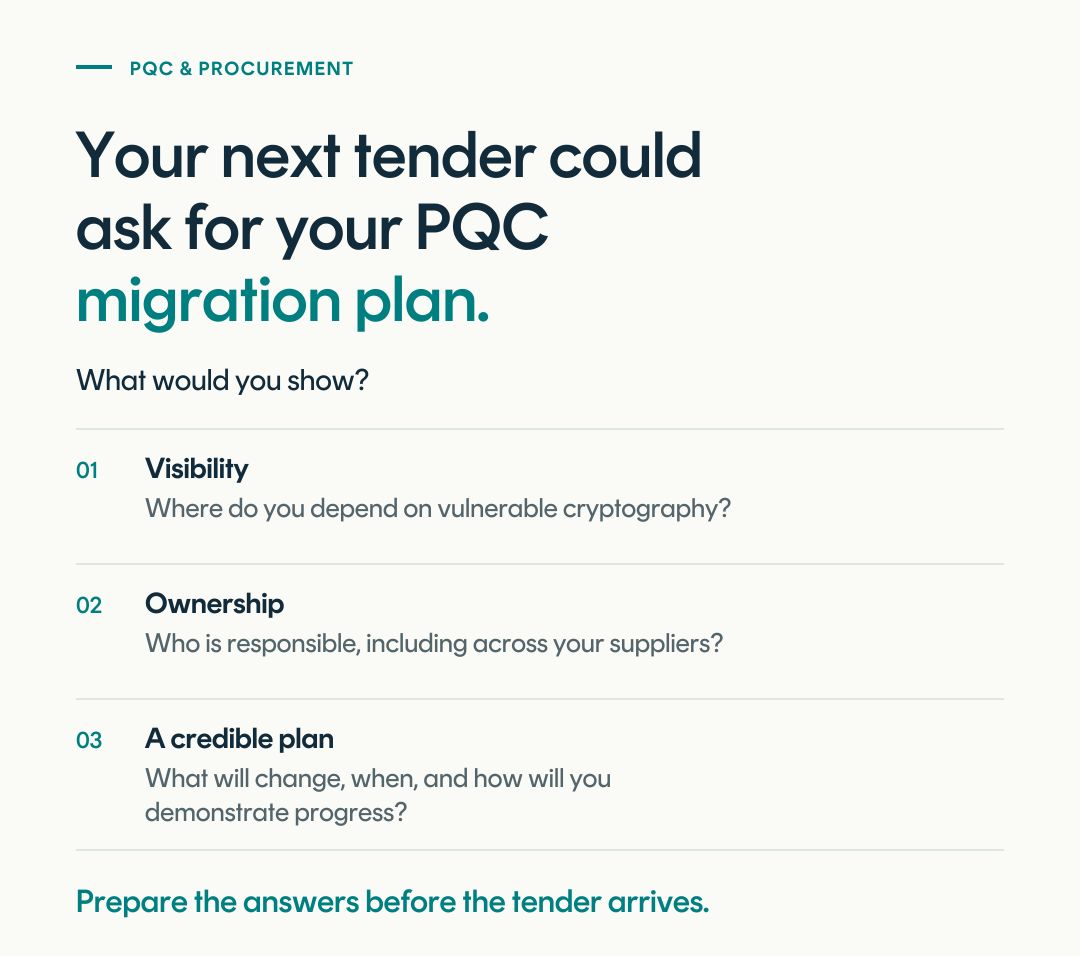
Your next customer security assessment could ask for your post-quantum migration plan. What would you show them? The G7 Cybersecurity Working Group has called for organisations across sectors to begin their transition to post-quantum cryptography as soon as possible. Its recommendations include incorporating PQC requirements into public procurement. This is policy guidance, not a binding mandate. But it gives suppliers a reason to prepare: customer requirements could arrive before a direct regulatory obligation does. As buyers assess their own readiness, they will need answers from the companies they depend on: • Where does your product or service rely on vulnerable cryptography? • Which changes depend on your suppliers? • Who owns the migration, and what is the plan? • What evidence of progress can you provide? Those answers take time to assemble, particularly when cryptography is spread across applications, infrastructure and third-party services. For anyone building the internal case to get started, procurement adds a commercial consideration. A credible migration plan could become part of what customers expect when deciding who to buy from. Read the G7 call to action in the comments.
- CyberVadisSince 18 Sept 2026
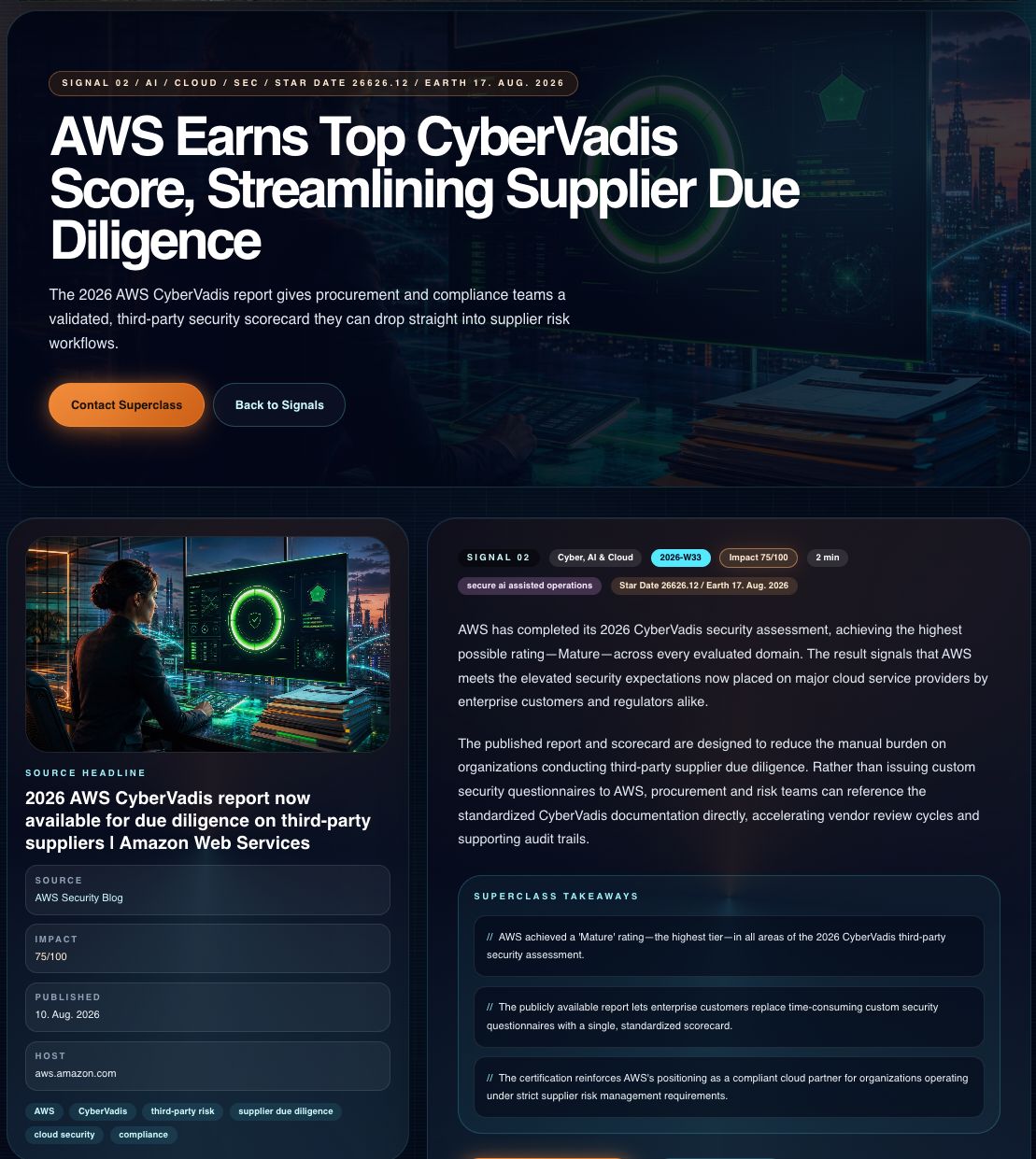
Do you need to cost-reduce and improve your due diligence on your third-parties? Let us, CyberVadis, help you to better manage your risk of your evolving third-party environment, comply with regulatory requirements and remove your supplier due-diligence burden. https://lnkd.in/eB8wfr3t (Contact CyberVadis, request a demo) https://lnkd.in/e8zfYh8r (AWS Security Blog)
- CyberVadisSince 22 Sept 2026
Vos fournisseurs utilisent l'IA générative. La question n'est plus "si", mais "comment" et surtout, "en avez-vous pleinement conscience ?" 💡 Chez CyberVadis, j'échange quotidiennement avec les grands groupes français sur la sécurisation de leur chaîne de valeur. Aujourd'hui, nous dévoilons avec le CESIN notre dernière étude exclusive sur la prise en compte de l'IA dans le risque cyber tiers (TPCRM). Le constat est sans appel : si les processus TPRM se consolident, la couche IA n'y est pas encore intégrée de manière structurée. Vous gérez probablement un risque IA tiers sans les outils pour le mesurer. Voici 4 "Key Takeaways" de notre étude qui méritent toute votre attention : ✔️ L'angle mort IA : 83 % des RSSI n'ont pas couvert le risque IA de leurs tiers dans leur dispositif. ✔️ Le déclaratif ne suffit plus : 65 % des tiers affirment tenir un inventaire de leurs outils IA, 4 % le prouvent. ✔️ Des contrôles à ajouter, pas un dispositif à refondre : les contrôles IA à vérifier dès votre prochaine évaluation. ✔️ Trois priorités pour agir : cartographie, clauses contractuelles et gouvernance du risque IA tiers. La bonne nouvelle ? Intégrer le risque IA ne demande pas une refonte totale de vos dispositifs, mais des mises à jour ciblées. Pour décrypter ensemble ces résultats et partager les leviers d'action concrets pour sécuriser vos écosystèmes, nous organisons un webinar de présentation exclusif : 📅 Rendez-vous le 2 octobre à 11h15 👉 Lien d'inscription : https://lnkd.in/en6wq22w Vous souhaitez recevoir l'étude complète en amont ou échanger sur la maturité TPRM de votre organisation ? Laissez un commentaire ou contactez-moi directement en message privé 📩 #CyberSecurity #TPRM #IntelligenceArtificielle #CyberVadis #CESIN #RiskManagement
- CR GroupSince 22 Sept 2026
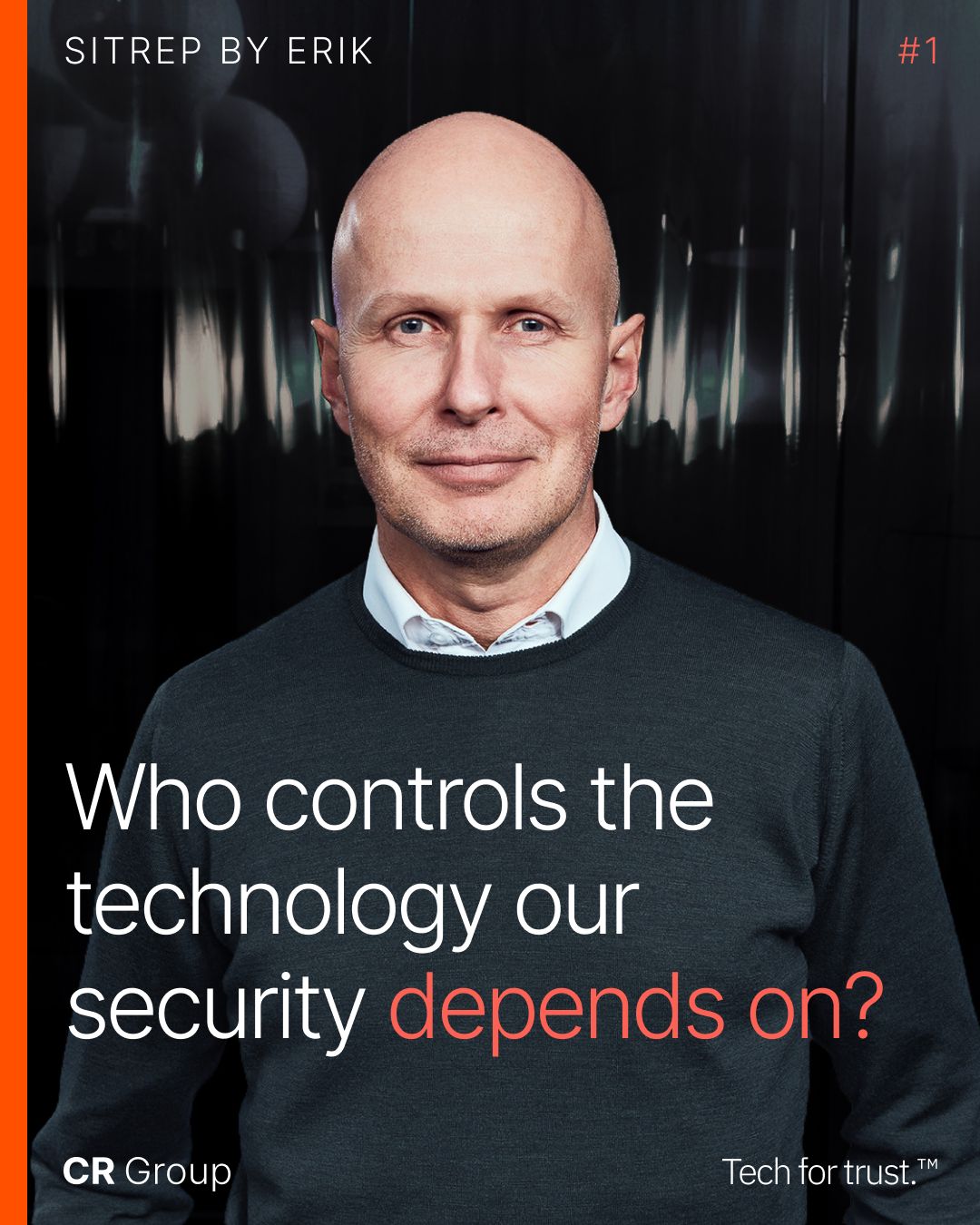
You might not have heard of CR Group . We build certified encryption and secure communications infrastructure for defense organisations, government agencies and critical infrastructure operators across Europe. Not a crowded cocktail party topic. The market we are working in are evolving. Europe is now looking much closer at the question: who controls the technology our security depends on? The answer we are arriving at is: it needs to be Europe. In my role as CEO of CR Group I bring a view on how to build an ecosystem of focused European tech leaders that are collectively stronger than they’d be alone. Tutus Data in Sweden and Sentyron in the Netherlands – certified, mission driven, and building the sovereign security infrastructure Europe needs. Over the coming months I’ll share how I think about this market and what I’m seeing from the inside. Not as an expert, but as a company builder paying close attention to current developments. Worth following if this space interests you.
- FiligranSince 23 Sept 2026
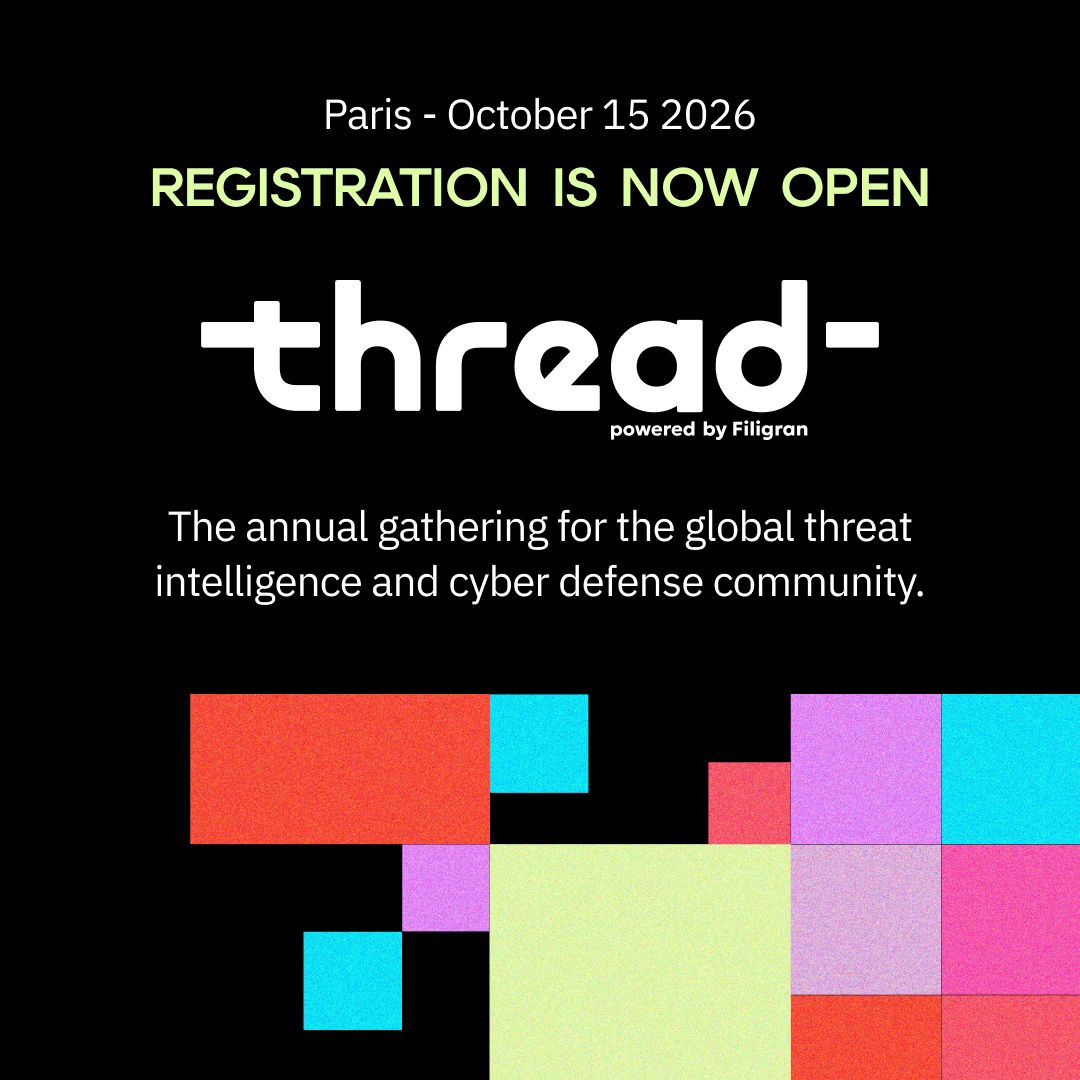
4 years ago, Julien and I founded Filigran to give a home to #OpenCTI, the open-source platform born inside a threat intelligence team, for other threat intelligence teams. The name comes from filigree, the craft of assembling fine threads into something precise and strong, and it still describes what this community does every day: pulling on a signal, patiently, until the structure appears. Today, what we build reaches far beyond threat intelligence, and the name has never fit better, as more and more threads come together around a single conviction: defense has to be proactive, and informed by the threat. None of it would exist without the analysts, engineers and contributors who have been building it with us, in open source, since before Filigran even existed. On October 15 in Paris, THREAD, our first conference, will bring this community together for a full day. I wanted it deeply rooted in our DNA: a day made for practitioners and for the leaders who rely on them, where the people who do the work are the ones on stage. Most of it happens in labs, workshops and roundtables, and part of our roadmap will be put to a vote, with a commitment on our side to build what comes out on top. Security leaders and practitioners from Accenture, Thales, Richemont, Dassault Systèmes, Centrica and many others will be with us, and more will be revealed in the coming days. THREAD takes place as Filigran turns 4. I have been looking forward to this day for a long time, and I cannot think of a better way to mark these four years than a day with the community, the customers and the partners who made them possible. It is the first edition of what we intend to make an annual gathering and, as always, only the beginning. So far, most of this community has met in threads, on Slack and GitHub. This time, we will be in the same room, and I hope you will be part of it. Come pull the thread with us! https://lnkd.in/esqa-wwx See you in Paris. #PullTheThread
- DataDomeSince 23 Sept 2026
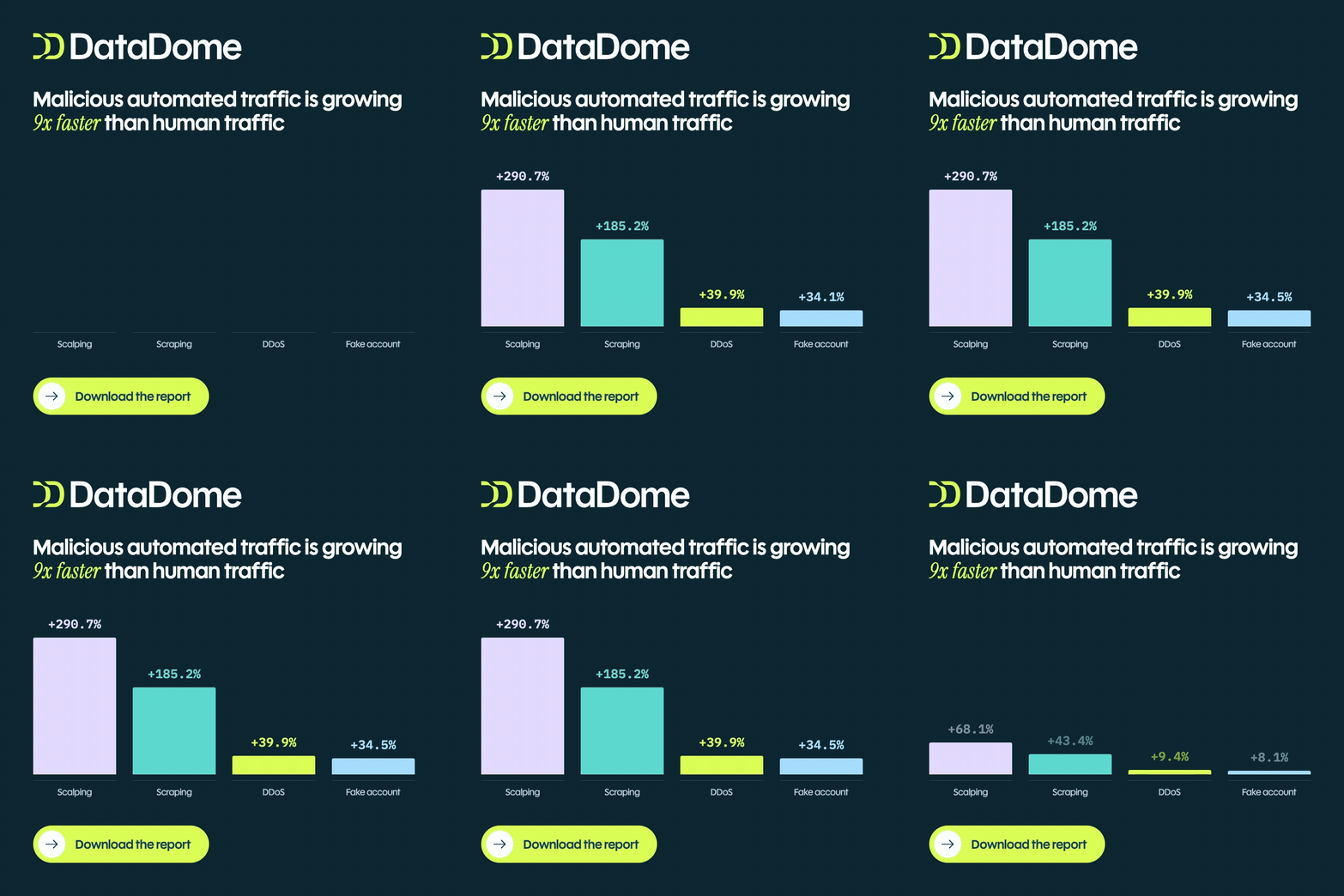
Our 2026 State of Bot and Agent Security Report is out, and one of the biggest takeaways is how fast malicious traffic is growing: 9x that of human traffic. The attacks themselves will be familiar to most security teams: scalping, scraping, DDoS, and fake account creation. What needs a closer look is the scale. Credit to Galileo, our threat research team, for doing the analysis across traffic from 20,000+ websites and 75k+ domains across our customer base. That gives us a view beyond any one company or sector. Most teams see only their own slice of the problem: their traffic, their incidents, and their customers. The value of this report is in connecting those slices and showing how automated threats are moving across industries and geographies. Read our report now: https://lnkd.in/dwpXV48c
- Hiya Inc.Since 23 Sept 2026
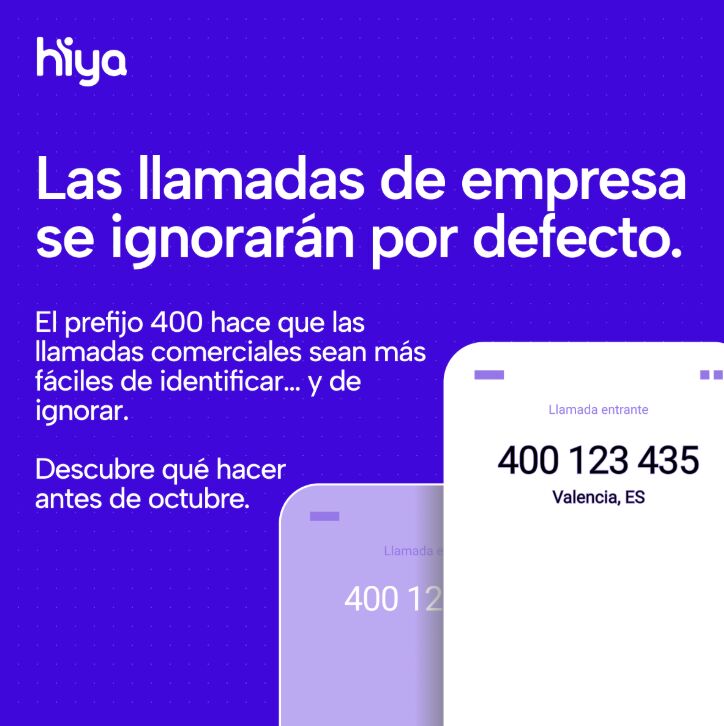
España está a punto de hacer que cualquier llamada comercial se reconozca al muestre como lo que es. Y no sé si muchas empresas se han parado a pensar de verdad qué les supone eso. Versión rápida: la nueva norma dice que las llamadas comerciales salientes tienen que usar un prefijo 400. En lo de cumplir, fácil. Cambias el prefijo y ya está. Pero piensa en quién está al otro lado. Aquí la gente ya filtra los números desconocidos por instinto. Ahora un montón de llamadas van a leerse como "alguien que me quiere vender algo" antes incluso de tener el móvil en la mano. En un país que ya ignora justo ese tipo de llamadas, ese prefijo no es algo neutro. Es una señal. Y apunta en tu contra. En octubre, los equipos que mantengan su tasa de respuesta van a ser los que vieron esto venir y lo trataron como un problema de confianza, y no como una casilla que marcar. Un prefijo dice qué tipo de llamada es. No dice nada de quién eres tú ni de por qué querrían hablar contigo. Hiya Branded Call rellena justo ese hueco. Tu nombre, en pantalla antes de que decidan. Eso sí le da a alguien un motivo real para descolgar. El cambio llega igual. Así que mejor llegar preparado 👇 https://lnkd.in/demt5HRm
- D-sealSince 26 Sept 2026
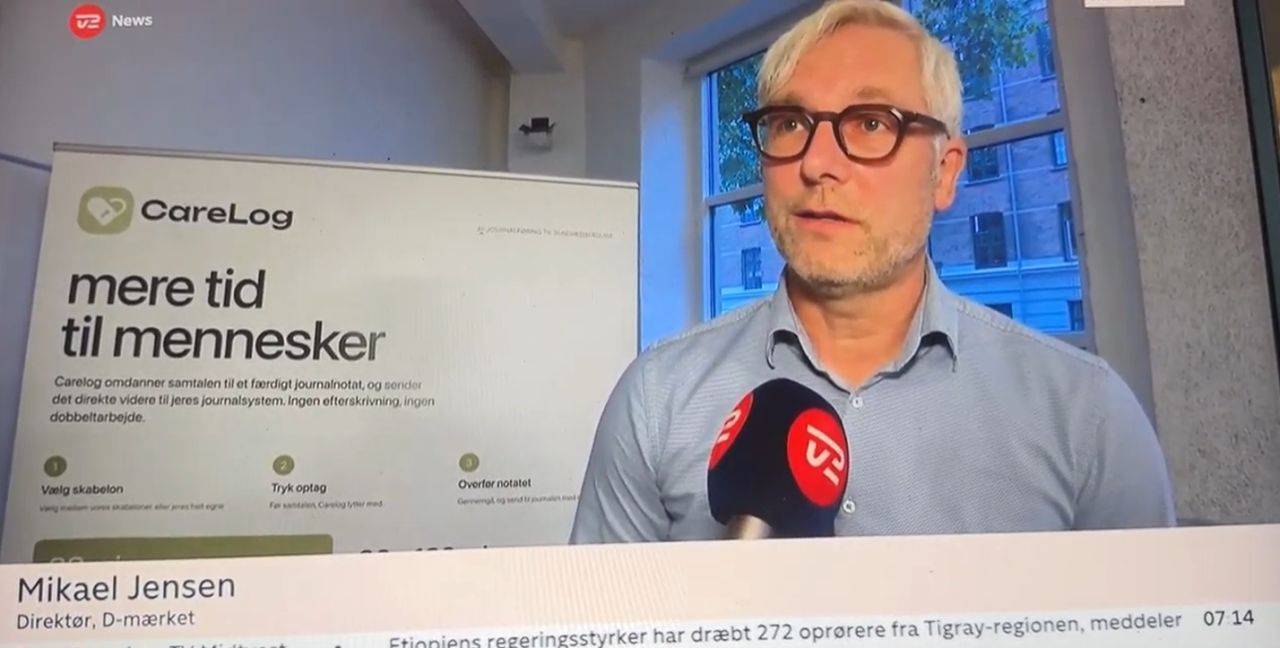
It-sikkerhed handler om at blive mere sikker i morgen, end I er i dag. At blive cybersikker er en udviklingsproces. Det tager tid. Derfor er det værdifuldt, hver gang virksomheder igangsætter et initiativ, der gør dem lidt mere sikre. Det var jeg tidligt oppe for at snakke om, da TV 2 Danmark besøgte den D-mærkede virksomhed Carelog. Anledningen er en ny undersøgelse fra PwC om, at flere små og mellemstore virksomheder frygter cyberangreb. Fra vores arbejde i D-mærket ved vi, at mange virksomheder har ønske, motivation og vilje til at styrke sikkerheden. MEN de mangler overblik og konkret hjælp til at komme i gang. Det er der heldigvis kommet mere af. I D-mærket hjælper vi virksomheder med at cyberpreppe underordnet virksomhedens indledende erfaringsniveau. Vores årlige tilsyn understøtter, at virksomhederne holder sig skarpe år for år. Senest er Cybersikker Virksomhed lanceret. Bag står Styrelsen for Samfundssikkerhed (SAMSIK) og Industriens Fond med Security Tech Space som operatør. Det er et vigtigt initiativ, hvor det offentlige og private samler sig om at løfte cybersikkerheden hos de danske virksomheder ved bl.a. at pege på relevante værktøjer. Danmark kan få Europas mest cybersikre virksomheder. Det kræver, at vi hjælper dem med at blive mere sikre i morgen, end de er i dag – ikke ved at slå dem i hovedet med, at de halter efter.
- Dragos, Inc.Since 25 Sept 2026
Defining xOT was the easy part: the full range of technologies that can influence or impact physical operations. Most OT security programs were built around a narrower view of the operational environment, and for a long time that made sense. But what operations depend on has changed. More of what keeps production running now sits outside traditional OT boundaries, and whether we call those systems OT doesn't change the consequence when they're disrupted. The harder (and much more important) question to answer is what changes when you use that definition to build a security program. It changes what you need visibility into, how you think about vulnerabilities, what activity you need to detect, what belongs in an investigation, and what you need to be prepared to respond to. That's really the point of xOT. I wrote a bit more about what changes when you define the environment this way, and why getting the definition right matters. https://lnkd.in/gcha8XcF Every xOT environment will draw these lines a little bit differently. The important part is making sure your cybersecurity program reflects what operations actually depend on. #cybersecurity #otcybersecurity #OTthreats #icssecurity #xot




Other LinkedIn formats
Watch the companies you care about.
Filter every ad by industry, country, format and network, and get alerts when a company you watch starts running new ads.