LinkedIn thought leader ad examples
234 thought leader ads are live on LinkedIn right now, from 218 companies. Browse real ones, filtered by industry.
- Haytham & CompanySince 6 Jun 2026
Saudi Arabia's $64 billion invitation to participate in infrastructure projects was answered yesterday by 59 firms submitting their interest for Quality Valley, a mixed-use PPP in Riyadh, closed its expression of interest window under a 32-year design-build-finance-operate-maintain-transfer concession 53 Saudi names and 6 international, across developers, contractors, financial advisors and participants from the UAE, Bahrain, Spain, Singapore and the US ⦿ The international read of the region is currently indexed almost entirely to the security cycle.. that's where the attention is but there's a lot more happening on the ground → Acwa's reported 32 projects under construction going live in 2026, 44.2GW and 2.6M m3/day in water, → Diriyah Company l شركة الدرعية awarded a $490M contract to Hassan Allam and Albawani for SAMoCA in late Apr, taking the programme past $29B in awarded contracts → Modon closed 2025 with SAR 30B in industrial investment, with foreign investment flows roughly doubling → Jeddah Tower passed the 100th floor in April, on track for 2028 completion and set to become the world's tallest tower The procurement calendars, construction sites and EOI windows are operating on a different timetable. The strategy was approved in Jan, pipeline published in Feb, Quality Valley, one of many closed in May There's a longer list behind it that will close in the same pattern through the rest of the year
- HavenRecorded 22 Sept 2026
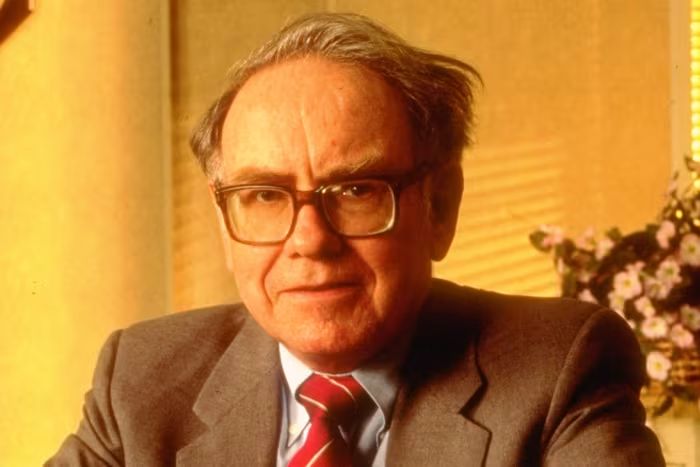
Warren Buffett is sitting on $344 billion in cash. The largest cash pile in Berkshire Hathaway's history. Everyone keeps asking why he isn't deploying it. Buffett doesn't invest to stay busy. He invests when the odds are stacked so much in his favor, that not swinging would be irrational. Most founders do the opposite. They raise money, rush to hire, rush to spend and call it "momentum". But real discipline is knowing when not to swing. - When to hold cash. - When to study the pitch. - When to build quietly until the right opportunity crosses the plate. Patient capital builds enduring companies. The market rewards the ones who wait for their fat pitch. When you turn patience into performance, that's when the work begins.
- HavenRecorded 22 Sept 2026
Steve Jobs made a decision that saved Apple. Apple was 90 days from bankruptcy. Jobs had just returned as CEO. The board expected him to follow the standard turnaround playbook: cut costs, lay off employees, reduce spending across the board. Jobs did something different. Instead of reducing everything equally, he eliminated 70% of Apple’s product line and focused all resources on the remaining 30%. While competitors were trying to be everything to everyone, Jobs decided Apple would be exceptional at a few things. He took the $150M investment from Microsoft and didn’t spread it thin across dozens of projects. He concentrated it on perfecting the iMac using technology he’d already developed at NeXT - and in 1998, the iMac launched and saved the company. Sometimes the best financial strategy is cutting the right things and doubling down on what works. Companies facing financial pressure make across-the-board cuts. Smart companies make strategic cuts and concentrate resources where they can win. When a business is struggling, the temptation is to hedge the bets by doing a little of everything. But the real opportunity is becoming exceptional at the things that matter most. Jobs understood that Apple’s problems were caused by spreading resources too thin across too many mediocre products. If you need help deciding where to cut vs where to invest, DM me.
- HilineRecorded 22 Sept 2026
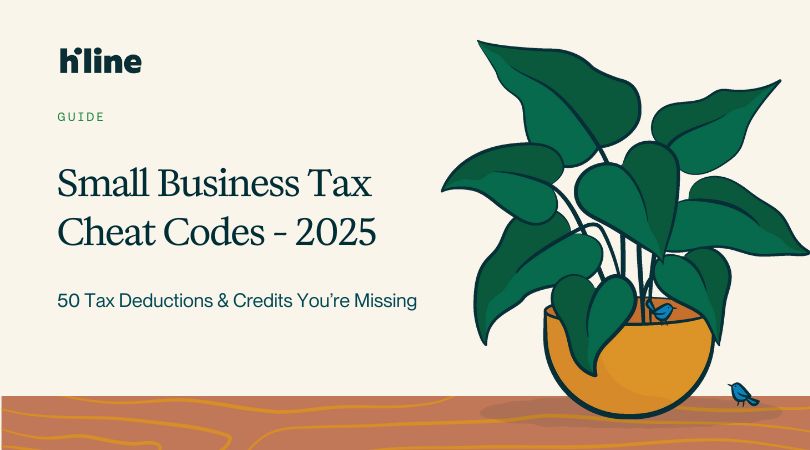
The 2025 tax code just became WAY friendlier to small businesses. And most founders have no idea. I was on a call last week with a client about the new R&D tax changes. They had no clue they could amend their 2022-2024 returns for potential refunds. 🤯 But then we started talking about all the other money-saving updates that kicked in this year. There's a lot buried in the tax code that nobody's talking about. Here's a breakdown of the most important updates: ➡️ R&D Cost Full Deduction – Write off 100% of your R&D investment immediately instead of spreading it over 5 years. This applies retroactively to 2022 so amend those returns! ➡️ Equipment Purchases – Deduct the full cost upfront. Machinery, vehicles, technology, whatever. No more waiting years to write it off. ➡️ Pass-Through Business Income Deduction – S-corps, LLCs, partnerships: automatically deduct 20% of your business profits. This benefit is now permanent. Real money back in your pocket every year. ➡️ Higher State and Local Tax Deduction – Individuals can now deduct up to $40,000 in state and local taxes (up from $10,000). And pass-through businesses have no limit on state tax deductions. Huge if you're in a high-tax state. Look, the tax code is a mess. It's confusing, it changes constantly, and most accountants aren't proactively helping you take advantage of what's available. But these changes are real and can save you serious money if you know how to use them. We just updated our "Small Business Tax Cheat Code" guides to cover all of the above + more ways to save. Everything's in plain language, no jargon. Grab the guides here: https://lnkd.in/etxpzdYS And if you're sitting on R&D expenses from 2022-2024, don't wait. Amendment windows close. Let's talk! The money's there. You just have to know where to look.
- HilineRecorded 22 Sept 2026
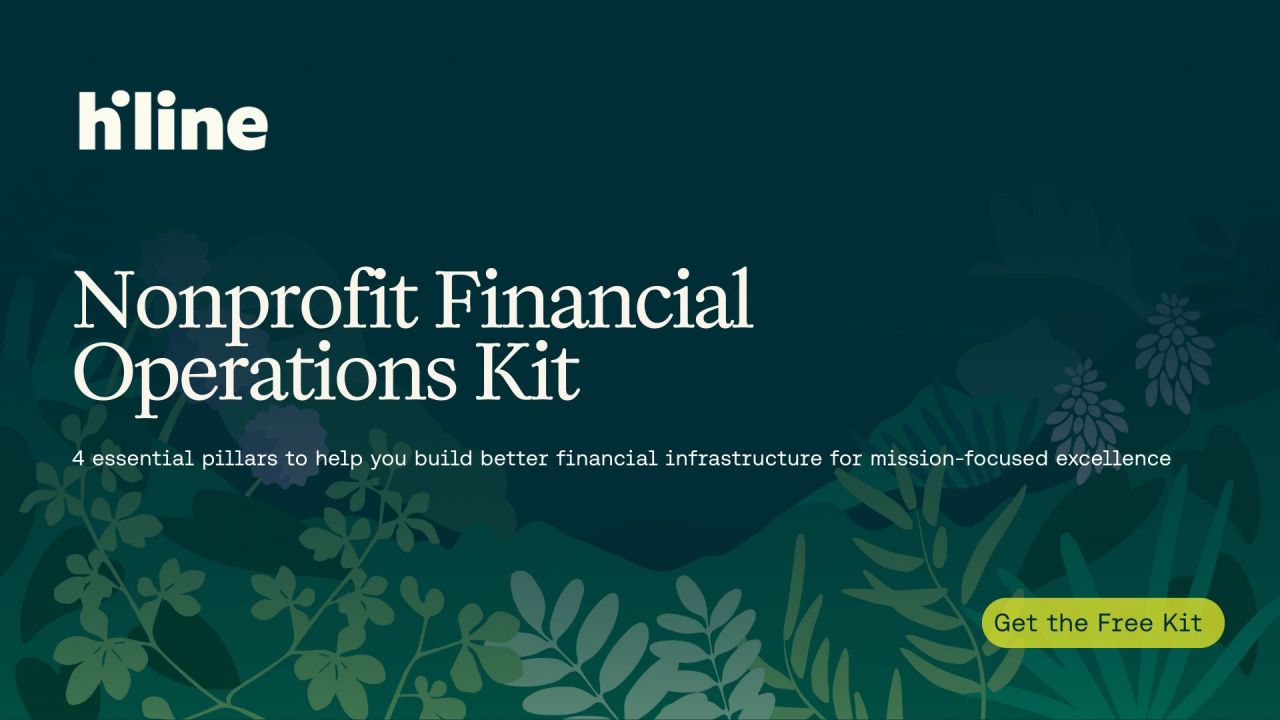
You just worked incredibly hard to acquire new Giving Tuesday donors. 🤷🏻 Now what? 35% average donor retention means most of those new supporters won't give again next year. But here's what changes that equation: Transparent financial reporting and impact measurement are what turn one-time givers into lifetime supporters. New donors gave because they connected with your mission. But they'll give again because they trust how you manage their investment. This is where operational credibility becomes your competitive advantage: 💚 Real-time dashboards that show donors exactly where their gift is making impact 💚 Board-ready financials that signal stewardship competence 💚 Clean grant tracking that proves you're audit-ready and investment-worthy 💚 Automated compliance that frees you to focus on mission, not spreadsheets The organizations that retain and grow their donor base aren't necessarily doing more programming, they're doing better operational storytelling. Our Nonprofit Financial Operations Kit walks through the 4 pillars that build donor confidence: → Technology Infrastructure → Sound Annual Budgeting → Board Readiness → Optimized Donation & Grant Management You earned those Giving Tuesday donors. Now build the infrastructure that keeps them. Download the kit for the exact process we teach our nonprofit clients at Hiline: https://lnkd.in/eZwnX6Ws
- GRS Research & StrategySince 12 Jan 2026
Have you ever wondered why waiting in one line feels exhausting, while waiting in another line can build anticipation? Most people think the difference is minutes. It is not. The real driver is uncertainty. In this newsletter, I reflect on the psychology of waiting and what it teaches us about designing the moments between experiences. Read the newsletter and watch the full video! __________ I am Enrico Gallorini, shaping the future of the In-Person movement. Where ideas breathe, relationships take form, and real connection starts. Learn more about the next #Human2Human Summit in Dubai: https://lnkd.in/dYcahnP9
- GRS Research & StrategySince 12 Mar 2026
Another exhibition cancelled. Another email. Another shockwave across our industry. But when an exhibition is cancelled, something bigger is revealed... Below my newsletter with my thoughts. This is not only about business disruption. It reminds us how fragile … and how essential … In-Person experiences truly are. Writing from the UAE, I reflected on why our industry matters more than ever. Presence is not a format. It is one of the foundations of humanity… and there is something I’m sure: “its value will only grow”! --- How are things where you are? GRS Research & Strategy, UFI, The Global Association of the Exhibition Industry
- GRANIT ProjektmanagementSince 12 Mar 2026
Transparenz. Warum klare Erwartungen im Recruiting wichtiger sind als perfekte Versprechen. Vor Kurzem habe ich mit Isabel Kantaut über unseren Recruiting-Prozess gesprochen. Dabei ging es um eine Frage, die in vielen Bewerbungsgesprächen zu kurz kommt: Wie ehrlich sprechen wir eigentlich über den Alltag im Job? Viele Unternehmen versuchen im Recruiting möglichst attraktiv zu wirken. Man zeigt die spannenden Projekte, die Entwicklungsmöglichkeiten und die positiven Seiten der Arbeit. Das Problem entsteht dort, wo Erwartungen nicht klar ausgesprochen werden. Gerade in der Unternehmensberatung gibt es eine hohe Arbeitsintensität. Projekte laufen parallel, Kunden erwarten Ergebnisse und gleichzeitig entwickelt sich auch das Unternehmen weiter. Deshalb sprechen wir das bei uns von Anfang an offen an. Wir erklären zuerst, wer wir sind, wie wir arbeiten und welche Werte für uns wichtig sind. Und wir sprechen auch sehr konkret über die Arbeitsstruktur. Bei uns bedeutet das: - 40 Stunden beim Kunden. - 5 Stunden persönliche Weiterentwicklung. - 5 Stunden interne Arbeit bei GRANIT. Damit liegt die normale Arbeitswoche bei etwa 50 Stunden. In intensiven Projektphasen können es auch einmal 55 Stunden werden. Das klingt direkt. Aber aus meiner Sicht gibt es nichts Schlimmeres, als solche Erwartungen im Recruiting zu verschweigen. Transparenz sorgt dafür, dass beide Seiten eine bewusste Entscheidung treffen können. Die entscheidende Frage im Recruiting ist deshalb nicht nur: Passt der Lebenslauf? Sondern vor allem: Passen Werte, Arbeitsweise und Erwartungen wirklich zusammen?
- GoNext Governança & SucessãoRecorded 21 Sept 2026
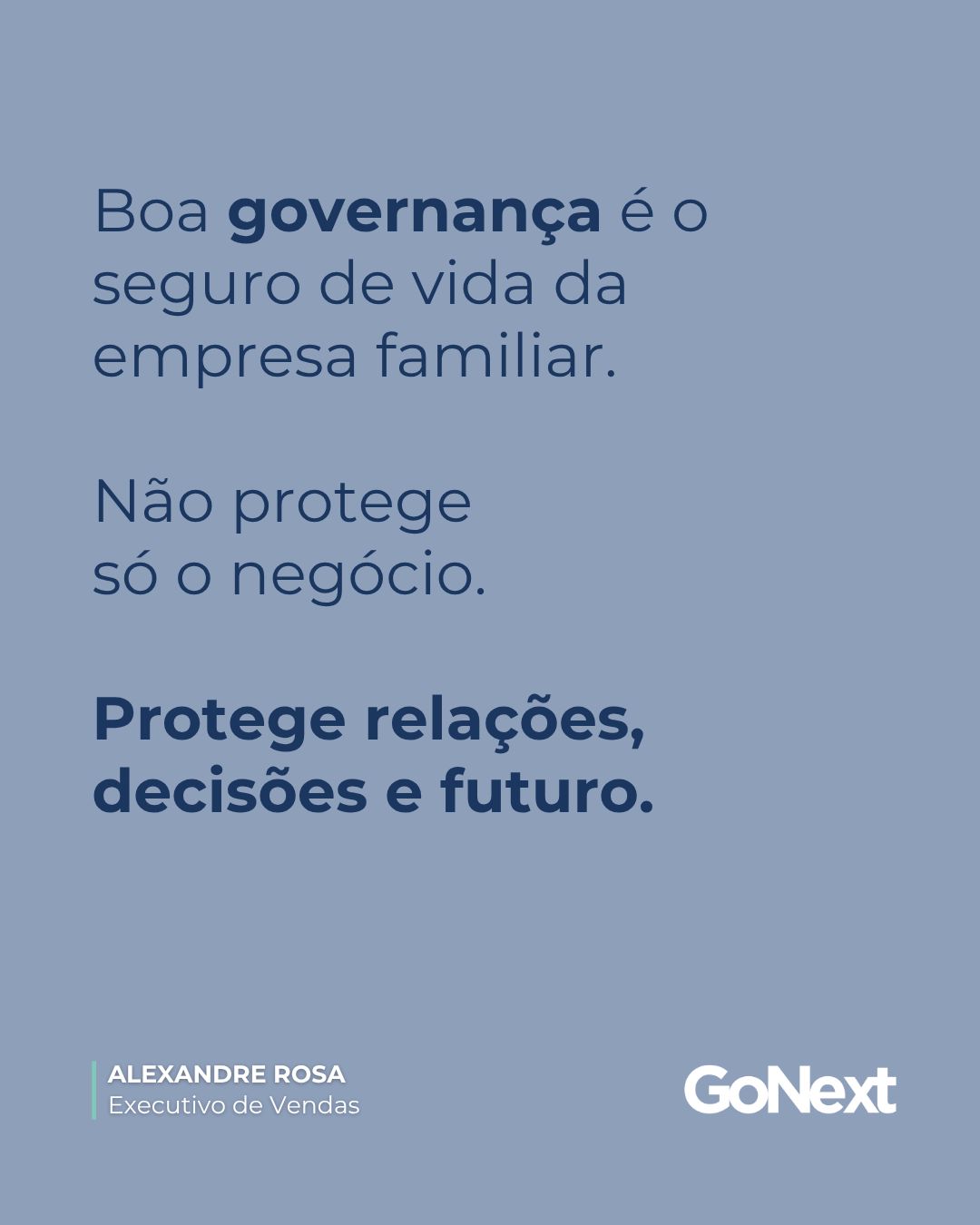
Empresas que evoluem entendem que governança não é um custo, é uma arquitetura de decisões que organiza os papéis, protege o patrimônio e prepara a sucessão com previsibilidade. Governança não substitui a essência da família empresária. Ela transforma legado em estratégia, confiança em performance e visão em resultado sustentável. Se sua visão está orientada a crescimento sustentável e continuidade do legado empresarial, posso contribuir com uma abordagem sólida, estruturada e alinhada à dinâmica das empresas familiares. Posso te mostrar como estruturamos isso nas empresas que atendemos. Quer marcar uma conversa rápida? #governançacorporativa #sucessãofamiliar #empresafamiliar #familiaempresaria #negociosdefamilia #GoNext #governançaesucessão
- GDI Gottlieb Duttweiler InstituteSince 6 May 2026
Was gibt’s heute zum Znacht? Ganz ehrlich, aufgrund von Zeitstress und zu vielen Optionen landen auch bei mir nicht immer ausgewogene Mahlzeiten auf dem Teller. KI kann hier neue Ideen liefern und Entscheidungshilfen bieten. Erste Umfragen aus den USA zeigen: Rund 15 % der KI-Nutzer*innen setzen solche Tools für die Menüplanung ein. Bei jüngeren Zielgruppen sind es sogar bereits 20 %. 🤖 Ein einziger Prompt liefert Menü, Rezept und Einkaufsliste. Und bald auch die direkte Bestellung der Lebensmittel. Die KI wird zum persönlichen Food-Assistenten und entlastet uns bei der Entscheidungsfindung. Die KI transformiert auch den Food-Sektor. Ein Beispiel ist der Supermarkt. Oft unsichtbar, aber mit spürbaren Folgen für Effizienz, Kundenerlebnis und Privatsphäre. Laufwege, Wartezeiten und Einkaufsdaten werden analysiert, individuelle Rabatte und Empfehlungen auf Basis von Kundendaten ausgespielt. Das wirft die Frage auf: Ist das noch Service oder bereits Manipulation? ⚙️ KI übernimmt eine immer zentralere Rolle in unserem Alltag. Sie prägt Entscheidungen aktiv und gestaltet gleichzeitig die Umgebungen, in denen sie getroffen werden. Damit bestimmt sie zunehmend darüber, was in der Auswahl überhaupt noch sichtbar ist. Das ist aber nur der Anfang. KI treibt tiefgreifende Veränderungen in der Lebensmittelbranche voran. Von Innovationsprozessen über autonome Produktionssysteme bis hin zu Lebensmittelqualität und -sicherheit sowie Governance-Themen. Die entscheidende Frage ist: Wie viel Einfluss überlassen wir KI künftig bei der Gestaltung dieser Entscheidungsräume? 💬 Welche Implikationen sich daraus für die Lebensmittelbranche ergeben, diskutieren wir mit renommierten Vordenker*innen an der International Food Innovation Conference am GDI Gottlieb Duttweiler Institute. Der Titel der Konferenz könnte meiner Ansicht nach nicht passender und aktueller sein: «Recoding Food: KI als Betriebssystem der Lebensmittelwirtschaft». Seid ihr auch schon angemeldet? Ich freue mich auf den Austausch mit vielen neuen und bekannten Gesichtern! 👉 Jetzt mehr erfahren: https://lnkd.in/gzswuHDZ #foodinno26
- FutureManagementGroup AGSince 3 Jun 2026
6 Prinzipien erfolgreicher Strategiekommunikation Die Prinzipien wirksamer Strategiekommunikation sind grundsätzlich klar. Komplex wird es trotzdem. Und das ist gut so. Denn erfolgreiche Strategiekommunikation funktioniert nicht nach Schema F. Sie braucht eine Ausgestaltung, die zum jeweiligen Unternehmen passt. Zentral sind dabei 6 Prinzipien: 👉 Früh starten: Kommunikation beginnt nicht erst nach der Strategieentwicklung 👉 Menschen einbinden: Nicht nur informieren, sondern aktiv beteiligen und mitnehmen 👉 Multiplikatoren stärken: Menschen sichtbar machen, die Orientierung geben und andere begeistern 👉 Führungskräfte befähigen: Den wichtigsten Hebel der Umsetzung gezielt wirksam machen 👉 Konkretheit schaffen: Strategie verständlich und handlungsnah übersetzen 👉 Ein gemeinsames Zielbild vermitteln: Eine Richtung schaffen, die verbindet und motiviert Entscheidend ist der individuelle Mix dieser Prinzipien im Kontext der jeweiligen Unternehmenskultur. Nur dann können Menschen Strategien verstehen und sie im Alltag lebendig machen. Du suchst weitere Impulse zu Strategiekommunikation und Zukunftssicherheit? > Werde kostenfrei Mitglied der Bright Future Leaders – Link im ersten Kommentar!
- FutureManagementGroup AGSince 3 Jun 2026
Strategiekommunikation ohne Strategie Hört sich falsch an? Ist es nicht! Im Gegenteil. Und deshalb ist genau das oft meine Empfehlung in meinen Projekten. Denn warum scheitern Strategien häufig? > Nicht an Dringlichkeit. Die spürt jede/r. > Nicht am Verständnis. Gute Präsentationen gibt es genug. > Nicht an der Motivation. Niemand investiert Ressourcen, um zu scheitern. Die eigentliche Herausforderung liegt dazwischen. Zwischen der fertig formulierten Strategie und ihrer Umsetzung. In diesem Zwischenraum entstehen die entscheidenden Fragen: 👉 „Was hat das mit mir zu tun?“ 👉 „Was bedeutet das für mich?“ Genau diese Fragen sind in meinen Projekten immer längst da, sobald ich ein Unternehmen betrete. Noch bevor alles klar oder fertig entwickelt ist. Daher rate ich dazu, mit der Strategiekommunikation nicht erst nach der fertigen Strategie zu beginnen, sondern viel früher. Noch bevor alles klar ist, aber alle beginnen, sich Fragen zu stellen. Denn genau dieser Dialog schafft, was Unternehmen in Veränderung am meisten brauchen: > Verbindung, weil jede/r Teil des gemeinsamen Weges ist > Orientierung in Richtung der zukünftigen Ausrichtung > Zuversicht, dass die entscheidenden Schritte aktiv gestaltet werden So aktivieren meine Klienten bereits vor einer finalen Zukunftsstrategie die Umsetzungskraft ihrer Teams. Und das schafft Zukunftssicherheit! Du suchst weitere Impulse zu Strategiekommunikation und Zukunftssicherheit? > Werde kostenfrei Mitglied der Bright Future Leaders – Link im ersten Kommentar!
- GDI Gottlieb Duttweiler InstituteRecorded 20 Sept 2026
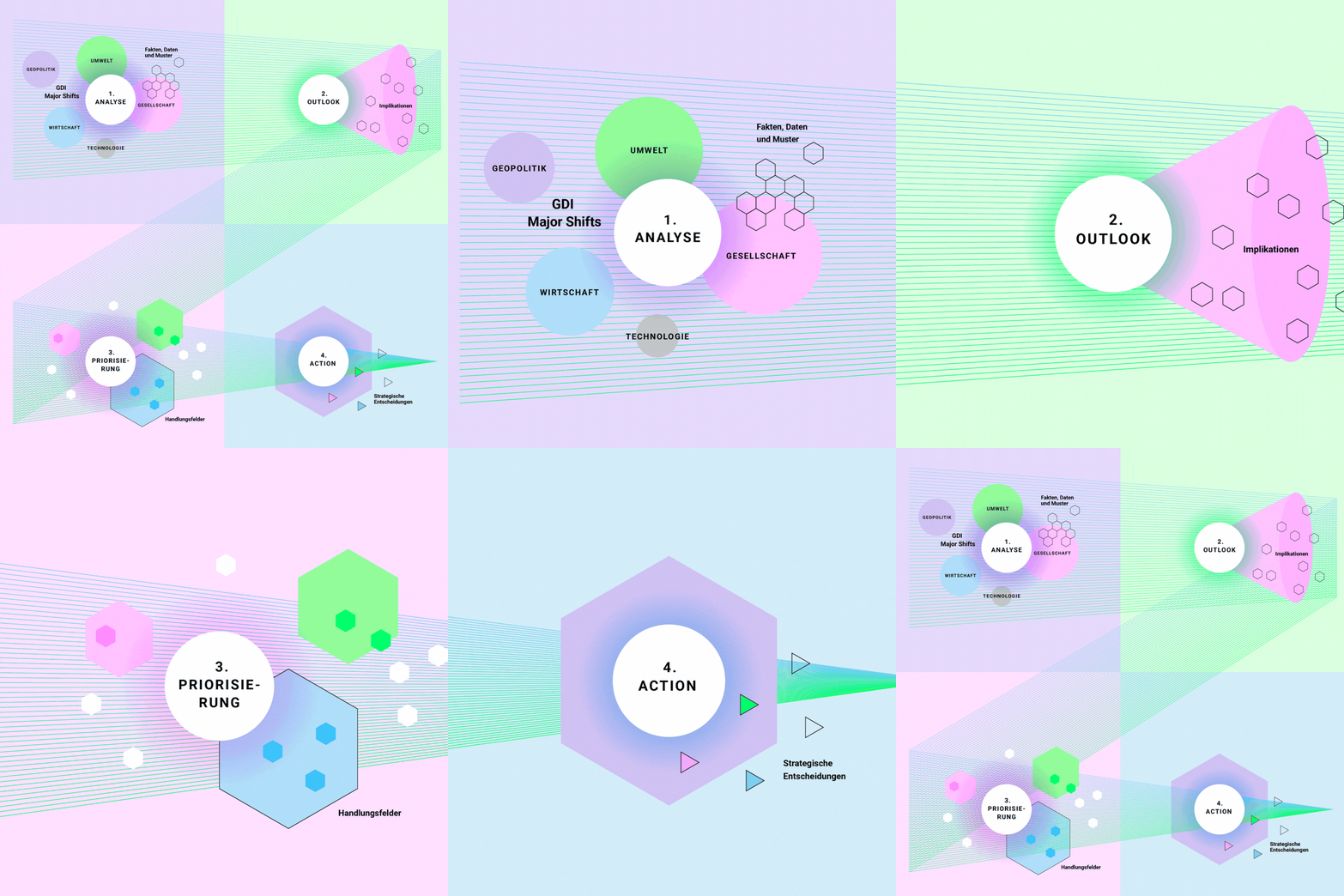
🦃 Strategic Foresight rettet dem Thanksgiving-Truthahn das Leben. Er würde bereits heute erkennen, dass die tägliche Fütterung nicht ewig anhält und ihm im November ein existenzielles Problem droht. Im Sommer wirkt der graue November noch weit weg. Aber so ähnlich geht es auch Unternehmen, die ihre Strategie auf bisherigen Daten basieren, ohne die relevanten Entwicklungen in ihrem Marktumfeld frühzeitig zu berücksichtigen. Strategieabteilungen oder Unternehmensentwicklung arbeiten oft parallel an denselben Fragen, statt mit gemeinsamen Annahmen an einem wünschenswerten Zukunftsbild. Genau hier setzen wir mit Strategic Foresight an. So gehen wir vor: 🔹 1. Analyse: Wir analysieren dein Unternehmensumfeld und identifizieren relevante Entwicklungen. Hier erkennt der Truthahn, dass im November jeweils überdurchschnittlich viele seiner Artgenossen verschwinden. 🔹 2. Outlook: Wir übersetzen die Entwicklungen in konkrete Implikationen für deine Organisation. Der Vogel versteht, dass er bald auf dem Festtagstisch landen wird. 🔹 3. Priorisierung: Gemeinsam bewerten wir die Implikationen und leiten strategisch relevante Handlungsfelder ab. Thanksgiving zu überleben hat höchste Priorität. 🔹 4. Action: Diese strategischen Optionen dienen als Entscheidungsgrundlage für heute. Der Truthahn plant seine Flucht. Fehlt in deiner Organisation ein gemeinsames Bild davon, welche Entwicklungen in Zukunft strategisch relevant sind oder sogar das Wissen um den Festtagstisch? Erfahre mehr über die Strategic Foresight-Angebote am GDI Gottlieb Duttweiler Institute: https://lnkd.in/e26wrhb4
- Gino LegalTechSince 18 Sept 2026
𝐋𝐞 𝐛𝐮𝐝𝐠𝐞𝐭 𝐣𝐮𝐫𝐢𝐝𝐢𝐪𝐮𝐞 𝐧𝐞 𝐝𝐞𝐯𝐫𝐚𝐢𝐭 𝐩𝐚𝐬 ê𝐭𝐫𝐞 𝐮𝐧 𝐬𝐢𝐦𝐩𝐥𝐞 𝐞𝐱𝐞𝐫𝐜𝐢𝐜𝐞 𝐚𝐧𝐧𝐮𝐞𝐥. 𝐈𝐥 𝐝𝐞𝐯𝐫𝐚𝐢𝐭 ê𝐭𝐫𝐞 𝐮𝐧 𝐯é𝐫𝐢𝐭𝐚𝐛𝐥𝐞 𝐨𝐮𝐭𝐢𝐥 𝐝𝐞 𝐩𝐢𝐥𝐨𝐭𝐚𝐠𝐞. Très heureux de participer, le 30 septembre, au webinaire organisé par Gino LegalTech : « 𝐁𝐮𝐝𝐠𝐞𝐭 𝐣𝐮𝐫𝐢𝐝𝐢𝐪𝐮𝐞 : 𝐜𝐨𝐦𝐦𝐞𝐧𝐭 𝐥𝐞 𝐜𝐨𝐧𝐬𝐭𝐫𝐮𝐢𝐫𝐞, 𝐥𝐞 𝐝é𝐟𝐞𝐧𝐝𝐫𝐞 𝐞𝐭 𝐥𝐞 𝐩𝐢𝐥𝐨𝐭𝐞𝐫 ?» Aux côtés d’Alexandre Verrien et de David Rivel, nous croiserons nos regards sur plusieurs enjeux très concrets : ▫️ Mieux comprendre et consolider les dépenses juridiques, ▫️ Construire un budget réaliste à partir des besoins et de la donnée, ▫️ Défendre un recrutement, un outil ou un projet de transformation, ▫️ Mettre en place les bons indicateurs, ▫️ Passer d’une logique budgétaire annuelle à un véritable pilotage dans la durée. Un sujet qui renvoie à une question plus large : comment donner à la direction juridique les moyens de mieux objectiver ses besoins, arbitrer ses ressources et démontrer sa contribution à la performance de l’entreprise ? 📅 30 septembre 🕚 11h – 12h 🔗 Lien d’inscription en premier commentaire
- Gino LegalTechSince 18 Sept 2026
On va parler pognon. 😁 Ce matin, dans On Dit Les Choses Les Choses, on a pas mal parlé d'argent. Du taux horaire des cabinets. De l'impact que pourrait avoir l'IA sur ce taux. Des Alternative Fee Arrangements. Et finalement d'une question assez simple : qu'est-ce qu'on paie vraiment quand on achète du service juridique ? Du temps ? De l'expertise ? Un résultat ? De la valeur ? Et tiens, puisqu'on parle d'IA … Il faudra qu'on parle un jour du business model des IA juridiques. 😁 Parce qu'aujourd'hui, beaucoup de modèles reposent encore largement sur une logique de licence par utilisateur. Mais si les usages explosent, la consommation aussi. Et derrière, les tokens ne sont pas gratuits. Alors demain ? Plus de consumption-based pricing ? Des modèles hybrides ? Et surtout : comment une Direction Juridique budgète-t-elle tout ça ? Parce qu'au fond, taux horaires, cabinets, IA, logiciels… On revient toujours à la même chose : combien ça coûte, qu'est-ce que ça rapporte et comment je défends mon budget ? Et justement. Le 30 septembre de 11h à 12h, je parlerai budget juridique avec mon acolyte Denis SAURET lors d'un webinar organisé par Gino LegalTech. Budget juridique : comment le construire, le défendre et le piloter ? Consolider les dépenses. Construire un budget réaliste. Défendre ses investissements. Et surtout, mieux piloter. Bref. Du taux horaire aux tokens jusqu'au budget de la DJ… Aujourd'hui, on parle de sous. D'argent. De flouze. De pognon. 😁 👉 https://lnkd.in/esE_iipe
- Adopt AIRecorded 20 Sept 2026
🚀 Watch our computer-use agent in action! We were just granted our first patent from USPTO for an AI-based system for automated API discovery and action generation, and I wanted to show it to you firsthand. Here’s what we did: 1️⃣ Signed up for a free Asana account 2️⃣ Ran our computer-use agent to automatically discover APIs and understand the business logic 3️⃣ Created agent-ready tooling that just works 💡 The results: 🔹 203 APIs discovered and 188 actions generated in Asana 🔹 Actions are triggerable via natural language 🔹 Plugged directly into LangChain, ADK, or your own agent workflows 💥 Compare: Asana’s MCP server has 30 tools. Our agent generated 188 in 24 hours, fully automated - with CRUD, reasoning, custom reports, and 3rd-party calls. Asana just went from an app to an intelligent agent. Asana is just one example. We do this for every application at Adopt AI - modern/ legacy/ first party/ third party. Turns out the hardest part of building agents is wiring all the tools manually. What if I told you this portion can be fully automated? Curious how this could work for your apps? Comment “Agentify” and we’ll spin up a free instance for you to try. #Agentify #AdoptAI #ZeroShotTooling #WorkflowAutomation
- Flair Business Growth Consultancy LtdSince 2 Mar 2026
I’ll tell you what really grinds my gears – unfounded and often untrue claims made by so-called marketing gurus. You see it all the time on LinkedIn. They offer tools or techniques that seem to take away the pain of winning new clients. You buy what they offer, and you can sit with your feet on the desk sipping coffee whilst the work piles in. Utter, utter tosh!. If their claims were true everybody would buy it and make untold fortunes. But we all know that doesn’t happen. However, there is one thing you can do which is free, easy, and actually works. You can start a podcast. Full disclosure here. It doesn’t win clients because you become Joe Rogan and have millions of followers. No, it works because you invite the right people, in the right way and then interview them properly. Our guest on this episode of the #MARShow is Natasha Klymczuk who has done just that. In the three months since she started it, she has already won several retained deals FROM BRAND NEW CLIENTS! All because of how she uses her podcast. On the show, she shares all. Click here to watch the recording: https://lnkd.in/eni8ZCsA If you have any questions (because it was live) please email them over to me and I will answer them or forward them to tash. Do you already run a podcast?
- FoedererDFK BelgiëSince 30 Jun 2026
Een goede auditor ziet meer dan een jaarrekening. Je ziet processen. Je ziet risico's. Je stelt de juiste vragen. En je helpt ondernemers vooruit met heldere inzichten. Herken jij jezelf daarin? Bij Foederer krijg je de ruimte om complexe auditopdrachten op te nemen, junior collega's te begeleiden en jezelf verder te ontwikkelen richting nog meer verantwoordelijkheid. Geen loze beloftes. Wel uitdagend werk, sterke collega's en klanten die op jouw expertise rekenen. Interesse? We maken graag kennis! https://lnkd.in/e5wwgwNd
- FlowcaseSince 11 Aug 2026
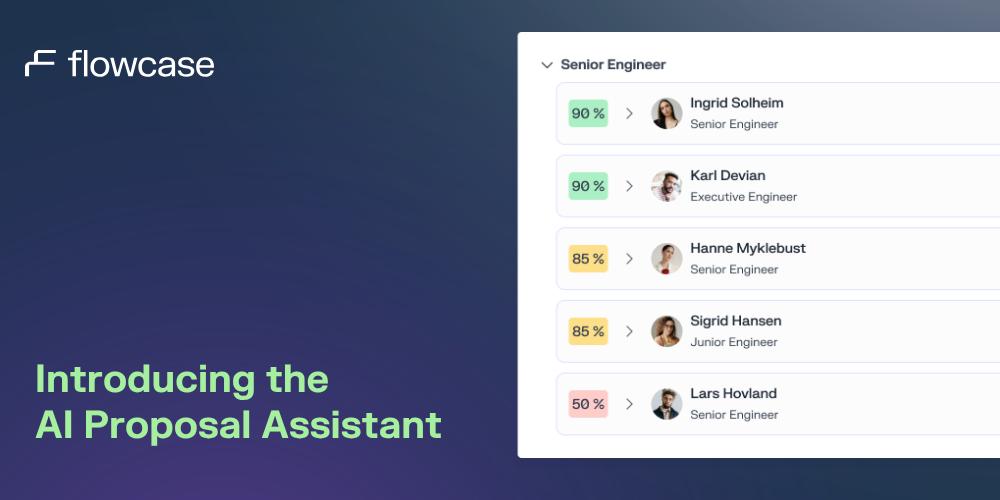
For years I’ve watched proposal teams do the same thing under pressure. An RFP lands, and the hunt begins. Who’s done this before? Where’s their current CV? Is that project sheet still accurate, or two years out of date? By the time you find the right people, you’re two days closer to the deadline. While tools like ChatGPT, Claude, Copilot, and other AI Proposal Writers are great researchers and content generators, they only perform as well as the data behind them. Ultimately you don't win with the best written proposal, you win by proving you have the right people for the job. And that comes down to keeping your people and experience data current and compliant. Compliance has been in Flowcase's DNA from day one, whether GDPR, the EU AI Act, ISO 27001 or SOC 2. So it felt natural to bring that same standard to proposals. That’s what our new AI Proposal Assistant is built for: 1) Pulls out the roles and requirements from the RFP 2) Finds who matches the qualifications 2) Ensures compliance as you tailor the bid, showing where you meet or miss each requirement, with evidence behind every match. Hundreds of customers are already using it. Today we’re opening it up to the world: https://lnkd.in/durBJxva
- First PointRecorded 19 Sept 2026
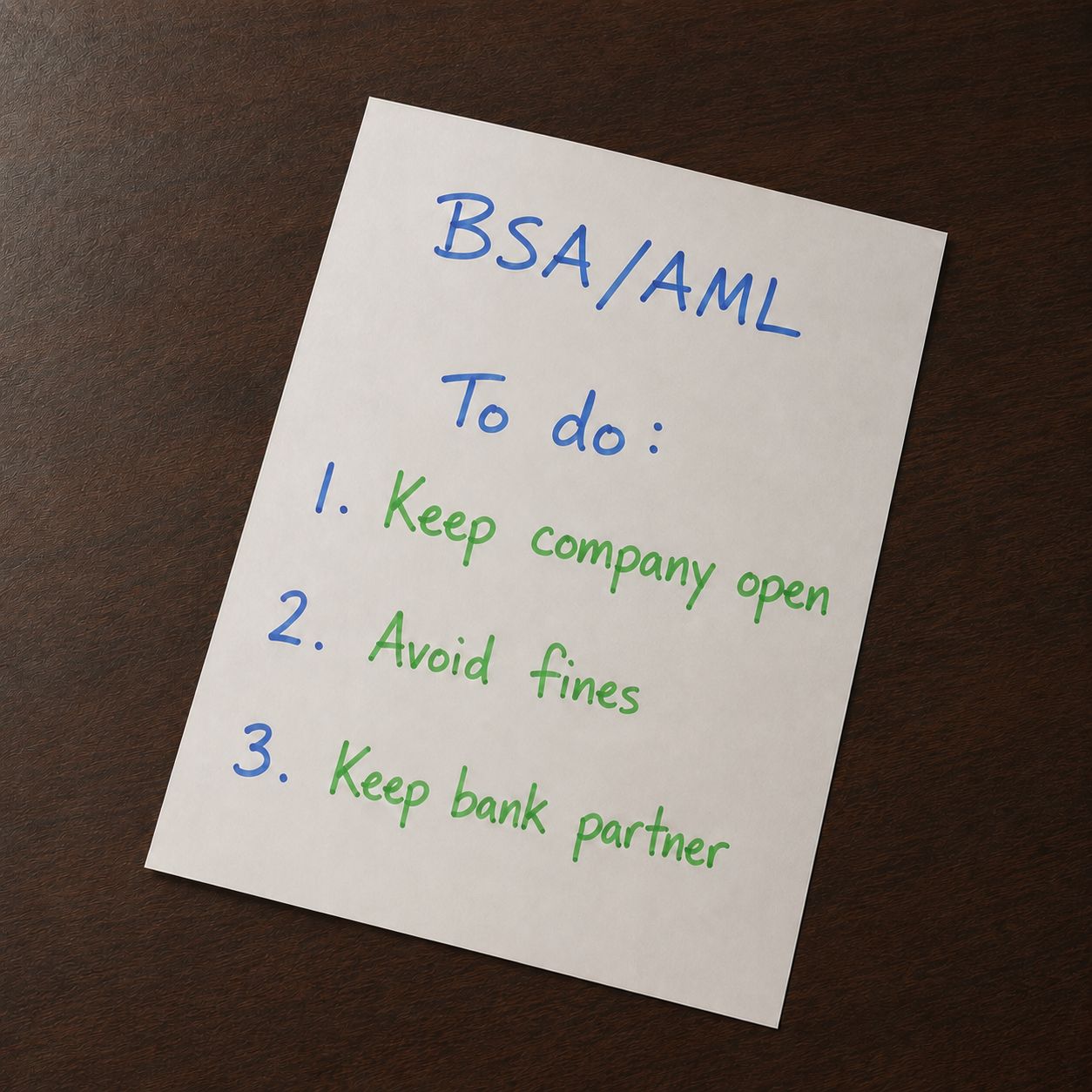
I've reviewed many fintech BSA/AML programs, and it's the same story: "We have some compliance stuff in place... but I'm not fully sure what a BSA/AML audit even checks for." Quick answer: it's an independent review of how you detect, monitor, and report suspicious financial activity — exactly what regulators and banking partners expect before you scale. If you handle money or crypto, you need this. Most founders find out too late. Every funding round or banking review, you hit the same wall. Transaction monitoring rules built for a fraction of your current volume. SAR filings inconsistent or missing. That policy your first compliance hire wrote 18 months ago, untouched since. The gap between what you have and what's expected keeps widening while you're heads-down on product. The consequences aren't hypothetical: Regulators can issue consent orders, fines, or pull your license entirely. Banking partners drop fintechs at the first sign of BSA/AML weakness — losing your sponsor bank can shut you down overnight. Investors now ask for audit history in diligence; weak compliance can stall a round. Founders and compliance officers can face personal liability, not just the company Fixing issues after an examiner flags them costs far more than catching them yourself. You're patching things quietly, thinking: "Would this survive an audit, or am I just hoping nobody looks closely?" We've spent years seeing exactly where regulators focus first — and where founders get blindsided. Right now, founders who want clarity on where their program stands are setting up strategy sessions with us. You'll walk away with a clear read on your risk exposure, your biggest policy gaps, and whether you need a full audit or targeted fixes. If you're not sure your program would survive real scrutiny...Let's set up a conversation. Learn more here: https://lnkd.in/eN5enMBZ
- Force ManagementRecorded 19 Sept 2026
Creating the next tech 🦄 unicorn 🦄 is no easy proposition. It takes many things coming together at the right moment in time, all while executing with precision in every dimension of GTM. As a revenue leader, planning for 2027 will be key, and this is what I’m recommending every CRO do right now to be ready: 🛑 I'd stop planning what the number will be, first. Almost every 2027 planning cycle starts the same way: a target gets set (sometimes arbitrarily), a headcount model gets built to support it, and somewhere in Q2 someone finally realizes that the system underneath the number cannot actually hit the mark. By then you’ve missed out on major revenue opportunities that you cannot capture. So here's what I'd get focused on right now instead: ➡️ Auditing my GTM system and getting real about what needs to change to make the 2027 number happen. Here’s what that looks like: 1️⃣ I'd go ask your sellers one simple question. "What business problem do we solve, how do we solve it, and why does it matter?" Ask your team that question this week. If you have 100 sellers and you get at least 100 different answers, you don't have a pipeline problem, you have an alignment problem, and it's already baked into your 2027 plan. 2️⃣ I'd move the goalpost past new logos and get serious about renewals and expansion. Sales and revenue aren't the same thing. Hitting your sales target won't save you if you're churning faster than you're closing. The CRO owns the full value thread, not just the sales number, and your key to success in the year ahead needs to focus on the entire revenue operating system. 3️⃣ I'd fix the fundamentals before I touch AI. AI is an accelerant, not a solution. Point it at a GTM system where nobody agrees on what "qualified" means, and you don't get a better process, you get a louder and faster version of the same broken system. Fix alignment first. 4️⃣ I'd rethink what the “kickoff" is actually for and what value it creates for your teams. It's why the top revenue leaders I'm meeting with are shifting from traditional SKO events to what I call a Revenue Bootcamp: less an event, more of an on-ramp to a system the team lives inside all year, in every customer conversation, business case, forecast call, deal review, QBR. 5️⃣ I'd build the roadmap, not just the target. Prioritize your alignment gaps like a product roadmap: effort, cost, timeline, complexity, impact. Most transformations I've run play out over three to five years. That's a reason to start now, not wait. None of this is complicated. It's just not easy to do while you're already flying at 35,000 feet trying to close the number this year. The teams walking into 2027 where everybody gives the same answer to what we do and why it matters are going to out-execute the teams that just bought more tools. If this resonates, drop me a DM or comment below. I’d be happy to share what we’re seeing work for revenue teams right now. Good selling!! 🚀
- Flair Business Growth Consultancy LtdSince 16 Sept 2026
Some people are as good at recruitment. As my grandson is at face-painting. But there’s one big difference. I think it’s pretty flipping obvious my grandson needs some art lessons before he turns pro. Whereas some recruiters don’t recognise their own failings. I was one of those recruiters. We had a £3m per year client where we thought we were doing great work. But only because our KPIs told us we were. However, we failed to measure one important thing. How well we did, what we did. Which to my utter surprise turned out to be a big problem to the hiring managers. The new head of resource asked them what they thought of us. The feedback was not good. She sacked us. So, my advice is to find out what your clients think of your service. Not just what you do, but how you do it. Especially necessary if you employ a few consultants (as I did). But also, important if you’re a solo practitioner. The best way to do this is use a process called VotC. Voice of the Customer. In this episode of the #MARShow we explain how VotC works and the signs that your client is not 100% happy with your service. (It’s a good idea to know what these are.) My advice is don't miss this one: https://lnkd.in/eUmUgUgw
- FinchRecorded 19 Sept 2026
Some news: Finch has raised a $20M Series A, led by Satish D. and Meera Clark at Redpoint. We’re grateful to welcome them as partners alongside Alfred Lin at Sequoia Capital, Matthew Mulvey at Liquid 2 Ventures, and generational operators like Tony Xu, Christopher Payne, and Jason Boehmig backing Finch. This funding helps us move closer to our mission: ensuring every American has access to the counsel they deserve. More than 75% of Americans can’t access counsel when they need it. At the same time, law firms are buried in admin work that limits their capacity to serve more clients. Finch is the first AI-powered pre-litigation team for personal injury, combining exceptional legal operators with AI agents to handle cases from intake to outcome. We help plaintiff firms say yes to more cases, without additional overhead. In the last 6 months, we’ve grown more than 10x. Firms we’ve worked with have tripled their case volume, secured seven-figure settlements, and expanded into new markets. We are a team of talented, curious, customer-centric operators, recently adding folks like Taylor Welch, Thea Feeney, Stacey Matheson, Jasmine Harris and (soon) Kelly Jacques, Rachel Fuld Cohen & Alex Gouchtchina. If you’re looking to shape the future of legal tech, we’re growing fast and hiring across the board. And if you’re an attorney ready to serve more clients, book a demo in the comments below. Let's get to work.
- Fine Tune Expense ManagementRecorded 19 Sept 2026
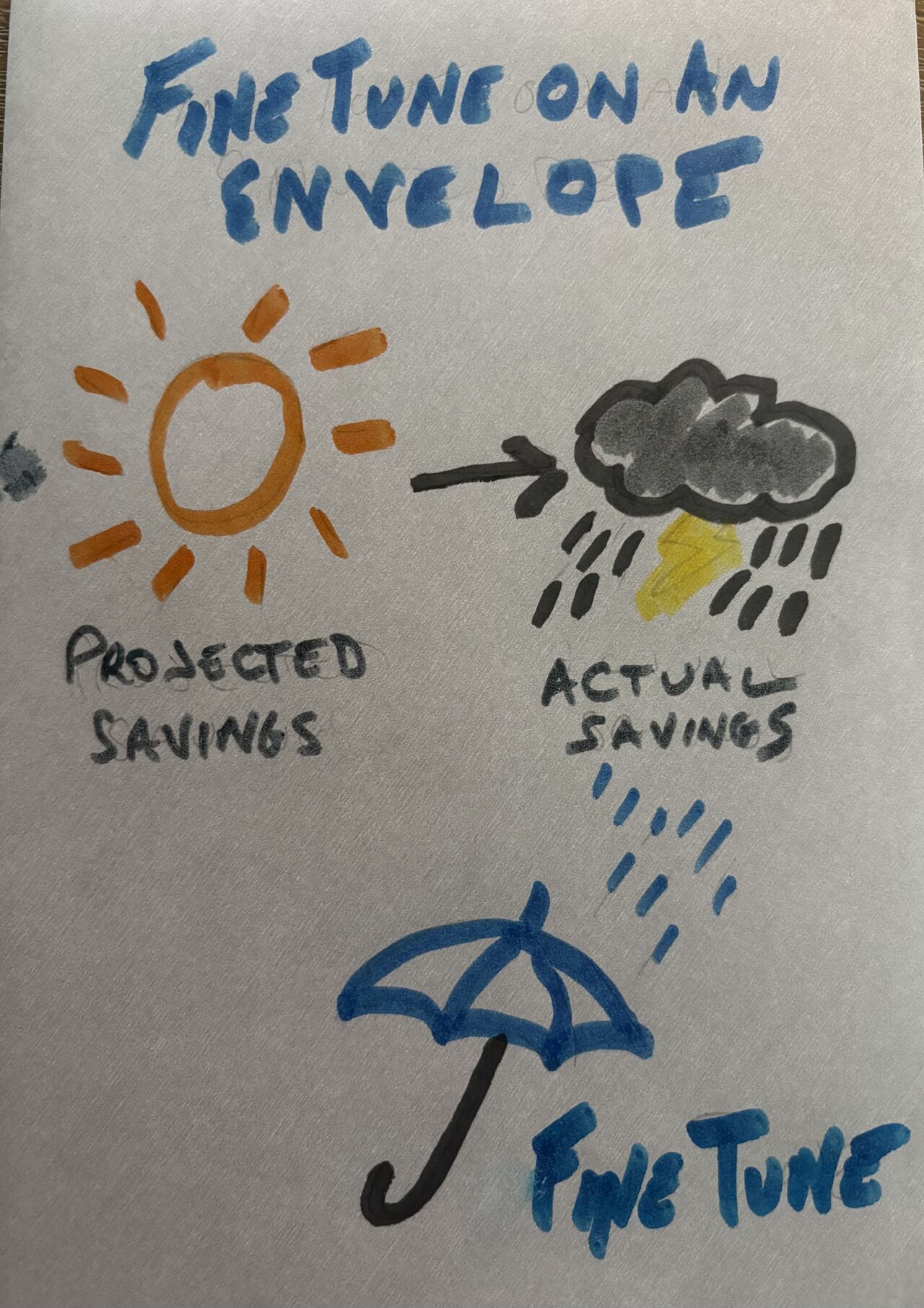
If someone asked me to draw what Fine Tune Expense Management does on an envelope… I’d draw this. Supplier forecasts say "sunny savings." But the real picture is often stormy. We bring the umbrella and fix the forecast.








Other LinkedIn formats
Watch the companies you care about.
Filter every ad by industry, country, format and network, and get alerts when a company you watch starts running new ads.