LinkedIn thought leader ad examples
130 thought leader ads are live on LinkedIn right now, from 138 companies. Browse real ones, filtered by industry.
- Concentric AIRecorded 14 Sept 2026
News headlines love a good villain story – the rogue ex-employee out for revenge or the sneaky vendor smuggling trade secrets to a competitor. But most insider threats come from normal people just trying to get their work done. If you follow that logic, it’s not a stretch to say that GenAI assistants like Microsoft Copilot might be the most talented accidental insider threat your organization has ever seen. Not because they’re plotting anything sinister – far from it – but because they are doing exactly what they were built to do. Just like regular users, Microsoft Copilot is bound by access rules and can see only what those rules allow it to see. In turn, it will reveal sensitive data only to users who are cleared to view it. The catch is that there is usually far more access than should be allowed. The underlying issue is that most organizations don’t truly know what sensitive data they have, where it’s located, and who has access to it. Without that visibility, a lot of sensitive information ends up mislabeled or not labeled at all. And when labels are wrong or missing, the access rules that depend on them fall apart. It’s like a small oversight that turns into a runaway snowball that can wipe out your data security policies along the way. But don’t lose hope just yet. There are modern data security governance tools available today, powered by context-aware AI, that deliver the results you’ve been chasing to significantly reduce the risk of Copilot disclosing sensitive information to the wrong people. Concentric AI Read my latest article published by TechNadu to learn how this technology can help your team get a handle on data security governance. https://lnkd.in/gNbzQYAn
- Concentric AIRecorded 14 Sept 2026
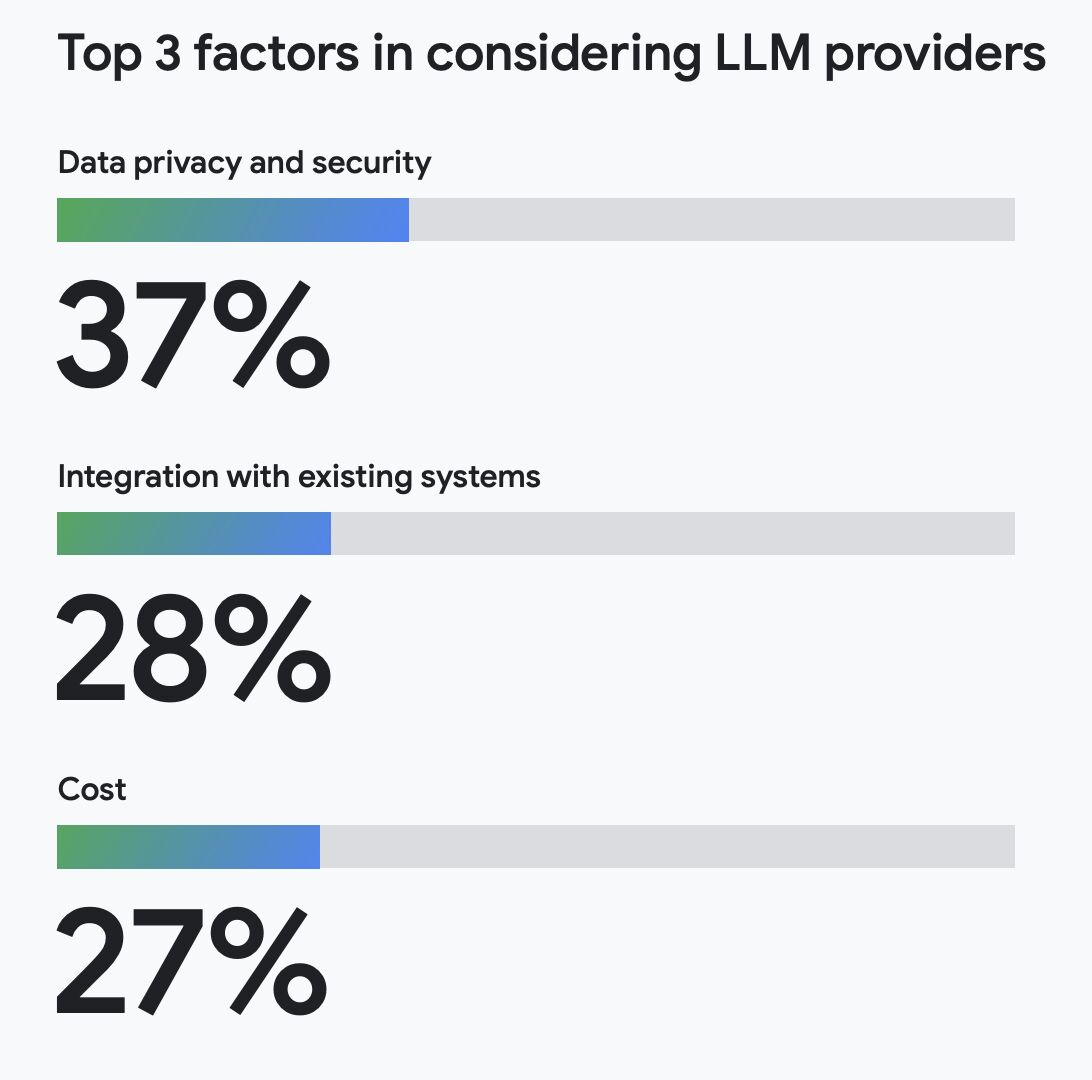
AI ROI Is Rising... But So Is the Risk of Data Leakage(Google Reports: https://lnkd.in/gmF-XEB7) Google Cloud reports 52% of companies now run AI agents and 88% see real ROI. But the #1 barrier to scaling GenAI? Data security. Employees are pasting source code, customer data, and confidential documents into public GenAI tools like ChatGPT and Claude outside enterprise control. To protect value, leaders must enforce GenAI data policies, monitor and block sensitive data flowing to gen ai applications, and prioritize secure, enterprise-grade AI. AI drives ROI, but unsecured GenAI use can erase it instantly. ... Protect your data, govern GenAI, and scale AI confidently with Concentric AI
- BrightSince 24 May 2026
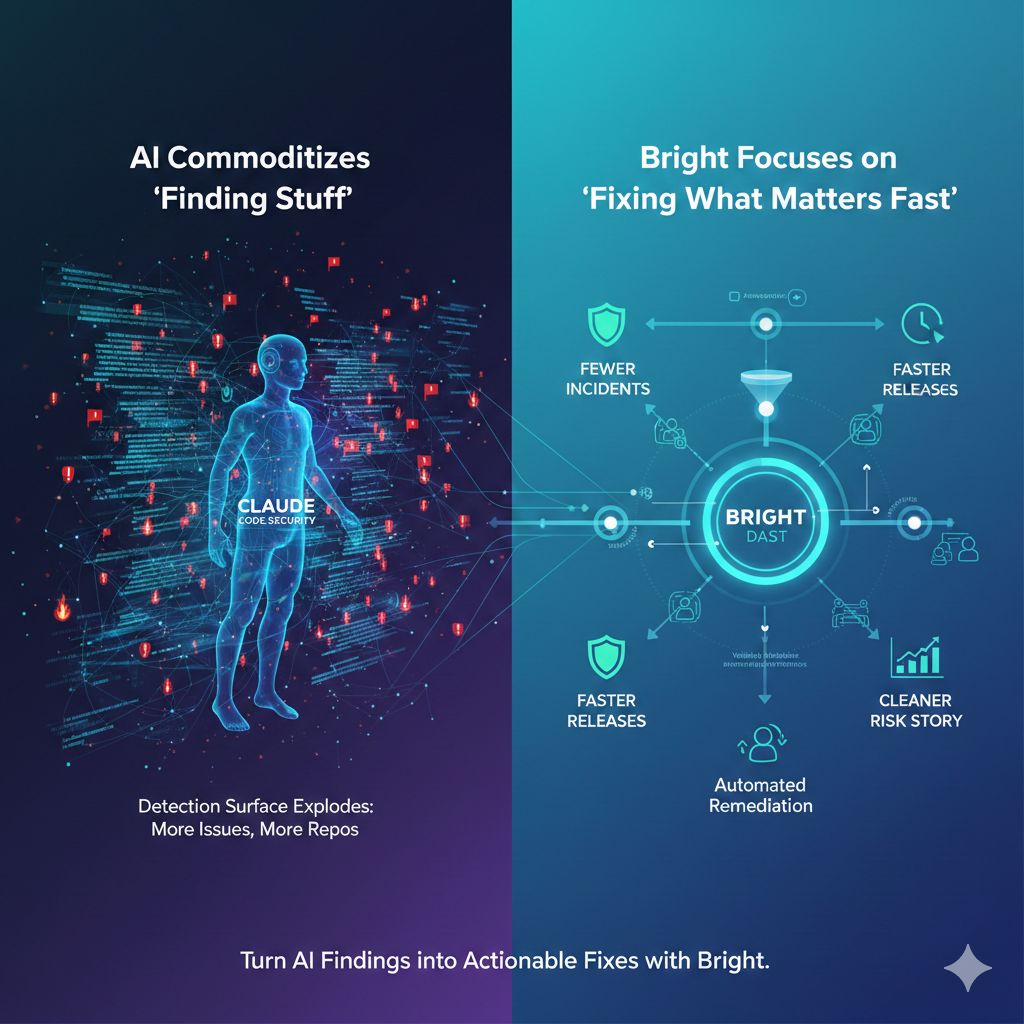
Claude Code Security just made one thing obvious: in AppSec, “Who finds more vulnerabilities” is no longer a differentiator. “Who can prove which ones matter and help teams fix them fast?” is. Anthropic’s new capability scans entire codebases, reasons about them like a security researcher, and suggests targeted patches for human review. It’s meant to give defenders the same AI leverage attackers are starting to use, and early signals show it’s incredibly good at uncovering long‑lived vulnerabilities in complex code. If you’re in security or engineering leadership, that’s both exciting and terrifying: Your detection surface explodes: more issues, across more repos, uncovered more quickly. Your teams don’t grow overnight: triage, prioritization, and remediation capacity are still limited. The risk isn’t “missing bugs” anymore; it’s drowning in them and not knowing what’s actually exploitable. This is the gap we’ve positioned Bright to own. Bright’s developer‑centric DAST doesn’t compete with Claude Code Security at the code level; it complements it by attacking your running applications and APIs, with thousands of tailored payloads and automation designed for DevSecOps speed. We already integrate into CI/CD and developer workflows so teams can: Turn Claude/AI findings into targeted dynamic tests on critical flows. Validate which vulnerabilities are real in their environment. Ship fixes with confidence, backed by automated re‑testing. From a go‑to‑market perspective, this is the story I’m betting on: AI will commoditize “finding more stuff.” Bright will be judged on how well we help customers turn that into fewer incidents, faster releases, and a cleaner risk story to the board. If you’re experimenting with Claude Code Security and want to see what this combined story looks like in your pipeline, I’m happy to compare notes.
- BrightSince 24 May 2026
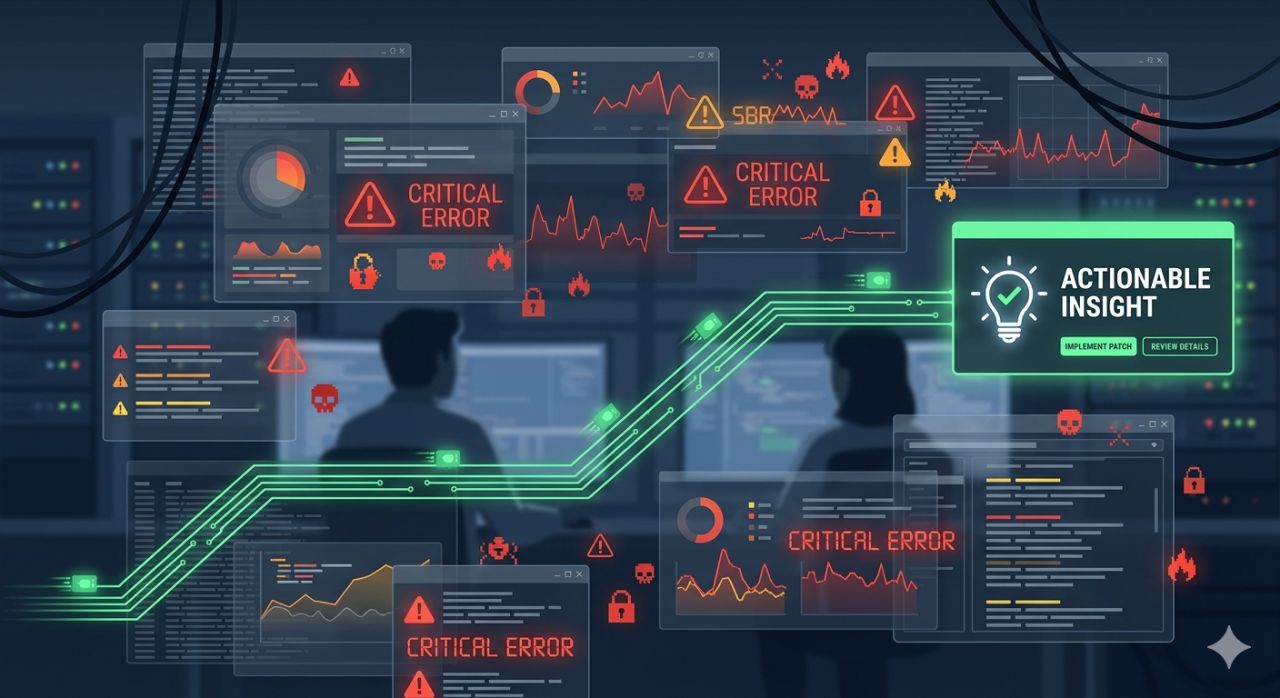
The sheer volume of DAST findings often obscures critical vulnerabilities, creating more operational noise than actionable intelligence. IT and operations teams face a constant struggle to distinguish real threats from scanner output. Prioritizing thousands of theoretical vulnerabilities siphons resources away from actual incident response. Traditional scan reports rarely translate directly into immediate, clear remediation paths for infrastructure. Solutions that contextualize vulnerabilities for operational impact are becoming essential. This isn't just about finding flaws; it's about finding the right flaws that impact production reliability. Bright helps teams cut through this noise. Learn how teams are solving this: https://lnkd.in/dMGtrafa #AppSec,#DevSecOps,#SoftwareSecurity,#CloudSecurity,#ApplicationSecurity,#CyberSecurityStrategy
- Bonfy.AI, a Kiteworks companyRecorded 11 Sept 2026
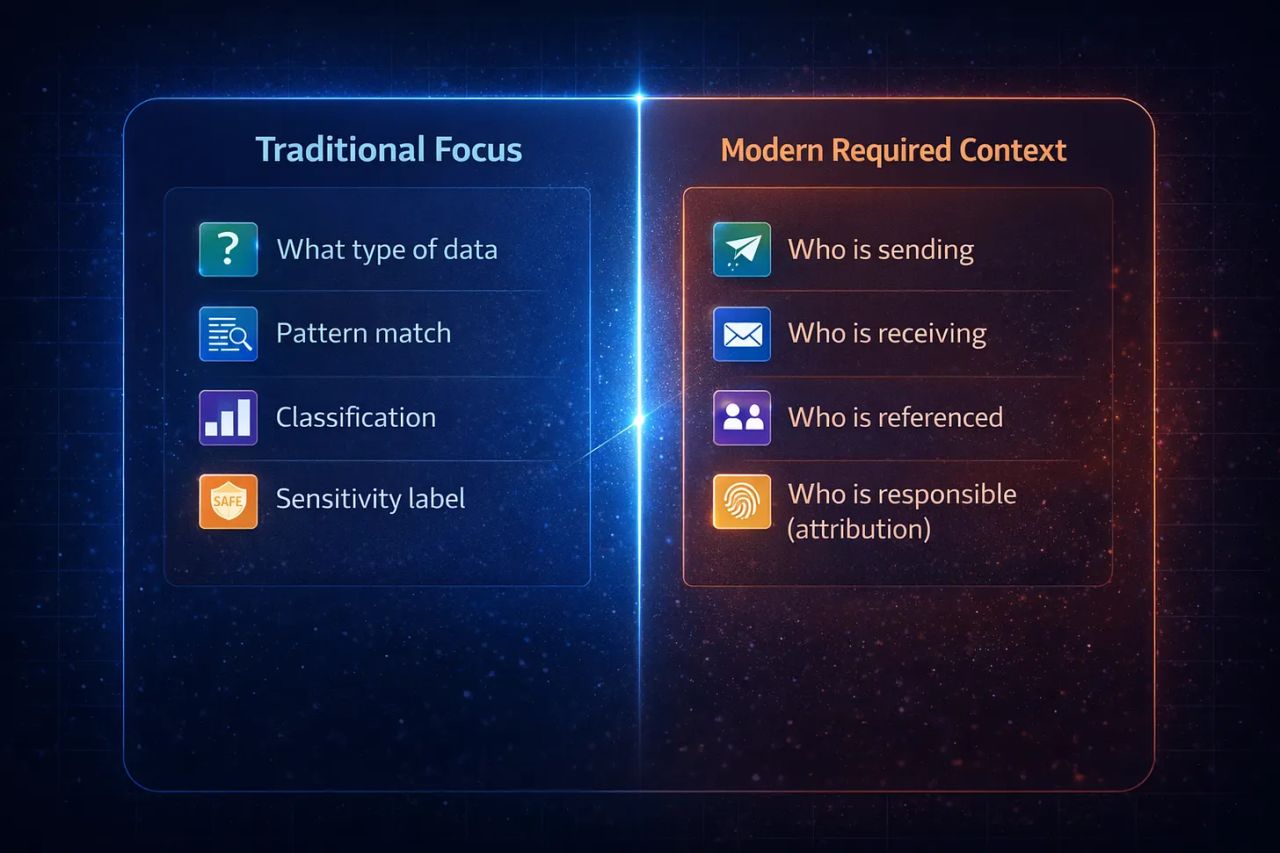
Your DLP may know what your data is. It still has no idea who it belongs to. For years, data security was built around one question: “Is this PII, PHI, PCI, confidential?” Pattern matching, regex, and classification engines answered the what and gave us a sense of control. But regulations were never written around patterns. They were written around people — data subjects, customers, patients, account holders — and the obligations attached to their data. In AI‑driven environments, that mismatch is now a structural problem. You can have the right sender, the right classification, and still create a reportable incident simply by sending the right data to the wrong customer — or by letting a copilot mix entities across accounts in a single response. Traditional controls rarely reason simultaneously about the sender, the receiver, and the entities referenced in the content, which is exactly where modern risk now lives. Gidi Cohen’s Substack article “The Who: The Missing Dimension in Modern Data Security” explains why the future of data security — especially for AI agents and copilots — depends on entity- and attribution-aware controls that understand who is involved in every interaction, not just what the payload looks like. He shows how this shift reduces false positives, exposes blind spots in false negatives, and lowers friction for legitimate workflows by aligning enforcement with actual business relationships. If your AI governance strategy doesn’t explicitly model the who across agent workflows, SaaS, and collaboration tools, you’re governing patterns, not people. Check out the article to find out how to operationalize the who inside agent reasoning loops — closing the gap between regulatory intent and real‑world AI behavior. Link in comments. #AIDataSecurity #EntityAwareSecurity #AIGovernance #DataAttribution #ModernDLP #AICompliance #SecurityInnovation
- Bonfy.AI, a Kiteworks companyRecorded 11 Sept 2026
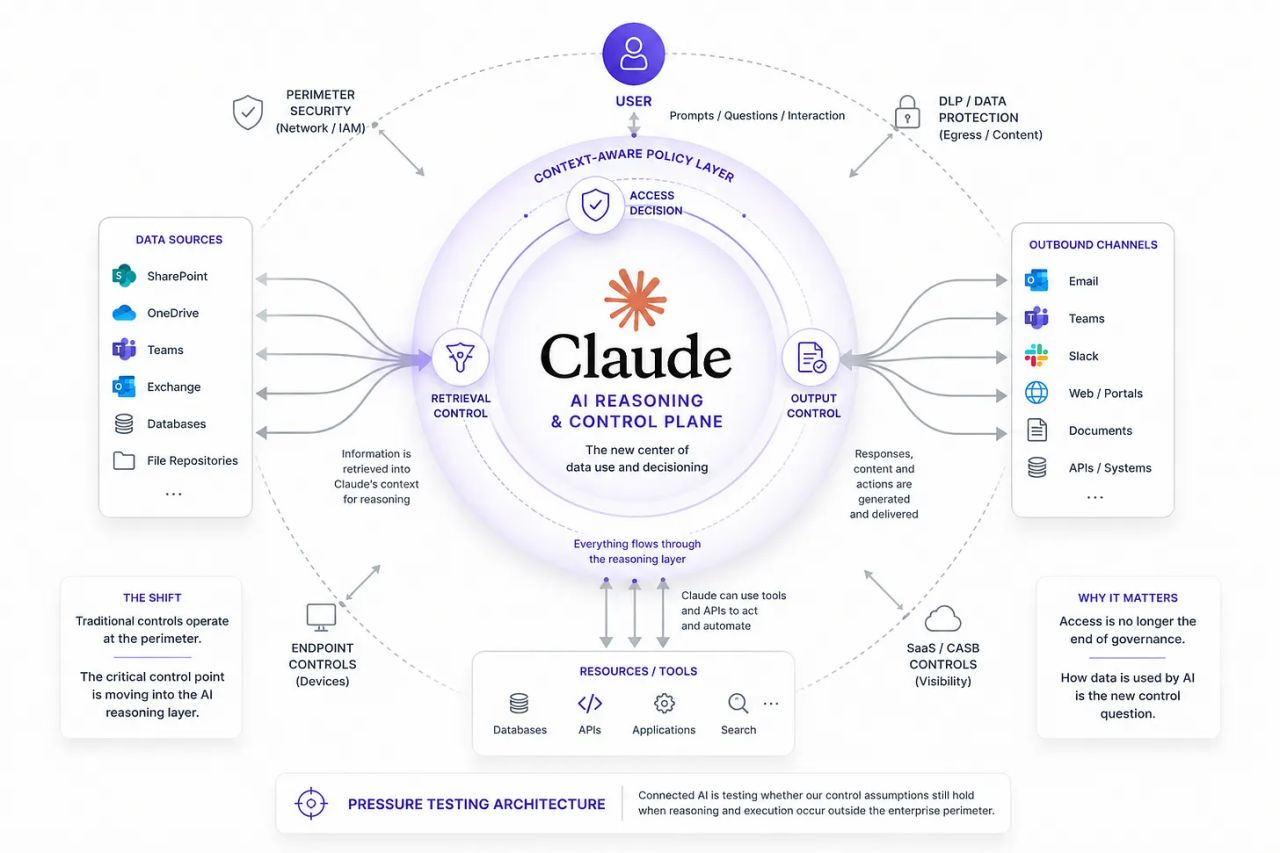
Claude isn’t just testing your AI policy. It’s pressure‑testing your entire data security architecture. Most boardroom conversations about AI risk still orbit the model: prompt leakage, misuse, hallucinations, and guardrails around the application itself. Important — but incomplete. Connected AI systems like Claude Enterprise expose a deeper break: the execution point for sensitive data is moving out of the places your controls were designed to watch. When Claude connects to Microsoft 365, a single user interaction can pull documents from repositories, build transient working context, reason over it inside Claude’s environment, store pieces in shared memory, and synthesize output — all before the user sees a response. The enterprise still owns the data, but no longer fully owns the execution path through which that data is used. In that world, the central question changes. It’s no longer just “Can this user access the document?” It becomes “Should this AI system retrieve, combine, and use that document in this workflow, for this purpose?” Permissions stay green, while your true policy decision has quietly shifted to the moment of selection into the reasoning loop. Gidi Cohen’s article “Claude Enterprise Is Pressure Testing Data Security. And That’s a Good Thing.” argues that connected AI is forcing a necessary architectural evolution: a new control layer focused on governing how AI systems are allowed to use data, not merely where that data resides or how it moves. Claude is simply the clearest early example of a pattern that is already emerging across Copilot Studio, ChatGPT Enterprise, and multi‑agent systems. If your AI strategy assumes existing controls can simply be “extended” to cover connected agents, this piece is the reality check — and roadmap — you need. Read the full Substack and the broader “Data Security for AI Agents: The Missing Dimension” series to see how Bonfy.AI is building that next control layer at the reasoning boundary. Link in comments. #AgenticAI #AISecurity #DataSecurity #ConnectedAI #EnterpriseAI #AIGovernance #CISO #SecurityArchitecture #ReasoningBoundary #BonfyAI
- Brooklyn PartnersSince 30 Aug 2026
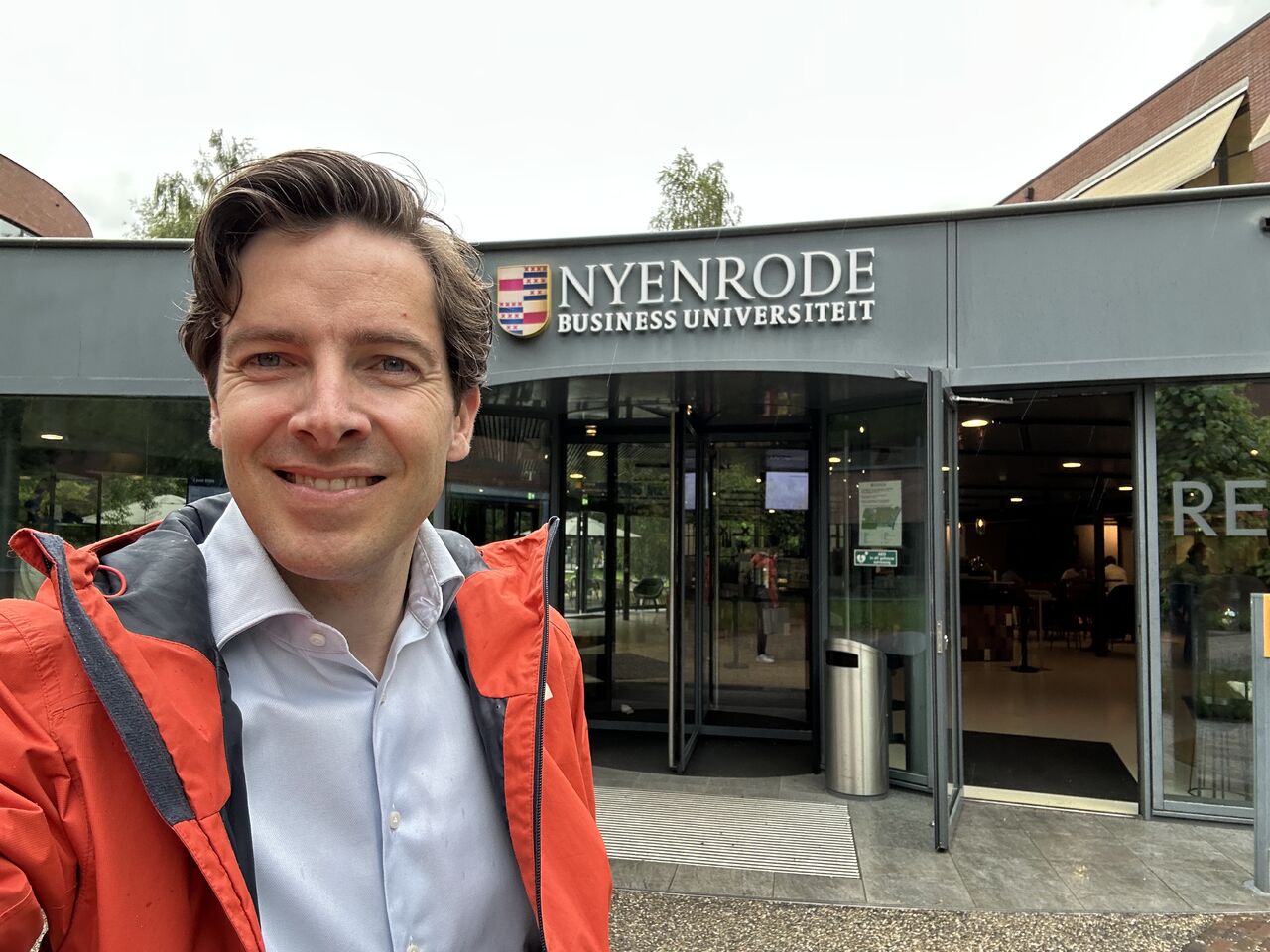
Home sweet home! Gisteren was de aftrap van een reeks interactieve sessies voor bestuurders en toezichthouders die zijn aangesloten bij Verbond van Verzekeraars. We doken in de huid van social hackers, en hoe je professionele hackers als organisatie die buiten de deur houdt. Peter Tempelman (Nyenrode Business Universiteit) bedankt voor de organisatie!
- Brooklyn PartnersSince 30 Aug 2026
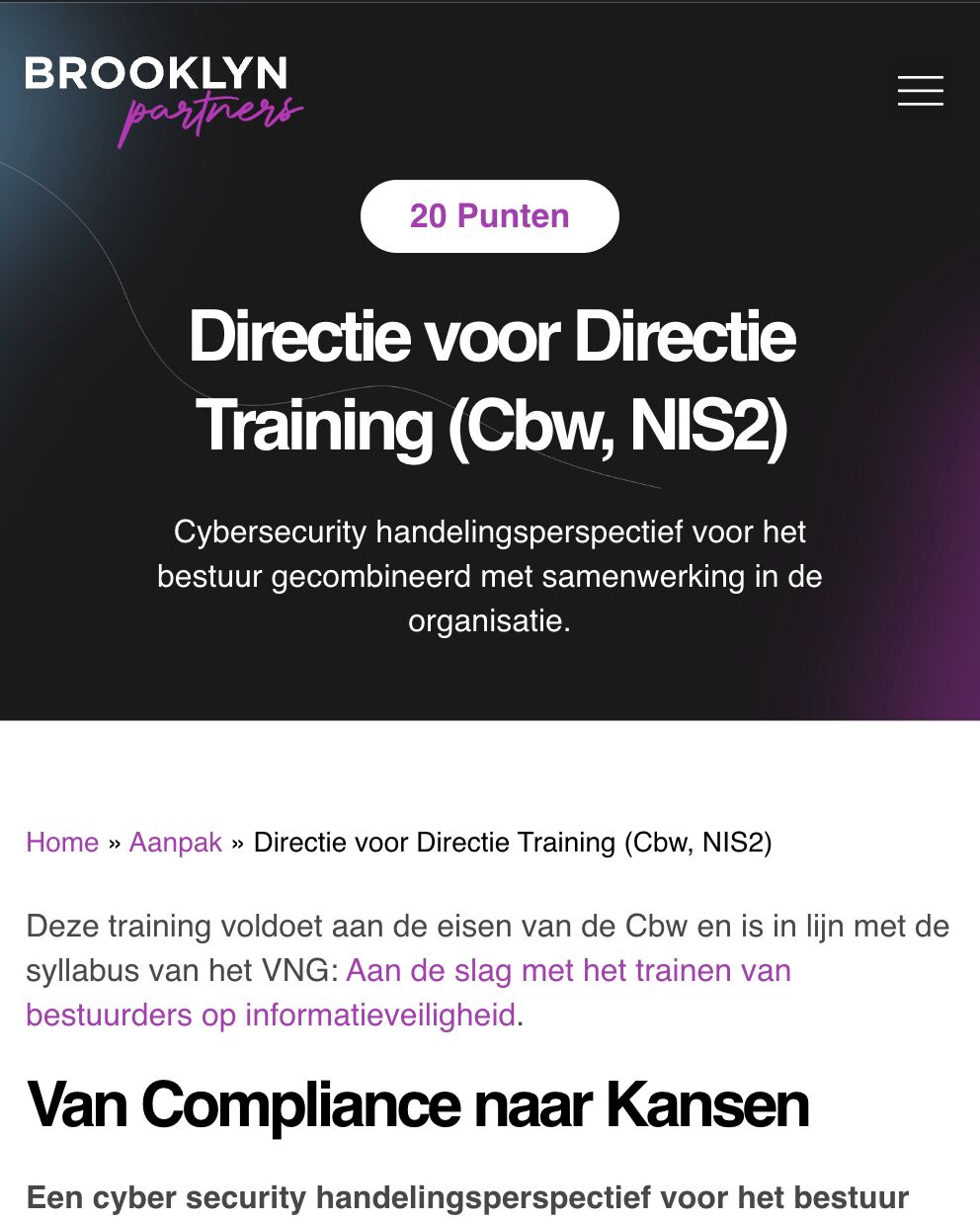
Afgelopen dinsdag vond het VNG webinar 'Gemeentebestuur onder de Cyberbeveiligingswet' plaats waarin de VNG-syllabus ‘Bestuurderstraining cyberbeveiliging’ centraal stond... Nu rijst bij CISO's de vraag: hoe ga ik aan deze voorwaarden voldoen? Hoe ga ik het college trainen? Daarbij kunnen we je helpen, zie bijvoorbeeld onze Directie voor Directie Training, waarbij we het gedachtegoed van de CISO verbinden aan de daadkracht van het bestuur. Kortom, deze compliance-vereiste is een mooie kans om op dezelfde golflengte te komen met je bestuur.
- BlockaidSince 29 Sept 2025
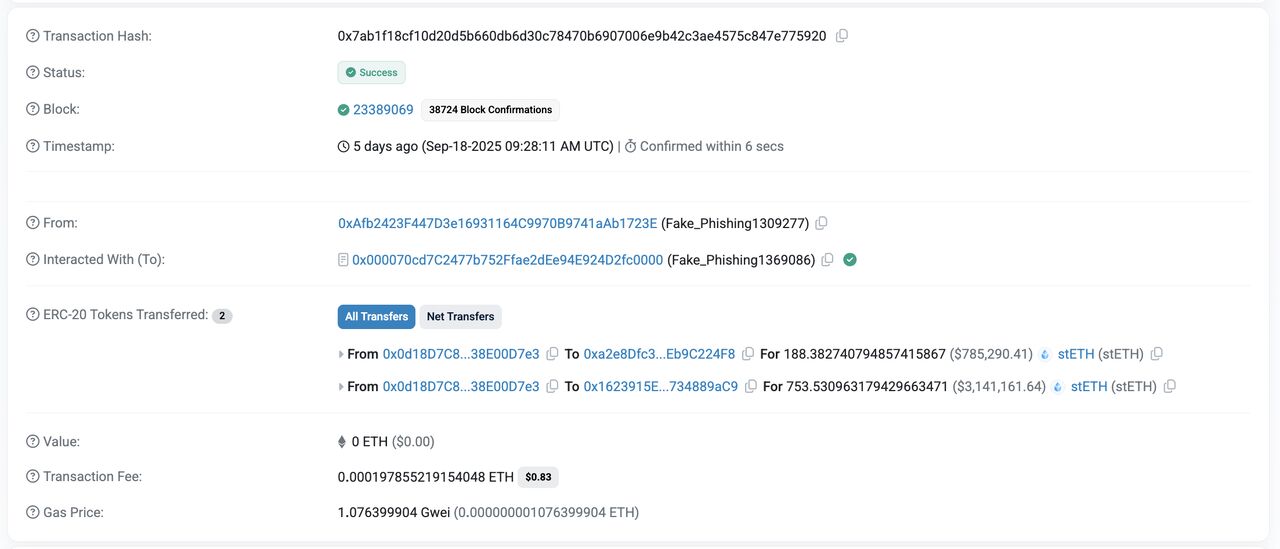
$6.28M drained with a few permit signatures. A user's wallet with 4.5 years of DeFi activity was emptied last week. ↓ What happened? 1. The victim signed multiple phishing permit signatures. 2. Those signatures granted attackers unlimited approvals. 3. Attackers emptied the wallet of $6.28M in stETH and aEthWBTC. 4. Stolen assets were converted, bridged, and laundered cross-chain. Permit signatures are created off-chain to enable gasless approvals, allowing a user to grant access without sending an onchain transaction. The victim was using a wallet with built-in protections, but was never warned that this signature would hand over unlimited spending rights to attackers. Because permit signatures happen off-chain, users are often not shown exactly what they are signing. For wallet teams, the priorities are clear: → Every signature type should be simulated before signing → Your users need to understand what “approve” will actually do → Prevention must keep pace with today’s drainer toolkits The best defense is giving every user clarity before they sign.
- BlockaidSince 29 Sept 2025
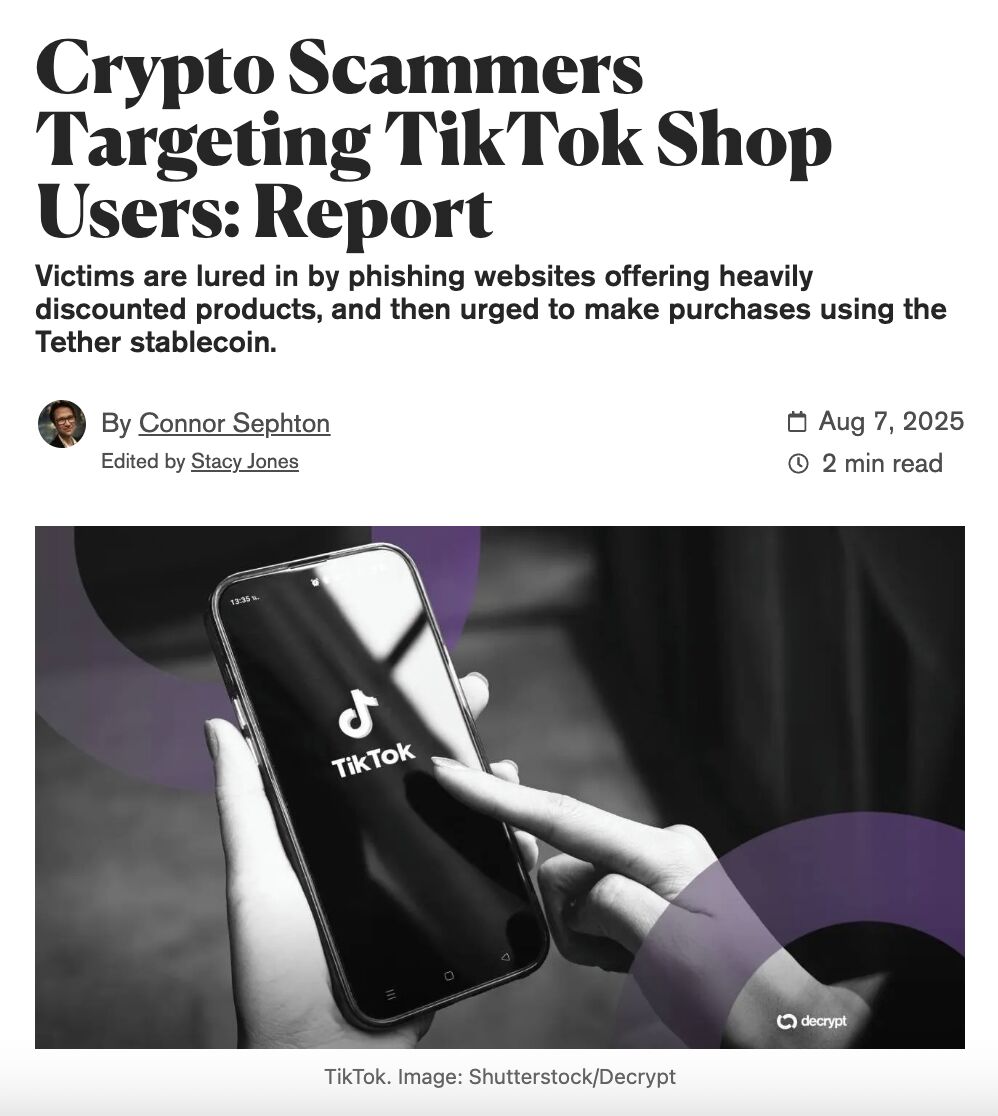
1.5 billion people use TikTok every month. Crypto scammers are now using it to their advantage. A new campaign called ClickTok is impersonating TikTok Shop. → Spin up 10,000+ fake domains → Run paid ads to generate traffic → Use AI-generated influencer videos → Funnel victims to fake TikTok storefronts → Demand Tether to complete the purchase Most fraud conversations focus on older victims, but this campaign flips that. Scammers are hitting TikTok’s 18-34-year-old core audience. ↓ The challenge? Scams don’t end on fake sites. Their wallets eventually touch exchanges and custodians. Spotting patterns between scam domains, ad traffic, and connected wallets is how we get ahead of campaigns like this.
- Bfore | The PreCrime™ CompanyRecorded 10 Sept 2026
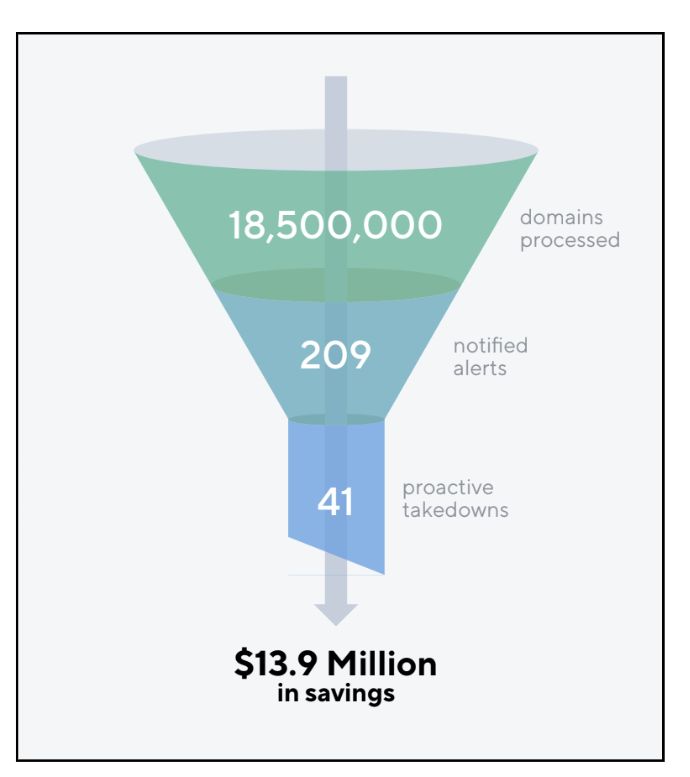
Working in cyber threat intelligence over the past few years has reinforced a few lessons that I think are broadly relevant, especially for anyone dealing with large-scale digital risk. At Signify, we operate at a global scale in lighting, with increasingly connected systems that bring together devices, places, and data. That kind of environment is powerful, but it also means the external attack surface is always expanding in ways that can be hard to fully map. One of the key lessons I’ve taken from this environment is that the challenge is rarely the absence of threat data…it’s making that data usable in time. At scale, the real friction comes from noise, false positives, and operational overload. Even well-intentioned intelligence can become difficult to act on when everything feels urgent. We’ve been exploring more predictive approaches to this problem, including working with BforeAI | The PreCrime™ Company | The PreCrime Company. I’ve found the most interesting part isn’t any single feature, but the shift in how early in the lifecycle you can see and act on potential brand abuse. A few things stood out in practice: My team is able to significantly reduce noise, bringing false positives down to ~0.05%, and shift from dozens of daily alerts to a much smaller, prioritized set of actionable signals. More importantly, we’ve been able to intervene earlier in the lifecycle of brand attacks. BEFORE they fully materialize. That has translated into meaningful risk reduction, including an estimated $13.9M in prevented losses. But beyond the numbers, what stands out is the operational change. When signals are pre-prioritized and clearer, the work shifts from sorting through data to actually making decisions. If there’s one thing I’d share with others working in this space, it’s this: Moving earlier in the threat lifecycle doesn’t just improve security outcomes. It changes how your team operates day to day. That shift to preemptive cybersecurity is still underappreciated.
- Bfore | The PreCrime™ CompanyRecorded 10 Sept 2026
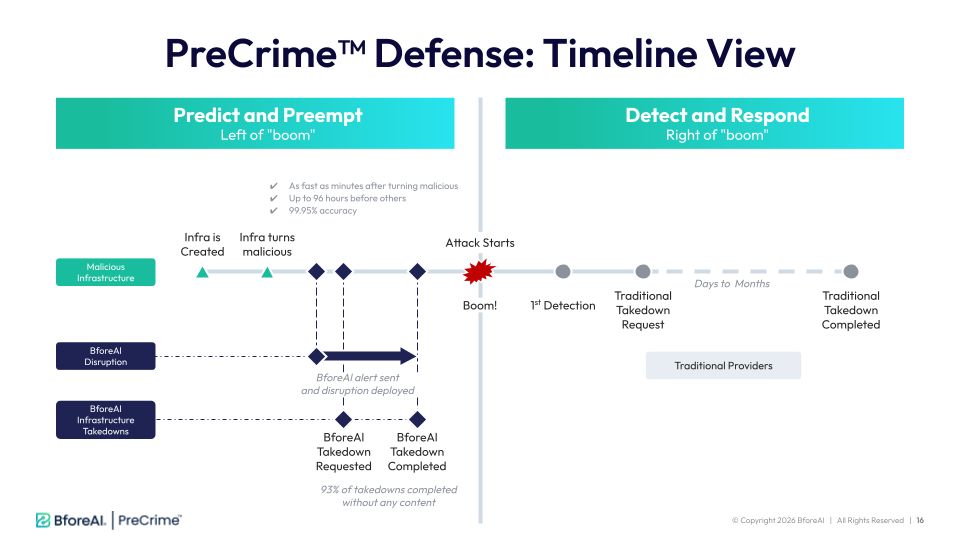
Three Myths about Takedowns at BforeAI | The PreCrime™ Company 1/ PreEmptive Takedowns are slower than normal takedown. A PreEmptive Takedown counter starts from the moment of prediction, and 93%+ of times is completed before any content/activity is present on the infrastructure. So practically all the time, it completes even before a traditional takedown starts. Then, does it really matter how long it takes if no victim could be made ? 2/ BforeAI focus on Domains (spoofing, typosquats, etc.) Wrong, #PreCrime covers as well social media platforms (Facebook, Linkedin, etc.) and channels (whatsapp, telegram, signal, etc.). Besides nowadays most internet impersonation happens on compromised hosted infrastructures (firebase, cloudflare, wix, vercel, lovable, etc.) ... and of course we cover that too ! 3/ Takedowns are cumbersome as "proofs" need to be collected Wrong, BforeAI autonomously collects the necessary data to support the process with the relevant provider - we free up time for our customers teams, so they can focus where their skills truly matter, leaving our platform to take care of boring and repetitive work. #PreEmptiveDefense
- Base OperationsRecorded 10 Sept 2026
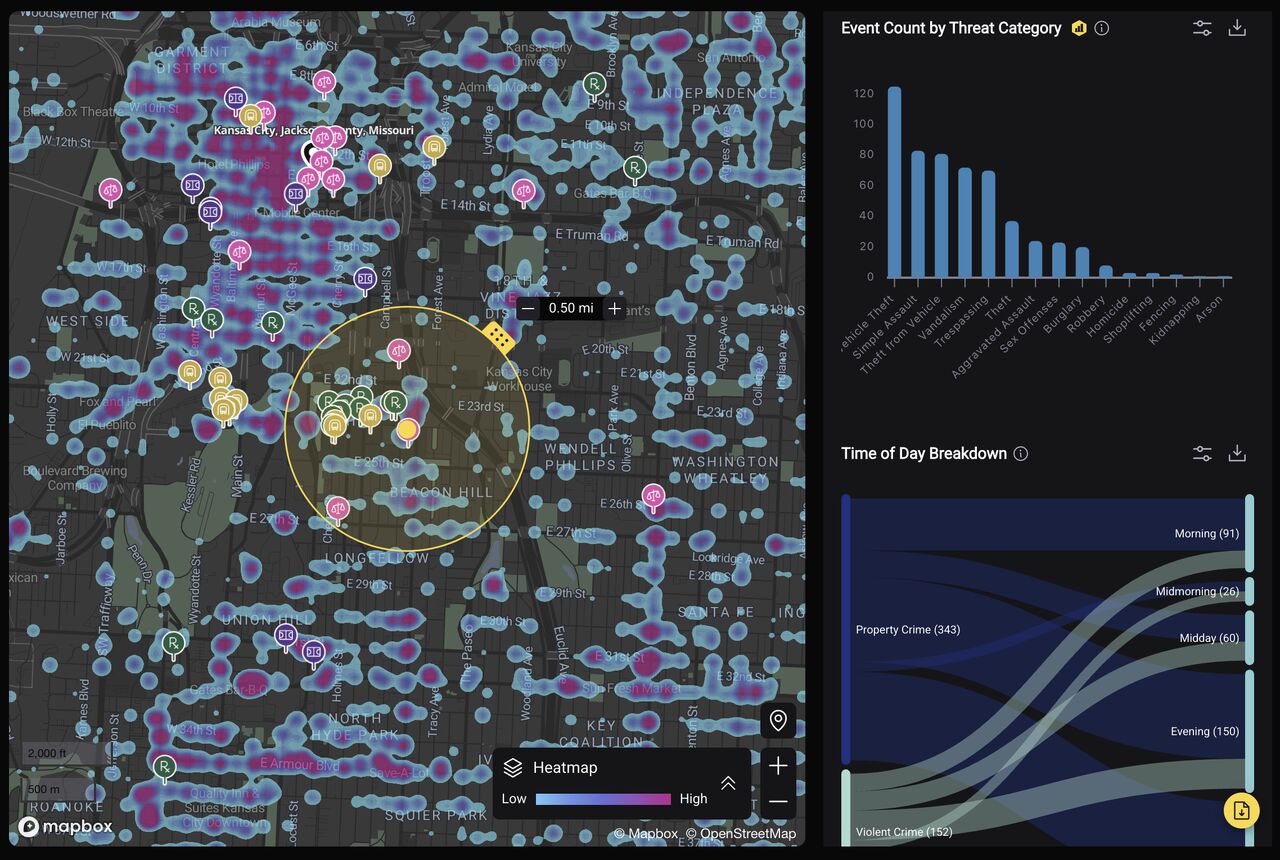
Security teams are making million-dollar real estate decisions with data that's about as useful as checking weather for your entire state instead of your specific address. "When investing in new locations, we'll compare 2 or 3 sites, sometimes only a few hundred meters apart, sometimes opposite sides of the city." That's how a Fortune 500 security leader described her site assessment process. They were frustrated by their current city-level risk analysis. They needed block-by-block intelligence to make real estate decisions worth millions. Here's what drives site selection: • Comparing locations within walking distance of each other • Understanding why one corner is low risk while another 200 meters away is high risk • Knowing how risk shifts from business hours to after dark • Identifying incident patterns around transit stops Most security vendors provide city-wide data because it's all they’re capable of. But when you're choosing between two office locations separated by a few blocks, citywide crime rates tell you nothing. You need hyper-local intelligence: • Property crime patterns after business hours • Violent crime clustering during peak times • Risk variations by day of week • Safety changes with proximity to transit If you're evaluating locations and need granular threat assessment, city-wide data won’t cut it.
- Base OperationsRecorded 10 Sept 2026
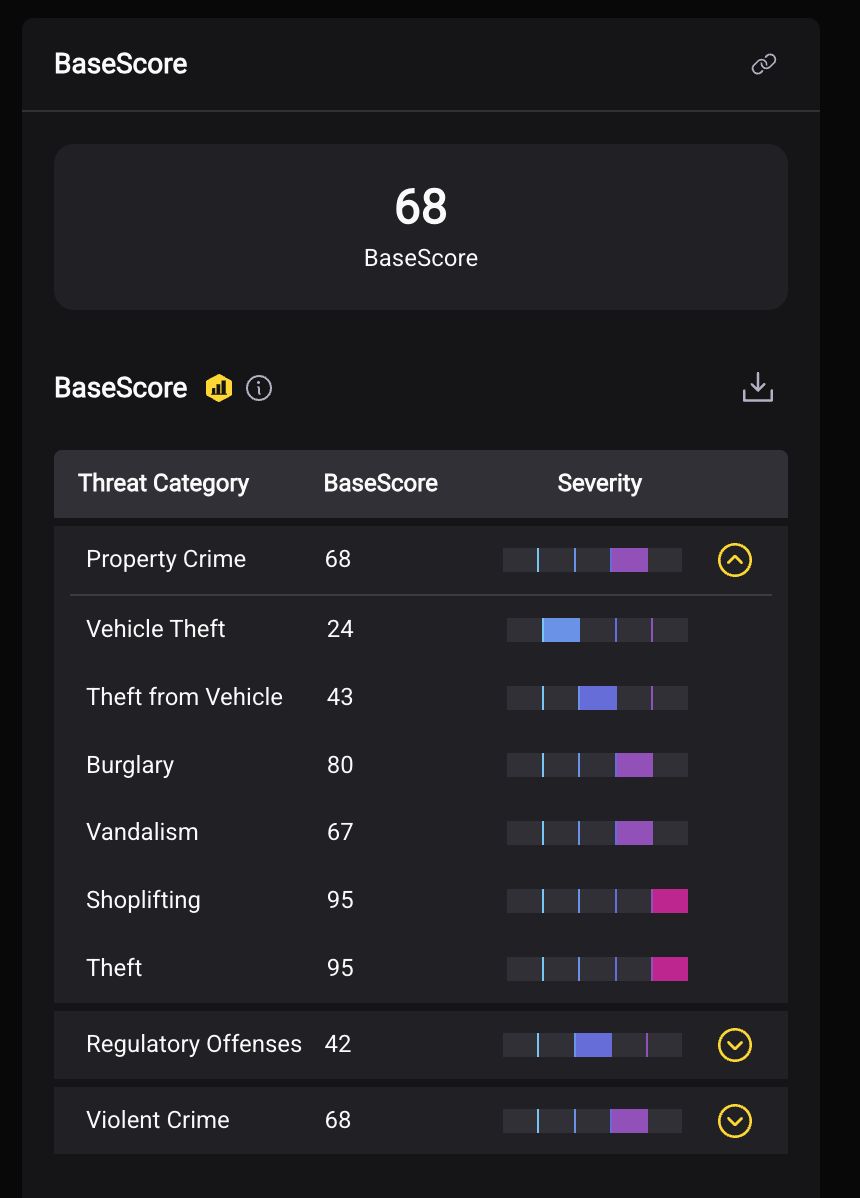
"Why is our London office high risk but Berlin is only medium?" Every quarter, security leaders face a similar question. Every quarter, they give the same weak answer. "That's what our intelligence provider says." A Fortune 500 security director told me his CFO's response to their risk heat map was brutal. "So we're making $2M decisions based on... colors?" When you can't explain your intelligence, you can't defend your budget. When you can't defend your budget, you're a cost center, not a strategic advisor. Now he presents differently. "London’s risk is elevated due to a 10% increase in civil unrest within 1 mile of our facilities. There’s been a 24% increase in property crime and 12% increase in petty theft over the last 6 months." CFO's response: "What do you need to mitigate this?" The difference is intelligence you can defend. Black-box risk scores make seasoned professionals sound like amateurs. Your expertise shouldn't be undermined by a map you can't explain. That’s why BaseScore gives you both an easy to understand score you can compare across any location AND the detailed breakdown of what is driving that score.
- Beyond IdentityRecorded 10 Sept 2026
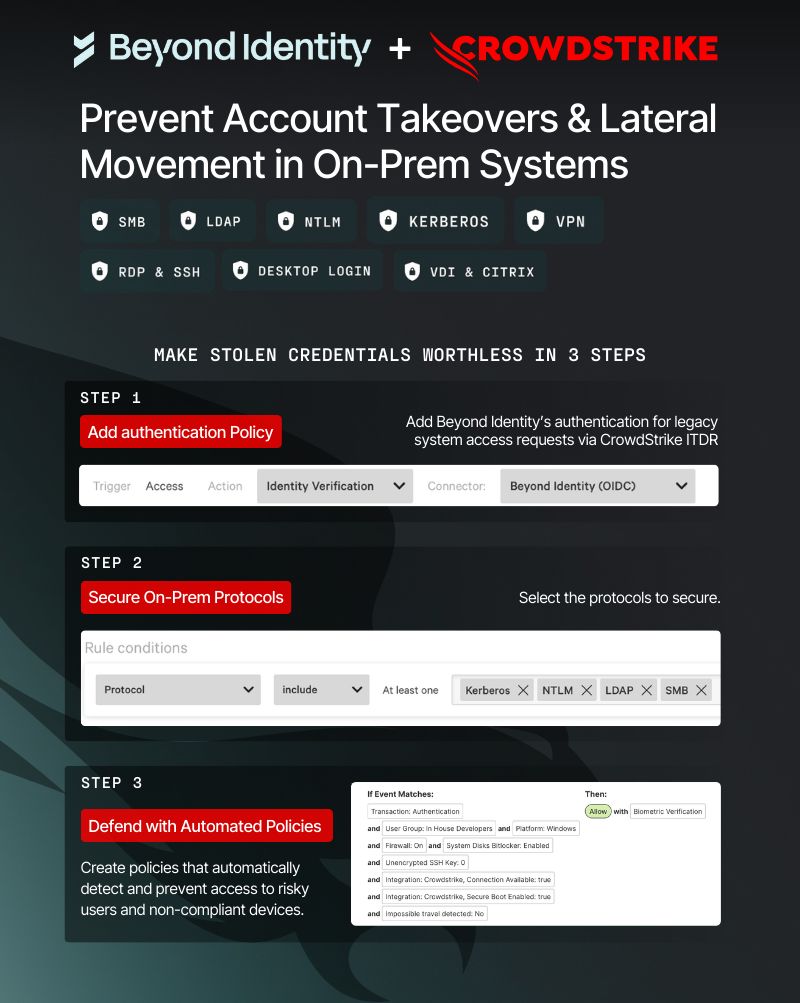
🚀 Proud to share a new feature we just released: Universal Identity Defense for Legacy and On-Prem Applications. The challenge: On-prem apps are easier to exploit than cloud apps. They still rely on protocols like NTLM and Kerberos that use hardcoded username/passwords or global admin privilege which attackers exploit for initial access, lateral movement, and privilege escalation. I’m excited to share that Beyond Identity, together with CrowdStrike, has closed this gap by launching modern identity defense to on-prem apps. Here’s why it matters: • You can make stolen credentials worthless—because without the right device, posture, and cryptographic token, the login attempt fails • You can secure RDP, SSH, and VPN without rewriting code or changing infrastructure • You can enforce device trust by automatically detecting and preventing access to non-compliant, risky devices I made a quick demo video here, please share any feedback! https://lnkd.in/g4er49TQ
- BalbixSince 14 Oct 2025
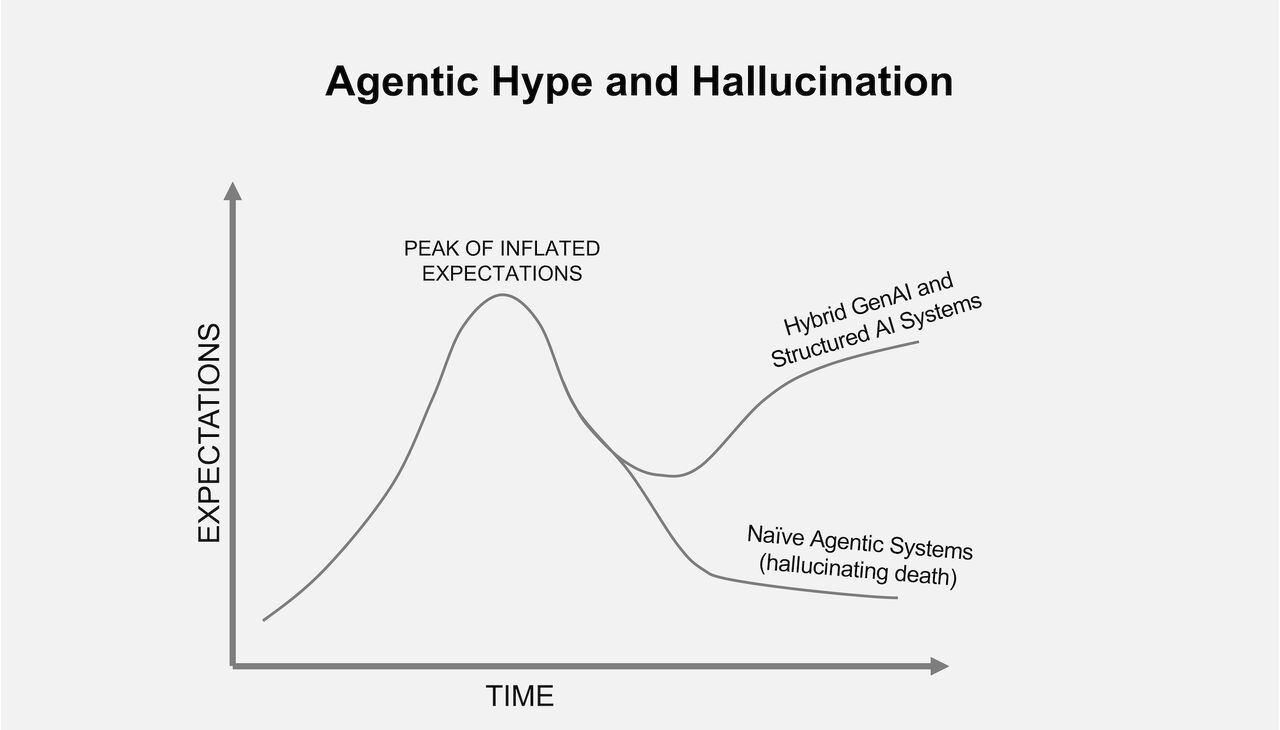
Most of you use ChatGPT or Claude daily, and you’ve probably noticed (or should have noticed) the constant little struggles, confident answers that are just… wrong. Hallucinated facts. Misremembered numbers. Smooth language masking shaky grounding. And yet, the hype train keeps rolling: “Agentic AI will solve everything!” Agents that reason, plan, and act autonomously — as if a few more layers of reasoning will somehow erase hallucination. In cybersecurity, that’s not just optimistic — it’s dangerous. - A “slightly wrong” AI answer in chat could be harmless, or not?. - A “slightly wrong” autonomous action in an enterprise network could mean a broken system, a compliance failure, or an actual breach. In my latest blog, I explore why “good enough” hallucination rates aren’t actually good enough, and why the real path forward isn’t more autonomy with bigger models, but more structure, grounding, and accountability in how we design AI systems. https://lnkd.in/gkKUxR9R I am very curious how others in AI or cyber are thinking about this. #AI #Cybersecurity #LLMs #ResponsibleAI Balbix #AgenticAI
- BalbixSince 23 Oct 2025
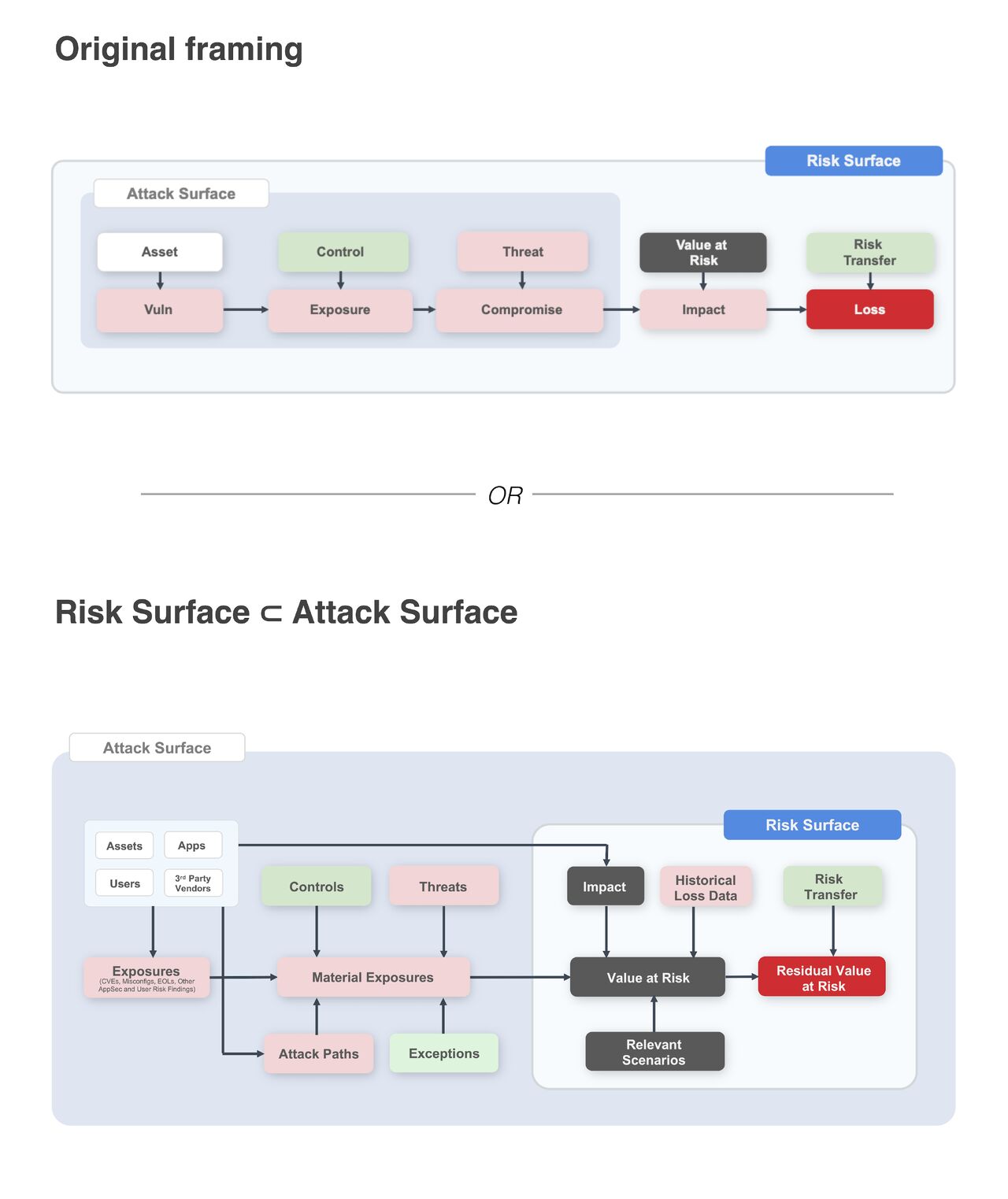
Richard Seiersen recently shared a diagram comparing the attack surface and risk surface — it’s a great spark for a deeper conversation. The diagram in question has the risk surface portrayed as larger than the attack surface. That framing has always struck me as backwards. The attack surface is everything that can be attacked or defended — your assets, apps, users, and third-party vendors, along with their exposures (vulns, misconfigs, EOLs, risky behaviors) and the controls that protect them. The risk surface lives inside that universe. It’s the subset where exposures, active threats, and business impact combine to exceed the organization’s risk appetite. Exposures, threats and controls shape the attack surface. Historical loss data, relevant scenarios, and risk transfer shape the risk surface. Where Richard's framing really breaks down is in the math: It models risk as a simple chain — asset → vuln → control → threat → loss — with no incorporation of appsec, user risk, 3rd parties, scenarios, historical loss data, or the quantitative foundations of SLE, ALE, and VaR. That’s how you end up with risk “scores” that feel scientific but don’t reflect real-world loss potential. Without these inputs, the model can’t tell you what’s material, can’t estimate likelihood, and can’t tie security outcomes to dollars. The attached picture has both models. - Top: the diagram shared by Richard Seiersen. - Bottom: the risk model we use at Balbix — where risk is derived from the attack surface, calibrated continuously using exposures, controls, scenarios, and empirical loss data to produce quantifiable, defensible results. The probabilistic complexities are addressed by 100+ domain specific AI models. Richard — appreciate you starting this conversation. I’d love to hear how others view this: Can a model that omits historical loss data and scenario analysis ever produce accurate, board-ready risk numbers? #cyberrisk #riskmanagement #attackSurface #riskSurface #riskappetite #riskquantification #exposuremanagement #cyberresilience #balbix #CISO
- Mailock by Beyond EncryptionRecorded 10 Sept 2026
Customers are craving more effortless interactions. Yet, organisations still rely on portals that only see <20% monthly engagement. The result? Lost opportunities, higher costs, and frustrated customers. That’s why in our latest campaign, we’re saying “Just email it.” Why? With Mailock, email is: 🔒 Secure: Keep sensitive data safe without extra logins or steps. 🏃♀️➡️ Fast: No more waiting days for the post (and the costs that come with it). 🥇Frictionless: No juggling user credentials; everything lands in the inbox. If you’re looking to increase engagement and provide a better customer experience, visit our website via the link below ⬇️ https://lnkd.in/ewe_c4Ei
- Beyond IdentityRecorded 10 Sept 2026
Recently one of our customers stopped a breach and made phishing training obsolete. Brandt Hospitality, builder and operator of Marriott, Hilton, and Hyatt hotels, was under pressure from their cyber insurance provider to implement phishing-resistant MFA. If they didn’t, premiums would go up. As they evaluated options, they found most solutions came with friction: MFA apps that required personal phones, or hardware keys that frontline employees could lose or forget. None of it was simple or scalable. With Beyond Identity, Brandt now has: - Device-bound, phishing-resistant MFA - Passwordless, frictionless logins: no phones, hardware keys, or one-time codes - Seamless integration with existing infrastructure (no heavy IT lifting) And when their Head of IT got a call from a manager urgently asking to reset their password, they knew it was a phishing attempt. Without passwords, codes, or push notifications in Beyond Identity's technology, there’s nothing for attackers to phish or steal. This reinforces something we see again and again: You can’t rely on users to detect phishing or approve the “right” MFA prompt. You have to remove the decision altogether, with the right technology. This technology exists with Beyond Identity. If this resonates, read the full story below or reach out. Beyond Identity Brandt Hospitality Group Joshua Johansen
- Mailock by Beyond EncryptionRecorded 10 Sept 2026
The #SmartDataChallenge has been a chance to show how people can benefit when their own data works harder for them. The Data Use and Access Act makes it possible to connect information across sectors, with the customer’s consent, to help them make clearer decisions. We’re attending the challenge final this week to help demonstrate what this looks like in practice… and for us, that’s Nigel. Nigel gives people a secure place to bring together the documents they rely on - from energy bills and insurance policies to statements and records. It applies a set of smart skills that help surface the things that matter: • Outdated or duplicate payments • Uncompetitive tariffs or policies • Unclaimed benefits and support What we’ve seen through the Challenge is how powerful these small, timely insights can be when information isn’t trapped in separate portals, apps, or paper folders. Joined up, they can help households save money, reduce stress, and stay organised. We’re looking forward to the final round of the Challenge this week - and to showing how Nigel can play a role in the UK’s Smart Data future. Learn more about Nigel: https://lnkd.in/eDNaTuF2
- AttackIQSince 15 May 2026
Security teams can spend days building CTI, creating detections, running tests, validating controls, and analyzing results. I wanted to see what would happen if I connected Claude with AttackIQ AVA (AttackIQ Virtual Adviser). The result? Tasks that normally take days were completed in about 15 minutes. This video shows how AI can help accelerate CTEM, threat validation, and security operations — so engineers can focus more on decisions, not repetitive work. Curious how I used Claude + AVA together? Message me. Also interested to hear — what other AVA + AI use cases would you test? #ai #cybersecurity #MITREATTACK #infosec
- AxoflowSince 17 Jun 2026
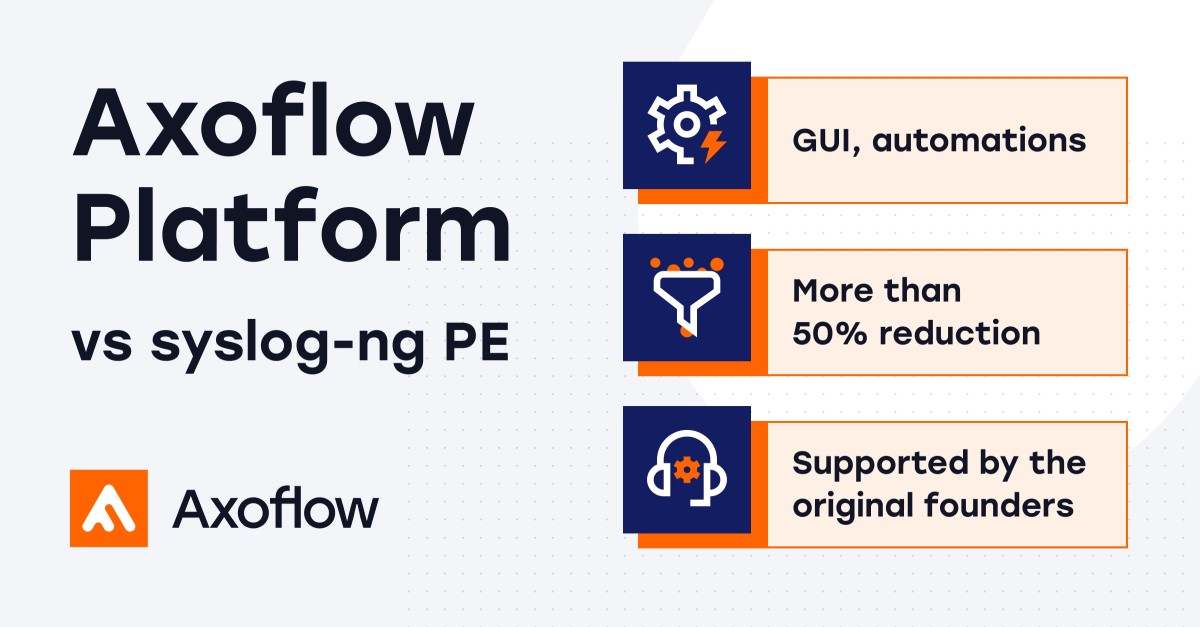
I built syslog-ng in 1998. I'm proud of it. And I'm going to be honest with you about what that means in 2025. syslog-ng Premium Edition was a solid product for a long time. The mechanism behind Axoflow is different at the foundation. syslog-ng PE required manual configuration for every source. You needed to know what was sending, what format it used, and how to write the parser. That knowledge lived in the heads of two or three people on your team. When they left, it left with them. Axoflow automatically discovers and identifies data sources, applies expert-curated classification rules, and reduces data volume 50 to 80 percent before it reaches your SIEM. Not magic, just applied pattern matching at scale against a continuously maintained library. We maintain the library, you own the policy decisions. The graphical interface matters more than it sounds, not because visibility is a nice-to-have, but because it's how you catch problems before analysts do. When a source stops sending, when a new device appears, when a parser starts dropping events, you see it in real time. syslog-ng PE offered none of that. What changed is the architecture, the release cadence (monthly for Axoflow, none for PE), and the commitment to keeping it current. Both carry SOC 2 Type II and ISO 27001. Does it make sense to keep maintaining a static config on a product with no active development, or is the switching cost smaller than it looks?
- AxalonRecorded 9 Sept 2026
Identity & Access Management (IAM) per Excel-Tabelle? Ein riskantes Spiel... Wer Berechtigungen bei Eintritten, Wechseln oder Austritten manuell in Excel pflegt, riskiert Sicherheitslücken. Vergessene Updates führen schnell dazu, dass ehemalige Mitarbeitende weiterhin Zugriff auf sensible Unternehmensdaten haben. Manuelle Prozesse sind weder skalierbar noch fehlerresistent. Für nachhaltige Sicherheit ist eine automatisierte IAM-Lösung notwendig – und vor allem auch viel effizienter. Wie du mit dem manuellen Prozess Schluss machst? 👉 https://www.axalon.ch/
- AxalonRecorded 9 Sept 2026
Cyberkriminelle kommen oft ganz normal durch die Vordertür. Die Mehrheit der Cyberangriffe ist identitätenbasiert und nutzt legitime Logins. Das ist ein schleichender Prozess. Oft vergehen Monate, bis der Schaden bemerkt wird. Wenn es auffällt, ist es meist schon zu spät. Darum investiere lieber rechtzeitig in effektive Sicherheitsmechanismen, statt am Ende einen hohen Preis zu bezahlen. 👉 Mehr dazu erfährst du direkt auf https://www.axalon.ch/

Other LinkedIn formats
Watch the companies you care about.
Filter every ad by industry, country, format and network, and get alerts when a company you watch starts running new ads.