LinkedIn thought leader ad examples
130 thought leader ads are live on LinkedIn right now, from 138 companies. Browse real ones, filtered by industry.
- DotkeeperSince 9 Sept 2026
There will always be a cheaper option. And sometimes that cheaper option is exactly the right one. If you are a startup, have a small domain portfolio, or simply need to keep costs down, there are plenty of providers that allow you to register and manage domains very cheaply. There is nothing wrong with that. The important thing is understanding what you are taking on yourself. Because the registration fee is only one part of managing a domain. Someone still needs to keep track of renewals, registrar accounts, access and MFA, ownership details, DNS changes, certificates, local requirements in different countries, internal approvals and, eventually, decisions around what should be kept, transferred, registered or allowed to expire. None of those things are particularly complicated on their own. But they add up. A portfolio of five or ten domains, perhaps even fifteen, with one clear internal owner can probably be managed perfectly well in-house. Then the company grows. More brands are added. More markets. More domains. Perhaps an acquisition or two. Different people register things through different suppliers. Someone leaves the company. Another department starts managing part of the portfolio. And at some point, managing domains stops being a small administrative task and becomes something that actually needs structure. That is usually where outsourcing starts to make sense. The individual tasks are simple enough, but someone still has to hold the whole thing together: keep the portfolio in one place, maintain clear ownership and consistent security and access rules, and track local requirements and renewal deadlines before they turn into problems. You can build all of that internally. But once the portfolio becomes large or complex enough, you are effectively creating your own domain management function anyway. And that is the point where I think companies should at least stop and ask whether that is really where they want to spend their internal time and resources. At some point, saving a little on each registration or renewal stops being the most important consideration. Visibility, consistency, security and having someone responsible for the whole picture start to matter more. There will always be a cheaper option. The better question is whether the saving is worth the additional responsibility that comes with it. When you compare domain costs, are you comparing the price of the domain, or the cost of managing the portfolio?
- DotkeeperSince 9 Sept 2026
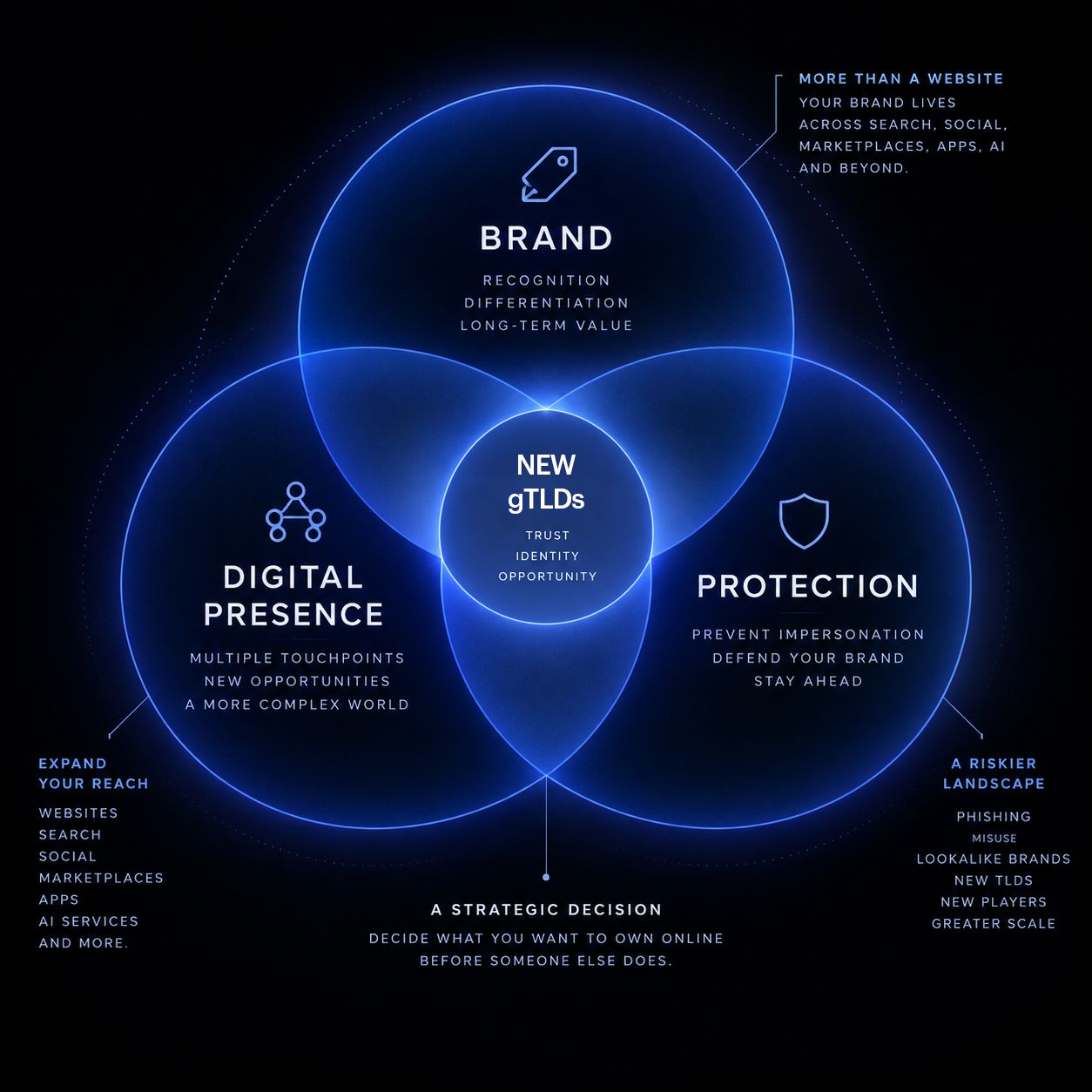
After over twenty-five years in the domain name industry there are a few things I keep coming back to. This is the big one: domains get treated as infrastructure to be managed, and I think that view is running out of road. For most leadership teams, domains have traditionally been operational. You register the company name, protect a few key variations, renew them every year and move on. But people discover brands in many more places than through a website now. Customers meet you across search, social platforms, marketplaces, apps, AI services and countless other touchpoints. At the same time, impersonation, phishing and misuse of trusted brands have become easier to scale. That changes the role of the domain. Domains are still addresses on the internet, of course. But they also sit inside your brand architecture. They help customers recognise that they're dealing with the right company, and they're becoming central to how you control and protect your digital presence. And right now, something significant is happening. On 12 August, ICANN closed the application window for its new round of generic top-level domains, the first since 2012. More than 1,600 applications came in. With a substantial fee just to apply, before anyone has spent anything on launching or operating a top-level domain, applying represents a real strategic commitment. In October we find out what was actually applied for. Some will be generic terms. Some will represent communities or new business ideas. And some will be brands. You don't need to apply for your own top-level domain for this to matter. But there is work worth starting now, and it doesn't depend on what turns up in October. Nobody knows the timeline for certain, but based on how 2012 went, we're probably looking at 2028 before the first of these reach the root, and then they'll launch in waves, each on its own schedule, each with its own sunrise period for trademark holders. Trying to work out what matters to you while that's happening is how companies end up either spending on everything or missing the one that counted. So you have about two years to decide instead. Which of your marks belong in the Trademark Clearinghouse and which don't. What your honest priority order is. Which extensions are worth watching and which are noise. And who inside your company actually owns this decision. Because deciding what you want to own online is also a decision about what you don't want someone else to own for you.
- DTEXRecorded 16 Sept 2026
𝗠𝗼𝗱𝗲𝗿𝗻 𝗺𝗶𝘀𝘀𝗶𝗼𝗻𝘀 𝗱𝗲𝗺𝗮𝗻𝗱 𝗺𝗼𝗱𝗲𝗿𝗻 𝗱𝗲𝗳𝗲𝗻𝘀𝗲𝘀, 𝗮𝗻𝗱 𝗳𝗲𝗱𝗲𝗿𝗮𝗹 𝗮𝗴𝗲𝗻𝗰𝗶𝗲𝘀 𝗻𝗼𝘄 𝗵𝗮𝘃𝗲 𝗮 𝗻𝗲𝘄 𝗮𝗱𝘃𝗮𝗻𝘁𝗮𝗴𝗲. DTEX Systems has achieved FedRAMP Authority to Operate (ATO), sponsored by the U.S. Federal Trade Commission, becoming the first and only FedRAMP-authorized User Activity Monitoring platform for insider threat programs. This milestone ensures federal teams can see risk sooner, interpret behavior in context, and act before mission integrity is at stake. Grateful to our partners and team for making this a reality. Read my full thoughts on why this matters 👇 #InsiderRisk #FedRAMP #CyberSecurity #NationalSecurity #AIsecurity
- DTEXRecorded 16 Sept 2026
🔍 The most dangerous data exfiltration doesn’t look malicious. It looks… normal. It’s routine. It looks like work. And increasingly, it’s assisted by AI. DTEX Systems i³ investigations show that in 2025, data loss unfolds gradually through trusted access, sanctioned tools, and workflows that appear legit until it's too late. In our latest blog, we break down the top data exfiltration use cases observed by DTEX i³ in 2025, including: 🔷 Nation-state contractors blending into remote teams 🔷 AI note-takers pushing meeting data to personal clouds 🔷 Servers quietly used as staging points 🔷 Corporate and personal identities mixing in one session 🔷 AI agents over-permissioned and manipulated 🔷 Print-to-PDF and screenshots bypassing controls 🔷 Privileged users drifting before departure The common thread? Data loss now hides inside everyday behavior, and early signals matter more than the final transfer. Read the full breakdown and get the key indicators 👇 https://lnkd.in/gYgZRWU8 #InsiderRisk #AISecurity #DataProtection #CISO #CyberSecurity #DataSecurity #AIRisk #ThreatAdvice #DLP #DataExfiltration
- DryRun SecurityRecorded 16 Sept 2026
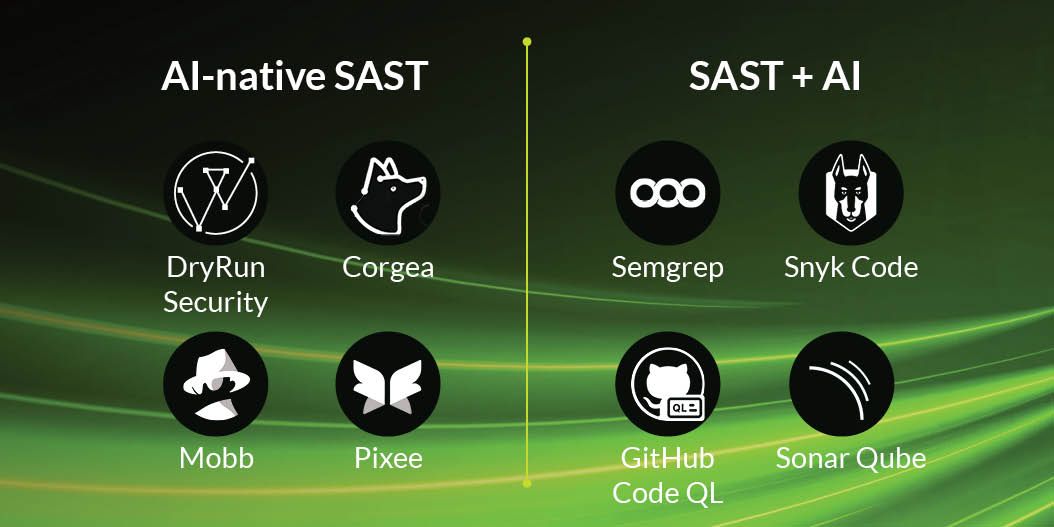
This is a new raft of tooling and companies that are being created because the hardest problems in appsec today are context-dependent. Let's parse that a bit. AI‑Native SAST solutions are built from the ground up with artificial intelligence at their core. These systems analyze code changes in near real time, incorporating multiple contextual layers such as code type, developer intent, architectural design, and runtime environment. This holistic understanding enables them to detect complex logic vulnerabilities, such as Insecure Direct Object References (IDOR), Authz issues, enumeration issues, and logic flaws. These tools continuously learn and improve based on developer interactions, resulting in more precise findings over time. Notable players in this space include DryRun Security's Contextual Security Analysis, Pixee's remediation-focused tooling, Mobb’s CI-integrated fix engine, and Corgea’s AI-first detection platform. In contrast, SAST + AI tools are traditional pattern-matching scanners retrofitted with gen-AI layers. Detection remains largely dependent on regular expressions or abstract syntax tree (AST) signatures. After the scan, a language model may reword findings or propose generic patches. Because these models lack visibility into broader architectural context or user flows, they often fail to detect deeper risks. Snyk Code with Autofix, Semgrep’s AI Assist, and SonarQube’s Clean Code AI exemplify this retrofit approach. At DryRun Security we're very excited about what we're accomplishing for customers. If you struggle with context-dependent appsec issues, I'd encourage you to give AI-native SAST a serious look. I've never been more excited to be in AppSec than I am right now. also, if you read this far: thanks! I wrote a full blog post on this topic, and I'll link it in the comments.
- DryRun SecurityRecorded 16 Sept 2026
Story time. Almost every school day, I’d walk my kids from the parking lot to the front doors. But the sidewalk ended about 20 feet too soon. The last stretch was grass, dirt, or, on rainy days... mud. Then one summer, something amazing happened: they paved it. Suddenly, no more off-roading with backpacks and kids in tow. It was smoother, safer, and faster. That’s the beauty of a paved path. I first heard the phrase from friends like Jason Chan, Adrian Cockcroft, Damon Edwards, Gene Kim, Patrick Debois, and John Willis in the DevOps community. A “paved path” is how teams ship software faster and with fewer defects—by creating a clear, supported, default route for everyone to follow. But here’s the thing: security has rarely been part of that path. It’s usually bolted on, lobbed in, or hidden under the buzzword of “Shift Left.” Helpful at times, but it never quite achieves the paved path ideal. At DryRun Security, we’re changing that. We’ve built Contextual Security Agents—a team of AI-powered AppSec agents that dryrun your code before it ships. They enforce policy, detect vulnerabilities (including logic flaws most tools miss), and provide real insight that appsec & eng teams need. With DryRun Security, security is the paved path. Which means teams can finally ship secure software by default, not as an afterthought.
- DEFION Security NLSince 10 Mar 2026
Vanuit de historie wordt cybersecurity door organisaties vooral gezien als een IT-onderwerp. Maar hoe is dat eigenlijk zo gekomen? En wat gaat er mis als organisaties cybersecurity blijven behandelen als een puur IT-vraagstuk? In deze video neem ik je daarin mee. 🎙️ Dennis de Hoog Ma. MSc.
- DEFION Security NLSince 27 Mar 2026
Hoe houd je als IT-manager grip op cyberrisico’s bij leveranciers en partners in een wereld met AI? 🤔
- CyabraSince 7 Apr 2026
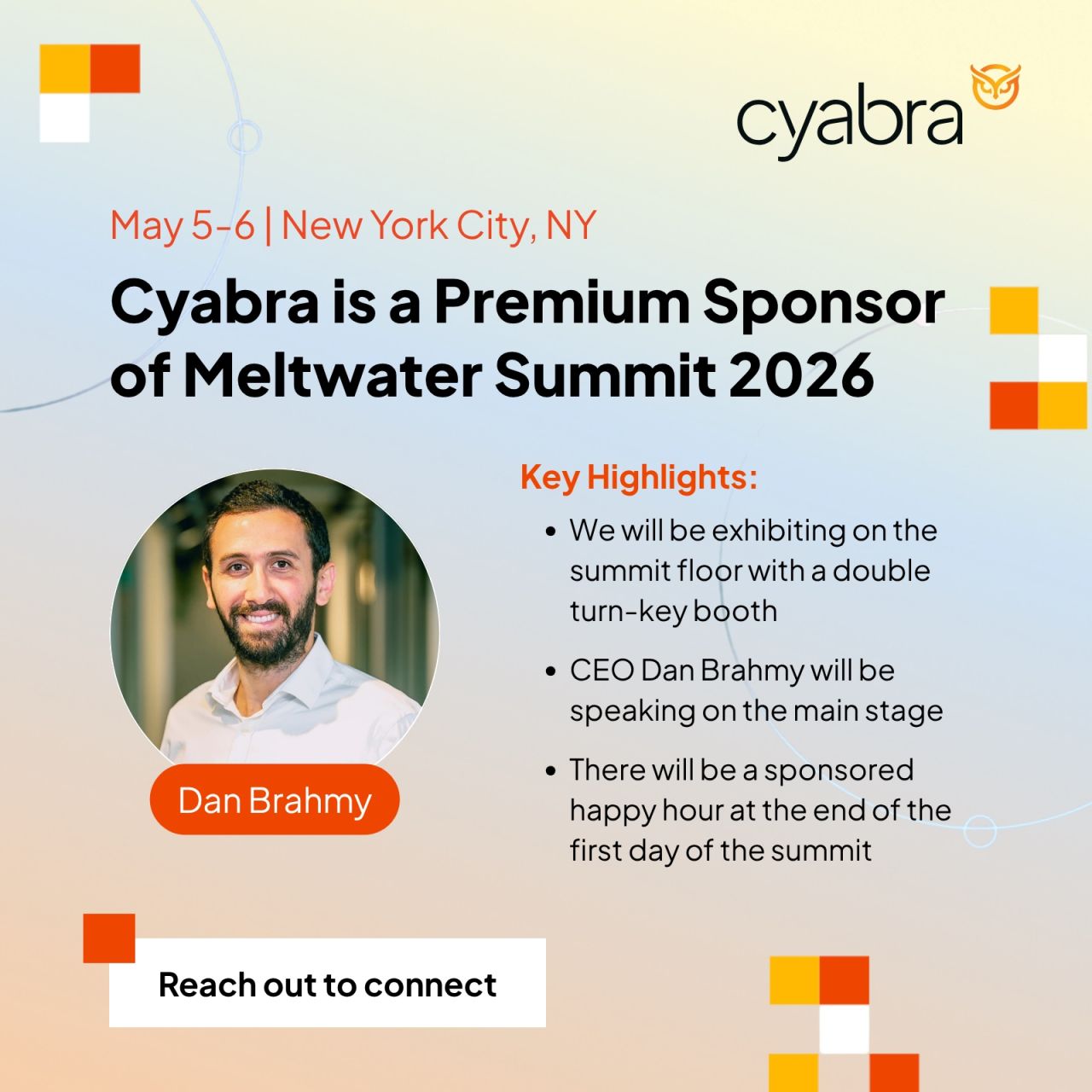
We’re returning to Meltwater Summit as a Premium Sponsor for the second year. May 5–6, New York. Last year, the conversations were just starting. This year, they’ve moved. What’s real, what’s coordinated, and what actually matters - that’s where teams are spending their time now. I’ll be on the main stage, sharing how we approach this at Cyabra, alongside our partner Jonathan Rosen from Orchestra. We’ll also be on the floor, with a phenomenal team, and hosting the Day 1 happy hour!
- CyabraSince 15 Apr 2026
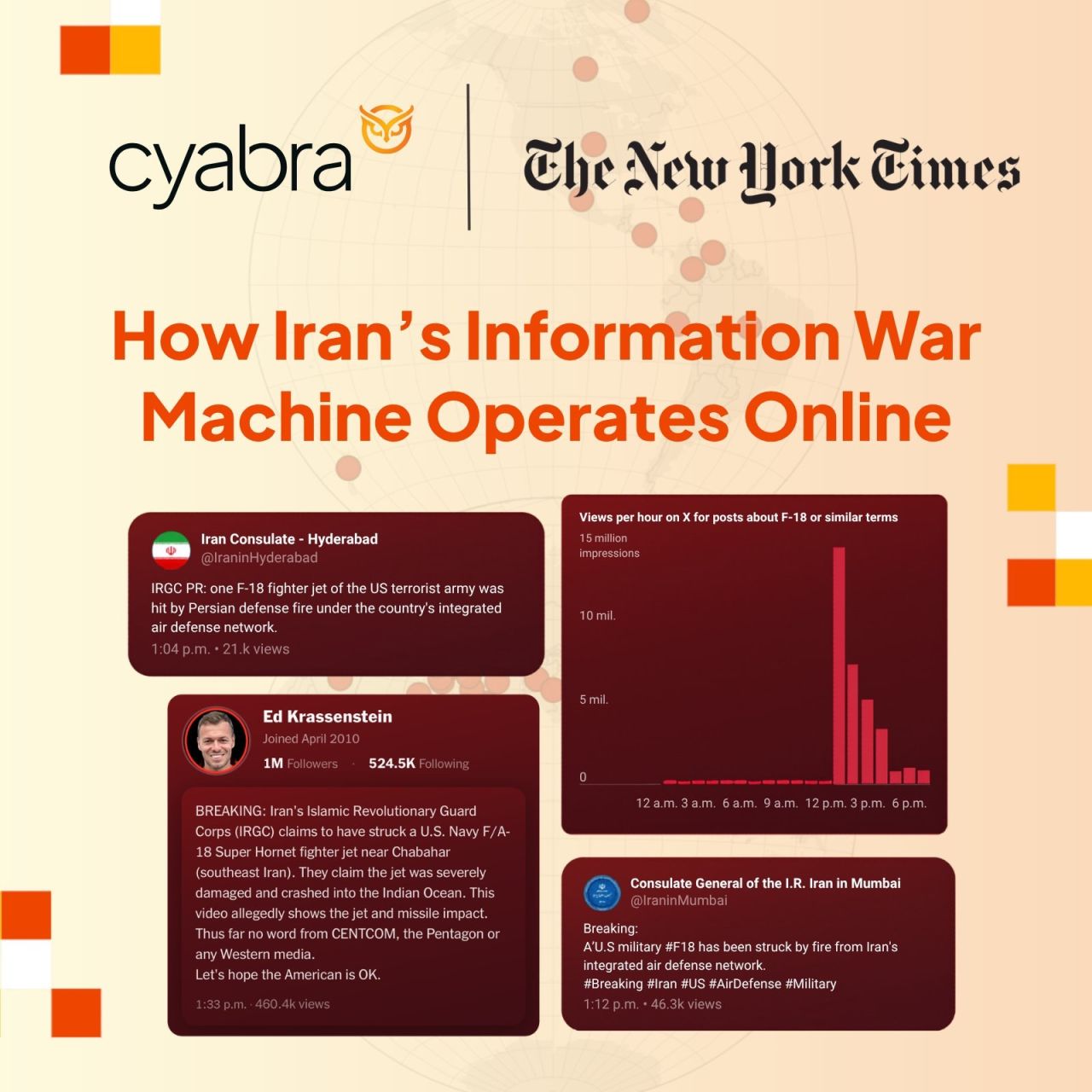
The New York Times analyzed recent Cyabra research on how a false report about a U.S. fighter jet spread online. A narrative doesn’t need to be verified to shape perception. It just needs to spread first. Within hours, the narrative reached millions, driven by coordinated accounts, amplification patterns, and synthetic activity. This is how modern information operations work. Speed is not a byproduct. It is the mechanism. In our analysis, we observed: – Coordinated account behavior – Synchronized amplification – Tens of millions of views before any confirmation The challenge is no longer identifying inauthentic content or accounts. It is understanding: who is behind it, how it spreads, and whether it actually has impact. Most organizations still cannot answer that. https://lnkd.in/eE3KjX_d
- CyberjuiceSince 9 Jun 2026
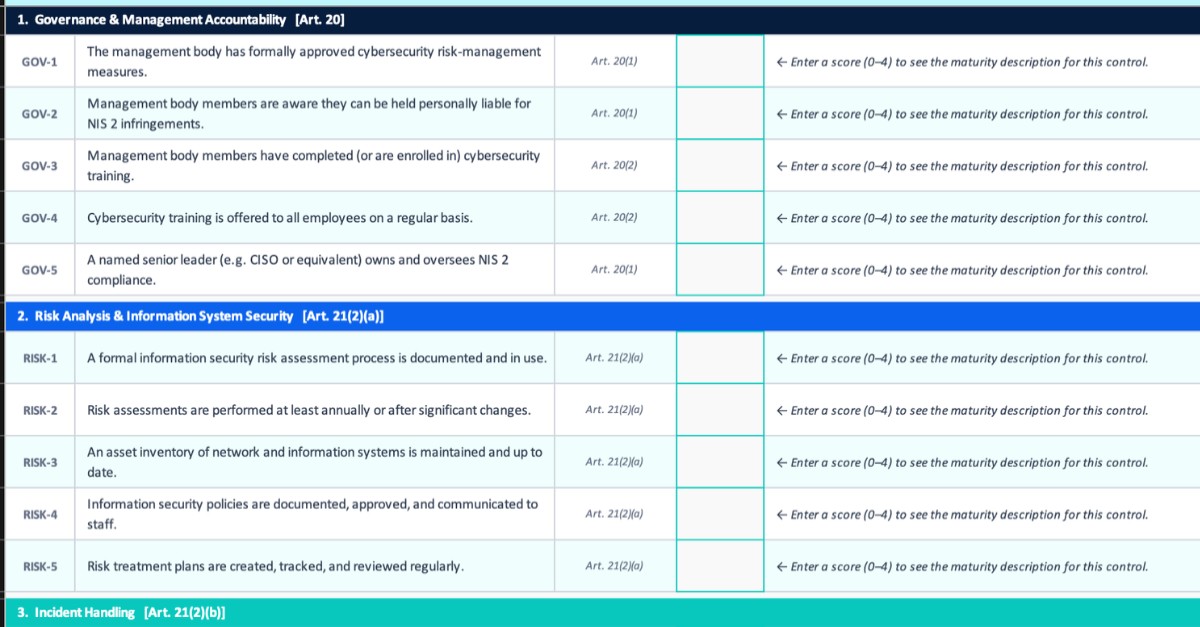
We created a free NIS2 Readiness Scorecard. NIS2 readiness and gap assessments are among the top priorities for CISOs and GRC teams across the EU right now. So, I thought, what if we make it easy and create a practical scorecard you can actually use? And we did. The scorecard helps you assess your organisation against NIS2 requirements in a structured way. It includes: - 60 NIS2-aligned questions across 12 obligation areas. - Clear 0–4 maturity scoring for every control. - Built-in guidance showing what each score actually looks like. - A structured risk register with likelihood x impact scoring. - Built-in High / Medium / Low risk levels. - A treatment plan tracker for remediation. - A management reporting dashboard for leadership review. Everything is mapped to: - Article 20 — Governance & management accountability - Article 21(2)(a–j) — Cybersecurity risk-management measures - Article 23 — Incident reporting obligations Here’s how to get started: - Click on the link below. - Enter your email to get the scorecard. - Open the file and start with the Instructions tab. - Score each area and identify your biggest gaps. What do you think? https://lnkd.in/eSAW9N-X #NIS2 #Cybersecurity #GRC #CISO
- CyberPilotSince 3 Nov 2025
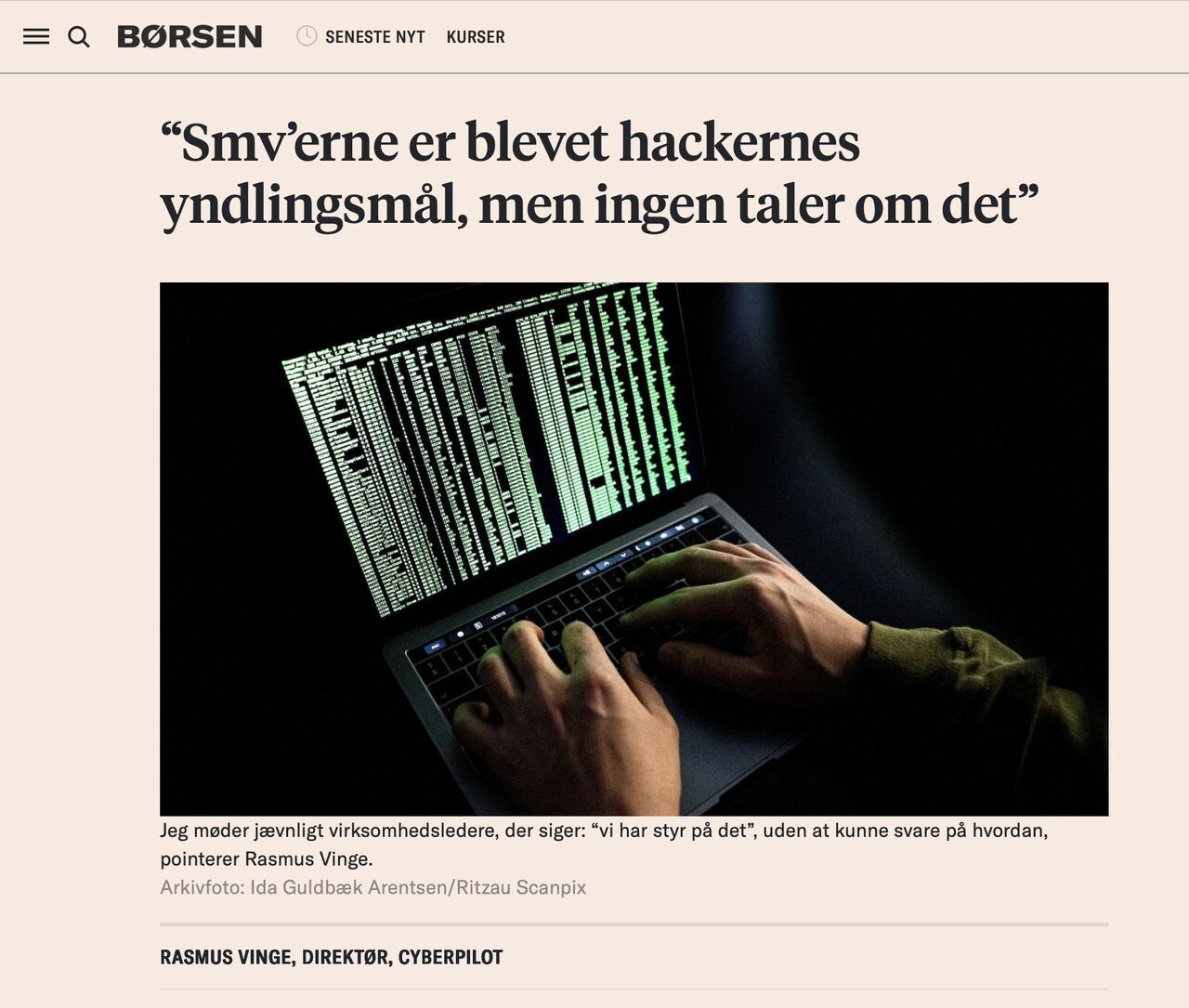
Vi hører om de store virksomheder, der bliver hacket. Vi hører meget sjældent om SMV'erne. Det betyder dog ikke, at hackerne kun går efter de store fisk, tværtimod. De små og mellemstore virksomheder bliver ramt i stor stil og det giver desværre god mening. Små IT-budgetter. Få hænder. Ingen, der har sikkerhed som hovedopgave. Det gør dem til lettere mål end de store virksomheder. IT-sikkerhed skal på dagsordenen – i bestyrelseslokalet, i ledelsen, hos ejerkredsen. Det er ikke bare en IT-ting. Det er en forretningskritisk risiko. De skal forstå, at IT og sikkerheden er en kritisk funktion i deres virksomhed på højde med at miste en stor kunde (måske højere) eller f.eks. medarbejder-sikkerhed på byggepladser. Det har jeg talt om i Børsen. Håber I vil læse med ;)
- Data Connect GroupRecorded 15 Sept 2026
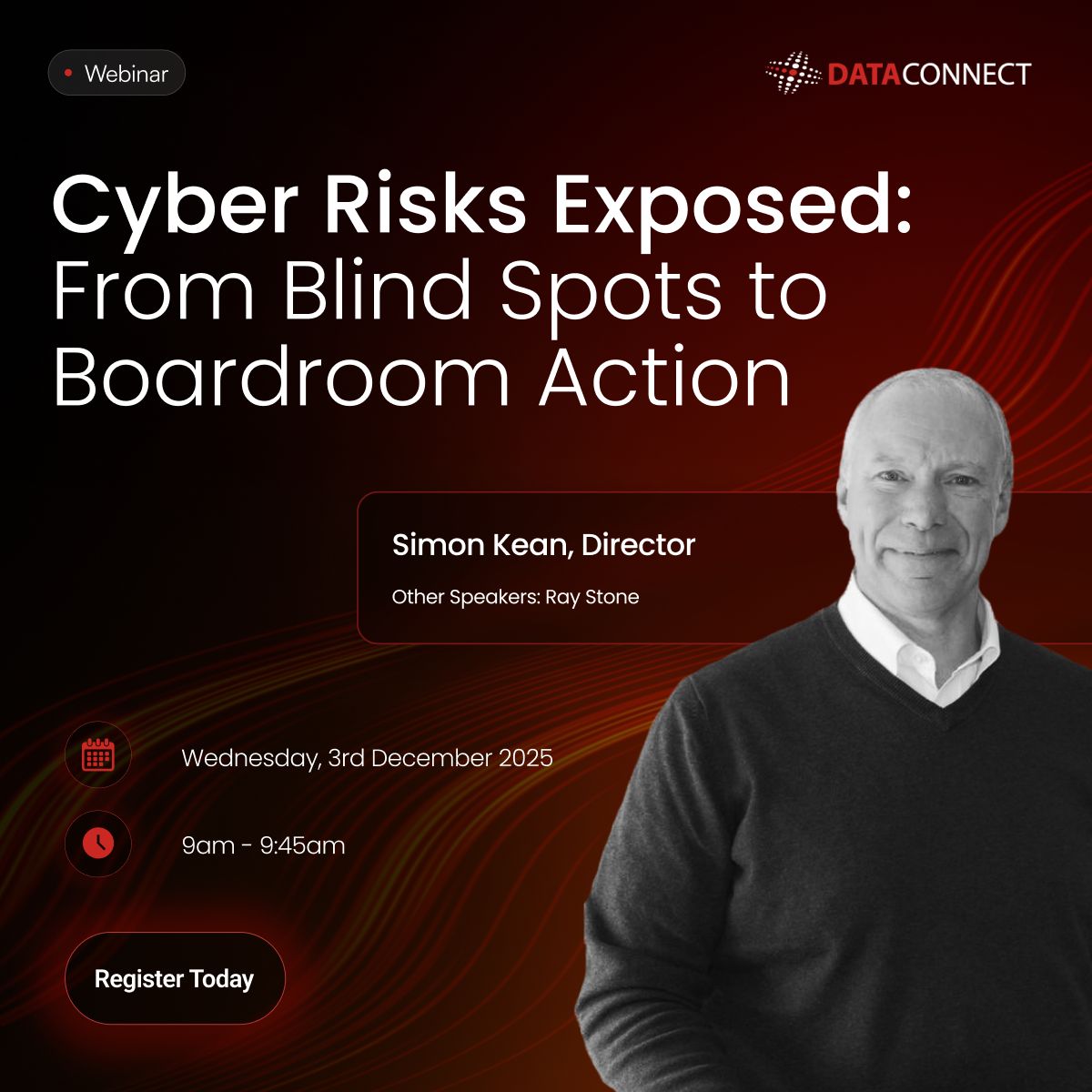
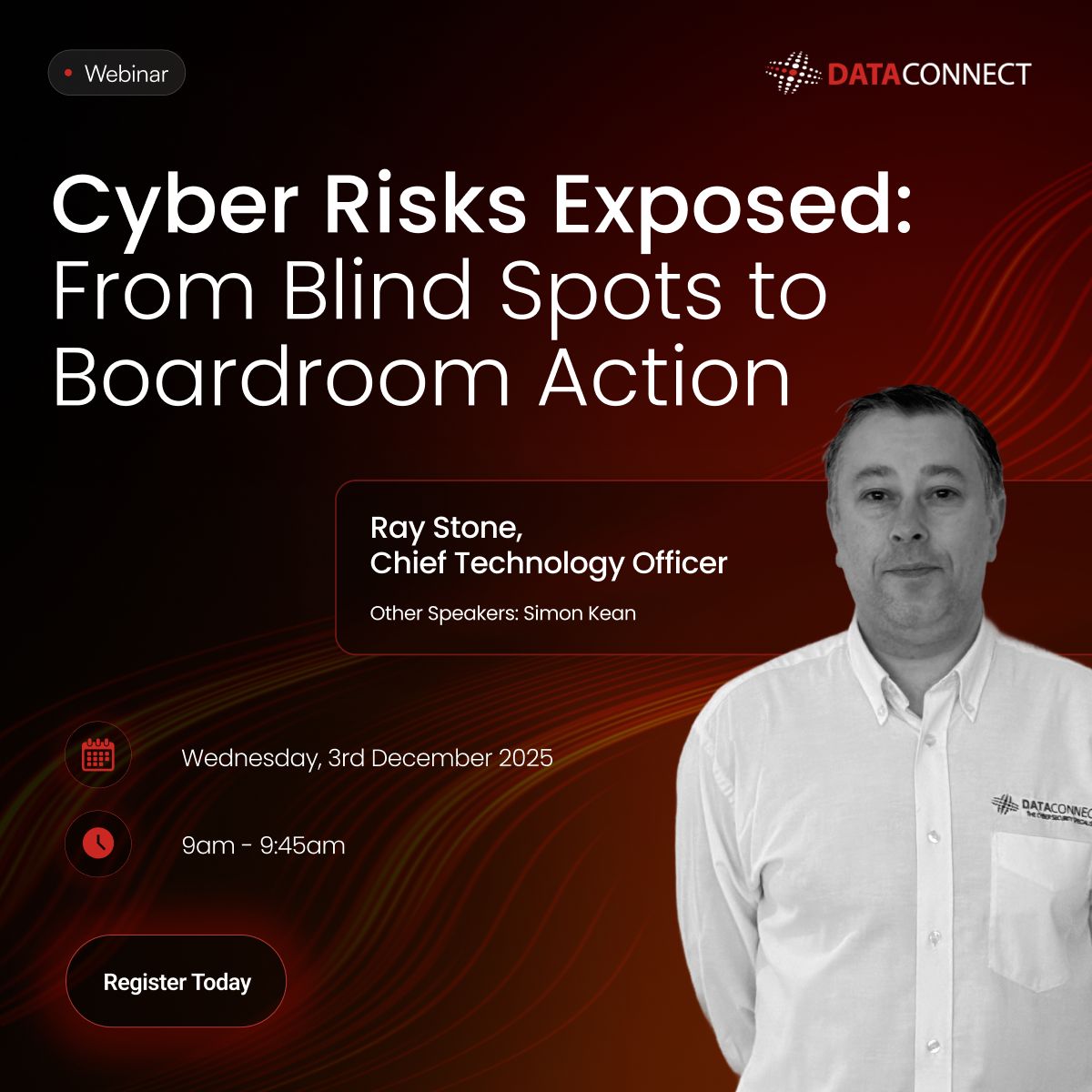
Following the success of our Leeds Digital Festival event, Cyber Risks Exposed: From Blind Spots to Boardroom Action, we’re excited to bring it back as a webinar. 🔒 A Session Designed for Business Executives, Senior Leaders and Board Advisors 🕑 Wednesday 3rd December 2025, 9am-9:45am Cyber risk = business risk, as highlighted in the NCSC’s 2025 Annual Review. Discover strategic insights in this upcoming webinar and explore: ✔️ The real-world impact of attacks on organisations and boards ✔️ Embedding cyber resilience into corporate strategy ✔️ Practical strategies you can take back into the boardroom The NCSC agrees, it’s time to act. Register Today: https://lnkd.in/euUmnhK2
- Data Connect GroupRecorded 15 Sept 2026
Our recent Leeds Digital Festival event ‘Cyber Risks Exposed: From Blind Spots to Boardroom Action’ was a huge success, so we’re bringing it back as a webinar! 🕑 Wednesday 3rd December 2025, 9:00am-9:45am. With the cyber landscape increasing in complexity, senior leaders are facing mounting scrutiny to understand and mitigate real-world risks. This webinar will give you the right knowledge, tools and confidence to challenge the business, ask the right questions and make informed decisions. This isn’t a technical workshop, it’s a leadership guide designed to unpack: ✔️ The real-world impact of attacks on organisations and boards ✔️ Embedding cyber resilience into corporate strategy ✔️ Practical strategies you can take back into the boardroom If you’d like to join us, register here: 👉 https://lnkd.in/erK84_8w #CyberRisk #CyberSecurity
- CytacticRecorded 15 Sept 2026
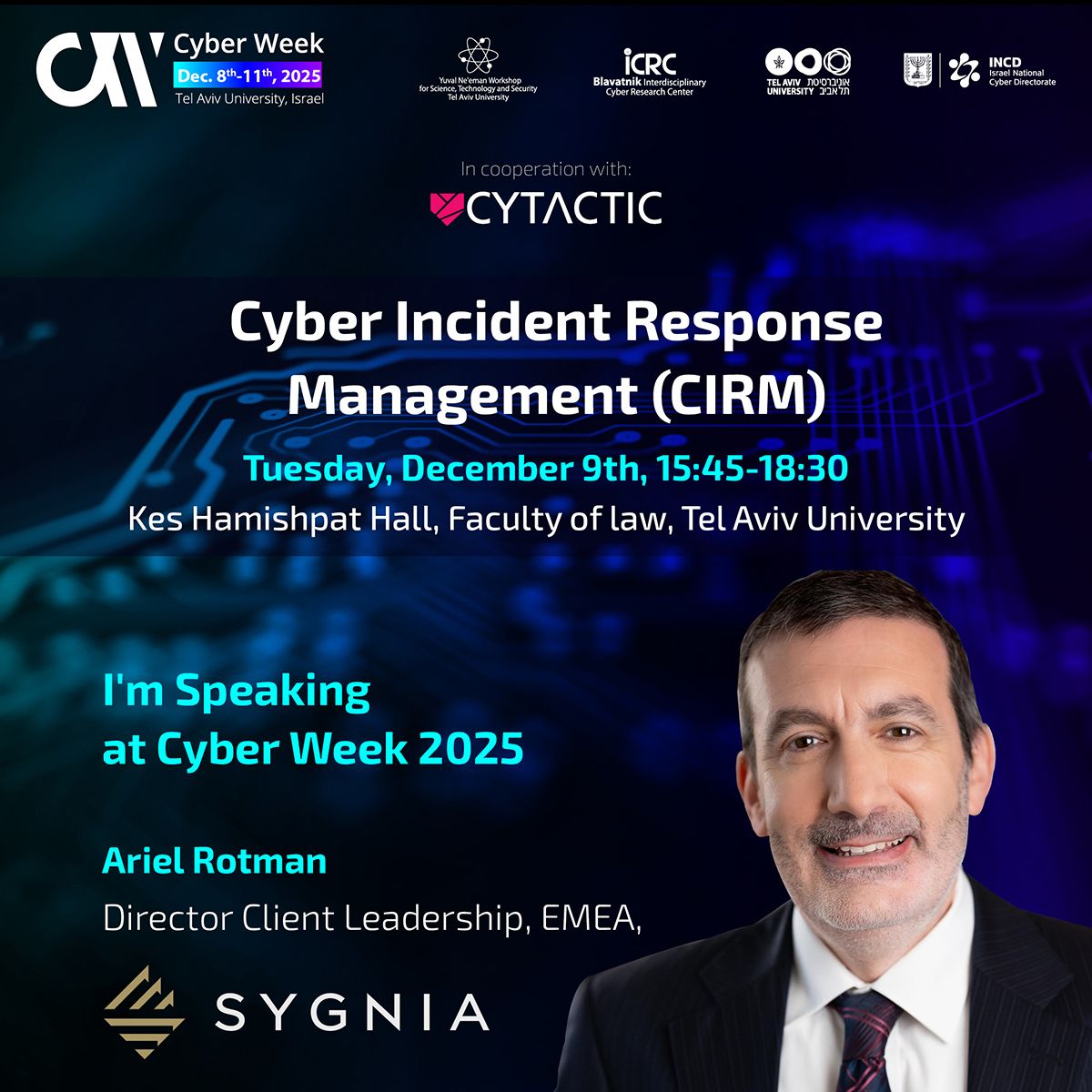
Excited to be a speaker at Cyber Week 2025, on the Cyber Incident Response Management (CIRM) stage. We will be discussing how technology is transforming incident-response readiness and the way organizations manage their response. Tuesday, December 9 | 15:45–18:30 | Tel Aviv University Register here: https://lnkd.in/dypafwrn Join me! Sygnia | Cyber Week TLV
- Cybereason, A LevelBlue CompanyRecorded 15 Sept 2026
Good news and bad news from Cybereason's Q3 TTP Briefing: The good: MFA Implementation shot up 22% compared to H1, with 75% of clients showing active MFA in their systems! The bad: Threat actors are still bypassing MFA in over 73% of cases. womp womp 🎺 The takeaway: Phishing-resistant MFA is a must-have. Watch the video, drop your questions in the comments, and if you need help from my team reach us at [email protected]
- CyberPilotSince 28 Nov 2025
I Danmark har vi tillid til hinanden. Men det er måske et problem i den digitale verden. I stedet for altid at tænke “min nabo vil mig det bedste”, skal vi måske til at være mere skeptiske og tænke det omvendt. Det er ikke rart at sige. Men det er nødvendigt. De fleste succesfulde cyberangreb har et element af menneskelige "fejl" i sig. Vi klikker, fordi vi tror på det bedste i folk. Fordi vi stoler på hinanden. Men når vi færdes digitalt, er det ikke længere bare vores naboer, vi omgås med. Det er hele verden. Og mange spiller ikke efter reglerne. I CyberPilot har vi testet over 1.000 virksomheder. Hver gang ser vi, at det ikke er teknologien, der fejler – det er kulturen (Og den menneskelige adfærd) Når mere end 15 % klikker på en phishing-simulering, siger det noget om, hvor stor tilliden stadig er. Og hvor sårbare vi derfor er. Vi bliver nødt til at vende vores mindset: "Jeg skal som udgangspunkt IKKE stole på det, der lander i min indbakke." Ikke fordi vi skal blive paranoide, men fordi digital sund fornuft gør os mindre sårbare. Det har jeg kloget mig lidt på i Aarhus Stiften. Det kan du læse mere om her. PS: Artiklen er bag en betalingsmur... sorry...
- CogentRecorded 14 Sept 2026
Today we're announcing Autonomous Vulnerability Response (AVR), the first end-to-end autonomous AI vulnerability response capability proven in production. Most vulnerability management tools stop at the ticket. AVR runs the whole loop as one continuous process: 1. Detection: agentless, catches zero day exposures within ~10 minutes of disclosure. 2. Investigation: gathers evidence across the environment, correlates against asset ownership and compensating controls, produces a findings package with reasoning preserved. 3. Remediation: generates the fix, scores change impact, dispatches through Jira or ServiceNow, and executes under customer guardrails. 4. Validation: independently confirms the fix through a scanner rescan or SBOM rebuild. If it didn't hold, the ticket reopens automatically. Where customer policy allows, the loop runs without human intervention. Where policy requires oversight, humans stay in. The video below is with Corey Kaemming (CISO, Valvoline Instant Oil Change) and Shawn Kerns (Head of InfoSec, University of the Pacific), two of the practitioners running AVR in production. Full write-up in the comments.
- CogentRecorded 14 Sept 2026
Today, we’re launching Cogent VR-1, our Mythos-class cyber reasoning model built for the enterprise. Frontier models have shown they can discover vulnerabilities in code. VR-1 is designed for the harder problem: reasoning across the messy reality of a live enterprise. Cloud. Identity. Applications. Endpoints. Data. Misconfigurations that look harmless in isolation, but become critical when chained together. VR-1 can autonomously map those connections, build working attack paths, show how an attacker could move through an environment, and verify whether a fix actually closes the gap. On IntrusionBench, our new execution-verified benchmark for enterprise attack chains, VR-1 completed twice as many hidden attack paths as other frontier models. This is the capability attackers are rapidly gaining. Defenders should benefit from it too, grounded in their environment, constrained by clear rules of engagement, and deployed through a governed security harness. VR-1 is available through the Cogent Frontier Access Program. Learn more: cogent.com/frontier
- COGNNASince 28 Aug 2025
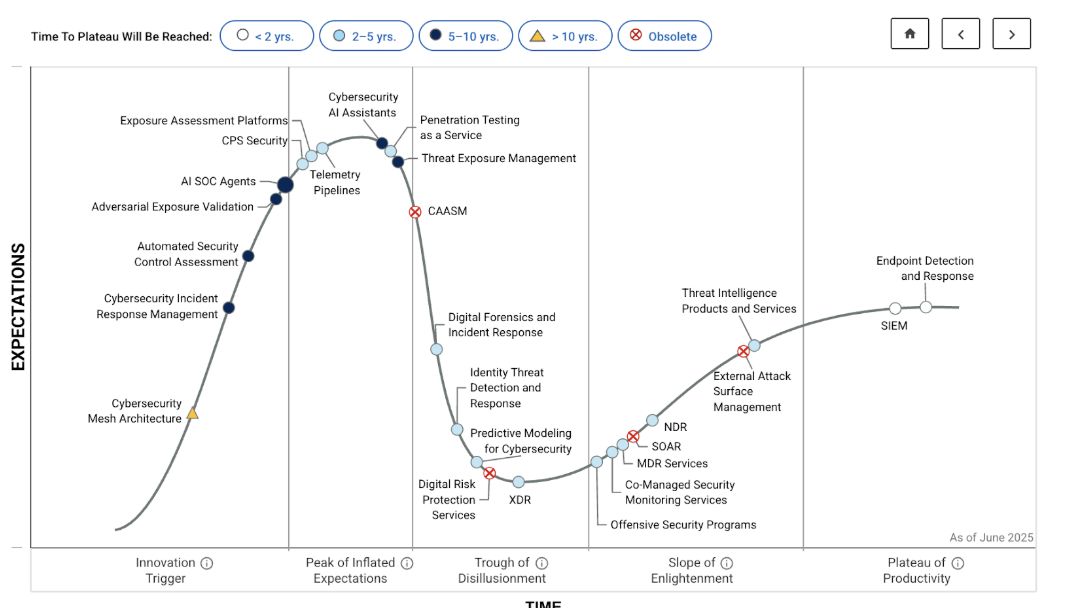
A massive shift is coming to how Security Operations Centers (SOC) work. Everything we know is about to change. According to the Gartner® Hype Cycle™ 2025, a true revolution is underway: AI is no longer just a tool — it’s becoming a real teammate to human analysts. The result? Smarter, faster, and more autonomous operations. When we started COGNNA, our mission was clear: To solve the challenges faced by cybersecurity teams — by building a SOC where humans and machines work hand in hand. Today, Gartner validates that vision, introducing a brand-new category: AI SOC Agents — intelligent agents that detect, investigate, and respond instantly, with seamless human integration. That’s exactly where Nexus comes in. It’s not just another tool for your security team — It’s a set of smart new teammates working with speed and precision. 📍 Explore how COGNNA Nexus works today: https://lnkd.in/dWApB-6h
- CoverbaseRecorded 14 Sept 2026
The next billion-dollar companies won't win with better AI. They'll win with faster procurement. Enterprises take 1-3 months to onboard a new vendor. By the time they finish procurement, their competitors have already shipped three product iterations. Your 𝗱𝗲𝗽𝗹𝗼𝘆𝗺𝗲𝗻𝘁 𝘀𝗽𝗲𝗲𝗱 for AI tools matters more than the AI itself. We see this at Coverbase every day. A company finds a great AI vendor to transform their operations. Then procurement takes six months. Meanwhile, their competitor onboards that same tool in 48 hours and beats them to market. Companies spend $100M on innovation but move at 1990s procurement speeds. They're Ferrari engines stuck behind horse-drawn processes. 𝗜𝘁 𝘀𝗵𝗼𝘂𝗹𝗱 𝗻𝗼𝘁 𝗹𝗼𝗼𝗸 𝗹𝗶𝗸𝗲 𝘁𝗵𝗶𝘀: 🟩 Vendor approved quickly 🟥 Stuck in procurement 🟥 Waiting on legal 🟥 Security review pending 🟥 Deal dies in procurement 𝗜𝘁 𝘀𝗵𝗼𝘂𝗹𝗱 𝗹𝗼𝗼𝗸 𝗹𝗶𝗸𝗲 𝘁𝗵𝗶𝘀: 🟩 Automated risk assessment (48 hours) 🟩 Continuous monitoring instead of questionnaires 🟩 Pre-approved vendor categories 🟩 Parallel reviews, not sequential 🟩 Clear SLAs with auto-escalation If you are a big company, odds are you can't just "fix" procurement with minor tweaks. You need to rebuild it from scratch. Treat procurement as a 𝗴𝗿𝗼𝘄𝘁𝗵 𝗳𝘂𝗻𝗰𝘁𝗶𝗼𝗻. The companies that dominate their markets won't necessarily have better AI models or bigger budgets. They'll have 𝘧𝘢𝘴𝘵𝘦𝘳 𝘸𝘢𝘺𝘴 𝘵𝘰 𝘢𝘥𝘰𝘱𝘵 𝘢𝘯𝘥 𝘥𝘦𝘱𝘭𝘰𝘺 𝘯𝘦𝘸 𝘵𝘦𝘤𝘩𝘯𝘰𝘭𝘰𝘨𝘺. Procurement speed is a legit moat. — 👋 I'm Clarence. I help companies with procurement at Coverbase. ♻ Share if procurement bottlenecks are killing your velocity. 💬 DM me if you want to onboard vendors in days, not months.
- CoverbaseRecorded 14 Sept 2026
Most "due diligence" is 𝘄𝗮𝘀𝘁𝗲𝗱 𝗺𝗼𝘁𝗶𝗼𝗻. I've seen teams spend months on questionnaires and certifications, convinced that every checked box meant safety. The truth is almost every vendor "passes." Because polished answers are easy to give. The real problems come from vendors you never expected. More than half of breaches don't start with your code. They start with the vendors you chose to trust. I saw it happen with a popular sales platform. When they were breached, dozens of companies had sensitive sales data exposed. All of them had cleared due diligence. Every single one. That's the trap. Paperwork checks compliance, not real-time issues. Here's what is really happening: 👉 Questionnaires = security theater 👉 Vendors answer to win deals, not reveal risk 👉 Blind spots become the true cost 👉 Wrong vendors fail quietly 👉 You notice after the damage is done Paperwork won't keep you safe but automation can. With automated due diligence, validation becomes continuous, reviews shrink from months to days, and teams finally get time back to focus on real risk. — 👋 I'm Clarence. I help companies with procurement and vendor risk at Coverbase. ♻ Share if procurement bottlenecks are killing your velocity. 💬 DM me if you want to onboard vendors in days, not months. #Procurement #SustainableProcurement #DigitalTransformation
- CultureAISince 17 Nov 2025
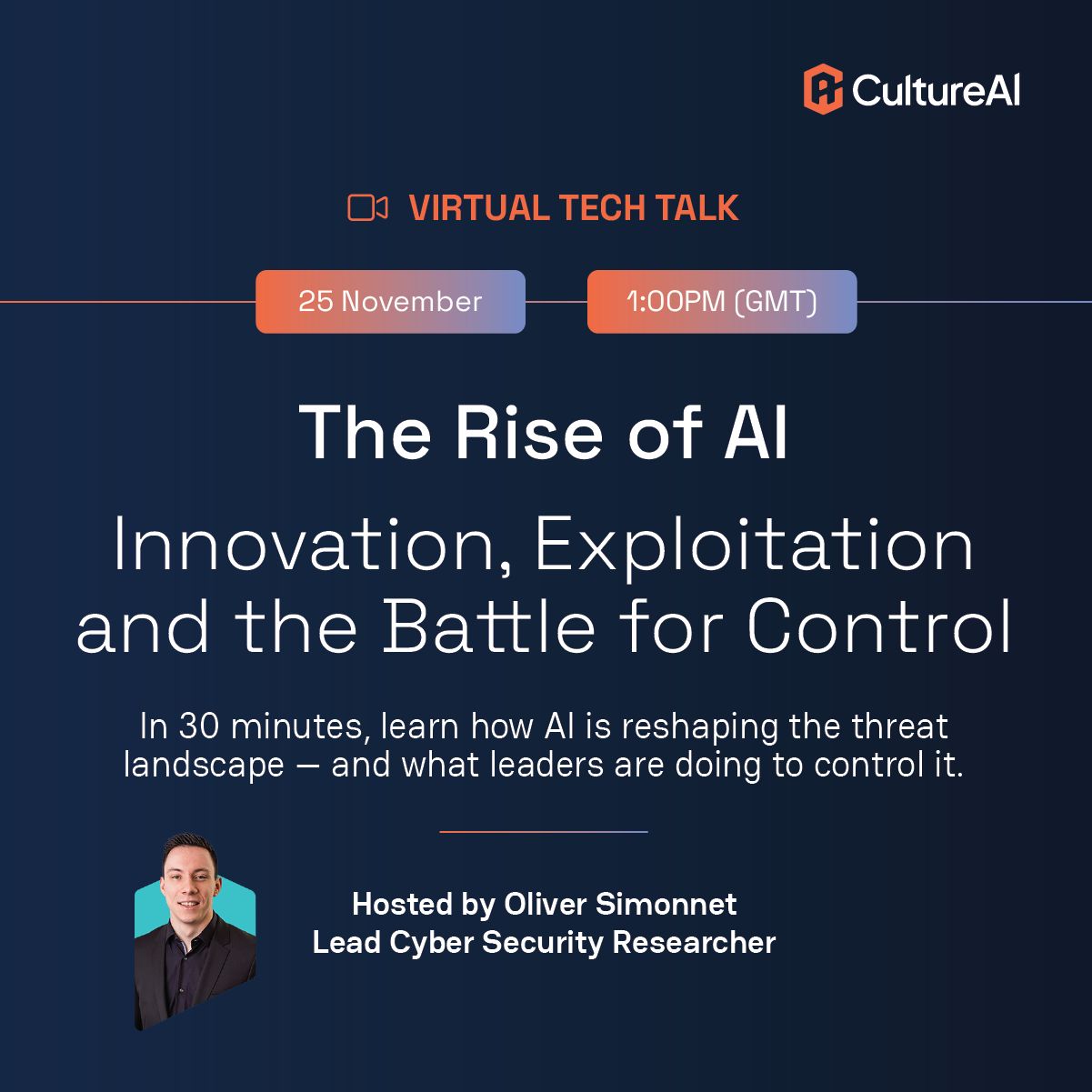
So (as we all saw), AI can "hack" now? With everything that's been going on, it feels like a good time for a catch-up on AI security and abuse! How did we even get here? What is all this AI, really? How are attackers actually [ab]using it? And how can we adopt AI securely in a world full of abuse and deceit? That’s what I'll be diving into next week, with a few anecdotes almost definitely thrown in there for fun (naturally!). Register here if you’re interested : https://lnkd.in/eW8Brewv
- Concentric AIRecorded 14 Sept 2026
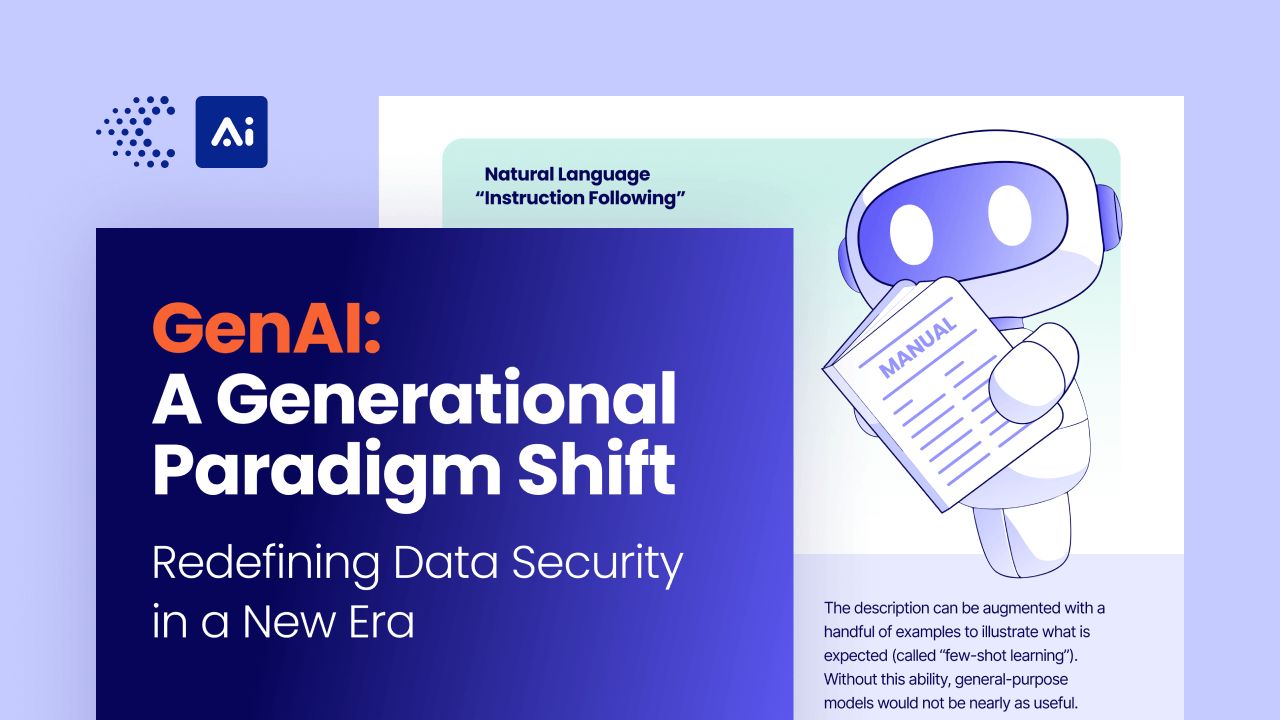
GenAI isn’t another productivity tool, it’s a new layer of enterprise infrastructure that’s dissolving the perimeter. Data is flowing into models we don’t control, through tools we didn’t approve, governed by policies that don’t yet exist. When Madhu Shashanka and I wrote GenAI: A Generational Paradigm Shift, our goal was to capture this moment honestly, beyond the hype, beyond the fear and address the real reason 95% of enterprise GenAI pilots are failing. It wasn’t to add more noise to an already crowded conversation about AI, or because the technology is weak, but because governance hasn’t caught up. Leaders who move first on AI governance will innovate faster, earn greater trust, and define the standards others will follow. #GenAI #DataSecurity #DataSecurityGovernance #AISecurity #DeWeaponizeYourData https://lnkd.in/erYzRAKv







Other LinkedIn formats
Watch the companies you care about.
Filter every ad by industry, country, format and network, and get alerts when a company you watch starts running new ads.