On air · 2 of 3 networks
Coverbase
- coverbase.com
- Cybersecurity
- US
- 27 employees
Coverbase’s ads on LinkedIn, Meta and Google, recorded by adsrunning. Browse the latest here for free. Sign up free to see all 158. Watch Coverbase with Starter to get each new one in your feed.
Watchlist with Starter · $49/mo
| Network | Status | Live ads | Nov 2025LinkedIn activity · 52 weeksOct 2026 | Checked | Next step |
|---|---|---|---|---|---|
| Running | 158 | Checked 30 Oct 2026 | See all 158 ads → | ||
| Meta | Not checked | — | |||
| Running | 37 | Ads on the Google Ads Transparency Center | Checked 26 Oct 2026 | Collect them with the API → |
Coverbase has 158 live LinkedIn ads. We recorded 37 Google ads on 26 Oct 2026.
Latest ads
- LINKEDIN · IMAGERecorded 14 Sept 2026
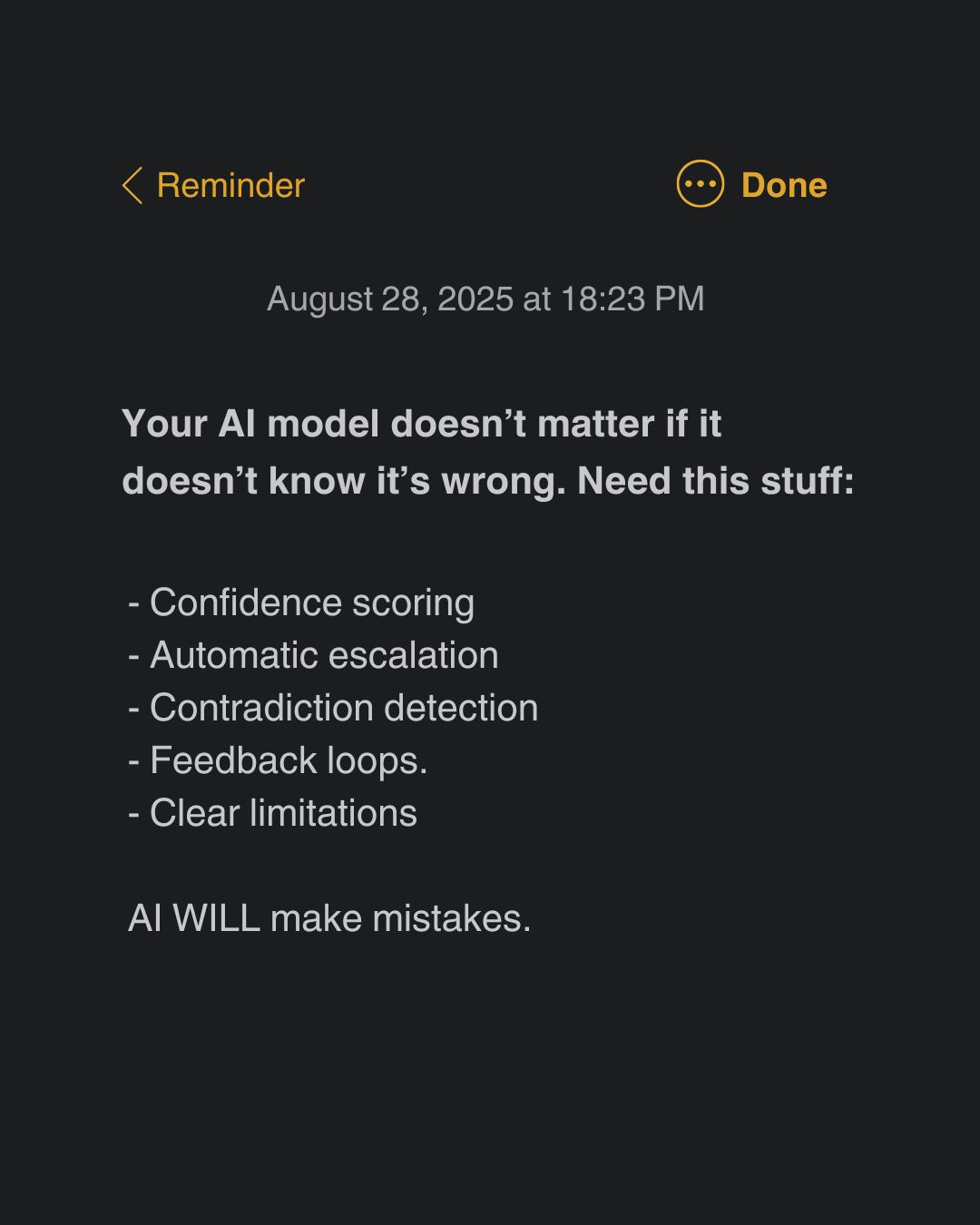
Your AI model doesn't matter if you can't detect when it's wrong. We built Coverbase to automate procurement and vendor risk workflows using AI. Our systems read 300-page documents and evaluate vendors, contracts, and compliance requirements. But here's something that might surprise you: Every AI company today builds on similar infrastructure foundation models. OpenAI's GPT, Meta's Llama, Google's Gemini. We all use the best models. Yet some companies ship products that work reliably while others 𝗰𝗼𝗻𝘀𝘁𝗮𝗻𝘁𝗹𝘆 𝗳𝗮𝗶𝗹. IMO, it's b/c most AI companies obsess over the wrong thing. They fine-tune models endlessly, add more training data, and chase higher accuracy scores. But none of that matters if you can't trust the outputs. The companies winning with AI build something different: ✅ 𝗖𝗼𝗻𝗳𝗶𝗱𝗲𝗻𝗰𝗲 𝘀𝗰𝗼𝗿𝗶𝗻𝗴. "This assessment is only 60% certain" ✅ 𝗔𝘂𝘁𝗼𝗺𝗮𝘁𝗶𝗰 𝗲𝘀𝗰𝗮𝗹𝗮𝘁𝗶𝗼𝗻. Low confidence triggers human review ✅ 𝗖𝗼𝗻𝘁𝗿𝗮𝗱𝗶𝗰𝘁𝗶𝗼𝗻 𝗱𝗲𝘁𝗲𝗰𝘁𝗶𝗼𝗻. AI spots its own inconsistencies ✅ 𝗙𝗲𝗲𝗱𝗯𝗮𝗰𝗸 𝗹𝗼𝗼𝗽𝘀. Every correction improves future assessments ✅ 𝗖𝗹𝗲𝗮𝗿 𝗹𝗶𝗺𝗶𝘁𝗮𝘁𝗶𝗼𝗻𝘀. AI knows what it can't evaluate Look, AI 𝘞𝘐𝘓𝘓 make mistakes. No model is perfect. The major difference is that when our AI isn't sure about a procurement decision, it says so. That assessment gets flagged for human review before any decision is final. Good AI but 𝗲𝘅𝗰𝗲𝗹𝗹𝗲𝗻𝘁 𝗲𝗿𝗿𝗼𝗿 𝗱𝗲𝘁𝗲𝗰𝘁𝗶𝗼𝗻 > cutting-edge models w/ no safety nets. When you build infrastructure that catches mistakes, procurement teams actually trust your automated decisions. Support tickets drop because the system catches errors before users see them. But the model is useless without trust. What do you think? — 👋 I'm Clarence. I help companies with procurement at Coverbase. ♻ Share if procurement bottlenecks are killing your velocity. 💬 DM me if you want to onboard vendors in days, not months. #Procurement
- LINKEDIN · IMAGERecorded 14 Sept 2026
Procurement has a serious PR problem. For years, I've seen procurement teams misunderstood. The perception is simple: procurement is a cost-cutter. But the reality is that procurement is an 𝘪𝘯𝘯𝘰𝘷𝘢𝘵𝘪𝘰𝘯 𝘦𝘯𝘢𝘣𝘭𝘦𝘳. When I speak with leaders, I often hear frustration about complicated processes, endless reviews, and the feeling that procurement slows the business down. But I think that misses the first principles of why this function exists. Procurement isn't just around to get vendors in and get them paid…they exist to help companies 𝗮𝗱𝗼𝗽𝘁 𝗶𝗻𝗻𝗼𝘃𝗮𝘁𝗶𝗼𝗻 faster, and more safely. This misunderstanding shows up everywhere: 🚫 Executives undervalue procurement's seat at the table 🚫 Teams avoid looping them in until it's too late 🚫 Procurement gets measured only on savings But the real ROI of procurement is much bigger: ✅ Faster access to the best tools that drive growth ✅ Safer adoption of vendors in a world of rising risk ✅ More leverage for every dollar a company spends externally The fix here isn't just about improving workflows or adopting new technology. It starts with changing the narrative. Procurement isn't overhead, and it isn't a blocker. It's the function that determines how quickly and how safely a company can bring the outside world in. That's becoming the difference between those that fall behind and those that move ahead. — 👋 I'm Clarence. I help companies with procurement and vendor risk at Coverbase. ♻ Share if procurement bottlenecks are killing your velocity. 💬 DM me if you want to onboard vendors in days, not months. #Procurement #SustainableProcurement #DigitalTransformation
- LINKEDIN · IMAGERecorded 14 Sept 2026
Most "due diligence" is 𝘄𝗮𝘀𝘁𝗲𝗱 𝗺𝗼𝘁𝗶𝗼𝗻. I've seen teams spend months on questionnaires and certifications, convinced that every checked box meant safety. The truth is almost every vendor "passes." Because polished answers are easy to give. The real problems come from vendors you never expected. More than half of breaches don't start with your code. They start with the vendors you chose to trust. I saw it happen with a popular sales platform. When they were breached, dozens of companies had sensitive sales data exposed. All of them had cleared due diligence. Every single one. That's the trap. Paperwork checks compliance, not real-time issues. Here's what is really happening: 👉 Questionnaires = security theater 👉 Vendors answer to win deals, not reveal risk 👉 Blind spots become the true cost 👉 Wrong vendors fail quietly 👉 You notice after the damage is done Paperwork won't keep you safe but automation can. With automated due diligence, validation becomes continuous, reviews shrink from months to days, and teams finally get time back to focus on real risk. — 👋 I'm Clarence. I help companies with procurement and vendor risk at Coverbase. ♻ Share if procurement bottlenecks are killing your velocity. 💬 DM me if you want to onboard vendors in days, not months. #Procurement #SustainableProcurement #DigitalTransformation
- LINKEDIN · IMAGERecorded 14 Sept 2026
The next billion-dollar companies won't win with better AI. They'll win with faster procurement. Enterprises take 1-3 months to onboard a new vendor. By the time they finish procurement, their competitors have already shipped three product iterations. Your 𝗱𝗲𝗽𝗹𝗼𝘆𝗺𝗲𝗻𝘁 𝘀𝗽𝗲𝗲𝗱 for AI tools matters more than the AI itself. We see this at Coverbase every day. A company finds a great AI vendor to transform their operations. Then procurement takes six months. Meanwhile, their competitor onboards that same tool in 48 hours and beats them to market. Companies spend $100M on innovation but move at 1990s procurement speeds. They're Ferrari engines stuck behind horse-drawn processes. 𝗜𝘁 𝘀𝗵𝗼𝘂𝗹𝗱 𝗻𝗼𝘁 𝗹𝗼𝗼𝗸 𝗹𝗶𝗸𝗲 𝘁𝗵𝗶𝘀: 🟩 Vendor approved quickly 🟥 Stuck in procurement 🟥 Waiting on legal 🟥 Security review pending 🟥 Deal dies in procurement 𝗜𝘁 𝘀𝗵𝗼𝘂𝗹𝗱 𝗹𝗼𝗼𝗸 𝗹𝗶𝗸𝗲 𝘁𝗵𝗶𝘀: 🟩 Automated risk assessment (48 hours) 🟩 Continuous monitoring instead of questionnaires 🟩 Pre-approved vendor categories 🟩 Parallel reviews, not sequential 🟩 Clear SLAs with auto-escalation If you are a big company, odds are you can't just "fix" procurement with minor tweaks. You need to rebuild it from scratch. Treat procurement as a 𝗴𝗿𝗼𝘄𝘁𝗵 𝗳𝘂𝗻𝗰𝘁𝗶𝗼𝗻. The companies that dominate their markets won't necessarily have better AI models or bigger budgets. They'll have 𝘧𝘢𝘴𝘵𝘦𝘳 𝘸𝘢𝘺𝘴 𝘵𝘰 𝘢𝘥𝘰𝘱𝘵 𝘢𝘯𝘥 𝘥𝘦𝘱𝘭𝘰𝘺 𝘯𝘦𝘸 𝘵𝘦𝘤𝘩𝘯𝘰𝘭𝘰𝘨𝘺. Procurement speed is a legit moat. — 👋 I'm Clarence. I help companies with procurement at Coverbase. ♻ Share if procurement bottlenecks are killing your velocity. 💬 DM me if you want to onboard vendors in days, not months.
- LINKEDIN · IMAGERecorded 25 Oct 2026
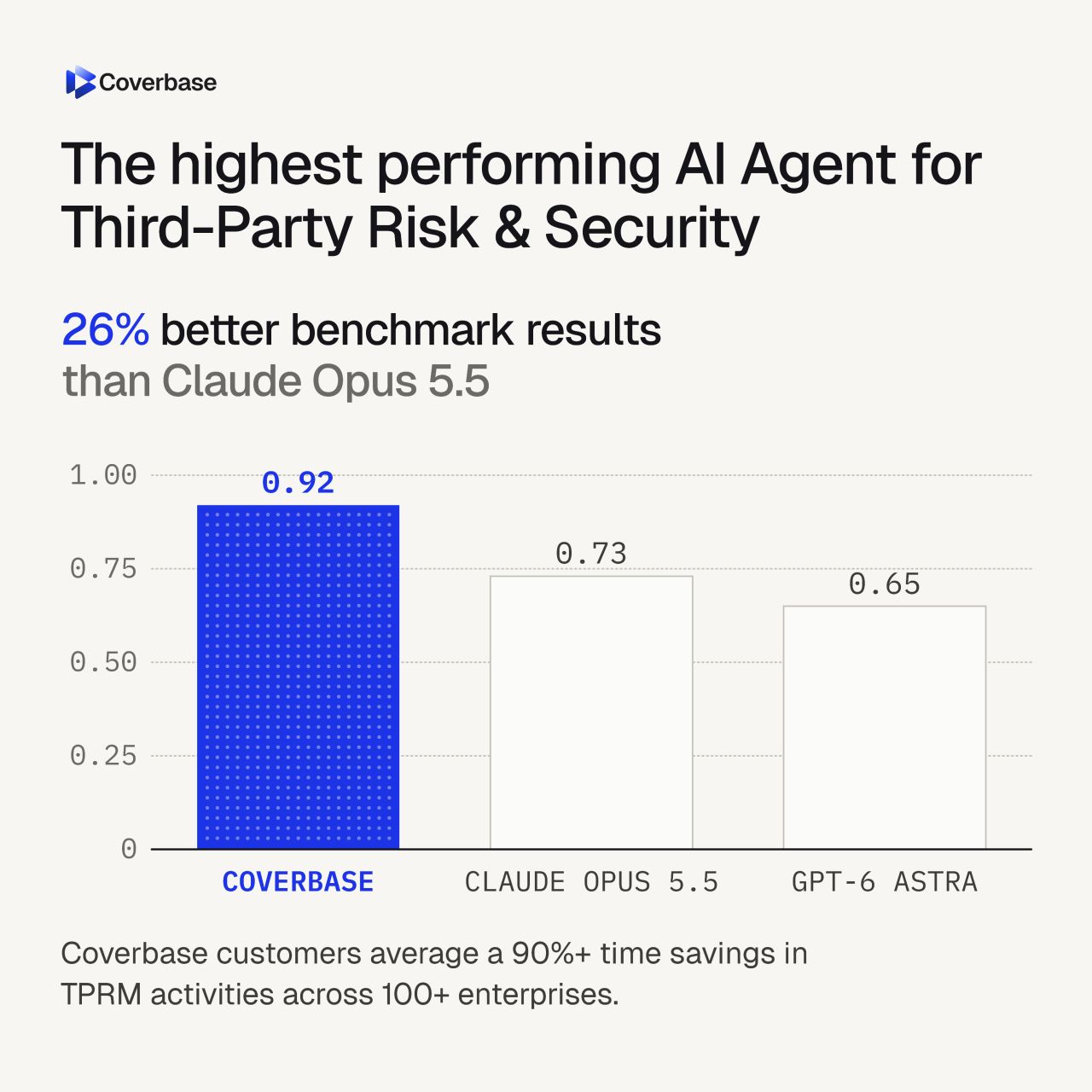
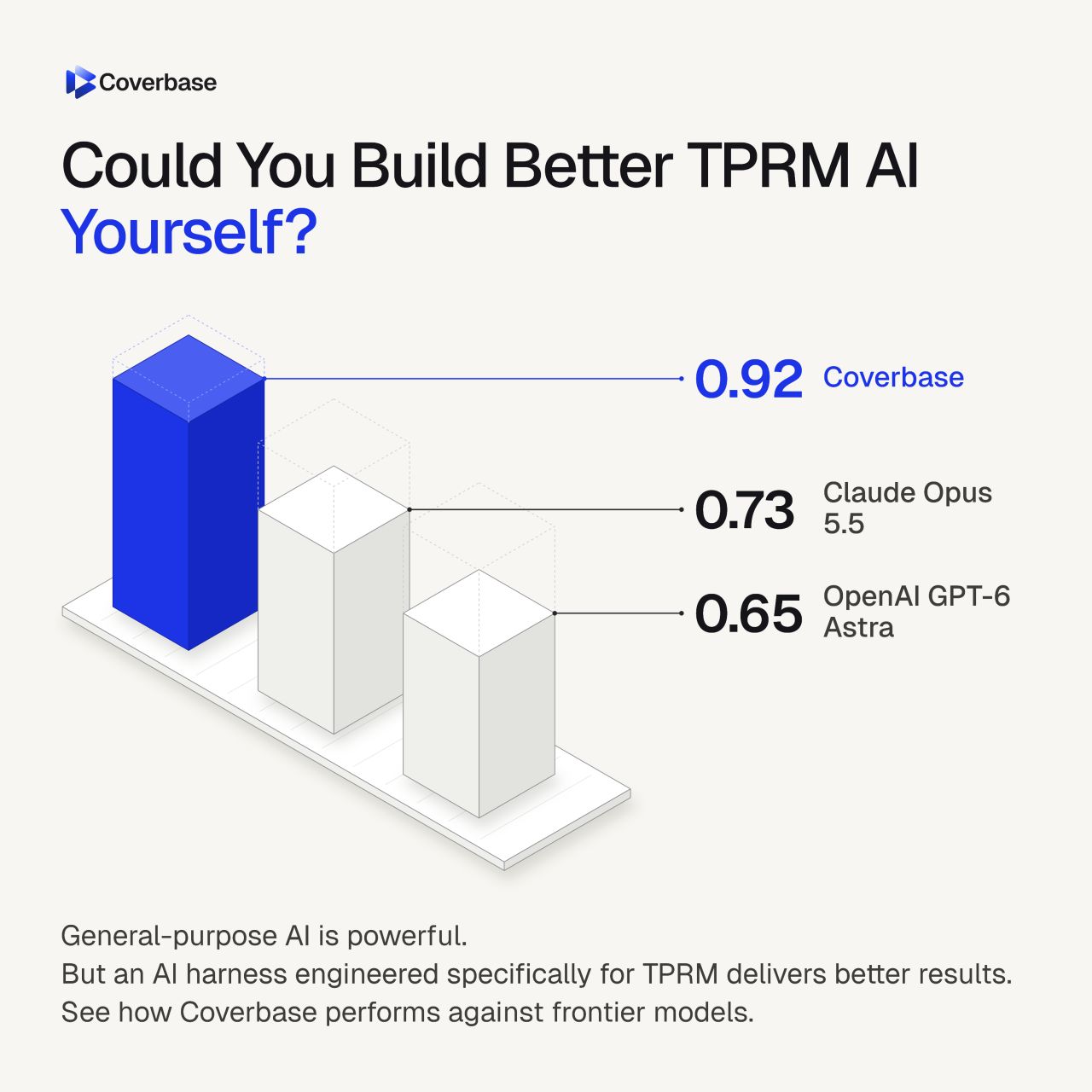
What happens when you need to assess third-party risk without information submitted by the vendor? That’s where purpose-built AI really shows its value. Across 46 benchmark cases without third-party-submitted information, Coverbase scored 0.92 versus 0.73 for Claude Opus 5.5. Same benchmark. A significant performance gap. See what AI engineered for TPRM can do.
- LINKEDIN · IMAGERecorded 25 Oct 2026
Why not just build your own TPRM solution with Claude? It’s a fair question. So we put it to the test. Across 331 benchmark cases, Coverbase scored 0.92 compared to 0.73 for Claude Opus 5.5 and 0.65 for Claude Sonnet 5.5. The difference isn’t access to AI. It’s how AI is engineered for TPRM. Explore the benchmark and see the results.
6 of 158 adsSign up to see every Coverbase ad, filter by format and date, and get alerts on new ones.
See all 158 adsWatch the companies you care about.
Filter every ad by industry, country, format and network, and get alerts when a company you watch starts running new ads.