LinkedIn thought leader ad examples
49 thought leader ads are live on LinkedIn right now, from 107 companies. Browse real ones, filtered by industry.
- E.ON InnovationSince 18 Mar 2026
The circular economy is not just a theory. In the Circular Place, an internal marketplace for spare components at E.ON, it’s a tried and tested model. The main challenge is scale. Before we’re ready to fully close the loop, we have to see what works within existing systems. When I came up with the idea for the Circular Place, I was told to go ahead and implement it. I didn’t need a business case. I didn’t have to justify the concept. I received all the support I needed to get the project up and running Today, about 200 users have about 1,000 single parts on the platform. The numbers are small but growing. The Circular Place proves that the energy sector can apply circular thinking to conserve resources. At E.ON, we invest in research and development to drive circular concepts. Until the results are in, we are already getting things done. Find out what else we are doing to shape sustainability beyond decarbonization here: https://lnkd.in/enWsQhzn How are you implementing circular concepts in a running system? #EONNatureStrategy #CircularEconomy #ItsOnUs
- E.ON InnovationSince 24 Mar 2026
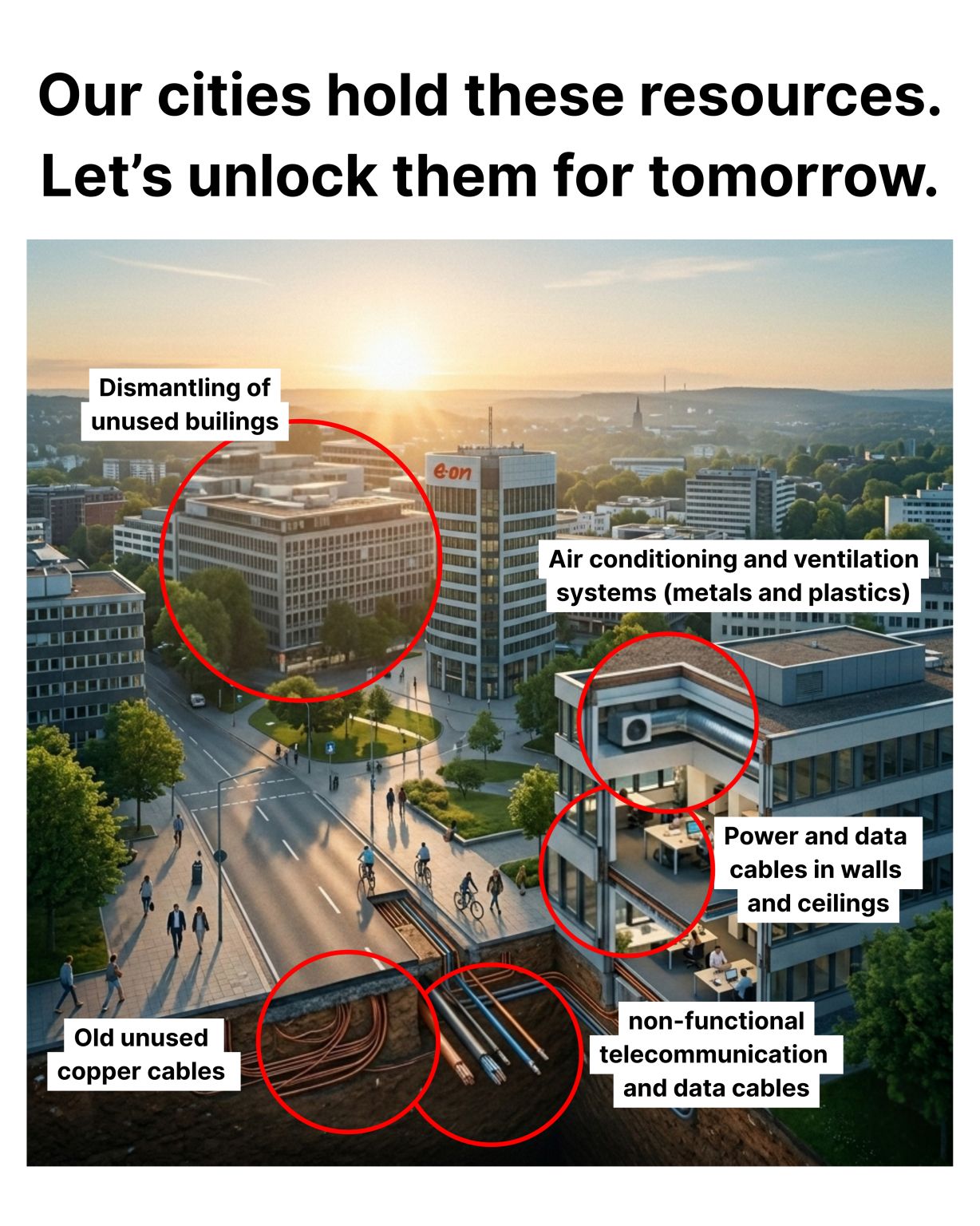
In a circular economy, waste doesn't exist. Every material has a next life. And Urban Mining is one of the most powerful tools to make that real: recovering valuable raw materials from existing infrastructure instead of extracting new ones. The scale of this opportunity becomes clear when you look at Germany alone: the country sits on an anthropogenic stock of around 28 billion tonnes of material [1] – embedded in buildings, roads, and energy networks. That’s roughly 340 tonnes per person. Yet secondary raw materials currently make up only 13 % of total resource consumption [2]. The potential is enormous. Practical examples show how urban mining works: → The dismantling of unused buildings provides large quantities of recoverable materials. → Air conditioning and ventilation systems contain metals and plastics that can be reused. → Power and data cables in walls and ceilings hold valuable metals such as copper. → Even non-functional telecommunication and data cables represent a valuable resource. → For the energy industry old unused copper cables are particularly important. Copper can be recycled indefinitely without any loss in quality. It sounds like a no-brainer – but it’s not that simple. Many older underground cables are oil-impregnated and contain hazardous substances that can contaminate soil and groundwater if not handled carefully. The plastic insulation often includes toxic additives that require specialized disposal – not a standard recycling process. That’s exactly why urban mining needs foresight. Every recovery project must be planned with environmental safety at its core: professional material separation, strict standards, and thorough risk assessment from the very first meter of cable. The raw materials are already beneath our feet. The real challenge isn't finding them – it's recovering them responsibly. It’s all part of our Nature Strategy, which combines responsible resource recovery with biodiversity preservation and circular thinking. Interestingly, I generated the accompanying image with the help of AI, highlighting how technology can support circular innovation. If you want to learn more about how we bring our circular economy initiatives to life, click here: https://lnkd.in/enWsQhzn #EONNatureStrategy #CircularEconomy #ItsOnUs
- EKZRecorded 17 Sept 2026
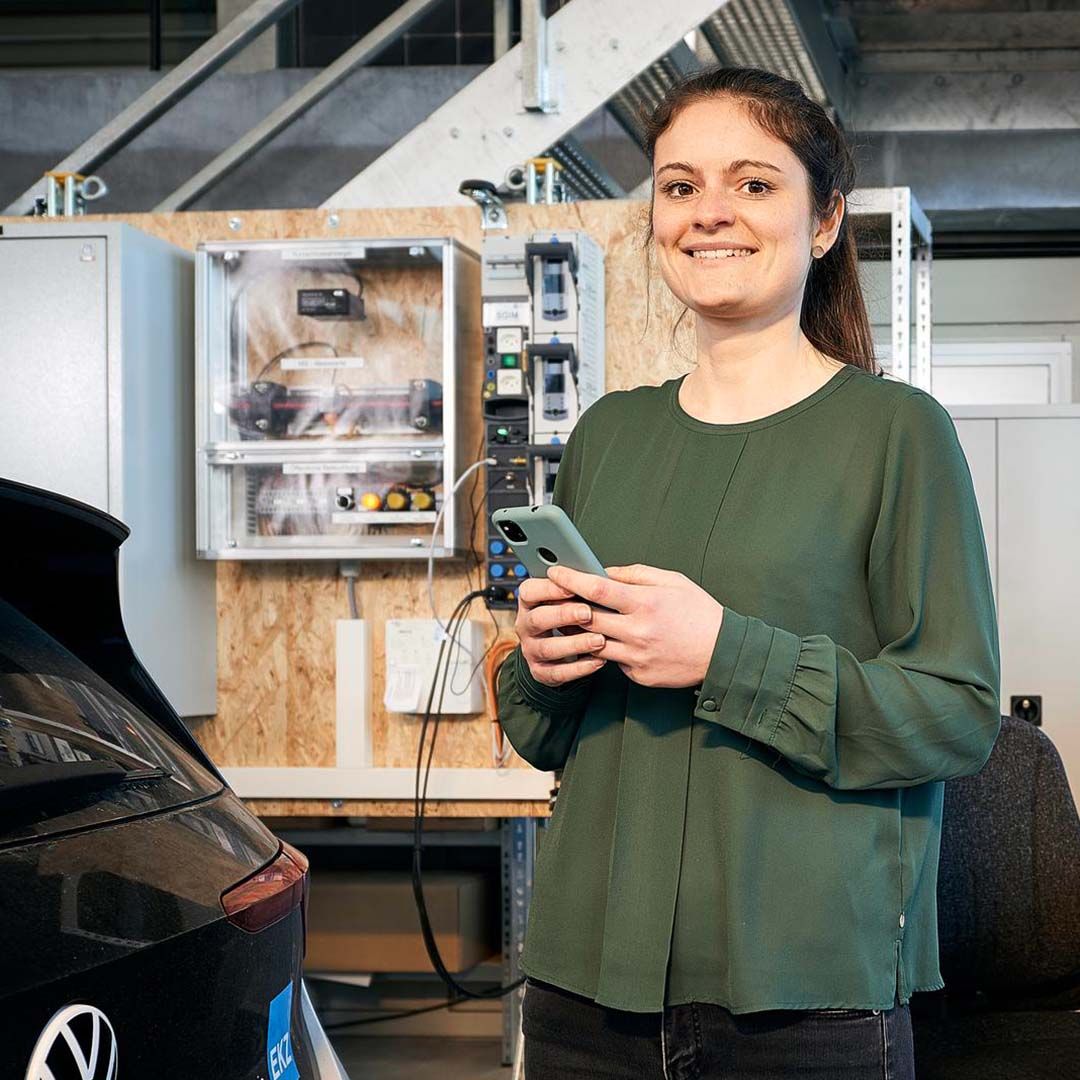
Ist Ihre Immobilie bereit für die Mobilitäts- und Energiezukunft? ⚡🏢 Die Elektromobilität wächst – und mit ihr die Anforderungen an Immobilien. EKZ bietet eine herstellerunabhängige, skalierbare Ladelösung, die nicht nur heute funktioniert, sondern auch für die Energiewelt von morgen gerüstet ist. Unser Pilotprojekt «Smart Charging» (Januar 2026 bis Januar 2027) zeigt, wie wir Innovation leben: ✅ Intelligente Steuerung dank dem Smart Charging Lademodus in der EKZ Lade-App und Flexibilisierung von Ladevorgängen für maximale Netzstabilität und effiziente Nutzung von Strom ✅ Keine Komforteinbussen und günstigere Grundgebühren – Die Fahrzeuge sind dann geladen, wenn Sie sie brauchen und gleichzeitig profitieren die Teilnehmenden des Pilotprojekts von einem Rabatt ✅ Mehr Wert für alle – optimierte Kosten und entlastete Netze ermöglichen, dass mehr Fahrzeuge geladen werden können, ohne teuren Ausbau des Hausanschlusses Wir kombinieren Zuverlässigkeit, Flexibilität und Zukunftstechnologie – damit Ihre Immobilie nicht nur attraktiv bleibt, sondern aktiv zur Nachhaltigkeit beiträgt. 👉 Kontaktieren Sie jetzt das Team von EKZ Elektromobilität und erfahren Sie, wie Ihre Liegenschaft von unserer Ladelösung profitieren kann: https://lnkd.in/eGYDB_iV #EKZ #Elektromobilität #SmartCharging #Immobilien #Innovation #Nachhaltigkeit
- EKZRecorded 17 Sept 2026
Ihre Tiefgarage könnte mehr sein als ein Parkraum ⚡🔌 Elektromobilität verändert den Markt – und eröffnet Chancen für Immobilienbesitzer. Mit einer skalierbaren, herstellerunabhängigen Ladelösung sichern Sie sich nicht nur eine zukunftsfähige Infrastruktur, sondern steigern den Wert Ihrer Immobilie und senken langfristig Betriebskosten. Unser Pilotprojekt «Smart Charging» (Januar 2026 bis Januar 2027) zeigt, wie Wirtschaftlichkeit und Innovation Hand in Hand gehen: ✅ Kostenoptimierung durch intelligente Steuerung: Der Smart-Charging-Modus in der EKZ Lade-App reduziert Lastspitzen. Dadurch können mehr Fahrzeuge geladen werden ohne teuren Ausbau des Hausanschlusses ✅ Attraktive Grundgebühren und Rabatte: Die Teilnehmenden des Pilotprojekts profitieren von vergünstigten Tarifen – ohne Komfortverlust. Ihre Fahrzeuge sind geladen, wenn Sie sie brauchen ✅ Wertsteigerung Ihrer Immobilie: Eine moderne Ladeinfrastruktur macht Ihre Liegenschaft attraktiver für Mieter und Käufer und unterstützt die Energiewende Zuverlässigkeit, Effizienz und Zukunftstechnologie rechnen sich für Immobilien. 👉 Kontaktieren Sie jetzt das EKZ Elektromobilität-Team für mehr unverbindliche Informationen. Ideal für Mehrfamilienhäuser und Gewerbeimmobilien: https://lnkd.in/eN9k4qa2 Hashtag #EKZ Hashtag #Elektromobilität Hashtag #SmartCharging Hashtag #Immobilien Hashtag #Kostenoptimierung Hashtag #Wertsteigerung Hashtag #Nachhaltigkeit
- ecommitSince 8 Jun 2026
Carbon credits zorgen voor groei! B2B-aanbieders en -kopers die duurzaamheid inzetten om commerciële waarde te creëren, zien daarvan een positief effect. Uit onderzoek van Bain & Company* onder meer dan 750 B2B-bedrijven in de auto-, verpakkings-, chemische, machine-, metaal- en bouwsector die wereldwijd actief zijn, blijkt dat duurzaamheid hoog op de commerciële agenda staat. Wat het onderzoek laat zien, is dat bedrijven pragmatischer worden. In plaats van verduurzamen omdat het moet, richten ze zich op de manier waarop duurzaamheid hen kan onderscheiden van hun concurrenten. Die meerwaarde zien wij ook bij de ondernemers die kiezen voor carbon credits. Een deel van hen zet de carbon credits direct in hun bedrijf in. Door het verwijderen van CO2 onderdeel te maken van hun bedrijfsvoering geven ze meerwaarde aan hun product of dienst. Er zijn ook bedrijven die carbon credits op voorraad inkopen en ze inzetten op het moment dat ze het nodig hebben. Dat kan zijn omdat partners of leveranciers ernaar vragen of omdat het kan worden gebruikt bij een aanbesteding. Carbon credits geven bedrijven een voorsprong op concurrenten doordat ze kunnen laten zien dat ze méér doen dan alleen het terugdringen van de uitstoot van CO2. Wil je weten wat carbon credits voor jouw bedrijf kunnen betekenen, nu óf in de toekomst? Maak dan een afspraak met een van onze specialisten. Wij denken graag met je mee. * The Visionary CEO’s Guide to Sustainability 2025
- ecommitSince 8 Jun 2026
Wat zijn de gevolgen van de terugtrekking van de VS uit het Klimaatakkoord van Parijs? Op 20 januari 2025 tekende president Trump een 𝘦𝘹𝘦𝘤𝘶𝘵𝘪𝘷𝘦 𝘰𝘳𝘥𝘦𝘳 om de VS uit het Parijsakkoord terug te trekken. De formele uitstap ging op 27 januari 2026 in werking. Het is de tweede keer: Trump deed hetzelfde in 2017, Biden trad opnieuw toe in 2021. Door de terugtrekking heeft de VS geen nationale klimaatdoelstelling meer ingediend bij de VN en draagt niet meer bij aan het Green Climate Fund. Federale steun voor carbon markets valt weg. Dat creëert onzekerheid, met name voor Amerikaanse projectontwikkelaars die afhankelijk zijn van langetermijnopbrengsten uit carbon credit-verkoop. Het uitstappen van de VS heeft géén invloed op CORSIA. Dit is een ICAO-mechanisme en daarmee ongerelateerd aan het Parijsakkoord. Ook Artikel 6 gaat door: Japan, Zuid-Korea en nu ook de EU plannen actief gebruik van internationale carbon credits. En, tijdens Trumps eerste termijn groeide de vrijwillige koolstofmarkt wereldwijd met meer dan 300%: de private sector compenseert daar waar overheden terugtrekken. Voor Europa verandert er weinig aan de fundamenten: de EU-regelgeving - zoals CSRD, EU ETS-1 en -2, CBAM en de 2040-doelstelling - staat los van het Parijsakkoord en wordt door Brussel autonoom uitgerold. De VS-uitstap is relevant nieuws. Maar voor Europese bedrijven en investeerders verandert de onderliggende marktlogica niet. En áls er al iets zou veranderen, dan zou het de positie van Europa als het nieuwe centrum van koolstofmarktregulering alleen maar versterken. Meer weten of de mogelijkheden voor jouw bedrijf bespreken? Maak gerust een afspraak.
- Ecologi | B Corp™Recorded 16 Sept 2026
“I was much further out than you thought And not waving but drowning.” - Stevie Smith Working in sustainability should not be unsustainable… and yet, so often, it is. The people who choose this work don’t clock out emotionally at 4:59 pm. They don’t forget the mission once the laptop closes. A pressure builds when you’re constantly defending how you’re trying to save the planet (sometimes to others in the same field who believe their mission to save the planet is better than yours - why do we do this). And layered on top of that are all the people who aren’t interested in saving the planet at all. On top of that are budgets, regulations, and reputation. On top of that is the real-life awareness that there is a climate crisis happening as we speak - not in years to come but RIGHT NOW. It can feel like swimming against multiple tides at once. And yet… it is still the best job in the world. Because at the end of the day, we get to say we tried. We pushed. We woke up and fought for something bigger than ourselves every day. We poured our energy into a future we believed in. A future that is possible if we keep pushing! And if you feel like you’re “not waving but drowning,” you’re not alone. But we keep going. Together. Until we all reach the shore. Ecologi | B Corp™ 🌍💚
- Ecologi | B Corp™Recorded 16 Sept 2026
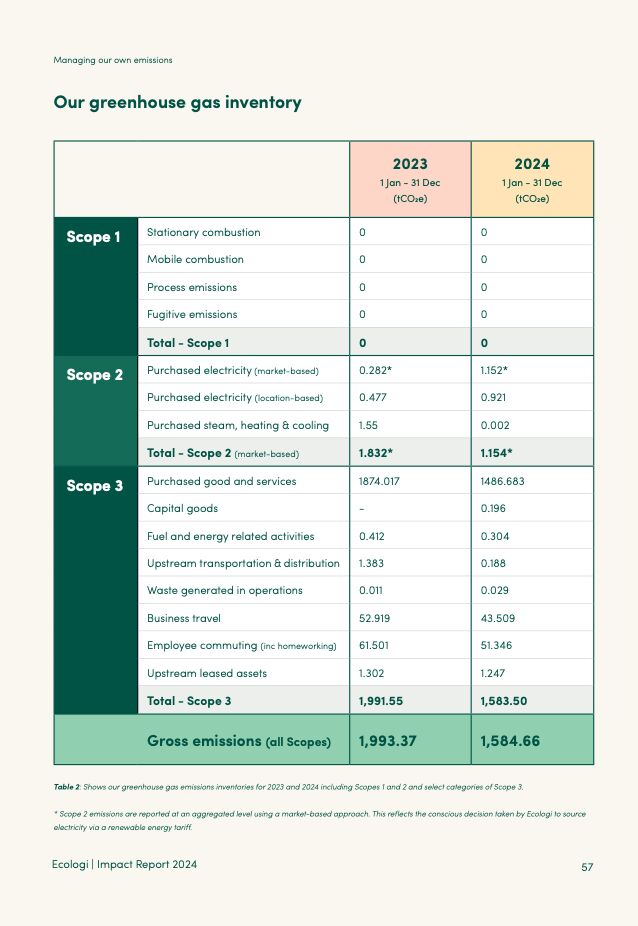
Our Ecologi | B Corp™ carbon footprint - down over 20% year-on-year 📉. Walking the walk. Earlier this year we published our full carbon footprint for the first time, as part of our 2024 Impact Report (see slide 57): https://lnkd.in/dSsKS8jJ For us, this was a meaningful step. We’ve supported hundreds of businesses to measure their emissions, so disclosing our own footprint felt important - not to claim perfection, but to show progress transparently. The main drivers for that 20% reduction in emissions were disciplined procurement, lower external spend, and our virtual-first approach, which reduced travel and office commuting - proving it is possible to cut emissions even while growing as a business. As expected, calculating our footprint came from collective effort - colleagues gathering home-working and commuting data, improving reporting accuracy, and continually asking how can we do better. Since then, we’ve strengthened our carbon accounting capabilities even further, including through the acquisition of Net Zero Now with 10 experts who focused primarily on carbon measurement. We also secured our ⭐️ B Corp recertification ⭐️ which required the disclosure of our footprint data, which reinforced the importance of measuring and reducing impact in everything we do. We know there’s still lots to learn, and plenty to improve. Carbon accounting is nuanced, and reductions aren’t always straightforward. But this is a step we’re proud of - and one we want to build on. We’ll keep sharing our progress openly, in the hope it encourages more businesses to reduce, restore, report and move forward - even if imperfectly. Because meaningful climate action isn’t about getting everything right. It’s about keeping going 💚 #EmissionsReductions #ReduceFirst #CarbonFootprinting #CarbonFootprint #EmissionsReport #WalkingTheWalk #Reduce #Restore #Report
- Delta Green EuropeSince 13 May 2026
Romania's grid imbalance costs around 5 billion lei a year. That number surprised me when I first heard it. It's the cost of solar generation nobody is managing, prosumers feeding into the grid uncontrolled, and utilities absorbing the difference. And here's what makes it interesting. A Romanian household with solar, a battery and an EV represents around €180 per month in flexibility value. If you're actively managing those assets, that flows through your portfolio. If you're not, it's just money left on the table. What I find unique about Romania is that the model works even without batteries. Solar-only households can already generate meaningful market value through controlled curtailment. That's rare in Europe. I'm heading to Bucharest soon and I'd love to connect with people thinking about this. No agenda, just a coffee and an honest conversation about what residential flexibility looks like in practice and whether it makes sense for your portfolio. If that sounds interesting, send me a message.
- Delta Green EuropeSince 15 May 2026
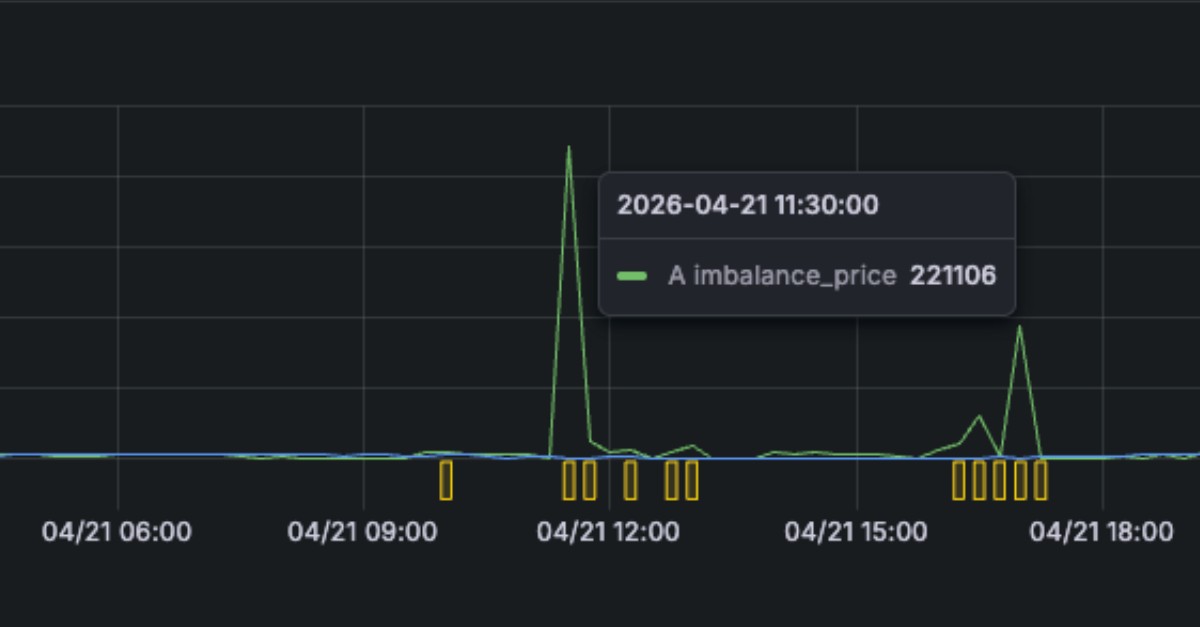
A few weeks ago, imbalance prices spiked for 15 minutes. Most portfolios didn't react. Ours did. We shifted residential flexibility across our partners' assets in real time and saved €40,000 in a quarter of an hour. 💸 This is what active portfolio control looks like when the market surprises you. If you're a utility and you're not sure what that same window cost you, let's talk.
- CodiblySince 8 Jun 2026
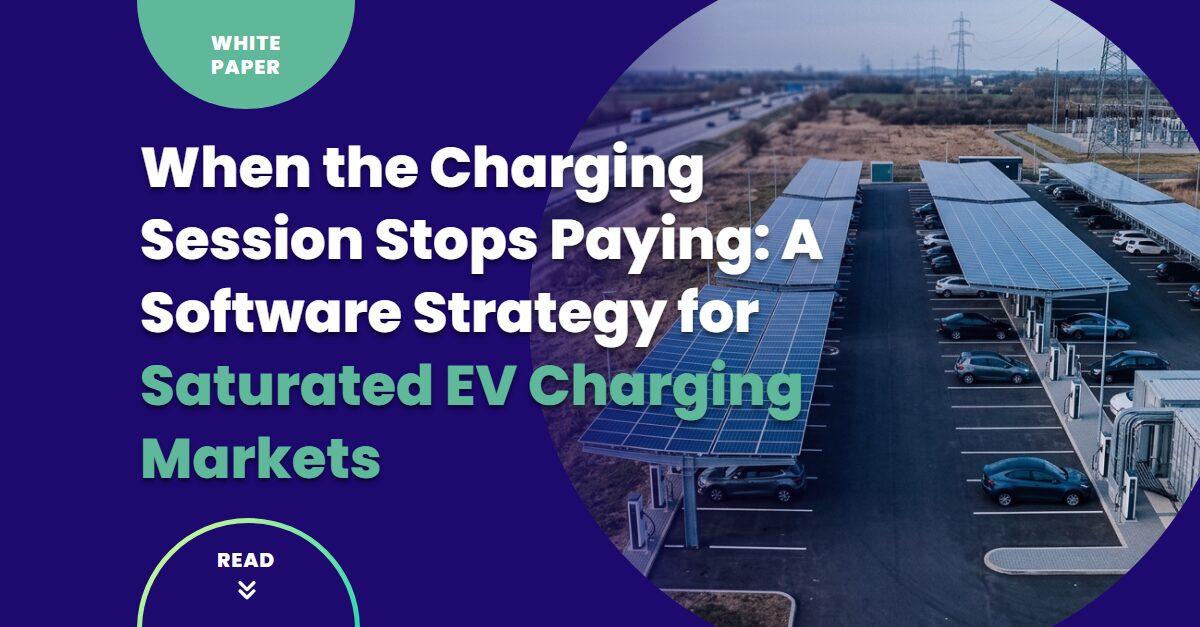
At Codibly, we recently published a whitepaper exploring how CPOs can shape their software strategy in a market that is becoming increasingly competitive and, ultimately, more consolidated. If you're operating a public charging network in Europe today, the below are likely two increasingly growing challenges ⚡ Margins on charging are tightening as more than a thousand operators compete for market share, with profitability increasingly under pressure. ⚡ At the same time, flexibility markets, smart charging, and grid services are moving from discussion and consultation into real commercial opportunities. As the market matures, we believe the winners won't necessarily be the networks with the most chargers, but those that can generate more value from the chargers they already have. Higher reliability. Smarter energy management. Demand response. Grid-facing flexibility. These are becoming critical differentiators. Worth a read for anyone shaping a 2026 software roadmap. https://lnkd.in/emTsW4AV
- CodiblySince 9 Jun 2026
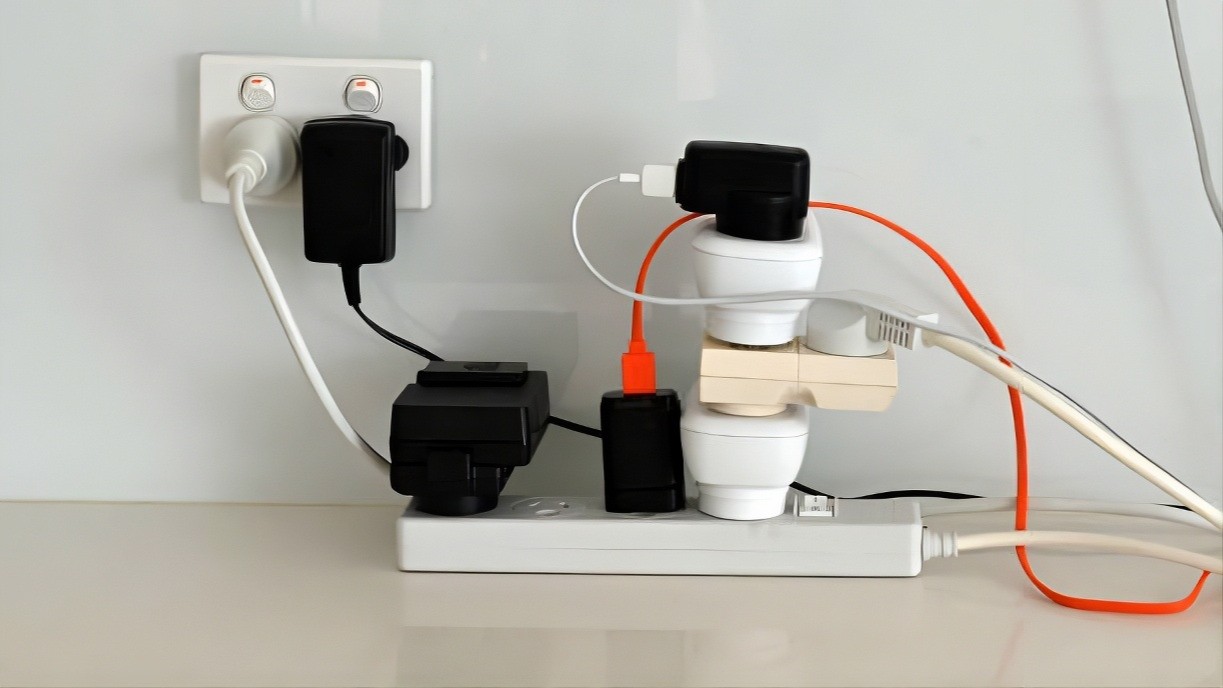
We have the technology, -> we don't have the interoperability (yet). We keep treating the energy transition like a hardware problem, more chargers, more batteries, more flexibility markets, more grid. OEM backends speak #OCPP and #ISO15118. Grid operators speak CIM, IEC 61850, #OpenADR, #IEEE_2030_5. Between them sits a translation layer nobody owns — and that's exactly where V2G and grid flexibility stall. Where does this actually end: convergence, or a permanent tax on every integration?
- CarbonChainSince 13 May 2026
If you're in sustainability at a steel, aluminium or fertiliser company, wondering how to scale tedious carbon data collection and sharing across different regulations like PCFs, CCFs, and CBAM — this webinar is for you. 👉 Register Now: https://lnkd.in/enBZKDHx 💻 Title: CBAM, PCFs, CCFs: Is your carbon data scaling across reporting? 🗓️ Wednesday, 20 May 2026 | 10 AM BST Learn how to get the foundations right, so you’re not wasting time meeting compliance demands, one at a time. Jack Laing CarbonChain #PCFs #CCF #sustainability #CBAM
- Carbon+Alt+DeleteSince 10 Sept 2025
¿Tienes clientes en España? El RD 214/2025 ya te afecta El Real Decreto 214/2025 obliga a muchas empresas a: ✅ Calcular su huella de carbono (alcance 1 y 2) ✅ Tener un plan de reducción a 5 años ✅ Publicarlo en su web Si tu cliente tiene +250 empleados o presenta cuentas consolidadas, esto ya es obligatorio. Como consultor de sostenibilidad, este es tu momento. Y nosotros te ayudamos a ir más allá del mínimo legal: Con Carbon+Alt+Delete puedes: - Usar la base oficial MITERD integrada para España - Incorporar también el alcance 3, con acceso a múltiples bases de datos de factores de emisión (Ecoinvent, Exiobase, WRAP, etc) - Importar y clasificar automáticamente facturas eléctricas, viajes, etc. - Facilitar la verificación por terceros con documentación clara y trazabilidad completa 📊 ¿Resultado? Informes más completos, listos para auditoría y alineados con CSRD. ¿Te interesa? Escríbeme por LinkedIn y agenda una demo. Te muestro cómo puedes ahorrar tiempo y escalar tu impacto. Lea el blog completo sobre cómo podemos ayudarle con más detalle aquí: https://lnkd.in/e7i8g3kP
- Carbon+Alt+DeleteSince 12 Sept 2025
We're hosting another edition of our Carbon Academy starting end of September. This trajectory will give you an introduction to the GHG protocol, emission factors, carbon accounting basics and the Carbon+Alt+Delete software. 5️⃣ online sessions 👥 focused on sustainability consultants 🗓 in September & October 💰 €950 per person Feel free to reach out to me or my colleague Felix Hoornaert for more information. 👉 https://lnkd.in/e7veW_mQ
- Blue Current B.V.Since 24 Dec 2025
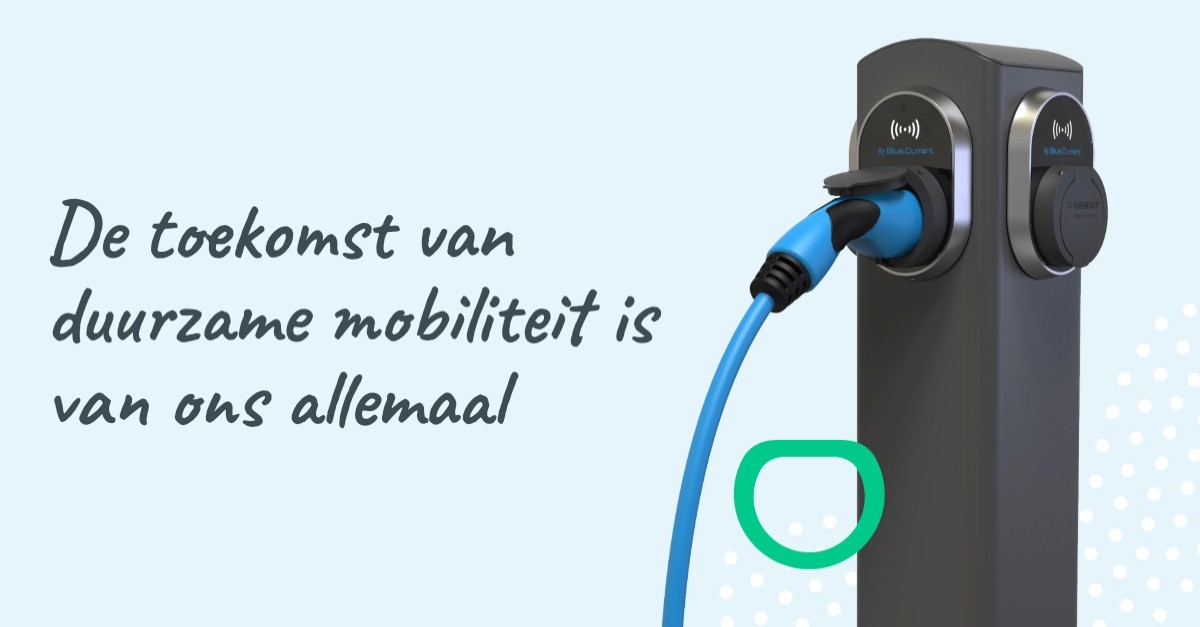
Wat doen wij met het geld uit onze obligatie-ronde? Heel concreet gebruiken we de opbrengst van onze obligatie-ronde om: 👉 het aantal gebruikers op ons platform laten groeien door autoname groei en; 👉 doormiddel van het doen van een eerste overname; 👉 ons Energy Platform verder te ontwikkelen; Met als resultaat een slimmer en flexibeler energienet waar we gezamenlijk als kers op de taart rendement mee kunnen maken. Het jaar goed afsluiten met 8% rente? Meedoen kan nog tot het einde van dit jaar. 👉 https://lnkd.in/eWqHkRJJ #BlueCurrent #energietransitie #impactinvesting #obligatie #innovatie
- Blue Current B.V.Since 30 Dec 2025
⏰ LAATSTE 36 UUR: Obligatieronde sluit 31 december 23:59 We staan al op €1,5 miljoen – maar er is nog ruimte. Waarom meedoen: ✅ 8% vaste rente per jaar (maandelijks uitgekeerd) ✅ 3 jaar looptijd ✅ Direct impact op de energietransitie Dit is je laatste kans. 👉 https://lnkd.in/eMQkXRGb #Investeren #Impact #Energietransitie #Obligatie #LaatsteKans
- BrunataSince 1 May 2026
Energiforbruget i en kontor/erhvervsejendom er sjældent jævnt fordelt – men afregningen ender alt for ofte med at være det alligevel. I videoen her deler min kollega Henrik Asving sine perspektiver på, hvordan vi kan skabe mere gennemsigtighed i forbruget. Alligevel ender afregningen alt for ofte i diskussioner og fordelinger, der bygger mere på skøn end på tal. Når fælles installationer gør det svært at gennemskue, hvem der reelt bruger hvad, opstår der usikkerhed. Lejerne undrer sig over regningen, og som udlejer ender du med at bruge værdifuld tid på at forsvare afregningen. Det slider på relationen og gør dialogen unødigt svær. I min hverdag her hos Brunata ser jeg tydeligt, hvad det gør ved driften, når vi erstatter estimater med præcise målinger. Når vi måler forbruget direkte i de enkelte lejemål og samler data automatisk, får du et klart og veldokumenteret grundlag for din afregning. Det betyder i praksis, at: ➡️ Afregningen bliver lettere at forklare, fordi den tager udgangspunkt i konkrete tal. ➡️ Lejerne kan se deres eget faktiske forbrug. ➡️ Tilliden mellem udlejer og lejer bliver styrket. Resultatet er en fair fordeling gennem dokumentation, som du altid kan stå på mål for. Oplever I også, at jeres erhvervslejere forventer større gennemsigtighed i deres energiforbrug?
- BudderflyRecorded 11 Sept 2026
Budderfly is solving one of the most overlooked problems in the energy transition. The next phase of the energy transition won't be won on innovation alone. To scale clean tech in the U.S., accessibility matters just as much as innovation. One of the biggest barriers to decarbonizing our economy isn't a lack of technology. It's making proven solutions accessible to the millions of businesses that don't have the capital, time, or internal resources to adopt them. For years, cleantech companies, capital markets, and corporate sustainability efforts have historically focused on the largest multinationals as a critical part of advancing the energy transition. The thinking goes: these are the private sector players with the capital, scale, and footprint to drive measurable impact. There's a lot of sense to that approach, and we've seen real wins from it. But we won't fully realize the potential of energy efficiency and renewables won't get us where we need to be if those models don't work for the small and mid-sized businesses that make up 99.9% of U.S. companies. The commercial midmarket (restaurants, QSR franchises, gyms, family manufacturers, bowling alleys, convenience stores, and hotels to name a few) spends an estimated US $55 billion annually on electricity. These businesses are powering local economies across the country, but most operate on razor thin margins. The upfront cost of upgrading their energy infrastructure ends the conversation before it even begins. They get stuck overpaying for energy, with aging equipment that wastes money and breaks. They also lose out on many of the benefits of the energy transition—lower energy costs, more resilient systems, cleaner air, reduced carbon emissions, and the opportunity to strengthen the communities they serve. Solving for this segment requires more than just technology. We need new business models and operating frameworks built around the realities these operators face every day: 1. Limited capital 2. Limited time 3. Limited in-house expertise That challenge is what drives Budderfly to keep building solutions that make cleantech more accessible and scalable for this often-overlooked segment of the market. Learn more about how Budderfly is making energy efficiency accessible to the businesses that need it most. https://lnkd.in/gePicjH9
- bpSince 9 Sept 2026
A few years ago, a language degree, an Erasmus experience and a move to Hungary set me on a path I hadn't quite expected. In this short video, I share a little about what drew me to bp, what I enjoy about working in a multilingual environment and why learning from different perspectives continues to keep things interesting😊 #LifeAtbp #MultilingualCareers #PolishSpeaker #CustomerService #BusinessSupport
- Blue Diamond & Net Zero EquipmentRecorded 11 Sept 2026
Anyone can drop a generator on site. The hard part is engineering the entire solution so it’s compliant, efficient, and reliable for the life of the project. This recent project is a good example. Our major projects team delivered and commissioned this 2 MW mine‑spec containerised generator to power a remote wastewater treatment facility in NT - on an accelerated timeline. The generator was specced for 11 kV output, with a Cummins QSK60 engine, Stamford alternator, ComAp control, ABB HV sync gear, and custom features to meet the site’s compliance requirements- from large roof‑mounted cooling hatches to dual mufflers for noise compliance. The project was delivered to spec, on time, and built to thrive in one of the toughest environments in Aus. If you’re working on a major project with complex power requirements, get in touch with Blue Diamond & Net Zero Equipment.
- Blue Diamond & Net Zero EquipmentRecorded 11 Sept 2026
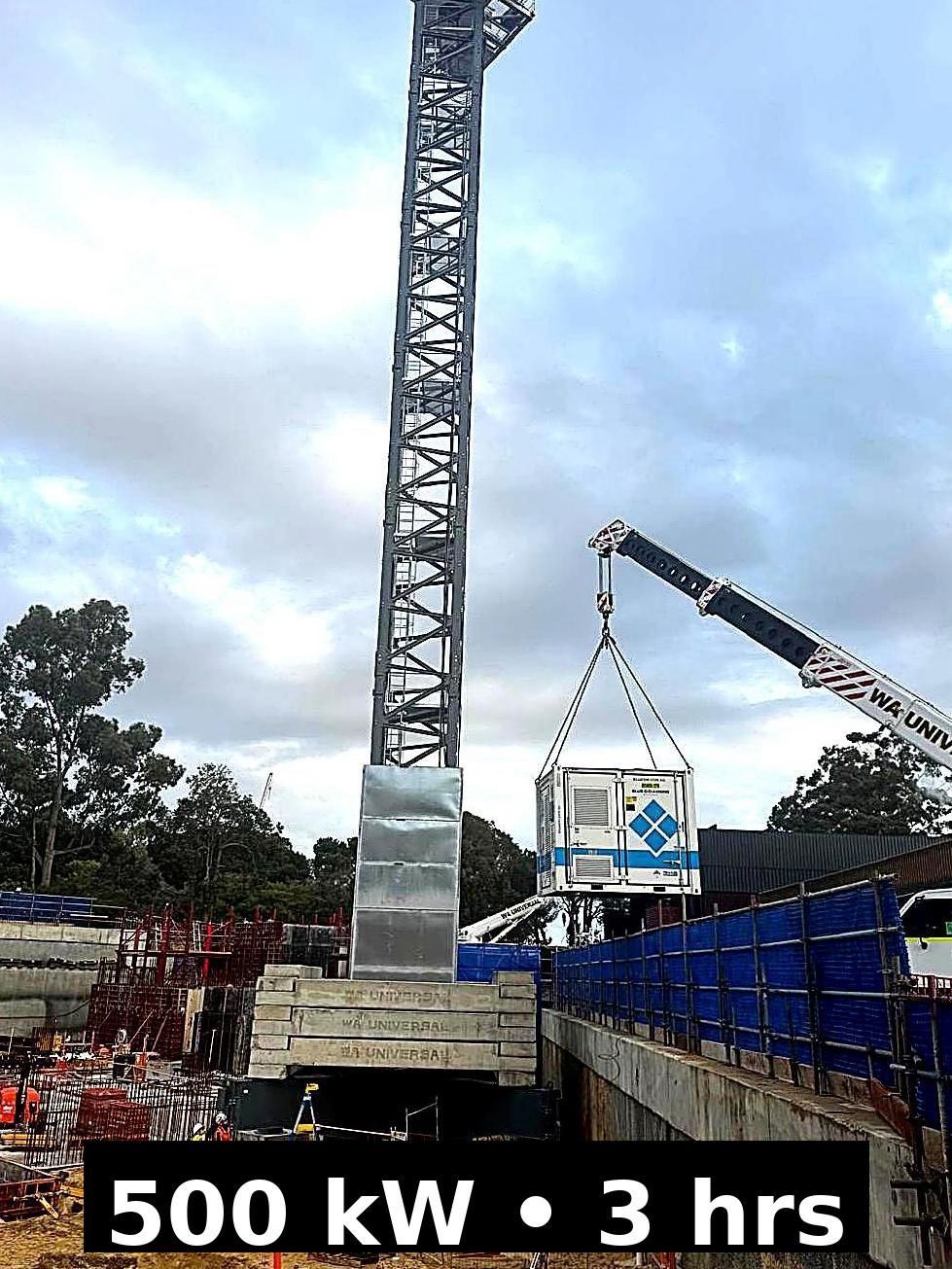
Cranes back online in 3 hours… Without diesel. When a 300 kVA diesel generator running tower cranes was shut down after excessive smoke, this construction site faced major downtime. Within 3 hours, our team delivered, installed, and commissioned a 500 kW Battery Energy Storage System. Cranes back on, project back on track. The BESS also runs cleaner, near-silent, and delivers instant load response - with no refuelling and lower operating costs than a diesel genset. Here’s the link to the BESS that was deployed for those interested: https://bit.ly/41Dgbc7 When a job site goes down, we’re there.
- Blended PowerRecorded 11 Sept 2026
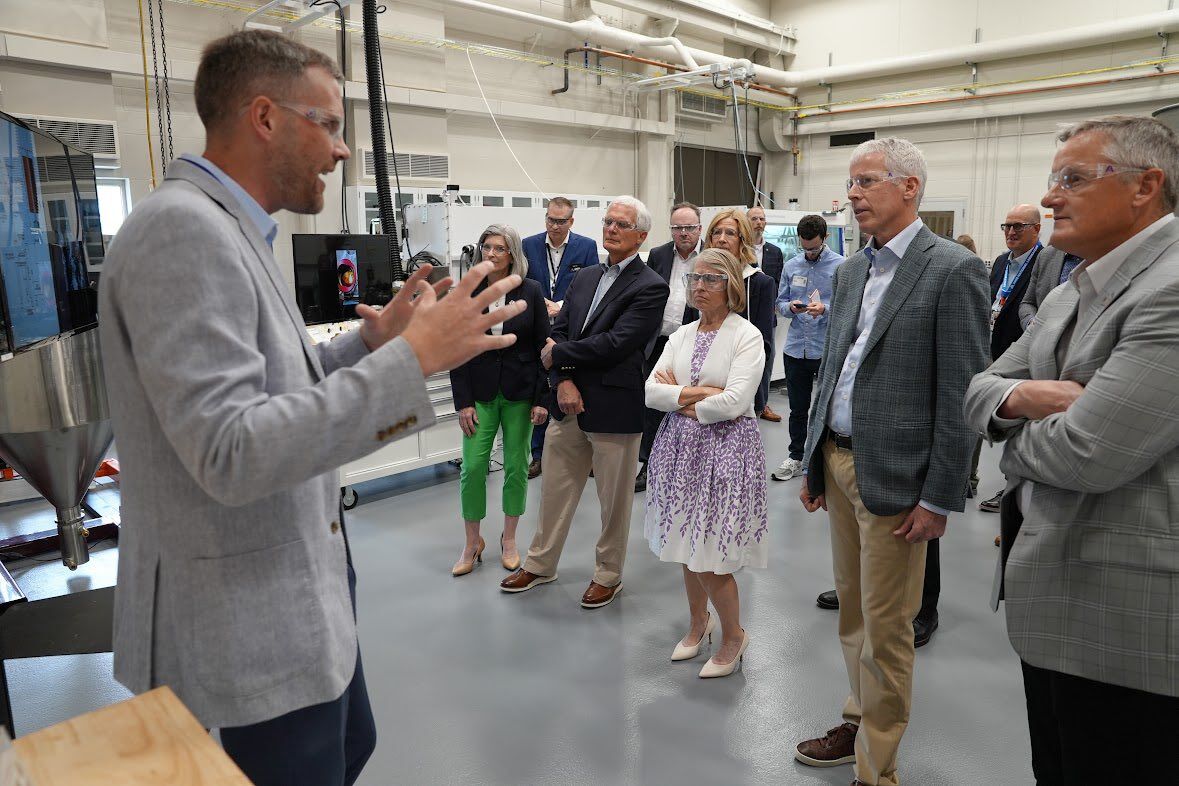
𝐏𝐞𝐫𝐜𝐞𝐩𝐭𝐢𝐨𝐧 𝐨𝐟 𝐑𝐞𝐧𝐞𝐰𝐚𝐛𝐥𝐞 𝐄𝐧𝐞𝐫𝐠𝐲 𝐒𝐮𝐛𝐬𝐢𝐝𝐢𝐞𝐬 This post is the second in a series I’m writing about the perception of renewable energy in the US. Energy Secretary Chris Wright recently spoke at the Ames National Laboratory on the Trump Administration’s policies toward renewable energy tax credits: https://lnkd.in/gvkYDXq7 One point he emphasized is that wind and solar need to "compete in the marketplace" against other power generation technologies. The implication in Sec Wright’s statement is that wind and solar energy are the only technologies receiving subsidies, whereas tax credits for other types of generation and fossil fuels remained after the OBBB was passed. Sophisticated accounting treatments for fossil fuel projects, such as the those for drilling costs and depletion, are less visible but also have significant impacts to the Federal Budget over time. This illustrates the public perception gap where direct subsidies to renewables are a more visible target and accounting treatments benefiting conventional energy sources are ignored. The original intent of subsidies for wind, solar, and many other less mature technologies was to help them reach the scale to where they can be cost competitive; Sec Wright acknowledged the virtue of this idea in his speech. Subsidies for mature technologies are generally not economically efficient, but this idea applies to all technologies and not wind and solar in particular. However, the economic theory does not consider the political realities of increased energy costs. No administration wants to be the one to raise gas and power prices even if it is offset by a smaller deficit. The US is not the only country that faces this problem, but it may have the most levers to pull to solve it given our domestic energy resources. It’s hard to determine how the subsidies balance out across different technologies and incentives, but the last 5-10 years have seen significant growth in all types of energy production. In that time of relative balance, the power grid has seen a much larger build-out of utility-scale wind, solar and battery storage projects than other types of power generation. Even though solar (more-so than wind) is expected to continue being built at a significant pace in this new policy environment, it doesn’t confirm Sec Wright’s logic. That’s because companies who own operating power plants or build new ones with subsidies can raise their prices to the new cost of solar and force the consumers to pay for the increase. For supporters of renewable energy policy to be successful at getting the policy balance restored, these flaws must be shared with the public as much as possible. Go to blendedpower.com for more information on our development engineering and other services. #RenewableEnergy #PowerMarkets #EnergyPolicy
- Blended PowerRecorded 11 Sept 2026
𝐏𝐞𝐫𝐜𝐞𝐩𝐭𝐢𝐨𝐧 𝐨𝐟 𝐑𝐞𝐧𝐞𝐰𝐚𝐛𝐥𝐞 𝐄𝐧𝐞𝐫𝐠𝐲 𝐀𝐯𝐚𝐢𝐥𝐚𝐛𝐢𝐥𝐢𝐭𝐲 During the Federal budget debates earlier this year, Sen Kevin Cramer and Rep Julie Fedorchak wrote an open letter to Congressional leaders criticizing the intermittency of wind and solar power: https://lnkd.in/gD7DqHZf The letter notes that both of them have served on the North Dakota Public Service Commission in the past. One of the major points made in their letter is a push for Federal policy to prioritize “resource adequacy”. Using NREL’s definition https://lnkd.in/ghPyFcgn, Resource Adequacy “is measured by the probability of an outage due to insufficient capacity”. While it is typically described as a system-level measurement, many utilities apply a resource adequacy measure to individual power generation units to add up to a total adequacy measure across their system. Each generating unit is assigned a value for the summer and winter peak scenarios based on how much capacity has a high probability of being available at that time. Solar and wind typically receive low scores in this measure due to weather variability. Other risks to power plant availability, such as unplanned maintenance outages or fuel supply limitations, are often captured in utility-wide reserve margins rather than a plant-level resource adequacy score. Some utilities have recently adjusted their calculations to better reflect the contribution of renewables. The inclusion of paired battery storage in new renewable energy projects creates firm capacity that can be delivered and increases the resource adequacy measure of that unit to the full capacity of the battery. Stand-alone battery storage also creates firm capacity and increases overall resource adequacy that can be charged by renewable power from elsewhere on the grid. Finally, utilities with spread-out territories can assume that wind and solar projects in different locations will compliment each other. The probability of the weather causing minimum output at projects distant from each other is low, so the planners can run simulations to determine real-world scenarios. The perception that the intermittency of wind and solar power cannot be dealt with is something the industry must push back against. In their letter, Sen Cramer and Rep Fedorchak did not discuss the role of battery storage at all. It’s a major oversight because almost 30 GW of battery storage has been added to the US power grid between 2024 and 2025. Policy assumptions need to be revised to reflect the improved situation. Thanks to the emergence of battery storage, an honest look at resource adequacy would show renewables in a better light. Go to blendedpower.com for more information on our development engineering and other services. #RenewableEnergy #EnergyPolicy #ResourcePlanning #BatteryStorage





Other LinkedIn formats
Watch the companies you care about.
Filter every ad by industry, country, format and network, and get alerts when a company you watch starts running new ads.