On air · 1 of 3 networks
Blended Power
- blendedpower.com
- Climate & Energy
- US
- 10 employees
Blended Power’s ads on LinkedIn, Meta and Google, recorded by adsrunning. Browse the latest here for free. Sign up free to see all 24. Watch Blended Power with Starter to get each new one in your feed.
Watchlist with Starter · $49/mo
| Network | Status | Live ads | Nov 2025LinkedIn activity · 52 weeksOct 2026 | Checked | Next step |
|---|---|---|---|---|---|
| Running | 24 | Checked 30 Oct 2026 | See all 24 ads → | ||
| Meta | Not checked | — | |||
| None recorded | 0 | No ads found on the Google Ads Transparency Center | Checked 12 Oct 2026 | Collect them with the API → |
Blended Power has 24 live LinkedIn ads. We recorded no Google ads on 12 Oct 2026.
Latest ads
- LINKEDIN · IMAGERecorded 11 Sept 2026
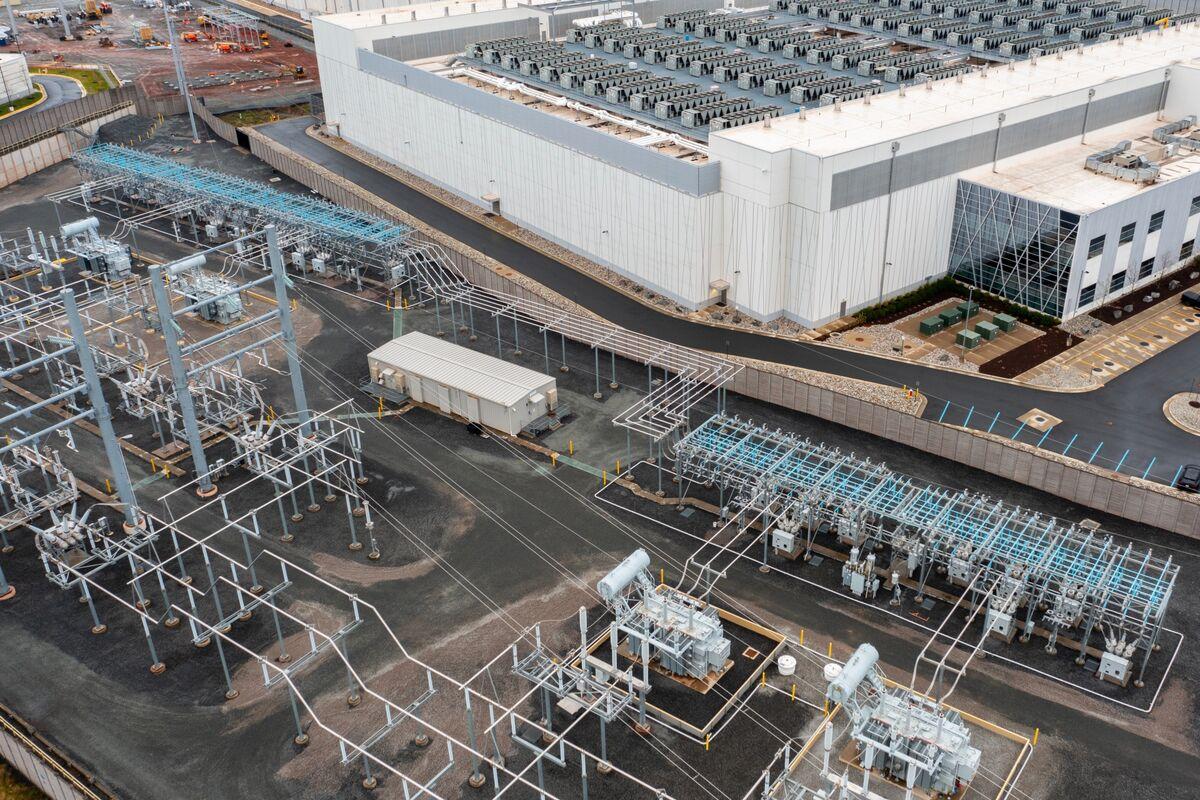
It's genuinely concerning to see an investor-owned utility like Dominion seek to acquire a member-owned co-op. This move treats a non-profit community asset like a corporate commodity, trading local control for higher returns. The cooperative model exists to serve members, not to be absorbed by a large corporation just to capture data center market share. #ElectricCoop #DominionEnergy #NOVEC #CommunityOverProfit #Utilities #DataCenters https://lnkd.in/evdbaBWG
- LINKEDIN · IMAGERecorded 11 Sept 2026
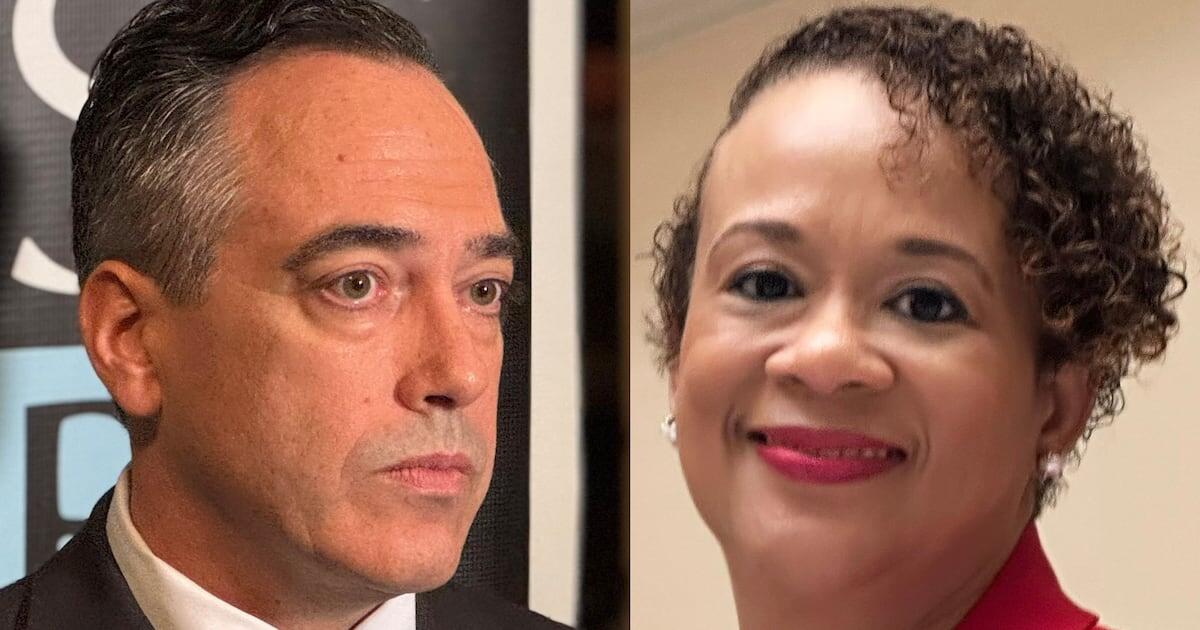
The victory of Democrats Alicia Johnson and Peter Hubbard in the Georgia Public Service Commission (PSC) elections surprised many people nationally, but anyone who has been following Georgia’s PSC was not surprised. The fatigue over rising electricity bills is real, especially after the commission approved six rate increases since late 2022, leading many to feel the PSC was simply a "rubber stamp" for Georgia Power. Now, with a new 3-2 dynamic, the expectation is simple: stronger consumer protection and real pushback. It remains to be seen what this new balance of power will mean for future rate cases and Georgia's energy mix, but the conversation has officially changed. https://lnkd.in/e55rTYuX #GeorgiaPSC #ElectricBills #GeorgiaPower #RenewableEnergy #CleanEnergy
- LINKEDIN · IMAGERecorded 11 Sept 2026
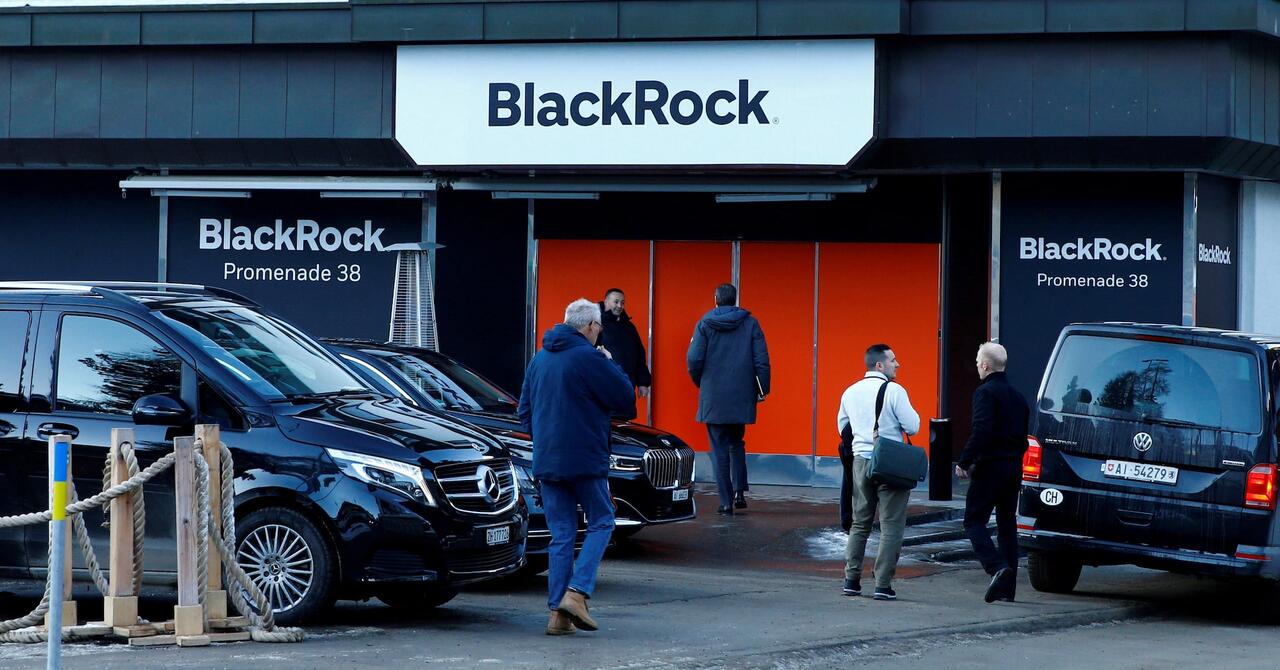
The potential $38 billion acquisition of AES Corporation by BlackRock's GIP follows the recent approval by the Minnesota PUC of the the sale of Allette to BlackRock/CPP Investments. This trend of private equity acquiring regulated utilities is raising major sector concerns regarding consumer affordability, especially as AES subsidiaries are already attempting to raise rates: - AES Indiana has applied for a 7.5% rate increase in Q2 of 2026 and a 6% rate increase in Q1 of 2027 - AES Ohio just had a 9% distribution rate increase approved and has notified the PUCO of its intent to file an additional multi-year rate increase in the coming months. https://lnkd.in/edZ_h5qZ #Utilities #Energy #PrivateEquity #AES #BlackRock
- LINKEDIN · IMAGERecorded 11 Sept 2026
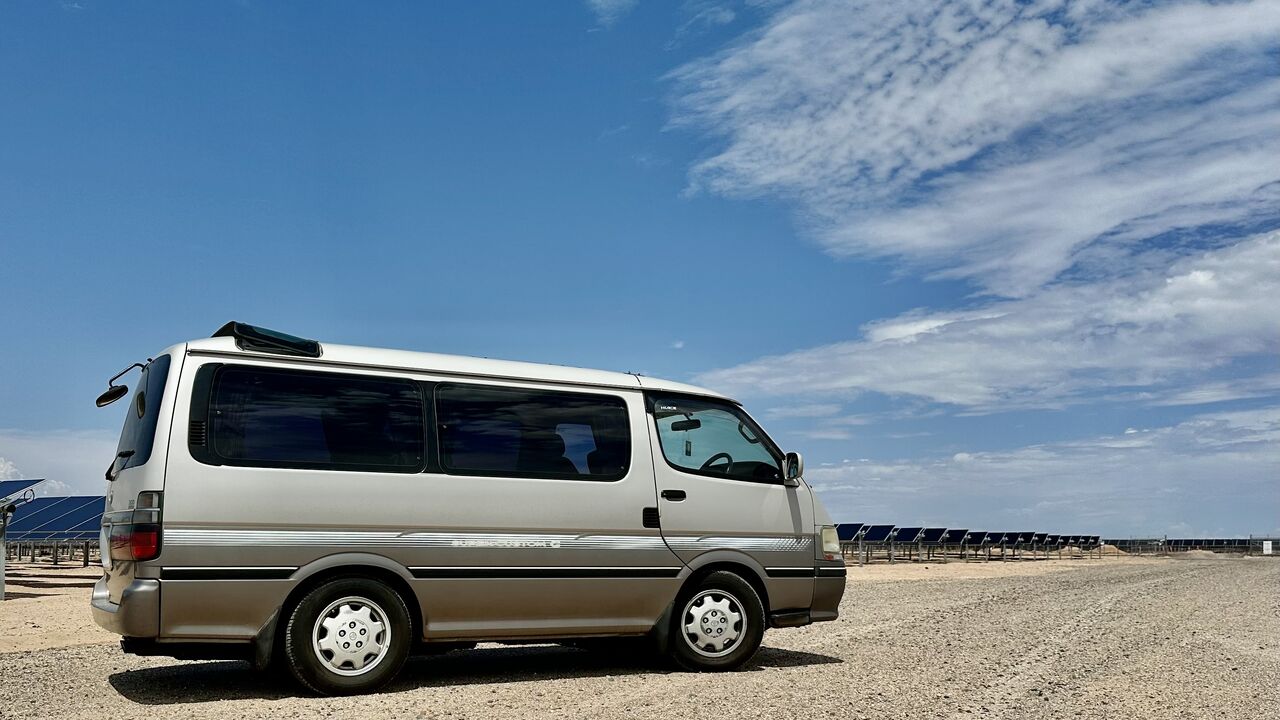
For me, driving with the windows down – all of the windows down & all of the sunroof(s) open, when applicable (see photo below) – has to be one of my favorite ways to hit the road, and being able to do so for **most** of the year is one of the major perks of living in Phoenix. I don’t know, there’s just something different about going 45 MPH and being able to actually feel it. That said, I just got back from a nice lil run to pick up my kids, who are (obviously) windows-down-aficionados-in-training, and my daughter asked me an interesting question….. “Dad, why are we the only ones with our windows down all the time?” I laughed and said “I don’t know, they’re probably scared of getting sucked out or something…” She laughed back and said “sounds to me like they could use some fresh air!” Which got me thinking… I’m sure it gets pretty stuffy in those company silos as projects add up and deadlines mount – let me know if we can help crack a window and provide some fresh air for the team by assisting with a project/task or two. #ROLLTIDE? More like, roll those windows down, take a big breath of life, and reach out to Blended Power for all your renewable project needs! #RENEWABLE #ENERGY #WINDOWSDOWN #PEACE #LOVE #EARTH #JDM #HIACE #SOLARFARM
- LINKEDIN · IMAGERecorded 11 Sept 2026
𝐏𝐞𝐫𝐜𝐞𝐩𝐭𝐢𝐨𝐧 𝐨𝐟 𝐑𝐞𝐧𝐞𝐰𝐚𝐛𝐥𝐞 𝐄𝐧𝐞𝐫𝐠𝐲 𝐀𝐯𝐚𝐢𝐥𝐚𝐛𝐢𝐥𝐢𝐭𝐲 During the Federal budget debates earlier this year, Sen Kevin Cramer and Rep Julie Fedorchak wrote an open letter to Congressional leaders criticizing the intermittency of wind and solar power: https://lnkd.in/gD7DqHZf The letter notes that both of them have served on the North Dakota Public Service Commission in the past. One of the major points made in their letter is a push for Federal policy to prioritize “resource adequacy”. Using NREL’s definition https://lnkd.in/ghPyFcgn, Resource Adequacy “is measured by the probability of an outage due to insufficient capacity”. While it is typically described as a system-level measurement, many utilities apply a resource adequacy measure to individual power generation units to add up to a total adequacy measure across their system. Each generating unit is assigned a value for the summer and winter peak scenarios based on how much capacity has a high probability of being available at that time. Solar and wind typically receive low scores in this measure due to weather variability. Other risks to power plant availability, such as unplanned maintenance outages or fuel supply limitations, are often captured in utility-wide reserve margins rather than a plant-level resource adequacy score. Some utilities have recently adjusted their calculations to better reflect the contribution of renewables. The inclusion of paired battery storage in new renewable energy projects creates firm capacity that can be delivered and increases the resource adequacy measure of that unit to the full capacity of the battery. Stand-alone battery storage also creates firm capacity and increases overall resource adequacy that can be charged by renewable power from elsewhere on the grid. Finally, utilities with spread-out territories can assume that wind and solar projects in different locations will compliment each other. The probability of the weather causing minimum output at projects distant from each other is low, so the planners can run simulations to determine real-world scenarios. The perception that the intermittency of wind and solar power cannot be dealt with is something the industry must push back against. In their letter, Sen Cramer and Rep Fedorchak did not discuss the role of battery storage at all. It’s a major oversight because almost 30 GW of battery storage has been added to the US power grid between 2024 and 2025. Policy assumptions need to be revised to reflect the improved situation. Thanks to the emergence of battery storage, an honest look at resource adequacy would show renewables in a better light. Go to blendedpower.com for more information on our development engineering and other services. #RenewableEnergy #EnergyPolicy #ResourcePlanning #BatteryStorage
- LINKEDIN · IMAGERecorded 11 Sept 2026
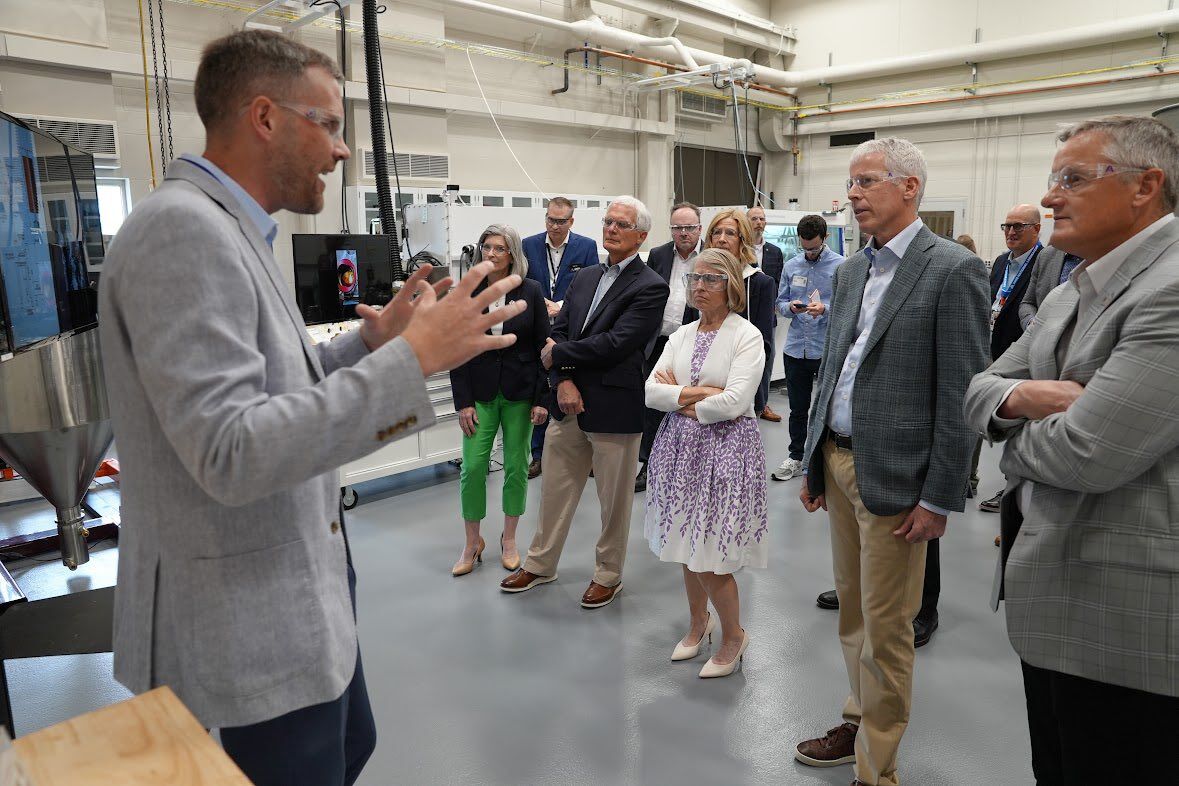
𝐏𝐞𝐫𝐜𝐞𝐩𝐭𝐢𝐨𝐧 𝐨𝐟 𝐑𝐞𝐧𝐞𝐰𝐚𝐛𝐥𝐞 𝐄𝐧𝐞𝐫𝐠𝐲 𝐒𝐮𝐛𝐬𝐢𝐝𝐢𝐞𝐬 This post is the second in a series I’m writing about the perception of renewable energy in the US. Energy Secretary Chris Wright recently spoke at the Ames National Laboratory on the Trump Administration’s policies toward renewable energy tax credits: https://lnkd.in/gvkYDXq7 One point he emphasized is that wind and solar need to "compete in the marketplace" against other power generation technologies. The implication in Sec Wright’s statement is that wind and solar energy are the only technologies receiving subsidies, whereas tax credits for other types of generation and fossil fuels remained after the OBBB was passed. Sophisticated accounting treatments for fossil fuel projects, such as the those for drilling costs and depletion, are less visible but also have significant impacts to the Federal Budget over time. This illustrates the public perception gap where direct subsidies to renewables are a more visible target and accounting treatments benefiting conventional energy sources are ignored. The original intent of subsidies for wind, solar, and many other less mature technologies was to help them reach the scale to where they can be cost competitive; Sec Wright acknowledged the virtue of this idea in his speech. Subsidies for mature technologies are generally not economically efficient, but this idea applies to all technologies and not wind and solar in particular. However, the economic theory does not consider the political realities of increased energy costs. No administration wants to be the one to raise gas and power prices even if it is offset by a smaller deficit. The US is not the only country that faces this problem, but it may have the most levers to pull to solve it given our domestic energy resources. It’s hard to determine how the subsidies balance out across different technologies and incentives, but the last 5-10 years have seen significant growth in all types of energy production. In that time of relative balance, the power grid has seen a much larger build-out of utility-scale wind, solar and battery storage projects than other types of power generation. Even though solar (more-so than wind) is expected to continue being built at a significant pace in this new policy environment, it doesn’t confirm Sec Wright’s logic. That’s because companies who own operating power plants or build new ones with subsidies can raise their prices to the new cost of solar and force the consumers to pay for the increase. For supporters of renewable energy policy to be successful at getting the policy balance restored, these flaws must be shared with the public as much as possible. Go to blendedpower.com for more information on our development engineering and other services. #RenewableEnergy #PowerMarkets #EnergyPolicy
6 of 24 adsSign up to see every Blended Power ad, filter by format and date, and get alerts on new ones.
See all 24 adsWatch the companies you care about.
Filter every ad by industry, country, format and network, and get alerts when a company you watch starts running new ads.