LinkedIn thought leader ad examples
127 thought leader ads are live on LinkedIn right now, from 192 companies. Browse real ones, filtered by industry.
- BlueStar USRecorded 11 Sept 2026
VARs: Simplify healthcare workflows with connected ID solutions. From patient admission to discharge, seamless scanning and printing can make every step faster, safer, and more accurate. The CR2700 Healthcare Barcode Scanner and Certis C1-30 Thermal Patient ID Printer deliver the precision hospitals rely on for error-free identification and smooth, connected care. Help your healthcare clients achieve worry-free workflows from scan to print: https://lnkd.in/e7xswPFs
- avega IT AGRecorded 9 Sept 2026
Das Thema Digitalisierung blockiert oftmals, weil es zu viele Optionen gibt. Eine digitale Transformation muss aber nicht riesengross starten. Der Einstieg gelingt in kleinen Schritten und mit kleineren Budgets. Ein hoher Perfektionsanspruch blockiert den Start. Schnelles Loslegen ermöglicht ein rasches Lernen. Wie der schrittweise Einstieg in digitale Projekte gelingt, zeigt der Ansatz auf https://www.avega.ch/
- avega IT AGRecorded 9 Sept 2026
Bei neuen Projekten in der digitalen Transformation hilft meist ein bewusster Schritt zurück. Zu Beginn besteht oft eine konkrete Vorstellung der Lösung. Sinnvoller kann es sein, nach dem eigentlichen Ziel zu fragen. Daraus ergeben sich häufig andere Lösungsansätze. Im ersten Schritt ist Übersicht zentral. Viele Grundlagen wie Datenkonzepte oder Prozessübersichten existieren bereits, sind aber nicht an einem Ort gebündelt. Die zusätzliche Erhebung interner und externer Bedürfnisse zeigt, wo Potenziale liegen. Wie dieser Einstieg zu passgenauen Lösungen führt, zeigt der Ansatz auf https://www.avega.ch/
- ARTJOKERSince 20 Jul 2026
Something I’ve noticed recently working with startups - nobody plans to create feature debt. It just... happens. You ship fast. Customers ask for things. Sales pushes for “just one small tweak.” You add it. Then you add another. And another. At first, it feels like momentum. The roadmap is full. The team is busy. New stuff goes live every sprint. But a few months later, something shifts. Demos get longer. Onboarding needs more explanation. Edge cases multiply. Simple changes take longer than they should. Nothing is broken. But everything feels heavier. That’s feature debt. It’s not messy code. It’s accumulated decisions that were never cleaned up. And the dangerous part is — it looks like growth while you’re doing it. Until velocity drops. The startups that scale well aren’t the ones that ship the most features. They’re the ones that regularly pause and ask: “𝘞𝘩𝘢𝘵 𝘤𝘢𝘯 𝘸𝘦 𝘳𝘦𝘮𝘰𝘷𝘦?” 📌 If your product feels harder to explain than it did six months ago, let’s have a quick chat. Sometimes an outside perspective is all it takes to see what’s been hiding in plain sight. #StartupGrowth #SaaS #ProductStrategy #StartupScaling
- ARTJOKERSince 20 Jul 2026
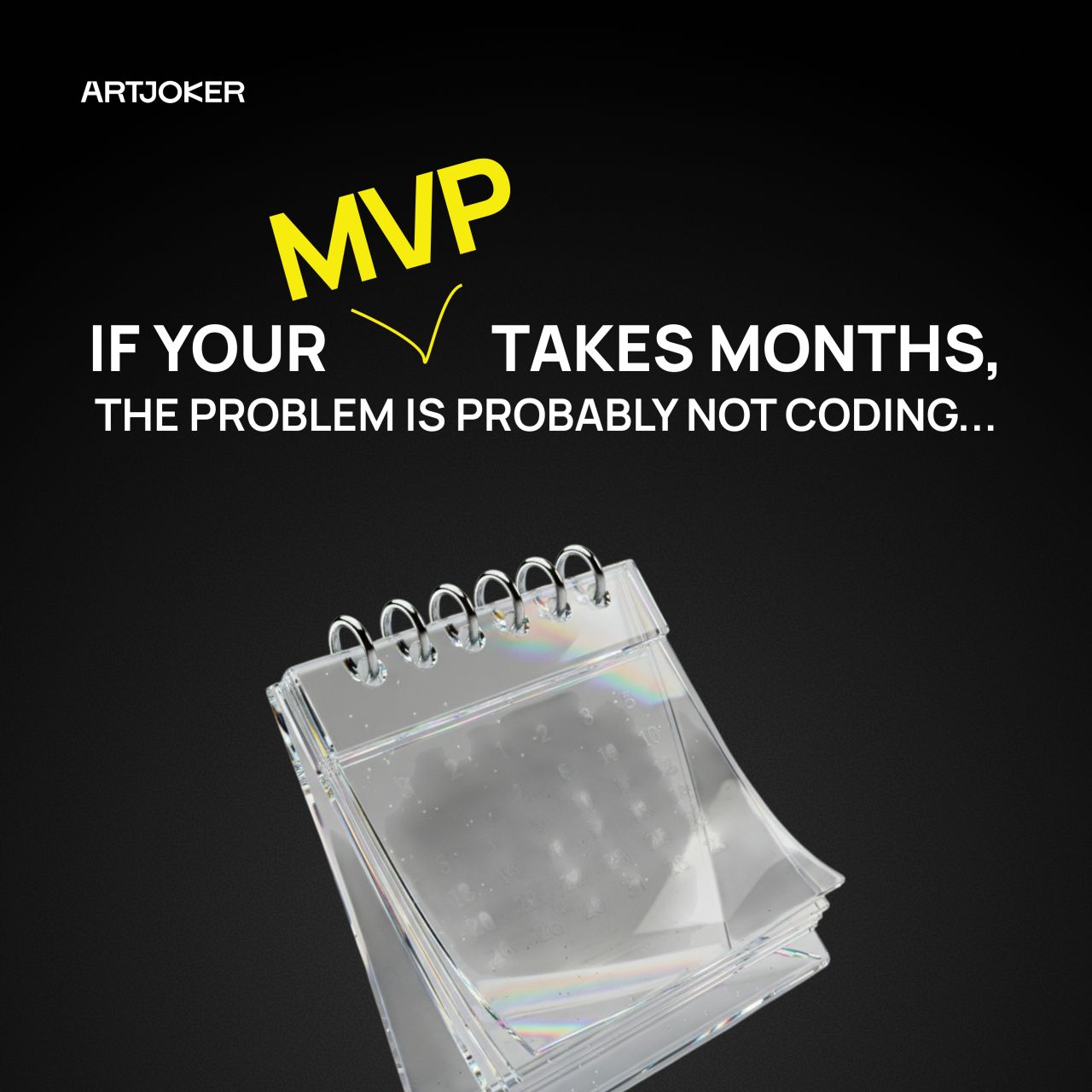
𝗔𝗜 𝗰𝗮𝗻 𝘀𝗽𝗲𝗲𝗱 𝘂𝗽 𝗠𝗩𝗣 𝗱𝗲𝗹𝗶𝘃𝗲𝗿𝘆. 𝘉𝘶𝘵 𝘰𝘯𝘭𝘺 𝘸𝘩𝘦𝘯 𝘪𝘵 𝘪𝘴 𝘣𝘶𝘪𝘭𝘵 𝘪𝘯𝘵𝘰 𝘵𝘩𝘦 𝘱𝘪𝘱𝘦𝘭𝘪𝘯𝘦, 𝘯𝘰𝘵 𝘢𝘥𝘥𝘦𝘥 𝘰𝘯 𝘵𝘰𝘱 𝘰𝘧 𝘤𝘩𝘢𝘰𝘴. The biggest value usually comes from using AI for: - research synthesis - requirements drafting - backlog prep - QA support - repetitive ops tasks - internal coordination 𝗨𝘀𝗲𝗱 𝘄𝗲𝗹𝗹, 𝘁𝗵𝗶𝘀 𝗰𝘂𝘁𝘀 𝗰𝘆𝗰𝗹𝗲 𝘁𝗶𝗺𝗲. 𝗨𝘀𝗲𝗱 𝗯𝗮𝗱𝗹𝘆, 𝗶𝘁 𝗷𝘂𝘀𝘁 𝗮𝗱𝗱𝘀 𝗺𝗼𝗿𝗲 𝗻𝗼𝗶𝘀𝗲. In my experience, AI helps most when 3 things are already in place: - clear scope - fast decisions - strong ownership Without that, even the best tools will not speed up delivery in a meaningful way.🤔 That is why I see AI-powered development pipelines as an operational advantage. Not a trend. But a practical way to move from idea to MVP faster, with less friction and better focus. 📌 If you’re trying to launch an MVP quickly, let’s connect.
- ASE TechRecorded 8 Sept 2026
Naran McClung and I meet people all the time with incredible stories to tell — but they’re not sure how to tell them. They’ve got the experience, the lessons, the scars… but when it comes to showing up online, the confidence and consistency just aren’t there. In our latest Things.Reasons. episode, James Henderson of Moxie Insights shares one of the best takes I’ve heard on this — how to find your fusion. That place where what you do and who you are actually line up. 👉 Check out the episode wherever you get your podcasts https://lnkd.in/gD5dMv_B #leadership #authenticity #storytelling #thingsreasons #australianIT
- ASE TechRecorded 8 Sept 2026
James Henderson from Moxie Insights offers a masterclass in what it take to engage a modern B2B audience on Episode 3 of Things.Reasons. 👉 Check out the episode wherever you get your podcasts https://lnkd.in/gD5dMv_B #leadership hashtag #authenticity hashtag #storytelling hashtag #thingsreasons hashtag #australianIT Naran McClung Pru Loon
- Allied ITRecorded 4 Sept 2026
Senha do sistema de vigilância do Louvre: LOUVRE. Repito: A senha do sistema de vigilância do Louvre era LOUVRE. Pois é, depois dessa a Mona Lisa tá rindo de nervoso... Essa foi a senha real usada pelo museu mais icônico do mundo. E não, isso não é exagero jornalístico. É auditoria oficial. Enquanto o público fazia fila pra ver a Mona Lisa, o sistema de segurança estava rodando com software de 2003, sem suporte desde 2019, com acesso remoto liberado, e permissões que podiam ser alteradas por um crachá administrativo. Em oito minutos (mesmo tempo da pausa pro cafézinho), sumiram joias da coroa francesa. 88 milhões de euros. Roubo confirmado. E o mais chocante: amadores. Não tinha engenharia de ponta. Foi negligência básica. Aquela que se acumula quando "tá rodando, então deixa assim". Esse caso mostra a cultura de segurança que simplesmente não existe. Onde a senha “LOUVRE” é só a ponta visível de um iceberg de abandono técnico, zonas cinzentas e decisões adiadas. Mas o alerta aqui não é pro Louvre. É pra você. Até porque a essa altura do campeonato a senha já deve ter sido alterada pra “louvre123@” 🤣 Brincadeiras à parte... Se isso acontece no Louvre, com um orçamento milionário, com uma marca global a zelar, com equipes e fornecedores de peso… …o que impede que aconteça em qualquer empresa, hospital, indústria ou órgão público que ainda carrega: - Sistemas que ninguém atualiza porque tem medo de quebrar - Senhas que nunca mudaram porque “todo mundo já sabe” - Acesso remoto liberado pra “resolver rápido” - Permissões acumuladas por função e não por necessidade - Processos de segurança que só existem no papel - Auditorias ignoradas porque “custam caro demais” Se você acha que é exceção talvez só esteja esperando o seu “momento Louvre”. Faça o que o Louvre não fez: trate segurança como prioridade, não como decoração. Audite o que está invisível. Questione o que virou hábito. Revise o que está “funcionando bem demais há tempo demais”. E sim: troque a senha o mais rápido possível porque “suaempresa123” não rola. Mas, principalmente, troque a mentalidade. Porque a próxima manchete pode não vir de Paris. Pode vir do seu próprio ambiente. E aí não adianta colocar alarme novo. Vai ser tarde demais pra dizer que ninguém avisou.
- All CoveredRecorded 4 Sept 2026
Legal clients expect more than just strong representation; they expect strong data protection. But managing IT and cybersecurity in-house is time-consuming, expensive, and risky. That’s why more law firms are turning to outsourced IT partners. In our new guide, The ROI of Outsourced Managed IT & Cybersecurity for Law Firms, we break down: ✔️ How law firms reduce risk and cost ✔️ What “legal-grade” IT support looks like ✔️ How client trust and tech maturity go hand-in-hand 📥 Download the free eBook now: https://lnkd.in/gr5UuvD7 #LawFirmTechnology #CybersecurityAwareness #ManagedITServices #DataProtection
- ALFA - Consultoria SAP, ERP, BPM e IARecorded 4 Sept 2026
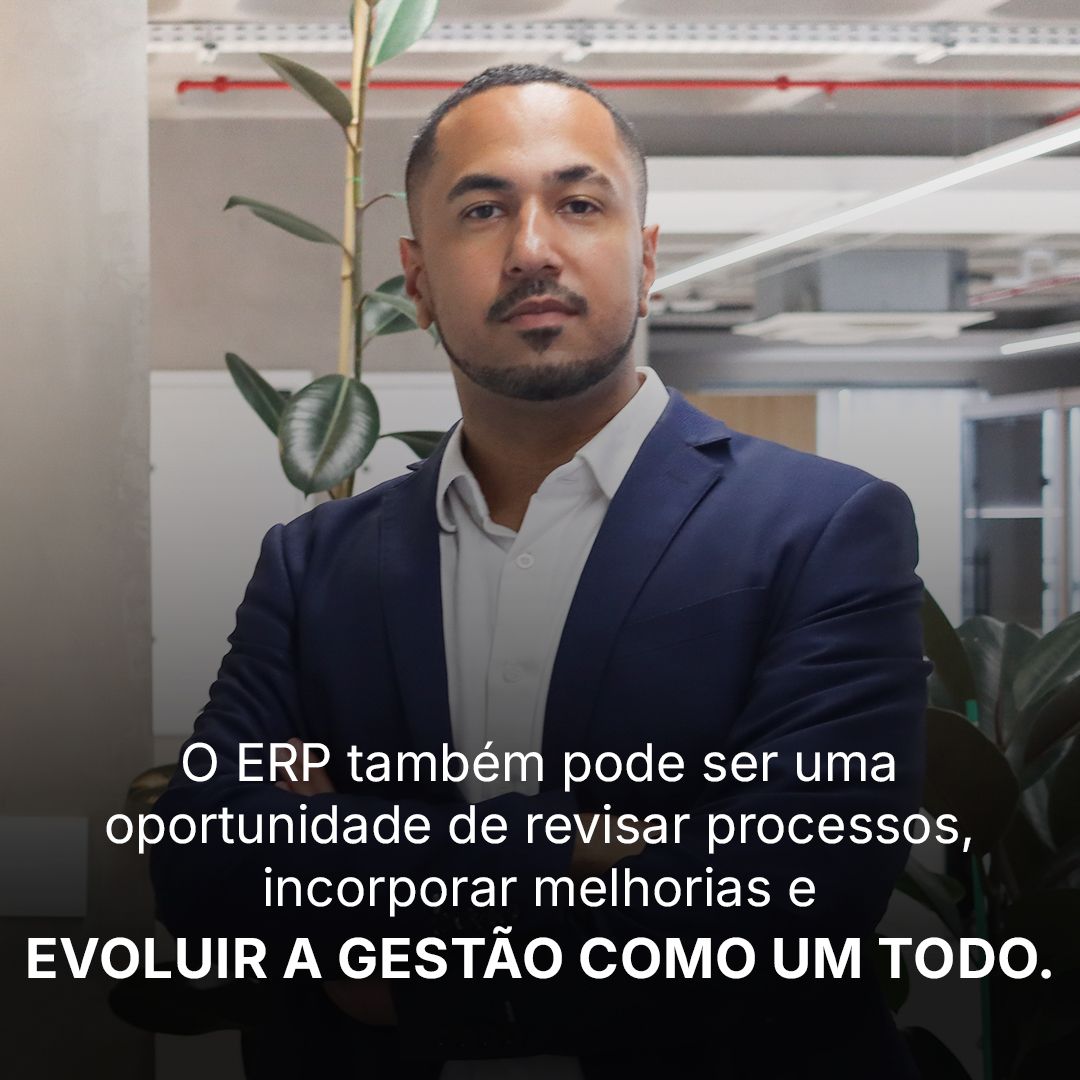
Pela minha experiência à frente de centenas de projetos, posso afirmar: a personalização de um ERP é, muitas vezes, essencial. Afinal, cada organização tem sua história, sua cultura e seus diferenciais competitivos, e é natural que o sistema reflita parte disso. Mesmo assim, não posso deixar de lembrar que nem toda customização é benéfica para os negócios, principalmente quando ela é pensada sem considerar as boas práticas já consolidadas no mercado. Pessoalmente, acredito que o segredo está no equilíbrio. Um ERP moderno, como os da SAP, já incorpora práticas de gestão eficientes e validadas globalmente, que ajudam a padronizar e otimizar processos críticos. Nesse cenário, a customização deve ser uma aliada estratégica, usada com critério e propósito, sempre com foco em agregar valor real ao negócio, e não apenas replicar formas antigas de operar. Mais do que adaptar o sistema à empresa, o ERP também pode ser uma oportunidade de revisar processos, incorporar melhorias e evoluir a gestão como um todo. Customizar, sim. Mas com visão, planejamento e boas práticas. É assim que eu penso, e a ALFA Consultoria - SAP Gold Partner também!
- ALFA - Consultoria SAP, ERP, BPM e IARecorded 4 Sept 2026
🔔 Atenção líderes de negócio, gestores financeiros e diretores de operações, uma oportunidade para entender profundamente o novo cenário tributário brasileiro que impacta comércio, indústria e serviços. 📅 Evento: Os impactos da Reforma Tributária nos Comércios, Indústrias e Serviços 📍 Data: 06/11/2025 – 08:30 às 12:00 📍 Evento presencial: R. Alba, 96, São Paulo - SP ➡️ Link para inscrições: https://lnkd.in/dhg-JadJ Brenda Rodrigues, Richard Domingos, Tailan Oliveira
- SymbisSince 27 May 2026
𝗭𝗭𝗣'𝗲𝗿, 𝗠𝗦𝗣 𝗼𝗳 𝘀𝘁𝗿𝗮𝘁𝗲𝗴𝗶𝘀𝗰𝗵𝗲 𝗜𝗧-𝗽𝗮𝗿𝘁𝗻𝗲𝗿? 𝗪𝗮𝘁 𝗽𝗮𝘀𝘁 𝗯𝗶𝗷 𝗷𝗼𝘂𝘄 𝗼𝗿𝗴𝗮𝗻𝗶𝘀𝗮𝘁𝗶𝗲? Er zijn grofweg drie typen externe IT-partijen. Ze verschillen niet alleen in schaal of expertise, maar vooral in de vragen die ze stellen. Gaat het gesprek vooral over wat er vandaag opgelost moet worden? Of ook over richting, prioriteiten en keuzes voor de komende jaren? Een strategische partner begint niet bij wat er stuk is, maar bij waar je naartoe wilt. Die manier van samenwerken zie je terug in het ritme: kwartaalgesprekken, doorlopende updates en iemand die de organisatie echt kent. Tegelijk is niet elke organisatie al toe aan die aanpak. Dat hangt af van je ambitie, groeifase en de rol die IT speelt in je strategie. Wij zetten de drie typen IT-partners voor je naast elkaar. Welke past op dit moment het beste bij jouw organisatie?
- SymbisSince 30 Jun 2026
𝗜𝗻 𝗴𝗲𝘀𝗽𝗿𝗲𝗸𝗸𝗲𝗻 𝗺𝗲𝗿𝗸 𝗶𝗸 𝗱𝗮𝘁 𝗼𝗿𝗴𝗮𝗻𝗶𝘀𝗮𝘁𝗶𝗲𝘀 𝗵𝘂𝗻 𝗜𝗧-𝗹𝗲𝘃𝗲𝗿𝗮𝗻𝗰𝗶𝗲𝗿 𝘇𝗲𝗹𝗱𝗲𝗻 𝗮𝗹𝗹𝗲𝗲𝗻 𝗼𝗽 𝗰𝗶𝗷𝗳𝗲𝗿𝘀 𝗯𝗲𝗼𝗼𝗿𝗱𝗲𝗹𝗲𝗻. Het gaat ook om gevoel, om vertrouwen. Om de vraag of je je serieus genomen voelt als er iets misgaat. Maar gevoel is lastig te vergelijken. Collega's Indirah en Marco geven drie concrete punten om op te letten: ►Hoe beoordeelt je IT-partner urgentie? ► Wat betekent "altijd bereikbaar" in de praktijk? ► Helpt persoonlijk contact om sneller te schakelen? Want goede IT-support draait niet alleen om een ticket aanmaken. Het draait om begrijpen wat er op dat moment bij jouw organisatie gebeurt. Wat wil je bereiken met je IT-support? En sluit je huidige situatie daar nog op aan? Dat is de vraag die ik graag stel.
- AccountOneSince 21 Feb 2026
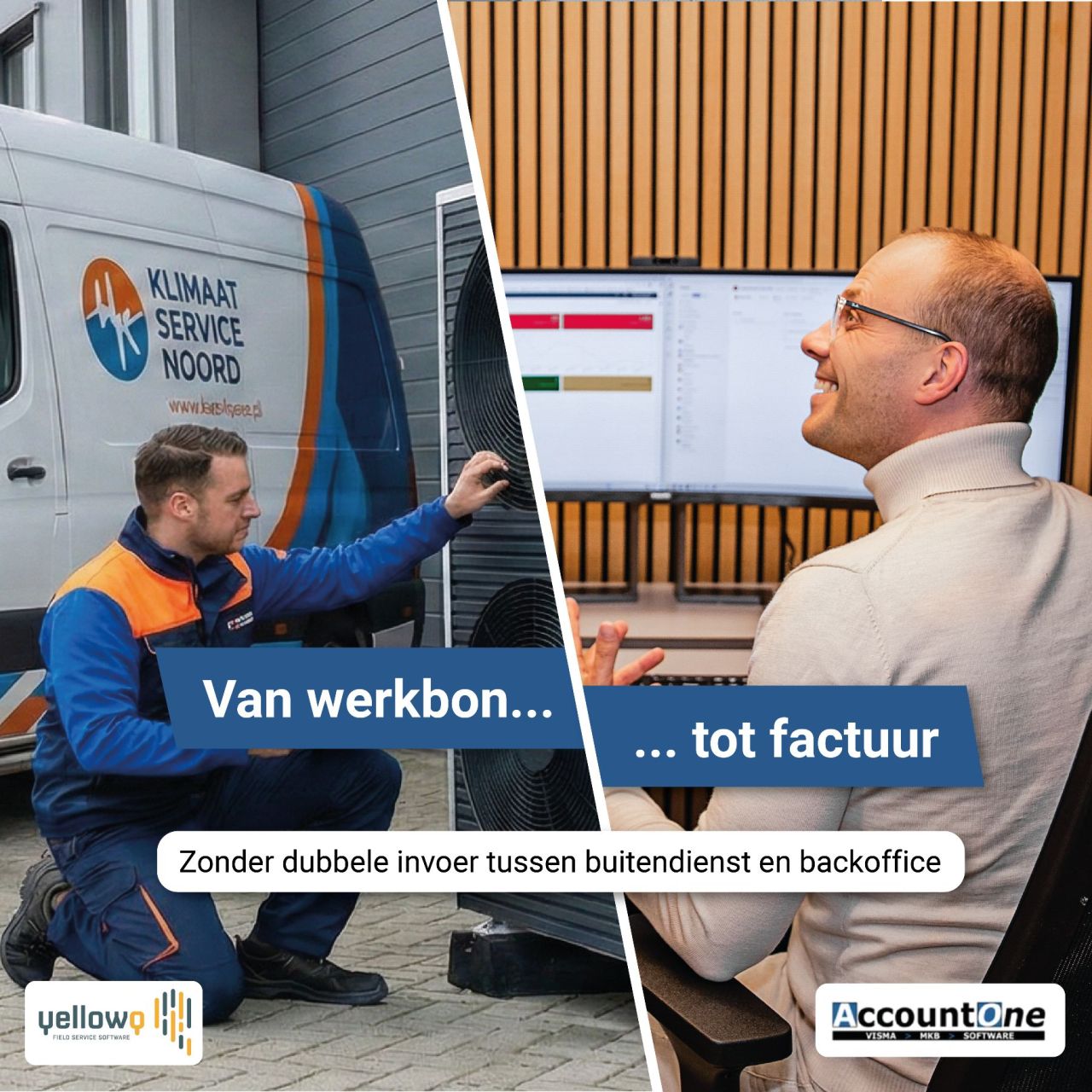
𝘈𝘭𝘴 𝘫𝘦 𝘦𝘦𝘳𝘭𝘪𝘫𝘬 𝘣𝘦𝘯𝘵: je buitendienst is moderner dan de manier waarop je werkbonnen worden afgehandeld. Monteurs werken met moderne tools, maar achter de schermen leunen werkbonnen, uren en materialen nog op papieren flows en half‑digitale oplossingen. Dat gaat zolang goed… totdat volumes groeien, mensen wisselen en je ineens merkt hoeveel tijd, fouten en gemiste marge daarin verstopt zitten. In onze nieuwe blog laten we zien waarom dat in 2026 een serieus knelpunt wordt en welke volgende stap richting een geïntegreerde oplossing daarbij past. En in ons webinar op 12 maart laten Wesley van Pijkeren en ik zien hoe het anders kan. 👉 Lees hier de blog: https://lnkd.in/evYWWci8...
- AccountOneSince 22 Feb 2026
Achter ons wordt een hele wijk uit de grond gestampt. Maar qua werkbonnen lijkt het bij veel buitendienst-bedrijven nog 2006 te zijn, in plaats van 2026. Je vakmensen leveren op locatie wel kwaliteit, maar achter de schermen zien we nog veel papieren bonnen, eiland‑automatisering en creatief plak‑ en knipwerk. In ons gezamenlijke webinar laten we (yellowQ en AccountOne | Visma Expert Center) zien hoe je de wereld ‘buiten’ (planners en monteurs) verbindt met de wereld ‘binnen’ (finance en rapportages). Zodat je van werkbon tot factuur één lijn hebt. En eindelijk realtime zicht op je marge. Wil je zien hoe dat er in de praktijk uitziet en wat dit kan betekenen voor jouw bouw‑, installatie‑ of servicebedrijf? 👉 Meld je aan voor ons webinar: https://lnkd.in/e6sC62qE
- ACC ICTSince 18 May 2026
Hoe sluit een private cloud beter aan op je verdienmodel? Ik zie het steeds vaker bij softwarebedrijven: een deel van de applicatie bewust in een private cloud zetten, puur omdat de kosten van public cloud elke maand een verrassing zijn. En dat is een hele legitieme keuze. Met een private cloud provider maak je gewoon heldere afspraken: dit is mijn omgeving, dit is wat ik eraan uitgeef, en dat blijft zo. Zeker als je klanten op recurring basis factureert voor cloudgebruik, wil je aan de achterkant een vaste marge. Geen verrassingen, elke maand opnieuw. De ideale situatie? Ga aan tafel met je provider en zeg: zo ziet mijn businessmodel eruit, hoe zorgen we dat die van ons op elkaar aansluiten?
- ACC ICTSince 18 May 2026
Waarom je cloudfactuur ineens 2x zo hoog kan zijn. En wat je daaraan kunt, en niet kunt doen. Directies willen één ding als het om cloudkosten gaat: voorspelbaarheid. Niemand wil een factuur die verdubbelt ten opzichte van vorige maand. Het lastige is: autoscaling is ook gewoon een goede techniek. Kubernetes en cloud databases schalen automatisch mee, je applicatie blijft presteren en je gebruikers merken niets. Maar die factuur schaalt mee. En daar zit de spanning. Je kunt autoscaling limiteren, maar dan lever je in op user experience. De echte vraag is dus: welke ervaring wil je garanderen, en welke factuur vind je nog acceptabel?
- Aardug - Odoo Gold PartnerSince 12 Feb 2026
𝗗𝘂𝘀 𝗷𝗶𝗷 𝗱𝗲𝗻𝗸𝘁 𝗱𝗮𝘁 𝗷𝗲 𝗯𝗲𝗱𝗿𝗶𝗷𝗳 𝗯𝗶𝗷𝘇𝗼𝗻𝗱𝗲𝗿 𝗶𝘀? 𝗜𝗸 𝗵𝗲𝗹𝗽 𝗷𝗲 𝘂𝗶𝘁 𝗱𝗶𝗲 𝗱𝗿𝗼𝗼𝗺... Een nieuw jaar, en we gaan er weer met gestrekt been in! Zoals bovenin opgeschreven: veel bedrijven vinden zichzelf net even anders. En ik onderschrijf die gedachte, maar dan gaat het over de ziel van een organisatie; de (ervaren) mensen, het netwerk of een roemrijke historie. Ik richt mijn blik vooral even op de procesmatige kant: offertes, orders, facturen, planning, projecten. Ik spreek uit ervaring: bij bijna ieder bedrijf komt het op hetzelfde neer. Toch hoor ik vaak: 'Arjan, wij zijn te complex voor standaardsoftware'. Dan vertaal ik dat in: 'we willen vooral dat alles blijft zoals het was'. Dus met de omwegen, de uitzonderingen en het (soms onnodige) maatwerk. Als je jezelf op dat moment wijsmaakt dat je met een nieuw softwarepakket processen versnelt, dan moet ik je dus echt snel uit die droom helpen! Hoe ingewikkelder het systeem uiteindelijk wordt, hoe harder de kosten in de toekomst oplopen. Alles moet passen en alles moet kunnen, maar dat betekent ook dat elke add-on of aanpassing maatwerk wordt. Voor je het weet, zit je vast aan software die precies doet wat je al deed. Maar dan duurder, met meer knopjes en een fraaie rits aan facturen voor onderhoud en migraties. De meeste systemen zijn ontworpen door experts die precies weten hoe je een proces efficiënt inricht. De werkelijke kracht van een softwareplatform zit dan ook in de omgekeerde benadering: niet de software dwingen in jouw patronen, maar je bedrijfsvoering durven spiegelen aan de standaard. Durf jij 'de standaard' aan? 😉 📸 Razimeek Aramian en May Hannoun
- 2NSystemsRecorded 29 Aug 2026
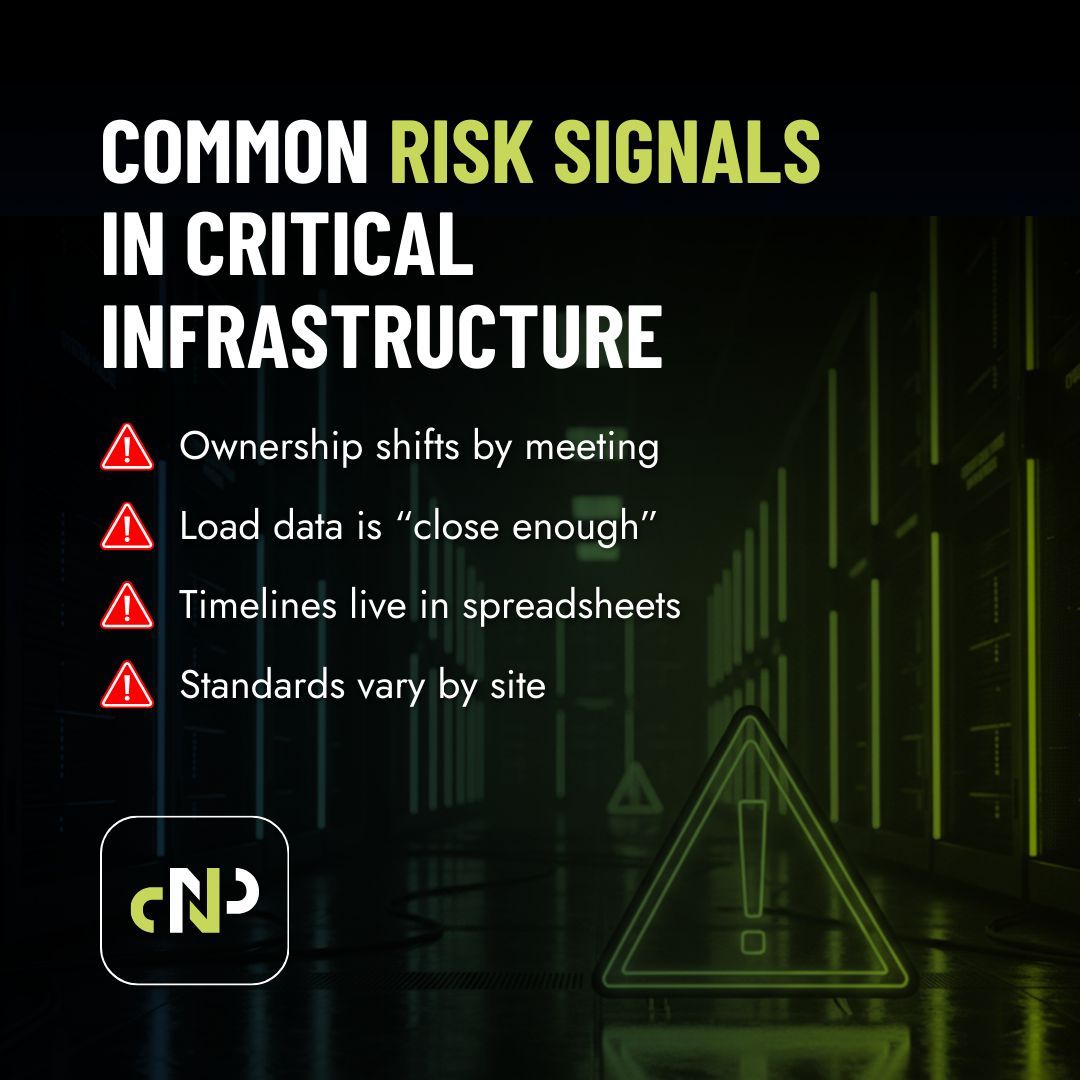
Most outages aren’t caused by a single failure. They’re caused by small gaps that compound over time. Until one day, they don’t stay quiet anymore. When I assess risk in critical infrastructure environments, I look for the same signals over and over: • Ownership changes depending on who’s on the call • Load data is described as “close enough” • Replacement timelines live in spreadsheets no one fully trusts • Each site follows a slightly different set of rules • Budgets appear after incidents, not before • The people closest to the system spend more time explaining than improving None of these feel urgent on a normal day. That’s exactly why they get ignored. I’ve seen environments run like this for years, until a routine failure forces a conversation no one was prepared to have. Silence doesn’t equal stability. It just means risk hasn’t surfaced yet. At 2NSystems, we help teams identify and close these gaps before they become outages. If any of these signals look familiar, see what a proactive infrastructure assessment looks like for your environment: https://lnkd.in/eCvPhdkM
- 2NSystemsRecorded 29 Aug 2026
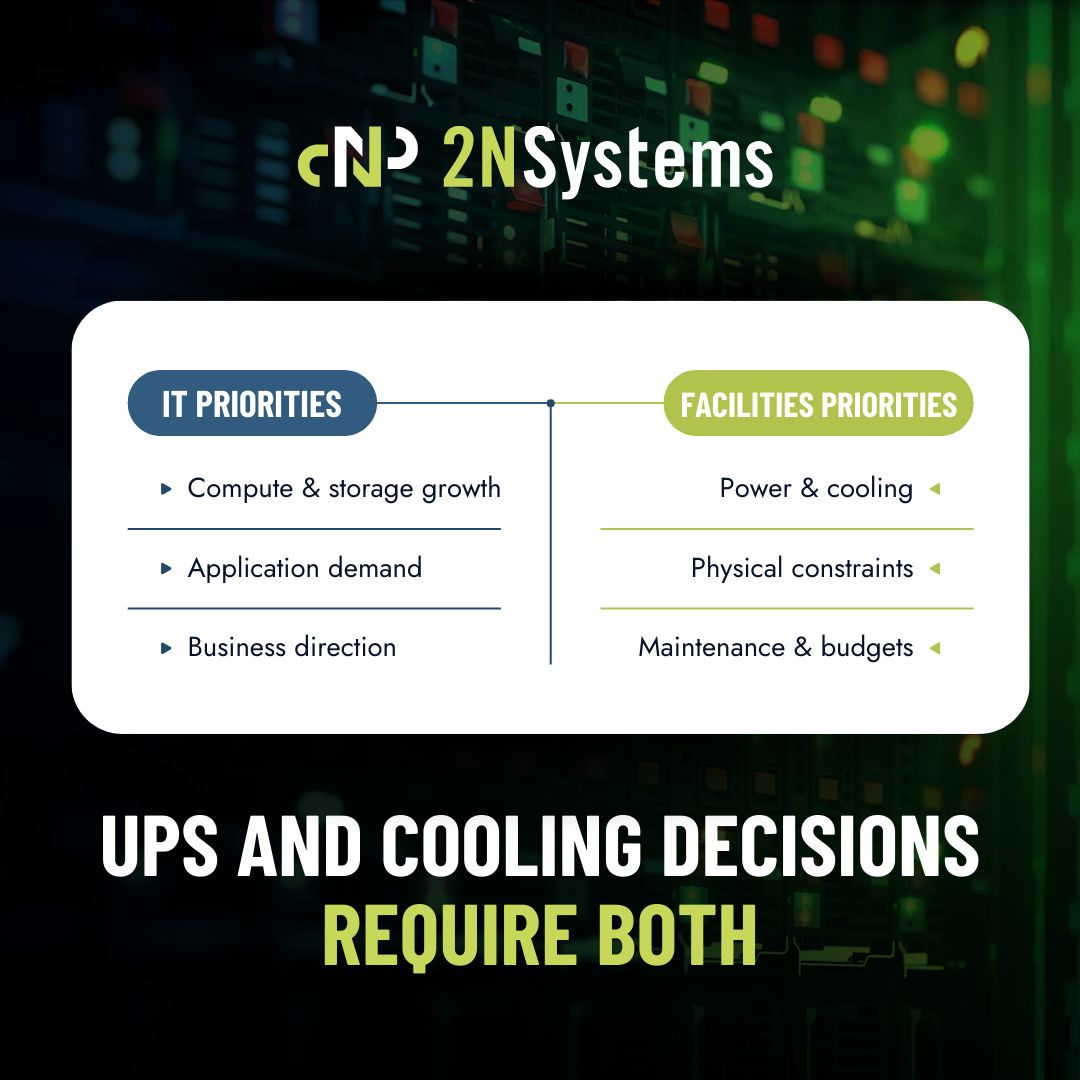
In most organizations, lack of preparedness is not caused by resistance to change. IT is usually involved early, and they are almost always pushing forward. The gap shows up somewhere else. IT understands compute, storage, growth, and where the business is headed. Facilities owns the physical systems that have to support it. That responsibility is broad. The facility manager is responsible for power, cooling, space, maintenance, vendors, and budgets, often at the same time they are dealing with security, buildings, and day-to-day operations. The issue is not effort. It is coverage. Most IT teams do not live in mechanical and electrical systems. Most facility managers do not live in load profiles, redundancy models, or future compute strategy. Yet decisions around UPS and cooling depend on understanding both. IT is often driving the requirements, without enough mechanical and electrical context to guide the right facility design. Preparedness breaks down when no one owns that intersection full time. That is why critical infrastructure planning works best when it is handled by a team that deals with IT facility power and cooling equipment every day, and understands how IT demand translates into power, cooling, and real-world design. Preparedness is not about trying harder. It is about having the right expertise in the room before decisions are locked in. If your team is navigating a UPS, cooling, or critical infrastructure decision, we're the experts that can bridge both sides of the conversation. Learn more: https://lnkd.in/eCvPhdkM




Other LinkedIn formats
Watch the companies you care about.
Filter every ad by industry, country, format and network, and get alerts when a company you watch starts running new ads.