On air · 1 of 3 networks
ARTJOKER
- artjoker.net
- IT Services & Consulting
- US
- 134 employees
ARTJOKER’s ads on LinkedIn, Meta and Google, recorded by adsrunning. Browse the latest here for free. Sign up free to see all 23. Watch ARTJOKER with Starter to get each new one in your feed.
Watchlist with Starter · $49/mo
| Network | Status | Live ads | Nov 2025LinkedIn activity · 52 weeksOct 2026 | Checked | Next step |
|---|---|---|---|---|---|
| Running | 2 | Checked 30 Oct 2026 | See all 23 ads → | ||
| Meta | None recorded | 0 | No active ads recorded on the Meta Ad Library | Checked 17 Oct 2026 | Collect them with the API → |
| None recorded | 0 | No ads found on the Google Ads Transparency Center | Checked 5 Oct 2026 | Collect them with the API → |
ARTJOKER has 2 live LinkedIn ads. Its Facebook page had no active ads on 17 Oct 2026, and we recorded no Google ads on 5 Oct 2026.
Latest ads
- LINKEDIN · IMAGESince 20 Jul 2026
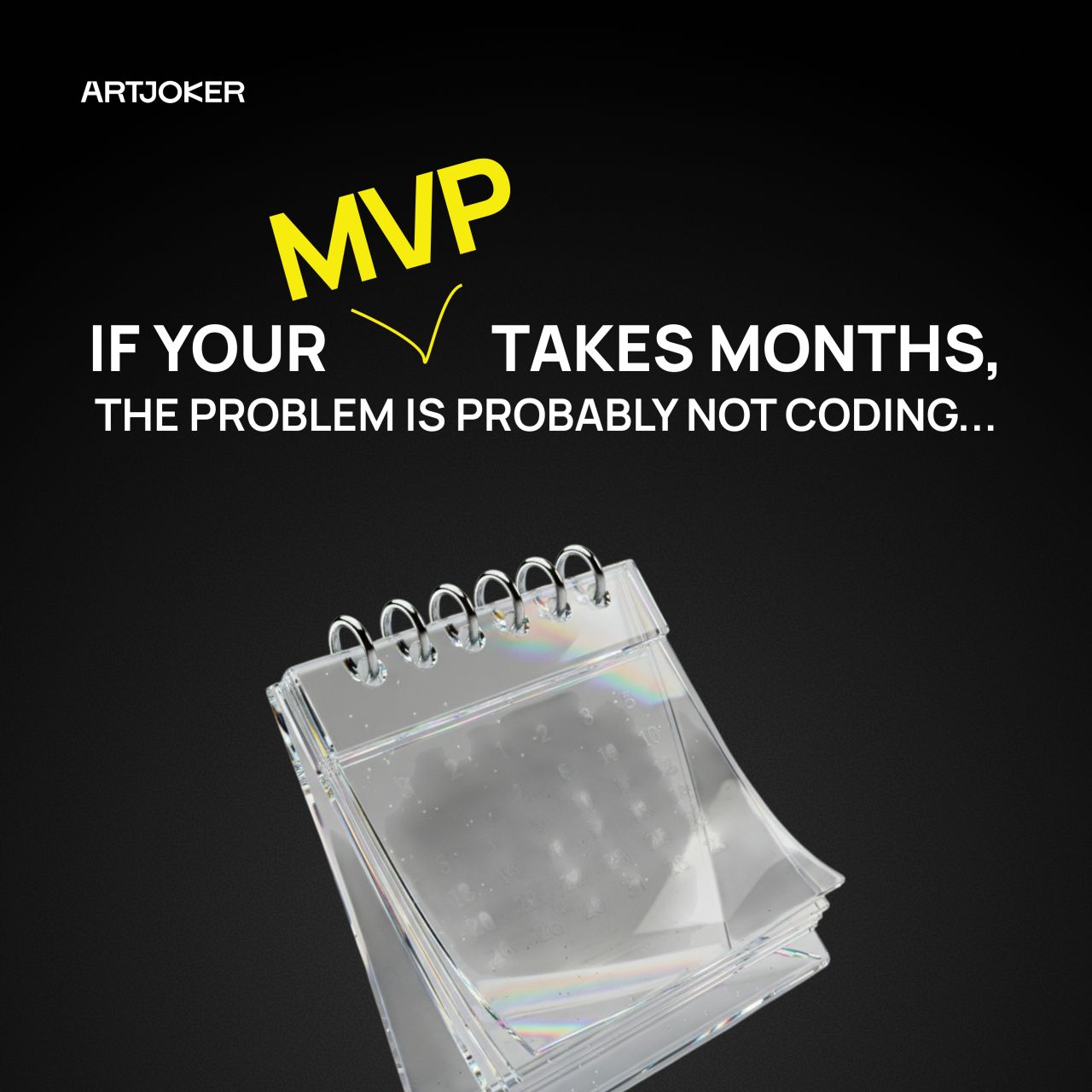
𝗔𝗜 𝗰𝗮𝗻 𝘀𝗽𝗲𝗲𝗱 𝘂𝗽 𝗠𝗩𝗣 𝗱𝗲𝗹𝗶𝘃𝗲𝗿𝘆. 𝘉𝘶𝘵 𝘰𝘯𝘭𝘺 𝘸𝘩𝘦𝘯 𝘪𝘵 𝘪𝘴 𝘣𝘶𝘪𝘭𝘵 𝘪𝘯𝘵𝘰 𝘵𝘩𝘦 𝘱𝘪𝘱𝘦𝘭𝘪𝘯𝘦, 𝘯𝘰𝘵 𝘢𝘥𝘥𝘦𝘥 𝘰𝘯 𝘵𝘰𝘱 𝘰𝘧 𝘤𝘩𝘢𝘰𝘴. The biggest value usually comes from using AI for: - research synthesis - requirements drafting - backlog prep - QA support - repetitive ops tasks - internal coordination 𝗨𝘀𝗲𝗱 𝘄𝗲𝗹𝗹, 𝘁𝗵𝗶𝘀 𝗰𝘂𝘁𝘀 𝗰𝘆𝗰𝗹𝗲 𝘁𝗶𝗺𝗲. 𝗨𝘀𝗲𝗱 𝗯𝗮𝗱𝗹𝘆, 𝗶𝘁 𝗷𝘂𝘀𝘁 𝗮𝗱𝗱𝘀 𝗺𝗼𝗿𝗲 𝗻𝗼𝗶𝘀𝗲. In my experience, AI helps most when 3 things are already in place: - clear scope - fast decisions - strong ownership Without that, even the best tools will not speed up delivery in a meaningful way.🤔 That is why I see AI-powered development pipelines as an operational advantage. Not a trend. But a practical way to move from idea to MVP faster, with less friction and better focus. 📌 If you’re trying to launch an MVP quickly, let’s connect.
- LINKEDIN · IMAGESince 20 Jul 2026
Something I’ve noticed recently working with startups - nobody plans to create feature debt. It just... happens. You ship fast. Customers ask for things. Sales pushes for “just one small tweak.” You add it. Then you add another. And another. At first, it feels like momentum. The roadmap is full. The team is busy. New stuff goes live every sprint. But a few months later, something shifts. Demos get longer. Onboarding needs more explanation. Edge cases multiply. Simple changes take longer than they should. Nothing is broken. But everything feels heavier. That’s feature debt. It’s not messy code. It’s accumulated decisions that were never cleaned up. And the dangerous part is — it looks like growth while you’re doing it. Until velocity drops. The startups that scale well aren’t the ones that ship the most features. They’re the ones that regularly pause and ask: “𝘞𝘩𝘢𝘵 𝘤𝘢𝘯 𝘸𝘦 𝘳𝘦𝘮𝘰𝘷𝘦?” 📌 If your product feels harder to explain than it did six months ago, let’s have a quick chat. Sometimes an outside perspective is all it takes to see what’s been hiding in plain sight. #StartupGrowth #SaaS #ProductStrategy #StartupScaling
- LINKEDIN · IMAGESince 15 Jul 2026
Board says "we need an AI agent." Nobody asks which problem it should solve. Wrong order. I've done this twice — Artjoker and CallChecker. The first agent that delivered ROI wasn't the most ambitious. IT PASSED 4 TESTS 𝟭. 𝗛𝗮𝗽𝗽𝗲𝗻𝘀 𝟮𝟬+ 𝘁𝗶𝗺𝗲𝘀 𝗽𝗲𝗿 𝘄𝗲𝗲𝗸, 𝘀𝗮𝗺𝗲 𝗽𝗿𝗼𝗰𝗲𝘀𝘀 High volume + repetitive = right candidate. Judgment-heavy + low frequency = not ready. 𝟮. 𝗠𝗲𝗮𝘀𝘂𝗿𝗮𝗯𝗹𝗲 𝗯𝗲𝗳𝗼𝗿𝗲 𝘆𝗼𝘂 𝗯𝘂𝗶𝗹𝗱 One number. Handle time. Error rate. Cost per unit. No before state = no way to prove it worked. 𝟯. 𝗔 𝗺𝗶𝘀𝘁𝗮𝗸𝗲 𝘄𝗼𝗻'𝘁 𝗰𝗮𝘂𝘀𝗲 𝘀𝗲𝗿𝗶𝗼𝘂𝘀 𝗱𝗮𝗺𝗮𝗴𝗲 Wrong routing = one bad call. Fine. Wrong compliance output = not fine. Start where errors are cheap. 𝟰. 𝗢𝗻𝗲 𝗻𝗮𝗺𝗲𝗱 𝗽𝗲𝗿𝘀𝗼𝗻 𝗼𝘄𝗻𝘀 𝗶𝘁 𝗽𝗼𝘀𝘁-𝗹𝗮𝘂𝗻𝗰𝗵 Not "the team." A name. No owner = quiet degradation for months before anyone notices. CALLCHECKER. First agent: Call classification and routing. 14,000 calls/day · measurable · recoverable · one owner. 𝗖𝗼𝘀𝘁𝘀 𝗱𝗼𝘄𝗻 𝟰𝟬% 𝗯𝗲𝗳𝗼𝗿𝗲 𝘄𝗲 𝗯𝘂𝗶𝗹𝘁 𝗮𝗻𝘆𝘁𝗵𝗶𝗻𝗴 𝗲𝗹𝘀𝗲. Next agents shipped faster — real data beats assumptions. The 4 tests almost always point to the same thing: 𝘯𝘰𝘵 𝘢 𝘴𝘤𝘳𝘪𝘱𝘵, 𝘣𝘶𝘵 𝘢𝘯 𝘢𝘨𝘦𝘯𝘵 𝘵𝘩𝘢𝘵 𝘩𝘢𝘯𝘥𝘭𝘦𝘴 𝘳𝘰𝘶𝘵𝘪𝘯𝘨, 𝘦𝘹𝘤𝘦𝘱𝘵𝘪𝘰𝘯𝘴, 𝘢𝘯𝘥 𝘦𝘴𝘤𝘢𝘭𝘢𝘵𝘪𝘰𝘯𝘴 — 𝘸𝘪𝘵𝘩 𝘢 𝘥𝘦𝘧𝘪𝘯𝘦𝘥 𝘩𝘶𝘮𝘢𝘯 𝘩𝘢𝘯𝘥𝘰𝘧𝘧 𝘸𝘩𝘦𝘯 𝘪𝘵'𝘴 𝘶𝘯𝘤𝘦𝘳𝘵𝘢𝘪𝘯. That's what removes a cost line. Not just saves time. Sequence is the strategy.
- LINKEDIN · IMAGESince 26 Jun 2026
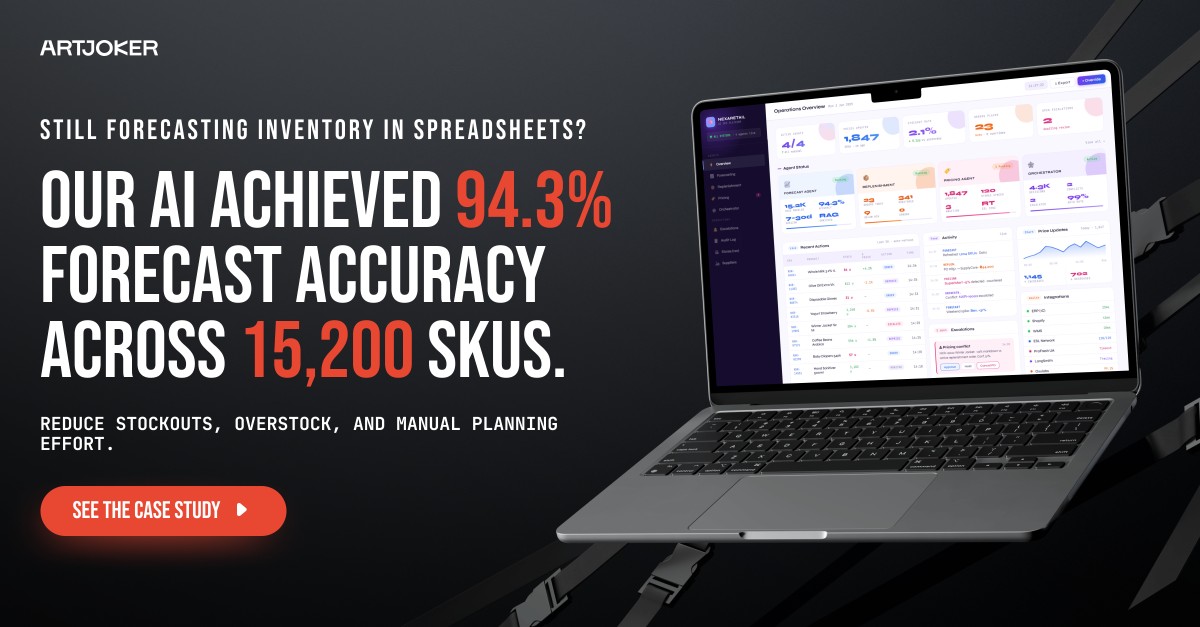
Most retail teams I talk to are still forecasting inventory in spreadsheets and quietly losing money on both ends: stockouts on the fast movers, cash tied up in overstock on the slow ones. We rebuilt that process with AI agents. The result on a recent retail platform: 94.3% forecast accuracy across 15,200 SKUs, stockout rate down to 2.1%, and replenishment decisions that run without a planner babysitting a sheet. No new headcount. Same team - just no longer doing by hand what a system does better. If your demand planning still lives in Excel, the case study is worth 5 minutes 👇 https://lnkd.in/efWA_-3y #RetailTech #AIforecasting #SupplyChain #InventoryManagement
- LINKEDIN · IMAGESince 26 Jun 2026
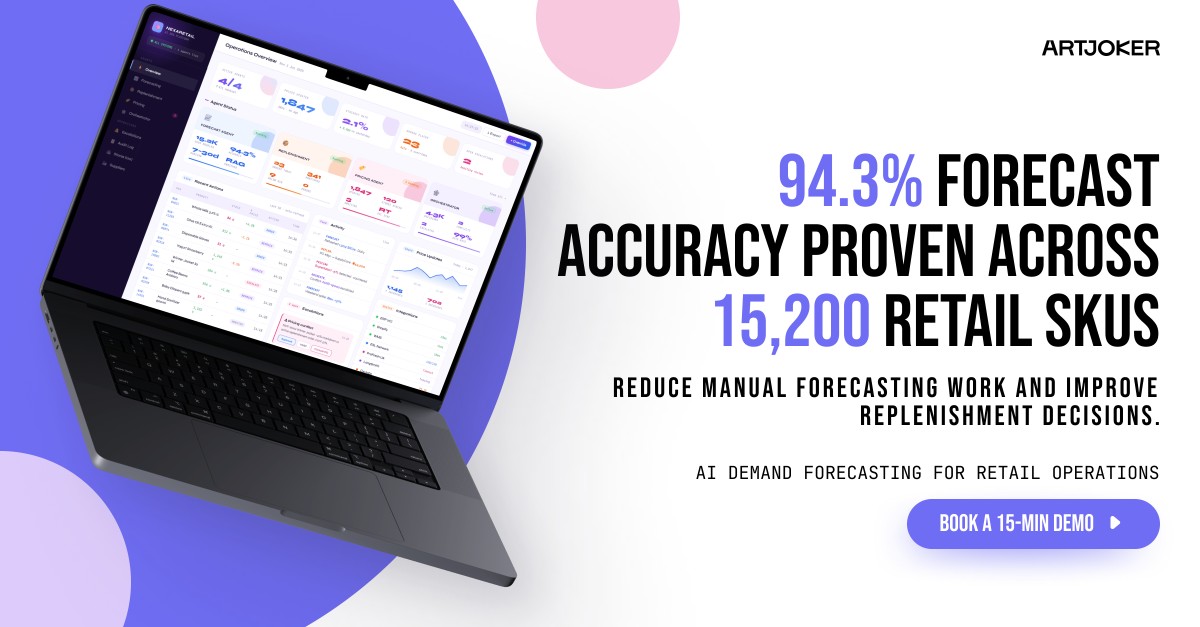
94.3% forecast accuracy. 15,200 retail SKUs. One platform, four AI agents running forecasting, replenishment, pricing and escalations in real time. This is what AI demand forecasting looks like when it actually ships to production not a pilot, not a slide. Fewer stockouts, less overstock, and planners freed from manual replenishment work to focus on the decisions that need a human. We built it for a retail operation handling thousands of SKUs across multiple stores. Happy to walk through how it works on your catalog. Book a 15-min demo - link below. 👇 https://lnkd.in/eibKJwUK #DemandForecasting #RetailAI #SupplyChainAI #Replenishment
- LINKEDIN · IMAGESince 18 Jun 2026
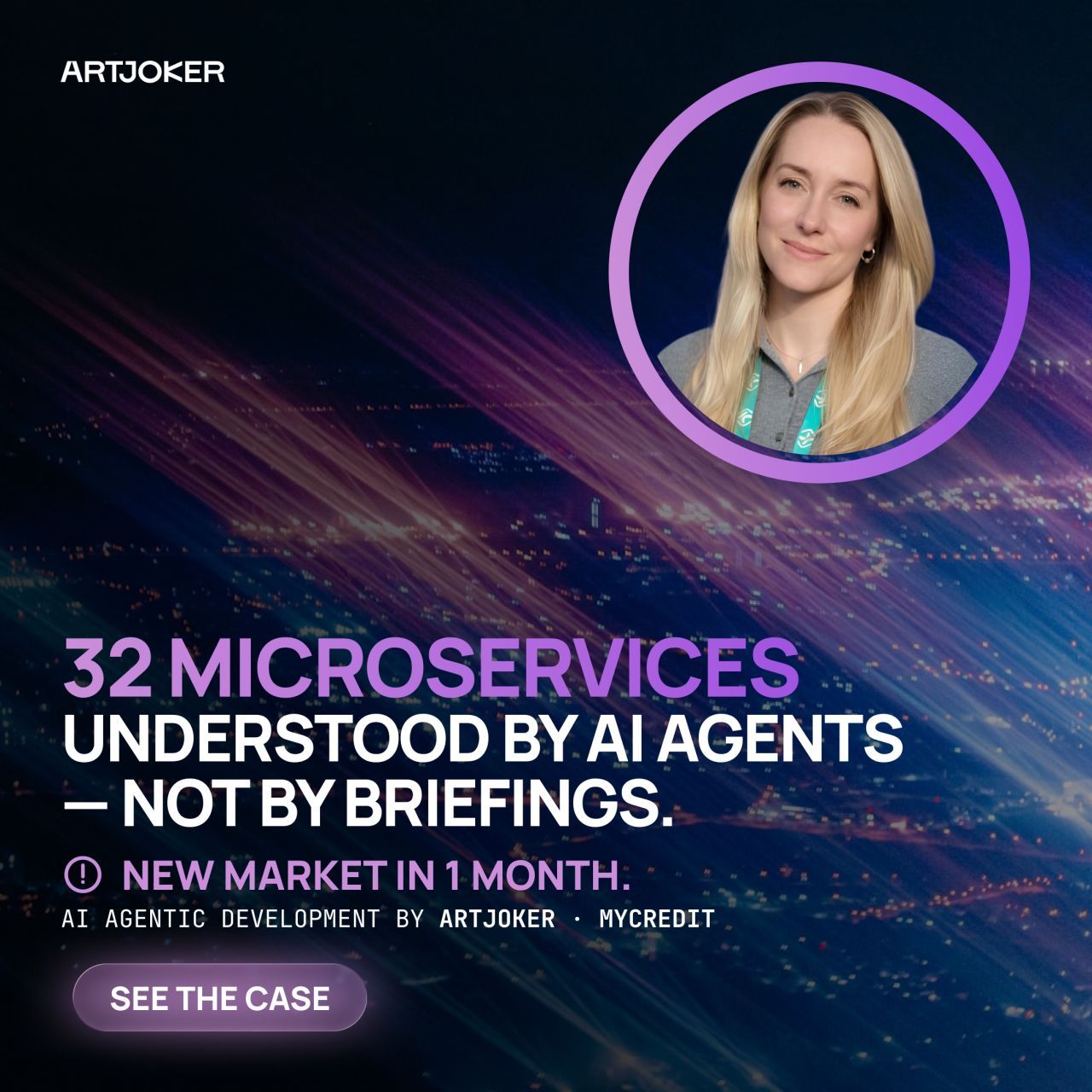
Hi everyone! Wanted to share an interesting result from our latest project 🤗 Traditional dev: 90 days. 10–15 engineers. Weeks of briefings before a single line of code. AI agentic development: 30 days. 2–3 engineers. Zero architecture handover. I coordinated the team on this project — and honestly, watching it unfold changed how I think about delivery timelines in general. The client, MyCREDIT, needed to enter a new market. Fast. The platform had 32 microservices. In a traditional setup, that means weeks just getting engineers up to speed on the architecture. With AI agentic development, the agents understood the codebase — not through briefings, but through the code itself. The team stayed lean. The pace stayed high. New market. 1 month. 2–3 engineers. What struck me most wasn’t the speed — it was how much cognitive load disappeared from the team. No lengthy knowledge transfer. No bottlenecks waiting for someone to “explain the system.” That’s the shift I’m seeing across projects right now: AI doesn’t just write code faster. It removes the friction that slows teams down before they even start. Full case, pls to read: https://lnkd.in/dt9DNTNv


6 of 23 adsSign up to see every ARTJOKER ad, filter by format and date, and get alerts on new ones.
See all 23 adsWatch the companies you care about.
Filter every ad by industry, country, format and network, and get alerts when a company you watch starts running new ads.