LinkedIn thought leader ad examples
180 thought leader ads are live on LinkedIn right now, from 156 companies. Browse real ones, filtered by industry.
- Blue Safety Hygienetechnologie GmbHSince 27 Mar 2026
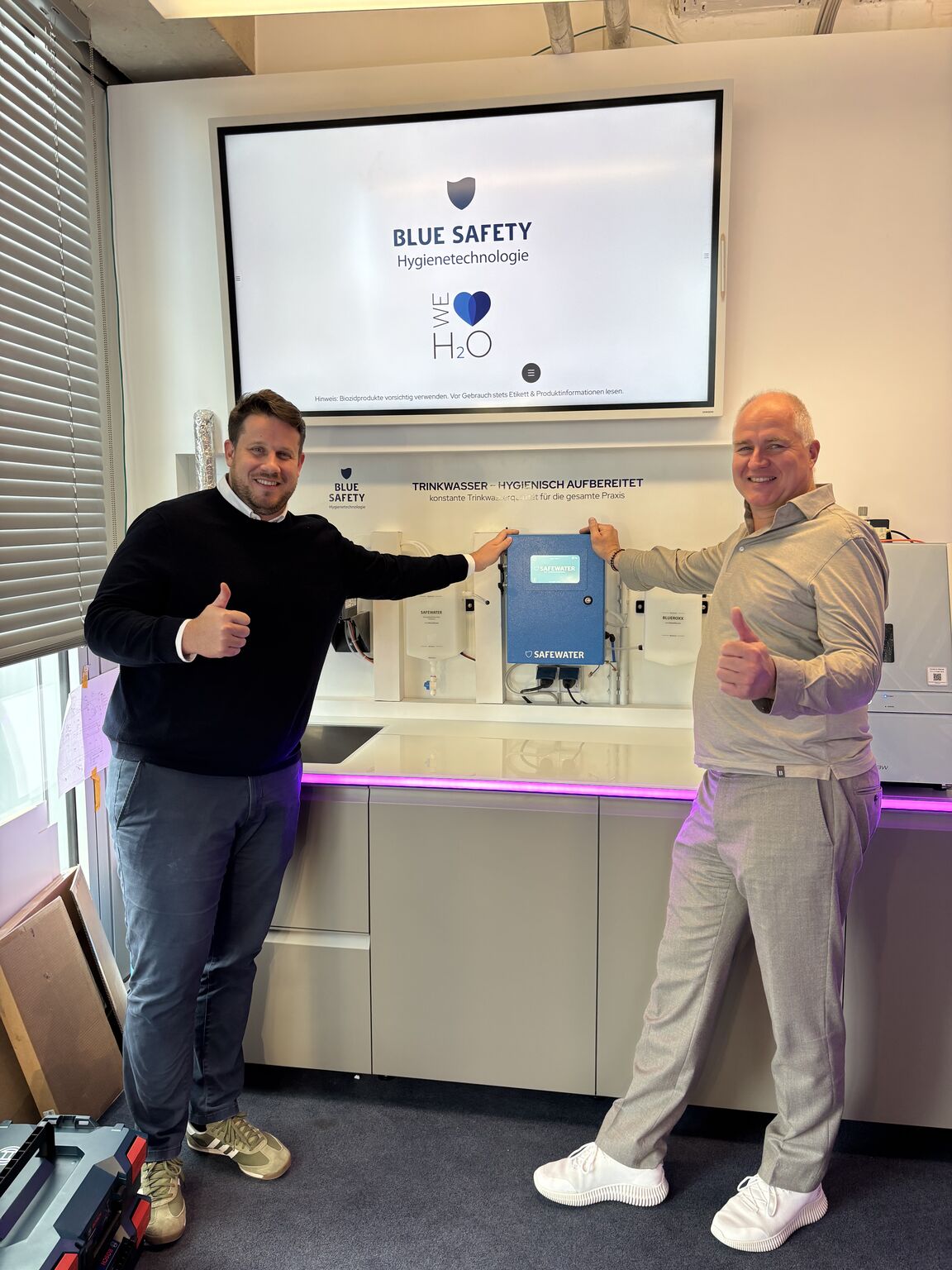
Heute war ich zu Besuch im AN-Insitut Witten/Herdecke, um mir unsere Installation vor Ort anzuschauen. Wir sind stolzer Wasserhygiene-Partner des Instituts und sorgen dafür, dass die vor Ort eingesetzte XO CARE A/S Behandlungseinheit mit einwandfreiem Trinkwasser versorgt wird. Für mich passt unser Engagement im Institut perfekt zu den Herausforderungen der Zahnmedizin. Dort wird aktuell viel über Digitalisierung gesprochen und das zu Recht. Gleichzeitig geht Zukunftsfähigkeit nicht nur über Software, Schnittstellen und neue Tools, sondern auch über die Frage, wie gut die zentralen Prozesse im Hintergrund aufgestellt sind. Deshalb ist für mich Wasserhygiene ein super Fit in diesem Kontext. Denn moderne Praxisführung heißt auch, kritische Bereiche so zu organisieren, dass sie verlässlich funktionieren, beherrschbar bleiben und im Alltag nicht unnötig Zeit, Nerven und Kosten verursachen. Den Termin habe ich übrigens direkt mit einem Besuch bei unserem TOP-Kunden, der Universitätszahnklinik Witten/Herdecke, verbunden. Vielen Dank für den inspirierenden Austausch Stephan Weihe und Frank Tolsdorf #BlueSafety #Wasserhygiene #Zahnmedizin #Digitalisierung #Praxismanagement #Innovation #WittenHerdecke #AnInstitutWittenHerdecke #Praxisderzukunft #wegefinden
- Blue Safety Hygienetechnologie GmbHSince 5 May 2026
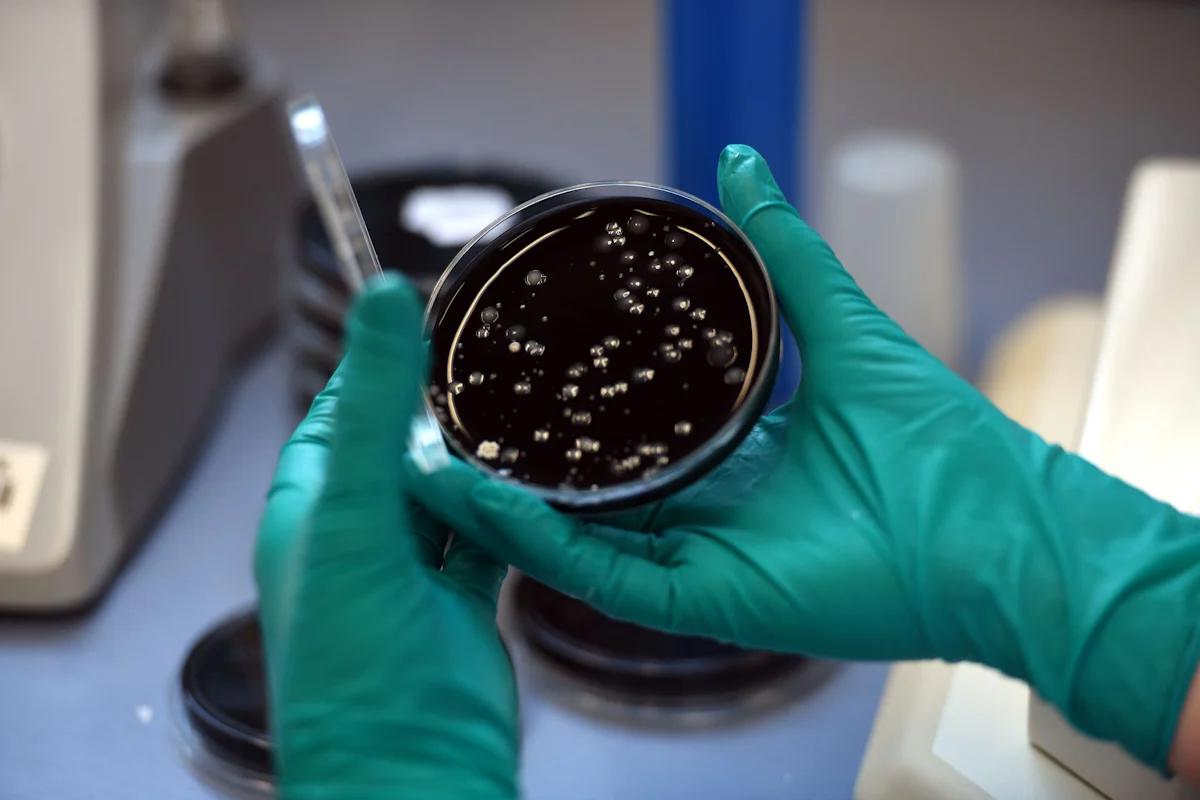
Zwei Menschen starben nach einem Besuch im Fußpflegesalon. 21 weitere wurden infiziert. Die Ursache: Legionellen in einer Fußwanne. Die Betreiberin wurde rechtlich entlastet, eine Pflicht zur regelmäßigen Wasserprüfung bestand für sie nicht. Mein Mitgefühl gilt den Angehörigen der Verstorbenen. Dieser Fall erinnert uns auch in der Dentalbranche an etwas Wichtiges: Legionellen gedeihen in warmem Stillwasser. Dentaleinheiten mit ihren dünnen Wasserleitungen, Kühlwassersystemen und Spülwasser sind potenziell gefährdete Stellen. Im Unterschied zum Fußpflegesalon gilt für Zahnarztpraxen hier eine klare gesetzliche Pflicht zur regelmäßigen Wasserprüfung. Und die Verantwortung liegt eindeutig beim Betreiber, unabhängig davon, ob eine Verkeimung sicht- oder spürbar ist. Prävention beginnt mit Bewusstsein. Bewusstsein beginnt mit Verantwortung. https://lnkd.in/d-TvmwQM #Dental #Hygiene #Legionellen #Prävention #Patientensicherheit #Zahnarztpraxis #Infektionsschutz
- BRAINWAVE RESEARCH UK 🇬🇧Since 9 Sept 2026
“𝐂𝐥𝐚𝐬𝐬𝐢𝐜𝐚𝐥 𝐦𝐮𝐬𝐢𝐜 𝐢𝐬𝐧’𝐭 𝐫𝐞𝐚𝐥𝐥𝐲 𝐦𝐲 𝐭𝐡𝐢𝐧𝐠.” I hear that surprisingly often when I tell people we’ve created a neuro-acoustic listening experience built around classical music. But I sometimes wonder whether people actually dislike classical music - or whether they simply haven’t experienced it in a way that feels accessible to them. Classical music can feel distant when it’s presented as something you need to understand, appreciate correctly or already know something about. Remove that pressure and something interesting can happen. You stop trying to analyse the music and begin noticing what it does to you. That was part of the thinking behind Classical Magic. At BRAINWAVE RESEARCH UK 🇬🇧, we combined carefully selected classical pieces - paced at approximately 60 beats per minute - with our 3xPureTone™ neuro-acoustic technology, designed to gently support a calm, focused listening state. 𝐖𝐞’𝐯𝐞 𝐦𝐚𝐝𝐞 𝐚 𝐟𝐫𝐞𝐞 𝐬𝐞𝐯𝐞𝐧-𝐦𝐢𝐧𝐮𝐭𝐞 𝐬𝐚𝐦𝐩𝐥𝐞 𝐚𝐯𝐚𝐢𝐥𝐚𝐛𝐥𝐞 𝐡𝐞𝐫𝐞: https://lnkd.in/eMEJmDfz You don’t need to know anything about classical music. Just listen and notice how the experience makes you feel. (𝑯𝒆𝒂𝒅𝒑𝒉𝒐𝒏𝒆𝒔 𝒓𝒆𝒄𝒐𝒎𝒎𝒆𝒏𝒅𝒆𝒅) I’d genuinely be interested to know whether it feels different from what you expected. Mike Smith Creating better states through music and neuro-acoustics #ClassicalMusic #MusicAndTheBrain #Neuroscience #Neuroacoustics
- Bridge Medical ConsultingSince 7 Nov 2025
Can AI help us reimagine how we conduct systematic literature reviews? Based on three years of comprehensive research and testing, at Bridge, we believe it can. And with the uptake of our AI-enabled SLRs climbing over 90%, our clients clearly agree. Humans are always in the loop, ensuring high quality and complete accountability. Using AI, we are opening up new possibilities in health outcomes research while bringing down budgets and timelines. ▶️Watch the animated video to see how. For more details about our Applied AI research program, please visit: https://lnkd.in/eUXyc9fG #BridgeMedical #HEOR #SLR #AppliedAI #AIinHealthcare #evidencestrategy #Fulldataextraction #evidencegeneration
- Bridge Medical ConsultingSince 7 Nov 2025
Human-led quality control matters more than ever as Bridge delivers AI-enabled systematic literature reviews. This second short video emphasises that AI helps us move faster, but quality is non-negotiable. Watch the full video at https://lnkd.in/enfEW_3P #BridgeMedical #HEOR #SLR #AppliedAI #AIinHealthcare #evidencestrategy #Fulldataextraction #evidencegeneration
- BrelliumRecorded 11 Sept 2026
When buyers look at your ABA clinic, they pay a premium for predictability. The smoothest exits happen when operations are turnkey and compliance is bulletproof. We’ve found that clinical compliance and operational automation are the two most powerful levers to increase your exit multiple and ensure a seamless due diligence process. See exactly how to implement these changes. Our latest guide walks you through the methodology. Comment "Max" and I'll send you the 5-part guide.
- BrelliumRecorded 11 Sept 2026
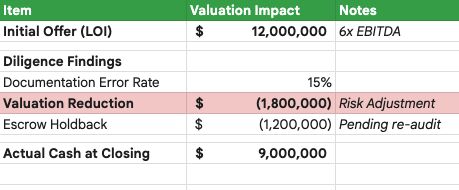
If you are looking to exit your business eventually, here's something to keep on your radar. Acquirers in the ABA space are prioritizing compliance screening. During diligence, they will pull a random sample of your clinical notes. If they find a pattern of errors - like missing data or generic narratives - they rarely ask for corrections. Instead, they often extrapolate that error rate across your whole history. This usually leads to deal delays, a discounted purchase price, or the buyer simply walking away. Brellium helps you get ahead of this. We automate your chart audits so you can identify and fix documentation gaps now. It ensures that whenever a buyer comes calling, your clinical history supports the valuation you deserve. Clean notes = A confident exit.
- BenefacitisRecorded 10 Sept 2026
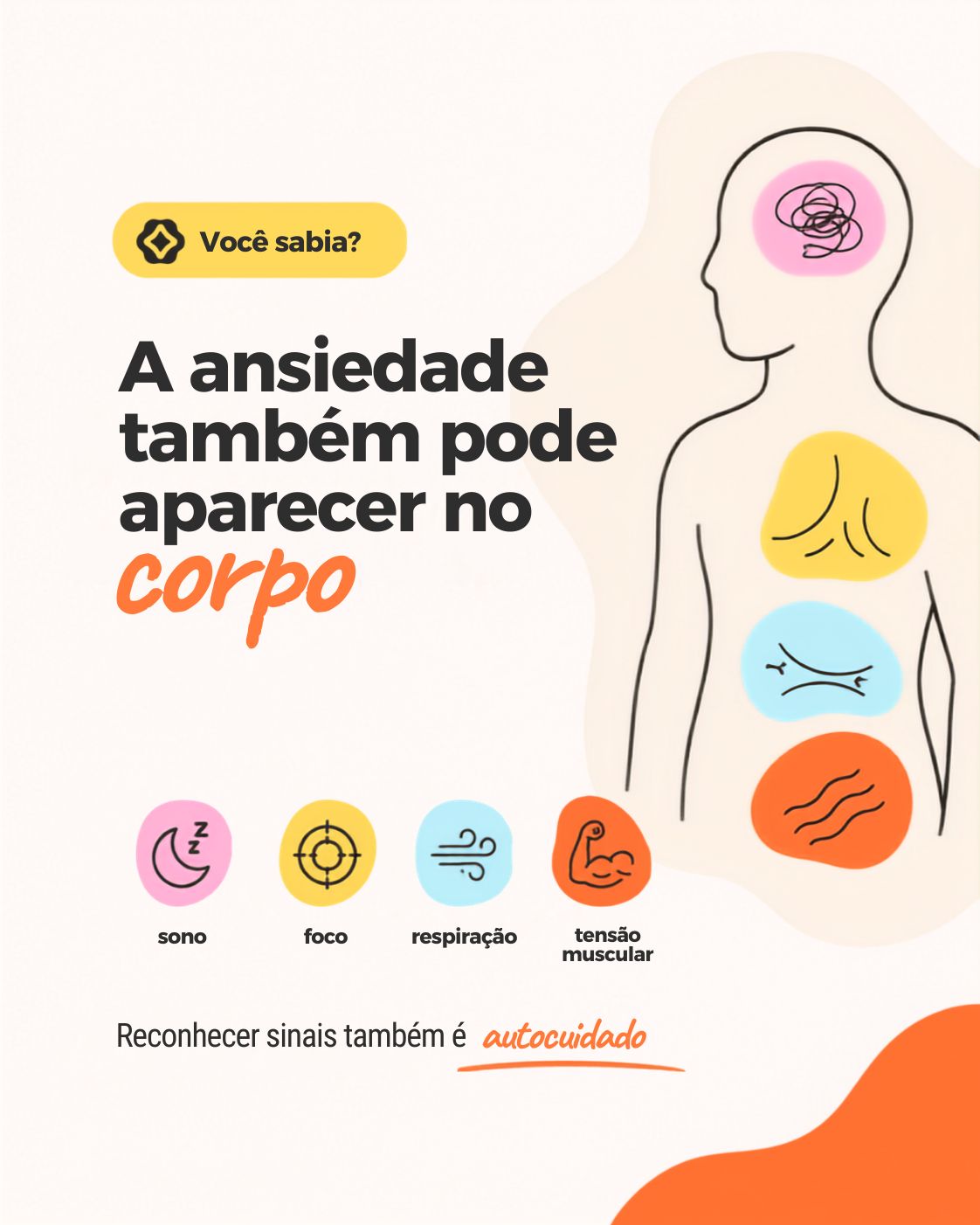
Muita gente ainda associa ansiedade apenas a pensamentos acelerados. Mas a ansiedade também é corporal. Ela pode aparecer no sono, na respiração, na tensão muscular, no apetite, na disposição, na concentração e até na forma como a pessoa reage às situações do dia a dia. Isso acontece porque, quando o organismo interpreta uma situação como ameaça ou pressão constante, ele se prepara para reagir. O corpo entra em estado de alerta. Em momentos pontuais, isso é esperado. O problema começa quando esse alerta não desliga. No ambiente de trabalho, esse estado pode ser alimentado por rotinas com muita cobrança, pouca previsibilidade, excesso de reuniões, urgências constantes e dificuldade de pausa real. Com o tempo, a pessoa pode começar a funcionar no automático: entrega, responde, participa, cumpre tarefas, mas internamente já está desgastada. É por isso que reconhecer sinais é tão importante. Autocuidado começa na percepção. E cultura de cuidado começa quando a organização aprende a olhar para as pessoas antes que elas cheguem ao limite. ➡️ Deixo aqui um exercício simples e prático: observe quantas vezes o corpo dá sinais antes da mente conseguir explicar o que está acontecendo. Talvez o maior desafio não seja apenas reduzir a ansiedade, mas aprender a reconhecê-la antes que ela se torne parte “normal” da rotina.
- BenefacitisRecorded 10 Sept 2026
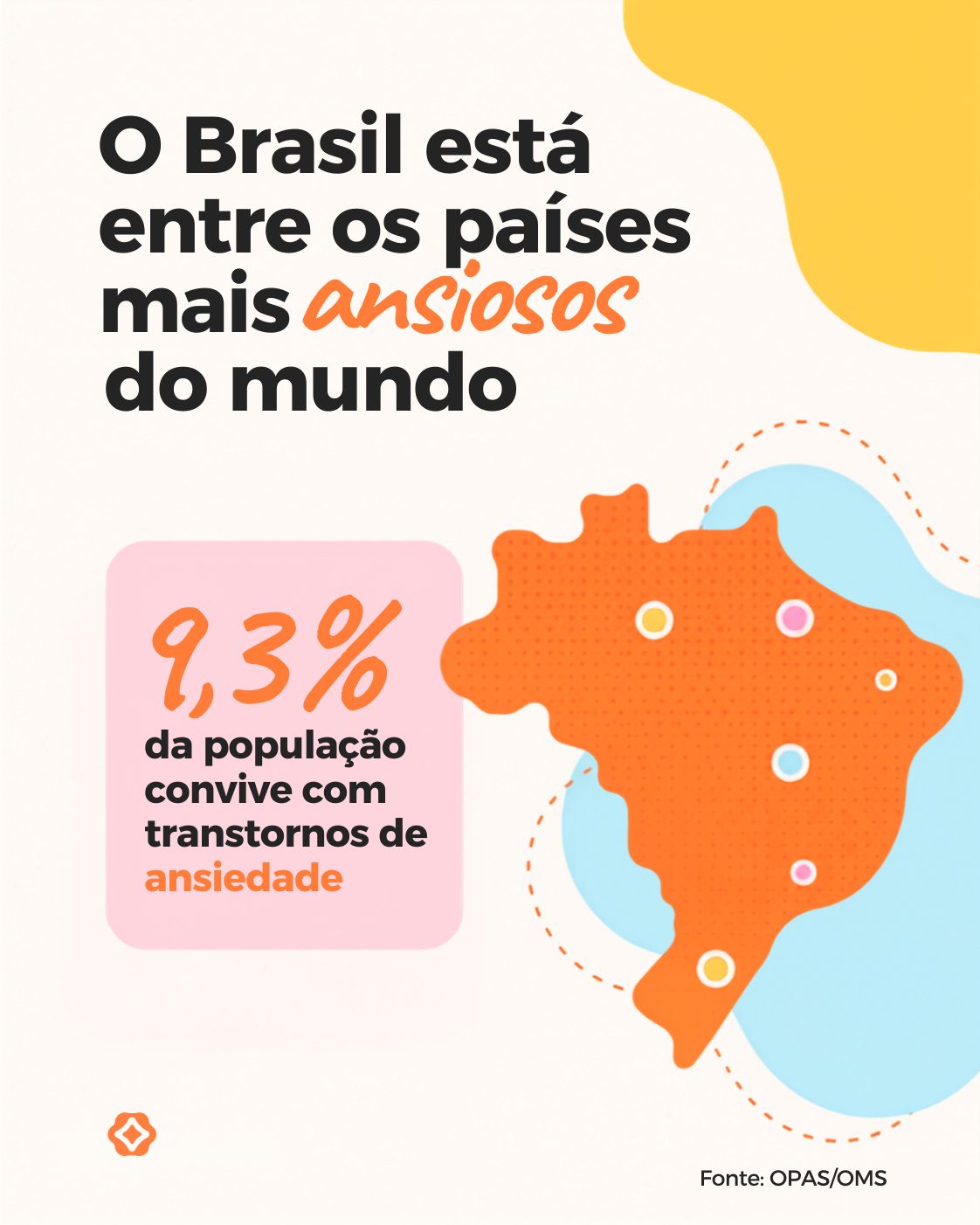
O dado sobre ansiedade no Brasil não deve ser lido apenas como uma estatística de saúde pública. Ele também revela algo sobre a forma como temos vivido, trabalhado e organizado nossas rotinas. A ansiedade é uma resposta natural do organismo diante de ameaça, pressão ou incerteza. Em situações pontuais, ela pode até nos ajudar a reagir. O problema começa quando esse estado de alerta se torna frequente e passa a acompanhar a pessoa todos os dias. ⚠️ No trabalho, isso pode aparecer de forma silenciosa: dificuldade de foco, sensação de urgência permanente, irritabilidade, cansaço, queda de energia e dificuldade de se desligar depois do expediente. Para empresas e áreas de RH, esse é um ponto essencial. A ansiedade não deve ser tratada apenas como uma questão individual, como se cada pessoa precisasse “dar conta” sozinha do que sente. O ambiente também influencia. A forma como as demandas são organizadas, a clareza da comunicação, o estilo de liderança, o excesso de pressão e a possibilidade real de pausa podem proteger ou agravar a saúde emocional. Quando uma empresa entende isso, ela deixa de tratar saúde mental como campanha pontual e começa a enxergá-la como parte da cultura. Saúde emocional não é um tema paralelo ao negócio. É uma condição para que pessoas consigam sustentar desempenho, relações e qualidade de vida ao longo do tempo. Para levar para a próxima reunião de RH: ansiedade não é sinal de fraqueza. Muitas vezes, é sinal de um contexto que precisa ser melhor compreendido. 😉 #SaúdeMental #Ansiedade #BemEstarNoTrabalho #RH #GestãoDePessoas #CulturaOrganizacional #Liderança
- AttendiSince 12 May 2026
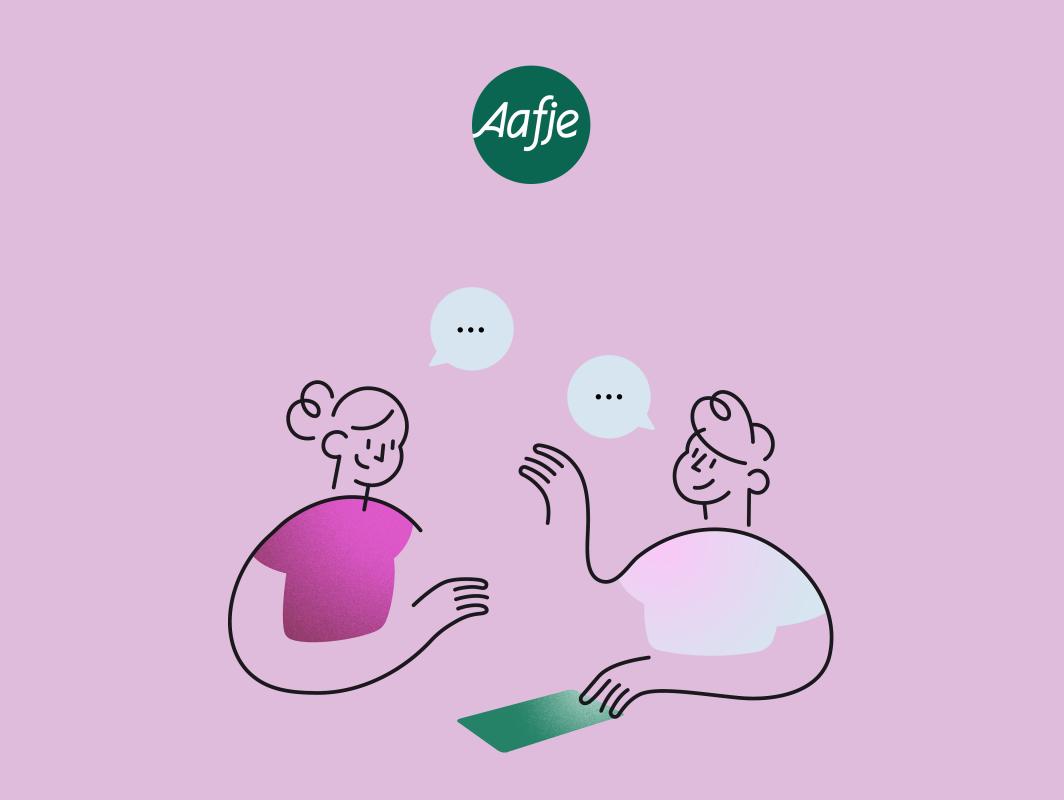
Ik spreek veel zorgorganisaties die (zorg)technologie willen opschalen. En bijna altijd hoor ik dezelfde twijfels: we hebben geen tijd om mensen te trainen, het is te druk op de werkvloer, we krijgen de medewerkers er niet in mee. Snap ik. Maar het hoeft niet zo ingewikkeld te zijn als het voelt. Aafje bewees dat recent. 36% adoptie van de Attendi App in 6 weken. Zonder ook maar één zorgprofessional van de werkvloer te halen voor een training. Het verschil zat niet in de technologie. Het zat in de voorbereiding. Wie spreek je als eerste aan. Hoe laat je mensen zelf starten, zonder klaslokaal. En op welk moment stuur je een duwtje in de rug. Klinkt simpel. Is het ook zolang je het van tevoren goed doordenkt. We hebben samen met Aafje de aanpak opgeschreven, zodat je er als organisatie direct mee aan de slag kunt. Geen theorie, gewoon wat werkte. Download hem hier: https://lnkd.in/e5f286AG
- AttendiSince 8 Jun 2026
Buurtzorg Nederland heeft begin 2026 de Attendi App uitgerold naar bijna 10.000 zorgprofessionals. Na 3 weken was 10% actief aan het werk. Dat is snel voor een organisatie van deze omvang. Maar wat me meer raakt dan de adoptiecijfers, is wat medewerkers zeggen over hun gesprekken. Ze hoeven niet meer tegelijk te luisteren én (later) uit te werken. Daardoor kunnen ze hun volledige aandacht aan de cliënt geven, ook de non-verbale signalen oppikken, doorvragen op wat er echt speelt. De cliënt merkt dat. Er is ruimte om het gesprek echt samen te voeren, in plaats van dat de zorgverlener zijn aandacht moet verdelen tussen mens en scherm. Dat levert een completer beeld op, van beide kanten. De tijdsbesparing van 15 tot 30 minuten per gesprek is mooi meegenomen. Maar dit is de échte winst. Wat ook opvalt: Buurtzorg heeft de uitrol bewust klein gestart, bij intakegesprekken. Juist daar waar volledige aanwezigheid het meest telt. Geen big bang, geen verplichte trainingen, wel vertrouwen in hun eigen professionals. Benieuwd naar hun aanpak? https://lnkd.in/eVAQ2UCY
- AuxiliusRecorded 9 Sept 2026
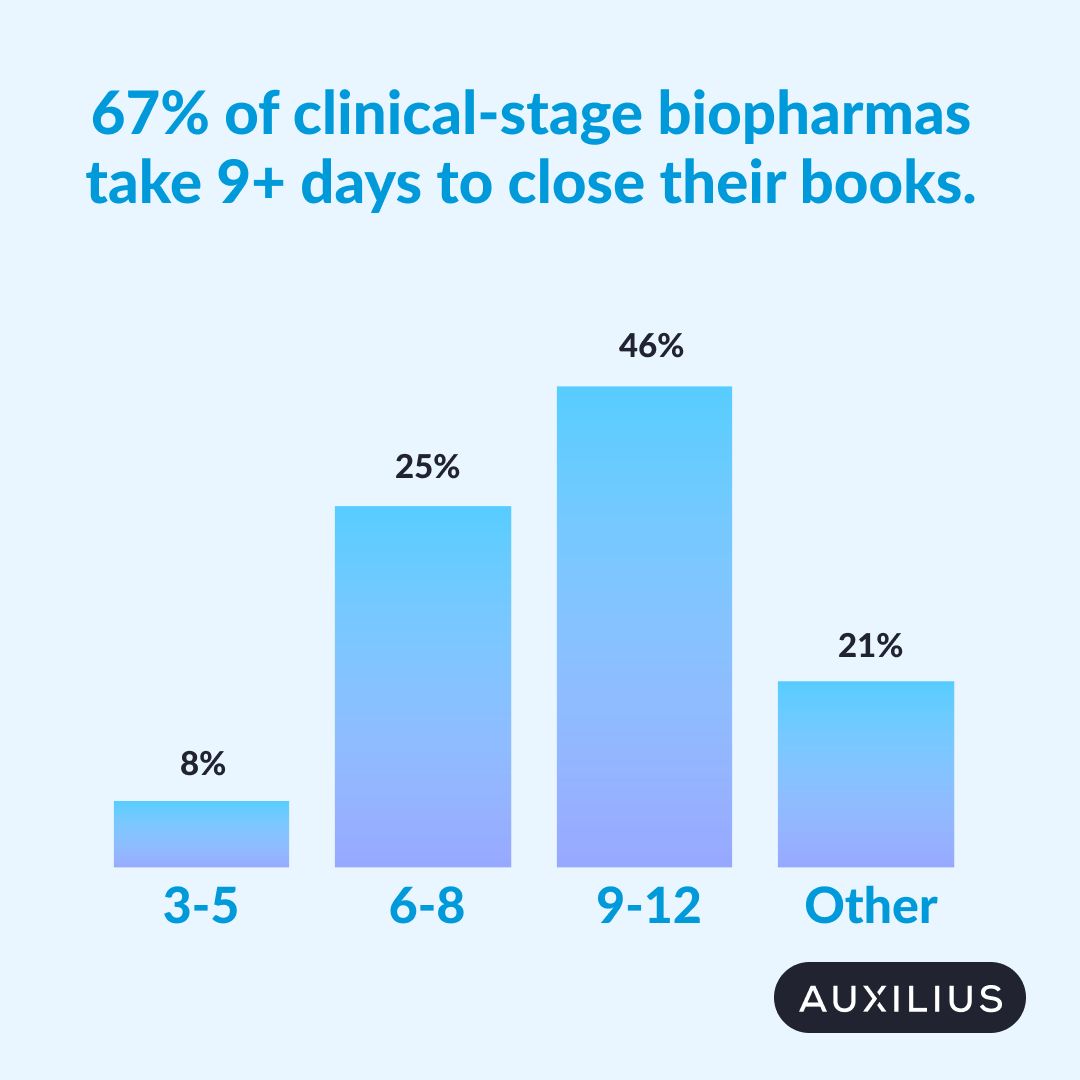
Think it takes forever to close your books? For better or worse, you’re not alone. According to our research, nearly 7 in 10 clinical-stage biopharmas take 9+ days to close. The problem? Clinical accruals and the delayed data behind them. - Vendor estimates can take days (or weeks) to arrive - Even if you have your own patient tracker, EDC data can be delayed and push back your investigator expense estimate On top of that, there's heavy QA needed to make sure all the numbers tie together. The result? Delayed closes, frustrated teams, and more working lunches. Closing the books shouldn’t feel like a scavenger hunt, but for too many, it does. Want more interesting insights? Check out our Mid-Year Outlook in the comments.
- AwellRecorded 9 Sept 2026
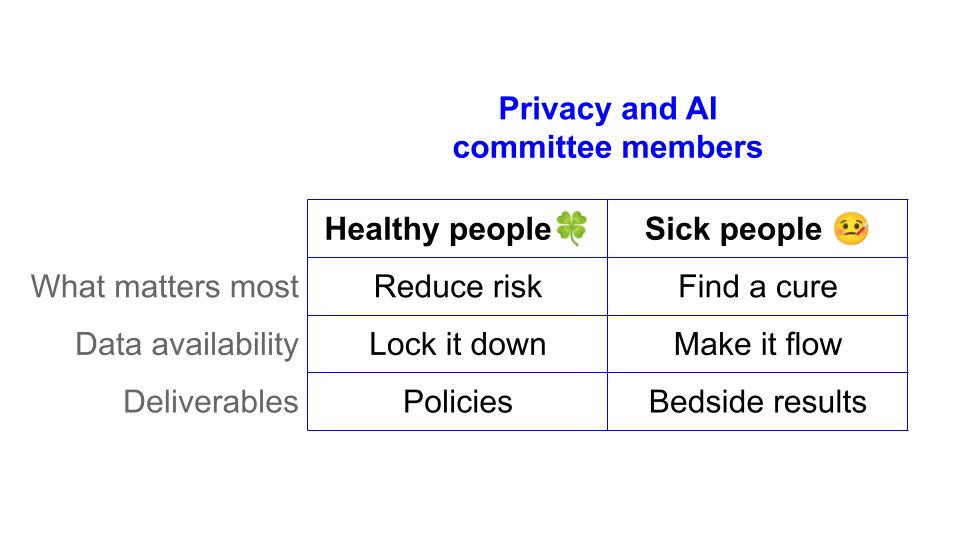
There were nearly not enough sick people in the privacy committees that wrote HIPAA & GDPR. We're about to make the same mistake with AI. HIPAA & GDPR proved one thing: when patients aren’t in the room, the rules guarantee red tape, not results. Eight out of every ten patients are happy to share their data if it increases the chances of getting them cured. Those privacy rules were drafted by people who’ve never stared at a monitor praying their labs come back in time. Result? Patient data is locked in vaults while care teams still hunt data in silos like it’s 1999. AI committees are forming now. Same faces, same “safety” sermons, same bottlenecks already surfacing. And I bet in every single one of them lawyers outnumber patients when it comes to making the final call. Unless we stack the chairs with people who have a vested interest in getting cured, we're headed for decades of paperwork first, care second. If you personally have health issues or know someone who does, would you also like to see more sick people in AI committees? Have you seen any examples of healthy people policy stifling bedside results? Would love to hear your thoughts in the comments.
- AuxiliusRecorded 9 Sept 2026
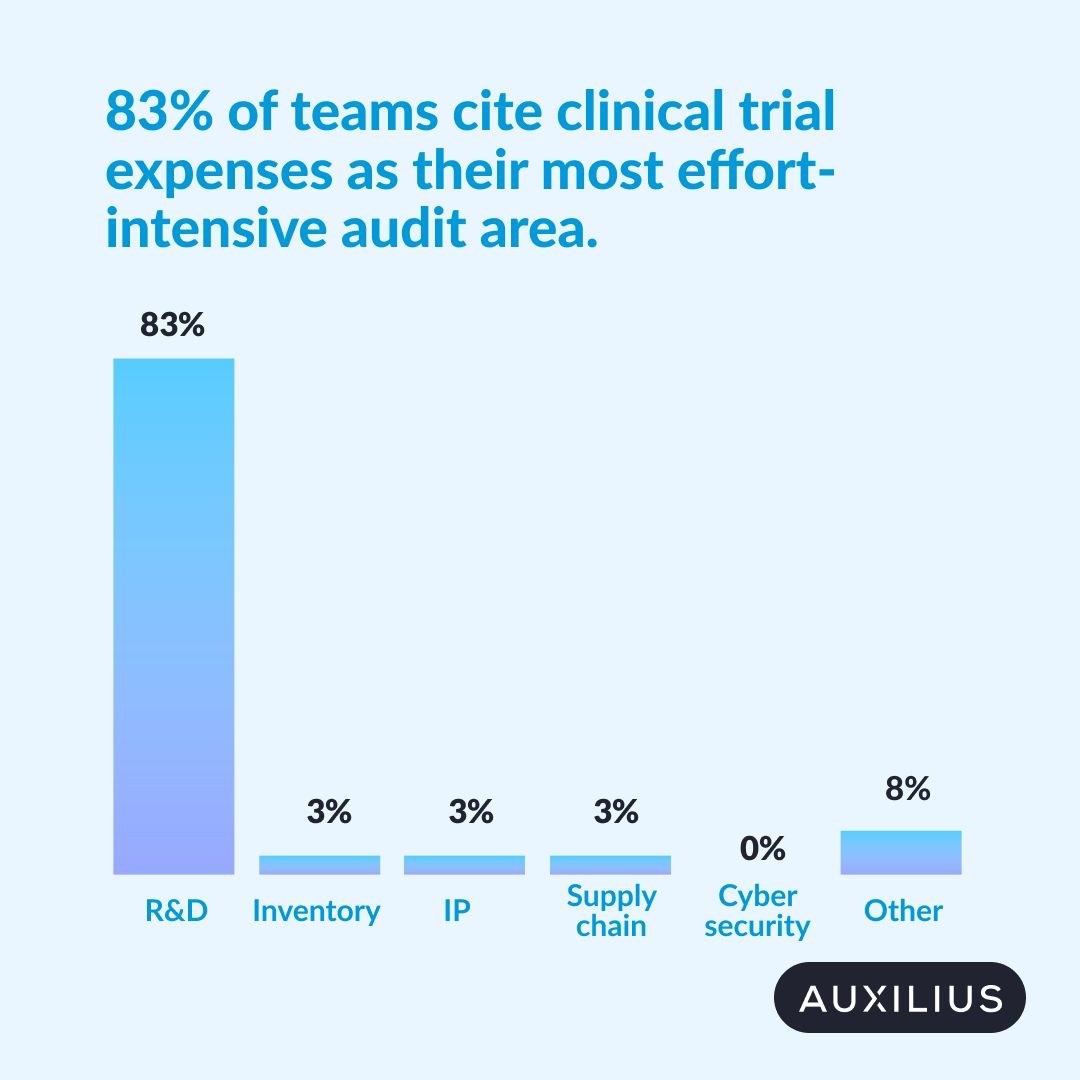
Clinical trial expenses are notoriously hard to audit. Don't believe me? Ask literally anyone who been involved in a biotech audit. But it’s not just because the dollars are high. It’s because... ...Accounting has poor visibility into trial activity and expenses ...Sponsors rely on third parties that are consistently awful at financial reporting ...Data is sitting in silos across CTMS, EDC, CRO portals, spreadsheets, email, physical notepads, and Suzie from ClinOps' memory ...CROs often backdate changes to historical periods in their reporting without warning (or good explanation) ...There's tons of manual entry and error-prone processes ...There's key man risk if the person that owns the accrual model leaves ...There are no access controls or change logs in an Excel model ...Trials are often in multiple currencies ...Invoicing from sites and CROs is often delayed ...CRO contracts are vague on financial deliverables (or lack SLAs for data sharing) ...Site activation, enrollment, and milestone data are often outdated or incomplete ...Trials change and the expense model needs to be updated constantly ...The auditor you're working with doesn't have much biotech industry experience and thus you have to explain to them clinical accounting To people new to biotech, this seems crazy. To us, this is just audit season. What am I missing?
- August HealthRecorded 9 Sept 2026
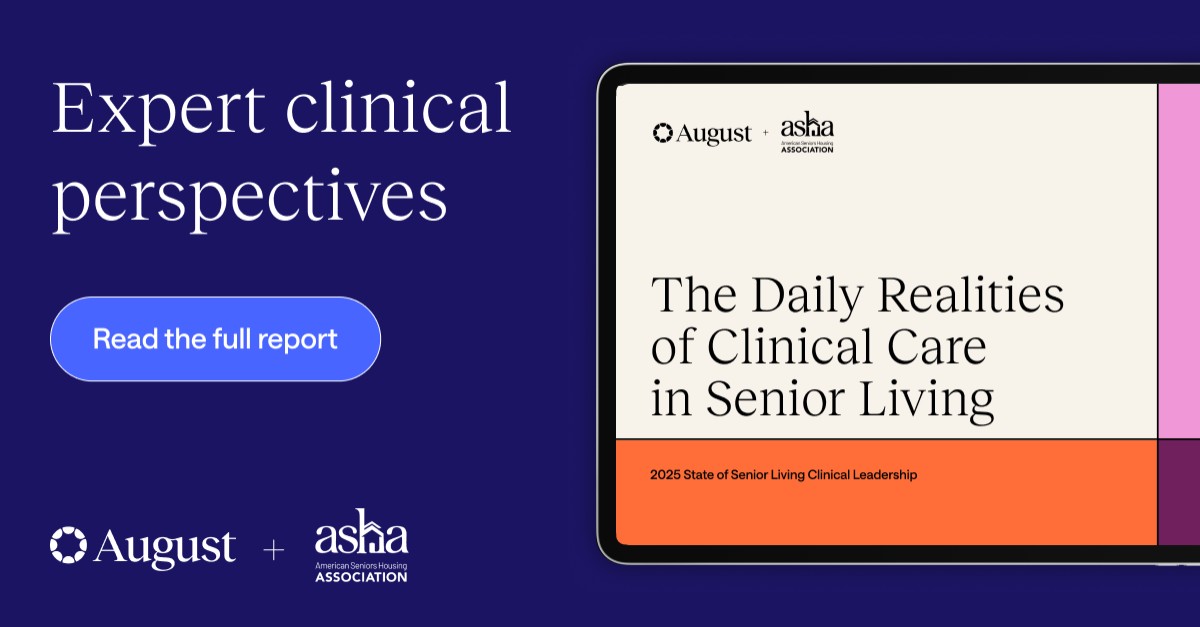
I worked with a group of stellar nursing leaders to develop the 2025 State of Senior Living Clinical Leadership report. In partnership with the American Seniors Housing Association, we surveyed nursing leaders across the country to gain insight into the perspectives and priorities of clinical leadership. Together these nursing leaders oversee the care of over 1 million older adults in community care settings that are fast evolving. The survey highlights the creativity and resilience with which nursing leaders are adapting the care model to meet the needs of higher acuity residents amidst persistent staffing pressures. At a time of historically high occupancy, investments are being made to build systems and adopt technology to proactively identify rising-risk residents and ensure that changes of condition are identified early and addressed. With the support of deepening healthcare partnerships and value-based care contracting, clinical teams are better positioned to coordinate care across the continuum and drive outcomes. As resident care needs and the nature of clinical work evolve in senior living communities, it’s imperative that we elevate the strategic priorities of nursing leaders for reasons best captured in this survey response: “I wish more people understood that clinical leaders are the linchpin between Wellness, Ops, and Culture. Not only do we need to completely understand the regulatory compliance piece, but we also need to be strategic partners in bridging the gap between programming and healthcare. Our role requires emotional intelligence, leadership, and systems thinking, not just clinical expertise. When recognized as whole-community leaders rather than just clinical task managers, we are able to drive better clinical outcomes and stronger business performance.” 🌟 See report linked in the comments 🌟 Thank you to the survey task force: Elizabeth Jensen, PhD, MSN, RN-BC Gloria Hughes Josh Allen Sara Padilla Lynn Chalk Jennifer Hellbusch Sue Lingo BHA, BSN Danielle Parker Amy Kenley Sara Jelinek and to ASHA President & CEO David Schless.
- ApzumiSince 2 Feb 2026
The more I work with Digital Health, the more I realize one thing: We’ve been trying to understand women’s health using models that were never really built specifically for women. For years, healthcare algorithms were trained on generalized datasets - often shaped mostly by male physiology. Women’s health was treated as an exception, something to be adjusted to “standard” models rather than understood on its own terms. I see how much this changes when data finally starts to reflect women’s biology and everyday lives. Today, AI models are being trained on female-specific medical and lifestyle data - cycles, fertility, menopause, mental health, sleep, activity, daily habits. And when technology starts learning from women’s data, health suddenly stops being abstract: - Patterns become visible. - Connections start to make sense. - Things that once felt “random” begin to have a structure. What I find most important is that women no longer have to adapt to generic health models. Technology can finally start adapting to them. AI is not replacing doctors - and it shouldn’t! But it can create context, structure, and understanding that has been lacking for so many years. It can help women make more conscious decisions about their health, and help clinicians work with richer, more meaningful data.
- ApzumiSince 5 Feb 2026
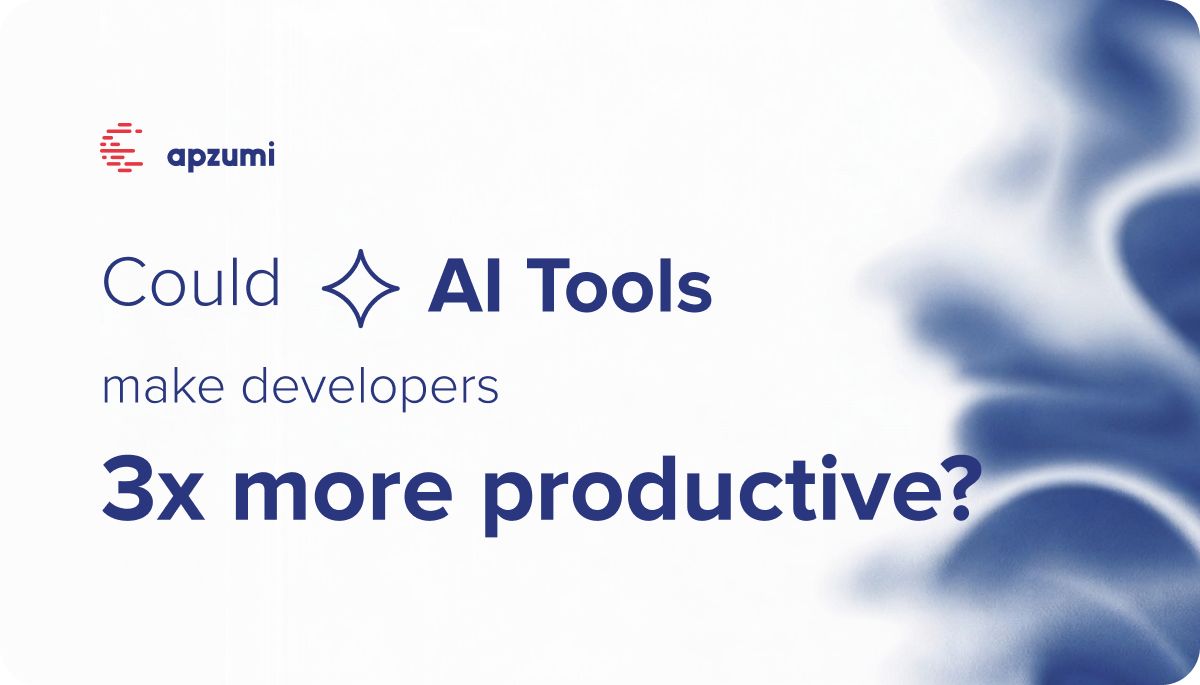
Absolutely not! That is, not if we still think of AI as a one-size-fits-all solution — a silver bullet, something you can switch on, type a few words into and watch the magic happen. "A bicycle for the mind" - that's how Steve Jobs once explained what computers are. This metaphor, coined over 40 years ago, fits our new reality perfectly. What computer was back then, the AI is now - a powerful and fascinating amplifier of human intellect, allowing us to achieve far more than we could without. AI is the next bicycle. It extends our ability to reason, solve problems and be effective. But some things don't just make us faster. AI is a tool, yes, but it's also so much more than a tool. It's a catalyst for a deeper shift. Real productivity gains in software development don't come from swapping one tool for another; they come from changing how we work and think. And AI can do exactly that — if you let it. Its value doesn't come from better prompts. It comes from a better mental model. So, this model, what does it look like? You decompose the problem, you create a plan (with AI's help!), you break the work into smaller pieces. You sit down at the keyboard, grab a coffee, stretch a bit - and then ... you don't code! At least, not just yet. You delegate instead. Delegate, delegate, delegate! There's an endless supply of eager, tireless, digital developers, waiting for instructions. Let's use them! When we do, we stop being artisans focused on low-level code and start acting as master architects of the bigger picture. Experience and skill still matter deeply — we must teach, correct, guide, and verify. Like seasoned veterans that we are, we spot mistakes, point to examples, enforce best practices, heck, sometimes even write some parts ourself - because that's the most effective way. We step in when judgement matters. And so the mental model shifts from "write" to "make". Ironically, a substantial part of development has always been about explaining things to machines. Now, we can use another machine to accelerate those explanations — if we're willing to let go of the pride we once took in doing all this grunt work ourselves. Freed from much of the mechanical work, we can focus more on what truly matters: the hard decisions, trade-offs, complexity, compliance, security, quality. This way, indeed, we can bring a better value. At Apzumi, we have the courage of our convictions. We believe AI can be a tremendous force multiplier — if you fully embrace it and deliberately integrate it into your workflow. That's what we're doing. So yes, there is a "yes" hidden in here after all. Can AI make developers 3× more productive? Not by itself. The tools alone won't get you there. But a new way of thinking about them — an end-to-end, AI-powered development lifecycle, where AI coding agents and developers work side by side — it absolutely can. Whether it's 2×, 3×, or even more, we're excited to explore what's possible and build with this newfound power.
- Apodan A/SSince 1 May 2026
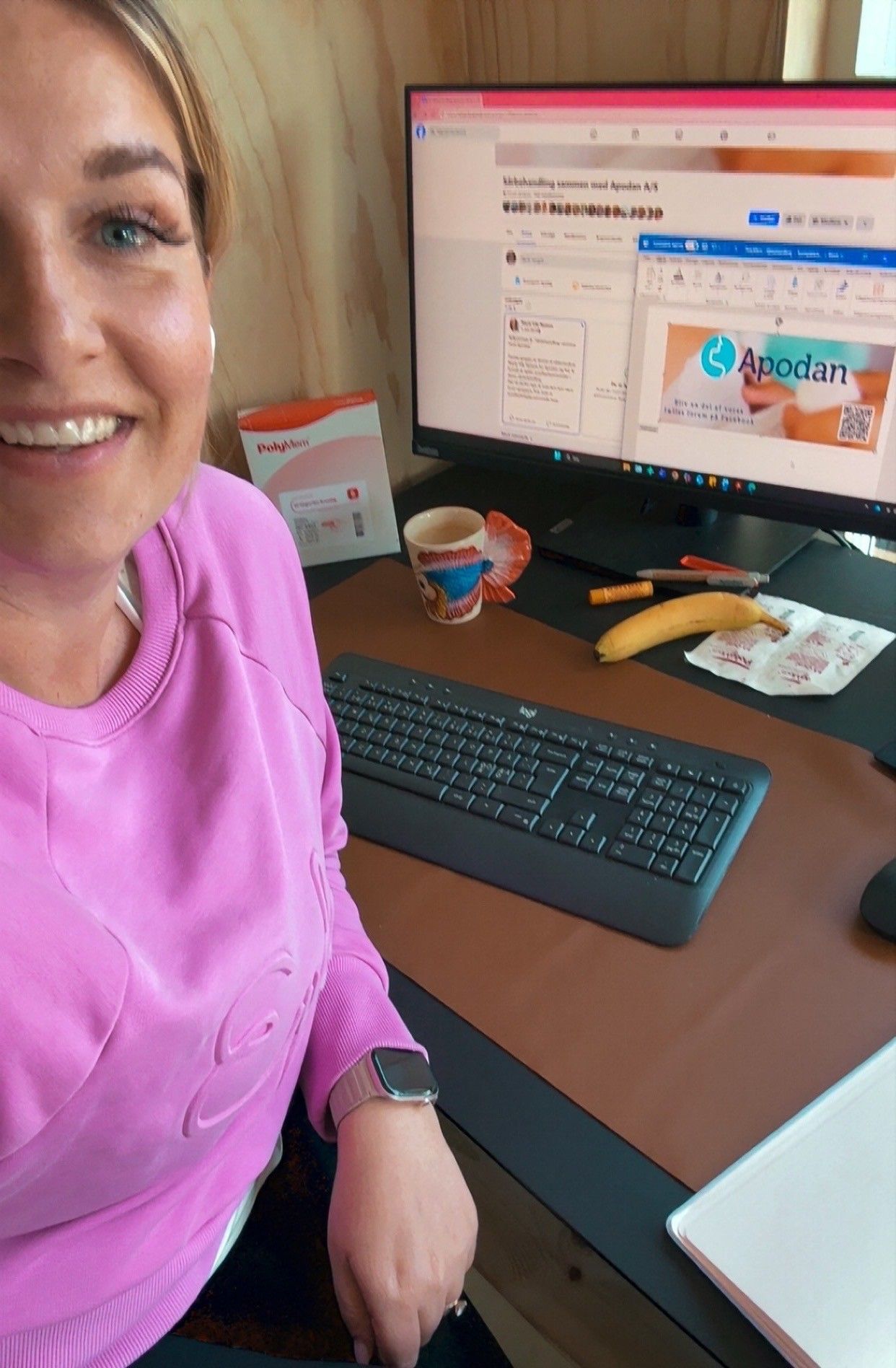
En velkendt sårbandage – men kender du den egentlig? 🧩 Da jeg startede ved Apodan A/S, så jeg på PolyMem®, som flere nok desværre stadig gør: En almindelig skumbandage. Kort tid efter gik det dog for alvor op for mig, at PolyMem® ikke bare dækker et sår – den arbejder aktivt med det. PolyMem® er nemlig designet til at understøtte sårhelingen hele vejen rundt: Den bidrager bl.a. med kontinuerlig sårrensning, balancerer fugtniveauet og har samtidig en smertelindrende effekt. Alt sammen uden at gøre sårbehandlingen mere kompleks. Og netop dét rammer mig fagligt – men også menneskeligt. 💙 For bag hvert sår er et menneske, som mærker både smerte, utryghed og ventetid på heling. Hvis vi med én forbinding kan gøre behandlingen skånsommere, mere effektiv og tålelig, så skylder vi hinanden at kende forskellen. 💡 Så kære sundhedsfaglige kollega; Næste gang du vælger PolyMem®, vælger du ikke bare en skumbandage. Du vælger en aktiv tilgang til sårbehandling, hvor klinisk dokumenteret effekt og patientkomfort går hånd i hånd. 🤝 Det er ikke den hurtige løsning. Det er den gennemtænkte. Så… troede du også, at PolyMem® “bare” var en skumbandage? 🫢 #Sårbehandling #Apodan #GørEnForskel #ad #fagligreflektion #sårheling
- Artos AISince 9 Jun 2026
Every year before DIA, I make a prediction. This year's: AI will be the most-talked-about topic at the conference (again) — and also the most oversold one. Every booth will have it. Every session will reference it. But here's what I actually think happens: the conversations that matter won't be about AI at all. They'll be about trust — specifically, whether sponsors and regulators can agree on what "good enough" looks like for AI-generated clinical documents. Talking about the technology in a vacuum isn't helpful here. The validation frameworks, the SOPs, the trust from people using it - that's what matters That's the real DIA 2026 story. If you're there and want to talk clinical documentation, regulatory submissions, or just commiserate about the state of AI in drug development, would love to chat!
- Artos AISince 11 Jun 2026
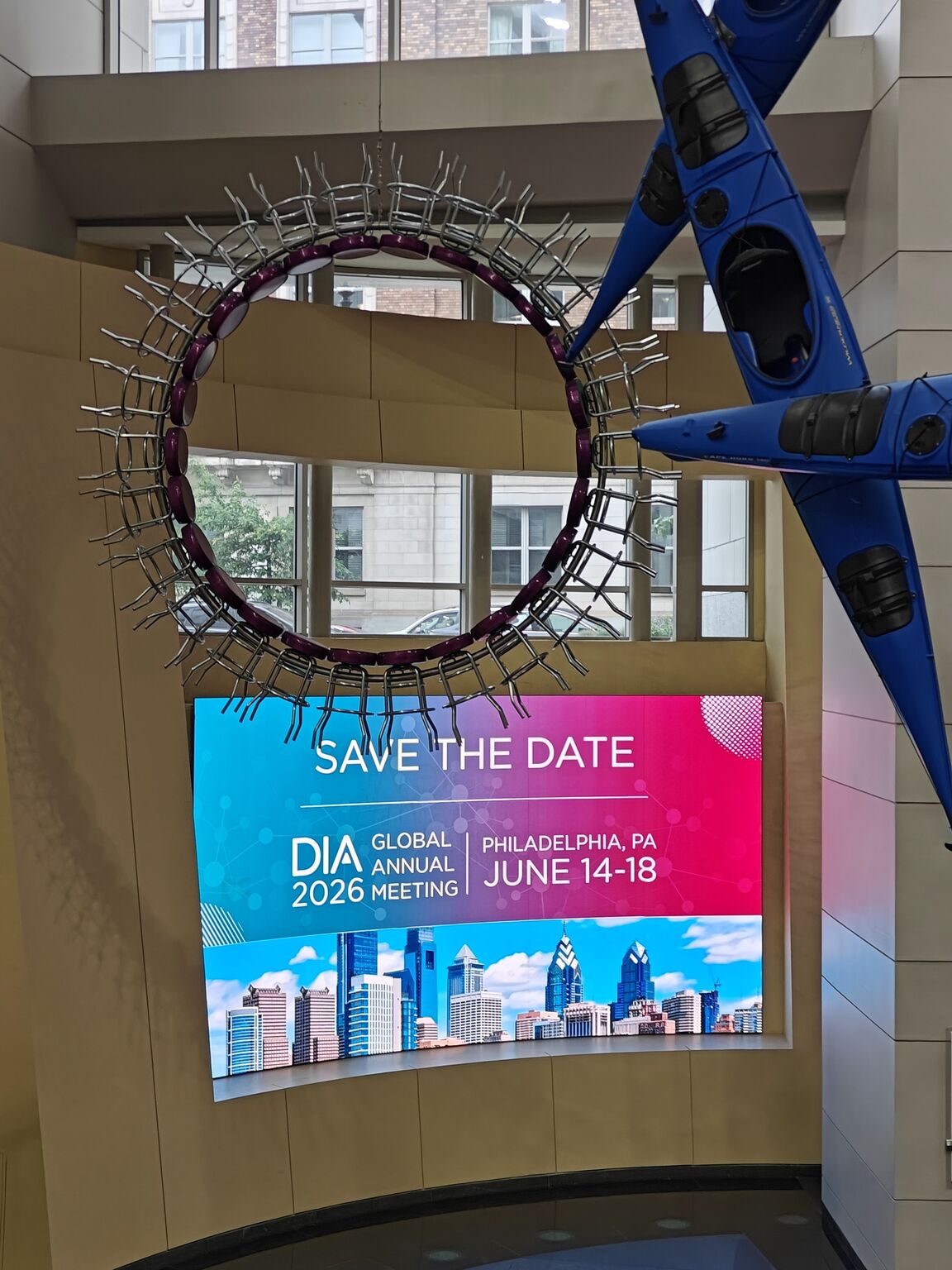
Every year the AI conversation gets bigger. The adoption problem stays the same. Heading to #DIA2026 next week and the one thing I keep coming back to is trust. Not in an abstract, big-picture way. In a very practical one. Everyone has tried AI at this point. Pilots have run. Teams have experimented. But moving from "we tried it" to "we actually use it" is where things get hard and from what I've seen, trust is big bottleneck. And it makes sense. If I'm a user and I don't understand how a system reached a conclusion, I'm not going to rely on it. I will spend a lot of time to review the content and not really see any efficiency. That's not resistance to change, that's a reasonable response to what appears like a black box. So what actually moves the needle? Three things I keep coming back to: Validation. In regulated environments, this means being able to build GxP compliant, auditable data pipelines for parts of the document generation process. Not just "the AI worked" but being able to show exactly what happened, when, and why, in a way that holds up to scrutiny. Showing its work. A good example: AI that can comment on whether a result is statistically significant based on the testing hierarchy defined in the SAP and show you exactly why it reached that conclusion. That kind of transparency is what gets a reviewer to trust the output rather than just recheck everything manually. Knowing its limits. Just as important as what AI can do is what it knows not to do. Determining a NOAEL from raw data is an interpretation that belongs to an SME, not a model. AI that understands that boundary and respects it is far more trustworthy than one that doesn't know where to stop. Curious to hear from people who've also been thinking through this. If you're going to be at DIA, let's connect. #DIA2026 #AI #AIAdoption P.S. Picture from last year's DIA. When you RSVP a full year in advance, you know it's a good one. See you in Philadelphia.
- Amenities HealthRecorded 5 Sept 2026
A Hospital CEO realized his patients could generate an extra $60M in pure profit - it all started with 1 question. “How many patients do you serve annually?” “200,000,” he said. Here’s the math that flipped the room: → 25% (50,000 patients) would pay for premium access. → At $100/month, that’s $60M gross annually The room went silent. Then he started listing what $60M in pure profit could do: → Keep rural clinics open → Expand uncompensated care → Buy the MRI machine they’d postponed for years → Serve more Medicaid patients That was the breakthrough. It wasn’t about wealthy donors or the top 1%. It was about 1 in 4 of his current patients. People who already trusted him. They were asking for better access and experience. This revelation hit him: While he was cutting services to survive, his patients were willing to fund the mission. If you're like the many healthcare execs we speak with, you’re facing: → 1–3% margins (or worse) → Medicaid cuts looming → Growing cost pressures I started Amenities Health after serving as VP of Digital Health at Baylor. We’re now partnering with leading health systems to launch white-labeled, membership-based care programs that unlock $10M+ in 100% margin revenue and loyal patients. If membership or concierge-style digital care is on your radar, I’d love to get your feedback on what we’re building. Send me a direct message and let’s connect.
- Amenities HealthRecorded 5 Sept 2026
90% of health systems are cutting costs to survive Medicaid while the top 10% are quietly unlocking a new $1B+ revenue opportunity. Here’s the opportunity. Patients are already spending billions out-of-pocket for faster care, better access, and concierge-level service. But almost none of that revenue flows through traditional health systems. Here’s what’s possible: → $2–10M in pure-margin revenue from patients you already serve → $100M+ in downstream specialty & surgical volume → No new headcount. No new buildings. No infrastructure overhaul. I’ve written an executive briefing: Premium Healthcare in 2026: The New Revenue Model for Health Systems It’s a concise, high-impact read for health system executives exploring new revenue engines. 💬 Comment YES below and I’ll send you the briefing.
- Amalgam RxSince 15 Jan 2026
🚀 Breakthrough news for healthcare AI (Seriously—not hype. Peer-reviewed data. Real results👇) For #AI to transform #healthcare, it must be safe, clinically appropriate, and governed by robust guardrails. In other words: Medical-Grade. Two peer-reviewed studies just validated our Medical-Grade AI™ framework—proving it can be deeply engaging and clinically sound. 💬 35-minute average conversation length 🔁 60% weekly retention, twice the industry baseline 🧠 Guardrails that redefine how patients and providers interact with AI These findings confirm when AI is clinically governed and human by design, patients stay engaged—and medical, legal, regulatory (MLR) teams trust AI will be patient appropriate. Unlike most LLMs that self-regulate, ours is protected by multi-layered guardrails that sit outside the model. That’s the difference between AI for healthcare and Medical-Grade AI™. Proud of the Amalgam Rx team for leading the way—proving AI can be smart, empathetic, and ready for healthcare. Read more about research: [link to press release] https://lnkd.in/edNhgbyP Learn more about Amalgam’s Medical-Grade AI™ → https://lnkd.in/eHrxpiEz #MedicalGradeAI #DigitalHealth #HealthcareInnovation #PatientEngagement Ryan Sysko Bharath Sudharsan Suzanne Sysko Clough, M.D.
- Amalgam RxSince 4 Mar 2026
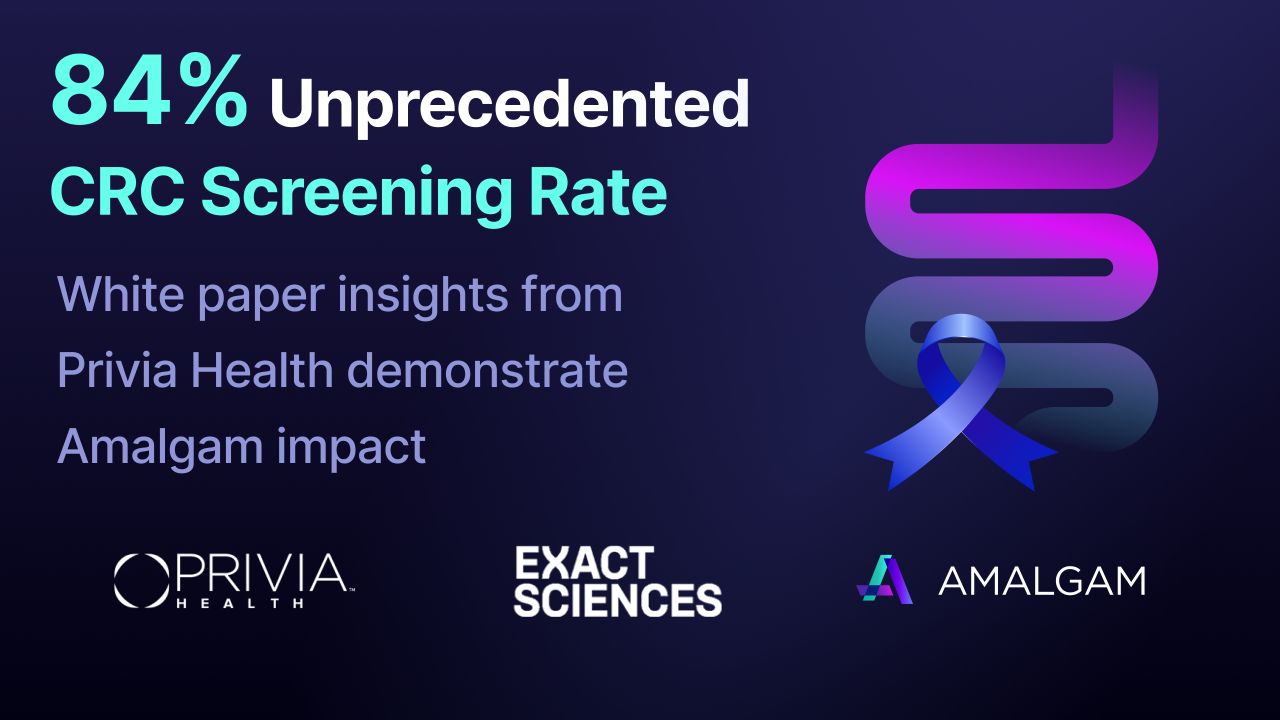
🔵 March is Colorectal Cancer Awareness Month. Early detection saves lives. Colorectal cancer is increasingly affecting younger men and women. Recent public stories — including high-profile cases like James Van Der Beek — are sobering reminders that this disease does not follow old assumptions. I’m at ACHE this week discussing prevention and value-based execution — and this program is a clear example of what scalable prevention looks like in practice. 📊 Amalgam Rx's collaboration with Privia Health and Exact Sciences achieved an 84% colorectal cancer screening rate, surpassing the National Colorectal Cancer Roundtable’s goal. Here’s what that looked like: · 42,000+ patients proactively engaged (scaled nationally to 100,000+) · 23,000 screening orders processed within 48 hours · 550+ patients identified for diagnostic follow-up · Minimal lift for care teams This is what happens when patient engagement and clinical workflow operate as one system. Read more... PRESS RELEASE https://lnkd.in/eWnNkpiD CASE STUDY https://lnkd.in/efnq4ths #ColorectalCancerAwareness #PreventiveCare #ValueBasedCare #PopulationHealth #HealthcareInnovation D. Keith Fernandez Evan Varadi, MBA Ryan Graham Ryan Sysko Sue Sanchez, MBA, LSSGB Dinah Pyles




Other LinkedIn formats
Watch the companies you care about.
Filter every ad by industry, country, format and network, and get alerts when a company you watch starts running new ads.