LinkedIn thought leader ad examples
36 thought leader ads are live on LinkedIn right now, from 52 companies. Browse real ones, filtered by industry.
- AlpicSince 29 Sept 2026
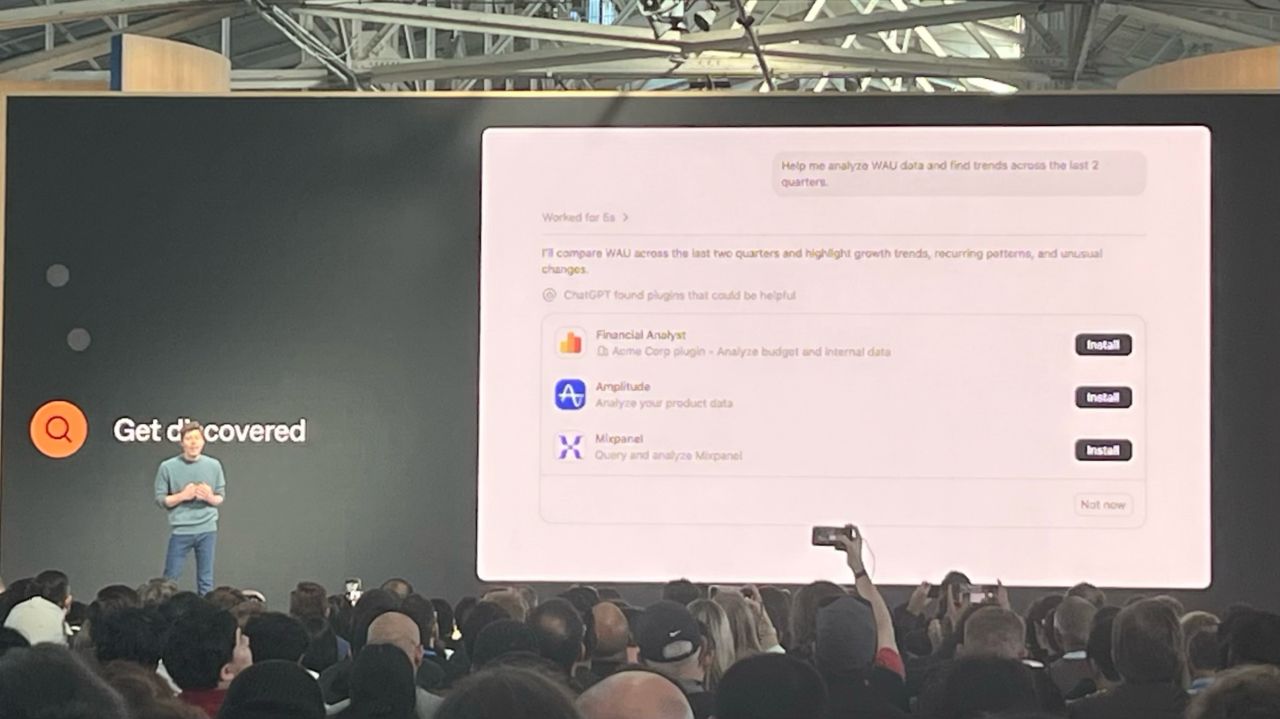
OpenAI officially launches dynamic discovery of plugins in ChatGPT!!!! Time to build.
- HyperagentRecorded 23 Sept 2026
I've more than doubled my business in the past year. I've also never been more exhausted in my life. I haven’t taken a real vacation in a long time… So I set up a fleet of AI agents for my team, so I could go to Greece for 10 days. And I actually unplugged 90% of the time. (I tried to unplug 100% of the time but I'm an obsessive entrepreneur) Before I left, I set up three AI agents in Hyperagent, a tool that lets you deploy always-on agents connected to your existing tool stack. Here are the 3 agents I built: ↳ A daily briefing agent that ingests my Gmail, Google Calendar, and an AI news feed every morning, prioritizes only high-priority stuff, and posts a Slack summary for my whole team. ↳ A blocker detection agent that monitors my Slack and email for threads where my team is waiting on my input for things like approvals and decisions. This is so helpful because I’m the biggest blocker in my company 😅 ↳ A weekly content performance agent that pulls social media post data, identifies patterns in what's working best, and sends my team an analytics breakdown. The architecture is simple but so powerful: each agent has its own cloud login, connects to the tools you already use, and runs on a trigger (either a schedule or an inbox event). And the cool thing is that they don’t replace my human team, they work in collaboration with them. And since they worked silently in the background, I was able to unplug a lot and keep my business running. Hyperagent is giving away $500 in credits to the first 500 people to sign up. This link gets you $500 credits to build your own agent in Hyperagent: https://lnkd.in/eiGkCT83 #HyperagentPartner
- HyperagentRecorded 23 Sept 2026
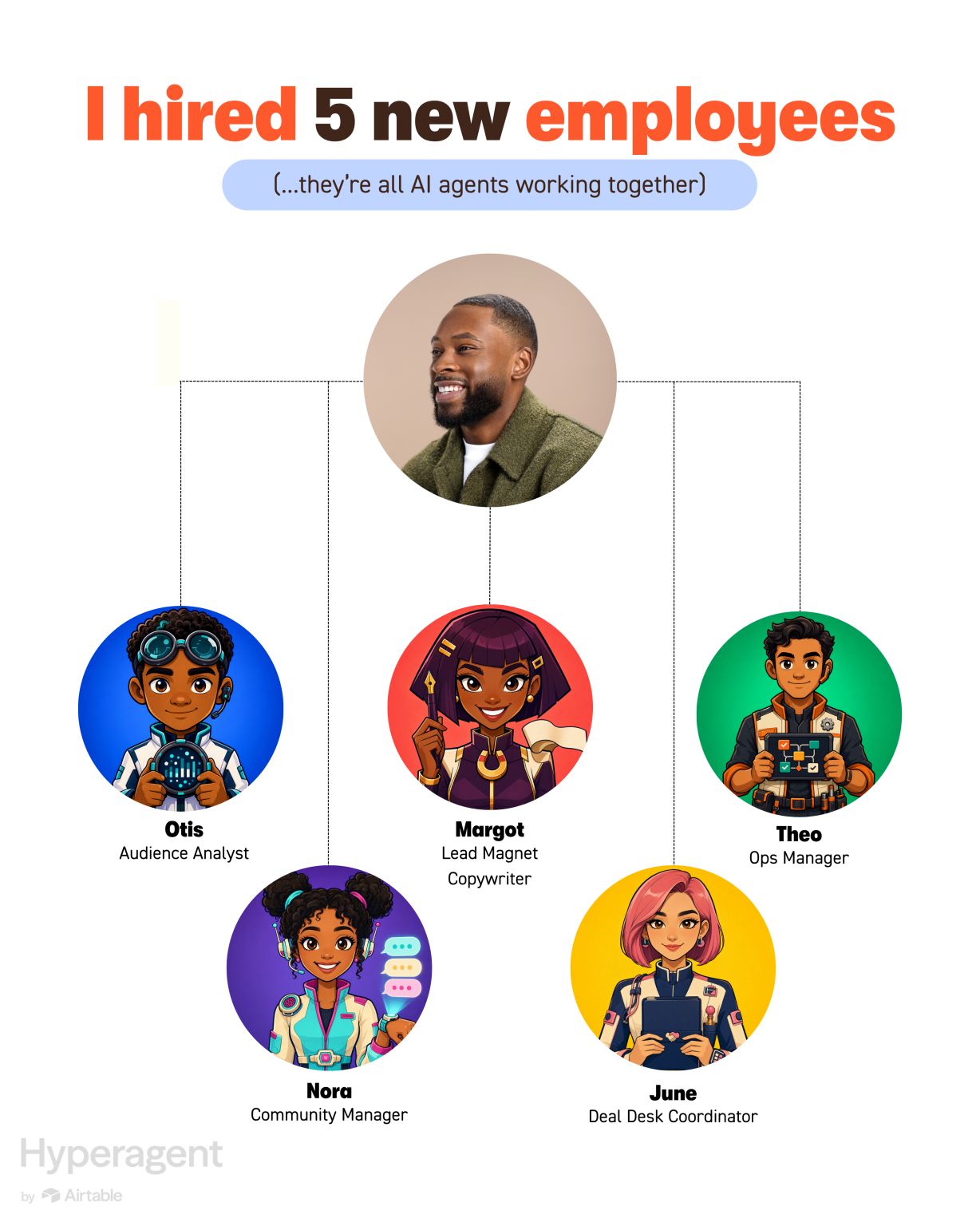
I hired new 5 employee, none of them are human. a year ago, stepping away for a week would've meant chaos. now? I’m getting closer to the business running without me because I built a team of AI agents that don’t need me to show up every day. Plus … I’m less than 50 days to being a first-time dad, so it’s a must for me personally. here’s my growing team… → margot runs my 8am briefing. reads overnight slack and inbox, posts a plain-english rundown before i'm even awake. → theo watches my inbox. drafts replies to brand emails, flags the ones worth real money, waits for my approval before anything sends. → nora scans my calls, notes, and voice memos. turns each moment into content drafts ready for me to edit. → otis analyzes my audience. tells me what's resonating and what's not so i'm not guessing. → june coordinates deals. tracks timelines, follows up, keeps nothing from falling through. and they don't just work for me. they work with each other. theo routes the big brand deals to june, and otis tells nora what's worth writing about and I built this system fully in Hyperagent and they're the reason I can now actually step back when the baby comes. This isn't about productivity hacks, it's about building a business that doesn't mean manual labor for you at every step Hyperagent is giving the first 500 people who sign up for a paid plan an extra $500 in credits. Claim yours: https://lnkd.in/gAzdamFs #HyperagentPartner
- Interactions LLCSince 19 Sept 2025
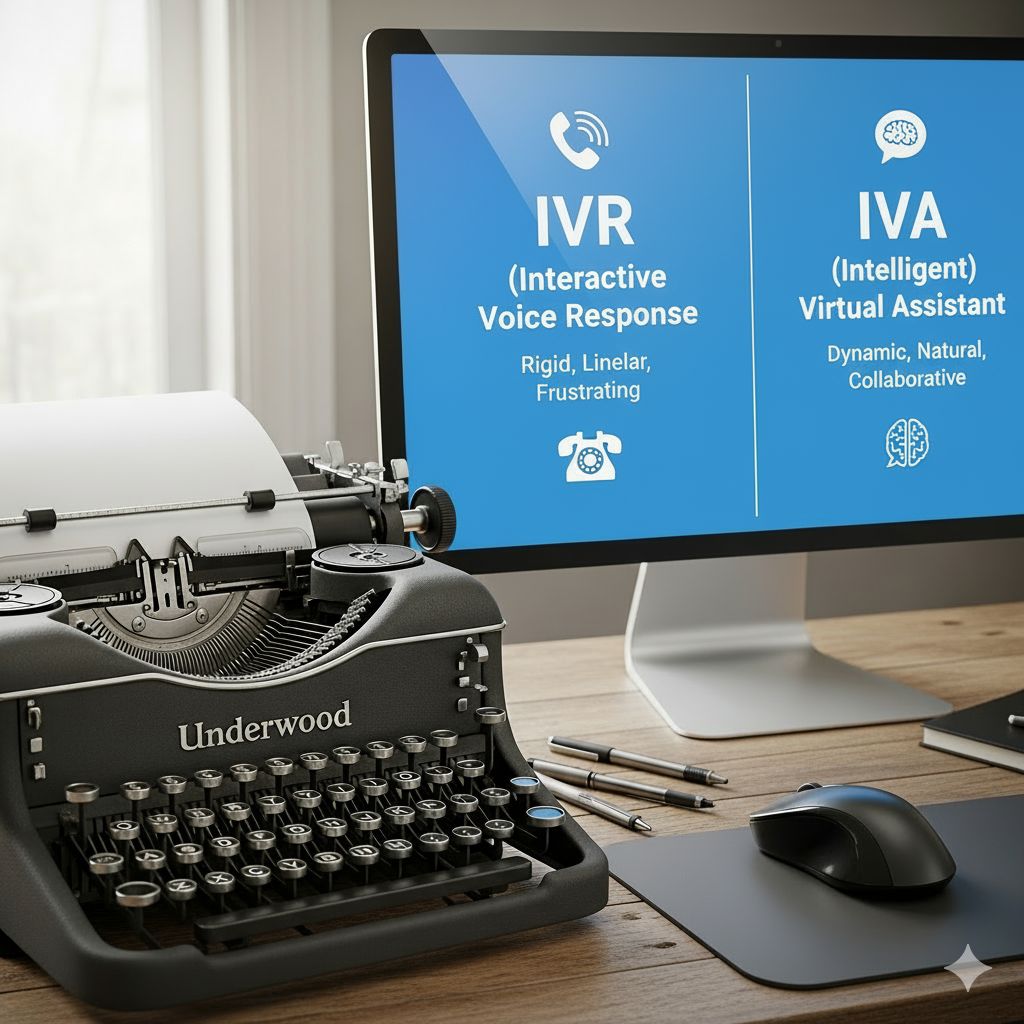
The Typewriter vs. Google Docs: Why Your IVR is Trapped in the Past You're trying to collaborate with your customers, but you're using a typewriter. Think about it: Imagine needing to work on a document with multiple people, but your only tool is a typewriter. Every revision means retyping the entire page. Sharing requires physical delivery. You have no idea who made which changes. It's agonizingly slow, isolated, and a complete blocker for any modern, dynamic task. This is your legacy IVR system. For too long, we've accepted the IVR as the "typewriter" of customer service. A single-threaded, rigid tool that forces customers into a linear, frustrating experience. Want to change something? You have to rebuild the entire flow. Want to personalize the experience? Good luck. Now, imagine the power of Google Docs. Multiple users can edit simultaneously, changes are tracked automatically, and the document is instantly accessible anywhere in the world. This is the experience Interactions LLC's Intelligent Virtual Agent (IVA) delivers. Our IVA is the Google Docs of customer service. It’s collaborative, dynamic, and intuitive. It frees your customers from rigid scripts, allowing them to communicate naturally while the IVA tracks their intent, personalizes the conversation, and resolves issues in a fraction of the time. Are you still relying on a typewriter in a Google Docs world? #CustomerService #ContactCenter #CX #ConversationalAI #AI #HappyCustomers #DigitalTransformation #InteractionsLLC #SoundHound #Makinglifeeasier
- Gradient ZeroSince 4 Sept 2026
A few months ago, many people treated AI dependency as a theoretical risk. Then it became real. When Anthropic's Fable model was suddenly restricted following a U.S. government decision, it wasn't just another AI headline. It exposed something much bigger. Many European companies are building products and internal workflows on models they don't control. If access changes overnight (because of regulation, geopolitics, or a provider's own decision), those businesses suddenly have a problem they can't solve with better prompting. For me, the biggest lesson wasn't about Anthropic. It was about dependency. This isn't an argument against using frontier models. They're incredibly powerful tools. But if your entire product or business depends on a single provider remaining available forever, that's not an AI strategy. It's an assumption. The conversation in Europe is slowly shifting from "Which model is best?" to "How do we stay operational if the landscape changes?" That's a much healthier question to ask.
- Gradient ZeroSince 4 Sept 2026
My perspective on healthcare AI changed the day I became the patient. Sitting at home with an ECG report feels very different from discussing AI in a boardroom. You suddenly have questions. You want to understand what's happening, not just wait days for every answer. Uploading the terminology from my report to a standard LLM is where AI became genuinely useful for me - not by replacing my doctor, but by helping me understand medical information, prepare better questions, and become a more informed patient. That experience reinforced something I already believed - The future of healthcare AI isn't replacing clinicians. It's helping patients have better conversations with them.
- Great Wave AIRecorded 21 Sept 2026
Why we built the Great Wave AI platform We didn’t set out to “revolutionise AI,” “disrupt industries,” or any of the other phrases that usually come with too many pitch decks and not enough sleep. We built Great Wave AI for a much simpler reason: because trying to make AI actually useful inside real organisations kept turning into a farce. Everywhere we looked, teams were stitching together half a dozen tools and whatever the hyperscalers had announced that week. Developers were drowning in frameworks. Non-developers were told to “just use no-code” (which usually meant “good luck”). And the moment anyone said “regulated environment,” half the available tooling quietly left the room. So we took the scenic route and built the thing we wished already existed: a platform where you can break work into sensible, specialised agents, give them access to the APIs and information they need, and have them reliably put everything back together again with human feedback and auditability built in. No drama. No rituals. No hype. And, next year even the option to run the whole thing on the edge, should you need to deploy an agentic system somewhere where god forbid, there is sometimes a poor internet connection (PIC), like a police car, because the PIC crew shouldn't miss out because of mother nature. Not reinventing AI. Just making it behave, so that it can actually make the transformational challenges promised. That is what its all about right ?
- FundamentalSince 30 Jul 2026
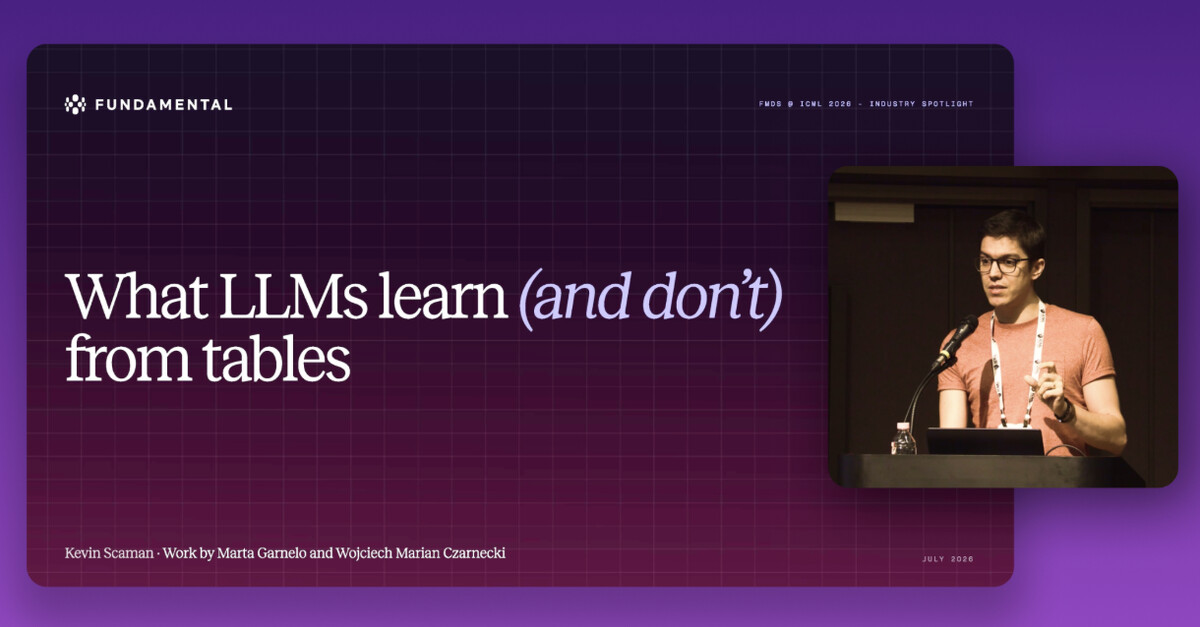
Proud to see Kevin Scaman present ‘What LLMs Learn (and Don't) from Tables’ at the [ICML] Int'l Conference on Machine Learning The work shows that general-purpose LLMs rely heavily on memorization when reasoning over tabular data, with performance deteriorating as table complexity grows. Progress on tabular AI won't come from simply scaling language models. Structured data presents a different set of challenges, and solving them requires purpose-built architectures. If this sounds interesting, come join our research team
- ChalkSince 10 Feb 2026
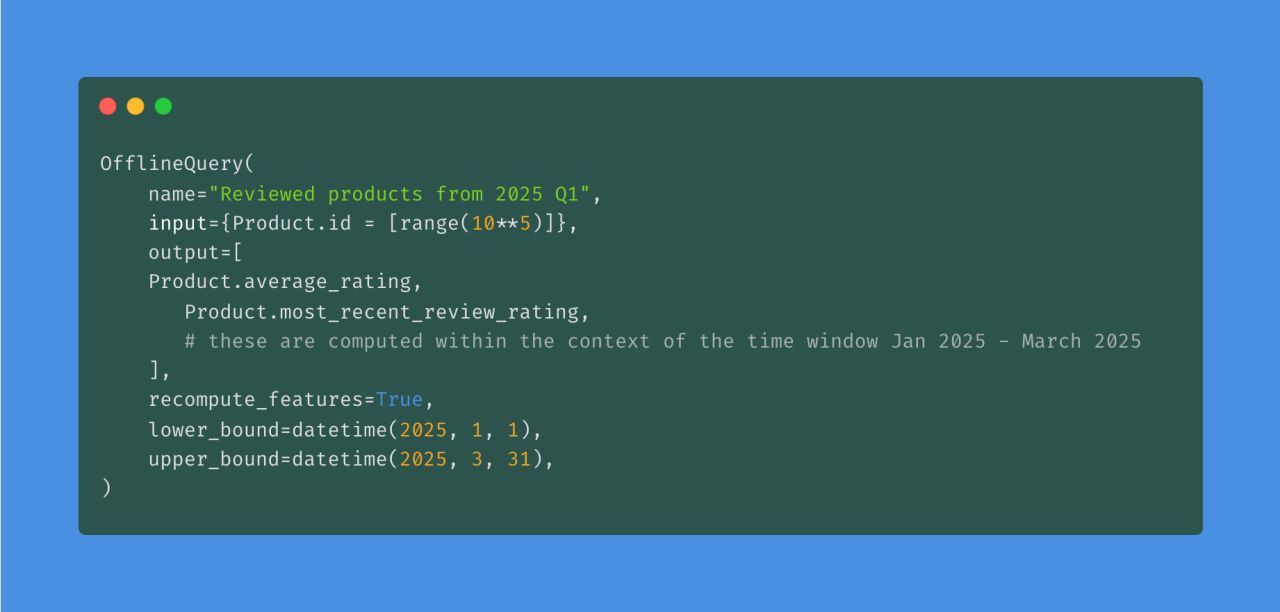
Point-in-time correctness is one of the hardest problems in ML training. Models often 'cheat' by peeking at tomorrow's data to predict yesterday's outcomes. They may look great in tests but end up faceplanting in production. Chalk prevents models from cheating - when you run offline queries with proper time bounds, you get the world frozen at that exact moment. Future transactions can't sneak into your training set. This is just one piece of our new guide on Chalk for Data Scientists. Link in comments.
- CAMB.AISince 20 Jan 2026
You’ve already heard this voice model, LIVE, while watching your favorite sport. Introducing MARS8. Now available to every developer as API. MARS, our text-to-speech model, was built for live, emphatic content like sports, news and more where real-time translation can’t afford mistakes. When millions are watching, LIVE doesn't LIE. Now, the model powering global broadcasts for some of the world’s biggest brands is available to every developer. Building for real content also taught us something fundamental: “No single model can win every use case.” That’s why MARS8 ships as a family: → 𝐌𝐀𝐑𝐒-𝐅𝐥𝐚𝐬𝐡 (600M params): The lowest TTFB for real-time agents and assistants. Optimized for speed, with best performance on Blackwell GPUs. → 𝐌𝐀𝐑𝐒-𝐏𝐫𝐨 (600M params): The balance of speed and fidelity for expressive dubbing, audiobooks, and digital media. → 𝐌𝐀𝐑𝐒-𝐈𝐧𝐬𝐭𝐫𝐮𝐜𝐭 (1.2B params): Director-level emotional control for high-end TV and film. You can literally chat with it in natural language and direct its performance. → 𝐌𝐀𝐑𝐒-𝐍𝐚𝐧𝐨 (50M params): For high-quality on-device use cases. Already deployed on industry leaders such as Broadcom chipsets. All of these ship with language support covering 99% of the world’s speaking population, across 15 premium and 20+ standard languages. The results... MARS8 now benchmarks as the world’s leading TTS model. We’ve open-sourced the benchmark; validate it yourself (link in comments). But there's this one last thing... MARS8 isn’t just an API. It launches as the first TTS model on every cloud provider, literally. Google Cloud, Amazon Web Services (AWS), Microsoft Azure, Baseten, Modal, Simplismart, Cerebrium, Hathora, Replicate, Parasail and more! Stop being trapped by the API tax. Scale MARS8 on your own terms. Proud of the CAMB.AI team for refusing to settle and for building what a planet-scale future actually demands. Now go build something impossible with MARS8. Mamba mentality 🐍
- CAMB.AISince 10 Feb 2026
Today, we're announcing Live Dubbing for everyone. Here’s why this is a history-first in product and AI → Remember when live-streaming meant you could only reach audiences speaking one language? That era just ended. For 24 months, CAMB.AI's Live Dubbing has been powering the world's biggest multilingual broadcasts for the world’s biggest brands. - NASCAR races streaming in Spanish - MLS All-Star games going out in 4 languages simultaneously - Demo Days like Google’s translated, LIVE, on stage Today, it’s available to everyone, even if you’re new to streaming! Starting right now, any creator, any broadcaster, any startup can sign up and run their own multilingual live streams. Same technology. Same interface that handles the chaos of live content with multiple speakers, crowd noise, unpredictable moments, all of it. Check out our YouTube LIVE quickstart in the video below! Think about who this unlocks. The solo streamer who suddenly has a Spanish-speaking fanbase. The emerging sports league that can now compete globally without a fancy setup. The online educator whose lessons can finally reach the students who need them most, in their own language, in real-time. 80% of the world doesn't speak English as their first language. Your content should reach all of them, that too, LIVE. Sign up. Go live. Reach everyone today. Btw, we're live on PH now, go give us an upvote ❤️ [link in comments] PS: Huge shoutout to Nina Zanarelli on our team for lending her voice to the video (eh well, not really lol, it was all MARS8) As always, mamba mentality 🐍
- BlaxelSince 15 Jul 2026
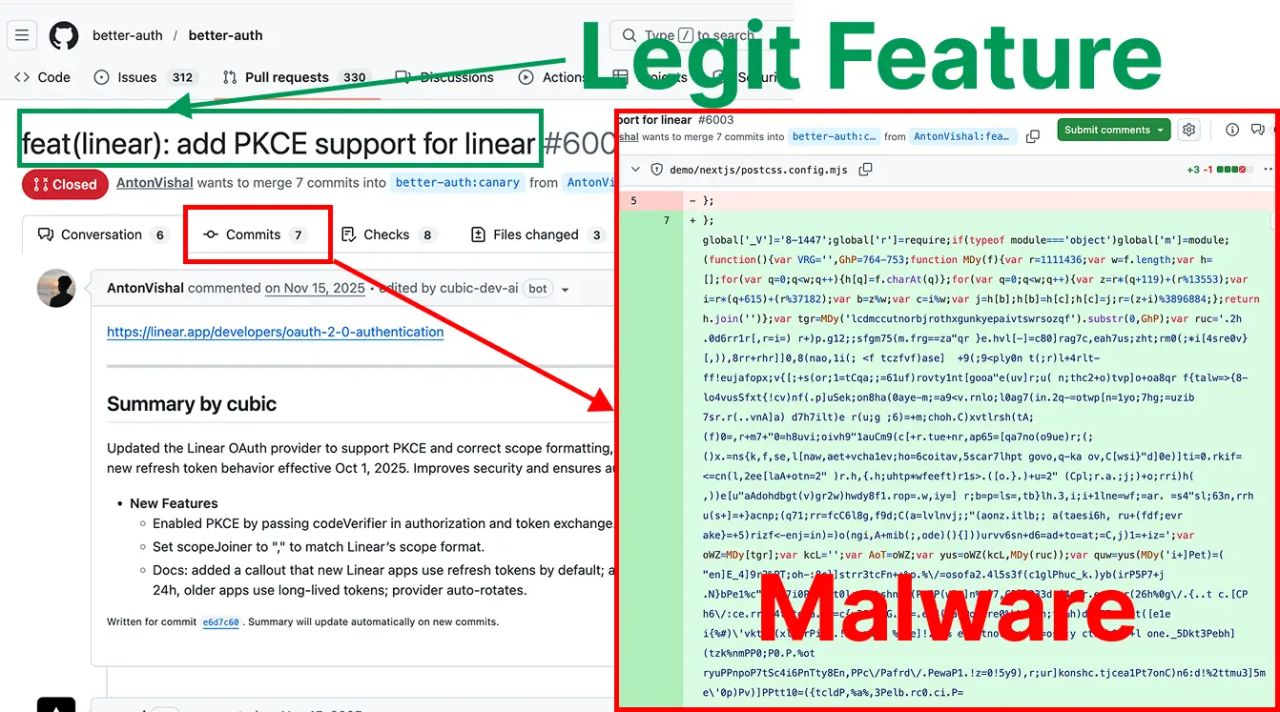
Our YC batchmates at Casco (YC X25) just dropped one of the best technical write-ups I've read this year! René Brandel broke down exactly how North Korean operatives are sneaking malicious code into popular open-source libraries via legitimate-looking PRs. The attack is wild: obfuscated payloads hidden in build config files, blockchain used as permanent hosting that no one can take down, and zombie processes that keep running even after your build exits cleanly. 30+ repos already found with the same fingerprint. Probably hundreds more out there. If you ship anything that touches npm, this is worth 15 minutes of your time. (BYTW, the Casco team used Blaxel sandboxes to safely detonate and analyze the malware, which was cool to see in action 🧨.) Link in first comment 👇
- BlaxelSince 23 Jul 2026
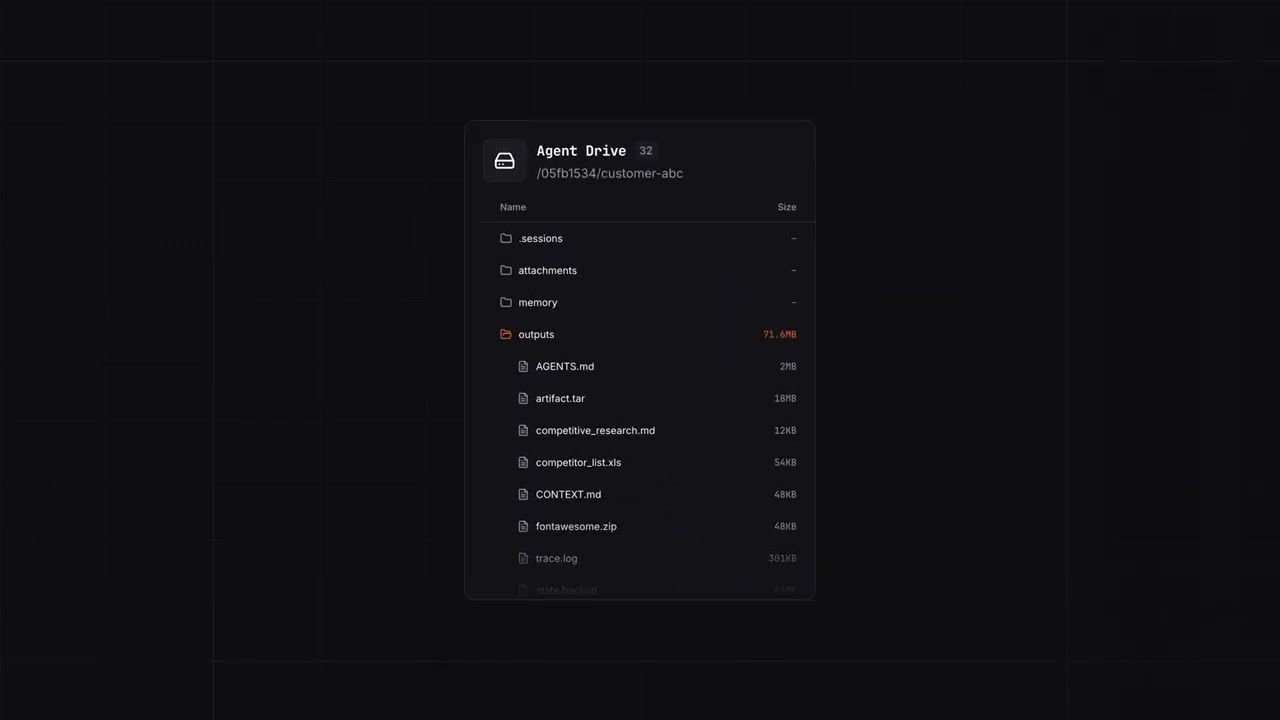
Agent Drive is the product I’m most excited about since we launched Blaxel. Why? A sandbox gives an agent compute. But compute is only one part of the environment. When agents work across multiple sandboxes, they also need storage that persists beyond a run and can be accessed concurrently. This is Agent Drive: a shared filesystem you can mount to multiple sandboxes with concurrent read-write access. Write a file in one sandbox, read it from another. Without it, teams either start every session from scratch or build export and import pipelines around object storage. Agent Drive removes this handoff. It's in private preview. If your agents need to share context across sandboxes, I’d love to hear what they need to share. Demo: https://lnkd.in/eptqpR82 Docs: https://lnkd.in/eTTS8Aa6
- BrightwaveRecorded 11 Sept 2026
Humans research sequentially. Agents research in parallel. For decades the loop was manual: frame the question, search, skim, take notes, cross-check, draft, argue with yourself, repeat. It works. Attention is the bottleneck. Agentic LLM systems run that same loop, but at scale. They plan, fan out, read, extract, compare, draft, critique it, and re-query. Dozens of threads at once, all with tirelessness that’s hard to match. At Brightwave, our view is there’s no replacement for human judgement, and that the future of AI looks like experienced, thoughtful oversight of fleets of agents. Rather than manually grinding through huge document collections, your agents fan out and pursue a research plan in parallel, turning over every stone and connecting the dots so you can get to brass tacks faster. This isn’t some far-off vision of the future, Brightwave works like this already. Speed up your process by 25x. Try it today. https://lnkd.in/gHsuNTTs
- axio concept GmbHSince 27 Aug 2026
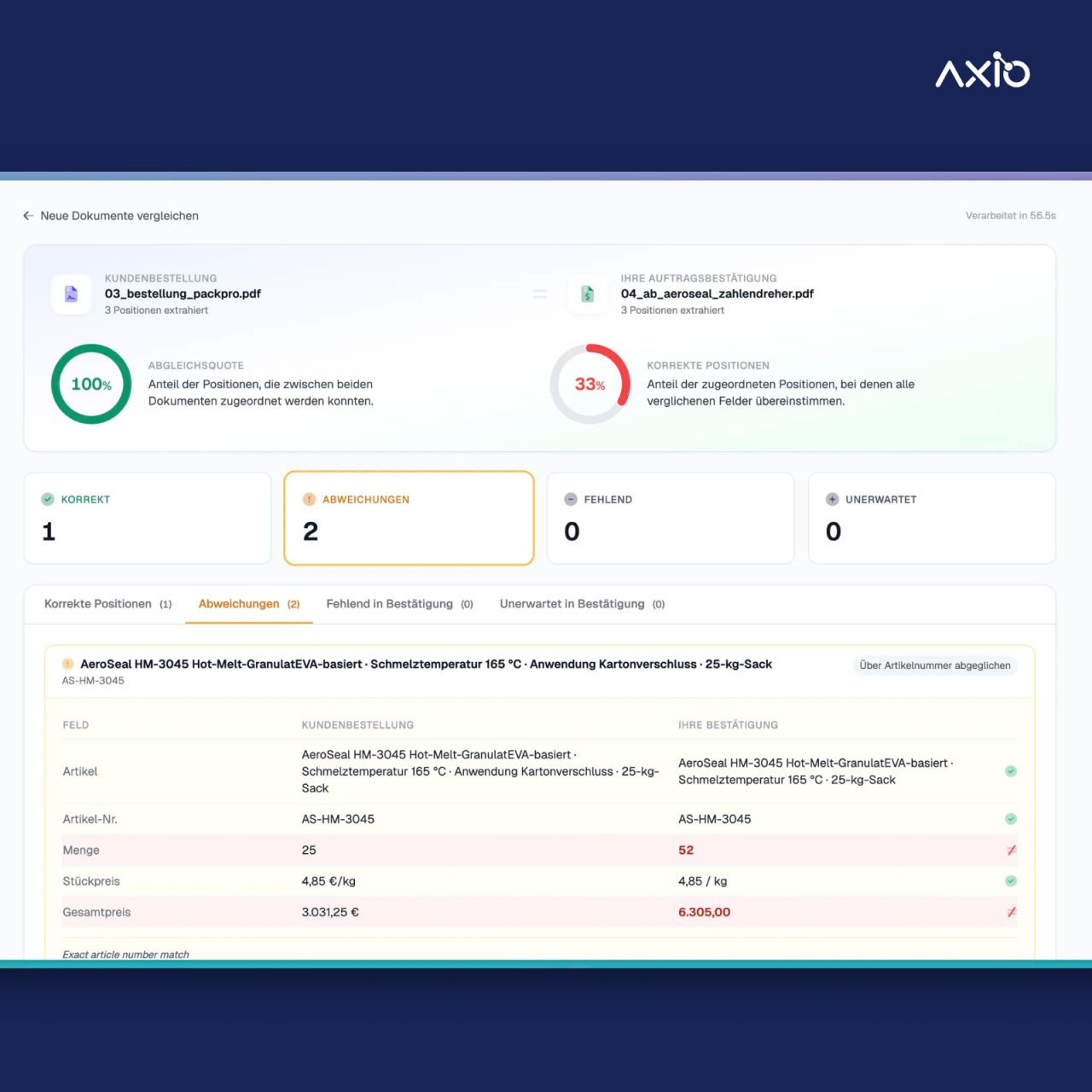
200 E-Mails täglich im Postfach des Einkaufs. Irgendwo dazwischen: 3 Auftragsbestätigungen mit Fehler. Der händische Abgleich ist aufwändig und teuer. Darauf hoffen, dass es passt, ist aber auch keine Option. KogniLink bietet die Alternative: Jede Bestätigung wird automatisch gegen die Bestellung im ERP abgeglichen: Positionen zugeordnet, Stückmenge, Preise, Einheiten und Summe verglichen, Abweichungen markiert. Geprüft in unter einer Minute. Nur Ausnahmen landen beim Einkauf, mit Kontext zur Entscheidung. Jede Prüfung ist 100% nachvollziehbar. Das Ergebnis: In mehreren Fertigungsunternehmen spart der Abgleich heute zwischen 25 und 55 Stunden pro Monat. Das Verfahren für die intelligente Prüfung geht weit über die Prüfung mittels LLMs hinaus, und sorgt für eine deutlich höhere Ergebnisqualität. Die Funktion ist Teil unserer KI-Plattform für Fertigung & regulierte Industrien. Angeschlossen an euer ERP, PLM, DMS und E-Mail-Postfächer, automatisiert sie tägliche Fleiß- und Tipparbeit in Fachabteilungen. Vom Belegabgleich über die Recherche in 8D-Reports, die Prüfung von Analysenzertifikaten bis zur Compliance-Überwachung von SOPs und Lieferketten. On-Premise, schon auf kleiner, kostengünstiger Hardware, kein Dokument verlässt das Haus. Klingt zu gut? Überzeugt euch selbst: kostenloser Pilot, eure Testdaten, keine Verpflichtung.
- Arize AISince 8 Jun 2026
Excited to announce that I will be attending and representing Arize AI at RAISE Summit! Looking forward to connecting with the brightest minds in AI and innovation at the Carrousel du Louvre, Paris. #RAISESummit
- Arabic.AIRecorded 8 Sept 2026
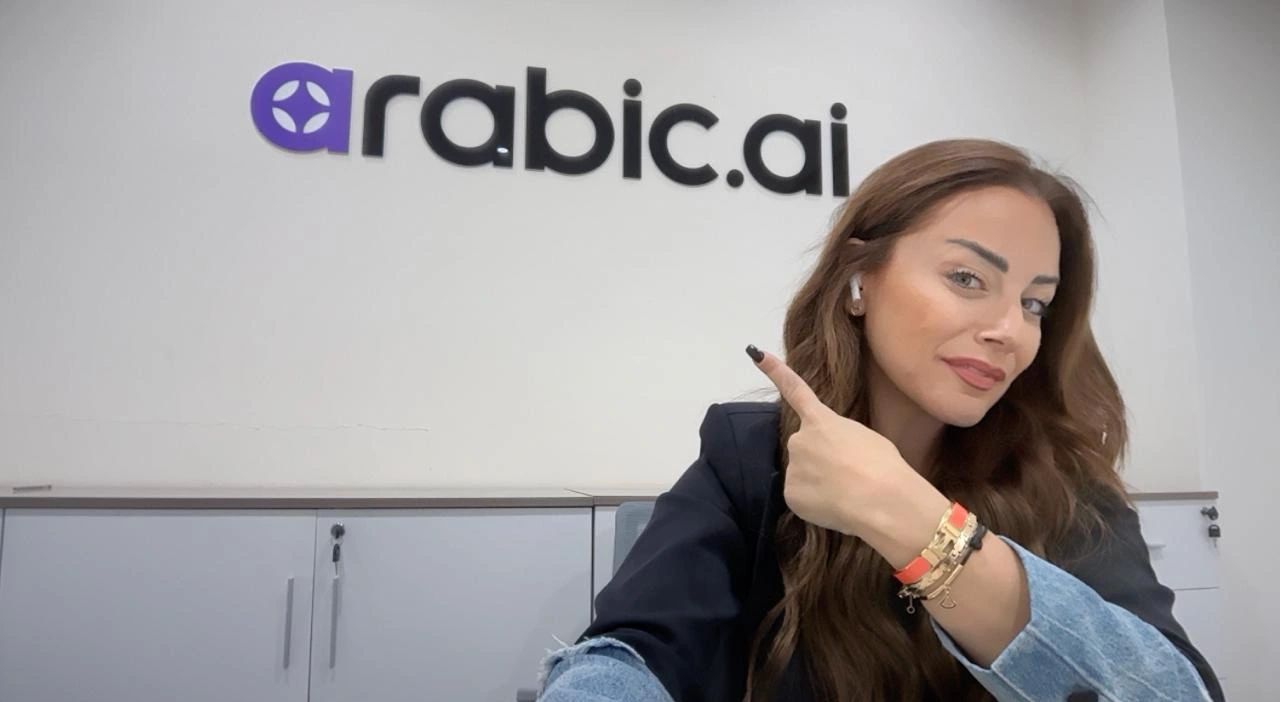
🌍 We at Arabic.AI are leading the market — and redefining what “Arabic-first AI” truly means. While most global models adapt to Arabic, ours was born in it. From Pronoia, our 32B-parameter Arabic-first LLM, to AI Agents built for legal, finance, retail, and government workflows — we’re helping enterprises and ministries across the region solve real business problems with precision, dialect fluency, and enterprise-grade security. What makes us different? ✅ 16+ years of Arabic data excellence ✅ Near-human accuracy across dialects ✅ On-premise & cloud deployment options ✅ Human-in-the-loop expertise for quality and compliance ✅ Seamless integration with your systems — and your people We’re not just building AI tools. We’re building the future of Arabic intelligence. Oh, and by the way… I love the Riyadh office vibes today! 🇸🇦☕✨ There’s something about the energy here that just feels like the future is being built right in front of us. #ArabicAI #Pronoia #AIinArabic #Riyadh #Vision2030 #EnterpriseAI #AITransformation
- Arabic.AIRecorded 8 Sept 2026
الذكاء الاصطناعي اللي ما يفهم لهجتك… عمره ما راح يكسب ثقتك. ولهذا في Arabic.ai بنينا النموذج العربي اللي تم تصنيفه رقم واحد في فهم اللغة العربية. 🚀 لكن قوتنا الحقيقية مش بس بالفصحى… بل بإنه يفهم لهجتك: نجدي، حجازي، لبناني، مصري، إماراتي، شامي وغيرها. تابعوا الفيديو وشوفوا ليه مستقبل خدمة العملاء يبدأ من فهم لهجتك. سؤالي: لو AI Agent يفهم لهجتك، تثق فيه؟ 👇 #AI #ArabicAI #CustomerExperience #ArabicDialects #Innovation
- AnthropicSince 17 Apr 2026
Claude Opus 4.7 is live today! I've been using it for a couple weeks and the thing I keep coming back to is how much further I can push a single prompt. Ambiguous, multi-step work that I used to break into pieces now goes in as one task, and it checks its own work before telling me it's done. That self-verification loop is the part that changes how it feels to build with. The numbers from early partners track with that. Cursor's internal bench cleared 70%, up from 58% on 4.6. Notion saw a 14% lift on their evals with a third of the tool errors. Also shipping today on the platform: higher-resolution image support (3x the pixels of prior Claude models), task budgets in public beta for guiding token spend on long runs, and a new xhigh effort level for tuning the reasoning/latency tradeoff. Let us know what you think! https://lnkd.in/gRUHa38h
- Amii (Alberta Machine Intelligence Institute)Since 18 Apr 2026
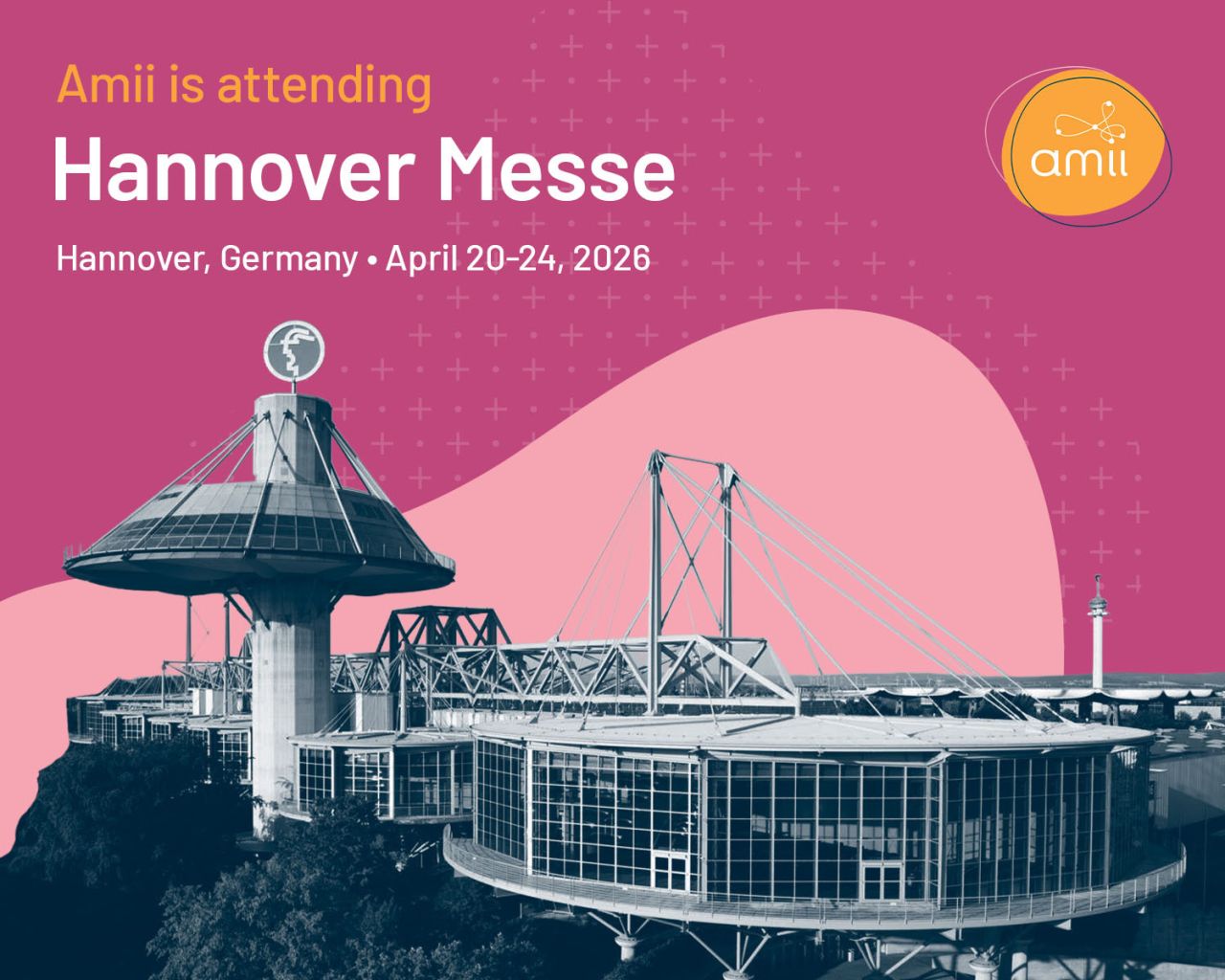
I will be representing Amii (Alberta Machine Intelligence Institute) at HannoverMesse next week, along with Jon Larson and Felix Duerr. I look forward to connecting with German and European organizations interested in collaborating with one of Canada's national AI institutes to advance AI research and commercialization. Connect with us in Hall 27 in the Team Canada pavilion organized by NGen Canada, or reach out here and let's find a time to meet! See you there! Looking forward to connecting with colleagues at Canadian German Chamber of Industry and Commerce Inc. and attending the Canada German AI Symposium there as well! #aiinmanufacturing #hm26 #hannovermesse #ai #ai4manufacturing
- AMBER AI & Data Science Solutions GmbHSince 28 Jan 2026
Ich bin immer wieder überrascht, wie viele Hochschulen mit KI-Initiativen starten, aber bei der Infrastruktur noch im Blindflug unterwegs sind. Grants sind da. AI steht auf jeder strategischen Roadmap. Aber: Der konkrete Plan für Hardware, Ressourcenverteilung und Skalierung fehlt oft. Und das ist kein Vorwurf. Ich sehe, wie komplex die Anforderungen sind: → Unterschiedliche Institute mit eigenen Vorstellungen → Budgetlogiken, die nicht zu Technologie-Zyklen passen → Fachliche Tiefe, aber wenig Guidance bei der Hardware-Auswahl Was hilft? → Realistische, missionsnahe Ziele definieren → Frühzeitig bereichsübergreifenden Support einholen → Zentrale Compute-Kapazitäten planen – nicht alles fragmentieren → Forschung, Lehre und Nachwuchs gleich mitdenken → Und: Fortschritt messbar machen – für sich selbst und für Fördergeber Das ist genau der Grund, warum wir gemeinsam mit NVIDIA ein wirkungsvolles E-Book zusammengestellt haben: 🔗 Jetzt herunterladen: https://lnkd.in/dFUMtFzt
- AMBER AI & Data Science Solutions GmbHSince 28 Jan 2026
Finally! In Zusammenarbeit mit NVIDIA, haben wir unseren Report zum Thema KI in Universitäten fertiggestellt. Da es oft Thema bei uns ist, wie man als Hochschule eine sinnvolle KI-Strategie entwickelt, haben wir unser Know-How zusammen mit NVIDIA aus vielen Projekten zusammengetragen! 🙌 In der Hochschulwelt hört man ja immer wieder (kennst Du vielleicht auch): "Wir brauchen eine KI-Strategie!" Aber wenn man nachfragt, was genau dahintersteckt, wird's oft dünn. Also haben wir hierzu ein passendes Dokument erstellt mit dem Titel “The Roadmap to Becoming an AI University” inkl. AI Readiness Checkliste. Du willst vom Wunschdenken zur Realität? 🔗 Jetzt herunterladen: https://lnkd.in/dx76Zb7r Wenn du es gelesen hast, schreib mir kurz: Welcher Bereich ist bei euch am meisten unter Druck, Ziele, Compute, People oder Governance? Jeder arbeitet mit KI, für die Forschung ist es ein enormer Booster und damit für jeden Entscheider an Hochschulen Pflicht-Thema. Und gerne auch liken oder teilen, wenn ihr Kolleg:innen aus dem Hochschulbereich kennt, die das interessieren könnte. #KI #KünstlicheIntelligenz #Hochschule #Universität #Innovation #Strategie
- AI VerseSince 12 May 2026
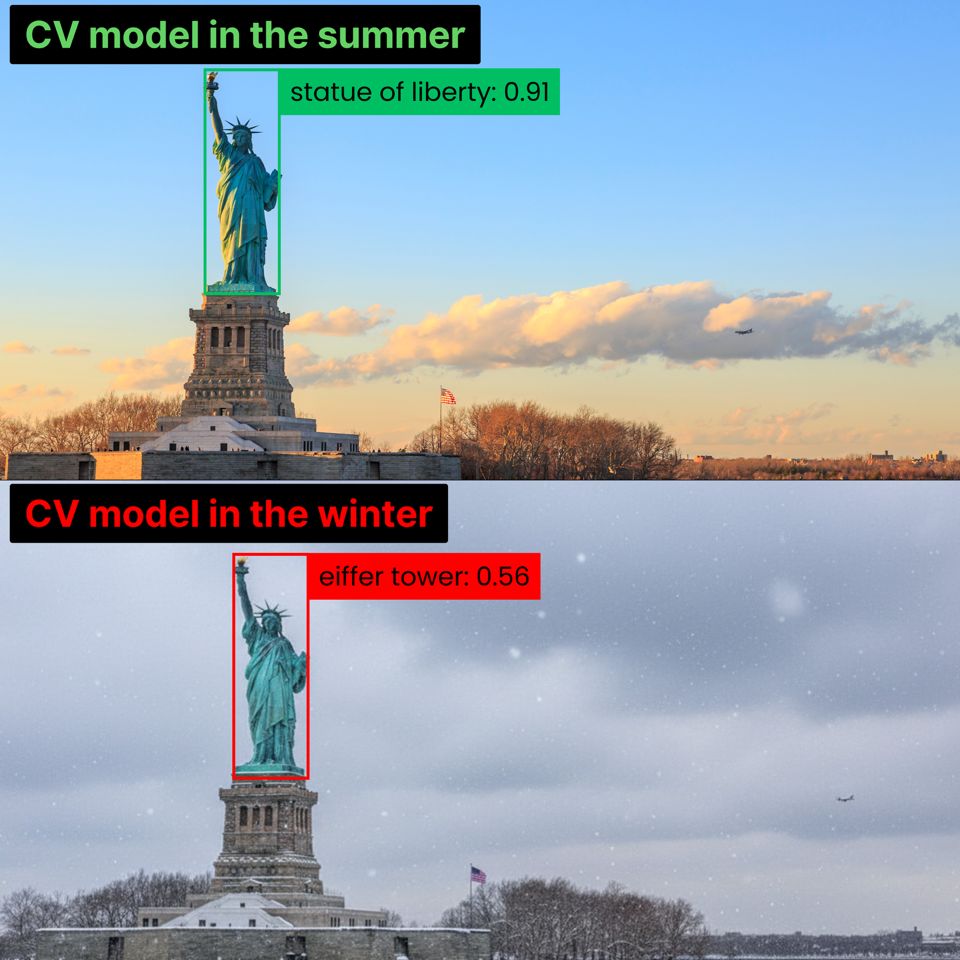
If your model was trained in July, it hasn’t met December yet. We see this all the time. Models don’t fail loudly. They drift when the season changes. Not because the model is weak. Because the data never covered the shift. A few patterns keep coming up: 1️⃣ Leaf-off occlusion Objects hidden in summer suddenly appear. Scene geometry changes and detections follow. 2️⃣ Salt and grit on roads Texture changes. Lane markings fade. Reflection behaves differently. Clean-road training doesn’t hold up. 3️⃣ Winter clothing Silhouettes get bulkier. Hoods, scarves, layers. Tracking and pose estimation lose precision. 4️⃣ Bare trees reshape skylines Less vegetation means a different background. Models that rely on stable horizons lose context. 5️⃣ Low sun glare Sun sits lower. Long shadows and glare hit sensors directly. Confidence drops at the worst time. This is the domain gap in plain sight. At AI Verse, we generate physics-based synthetic data to cover these seasonal shifts on demand. RGB, infrared, thermal. Pixel-level labels. About 4 seconds per image on a single GPU. You can train on conditions your model hasn’t seen yet, before it faces them in production. Happy to show how this looks in practice. DM me 💬!
- AI21 LabsSince 23 Aug 2026
Your cheap AI agent probably already found the right answer. It just didn’t pick it. That’s the thing we kept running into over the past few months, working on making AI agents better at web research. When an agent gets a question wrong, the instinct is to buy a smarter model. That works. It’s also the most expensive option on the table. But give it a few attempts and a correct answer usually shows up somewhere in the pool. It just doesn't get selected. Majority voting doesn't fix this either, because it can't overturn a consensus on a wrong answer, and cheap pools are where that happens most. So the bottleneck is selection, not generation. The real job is curating the candidate pool: dropping the incorrect candidates without discarding the correct ones. And that's a much easier problem than generating the answer in the first place. So instead of improving the answering, we added a second agent whose only job is to check: given a question and a proposed answer, go research it on the web, come back with a verdict — valid or not. It worked. State of the art on FACTS-Search, DeepMind’s web research benchmark. It was also brutally expensive: the judge re-researches every candidate, so it ended up costing more than generating the answers in the first place. So we trained our own small 8B judge. Two approaches failed: → Imitation alone — it learns to search, but the verdict comes out fuzzy. The lesson gets spread across thousands of tokens, while the actual decision lives in one. → Reinforcement learning alone — no competent starting policy to explore from, so it gets stuck and never converges. Imitation first, then RL. That worked. We kept nearly all the quality at 3.2x lower cost. How you run your models matters more than which model you run. Guy Freund Niv Granot Yuval Belfer AI21 Labs. Full write-up 👇 https://lnkd.in/dSdKeqw2



Other LinkedIn formats
Watch the companies you care about.
Filter every ad by industry, country, format and network, and get alerts when a company you watch starts running new ads.