LinkedIn thought leader ad examples
49 thought leader ads are live on LinkedIn right now, from 94 companies. Browse real ones, filtered by industry.
- DataLaneRecorded 15 Sept 2026
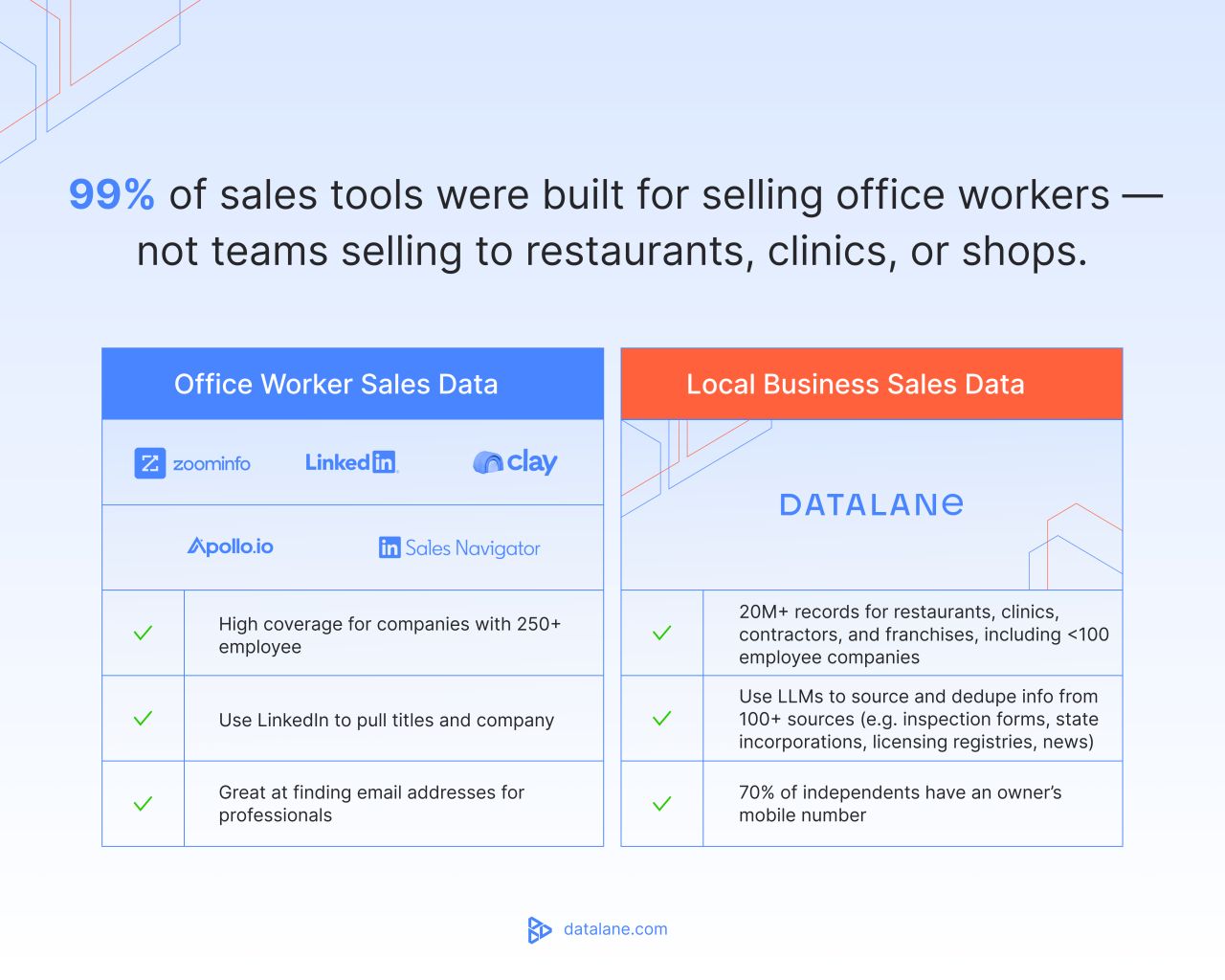
I often get asked why local economy? The answer is simple - it’s a massively underserved market. 99% of sales tools are designed to sell to office workers. This is no knock on LinkedIn Sales Nav or ZoomInfo, those tools are great if you’re selling to tech companies or F500. The challenge is if you sell into restaurants, the trades, brick-and-mortar retail, healthcare providers, or any other mainstreet business - these companies and individuals simply do not exist on LinkedIn or in traditional databases. They are ghosts on the internet. As a result, sales reps in these industries spend 20-40% of their week on manual research - making it nearly impossible to hit ambitious revenue goals. The good news is it’s finally possible to solve this problem. Unstructured data algorithms are now intelligent enough to map an incredibly noisy web of online, offline, and proprietary data sources. The best companies are already automating this research away, freeing up reps to focus on selling. Over the next few weeks, I’m excited to start sharing more examples of how they’re doing it and what it means for the future of GTM.
- DataLaneRecorded 15 Sept 2026
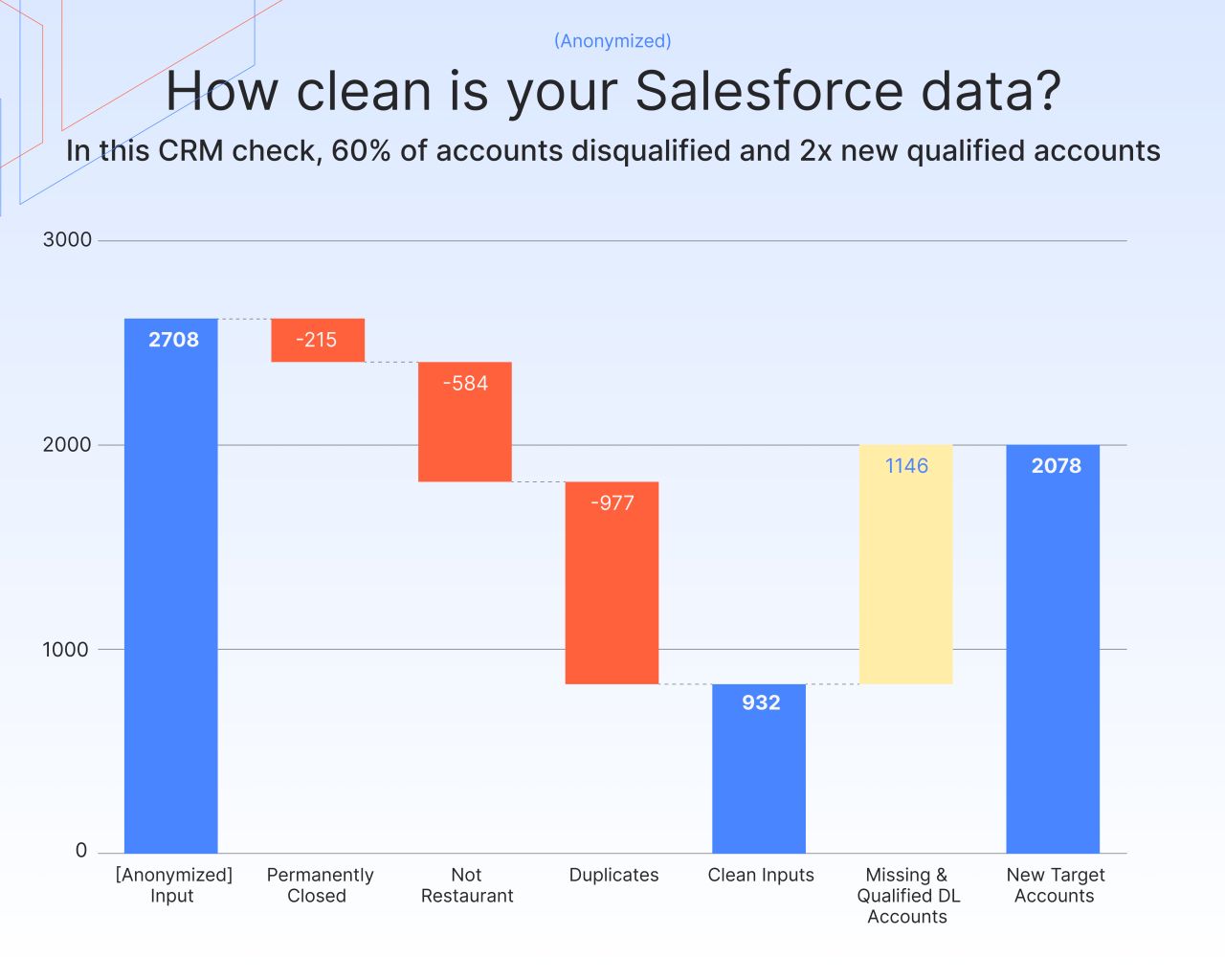
Number 1 reason sales reps selling to local businesses aren’t efficient? The data they are using in Salesforce is a complete mess. In the past month, we’ve onboarded 5 companies with 200+ sales reps and all of them had the same problem. When we map our real-time database to the static accounts in their Salesforce, over 50%(!) of their accounts aren’t addressable: - Out of business: turnover for local businesses is huge - Wrong industry: over the years bad data accumulates - Duplicate accounts: business hierarchies are extremely difficult to map And on top of that, companies are often missing thousands of good-fit accounts. These blindspots lead to incorrect claims about “exhausted TAM” and broken territory assignments. We’re working on a way to offer a 30 min Salesforce Health Check that securely and automatically builds this waterfall, without any data leaving your CRM. For one multi-billion restaurant SaaS company we discovered 60% of their accounts needed to be disqualified, but fortunately we simultaneously identified 2x new, qualified accounts. If you’re interested in getting an accurate picture for your company, send me or Miles Kane a message.
- CoresignalSince 23 Jun 2026
Drop a CSV into Slack and watch your HubSpot fill itself. ✅ Most teams I've seen treat company enrichment as a team sport. Someone pulls the list, someone else researches each company, another person updates the CRM. By the time it's done, half the day is gone. So I automated it with n8n. 6 minutes to understand the full pipeline 👇 → How the Slack trigger picks up the uploaded file → How duplicates are detected and flagged in HubSpot → How the approval step works before re-enriching existing records → How Coresignal enriches each company automatically → How results are posted back to Slack when it's done Free template 👉 https://lnkd.in/dyxP7syq #n8n #automation #CRMenrichment #B2Bdata #coresignal #slack #hubspot
- CARTORecorded 12 Sept 2026
For years, innovation in #GIS has stalled because spatial data was hard to access, locked in silos, and trapped behind complex tools. 🤖 #Agentic #GIS changes that. AI Agents bring advanced geospatial analysis into natural language - so every team, from operations to strategy, can make smarter, faster, more informed decisions. 🚀 Excited to see how our customers like BT Group and Cotality are already moving toward this agentic approach for spatial analysis. Try it yourself! 👉 https://lnkd.in/d9GumRUi
- CARTORecorded 12 Sept 2026
AI in GIS has been stuck in pilots for too long: siloed tools, one-off experiments, and little impact on real decisions. With Agentic GIS, that changes. AI Agents can now automate geospatial workflows, deliver instant insights, and put Location Intelligence directly into the hands of decision-makers. This is the shift that will finally make AI in GIS real. Learn more: https://lnkd.in/d7dpfBGZ
- Canadian Black BookRecorded 12 Sept 2026
The Used EV market will quickly be building over the next few years. This will impact valuations, but sound remarketing strategies can make this a positive impact. Let us know how you're preparing. Canadian Black Book
- BruinSince 22 Sept 2025
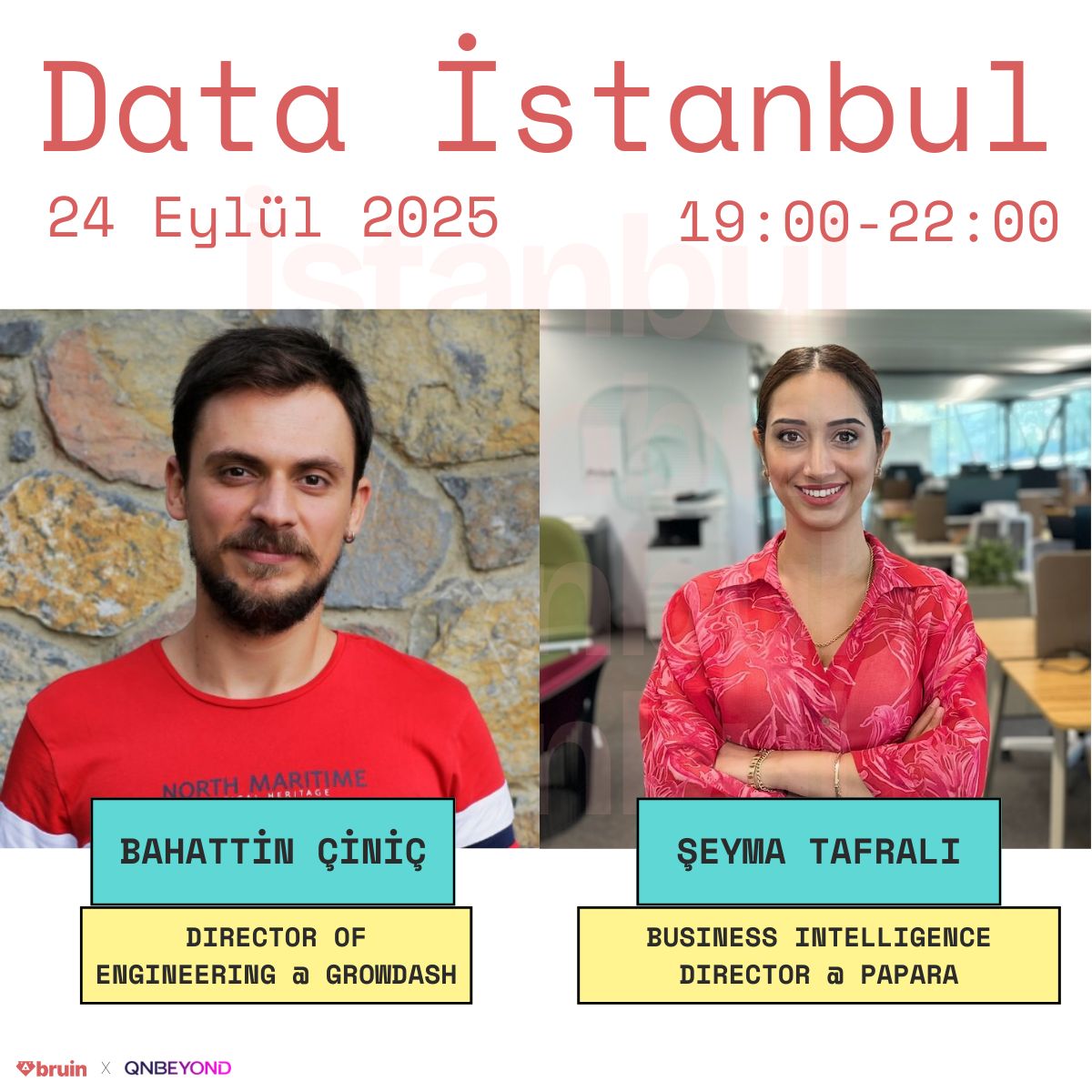
TL;DR: we are organizing our second data meetup in Istanbul, Sep 24! Ilk Data Istanbul etkinligimizin ustunden bir ay gecti, beklentimizin cok ustunde bir katilim, yetistiremedigimiz lahmacunlar, ve keyifli sohbetlerle hatirladigimiz bir etkinlik oldu. 🌯 Etkinligimizin ikincisini 24 Eylul 2025 tarihinde yine sevgili QNBEYOND ofisinde duzenliyoruz! Cok sevgili iki konusmacimiz var: - Bahattin Çiniç bize growdash ekibiyle birlikte AI yolculuklarini anlatacak. - Şeyma Karadağ Tafralı da bizi Papara'nin data yolculugundan ve ogrenimlerinden bahsedecek. Data konustugumuz, bir seyler yiyip ictigimiz keyifli birkac saat olmasi dilegiyle. Sizleri de aramizda gormeyi cok isteriz! 🌸
- bimanu Cloud Solutions GmbH - Business Intelligence ManufacturingSince 15 Feb 2026
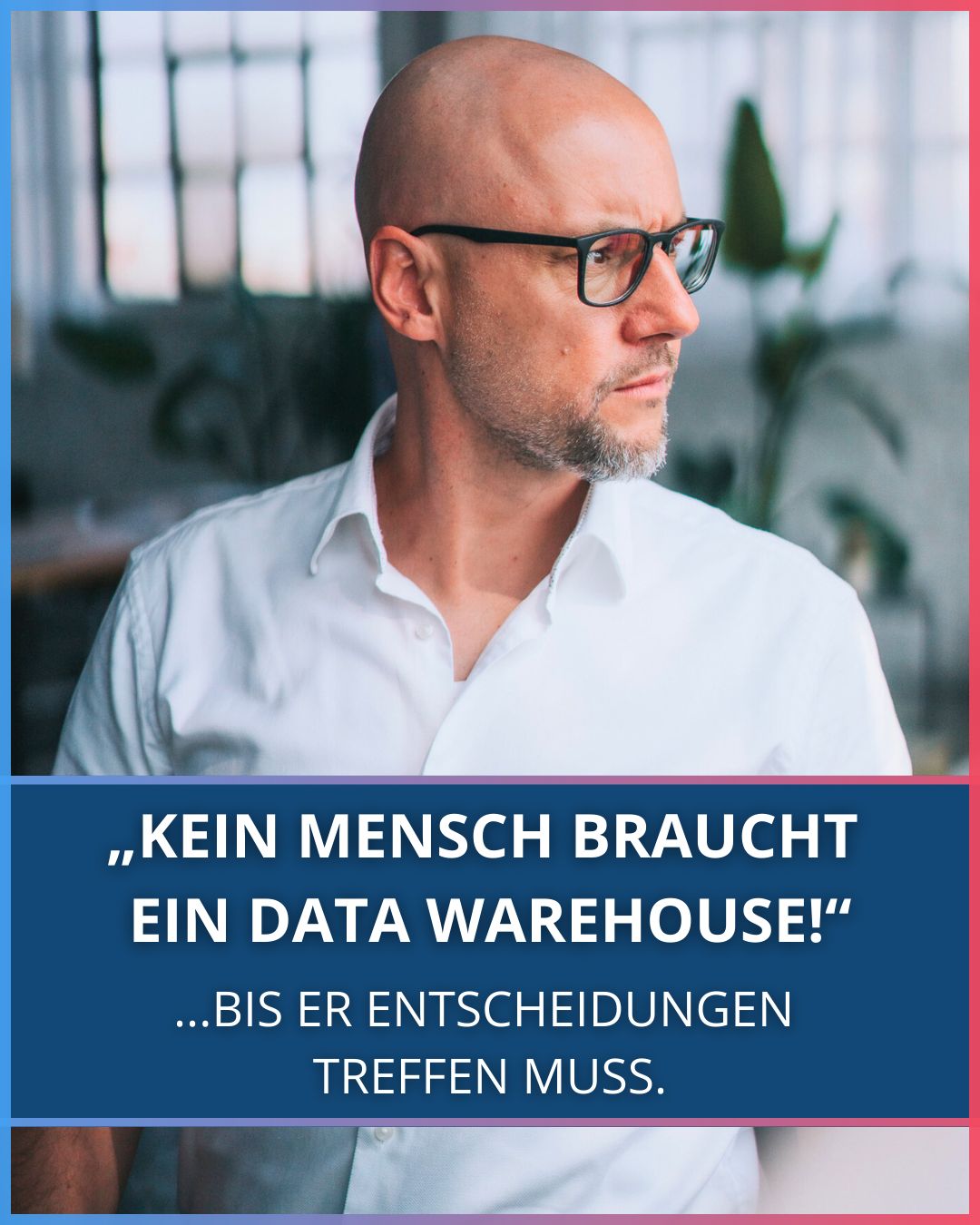
„Kein Mensch braucht ein Data Warehouse!“ Stimmt. Wenn dich nicht interessiert, was in deinem Unternehmen passiert. Wir kennen diese Aussagen: „Unser ERP reicht.“ „Power BI direkt auf die Datenbank.“ „Historie brauchen wir nicht.“ „KI machen wir später.“ Doch diese Aussagen kommen fast immer von Unternehmen, die Entscheidungen aus dem Bauch treffen – und sich wundern, warum Zahlen nie zusammenpassen. Aber was dann passiert, kennt jeder IT-Leiter: Excel-Listen als „Single Source of Truth“. Berichte, die sich widersprechen. Preise, Kunden, Strukturen ohne Historie. Und KI-Projekte, die mit 600 Datensätzen scheitern. Nicht, weil die Tools schlecht sind, sondern weil das Fundament fehlt. Ein Data Warehouse ist kein Trend. Es ist auch kein Tool. Es ist eine Entscheidung. Willst du Meinungen oder belastbare Antworten? Genau darüber sprechen wir in unserem neuen YouTube-Video. Erfahre, wann ein Data Warehouse wirklich Sinn macht und wann du dir den Aufwand sparen kannst. Den Link zum Video findest du in den Kommentaren. Wie trefft ihr aktuell Entscheidungen – mit Daten oder mit Hoffnung?
- bimanu Cloud Solutions GmbH - Business Intelligence ManufacturingSince 11 Feb 2026
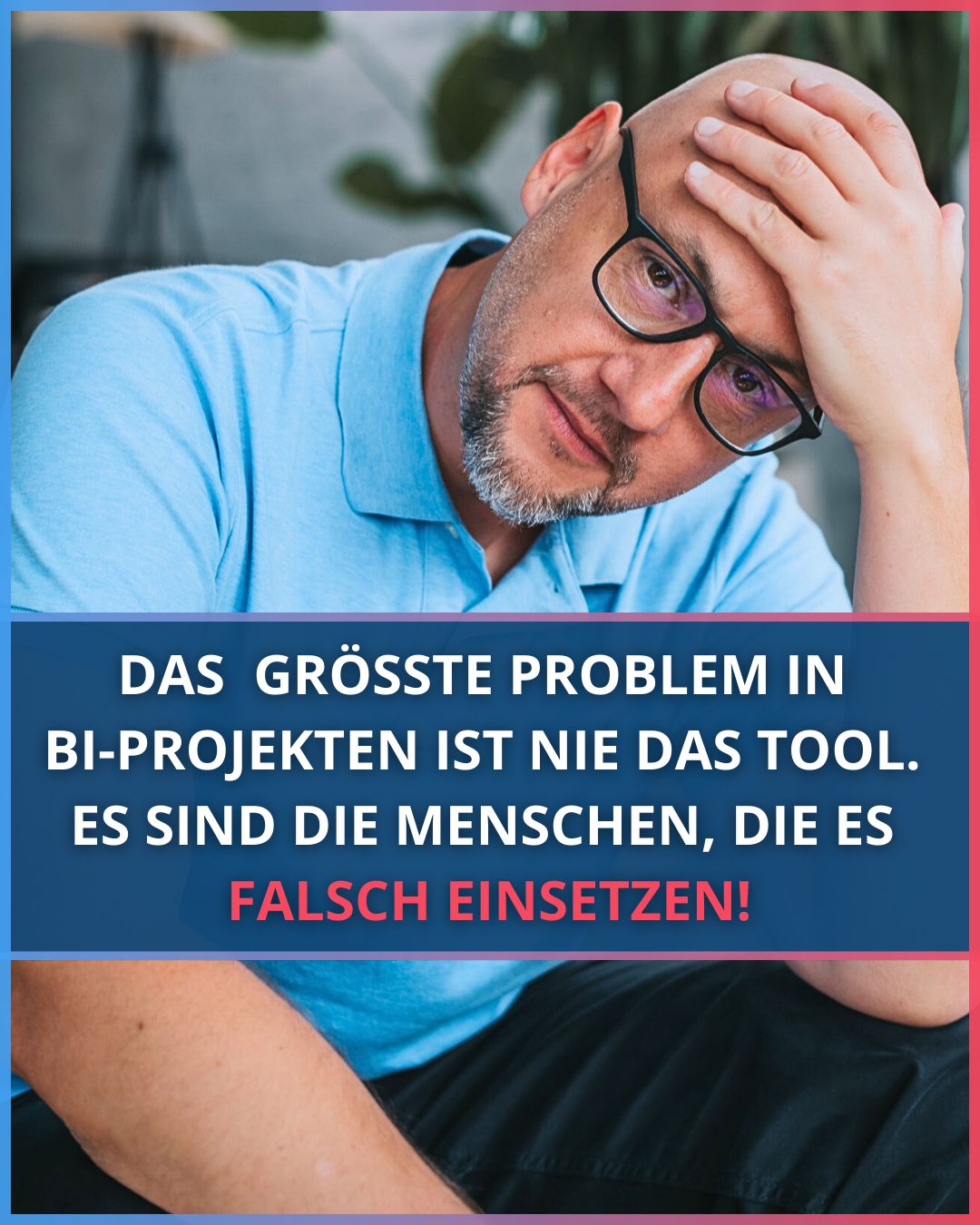
Das eigentliche Problem in BI-Projekten ist nie das Tool. Es sind die Menschen, die es falsch einsetzen! Power BI, Tableau, SAP – völlig egal. Die meisten BI-Projekte scheitern nicht an Software, sondern daran, dass jede Abteilung glaubt, sie könne ihre eigene Version der Wahrheit bauen. Self-Service wird plötzlich zum Selbstmord für die Datenqualität. Fachbereiche hängen sich direkt an ERP und CRM, modellieren wild drauflos, erfinden ihre eigenen Formeln – und am Ende fallen die Zahlen in sich zusammen wie ein Kartenhaus. Der IT-Leiter räumt dann das auf, was nie seine Verantwortung war: falsche KPIs, widersprüchliche Berichte, fehlende Historisierung, Performance-Probleme. Das hat mit moderner BI nichts zu tun! Das ist Schatten-IT auf Steroiden. Und genau das passiert gerade überall im Mittelstand. Jeder redet über Tools. Keiner redet über das Fundament. In unserem neuen YouTube-Video zeigen wir, warum der Hype um BI-Werkzeuge am Kern vorbei geht – und warum Power BI in vielen Unternehmen nicht Fortschritt bringt, sondern Chaos verstärkt! Hier geht's direkt zum Video: https://lnkd.in/dN2qFt6t Kennst du solche Zustände aus deinem Unternehmen?
- bemSince 1 Jun 2026
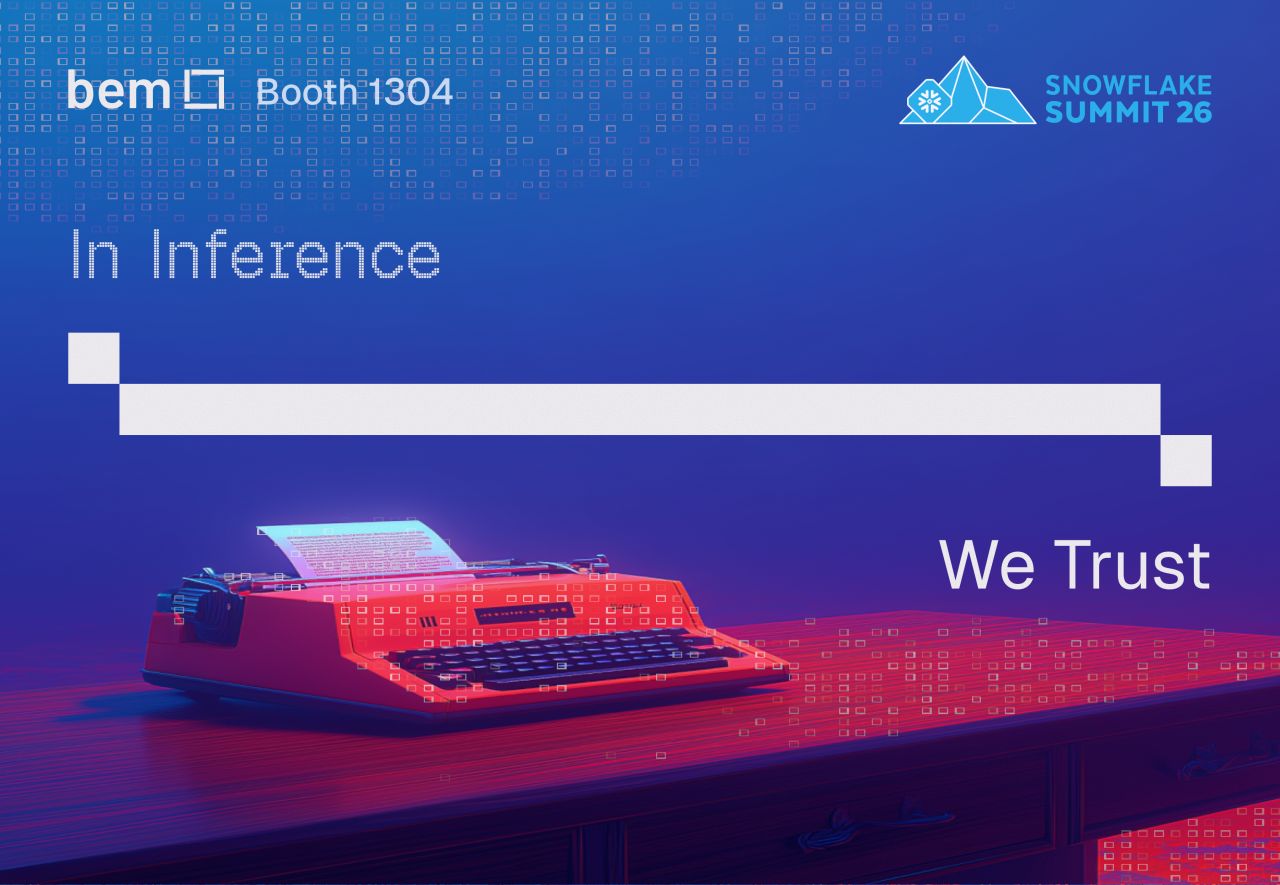
Would you trust ChatGPT to run your procurement? Adjudicate an insurance claim end to end? Reconcile what's actually moving through your supply chain? Neither would your risk team. That gap is the only reason we're sponsoring Snowflake Summit 2026. At booth 1304 there's no video on loop. No "imagine if." We're demoing the real product, live, on the messiest data in the room. Every field it returns is confidence-scored and traceable, because "probably right" doesn't survive an audit. bem automates the workflows you can't afford to get wrong. Banking. Insurance. Supply chain. Bring your ugliest document. The one your last vendor choked on. We'll run it at the booth. Booth 1304, Basecamp at Moscone.
- AutoMQ | Low Latency Diskless Kafka® on S3Since 10 Jul 2026
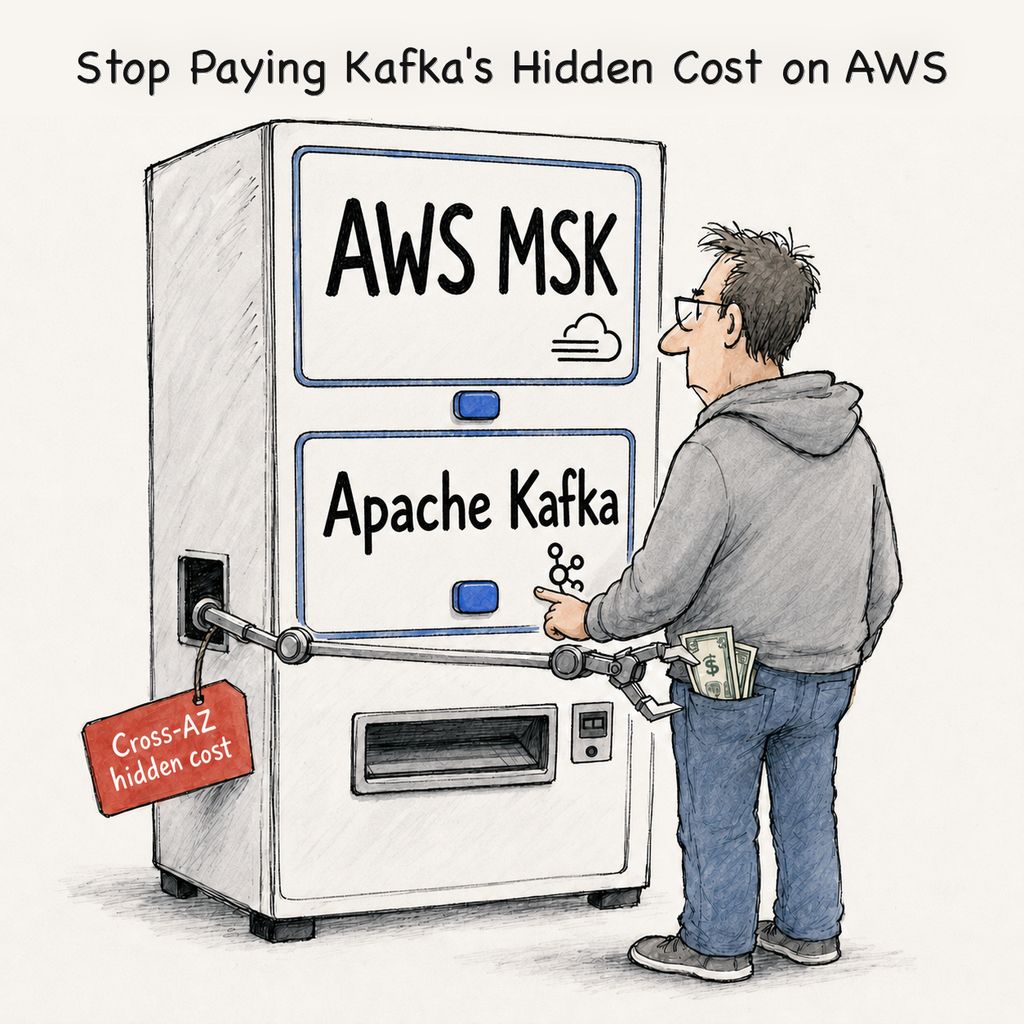
One Kafka cost line I think more teams should check: Data Transfer. If you're running Kafka or MSK across multiple AZs on AWS, some of the most expensive traffic may not show up as a “Kafka” or “MSK” cost at all. It is usually buried under EC2-Other / Data Transfer, mixed with network charges from other services. For a 100 MiB/s Kafka cluster with replication factor 3 and three consumer groups, cross-AZ traffic can add roughly $14K-$24K per month, depending on the read path optimizations in place. Where does it come from? 1️⃣ Producers writing to leaders in another AZ 2️⃣ Inter-broker replication across AZs 3️⃣ Consumers reading from brokers in another AZ Some tuning helps, especially for reads. But the replication traffic is architectural. Traditional Kafka stores replicas on brokers, so multi-AZ durability means broker-to-broker data movement. That is the part AutoMQ removes with Diskless Kafka: data persistence moves to object storage, brokers become stateless compute, and cross-AZ replication traffic is eliminated at the root. Full breakdown: https://lnkd.in/dSwGqUci #Kafka #ApacheKafka #AWS #MSK #CloudCosts #DataEngineering #AutoMQ
- AutoMQ | Low Latency Diskless Kafka® on S3Since 19 Aug 2026
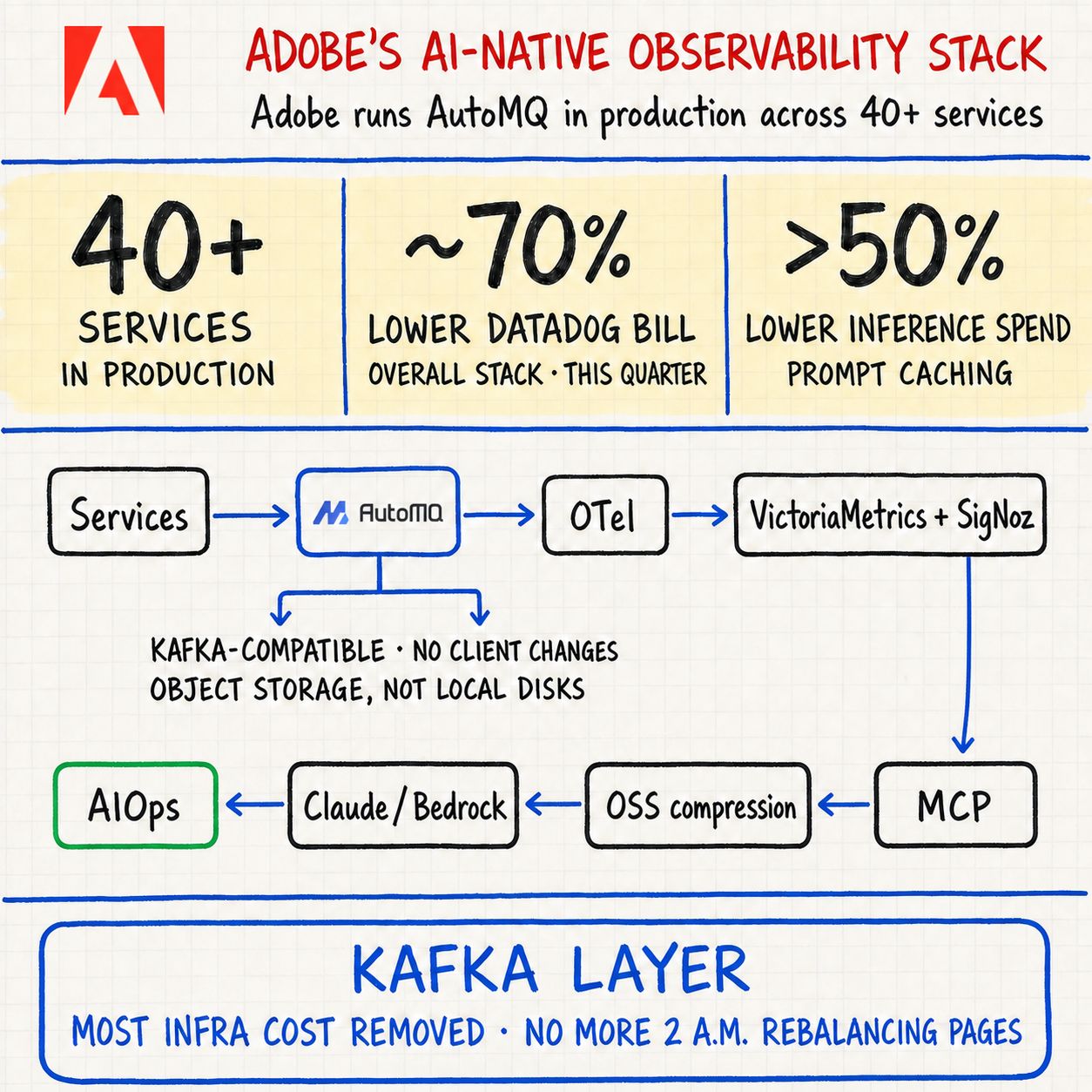
𝗔𝗱𝗼𝗯𝗲 is running AutoMQ in production across 𝟰𝟬+ 𝘀𝗲𝗿𝘃𝗶𝗰𝗲𝘀 in place of vanilla Kafka. Pranshu Jain at Adobe just shared this production data point. What stood out to me is how focused the change was: existing Kafka clients stayed untouched, while Kafka data moved from broker-local disks to object storage. According to Pranshu, that removed most of the infrastructure cost around the Kafka layer, along with the 2 a.m. rebalancing pages. The broader architecture is equally interesting: 𝘈𝘶𝘵𝘰𝘔𝘘 → 𝘖𝘱𝘦𝘯𝘛𝘦𝘭𝘦𝘮𝘦𝘵𝘳𝘺 → 𝘝𝘪𝘤𝘵𝘰𝘳𝘪𝘢𝘔𝘦𝘵𝘳𝘪𝘤𝘴 + 𝘚𝘪𝘨𝘕𝘰𝘻 → 𝘔𝘊𝘗 → 𝘰𝘱𝘦𝘯 𝘴𝘰𝘶𝘳𝘤𝘦 𝘤𝘰𝘮𝘱𝘳𝘦𝘴𝘴𝘪𝘰𝘯 → 𝘊𝘭𝘢𝘶𝘥𝘦 𝘰𝘯 𝘈𝘮𝘢𝘻𝘰𝘯 𝘉𝘦𝘥𝘳𝘰𝘤𝘬 → 𝘈𝘐𝘖𝘱𝘴 Across the overall observability stack, the #Datadog bill was 𝗿𝗲𝗱𝘂𝗰𝗲𝗱 𝗯𝘆 𝗿𝗼𝘂𝗴𝗵𝗹𝘆 𝟳𝟬% this quarter. Prompt caching cut inference spend by more than half. That architecture is a natural fit for observability. The workload is data-intensive and cost-sensitive, and telemetry volumes can change quickly, making elastic scaling a regular requirement rather than an edge case. AutoMQ's S3-backed, stateless Diskless Kafka architecture addresses these pressures: durable data sits in object storage rather than on broker-local disks, while compute can scale without moving large volumes of partition data. We're seeing more companies adopt AutoMQ for observability, and a clear pattern is emerging: Diskless Kafka is becoming a core architectural pattern for modern observability data stacks. It's also exciting to see Adobe use Kafka as the streaming backbone for an observability + AI stack, connecting high-volume telemetry with AIOps. Congratulations to Pranshu and the Adobe team, and thank you for sharing the architecture. 👉 See Pranshu's original post for the full implementation: https://lnkd.in/p/dEGrAAmm 🌐 Go under the hood of AutoMQ's diskless Kafka architecture: Kafka-compatible streaming backed by object storage, designed to reduce data movement and broker-local disk operations: https://lnkd.in/gmXZJaUd How are you using Kafka to build a modern observability platform? I'd be interested to compare approaches across telemetry ingestion, storage, query, and AIOps. #AutoMQ #Kafka #Observability #AIOps #Adobe #Datadog
- SupperRecorded 9 Sept 2026
Supper usage has more than doubled this fall across nearly every customer, and today, we’re excited to announce our $11 million seed round. When Andrew Salamon and I started Supper, we didn’t think it would be easy, but we also didn’t fully grasp just how much we were biting off. Building an AI-powered data agent that’s completely company- and database-agnostic is… well, incredibly hard. Seeing that written out, maybe we shouldn’t have been surprised? But many months later, our incredible team has built dozens of LLM pipelines, data integrations, code-writing agents, and a pretty wild amount of infrastructure. We’re now seeing the kind of traction we used to just hope for. Supper is consistently delivering those “oh wow, I didn’t know that about my business” moments that make all the complexity worth it. Thank you Rebecca Kaden, David Tisch, Lucy Deland, Jonathan Keidan, and Addie Lerner Katz for watching us evolve from a prompt bar that once struggled to answer “how many employees work here?” into a truly agentic platform capable of deep analysis, understanding custom company jargon, and making sense of even the thorniest databases. And because it finally feels like we know what we’re doing, we’re releasing a short video that explains how Supper works and why we built it (see below). Supper is designed for fast-growing companies that want to understand their data and make decisions quickly and accurately. Whether your data stack is sophisticated or still taking shape, get a demo from Andy and me to see how we can supercharge your decision-making: supper.co/get-a-demo We’ve onboarded teams that use Supper as their only data platform, and others with giant warehouses, multiple BI tools, and full data teams. The common thread: they all needed faster, reliable answers. And Supper is finally delivering that.
- AnlyticRecorded 8 Sept 2026
As a mathematician and programmer, I ignored AI for years. The logic didn’t add up. Why would you add randomness to a world that runs on absolute calculations. One plus one is two. A to B is deterministic. So why would anyone want a model that injects probability into something that should be exact. It felt wrong to me. Then the agent era arrived. Suddenly the randomness made sense because the goal changed. AI did not need to be a calculator. It needed to be a decision maker. It needed to adapt. It needed to reason. It needed to behave in ways that absolute logic never could. For the first time I saw models act with purpose, not just prediction. That is when it clicked for me. Real agentic behavior only became usable last year. I went from ignoring AI to building with it every day. Sometimes the breakthrough is your understanding of what the technology is actually meant to do. #ai #ainews #aiagents
- AnlyticRecorded 8 Sept 2026
Let’s be real. Google Analytics is a nightmare. → 53 tables. → 530 fields. → Endless clicking, filtering, and second-guessing. If you’ve ever wasted days trying to figure out where your traffic is coming from, which pages are performing best or how users interact with your site… You’re not alone. But here’s the game-changer: With Anlytic, you can read your Google Analytics data in just 15 minutes. 💡 No more data chaos. 💡 No more endless reports. 💡 Just straight-up insights instantly. All you do is: ✅ Plug in your Google Analytics data ✅ Ask it questions like, “Where is my traffic coming from?” ✅ Get clear, actionable answers, no manual digging required. This isn’t just faster, it’s a total shift in how businesses use their data. Instead of spending weeks just trying to understand the numbers, you can finally do what analysts were meant to do: → Spot trends. → Find opportunities. → Make smarter decisions. The future of analytics isn’t dashboards. It’s instant answers. #datascience #datascientist #businessintelligence #googleanalytics
- AlationSince 15 Jul 2026
Today we're launching the Alation Intelligence Operating System — AIOS. It's a system designed to get your AI right. Like any operating system, you build data apps and agents on top of it. And, just like any operating system allows you to swap keyboards, monitors, and printers, you can swap components — databases, LLMs, semantic layers, and storage. AIOS is the result of years of work: transforming our product and our culture, moving Alation from AI-aware to AI-native. AI-native transformation is brutal. I empathize with every CEO, leadership team, and organization in the middle of it, which is pretty much every company not founded in the last 3 years. The expectations are high, the change is relentless, the hard decisions never stop — and it never feels done. But with a lot of grit and teamwork, you can build something you're proud of. We believe AIOS is one of those things. I have an incredible amount of gratitude for our entire Alation team for making this real, and to the customers who've helped us learn and evolve along the way. Special thanks to Warren Durrett at Electronic Arts (EA), who coined the term AIOS. If you haven't looked at us in a while, this is the moment to. I really want to hear what you think — reach out and let me know. More to do, and more to come. www.alation.com (the video is best full screen and sound on 😄)
- AiimiSince 21 Nov 2025
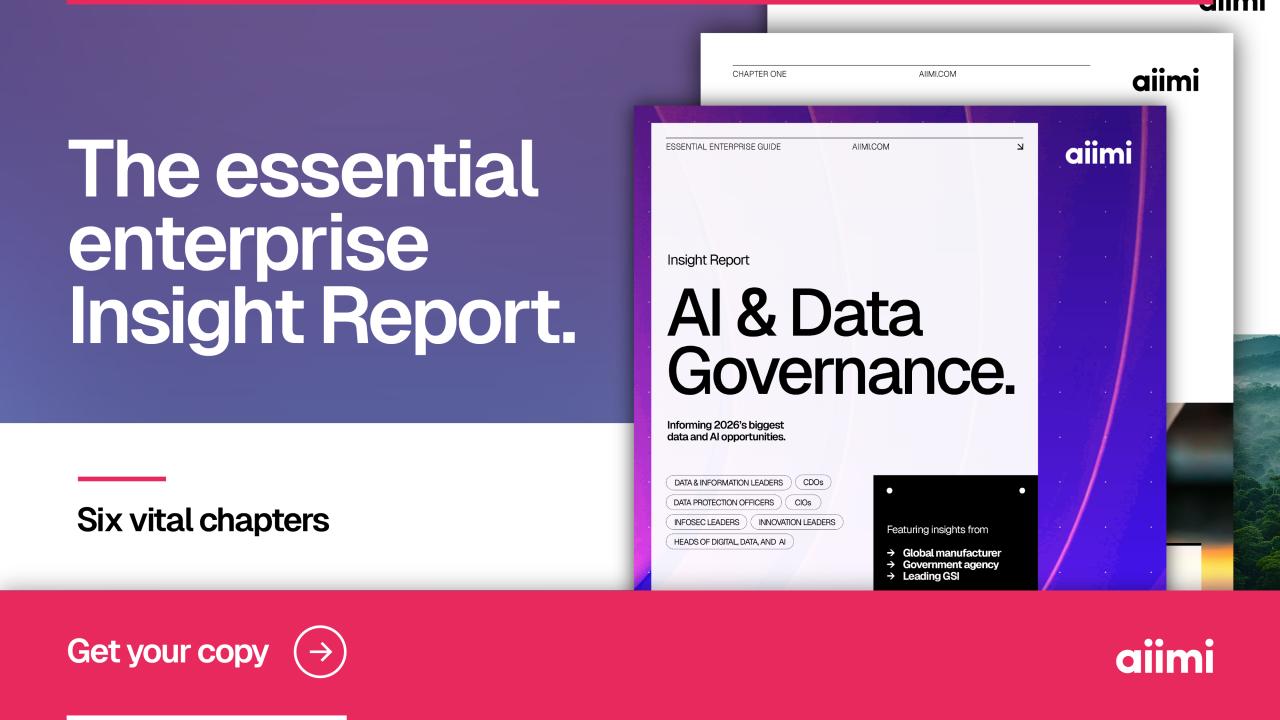
Data - and how you govern it - can be your real point of difference. Here’s why. Organisations are facing unprecedented volumes of information, more complexity, and rising customer and regulatory expectations. AI can help, but it isn’t a magic fix to get ahead. In fact, AI magnifies the cracks: weak data foundations, poor governance, missing context. It’s why disillusionment in AI is rising, as organisations spend more on platforms, people, and compute just to stay standing, not to get ahead. The real problem is that most organisations are still chasing their data, not controlling it. Value is hard to find, risk is everywhere, and much of the data estate simply isn’t ready for AI. The organisations that win next will be the ones that know where their data is, what it means, and what it’s worth. That starts with visibility, governance, and an environment where always-on compliance becomes a competitive edge. And it’s accelerated by prioritising the data that drives the most value. Aiimi has just released a new Insight Report exploring this in six focused chapters, from today’s reality to the vision and steps for achieving true data governance and AI readiness. The full report is here; no forms – just download and put it to work. https://lnkd.in/eENd-VNx
- AiimiSince 9 Dec 2025
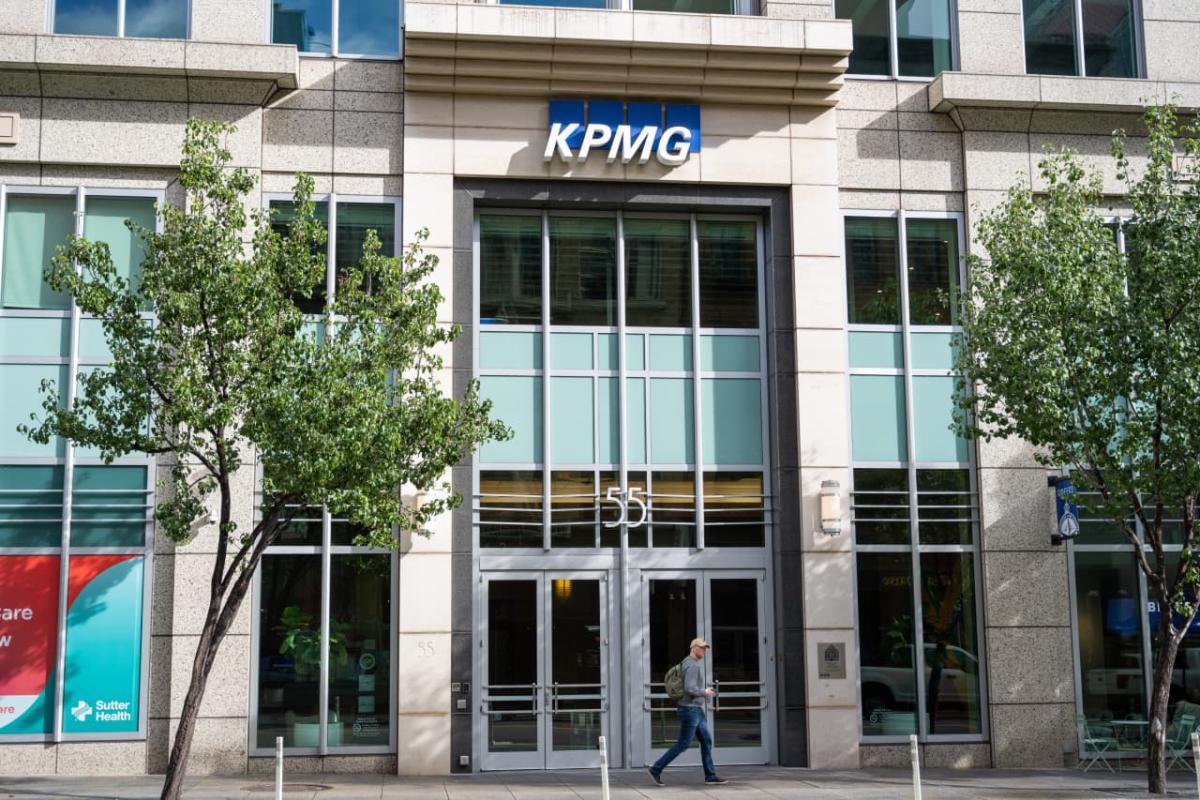
Our job at Aiimi is to help organisations realise their data and AI ambitions. To make complex data trustworthy. To make sure it’s ready for AI at scale. Today, I am incredibly proud to share that KPMG UK has selected our Workplace AI Platform to help govern their data at scale and drive AI adoption. By intelligently classifying data in situ, we’re helping them to better understand the information they hold across their business, to delete data that they no longer need, and to safely and securely make data available to downstream AI applications and consultants who need it. From a successful pilot to this three-year agreement, I’m excited for KPMG’s teams to keep putting Aiimi’s tech to the test. Chris Allen, Chief Data Officer at KPMG UK, captures why we’re working together perfectly, so I’ll leave you with his words: “To have trust in AI outputs you must first have trust in your underlying data. The Aiimi platform gives us that trust.” What an exciting opportunity for both of our organisations. You can read more from Financial News who’ve covered the story, or head over to Aiimi’s website - https://lnkd.in/eTFiBM_K #DataGovernance #AIreadiness #DataQuality #DataManagement #FinancialServices #Accounting #TechNews
- BI ExplorerRecorded 30 Aug 2026
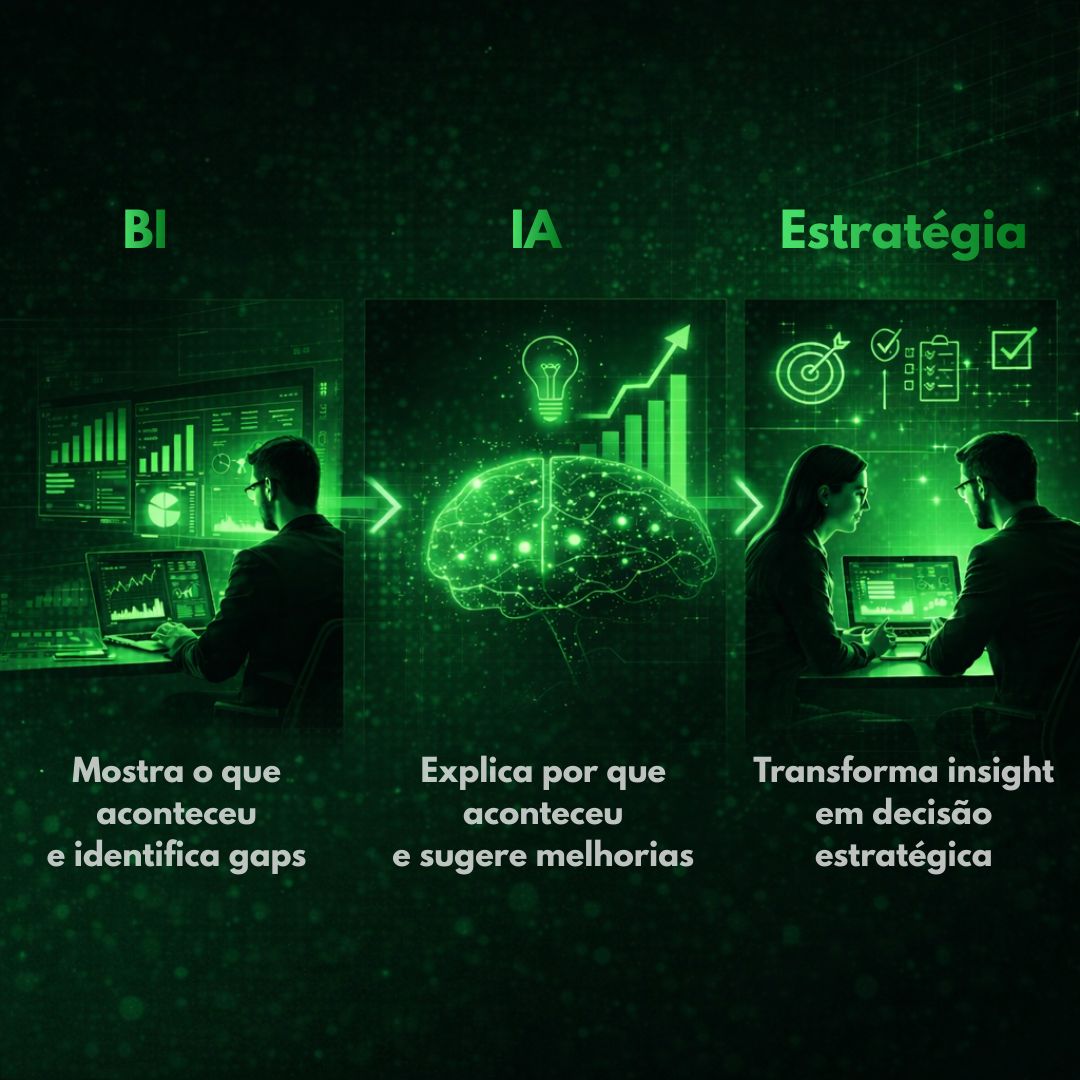
Power BI em 2026 ainda vale a pena? E a resposta é curta. LÓGICO! Entramos em uma fase onde os holofotes estão voltados a IA, (e tem gente que acha que dá pra fazer tudo na IA), mas ela não veio pra substituir tudo, algumas coisas sim, mas outras ela veio pra potencializar. Um dashboard construído no Power BI trás todas as métricas e matemáticas calculadas dentro de medidas DAX na maioria das vezes, e que tem ajustes finos conforme cada regra de negócio. Esses dados são apresentados em modelos gráficos de fácil compreensão e com storytelling, o que facilita entender onde sua empresa se encontra em cada setor de forma rápida e resumida. Já a IA precisa de todas as regras de negócio já tratadas diretamente na base de dados que ela consome, e não propriamente as regras já orquestradas nas DAX do Power BI. Isso pode fazer com que a visão consolidada do Power BI tenha respostas diferentes da IA. Então cuidado com a espectativa! Agora se você pensa em ter a IA como um complemento, onde você já tem toda a regra de negócio orquestrado diretamente no banco de dados, e também tem um dashboard pra te responder perguntas e gerar mais insights, a IA pode ser uma ótima opção pra te ajudar a tomar decisões estratégicas. Em resumo, a IA não substitui o Power BI, e nem o contrário, cada um pode se complementar de forma poderosa para melhorar ainda mais sua análise de dados e decisões estratégicas!
Other LinkedIn formats
Watch the companies you care about.
Filter every ad by industry, country, format and network, and get alerts when a company you watch starts running new ads.