LinkedIn image ad examples
1,339 image ads are live on LinkedIn right now, from 752 companies. Browse real ones, filtered by industry.
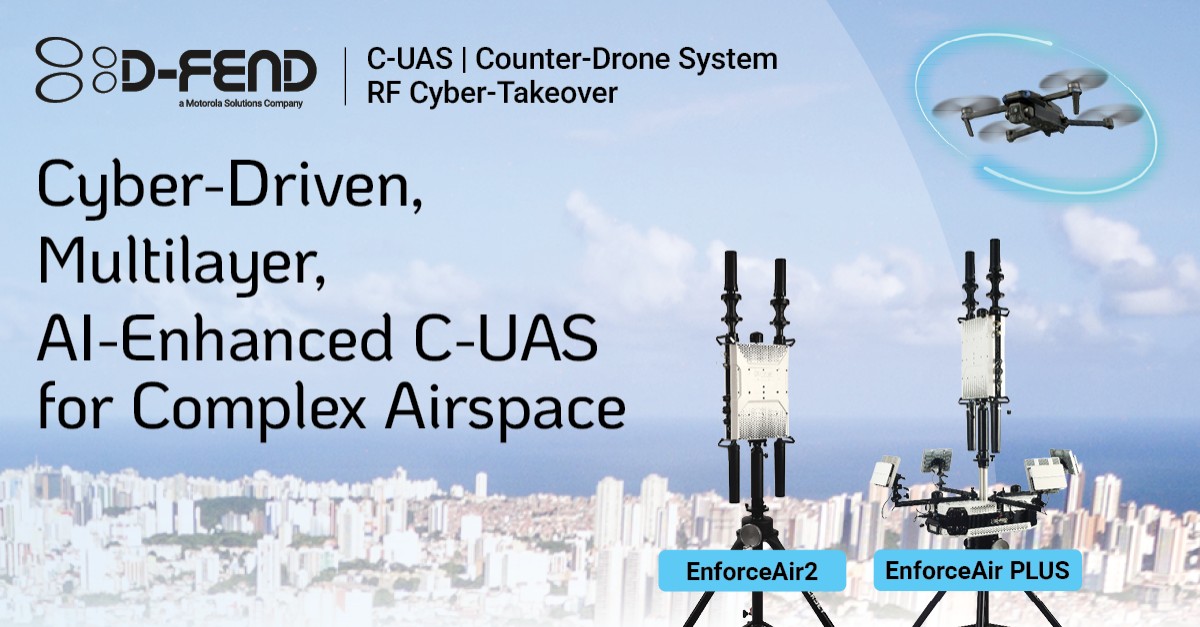
- D-Fend SolutionsSince 19 Oct 2026
Protect complex airspace, without compromising operational continuity. Detect, identify, and mitigate drone threats with precise, controlled outcomes.
- IPQSSince 19 Oct 2026
Your fraud stack doesn't need replacing. Explore IPQS intelligence to add context to the risk decisions your platform already supports.
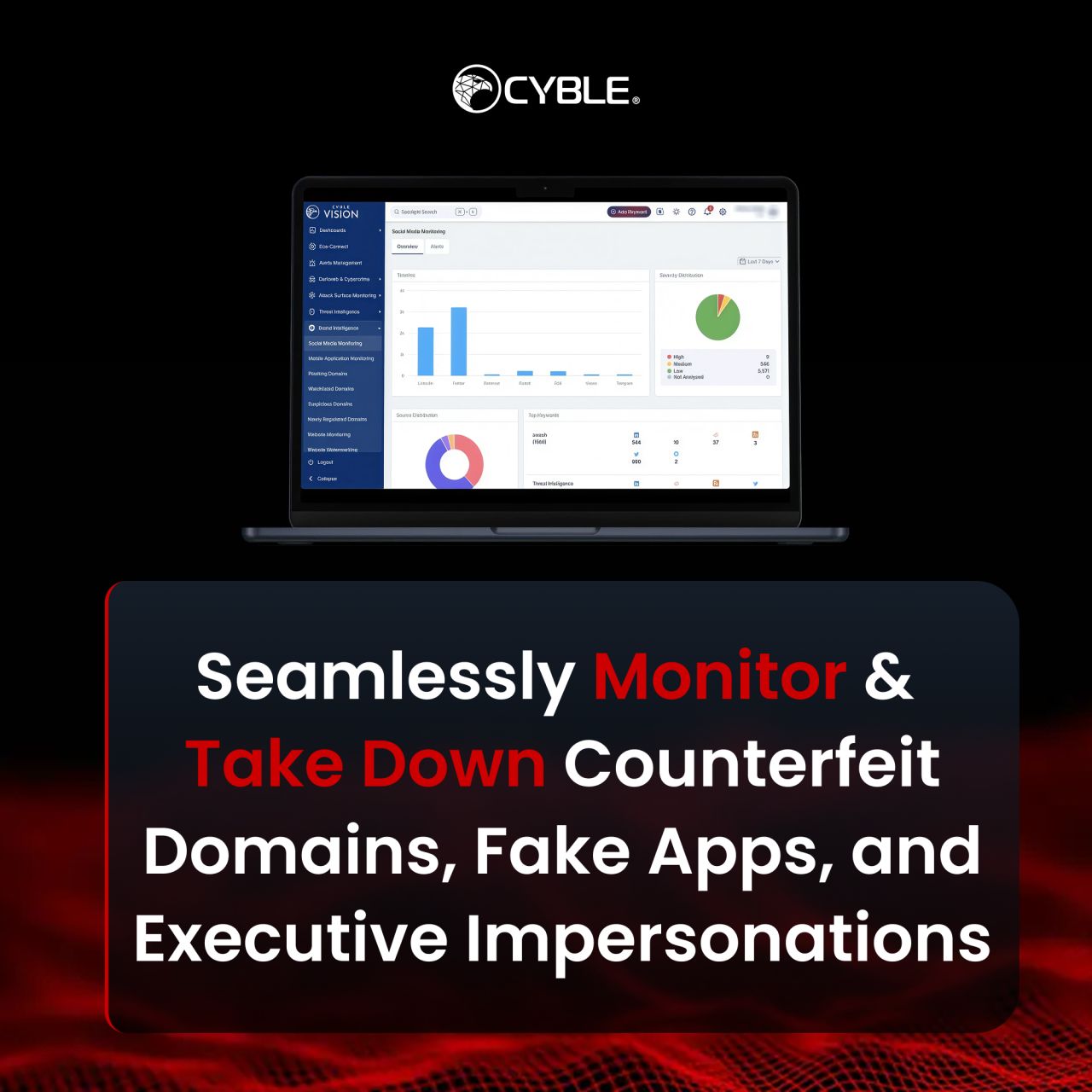
- CybleSince 19 Oct 2026
Counterfeit domains, fake apps, and executive impersonation accounts do their damage before your team knows they exist. Cyble Vision monitors your brand and your leadership across surface, deep and dark web, then runs the takedown itself. Most vendors sell brand protection and executive monitoring as two contracts. This is one.
- CybleSince 19 Oct 2026
Stolen credentials surface on dark web forums, marketplaces and Telegram channels well before anyone uses them. Cyble Vision monitors those sources around the clock and surfaces exposed credentials with enough lead time to rotate access before an attacker acts. Every finding is analyst-validated, so you are responding to confirmed exposure.
- Adversa AISince 18 Oct 2026
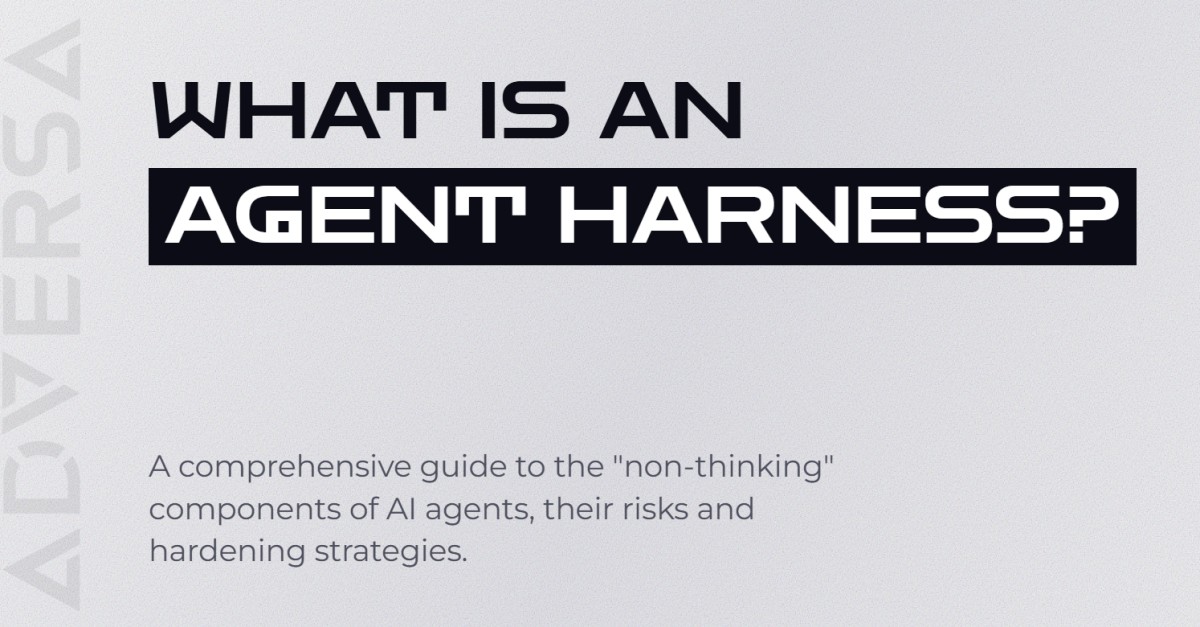
When coding agents wipe databases or leak credentials, the root cause usually isn’t "what the model was thinking" but what the surrounding runtime allowed. Our new article argues that the agent harness is the real security boundary: the loop, tools, memory, approvals, and sandbox around the model. Our article: - Defines the agent harness and maps the ecosystem, with concrete anatomy and examples across Claude Code, Hermes, LangChain Deep Agents, and more. - Catalogs recurring failure classes, from untrusted content and instruction file trust to post-approval mutation and supply chain compromises, lined up with OWASP Agentic ASI risks. - Spells out practical hardening rules. - Connects the guidance to day-to-day operations. We wrote this guide at Adversa AI for teams that already run agents in production and need to harden the actual execution boundary. Read the full article: https://lnkd.in/etJG5gKg #AIsecuiry #AgenticAI #Agentharness
- Adversa AISince 18 Oct 2026
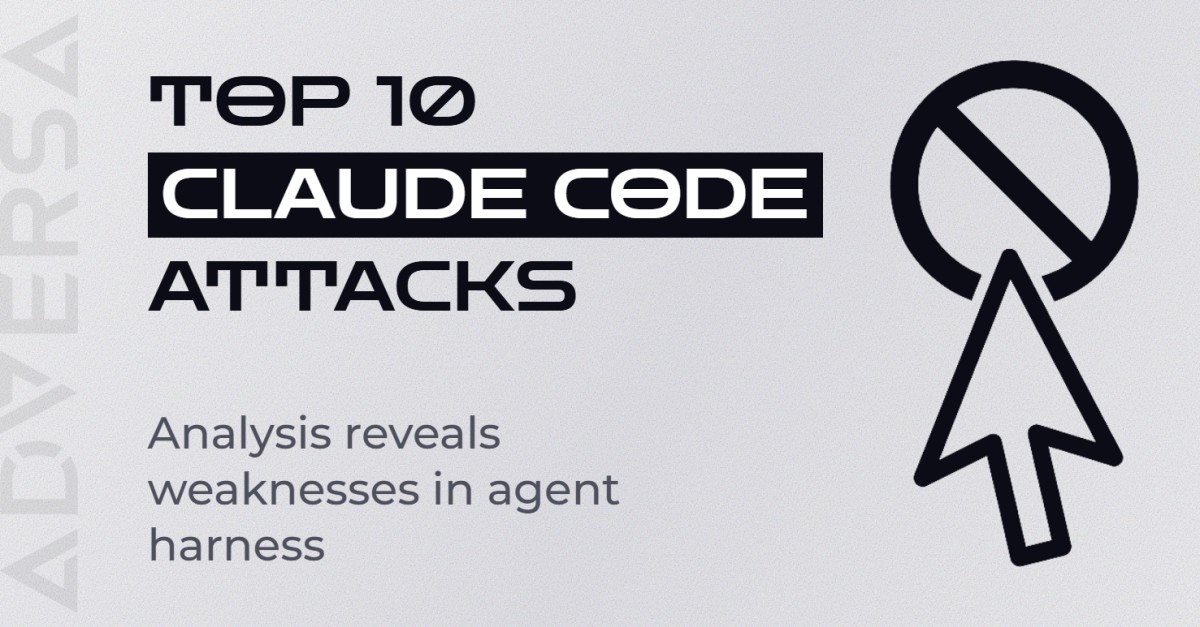
Top 10 attacks on Claude Code, mapped to what they actually broke Over the last year, Claude Code has been at the center of worms, CVEs, and quietly declined findings — but almost none of them touch the Anthropic's LLM itself. They hit the harness: config files that execute on project open, trust dialogs that misstate what they authorize, MCP tool definitions that act as exfil channels, plugins and skills that mutate after approval. This breakdown lines up ten attacks, shows exactly which part of the machinery each one compromises, and closes with concrete ways to harden Claude Code or put a runtime control layer in front of it. Read more: https://lnkd.in/e8bW5FnP #Claude #vulnerability #AIsecurity #CodingAgents
- CyeraSince 17 Oct 2026
Data security is getting harder. Cyera makes it simpler. Identify exposure, reduce risk, and take action fast. Get a custom demo today.
- CyeraSince 17 Oct 2026
Data security is getting harder. Cyera makes it simpler. Identify exposure, reduce risk, and take action fast. Get a custom demo today.
- ChainguardSince 18 Oct 2026
Everyones worried about frontier models finding zero-days right now, but most teams were already way behind on plain old CVEs before any of this started. Ive run vuln management on some big codebases and the backlog is very real. The average enterprise is months behind on patches that have had fixes, advisories, and scanner coverage for years. This weeks Vulnerable U sponsor, Chainguard, is doing its part by sharing the threat intel theyve collected through Athena with the rest of the ecosystem. They’ve started publicly disclosing the zero-days theyve collected, validated, and remediated, and they put the patch files up on GitHub for anyone to grab. If youre a Chainguard Libraries customer you also get remediated artifacts you can swap straight into your apps. See how Chainguard is protecting everyone from zero days: https://lnkd.in/gY-WeB7z
- Clover SecuritySince 18 Oct 2026
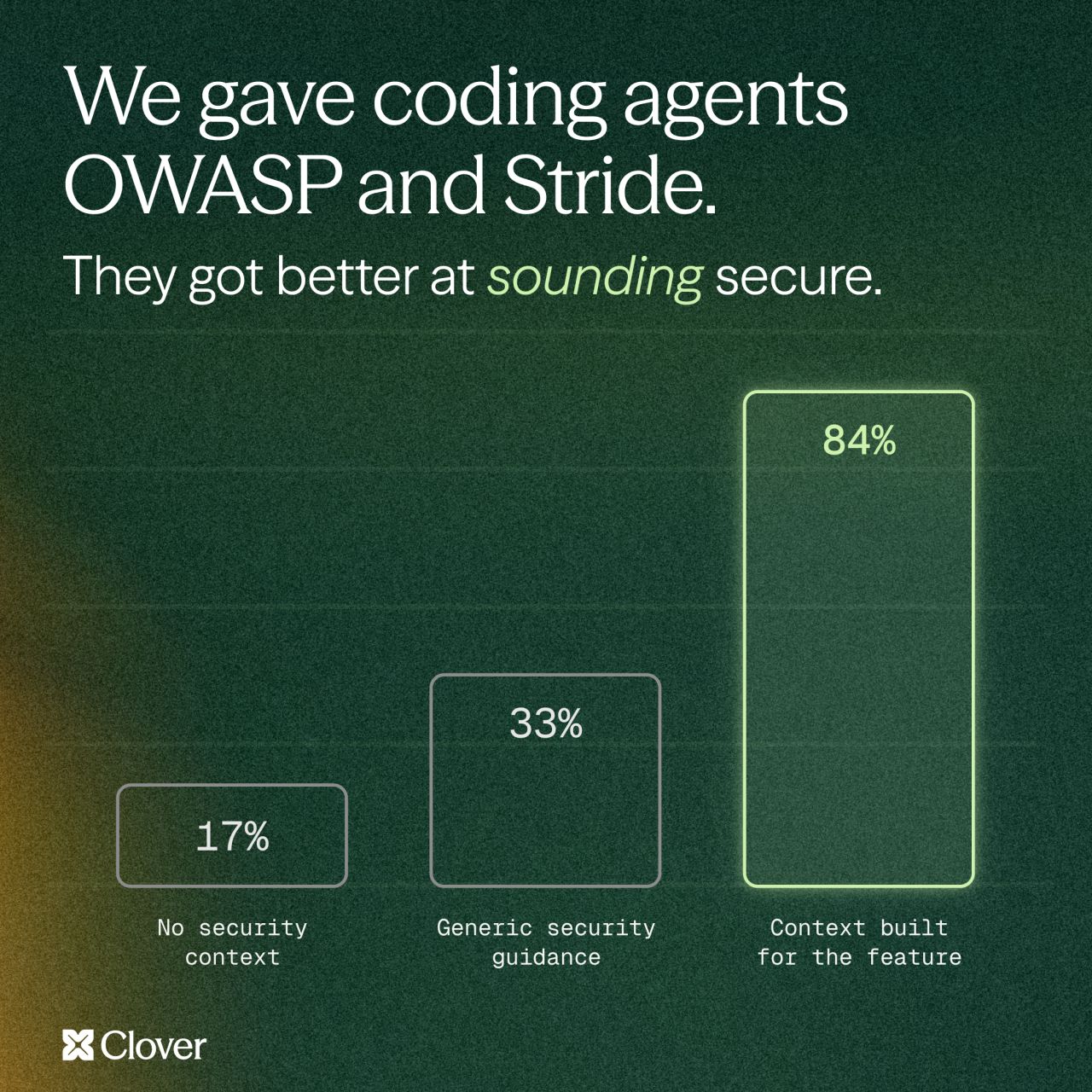
{FirstName}, our research team ran 162 controlled experiments across three coding agents and three production codebases. Generic security guidance moved the share of business logic flaws prevented from 17% to about 33%. Context built for the specific feature took it to 84%.
- CINI Cybersecurity National LabSince 17 Oct 2026
📊 Quanti dati possono nascondersi in un foglio di calcolo? Oggi, in occasione della Giornata Mondiale del foglio di calcolo, parliamo di uno strumento di uso quotidiano per organizzare, analizzare e condividere informazioni in formato tabellare direttamente sul tuo computer. Dai dati personali ai file di lavoro, un foglio di calcolo può raccogliere contenuti importanti che, se gestiti in modo poco attento, rischiano di finire nelle mani sbagliate. 🤔 Per questo, prima di aprire un documento ricevuto, verifica che provenga da una fonte affidabile. Quando invece devi condividerlo, controlla chi potrà accedervi e limita la condivisione alle sole persone autorizzate. 🛡️ I tuoi documenti meritano la giusta protezione. #CybersecurityNationalLab #cybersecurity
- Bare.IDSince 17 Oct 2026
Der Compliance-Horror beginnt mit einer einfachen Frage: Wer hat eigentlich gerade Zugriff worauf? Und plötzlich wird gesucht. In mehreren Systemen, manuellen Listen und alten Rollenvergaben. Wer hatte wann Zugang zu welchen Anwendungen? Wer hat die Rolle vergeben? Und wurde der Zugang beim Austritt auch wirklich entzogen? Regelwerke wie NIS2 fordern ein wirksames Zugriffsmanagement, und spätestens im Audit muss es belegt werden. Liegen Identitäten in verschiedenen Systemen verstreut, beginnt die Spurensuche. Fragt dann ein Auditor, Kunde oder die Compliance-Abteilung nach, wird aus lästiger Handarbeit ein echtes Risiko. Mit einem zentralen Workforce-IAM verwalten Sie Identitäten, Rollen und Zugänge an einer Stelle, sichern Anmeldungen mit SSO und MFA ab und haben die Protokolle griffbereit, statt jedes Mal auf Geisterjagd durch die eigene Systemlandschaft zu gehen. Wie Sie dem Compliance-Horror ein Ende machen? Erfahren Sie hier mehr. 👇
- ActRecorded 20 Oct 2026
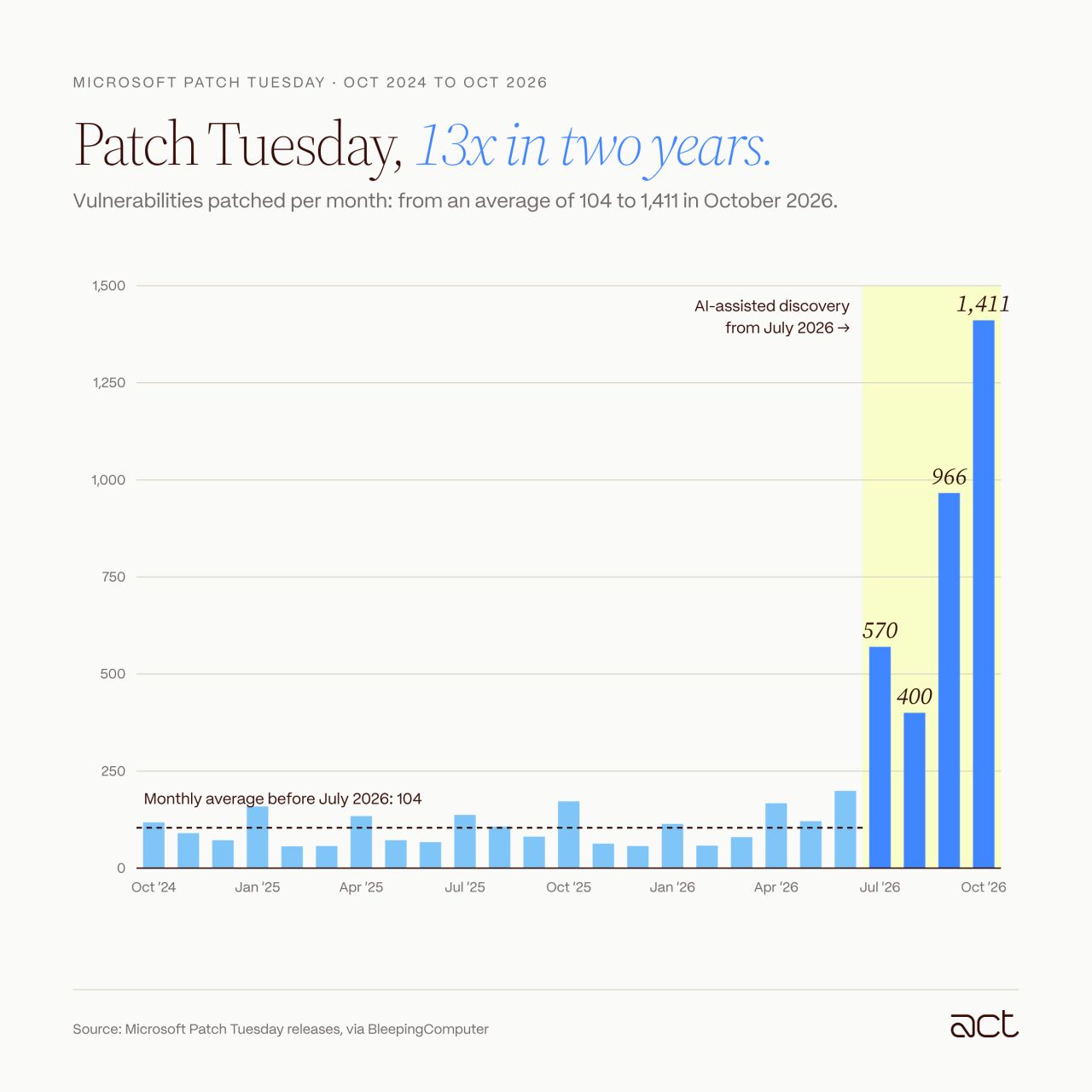
Microsoft's October Patch Tuesday shipped 1,411 vulnerabilities: 70 critical, 3 zero-days, and one already exploited in the wild (breakdown via BleepingComputer). Two years ago, a normal month was about 100. This month it was 1,411. Microsoft says AI-assisted discovery will keep pushing that number up. Patch faster? Not really... So look at the mix, not the total: → 317 remote code execution flaws. Each one needs a reachable path. → 677 privilege escalation flaws. Each one needs a foothold and permissions worth escalating into. Both preconditions are access. Remove what’s configured but never exercised, and a large share of that exposure can’t be reached, including flaws that don’t have a CVE yet. That makes infrastructure controls your first line of defense against zero-days. Act exists so teams can stop chasing the queue and start acting - safely and sustainably.
- ActRecorded 20 Oct 2026
Big one for us: Act is now part of the Microsoft for Startups Pegasus Program. Finding risk was never the bottleneck. Acting on it is. That’s why we built Act: to take action on access in the cloud, so the paths attackers rely on stop existing. Pegasus gives us access to Azure’s AI models and the people running some of the largest cloud environments out there. That’s where cloud problems get real, and where we want to be building. Thank you Meital Shamia, Kevin Magee, Tom Pauly, and the whole Microsoft for Startups team.
- CensysSince 16 Oct 2026
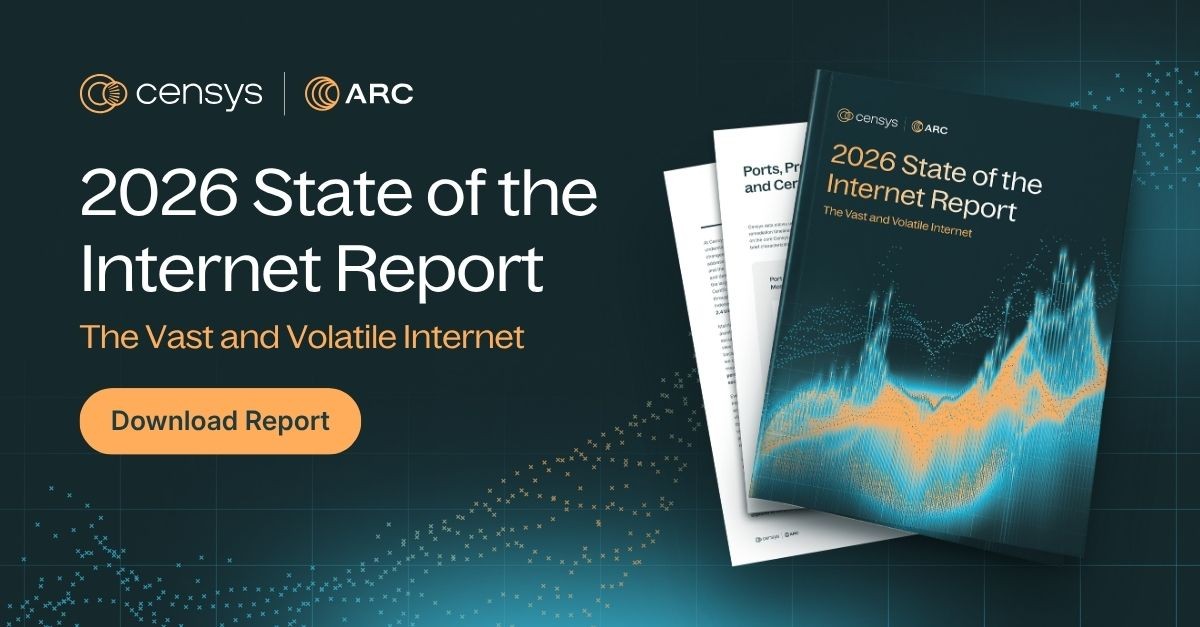
The wait is over. Our 2026 State of the Internet Report is here. The Internet is vast. And volatile. Drawing on more than two years of Internet intelligence, Censys ARC examines what's changing, what's staying the same, and what it means for security teams. From the rapid growth of exposed AI infrastructure to shifting threat actor infrastructure and persistent risks across enterprise software and industrial control systems, the report reveals where the Internet is evolving fastest and where exposures aren't going away. Download the 2026 State of the Internet Report: https://lnkd.in/gudcj4J2/?utm_campaign=Boost_Post_WebsiteVisits_Oct16,2026&utm_source=linkedin&utm_medium=paid&utm_id=1232769944&hsa_acc=506425840&hsa_cam=1232769944&hsa_grp=903678184&hsa_ad=1600758734&hsa_net=linkedin&hsa_ver=3
- BioID GmbHSince 17 Oct 2026
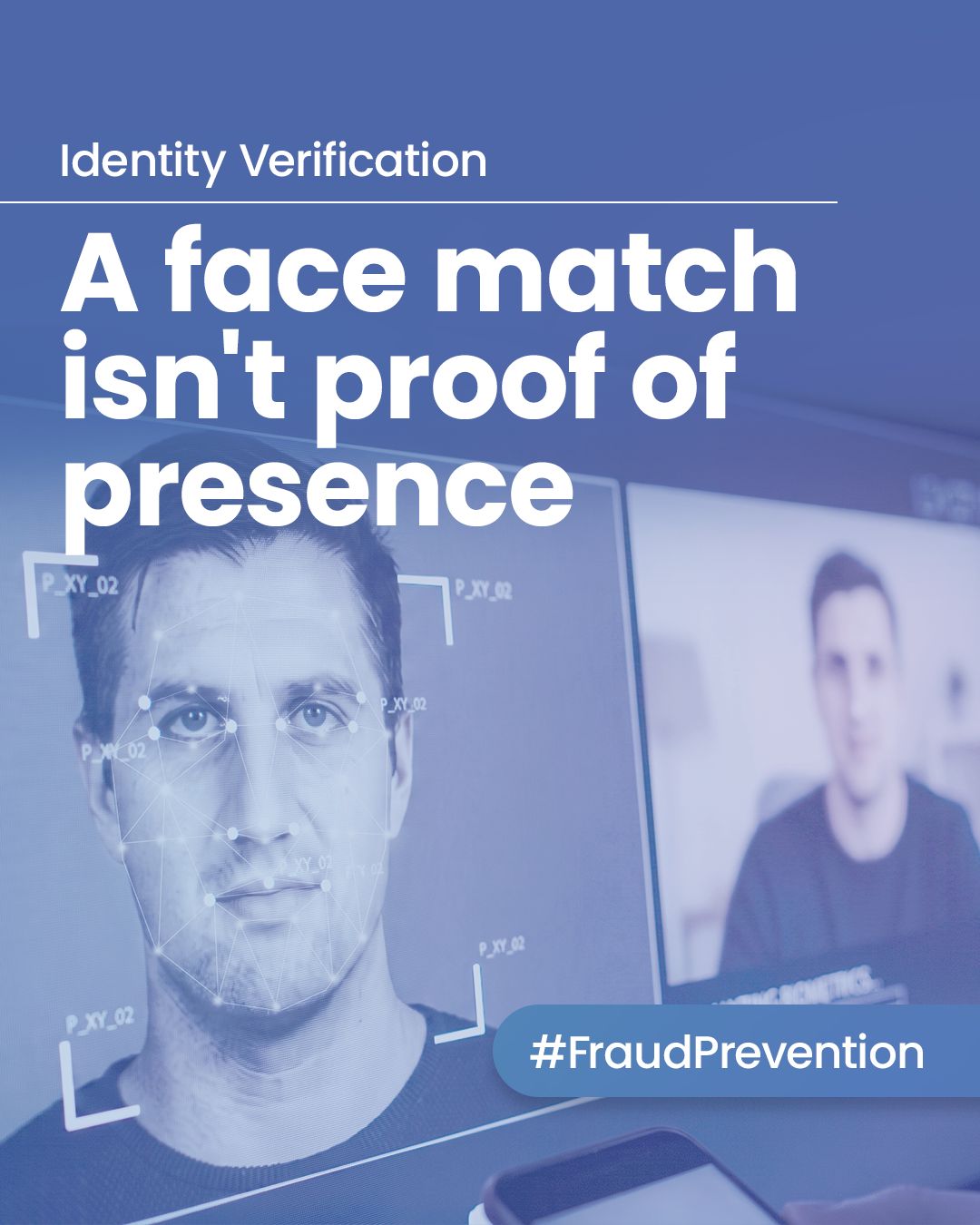
A face can match. And the identity verification can still be wrong. As AI-generated faces and real-time face swaps become more sophisticated, liveness detection has moved from an optional add-on to an essential defence. The problem's scope is rapidly expanding. In 2023, there were about 500,000 voice and video deepfakes on social media; by 2025, that figure is predicted to rise to eight million. Attackers can now generate forgeries in minutes as opposed to weeks in 2022. (Fintech Global) Organisations need to distinguish between the following: - Face matching: does the face correspond to the claimed identity? - Liveness detection: is there evidence that a real person is present rather than a photo, replay, or other spoof? - Injection-attack detection: has manipulated biometric data been inserted into the digital capture or verification pipeline? These controls address different risks. Treating them as interchangeable can leave important gaps in remote onboarding. For banks, fintechs and digital service providers, the challenge is to combine strong security with a smooth customer experience. How is your organisation adapting its identity verification process to AI-enabled fraud? #LivenessDetection #Deepfake #KYC #FaceBiometrics #FraudPrevention
- Bare.IDSince 17 Oct 2026
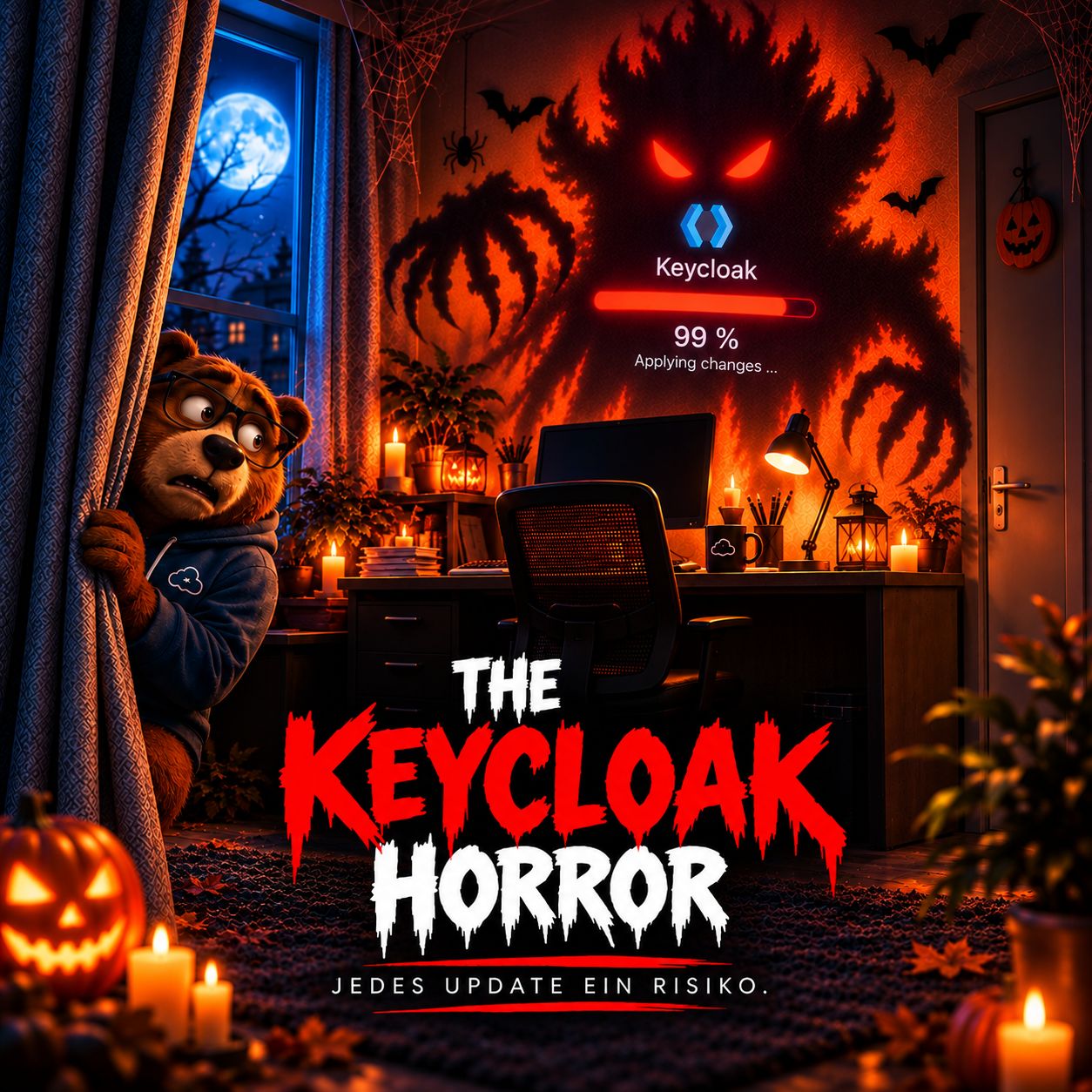
Manche Albträume beginnen nicht um Mitternacht, sondern mit einem Keycloak-Update. Breaking Changes in SPIs. Custom-Logik, die vor zwei Jahren gebaut wurde und heute kaum noch jemand vollständig überblickt. CVE-Patches, die dringend eingespielt werden müssen, aber besser erst nach einem ausführlichen Test im Staging. Das Problem ist nicht das einzelne Update. Es ist die Unsicherheit, die mit jedem Update wiederkommt: Hält die eigene Architektur noch oder bricht irgendwo etwas mit? Keycloak ist mächtig. Der Betrieb eines über Jahre gewachsenen Custom-Setups kann allerdings ziemlich unheimlich werden. Was wäre, wenn sich die Offenheit von Keycloak mit einem IAM verbinden ließe, bei dem Updates wieder planbar werden? Das ist kein schlechter Halloween-Witz. Das ist das IAM von Bare.ID. Hier zum nachlesen👇.
- CertesSince 16 Oct 2026
Your PQC migration could take years. Your data can't wait. Frost & Sullivan highlights that migrating to post-quantum cryptography is a prolonged, resource-intensive process, particularly for organizations running legacy and mission-critical systems. Meanwhile, the "harvest now, decrypt later" threat means sensitive data stolen today could be decrypted in the future as quantum computing capabilities advance. The report explores how Certes helps organizations protect critical data now, while their wider PQC migration continues. Don't wait for the quantum threat to become a reality. Download the report: https://lnkd.in/ey6intAB Frost & Sullivan Best Practices Recognition
- IllumioSince 17 Oct 2026
See how segmentation holds a cloud breach to the first workload, no rebuild required.
- BullWallSince 17 Oct 2026
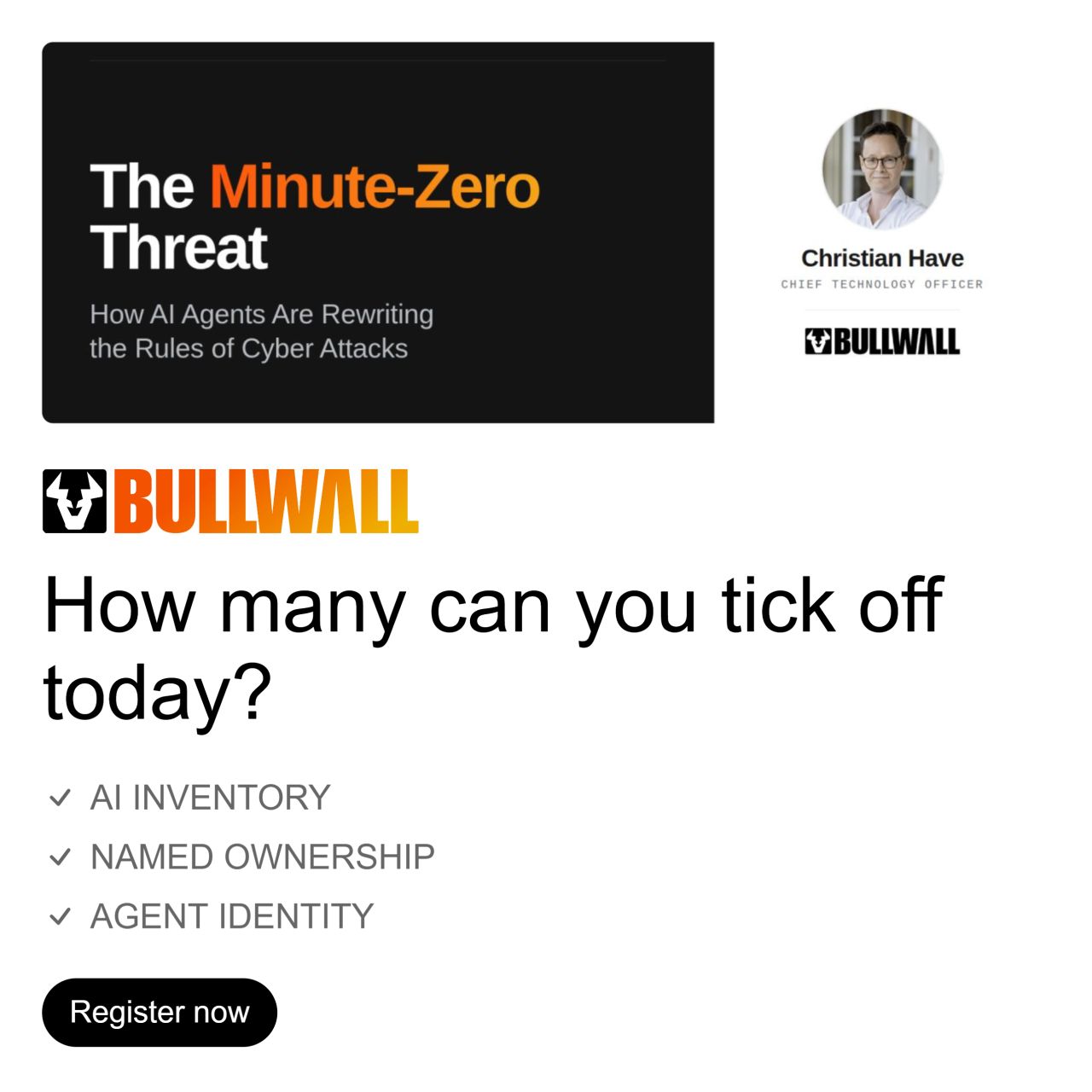
Attackers use AI. So does your team. Both can reach your data. Live webinar, 22 October. Everything an AI model can touch is yours to defend, whoever is prompting it. BullWall’s CTO walks through the top 10 AI security checks and what to address today. Thu 22 Oct | 09:00 BST · 10:00 CEST · 11:00 ET Join the webinar ⬇️
- DefectDojoSince 16 Oct 2026
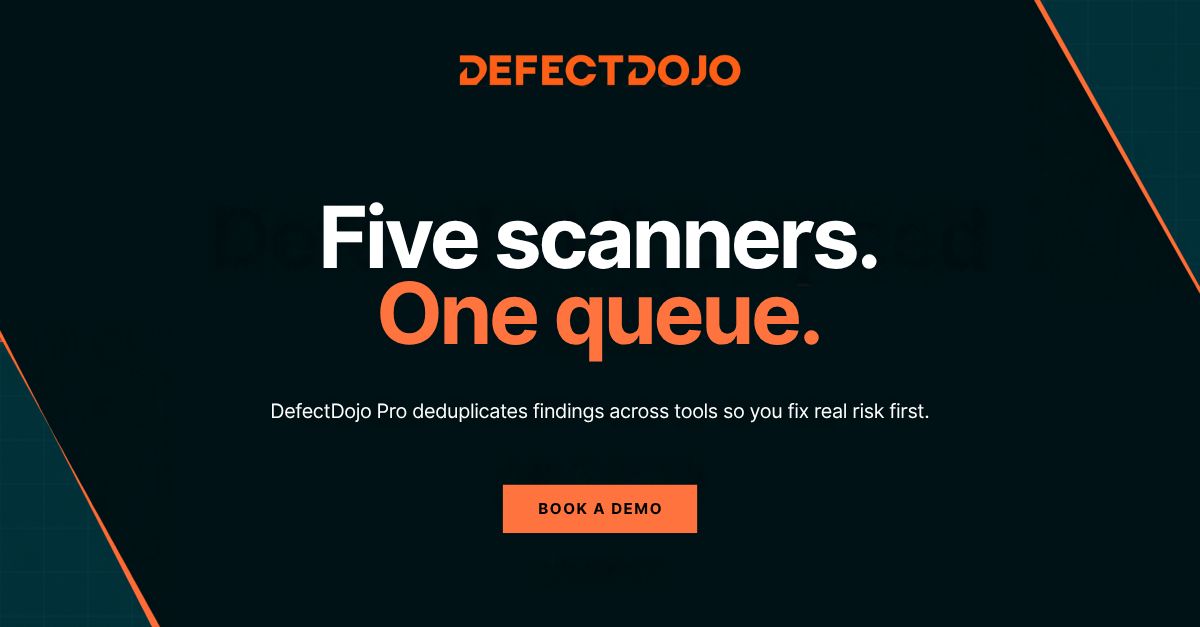
Five scanners can report the same vulnerability five different ways. DefectDojo Pro deduplicates findings across tools and ranks what's left by risk, so your team works one queue. Book a demo with our team.
- InfobloxSince 18 Oct 2026
Edge.Cloud. Zero Trust. Nichts davon funktioniert ohne sichere, skalierbare DDI. Lesen Sie jetzt den Leitfaden zur Modernisierung Ihres Netzwerkkerns.
- GitGuardianSince 17 Oct 2026
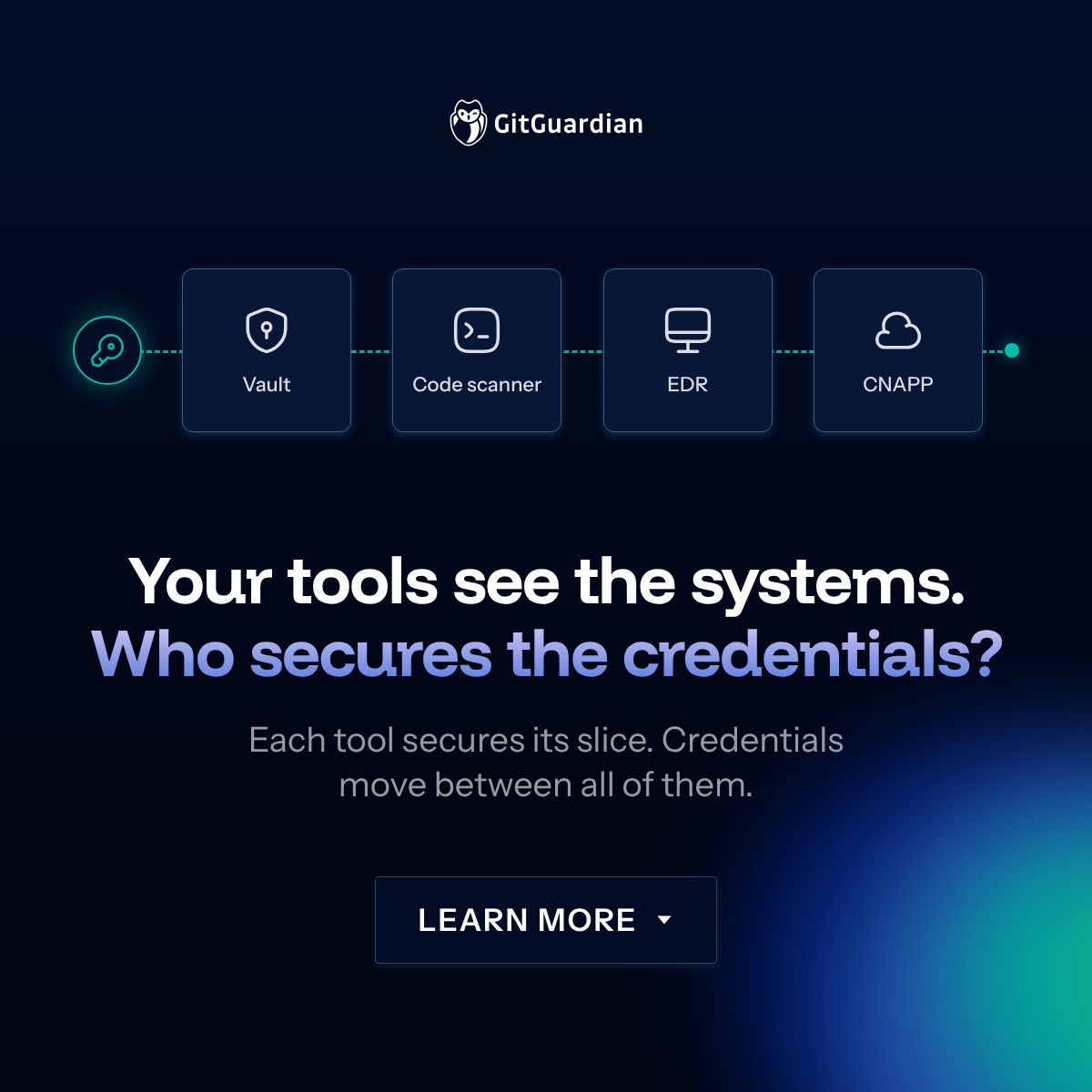
Your security stack is doing its job. It just wasn’t built to see the credential layer underneath it. ▪ Your vault protects the secrets registered with it. ▪ EDR watches the endpoint. ▪ Code scanning covers the repos it can reach. ▪ CNAPP maps the cloud. But credentials move across all of them: pipelines, laptops, Slack, Jira, container images, public GitHub, AI agent configs. There is no fixed inventory or single system of record. Each tool sees its slice. Nobody sees the whole layer, and that’s the gap attackers exploit. See how to secure yours at gitguardian.com/platform
- GitGuardianSince 17 Oct 2026
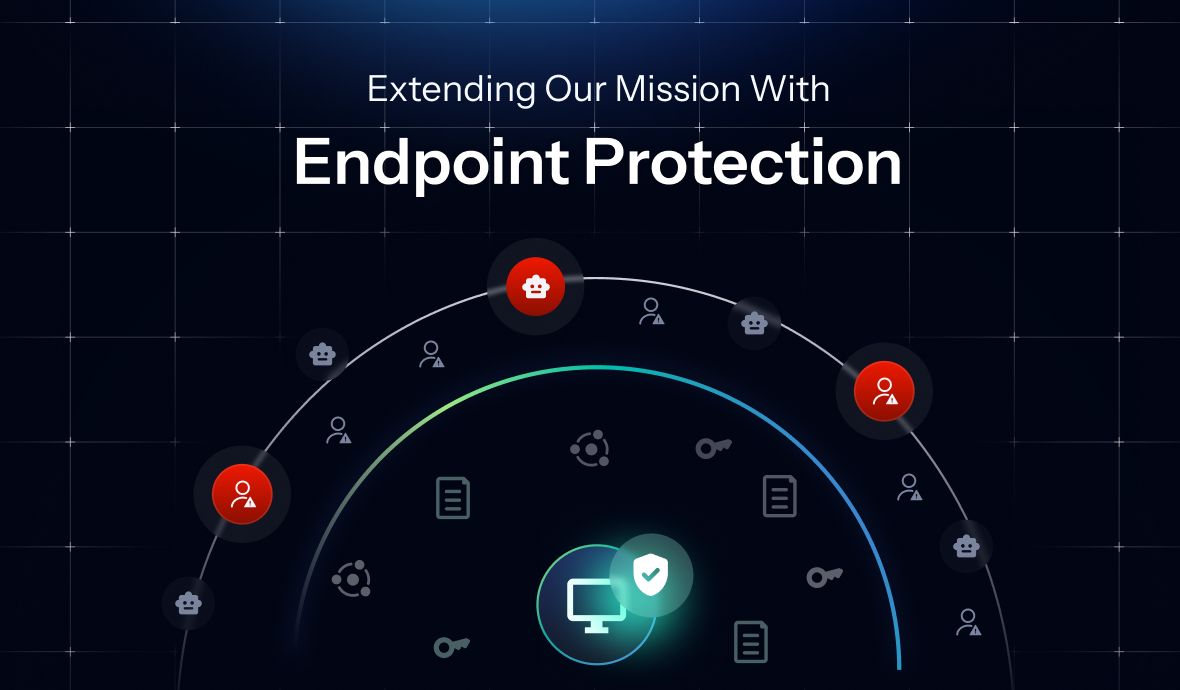
For a long time at GitGuardian, we secured secrets where we assumed they lived: in the code. Attackers found a new target recently: developer laptops (and obviously vibe coder laptops) Every major supply-chain attack pushed them toward the place credentials actually pile up the developer laptop. Shell histories, .env files, CLI caches, and now AI agent configs from Cursor, Copilot and Claude Code. Our early-access data: ~40% of them are written there by the AI agents themselves, in terminal sessions, output logs and caches no repo scanner ever checks. So we built for the assumption every security team should make: These devices will be compromised. The only question is whether you'll know what was on it. Today we're shipping Developer Endpoint Protection, built into ggshield: → Limit the blast radius → Detect live attacks with honeytokens → Remediate at the source Find and remediate critical exposed credentials before attackers can steal them




Other LinkedIn formats
Watch the companies you care about.
Filter every ad by industry, country, format and network, and get alerts when a company you watch starts running new ads.