LinkedIn image ad examples
1,352 image ads are live on LinkedIn right now, from 752 companies. Browse real ones, filtered by industry.
- EndaceRecorded 17 Sept 2026
Discover how Endace can transform your Security Analysis platforms. Bring clarity to every incident, alert or issue with a full packet capture platform that integrates with all your commercial, open-source or custom-built tools. Our always-on packet capture solutions are used by some of the world's largest public and private organizations to defend and protect some of the biggest, fastest, and most critical networks on the planet.
- LogpressoRecorded 17 Sept 2026
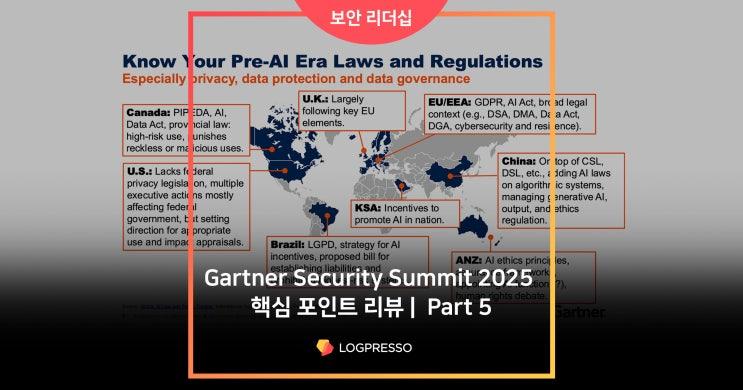
🧑🏻🏫 로그프레소의 Gartner Security & Risk Management Summit 2025 UK 참관기 5부 주제는 ‘AI와 법률’입니다. AI 법률은 계속 변합니다. 개별 규제에 일일이 반응하기보다는, "전술은 바뀌어도 원칙은 협상 대상이 아니다"라는 축구 감독의 명언처럼, 윤리적 기본 원칙에 기반한 준비가 필요합니다. 볼보가 법적 의무화 전에 안전벨트를 도입했듯이, 원칙 중심의 접근이 결국 모든 규제를 앞서갑니다. 링크에서 아래의 자세한 내용을 확인해보실 수 있으며, 다음 편은 중소기업 보안, 양자암호 등으로 이어집니다. ✔️ 변화하는 법률보다 변하지 않는 윤리적 원칙이 우선 ✔️ IT/보안 부서가 AI 통제 최전선에 서있는 현실 ✔️ AI를 안전하게 활용하기 위한 5가지 기본 원칙 📌 5부 전문 읽기: https://lnkd.in/g7_XcPPE #로그프레소 #Gartner #AI법률 #AI거버넌스 #윤리적AI #SecOps #보안운영 #컴플라이언스
- LogpressoRecorded 17 Sept 2026
🚩[주의] React2Shell(RCE) 긴급 대응 권고 React 및 Next.xn--js-jx8j RSC 기능에서 치명적인 원격 코드 실행 취약점(CVE-2025-55182/66478)이 발견되었습니다. 공격자는 단순한 HTTP 요청만으로 서버에서 임의의 코드를 실행할 수 있으며, Log4Shell급 심각도로 빠른 악용이 우려됩니다. 🔔 이렇게 대응하세요: ✔️ 취약 버전 점검(React 19.0.0~19.2.0, Next.js 15.x~16.0.6 등) ✔️ 즉시 최신 패치 적용(React 19.0.1+, Next.js 15.0.5+, 16.0.7+) ✔️ 인터넷 노출 서비스 우선 점검 및 WAF 룰 보강 ✅ 자세한 내용 확인하기: https://lnkd.in/g3mQUtJh #로그프레소 #CTI #React2Shell #SecOps
- ElisityRecorded 17 Sept 2026
Complex deployments. Agent dependencies. Limited lateral movement protection. Elisity offers identity-based microsegmentation that deploys in 2 weeks on your existing infrastructure. No agents required. Compare the modern approach to Zero Trust.
- ElisityRecorded 17 Sept 2026
70% of breaches involve lateral movement—and legacy NAC only protects the perimeter. Elisity provides continuous east-west protection with identity-based microsegmentation. Deploy in weeks, not years. Learn why security teams are moving beyond Forescout.
- E-TRUSTRecorded 16 Sept 2026
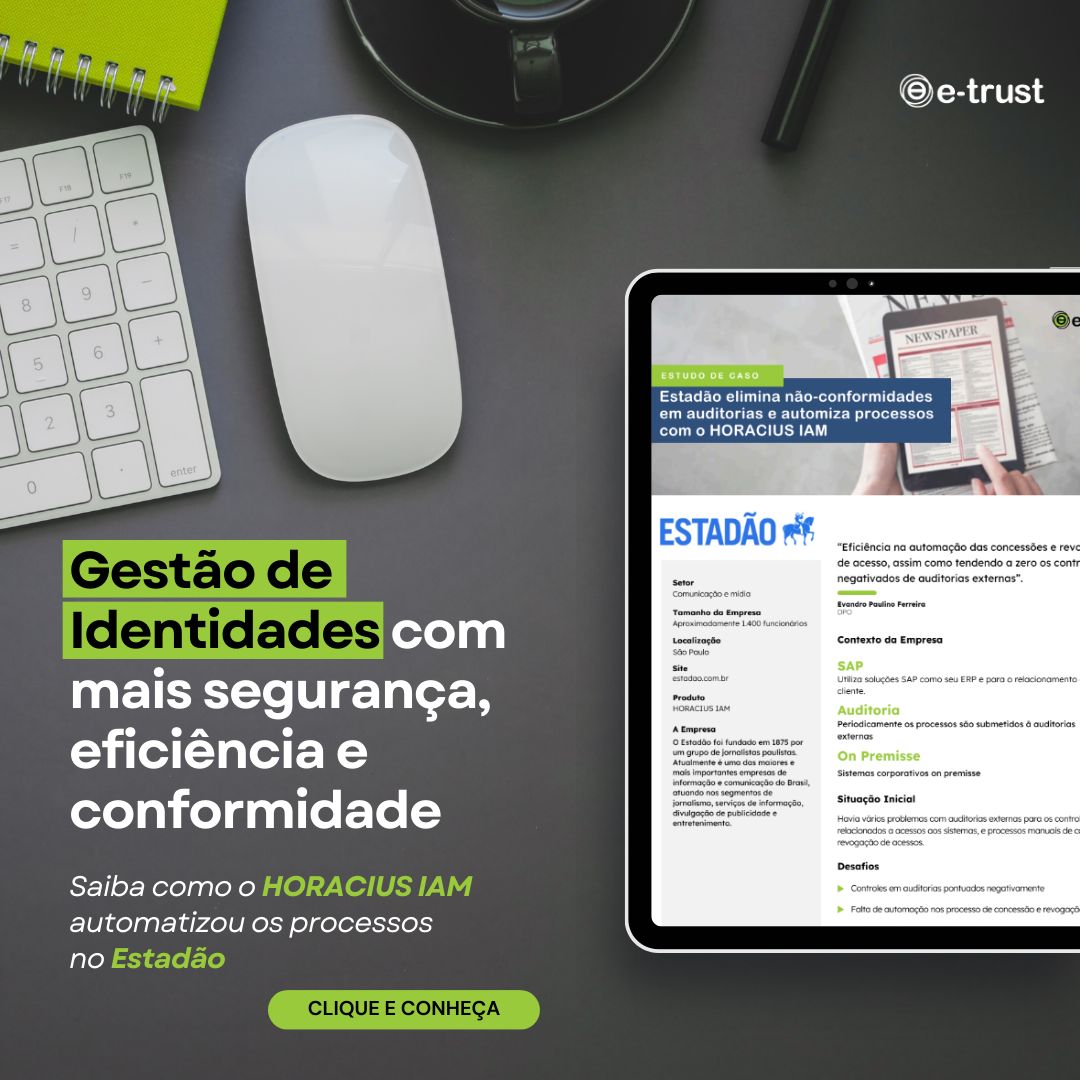
Sem governança de identidades, não existe controle real. Você perde visibilidade, rastreabilidade e capacidade de resposta. Quem acessa? O que acessa? Por quanto tempo? Se essas respostas não são imediatas, o risco já está instalado. O HORACIUS IAM da E-TRUST transforma a gestão de acessos em um processo estruturado, auditável e baseado em risco, alinhado às melhores práticas e exigências regulatórias.
- E-TRUSTRecorded 16 Sept 2026
Agentes de IA, máquinas e robôs operam lado a lado com pessoas, e isso criou uma nova superfície de risco: identidades não humanas com acesso privilegiado. Enquanto o mercado ainda trata identidades humanas e não humanas separadamente, a E-TRUST unifica IAM, governança contínua e auditoria de NHIs em uma única camada para que CISOs e líderes de TI tenham controle total sobre quem acessa o quê, em qualquer camada do ambiente. Menos exposição. Mais governança.
- EDAMAME TechnologiesSince 16 Jun 2026
A stolen API key or OAuth token is a bearer credential: whoever holds it gets in, from any machine, anywhere. EDAMAME Technologies makes the stolen credential useless — access is granted only to a machine we can vouch for at that instant, not to whoever is holding the secret. Why that matters now: In 2026 the malware shipped correctly signed. The Shai-Hulud worm waves that hit npm and PyPI carried valid Sigstore signatures, valid SLSA Build Level 3 provenance, and a green "trusted publishing" badge — and were credential stealers. The attackers forged nothing; they scraped a live OIDC token out of a CI runner's memory and signed under the project's own identity. Every primitive the ecosystem spent a decade building verified the package end-to-end, and it rode 170+ packages and 200 million downloads a week onto developer machines. A signature, an attestation, a provenance record all verify the key — never the machine that held it at the moment it signed. A stolen signing identity produces perfect signatures. And the attacker is no longer always a person. The malware is vibe-coded — generated fresh per victim, invisible to signature scanners. Mini Shai-Hulud's full worm toolchain was open-sourced. Anthropic has documented an AI running 80–90% of an intrusion on its own. One stolen token now moves at machine speed across shell, repository, cloud and CI. Strip away the tradecraft and every 2026 breach ends the same way: a valid credential, used from a machine that should never have had it. So stop trusting the key. Trust the machine holding it. EDAMAME Security and EDAMAME Posture watch host truth — process lineage, credential-store reads, sensitive-file access, outbound traffic, posture drift. EDAMAME Hub turns that into an access decision through the controls you already run: IdP Conditional Access, GitHub Enterprise IP allow-lists, ZTNA. host behaviour changes → endpoint trust changes → the platform rejects the next request, even with a perfectly valid, perfectly signed token. The theft still succeeds. The use does not. Full analysis → https://lnkd.in/efWR9R5d #SupplyChainSecurity #RuntimeSecurity #DevSecOps Efi Gatmor, Keith Stewart, Steve Smoot, Charles Kaplan, Didier Perrot, Khaled H., Minh-Anh D., Thierry Messmer
- DotkeeperSince 1 Jul 2026
There is often a concern that someone else might register your brand name under another domain extension. That is a completely reasonable concern. But the answer is not to register every possible version of your name under every possible extension. In my experience, the strongest domain portfolios are not the biggest ones. They are the ones that make sense. A good portfolio should reflect where the business is today, where it is likely to go next, and what actually needs to be protected. If you operate in Sweden and are expanding into Germany, then .se and .de may be obvious parts of the portfolio. If you have no presence, no plans, and no realistic exposure in a specific market, registering the local extension there will not necessarily add much protection. Defensive registrations can still be important. Some extensions are more commonly associated with abusive activity. In other cases, local dispute processes are limited or unclear, which means recovering a domain later could be much harder than registering it early. But those decisions should be intentional. The companies that handle this well usually keep coming back to a few simple questions: - Where are we active today? - Where are we likely to be active in the coming years? - Which markets are we no longer active in, and how long has that been the case? - Which domains are still relevant for defensive reasons? The important part is that someone inside the organisation owns the conversation. Not necessarily making every decision alone, but understanding why the portfolio exists, what it supports, and when outside input is needed. Without that ownership, portfolios tend to grow in all directions. Domains get registered “just in case”. Old names stay in place because no one wants to take the risk of letting them go. New markets are added without any clear policy. Over time, the portfolio becomes harder to manage, harder to explain internally, and not necessarily stronger. A focused portfolio is easier to manage, easier to defend, and easier to budget for. It does not mean ignoring everything outside it. It means owning what matters and knowing when something outside the portfolio needs attention. That is where monitoring becomes important. A domain watch service can track new registrations that include or resemble your brand name, giving you awareness without forcing you to register every possible variation yourself. And if something problematic appears, there are ways to act, whether through a takedown, a registrar complaint, a UDRP, or another dispute process. Trying to register every possible risk in advance will become far more expensive than building a deliberate defensive layer, monitoring the rest of the space properly, and acting when there’s actually something to act on. Which parts of your domain portfolio are intentional, and which are simply still there because they always have been?
- EDAMAME TechnologiesSince 2 Jul 2026
A compromised AI agent will tell you everything is fine — and its own logs will back up the lie. So you cannot take the agent's word for it. The only reliable answer is the gap between what it declared and what it actually did on the machine: intent divergence (goal drift). It is now formalised, measured, and public. Our joint paper with the LISTIC lab (CNRS), "Runtime Security for Agentic Systems," is open-access on HAL — and we presented it at the PEPR IA Days 2026, France's national AI research programme (France 2030) managed by Inria, CEA and CNRS, in the Trustworthy AI pillar. The idea: check an agent's declared task against the ground truth of what it actually did — process lineage, files, sockets, posture drift observed from outside the agent, at the OS boundary, in a record it cannot fake or silence. On a live, reproducible benchmark, that gave zero false positives across the benign scenarios. Think of the agent as the cortex that reasons and declares intent, and the machine beneath it as the reptilian brain that actually acts — EDAMAME Technologies is the control layer between the two. This is the research backbone under the AI agent trust layer we build at EDAMAME: prove security posture and runtime behaviour, then bind access to that proof. Read the breakdown: https://lnkd.in/ejQHH-zz Paper (open access): https://lnkd.in/em4F5hqq Code + benchmark: https://lnkd.in/eQC-B_4y Minh-Anh D., Quentin Vedrenne, Raj Mallempati, Amol Kabe, Frederic Griffoul, Kenny To, Ehsan Ahmadi, John Martin, Freddy Mallet, Antoine Clerget, Dan Newman, Mark Day, Thierry Messmer
- EADTrustSince 10 Jul 2026
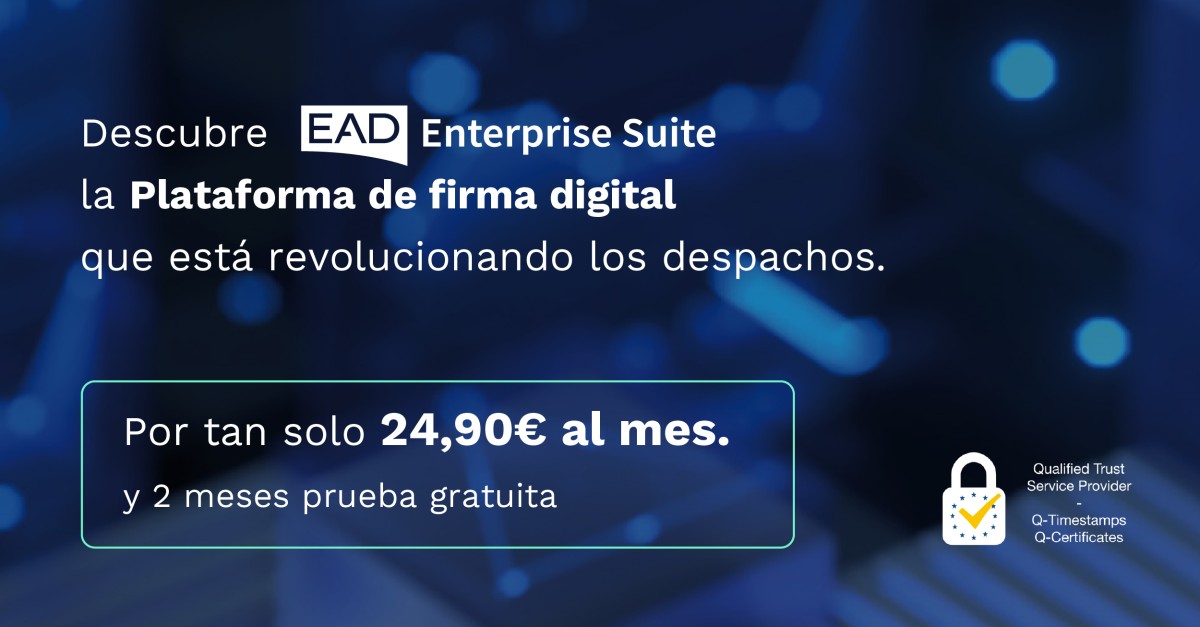
Digitaliza tus firmas con plena validez legal en Europa. Prueba Signature Manager EAD Trust durante 2 meses gratis y descubre la solución de firma digital cualificada pensada para despachos de abogados y profesionales jurídicos. ✅ Cumplimiento eIDAS y RGPD ✅ Firma avanzada y cualificada ✅ Custodia digital certificada ✅ 100% europea y segura
- EADTrustSince 10 Jul 2026
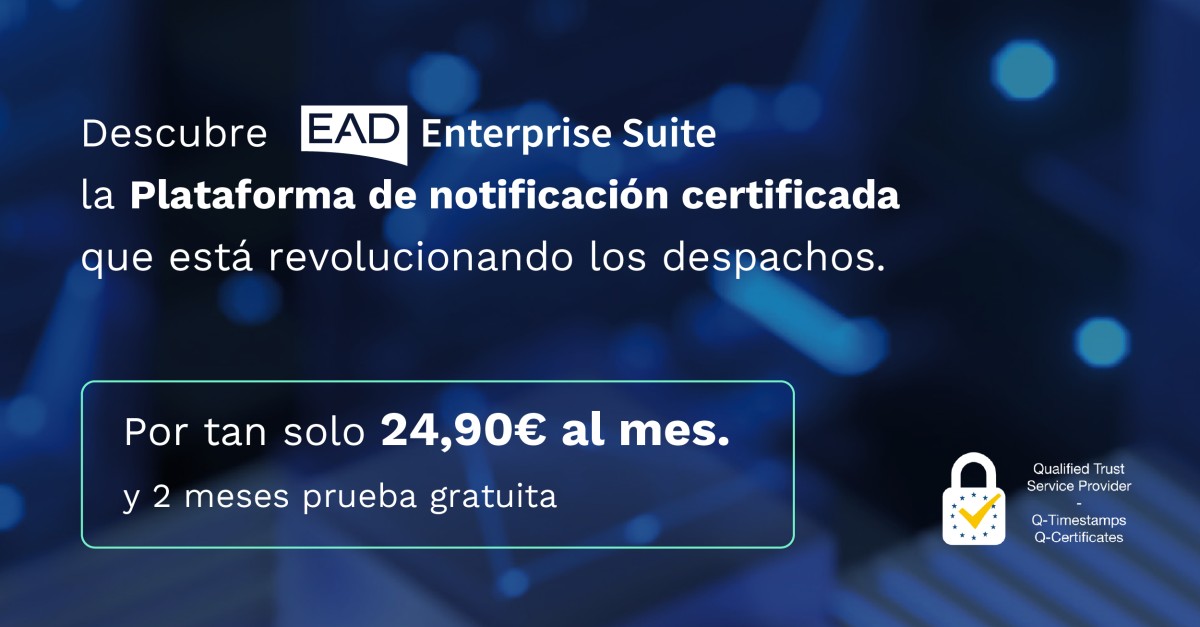
¿Sigues enviando notificaciones sin prueba legal de entrega? Prueba Notice Manager durante 2 meses gratis y envía notificaciones electrónicas certificadas con plena validez jurídica en Europa. ✅ Evidencia legal de envío y recepción ✅ Certificación cualificada eIDAS ✅ 100% europea y segura ✅ Integrable en tus procesos actuales
- Dropzone AISince 8 Aug 2026
You should never have to blindly trust your AI agents. This whitepaper shows how a SOC can see the reasoning and check the evidence behind every verdict.
- DotkeeperSince 21 Aug 2026
Last time I shared a bit about what I actually do for work. Today I wanted to tell one of my favorite stories from the day-to-day: when a client finally gets their hands on the domain they've been dreaming of. A lot of people assume it just comes down to price when a company wants to secure their dream domain. The reality is that every deal is unique. Acquiring a domain involves so many different steps, and clients run into all kinds of obstacles along the way, obstacles we're there to help them overcome. Sometimes it's not about money at all, it's detective work. Just as often, our clients are thrilled simply because we managed to track down an owner in, say, the US and get a conversation started so a negotiation could even begin. Getting a clear answer, whether the domain is for sale or not, can be worth its weight in gold to a company whose whole launch plan is on pause until they know. One of my favorite deals we've ever helped with is the one where the seller priced their domain at roughly the cost of a robotic lawnmower. Then they went out and bought one, and named it after the domain. That's the perfect example of why I love this job. You never know what the next deal will bring: sometimes it's a successful negotiation across borders, sometimes it's a lawnmower with a brand new name. Have you ever chased a domain name that felt impossible to get? I'd love to hear how it went.
- EasyDMARCSince 1 Sept 2026
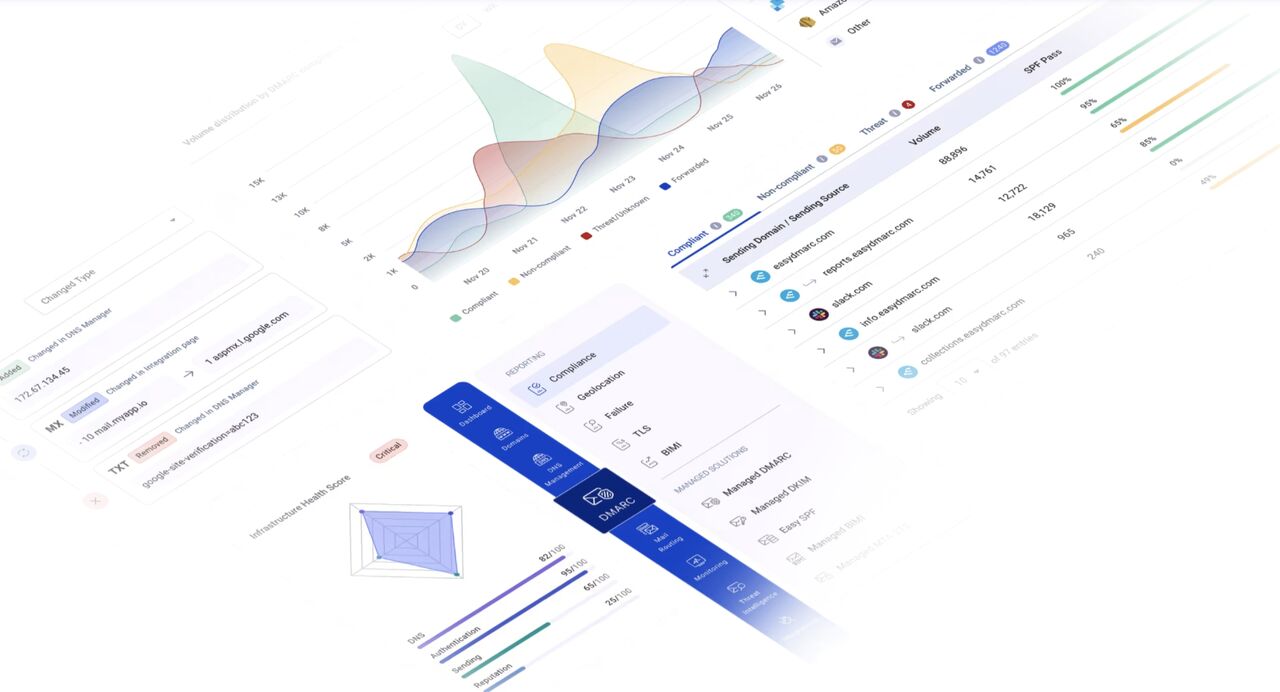
Your email is judged before your content is ever evaluated. I have watched this reframe land on people for years, and it still catches them off guard. When you hit send, the receiving server does not care what you wrote yet. It asks whether the infrastructure behind the message can be trusted. ❓Does your domain resolve reliably, and is its DNS configuration free from missing, stale, dangling, or misconfigured records? ❓Do SPF, DKIM and DMARC line up? ❓Is the sending IP in good standing? ❓Has your name been abused in phishing or spoofing? Questions are asked before a single word of yours matters. I saw that many good companies were trying to solve them with separate tools, while in reality they are all part of the same problem. So we built one platform that answers all of these questions. More details: https://lnkd.in/eAQmdE9M #EasyDMARC #EmailSecurity #EmailTrust #EmailAuthentication
- Dragos, Inc.Since 4 Sept 2026
We can't think about OT the same way anymore. Any compromise that can stop production, endanger safety, or affect output is a risk to your operations. Learn how "xOT" environments impact your security strategy. Watch instantly →
- Dragos, Inc.Since 4 Sept 2026
We can't think about OT the same way anymore. If a system's failure can stop production, compromise safety, or affect output, it's part of what we protect now. Learn how "xOT" reshapes your operational risk. Watch instantly →
- EasyDMARCSince 8 Sept 2026
Microsoft recently showed how attackers are using invisible Unicode characters ( "ASCII smuggling") to bypass traditional email filtering. Their telemetry jumped from roughly 21,000 matching messages to more than 1.3 million in a single day during the campaign. AI is making email security smarter. Attackers are adapting just as fast. The technique itself is interesting. But the bigger point is more important: 🛑 You can’t decide whether to trust an email based on a single signal anymore. Is the sender authenticated? Does the domain resolve correctly? What is its reputation? Is this normal behavior for this sender? Has something changed? For years, getting DMARC to p=reject was the goal. It still matters. But, I see it as the starting point. Email security is moving from checking individual controls to understanding the full context behind every sender and every message. That is the problem we are working on with the EasyDMARC Email Trust Platform. See what we’re building: https://lnkd.in/eAQmdE9M
- DragonJAR Seguridad InformáticaRecorded 16 Sept 2026
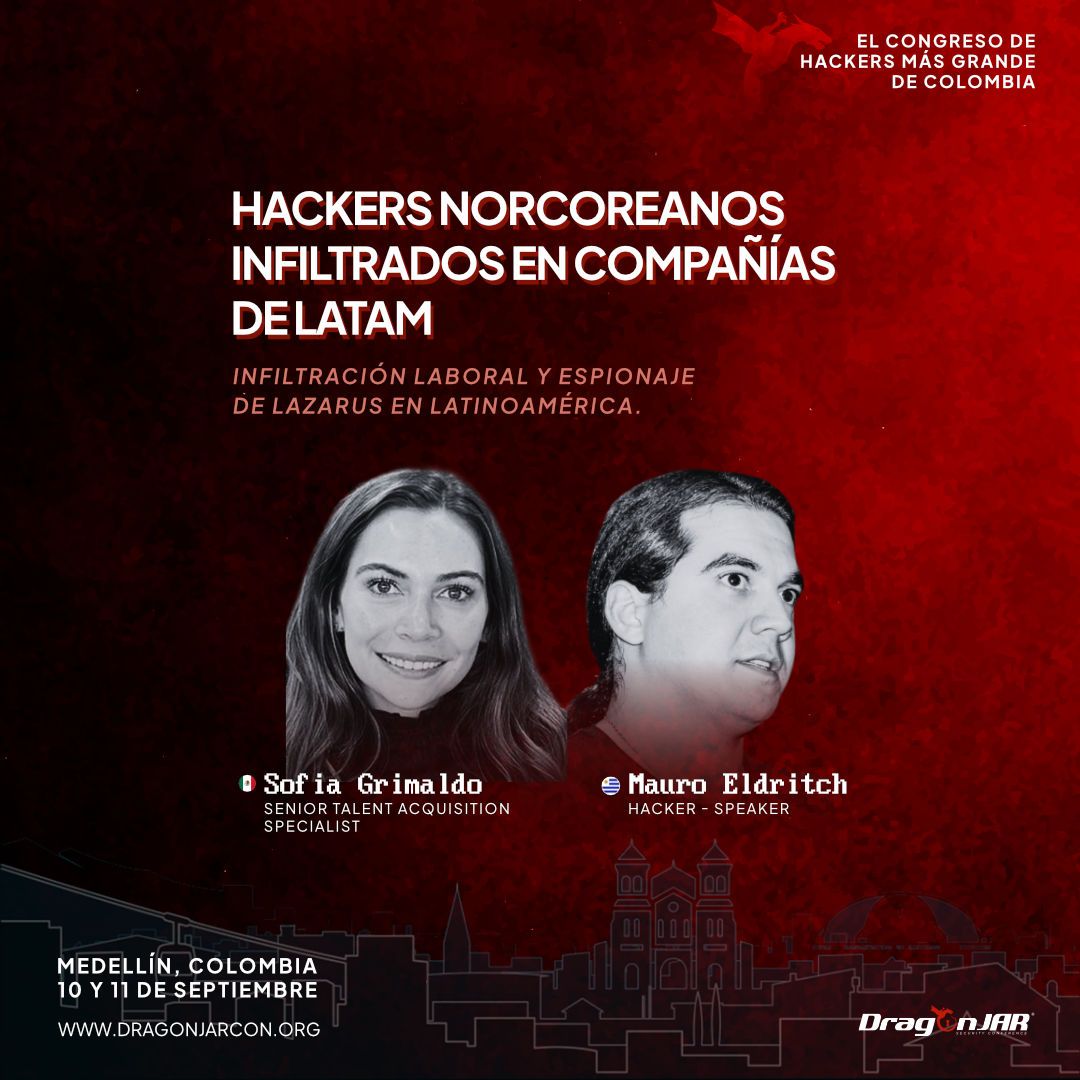
Lazarus Group está infiltrando LATAM con entrevistas de trabajo falsas. Grabaciones reales. Campaña activa. Perfilado de empleados.
- DragonJAR Seguridad InformáticaRecorded 16 Sept 2026
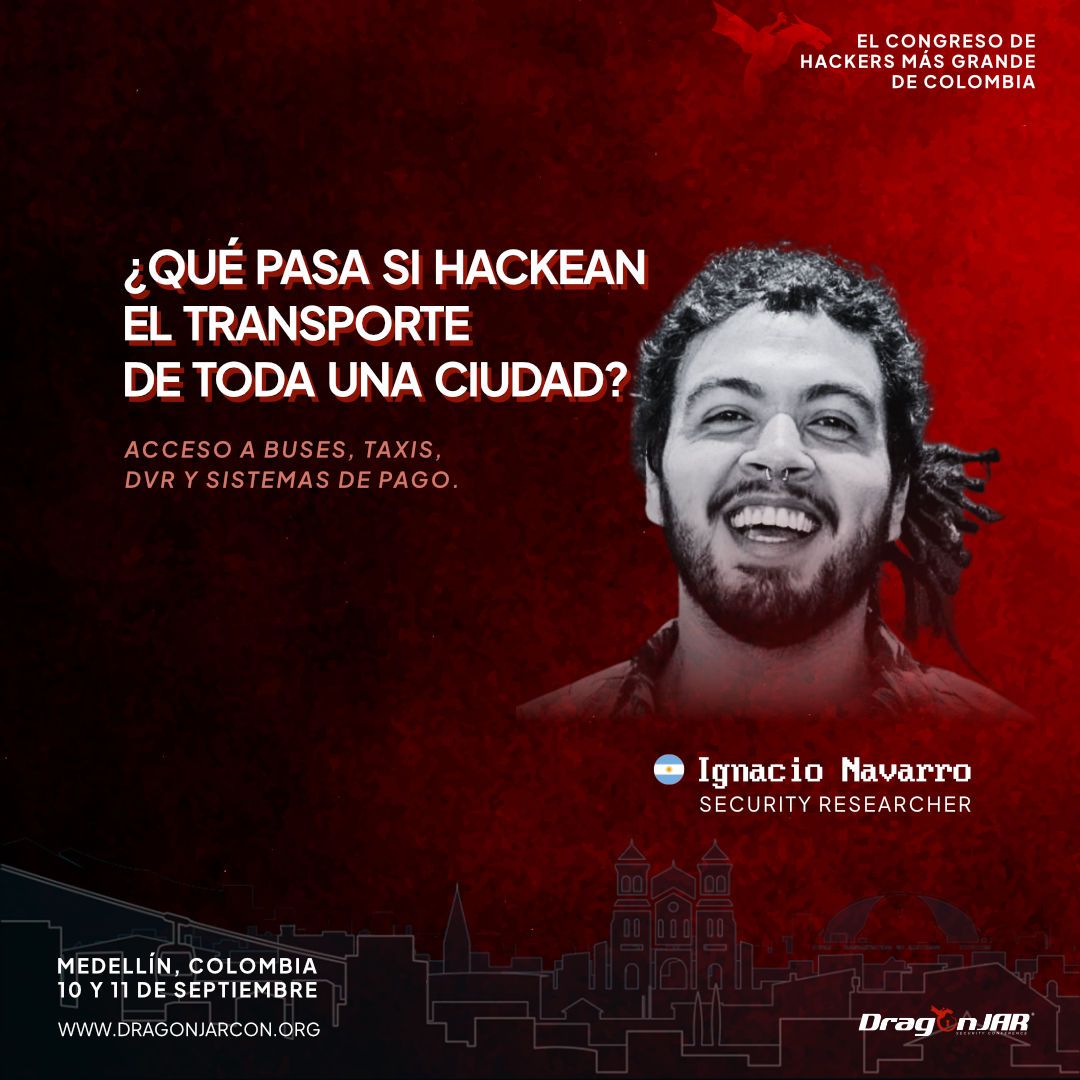
1.5M personas/día usaban ese transporte. Vulnerabilidades encadenadas dieron acceso a buses, DVRs y admin. ¿Lo detectaría tu equipo?
- ECOS Technology GmbHSince 9 Sept 2026
Viele Bestandsgeräte nutzen Zertifikate, sind aber nicht automatisiert angebunden. Das Whitepaper zeigt Wege in zentrale PKI-Prozesse.
- ECOS Technology GmbHSince 9 Sept 2026
Gewachsene Zertifikate, Trust Stores und Zuständigkeiten erschweren den Überblick. Das Whitepaper zeigt Wege zu zentraler Steuerung.
- CyberArrowSince 13 Sept 2026
Discover how CyberArrow's GRC automation software can revolutionize your compliance management. With capabilities to automate up to 90% of the work, achieve certifications faster, and with less effort. Stay aligned with over 50 global security standards, including ISO 27001, while monitoring risks in real-time.
- CyberArrowSince 13 Sept 2026
Save hundreds of hours by automating your ISO 27001 with CyberArrow. Learn how you can improve your security posture using CyberArrow's continuous monitoring & KPI assessments.









Other LinkedIn formats
Watch the companies you care about.
Filter every ad by industry, country, format and network, and get alerts when a company you watch starts running new ads.