B2B ad examples
474 B2B ads are live on LinkedIn right now, from 210 companies. Browse real ones, filtered by industry.
- InteractiveAISince 22 Oct 2026
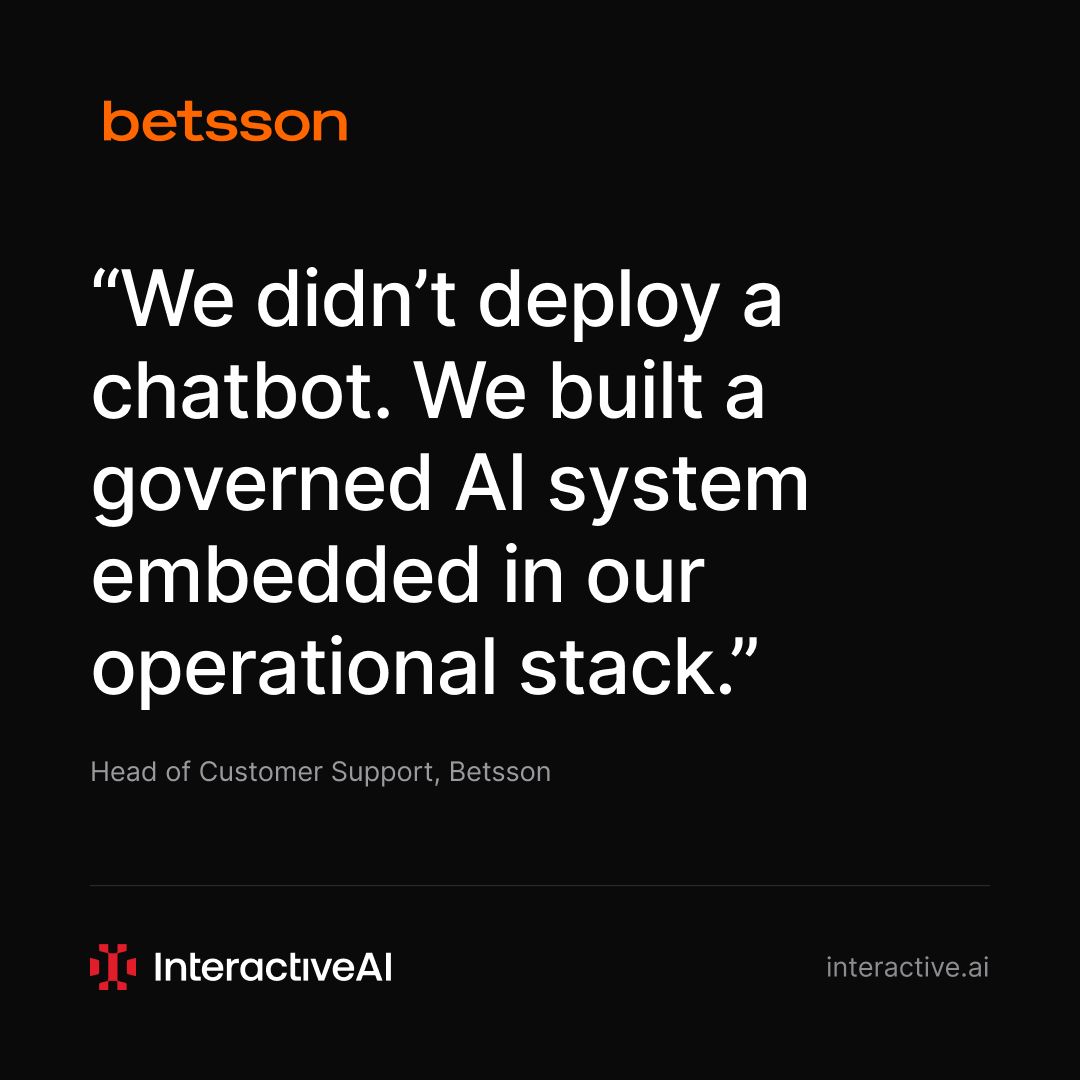
iGaming case study, Betsson: "We didn't deploy a chatbot. We built a governed AI system embedded in our operational stack." That's their Head of Customer Support. The numbers: 30%+ of tickets solved before they were even created, then +75% of the remaining incoming tickets resolved by AI, end to end. The case study explains the system: who writes the rules, how every reply is traced, and where a person stays in charge. Free download for licensed iGaming operators.
- InteractiveAISince 22 Oct 2026
iGaming support and KYC teams: Betsson resolves 80–90% of its KYC issues with AI, 24/7. KYC is where the queue usually stalls: failed identity checks, documents to re-request, players waiting. At Betsson, the AI fixes most of them before the player has to ask. Overall, 30%+ of tickets are solved before they're created, and +75% of the rest are resolved by AI. The case study shows the rules behind it, and who owns them: the support team. Free download.
- HumanSignalSince 23 Oct 2026
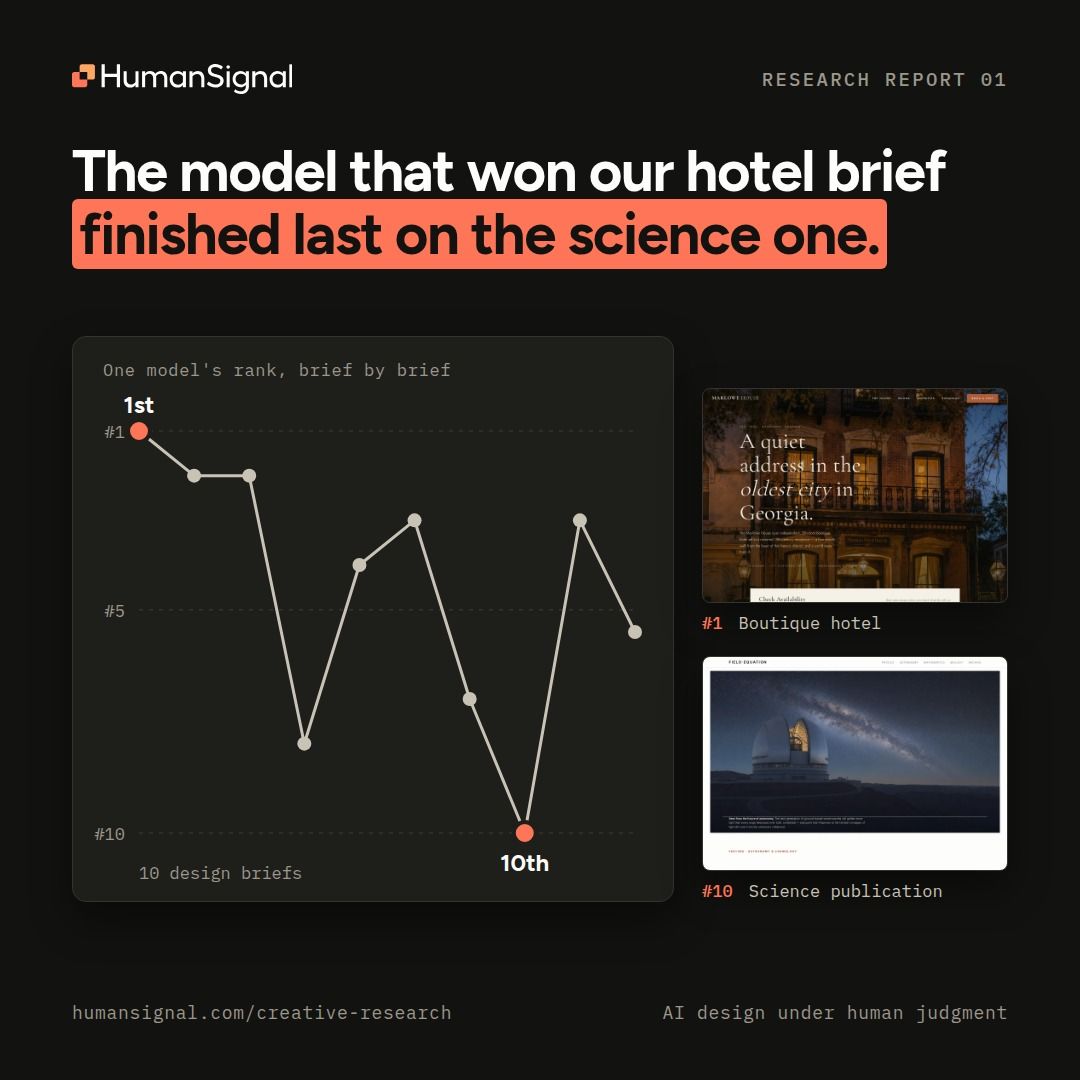
One model topped our boutique hotel brief and came in tenth out of ten on a science publication. Same model, same evaluators, same rubric. Average it into one leaderboard number and you'd never see that. That's the case for running evals with people.
- HumanSignalSince 23 Oct 2026
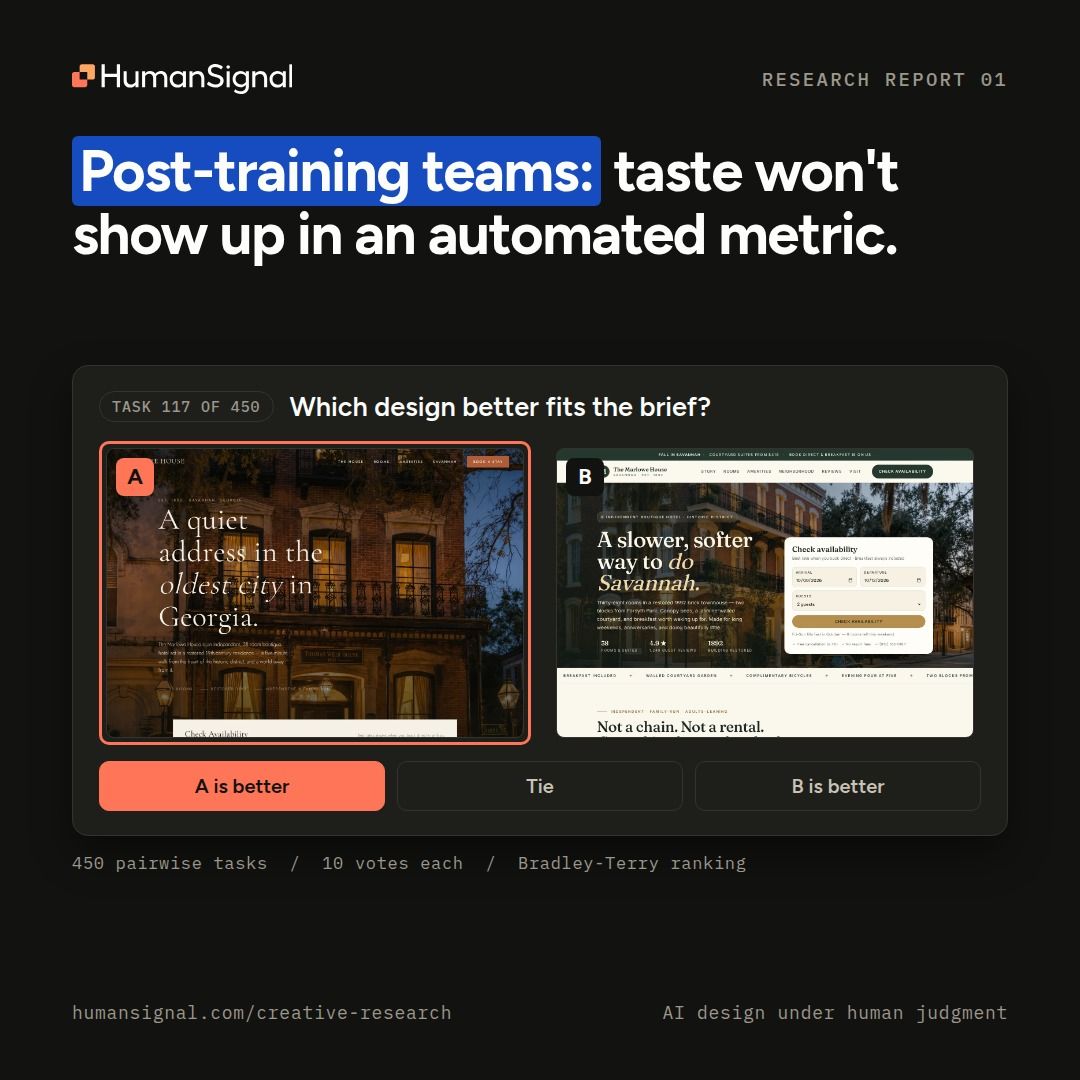
You can't unit test whether a website feels right. You have to ask people. For this study we wrote a rubric, ran 450 head-to-head comparisons with ten votes each, and ranked the models with a Bradley-Terry fit. The full method and raw data are public if you want to check our work.
- FirstPrinciplesSince 22 Oct 2026
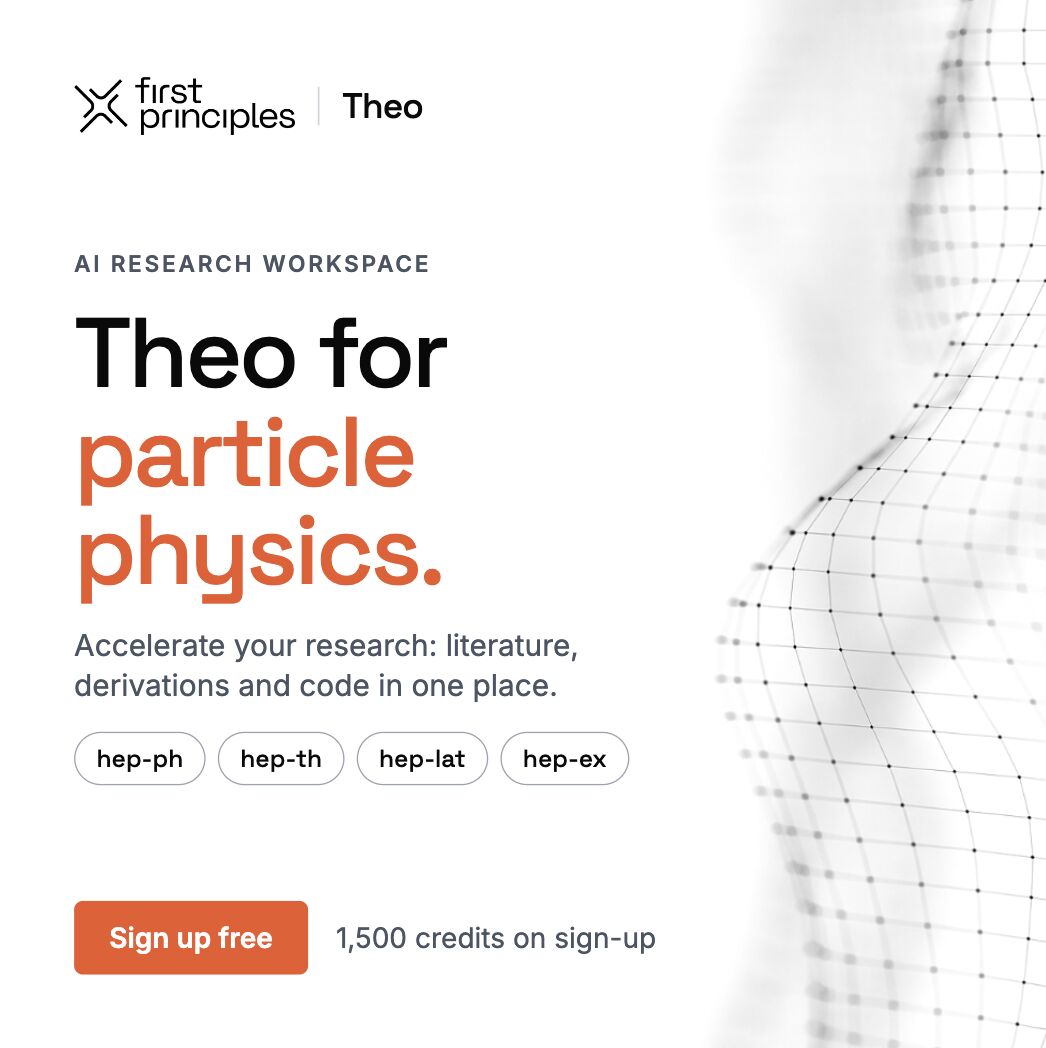
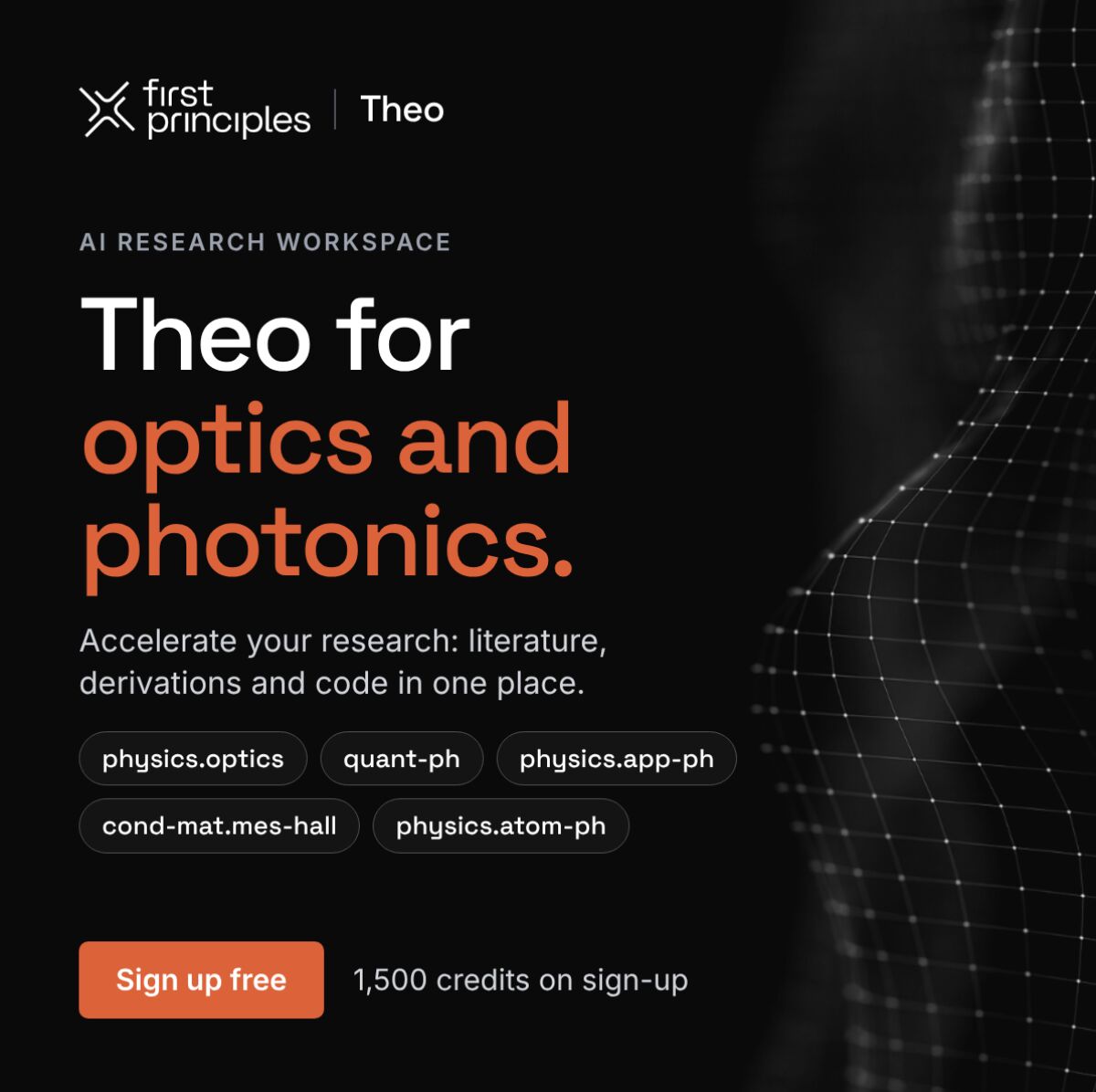
Theo is an AI workspace for researchers: literature, derivations and code in one place. Sign up free and get 1,500 credits.
- FirstPrinciplesSince 22 Oct 2026
Theo is an AI workspace for researchers: literature, derivations and code in one place. Sign up free and get 1,500 credits.
- Humyn LabsRecorded 27 Oct 2026
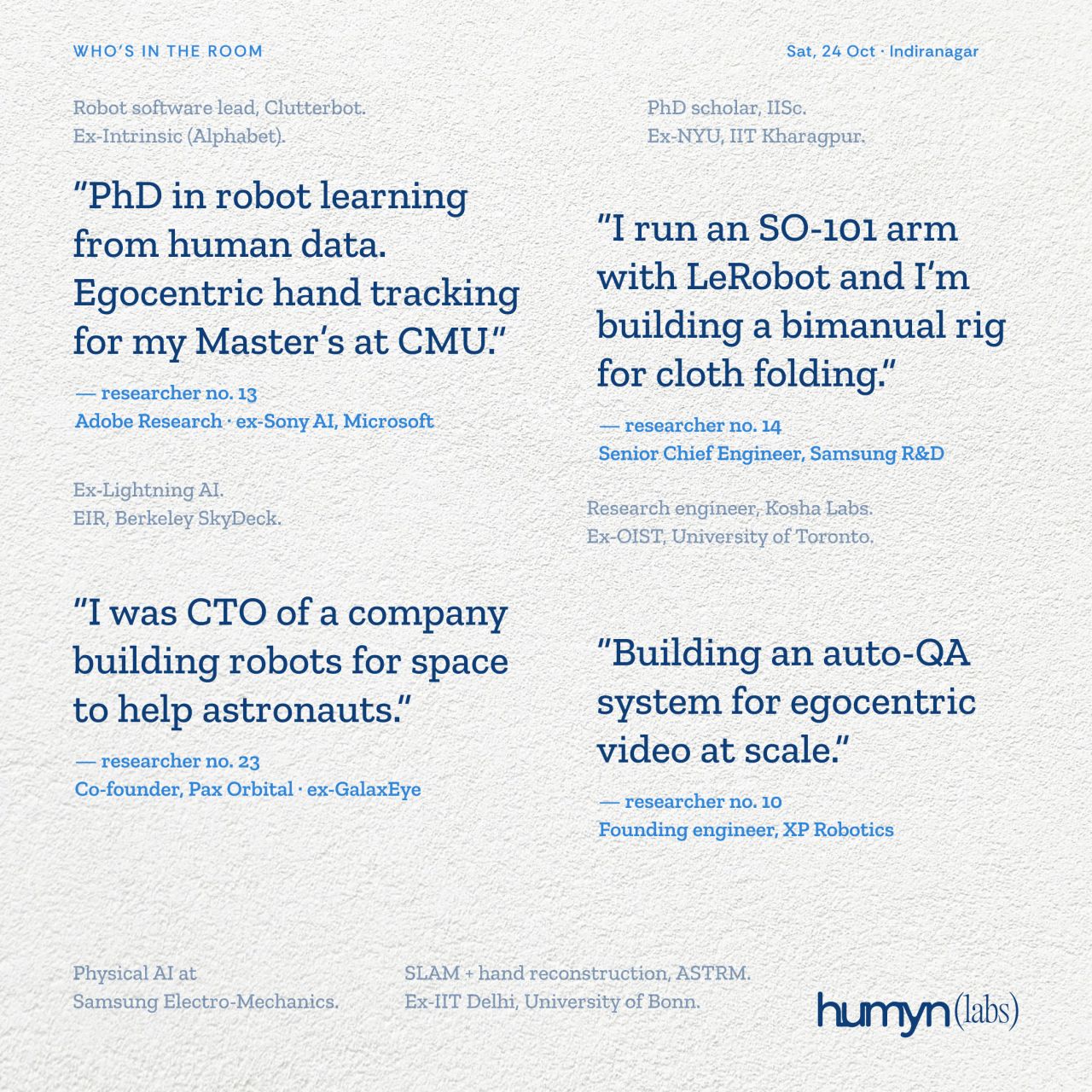
100+ applications already. This Saturday, we're bringing together some very interesting folks: → An Adobe researcher who worked on egocentric hand tracking at CMU → A former CTO who built robots to help astronauts in space → A builder making mocap gloves that can sense touch → A PhD researcher at IISc's HiRO Lab An evening led by Dr. Sandeep, discussing all things egocentric hand tracking and where gaps are. Building in this space? Last few spots. We close applications in 24 hours. Sandeep Reddy Sabbella, PhD Ishank Gupta Manish Agarwal
- Hume AISince 24 Oct 2026
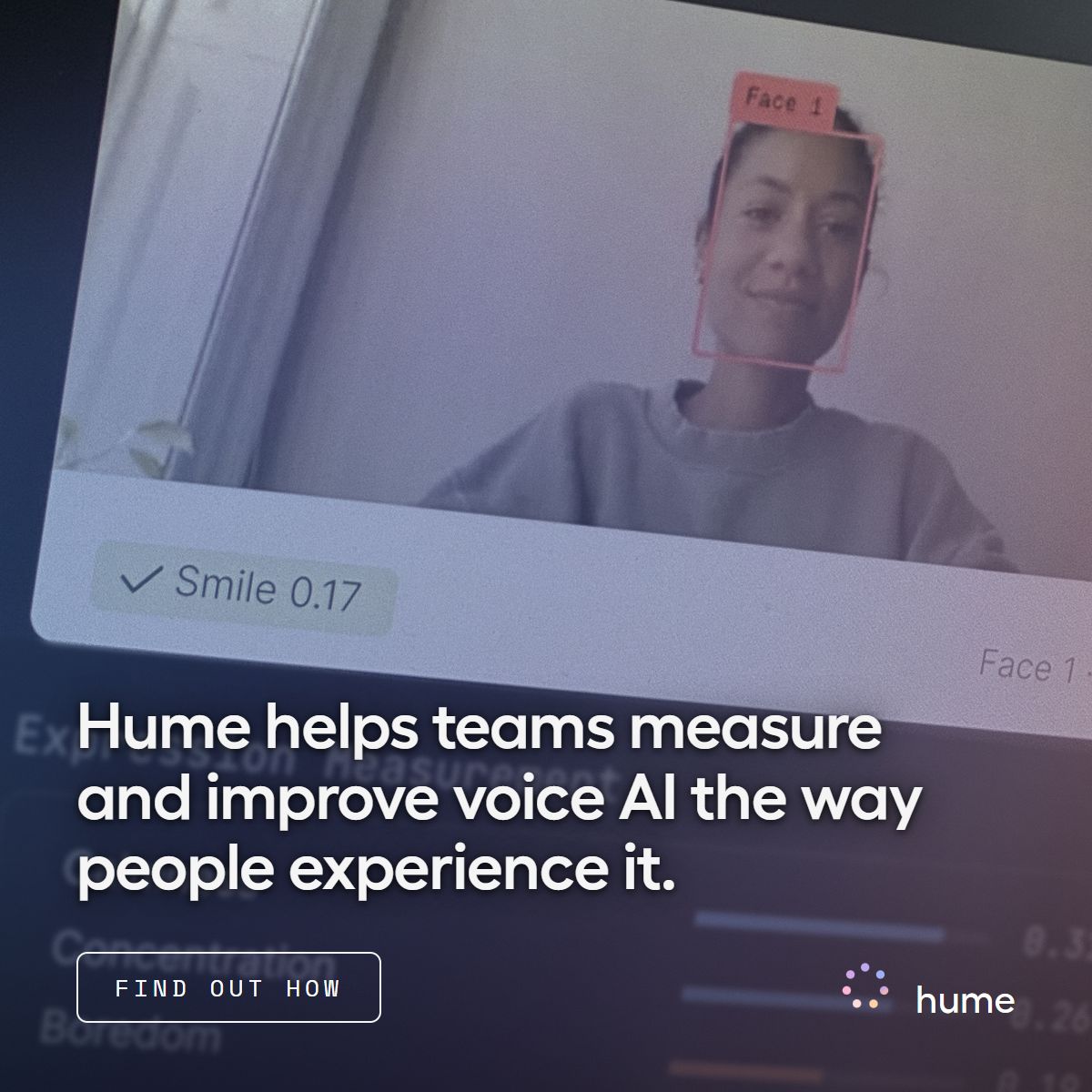
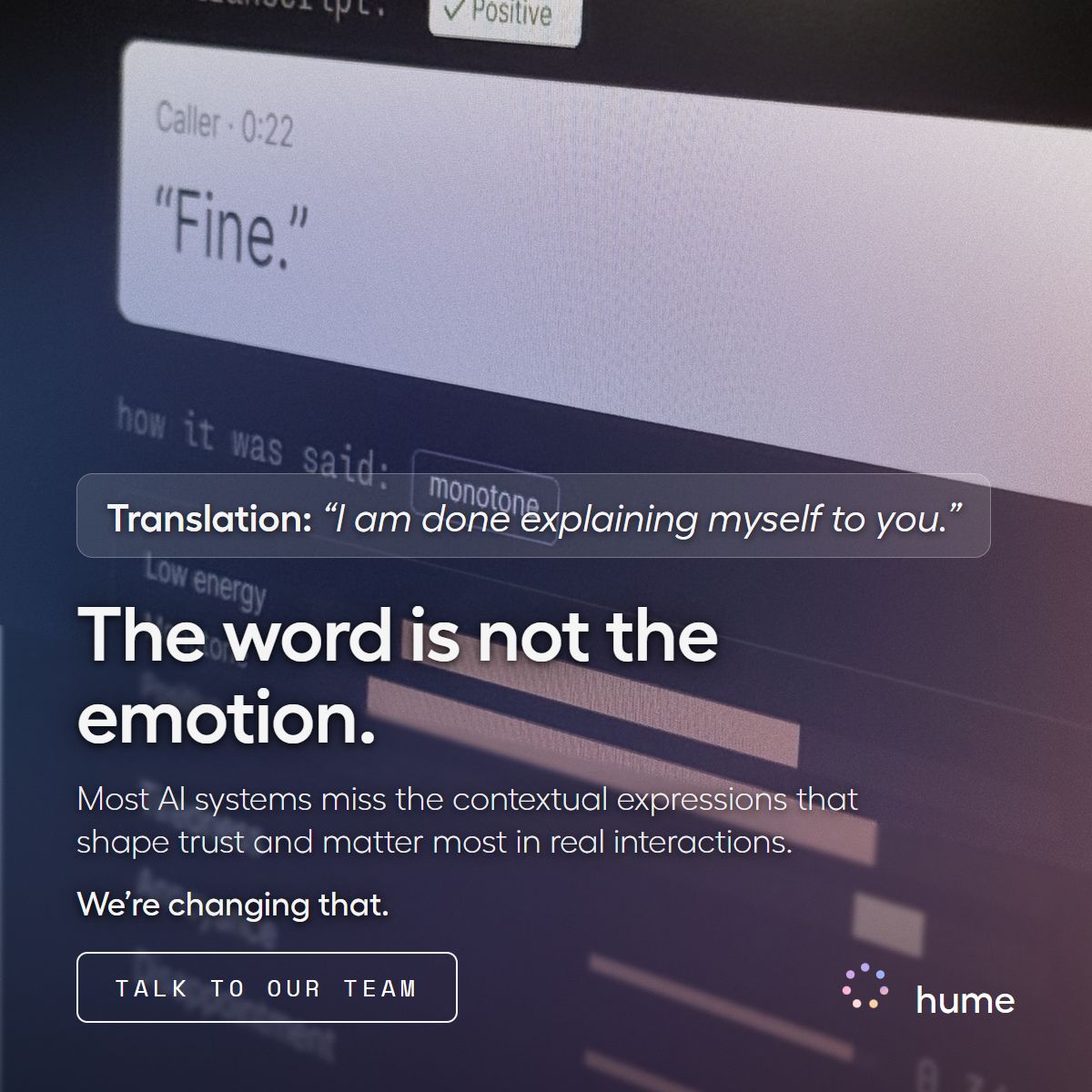
Voice AI gets judged by users in seconds, on things a transcript never shows. Hume helps teams measure and improve voice AI the way people experience it, across voice, face and language, in real time.
- Hume AISince 24 Oct 2026
“Fine” can be a yes or a goodbye. The transcript can’t tell the difference, and most AI reads only the transcript. Hume measures how it was said: tone, energy, delivery, across voice, face and language, in real time.
- CambridgeNexus, Inc.Since 22 Oct 2026
An hourly GPU rate is only part of a long-term infrastructure decision. CambridgeNexus is accepting reservations against its secured NVIDIA Vera Rubin allocation, with leasing expected in mid-2027. Review configuration, location and commercial terms together, before committing your infrastructure budget. See how the reservation process works—and which terms to clarify before committing.
- CambridgeNexus, Inc.Since 22 Oct 2026
For large AI workloads, GPU performance depends on the infrastructure around it: networking, storage, system health and operational support. Planning a Vera Rubin deployment is the time to define how that infrastructure will be tested, accepted and supported. CambridgeNexus has secured Vera Rubin allocation, with leasing expected in mid-2027. Review your network and storage requirements, acceptance criteria and recovery procedures before reserving. See how CambridgeNexus plans to bring your Vera Rubin deployment from reservation to production.
- CohereSince 23 Oct 2026
Deploy anywhere your data lives (on-prem or in the cloud) with secure multi-agent workflows and enterprise guardrails.
- Domino Data LabSince 23 Oct 2026
Your AI pilots perform. Almost none of them have reached a GxP production workload that can support a regulatory submission.
- DataikuSince 22 Oct 2026
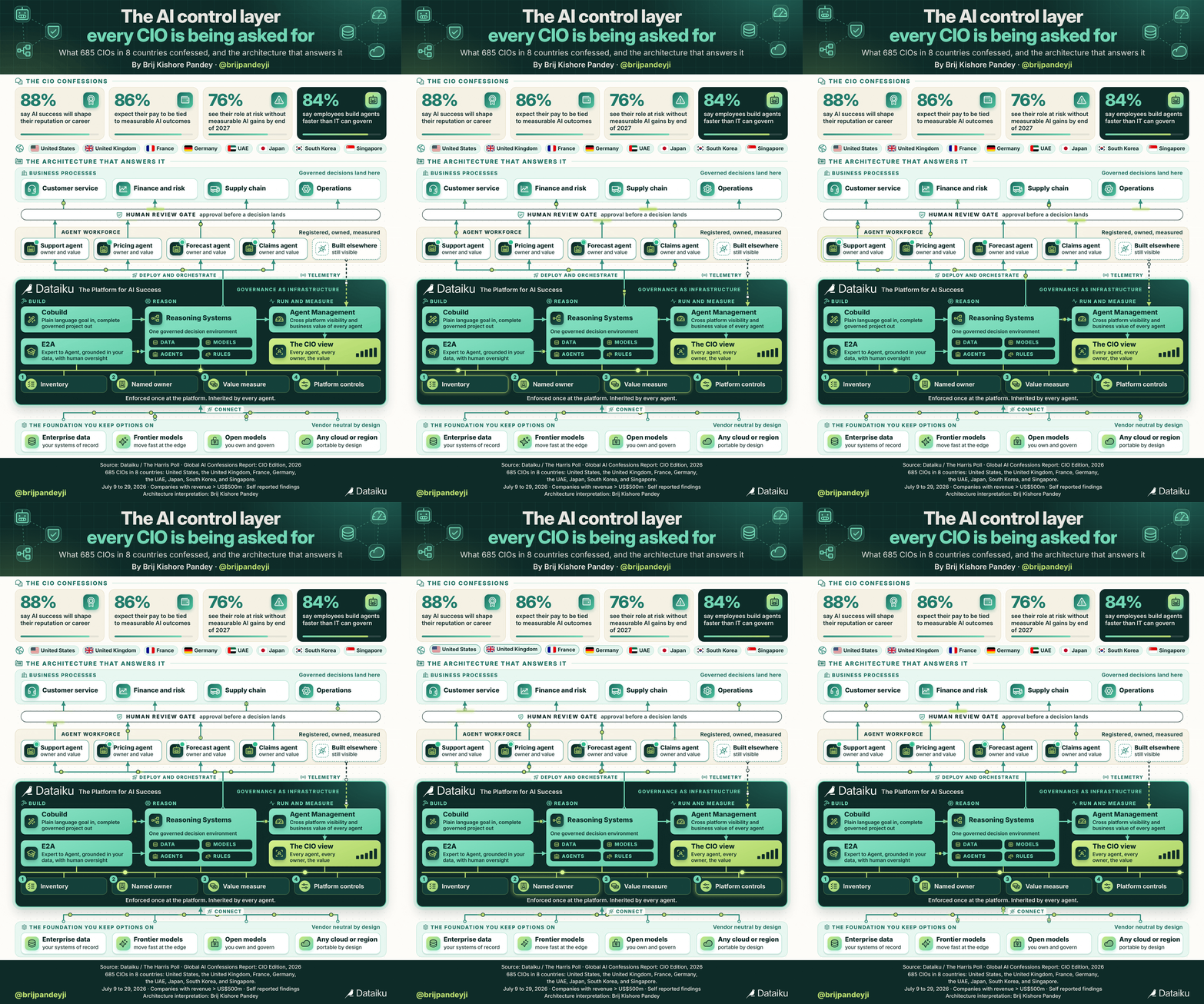
The board asks you, “So what did you get out of your investment in artificial intelligence?” ⠀ If you were the CIO in that meeting, how would you answer? ⠀ Support uses an agent to write answers for customers. Finance uses an app to help reconcile accounts. Operations uses an agent to identify shipping delays. ⠀ The teams say these tools are helping, but some agents were built outside of IT. And each team has a different definition of "success." ⠀ Since there's no way for the CIO to combine the local results of these initiatives to give a complete picture of the total cost/risk/value to the company, she'll have to say, "I believe we're getting value, but I don't know exactly how much." This accountability gap is something I've seen in Dataiku's Global AI Confessions Report: CIO Edition 2026. The report includes results from a Harris Poll survey of 685 global CIOs. In the survey, the CIOs confessed that: ⠀ - 84% say employees are creating AI agents and applications faster than IT can govern them. - 86% believe their compensation will be linked to measurable AI outcomes. - 76% believe their CIO position may be at risk if their company fails to generate measurable business benefits from AI by the end of 2027. - 88% believe their success with AI will affect their professional reputation or career. ⠀ 𝗪𝗵𝗮𝘁 𝗲𝗮𝗰𝗵 𝗮𝗴𝗲𝗻𝘁 𝗻𝗲𝗲𝗱𝘀 For architecture teams, this starts with three things: - A named owner. - Clear access limits. - A clear way to measure success. When an agent goes into production, these three elements need to remain linked. ⠀ 𝗪𝗵𝗮𝘁 𝗜 𝘄𝗼𝘂𝗹𝗱 𝗺𝗲𝗮𝘀𝘂𝗿𝗲 I would track the following for the support agent mentioned earlier: - The number of cases resolved correctly. - The amount of time it takes to review cases. - The cost per resolution of each case. Those numbers would help me decide whether to give the agent more responsibility. ⠀ 𝗪𝗵𝗲𝗿𝗲 𝗗𝗮𝘁𝗮𝗶𝗸𝘂 𝗳𝗶𝘁𝘀 Business units should continue to create new apps while embedding ownership and performance measurement into that creation process. Dataiku Cobuild offers teams the opportunity to convert business objectives into project plans that can be reviewed and approved. ⠀ Dataiku Cobuild helps teams turn business goals into AI projects they can inspect and approve. ⠀ The CIO needs evidence she can explain: what improved, what it cost, and where to invest next. ⠀ You can download the full Global AI Confessions Report , CIO Edition 2026 here: https://lnkd.in/dy5S9hQ2 ⠀ If your board asked you what AI produced for your organization last year, what is the single number you would want to show them? Thanks to Dataiku for supporting this post.
- DataikuSince 23 Oct 2026
The countdown is on for the Dataiku Summit London! Here's what I'm looking forward to most: Vodafone's AI Opportunity: Paul Blair reveals how rapid prototyping uncovered a single IT testing use case projected to save £8 million. Scaling GenAI at Aviva: Shantanu Deo and Chris Butler explore how AI agents are transforming internal auditors into data analysts. Platform Migration at L&G: Sara Budd shares practical lessons on driving user adoption and managing change when moving to Dataiku. Beyond the tech, it’s going to be a great space for high-level industry conversations and sharing market insights on how companies are truly scaling AI today. If you're in London, it would be great to see you there! Register via link here: https://lnkd.in/egMYjTF2
- Domino Data LabSince 23 Oct 2026
In regulated work, a system whose behavior you can't account for is one you can't put to use, however clever it is. A multi-agent system won't behave the same way twice, so a single accuracy score won't cut it. See the ten-question checklist to evaluate and reproduce multi-agent AI you can stand behind.
- OracleSince 22 Oct 2026
Schaffen Sie vom ersten Tag an die Voraussetzungen für ein Milliardenwachstum. Erfahren Sie, wie Sie mit Oracle Cloud Infrastructure Daten vereinheitlichen, die Sicherheit verbessern und KI in großem Maßstab unterstützen können.
- OracleSince 22 Oct 2026
Machen Sie KI-Agents zu wertvolleren Unternehmenswerkzeugen, indem Sie Daten und Anwendungen mit Oracle AI-Lösungen verbinden.
- AgileRLSince 22 Oct 2026
NVIDIA released Nemotron 3.5 Super VL today. As NVIDIA's post-training ecosystem partner, AgileRL got early access, and I'm proud of what it shows for any enterprise deciding whether to rent a frontier model or train its own. We trained it to use a web browser, reading what's on screen and clicking through an online shop, a classifieds site, a forum, and Wikipedia. On 114 tasks it had never seen, it went from: - 30.7% before training - to 90.2% after training - ahead of Claude Opus 5.5 at 63.2% That increase in accuracy came from training on the task itself, and for teams in regulated industries like banking and insurance, that's the part worth paying attention to. Your claims process, your admin tools, and the way your team handles a case aren't in any model's pretraining data, so a prompt can describe them, but training is what actually puts them into the model. Owning the model also changes who's in control. When an agent reads screenshots of your internal systems, a model you train and host yourself means those screenshots never leave your network, and you're no longer relying on a provider to keep the model available and behaving the same way between releases. And an agent like this reads a screenshot on every turn, often for many turns per task, so per-token pricing compounds faster than most teams budget for, whereas a model you host is a fixed cost on hardware you own. Nemotron 3.5 Super VL is on Arena from day 0, so if you have a task you'd want an agent for, send me a message and we'll train and deploy it with you, on your infrastructure, with the weights yours to keep. How we trained it, and the full results, are on our blog:
- AI21 LabsSince 22 Oct 2026
Excited to see our work featured in Jensen Huang’s keynote. As he put it: “Now you can turn your proprietary data into sovereign intelligence.” That’s exactly the vision we’re building at AI21 Labs. We believe every company will become an AI company - and that means owning and customizing its own AI, not just consuming it. Proud of the team’s tremendous work, and excited to partner with NVIDIA and industry leaders like Gong, Deel, and Alice (Formerly ActiveFence) to turn this into reality.
- axio concept GmbHSince 22 Oct 2026
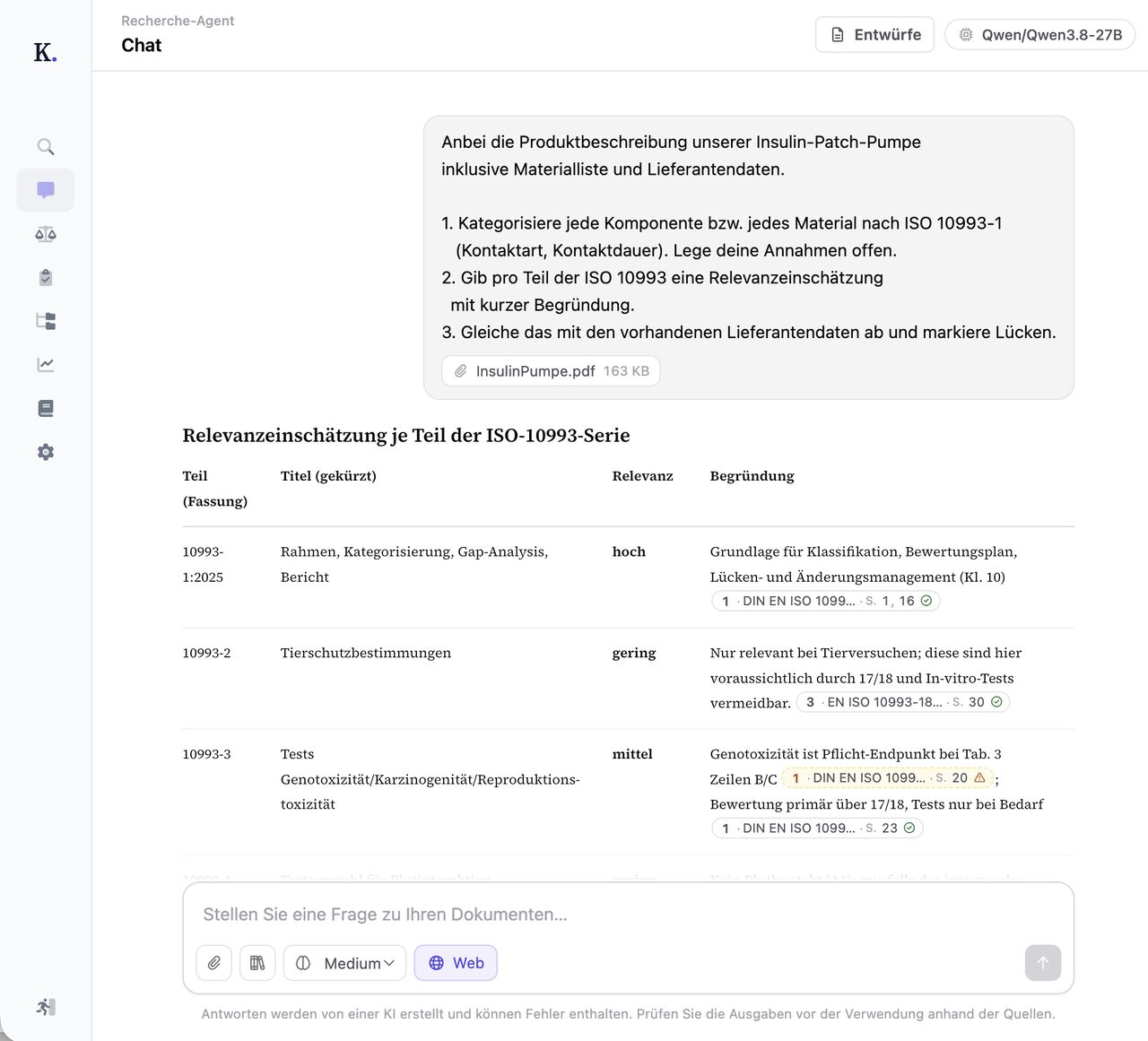
KogniLink Agents sind da! Mit dem neuen Modul erweitern wir KogniLink um eine agentische Arbeitsplattform: eine KI, die eigenständig komplexe Aufgaben über hunderttausende interne Dokumente hinweg abarbeitet und jedes Ergebnis mit Quellen belegt. Für Ingenieurbüros, die komplexe Vorhaben projektieren. Für Kanzleien, die in vergangenen Fällen recherchieren. Für produzierende Unternehmen, deren F&E an komplexen Lastenheften arbeitet. Für regulierte Industrien, die Entwicklung und Audits gezielt beschleunigen wollen. Ein Beispiel zeigt der Screenshot: die Biokompatibilitätsbewertung einer (fiktiven) Insulinpumpe nach ISO 10993, mit nachvollziehbarer Begründung und abschnittsgenauen Belegen. Gelb markierte Belege zeigen, wo ein Mensch noch einmal prüfen sollte. Denn die Agenten ersetzen keine Fachleute: Sie übernehmen die Vorbereitung, damit Expertinnen und Experten sich auf Bewertung und Entscheidung konzentrieren können. Das Beste daran: Alles läuft on-premise, ohne Datenabfluss, auf kompakter Hardware. Eigene Systeme anbinden? Klar. Ob ERP, PLM, DMS oder CAQ: Unsere Agenten arbeiten mit den Daten, die heute in Ihrem Unternehmen entstehen. Die ersten Pilotnutzer arbeiten bereits damit und sind begeistert. In den nächsten Wochen erhalten alle Kunden Zugriff auf das neue Modul.
- AgileRLSince 22 Oct 2026
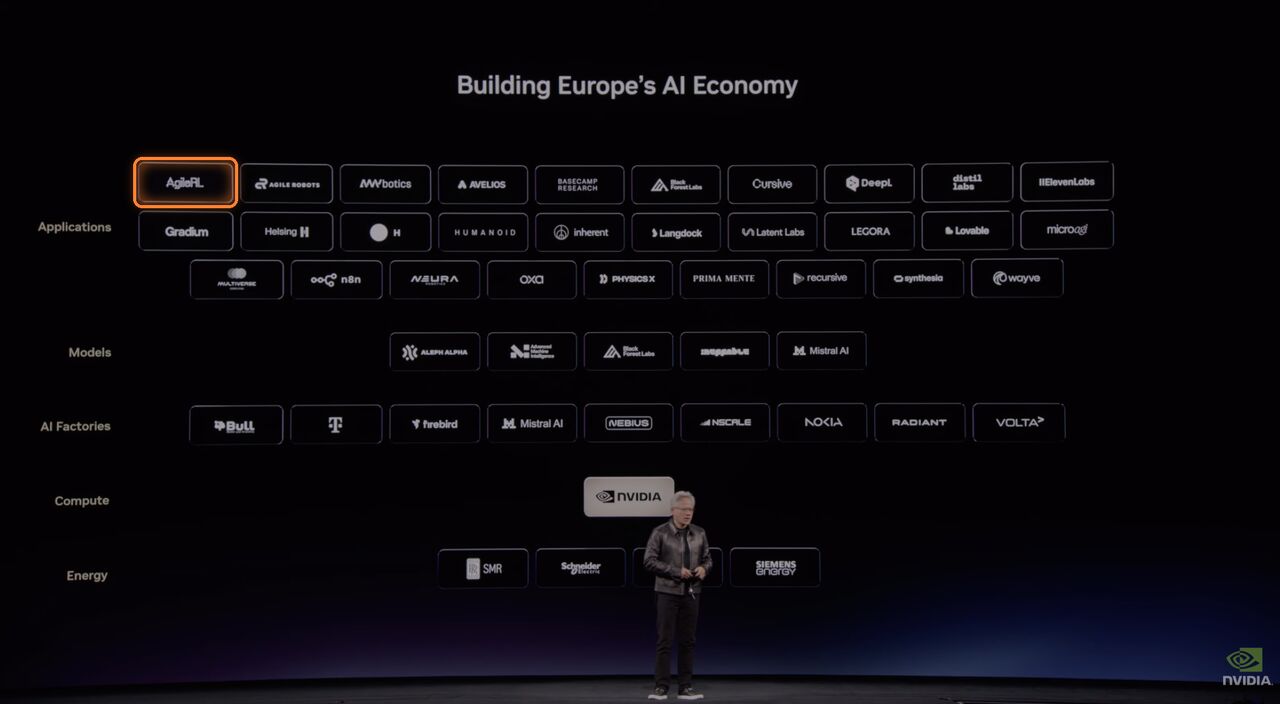
Today, AgileRL was featured on Jensen Huang's "Building Europe's AI Economy" slide at the NVIDIA GTC keynote! It is wonderful to be featured, and I’m proud of the work our amazing team has done so far. For teams deciding how to train and own their models, this is worth a closer look. The slide set out the companies building Europe's AI economy row by row, from applications and models, through AI factories and compute to energy. We sit in the Applications row, alongside companies such as DeepL, ElevenLabs and Wayve. AgileRL is NVIDIA's post-training partner. Our post-training platform, Arena, lets you train specialised agents for specific use cases that can match or outperform frontier APIs. We support NVIDIA's Nemotron models, and we've published two results with them that show what's possible. The first came in August. We trained Nemotron Lightning 3.5 to solve customer support queries. On 2,728 held-out messages, it went from 71.1% correct out of the box to 99.2%, against Claude Sonnet 5's 90.3%. The second case-study trained Nemotron 3.5 Super VL, which NVIDIA released on 15 October. We trained it on Arena for web-browsing tasks, and it went from 30.7% out of the box to 90.2% on 114 unseen VisualWebArena tasks. For reference, Claude Opus 5.5 scored 63.2% on the same tasks. Both results point the same way. On your own task, an open-weight model trained for it can outperform the closed API models you call today, and the weights stay with you. You also benefit from increased security, data sovereignty, and significantly cheaper inference. If you want to learn more, send me a DM.
- FacultySince 20 Oct 2026
🗣️ "Most operating models were built for a world of scarce intelligence, sequential workflows and predominantly human execution. AI has changed all three." Tom Oliver, Head of Product, and Myles Kirby, Vice President, join forces with Accenture colleagues Kent McMillan and team to set out the five shifts reshaping how companies operate - starting with designing around decisions, rather than tasks. Read the full article here: https://lnkd.in/eQZDubwH
- arato.aiSince 20 Oct 2026
For thirty years, it didn't matter who sat in front of the software. Now it does. I've been in software testing for about three decades. Traditionally, it didn't matter who was using it, male or female, any location, everyone got the exact same experience. Once you move to an AI-based experience, that stops being true. Who you are, your context, your history, all of it shapes the experience you get. Male or female. Europe, the Middle East, the US. The language you speak, your tone of voice, your history. One bank insisted we test dyslexic users specifically, because they get a completely different experience once AI is involved. Most people still don't realize this. The only way to actually know your AI holds up across that many contexts, behaviors, languages, religions, and intents, is to simulate thousands of real user interactions and see how the system actually handles the variety.


Other LinkedIn formats
Watch the companies you care about.
Filter every ad by industry, country, format and network, and get alerts when a company you watch starts running new ads.