B2B ad examples
471 B2B ads are live on LinkedIn right now, from 210 companies. Browse real ones, filtered by industry.
- FriendliAISince 11 Jun 2026
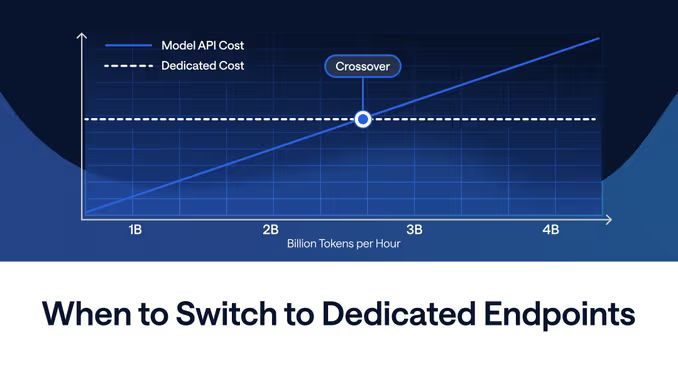
When does it actually make sense to move off pay-per-token to dedicated GPUs? 🤔 Pay-per-token is the easiest way to start building with LLMs — no GPUs to provision, and costs scale directly with usage. But as traffic grows, the economics shift. We modeled a representative GLM-5.1 workload (10K input / 500 output tokens per request, 50% cache hit rate) and compared the two pricing models: 🔵 Model APIs (pay-per-token): cost scales linearly with token volume 🔵 Dedicated Endpoints (reserved GPUs): fixed hourly cost, independent of throughput The two curves cross at a point. Below it, pay-per-token is cheaper because you only pay for what you use. Above it, dedicated capacity wins because you're utilizing GPUs more efficiently. In our example, the effective cost on a Dedicated Endpoint came out to ~$0.64 per million tokens — compared to $1.40 for the equivalent GLM-5.1 input price on Model APIs. There's no universal crossover point. It comes down to your tokens per request, concurrency, traffic patterns, and latency targets. The honest answer is to measure your workload, benchmark both, and decide on real numbers. FriendliAI makes migration straightforward. And because both run on an OpenAI-compatible API, switching is just a base URL and model ID change. Full breakdown in the comments below👇
- FriendliAISince 10 Jun 2026
You picked the AI model. But can your GPUs actually run it? Start with the minimum VRAM required to load the model: W = P × B Where: P = parameter count B = bytes per parameter at your target precision Real-world example: → DeepSeek-V4-Flash (284B at 4-bit): 142 GB → GLM-5.1 (754B at FP8): 754 GB → MiniMax-M2.5 (230B at 4-bit): 115 GB Those numbers load the model, but running it efficiently is another story. KV cache grows with concurrency and context length, and you'll also want headroom for system overhead. A common heuristic is reserving an additional 20% of weight memory, though high-concurrency or long-context workloads may require 30–40%+. → DeepSeek-V4-Flash: 142 GB + 28.4 GB = 170.4 GB → GLM-5.1: 754 GB + 150.8 GB = 904.8 GB → MiniMax-M2.5: 115 GB + 23.0 GB = 138.0 GB Benchmarks pick the model, and memory calculations help you choose the hardware. Want a deeper breakdown? We cover the methodology in our free Inference Performance Optimization Guide: https://lnkd.in/g6pYsDkz
- FluidstackSince 8 Sept 2025
Tiny, maybe? Hiring, definitely. https://lnkd.in/eXi_PUPa
- FluidstackSince 9 Sept 2025
- Fiddler AIRecorded 19 Sept 2026
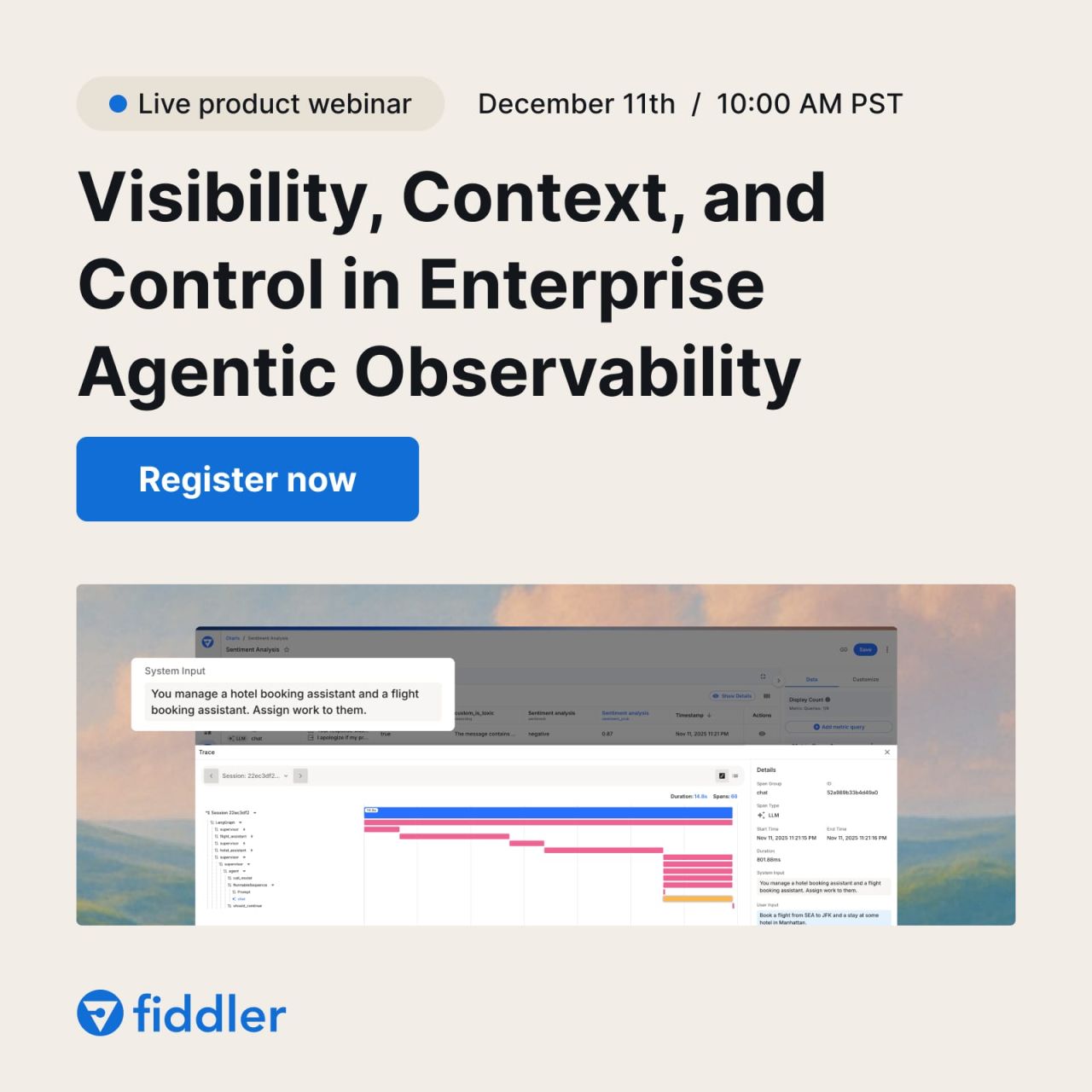
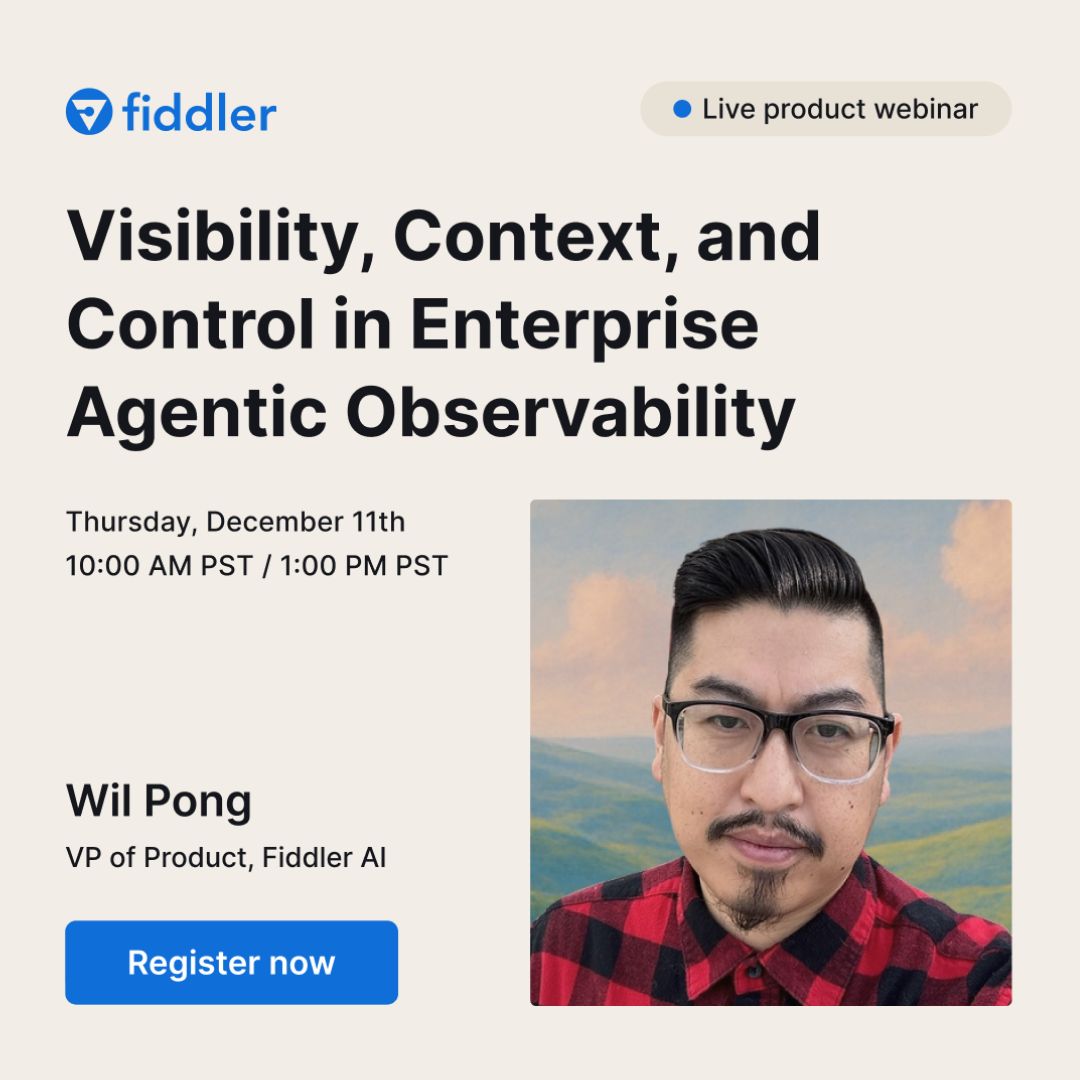
Your agents are only as good as your visibility. See how Fiddler helps teams diagnose failures fast, understand agent decisions, and boost performance across production systems. Register for our Agentic Observability webinar👇
- Fiddler AIRecorded 19 Sept 2026
Find the “why” behind agent failures. Join our live product webinar to see how Fiddler Agentic Observability treats agents as first class citizens and connects system wide health to span level metrics. You will learn how to combine evaluations with monitoring in production to build a continuous feedback loop that improves performance, safety, and ROI. See how the Fiddler platform brings visibility, context, and control across the agentic hierarchy so that you can deliver scalable, production-ready agents.
- ForetellixSince 10 Dec 2025
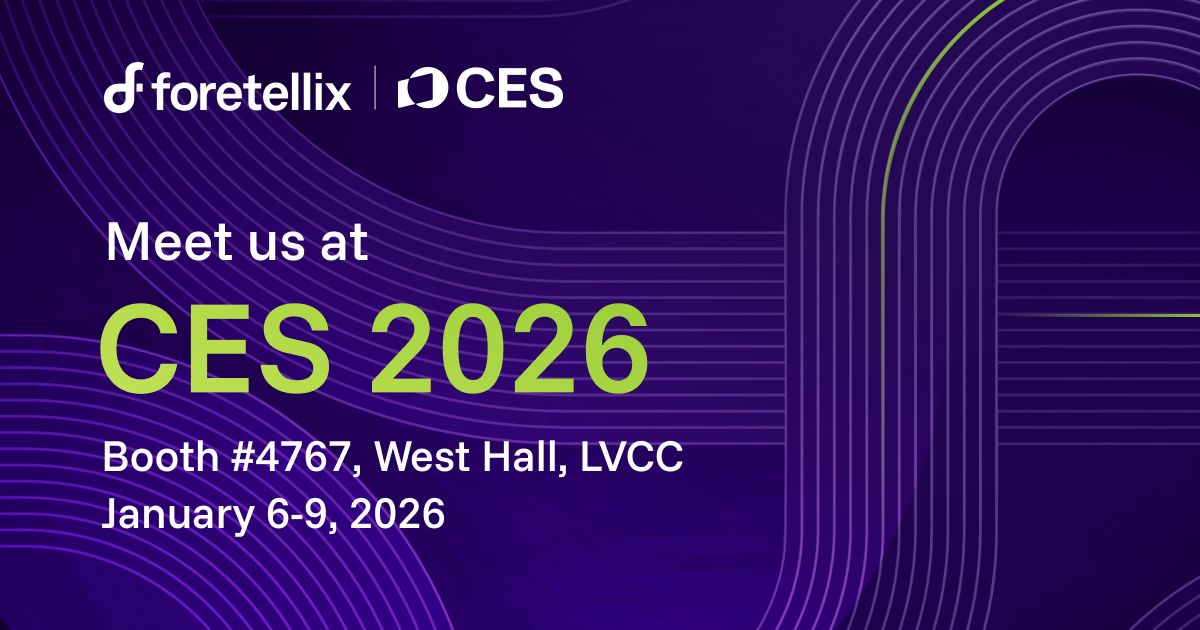
𝐖𝐞’𝐫𝐞 𝐞𝐱𝐜𝐢𝐭𝐞𝐝 𝐭𝐨 𝐢𝐧𝐯𝐢𝐭𝐞 𝐲𝐨𝐮 𝐭𝐨 𝐦𝐞𝐞𝐭 𝐮𝐬 𝐚𝐭 #𝐂𝐄𝐒𝟐𝟎𝟐𝟔 𝐢𝐧 𝐭𝐡𝐞 𝐋𝐕𝐂𝐂 𝐖𝐞𝐬𝐭 𝐇𝐚𝐥𝐥, 𝐛𝐨𝐨𝐭𝐡 𝟒𝟕𝟔𝟕! 🚀 We’ll be demonstrating the Foretify Physical AI toolchain and showing how it accelerates the training, validation, and safety evaluation of autonomous vehicles. Want to dive deeper into your specific AV development challenges? Secure 1:1 time with our experts. Reserve your meeting here: https://lnkd.in/dQCDqMqs Let’s drive the future of autonomy together at CES. We hope to see you there! #Innovation #AI #AutonomousDriving #AV #ADAS
- ForetellixSince 10 Dec 2025
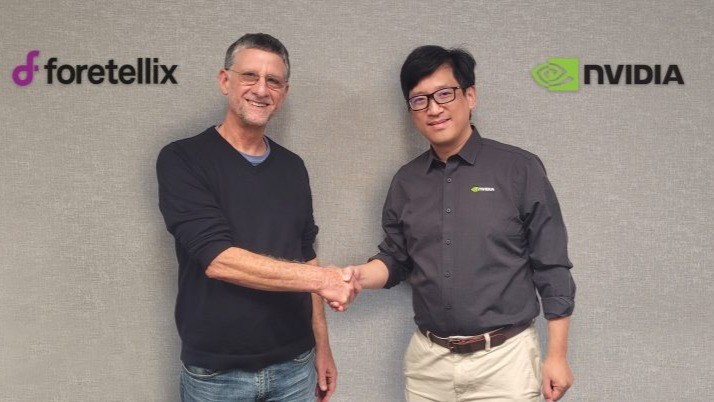
𝐀𝐜𝐜𝐞𝐥𝐞𝐫𝐚𝐭𝐢𝐧𝐠 𝐭𝐡𝐞 𝐅𝐮𝐭𝐮𝐫𝐞 𝐨𝐟 𝐒𝐚𝐟𝐞 𝐀𝐈 𝐏𝐨𝐰𝐞𝐫𝐞𝐝 𝐕𝐞𝐡𝐢𝐜𝐥𝐞𝐬 🚦 "Together, we’re enabling NVIDIA developers to design, test, and safely deploy AI-powered vehicles with greater confidence and scale," says Xinzhou Wu, VP, Head of Automotive, NVIDIA. Foretellix and NVIDIA are joining forces to make the NVIDIA DRIVE AV end-to-end stack safe by perfecting the training, validation, and coverage essential for massive, real-world deployment. Find out more about how this is helping developers design, test, and safely deploy at scale.
- ExfluencySince 20 Mar 2026
Scale AI and multilingual workflows without losing control. We help organisations govern AI agents, automate multilingual workflows, and turn scattered knowledge into operational advantage.
- EverWorkerSince 22 Apr 2026
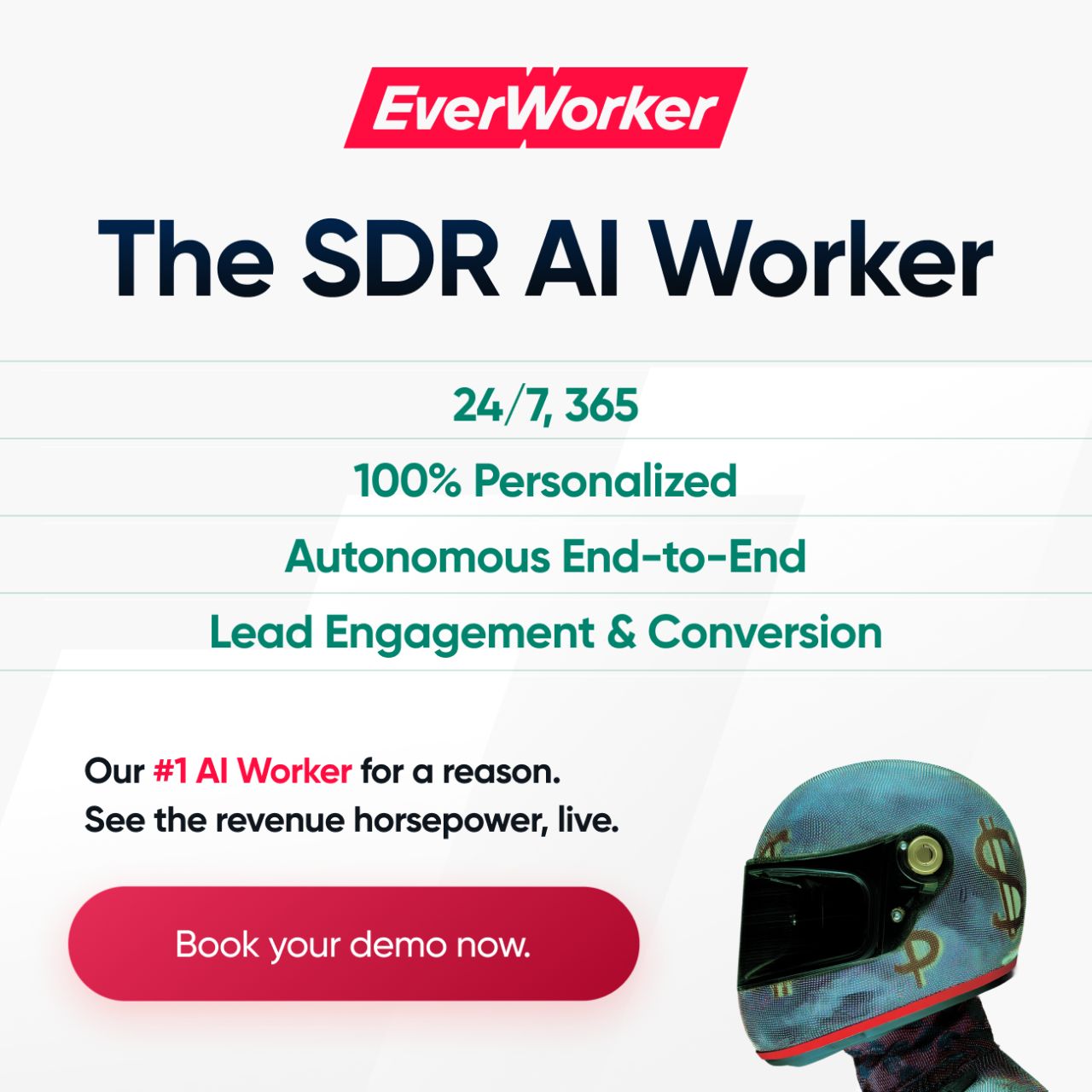
Tried an AI SDR and got ChatGPT in a trench coat? You're not alone. Most "AI SDRs" are glorified copy assistants, they draft emails and hand the work back to you. EverWorker's AI SDR is an autonomous AI Worker. It researches accounts, personalizes every touch, sends, replies, books, and follows up. On your CRM. On your cadence. 24/7/365. Skeptical? Good. Don't take our word for it. See it built on your stack in a 30-minute live demo. No slides. No "roadmap." Just your pipeline, moving.
- EverWorkerSince 23 Apr 2026
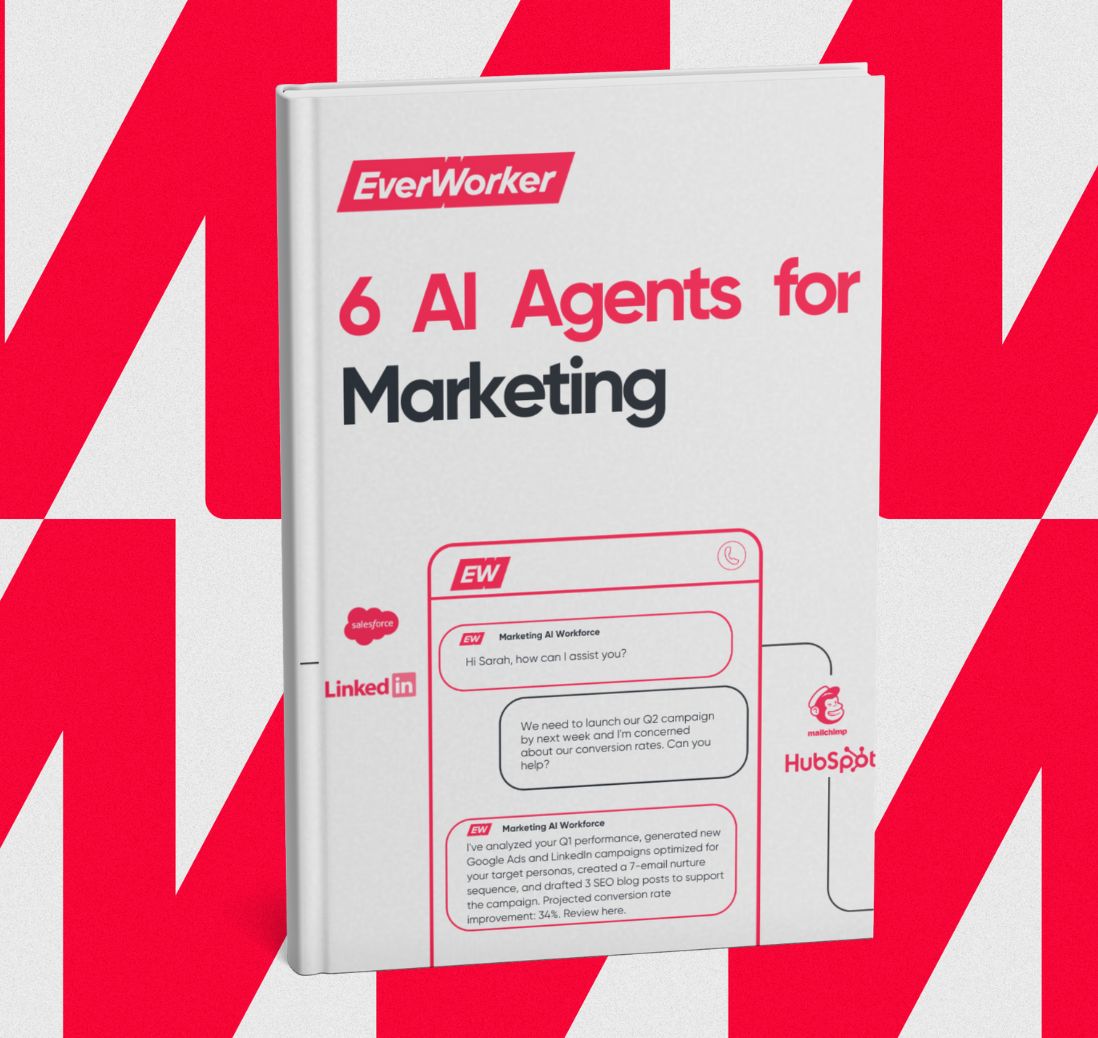
You didn't become a marketing leader to spend hours formatting blog posts or manually segmenting email lists. Imagine AI workers handling SEO optimization, lead nurturing sequences, competitive research, and performance reporting while you focus on positioning, messaging strategy, and revenue growth. This eBook shows you exactly how to build 6 AI marketing workers (no code needed) that eliminate the busywork and give you time back for the creative and strategic work that actually moves the needle.
- FetcherrSince 25 Jun 2026
In a landscape of infinite tools and opportunities, how do you choose the right one? At Aviation Festival Asia, our VP of LMM, Hadar Sharvit, sat down with The Flying High Club podcast to talk AI, aviation, and the future of decision-making. His closing thought says it all 👇 Watch the full episode 🔗 https://lnkd.in/g2KXPSSF #AviationFestivalAsia #AI #Decision #Making
- FetcherrSince 31 Aug 2026
Proud to be featured by Google Cloud 🤝 We sat down with their team to share how Fetcherr is building the AI infrastructure that brings enterprises into the future - and why 100% of our pilots reach to production. Watch the full video ⬇️ Yuval Hochberg #GoogleCloud #AI #EnterpriseAI #MarketModel
- Exascale Labs Inc.Recorded 18 Sept 2026
Exascale Labs CEO Hoansoo Lee walking through the real unit economics of a 1MW build: Market price for the building, power, cooling, and everything else (excluding GPUs and land) typically sits around $12-15M. Because we work directly with suppliers and cut out multiple layers of subcontractors, our actual costs come in meaningfully lower. Each layer often marks up ~30%, so three layers deep and you’re already paying more than double the true marginal cost. That gap is the surplus we look to share with customers. On the GPU side, large leases are landing between roughly $3.40-$4.60 per hour per chip (depending on generation), usually for 3-5 years. Based on conservative assumptions around that math, he referenced a $300M pipeline estimate. Just sharing the discussion. Not investment advice.
- FacultySince 7 Sept 2026
Enterprise AI investment is accelerating. But while most organisations can tell you what their AI recommended, far fewer can show what the business did differently because of it, or the value that decision ultimately created. Carolina Sportelli, PhD, Senior Customer Success Manager at Faculty, explores why “Return on Decision” could become the metric that matters most in enterprise AI - connecting recommendations to action, realised value and continuous learning, one decision at a time. Read the full article here: https://lnkd.in/dzq7JwjK/?utm_campaign=FrontierAds&utm_source=linkedin&utm_medium=paid&utm_id=748242043&hsa_acc=503448161&hsa_cam=748242043&hsa_grp=888981093&hsa_ad=1531382593&hsa_net=linkedin&hsa_ver=3
- FacultySince 11 Sept 2026
Some of the most important business decisions are also the hardest for AI to support. Data can be scarce, incomplete or not directly applicable - particularly in novel, high-stakes environments like drug development. Robert Hardwick, PhD, Lead Data Scientist at Faculty, explores how AI agents and simulation are changing this. By combining the speed of agents with the explainability of ‘white-box’ simulation, development teams can explore more possibilities, better understand trade-offs and make more confident decisions - helping accelerate trials and get better medicines to patients sooner. Read the full article here: https://lnkd.in/e9WMerEC/?utm_campaign=FrontierAds&utm_source=linkedin&utm_medium=paid&utm_id=748242043&hsa_acc=503448161&hsa_cam=748242043&hsa_grp=889915223&hsa_ad=1543054393&hsa_net=linkedin&hsa_ver=3
- Exascale Labs Inc.Recorded 18 Sept 2026
Today, Exascale Labs Holdings Inc. closed its previously announced business combination with D. Boral ARC Acquisition I Corp. Our Class A common stock and warrants begin trading on Nasdaq tomorrow, August 28, 2026, under XLAB and XLABW. This does not change the work. AI demand is still constrained by deployable compute- power, cooling, cluster operations, and the time it takes to bring capacity online. That is the problem we built the company around. We operate an asset-light, software-defined GPU platform: reserved and on-demand GPU compute sourced from third-party data centers, plus cluster management and related infrastructure solutions for training, fine-tuning, and inference. We have also developed modular data center, high-density cooling, HVDC power, and energy storage approaches intended to address deployment bottlenecks. Dr. Hoansoo Lee, our CEO: “We are entering the public markets at a time when demand for AI compute is being shaped not only by GPU availability, but also by the ability to deploy reliable infrastructure at scale. As a public company, we remain focused on executing against our qualified customer pipeline, expanding our platform, and delivering high-performance AI compute infrastructure for enterprise, research, and AI-native customers.” Full announcement, forward-looking statement language, and risk factors are in the press release and in documents filed with the SEC. This post is not investment advice. https://lnkd.in/gC-Peh-Z #AIInfrastructure #Nasdaq #XLAB
- ExaRecorded 18 Sept 2026
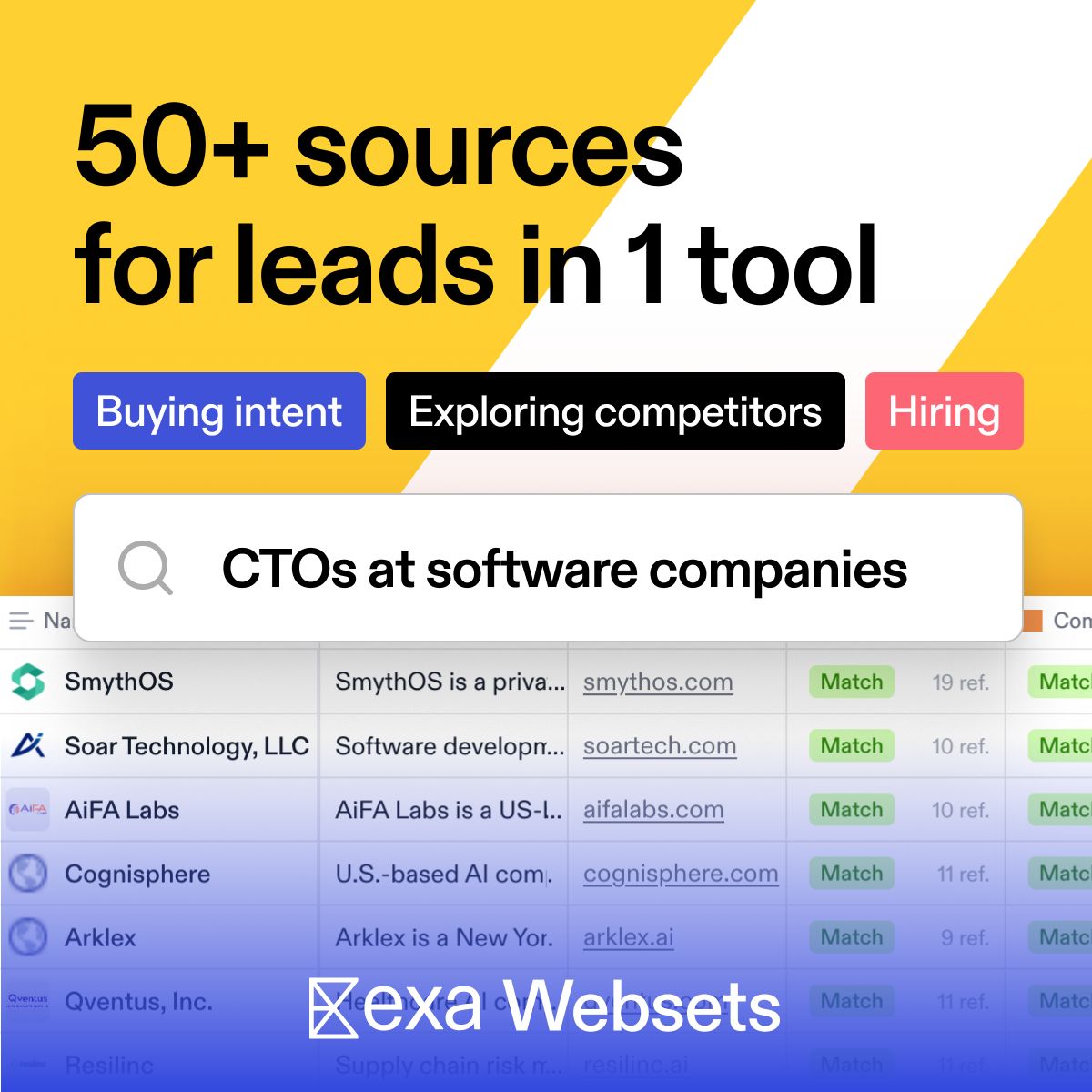
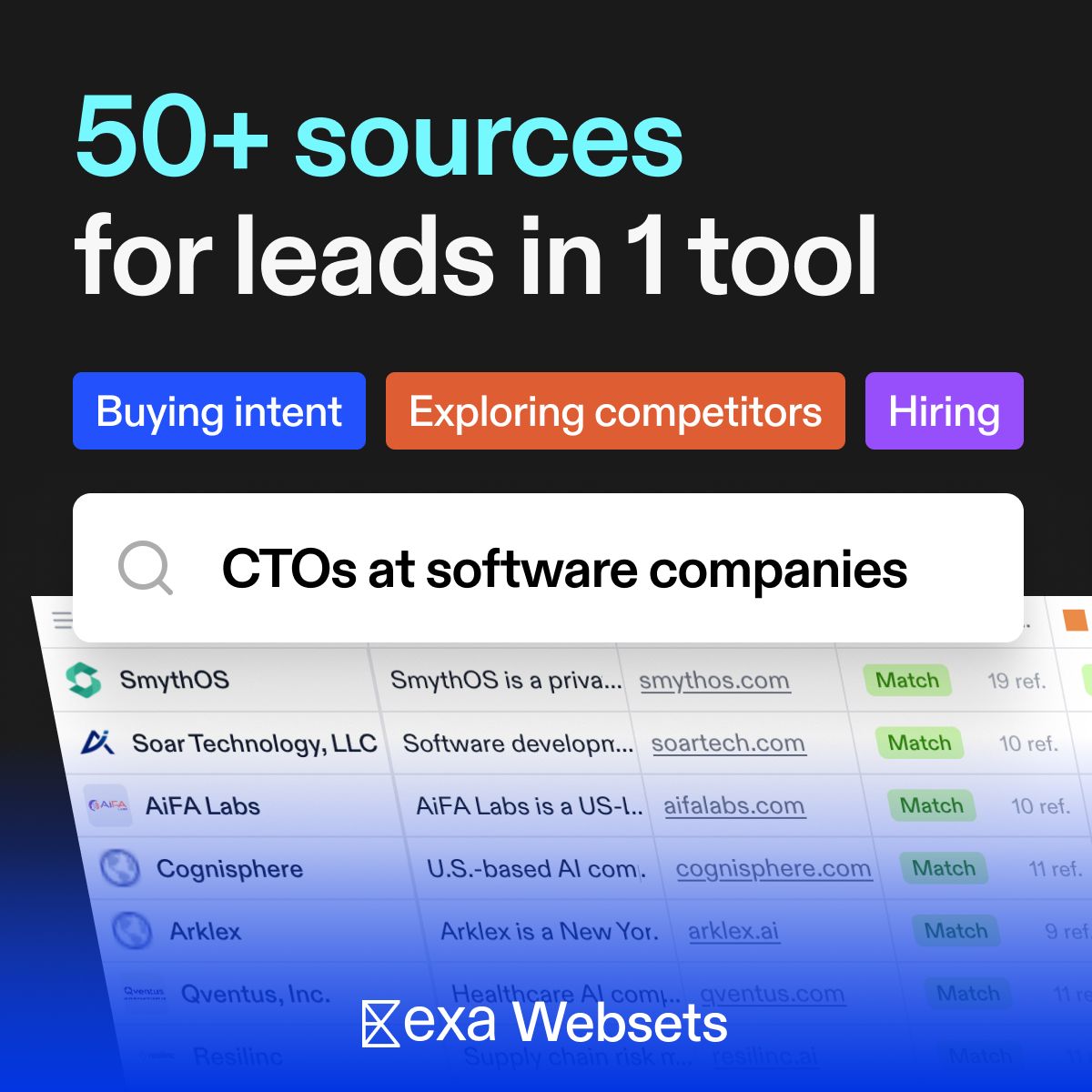
Set up daily alerts for new qualified leads
- ExaRecorded 18 Sept 2026
Set up daily monitoring for new leads
- FactifySince 29 Oct 2025
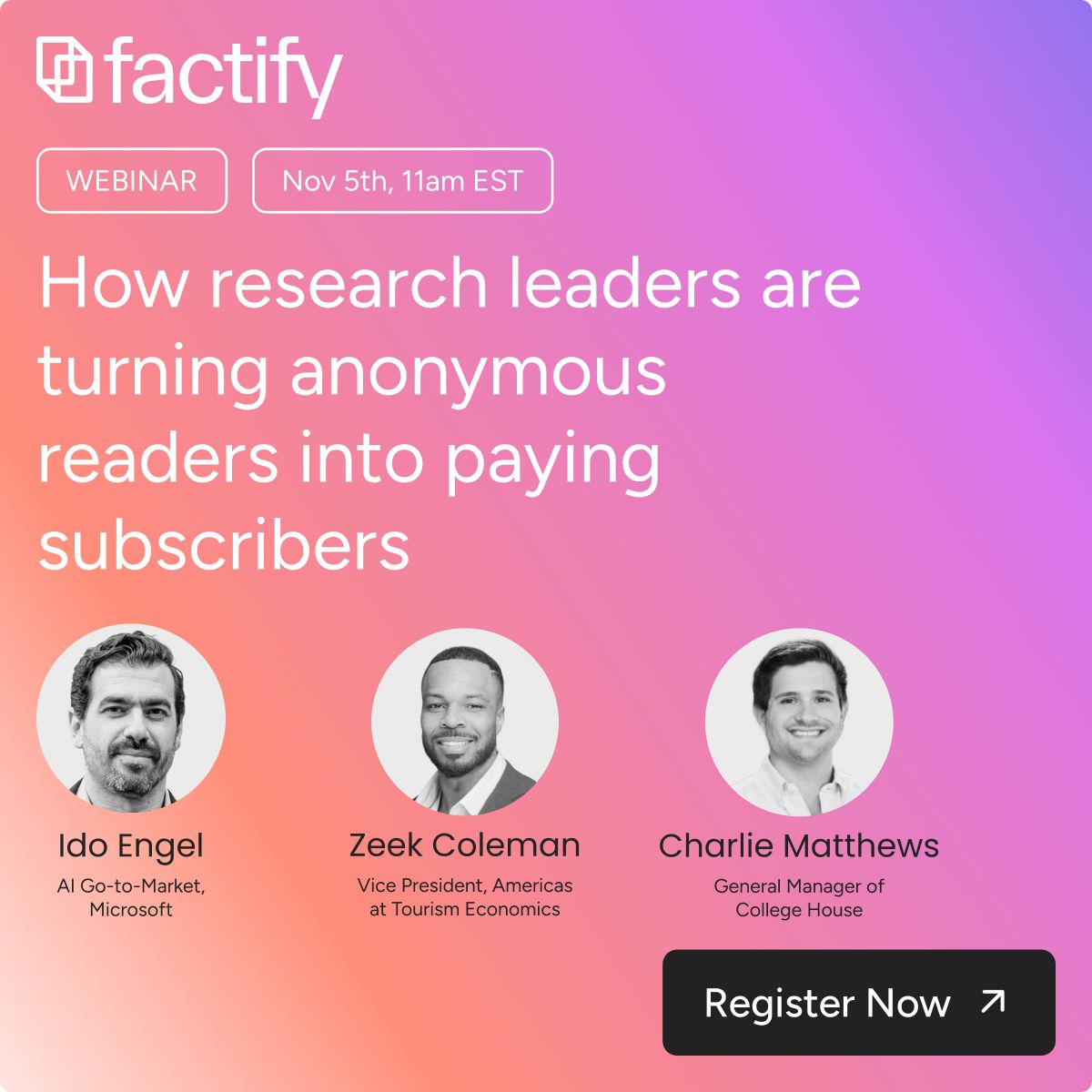
Most research marketers nail the download gate. But here's what you're missing: • Leads captured at actual moments of interest (not just downloads) • Engagement data showing what prospects care about • Intelligence on which readers are qualified buyers This webinar covers: ✅ In-document lead capture strategies (gate specific sections, insert forms anywhere) ✅ Analytics that show WHO reads WHAT and for how long ✅ How to keep readers engaged without them leaving for AI tools
- FactifySince 29 Oct 2025
If you only track downloads, you're missing the full picture. What research marketers really need to know: • Are reports actually being read? • Which insights resonate with different audiences? • Who's a qualified buyer worth following up with? • Where content loses reader attention This webinar reveals: ✅ Advanced analytics for research reports (beyond basic download metrics) ✅ Lead capture strategies inside documents (not just at the gate) ✅ How to prevent content leakage to external AI tools ✅ Real examples from research firms getting 3x more qualified leads
- Apart ResearchSince 17 Apr 2026
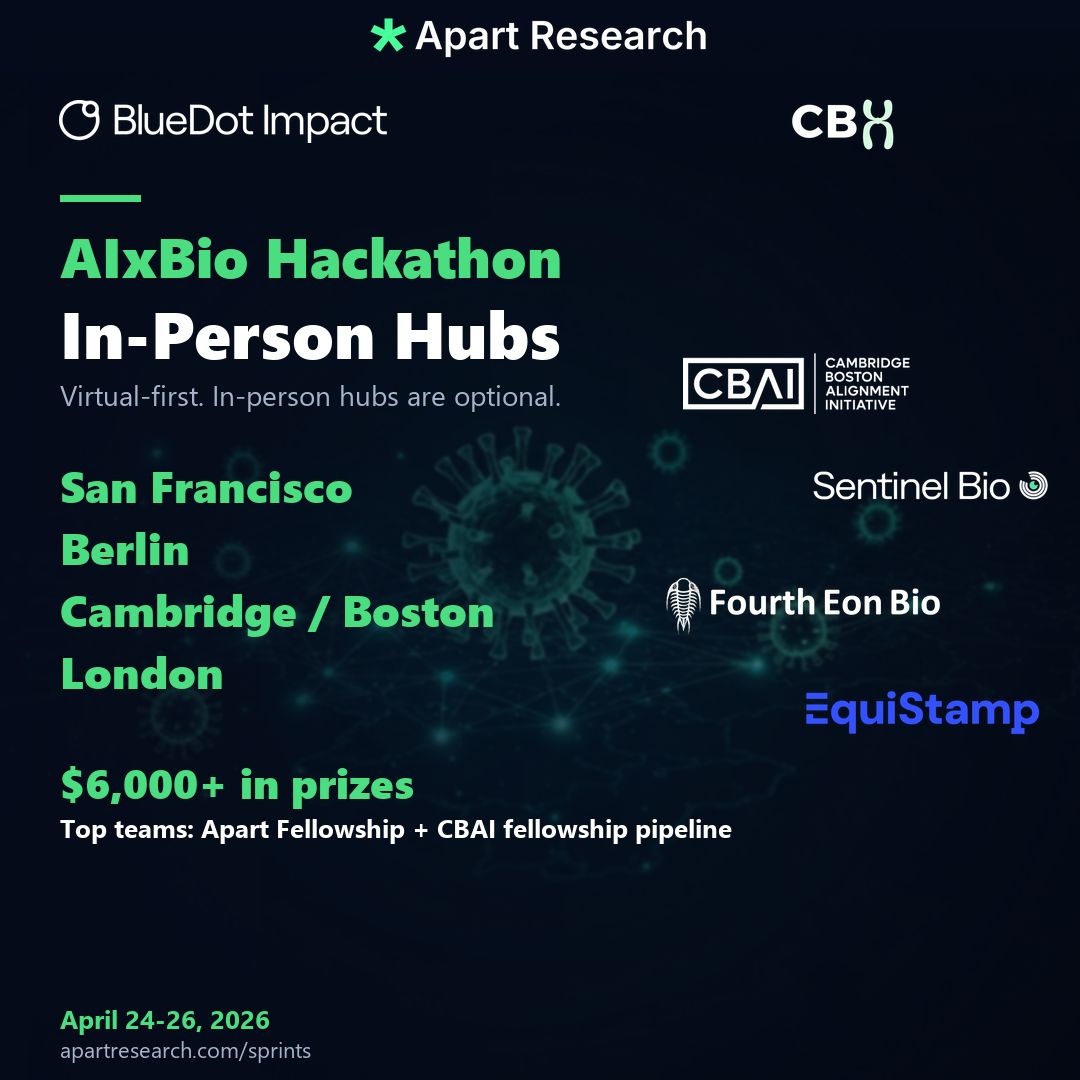
The AIxBio Hackathon (April 24-26) is virtual-first, but if you want to work alongside other participants in person, we have confirmed hubs in four cities: San Francisco Berlin Cambridge/Boston London All talks, submissions, and collaboration happen on Discord and Zoom. Remote participants have the same experience. $6,000+ in prizes. Top teams: invitation to the Apart Fellowship and fast-track to the CBAI fellowship. Sign up: https://lnkd.in/dJ48CTmr Local hubs: https://lnkd.in/dHWCJZjj
- Apart ResearchSince 21 Apr 2026
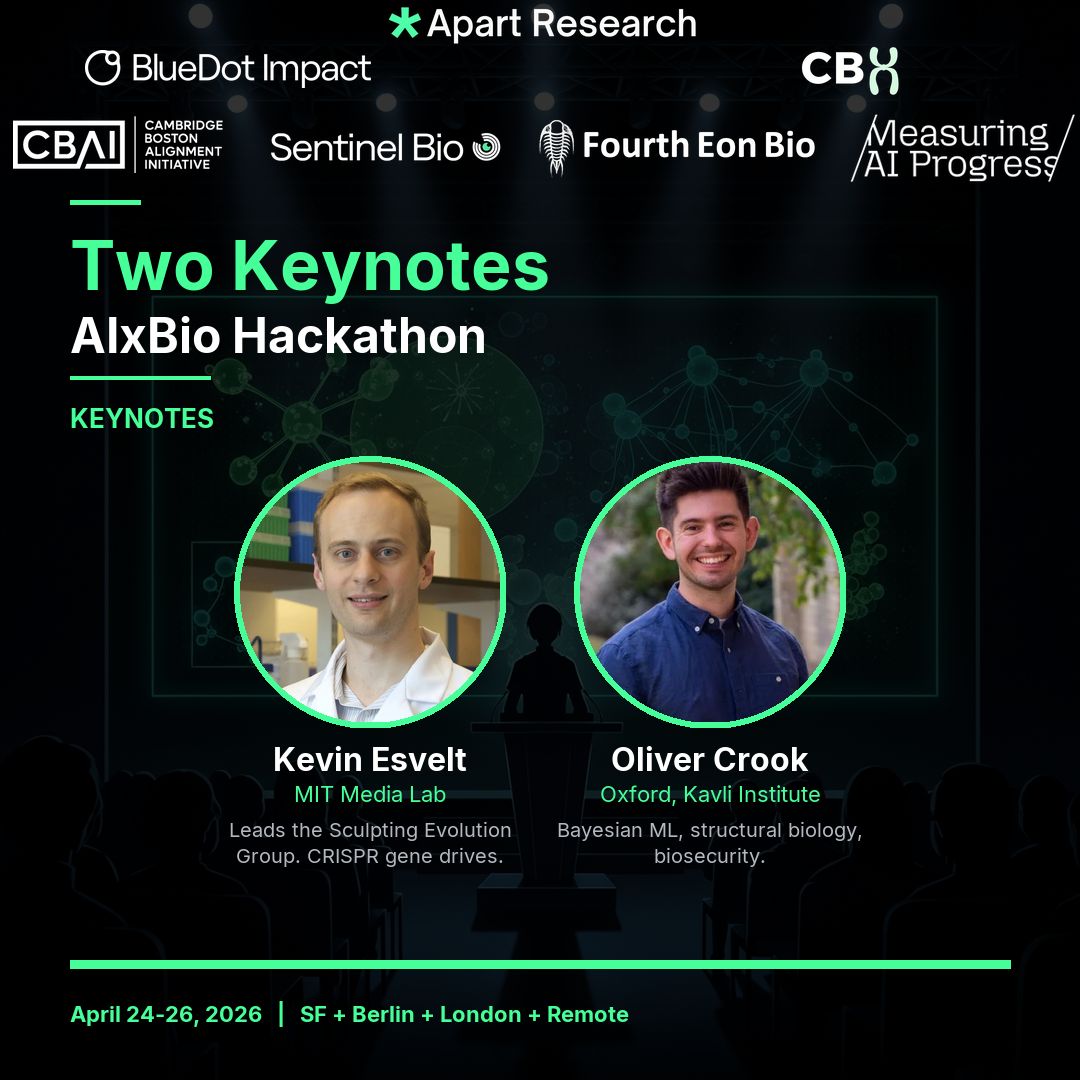
AIxBio Hackathon, April 24-26 | Co-organized with BlueDot Impact and Cambridge Biosecurity Hub Two keynotes: Kevin Esvelt (MIT Media Lab) runs the Sculpting Evolution Group. He was the first to identify the potential for CRISPR gene drives to alter wild populations, and has spent the last decade arguing for open research that advances biotech without expanding catastrophic risk. Oliver M. Crook (Oxford, Kavli Institute for Nanoscience Discovery) is an MRC Career Development Fellow. His group works at the intersection of Bayesian machine learning, structural biology, and biosecurity. Two angles on the same question: how do you build tools that keep biosecurity ahead of the risk curve when AI is accelerating both sides? Four tracks. $11,000 in prizes. Track sponsors: CBAI (DNA Synthesis Screening), Sentinel Bio (Benchtop Synthesizer Security), Fourth Eon Bio (AI Biosecurity Tools), Measuring AI Progress (Pandemic Early Warning). London 1st: $3,000. Top teams: invitation to the Apart Fellowship, Fast track to Era-AI and CBAI Fellowships. Four days to go. Hubs in SF, Berlin, London + full remote. Signup Here: https://lnkd.in/d6pfAGaj What is the biosecurity problem most worth a weekend of work?
- Eigen AI (Now part of Nebius)Since 19 Feb 2026
In the enterprise AI race, the biggest risk isn't the model—it's the friction between a great idea and a shipped product. High throughput isn't just a technical metric; it’s a business lever. By delivering strong tokens/sec across 10+ mainstream models (validated by Artificial Analysis), EigenInference enables faster feedback loops. Faster iteration. Smoother scaling. When your infrastructure keeps pace with your product roadmap, you do not just iterate—you outpace the market.




Other LinkedIn formats
Watch the companies you care about.
Filter every ad by industry, country, format and network, and get alerts when a company you watch starts running new ads.