B2B ad examples
1,799 B2B ads are live on LinkedIn right now, from 797 companies. Browse real ones, filtered by industry.
- Core6Since 19 Oct 2026
Every storage & backup vendor ships hardening and resilience guidelines. StorageGuard checks whether these systems actually follow them.
- AdvenicaSince 19 Oct 2026
Advenica’s Remote Access Device delivers hardware-based remote access to any device or network, including offline systems, legacy equipment and OS-less devices that conventional network-based tools can’t reach. As a plug-and-play solution, it lets organisations maintain and support critical systems remotely without compromising security.
- Scutum FranceSince 6 Oct 2026
Sécurisez vos sites industriels avec SCUTUM. Échangez avec nos experts en sécurité pour concevoir votre solution.
- Scutum FranceSince 6 Oct 2026
Bénéficiez d'une maintenance prédictive et d'un pilotage de performance. Un point de contact unique pour des solutions de sécurité sur mesure.
- DittoSince 19 Oct 2026
Every app store release hands attackers a copy of your app. They take it apart, modify it, run it on a rooted device. See what they find, and what Ditto Protect takes away.
- Eve SecurityRecorded 21 Oct 2026
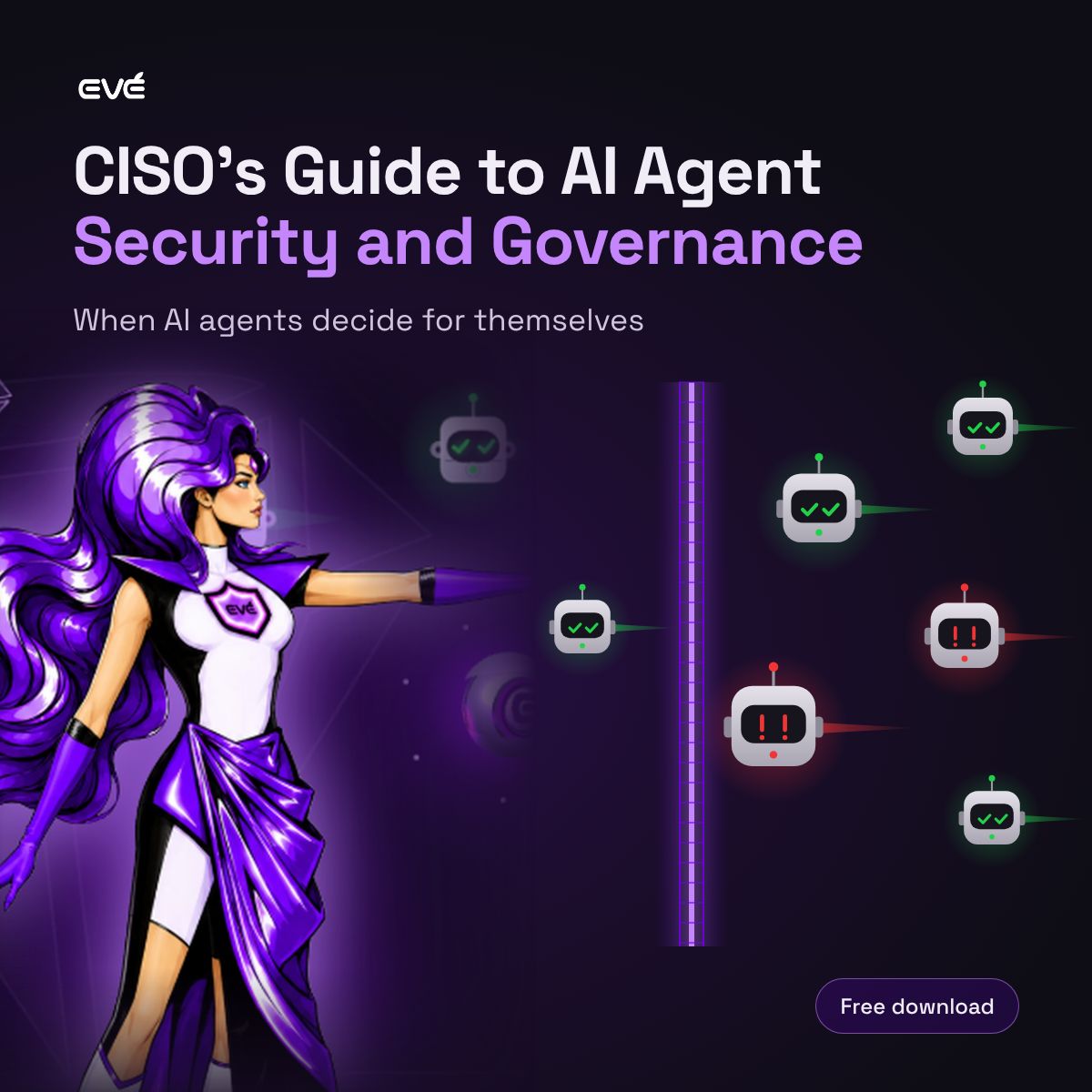
Is your org ready for AI that changes production on its own? Download the free CISO guide and score yourself with the readiness checklist.
- FortinetSince 19 Oct 2026
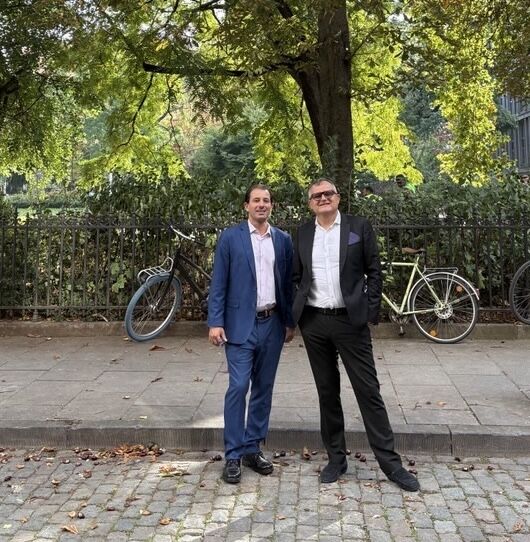
Protecting critical infrastructure means protecting the services that keep our societies functioning – and more importantly the trust people place in them. Following the event co-hosted with Access Partnership, I have been reflecting on the value of bringing together critical infrastructure operators, cybersecurity experts and public institutions. Across energy, telecommunications, manufacturers, international humanitarian organisations, public administration, and defence, the challenges are interconnected and need a common response. Three reflections stand out for me. First, the evolving regulatory framework is reshaping how organisations assess risk and select technology. Translating requirements into practical security measures takes work and resources, particularly when organisations operate across sectors and borders. Long-term decisions need to support compliance today while allowing organisations to adapt as expectations, policies, and geopolitical relations evolve. Second, choosing a trusted technology partner is a strategic decision. Technical capability matters, alongside responsible transparency, accountability, continued investment in innovation and a demonstrable commitment to the organisations and communities being protected. Trust is built through consistent actions over time. Third, public-private dialogue is crucial to the resilience of organisations and the society. Critical infrastructure operators understand the realities of delivering essential services while technology providers bring insights into threats and defences. Public institutions bring policy direction and a wider view of society’s needs. Bringing these perspectives together is necessary to turn shared concerns into practical partnerships. My strongest takeaway is that cybersecurity must be part of how we design, operate and modernise critical infrastructure. The partnerships we build today will shape our ability to withstand disruption tomorrow. Thank you to Access Partnership and everyone who contributed with their experience and perspectives. Let’s keep the dialogue going - and translate it into action together. Dr. Tommaso De Zan, Trevor H. Rudolph, Alain Sanchez #Cybersecurity #ProtectCriticalInfrastructure #Resilience #PublicPrivatePartnership
- DoppelSince 19 Oct 2026
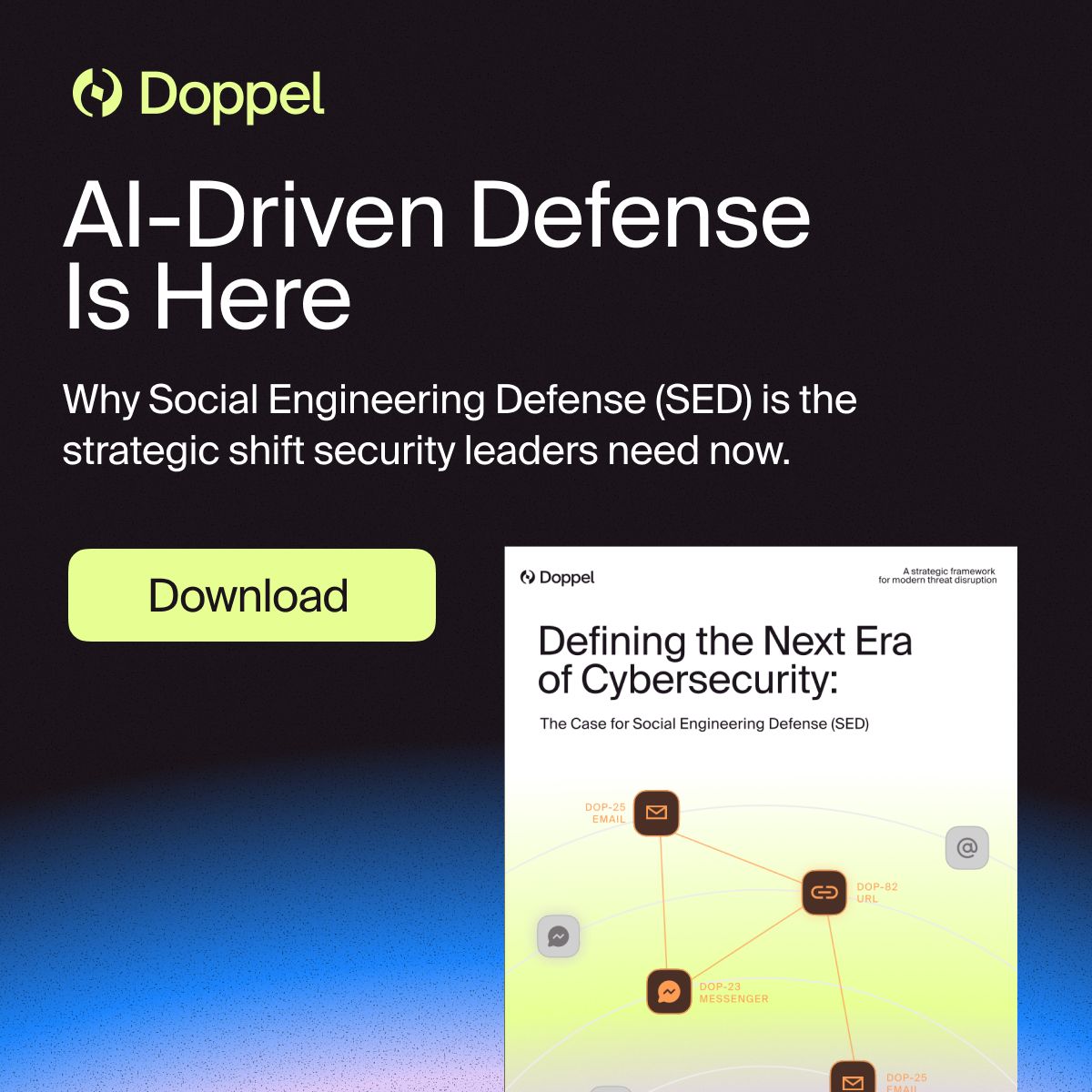
Read the ebook to learn: ✅ Why social engineering now costs companies $1.6M per incident on average ✅ Why email-only defenses leave you exposed to 90% of social engineering attacks ✅ The SED framework for infrastructure-level threat disruption
- DoppelSince 19 Oct 2026
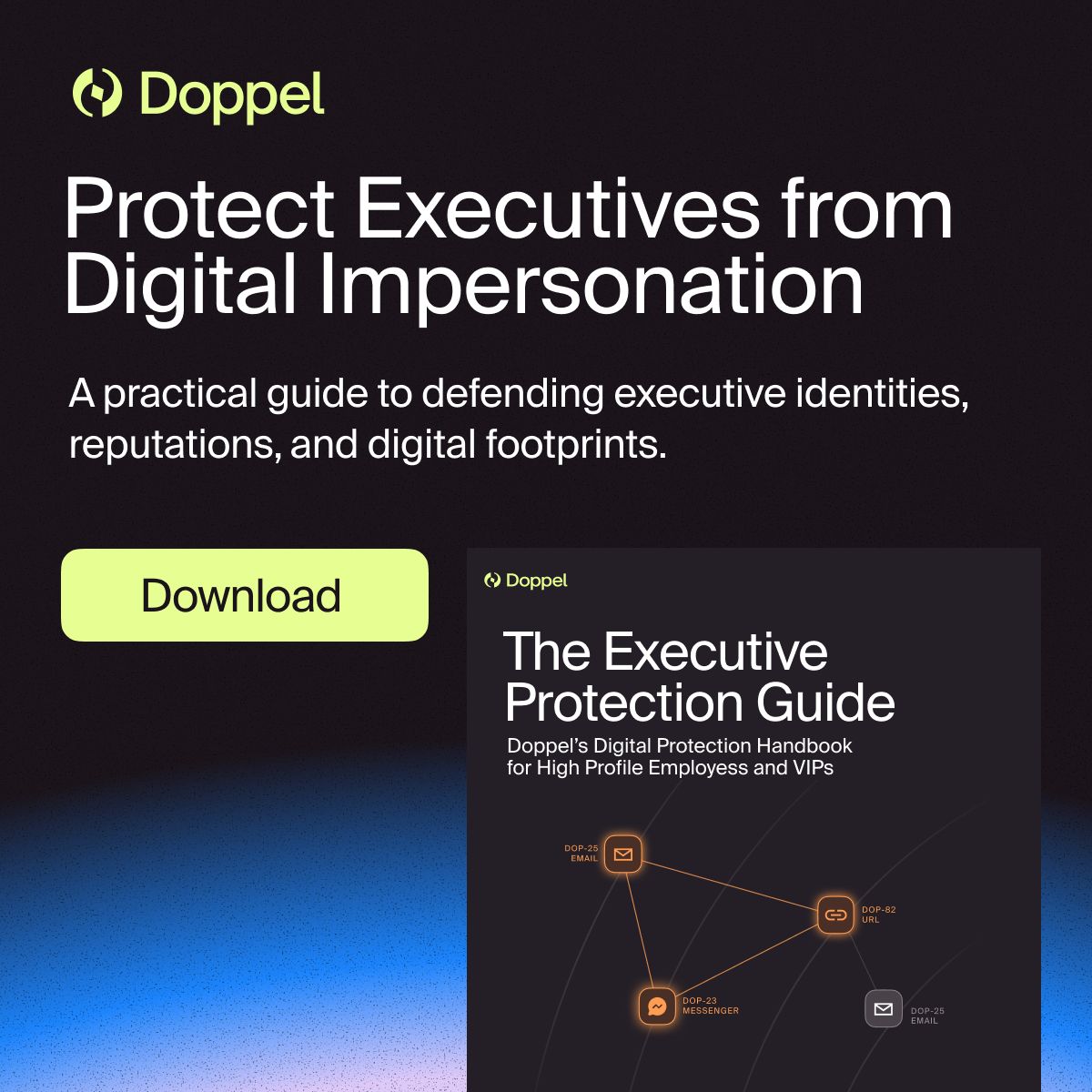
Read the executive protection guide to learn: ✅ Why 72% of senior executives are prime targets for impersonation and BEC ✅ How attackers exploit social, messaging, and domains together ✅ The framework for defending executive identities and digital footprints
- DataKryptoSince 19 Oct 2026
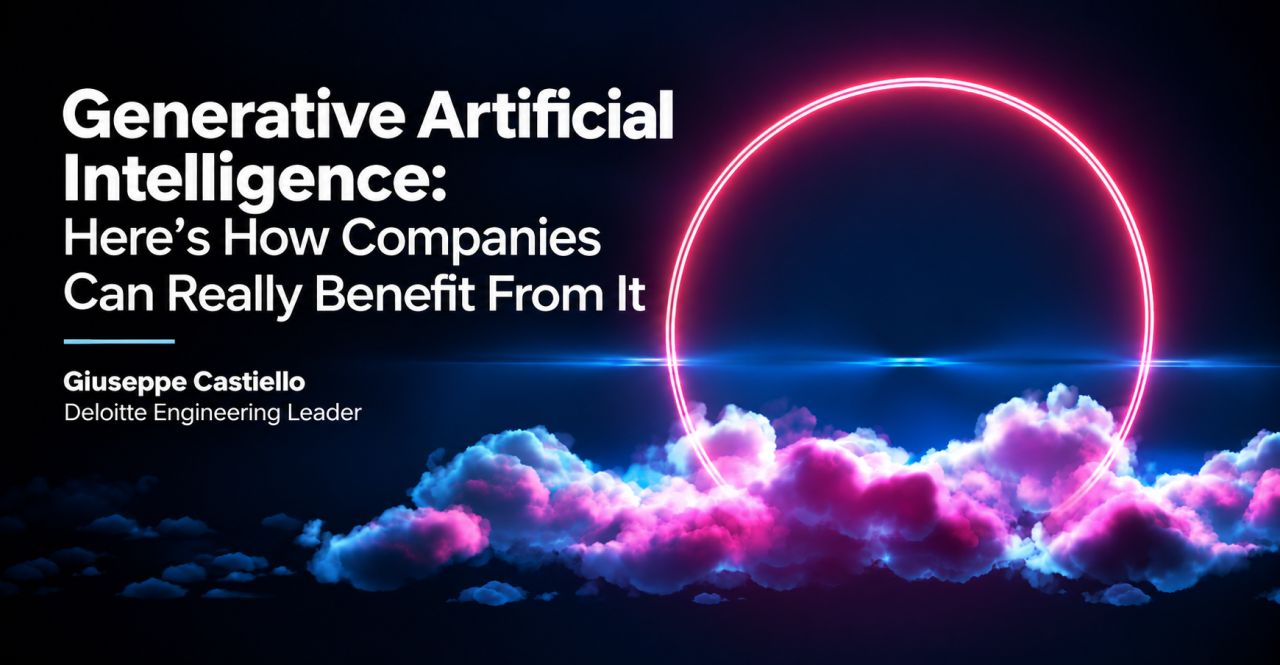
Decades of business know-how are becoming part of your AI agents and models. How are you protecting that knowledge while AI puts it to work? Deloitte’s latest article highlights DataKrypto’s role in answering that question. As enterprises embed their expertise, decision rules and proprietary processes into AI, they create what the article calls “Capital Intelligence”: business knowledge that becomes an executable competitive asset. Protecting that asset requires security that extends into AI execution. Encryption at rest and in transit leaves a critical exposure when data and models are decrypted for processing. DataKrypto extends encryption to data and models while they are in use, helping enterprises put their intelligence to work while protecting the knowledge behind it. Deloitte identifies this Confidential AI approach as a natural complement to Solaria, its agentic AI platform. For business leaders, the implication is clear: protecting the intelligence behind your AI is part of protecting the return on your investment. Read Deloitte’s perspective: https://lnkd.in/gcw-dZ8s Explore the full analysis on our site, including where enterprise intelligence is exposed and how to protect it: https://lnkd.in/gkasJdP2 #ConfidentialAI #AgenticAI #AISecurity
- AssurixRecorded 21 Oct 2026
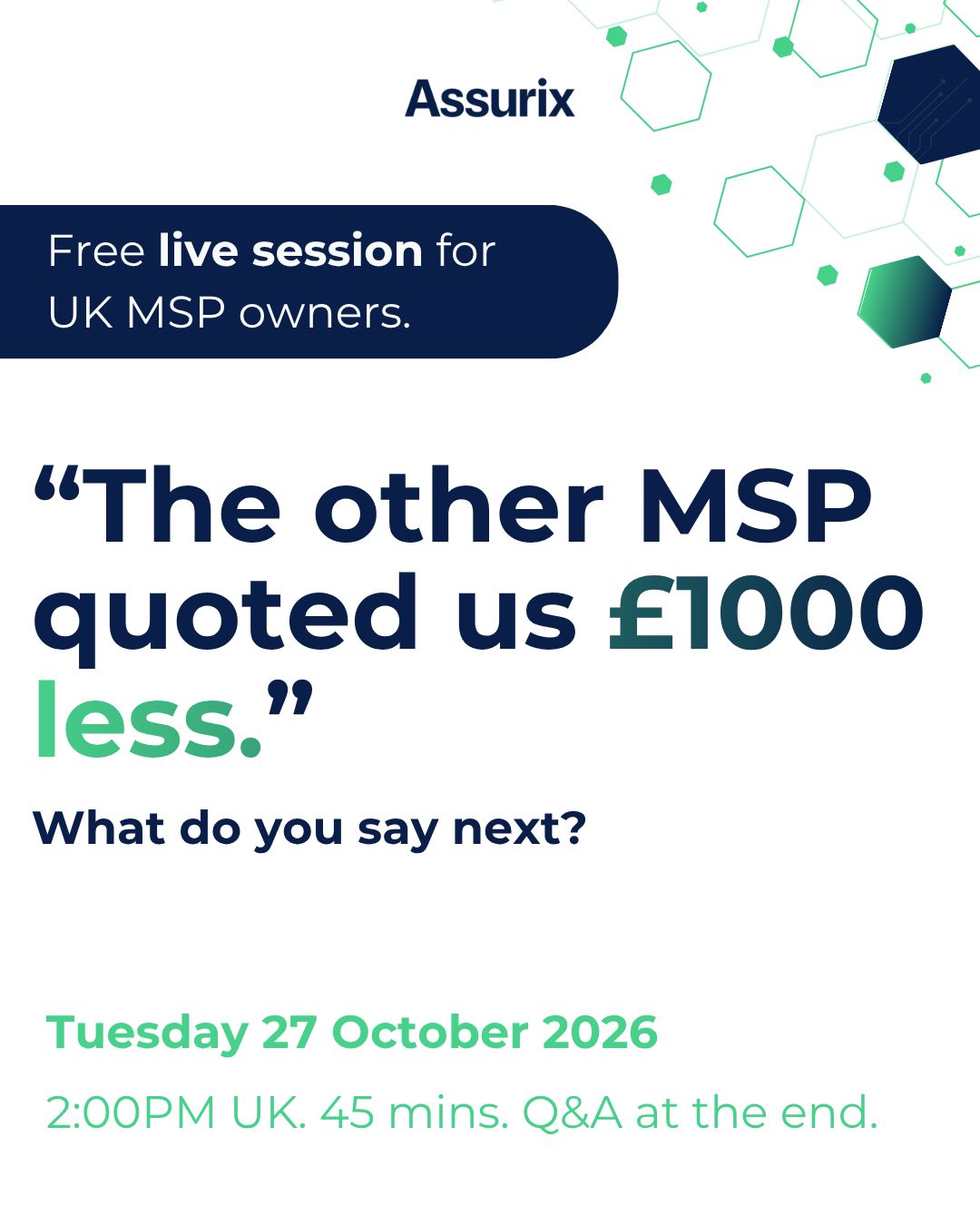
You send the proposal, then find out they’ve gone with someone cheaper. In this free live session for UK MSP owners, Mit Patel, Founder & CEO of Assurix, covers how to handle a cheaper quote, back up “our service is better” with something prospects can check, and make your proposal explain why you’re worth the difference. You’ll also get a cheat sheet to use with your own prospects.
- Embed SecurityRecorded 21 Oct 2026
AI SOC trust takes more than evidence. It also requires consistency: can the same input produce a reliable outcome, and can the system learn from feedback? Hear why reliability is fundamental to trust.
- CensysSince 19 Oct 2026
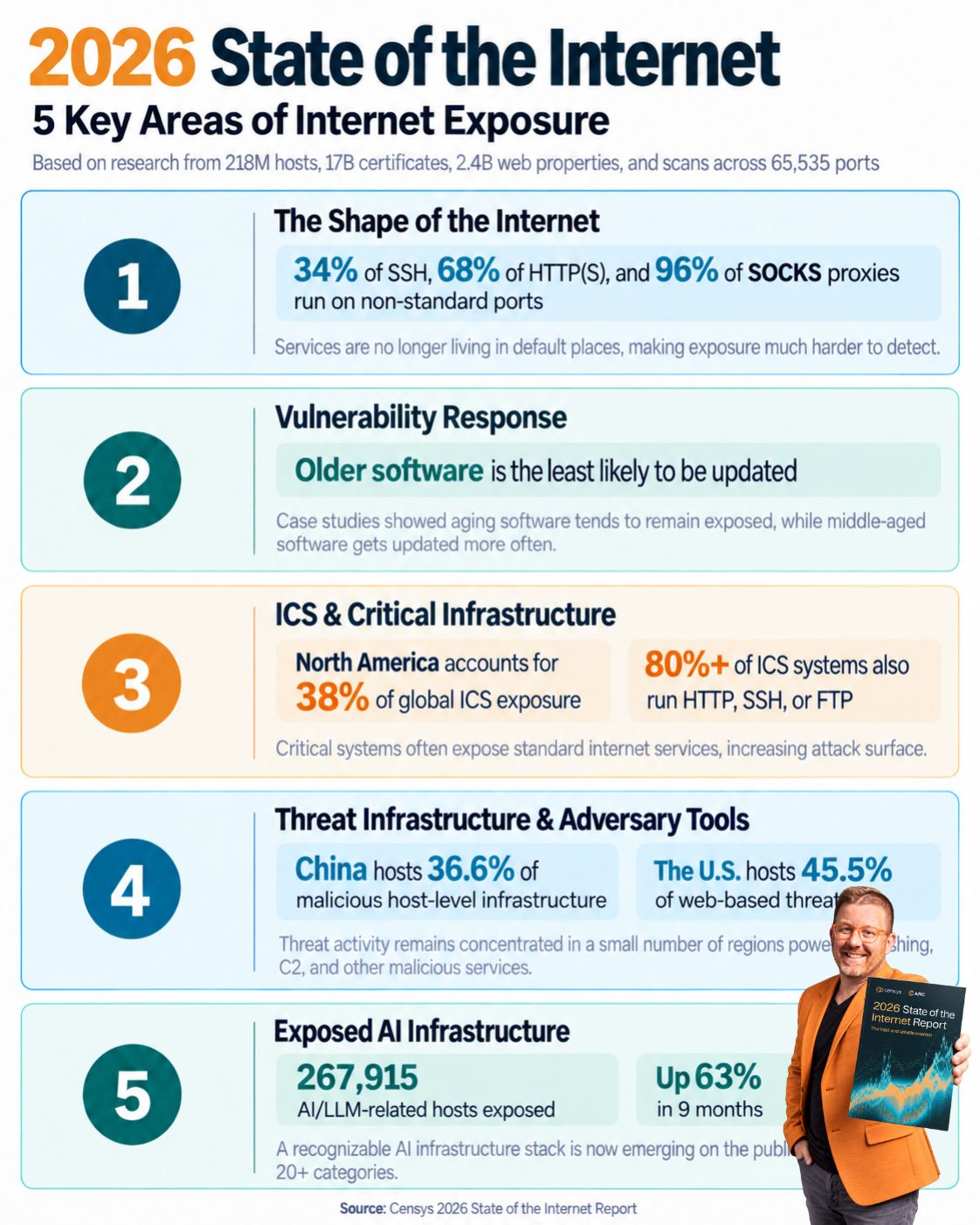
Imagine if the entire internet was scanned and we knew what was exposed across all 65,535 ports. Well, it was and here are the results: Thirty years ago I remember dialing into the internet. I connected, surfed the web, checked email and then disconnected so my dad could have the phone line back to make calls. Today everything is connected, all the time. As someone who went on to work as a penetration tester for years, it was always amazing to me that we're only milliseconds away from nearly any connected device in the world, digitally. However, what started as a fascination has become scary. The shape of the internet as a whole, has become a nightmare. There's a report that just came out called the "2026 State of the Internet Report" that includes data from the entire internet, literally. The report was written by Censys, who scans 218 million hosts, 17 billion certificates, and 2.4 billion web properties. They scan the entire IPv4 address space across 65,535 ports and leverage DNS to discover IPv6 systems and detect more than 200 protocols. This year the report focuses on 5 key areas of internet exposure: 1. The Shape of the Internet: the biggest takeaway here is that services aren't living on default ports. 34% of SSH, 68% of HTTP(S) and 96% of SOCKS proxies are running on non-standard ports. The issue here is that security practitioners and detection methods typically look in default places. This makes it extremely hard for an organization to understand what's exposed. 2. Vulnerability Response: If software is old, it probably isn't going to be updated. Four case studies done over two years showed that older software wasn't really being updated. Middle aged software saw the largest share of updates. So those older systems still hanging around are extremely dangerous. 3. Industrial Control Systems and Critical Infrastructure: As of 2026, North America leads in ICS exposures. This represents 38% of the global ICS landscape. Over 80% of ICS systems run non-ICS services like HTTP, SSH, or FTP, increasing the attack surface. 4. Threat Infrastructure and Adversary Tools: Across the globe, China and the U.S. host most of the world's malicious software and services. China hosts 36.6% of malicious host-level infrastructure (C2s). The U.S holds 45.5% of web based threats like phishing and other deceptive pages. 5. Exposed AI Infrastructure: 267,915 unique hosts were observed exposing AI/LLM related tools. This rose 63% in just nine months. A recognizable AI infrastructure stack is emerging on the public internet. Exposed systems across 20+ categories were seen forming the layers needed to operate AI workflows. I've only touched lightly on these 5 categories, but this is easily the best report I've read this year. It's important that we understand exposure and the risks that come with it. Check out the report at: https://tr.ee/45hqnV Thank you Censys for letting me partner with you so I could share this information.
- SocureSince 18 Oct 2026
Bank account verification now sits at the intersection of fraud prevention, compliance, and customer experience. When it works, money moves quickly. When it doesn't, the impact shows up fast: ACH returns, fraud losses, abandoned onboarding, and operational strain. The question isn't whether you verify bank accounts. It's whether you're performing the right verification checks before funds move. Read our guide to see how your bank account verification strategy stacks up today.
- CyberhavenSince 19 Oct 2026
When we started Cyberhaven, data lineage in security was an idea most people hadn’t heard of. Today it’s everywhere, and every DLP vendor seems to have “lineage” on their slide. Honestly, that makes us proud. We pioneered data lineage for data security, and it’s a bit like watching your kid grow up and seeing the whole neighborhood try to copy their style. But not all lineage is the same. Building lineage that holds up at enterprise scale is hard. It means: - A purpose-built graph engine handling roughly a trillion nodes, fast enough to block in real time - Endpoint sensors that cover every way humans and AI agents move data, while using a median of 0.2% CPU - AI that understands business context, so DLP stops being a game of thousands of exceptions and endless false positives Volodymyr Kuznetsov, Radu Banabic, and I wrote up what we’ve learned from years of building this, including what it really takes to tell lineage that works apart from lineage that only looks good in a demo. Because not all lineage is the same - https://lnkd.in/gy5hPPEK #DataSecurity #DLP #DataLineage #AI #Cybersecurity
- D-Fend SolutionsSince 19 Oct 2026
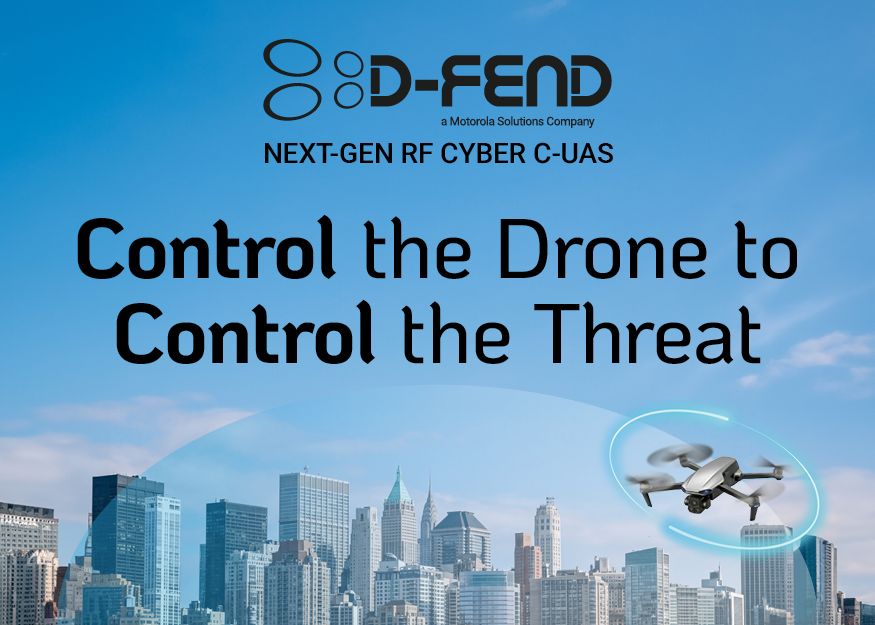
Keep critical operations running while detecting, identifying, and mitigating drone threats with precision and control.
- D-Fend SolutionsSince 19 Oct 2026
Transform a drone threat into a controlled outcome. Take over the drone and land it safely, without unnecessary disruption.
- HoxhuntSince 19 Oct 2026
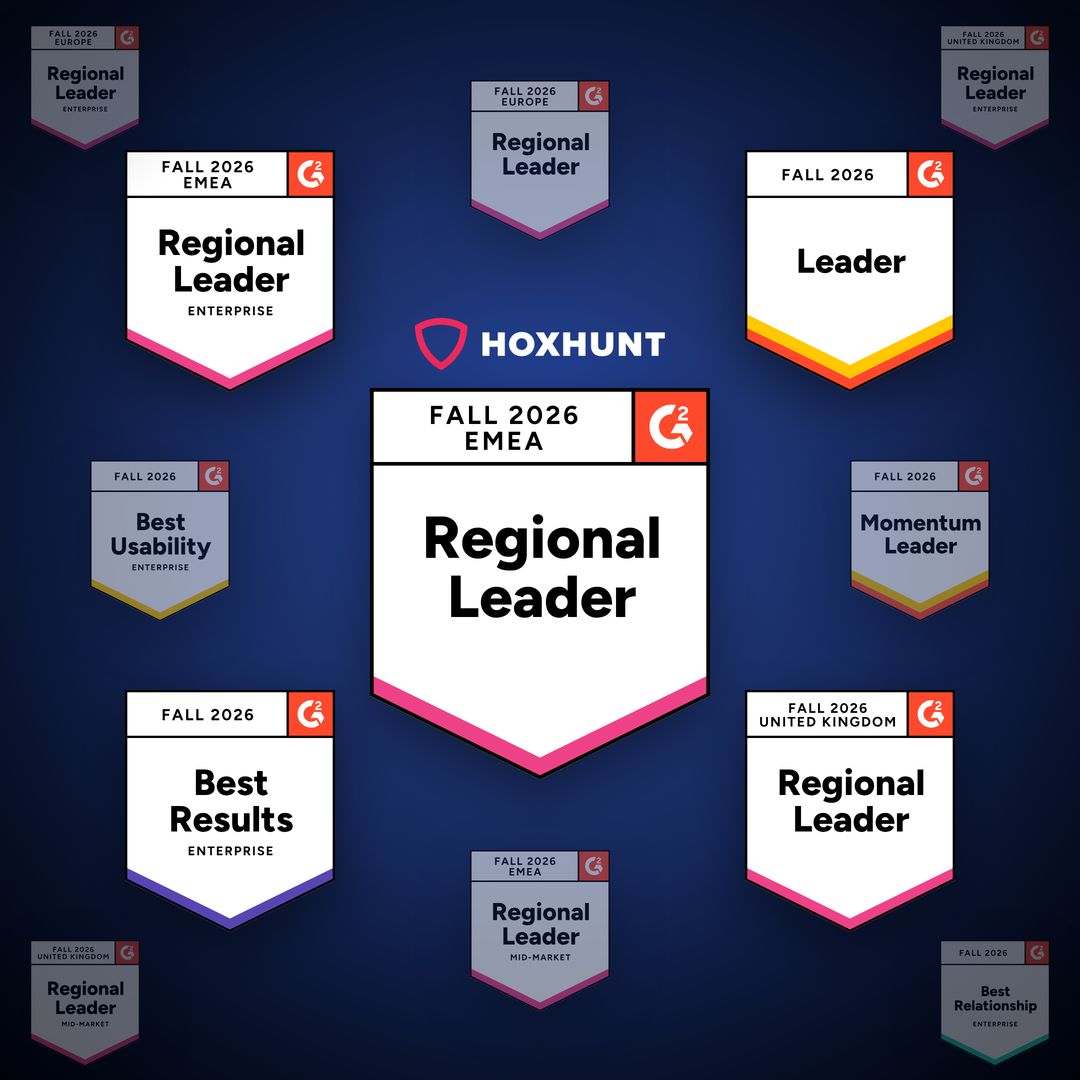
Docusign cut its phishing failure rate by 71%, down to 1.7%. Their first phishing platform got the program started, but it was manual and lacked the depth to grow with them. They chose Hoxhunt from 17 options. Threat reporting has roughly doubled since, and leadership can quickly see the threat rate and the risk. Missy Bentzen runs the program. This is what changed, in her words.
- HoxhuntSince 19 Oct 2026
Security leaders are moving from annual, one-size-fits-all training to continuous, data-driven programs that measure real risk reduction. Hoxhunt automates the process, so you spend less time managing training and more time preventing breaches. See how it stacks up against your current setup.
- IPQSSince 19 Oct 2026
Payment data is part of the picture. Explore IPQS honeypot-sourced intelligence for more context on proxies, bots and abuse.
- IPQSSince 19 Oct 2026
Your fraud stack doesn't need replacing. Explore IPQS intelligence to add context to the risk decisions your platform already supports.
- CybleSince 19 Oct 2026
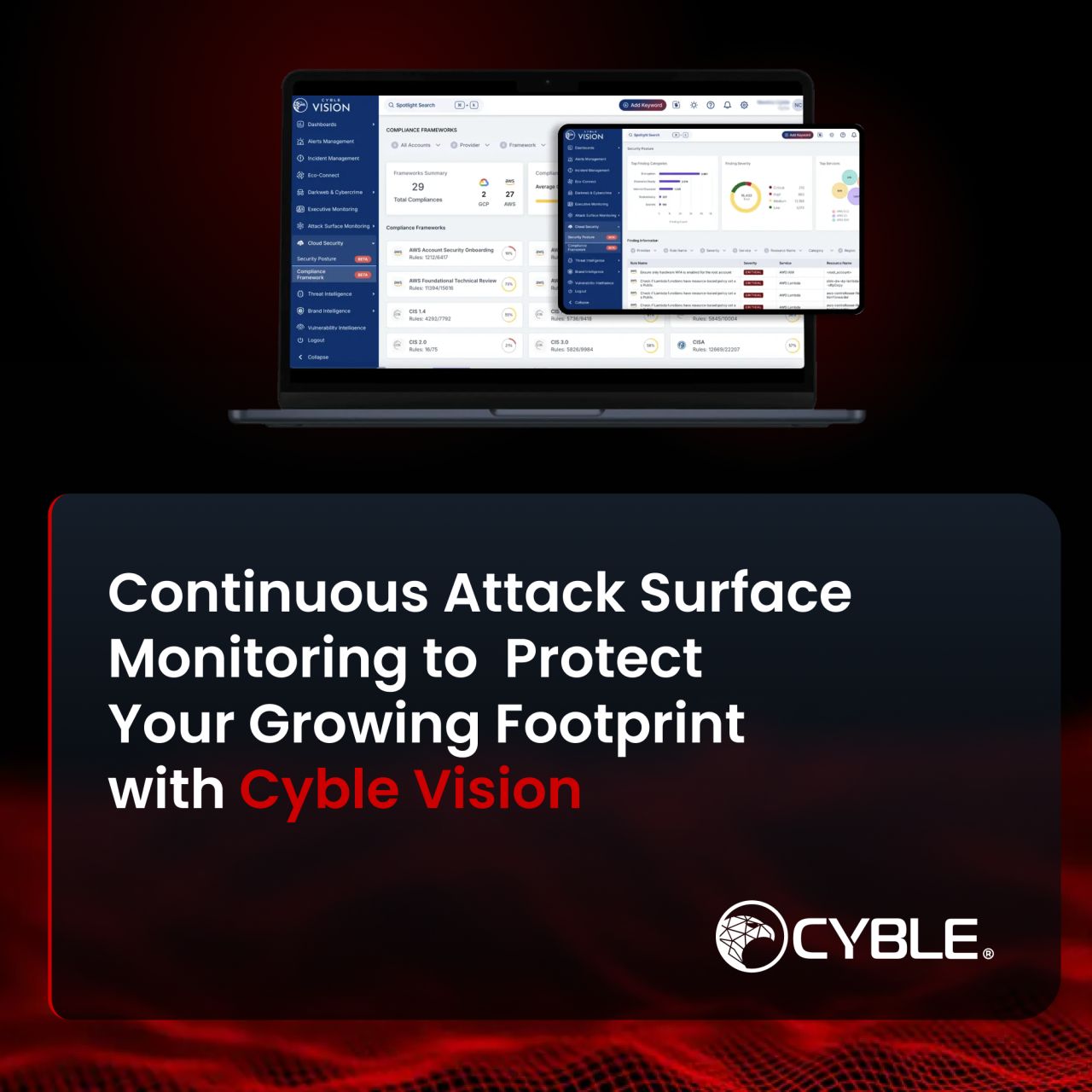
Your attack surface grows every time a team spins up infrastructure or onboards a vendor. Most of it never makes it into an inventory. Cyble Vision continuously discovers exposed assets across your footprint and your third-party ecosystem, then ranks what an attacker is most likely to reach first.
- CybleSince 19 Oct 2026
Dark web monitoring from one vendor. Attack surface from another. Brand protection from a third. The gaps between them are where things get missed. Cyble Vision consolidates dark web intelligence, attack surface management and brand protection into a single platform, with Blaze AI correlating across all three.
- AbstractRecorded 21 Oct 2026
FMK. Everyone in the SOC has an answer. You deserve a SIEM that treats you right. Meet the love of your life tomorrow. 10.20 it's a date 🫶 Drop your crazy ex SIEM stories in the comments👇 👀





Other LinkedIn formats
Watch the companies you care about.
Filter every ad by industry, country, format and network, and get alerts when a company you watch starts running new ads.