Not on air · 3 of 3 networks checked

The Case Foundation ads
- casefoundation.org
- Philanthropic Fundraising Services
- US
- 31 employees
The Case Foundation’s ads on LinkedIn, Meta and Google, recorded by adsrunning. Browse the latest here for free. Sign up free to see all 26. Watch The Case Foundation on any plan to get each new one in your feed.
Watchlist included in every plan
What The Case Foundation runs
- Single image · LinkedIn
- 6
- Google ad on 11 Oct 2026
- 1
| Network | Status | Live ads | Nov 2025Activity · 52 weeksNov 2026 | Checked | Next step |
|---|---|---|---|---|---|
| None recorded | 0 | Checked 3 Nov 2026 | See all 26 ads → | ||
| Meta | None recorded | 0 | No active ads recorded on the Meta Ad Library | Checked 27 Oct 2026 | Collect them with the API → |
| Recently | 1 | Checked 11 Oct 2026 | Collect them with the API → |
The Case Foundation has no live LinkedIn ads. Its Facebook page had no active ads on 27 Oct 2026, and we recorded 1 Google ad on 11 Oct 2026.
Latest ads
- LINKEDIN · IMAGERecorded 8 Nov 2026
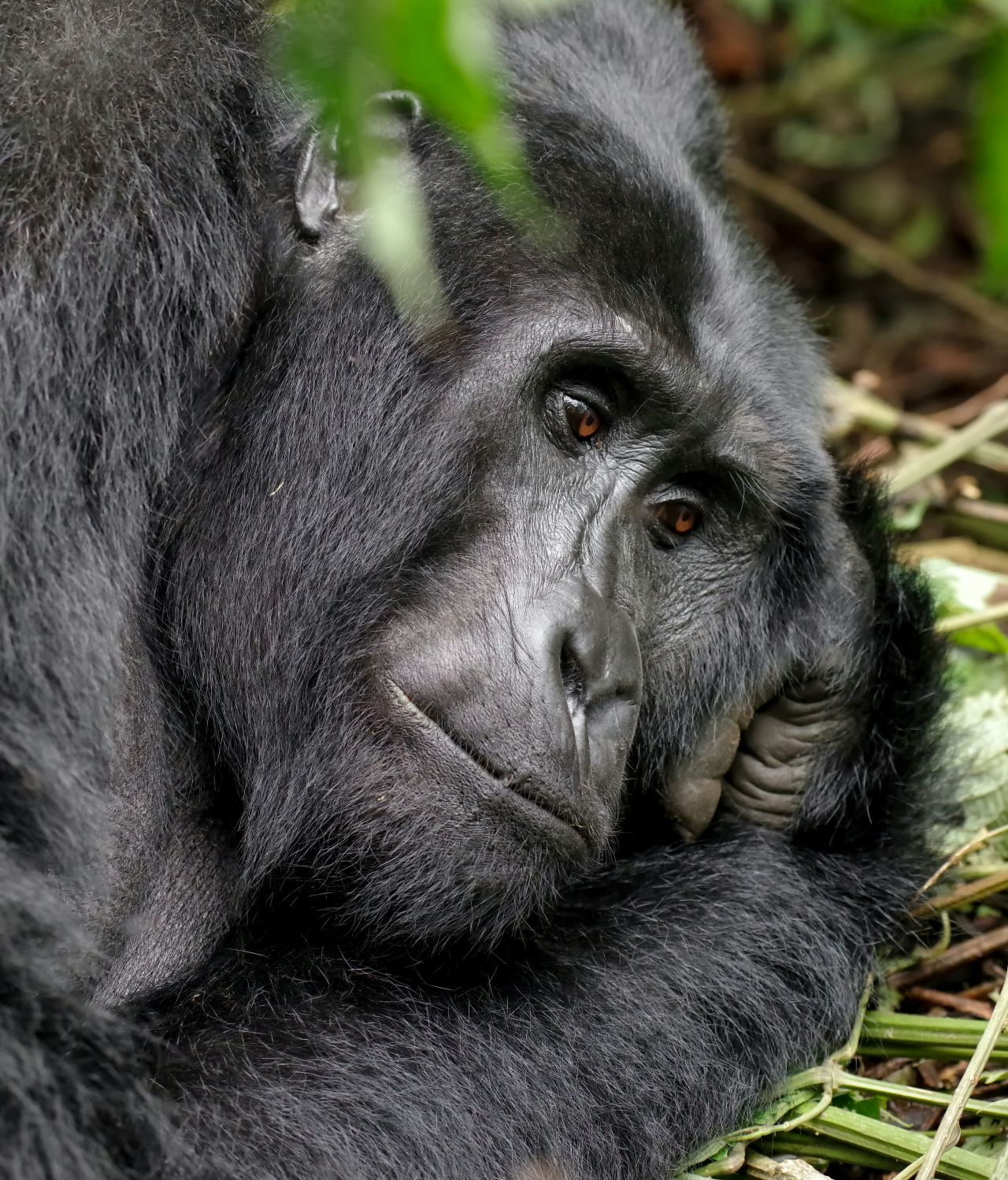
The night before we climbed Rwanda’s mist-shrouded peaks in search of the famed mountain gorillas, our small group gathered for an orientation. Leading it was National Geographic Explorer Mireya Mayor, an accomplished anthropologist and primatologist described by the New York Times as the “female Indiana Jones.” Her command of the subject was obvious. Then she casually mentioned where her journey had begun: as a Miami Dolphins Cheerleader. “Wait–what?” Judging by the looks around the room, I wasn’t the only one surprised. And there it was: my bias, hiding in plain sight. Somewhere along the way, I had formed an unconscious picture of what scientists and National Geographic Explorers were supposed to look like—and the paths they were supposed to take. In that moment, I realized “NFL cheerleader” had not been part of that picture in my mind. But why not? The next day, after trekking through steep jungle, we finally came upon the gorillas. Sitting quietly just feet away as they interacted, fed, and moved through the forest was unforgettable. Then a silverback approached a woman in our group and fully wrapped his arms around her, holding her tightly in an embrace. We froze as we witnessed this. Remarkably, following the rangers’ guidance we had been given before we set out, she remained calm until he let go and moved on. We had been told to expect the unexpected. But it turns out the assumption I most needed to leave behind was one I had brought with me. I came home with more than memories of the gorillas. I came home having met a kickass Explorer whose journey reminded me that talent, curiosity, and purpose rarely travel in straight lines. Sometimes the most important thing we can leave behind before setting out to explore something new is our own assumptions. This is part of my series about lessons I’ve learned from National Geographic Explorers in the field – and what those lessons might offer the rest of us. #NationalGeographic #LifeIsAnExpedition #Assumptions
- LINKEDIN · IMAGERecorded 16 Oct 2026
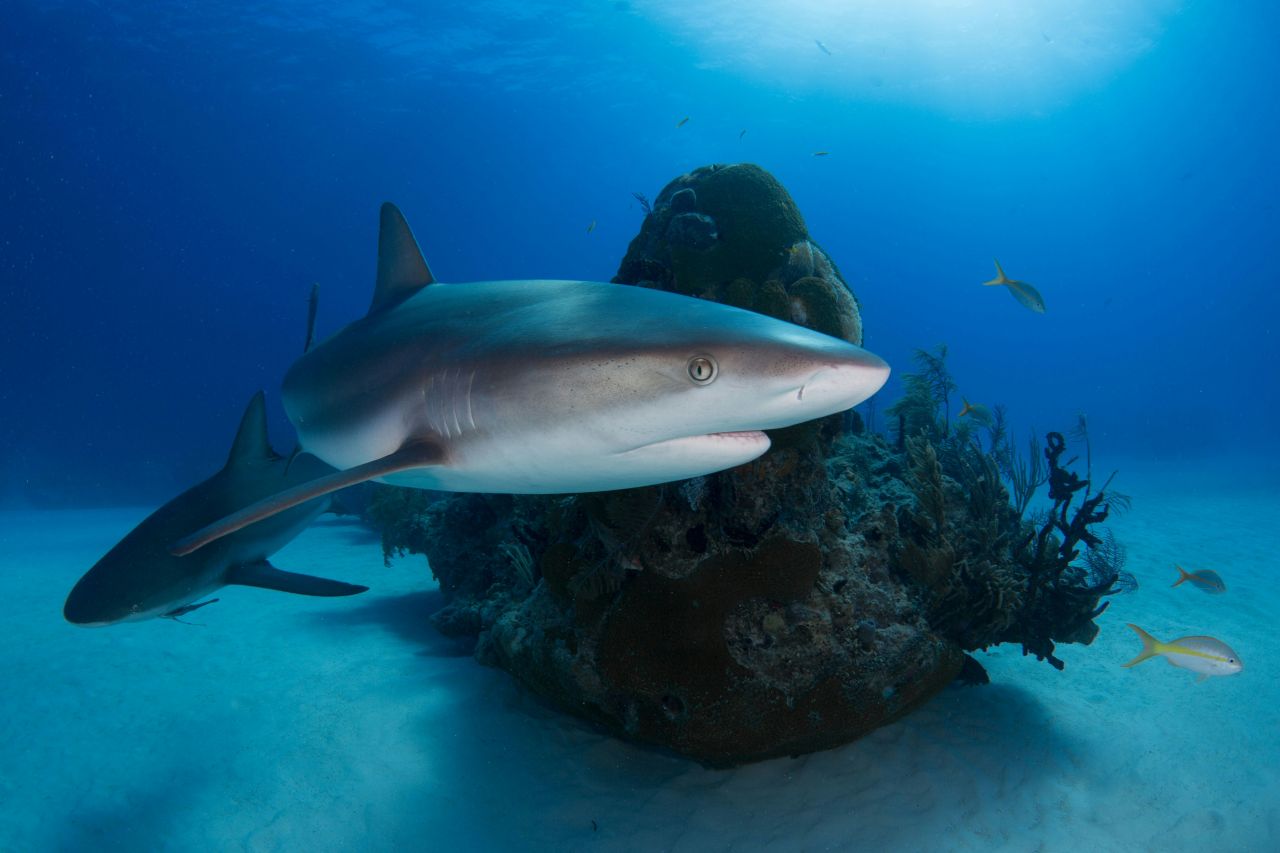
I was surrounded by sharks. Lots of sharks. Most people would see that as a warning. National Geographic Explorer-in-Residence Enric Sala saw something else: evidence that the reef was healthy. We were diving together in the Gardens of the Queen, a highly protected marine area off the coast of Cuba, studying one of the world’s most pristine marine ecosystems. Working with Enric taught me that healthy reefs need large predators. We may see sharks as the threat, but their absence is the real warning sign that a reef is in trouble. So every shark we saw that week was good news. Even if it didn’t necessarily feel like it in the moment. As our team counted fish, the abundance of life was astonishing. A Goliath grouper longer than I am tall cruised past. Schools of tarpon, snapper, and jacks moved through the water in numbers almost impossible to count. It felt otherworldly. I've dived reefs around the world and watched too many of them struggle or die. Here, it felt like we had turned back the clock and glimpsed the ocean before humans left their heavy footprint on it. That glimpse showed me what drives Enric's life's work. As a marine ecologist, Enric spent years documenting the ocean's decline until, in his words, he grew tired of "writing the obituary of the ocean." So he asked a different question: What if we protected the places still thriving, and helped the rest recover? That question became National Geographic Pristine Seas, which works with communities and governments to protect vital parts of the ocean. Enric and his team have since helped inspire 31 marine protected areas covering 7 million square kilometers. The lesson reaches far beyond the ocean: Hope isn't a simple wish that things will get better. It's finding evidence of what actually works and starting from there. Sometimes that evidence looks like a reef full of sharks. Part of my series on lessons from National Geographic Society Explorers in the field, and what they might offer the rest of us. #NationalGeographic #LifeIsAnExpedition #Hope
- LINKEDIN · IMAGERecorded 9 Oct 2026
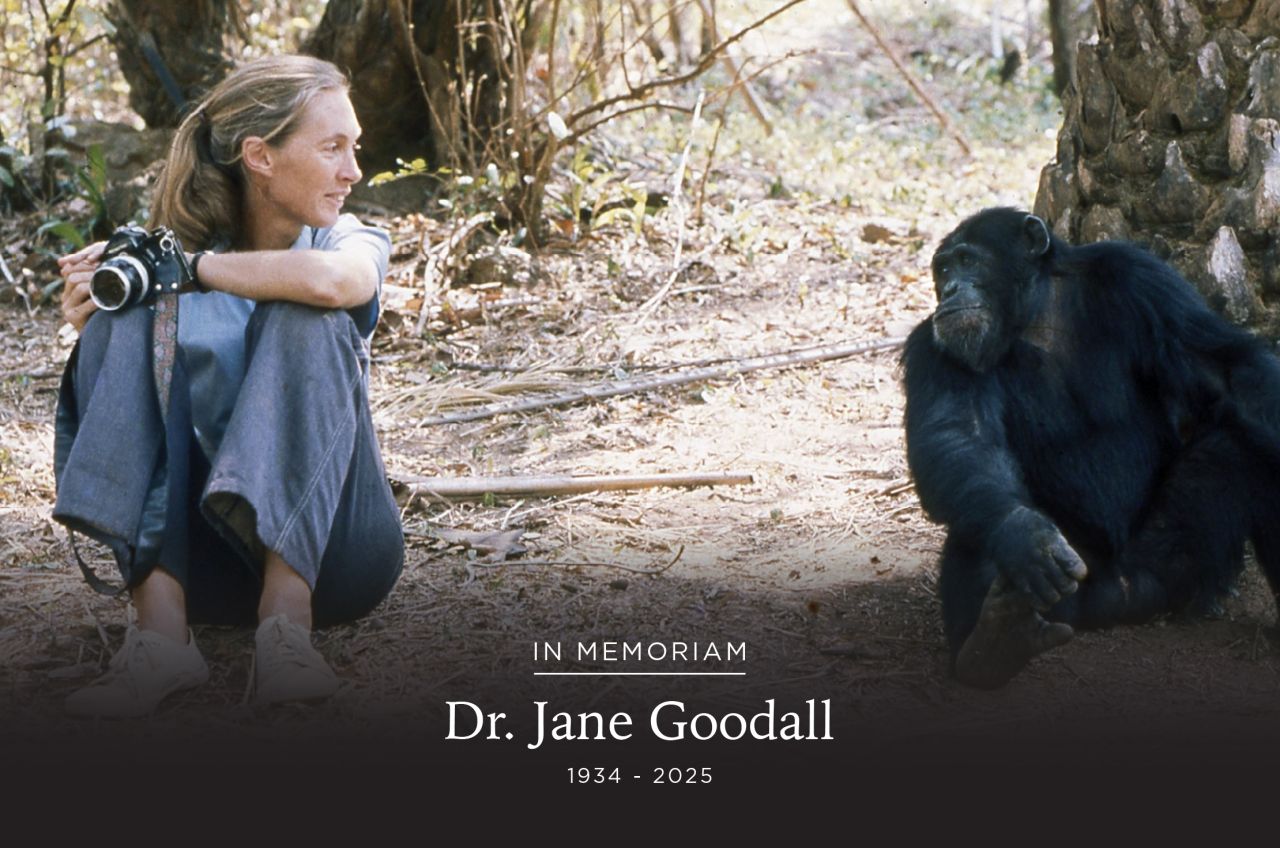
One year ago, we lost Jane Goodall. Of all the lessons I learned from National Geographic Explorers, Jane embodied one of the most important: do not wait for permission to begin. I had the privilege of knowing Jane for years. It was a true honor to stand next to her at National Geographic events and watch as countless people lined up for the chance to shake her hand and tell her what an inspiration she’d been. She began her study of chimpanzees in Tanzania in 1960, younger than most college graduates are today. Nothing about her path was conventional. She had no formal degree when she started—only an unshakable belief that the work mattered. Her research reshaped how the world understands animal behavior, and our own. Even in her eighties, she kept a schedule that would exhaust people half her age, spending more than three hundred days a year on the road and still making the case for the planet. She once told me that urgency, not comfort, was what kept her going. Jane was my model for fearlessness long before I wrote a book about it. She began before she had conventional credentials or the world’s approval. When Jane wrote the foreword to my book Be Fearless, she recalled something people so often told her: “Thank you, Jane. You taught me that because you could do it, I can do it too,” That, to me, is Jane’s real legacy - not just what she discovered, but the permission her example gave to everyone watching.” So today, in her memory, I would ask you the question her life keeps asking me: what is the thing you have been waiting for someone else’s approval to start? A cause? A career change? A hard conversation? A bet on yourself? Jane started with what she had, where she was, and let the impact follow. Begin. This series is about lessons I learned from National Geographic Society Explorers. Jane, for me, is where so many of those lessons began. #NationalGeographic #LifeIsAnExpedition #BeFearless
- LINKEDIN · IMAGERecorded 1 Oct 2026
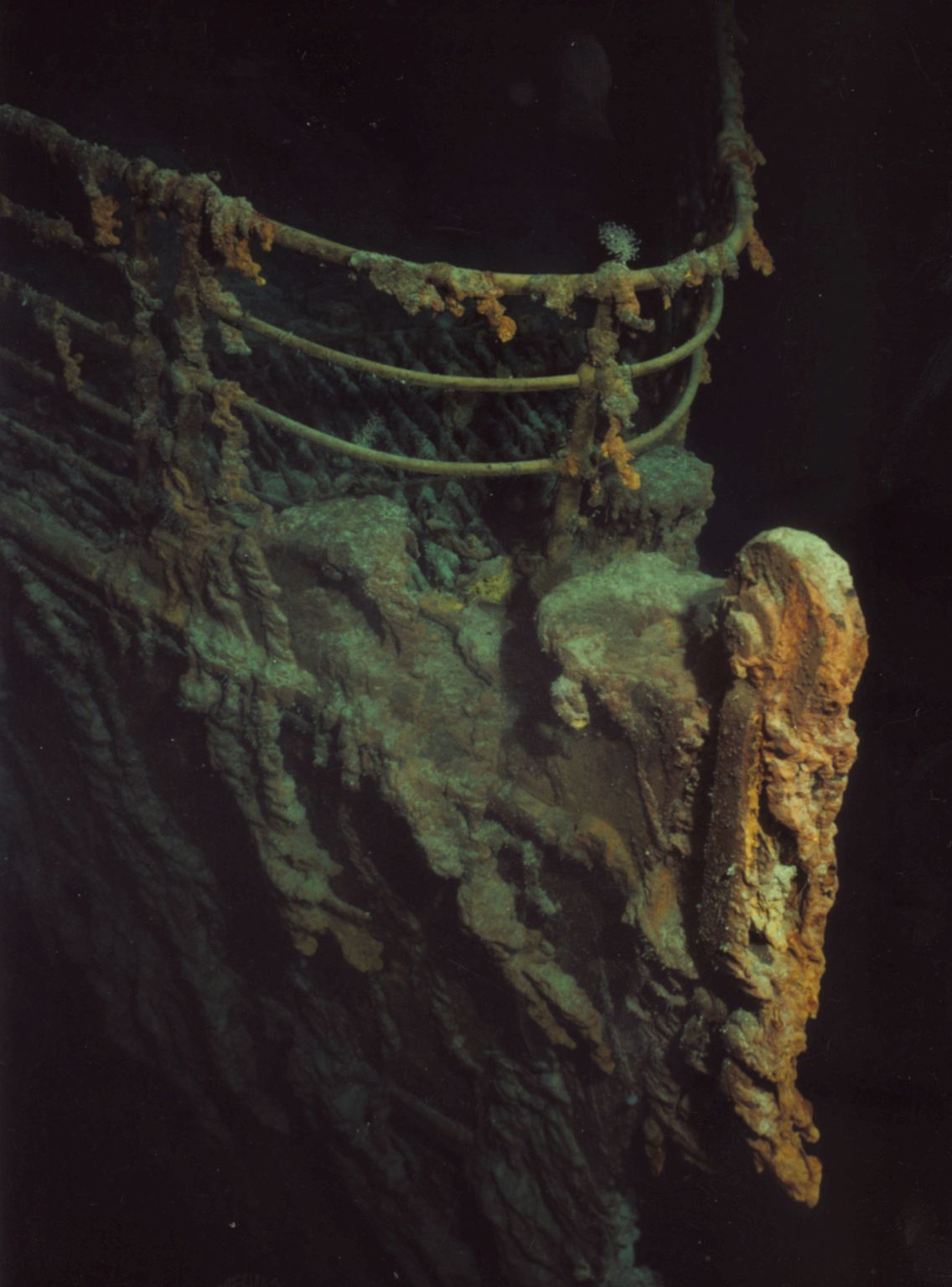
Forty-one years ago this week, National Geographic Society Explorer Bob Ballard found the Titanic. But the one lesson I learned from Bob was not about finding a famous ship. It was about asking questions and looking for answers to the questions other people have stopped asking. Bob is a dear friend and one of the most magnetic people I know: a naval officer, scientist, larger-than-life storyteller, and National Geographic star whose curiosity and lifetime of work have transformed our understanding of the ocean and our planet. Finding the Titanic made headlines around the world. However, what most people do not know is that the discovery almost did not happen. Bob’s real mission at the time was a super-secret Navy operation to investigate the wreckage of two nuclear submarines whose condition on the seafloor was unknown. The Navy made it clear: Bob had only a limited number of days to accomplish the mission, so the sooner he found the submarines, the more time he would have to search for the Titanic. After many days of searching for missing subs, Bob successfully located both, and the Navy mission was accomplished. He now had just 12 days left to look for the elusive Titanic, and the coordinates historically reported for where she had gone down on that fateful night turned out to be off by as much as 20 miles. A conventional grid search for the ship itself would take too long. But the submarine work he had just completed had taught Bob how currents scatter wreckage across the ocean floor. He had noted a miles-long debris field on approach to the subs. Instead of looking for the ship, he looked for its debris trail. Nearly two and a half miles down, in total darkness, his team’s remote camera sled spotted debris. They followed the trail until the Titanic emerged from the darkness—the end of a search that had captivated the world for seven decades. Ask Bob what drives him, and he will give you a one-word answer dressed up as a question. As he has said, “The greatest discoveries all start with the question ‘Why?’” By being curious and asking “why” the submarine debris had settled on the seafloor in a comet-like pattern, Bob was able to discover the Titanic. I love that about him. Decades into an epic career, he still approaches the ocean like a child approaches a locked door, certain there is something extraordinary on the other side. Curiosity is not limited to scientists or Explorers. It is the willingness to observe, wonder, imagine, and keep asking why—especially after others have stopped. Bob’s life reminds us that the right question can make the biggest impact. Happy anniversary, Bob Ballard, and thank you for continuing to teach all of us! And for those of you curious to learn more about Bob’s adventures, add a visit to National Geographic’s new Museum of Exploration to your to-do list. This is part of a series about lessons I learned from National Geographic Explorers in the field—and what those lessons offer the rest of us.
- LINKEDIN · IMAGERecorded 1 Oct 2026
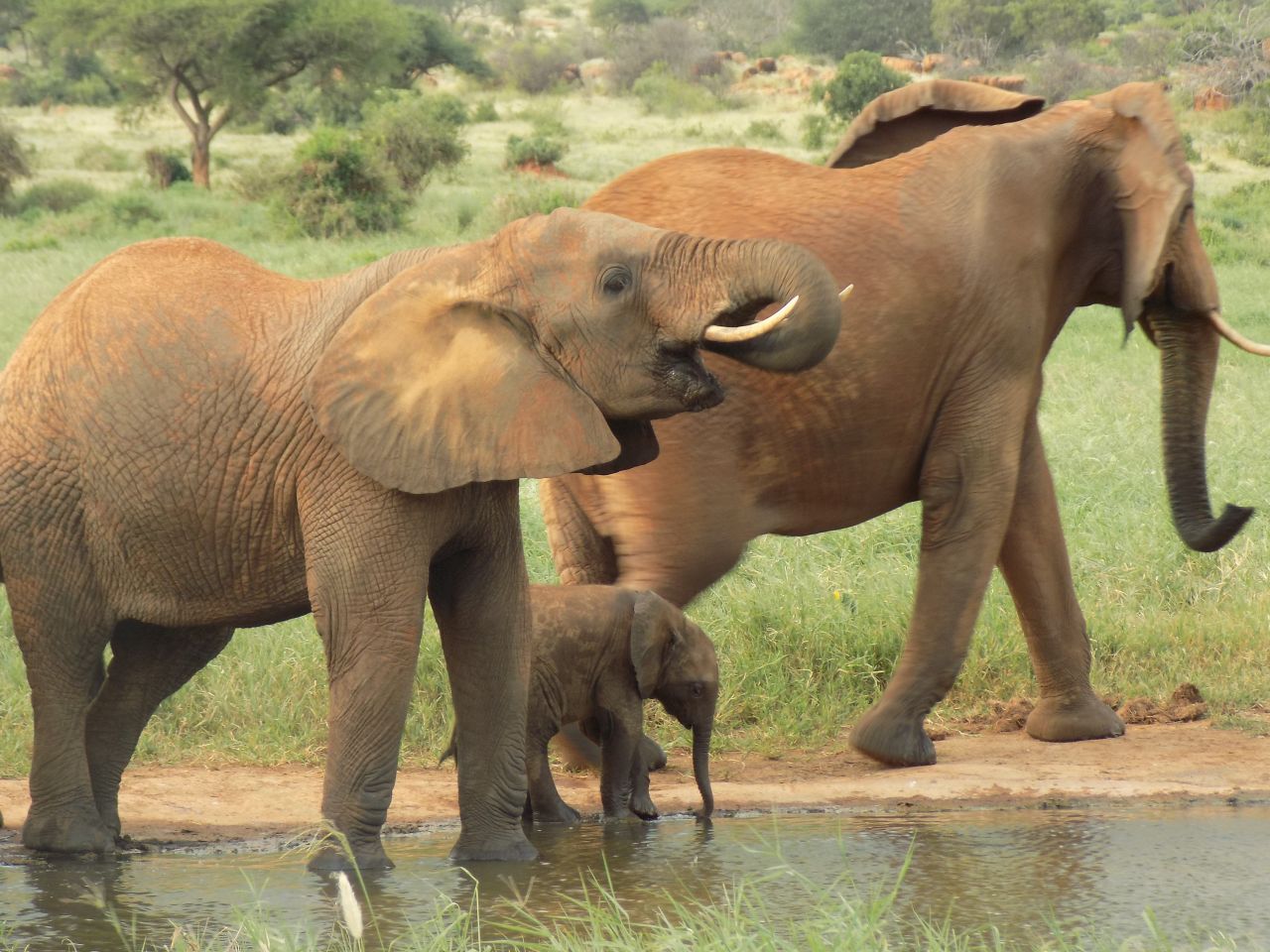
I never expected to be chased by an angry African elephant. In the moment, there wasn’t much ambiguity. She was enormous. She was coming toward us. And she was clearly not happy we were there. Fortunately, I was with National Geographic Explorer Paula Kahumbu—and what happened next changed the way I think about judgment. Paula is a renowned conservationist and one of the world’s leading voices on elephants. Many people know Paula from the extraordinary Disney and National Geographic series Secrets of the Elephants. As we watched the elephant, Paula helped me see something I had missed. Nearby was the elephant’s baby. Perhaps only moments before, poachers had attacked the young elephant and cut off its tusks. Suddenly, what I had interpreted as aggression looked entirely different. This elephant wasn’t simply being aggressive. She was responding to her baby having been harmed and to what she perceived as another potential threat. She was doing something deeply familiar to all of us: protecting her family. One of the great privileges of spending time with National Geographic Explorers is seeing how they approach the world. They observe before they conclude. They remain curious when others might rush to judgment. And they understand that what is visible on the surface rarely tells the whole story. In leadership and in life, behavior that looks unreasonable from a distance can make sense once we understand the pressures, history, or hurt behind it. Context does not excuse every action. But it should make us humbler about assigning motives. Sometimes the difference between fear and understanding is simply seeing the whole picture. Before deciding that you understand someone’s motives, look again. Ask what you might be missing. When has learning the fuller story changed your view of someone? This is part of my series about lessons I’ve learned from National Geographic Society Explorers in the field—and what those lessons might offer the rest of us. #NationalGeographic #LifeIsAnExpedition #Leadership
- LINKEDIN · IMAGERecorded 1 Oct 2026
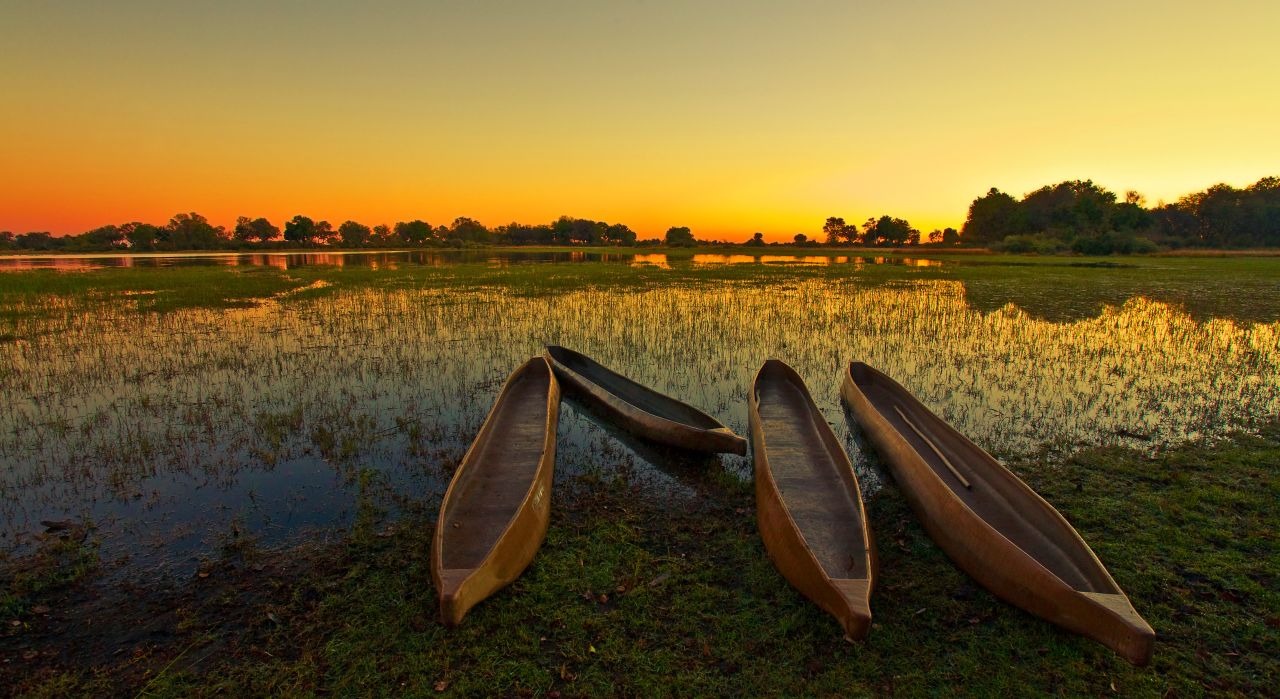
“Don’t paddle too fast.” That is one of the most enduring lessons I learned from National Geographic Explorer Steve Boyes—and it has very little to do with paddling. Spend time with Explorers in the field, and you come to realize that what they bring home is so much more than knowledge about ecosystems, human origins, wildlife, or distant places. Listen carefully, and you will find life lessons that all of us can apply. Steve is a conservation biologist who leads the National Geographic Society-supported Okavango Wilderness Project, which studies, maps, and protects one of Africa’s last great wild river systems that flows from the headwaters in Angola, through Namibia into the Okavango Delta of Botswana. His teams have traveled more than a thousand miles in dugout canoes through waters shared with hippos and crocodiles. If ever someone had a good reason to paddle fast, it was Steve. And indeed, Steve brought urgency as he and his team pushed themselves to cover as much distance as possible each day to complete the expedition. But then, the unforeseen happened — Steve was diagnosed with a life-threatening cancer, and left the expedition to pursue needed treatment. When he returned months later, he approached the river differently. Cancer had changed his sense of time: he slowed his pace, he paddled more slowly, paid closer attention to each bend, and found the experience–and his work–richer for it. Steve now reflects on how much more he knows and understands about the river, how much better he is at his work as an Explorer because he makes sure he doesn’t paddle too fast. I think about that often. At work and in life, speed can masquerade as progress. We rush from one meeting, deadline, or milestone to the next, rarely pausing long enough to see what the pace itself may be causing us to miss. I think about this lesson from Steve when I walk, when I go through my day at the office, and when I lead teams. What might I be missing? What becomes visible when I stop racing through the day? Slow down, I tell myself, don’t paddle too fast. The Explorers who see the most are not always the ones who cover the most ground. They are often the ones willing to slow down enough to turn observation into understanding. This is the first in a series about lessons I learned from National Geographic Explorers in the field—and what those lessons might offer the rest of us. And, if you want to know more, one of the dugout canoes that carried Steve’s team through the Okavango is now on view at the new National Geographic Museum of Exploration in Washington, D.C.—bringing the world behind his lesson a little closer to home. I highly recommend a visit. #NationalGeographic #LifeIsAnExpedition #Observation
6 of 26 adsSign up to see every The Case Foundation ad, filter by format and date, and get alerts on new ones.
See all 26 adsOn Google Search, YouTube and Display
Domain casefoundation.org · 1 ads on the Transparency Center, checked 11 Oct 2026 · 1 recorded
- All 1
- Text 1
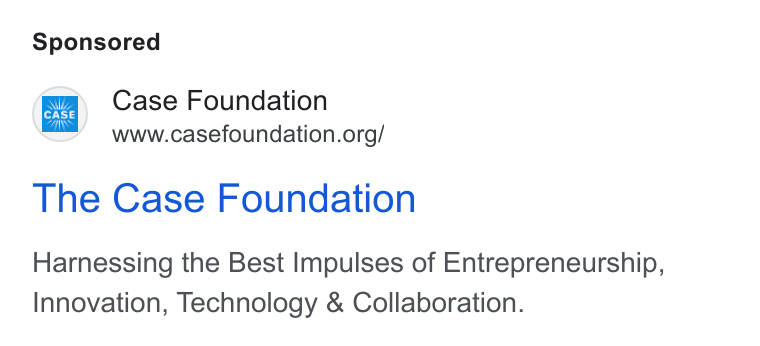
- GOOGLE · TEXTLast shown 29 Oct 2026
First shown 25 Oct 2021
Questions about The Case Foundation’s ads
Is The Case Foundation running LinkedIn ads?
We recorded no live LinkedIn ads for The Case Foundation on 8 Nov 2026.
How many LinkedIn ads has The Case Foundation run?
LinkedIn’s ad library lists 24 ads for The Case Foundation. We recorded 26 LinkedIn ads for The Case Foundation, first recorded on 1 Oct 2026 and last recorded on 8 Nov 2026.
Does The Case Foundation advertise on Facebook and Instagram?
The Case Foundation’s Facebook page had no active ads in Meta’s Ad Library, last recorded on 27 Oct 2026.
Does The Case Foundation run Google ads?
Yes. We recorded 1 Google ad for the domain casefoundation.org on 11 Oct 2026.
Which ad formats does The Case Foundation use?
The 6 LinkedIn ads on this page include 6 image ads.
Watch the companies you care about.
Filter every ad by industry, country, format and network, and get alerts when a company you watch starts running new ads.