Not on air · 2 of 3 networks checked
Sylvera
- sylvera.com
- Climate Data and Analytics
- GB
- 151 employees
Sylvera’s ads on LinkedIn, Meta and Google, recorded by adsrunning. Browse the latest here for free. Sign up free to see all 211. Watch Sylvera on any plan to get each new one in your feed.
Watchlist included in every plan
| Network | Status | Live ads | Nov 2025LinkedIn activity · 52 weeksNov 2026 | Checked | Next step |
|---|---|---|---|---|---|
| None recorded | 0 | Checked 3 Nov 2026 | See all 211 ads → | ||
| Meta | Not checked | — | |||
| Recently | 100+ | Ads on the Google Ads Transparency Center | Checked 11 Oct 2026 | Collect them with the API → |
Sylvera has no live LinkedIn ads. We recorded 100+ Google ads on 11 Oct 2026.
Latest ads
- LINKEDIN · IMAGESince 28 Oct 2026
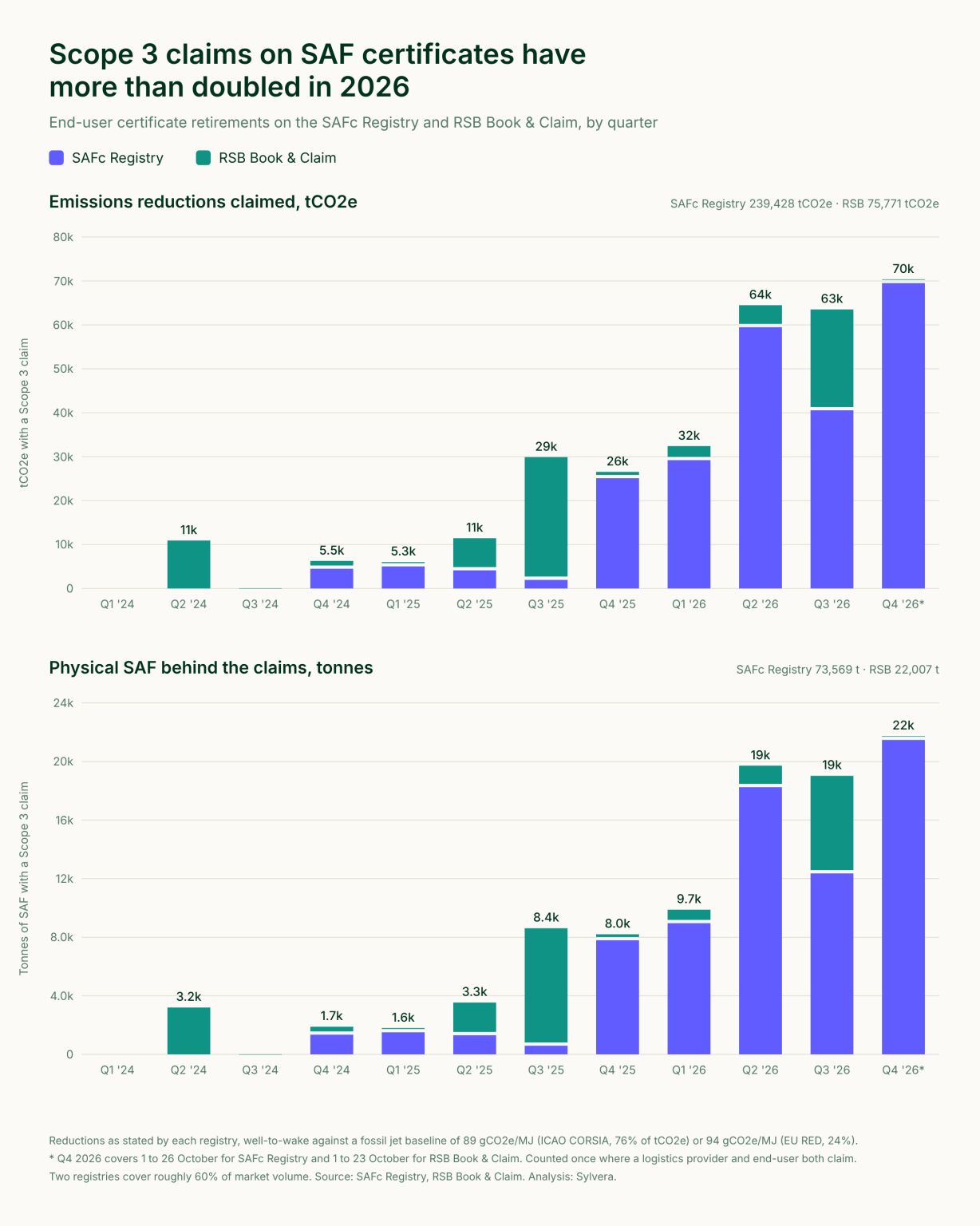
Scope 3 retirements on SAF certificates in the first nine months of 2026 were 2.3 times all of 2025. And October has already beaten every quarter on the SAFc Registry, with Microsoft alone retiring 17,000 tonnes on 19 October. More than fifty companies have made a claim this year, most of them for the first time: Novo Nordisk, Bain, Atlassian, EY, many more. Looking into companies’ sustainability reports shows the same trend. Microsoft's SAF certificates took around 74,000 tCO2e off its business travel line last year, about 25% of it, up from 25,000 two years earlier. Netflix retired 4,300 tCO2e of SAFc in 2025, 4x the year before. Deloitte's programme has grown every year since FY22. So why are companies paying $140 to $300 per tCO2e for SAF certificates, when removal credits range from around $18 a tonne for ARR to $169 for biochar? Because the claims corporates are buying are not the same, and they play different roles. Under SBTi V2, a SAF certificate is the market instrument utilised in Scope 3, accounted for separately from the physical inventory. A carbon credit sits under Ongoing Emissions Responsibility for residual emissions. Corporates are increasingly focussing on Scope 3 levers to decarbonise, as well as carbon credits for residual emissions. For example, Netflix retired 4,300 tCO2e of SAFc alongside 1.09 million tCO2e of credits last year. Different instruments, different jobs. Other examples of how corporates are approaching this: Atlassian's travel emissions came in at 135% over target as headcount grew, so it introduced an internal carbon fee to fund SAFc purchases and made its first claim in Q1. Bain started by covering every North American recruiting flight and now targets 5% of its jet fuel as SAF by 2030. Even at Sylvera, we purchased SAFc for business travel for the first time this year, in addition to carbon credits for our SBTi target. One caveat: the two registries used for the graphs and numbers cover about 60% of market volume. How are you weighing up SAFc purchases for Scope 3? What pricing are you using for your future planning, and how are you trading off against carbon credits for residual emissions?
- LINKEDIN · IMAGESince 27 Oct 2026
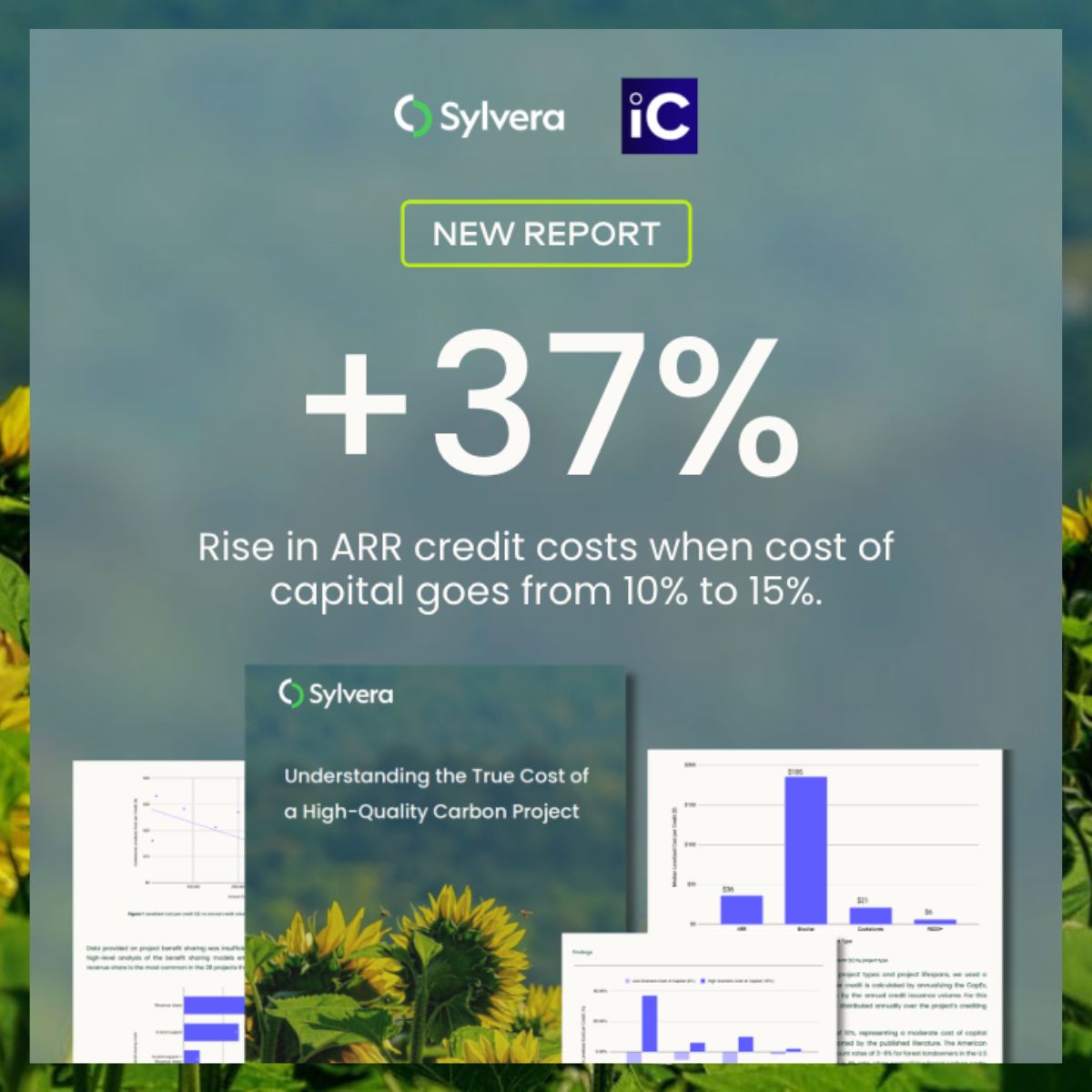
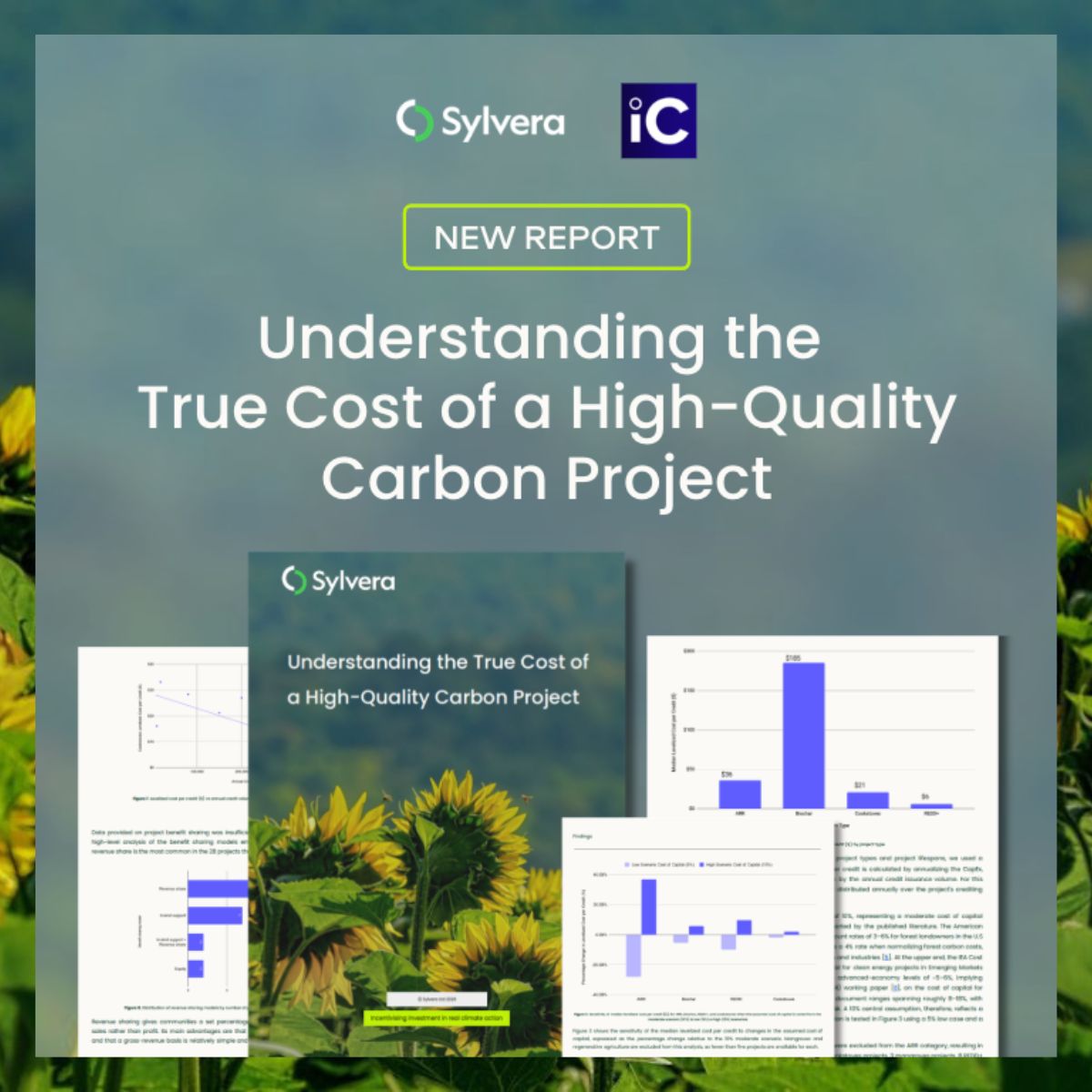
A 5-point rise in cost of capital lifts ARR credit costs by 37%. For biochar, it’s 6%. See why in our new report with the ICVCM.
- LINKEDIN · IMAGESince 27 Oct 2026
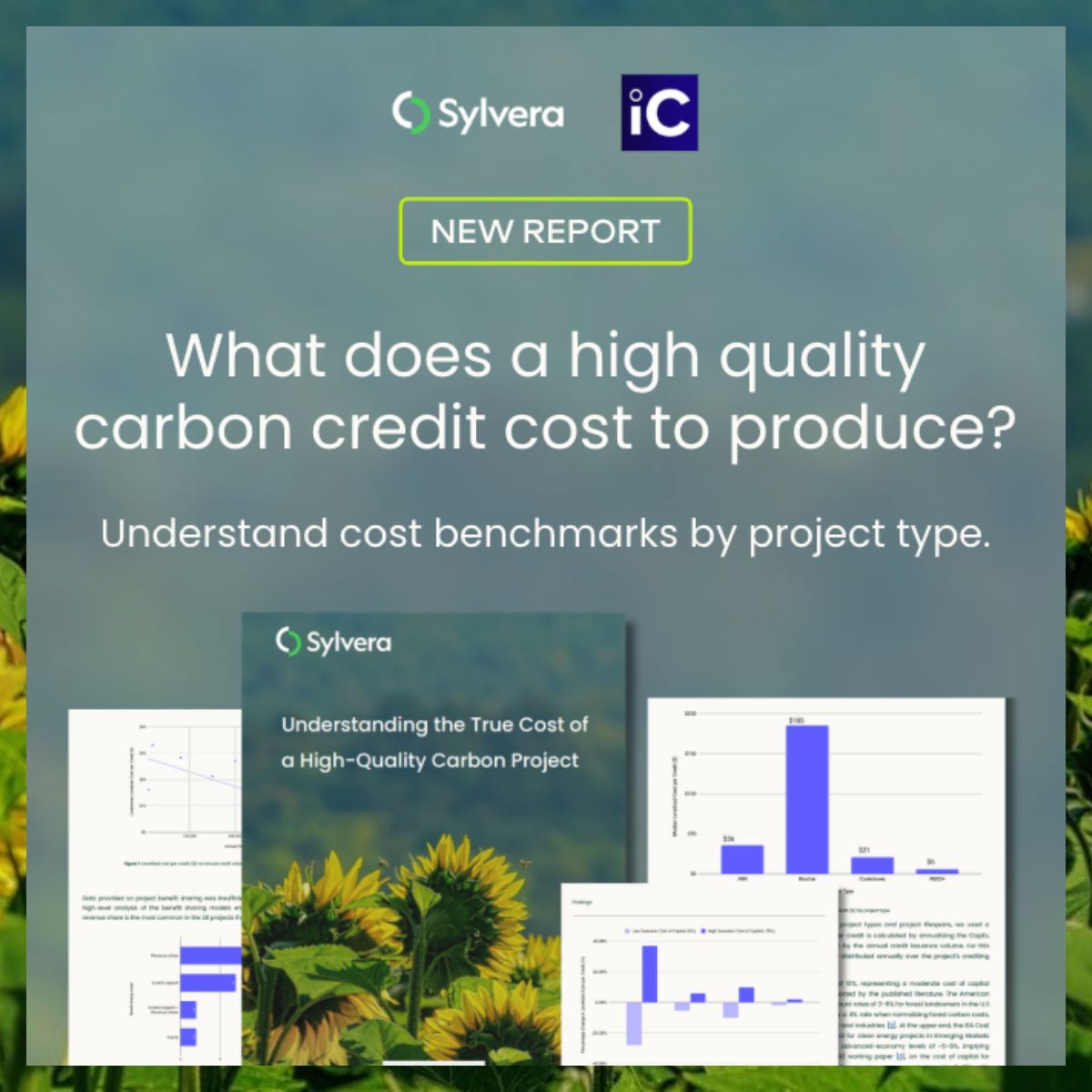
Cost benchmarks, cost-of-capital sensitivity, and benefit-sharing data from 53 carbon projects. Built with the ICVCM. Free to download.
- LINKEDIN · IMAGESince 27 Oct 2026
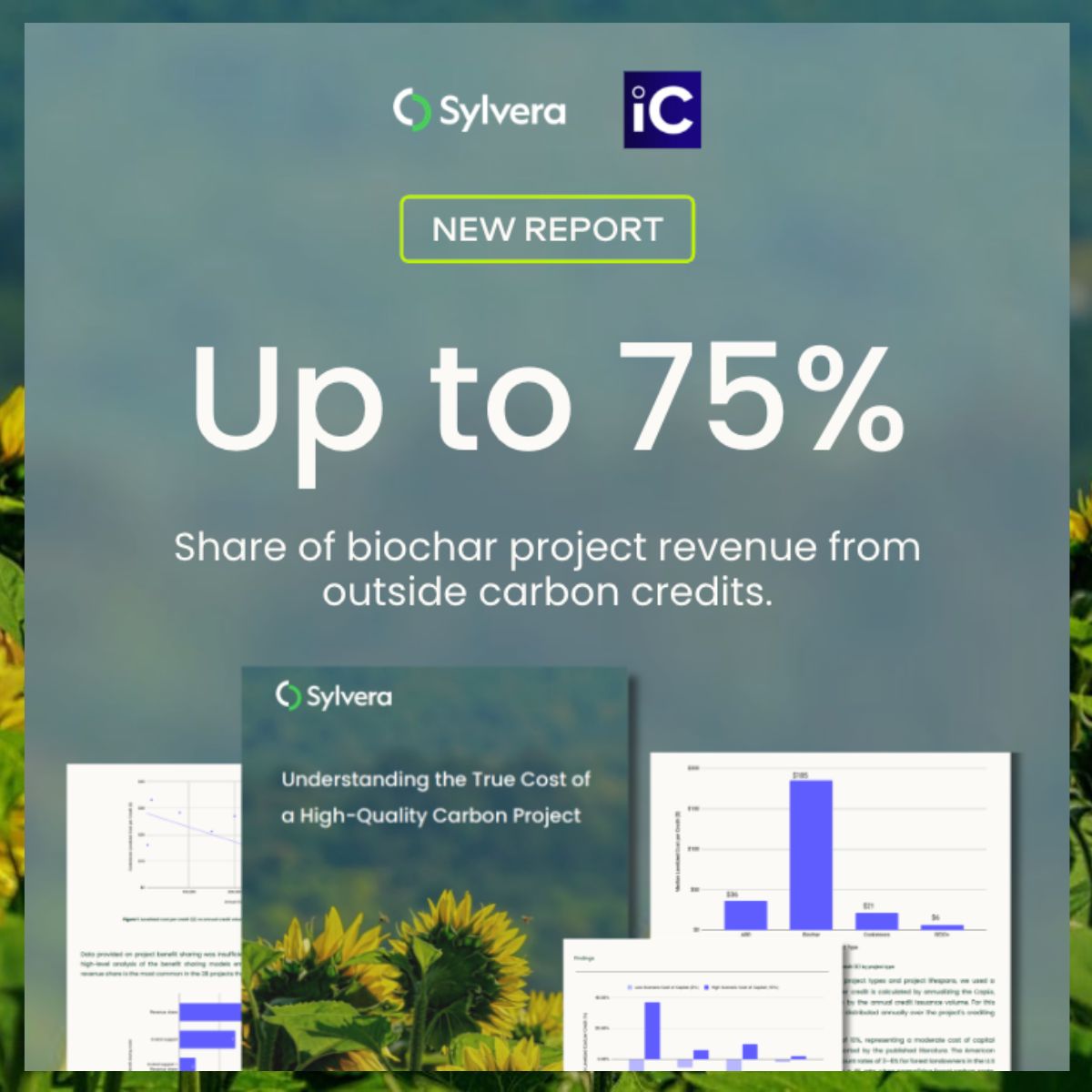
Up to 75% of a biochar project’s revenue can come from outside carbon credits. Here’s what that means for additionality.
- LINKEDIN · IMAGESince 27 Oct 2026
What does a high-quality carbon credit actually cost to produce? Our new report with the ICVCM breaks it down by project type.
- LINKEDIN · IMAGESince 21 Oct 2026
Planning your 2027 carbon credit purchases? Our free guide covers every stage, from budget approval to year-end claims. Download it now.

6 of 211 adsSign up to see every Sylvera ad, filter by format and date, and get alerts on new ones.
See all 211 adsWatch the companies you care about.
Filter every ad by industry, country, format and network, and get alerts when a company you watch starts running new ads.