Not on air · 2 of 3 networks checked

Suunta.ai ads
- suunta.ai
- Software Development
- FI
- 7 employees
Suunta.ai’s ads on LinkedIn, Meta and Google, recorded by adsrunning. Browse the latest here for free. Sign up free to see all 203. Watch Suunta.ai on any plan to get each new one in your feed.
Watchlist included in every plan
What Suunta.ai runs
- Single image · LinkedIn
- 6
- Google ads on 11 Oct 2026
- 12
| Network | Status | Live ads | Nov 2025LinkedIn activity · 52 weeksNov 2026 | Checked | Next step |
|---|---|---|---|---|---|
| None recorded | 0 | Checked 7 Nov 2026 | See all 203 ads → | ||
| Meta | Not checked | — | |||
| Recently | 12 | Ads on the Google Ads Transparency Center | Checked 11 Oct 2026 | Collect them with the API → |
Suunta.ai has no live LinkedIn ads. We recorded 12 Google ads on 11 Oct 2026.
Latest ads
- LINKEDIN · IMAGESince 28 Oct 2026
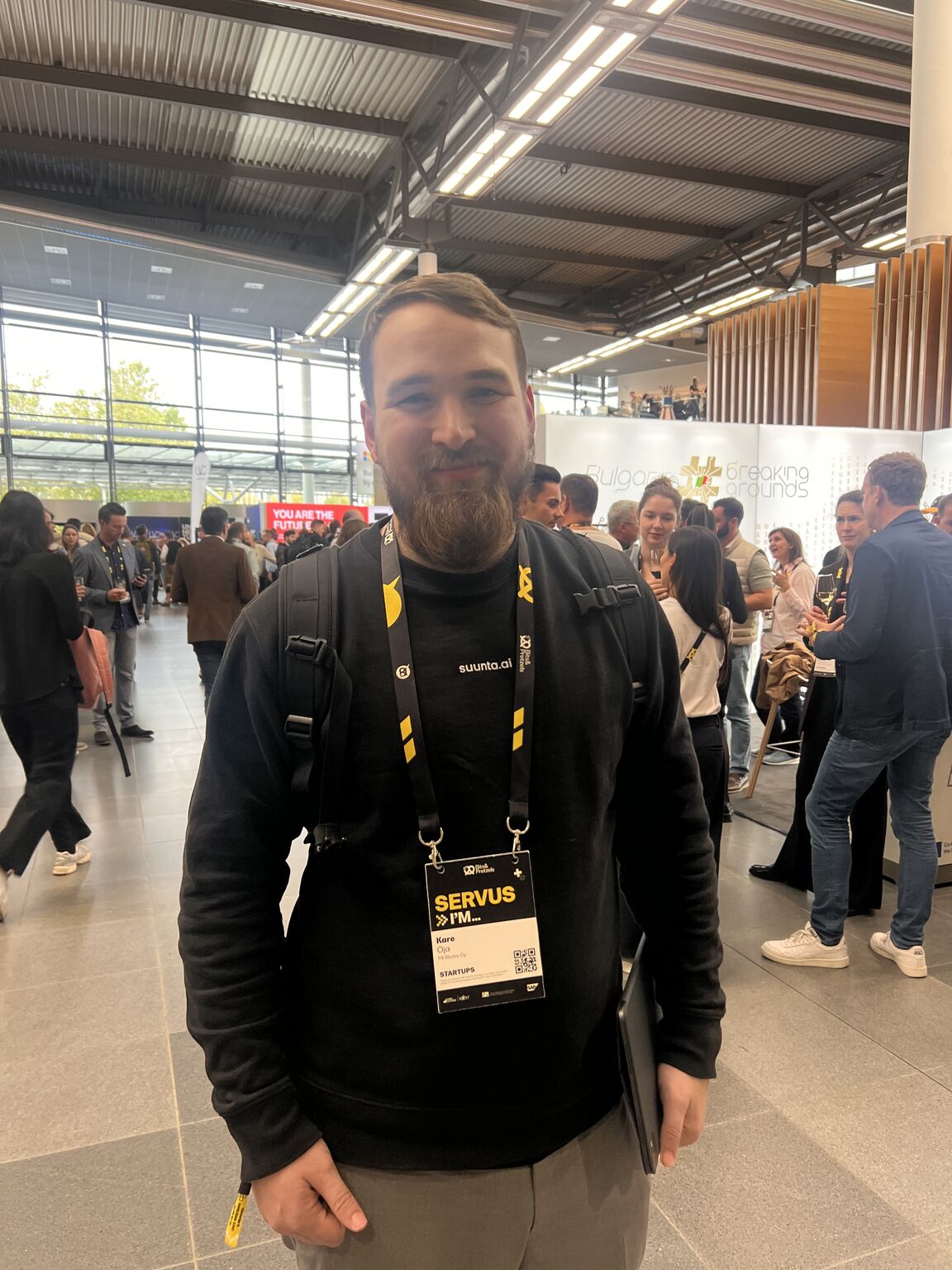
Most growing companies make their important decisions twice. First in a leadership meeting, and then again six months later in another one, because nobody can find the original decision or remember why it was made. I saw this for years while running sales at a consulting company, close to how hundreds of client companies planned and grew. It happened in companies of every size, and it rarely looked like a problem. It looked like a normal meeting. I've come to think it's one of the most expensive habits a growing company has. Every reopened decision costs the team the reasoning behind it and the momentum it created. Slush is a good example. In a few weeks, thousands of founders will leave Messukeskus with their heads full of decisions about markets and hires. By February, many of those decisions will be up for debate again. AI hasn't fixed this. Producing a strategy document has never been easier, but making a decision stick is as hard as it ever was. That's why I rebuilt Suunta.ai from scratch this year. Strategy lives in it as decisions with their reasoning attached, connected to the work that should follow. AI reads and suggests, and people decide. My first Slush was in 2018, when I pitched a student idea for reusing old advertising banners. This will be my fifth. If your team keeps having the same conversation over and over, send me a message and let's meet there.
- LINKEDIN · IMAGESince 28 Oct 2026
Every yes is a no to something else. In a startup, there are a lot of exciting things to say yes to: a new idea that sounds promising or a feature that could make the product even better. And let's be honest, saying yes feels good. It feels like progress, like you're keeping doors open and making the most of every opportunity. But the downside is that every yes takes time, energy, and resources away from something else. And when you're working with a small team and limited resources, those trade-offs really matter. That's why I think one of the most underrated parts of strategy is knowing what not to do. An idea might be great, but that doesn't mean now is the right time to pursue it. A clear strategy should make those decisions easier. Strategy should help you recognize which opportunities actually move you closer to your goals and which ones, however exciting, might just be distractions. Being strategic is about making sure the things you do actually matter. And sometimes, the most valuable decision you can make is saying no. I used to think that making the most of opportunities meant trying as many things as possible. Now I'm starting to see that sometimes the smartest thing you can do is protect your focus. What's something you've learned to say no to while building or growing a business?
- LINKEDIN · IMAGESince 28 Oct 2026
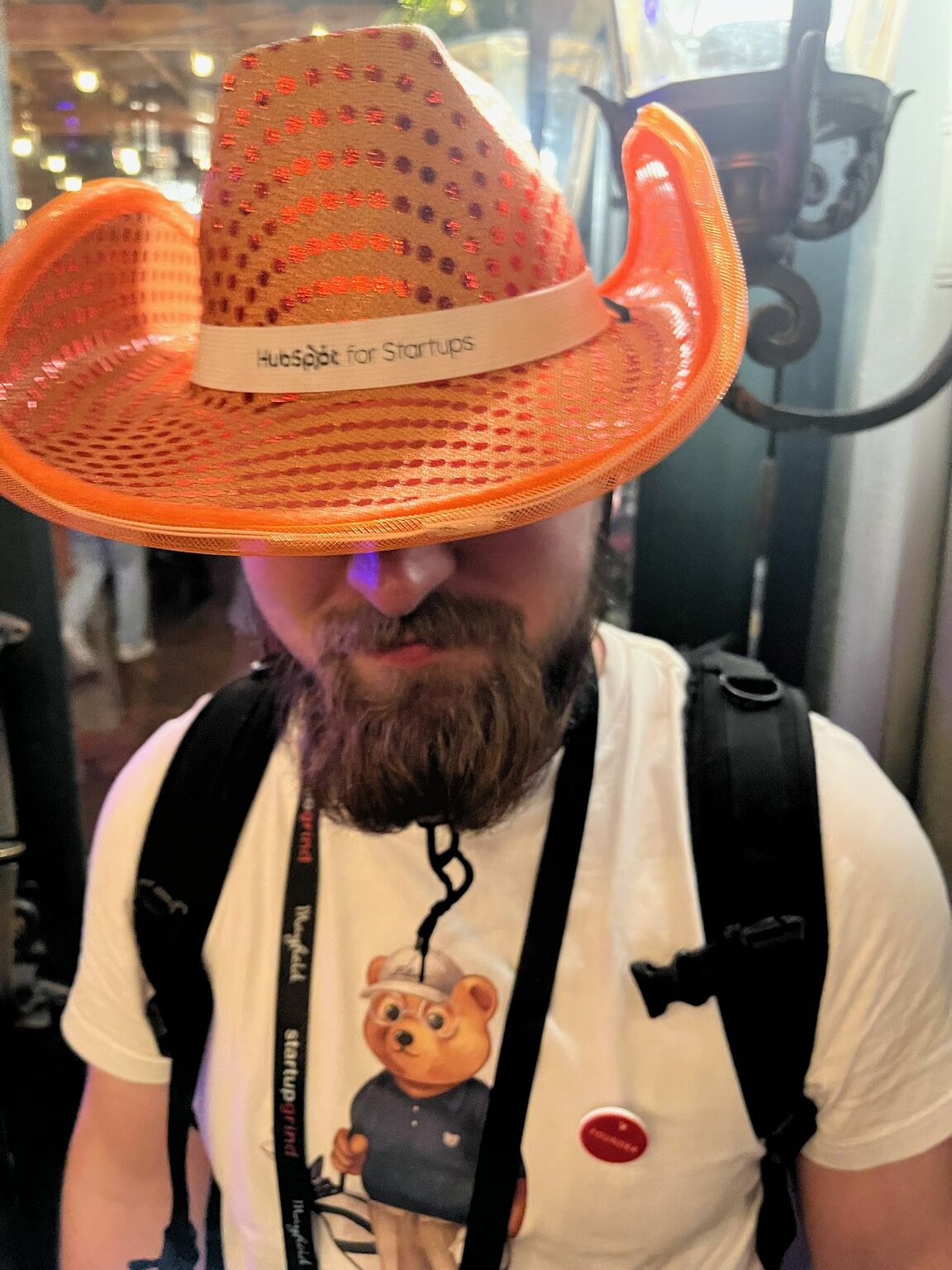
HubSpot gave me this hat, and I said yes without a second thought. Easy call. Most yeses in a growing company deserve far more thought than that. Focus rarely disappears in one big decision. A large customer asks for a feature that isn't on the roadmap. It would take about three weeks, the request is reasonable and nobody wants to be the one who says no, so it gets added and nothing comes off the list. A few weeks later an investor mentions an interesting market, and a couple of people start exploring it on the side. By the end of the quarter everyone has worked hard, every decision has made sense on its own, and the priority set in January is half done. Bad ideas are easy to turn down. Good ones get piled on top of everything else, because adding feels cheaper than choosing. When something new comes in, the most useful question I know is simple: what does it replace? Doing both isn't an answer. It just pushes the decision to the moment someone runs out of time, and by then nobody remembers there was a decision to make. Saying no to a good idea doesn't get easier. It gets clearer once you can see what the yes would cost.
- LINKEDIN · IMAGESince 28 Oct 2026
What if strategy was something you used, not something you presented? Think about how strategy work usually goes. Weeks of planning, workshops, discussions, a carefully crafted presentation and then comes the big moment: presenting the strategy to the team. Everyone nods. The direction seems clear. Everyone is excited about the plan and what's coming next. And then Monday arrives. The meetings start, the inbox fills up, new priorities appear and somewhere between everyday tasks and urgent decisions, the strategy starts to fade into the background. But what if it didn't have to? What if strategy was something you could actually use every day? Something that helped you decide what to focus on, which opportunities to pursue, and when to say no. Something that connected your daily work to the bigger picture. Because strategy shouldn't just explain where we're going. It should help us figure out what to do next. And with AI, I believe we're getting closer to making that possible for startups and other companies that don't have dedicated strategy teams or budget for external consultants. Strategy should not be another presentation or document gathering digital dust. Nowadays it should be a living strategy that evolves with the business and supports the decisions we make along the way. It's time to stop thinking about strategy as something we present once a year and start thinking about it as something we use every day. I'm curious: what would change in your work if your strategy was actually part of your daily decisions?
- LINKEDIN · IMAGESince 20 Oct 2026
Urheiluorganisaatiossa strategiatyön pahin kilpailija ei ole toinen seura. Kyllä se on arki. Ottelut, kumppanit, junioritoiminta, tapahtumat, vapaaehtoiset, markkinointi, myynti, talous ja urheilulliset päätökset painavat päälle joka päivä. Ja yleensä sama pieni joukko ihmisiä yrittää pitää kaiken kasassa. Strategian pitäisi auttaa juuri silloin, kun pöydällä on 15 kiireellistä asiaa ja resursseja viiteen. Se ei kuitenkaan auta, jos se on kalvoilla tavoittamattomissa, eikä mielessä kun päätöksiä pitää tehdä. Päivän päätteeksi kuitenkin merkkaa se, että kaikki asiat tehdään yhteisen isomman tavoitteen eteen. Oli se sitten mahdollistaa urheilijan polku juniorista ammattilaiseksi, vahvistaa myönteistä urheilukulttuuria tai voittaa mestaruus. Siksi strategialla ja sen onnistuneella toteutuksella on valtava merkitys. Tekoälystä voi saada hyvän kumppanin tähän. Lue miten esimerkiksi jalkapalloseura IF Gnistan hyödyntää tekoälyä strategisena kumppaninaan: https://lnkd.in/dWxdgJ9y
- LINKEDIN · IMAGESince 20 Oct 2026
Tekoäly ei pelasta huonoa strategiaa. Se auttaa vain toteuttamaan sitä nopeammin. Tekoäly voi analysoida dataa, tunnistaa poikkeamia, tehdä yhteenvetoja, haastaa ajattelua ja auttaa päätöksenteossa. Mutta jos yrityksellä ei itsellään ole selkeää vastausta siihen, mitä tavoitellaan ja mikä on tärkeää, tekoäly ei voi tietää sitä teidän puolesta. Pahimmillaan se tuottaa tehokkaasti vastauksia ja toimenpiteitä aivan väärään suuntaan. Jos ette itse tiedä vastauksia näihin kysymykseen, tekoälystä ei strategiatyössä ole vielä paljoakaan hyötyä: 1. Mihin suuntaan yritys on menossa? 2. Mitkä ovat tärkeimmät strategiset tavoitteet? 3. Miten niiden etenemistä mitataan? 4. Mitä toimenpiteitä ja projekteja niiden saavuttaminen oikeasti vaatii? Tekoälyn aikakaudella strategian tulee olla selkeä ja konkreettinen. “Kasvetaan kannattavasti” ei vielä riitä. Pitää tietää mistä kasvu tulee, mitä priorisoidaan, mitä jätetään tekemättä ja mistä tiedetään, että suunta on oikea. Kun nämä asiat on määritelty ja annettu tekoälylle kontekstiksi, siitä alkaa tulla oikeasti hyödyllinen strateginen sparraaja. Silloin tekoälyltä voidaan kysyä esimerkiksi: – Mihin johtoryhmän pitäisi kiinnittää seuraavaksi huomiota? – Mikä tavoite ei tällä hetkellä etene? – Mitkä projektit eivät tue strategiaa riittävästi? – Missä tekeminen on ajautunut pois sovitusta suunnasta? Selkeä strategia + tekoäly = parempia päätöksiä nopeammin.



6 of 203 adsSign up to see every Suunta.ai ad, filter by format and date, and get alerts on new ones.
See all 203 adsQuestions about Suunta.ai’s ads
Is Suunta.ai running LinkedIn ads?
We recorded no live LinkedIn ads for Suunta.ai on 8 Nov 2026.
How many LinkedIn ads has Suunta.ai run?
LinkedIn’s ad library lists 155 ads for Suunta.ai. We recorded 203 LinkedIn ads for Suunta.ai, first recorded on 1 Oct 2026 and last recorded on 1 Nov 2026.
Does Suunta.ai run Google ads?
Yes. We recorded 12 Google ads for the domain suunta.ai on 11 Oct 2026.
Which ad formats does Suunta.ai use?
The 6 LinkedIn ads on this page include 6 image ads.
Watch the companies you care about.
Filter every ad by industry, country, format and network, and get alerts when a company you watch starts running new ads.