Not on air · 3 of 3 networks checked
Semble
- semble.io
- Software Development
- GB
- 162 employees
Semble’s ads on LinkedIn, Meta and Google, recorded by adsrunning. Browse the latest here for free. Sign up free to see all 218. Watch Semble on any plan to get each new one in your feed.
Watchlist included in every plan
| Network | Status | Live ads | Nov 2025LinkedIn activity · 52 weeksNov 2026 | Checked | Next step |
|---|---|---|---|---|---|
| None recorded | 0 | Checked 3 Nov 2026 | See all 218 ads → | ||
| Meta | None recorded | 0 | No active ads recorded on the Meta Ad Library | Checked 25 Oct 2026 | Collect them with the API → |
| Recently | 64 | Ads on the Google Ads Transparency Center | Checked 9 Oct 2026 | Collect them with the API → |
Semble has no live LinkedIn ads. Its Facebook page had no active ads on 25 Oct 2026, and we recorded 64 Google ads on 9 Oct 2026.
Latest ads
- LINKEDIN · IMAGESince 30 Oct 2026
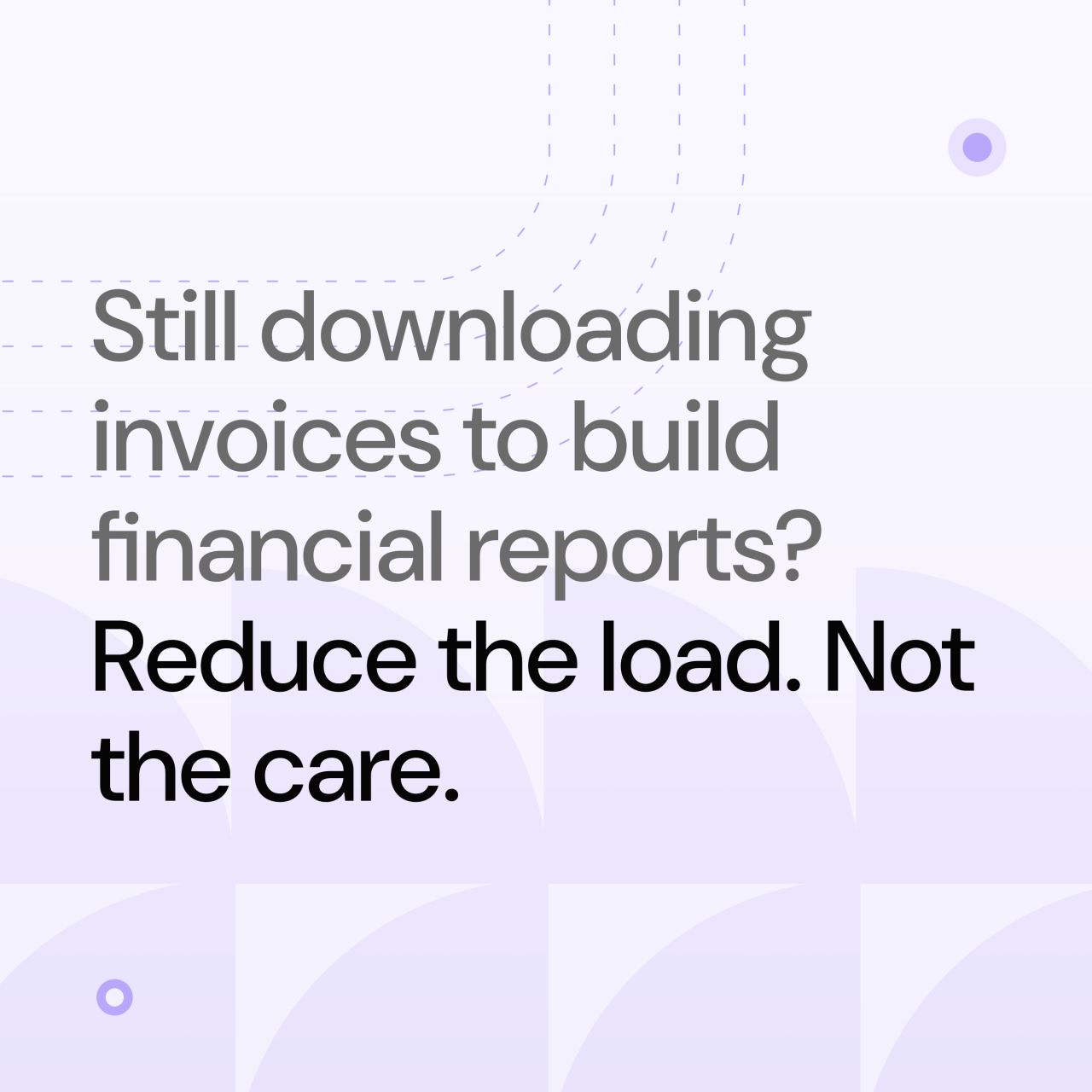
Financial reporting shouldn’t start with downloading and filtering hundreds of invoices. Mental health providers often need to understand performance across therapy, psychiatry and assessment services, delivered by different clinicians and funded by different payers. But at month end, finance teams and external accountants can spend hours manually preparing data that should be readily available. That adds unnecessary admin and increases the risk of errors. It also leaves leaders making decisions without a clear, up-to-date view of financial performance. Semble makes financial data easier to access and filter, helping teams prepare reports faster and spend less time on manual data preparation.
- LINKEDIN · IMAGESince 30 Oct 2026
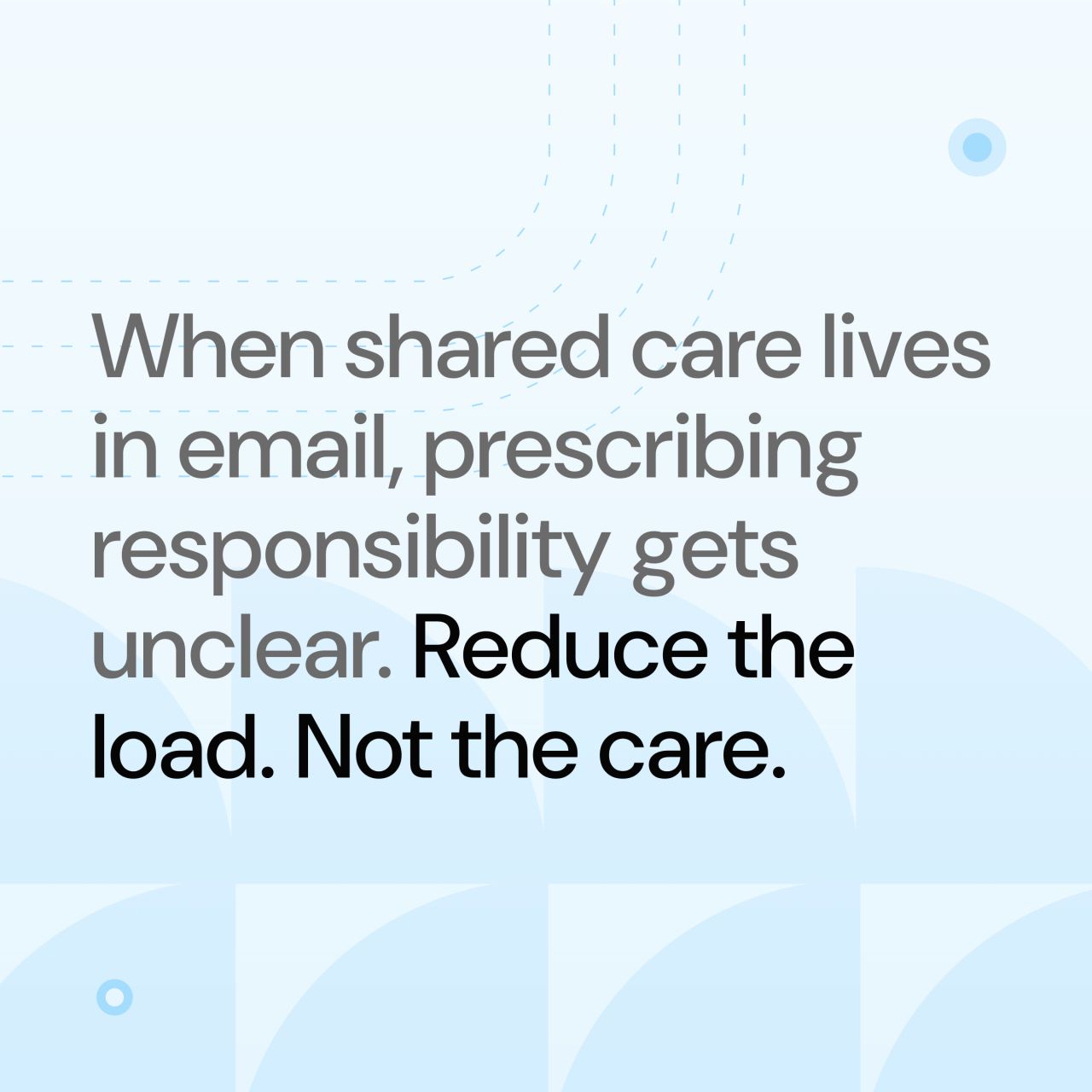
A shared care request is sent to a patient’s GP, but has prescribing responsibility actually transferred? In mental health care, shared care arrangements can involve ongoing medication management between psychiatrists, specialist teams and GPs. When requests and responses are managed through emails and inboxes, it can be difficult to see whether an agreement has been received, who is responsible for prescribing and whether follow-up is still needed. That can leave clinicians carrying responsibility longer than intended and create unnecessary clinical and regulatory risk. Semble brings shared care requests into a structured workflow, with clear ownership, reminders and an auditable record of responses, so teams can see where each patient’s shared care agreement stands.
- LINKEDIN · CAROUSELSince 30 Oct 2026
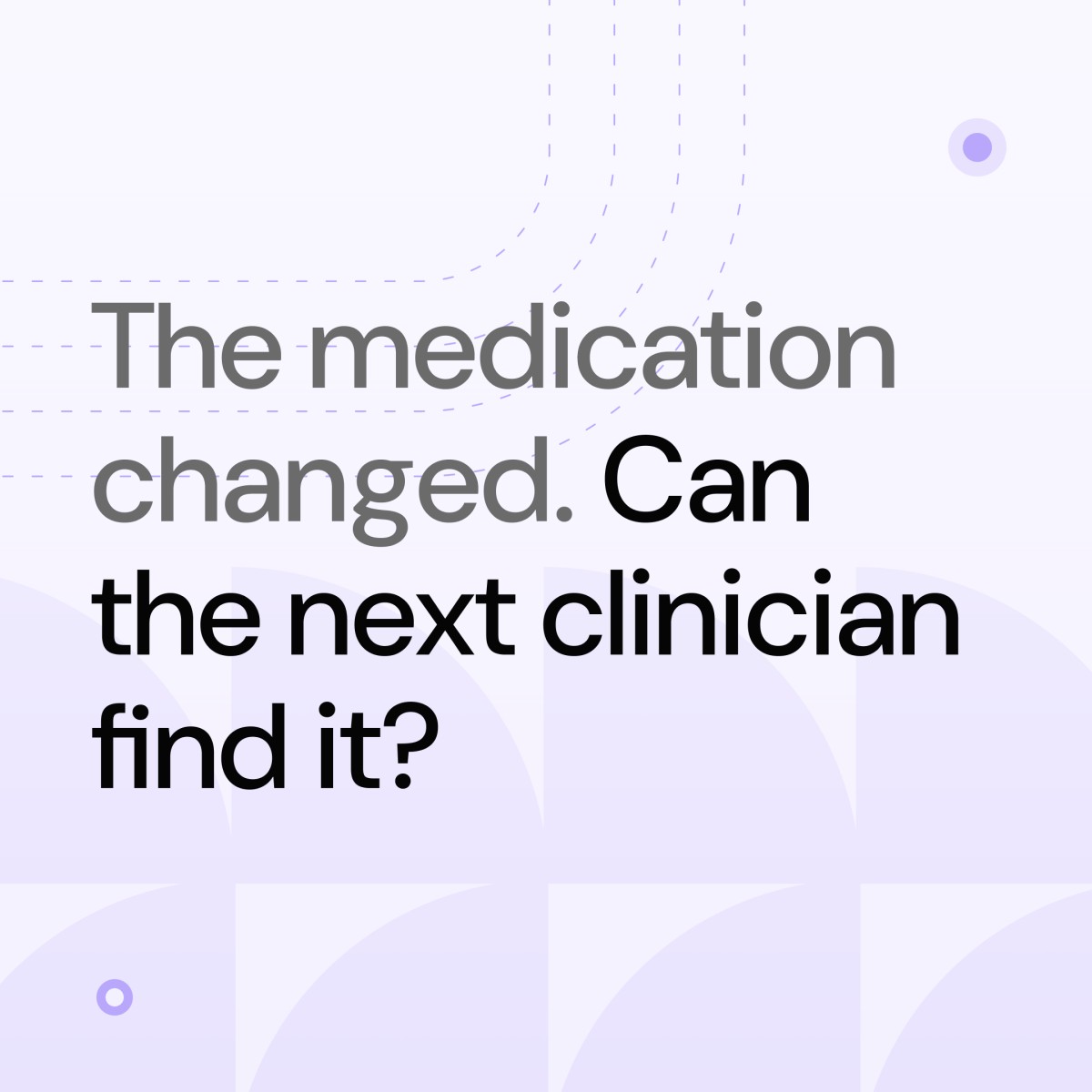
A patient’s psychiatric medication has changed. How quickly can the next clinician find out? In mental health care, a patient may be supported by psychiatrists, therapists, GPs and other members of a multidisciplinary team. When medication changes are buried in clinical notes, it can be difficult for the next clinician to quickly understand what has changed and what the patient is taking now. That creates extra work for clinicians and makes it harder to maintain a clear picture of the patient’s current treatment. Semble gives multidisciplinary teams a shared patient record, with current medication information visible and accessible alongside the wider patient history. Less time piecing together the latest information. More confidence everyone is working from the same patient record.
- LINKEDIN · CAROUSELSince 30 Oct 2026
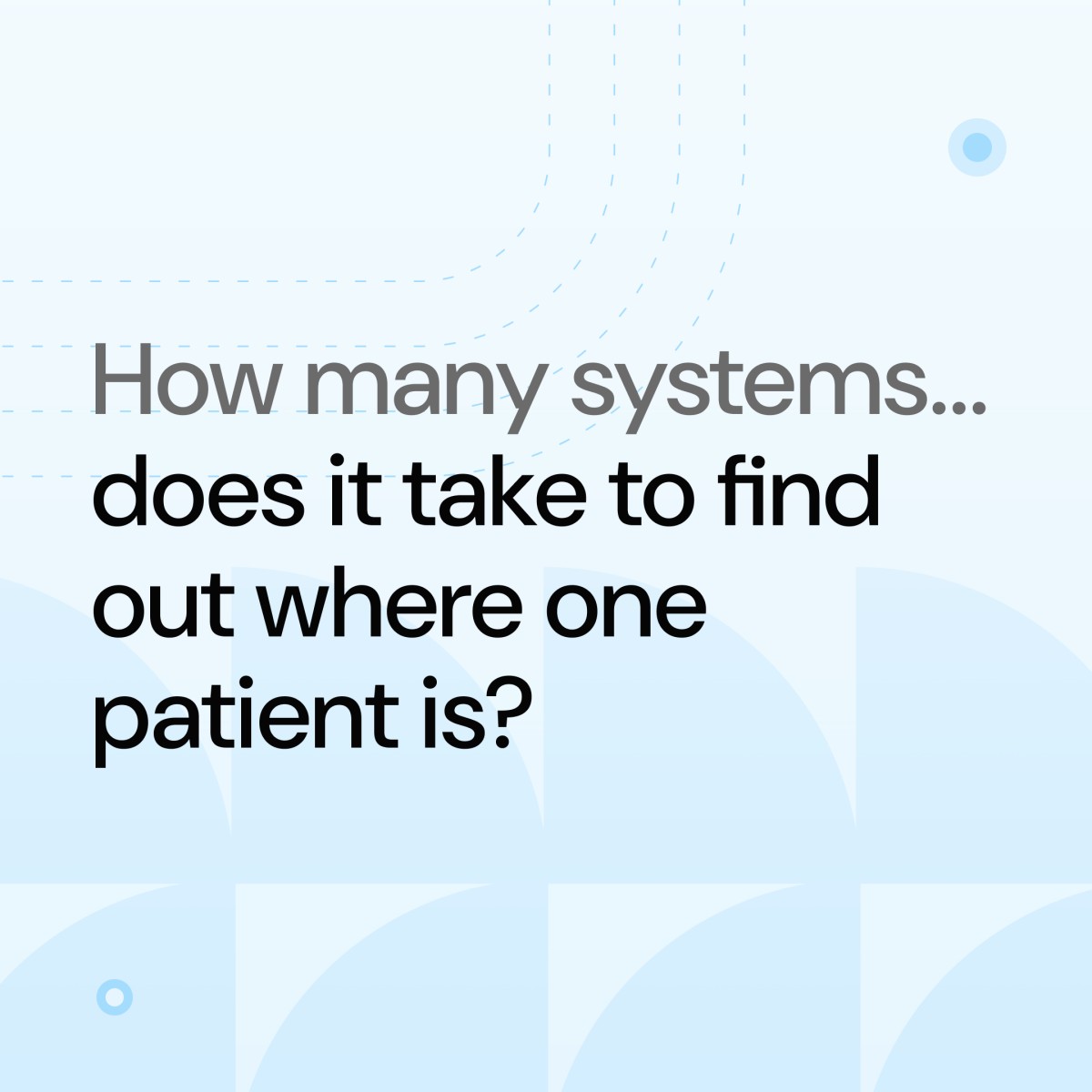
How much time does your team spend working out where each patient is in their care pathway? In mental health care, a patient journey can involve an initial assessment, psychiatric review, therapy sessions, medication reviews and ongoing follow-ups. When appointments, clinical information and next steps sit across different systems and spreadsheets, admin teams are left piecing that journey together manually. As caseloads grow and pathways become more complex, that workload grows with them, making it harder to see who needs to be seen next and where delays are building. Semble gives teams a real-time view of each patient journey, with availability and automated slot assignment helping patients move to the right next stage of care. Less time tracking pathways. More visibility across every patient journey.
- LINKEDIN · IMAGESince 30 Oct 2026
An invoice is raised, payment is received, then the amount is changed. In mental health care, that could follow a cancelled therapy session, an insurer adjustment or a change to a patient’s course of treatment. Without a complete audit trail, finance teams and external accountants have to investigate manually to understand what the invoice was originally for, what changed and who made the amendment. That creates unnecessary work, makes revenue leakage harder to identify and increases governance risk around billing changes. Semble keeps a clear history of invoice amendments, so finance can see what changed, when it changed and how it affects the payment record.
- LINKEDIN · CAROUSELSince 30 Oct 2026
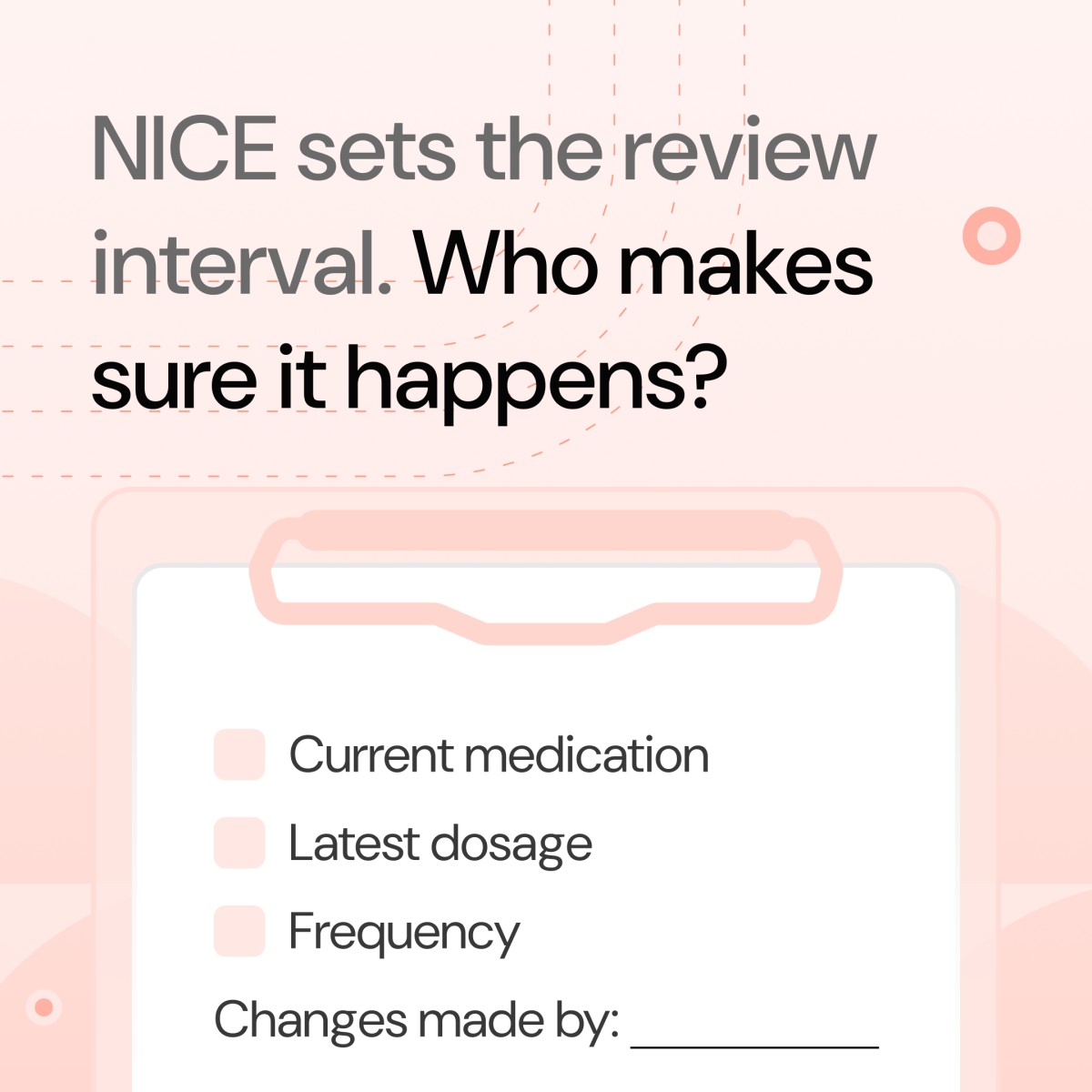
Who’s responsible for remembering when every patient’s next medication review is due? In mental health care, patients may need regular medication reviews, monitoring and shared care follow-ups as part of ongoing treatment. When those dates and milestones sit across spreadsheets, manual lists and individual reminders, keeping track of what’s due can fall back on individual clinicians. As caseloads grow, that means more to remember and more opportunity for an important review or follow-up to be missed. Semble keeps medication recalls, review tasks and shared care milestones visible and connected to the patient, so your team can see what’s coming before it becomes overdue. Take review dates out of clinicians’ heads.
6 of 218 adsSign up to see every Semble ad, filter by format and date, and get alerts on new ones.
See all 218 adsWatch the companies you care about.
Filter every ad by industry, country, format and network, and get alerts when a company you watch starts running new ads.