0 new LinkedIn creatives in 30 days · 2 of 3 networks checked

Schaefer ads
- schaefer.co
- Marketing Services
- US
- 11 employees
Schaefer’s ads on LinkedIn, Meta and Google, recorded by adsrunning. Browse the latest here for free. Sign up free to see all 73. Watch Schaefer on any plan to get each new one in your feed.
Watchlist included in every plan
What Schaefer runs
- Single image · LinkedIn
- 6
| Network | Status | Ads | Nov 2025LinkedIn activity · 52 weeksNov 2026 | Checked | Next step |
|---|---|---|---|---|---|
| Nothing new | 0 | Checked 7 Nov 2026 | See all 73 ads → | ||
| Meta | Not checked | — | |||
| None recorded | 0 | No ads found on the Google Ads Transparency Center | Checked 8 Nov 2026 | Collect them with the API → |
Schaefer has no live LinkedIn ads. We recorded no Google ads on 8 Nov 2026.
Latest ads
- LINKEDIN · IMAGERecorded 30 Sept 2026
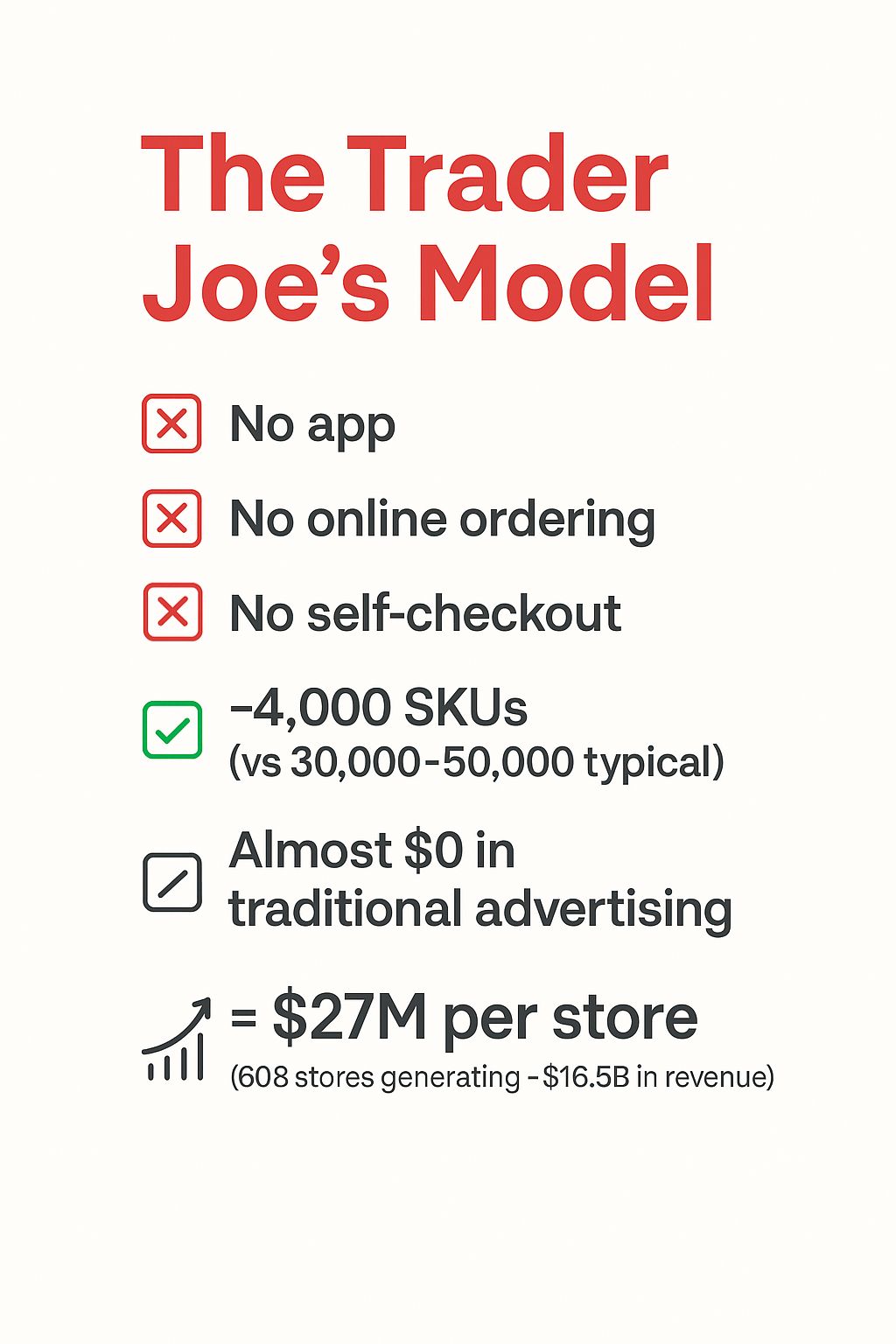
Trader Joe's doesn't have an app. Or online ordering. Or self-checkout. And they're crushing everyone who does. While every grocery chain races to remove friction, including apps, curbside pickup, self-checkout, AI-powered shopping lists. Trader Joe's doesn't even have a website where you can browse products. 𝗧𝗵𝗲 𝗻𝘂𝗺𝗯𝗲𝗿𝘀 𝘁𝗲𝗹𝗹 𝘁𝗵𝗲 𝘀𝘁𝗼𝗿𝘆: • 608 stores generating $16.5 billion • $27.1 million per location • Marketing budget: TINY. Almost Nothing. They don't advertise because they don't need to. The experience is the marketing. 𝗪𝗵𝗮𝘁 𝗧𝗿𝗮𝗱𝗲𝗿 𝗝𝗼𝗲'𝘀 𝗳𝗶𝗴𝘂𝗿𝗲𝗱 𝗼𝘂𝘁: • 𝗧𝗵𝗲 𝘁𝗿𝗲𝗮𝘀𝘂𝗿𝗲 𝗵𝘂𝗻𝘁 𝗲𝗳𝗳𝗲𝗰𝘁. Limited SKUs (4,000 vs typical grocery's 50,000) + constant rotation = you buy it NOW. That Ube ice cream might disappear forever. The FOMO is built into the model. • 𝗗𝗲𝗰𝗶𝘀𝗶𝗼𝗻 𝗳𝗮𝘁𝗶𝗴𝘂𝗲 𝗿𝗲𝗹𝗶𝗲𝗳. One almond butter. Not 47 options across 12 brands. Your brain literally relaxes when choices are curated. They're not limiting options, they're gifting mental bandwidth. • 𝗧𝗵𝗲 𝗛𝗮𝘄𝗮𝗶𝗶𝗮𝗻 𝘀𝗵𝗶𝗿𝘁 𝘀𝘁𝗿𝗮𝘁𝗲𝗴𝘆. Those crew members aren't stocking shelves. They're curating your adventure. They taste everything. They have favorites. They're not employees, they're your guides through the treasure hunt. The genius move? They realized efficiency isn't always effective. By making you work harder (no app, must visit in person, can't plan ahead), they create anticipation. Discovery. Community. Every trip feels like you might find something amazing. That's not inefficiency. That's engagement. 𝗦𝗼𝗺𝗲𝘁𝗶𝗺𝗲𝘀 𝘁𝗵𝗲 𝗯𝗲𝘀𝘁 𝗨𝗫 𝗶𝘀 𝗻𝗼 𝗨𝗫. 𝗧𝗵𝗲 𝗯𝗲𝘀𝘁 𝘁𝗲𝗰𝗵𝗻𝗼𝗹𝗼𝗴𝘆 𝗶𝘀 𝗻𝗼 𝘁𝗲𝗰𝗵𝗻𝗼𝗹𝗼𝗴𝘆. Because we don't value what comes easy. We value what we discover ourselves. Maybe the problem isn't that shopping is too hard. Maybe it's that shopping is too boring.
- LINKEDIN · IMAGERecorded 30 Sept 2026
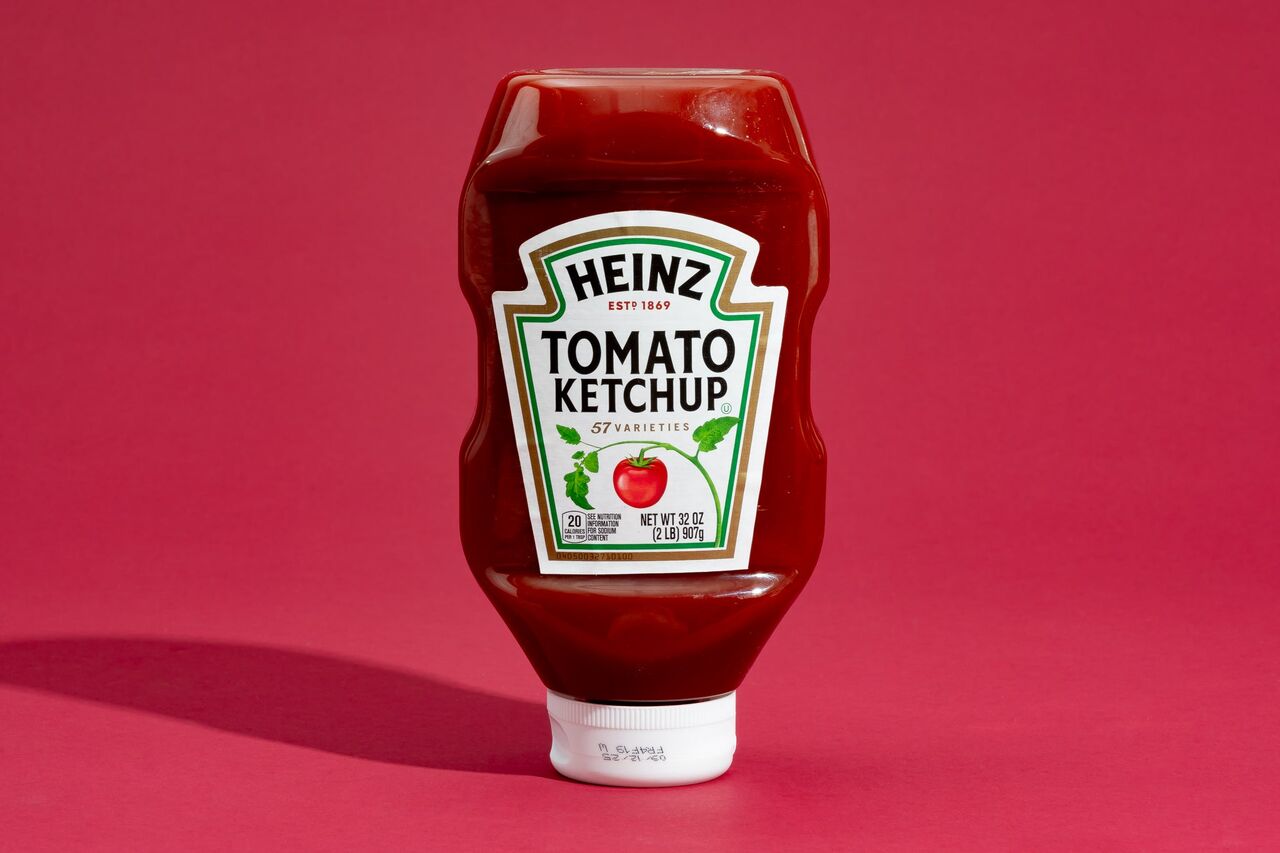
"Brand loyalty is buyer psychology at its best." I wrote that yesterday. Then stared at my pantry. Heinz ketchup. Hellman's mayo. Dr. Pepper in the garage fridge. Each one owns a piece of my brain that no competitor can touch. Here's what kills me: Marketing isn't complicated. It's just three things: 1) Visibility (I know you exist) 2) Attraction (you have what I want) 3) Credibility (I trust you can deliver) But brand loyalty? That's when #3 becomes so powerful, you literally can't trust anyone else. Take Heinz. Hunt's has visibility. They're right there on the shelf. Hunt's has attraction. Same product, lower price. But Hunt's doesn't have credibility in my brain. Why? Because Kraft Heinz spent 150 years being the only ketchup that tastes like ketchup should taste. They rewired my neural pathways. Now everything else tastes wrong. The framework plays out everywhere: 𝗩𝗶𝘀𝗶𝗯𝗶𝗹𝗶𝘁𝘆 𝘄𝗶𝘁𝗵𝗼𝘂𝘁 𝗮𝘁𝘁𝗿𝗮𝗰𝘁𝗶𝗼𝗻: That supplement brand with 10,000 Facebook ads you scroll past. You know they exist. You just don't care. 𝗔𝘁𝘁𝗿𝗮𝗰𝘁𝗶𝗼𝗻 𝘄𝗶𝘁𝗵𝗼𝘂𝘁 𝗰𝗿𝗲𝗱𝗶𝗯𝗶𝗹𝗶𝘁𝘆: Every "revolutionary" startup promising to disrupt your morning beverage. Sounds great. But will they be around next month? 𝗩𝗶𝘀𝗶𝗯𝗶𝗹𝗶𝘁𝘆 + 𝗔𝘁𝘁𝗿𝗮𝗰𝘁𝗶𝗼𝗻, 𝗺𝗶𝘀𝘀𝗶𝗻𝗴 𝗰𝗿𝗲𝗱𝗶𝗯𝗶𝗹𝗶𝘁𝘆: Private label everything. Same ingredients, same factory, 30% cheaper. But your brain whispers, "It's not the same." Then there's the holy grail: 𝗔𝗹𝗹 𝘁𝗵𝗿𝗲𝗲, 𝘄𝗶𝘁𝗵 #3 𝗼𝗻 𝘀𝘁𝗲𝗿𝗼𝗶𝗱𝘀: Heinz globally. They don't just deliver on their promise. They've convinced millions that nobody else can even make the promise. That's not marketing. That's mental real estate. The brutal truth: Most brands chase visibility (more ads!) and attraction (new flavors!). But credibility? That's earned one consistent experience at a time. And when credibility gets strong enough? When you deliver on attraction so perfectly that customers can't imagine anyone else doing it? That's when loyalty stops being a metric and becomes identity. Your customer doesn't buy Heinz. They ARE a Heinz family. Big difference. 🔥
- LINKEDIN · IMAGERecorded 30 Sept 2026
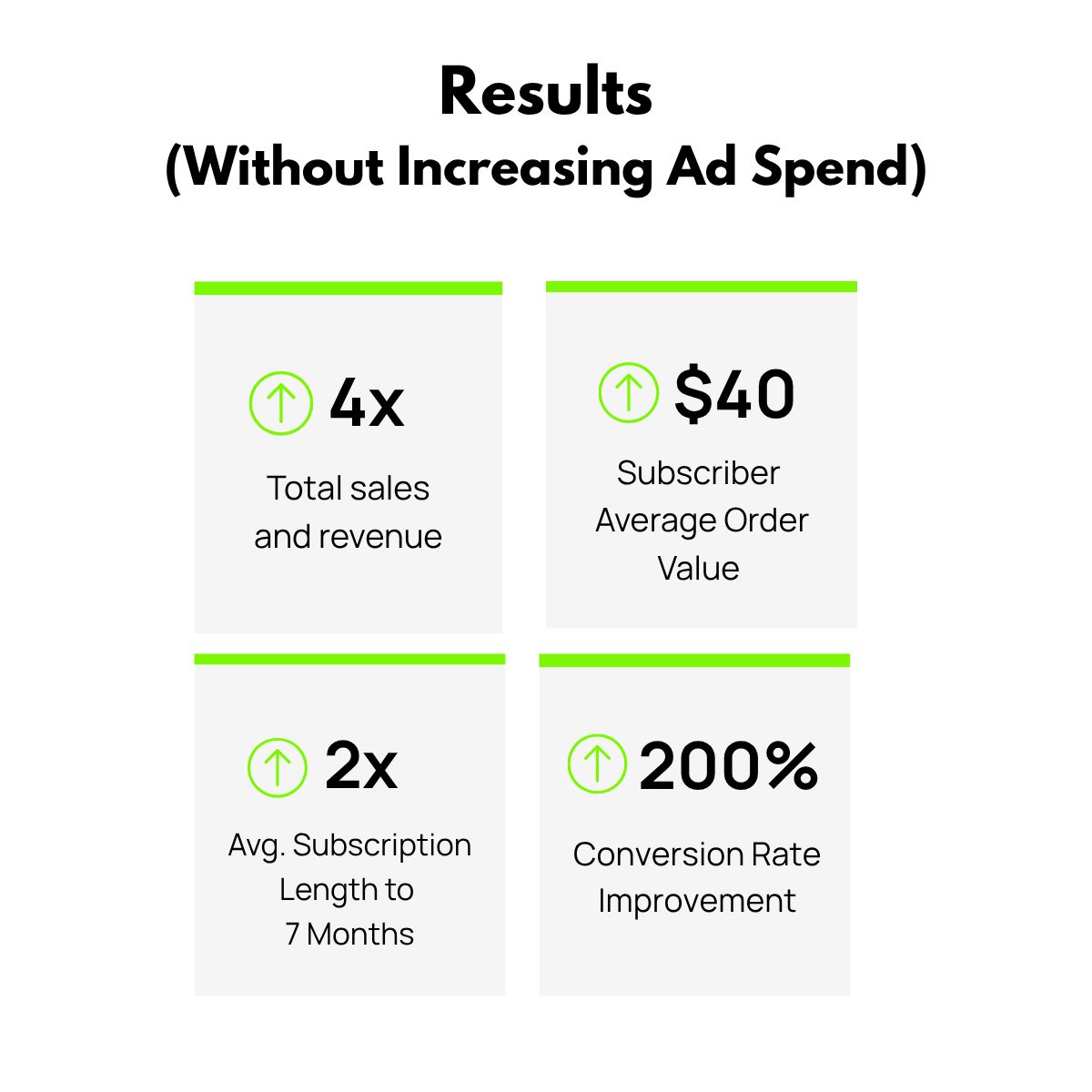
We told our meat subscription client to stop selling to millennials. Revenue quadrupled. We had a premium meat subscription client targeting young professionals in cities. Millennial, super-grillers, with disposable income. The "obvious" demographic. They were bleeding money. We ran our complete, four-phased process to help them navigate these very real, very common growth scenarios. 𝗧𝗵𝗲 𝗻𝘂𝗺𝗯𝗲𝗿𝘀 𝘁𝗲𝗹𝗹 𝘁𝗵𝗲 𝘀𝘁𝗼𝗿𝘆: • Revenue jumped 4x • Subscriber AOV increased $40 • Subscription length doubled • Conversion rates improved 200% All from one shift: We helped them stop guessing who their customers were and start understanding why they buy. 𝗪𝗵𝗮𝘁 𝘄𝗲 𝗱𝗶𝘀𝗰𝗼𝘃𝗲𝗿𝗲𝗱 𝗶𝗻 𝗼𝘂𝗿 𝗿𝗲𝘀𝗲𝗮𝗿𝗰𝗵: • 𝗗𝗲𝗺𝗼𝗴𝗿𝗮𝗽𝗵𝗶𝗰𝘀 𝗹𝗶𝗲. When we audited their best customers—the ones who stayed longest and spent most—they weren't young urbanites. They were older, retired adults cooking for one or two. Using discretionary income to bring a little joy to their everyday meals. • 𝗠𝗼𝘁𝗶𝘃𝗮𝘁𝗶𝗼𝗻 𝗯𝗲𝗮𝘁𝘀 𝗮𝗴𝗲 𝗲𝘃𝗲𝗿𝘆 𝘁𝗶𝗺𝗲. These weren't people buying premium meat for Instagram dinner parties. They were buying Tuesday night happiness. A small luxury that made ordinary evenings feel special. • 𝗧𝗵𝗲 𝗿𝗲𝗮𝗹 𝗽𝗿𝗼𝗱𝘂𝗰𝘁 𝘄𝗮𝘀𝗻'𝘁 𝗺𝗲𝗮𝘁. It was permission to splurge. When you're cooking for yourself after decades of feeding a family, that grass-fed ribeye isn't just protein. It's self-care. The genius move? We rebuilt everything around this insight. Messaging shifted from "impress your guests" to "you deserve this." Product bundles went from party packs to perfect-for-two portions. Content pivoted from grilling hacks to simple, elegant preparations. We didn't change their product. We changed who they were talking to and how. 𝗧𝗵𝗲 𝗯𝘂𝘆𝗲𝗿 𝗽𝘀𝘆𝗰𝗵𝗼𝗹𝗼𝗴𝘆 𝗹𝗲𝘀𝘀𝗼𝗻: Your best customers might look nothing like your target audience. Because demographics tell you who someone is. Psychology tells you why they buy. And the why is worth 4x more than the who. That's what we do at Schaefer. We execute on a complete, four-phased process to help our clients navigate these very real, very common growth scenarios.
- LINKEDIN · IMAGERecorded 30 Sept 2026
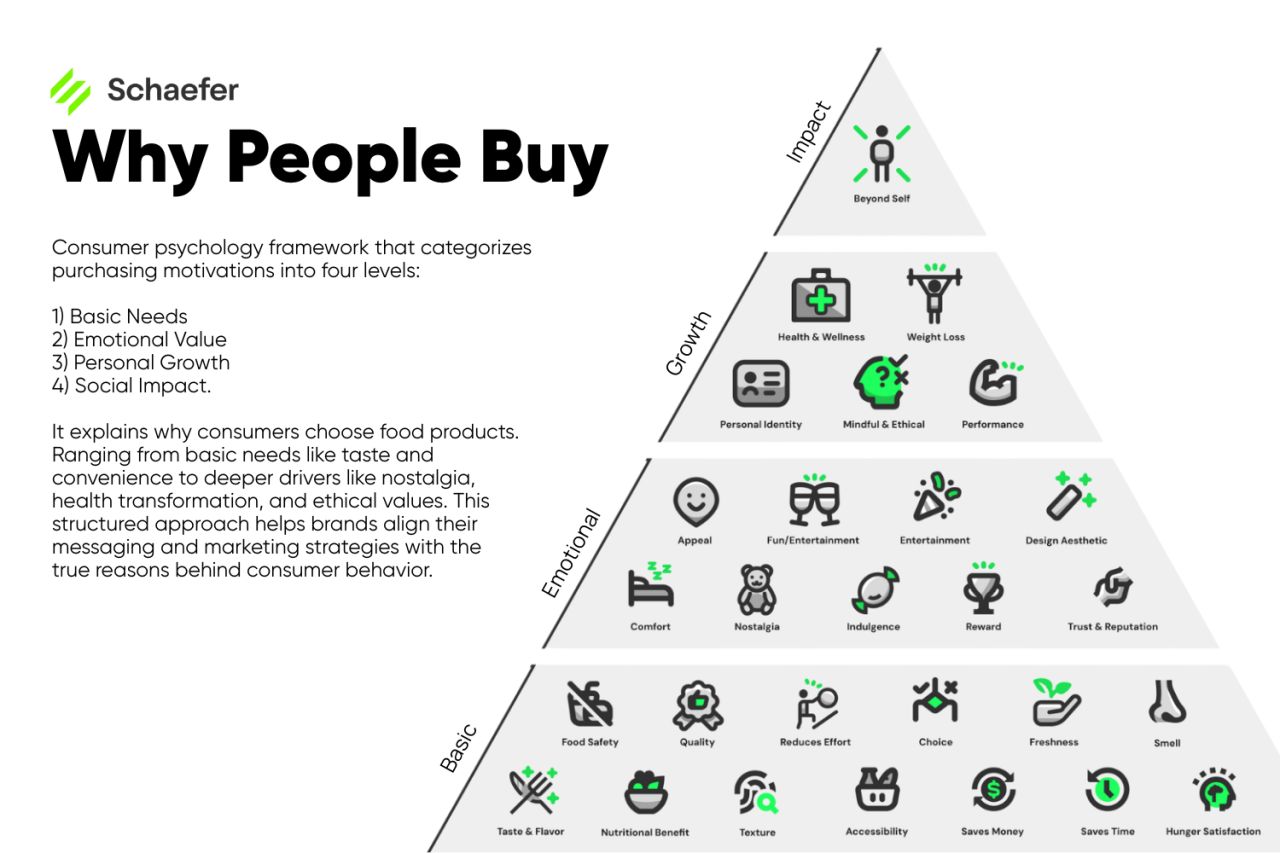
Demographics tell you "who" holds the wallet. Motivations tell you "why" it opens. Here's what kills food brands: Food brands spend serious budget profiling their "target consumer." Female. 25-34. Urban. $75K income. Shops at Whole Foods. But that same profile bought both $2 store-brand yogurt and $8 artisanal kefir last week. The demographics didn't change. The motivations did. After analyzing millions of food purchases and diving deep into consumer psychology research, we've built something that actually predicts buying behavior. Something specifically for food & beverage. Introducing the Why People Buy Pyramid by Schaefer. It maps the real motivations that drive every food purchase. Four levels that explain why someone picks Oatly over Silk. Why they'll pay $5 for a protein bar but balk at $3 granola. The pyramid reveals what demographics hide: 1️⃣ 𝗕𝗮𝘀𝗶𝗰 𝗡𝗲𝗲𝗱𝘀 (𝗪𝗵𝗮𝘁 𝗜𝘁 𝗗𝗼𝗲𝘀): Taste, convenience, nutrition, price. These are your table stakes. If you fail here, nothing else matters. But succeeding here? That just gets you in the game. 2️⃣ 𝗘𝗺𝗼𝘁𝗶𝗼𝗻𝗮𝗹 𝗩𝗮𝗹𝘂𝗲 (𝗛𝗼𝘄 𝗜𝘁 𝗙𝗲𝗲𝗹𝘀): This is where brands build loyalty. Nostalgia. Comfort. Indulgence. That chocolate bar that tastes like childhood. The beverage ritual that starts your day. Emotions drive repeat purchases, not nutrition labels. 3️⃣ 𝗣𝗲𝗿𝘀𝗼𝗻𝗮𝗹 𝗚𝗿𝗼𝘄𝘁𝗵 (𝗛𝗼𝘄 𝗜𝘁 𝗧𝗿𝗮𝗻𝘀𝗳𝗼𝗿𝗺𝘀): Food as identity. The keto snacks that support your lifestyle. The plant-based milk that aligns with your values. The performance drinks that fuel your ambitions. This creates advocates, not just customers. 4️⃣ 𝗦𝗼𝗰𝗶𝗮𝗹 𝗜𝗺𝗽𝗮𝗰𝘁 (𝗪𝗵𝘆 𝗜𝘁 𝗠𝗮𝘁𝘁𝗲𝗿𝘀): The highest level. Fair trade. Zero waste. Supporting local farmers. This is where premium pricing lives. Where movements begin. Where brands become causes and communities. The psychology breakthrough: Most brands think linearly. Better taste → Higher price → More sales. But consumers think in layers. They'll pay $6 for coffee that tastes good (Basic Needs), $8 if it makes them feel sophisticated (Emotional Value), $10 if it fits their wellness journey (Personal Growth), and $12 if it supports farmers directly (Social Impact). Same coffee. Different story. 2X the price. We evolved this from Maslow's Hierarchy of Needs and Bain's Elements of Value, but made it actually useful for food brands. Because knowing consumers want "self-actualization" doesn't help you position a yogurt brand. But knowing they want gut health (Personal Growth) wrapped in childhood comfort (Emotional Value)? Now you're speaking their language. The brutal truth: You can't win it all. But you must know which motivations you own. Mass brands dominate Basic Needs. Premium brands rely on Emotional Value. Functional brands own Personal Growth. Mission-driven brands command Social Impact. Where does your brand live in the pyramid? 🔺
- LINKEDIN · IMAGERecorded 30 Sept 2026
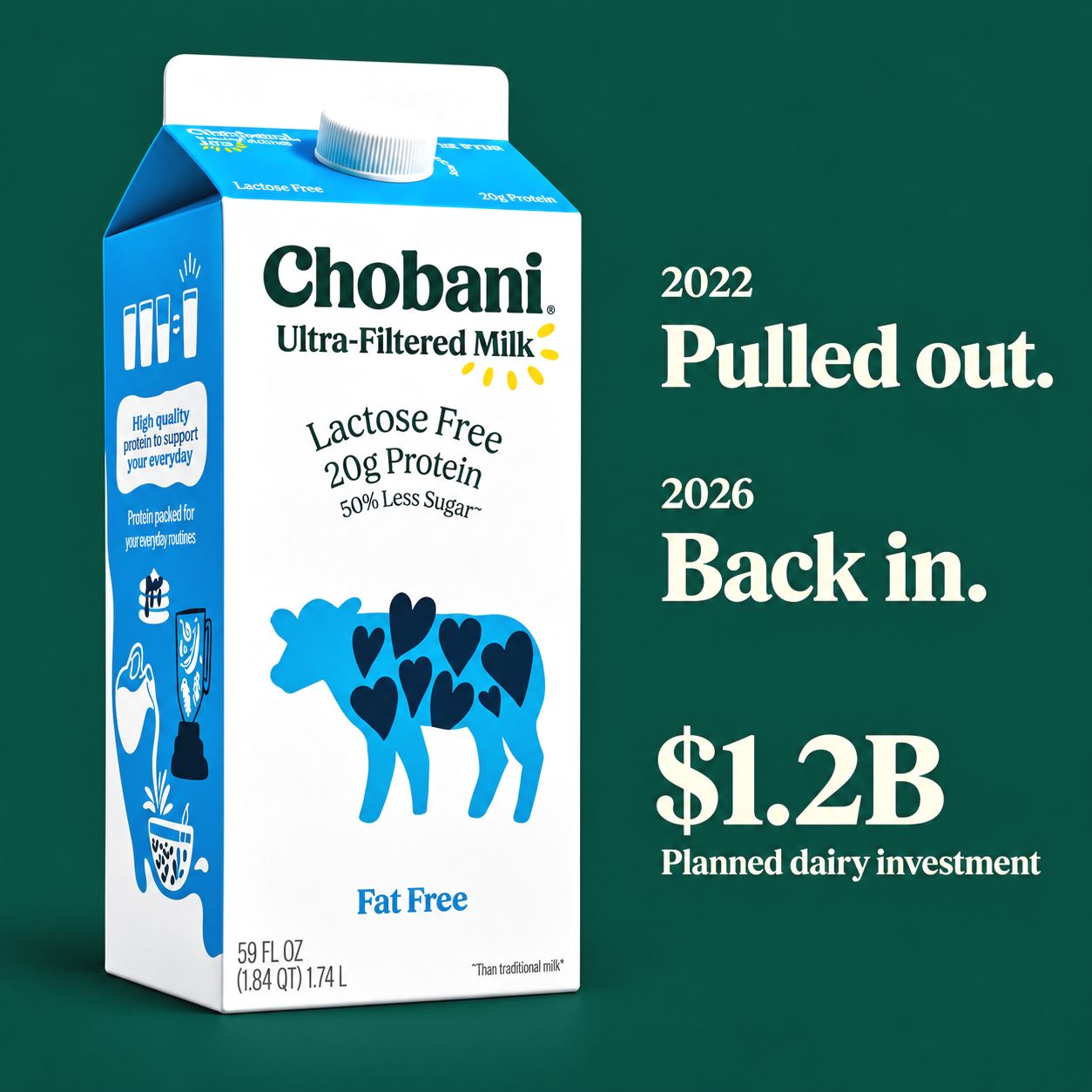
Chobani is spending $1.2 billion to get back into a business it quit four years ago. Earlier this month, it agreed to acquire Keurig Dr Pepper’s 1.5 million-square-foot manufacturing and warehouse campus near Allentown, Pennsylvania, and turn it into a dairy manufacturing hub. 𝗧𝗵𝗲 𝗻𝘂𝗺𝗯𝗲𝗿𝘀 𝘁𝗲𝗹𝗹 𝘁𝗵𝗲 𝘀𝘁𝗼𝗿𝘆: → $1.2B invested over five years → 2027: Chobani production begins → 900+ full-time jobs → 3B+ lbs. of PA milk processed annually at full capacity → ~30% of Pennsylvania’s current milk output → Pennsylvania calls it the state’s largest private agriculture investment ever Chobani exited ultra-filtered milk in April 2022, less than three months after launch, saying it did not make sense to be in the dairy milk business at that time. 𝗪𝗵𝗮𝘁 𝗰𝗵𝗮𝗻𝗴𝗲𝗱 Dairy milk sales are up 4.8% in dollars, with volume flat (Circana). Almond milk volume is down 9.5%. Volume did not come back. The reason to buy did. 𝗪𝗶𝗹𝗹 𝗶𝘁 𝘄𝗼𝗿𝗸 𝘁𝗵𝗶𝘀 𝘁𝗶𝗺𝗲 I think so, and protein is the reason. But not because protein is having a moment. Because Chobani already means protein. They spent a decade building that association in yogurt, and it transfers. Every other processor chasing this premium has to convince shoppers their milk is a protein product. Chobani doesn't. The 2022 milk failed because nobody was shopping the dairy case for protein yet. Now they are, and the brand that gets credit for it is the one that already owned the word. Do you think it’ll work this time?
- LINKEDIN · IMAGERecorded 30 Sept 2026
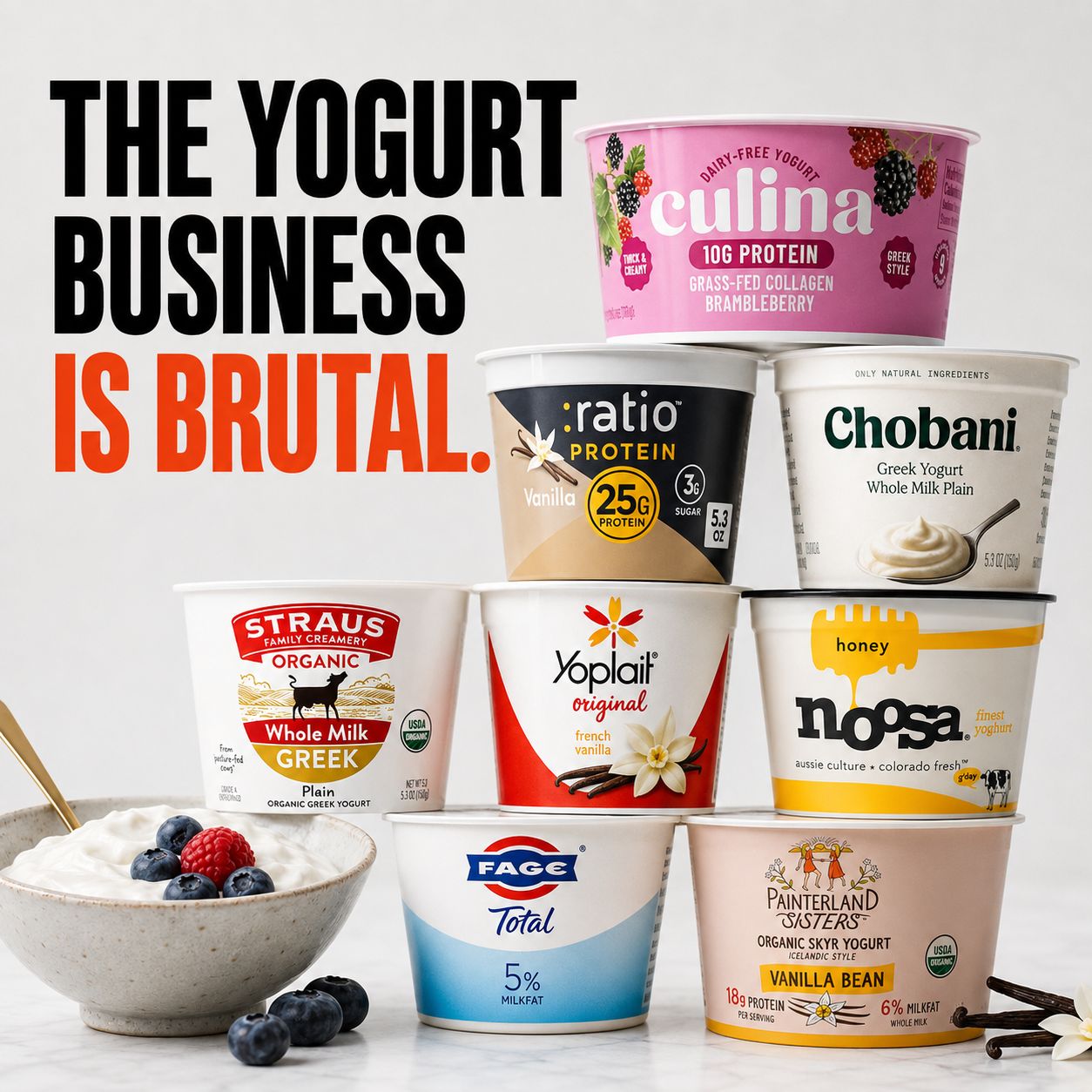
The yogurt aisle stopped being one category. I mapped 36 US yogurt brands on two numbers every one of them publishes itself: what a shelf ounce costs, and what its own Nutrition Facts panel says it is. No panel estimate. No guesses. Four things fell out of it. Protein owns category growth. 14 of the 36 brands are Greek or skyr, and none score below 55 on function. That segment grew 23% in value last year, compared with 12% for the category. Private label already won value protein. Great Value clears 84 on function at 10.2 cents an ounce. The nearest branded Greek costs 82% more per ounce for a lower score. If you are a mid-tier Greek brand, that is your whole problem in one dot. Plant-based prices like a premium and scores like a dessert. Culina asks 80 cents an ounce and lands below Yoplait Original. Kite Hill is a plant brand genuinely competing on function, and it is the only one using a protein isolate. Nobody owns super-premium protein. Above 50 cents an ounce, no brand scores better than 36, and every one of them is coconut. Super-premium averages 42.8 on function. Value and mainstream average 62.4. Which is the uncomfortable part. Across all 36 brands, price and function correlate at r = -0.37. In this category, money buys indulgence, not nutrition. Every brand chasing a premium price on a health story is fighting the shape of its own shelf. Want the 36 yogurt brands mapped? You can find the link in the comments to see the data quadrants.
6 of 73 adsSign up to see every Schaefer ad, filter by format and date, and get alerts on new ones.
See all 73 adsQuestions about Schaefer’s ads
Is Schaefer running LinkedIn ads?
We recorded no live LinkedIn ads for Schaefer on 10 Nov 2026.
How many LinkedIn ads has Schaefer run?
LinkedIn’s ad library lists 73 ads for Schaefer. We recorded 73 LinkedIn ads for Schaefer, first recorded on 30 Sept 2026 and last recorded on 30 Sept 2026.
Does Schaefer run Google ads?
We recorded no Google ads for the domain schaefer.co on 8 Nov 2026.
Which ad formats does Schaefer use?
The 6 LinkedIn ads on this page include 6 image ads.
Watch the companies you care about.
Filter every ad by industry, country, format and network, and get alerts when a company you watch starts running new ads.