On air · 1 of 3 networks

Rods&Cones ads
- rods-cones.com
- Hospitals and Health Care
- NL
- 44 employees
Rods&Cones’s ads on LinkedIn, Meta and Google, recorded by adsrunning. Browse the latest here for free. Sign up free to see all 146. Watch Rods&Cones on any plan to get each new one in your feed.
Watchlist included in every plan
What Rods&Cones runs
- Single image · LinkedIn
- 6
- Google ads on 7 Nov 2026
- 6
| Network | Status | Live ads | Nov 2025LinkedIn activity · 52 weeksNov 2026 | Checked | Next step |
|---|---|---|---|---|---|
| None recorded | 0 | Checked 7 Nov 2026 | See all 146 ads → | ||
| Meta | Not checked | — | |||
| Running | 6 | Ads on the Google Ads Transparency Center | Checked 7 Nov 2026 | Collect them with the API → |
Rods&Cones has no live LinkedIn ads. We recorded 6 Google ads on 7 Nov 2026.
Latest ads
- LINKEDIN · IMAGESince 5 Nov 2026
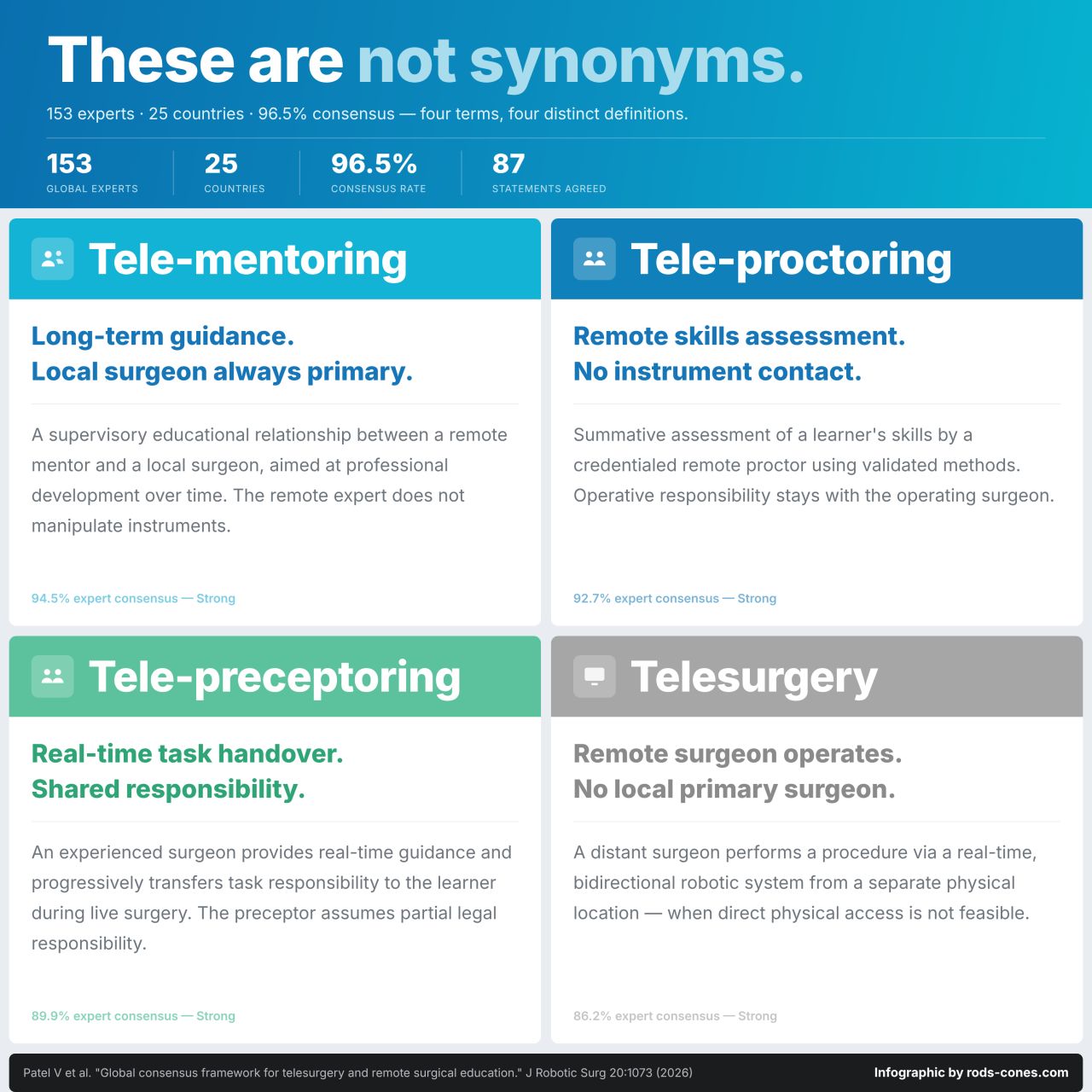
This month, 153 experts from 25 countries published a global consensus on telesurgery through the Society of Robotic Surgery. The headline is about a surgeon operating a robot from another continent. For the first time, the field agreed on working definitions for four things that usually get lumped together: Telesurgery: the remote surgeon operates the robot. Tele-mentoring: a longer-term relationship that supports the mentee’s development. Tele-proctoring: the expert assesses whether the surgeon is ready, while the operating surgeon remains responsible. Tele-preceptoring: the expert participates in the case in real time and shares responsibility, handing over more of the procedure to the local surgeon as the case progresses. In everything except telesurgery, the local surgeon remains the one operating. That’s where most of the training impact is today, and it doesn’t require a robot on both ends. How a hospital runs its training program is for surgeons and their societies to decide. This paper is a strong foundation for that. Our job is narrower: making sure the right expert can be in the room when it matters, wherever they are. If you’re building a remote surgical training program — or advising a hospital that is — DM me or book a call directly: https://lnkd.in/e5Uhfk67 Full paper in the first comment.
- LINKEDIN · IMAGESince 28 Oct 2026
A paper I’ve been waiting for came out this month. This one is personal. We worked with Alejandro Nieponice and Franco Badaloni throughout this program and talked about it often. Alejandro set out to bring robotic esophagectomy to Argentina. Franco led the research on how it went. Alejandro wasn’t new to the operation. He had years of minimally invasive esophageal surgery behind him. But the robot changes everything; it’s one of surgery's hardest procedures, and no one in Argentina had done it. His team followed the UGIRA training pathway with UMC Utrecht. Richard van Hillegersberg and Jelle Ruurda flew in and proctored the first cases in the OR. Then came the question every program runs into: what happens when the proctor goes home? Buenos Aires doesn’t have Utrecht’s volume. Cases are spread out. You can’t fly a team across the Atlantic for every one. That’s where we came in. They added a phase to the pathway: whenever Utrecht couldn’t be in the OR, they joined remotely through Rods&Cones. Same proctors, same cases, eleven thousand kilometers apart. The paper, published in Digestive Surgery, shows why that phase matters. Operative time stabilized early, at case 7. Lymph node yield, the oncologic marker, only stabilized at case 18, after which it rose from a median of 23 to 42 nodes. The surgery gets faster at first. Mastering it takes longer. The authors conclude that mentorship must continue well beyond the first cases. That’s the gap we closed. Not by replacing the expert in the room, but by making sure the expert didn’t disappear when the room got quiet. The authors call it virtual centralization. Expert centers partnering with lower-volume centers, wherever they are. That’s the whole point. If you're building a program and facing the same question, what happens when the proctor goes home, we'd like to talk. rods-cones.com/book-demo
- LINKEDIN · IMAGESince 27 Oct 2026
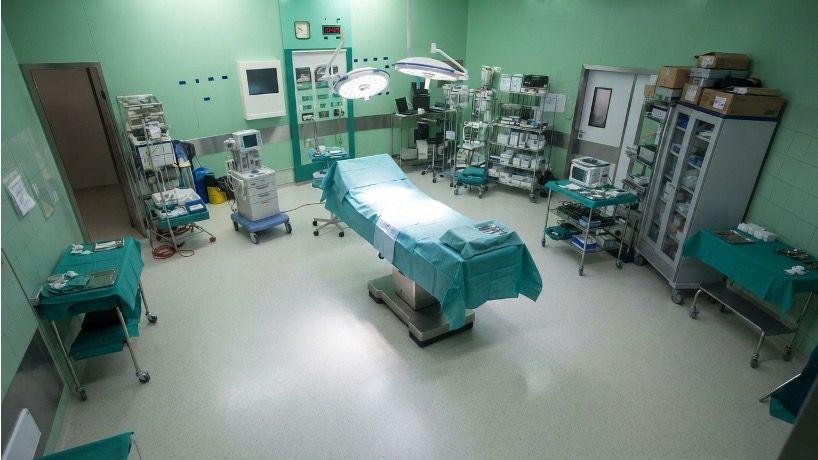
A surgeon finishes a workshop on a new procedure. Cadaveric training done. Ready, or close to it. Then they wait. The proctor who should join their first cases is booked out. The workshop was in March. The first proctored case gets scheduled for June. Three months. In that window, something happens. The hands-on feel from the workshop fades. The surgeon goes back to the technique they’ve done a thousand times. The patients who would have been candidates get treated the old way. When June comes, it feels like starting over. Nobody made a bad decision. The system just ran out of availability. Now picture the same surgeon, same workshop. But the proctor doesn’t need a free day and a flight. They join from their own hospital, between their own cases, and see exactly what the surgeon sees. The first supported case happens the week after the workshop, while the skills are still fresh. The second one the week after that. By June, the program isn’t starting. It’s running. That’s what we’re building at Rods&Cones. Training was never the bottleneck. The gap between training and doing is. And we can close that gap. If your team is sitting in that gap right now, between workshop and first case, we'd like to show you how we close it. rods-cones.com/book-demo
- LINKEDIN · IMAGESince 14 Oct 2026
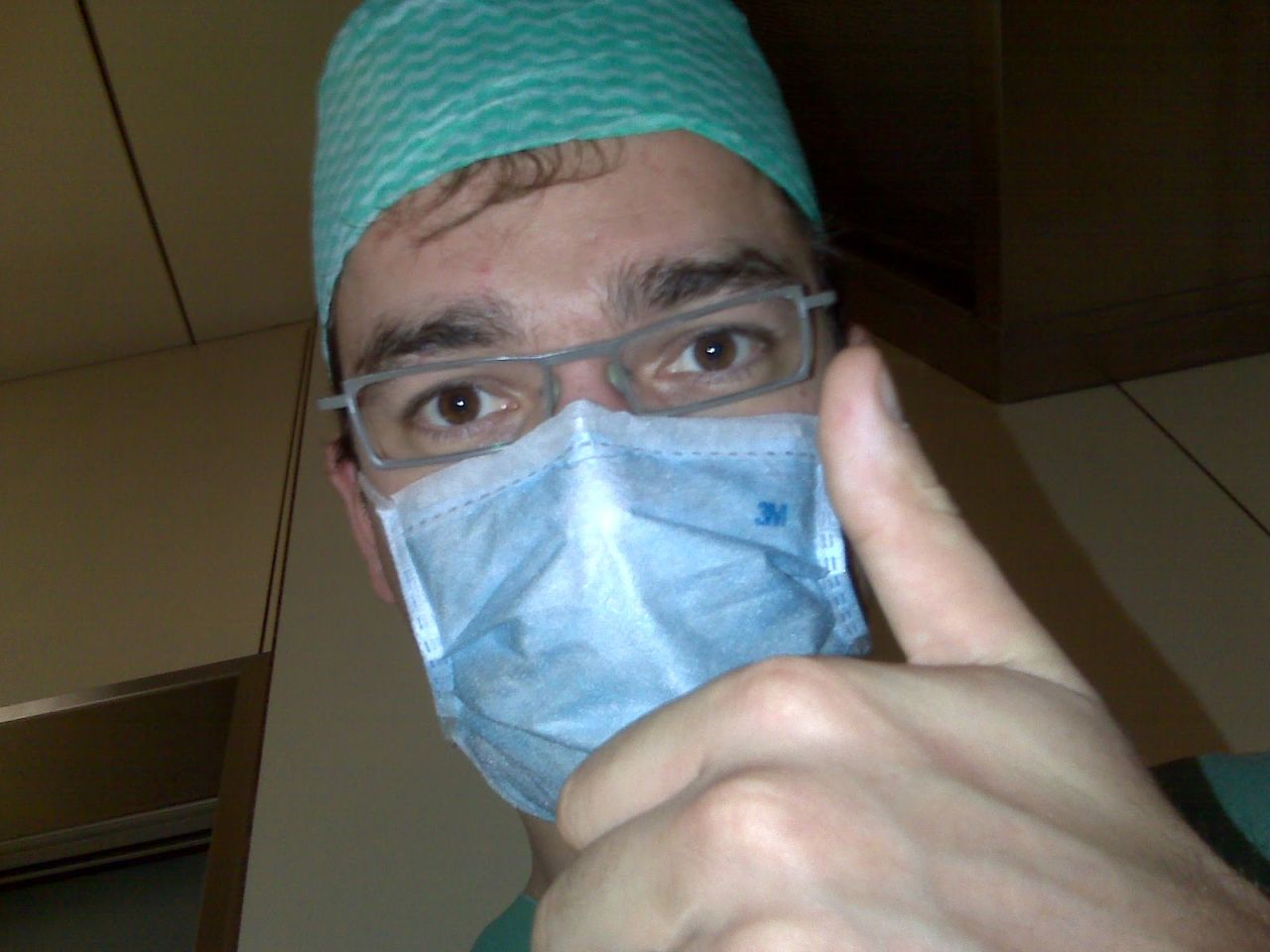
Early in my career, I sold capital equipment across half of Belgium. Every deal ran on the same clock. A system goes into the OR for an evaluation, and you have a few weeks to win over every surgeon who touches it. Each one has a say. Each one can say no. So every morning was the same calculation: which OR needs me most today? A demo in one hospital. A surgeon I still had to convince in another. A purchasing meeting that could finally close a deal I'd been working on for months. I could only be in one place. I told myself it was fine. The system was good. The surgeons knew what they were doing. Some days that was true. Other days I'd get a call at 9 pm. "The case was rough. He couldn't get the system to do what he wanted." A surgeon alone with new technology, a patient on the table, and nobody in the room who knew it inside out. Usually the deal was gone after that. But that wasn't what kept me awake. I never forgot those calls. They're the reason I started Rods&Cones. (That's me. 2008. The mask hides most of it, but the eyes don't lie. Today no surgeon has to figure it out alone, and no specialist has to choose which OR gets them. If you want to see what that looks like today — https://lnkd.in/eh9_zuTa)
- LINKEDIN · IMAGESince 12 Oct 2026
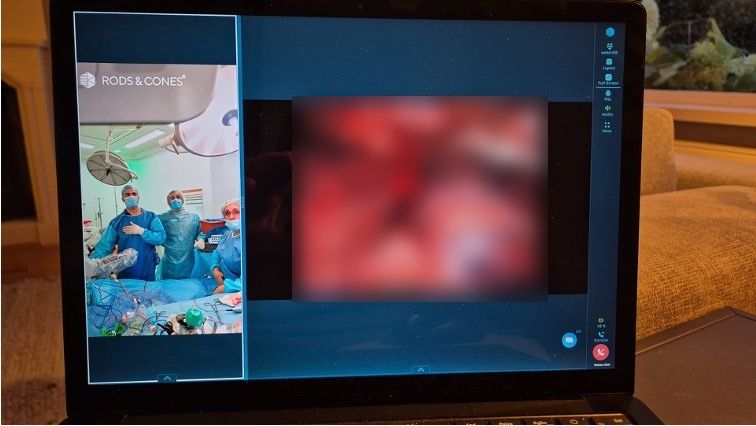
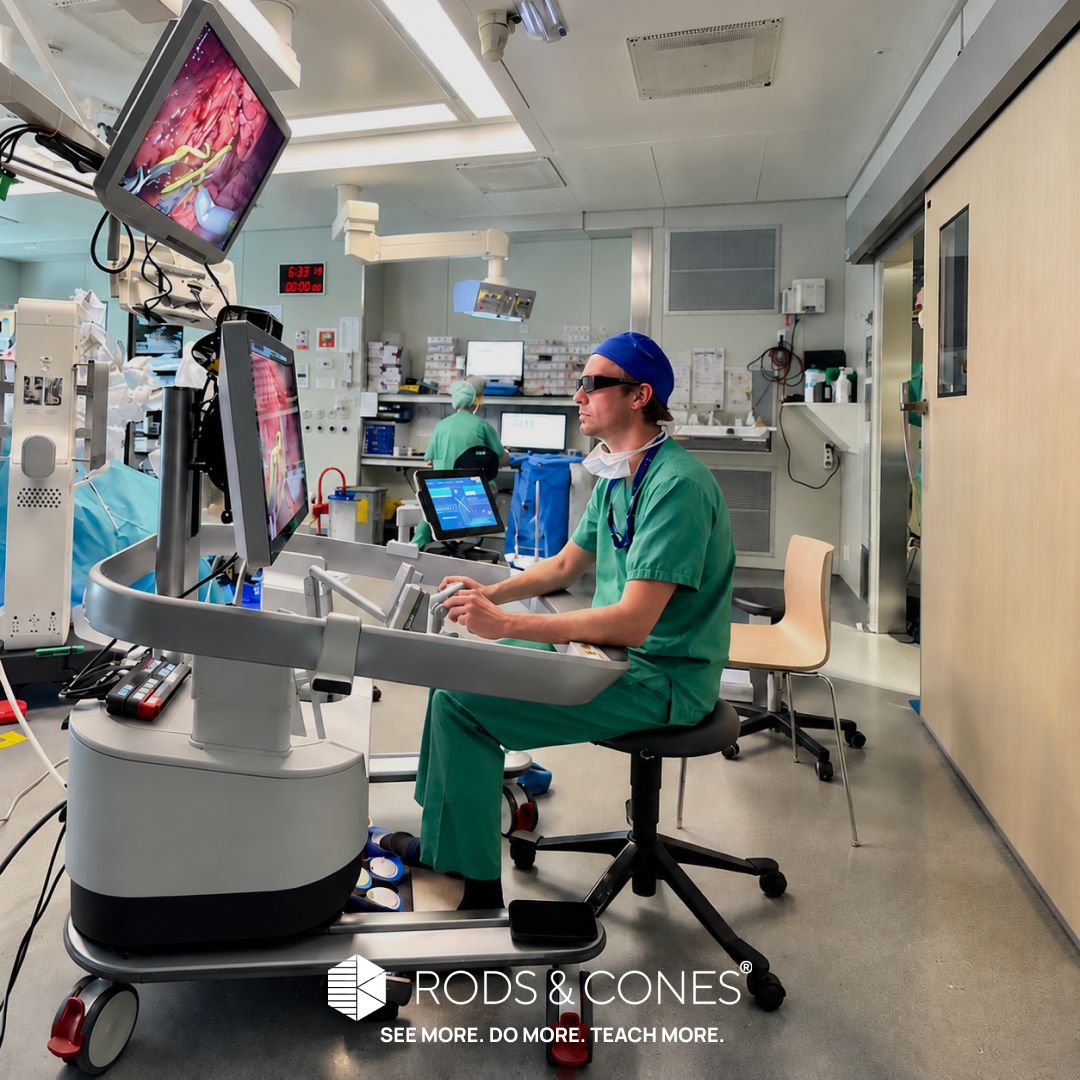
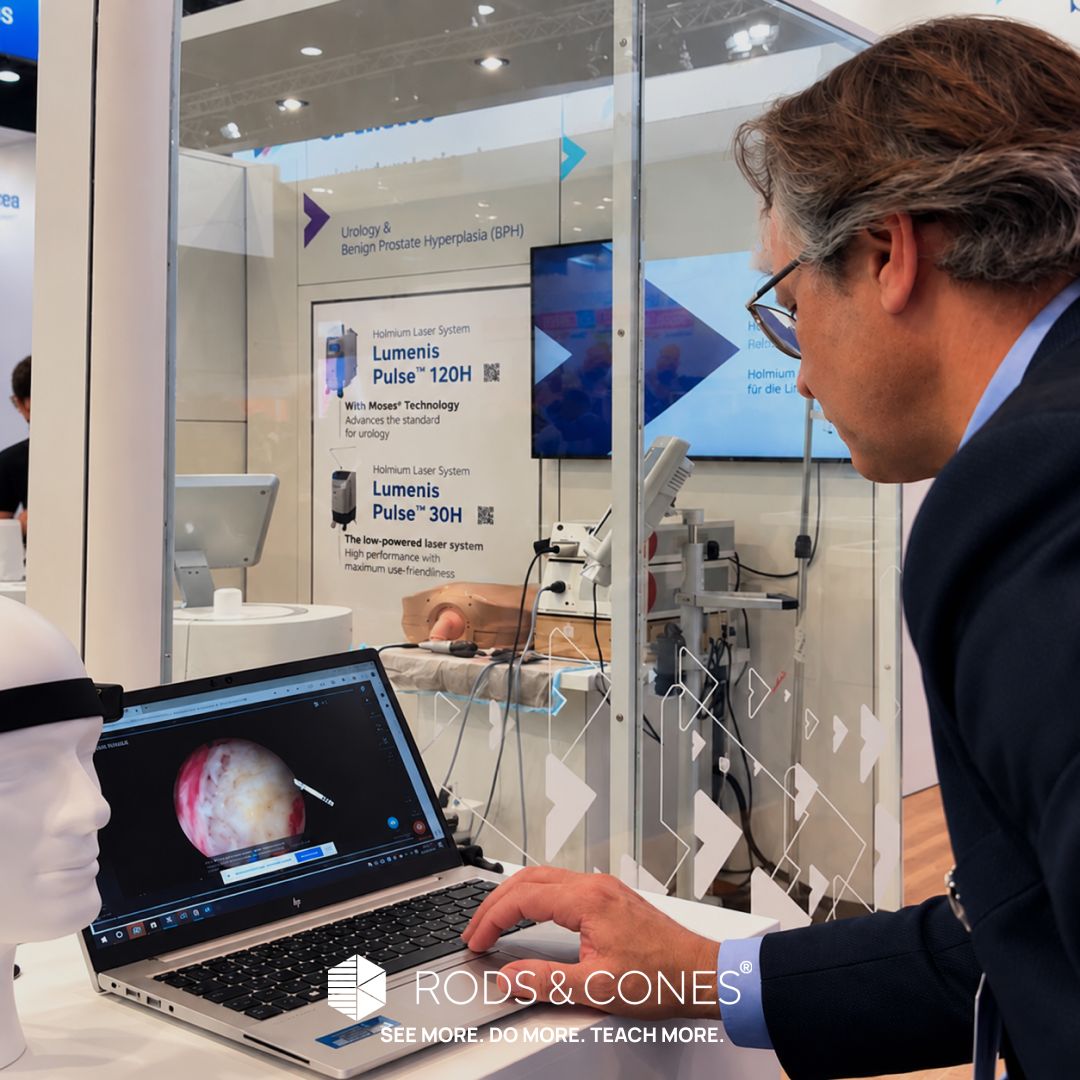
During a live surgical training session led by Dr. Ruben De Groote, surgical colleagues followed the procedure remotely using Rods&Cones telepresence. Discover how remote technology can connect experts and learners during live surgery, wherever they are.
- LINKEDIN · IMAGESince 12 Oct 2026
Dr. Tobias Bothmann uses Rods&Cones telepresence to mentor surgeons remotely, sharing his expertise during live procedures without needing to be physically present. Discover how remote collaboration can support surgical training and mentoring worldwide.
6 of 146 adsSign up to see every Rods&Cones ad, filter by format and date, and get alerts on new ones.
See all 146 adsQuestions about Rods&Cones’s ads
Is Rods&Cones running LinkedIn ads?
We recorded no live LinkedIn ads for Rods&Cones on 8 Nov 2026.
How many LinkedIn ads has Rods&Cones run?
LinkedIn’s ad library lists 137 ads for Rods&Cones. We recorded 146 LinkedIn ads for Rods&Cones, first recorded on 30 Sept 2026 and last recorded on 7 Nov 2026.
Does Rods&Cones run Google ads?
Yes. We recorded 6 Google ads for the domain rods-cones.com on 7 Nov 2026.
Which ad formats does Rods&Cones use?
The 6 LinkedIn ads on this page include 6 image ads.
Watch the companies you care about.
Filter every ad by industry, country, format and network, and get alerts when a company you watch starts running new ads.