On air · 1 of 3 networks

re:cap ads
- re-cap.com
- Financial Services
- DE
- 52 employees
re:cap’s ads on LinkedIn, Meta and Google, recorded by adsrunning. Browse the latest here for free. Sign up free to see all 94. Watch re:cap on any plan to get each new one in your feed.
Watchlist included in every plan
What re:cap runs
- Single image · LinkedIn
- 6
- Google ads on 7 Nov 2026
- 100+
| Network | Status | Live ads | Nov 2025Activity · 52 weeksNov 2026 | Checked | Next step |
|---|---|---|---|---|---|
| None recorded | 0 | Checked 7 Nov 2026 | See all 94 ads → | ||
| Meta | Not checked | — | |||
| Running | 100+ | Checked 7 Nov 2026 | Collect them with the API → |
re:cap has no live LinkedIn ads. We recorded 100+ Google ads on 7 Nov 2026.
Latest ads
- LINKEDIN · IMAGESince 22 Sept 2026
Es kann nicht sein, dass Unternehmen heute immer noch Wochen brauchen, um zu erfahren, welche Finanzierung zu ihnen passt und welche sie wirklich haben können. Dieser Prozess sollte Minuten dauern. Und das haben wir auf unserer Plattform jetzt endlich in die Realität umgesetzt. Capital Readiness, ein großer Begriff. Dahinter stecken Daten und Kriterien, auf die Investoren immer schauen. Wir kennen sie, weil wir seit fünf Jahren Finanzierungen bereitstellen. Wie funktioniert das in der Praxis? Du gibst auf unserer re:cap Website deine URL ein, startest das Assessment, beantwortest ein paar Fragen und bekommst in Minuten den Blick eines Investors auf deine finanzielle Situation, dein Risiko und deine Finanzierungsoptionen. Du siehst: 1/ welche Finanzierungssumme zwischen 50.000 € und 20 Mio. € zu dir passt – und ob du sie bekommen kannst 2/ aus welcher Finanzierungsquelle: Fremdkapital, Eigenkapital oder Fördermittel 3/ Faktoren, die deine Finanzierbarkeit Stand heute noch verhindern, und was du tun kannst, um das zu ändern Hier kannst du es ausprobieren: https://lnkd.in/ebXhDNRX
- LINKEDIN · IMAGESince 2 Sept 2026
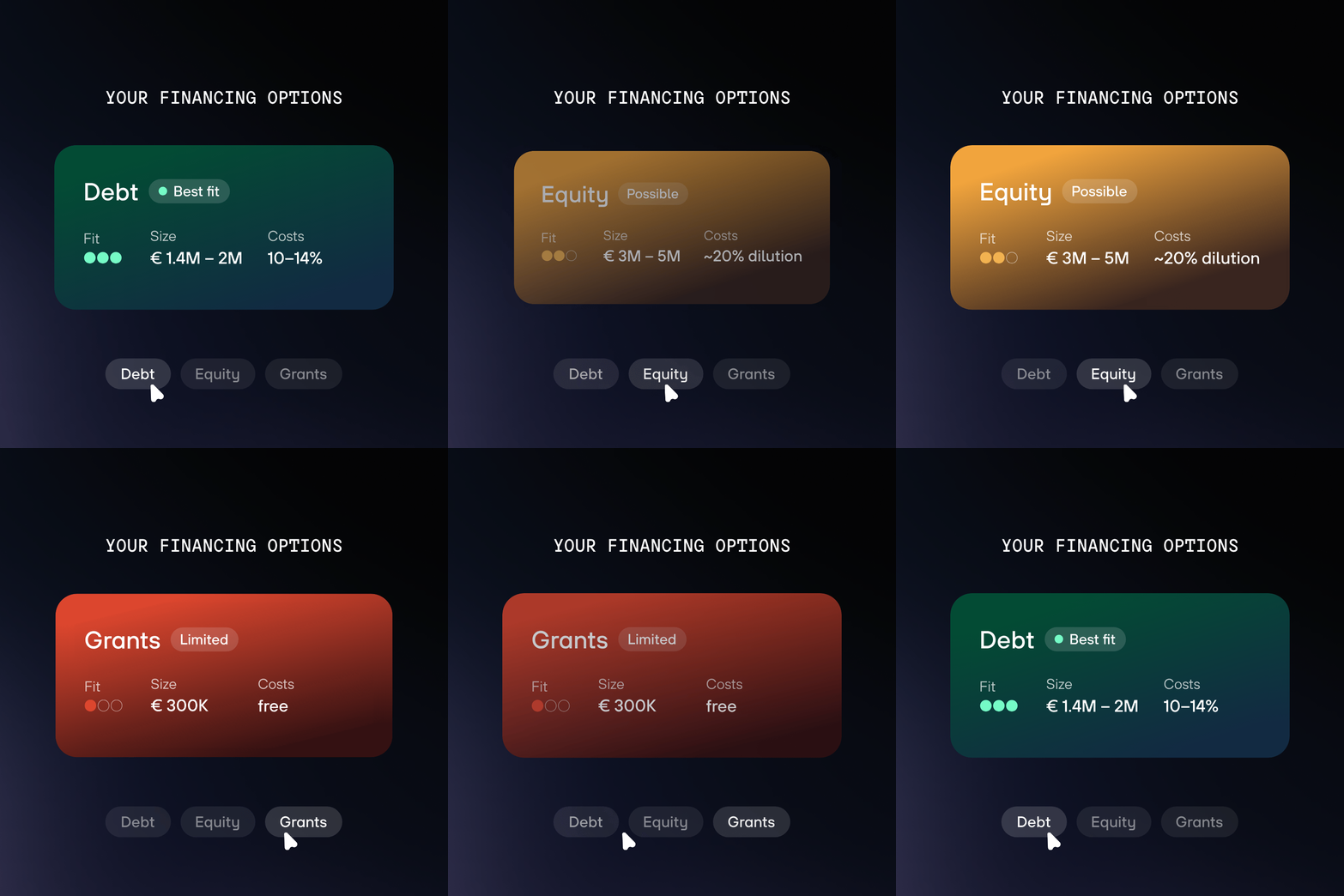
We built a capital readiness assessment that might tell you that a growth loan is actually not the answer for your financing need. Counterintuitive, I know. But it's the start of something bigger: a broader set of debt options, guidance that isn't limited to a small number of capital providers, and a focus on every growing SME instead of only tech companies. In April we launched a first fundability check. It answered two questions: would a debt investor on our platform fund you, yes or no, and how much could you get. Useful if the answer was yes but a dead end if it wasn't. Most founders and CFOs asking those questions want to know whether they qualify for debt. But that's rarely the whole question. They'd rather understand all of their financing options, even if the answer is one they didn't have on their radar. So we rebuilt it around that need. The assessment now covers four different capital sources: 1/ Debt: whether it fits, how much, what it costs, how long it takes 2/ Equity: the same points, pricing in dilution instead of interest 3/ Grants: slower, free and usually overlooked 4/ Your own cash: sometimes the honest answer (and almost always the cheapest) You start with your website address, answer a few questions and the first result is on screen in under a minute. Sometimes it points in a direction we can’t serve (at least not right now). I'd rather show you the option that fits than make ours work when it doesn't. It's early, and there's more cooking. I’ll share more soon. For now I'm mostly curious to see how people use it, and what we learn from that. Try it yourself: https://lnkd.in/ebXhDNRX
- LINKEDIN · IMAGESince 12 May 2026
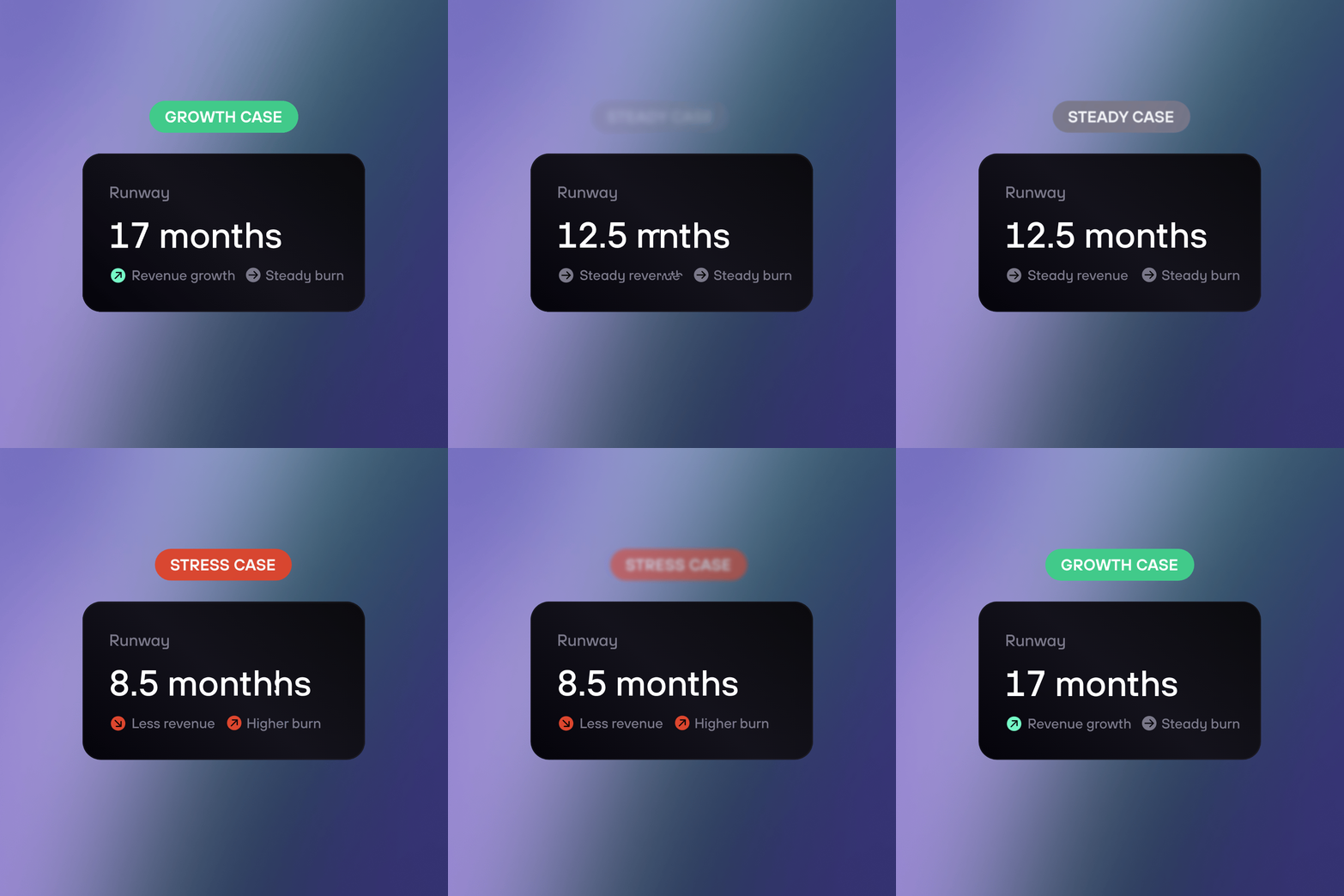
Your runway calculation is probably wrong. Not because you can't do the math. Because there's no single right way to do it, and the method you pick shapes the answer you get. Cash balance divided by last month's burn. Operating cash flow only or including investing and financing. EBITDA or profit before tax. Backward-looking or forward-looking. Unrestricted cash or all cash equivalents. Each approach is defensible. Each gives you a different number. And most founders default to whichever one feels most comfortable. This isn't a new insight. But it's one that gets ignored more than it should. At re:cap, I've seen companies with "18 months of runway" that were actually 6 months from a very different conversation, because the number was built on assumptions nobody had pressure-tested. Running multiple scenarios won't fix this altogether. But it forces honesty. Here’s what I like to use: 1/ Steady state: current cash balance, average burn of the last 3-6 months. Business frozen as-is. This tells you whether your company is viable on its own, without any improvements or step changes. 2/ Growth case: based on your current forecast and trajectory. This tells you what your current plan actually implies for cash, and whether the path you're on is sustainable. 3/ Stress case: something breaks. Revenue drops sharply, a key assumption fails. This tells you how much cushion you actually have when things go wrong. How you calculate burn depends on your business. If you have significant ongoing investments, operating cash flow alone won't cut it. If you collect large upfront payments, cash flow might mislead you and your P&L, which recognizes revenue over the contract period, gives a more honest picture. There is no one-size-fits-all. The point is: calculate runway in a way that's honest, not in a way that's comfortable. With Capital AI, you can create your own scenarios and compare them side by side, continuously. No spreadsheet gymnastics, no quarterly refresh. Just clarity on where you actually stand. Try it for free: https://lnkd.in/dZMdVSD9
- LINKEDIN · IMAGESince 24 Apr 2026
Finding out if your company qualifies for debt funding takes weeks. It should take a minute. When a company applies for funding, lenders check for things like market, industry, ARR, growth, size of the ask. None of this is secret. But almost no one tells you upfront where you stand. At re:cap, we've always taken a different approach – and our pre-funding check just got faster, more accurate, and easier to understand. With our fundability calculator, you now instantly get a first indication based on the inputs that actually drive credit decisions: 1/ Fundable: all checks clear, you see an indicative amount and next steps. 2/ Potentially fundable: some flags, with explanation of what's being watched. 3/ Not yet fundable: honest answer, clear reasons, what needs to change. Check where you stand: https://lnkd.in/d-UruZUk
- LINKEDIN · IMAGESince 22 Apr 2026
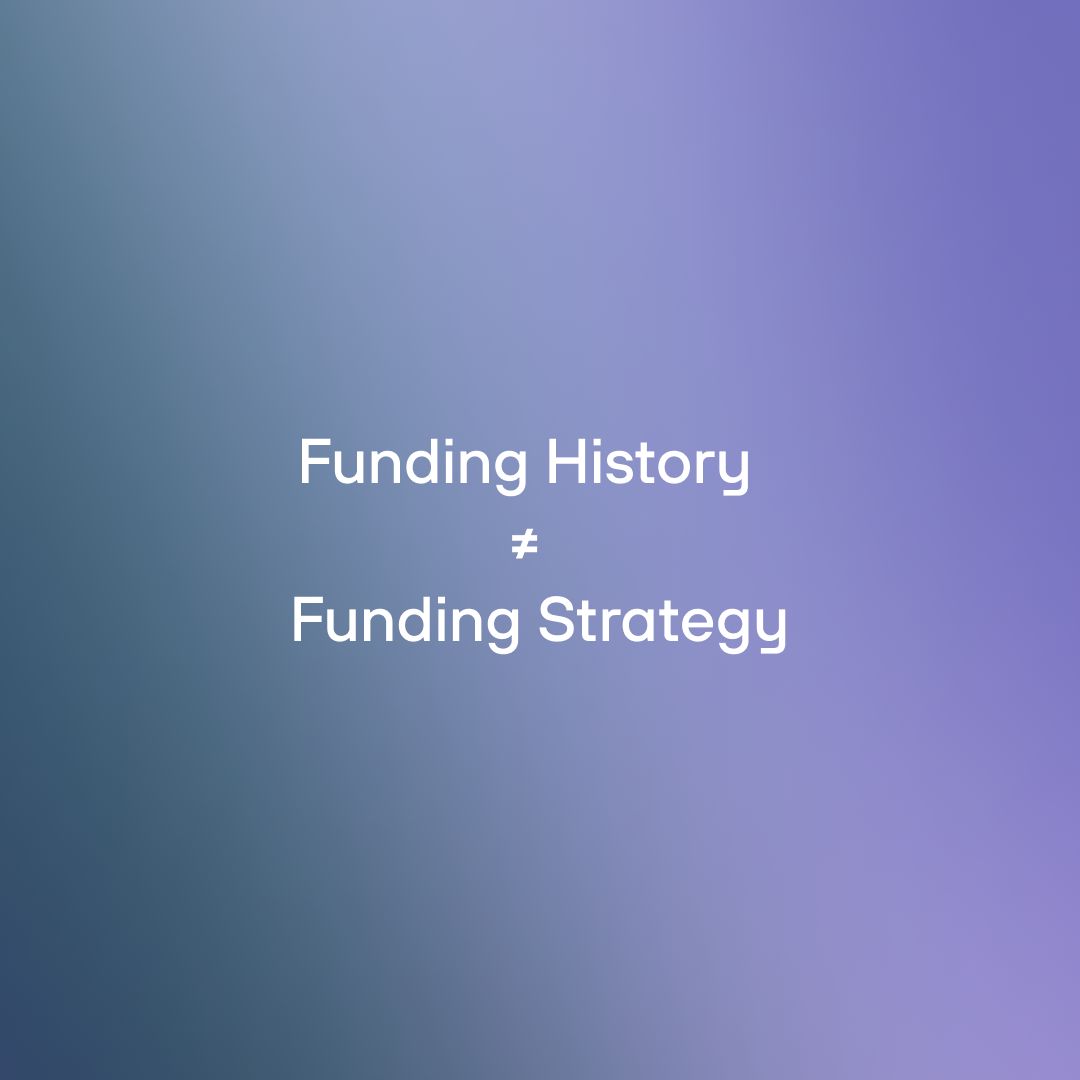
When founders apply for funding at re:cap, one of the first things we look at is their funding strategy. More often than not, there isn't one. There's a sequence of events: the angel who happened to say yes. The bank that called at the right moment. The bridge round that had to happen. Each decision sounds rational when you explain it, but the full picture was rarely designed. It was assembled over time, and rationalized in hindsight. That matters less in the early years. It becomes a real problem later: when you're trying to raise a Series B and your cap table looks like a mess, or when a growth opportunity appears and your existing covenants won't let you move fast enough. Capital structure should be strategy. For most companies, it isn't. It's the sum of whatever happened. There are two times to think about this: 1/ Right before you need capital (should be obvious but you’d be surprised). 2/ Between raises in the quiet period when no investor is watching. That's when the question “what type of capital actually fits this business?” becomes a strategic one rather than a desperate one. This doesn’t mean that you’re necessarily raising more money. It means you get a structure that gives you optionality when you need it, and one fewer thing to figure out under pressure. Funding history is what happened to you. Funding strategy is what you build. The gap between them shows up eventually. The question is only when. At re:cap, we not only provide funding but the strategy to know exactly when and how to use it: https://lnkd.in/dcdxHy4v
- LINKEDIN · IMAGESince 22 Apr 2026
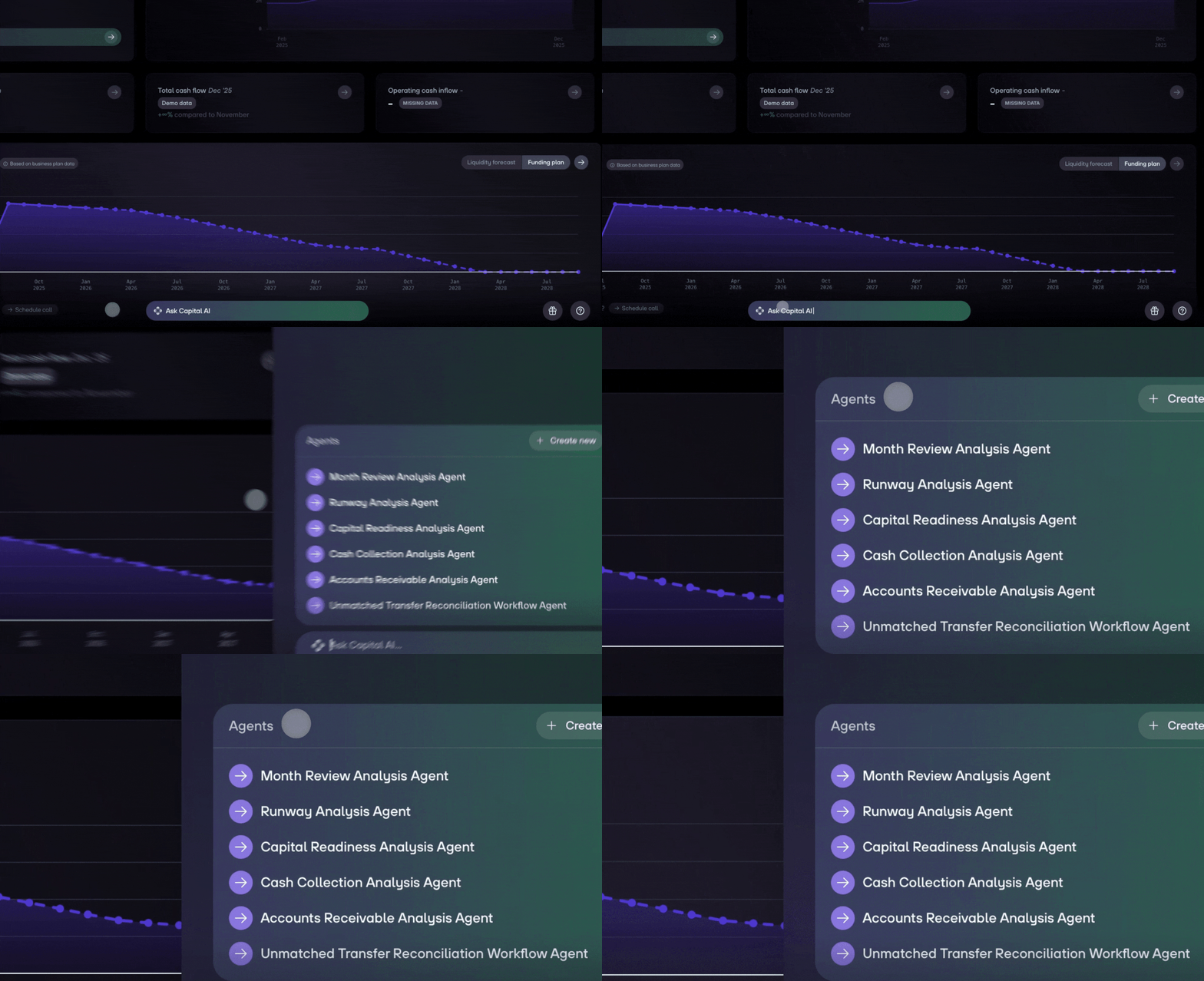
You should never feel guilty for not checking your financials. As a founder, you need to know what’s going on financially. But it’s also the last thing you want to spend your time on. You want to focus on customers, product, and growth – not wonder whether you’ve missed something important in your numbers. That’s exactly why we built agents for Capital AI at re:cap. You set them up once: what to monitor, how often, and when to notify you. From there, they run quietly in the background and surface insights only when it actually matters. Some examples I’m using right now: 1/ Silent burn drift: spotting small, continuous increases in burn before they turn into a real runway problem. 2/ Cash outliers: flagging unusually large inflows or outflows the moment they happen. 3/ Monthly highlights: a concise explanation of what changed, why it changed, and what deserves attention, without opening a dashboard. The real value isn’t automation for its own sake. It’s peace of mind. Your financials are watched. Patterns are tracked. Deviations are caught. Whether you check in or not. Finance shouldn’t compete for your attention. It should earn it – only when needed. Try it yourself: https://lnkd.in/eaTXarmn PS: The last few days made it hard to miss the renewed hype around AI agents. These ones don’t broadcast, don’t share data, and act autonomously only within clear boundaries. They work quietly in the background and surface insights only to you.


6 of 94 adsSign up to see every re:cap ad, filter by format and date, and get alerts on new ones.
See all 94 adsOn Google Search, YouTube and Display
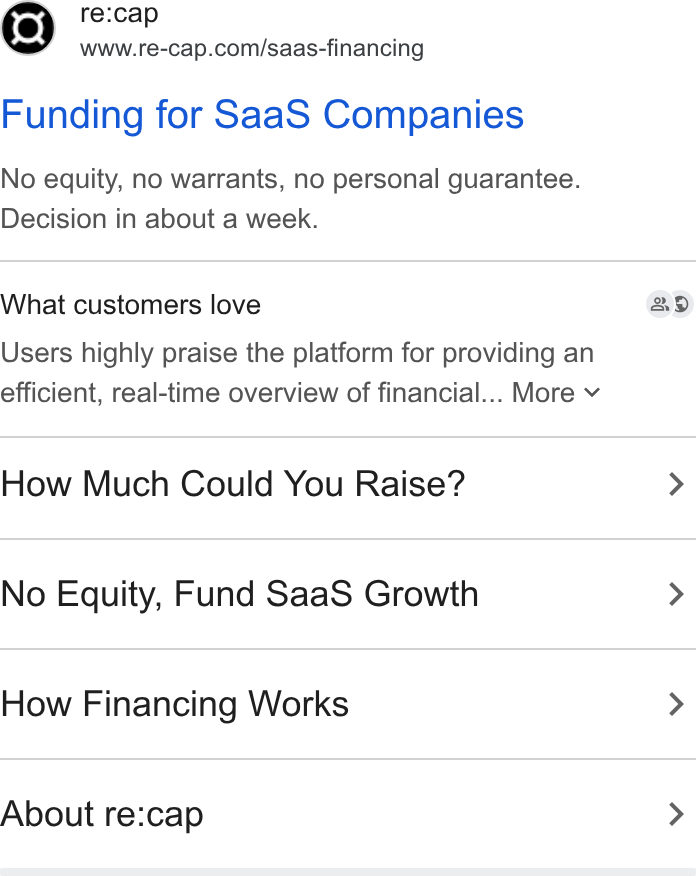
Domain re-cap.com · 100+ ads on the Transparency Center, checked 7 Nov 2026 · 50 recorded
- All 20
- Text 20
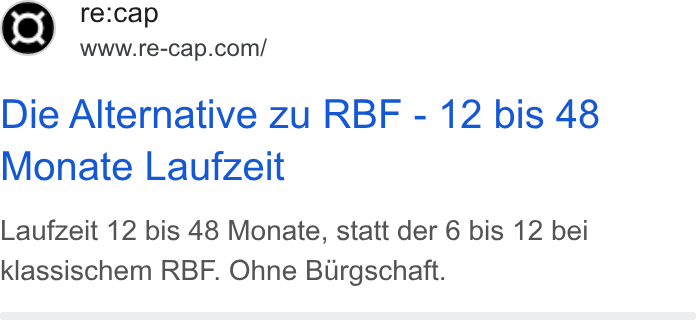
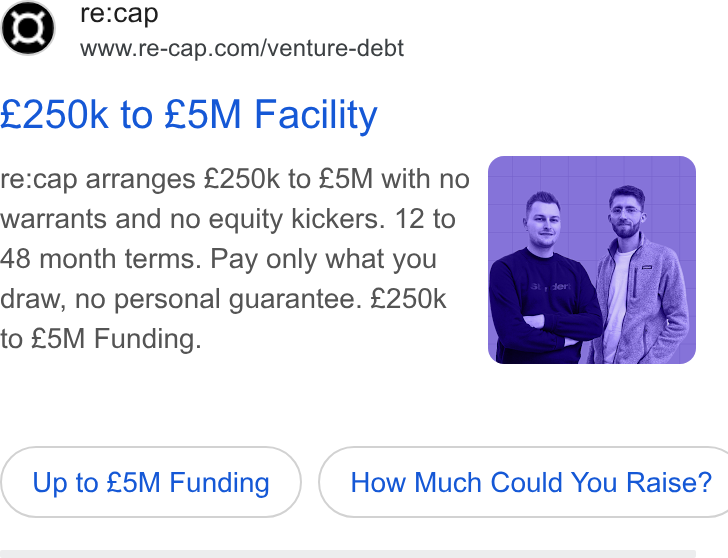
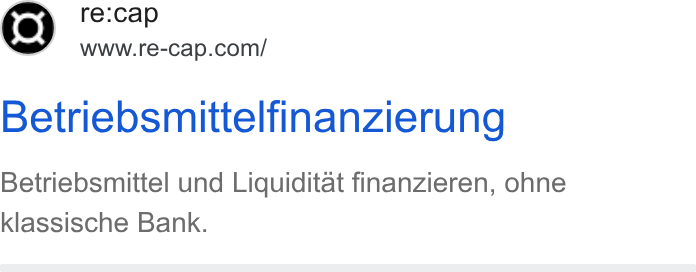
- GOOGLE · TEXTLast shown 30 Oct 2026
First shown 1 Sept 2026
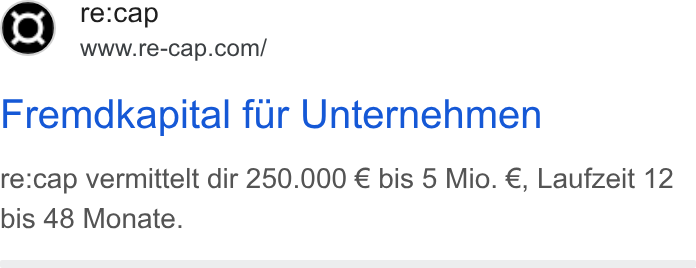
- GOOGLE · TEXTLast shown 30 Oct 2026
First shown 1 Sept 2026
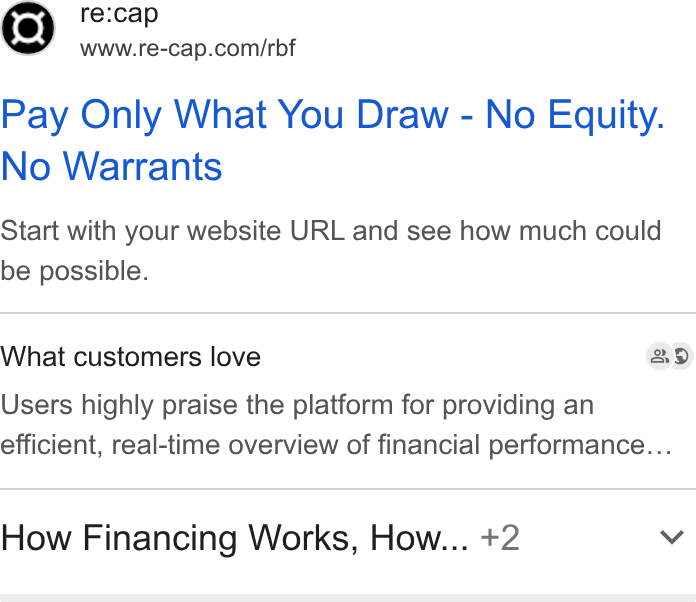
- GOOGLE · TEXTLast shown 30 Oct 2026
First shown 1 Sept 2026
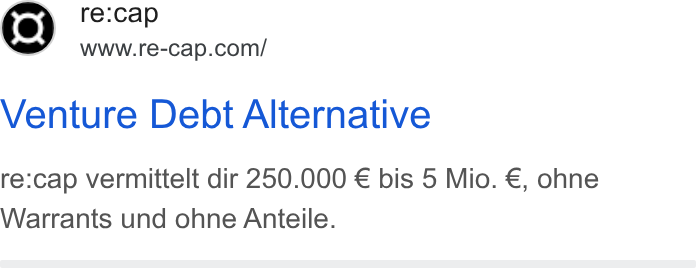
- GOOGLE · TEXTLast shown 29 Oct 2026
First shown 1 Sept 2026
- GOOGLE · TEXTLast shown 30 Oct 2026
First shown 1 Sept 2026
- GOOGLE · TEXTLast shown 30 Oct 2026
First shown 31 Aug 2026


Show 14 more Google ads
- GOOGLE · TEXTLast shown 30 Oct 2026
First shown 31 Aug 2026
- GOOGLE · TEXTLast shown 30 Oct 2026
First shown 31 Aug 2026
- GOOGLE · TEXTLast shown 30 Oct 2026
First shown 31 Aug 2026
- GOOGLE · TEXTLast shown 30 Oct 2026
First shown 31 Aug 2026
- GOOGLE · TEXTLast shown 30 Oct 2026
First shown 31 Aug 2026
- GOOGLE · TEXTLast shown 30 Oct 2026
First shown 31 Aug 2026
- GOOGLE · TEXTLast shown 30 Oct 2026
First shown 29 Aug 2026
- GOOGLE · TEXTLast shown 30 Oct 2026
First shown 29 Aug 2026
- GOOGLE · TEXTLast shown 30 Oct 2026
First shown 29 Aug 2026
- GOOGLE · TEXTLast shown 30 Oct 2026
First shown 28 Aug 2026
- GOOGLE · TEXTLast shown 30 Oct 2026
First shown 28 Aug 2026
- GOOGLE · TEXTLast shown 30 Oct 2026
First shown 28 Aug 2026
- GOOGLE · TEXTLast shown 30 Oct 2026
First shown 28 Aug 2026
- GOOGLE · TEXTLast shown 30 Oct 2026
First shown 28 Aug 2026





Questions about re:cap’s ads
Is re:cap running LinkedIn ads?
We recorded no live LinkedIn ads for re:cap on 10 Nov 2026.
How many LinkedIn ads has re:cap run?
LinkedIn’s ad library lists 94 ads for re:cap. We recorded 94 LinkedIn ads for re:cap, first recorded on 29 Sept 2026 and last recorded on 29 Sept 2026.
Does re:cap run Google ads?
Yes. We recorded 100+ Google ads for the domain re-cap.com on 7 Nov 2026.
Which ad formats does re:cap use?
The 6 LinkedIn ads on this page include 6 image ads.
Watch the companies you care about.
Filter every ad by industry, country, format and network, and get alerts when a company you watch starts running new ads.