On air · 1 of 3 networks

Qoitech ads
- qoitech.com
- Technology, Information and Internet
- SE
- 10 employees
Qoitech’s ads on LinkedIn, Meta and Google, recorded by adsrunning. Browse the latest here for free. Sign up free to see all 97. Watch Qoitech on any plan to get each new one in your feed.
Watchlist included in every plan
What Qoitech runs
- Single image · LinkedIn
- 6
- Google ads on 6 Nov 2026
- 7
| Network | Status | Live ads | Nov 2025LinkedIn activity · 52 weeksNov 2026 | Checked | Next step |
|---|---|---|---|---|---|
| None recorded | 0 | Checked 7 Nov 2026 | See all 97 ads → | ||
| Meta | Not checked | — | |||
| Running | 7 | Ads on the Google Ads Transparency Center | Checked 6 Nov 2026 | Collect them with the API → |
Qoitech has no live LinkedIn ads. We recorded 7 Google ads on 6 Nov 2026.
Latest ads
- LINKEDIN · IMAGESince 3 Nov 2026
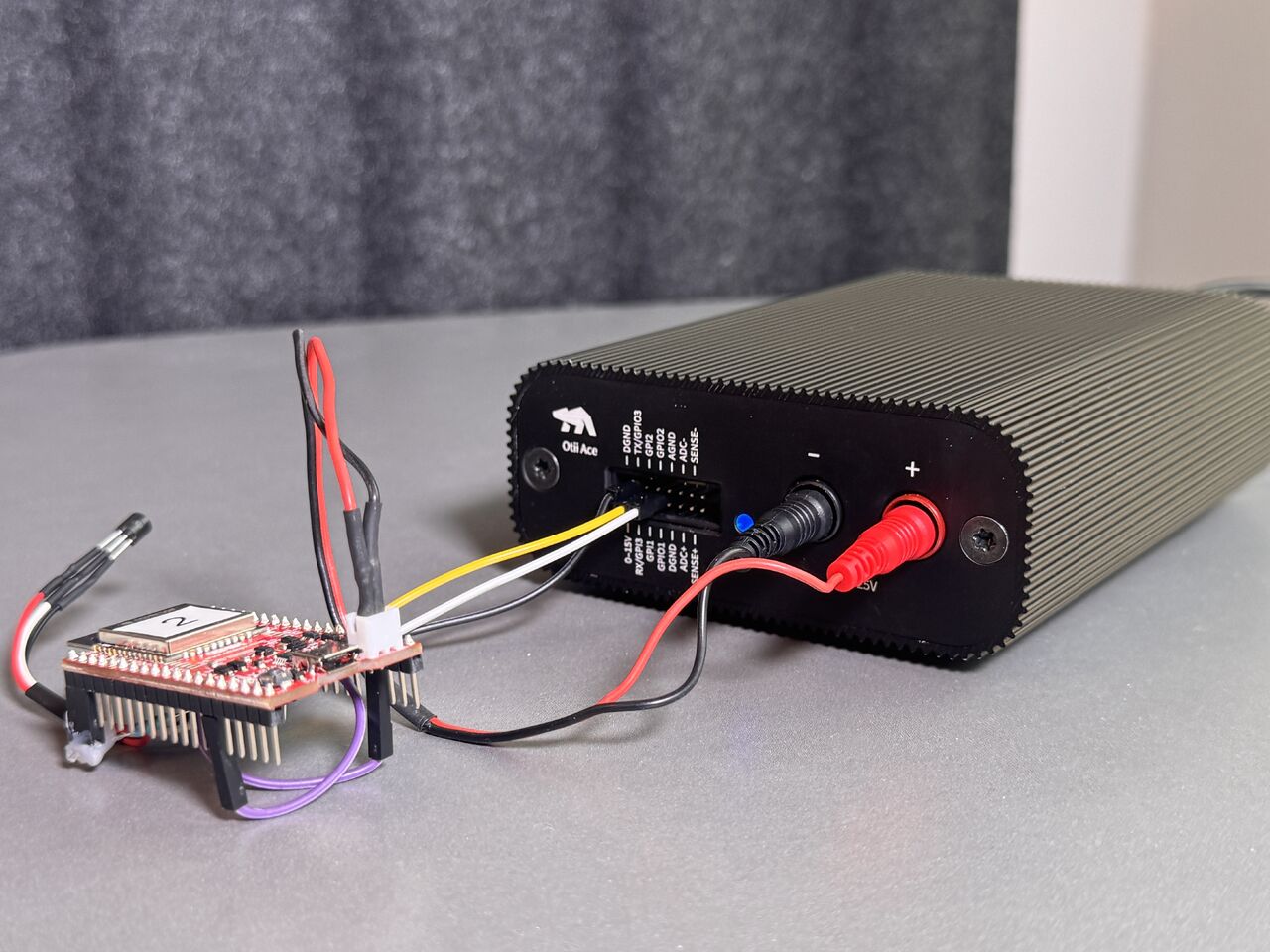
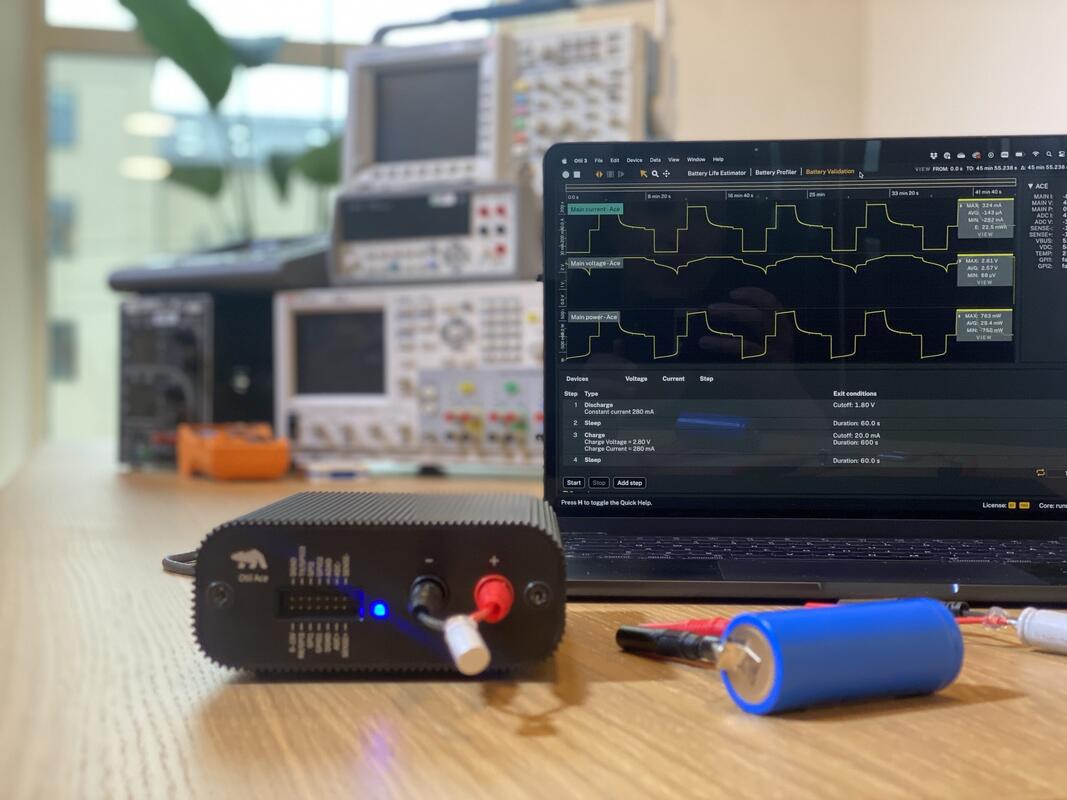
𝐒𝐨 𝐡𝐨𝐰 𝐝𝐨 𝐲𝐨𝐮 𝐫𝐮𝐧 𝐚 𝐩𝐨𝐰𝐞𝐫 𝐭𝐞𝐬𝐭 𝐟𝐨𝐫 𝐝𝐚𝐲𝐬 𝐰𝐢𝐭𝐡𝐨𝐮𝐭 𝐝𝐫𝐨𝐰𝐧𝐢𝐧𝐠 𝐢𝐧 𝐝𝐚𝐭𝐚? Our new application note shows how to set up 𝐥𝐨𝐧𝐠-𝐭𝐞𝐫𝐦 𝐩𝐨𝐰𝐞𝐫 𝐚𝐧𝐨𝐦𝐚𝐥𝐲 𝐝𝐞𝐭𝐞𝐜𝐭𝐢𝐨𝐧 for your device under test using an Otii Ace or Otii Arc together with the Otii Automation Toolbox. The idea is simple: ✅ Run the power test continuously ✅ Automatically discard cycles that match expected behaviour ✅ Capture and store only the events that deviate from the norm The result: manageable data, and no rare anomaly left behind. And you don’t have to start from scratch. We have a ready-to-use Python script for you on the Qoitech GitHub, so you can get your long-term test running right away. 🚀 📄 Read the application note: https://lnkd.in/eYFxW7Qf 💻 Get the script: https://lnkd.in/eB-9Yv3u #EmbeddedSystems #IoT #PowerConsumption #BatteryLife #LowPower #HardwareTesting #TestAutomation #Python #Otii #Qoitech
- LINKEDIN · IMAGESince 3 Nov 2026
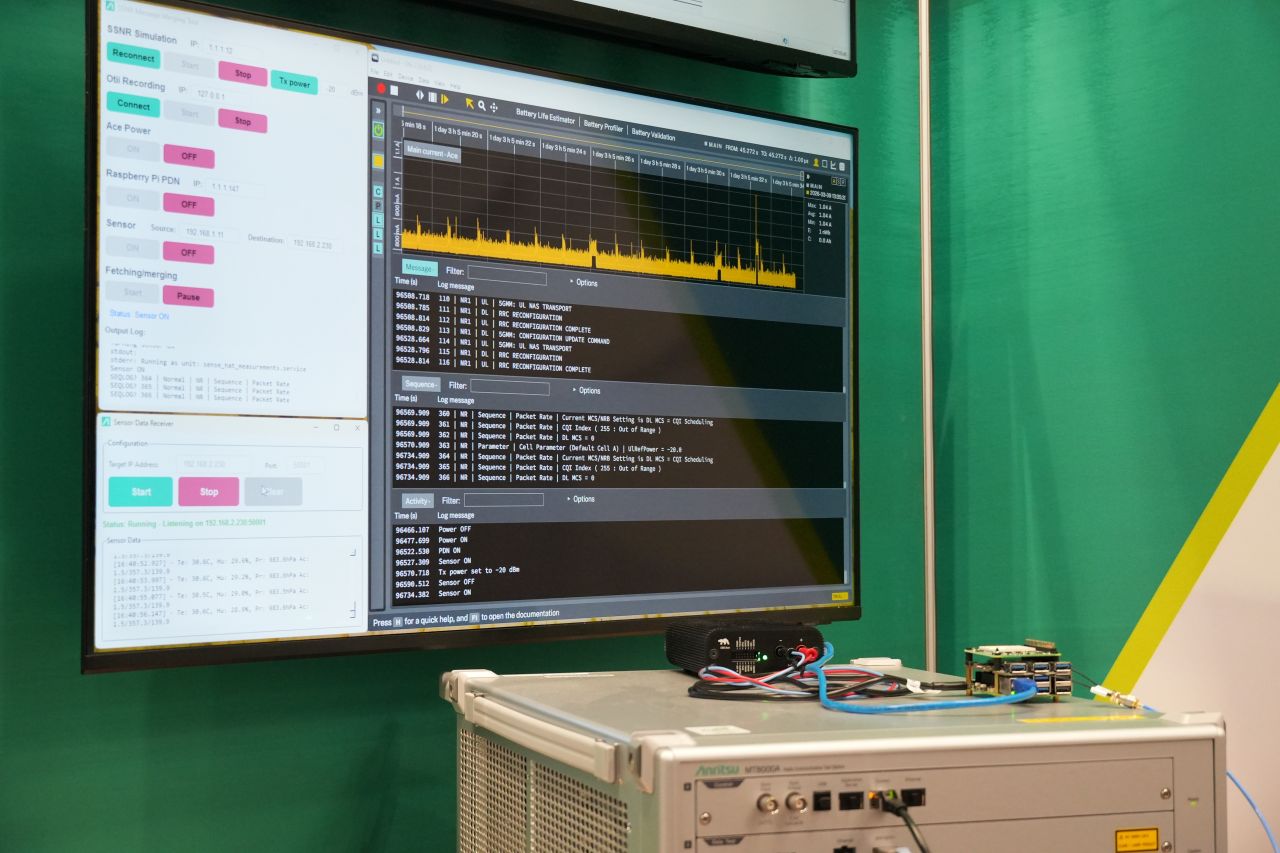
A power spike during what should be deep sleep. A modem that wakes for no apparent reason. A device that drains 30% faster in some geographic regions than others. Teams routinely spend weeks chasing these issues in firmware — 𝐨𝐧𝐥𝐲 𝐭𝐨 𝐝𝐢𝐬𝐜𝐨𝐯𝐞𝐫 𝐭𝐡𝐞 𝐜𝐚𝐮𝐬𝐞 𝐰𝐚𝐬 𝐢𝐧 𝐭𝐡𝐞 𝐜𝐞𝐥𝐥𝐮𝐥𝐚𝐫 𝐧𝐞𝐭𝐰𝐨𝐫𝐤 𝐚𝐥𝐥 𝐚𝐥𝐨𝐧𝐠. A paging event. An operator-imposed eDRX override. A path loss change that bumped TX power up two notches. The workflow that solves this: synchronize your power trace with the network signaling log on a single timeline. Every current spike maps to the network event that caused it. PSM entry — visible. eDRX paging windows — visible. TX power control as path loss changes — visible. What used to take weeks of cross-domain debugging now takes minutes of looking at one screen. That's the kind of multiplier that justifies measurement infrastructure on its own. Application note ➡️ https://lnkd.in/dynBE2sZ #CellularIoT #PowerDebug #IoTDevelopment #LTEM #NBIoT
- LINKEDIN · IMAGESince 14 Oct 2026
If you manage an embedded or IoT team and you're weighing whether to invest in power measurement tooling and the discipline to use it, here's the rough math. 𝐂𝐨𝐬𝐭 𝐬𝐢𝐝𝐞: a modern power analyzer + the engineering time to integrate it into your development workflow. Real numbers, but small relative to most line items in a hardware project. 𝐑𝐞𝐭𝐮𝐫𝐧 𝐬𝐢𝐝𝐞, 𝐞𝐯𝐞𝐧 𝐨𝐧 𝐜𝐨𝐧𝐬𝐞𝐫𝐯𝐚𝐭𝐢𝐯𝐞 𝐚𝐬𝐬𝐮𝐦𝐩𝐭𝐢𝐨𝐧𝐬: → Weeks of debug time reclaimed per project when network or firmware-induced power anomalies become visible in minutes instead of being chased through code. → Battery sizing decisions made on real data, not worst-case guesses — often translating to a smaller, cheaper cell or a longer guaranteed lifetime at the same cell. → Regressions caught in CI before they ship, instead of after a field failure triggers a recall investigation. → Power claims you can defend in front of a customer with actual measurement data — increasingly a procurement requirement in regulated and infrastructure deployments. The investment pays back inside a single product cycle for most teams we work with. The compounding return — across product generations, across the team's accumulated knowledge — is much larger. #EngineeringLeadership #ProductDevelopment #IoT #HardwareEngineering #EngineeringROI
- LINKEDIN · IMAGESince 14 Oct 2026
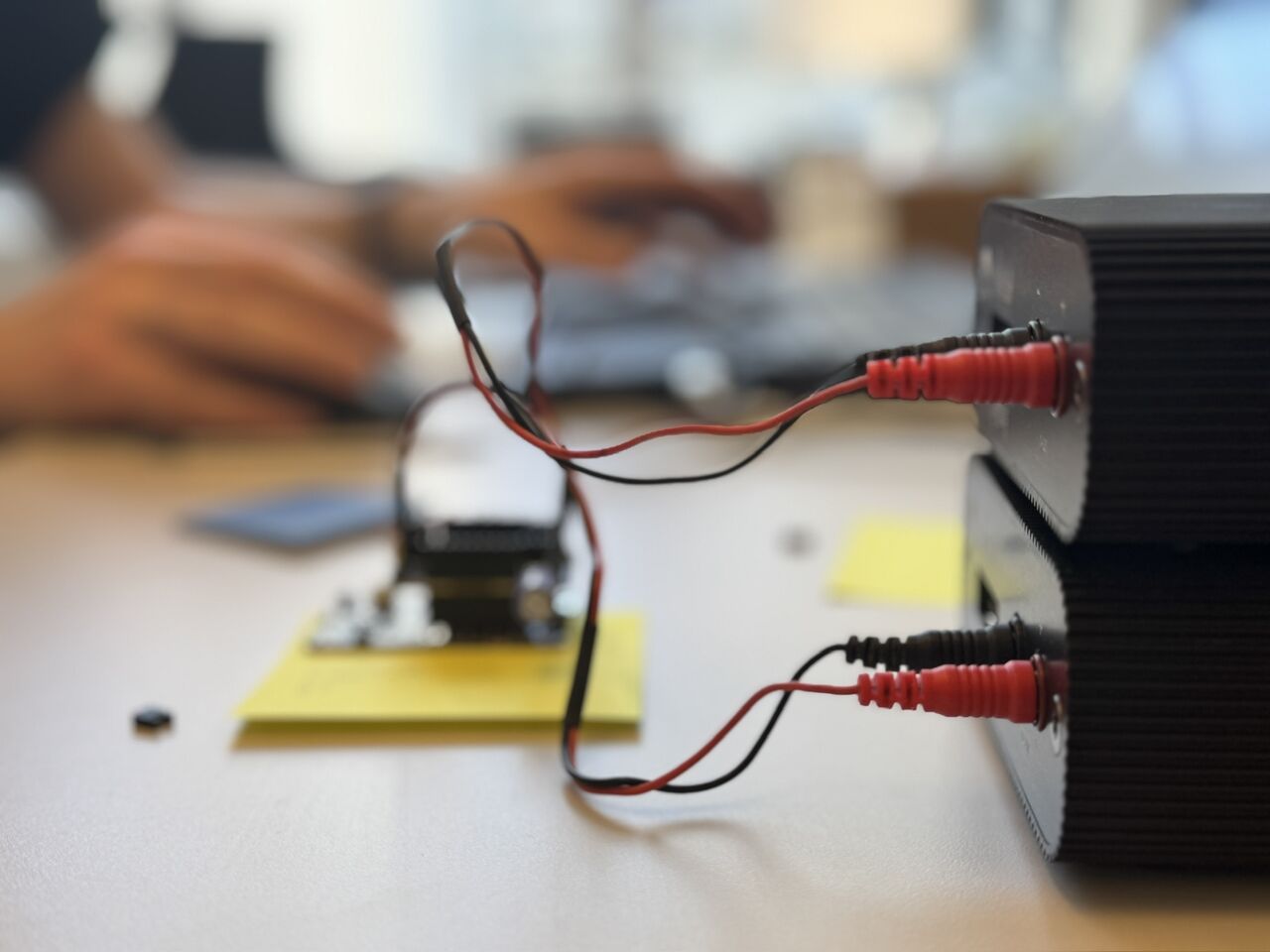
Power measurement used to belong to one person on the team. The specialist with the SMU, the scope, the shunts, and the patience to make all of it work. Everyone else waited in line — or skipped measuring power altogether and hoped for the best. That model is broken, and it's finally over. A modern power analyzer integrates source, measurement, and analysis into a single unit. Two wires. One desktop app. Less than few-minutes setup. The result: a calibrated current trace synchronized with UART logs, GPIO events, and (for cellular) network signaling logs from a base station emulator. No specialist required. No queue. No "we'll get to it in Q3." The firmware engineer verifies their sleep mode change at their own bench. The RF engineer checks TX power between meetings. The new hire catches a regression on day three of their onboarding. Power measurement becomes part of the daily loop — the same way unit tests and firmware flashing already are. When the whole team can measure, the whole team measures. And regressions get caught the day they're introduced — not the day a customer reports a dead device. #DeveloperTools #EmbeddedDevelopment #TestAutomation #IoT
- LINKEDIN · IMAGESince 14 Oct 2026
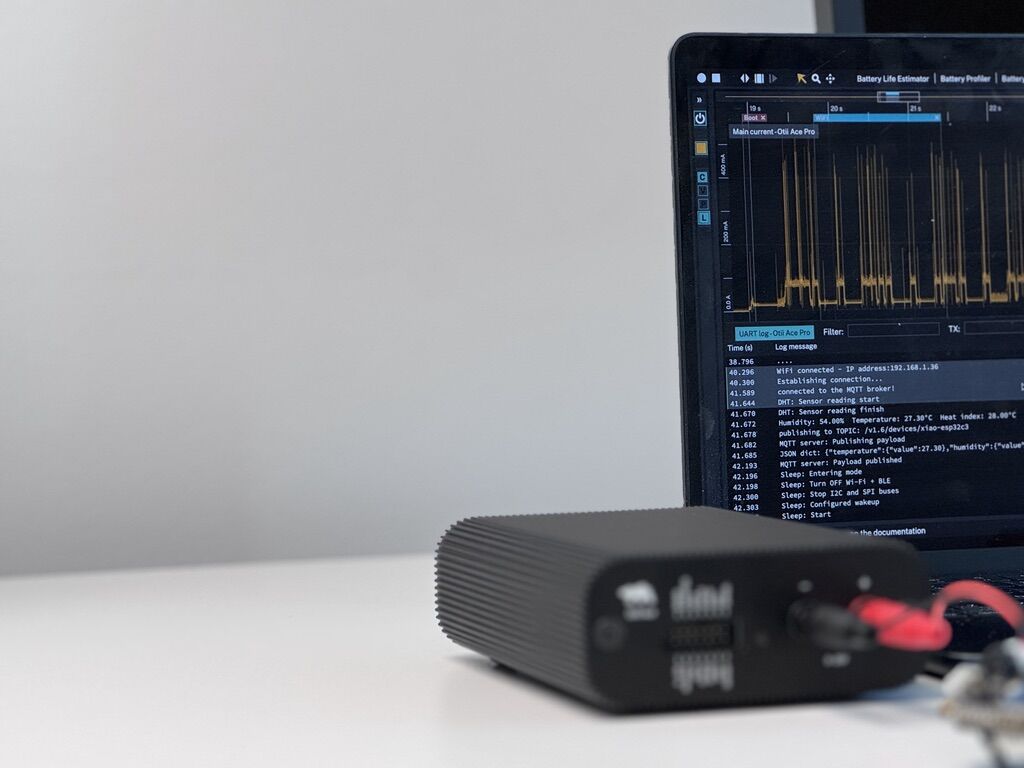
𝐀 𝐩𝐫𝐞𝐜𝐢𝐬𝐢𝐨𝐧 𝐢𝐧𝐬𝐭𝐫𝐮𝐦𝐞𝐧𝐭 𝐢𝐬 𝐛𝐞𝐚𝐮𝐭𝐢𝐟𝐮𝐥 𝐡𝐚𝐫𝐝𝐰𝐚𝐫𝐞. 𝐈𝐭'𝐬 𝐚𝐥𝐬𝐨 𝐨𝐧𝐥𝐲 𝐡𝐚𝐥𝐟 𝐭𝐡𝐞 𝐩𝐫𝐨𝐝𝐮𝐜𝐭. For decades, test and measurement meant exactly that: the instrument was the product, and the software was there to draw the trace. That worked when the hard part was the hardware. But modern low-power devices swing from nanoamps to hundreds of milliamps in microseconds, and the teams building them are now as much software as hardware. A snapshot you export to an SD card and analyze later doesn't fit how anyone works now. The other half is where the work happens: long robust runs without dropping a sample, real-time analysis as the data streams, power synced with your device's logs to find what's really draining it - multiple measurements, one project. That's why we built Otii software-first. The software as an equal peer to the hardware, not a wrapper around it. New post 👇 https://lnkd.in/dcnUGHub #neweraoftestandmeasurement #embedded #lowpower #batterylife #testandmeasurement
- LINKEDIN · IMAGESince 14 Oct 2026
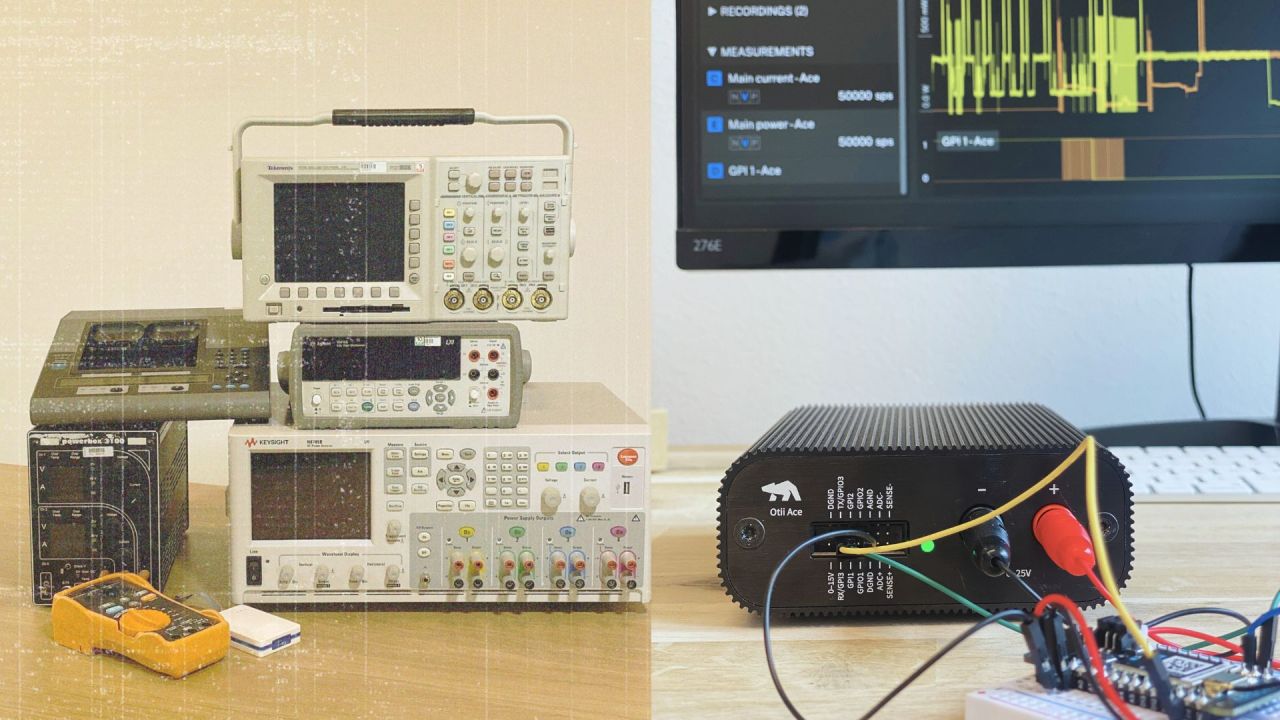
Five years ago, properly profiling an embedded device's power consumption meant a source measure unit, a high-bandwidth oscilloscope, current shunts, a chunk of test infrastructure, and an engineer who knew how to connect the dots and make sense of it all. The total bill of materials and time was significant enough that most teams skipped it — or did it once or twice in the project and called it done. That world is gone. Today, a single benchtop tool can power your DUT, capture nanoamp-to-amp current with microsecond resolution, run for hours, log every event, and let any engineer on the team click through the trace to find the spike that's costing battery life. No SMU expertise required. No custom test rig. No PhD in instrumentation. The question is no longer "can we afford to measure power and optimize battery life?" It's "can we afford not to?" #PowerMeasurement #EmbeddedTools #IoTDevelopment #HardwareEngineering
6 of 97 adsSign up to see every Qoitech ad, filter by format and date, and get alerts on new ones.
See all 97 adsQuestions about Qoitech’s ads
Is Qoitech running LinkedIn ads?
We recorded no live LinkedIn ads for Qoitech on 10 Nov 2026.
How many LinkedIn ads has Qoitech run?
LinkedIn’s ad library lists 83 ads for Qoitech. We recorded 97 LinkedIn ads for Qoitech, first recorded on 29 Sept 2026 and last recorded on 7 Nov 2026.
Does Qoitech run Google ads?
Yes. We recorded 7 Google ads for the domain qoitech.com on 6 Nov 2026.
Which ad formats does Qoitech use?
The 6 LinkedIn ads on this page include 6 image ads.
Watch the companies you care about.
Filter every ad by industry, country, format and network, and get alerts when a company you watch starts running new ads.