On air · 2 of 3 networks

Princeton University Press ads
- press.princeton.edu
- Book and Periodical Publishing
- US
- 199 employees
Princeton University Press’s ads on LinkedIn, Meta and Google, recorded by adsrunning. Browse the latest here for free. Sign up free to see all 22. Watch Princeton University Press on any plan to get each new one in your feed.
Watchlist included in every plan
What Princeton University Press runs
- Single image · LinkedIn
- 6
- Google ads on 6 Nov 2026
- 100+
- active Meta ads on 5 Nov 2026
- 39
- Meta placements
- 4
| Network | Status | Live ads | Nov 2025Activity · 52 weeksNov 2026 | Checked | Next step |
|---|---|---|---|---|---|
| None recorded | 0 | Checked 3 Nov 2026 | See all 22 ads → | ||
| Meta | Running | 39 | Checked 5 Nov 2026 | Collect them with the API → | |
| Running | 100+ | Checked 6 Nov 2026 | Collect them with the API → |
Princeton University Press has no live LinkedIn ads. Its Facebook page had 39 active ads on 5 Nov 2026, and we recorded 100+ Google ads on 6 Nov 2026.
Latest ads
- LINKEDIN · IMAGERecorded 28 Sept 2026
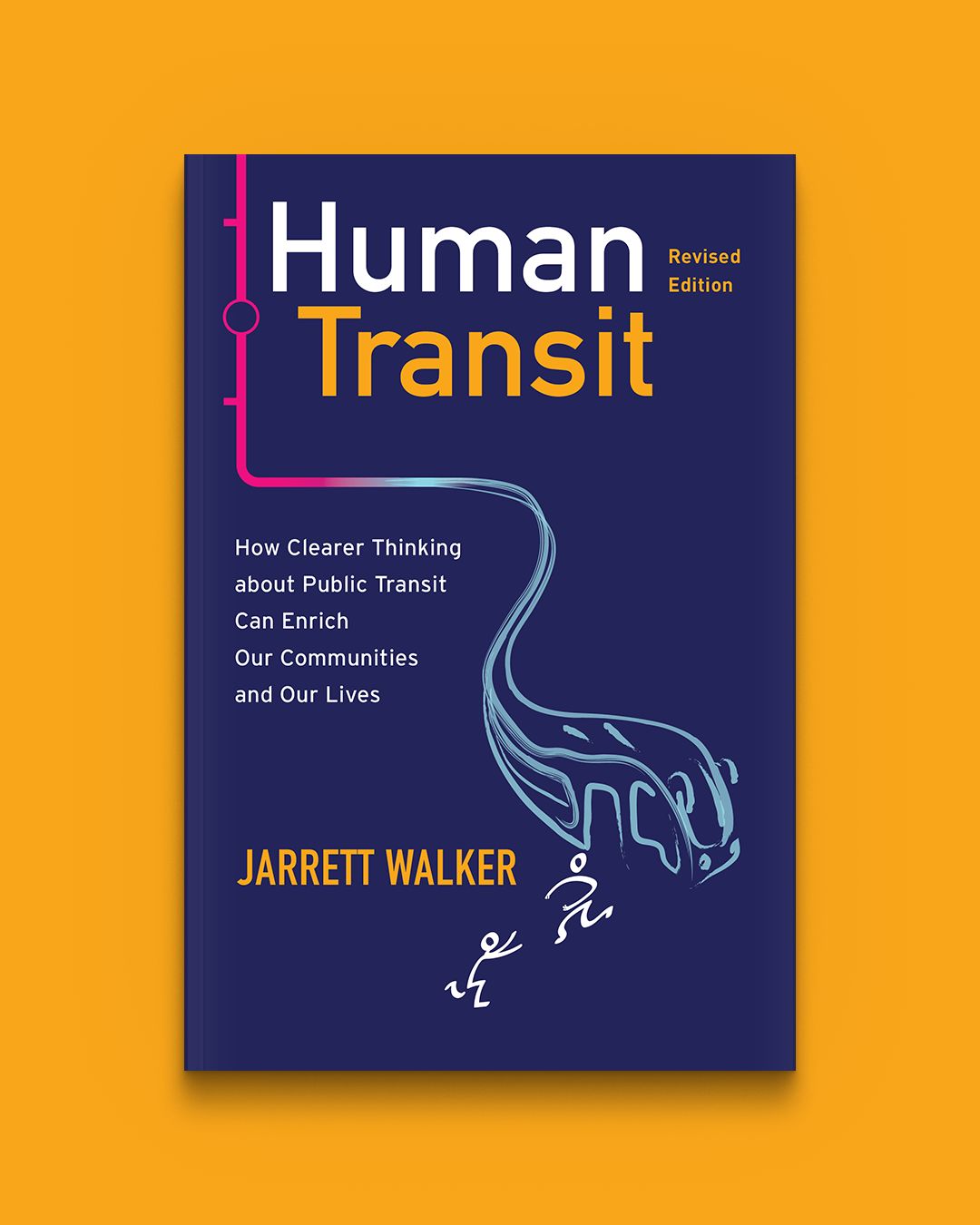
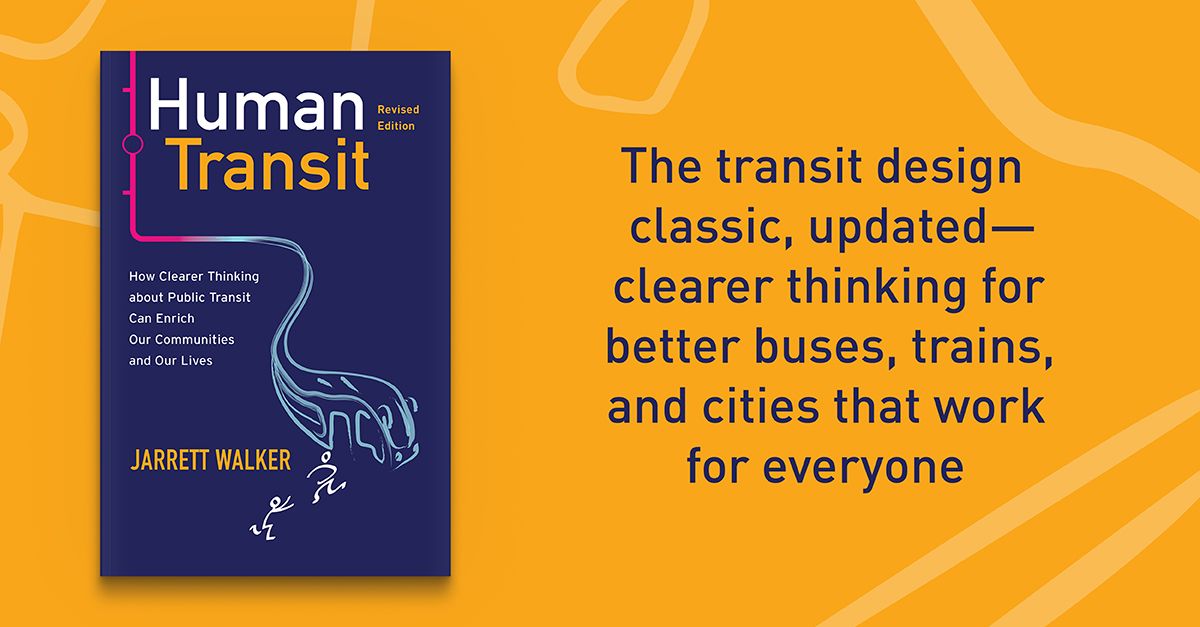
Whether you are a professional or a concerned citizen, the revised edition of Human Transit by Jarrett Walker can help you to achieve successful public transit that will enrich any community. Learn more:
- LINKEDIN · IMAGERecorded 28 Sept 2026
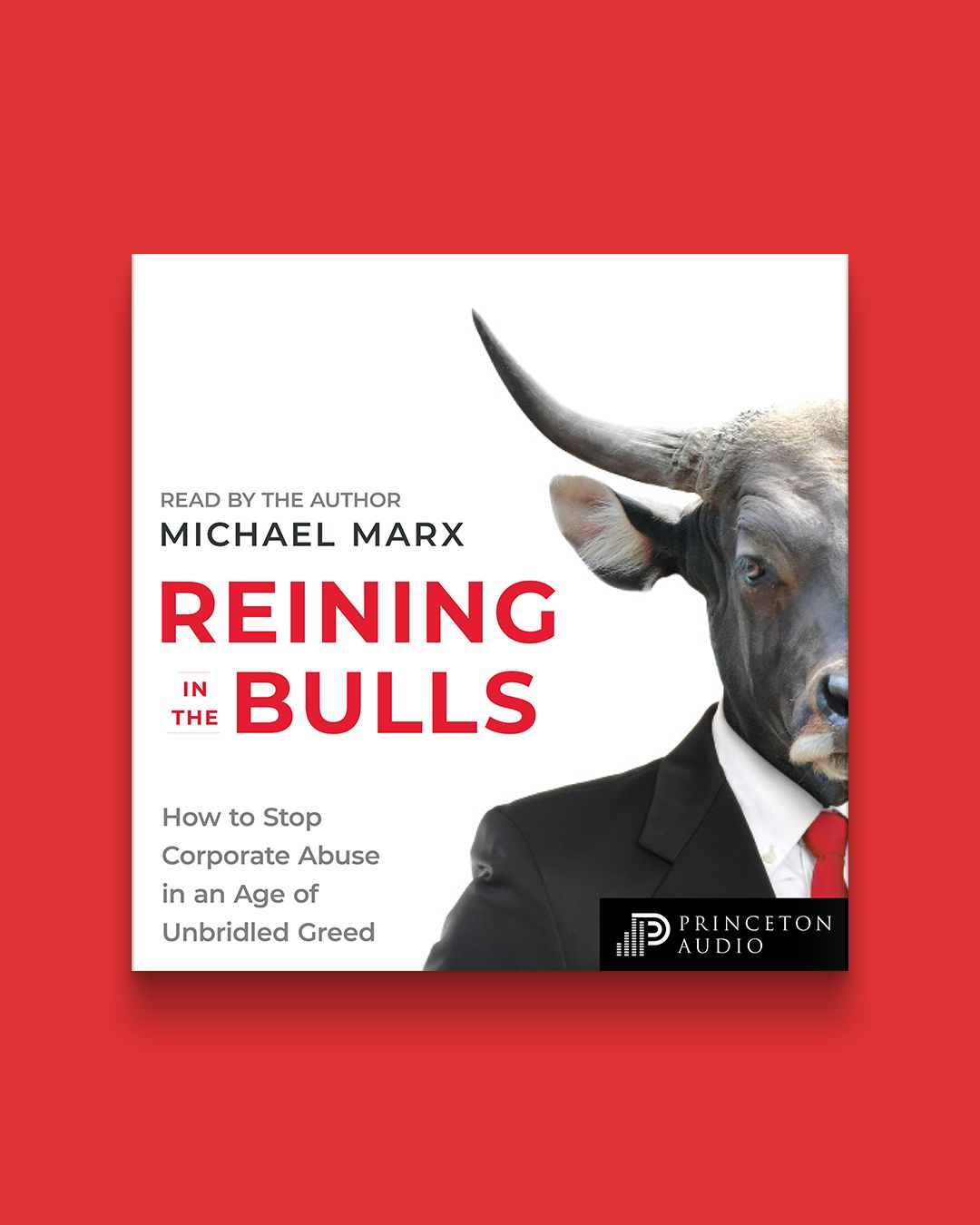
Reining in the Bulls by Michael Marx provides a comprehensive guide to planning and running effective corporate campaigns to pressure companies to do the right thing. Learn more about the audio edition, read by the author:
- LINKEDIN · IMAGERecorded 28 Sept 2026
Human Transit (Revised Edition) by Jarrett Walker is an updated and expanded new edition of an acclaimed book about how to make public transportation work better for everyone. Learn more:
- LINKEDIN · IMAGERecorded 28 Sept 2026
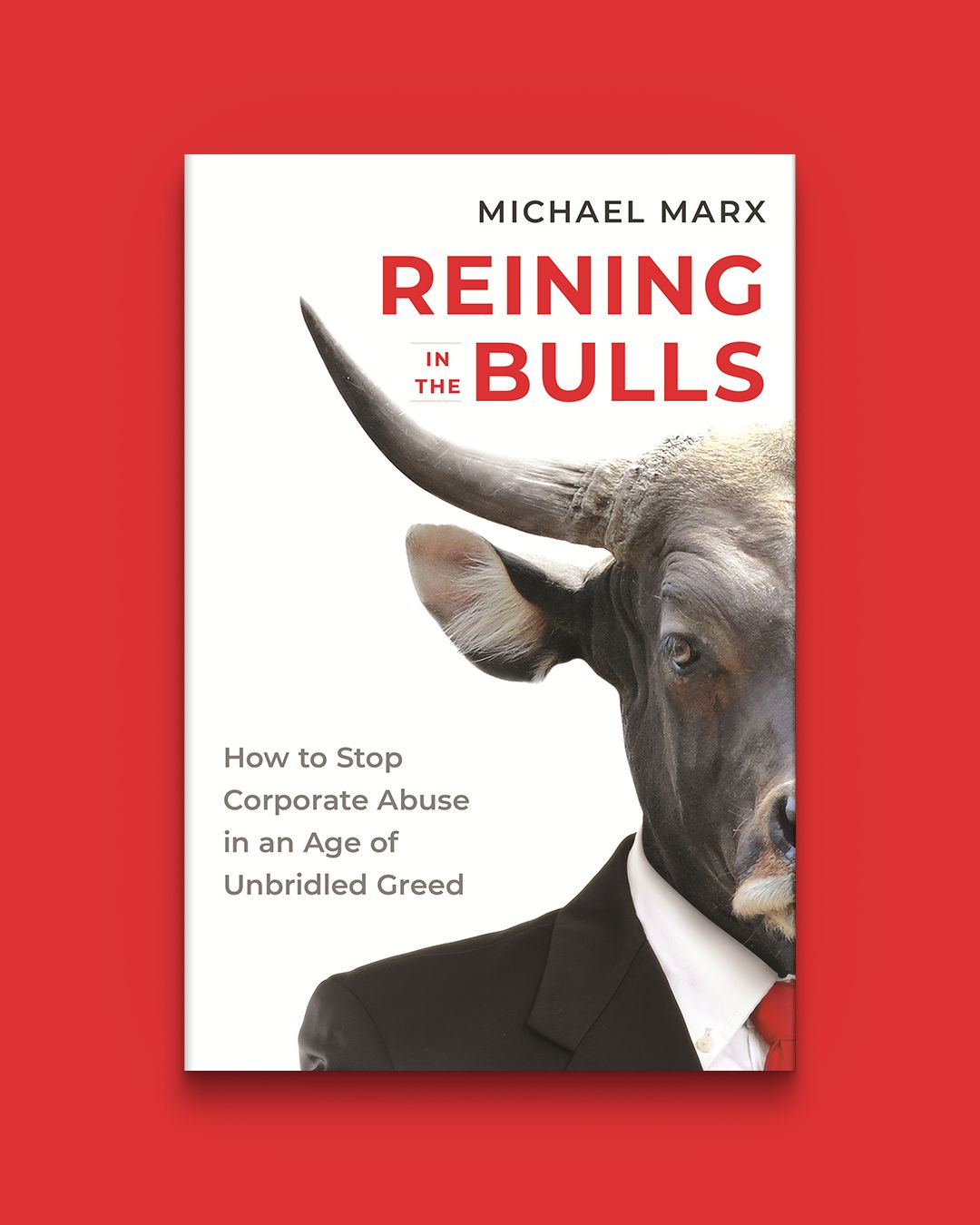
Reining in the Bulls: How to Stop Corporate Abuse in an Age of Unbridled Greed by Michael Marx is a comprehensive guide to planning and running effective corporate campaigns to pressure companies to do the right thing. Learn more:
- LINKEDIN · IMAGERecorded 28 Sept 2026
Reining in the Bulls: How to Stop Corporate Abuse in an Age of Unbridled Greed by Michael Marx is the first comprehensive resource for professionals of nongovernmental organizations who want to understand, plan, and execute modern corporate campaigns to expose and change companies harmful behavior. Learn more:
- LINKEDIN · IMAGERecorded 28 Sept 2026
Human Transit (Revised Edition) by Jarrett Walker is an updated and expanded new edition of an acclaimed book about how to make public transportation work better for everyone. Learn more:


6 of 22 adsSign up to see every Princeton University Press ad, filter by format and date, and get alerts on new ones.
See all 22 adsOn Facebook and Instagram
Facebook page Princeton University Press · 39 active ads, checked 5 Nov 2026 · 38 recorded
- All 20
- Image 9
- Video 6
- Carousel 1
 META · IMAGESince 3 Nov 2026
Active on Facebook, Instagram, Audience Network, Threads. In honor of Ada Lovelace, PUP is delighted to pay tribute to the work and stories of women who champion science, from a physicist’s quest for the true nature of gravity, to a neuroscientist’s fascinating tour of the developments that are revolutionizing conceptions of mental health. A significant gender gap has long plagued all areas of science, technology, engineering and mathematics disciplines across our global community. While progress has been made in increasing women’s participation in these areas of research and higher education, they remain under-represented in STEM fields. Please enjoy this reading list featuring books by women in STEM. All books are 30% off with code PUP30 and a few are featured in our 70% off sale. https://press.princeton.edu/ideas/books-by-and-for-women-in-stem #stem #AdaLovelace #women #science #books
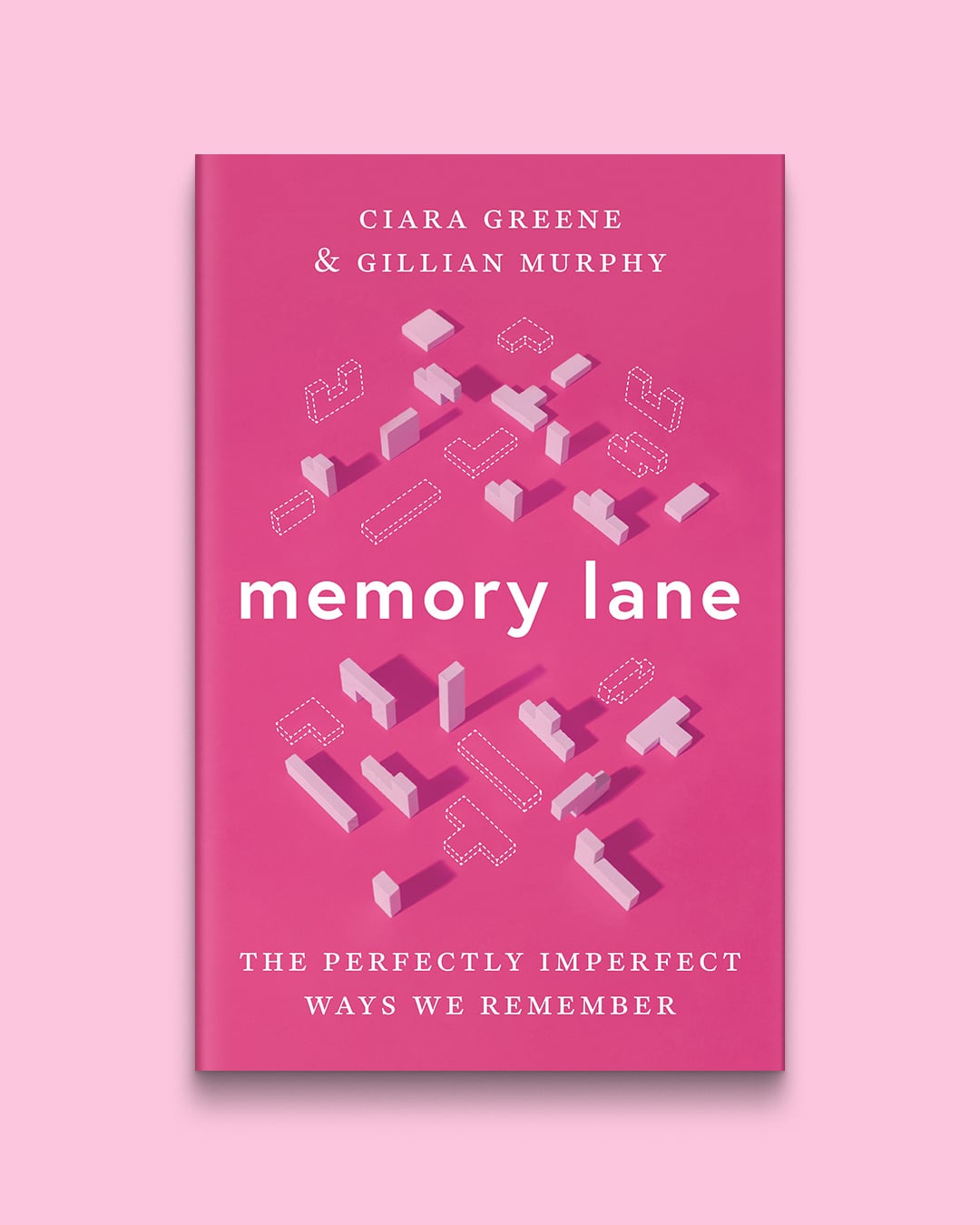 META · IMAGESince 3 Nov 2026
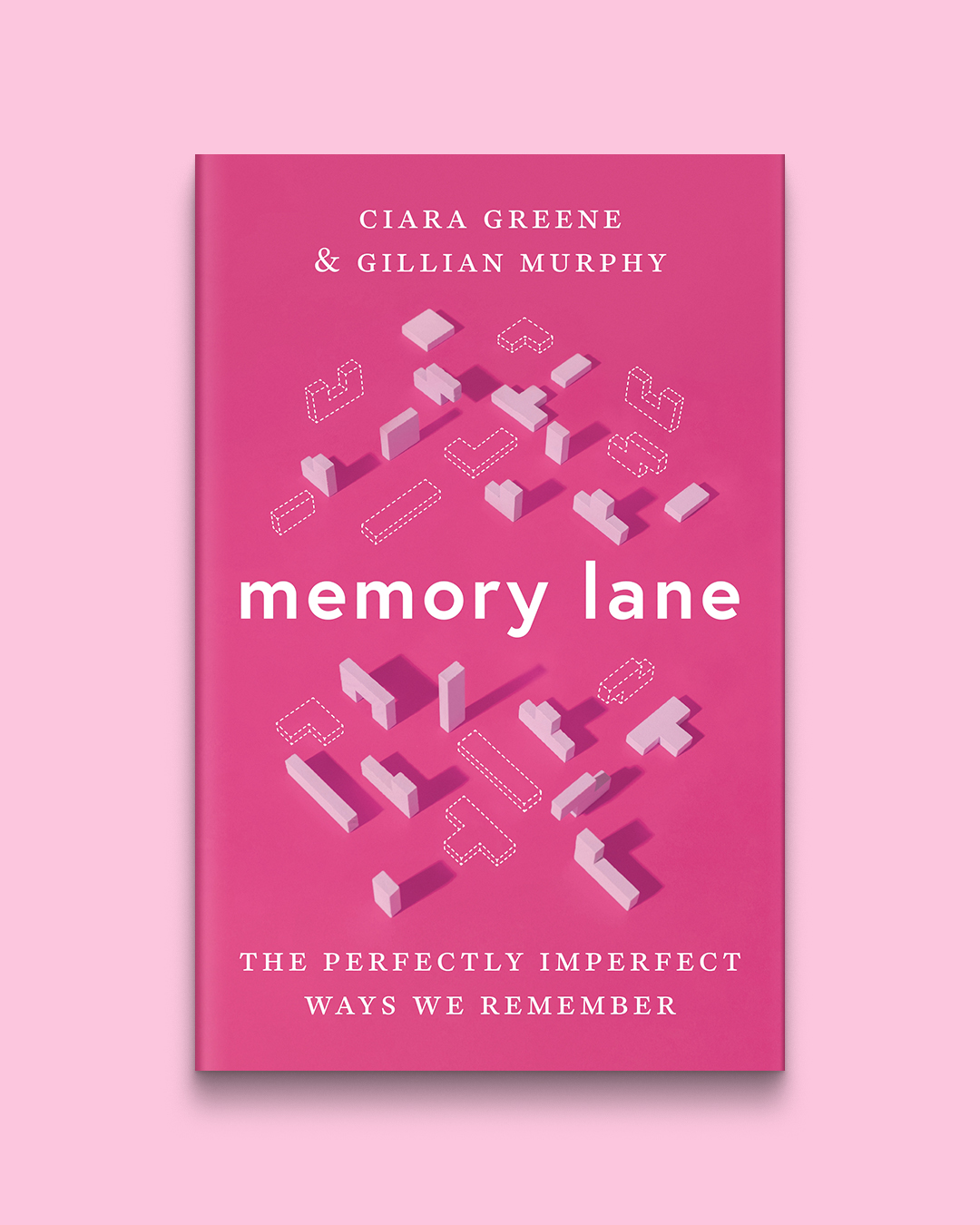
Active on Facebook, Instagram, Audience Network, Threads. Now through November 16, save 70% on Ciara Greene and Gillian Murphy's Memory Lane, an illuminating look at the adaptive nature of our memories—and how their flexibility and fallibility help us survive and thrive. https://hubs.ly/Q04C_Yjs0 We tend to think of our memories as impressions of the past that remain fully intact, preserved somewhere inside our brains. In fact, we construct and reconstruct our memories every time we attempt to recall them. This book introduces readers to the cutting-edge science of human memory, revealing how our recollections of the past are constantly adapting and changing, and why a faulty memory isn’t always a bad thing. #Neuroscience #Memory #Sale #ReadUP
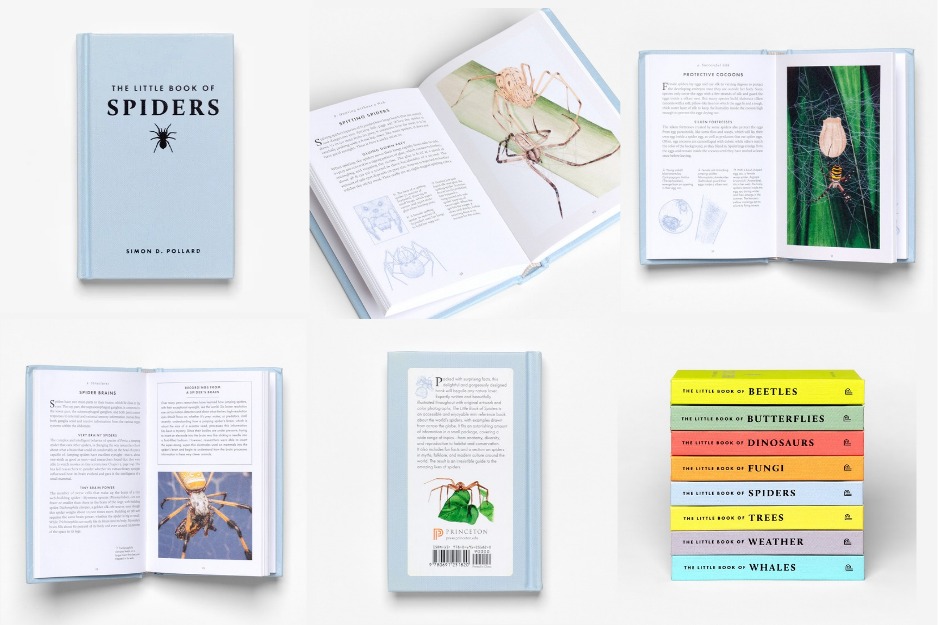 META · IMAGESince 3 Nov 2026
Active on Facebook, Instagram, Audience Network, Threads. 70% Off during the Featured Collection Sale! Sale Price: $4.79/£3.90 Explore the Little Book Series! https://press.princeton.edu/books/hardcover/9780691251820/the-little-book-of-spiders
 Video previewMETA · VIDEOSince 3 Nov 2026
Active on Facebook, Instagram, Audience Network, Threads. Slouch: Posture Panic in Modern America by Beth Linker describes the strange and surprising history of the so-called epidemic of bad posture in modern America—from eugenics and posture pageants to today’s promoters of “paleo posture”. Save 70% on the hardcover now until November 16. Learn more:
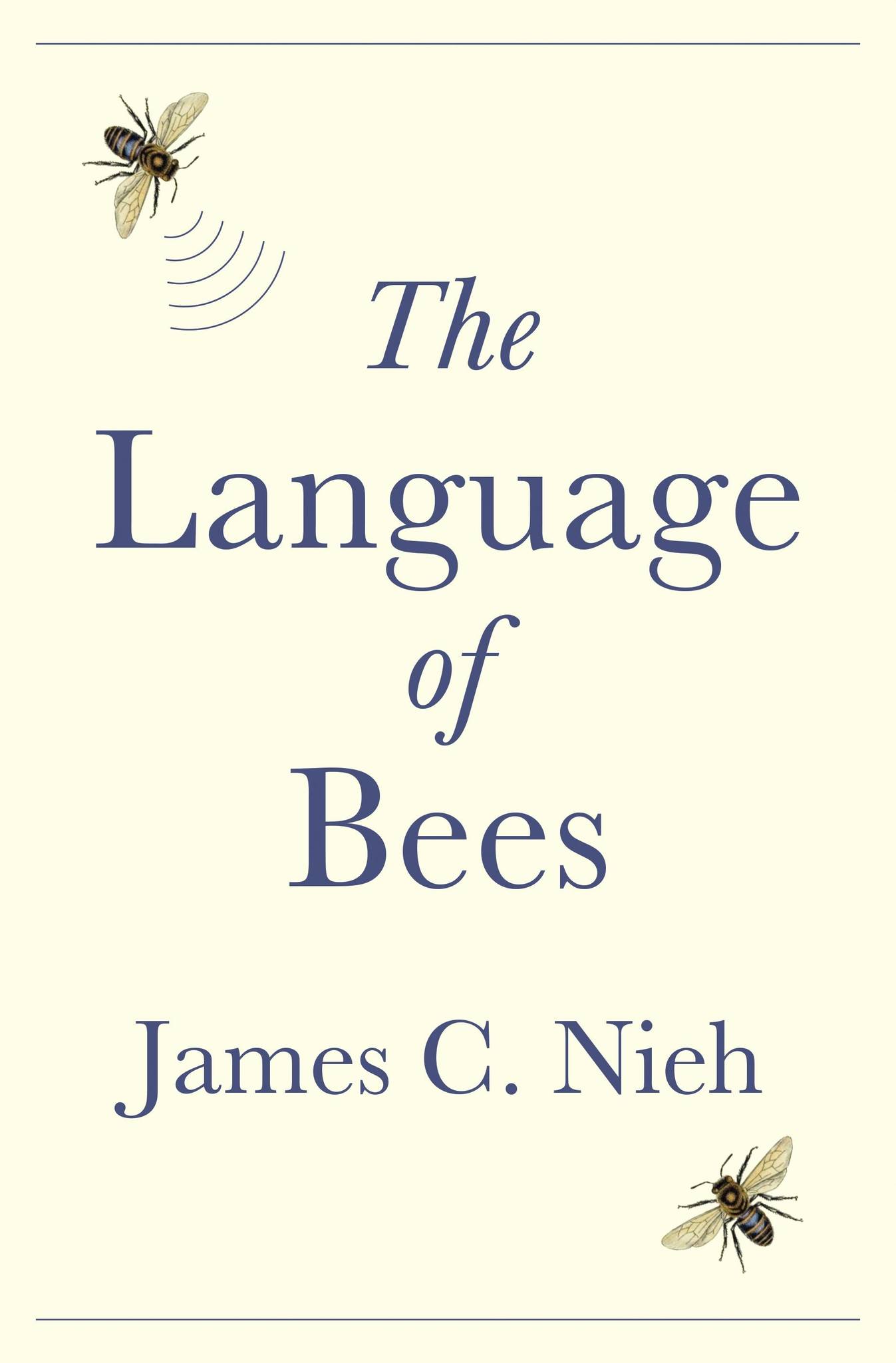 META · UNKNOWNSince 3 Nov 2026
Active on Facebook, Instagram, Audience Network, Threads. Why does science need failure? By James C. Nieh https://press.princeton.edu/ideas/science-needs-failure My path in science began, in part, because Donald Griffin broke his foot. Famous for his pioneering work on animal sounds, he had been trying to insert a microphone into a beaver lodge to eavesdrop on the homeowners. That summer, the beavers kept their privacy, and I was left largely on my own in Concord, Massachusetts, with a honey bee colony we had planned to use to study the sounds produced by waggle-dancing honey bees. After returning from a good food source, a honey bee forager can perform a waggle dance that communicates the source’s distance and direction to nestmates, recruiting them to leave the nest and seek the same food. Studying these dance sounds was the goal of our project. But as I scanned a microphone over the waggle dance, I was soon distracted by short piping sounds directed at the dancer. Dance followers track the dancer to learn the information that she is trying to communicate, and, oddly, they sometimes butt their heads against the dancer and produce a fairly loud “beep” that causes the dancer to briefly freeze. Older scientific literature described this sound as a food-begging signal, but the interpretation did not fit what I saw. The signaling bee rarely received food, and so I decided to call these “stop signals.” Because I was working alone, I could not videotape the bees inside the hive while also controlling the number of bees recruited to my syrup feeder. My feeder rapidly became overcrowded and ran out of food. I had not anticipated this problem, but I was fortunate. Such congestion is excellent for producing stop signals. When crowding was greatest, I recorded the most signals and found that they tended to inhibit waggle dancing. The key was that although dancers often restarted dancing after receiving a stop signal, they performed fewer dance circuits when they received stop signals. More dance circuits recruit more nestmates and thus stop signals inhibit colony recruitment. Sometimes the effect on dancing was slight and difficult to detect, but after recording hundreds of dances and stop signals, it became unmistakable. The harder question was this: why would followers try to stop dance communication? After all, followers are trying to learn where the dancer is telling them to go. This question was in the back of my mind for over 20 years. I did not figure out the answer that summer, but the “failed” experiment gave me a better question, not the one I had intended to resolve. That summer marked the beginning of my career and gave me a passion for decoding animal communication. Scientists rarely speak publicly about this side of research. Perhaps “failure” is even too strong a term. Research takes different and unexpected paths, but when something goes fundamentally wrong, it can feel like a punch in the gut. Unlike the way we are sometimes portrayed (and we are a bit complicit in this), scientists are not white-coated acolytes in a temple of reason. We have blood, sweat, and tears invested in our craft. The questions worth asking are often difficult, and success can therefore be hard-won. Much of science relies on a determination to see an experiment through, come hell or lightning-spiked water. Sometimes the answer is persistence. In Panama, I tried to train foragers of the stingless bee Melipona panamica across a stretch of water to see if they used odor trails to guide recruits. Such trails cannot be laid on water. We placed the feeder in a canoe and slowly rowed to the opposite shore. On the day we finally trained them across the water gap, a Jesus lizard perched on the hive entrance and made an expensive snack of the foragers we had been painstakingly training for weeks. I installed a slippery barrier. A few days later, a large toad breached it and enjoyed another bee buffet. Later attempts brought torrential rain, frequent lightning, an angry wasp nest, and bullet ants (aptly named for their stings) marching along the rope we used to guide our canoe. On roughly the eighth attempt, the experiment worked. These bees did not use odor trails! Persistence, however, is not always the right response. Years later in Brazil, we spent weeks preparing experiments on communication in the stingless bee Melipona rufiventris. Highly aggressive Trigona spinipes foragers repeatedly discovered our feeders, recruited large numbers of nestmates, attacked the Melipona, and made the planned work impossible for an entire field season, a disaster since we only had a limited time window. Were the invaders attracted to the feeder color, scent, or location? We changed all three, but still the Trigona arrived. After three weeks of repeated failures, it became clear that we were not simply unlucky, or perhaps we had not recognized how lucky we were. The invaders appeared only after Melipona began feeding. Once we stopped treating them solely as a nuisance, a new question emerged: how were the T. spinipes finding the food? We abandoned our Melipona experiment. Our new experiments showed that scouting T. spinipes were attracted to scent marks left by M. rufiventris. They were eavesdropping on their competitors and using the intercepted information to take over the resource. The obstacle had become the phenomenon, revealing a fascinating strategy in stingless bee warfare. Many years later, I was again training honey bees to a feeder when bees from other colonies attacked our foragers and made our planned experiment futile. I noticed that our bees produced many stop signals after being attacked, and we began studying them instead. Finally, the question from Concord began to make sense. Stop signals inhibit waggle dancing when continued recruitment becomes unprofitable or dangerous. Later experiments showed the same response when predators attacked bees at rich food sources. Ironically, some of the experiments I did not plan turned out to be the better ones, because they followed biological phenomena strong enough to swamp our careful plans. These experiences changed how I think about scientific resilience. It is not simply persistence. Sometimes resilience means trying again because the question remains worth asking. At other times, it means recognizing that an apparent failure is pointing toward a different question. But there is a danger in celebrating scientific resilience. It should not become a polite way of asking scientists to abandon their questions or simply make do with less. Much essential science requires substantial and sustained investment, particularly in the people we are training to become the next generation of researchers. Resilience cannot substitute for that support. When resources are constrained, however, a good question can still guide us toward the science that remains possible. The work may be smaller, less expensive, or simply different from what we had planned, but that does not necessarily make it less important. Sometimes a different path leads us to questions we did not know to ask. I am heartened to see scientists around the world making the case for why research matters. Part of that case, I think, lies in showing how science is actually made: we try things that may not work, persist when the question remains compelling, and change direction when the evidence leads somewhere unexpected. Research does not always go according to plan, but that unpredictability is part of what makes discovery possible. At Concord, I could not rescue the experiment I had planned. Eventually, I stopped trying and listened to the bees. The feeder ran dry that summer, but the questions it raised continue to inspire me. More than 35 years later, I’m still listening. James C. Nieh is a Professor in the Department of Ecology, Behavior, and Evolution and an Associate Dean in the School of Biological Sciences at the University of California, San Diego. He is a Fellow of the Royal Entomological Society and a recipient of the Hambleton Award for his bee research and the Springer Nature Editor of Distinction Award.
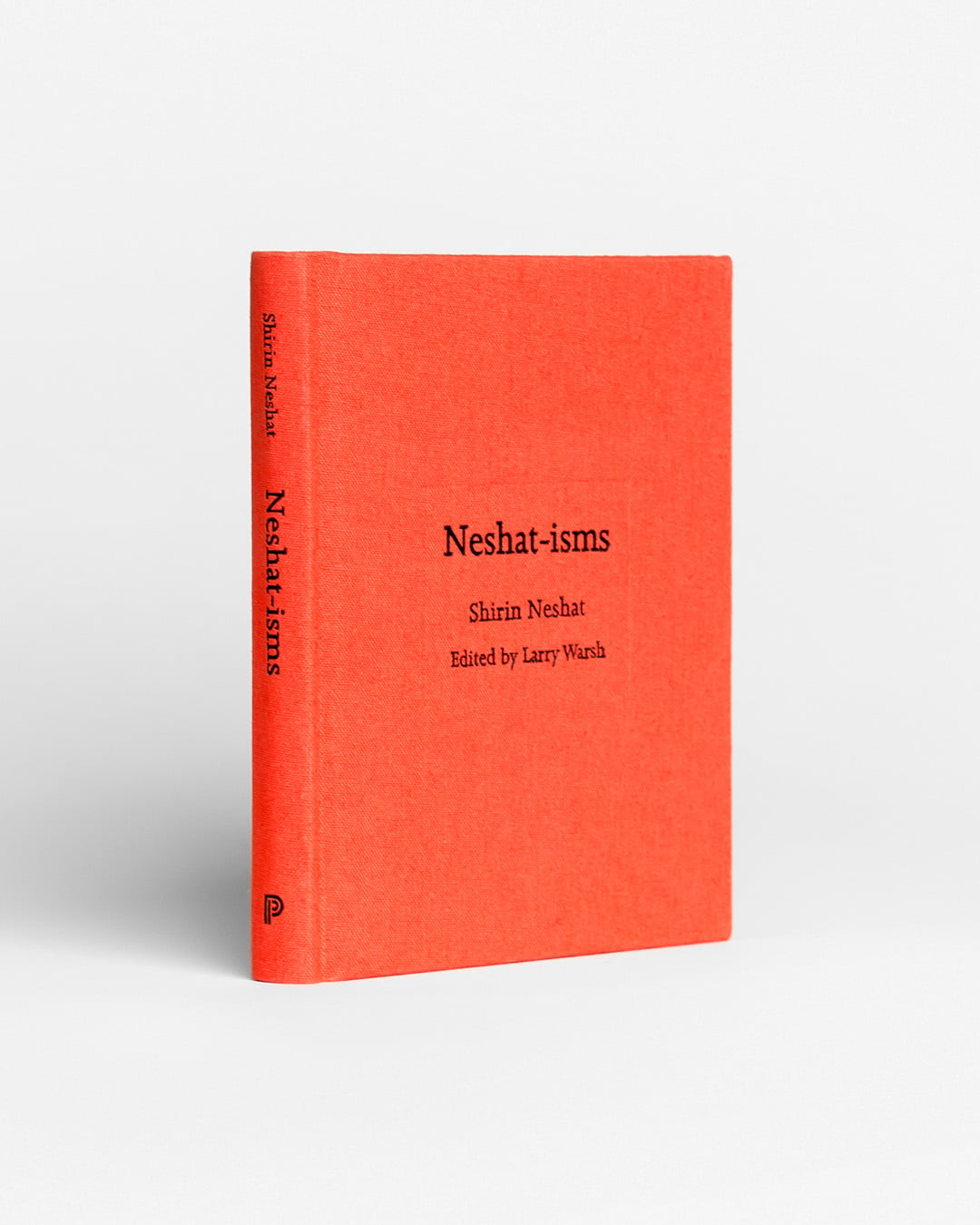 META · UNKNOWNSince 3 Nov 2026
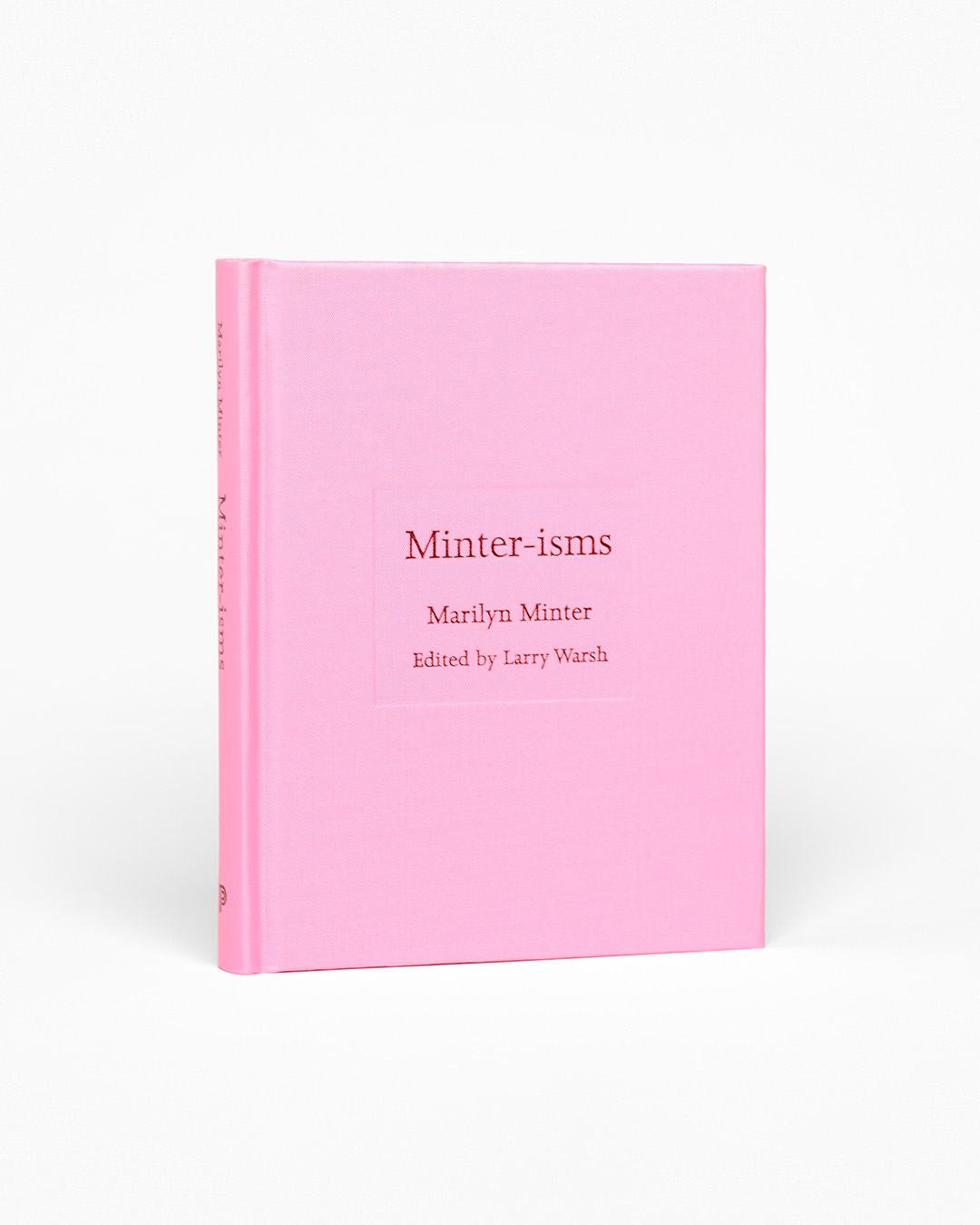
Active on Facebook, Instagram, Audience Network, Threads. Shipping within the US, Canada, Latin America, Asia, or Australia? Find a selection of our delightful ISMs books, published in association with No More Rulers, at 70% off through November 16 with code BOOKS70! Browse the list of books on sale here: https://hubs.ly/Q04CQhJm0 #ISMs #ReadUP
Show 14 more Meta ads
 META · UNKNOWNSince 3 Nov 2026
Active on Facebook, Instagram, Audience Network, Threads. Shipping within the UK, Europe, Middle East, Africa, India, or Pakistan? Find a selection of our delightful ISMs books, published in association with No More Rulers, at 70% off through November 16 with code 70SALE! Browse the list of books on sale here: https://hubs.ly/Q04CQt4c0 #ISMs #ReadUP
 META · IMAGESince 3 Nov 2026
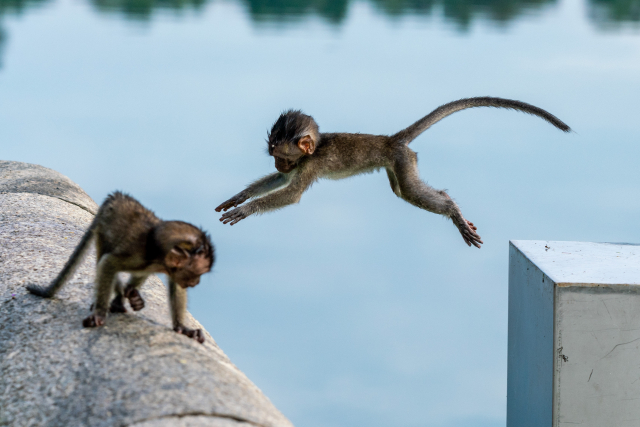
Active on Facebook, Instagram, Audience Network, Threads. What can playful monkeys and remarkably relaxed raccoons teach us about mental health? In this engaging essay, neuroscientist Kelly Lambert, author of Wild Brains, explores how animals’ responses to stress and opportunities for joy could offer clues to building more resilient brains. Read the essay and discover what we might learn by looking beyond the laboratory. https://press.princeton.edu/ideas/what-wild-animals-can-teach-us-about-mental-health I recently came across one of the most delightful displays of positive emotion I have ever seen in the wild. Friends began sending me viral videos of rhesus macaques at Silver Springs near Ocala, Florida. The videos showed the monkeys climbing high into the trees and then launching themselves into the water below, one after another, looking like giant raindrops falling from the sky. Captivated, I learned that the Silver Springs macaques are descendants of animals brought to the area in the 1930s for an entertainment venture. The monkeys had other plans and ultimately established a free-ranging population. Why were these monkeys jumping off tree limbs? The behavior is risky, requires valuable energy, and doesn’t appear to earn them food or help them escape a predator. Were they simply playing? Were they having fun? We don’t know. But watching them reinforced a question that runs through my book, Wild Brains: What Animals Can Teach Us About Being Well: What might we learn about our own mental health by paying closer attention to what animals do in the wild? For much of my career, I have studied animals inside laboratories. Yet increasingly I have found myself looking beyond the laboratory cage. Animals in captivity sometimes exhibit persistent pacing, excessive grooming and picking, and occasional aggressive outbursts—behaviors that seem rarer in the wild. Meanwhile, some of the wild animals we study are better able to cope with stress levels that should take a considerable toll on their brains. For example, the wild rats we have observed in their natural settings seem to fare better than the laboratory animals I have observed for decades. Wild rats are muscular, bold, and vigilant. Even though they have much higher stress hormone levels than lab rats (up to six times higher), their brains appear healthier, with more neurons and extensive microvasculature feeding their energy-guzzling brain cells. These observations have us thinking that wild rats may hold valuable secrets for coping with unrelenting stress in our lives. We’re still searching for clues to their coping success, but my early inclination is that they ramp up the stress response when danger looms and dial it back when they are safe. When we housed wild rats in large outdoor protected arenas for one week, their stress hormones plummeted after a few days. Perhaps the cushy nest box, food availability, and barriers to predators were interpreted as a safe haven—more rat resort than captive experience. In short, the wild rats appeared able to “read the room,” staying vigilant when necessary and calm when the situation allowed. As in human brains, the wild rats’ neural pattern detectors appear to be fine-tuned for flexible, context-specific vigilance. In human conditions such as posttraumatic stress disorder, the brain has difficulty recognizing that a once-dangerous context is now safe. Both naturally enriched rats in the lab and the wild rats we have observed exhibit healthier levels of emotional regulation, including adaptive stress-hormone responses in specific scenarios. The context-sensitive vigilance of wild animals may provide clues about debilitating mental illnesses such as PTSD and anxiety disorders. These results also remind us that a healthy brain isn’t stress-free; it just manages stress effectively. And, speaking of emotional regulation, I have never run into a more chill wild animal than the raccoon. On one occasion, a colleague, Stan Gehrt, set live traps for a research project outside Chicago so his team could evaluate their health before releasing them. Motion-activated cameras provided valuable footage of the raccoons’ responses to finding themselves in the locked traps. I expected them to gnaw on the door, use their brute strength to open the cage, or shake it violently with their dexterous hands. Well, that was not what we observed. I recall a video of a lactating female raccoon that ended up in the trap for the night. With kits waiting for her in the nesting den, I imagined she would be manic with anxiety trying to escape. On the contrary, she lay on her back, tossing the small cat-food can that had lured her into the trap up in the air. Was she playing in her new housing situation? Perhaps she welcomed a nice meal and a little quiet before being released to her kits the next morning. Or perhaps I’m anthropomorphizing, as a mom who sometimes felt overwhelmed. Back to those jumping macaques—we still don’t know the function of their leaping off trees like falling leaves, but a growing body of research emphasizes the importance of play and other responses associated with positive emotions in maintaining overall well-being. Although play can be risky and requires considerable energy expenditure, the payoff for the brain is likely worth the costs and risks. Positive emotions are also observed in the laboratory. Initially described by Jaak Panksepp, rats have even been shown to “laugh” when interacting with a positive stimulus such as a human tickling hand. Additionally, when we train rats to drive little rodent-operated vehicles (ROVs), they exhibit behavioral signs of positive emotions as they climb up and down their cages and playfully dart around as we approach with the car. They even go through the motions of revving the engine—pressing the driving lever—before the wheels hit the ground. Engaging experiences can tune up brain areas associated with pleasure and reward, responses that may alter perspectives on the external world and contribute to more positive outlooks. It would be valuable to determine whether they can buffer against depression, shifting some of our emphasis from treatment to prevention. Robert Burton, a 17th-century scholar and priest, emphasized the importance of “mirth and merriment” in his celebrated tome, The Anatomy of Melancholy. Although positive emotions have taken a back seat in serious emotional neuroscience research, it may be time to pay them more attention. I imagine these behaviors that indicate animal joy and anticipation would have been welcomed by Burton in his quest to understand the roles of both merriment and melancholy in human lives. On the opposite end of the emotion spectrum, the important Adverse Childhood Experiences (ACEs) research has taught us to ask about the traumatic events a child has experienced. But perhaps in addition to asking children about their traumatic experiences, we should also ask about what they are looking forward to. One study, conducted by Christina Bethell of Johns Hopkins University, reported that positive childhood experiences provide resilience against the emergence of depression and other forms of disrupted mental health in a dose-response manner. Navigating trauma and joy is an enormous task for the brain but experiencing this full range of emotions is important for optimally navigating life’s uncertainties. From macaques jumping into the waters of Silver Springs to playful laboratory rats and remarkably relaxed wild raccoons, positive experiences may be an underappreciated contributor to mental health. We have learned a great deal by studying what happens to brains under conditions of trauma, stress, and disease. Perhaps we should devote equal curiosity to understanding what happens when brains have opportunities to explore, play, anticipate, and experience joy. In writing Wild Brains, I have found that looking beyond the laboratory cage—and sometimes simply watching what animals choose to do when given the opportunity—provides valuable clues about building resilient brains. It’s time to add a new first step to translational research, a step from the bush to the bench to the bedside. About the Author Kelly Lambert is the MacEldin Trawick Professor of Behavioral Neuroscience at the University of Richmond, where her research explores how life experiences shape the brain. Her work with animals ranging from laboratory and wild rats to raccoons and primates has led her to investigate what diverse animal brains can teach us about resilience, adaptation, and mental health. She is the author of several books, including Well-Grounded and, most recently, Wild Brains: What Animals Can Teach Us About Being Well.
 META · IMAGESince 30 Oct 2026
Active on Facebook, Instagram, Audience Network, Threads. Shakespeare at Thirty by Rory Loughnane is a revelatory portrait of Shakespeare’s life before he achieved fame. Learn more:
 META · IMAGESince 29 Oct 2026
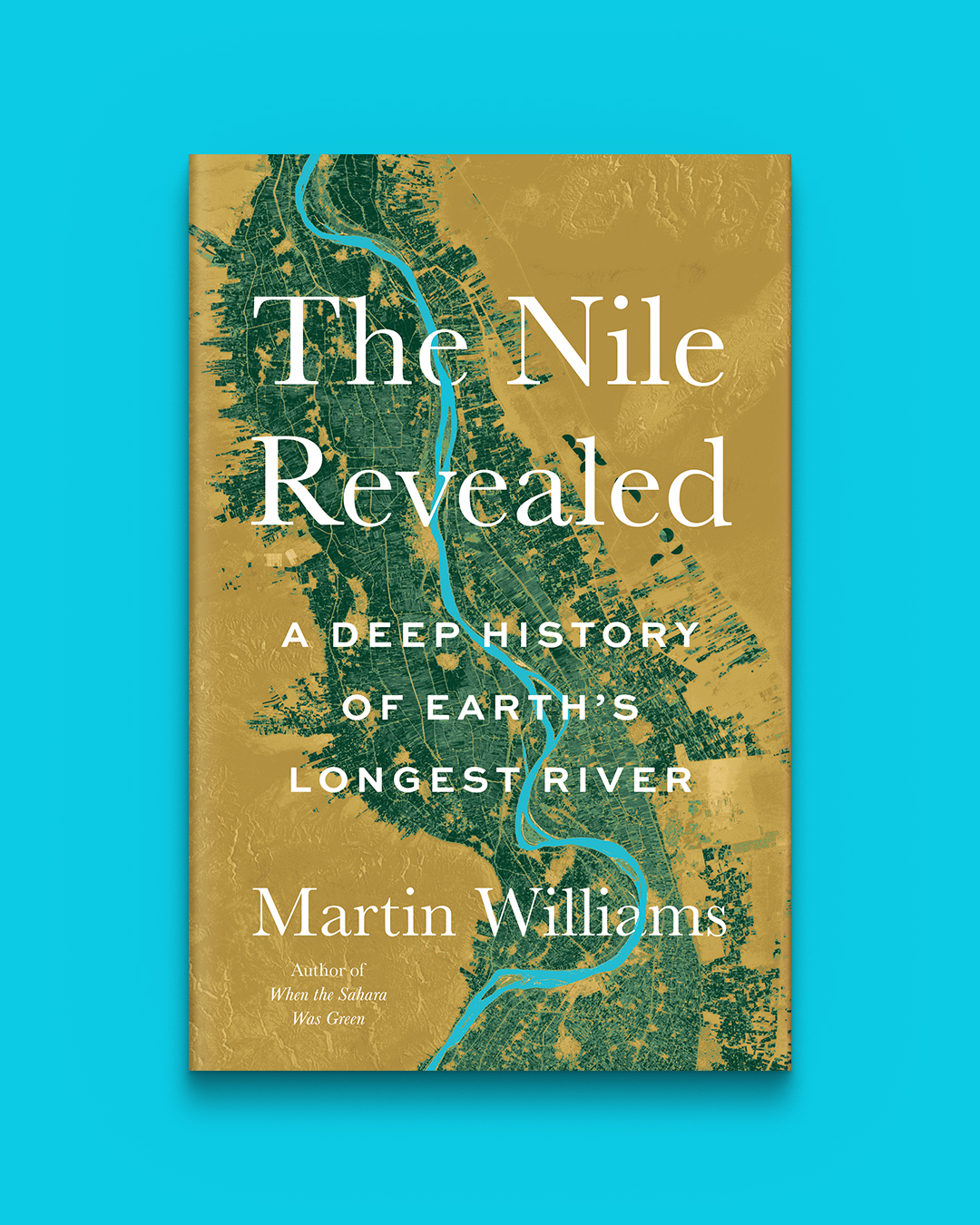
Active on Facebook, Instagram, Audience Network, Threads. The Nile Revealed: A Deep History of Earth’s Longest River by Martin Williams tells the untold story of an iconic river, from its origins to its possible futures. Learn more:
 Video previewMETA · VIDEOSince 29 Oct 2026
Active on Facebook, Instagram, Audience Network, Threads. Worlds Unfolding: Science on the Page by Jennifer A. Watts, Daniel Lewis, Joel A. Klein, and Natalie Lawler is a breathtaking visual history of humanity’s quest for knowledge, from the dawn of print to the Space Age. Published in association with The Huntington. Learn more:
 Video previewMETA · VIDEOSince 29 Oct 2026
Active on Facebook, Instagram, Audience Network, Threads.
 META · IMAGESince 29 Oct 2026
Active on Facebook, Instagram, Audience Network, Threads. Research by Peter N. Miller is a short, bold, and timely history and defense of research in the humanities and sciences and its incalculable importance. Learn more:
 META · IMAGESince 28 Oct 2026
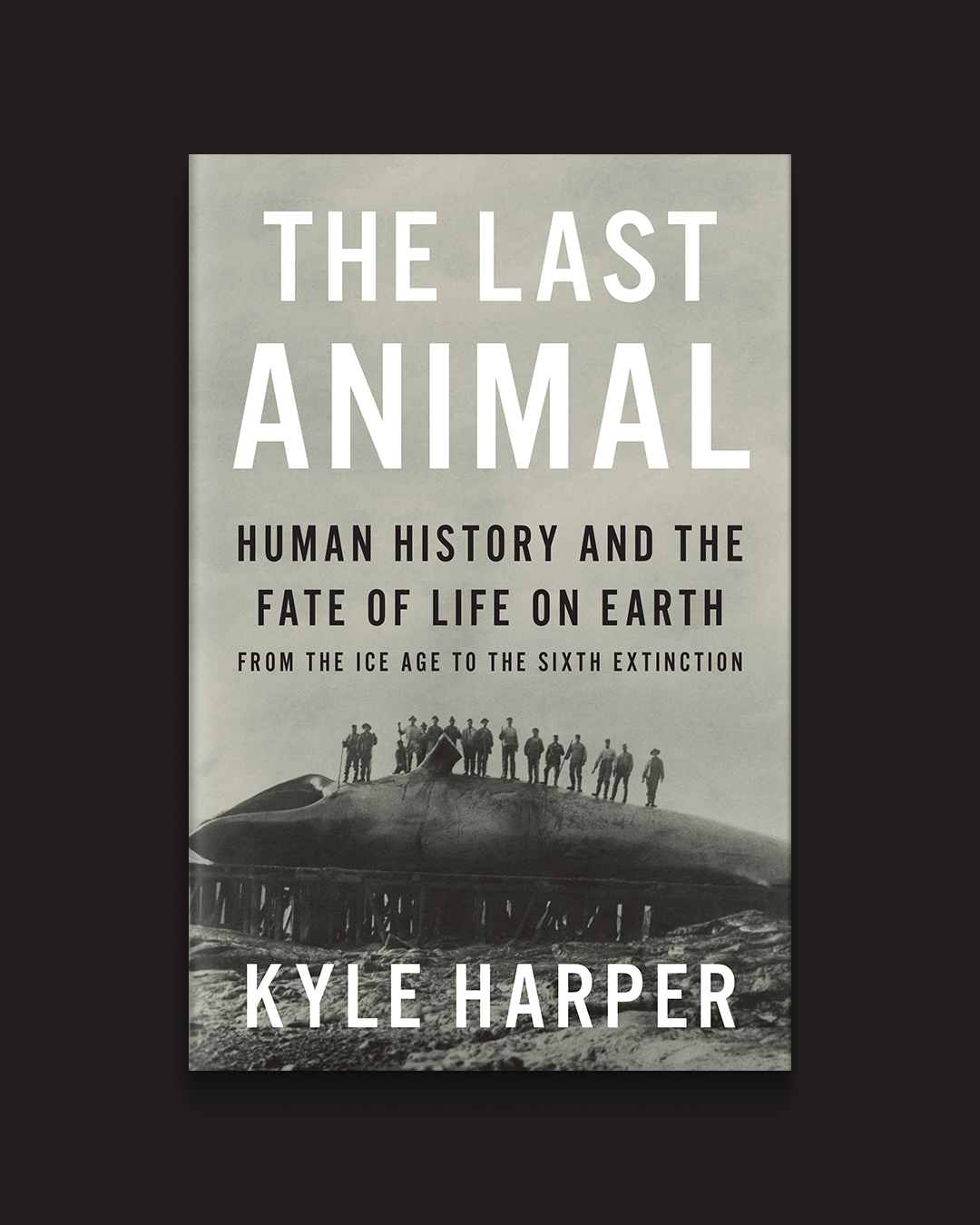
Active on Facebook, Instagram, Audience Network, Threads. The Last Animal by Kyle Harper is a monumental history of the world that lays bare the devastating human toll on animal life. Learn more:
 Video previewMETA · VIDEOSince 28 Oct 2026
Active on Facebook, Instagram, Audience Network, Threads. The Couple with the Pitchfork by Wanda M. Corn offers a rich, evolving history of one of the most recognized couples in the world. Learn more:
 Video previewMETA · VIDEOSince 28 Oct 2026
Active on Facebook, Instagram, Audience Network, Threads. Cleopatra: A Woman of Power by Aldo Schiavone presents the life of one of history’s most powerful women, retold through seven crucial episodes that shook the ancient world. Learn more:
 META · CAROUSELSince 27 Oct 2026
Active on Facebook, Instagram, Audience Network, Threads. Explore these books and more included in our 70% Off Sale, now until Nov. 16!
 META · IMAGESince 27 Oct 2026
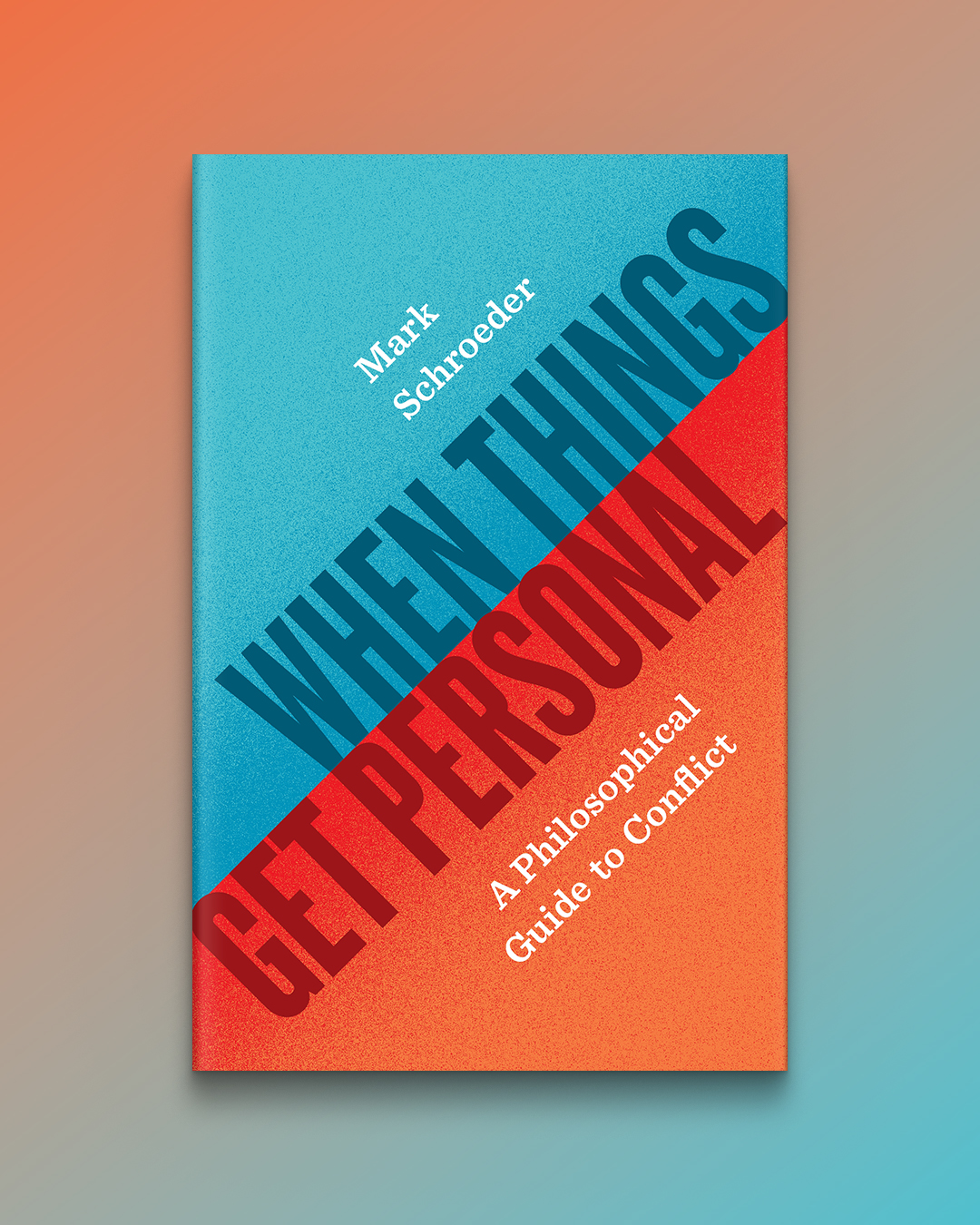
Active on Facebook, Instagram, Audience Network, Threads. When Things Get Personal by Mark Schroeder explores how to avoid the trap of taking conflicts so personally. Learn more:
 Video previewMETA · VIDEOSince 27 Oct 2026
Active on Facebook, Instagram, Audience Network, Threads. Edited by Monica Ponce de Leon, Norma Merrick Sklarek is a beautifully illustrated book about the life, work, and legacy of the pioneering Black female architect whose designs included LAX’s Terminal One. Learn more: Distributed for the Princeton University School of Architecture
 META · UNKNOWNSince 27 Oct 2026
Active on Facebook, Instagram, Audience Network, Threads. Slouch: Posture Panic in Modern America by Beth Linker describes the strange and surprising history of the so-called epidemic of bad posture in modern America—from eugenics and posture pageants to today’s promoters of “paleo posture”. Save 70% on the hardcover now until November 16. Learn more:
On Google Search, YouTube and Display
Domain princeton.edu · 100+ ads on the Transparency Center, checked 6 Nov 2026 · 29 recorded
- All 20
- Image 8
- Video 5
- Text 7
- GOOGLE · TEXTLast shown 31 Oct 2026
First shown 28 Oct 2026
 Video previewGOOGLE · VIDEOLast shown 12 Oct 2026
First shown 11 Oct 2026
- GOOGLE · IMAGELast shown 12 Oct 2026
First shown 10 Oct 2026
- GOOGLE · TEXTLast shown 12 Oct 2026
First shown 9 Oct 2026
- GOOGLE · IMAGELast shown 30 Oct 2026
First shown 11 Sept 2026
- GOOGLE · IMAGELast shown 27 Aug 2026
First shown 24 Aug 2026





Show 14 more Google ads
 Video previewGOOGLE · VIDEOLast shown 27 Aug 2026
First shown 23 Aug 2026
- GOOGLE · TEXTLast shown 27 Aug 2026
First shown 23 Aug 2026
- GOOGLE · TEXTLast shown 5 Sept 2026
First shown 22 Aug 2026
- GOOGLE · TEXTLast shown 5 Sept 2026
First shown 22 Aug 2026
- GOOGLE · IMAGELast shown 5 Sept 2026
First shown 22 Aug 2026
- GOOGLE · TEXTLast shown 5 Sept 2026
First shown 22 Aug 2026
 Video previewGOOGLE · VIDEOLast shown 5 Sept 2026
First shown 22 Aug 2026
- GOOGLE · IMAGELast shown 11 Sept 2026
First shown 14 Aug 2026
 Video previewGOOGLE · VIDEOLast shown 15 Sept 2026
First shown 7 Aug 2026
 Video previewGOOGLE · VIDEOLast shown 27 Aug 2026
First shown 6 Aug 2026
- GOOGLE · IMAGELast shown 30 Oct 2026
First shown 2 Jul 2026
- GOOGLE · IMAGELast shown 29 Oct 2026
First shown 2 Jul 2026
- GOOGLE · IMAGELast shown 13 Aug 2026
First shown 16 Jun 2026
- GOOGLE · TEXTLast shown 26 Aug 2026
First shown 26 Sept 2025










Questions about Princeton University Press’s ads
Is Princeton University Press running LinkedIn ads?
We recorded no live LinkedIn ads for Princeton University Press on 7 Nov 2026.
How many LinkedIn ads has Princeton University Press run?
LinkedIn’s ad library lists 22 ads for Princeton University Press. We recorded 22 LinkedIn ads for Princeton University Press, first recorded on 28 Sept 2026 and last recorded on 28 Sept 2026.
Does Princeton University Press advertise on Facebook and Instagram?
Yes. Princeton University Press’s Facebook page had 39 active ads in Meta’s Ad Library, last recorded on 5 Nov 2026.
Does Princeton University Press run Google ads?
Yes. We recorded 100+ Google ads for the domain princeton.edu on 6 Nov 2026.
Which ad formats does Princeton University Press use?
The 6 LinkedIn ads on this page include 6 image ads.
Watch the companies you care about.
Filter every ad by industry, country, format and network, and get alerts when a company you watch starts running new ads.