Not on air · 2 of 3 networks checked

OXYGY ads
- oxygyconsulting.com
- Business Consulting
- GB
- 92 employees
OXYGY’s ads on LinkedIn, Meta and Google, recorded by adsrunning. Browse the latest here for free. Sign up free to see all 117. Watch OXYGY on any plan to get each new one in your feed.
Watchlist included in every plan
What OXYGY runs
- Single image · LinkedIn
- 6
| Network | Status | Live ads | Nov 2025LinkedIn activity · 52 weeksNov 2026 | Checked | Next step |
|---|---|---|---|---|---|
| None recorded | 0 | Checked 7 Nov 2026 | See all 117 ads → | ||
| Meta | Not checked | — | |||
| None recorded | 0 | No ads found on the Google Ads Transparency Center | Checked 5 Nov 2026 | Collect them with the API → |
OXYGY has no live LinkedIn ads. We recorded no Google ads on 5 Nov 2026.
Latest ads
- LINKEDIN · IMAGESince 17 Oct 2026
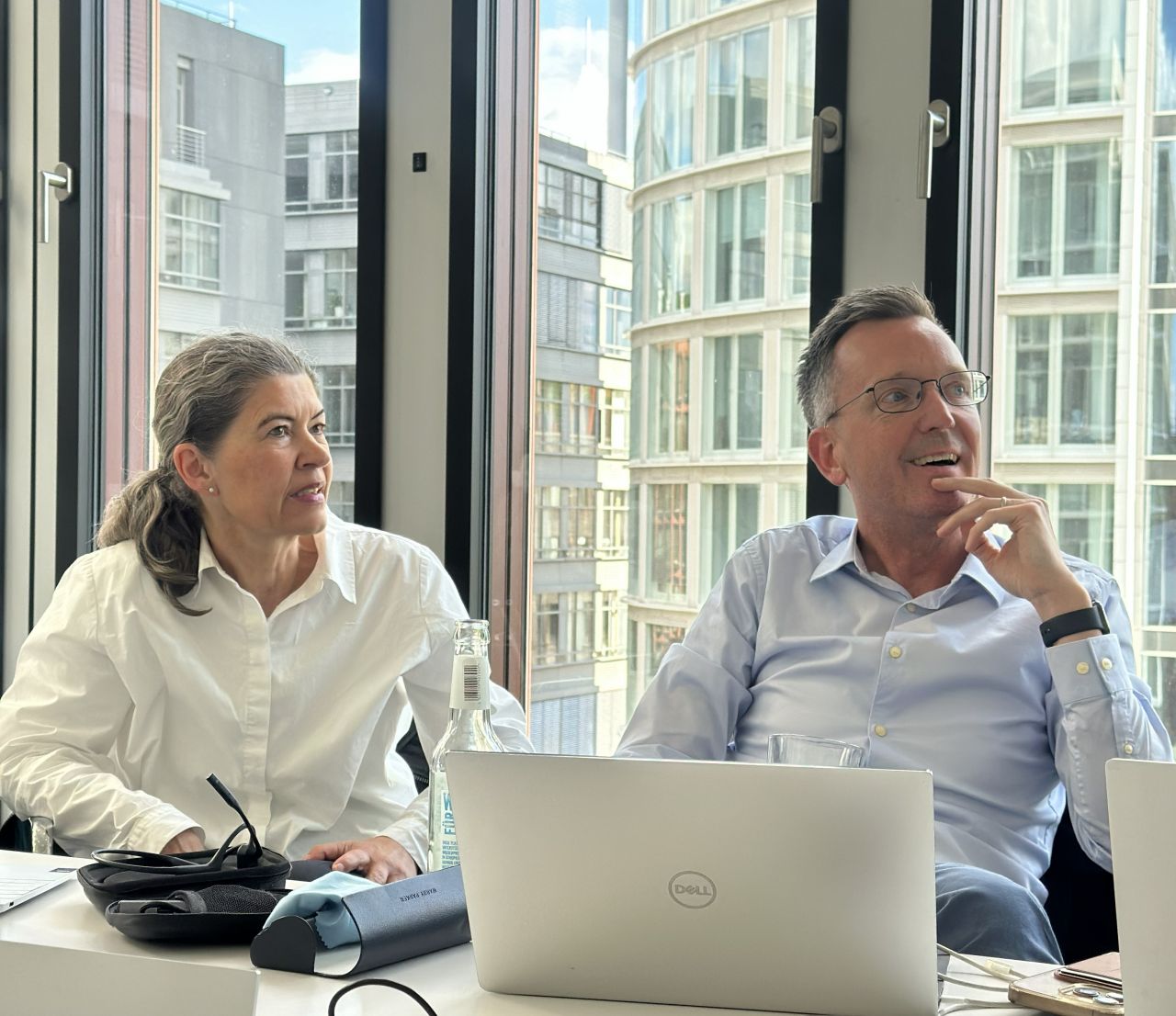
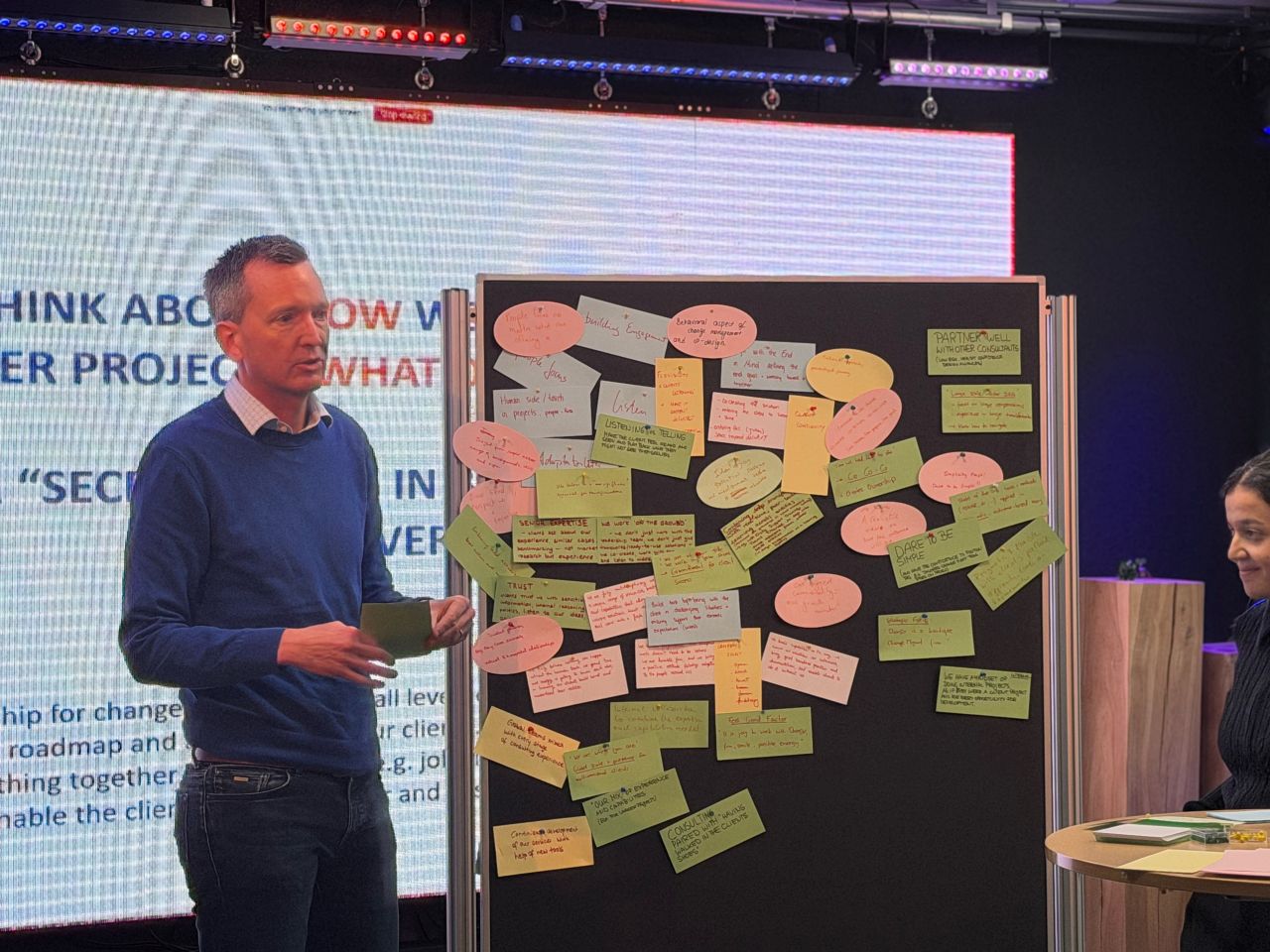
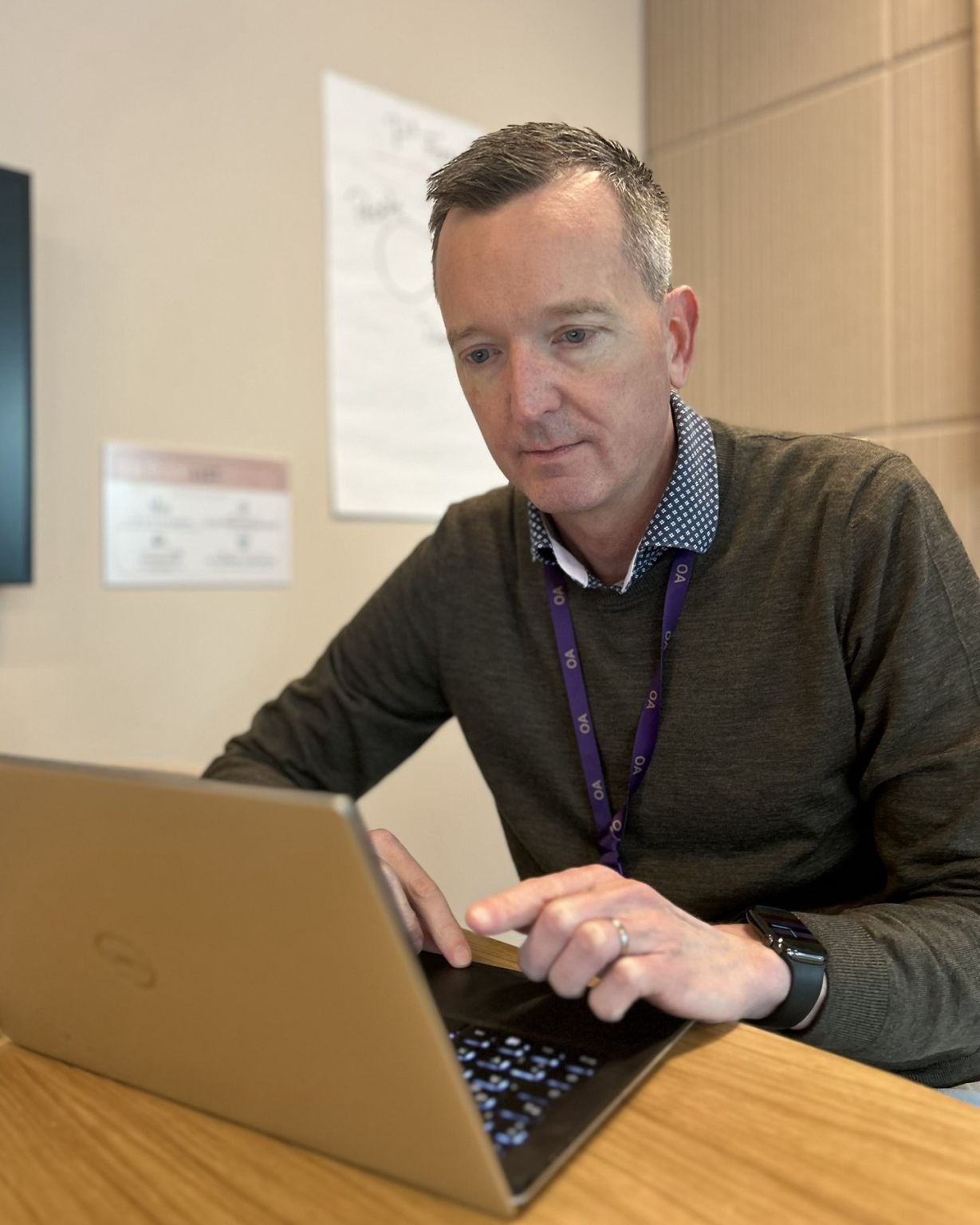
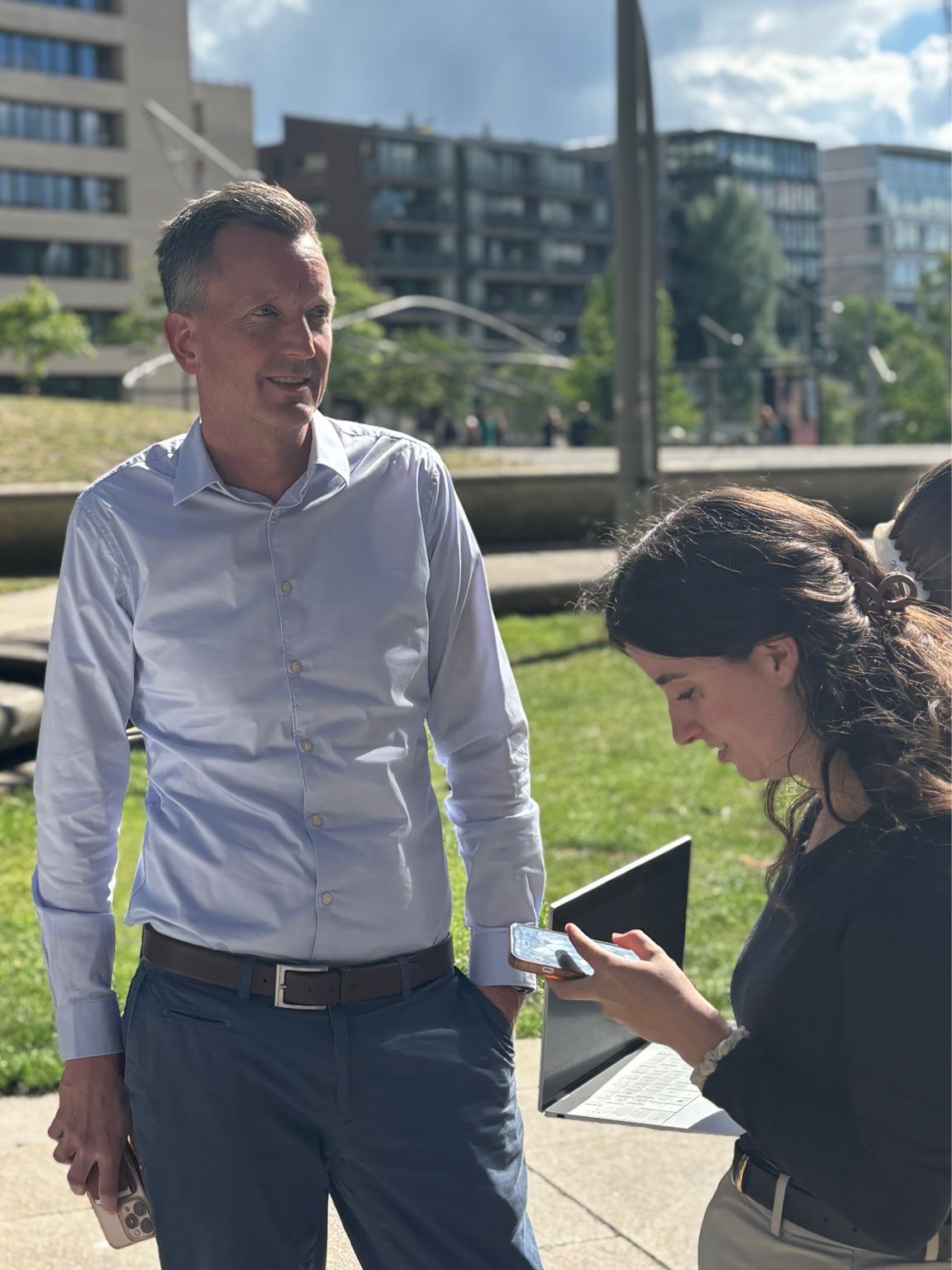
People forget up to 70% of new information within 24 hours. Most ERP training runs weeks before go-live, on systems users can't yet touch, covering work they haven't started. The organization then acts surprised when day one is chaos. A supply chain coordinator sits down to process her first goods receipt in the new system. What she remembers from the three-day classroom session three weeks ago is not enough to get through the transaction without calling someone. The program design created that gap. The reframe most programs need: training is a capability-building process, and it only works when it is designed around the job. At OXYGY, we see four things that work well: 1️⃣ Start from the work. Map the critical transactions each role must perform, then build training around those transactions in the sequence people will actually encounter them. A procurement specialist and a warehouse operator have different jobs and different relationships with the new system. Generic system training fails both of them. 2️⃣ Practice in conditions that resemble production. Training on clean, simplified data creates false confidence. Users who have only processed tidy test scenarios will encounter a messy reality at go-live and freeze. The simulation needs to be close enough to production that completing it means something. 3️⃣ Validate proficiency. A completion certificate tells you someone sat through the training. Whether they can execute their day-one transactions accurately under pressure is a different question entirely. Proficiency checkpoints before go-live surface the gaps while there is still time to close them. 4️⃣ Design reinforcement from the start. The classroom session is where the learning begins. Job aids, super-user support, refresher moments tied to real transactions, and early post-go-live coaching are where the investment actually converts into performance. Go-live is where you find out whether the program built capability or just attendance. [PS: I created a free practical guide on user adoption strategies for transformation leaders. Get it here 👉https://lnkd.in/ejyA72VH] #TransformationRealities #ERPTransformation #ChangeManagement #LearningAndDevelopment
- LINKEDIN · IMAGESince 17 Oct 2026
One of the most encouraging shifts I see in strong ERP or other IT-enabled transformations today is this: Leaders are no longer expected to have all the answers. They are expected to connect the dots. Between business priorities. Technology possibilities. And how people actually work. Transformation, then, becomes less about managing projects and more about strengthening two things: 👉 The capabilities of people 👉 The system around them Here are four practical ways to make that work: 1️⃣ Develop leaders across three dimensions: Business insight (what drives value), technological literacy (what the system enables) and change capability (how people adopt new ways of working). When these come together, leaders can guide decisions end-to-end. 2️⃣ Create shared understanding across the ecosystem: Bring internal teams, partners, and key stakeholders into the same conversations early. Align on goals, constraints, and success measures so decisions are made from a common perspective. 3️⃣ Design clear decision pathways: Make it visible who decides what, how trade-offs are handled, and where input is needed. When decision-making is structured, teams can act quickly without constant escalation. 4️⃣ Strengthen collaboration between roles: Encourage regular interaction between business, IT, and change teams. Working through real scenarios together builds mutual understanding and better solutions. If you look at your current ERP program or IT-enabled transformation: How strong are the capabilities and structures that support your leaders in making clear, connected decisions? [PS: I created a free practical guide on user adoption strategies for transformation leaders. Get it here 👉https://lnkd.in/ejyA72VH]
- LINKEDIN · IMAGESince 12 Sept 2026
Fewer than one in four ERP programs report a serious focus on change management (Panorama Consulting). Across digital transformation more broadly, companies capture under a third of the value they promised the board (McKinsey). A warehouse supervisor got four hours of classroom training in May, went live in June, and by August was running her shift from a spreadsheet she’d built herself. The spreadsheet answers her question in three seconds and the new system takes eleven clicks. So the better question is a narrow one: what has to be true in week six after go-live for that supervisor to reach for the system first? At OXYGY, we see five things work well: 1️⃣ Adoption gets its own line in the business case, with a number and a named owner. 2️⃣ Super-user time is secured. One day a week, protected, agreed with the line manager and backfilled. 3️⃣ Three adoption measures sit on the program dashboard next to cost and schedule: usage depth, open workarounds, and time to competence. 4️⃣ Sponsors get specific behaviours to perform and a monthly check on whether they did. 5️⃣ Hypercare exits on evidence. Performance back to baseline and the workaround list closed. Adoption is the cheapest line in the program, yet often the first one cut. [PS: I created a free practical guide on user adoption strategies for transformation leaders. Get it here 👉https://lnkd.in/ejyA72VH] #TransformationRealities #ERP #ChangeManagement #ValueRealization #Adoption
- LINKEDIN · IMAGESince 12 Sept 2026
In many IT-enabled programs I see the same pattern during testing: Testers receive access. They run through scenarios. And very quickly, the ticket list begins to grow. Most of those tickets are not system defects. They are people trying to understand how the new world is supposed to work. That’s why the real value of testing is not technical testing. It’s the moment where people, process, and system meet in real work situations. When teams prepare for that moment, testing becomes much more useful. Here are five practical things that make a big difference: 1️⃣ Explain what is intentionally different: Before testing starts, walk testers through the key changes in the process. When people understand what is new by design, they test the future instead of comparing everything to the past. 2️⃣ Connect testing to real business scenarios: Use situations teams recognize from their daily work. When testers see the context, they focus on whether the process actually works. 3️⃣ Protect time for testing: Managers make it clear that testing is part of the job for that period. When people have space to focus, testing becomes thoughtful instead of rushed. 4️⃣ Separate learning questions from system defects: Give testers a place to ask “How does this work?” without opening a ticket. This keeps the defect list focused and easier to resolve. 5️⃣ Provide experts who can guide the conversation: Process experts or key users can quickly explain intent, clarify steps, and help teams move forward with confidence. When this preparation is in place, the tone of testing changes. Testers explore how the new processes work. Conversations become clearer. The defect list becomes smaller and more meaningful. Testing then does what it is meant to do: help the organization see how the future system will actually support daily work. [PS: I created a free practical guide on user adoption strategies for transformation leaders. Get it here 👉https://lnkd.in/ejyA72VH]
- LINKEDIN · IMAGESince 20 Aug 2026
Give me one week of your hypercare phase and I'll tell you how the previous six months went. Across the programs I've worked on, the shape of week one is set long before anyone goes live. The same holds for any large system or operating-model change, not only ERP. A procurement specialist in Lyon raises her first purchase order in the new system and gets halfway before the screen stops matching anything she remembers. She escalates. By lunchtime her whole team has the same ticket open. The volume, the workarounds, the daily escalations, every bit of it was decided months earlier in how the program built confidence and how honestly it tested its people. So the better question is what a healthy hypercare phase looks like, because the strong ones run so smoothly the program barely notices them. At OXYGY, we see five markers of a program that prepared its people well: 1️⃣ Issues stay specific and technical. People know how to do the work and need occasional clarification on edge cases. 2️⃣ Teams resolve most situations themselves. Super users guide rather than carry the entire load. 3️⃣ Confidence climbs week on week. The support curve drops fast because the foundation was solid going in. 4️⃣ Leadership reinforces. Sponsors stay visible and present while the team handles the work. 5️⃣ Value arrives early. Process performance stabilizes faster than expected because people were genuinely ready on day one. Your hypercare phase is an honest measure of how well the program prepared its people. [PS: I created a free practical guide on user adoption strategies for transformation leaders. Get it here 👉https://lnkd.in/ejyA72VH] #TransformationRealities #ERPTransformation #ChangeManagement #GoLive
- LINKEDIN · IMAGESince 6 Aug 2026
Almost no organization audits its tech-enabled transformation business case after go-live. Research on IT investment found that more than a fifth of CIOs already regard their existing technology spend as having failed to deliver value. The same work names an uncomfortable reason the audit never happens: teams skip it because they suspect what it would show. A business case does two jobs. It unlocks the funding, and it defines what success looks like. Most organizations use it for the first and set it aside after that. Once the program closes, the team disbands, attention moves to the next initiative, and the numbers that justified the spend go unmeasured. Value realization is a discipline that outlives the program, and it starts before go-live, by deciding exactly which numbers you will check and who owns them. At OXYGY, we see four moves that turn a business case into a number the organization actually tracks: 1️⃣ Translate the business case into a handful of measurable KPIs before go-live, each with a baseline, a target, a timing window, and a named owner. 2️⃣ Schedule the audit into the program charter, with a formal 3/6/9/12 months value review held to the same standard as the go-live decision. 3️⃣ Report actuals against the case to the body that approved the funding, so the steering committee sees realized value alongside the delivery milestones. 4️⃣ Protect the baseline, capturing the pre-go-live numbers before anything changes, so a year later you can prove what the investment actually moved. An unaudited business case is just a forecast that made everyone feel good on approval day. [PS: I created a free practical guide on user adoption strategies for transformation leaders. Get it here 👉https://lnkd.in/ejyA72VH] #TransformationRealities #ValueRealization #KPIs #DigitalTransformation


6 of 117 adsSign up to see every OXYGY ad, filter by format and date, and get alerts on new ones.
See all 117 adsQuestions about OXYGY’s ads
Is OXYGY running LinkedIn ads?
We recorded no live LinkedIn ads for OXYGY on 9 Nov 2026.
How many LinkedIn ads has OXYGY run?
LinkedIn’s ad library lists 117 ads for OXYGY. We recorded 117 LinkedIn ads for OXYGY, first recorded on 28 Sept 2026 and last recorded on 19 Oct 2026.
Does OXYGY run Google ads?
We recorded no Google ads for the domain oxygyconsulting.com on 5 Nov 2026.
Which ad formats does OXYGY use?
The 6 LinkedIn ads on this page include 6 image ads.
Watch the companies you care about.
Filter every ad by industry, country, format and network, and get alerts when a company you watch starts running new ads.