On air · 1 of 3 networks

Optibrium ads
- optibrium.com
- Biotechnology Research
- GB
- 44 employees
Optibrium’s ads on LinkedIn, Meta and Google, recorded by adsrunning. Browse the latest here for free. Sign up free to see all 155. Watch Optibrium on any plan to get each new one in your feed.
Watchlist included in every plan
What Optibrium runs
- Single image · LinkedIn
- 6
- Google ads on 5 Nov 2026
- 22
| Network | Status | Live ads | Nov 2025LinkedIn activity · 52 weeksNov 2026 | Checked | Next step |
|---|---|---|---|---|---|
| None recorded | 0 | Checked 7 Nov 2026 | See all 155 ads → | ||
| Meta | Not checked | — | |||
| Running | 22 | Ads on the Google Ads Transparency Center | Checked 5 Nov 2026 | Collect them with the API → |
Optibrium has no live LinkedIn ads. We recorded 22 Google ads on 5 Nov 2026.
Latest ads
- LINKEDIN · IMAGESince 29 Jun 2026
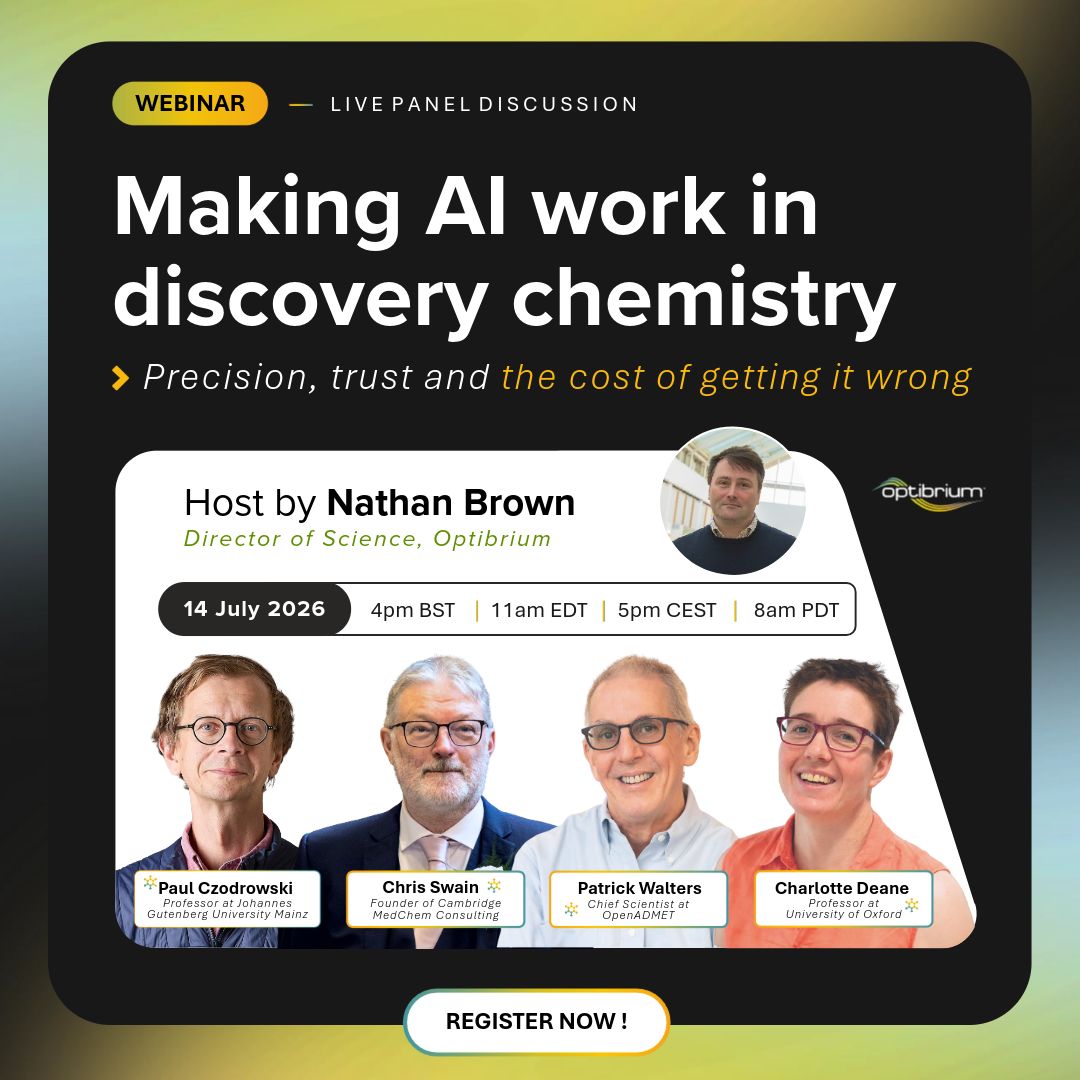
Mark your calendars, this is one to look forward to. On 14th July, I'm honoured to be hosting a live panel session with Charlotte Deane, Pat Walters, Chris Swain, and Paul Czodrowski, where I'll be picking their brains around AI in discovery chemistry. I've known and respected each of these panellists and their work for over a decade, and I can't quite believe we actually got our calendars to line up. What makes this panel especially valuable is that these are not commentators on AI in discovery chemistry; they are people who have helped shape, build, test and apply the methods the field now relies on. So what are we talking about? AI has promised to solve all our problems, but the reality for most discovery teams looks quite different from the claims that tend to make the headlines. We'll be discussing what it takes to actually make it work, as well as answering some of the common questions we hear: 👉 How do you define an AI strategy that holds up, and doesn't just look good on a board slide? 👉 What evidence do you need to trust a new tool? (you're right to be sceptical) 👉 How can you tell whether something is adding real value rather than just claiming it? 👉 What should you be doing now to set up for success in the future? You'll also be able to put your own questions to our panellists. Wherever you're at in your AI journey, I'd recommend joining this one. Register here: https://lnkd.in/ey6jtvrY
- LINKEDIN · IMAGESince 26 Jun 2026
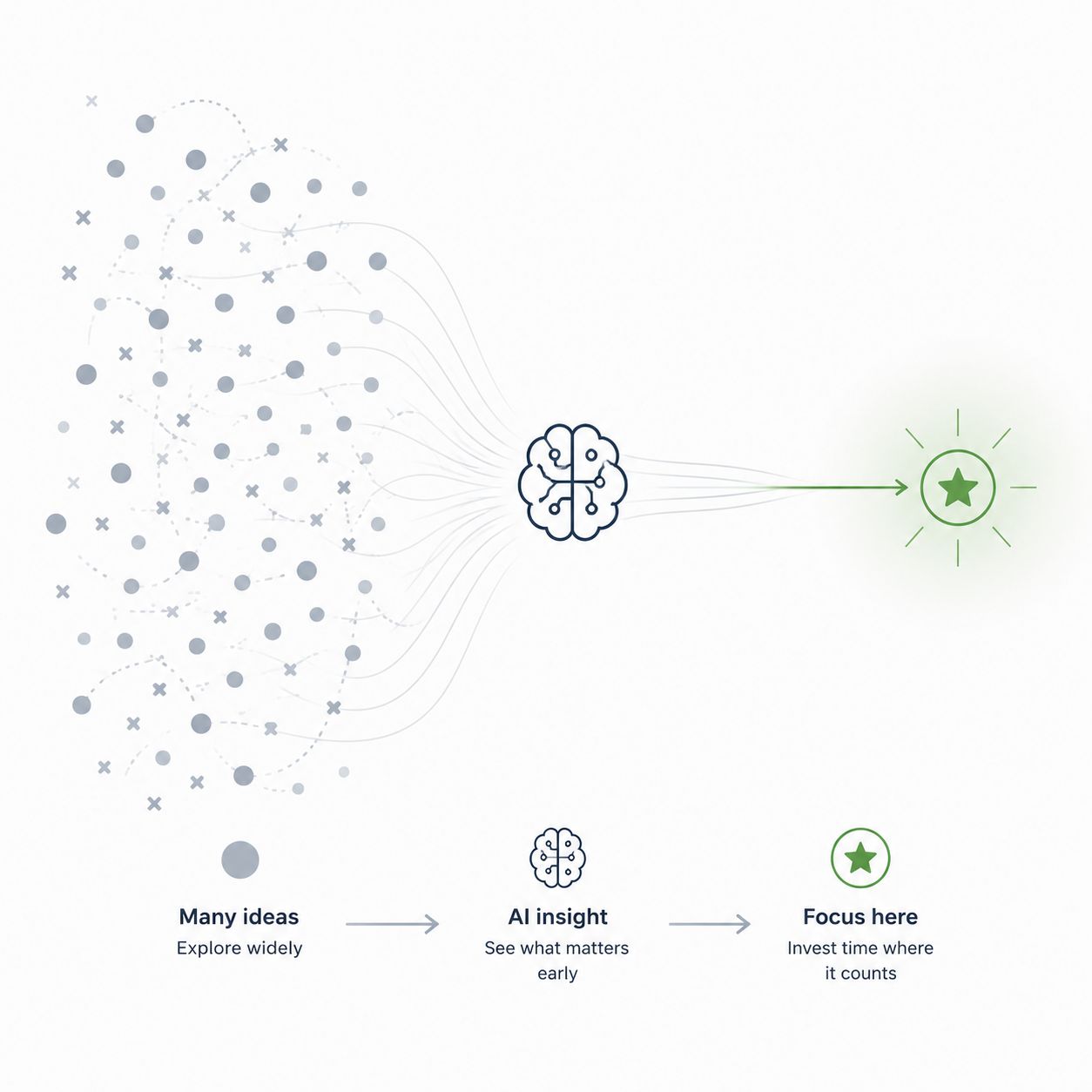
When's the right time to bring an LLM into a problem? Most chemists that I speak with answer the same way, "Once I've tried everything else." There seems to be an old reflex in chemistry. Try everything you can do by hand, exhaust yourself, and only then turn to the computer and ask it to sort out the mess. And now, it seems like people are taking a similar approach with LLMs. I go the other way. It's the first thing I reach for now, not the last. When someone sends me a paper or a public dataset, it goes in first, so I can work out where my attention is actually worth spending. It's completely changed the way I work. I can take a dozen half-formed ideas, and push them all through in afternoon to see which ones have legs. I can drop the ones that don't before they cost me anything. It's just like in drug discovery, where a lot of the cost hides. It's easy to hold onto an idea for too long, hoping that it pays off if we maybe just run a few more experiments. Finding out something is a dead end early and while it's still inexpensive to walk away is of the most value. I still argue with it and check everything it produces. The thinking stays with me. I just get to spend it on the ideas worth having, rather than the ten that should have been ruled out on day one.
- LINKEDIN · IMAGESince 26 Jun 2026
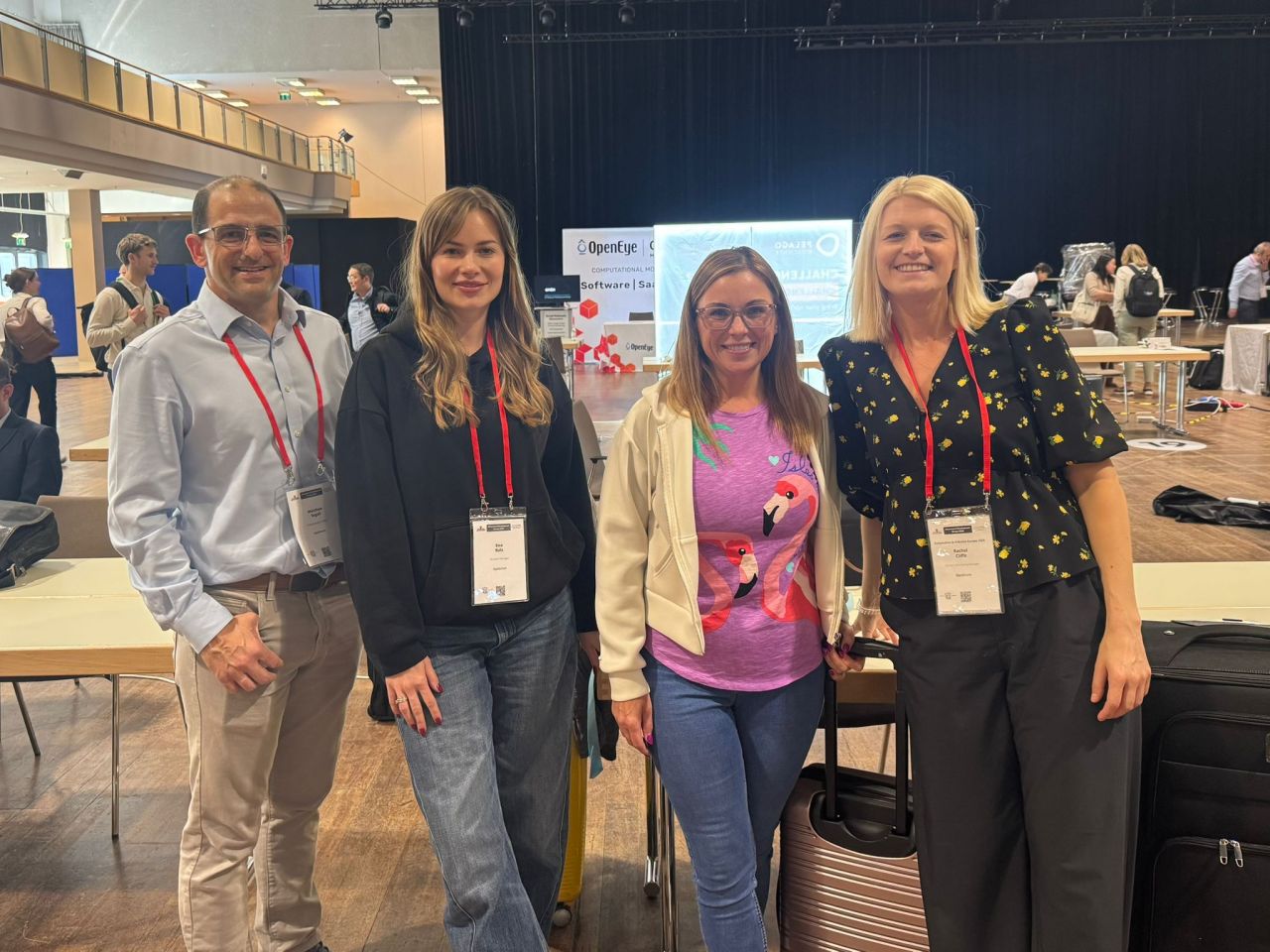
It was an enjoyable few days in Berlin last week with the team at Discovery and Development Europe! It’s always good to catch up with familiar faces and make plenty of new connections along the way. Amid a packed agenda, one of my standout talks was by Leena Otsomaa at Orion Pharma, who took a step back and outlined four possible scenarios for the future of small-molecule discovery. What made this particularly interesting is that Leena considered not only technological and therapeutic trends, but also the potential impacts of geopolitical developments. Some scenarios were more optimistic than others, but all were thought-provoking. 1️⃣ The combination of new modalities and AI methods makes any target druggable. Leena raised an interesting question: if anything is possible, how do we decide what matters? 2️⃣ Steady, incremental progress with no major leap in the next decade. The role of the medicinal chemist continues to evolve, increasingly augmented by AI and generative technologies, but guided by their expertise. 3️⃣ Continued progress, but under the shadow of geopolitical instability and questions about future levels of investment in basic science. 4️⃣ Synergy between biology and technology, driven by technological developments such as synthetic biology and neurotechnology. While Leena felt it was less likely, this scenario might be driven by tech giants rather than traditional players in therapeutics R&D. With big claims surrounding new AI methods and the huge investments following them, it does feel like we’re at a crossroads. There were many other excellent presentations demonstrating tantalising early results, but the consensus is still forming about where the greatest value will ultimately lie. There was also a conspicuous absence of examples of AI applications that didn’t work. This is another important area to share so we avoid replicating each other's failed experiments. Are there any other scenarios you’re considering when planning for the future?
- LINKEDIN · IMAGESince 26 Jun 2026
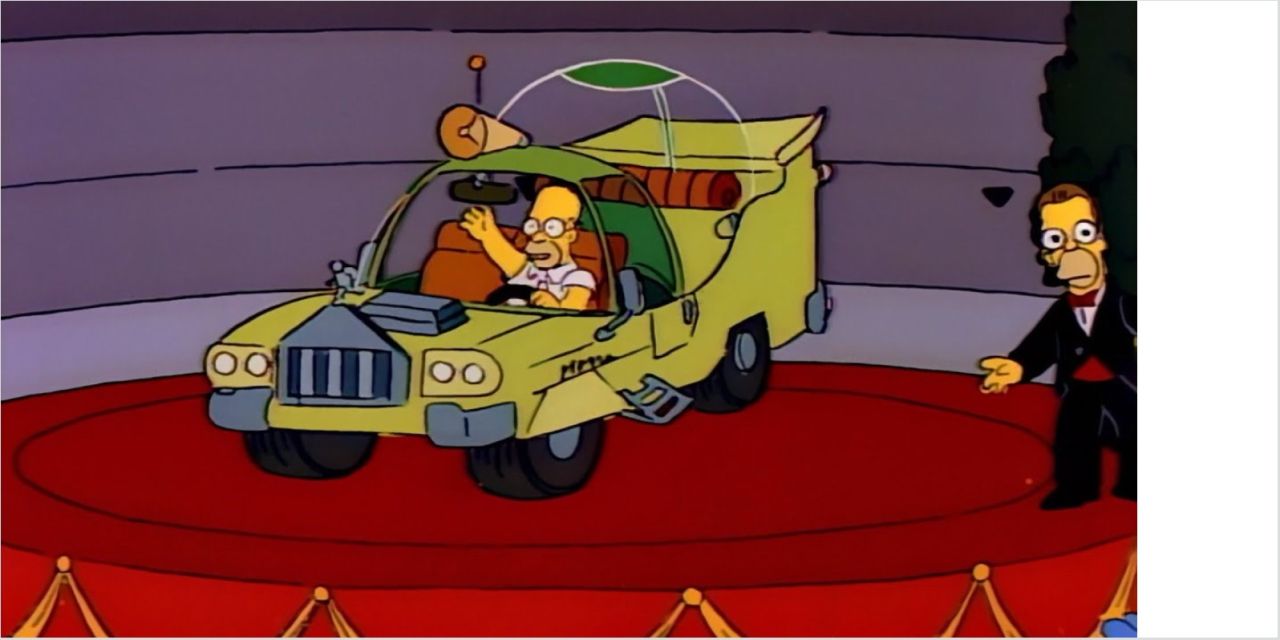
"Change one variable at a time, or you won't know what caused the result" That's one of the first things I was taught in science, and I'm sure that's the same for a lot of others. So why is it so easy to forget that once we sit down at a computer? As computational chemists, we seem to be the worst offenders for throwing everything and the kitchen sink in one go. Part of it is the pull of the big experiment. Chemists have always been drawn to the ambitious one, the design that tries everything at once, and a computer finally lets you do it. Nothing stops you either, since adding one more variable to a design costs you nothing in the moment. So we add it, and then another, until a single model is actually testing a handful of hypotheses at once. But you end up coming away knowing nothing more than when you started. You can't tell which of your ideas were right, wrong, or cancelled each other out. It's a bit like the Simpsons episode where Homer is asked to design a car. He includes every feature that the average American could want, and what comes out is of no use to anybody. I still catch myself doing it sometimes, and then need to strip it back. Just because we can test everything at once doesn't mean we should.
- LINKEDIN · IMAGESince 26 Jun 2026
Often, fellow scientists don't like it when I tell them their assays are models too. This discomfort almost always stems from trust. A wet assay feels solid, whereas a computational prediction is treated like a guess. As a consequence, one is given the benefit of the doubt much more than the other. But they are both models by definition, and they both carry uncertainty. If you perform the same assay with the same compound in two different labs, the numbers can come back more than tenfold apart. The asymmetry is clear with what a bad result is allowed to mean. When an assay gives a wrong-looking number, we blame it on the cell line, or the conditions, or an off day. It takes a long time before we question the assay itself. However, when a model gives a similarly wrong-looking number, the method can be written off completely after a single miss and all trust is gone. The usual reasoning is that an assay sits closer to real biology than a calculation does, and sometimes it does. But an isolated protein in a tube, or a cell line in a petri dish, is still a long way from a patient. Resembling biology and predicting it aren't the same thing. This isn't to say that we should stop running assays. But it's a technology, the same as any other. We let the assay be wrong now and then without losing faith in it. I think the model has earned a little of the same.
- LINKEDIN · IMAGESince 25 Jun 2026
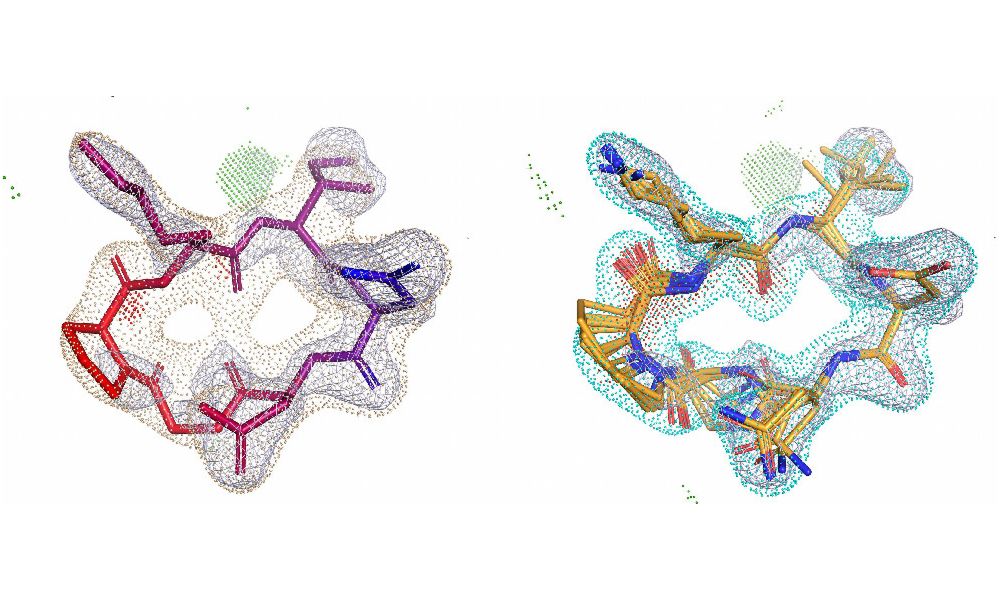
xGen™ is our real-space ligand refinement method, which seeks low-energy solutions to fitting ligand X-ray density. It overcomes the limitation of other ligand density fitting methods to produce more accurate, lower-strain models of how ligands bind in the active site, which is critical when working with macrocycles. xGen is accessible to non-crystallographers and within crystallographic workflows.
6 of 155 adsSign up to see every Optibrium ad, filter by format and date, and get alerts on new ones.
See all 155 adsQuestions about Optibrium’s ads
Is Optibrium running LinkedIn ads?
We recorded no live LinkedIn ads for Optibrium on 8 Nov 2026.
How many LinkedIn ads has Optibrium run?
LinkedIn’s ad library lists 175 ads for Optibrium. We recorded 155 LinkedIn ads for Optibrium, first recorded on 28 Sept 2026 and last recorded on 28 Sept 2026.
Does Optibrium run Google ads?
Yes. We recorded 22 Google ads for the domain optibrium.com on 5 Nov 2026.
Which ad formats does Optibrium use?
The 6 LinkedIn ads on this page include 6 image ads.
Watch the companies you care about.
Filter every ad by industry, country, format and network, and get alerts when a company you watch starts running new ads.