Not on air · 2 of 3 networks checked

Operator Labs ads
- operatorlabs.ai
- Software Development
- US
- 8 employees
Operator Labs’s ads on LinkedIn, Meta and Google, recorded by adsrunning. Browse the latest here for free. Sign up free to see all 88. Watch Operator Labs on any plan to get each new one in your feed.
Watchlist included in every plan
What Operator Labs runs
- Single image · LinkedIn
- 6
| Network | Status | Live ads | Nov 2025LinkedIn activity · 52 weeksNov 2026 | Checked | Next step |
|---|---|---|---|---|---|
| None recorded | 0 | Checked 7 Nov 2026 | See all 88 ads → | ||
| Meta | Not checked | — | |||
| None recorded | 0 | No ads found on the Google Ads Transparency Center | Checked 5 Nov 2026 | Collect them with the API → |
Operator Labs has no live LinkedIn ads. We recorded no Google ads on 5 Nov 2026.
Latest ads
- LINKEDIN · IMAGERecorded 28 Sept 2026
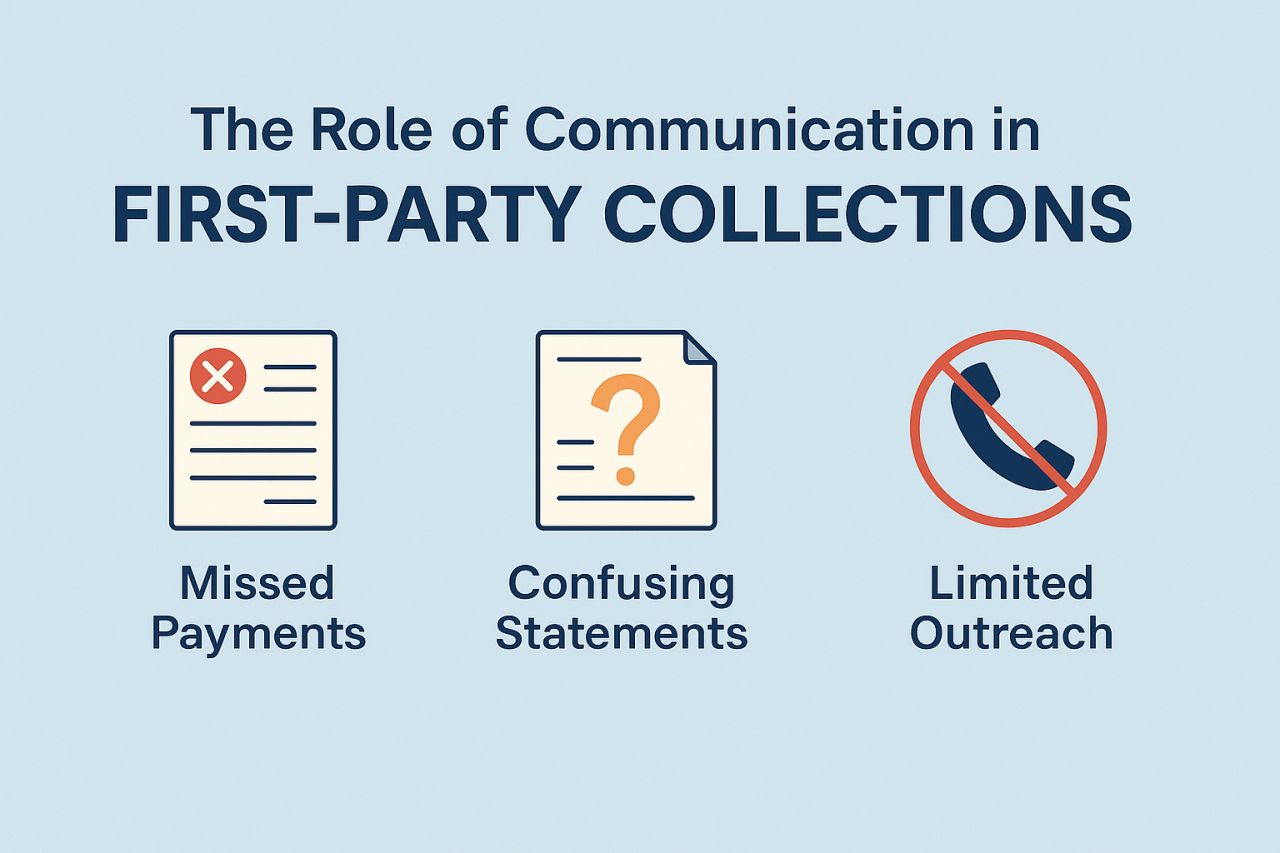
We’ve been diagnosing the wrong problem in first-party collections for years. Over the past few months, my work across the collections space — from early-stage accounts to mature receivables — has made something increasingly clear to me: the biggest challenge for most first-party creditors isn’t unwilling customers. It’s communication. Whether it’s a missed payment, a confusing statement, or a process a customer doesn’t fully understand, the breakdown almost always begins long before an account becomes difficult to recover. Most people don’t avoid paying out of intent. They avoid it because the system feels complicated, the outreach comes too late, or nobody ever explained the next step clearly. In conversations with operations leaders, billing teams, and customer-facing staff across different industries, I keep hearing similar stories. Teams are overwhelmed. Call centers are understaffed. High-volume outreach is difficult to sustain consistently. And the critical first touchpoints — the ones where clarity and empathy matter most — often slip through the cracks. What’s striking is how much early-stage communication shapes outcomes. When customers understand what they owe, why they owe it, and what their options are, the entire dynamic changes. When organizations rely on delayed or limited outreach, even small obligations can unnecessarily age into delinquency. This isn’t really a collections problem. It’s a communication problem. And often, a capacity problem. As technology evolves, I’m increasingly convinced that one of the most natural applications of AI, especially conversational AI, will be in solving exactly this gap. Not for “collections” in the traditional sense, but for clear, timely, human-like communication at scale. The ability to reach every customer, explain things simply, follow up consistently, and do it without burdening overstretched teams feels like an inevitable shift that is already beginning. I’ve been spending a lot of time thinking about this transition, and I’d love to hear perspectives from others working in credit, billing, or customer operations. Where do you see early-stage communication breaking down? And how do you imagine technology supporting a better experience for both customers and teams moving forward?
- LINKEDIN · IMAGERecorded 28 Sept 2026
Two phone queues are eating your practice. Patients calling in, and half of them hitting voicemail. Staff calling out, and sitting on hold with payers for 45 minutes a claim. ☎️ Operator Labs' AI voice agents work both queues at once. Every inbound patient call answered in two rings: scheduling, intake, reminders, collections. Every payer call made without a human on hold: eligibility, prior auth, claim status, denials, with outcomes written back to your system. Your staff gets their day back. And new customers choose a new iPhone: the foldable Duo or the 18 Pro Max. For multi-provider specialty practices. Apple and iPhone are trademarks of Apple Inc., which is not a sponsor of this promotion.
- LINKEDIN · IMAGERecorded 28 Sept 2026
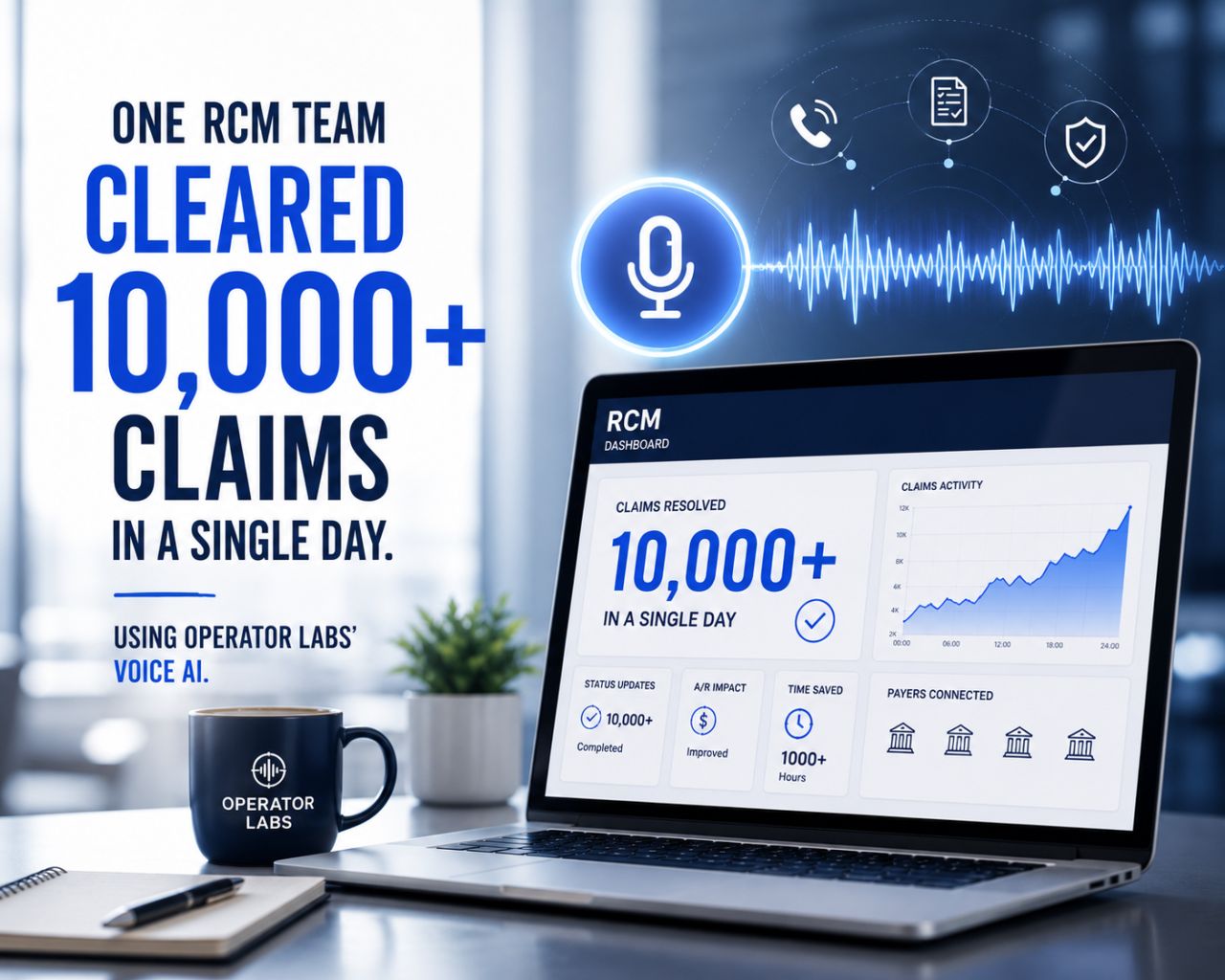
10,000+ Claims. One Day. A healthcare billing operation was falling behind on payer follow-up. Claim status requests were piling up faster than the team could work them. Operator Labs deployed AI voice agents to handle the calls at scale — navigating IVRs, waiting on hold, pulling claim statuses, and updating workflows automatically. The result: 10,000+ claims worked in a single day. Faster visibility. Faster follow-up. Faster revenue recovery. Most RCM teams don’t have a staffing problem. They have a throughput problem. Wondering what that would look like for your backlog? We’ll run the numbers on your volume.
- LINKEDIN · IMAGERecorded 28 Sept 2026
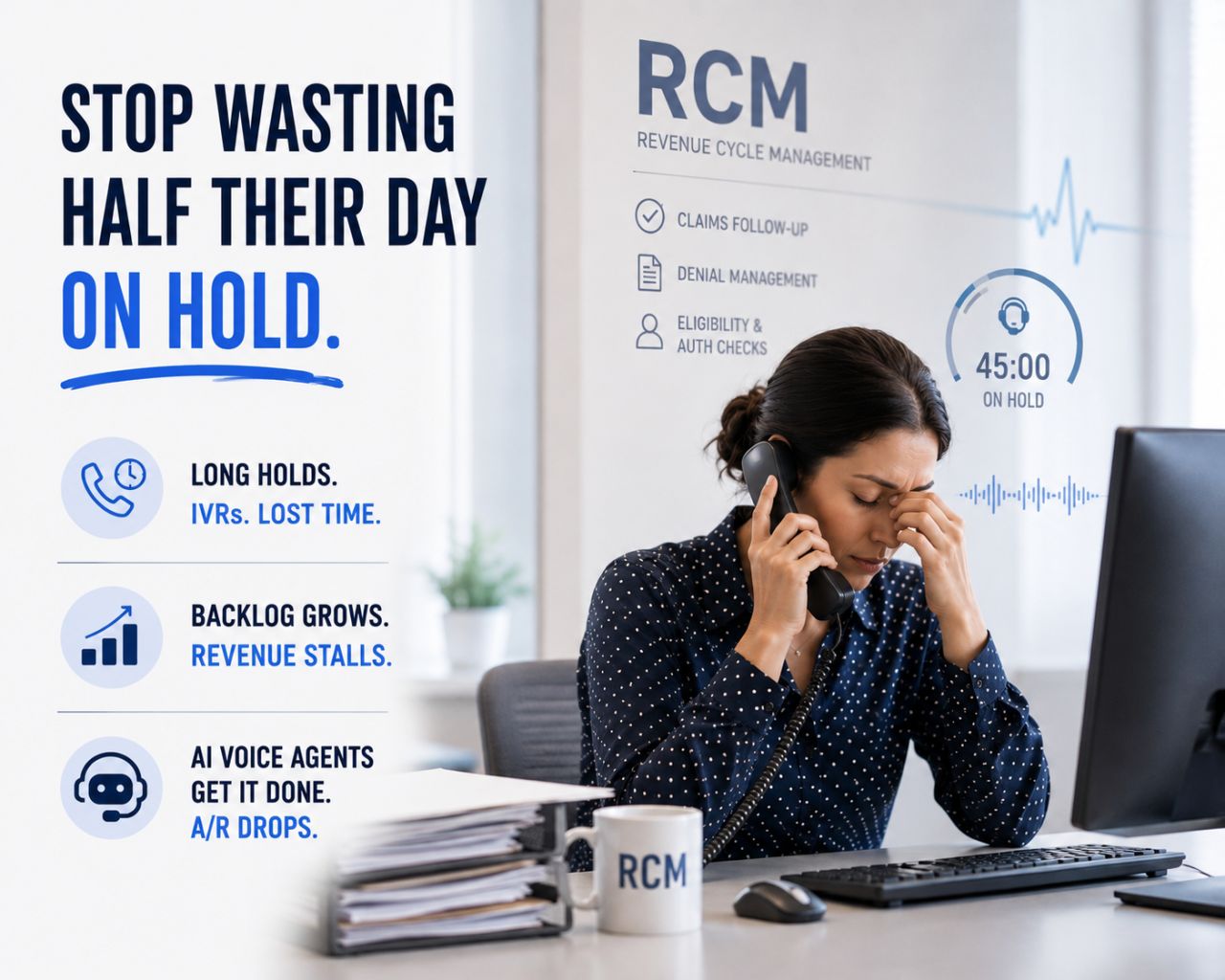
Your billers waste half their day listening to hold music and navigating IVRs. Claims follow-up. Eligibility. Prior auth status. Every call means an agent trapped in nested IVRs and hold queues, sometimes 45 minutes for a single claim. They clear a handful an hour while the backlog grows and your money sits uncollected. Operator Labs puts AI voice agents on those payer calls instead. They wait through the IVR, get the status, and write it back into your system. No headcount. A/R drops.
- LINKEDIN · IMAGERecorded 28 Sept 2026
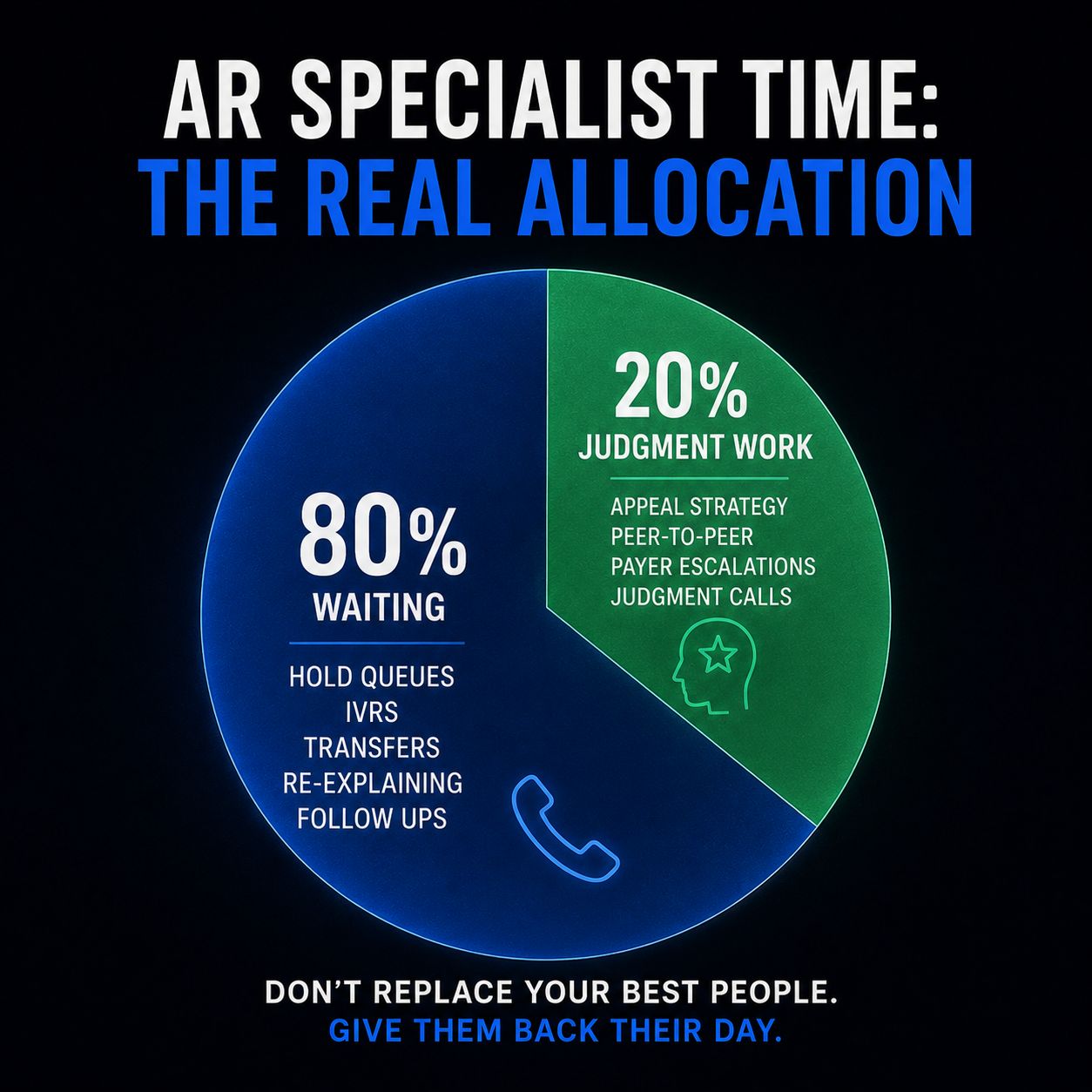
Every RCM leader I talk to is being pitched the same story: "AI will replace your follow-up team." It's the wrong story. And it's why most pilots stall. Here's what's actually happening on the floor of every healthcare RCM operation in America: Your best AR specialist — the one who knows which Anthem rep to ask for, which appeal language works for MSK denials, which MCO will reverse on a peer-to-peer — spends 80% of her day on hold. Navigating IVRs. Re-explaining the claim to the third rep who picked up. Re-faxing the same medical records. She was hired for judgment. She's being paid to wait. The opportunity isn't replacing her. It's giving her back her day. When voice agents handle the 80% — the hold queues, the status checks, the eligibility re-verifications, the "can you transfer me to claims" dance — what's left for your team is the 20% that actually moves cash: → Appeal strategy on the denials worth fighting → Peer-to-peer prep → Payer escalations that need a human voice with leverage → The judgment calls AI shouldn't make The RCM orgs winning right now aren't the ones with the smallest teams. They're the ones whose teams stopped doing $20/hour work. Cost-to-collect isn't going down because we're firing people. It's going down because we finally stopped wasting them.
- LINKEDIN · IMAGERecorded 28 Sept 2026
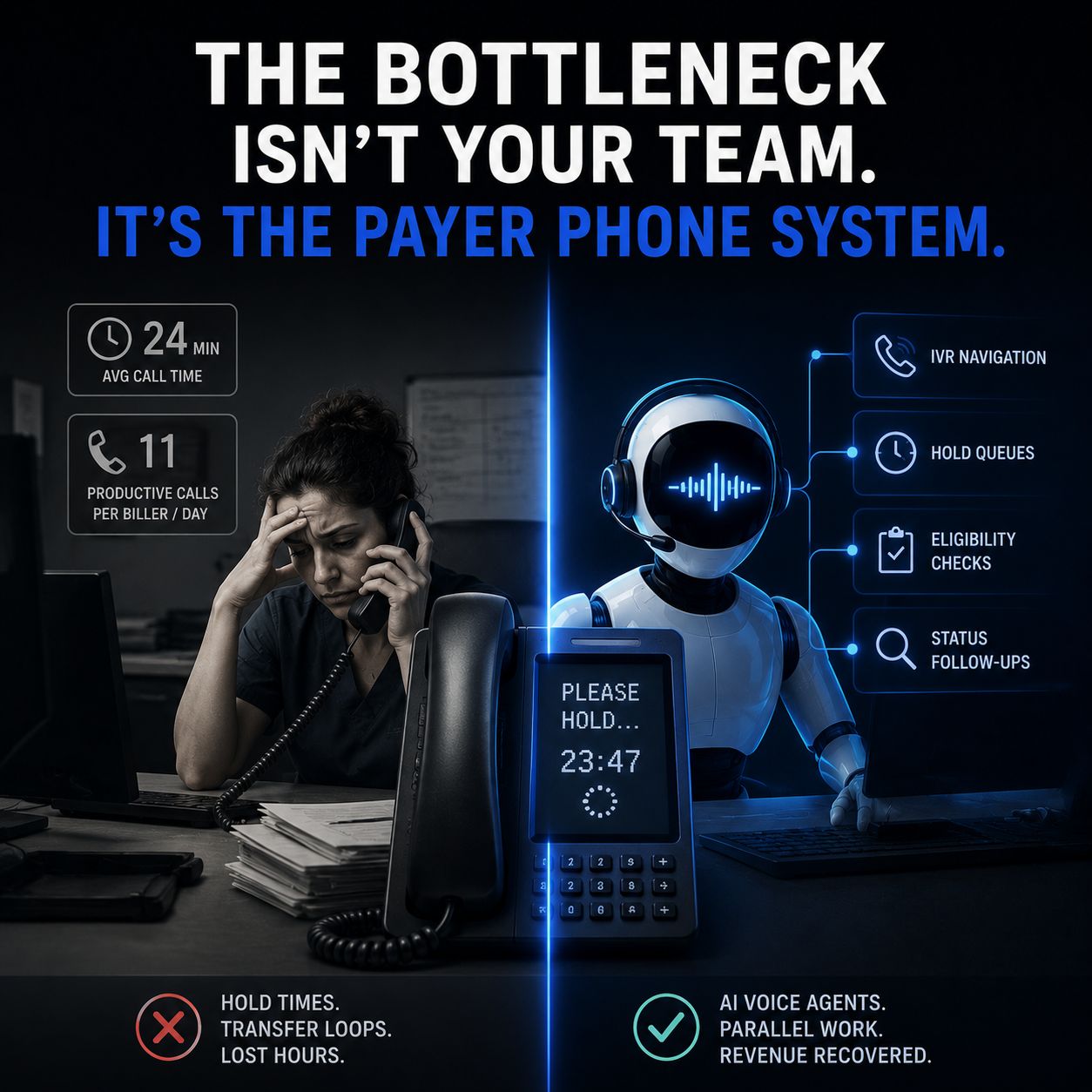
Most healthcare operators think their billing team is the bottleneck. It isn't. The payer phone system is. Last month I was reviewing call data with a multi-site physician group. 60+ billers, solid operations, denial rates inside industry benchmarks. But A/R days kept creeping up, and no one could explain why. So we pulled the call logs. Average payer follow-up call: 24 minutes. Average productive calls per biller per day: 11. Claims needing follow-up each month: far more than the team could ever touch. The math wasn't hidden. It just wasn't visible until someone looked. Their team wasn't slow. They weren't undertrained. They weren't underperforming. They were stuck behind hold music. This is the part of RCM that doesn't show up on a dashboard. Your team's day is structured around a queue they don't control. IVR depth, hold times, transfer loops. Every follow-up is a coin flip on whether you reach a human in time to make the call worth making. And scale doesn't solve it. Ten more locations isn't solved by ten more billers. It just creates ten more queues with the same hold times. What's changing now is this: the work that creates the bottleneck, IVR navigation, hold queues, eligibility checks, status follow-ups, can run in parallel. Not faster human work. Different work entirely. AI voice agents that sit on hold so your team doesn't. That navigate IVRs the same way every time. That run hundreds of calls at once without ever needing a break. The teams we're working with today aren't replacing their billers. They're giving them back the hours that used to disappear into payer phone systems. Same team, same workflows, very different throughput. The question is no longer how hard your team works. It's whether their hours are going to the work that actually recovers revenue.

6 of 88 adsSign up to see every Operator Labs ad, filter by format and date, and get alerts on new ones.
See all 88 adsQuestions about Operator Labs’s ads
Is Operator Labs running LinkedIn ads?
We recorded no live LinkedIn ads for Operator Labs on 10 Nov 2026.
How many LinkedIn ads has Operator Labs run?
LinkedIn’s ad library lists 88 ads for Operator Labs. We recorded 88 LinkedIn ads for Operator Labs, first recorded on 28 Sept 2026 and last recorded on 28 Sept 2026.
Does Operator Labs run Google ads?
We recorded no Google ads for the domain operatorlabs.ai on 5 Nov 2026.
Which ad formats does Operator Labs use?
The 6 LinkedIn ads on this page include 6 image ads.
Watch the companies you care about.
Filter every ad by industry, country, format and network, and get alerts when a company you watch starts running new ads.