0 new LinkedIn ads in 30 days · 2 of 3 networks checked

OneLayer ads
- onelayer.com
- Computer and Network Security
- US
- 90 employees
OneLayer’s ads on LinkedIn, Meta and Google, recorded by adsrunning. Browse the latest here for free. Sign up free to browse our full recording. Watch OneLayer on any plan to get each new one in your feed.
Watchlist included in every plan
What OneLayer runs
- Single image · LinkedIn
- 6
| Network | Status | Last 30 days | Total ads found | Ad activity | Checked | Next step |
|---|---|---|---|---|---|---|
| None recorded | 0 | 62+ | Checked 10 Nov 2026 | View ads → | ||
| Meta | Not checked | — | — | View ads → | ||
| None recorded | — | 0 | Checked 5 Nov 2026 | View ads → |
OneLayer has no new LinkedIn ads in the last 30 days. We recorded no Google ads on 5 Nov 2026.
Latest ads
- LINKEDIN · IMAGESince 6 May 2026
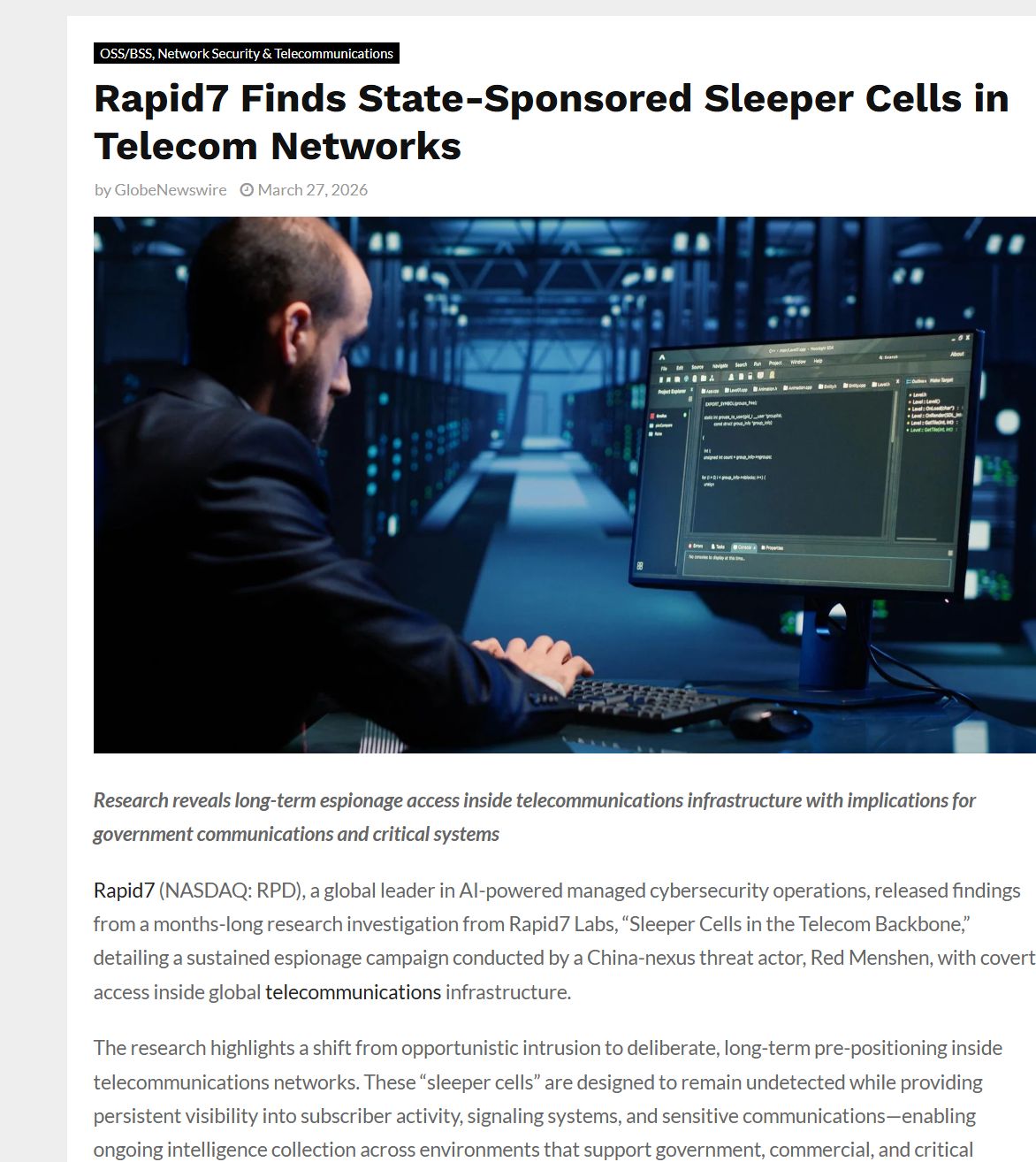
This is nuts!! Rapid7 released findings - “Sleeper Cells in the Telecom Backbone,” detailing a sustained espionage campaign conducted by a China-nexus threat actor, Red Menshen, with covert access inside global telecommunications infrastructure. It's time to wake up :) *link in the first comment OneLayer #5Gsecurity #privateLTE #private5g
- LINKEDIN · IMAGESince 6 May 2026
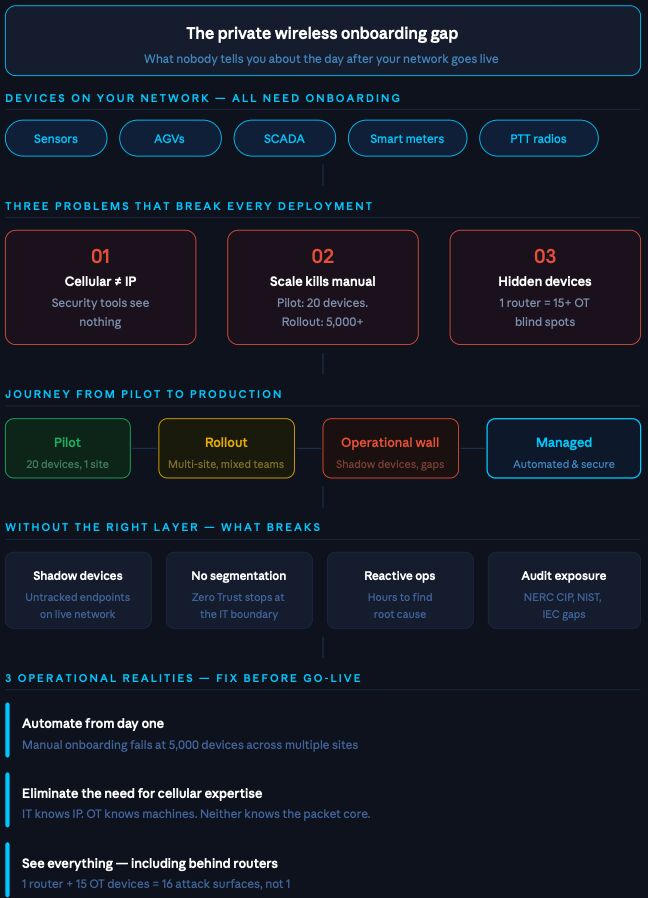
Everyone talks about deploying a private 5G network. Almost nobody talks about what happens the day after. The RAN is live. The core is running. The coverage maps look great. Leadership is happy. And then operations begins. Suddenly, the real work starts: getting hundreds — sometimes thousands — of devices actually onto the network. Sensors. AGVs. Smartphones. Smart meters. SCADA terminals. Routers with a dozen non-cellular devices hanging off the back of them. Each one needs to be identified, provisioned, authenticated, classified, and placed under a policy before it can do anything useful. In a traditional IT environment, you have mature tooling for this. You know the device. You know the IP. You have a workflow. You have a team that's done it a hundred times. In a private cellular network, none of that applies. Cellular networks identify devices differently — through SIM identities and packet core parameters, not IP addresses. The tools your IT and OT teams know and trust are effectively blind to what's connecting and how. Every device onboarded manually is a process that doesn't scale. Every device that connects without proper classification is a gap in your security posture from day one. And it gets more complex. What about the devices that aren't cellular at all — the legacy sensors and controllers that connect through a cellular router? They're on the network. Your SOC can't see them. Your segmentation policies don't reach them. They exist in a blind spot that no one planned for and everyone inherits. This is where most private wireless deployments quietly hit a wall. Not a technical wall — the network itself works. An operational wall. The gap between "network is live" and "network is managed, secured, and compliant at scale." Three operational realities every enterprise should face before going live: 1) Scale breaks manual processes - What worked for a 50-device pilot will not work for a 5,000-device rollout across multiple sites and geographies. Automation is not optional — it's the only path to operational continuity. 2) Cellular expertise is scarce - Your IT team understands IP networks. Your OT team understands the machines. Neither was trained to manage a cellular packet core. Any operational model that requires deep cellular knowledge to function daily is a model that will fail under pressure. 3) Visibility must extend to everything on the network - not just the cellular devices. A router with 15 legacy OT devices behind it is not "one device." It is 16 attack surfaces. Managing the router without seeing what's behind it is security theatre. The ambitions are right. But the operational layer — device lifecycle management, automated onboarding, real-time visibility, and security integration from day one — needs to be part of the blueprint, not bolted on after the fact. More info in the comments. #PrivateNetworks #DeviceManagement #OTSecurity #IoT #CriticalInfrastructure
- LINKEDIN · IMAGESince 6 May 2026
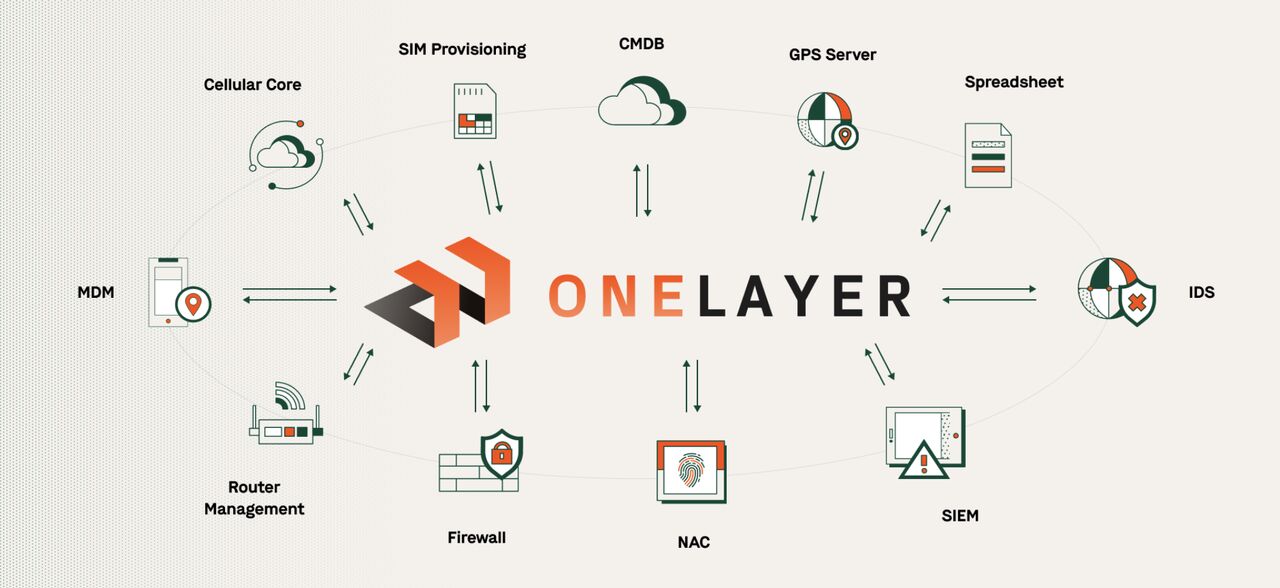
🏭 Europe is rewriting the rules of industrial security. Is your private 5G network ready? The EU's 🇪🇺 regulatory push is accelerating fast. The Industrial Accelerator Act (proposed March 2026) is mobilizing hundreds of billions in investment to modernize European manufacturing, utilities, and critical infrastructure. At the same time, NIS2 is now actively enforced — with expanded scope directly covering OT environments, personal board-level liability for non-compliance, and audits already stepping up across member states. The message is clear: connected industrial infrastructure must be secure, visible, and controllable — by law. As private LTE and 5G become the backbone of Industry 4.0 operations — powering AGVs on factory floors, sensors across energy grids, and IoT devices in ports and utilities — a critical blind spot has emerged: traditional enterprise security tools simply cannot see or control what's connected to cellular networks. OneLayer bridges that gap. Our platform delivers: 🔹 Complete device visibility across every asset connected to private LTE/5G — including those hidden behind cellular routers 🔹 Zero Trust segmentation enforced at the device level, across both IT and OT environments 🔹 Automated device onboarding at scale — reducing deployment from months to days 🔹 A single pane of glass for asset management, threat detection, and compliance evidence NIS2 doesn't just ask for better security — it demands demonstrable, operational resilience. You can't report on an incident you didn't detect. You can't manage an asset you can't see. European industry is being asked to invest and scale at an unprecedented pace. OneLayer ensures that scale doesn't come at the cost of security or compliance. 👉 Curious how OneLayer maps to NIS2 and the Industrial Accelerator Act requirements? Let's connect. #Industry40 #PrivateNetwork #NIS2 #OTSecurity #Cybersecurity
- LINKEDIN · IMAGESince 6 May 2026
Last week, OneLayer launched the Sentry Partner Program — and I wanted to speak directly to the EMEA community we've been building with. The market opportunity we're seeing in EMEA is large! NIS2 deadlines are real. Private 5G rollouts across utilities, manufacturing, ports and airports are accelerating. The device visibility and security gap is the same whether you're in Rotterdam, Frankfurt, Helsinki or Riyadh. OneLayer Sentry partners get a structured commercial model: deal registration margins, Market Development Funds, SPIF incentives, and complimentary access to OneLayer Scout for pre-deployment site surveys and device inventories — plus sales and technical certifications to build a credible practice around private cellular security. OneLayer interoperates with the ecosystem you're already working in: Ericsson, Nokia, Cisco, HPE Aruba Networking, Druid Software, Palo Alto Networks, Fortinet, ServiceNow and many more— so this isn't a pivot for your team, it's an extension of what you're already delivering. If you're a private wireless integrator, a security SI, or a managed services provider with customers running private LTE or 5G — I'd like to have a direct conversation about what Sentry looks like for your business in EMEA. More details in the comments. #PrivateCellularSecurity #PrivateNetworks #PartnerEcosystem #EMEA
- LINKEDIN · IMAGESince 6 May 2026
Recently everyone speaks about cellular security. 1. Rapid7 warns of cellular IoT attack risks 2. NIST published 5G cybersecurity guides to address critical infrastructure risks 3. KISA released a security guide for private 5G networks Telecom Review Group 4. AT&T, Ericsson call for 5G network security rethink Light Reading Links in the first comment. #IoTSecurity #OTSecurity #LTE #Private5G #CellularNetwork
- LINKEDIN · IMAGESince 6 May 2026
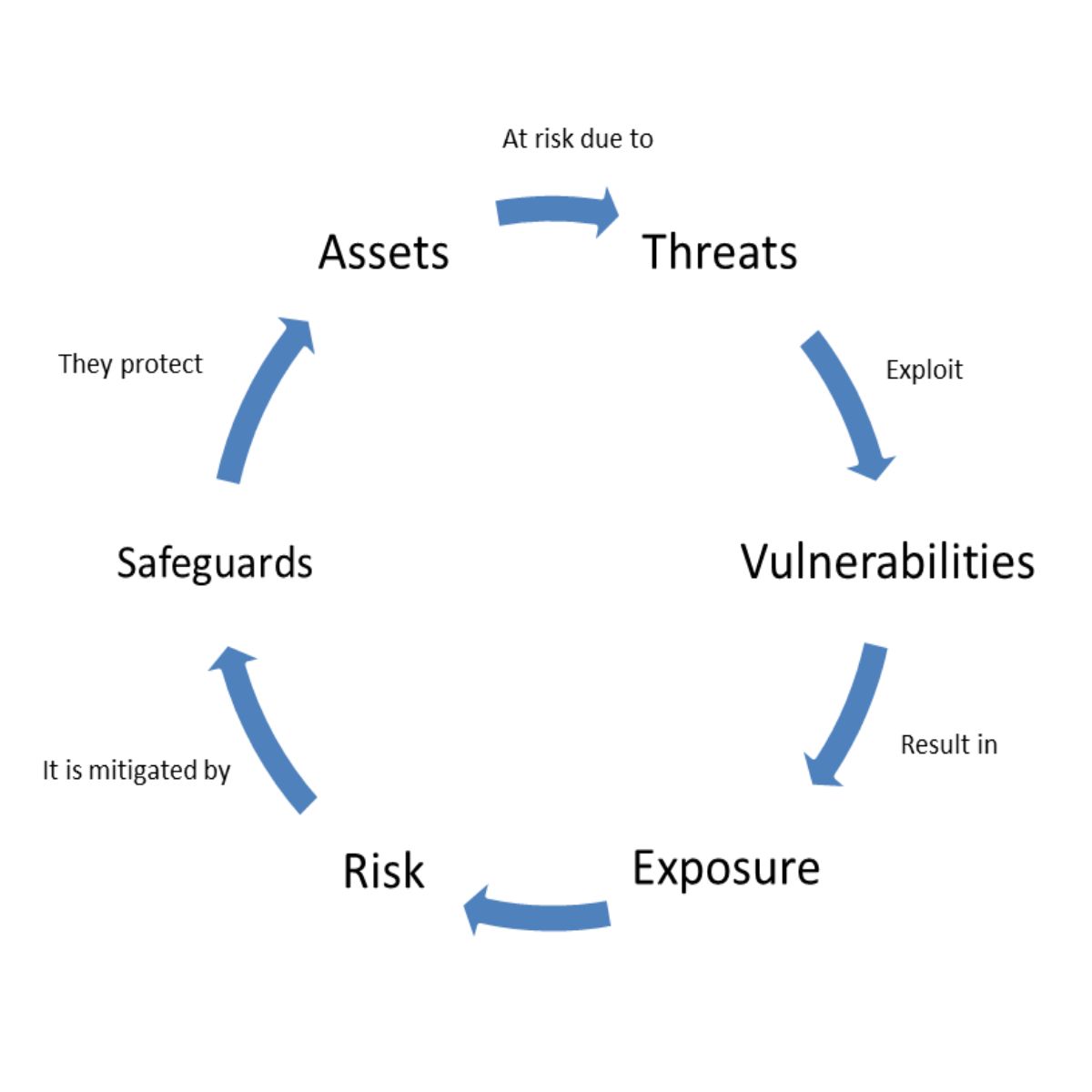
TCCA-Critical Communications urges a standards push on critical broadband security. They just published a cybersecurity overview that every enterprise 5G security team must read. The attack surface is expanding. The regulatory environment is catching up. The call to action is clear. Classify your assets. Organizations that don't know what they're protecting can't protect it. This is how we built OneLayer from day one. And it is one of the reasons why every enterprise 5G deployment needs it. Full paper in the comments. #Private5G #PrivateCellular #OTSecurity #CyberSecurity #CriticalInfrastructure


6 of 62+ adsSign up to see every OneLayer ad, filter by format and date, and get alerts on new ones.
See all 62+ adsQuestions about OneLayer’s ads
Does OneLayer have new LinkedIn ads?
We found no new LinkedIn ads for OneLayer in the 30 days to 11 Nov 2026.
How many LinkedIn ads has OneLayer run?
LinkedIn’s ad library lists 62 ads for OneLayer. We recorded 53 LinkedIn ads for OneLayer, first recorded on 27 Sept 2026 and last recorded on 27 Sept 2026.
Does OneLayer run Google ads?
We recorded no Google ads for the domain onelayer.com on 5 Nov 2026.
Which ad formats does OneLayer use?
The 6 LinkedIn ads on this page include 6 image ads.
Watch the companies you care about.
Filter every ad by industry, country, format and network, and get alerts when a company you watch starts running new ads.