Not on air · 2 of 3 networks checked

MVPR ads
- mvpr.io
- Public Relations and Communications Services
- GB
- 8 employees
MVPR’s ads on LinkedIn, Meta and Google, recorded by adsrunning. Browse the latest here for free. Sign up free to see all 31. Watch MVPR on any plan to get each new one in your feed.
Watchlist included in every plan
What MVPR runs
- Single image · LinkedIn
- 6
| Network | Status | Live ads | Nov 2025LinkedIn activity · 52 weeksNov 2026 | Checked | Next step |
|---|---|---|---|---|---|
| None recorded | 0 | Checked 7 Nov 2026 | See all 31 ads → | ||
| Meta | Not checked | — | |||
| None recorded | 0 | No ads found on the Google Ads Transparency Center | Checked 4 Nov 2026 | Collect them with the API → |
MVPR has no live LinkedIn ads. We recorded no Google ads on 4 Nov 2026.
Latest ads
- LINKEDIN · IMAGESince 11 Dec 2025
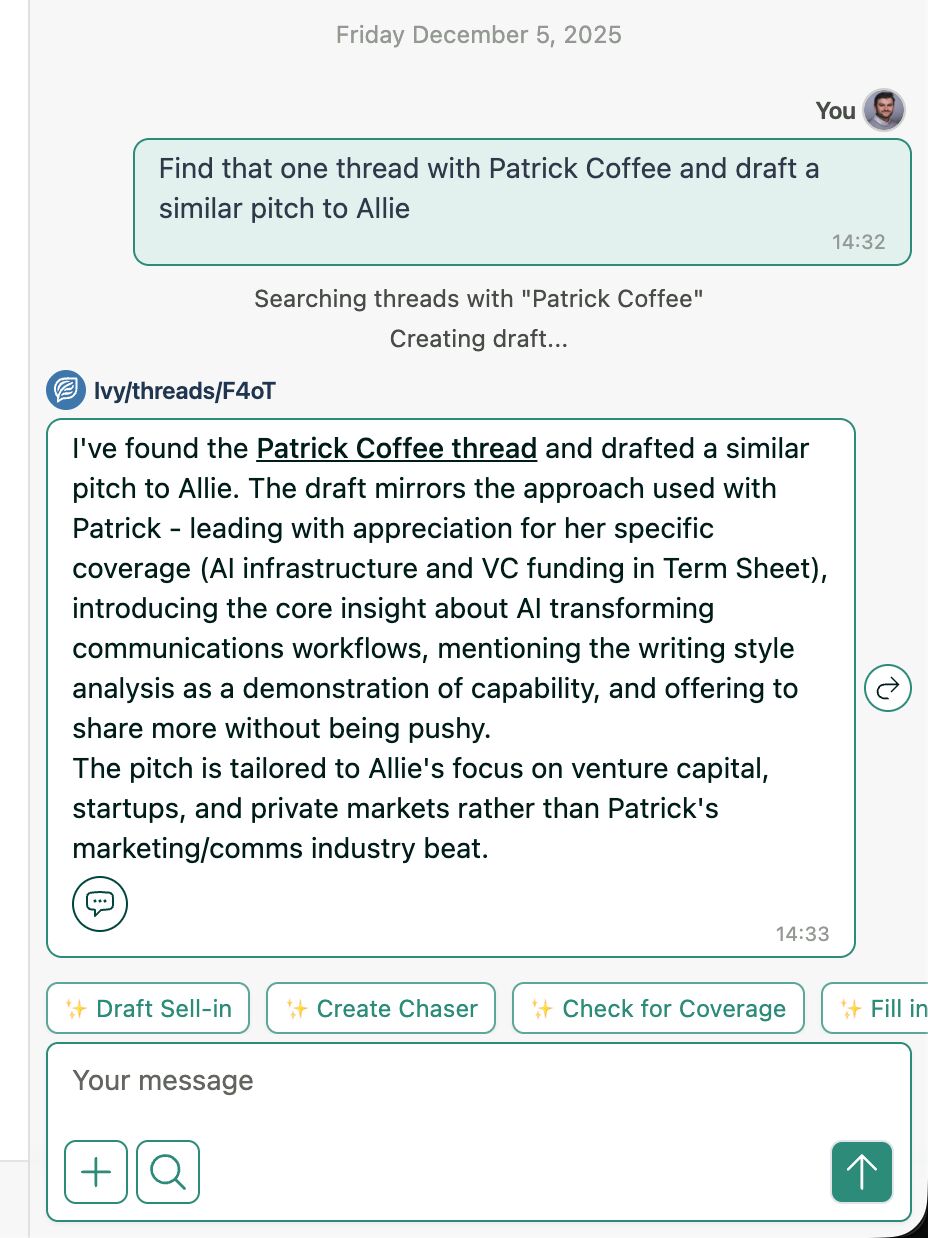
We just gave 🍃 Ivy the ability to search through previous journalist conversations and draft new responses using past messages as context 🚀 Credit to Konrad and our tech team for this one 🙌 🙌 Look forward to seeing how you use it.
- LINKEDIN · IMAGERecorded 26 Sept 2026
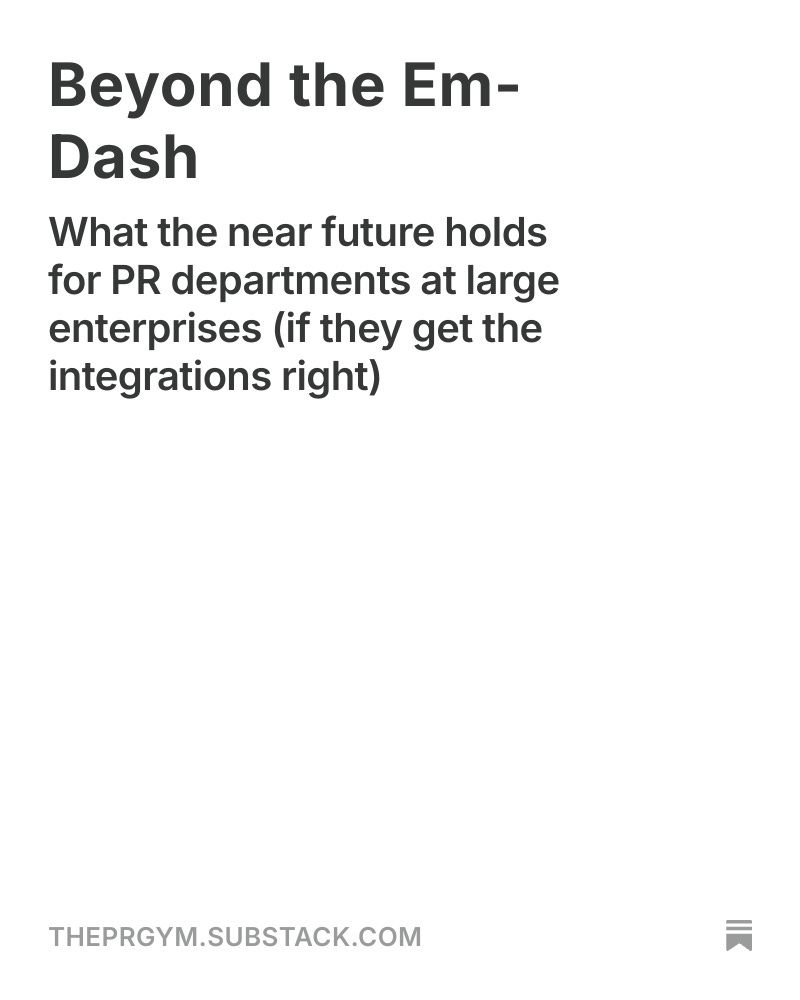
The future of enterprise communications is here already - but most companies are still just setting out on this journey of transformation. I've been having versions of the same conversation with enterprise communications leaders for the past three months. They call wanting to understand what's coming, and honestly - what I see ahead should make PR leaders think deeply about how to build a competitive brand. The interesting bit - the tech required for a PR team to significantly out-manoeuvre brand rivals - already exists. Here's what I see coming: 𝟭. 𝗖𝗼𝗺𝗽𝗮𝗻𝗶𝗲𝘀 𝘄𝗶𝗹𝗹 𝘁𝗿𝗮𝗻𝘀𝗳𝗼𝗿𝗺 𝗶𝗻𝘁𝗼 𝗰𝗼𝗺𝗺𝘂𝗻𝗶𝗰𝗮𝘁𝗶𝗼𝗻𝘀 𝗱𝗲𝗽𝗮𝗿𝘁𝗺𝗲𝗻𝘁𝘀 Enterprises will completely restructure communications workflows. Your sales teams will automatically surface customer win announcements the moment deals close. Product teams will trigger community communications when they push updates. Customer support will feed pain point insights directly into thought leadership development. The entire company infrastructure will be wired for communications - not as an afterthought, but as core operational capability. 𝟮. 𝗣𝗲𝗿𝘀𝗼𝗻𝗮𝗹𝗶𝘀𝗮𝘁𝗶𝗼𝗻 𝘄𝗶𝗹𝗹 𝗯𝗲𝗰𝗼𝗺𝗲 𝘁𝗮𝗯𝗹𝗲 𝘀𝘁𝗮𝗸𝗲𝘀 Writing style fingerprint technology that seems impressive today will be standard operating procedure within two years. CEOs will expect their authentic voice maintained across all content channels without requiring direct involvement in every piece. This same technology will make pitch personalisation at enterprise scale not just possible, but expected. 𝟯. 𝗪𝗼𝗿𝗸𝗳𝗹𝗼𝘄 𝘀𝗽𝗲𝗲𝗱 𝗯𝗲𝗰𝗼𝗺𝗲𝘀 𝘁𝗵𝗲 𝗱𝗶𝗳𝗳𝗲𝗿𝗲𝗻𝘁𝗶𝗮𝘁𝗼𝗿 Voice-to-task automation will eliminate coordination friction that currently slows enterprise communications operations. Content approvals that take days will collapse to hours through shared inbox systems. The operational tempo change will be dramatic. 𝟰. 𝗥𝗲𝘀𝗲𝗮𝗿𝗰𝗵 𝗰𝗮𝗽𝗮𝗯𝗶𝗹𝗶𝘁𝘆 𝘄𝗶𝗹𝗹 𝗰𝗼𝗺𝗽𝗼𝘂𝗻𝗱 𝗯𝗿𝗮𝗻𝗱 𝗮𝗱𝘃𝗮𝗻𝘁𝗮𝗴𝗲𝘀 The transformation from 30-hour monthly journalist research to 3-second vector database queries isn't just about efficiency - it's about enabling entirely new strategic approaches. Teams with instant, comprehensive media intelligence will test multiple story angles simultaneously and identify emerging narrative opportunities that manual research could never uncover. The bottom line: The companies that understand what's coming and position themselves accordingly will have unprecedented strategic advantages. Those that don't risk finding themselves outmanoeuvred by competitors who've transformed how they think about communications infrastructure. The technological capabilities I'm describing aren't theoretical - they exist now and are being implemented by forward-thinking organisations while their competitors remain focused on traditional operational challenges. Link to the full article in the comments below 👇
- LINKEDIN · IMAGERecorded 26 Sept 2026
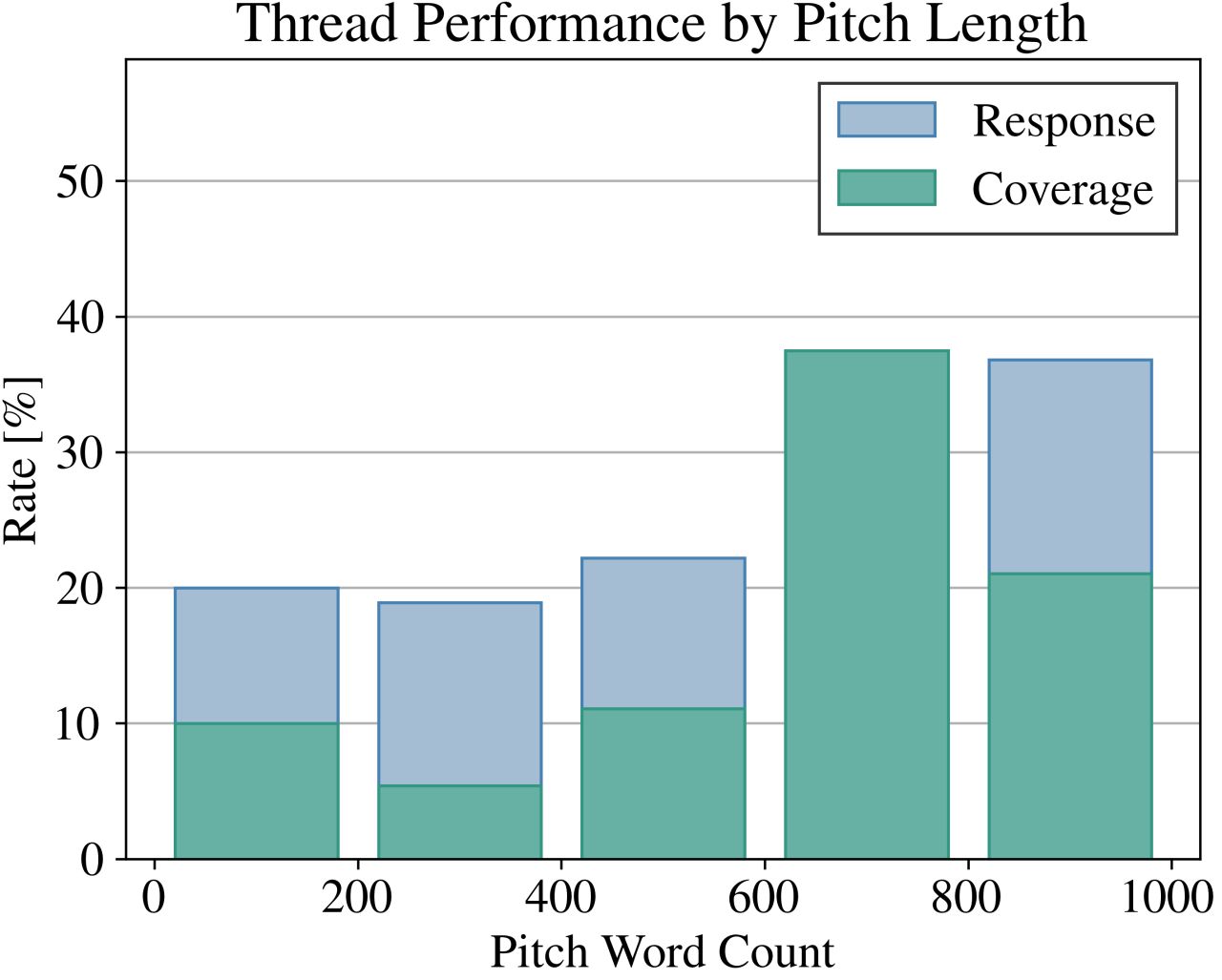
For thought leadership, adding the right contextual information increases coverage rates by up to 33%. 📊 Supporting data below 👇 from ~500 recent pitches. Best pitch length: 600 - 800 words (38% coverage rate) Worst pitch length: 200 - 400 words (5% coverage rate) Our conclusion: Adding the right contextual information about the author, their relevance to the topic and industry, and providing a synopsis that gives Editors detailed insight into what information the article will provide readers is everything. Make it concise though, because if pitches that are too wordy (800-1000 words), coverage rate drops by 17% 🤯. That's a 17% reduction in outcomes by being long-winded and lacking brevity.
- LINKEDIN · IMAGERecorded 26 Sept 2026
This talent war is going to seep down into every industry. Love this article by Mark Miller on talent competition. Much of my network has commented on the huge sums of money being paid to top AI developers in SF and writing it off as an SF-centric phenomena. It may not be as pronounced as it is among AI companies, but as margins increase for companies successfully deploying agentic workflows capable of delivering work indiscernible to their human counterparts, it's only natural that companies repurpose that margin to attract the best talent. In PR I think we can expect to see rising salaries for the top performers as the difference between someone world class + agentic workflows provides a 3-4x increase in revenue potential vs other candidates. Based on our own experience I anticipate top performing Account Directors with ~7+yrs experience being able to command £90k - £130k/p.a salaries inside the next 3 years. For a genuine benchmark, at MVPR we typically start from £80k + equity for these kinds of individuals. https://lnkd.in/eyQ9WnAB
- LINKEDIN · IMAGERecorded 26 Sept 2026
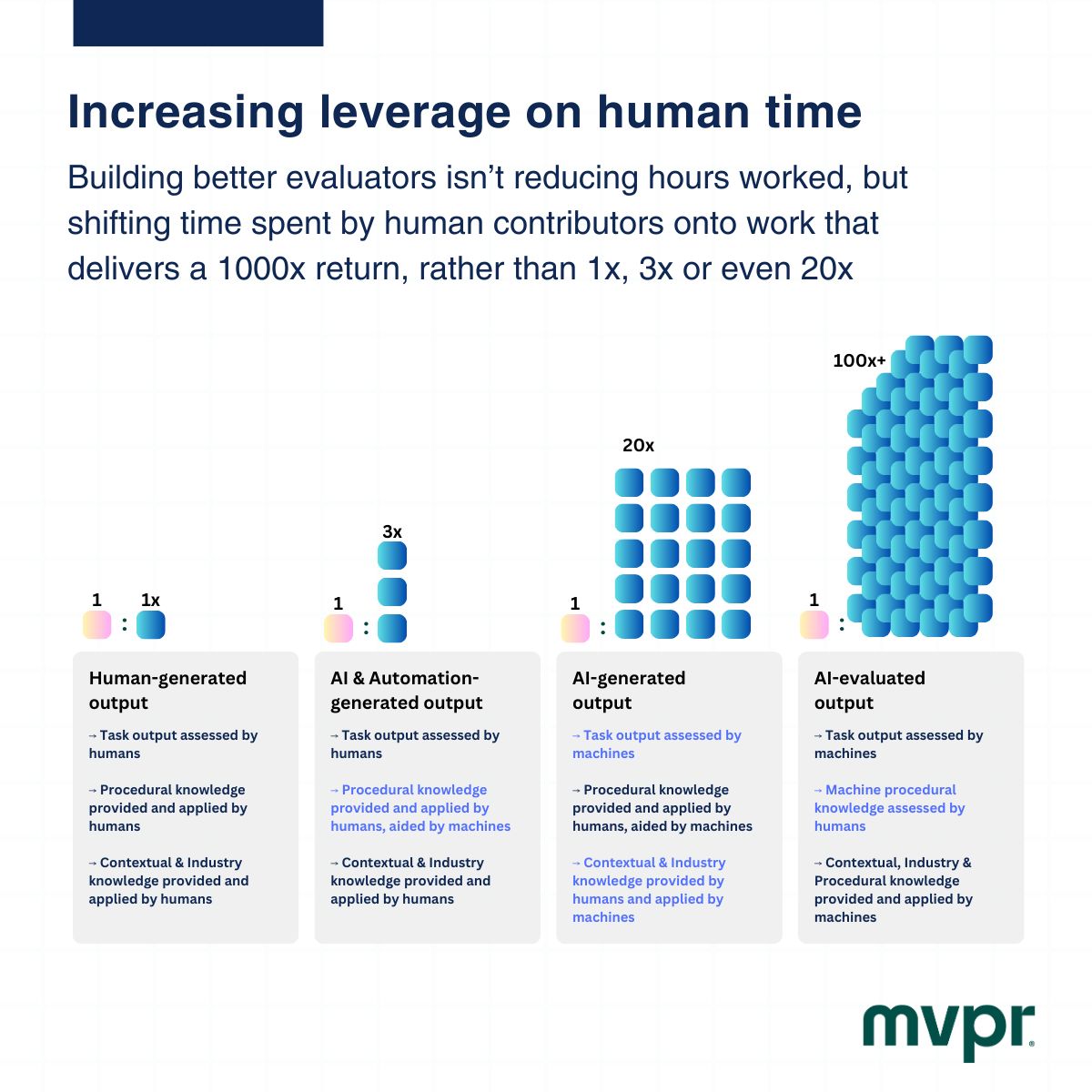
We've been observing something fascinating at MVPR over the past month - and the pattern has become impossible to ignore - so I'm writing a post about it. What I am seeing: AI isn't reducing the hours our team has to work. Instead, it's fundamentally shifting how those hours multiply in value. 𝗧𝗵𝗲 𝗲𝘃𝗼𝗹𝘂𝘁𝗶𝗼𝗻 𝗹𝗼𝗼𝗸𝘀 𝗹𝗶𝗸𝗲 𝘁𝗵𝗶𝘀: 𝟭. 𝗛𝘂𝗺𝗮𝗻-𝗴𝗲𝗻𝗲𝗿𝗮𝘁𝗲𝗱 𝗼𝘂𝘁𝗽𝘂𝘁 (𝟭𝘅): Traditional PR work. Everything assessed by humans. All knowledge applied by humans. One hour of work = one hour of output. 𝟮. 𝗔𝗜 & 𝗔𝘂𝘁𝗼𝗺𝗮𝘁𝗶𝗼𝗻-𝗴𝗲𝗻𝗲𝗿𝗮𝘁𝗲𝗱 𝗼𝘂𝘁𝗽𝘂𝘁 (𝟯𝘅): We started here 2 years ago. Data and automation tripled our leverage. One hour of work = three hours time from a traditional agency. 𝟯. 𝗔𝗜-𝗴𝗲𝗻𝗲𝗿𝗮𝘁𝗲𝗱 𝗼𝘂𝘁𝗽𝘂𝘁 (𝟮𝟬𝘅): Where we were last quarter. Machines handle task output while humans provide the contextual and industry knowledge to ensure its a good initial version. 𝟰. 𝗔𝗜-𝗲𝘃𝗮𝗹𝘂𝗮𝘁𝗲𝗱 𝗼𝘂𝘁𝗽𝘂𝘁 (𝟭𝟬𝟬𝘅+): Where we are today - and it is changing everything. Our team is no longer just generating output - we're writing principles for evaluation that assess machine outputs at incredible scale. 𝗪𝗵𝗮𝘁 𝗱𝗼𝗲𝘀 𝟭𝟬𝟬𝘅+ 𝗹𝗲𝘃𝗲𝗿𝗮𝗴𝗲 𝗮𝗰𝘁𝘂𝗮𝗹𝗹𝘆 𝗹𝗼𝗼𝗸 𝗹𝗶𝗸𝗲: Take Newsjacking. An SOW line item that traditional agencies bill 20-40+ hours monthly for. And they should - It's complex work that requires: • Deep contextual knowledge of the company or client • Understanding of messaging and objectives • Analysis of hundreds of recent stories • Synthesis of angles and existing content • Selection of the right spokesperson • Crafting of personalised pitches that often contain value-add data or information for journalists • Knowledge of historical conversations with that journalist or publication Our system of agents now does this in 120-180 seconds 🤯. 3 minutes - and often to a higher standard than even the best PR people I've ever worked with. 𝗧𝗵𝗲 𝗰𝗿𝗶𝘁𝗶𝗰𝗮𝗹 𝗽𝗮𝗿𝘁: 𝘁𝗵𝗲𝘀𝗲 𝗼𝘂𝘁𝗽𝘂𝘁𝘀 𝗵𝗮𝘃𝗲 𝗼𝘂𝗿 𝘁𝗲𝗮𝗺'𝘀 𝗳𝗶𝗻𝗴𝗲𝗿𝗽𝗿𝗶𝗻𝘁𝘀 𝗮𝗹𝗹 𝗼𝘃𝗲𝗿 𝘁𝗵𝗲𝗺. We're applying extremely nuanced personal touches - just at machine scale. Think of it like this: A PR Director who can review 1,000 personalised draft pitches from more junior members of their team. But not in weeks. In minutes. The hours haven't disappeared. They've just shifted from spending time defining how work should be done by machines or by humans - to spending time documenting how work done should be evaluated - and the principles machines should use to assess whether that work has been done well.
- LINKEDIN · IMAGERecorded 26 Sept 2026
Building strong relationships with journalists requires two things: 𝙍𝙚𝙨𝙚𝙖𝙧𝙘𝙝 + 𝙋𝙚𝙧𝙨𝙤𝙣𝙖𝙡𝙞𝙨𝙖𝙩𝙞𝙤𝙣. We've been using data to do our research for nearly 4 years now, and the quality of that data is increasingly allowing us to adopt new strategies faster for clients, and allow us to iterate and A/B test media tactics. It's only the beginning, but if you can't measure the right metrics, you can't improve them. What messaging tactics are we seeing increase coverage probability for clients right now? 𝟭. 𝗧𝗼𝗽𝗶𝗰 𝗛𝘆𝗯𝗿𝗶𝗱𝗶𝘀𝗮𝘁𝗶𝗼𝗻: This is when you combine elements from different high-performing categories to create compelling, multi-dimensional narratives that align with your brand story. Some examples of high-performing topic hybrids we're pitching our clients for: • AI solutions for healthcare or biotech challenges • Technology innovations in education • The engineering aspects of gaming development • Using AI to transform customer experiences • Industry niche + business model innovation In the blog I break a lot more of our data down to share how we're using it to develop and execute comms strategies for our clients: https://lnkd.in/ebkA_WwC


6 of 31 adsSign up to see every MVPR ad, filter by format and date, and get alerts on new ones.
See all 31 adsQuestions about MVPR’s ads
Is MVPR running LinkedIn ads?
We recorded no live LinkedIn ads for MVPR on 8 Nov 2026.
How many LinkedIn ads has MVPR run?
LinkedIn’s ad library lists 25 ads for MVPR. We recorded 31 LinkedIn ads for MVPR, first recorded on 26 Sept 2026 and last recorded on 15 Oct 2026.
Does MVPR run Google ads?
We recorded no Google ads for the domain mvpr.io on 4 Nov 2026.
Which ad formats does MVPR use?
The 6 LinkedIn ads on this page include 6 image ads.
Watch the companies you care about.
Filter every ad by industry, country, format and network, and get alerts when a company you watch starts running new ads.