On air · 1 of 3 networks

Mühlenchemie ads
- muehlenchemie.com
- Food and Beverage Manufacturing
- DE
- 93 employees
Mühlenchemie’s ads on LinkedIn, Meta and Google, recorded by adsrunning. Browse the latest here for free. Sign up free to see all 71. Watch Mühlenchemie on any plan to get each new one in your feed.
Watchlist included in every plan
What Mühlenchemie runs
- Single image · LinkedIn
- 1
- Video · LinkedIn
- 2
- Google ads on 4 Nov 2026
- 53
| Network | Status | Live ads | Nov 2025LinkedIn activity · 52 weeksNov 2026 | Checked | Next step |
|---|---|---|---|---|---|
| None recorded | 0 | Checked 7 Nov 2026 | See all 71 ads → | ||
| Meta | None recorded | 0 | No active ads recorded on the Meta Ad Library | Checked 23 Oct 2026 | Collect them with the API → |
| Running | 53 | Ads on the Google Ads Transparency Center | Checked 4 Nov 2026 | Collect them with the API → |
Mühlenchemie has no live LinkedIn ads. Its Facebook page had no active ads on 23 Oct 2026, and we recorded 53 Google ads on 4 Nov 2026.
Latest ads
- LINKEDIN · ARTICLESince 4 Nov 2026
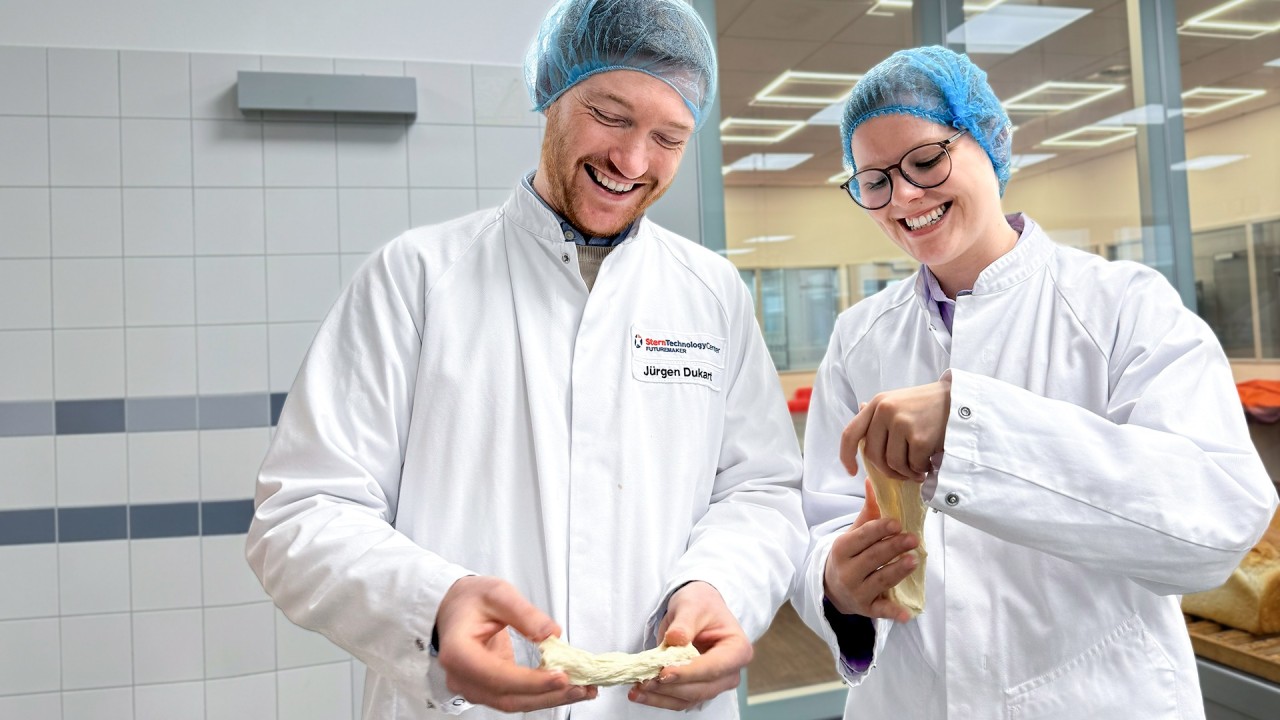
𝗪𝗵𝗮𝘁 𝗶𝗳 𝘃𝗶𝘁𝗮𝗹 𝘄𝗵𝗲𝗮𝘁 𝗴𝗹𝘂𝘁𝗲𝗻 𝗯𝗲𝗰𝗼𝗺𝗲𝘀 𝗺𝗼𝗿𝗲 𝗲𝘅𝗽𝗲𝗻𝘀𝗶𝘃𝗲 𝗼𝗿 𝗹𝗲𝘀𝘀 𝗮𝘃𝗮𝗶𝗹𝗮𝗯𝗹𝗲? For mills and bakeries, this is more than a purchasing challenge. It can directly affect dough behaviour, processing and the consistency of the final product. But does a flour really need more protein? Or does it need the right functionality for the application? In our latest article, we look at what really determines dough performance, why protein content is only the starting point, and how our targeted Gluten Enhancement Toolbox can help mills and bakeries manage variability and maintain production consistency. 👉 Discover why gluten enhancement is about more than simply replacing an ingredient.
- LINKEDIN · ARTICLESince 23 Oct 2026
Welcome to the first edition of FlourRising in Africa. Discover what it was all about. Two days of inspiring conversations, technical insights and new perspectives on the future of milling and baking in Africa. From grain quality and enzyme technology to local cereals, innovative applications and market opportunities, FlourRising brought together expertise from across the value chain. In this article, we take you inside FlourRising Dakar, sharing the key topics, practical insights and personal perspectives that shaped the event, and the ideas and connections that will continue beyond it. As Niels Fischer, Member of the Management Board, Food Ingredients Division, reflected: “What stood out most were the very open and engaging discussions with stakeholders across the region.” “We weren’t just exchanging knowledge, but actually seeing a network take shape across borders,” added Wafiq MPAYIMANA, Sales Manager North Africa & France. And as Lucas Leppin, Regional Director MEA, Food Ingredients Division, put it: “These connections provide a fantastic foundation for what’s to come!” What were the key learnings? Which opportunities emerged? And what happens when millers, bakers and industry experts come together to share their experiences? In our article, we take you inside FlourRising Dakar, sharing the technical highlights, practical innovations and personal perspectives that made these two days so valuable. Because the most important outcomes of FlourRising are not only what we learned, but what we can build together next. #flourrising
- LINKEDIN · VIDEOSince 24 Sept 2026
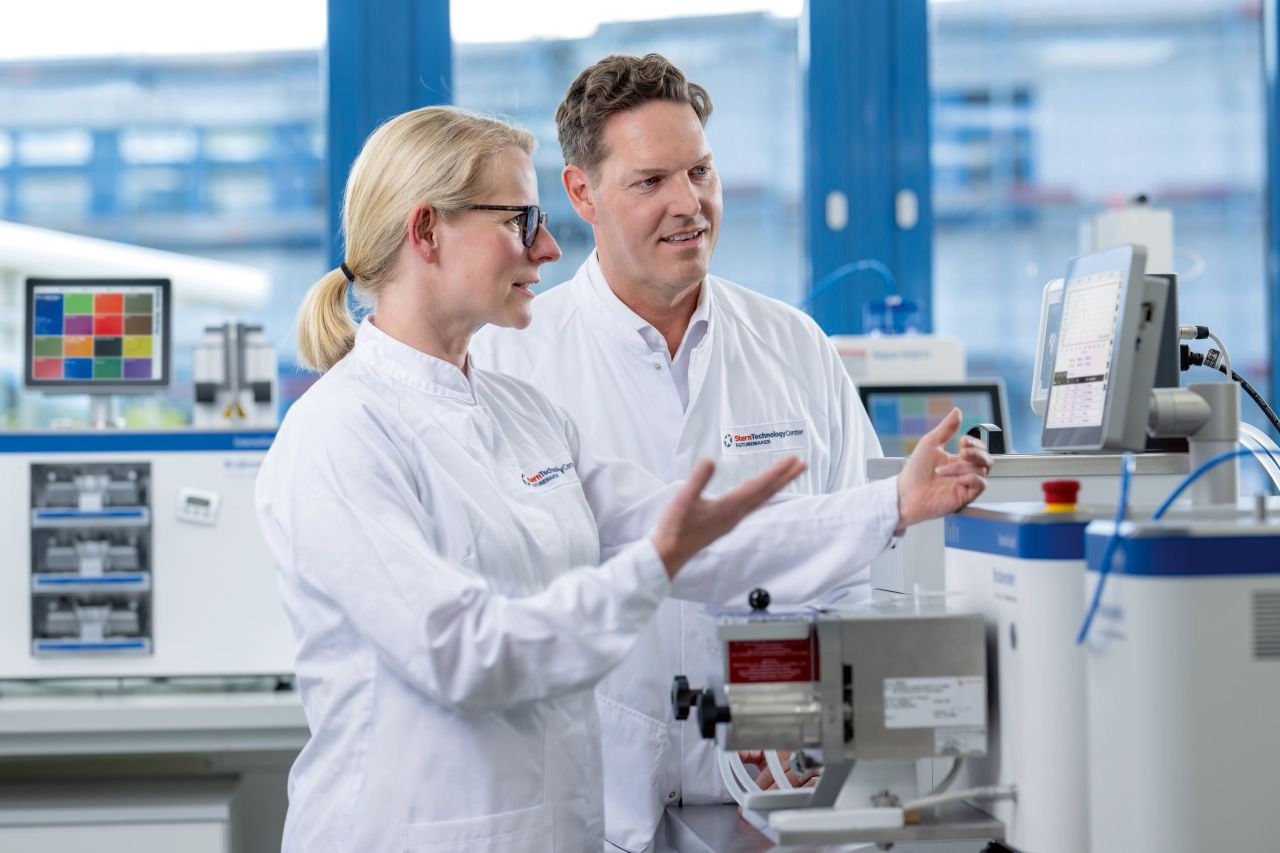
𝗪𝗵𝗮𝘁 𝗰𝗮𝗻 𝘄𝗲 𝗹𝗲𝗮𝗿𝗻 𝗳𝗿𝗼𝗺 𝗳𝗹𝗼𝘂𝗿 𝘁𝗼𝗱𝗮𝘆 𝘁𝗵𝗮𝘁 𝘄𝗲 𝗰𝗼𝘂𝗹𝗱𝗻'𝘁 𝘀𝗲𝗲 𝘆𝗲𝘀𝘁𝗲𝗿𝗱𝗮𝘆? Our rheology lab never stands still. And neither does our knowledge. This year, we have once again invested in new state-of-the-art equipment, giving us even more possibilities to analyse wheat and flour and understand their behaviour in greater detail. But new instruments are only one part of the story. Our knowledge grows with every analysis, every comparison and every new challenge our customers bring to us. On top, AI is now opening up additional possibilities to connect this accumulated experience with our analytical data, recognise patterns and support our evaluations. For us, this combination of technology, data and human expertise is incredibly exciting. Even after thousands of analyses, there is always something new to discover. And that curiosity is something you can really feel when talking to Kevin Fernando, our Senior Cereal and Flour Analyst. In this short video, Kevin takes us into our rheology lab and gives us a glimpse of what fascinates him about his work every day.
- LINKEDIN · ARTICLESince 22 Sept 2026
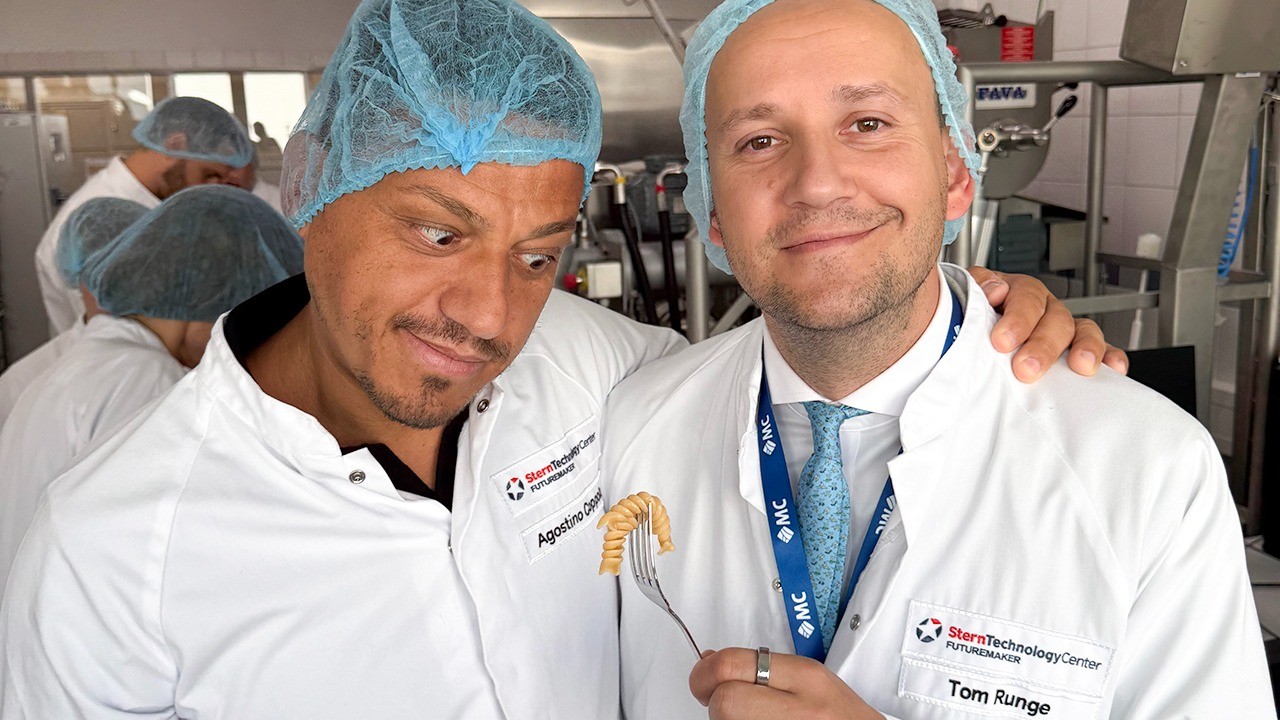
𝗛𝗶𝗴𝗵-𝗽𝗿𝗼𝘁𝗲𝗶𝗻 𝗽𝗮𝘀𝘁𝗮 𝗶𝘀 𝗺𝗼𝘃𝗶𝗻𝗴 𝗳𝗿𝗼𝗺 𝗻𝗶𝗰𝗵𝗲 𝘁𝗼 𝗺𝗮𝗶𝗻𝘀𝘁𝗿𝗲𝗮𝗺. 𝗕𝘂𝘁 𝗮𝗱𝗱𝗶𝗻𝗴 𝗺𝗼𝗿𝗲 𝗽𝗿𝗼𝘁𝗲𝗶𝗻 𝗶𝘀 𝗻𝗼𝘁 𝗮𝘀 𝘀𝗶𝗺𝗽𝗹𝗲 𝗮𝘀 𝗶𝘁 𝘀𝗼𝘂𝗻𝗱𝘀. The numbers show just how much the category is gaining momentum: according to a recent analysis based on Innova Market Insights data, the share of new pasta launches carrying a protein claim increased from around 𝟱% 𝗶𝗻 𝟮𝟬𝟭𝟱 𝘁𝗼 𝟭𝟰.𝟱% 𝗶𝗻 𝟮𝟬𝟮𝟱. For pasta manufacturers, this opens up exciting opportunities. But higher protein levels can also affect colour, flavour, texture and processing behaviour. At Mühlenchemie, we have spent around a year exploring exactly these challenges through practical trials in our dedicated pasta laboratory. In our new article, our Senior Pasta Technologist Agostino Coppola shares how one customer challenge became a much broader development journey, what we learned along the way and why our pasta laboratory plays such an important role. And there is one final question we had to ask him: 𝗔𝘀 𝗮 𝘁𝗿𝘂𝗲 𝗜𝘁𝗮𝗹𝗶𝗮𝗻, 𝘄𝗼𝘂𝗹𝗱 𝗵𝗲 𝗮𝗰𝘁𝘂𝗮𝗹𝗹𝘆 𝗲𝗮𝘁 𝘁𝗵𝗲 𝗿𝗲𝘀𝘂𝗹𝘁𝗶𝗻𝗴 𝗽𝗿𝗼𝘁𝗲𝗶𝗻 𝗽𝗮𝘀𝘁𝗮? Read the article to find out.
- LINKEDIN · IMAGESince 18 Sept 2026
𝗣𝗿𝗼𝘁𝗲𝗶𝗻 𝗚𝗼𝗲𝘀 𝗨𝗽 𝗕𝘂𝘁 𝗙𝗮𝗹𝗹𝗶𝗻𝗴 𝗡𝘂𝗺𝗯𝗲𝗿 𝗗𝗿𝗼𝗽𝘀 – 𝗛𝗼𝘄 𝗗𝗼 𝗬𝗼𝘂 𝗥𝗲𝗮𝗰𝘁? The falling number is one of the criteria used in rheology to determine amylase activity. Alongside wheat protein, the content of alpha- and beta-amylases that break down starch, and the associated ability of the starch to gelatinize, are decisive factors in baking and pasta production and thus flour quality. Do you know this for example? Wheat with higher protein levels, but lower falling number and test weight - a tricky combination for any miller trying to ensure consistent flour quality. These kinds of fluctuations are becoming more common, and they demand flexible, technical solutions. A high falling number indicates low enzyme activity. In baking, enzyme-poor flours give low-rising doughs and low baking volumes, dry crumb, and low browning. A low falling number indicates high enzyme activity. Excessive enzyme content makes flour bake wet and gives an inelastic crumb structure. "Every harvest is different. With our falling number toolbox, we help our customers react quickly and keep quality under control.” – Anke Wollgast, Senior Cereal & Flour Analyst R&D. Our Falling Number Toolbox for baking applications offers a wide range of flexible solutions to control all falling numbers. With it, we can support mills with targeted enzyme systems that help stabilise quality: 🔹 Betamalt - supporting consistent beta-amylase activity across changing wheat qualities. Falling number correction. 🔹 Deltamalt - our enzymatic solution for falling number correction and baking performance 🔹 Enzymatic and non-enzymatic approaches to mitigate extreme raw material shifts For pasta applications, a low falling number leads to increased stickiness and cooking loss, along with higher redness (a* value) and lower brightness (L* value). Our solutions from the Pastazym range are perfectly suited to improving flours affected by low falling numbers. We know that no season is ever the same. That’s why we work side-by-side with our customers to adapt, fast. Would you be interested to learn more about our falling number toolbox?
- LINKEDIN · VIDEOSince 10 Sept 2026
𝗛𝗶𝗴𝗵 𝗙𝗮𝗹𝗹𝗶𝗻𝗴 𝗡𝘂𝗺𝗯𝗲𝗿. 𝗟𝗼𝘄 𝗲𝗻𝘇𝘆𝗺𝗲 𝗮𝗰𝘁𝗶𝘃𝗶𝘁𝘆. 𝗪𝗵𝗮𝘁 𝗱𝗼𝗲𝘀 𝗶𝘁 𝗿𝗲𝗮𝗹𝗹𝘆 𝗺𝗲𝗮𝗻? A high Falling Number is often seen as a sign of quality. But is that always the full story? The Falling Number tells us much more than a single laboratory value. High Falling Numbers usually indicate low natural amylase activity. For bakeries, this can mean reduced maltose formation, slower fermentation, paler crusts and lower baking performance. The challenge for mills is therefore not simply achieving a target Falling Number. It is delivering flour that performs consistently in real baking conditions. With 𝗕𝗲𝘁𝗮𝗺𝗮𝗹𝘁 𝟮𝟱 𝗙𝗕𝗗, we can specifically increase beta-amylase activity, helping to improve maltose availability while leaving the dough properties largely unchanged. Because functional flour quality is measured in the bakery, not only in the laboratory. Betamalt is part of our Falling Number Toolbox, helping mills respond flexibly to different raw material situations. Let's talk about how targeted enzyme solutions can help standardise flour performance.

6 of 71 adsSign up to see every Mühlenchemie ad, filter by format and date, and get alerts on new ones.
See all 71 adsQuestions about Mühlenchemie’s ads
Is Mühlenchemie running LinkedIn ads?
We recorded no live LinkedIn ads for Mühlenchemie on 10 Nov 2026.
How many LinkedIn ads has Mühlenchemie run?
LinkedIn’s ad library lists 79 ads for Mühlenchemie. We recorded 71 LinkedIn ads for Mühlenchemie, first recorded on 26 Sept 2026 and last recorded on 7 Nov 2026.
Does Mühlenchemie advertise on Facebook and Instagram?
Mühlenchemie’s Facebook page had no active ads in Meta’s Ad Library, last recorded on 23 Oct 2026.
Does Mühlenchemie run Google ads?
Yes. We recorded 53 Google ads for the domain muehlenchemie.com on 4 Nov 2026.
Which ad formats does Mühlenchemie use?
The 6 LinkedIn ads on this page include 1 image ad and 2 video ads.
Watch the companies you care about.
Filter every ad by industry, country, format and network, and get alerts when a company you watch starts running new ads.