On air · 1 of 3 networks
Mokka
- gomokka.com
- HR & Recruiting
- US
- 20 employees
Mokka’s ads on LinkedIn, Meta and Google, recorded by adsrunning. Browse the latest here for free. Sign up free to see all 69. Watch Mokka with Starter to get each new one in your feed.
Watchlist with Starter · $49/mo
| Network | Status | Live ads | Nov 2025LinkedIn activity · 52 weeksNov 2026 | Checked | Next step |
|---|---|---|---|---|---|
| Running | 32 | Checked 31 Oct 2026 | See all 69 ads → | ||
| Meta | Not checked | — | |||
| None recorded | 0 | No ads found on the Google Ads Transparency Center | Checked 30 Oct 2026 | Collect them with the API → |
Mokka has 32 live LinkedIn ads. We recorded no Google ads on 30 Oct 2026.
Latest ads
- LINKEDIN · IMAGESince 11 Jan 2026
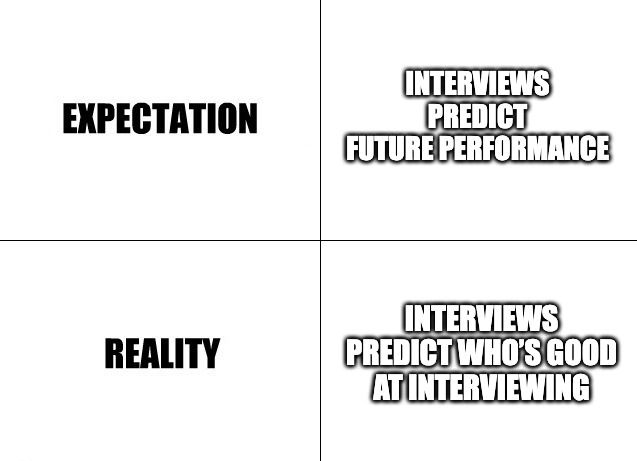
Most interviews don't predict job performance. They predict interview performance. That's the whole argument for paid trials. Most companies screw them up by treating them like extended interviews instead of actual work. Here's how to run trials that actually work: 1. Pay market rate (or close to it) If you're asking someone to do real work, compensate them fairly. Anything less signals you don't value their time or output. 2. Give them a real problem from your backlog Pull something you actually need solved and let them solve it. Skip the made-up case studies and theoretical exercises. 3. Set clear success criteria upfront What does good look like? What does great look like? If you can't articulate this before they start, you're not ready to run a trial. 4. Integrate them with the team Paid trials reveal culture fit better than any interview question. Give them access to your tools, your team, and your communication channels. 5. Debrief with the candidate afterward Whether you hire them or not, tell them what you learned and what they could improve. They gave you their time and work. Return the favor with honest feedback. The goal isn't to squeeze free work out of candidates. It's to replace guesswork with evidence. P.S. We're exploring paid trials at Mokka for some roles. Still figuring out what works and what doesn't. If you've run these successfully (or unsuccessfully), I'd love to hear what you learned.
- LINKEDIN · IMAGESince 11 Jan 2026
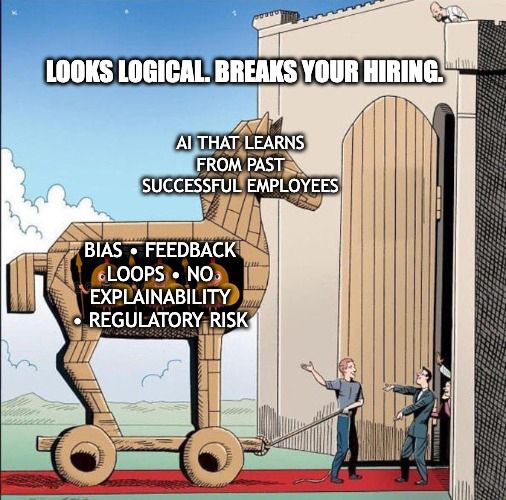
⛔️ The most dangerous AI hiring tool is the one that sounds most logical. AI that learns from who succeeds in your organization, then predicts which candidates will succeed. Close the loop. Get better at hiring over time. Sounds logical. Data-driven. Scientific, even. We said no. Here's why: the data itself is poisoned from the start. 1️⃣ Amazon learned this the hard way in 2018. They built a resume screening AI trained on who succeeded at Amazon over 10 years. The AI learned to penalize resumes with the word "women's" and downrank graduates from all-women colleges. It wasn't a bug. It was the algorithm doing exactly what it was trained to do: replicate historical patterns. 2️⃣ The problem gets worse over time. The AI recommends candidates who look like past hires. You hire them. They become your new training data. The loop tightens. Your hiring gets more consistent, sure, but consistency isn't the same as quality. You've just automated your blind spots. 3️⃣ And then there's the explainability problem. Neural networks (which you'd need for this) can't tell you why they scored someone higher. "The algorithm said so" doesn't hold up in a discrimination lawsuit. The EU AI Act specifically requires explainability for high-risk hiring systems. You'd be building a regulatory liability. 🤔 So what would actually work? Start with better questions. Stop asking "who succeeded here?" and start asking "what specific outcomes do we need in this role?" Then screen for evidence of those outcomes. Then connect the dots by conducting the 90-day post-hire review to learn, adjust, and take action. That's what we built at Mokka. Not a black-box compliance of a bomb waiting to go off. An evidence engine that evaluates against your future... and automating your post-hire reviews too! P.S. If someone's selling you a "performance prediction" system, ask them: what happens when your training data is biased, or can it explain recommendations in a way that holds up in front of the regulators?
- LINKEDIN · IMAGESince 11 Jan 2026
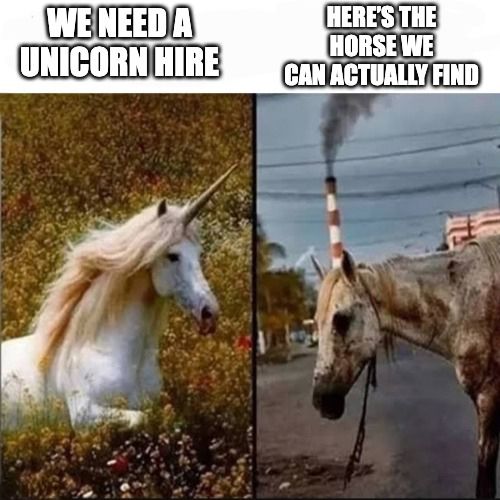
Unicorn hired. Turned out: just horse. That's the six-word tragedy of desperate hiring. You've got an open role that's been dragging for months. Pressure's mounting. Then someone walks in who interviews beautifully, has all the right buzzwords, maybe even comes with a pedigree from a name-brand company. You convince yourself you've found the unicorn. Your team convinces themselves too. Everyone's so relieved to finally have a candidate worth getting excited about that you skip the hard questions. Three months later, you realize they're good at talking about the work, not doing it. The problem isn't the candidate. It's that we need someone so badly that we start seeing what we want to see instead of what's actually there. A great story about past success and actual evidence of that success are very different things. P.S. This is exactly why we built Mokka to focus on verifiable evidence of past performance, not just how well someone can tell their story in an interview.
- LINKEDIN · IMAGESince 18 Dec 2025
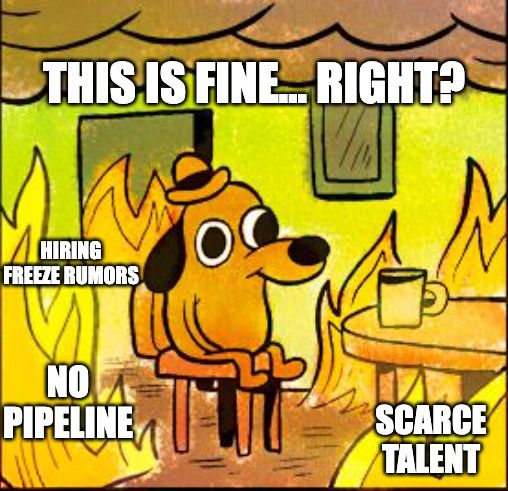
January onboarding chaos, KPI resets, budget freezes, and zero candidate flow — yet the recruiter still stands.
- LINKEDIN · IMAGESince 18 Dec 2025
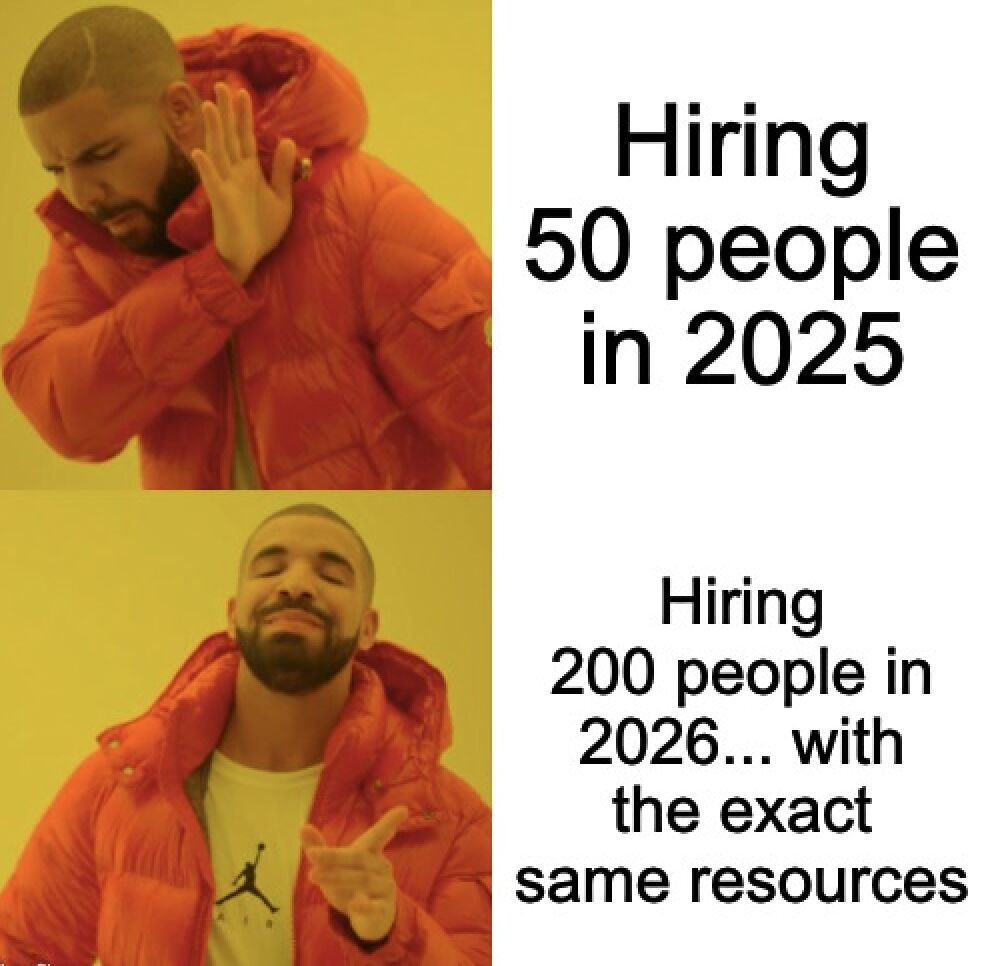
Leadership doubled hiring goals in January and doubled them again in February — with the same team and same budget.
- LINKEDIN · IMAGESince 18 Dec 2025
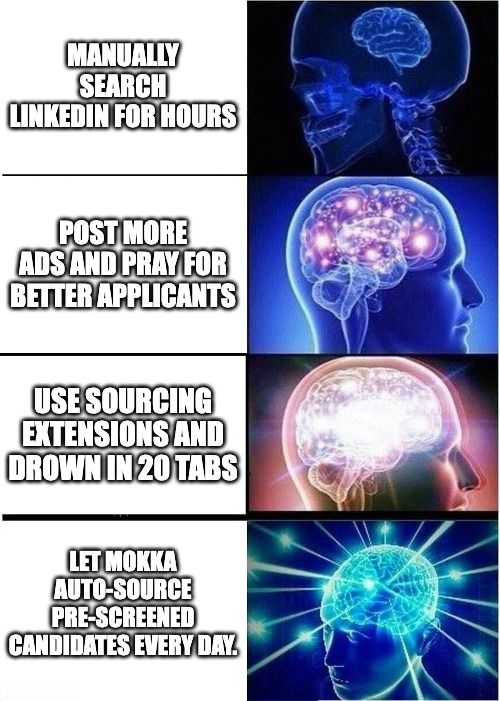
Manual sourcing takes hours, tools break, and the candidate pool stays small.
6 of 69 adsSign up to see every Mokka ad, filter by format and date, and get alerts on new ones.
See all 69 adsWatch the companies you care about.
Filter every ad by industry, country, format and network, and get alerts when a company you watch starts running new ads.